Table of contents and map
Cancun 2026 Travel Guide: Things to Do, Transportation, and Local Tips
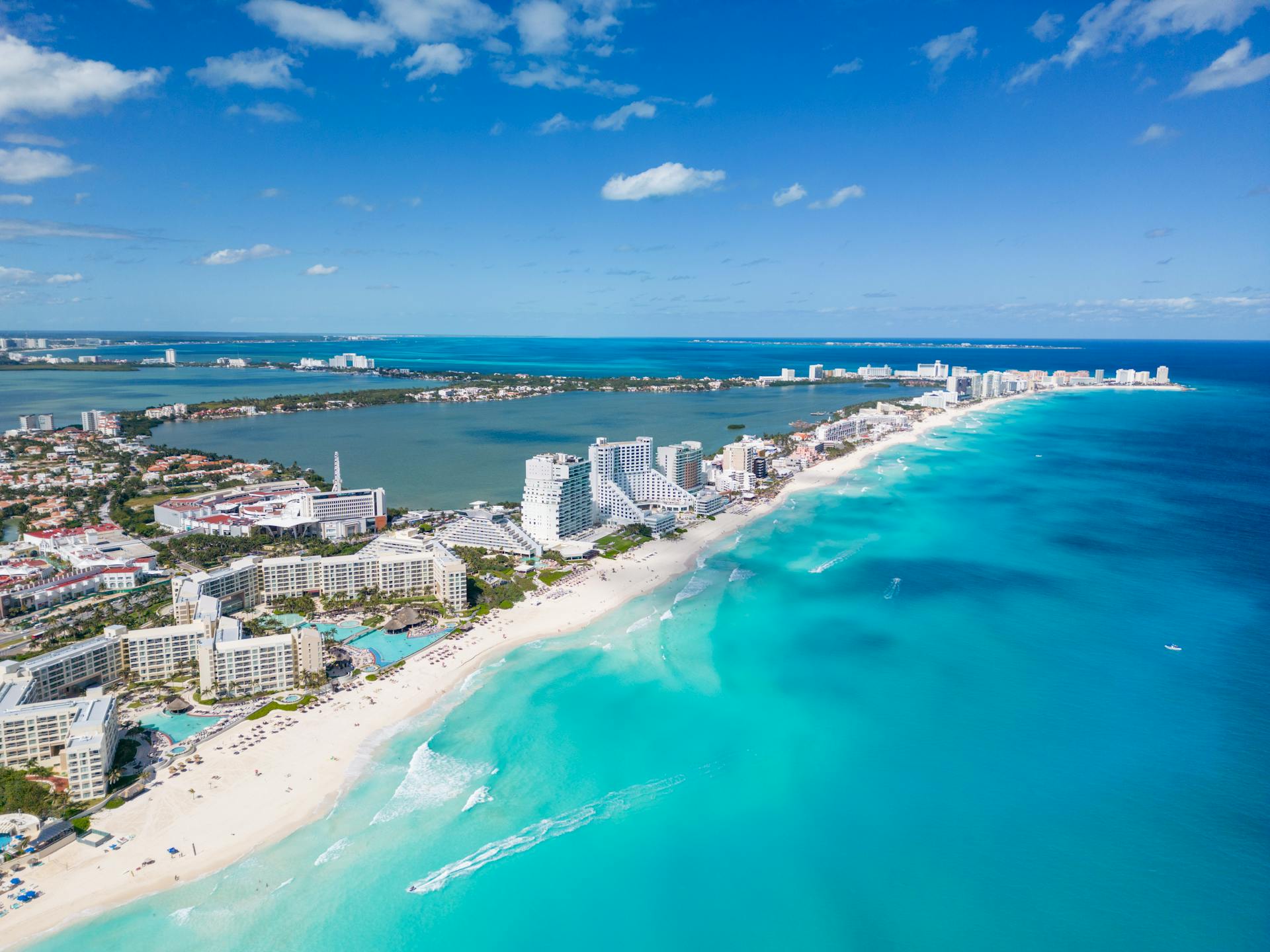
Cancun is so much more than 'all-inclusive' resorts. It is the gateway to the Mexican Caribbean, where the turquoise blue of the sea meets Mayan history. In 2026, with the arrival of the Tren Maya, the destination has transformed into the ideal hub for exploring the entire peninsula on your own.
Cancun 2026 Travel Guide: Things to Do, Transportation, and Local Tips
Cancun is so much more than 'all-inclusive' resorts. It is the gateway to the Mexican Caribbean, where the turquoise blue of the sea meets Mayan history. In 2026, with the arrival of the Tren Maya, the destination has transformed into the ideal hub for exploring the entire peninsula on your own.
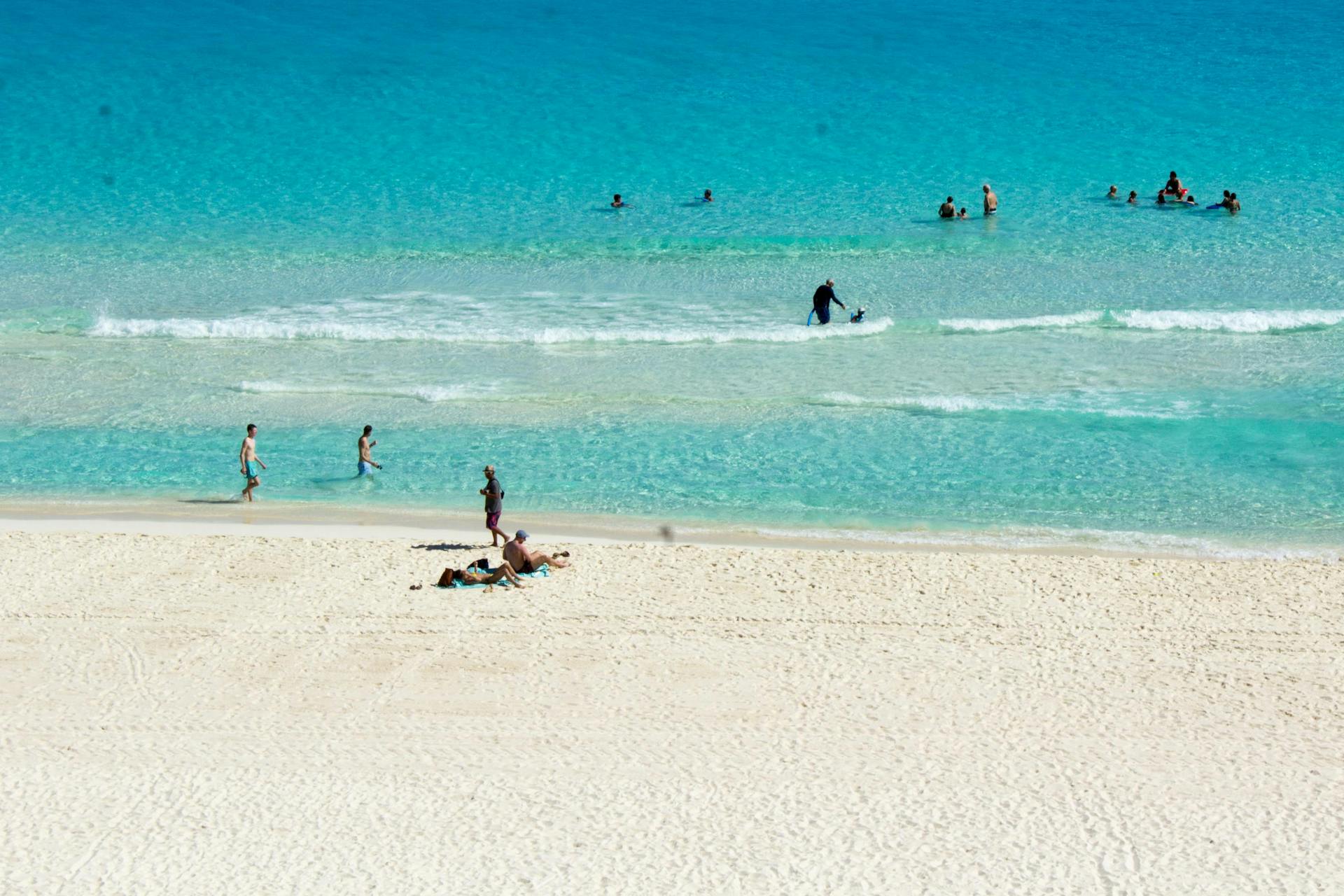
Cancun is a versatile destination that combines relaxation, nature, and culture. Its beaches, proximity to Mayan ruins, and the possibility of exploring islands and cenotes make it an ideal spot for both family vacations and adventure trips. The city is best enjoyed by walking through the Hotel Zone, taking ferries to nearby islands, or using the new infrastructure to explore the Riviera Maya.
Must-See and Do in Cancun
- Hotel Zone: The tourist heart, a strip of land between the Nichupté Lagoon and the Caribbean. Most hotels and shopping centers are concentrated here.
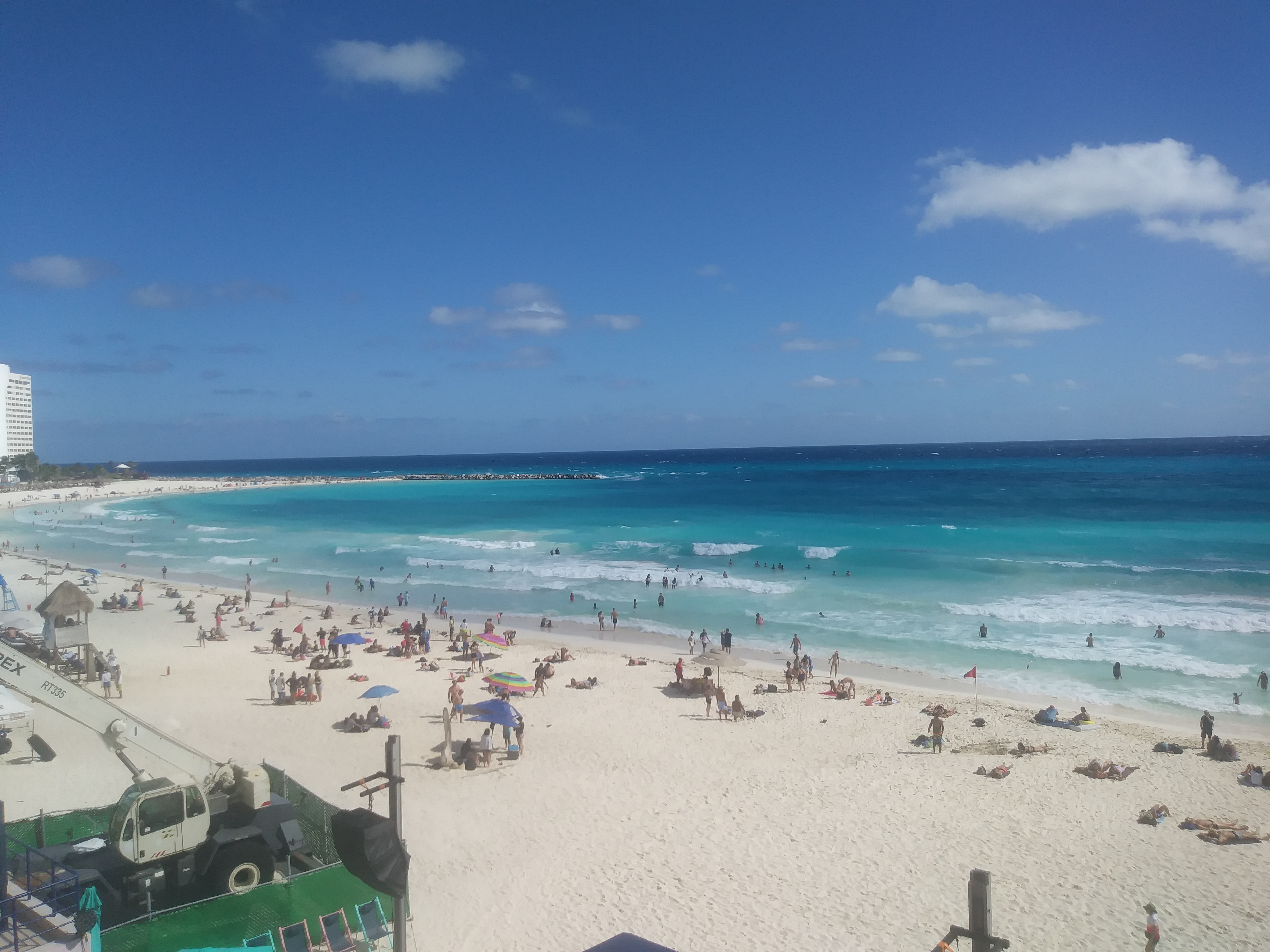
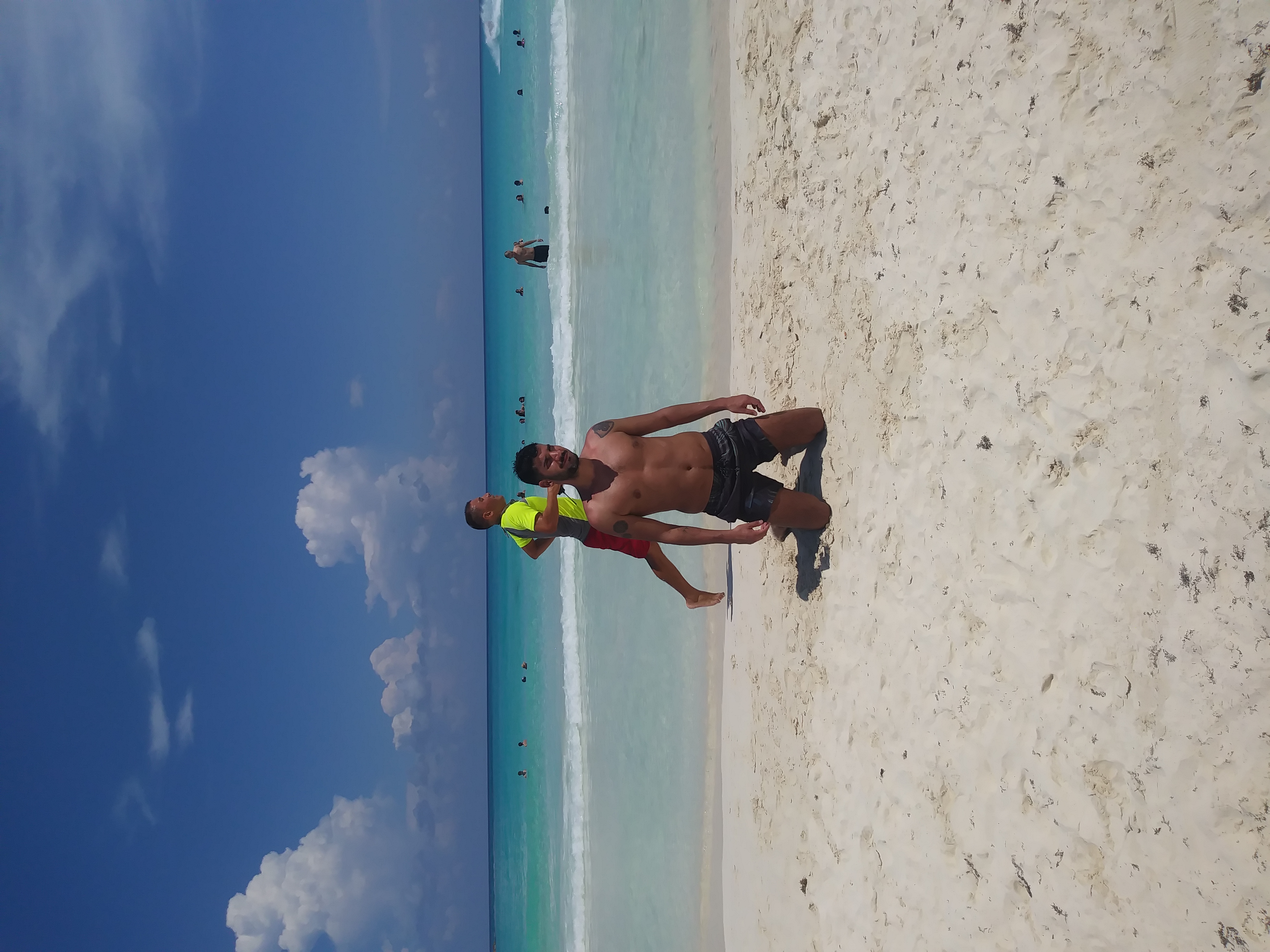
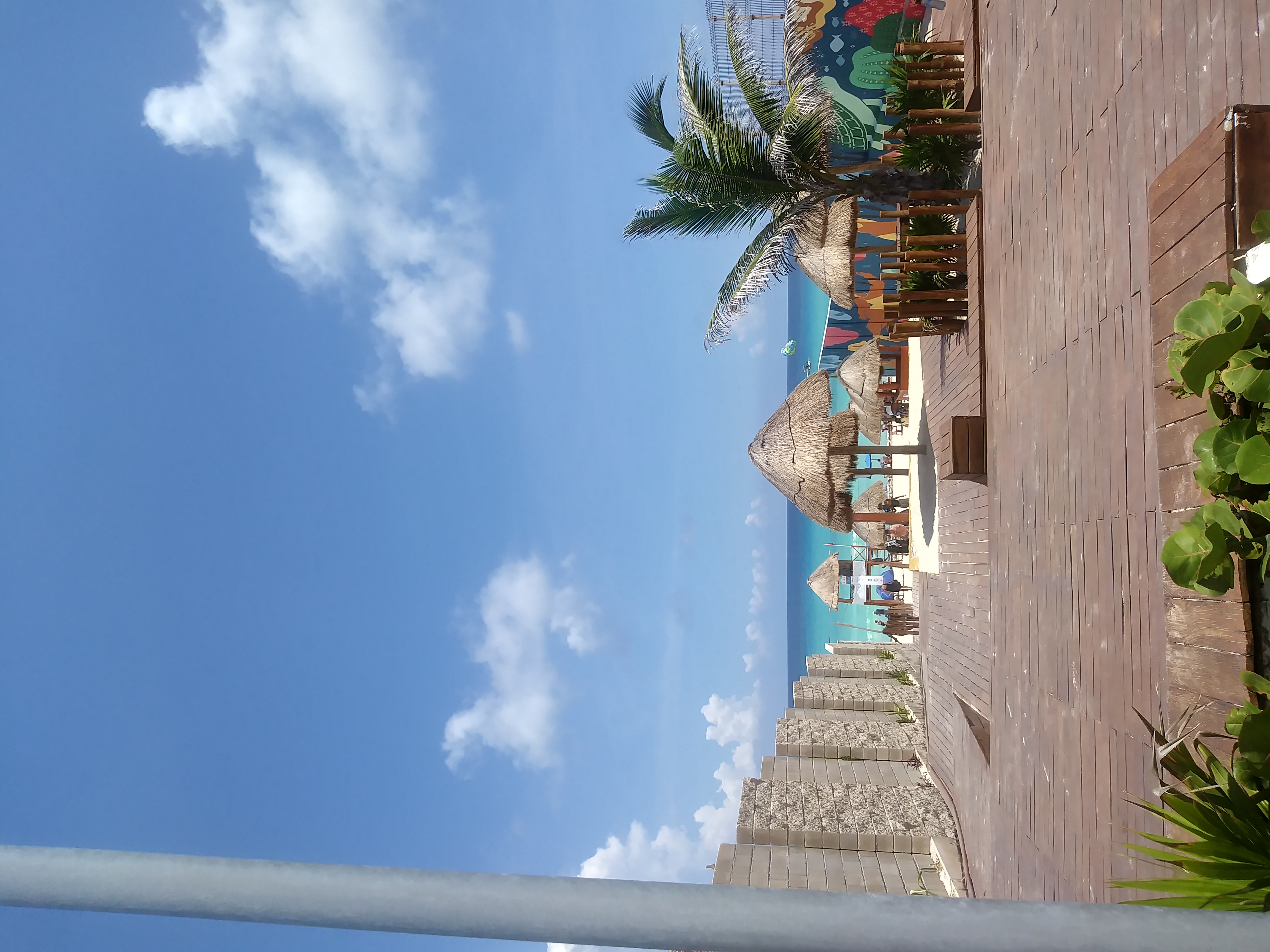
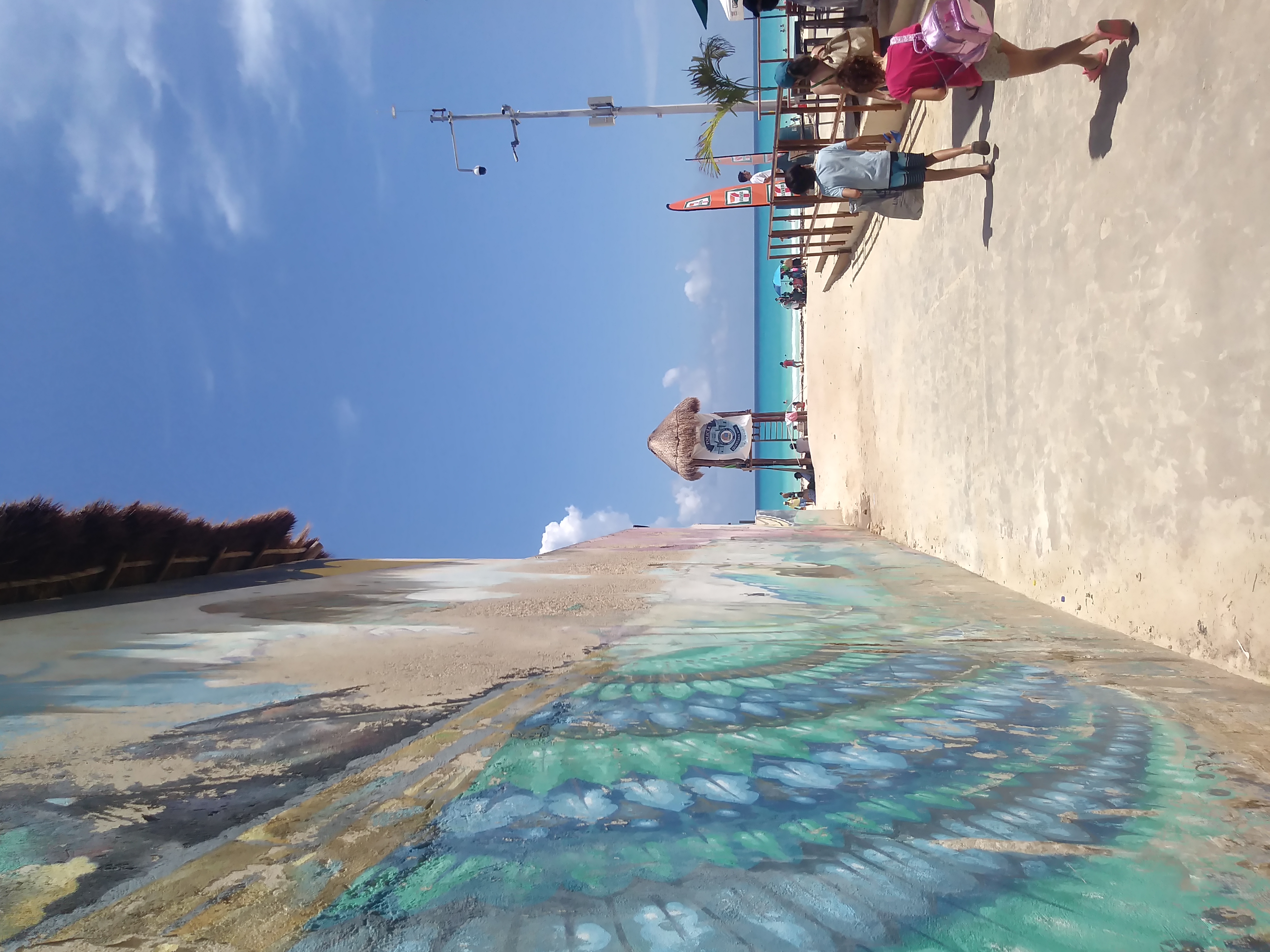
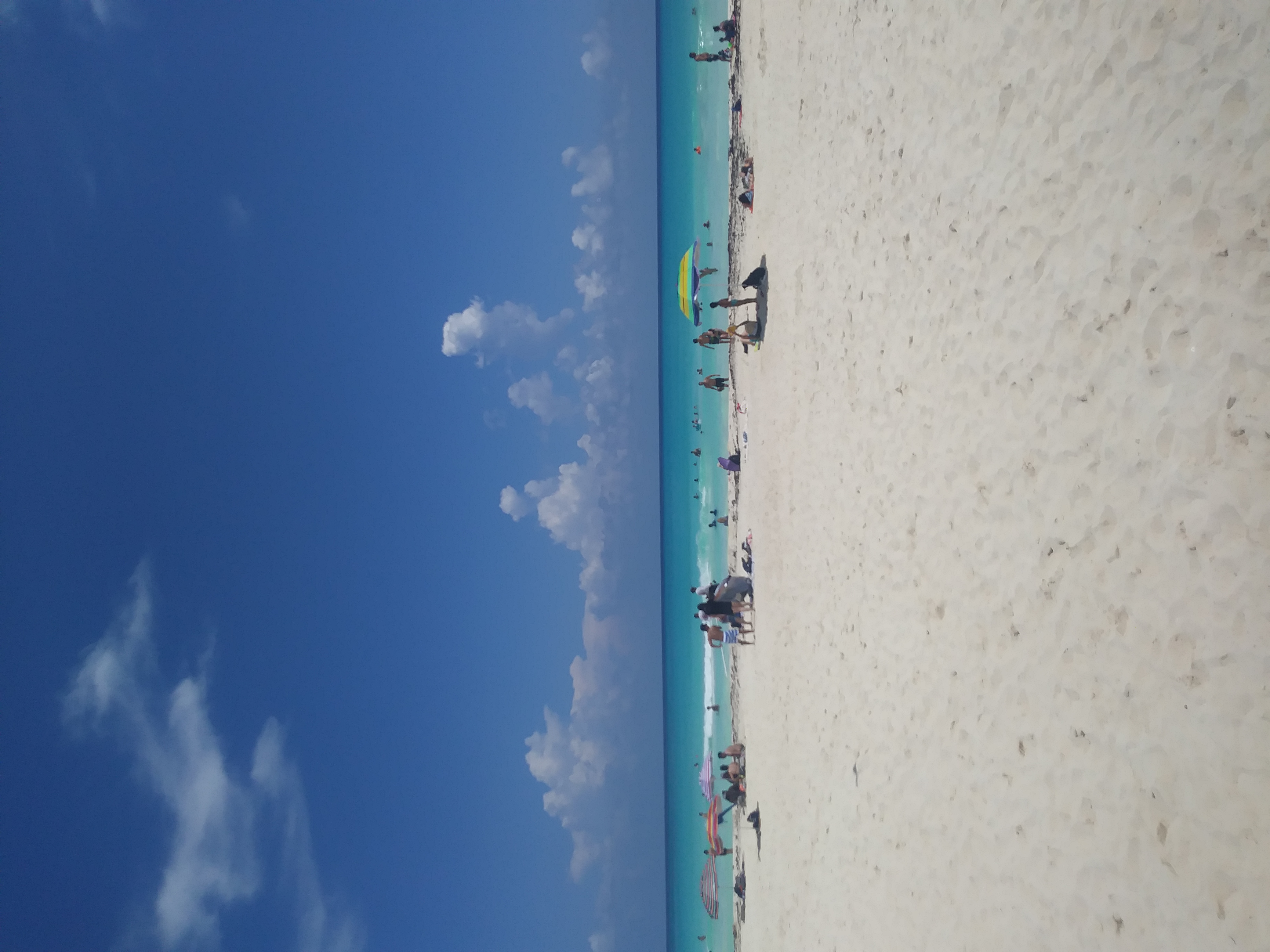
- Playa Delfines: Our favorite. It is one of the few public beaches without massive hotels blocking the view. It features the iconic "CANCÚN" photo spot and an incredible lookout.
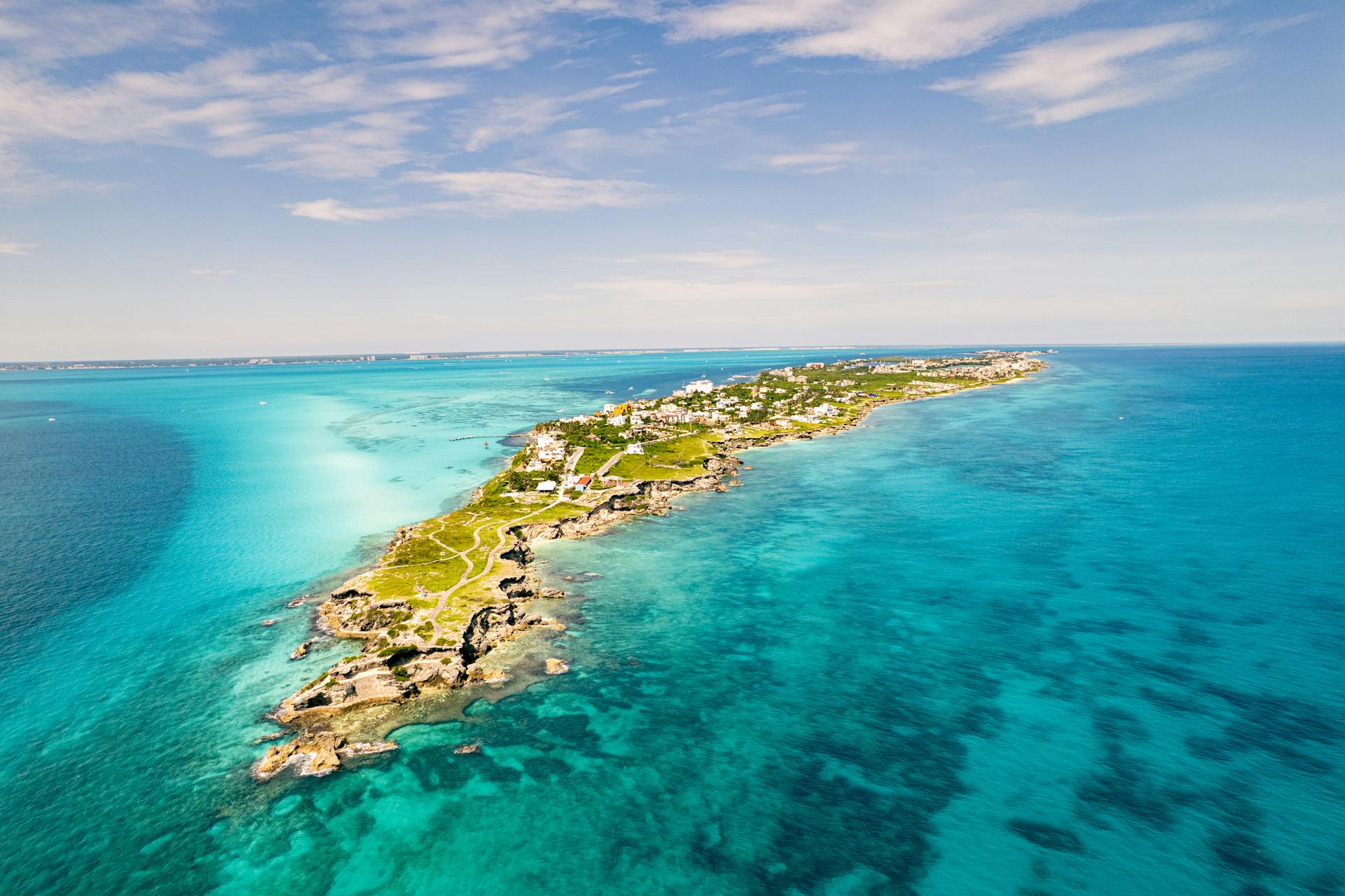
- Isla Mujeres: Just 20 minutes away by ferry. It’s the perfect escape when there is sargassum in Cancun, as Playa Norte is usually protected and the water remains crystal clear. We recommend renting a golf cart to explore it.
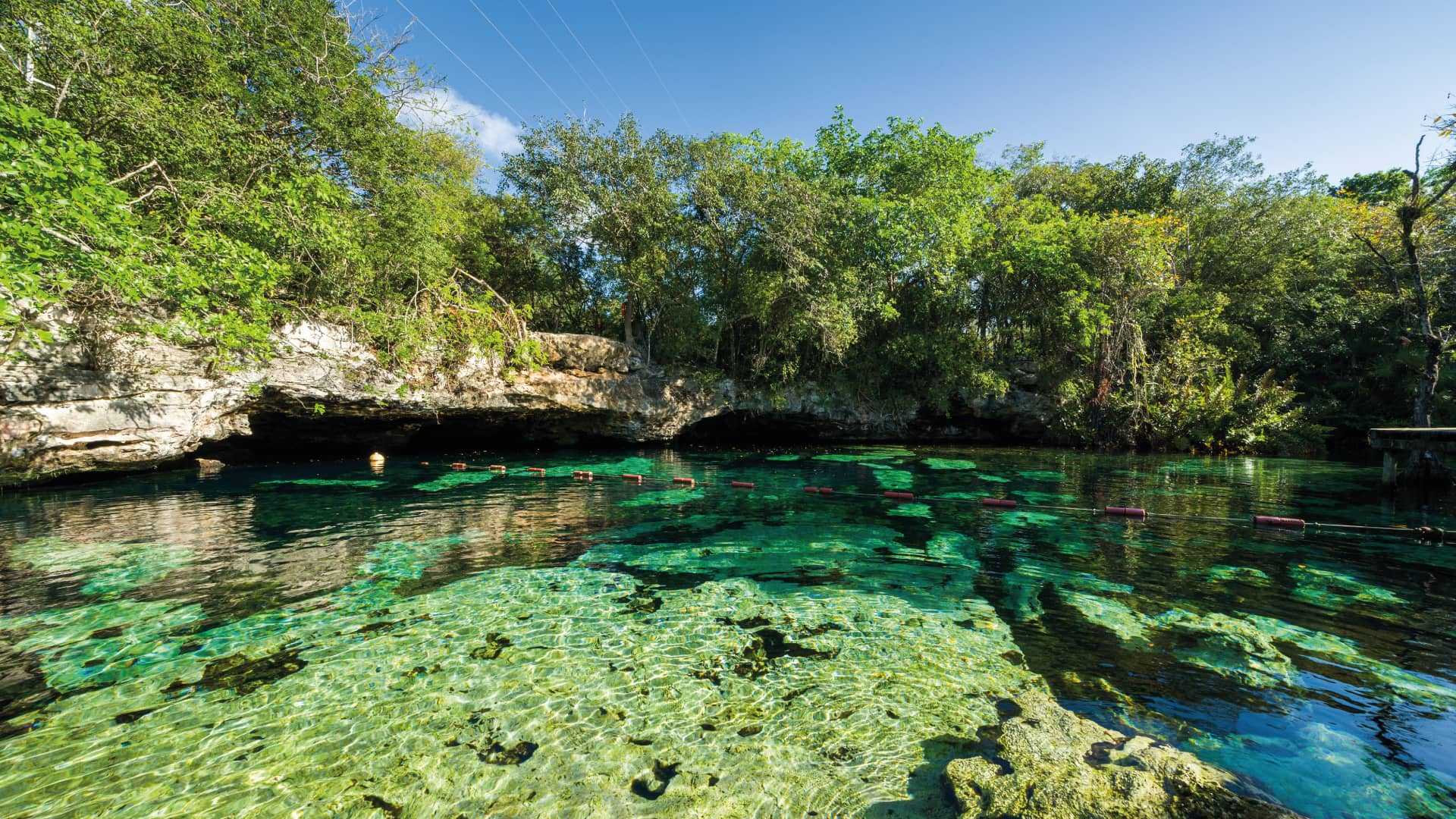
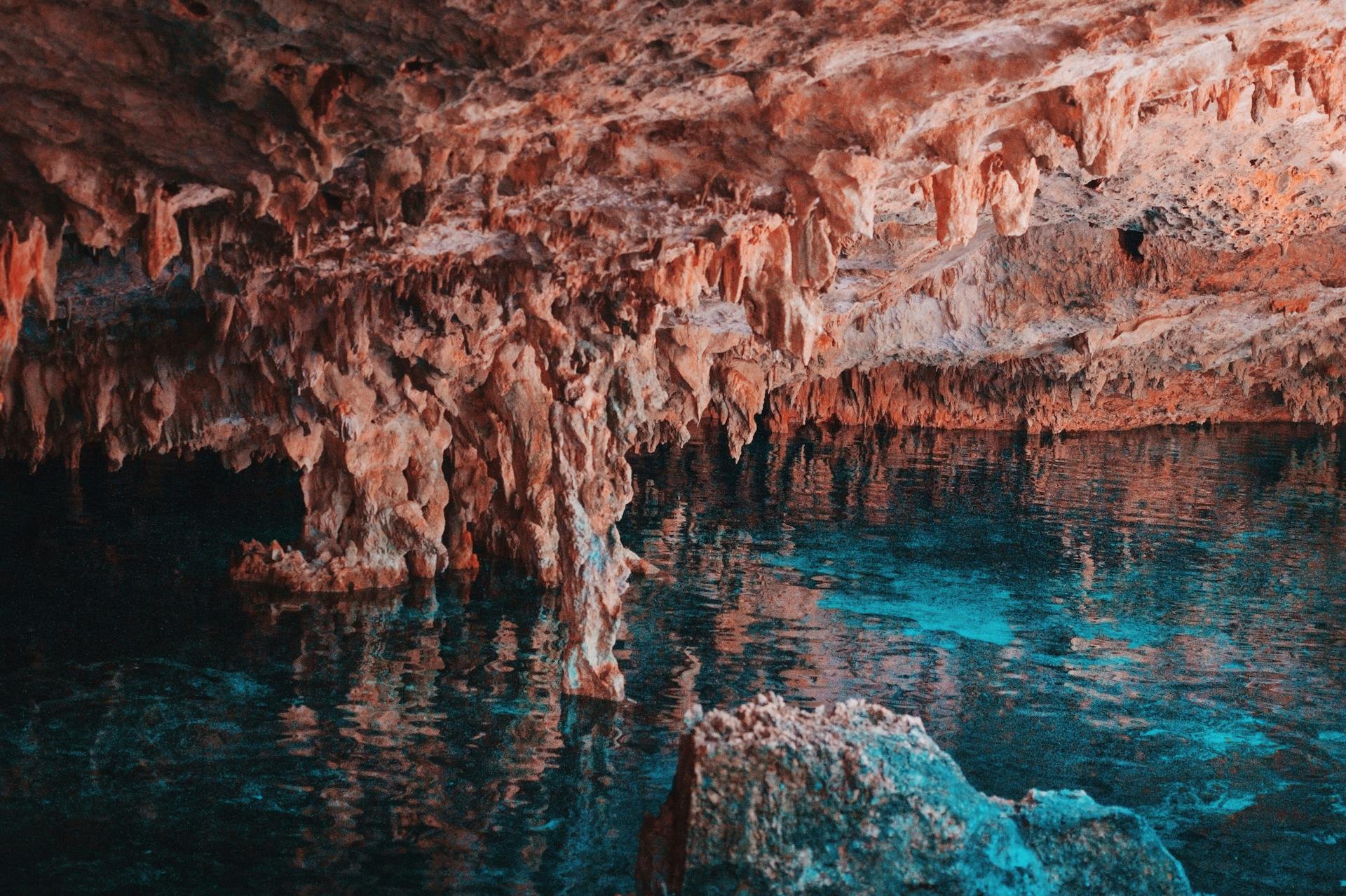
- Cenotes: Although there are none in the Hotel Zone, you are just a step away from the "Ruta de los Cenotes" (Cenote Route) in Puerto Morelos. These are natural freshwater sinkholes ideal for cooling off from the Caribbean heat.
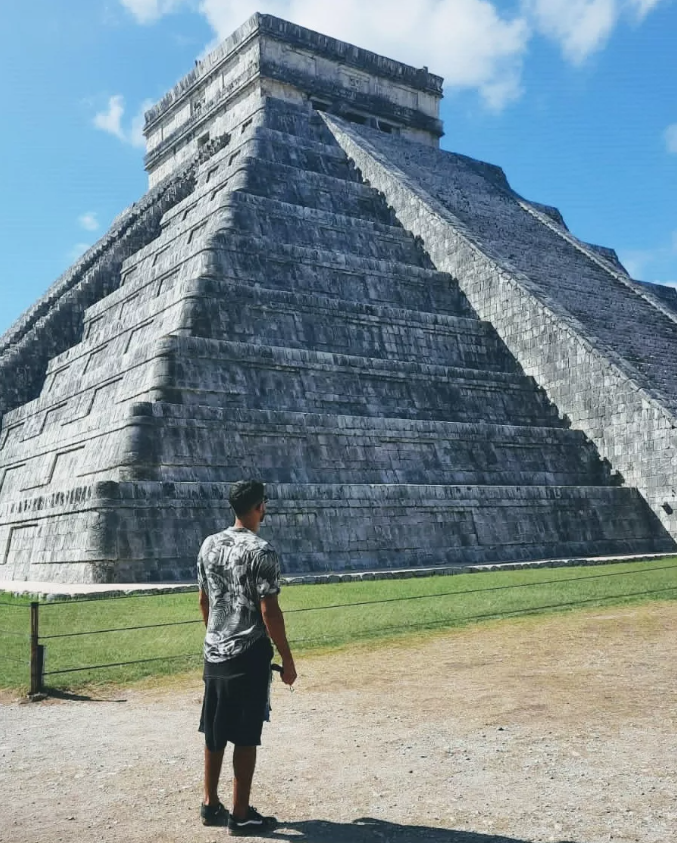
- Chichén Itzá: Located about 2.5 hours away. It is one of the wonders of the world. Local Tip: Go first thing in the morning (8:00 AM) to avoid the extreme heat and the crowds that arrive on midday tours.
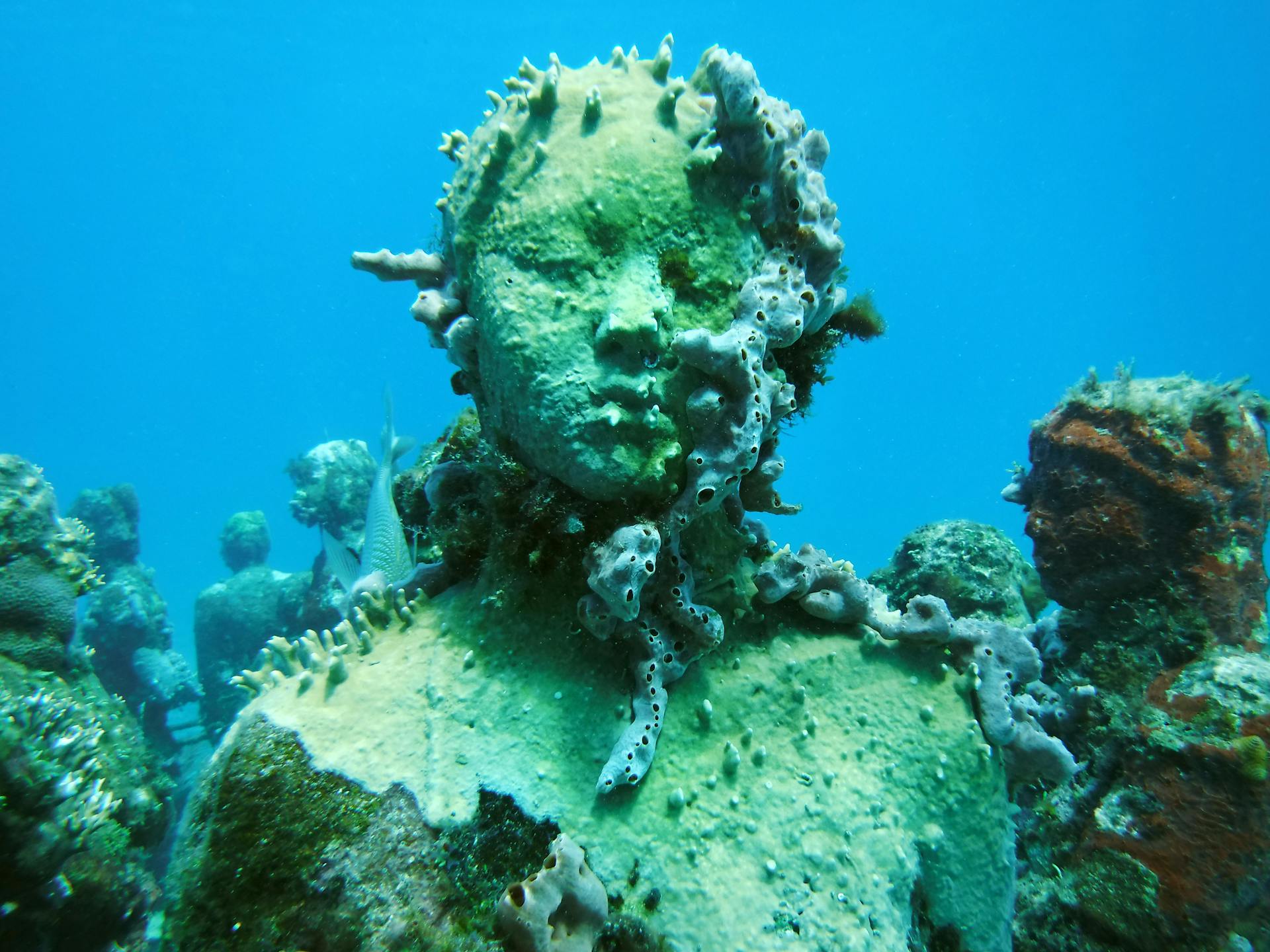
- Underwater Museum of Art (MUSA): An incredible experience for snorkeling or diving among submerged sculptures that now function as artificial reefs.
Beaches and Cenotes: Our Selection
If you want to explore on your own, these are the spots that never fail:
The best public beaches
- Playa Delfines: Our top pick. No large hotels on top of it, an iconic viewpoint, and the famous Cancun sign.
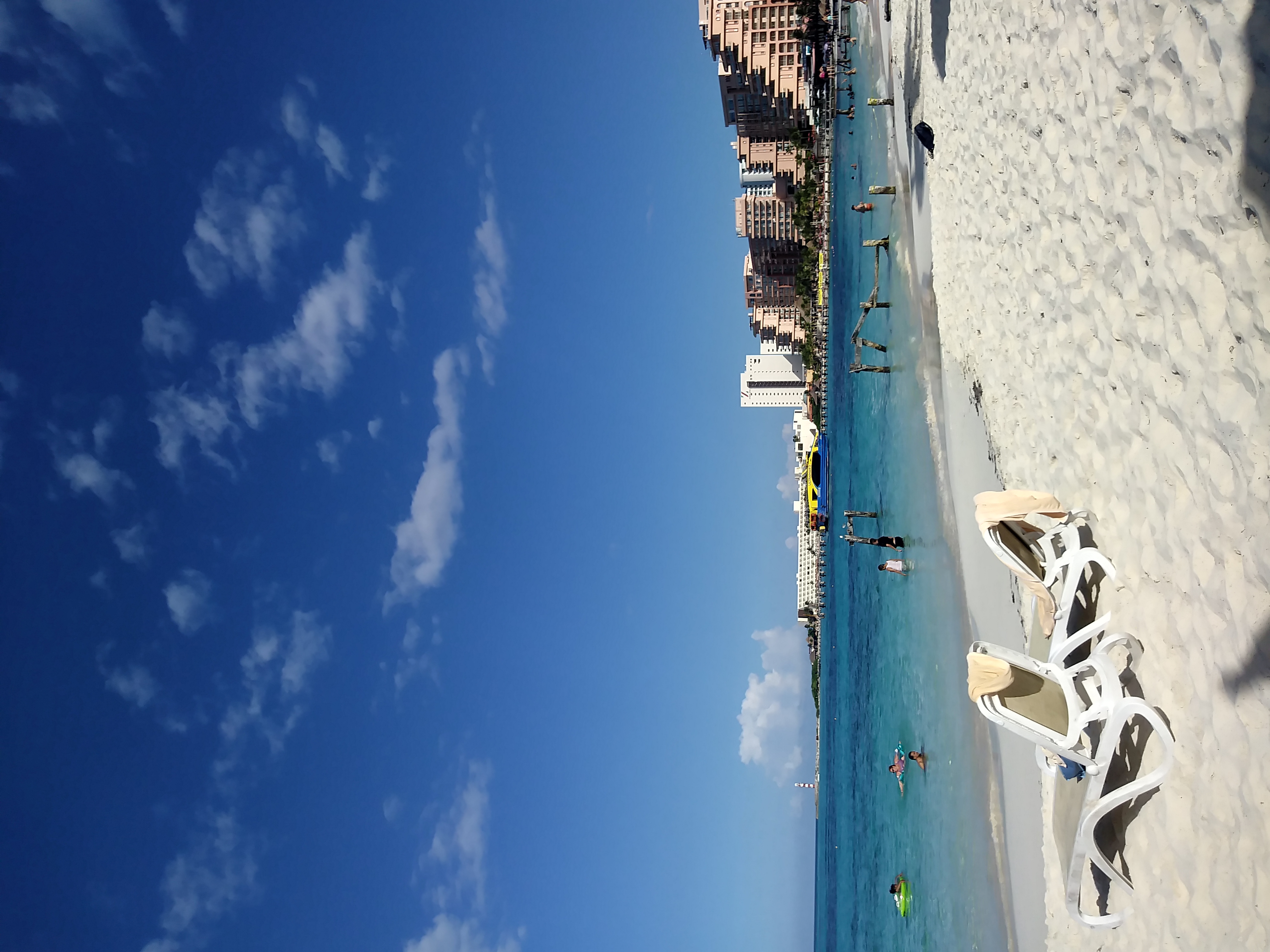
- Playa Langosta: Super calm, shallow waters, ideal if you are looking for something more relaxed, like a "natural pool."
- Playa Marlín: Stronger waves and infinite white sand. Perfect for a walk at sunset.
Cenotes just a step away from Cancun
While there are none in the city itself, you can reach incredible gems in 20-40 minutes:
- Cenote Siete Bocas: Located on the Cenote Route. It has several entrances and a very adventurous vibe.
- Cenote Mojarras: A giant open cenote with ziplines, perfect for spending the day.
- Cenote Azul: A bit further away (towards Playa del Carmen), but a classic with crystal clear water and shallow areas.
How to Get Around Cancun 2026
To ensure your trip goes smoothly, you need to know how the city moves today:
- Tren Maya: The Cancun station now connects directly to the airport. It is the best option for traveling toward Playa del Carmen, Tulum, or even Merida quickly and modernly.
- Local Buses (R1 and R2): The cheapest way to move through the Hotel Zone. They run almost 24/7 and take you to nearly all public beaches and clubs for just a few pesos.
- Uber vs. Taxis: Uber is now operating in Cancun, but the conflict with taxi drivers persists. Use it with great caution; never request one right in front of an official taxi stand to avoid issues.
What to Eat in Cancun (Beyond the resorts)
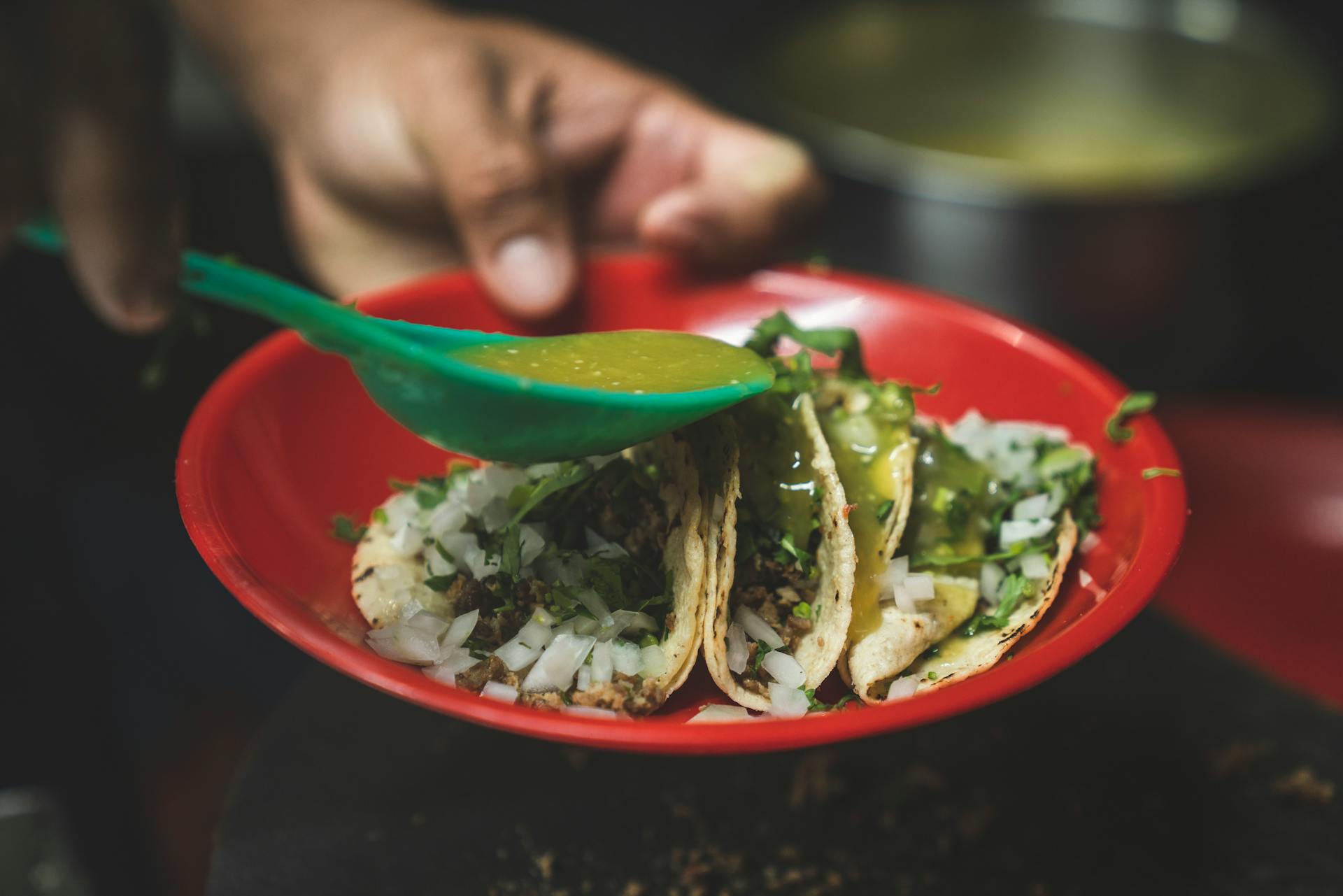
- Parque de las Palapas: If you want real, affordable food, you have to go downtown (Cancun Pueblo). It’s a plaza full of local stalls. Try the Marquesitas (a crunchy wafer filled with cheese and chocolate/Nutella).
- Fish and Shrimp Tacos: A Caribbean classic. Look for small local spots where you see many locals eating.
- Cochinita Pibil: Slow-roasted pork marinated in achiote, a signature flavor of the Yucatan region.
- Aguas Frescas: Jamaica (hibiscus) or Horchata are essential for surviving the Cancun humidity.
Survival Tips
- Sargassum: Seaweed can appear from one day to the next. Before heading to the beach, check live cameras or the "Sargasso Seaweed Observatory" report. If there’s a lot, your Plan B should always be Isla Mujeres or Cozumel.
- Water: Never drink tap water. Buy large jugs (garrafones) at OXXO to save money and plastic.
- Travel Insurance: Don't come without insurance. An accident while snorkeling or a stomach infection at a private clinic in the Hotel Zone can ruin your budget.
- Cash: Although dollars are accepted everywhere, the exchange rate offered is usually terrible. Always pay in Mexican Pesos.
- ATMs: There are many in the Hotel Zone, but commissions are high. Key Tip: When withdrawing, always reject the exchange rate offered by the screen (Decline conversion) so your bank applies the official rate.
Our Experience in Cancun
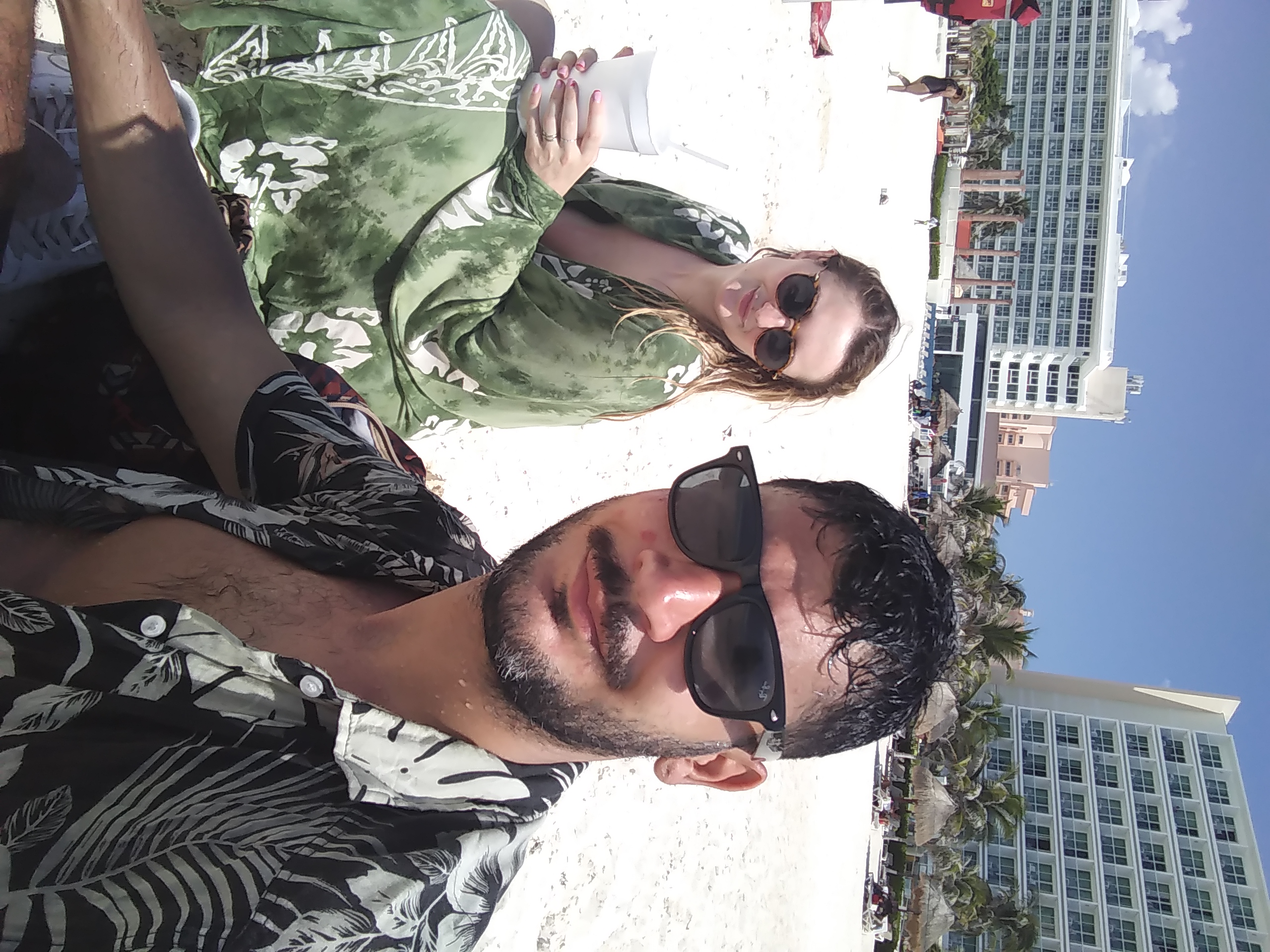
Cancun can be as expensive or as cheap as you want it to be. We learned that moving a bit away from the big hotel area and dining downtown gives you a much more authentic perspective. Use it as a base: sleep in Cancun but take advantage of the Tren Maya connectivity and the buses to discover the Caribbean.
You Might Also Like
- Hotel Zone: The tourist heart, a strip of land between the Nichupté Lagoon and the Caribbean. Most hotels and shopping centers are concentrated here.
- Playa Delfines: Our favorite. It is one of the few public beaches without massive hotels blocking the view. It features the iconic "CANCÚN" photo spot and an incredible lookout.
- Isla Mujeres: Just 20 minutes away by ferry. It’s the perfect escape when there is sargassum in Cancun, as Playa Norte is usually protected and the water remains crystal clear. We recommend renting a golf cart to explore it.
- Cenotes: Although there are none in the Hotel Zone, you are just a step away from the "Ruta de los Cenotes" (Cenote Route) in Puerto Morelos. These are natural freshwater sinkholes ideal for cooling off from the Caribbean heat.
- Chichén Itzá: Located about 2.5 hours away. It is one of the wonders of the world. Local Tip: Go first thing in the morning (8:00 AM) to avoid the extreme heat and the crowds that arrive on midday tours.
- Underwater Museum of Art (MUSA): An incredible experience for snorkeling or diving among submerged sculptures that now function as artificial reefs.
PUBLICIDAD
Travel with Data: Get your Saily eSIM
- ✓Internet in seconds upon landing
- ✓Flexible plans in 180+ countries
- ✓Easy setup directly via the App
If you want to explore on your own, these are the spots that never fail:
The best public beaches
- Playa Delfines: Our top pick. No large hotels on top of it, an iconic viewpoint, and the famous Cancun sign.
- Playa Langosta: Super calm, shallow waters, ideal if you are looking for something more relaxed, like a "natural pool."
- Playa Marlín: Stronger waves and infinite white sand. Perfect for a walk at sunset.
Cenotes just a step away from Cancun
While there are none in the city itself, you can reach incredible gems in 20-40 minutes:
- Cenote Siete Bocas: Located on the Cenote Route. It has several entrances and a very adventurous vibe.
- Cenote Mojarras: A giant open cenote with ziplines, perfect for spending the day.
- Cenote Azul: A bit further away (towards Playa del Carmen), but a classic with crystal clear water and shallow areas.
To ensure your trip goes smoothly, you need to know how the city moves today:
- Tren Maya: The Cancun station now connects directly to the airport. It is the best option for traveling toward Playa del Carmen, Tulum, or even Merida quickly and modernly.
- Local Buses (R1 and R2): The cheapest way to move through the Hotel Zone. They run almost 24/7 and take you to nearly all public beaches and clubs for just a few pesos.
- Uber vs. Taxis: Uber is now operating in Cancun, but the conflict with taxi drivers persists. Use it with great caution; never request one right in front of an official taxi stand to avoid issues.
- Parque de las Palapas: If you want real, affordable food, you have to go downtown (Cancun Pueblo). It’s a plaza full of local stalls. Try the Marquesitas (a crunchy wafer filled with cheese and chocolate/Nutella).
- Fish and Shrimp Tacos: A Caribbean classic. Look for small local spots where you see many locals eating.
- Cochinita Pibil: Slow-roasted pork marinated in achiote, a signature flavor of the Yucatan region.
- Aguas Frescas: Jamaica (hibiscus) or Horchata are essential for surviving the Cancun humidity.
- Sargassum: Seaweed can appear from one day to the next. Before heading to the beach, check live cameras or the "Sargasso Seaweed Observatory" report. If there’s a lot, your Plan B should always be Isla Mujeres or Cozumel.
- Water: Never drink tap water. Buy large jugs (garrafones) at OXXO to save money and plastic.
- Travel Insurance: Don't come without insurance. An accident while snorkeling or a stomach infection at a private clinic in the Hotel Zone can ruin your budget.
- Cash: Although dollars are accepted everywhere, the exchange rate offered is usually terrible. Always pay in Mexican Pesos.
- ATMs: There are many in the Hotel Zone, but commissions are high. Key Tip: When withdrawing, always reject the exchange rate offered by the screen (Decline conversion) so your bank applies the official rate.
Cancun can be as expensive or as cheap as you want it to be. We learned that moving a bit away from the big hotel area and dining downtown gives you a much more authentic perspective. Use it as a base: sleep in Cancun but take advantage of the Tren Maya connectivity and the buses to discover the Caribbean.
Galery

PUBLICIDAD
International Travel Insurance
- ✓International medical insurance
- ✓24/7 immediate assistance in your language
- ✓Ideal for trekking & adventure
Posts in Mexico
Preferences
Language
Color
Text
Width