Table of contents and map
11 destinos que visitar en México 2026: Riviera Maya, CDMX, Pacífico y consejos locales
México es un país intenso y lleno de carácter. Desde las ruinas mayas frente al mar turquesa hasta el caos fascinante de la capital, es un destino que te cambia el ritmo. Pasamos 6 meses viviendo su cultura y te contamos todo para que lo recorras por libre.
11 destinos que visitar en México 2026: Riviera Maya, CDMX, Pacífico y consejos locales
México es un país intenso y lleno de carácter. Desde las ruinas mayas frente al mar turquesa hasta el caos fascinante de la capital, es un destino que te cambia el ritmo. Pasamos 6 meses viviendo su cultura y te contamos todo para que lo recorras por libre.
Pasamos seis meses viviendo en México, principalmente en la Riviera Maya (entre Cancún, Playa del Carmen y Tulum) y un tiempo en la Ciudad de México. México no es un país que se visita, es un país que se experimenta a través de sus sabores, su música y su gente.
Cada región parece un país distinto: el ritmo relajado del Caribe no tiene nada que ver con la intensidad vibrante de CDMX. Viajar por aquí es aceptar un contraste constante entre lo ancestral y lo moderno.
11 destinos que visitar en México: De la Selva a la Metrópolis
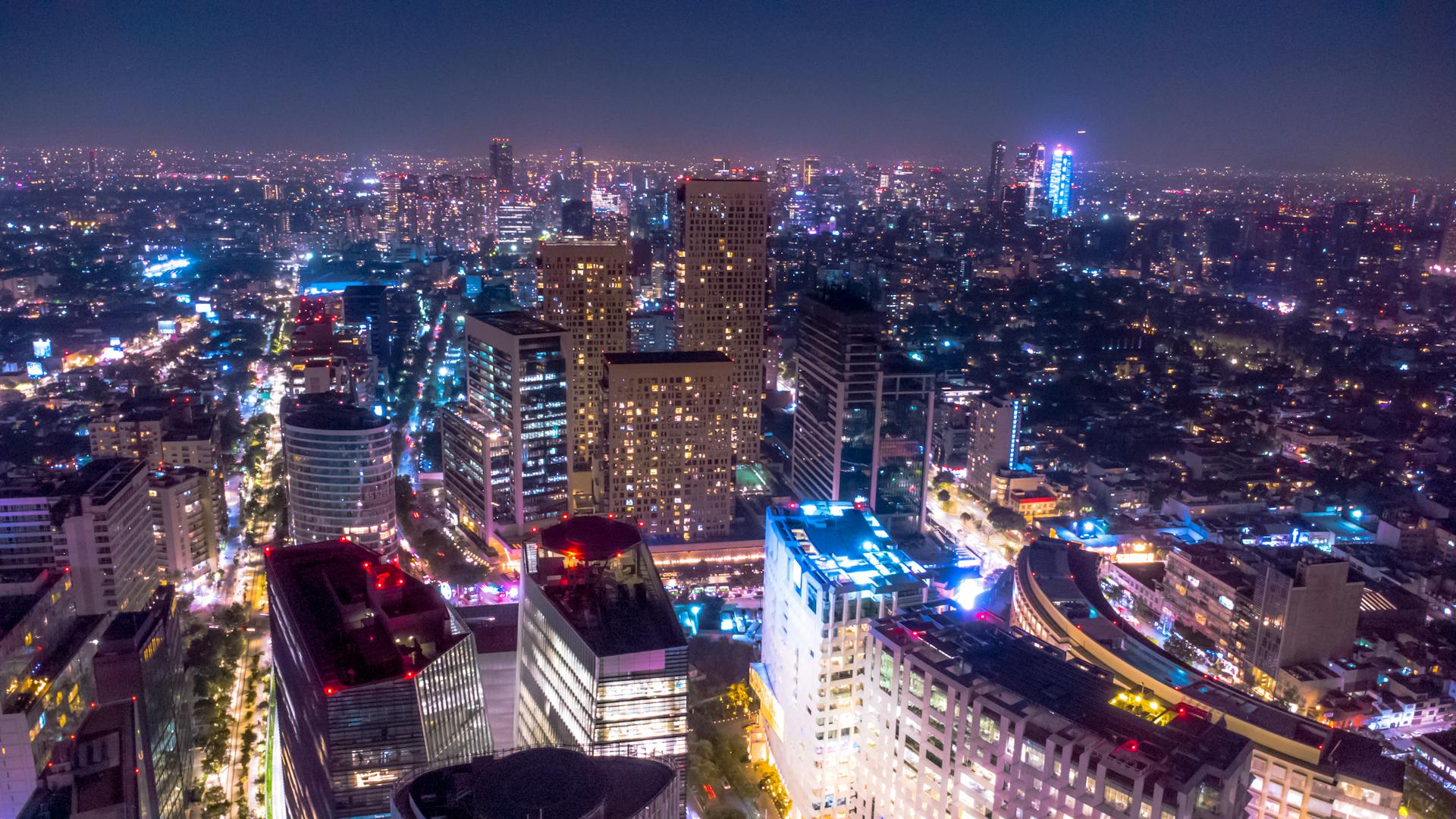
1- Ciudad de México (CDMX): Una de las capitales más fascinantes del mundo. No te pierdas Coyoacán, las pirámides de Teotihuacán y la comida callejera.
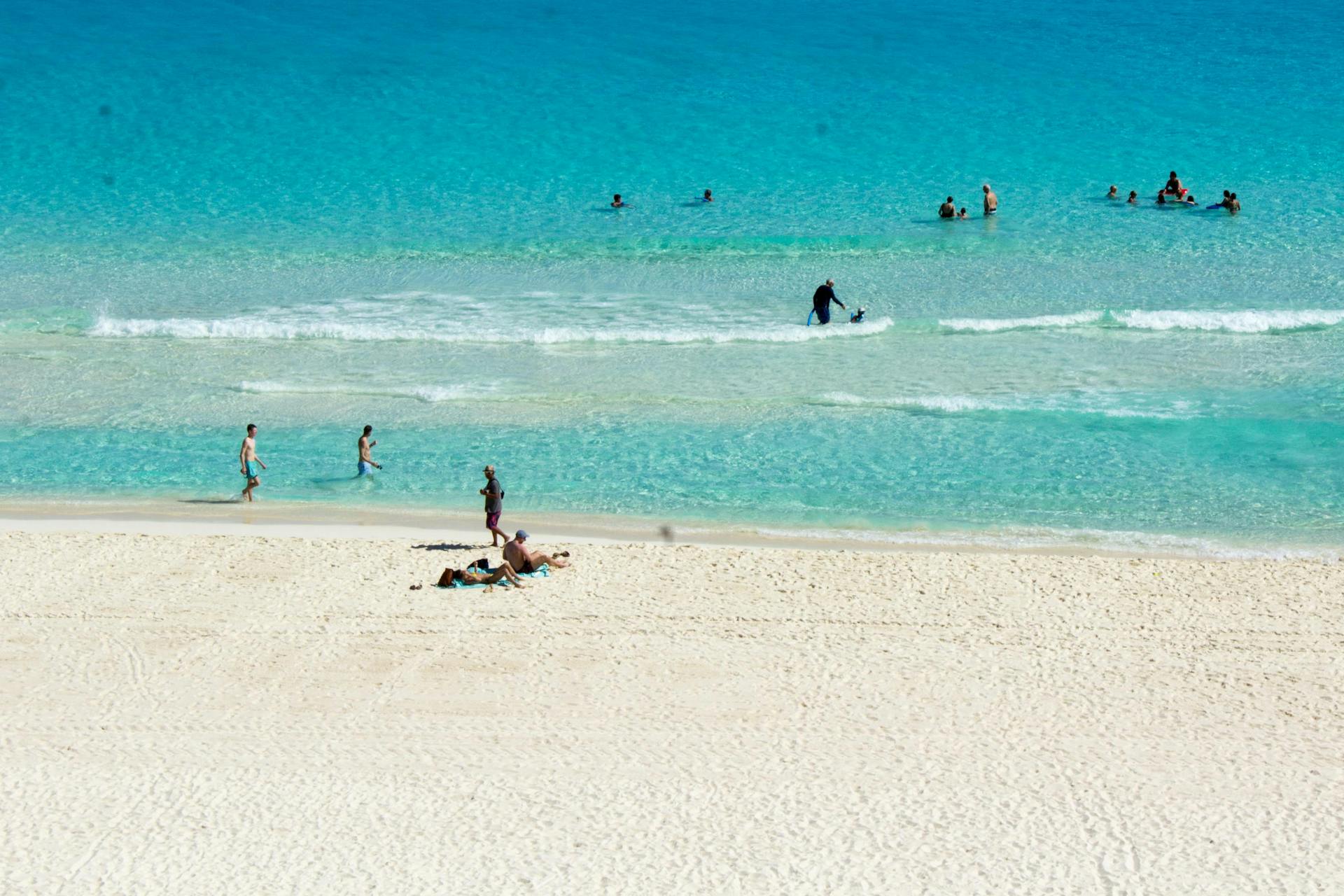
2- Cancún: Las mejores playas.
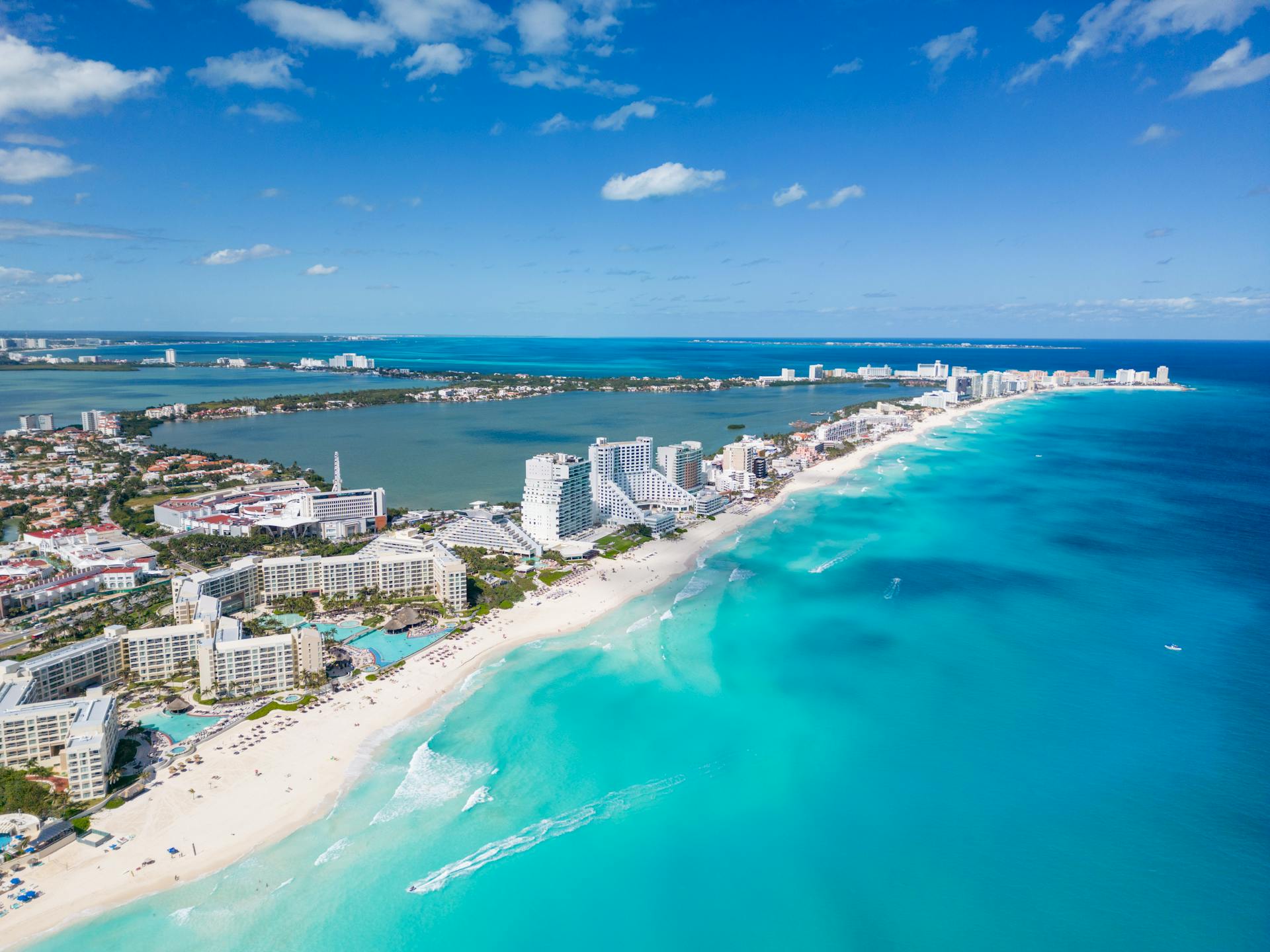
3- Playa del Carmen: Combinación de ciudad más caminable y playas.
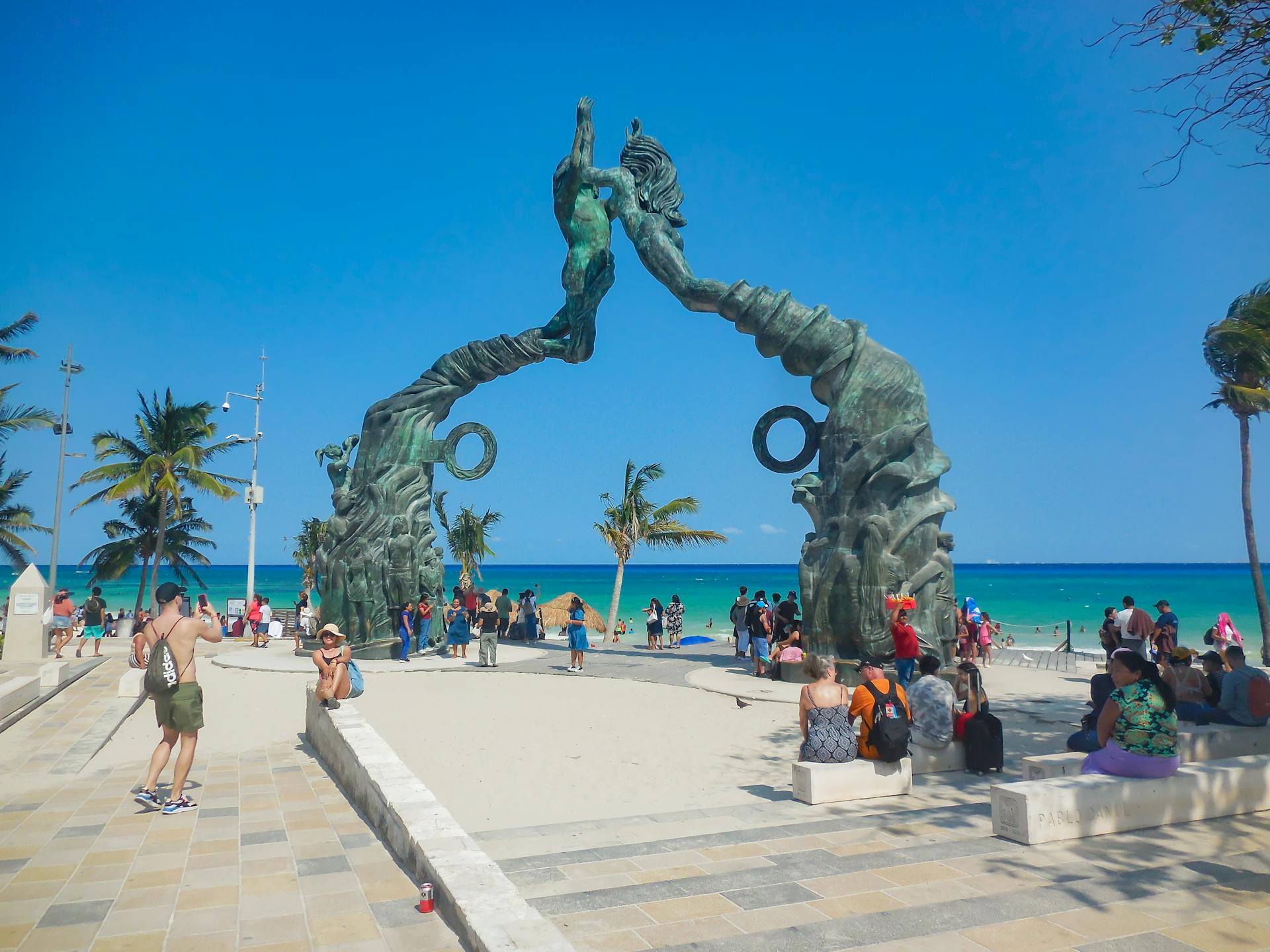
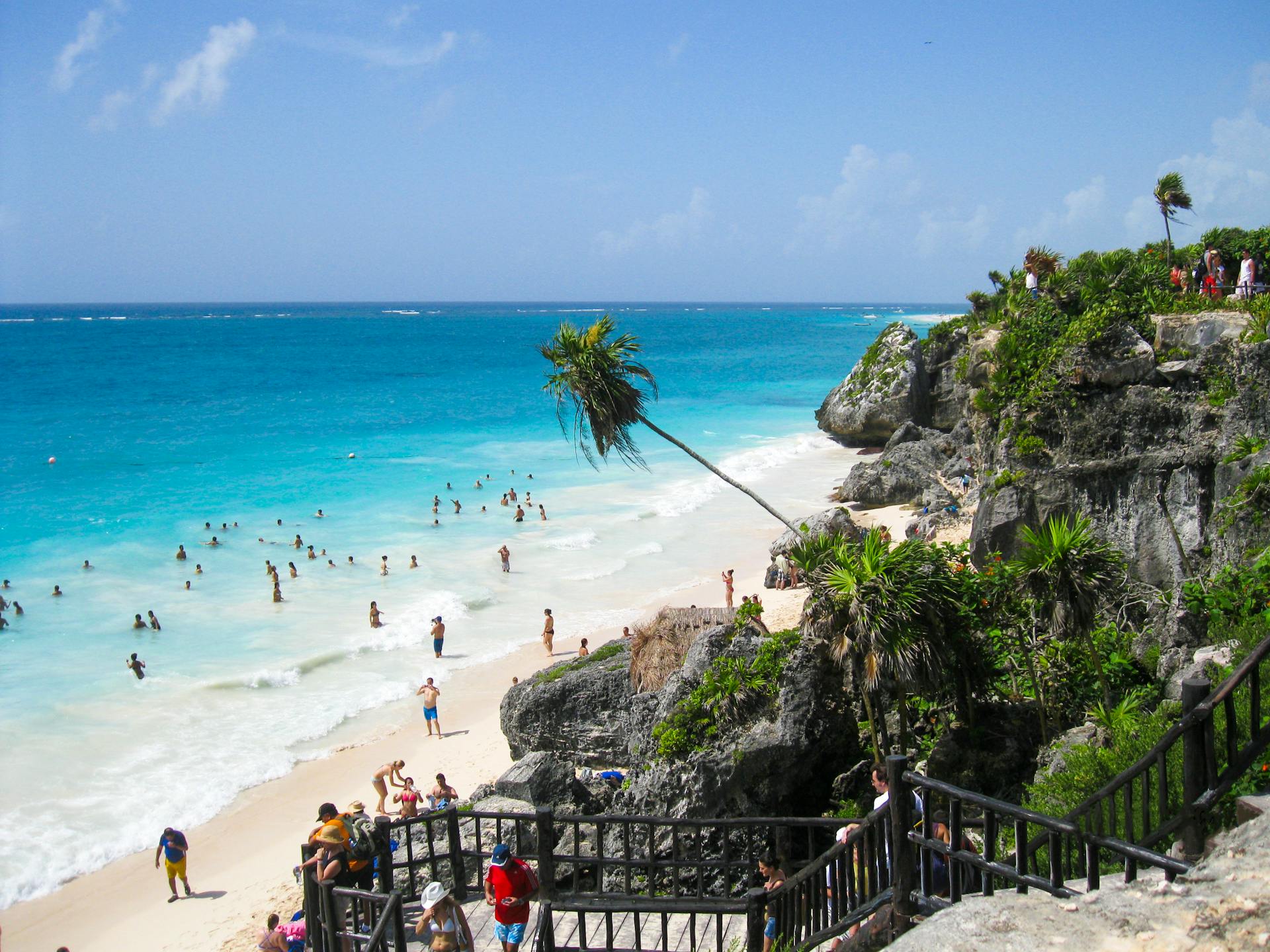
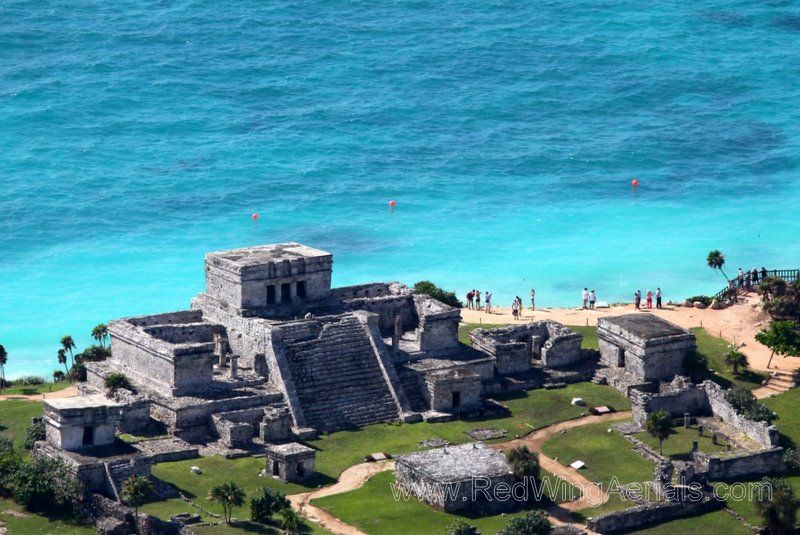
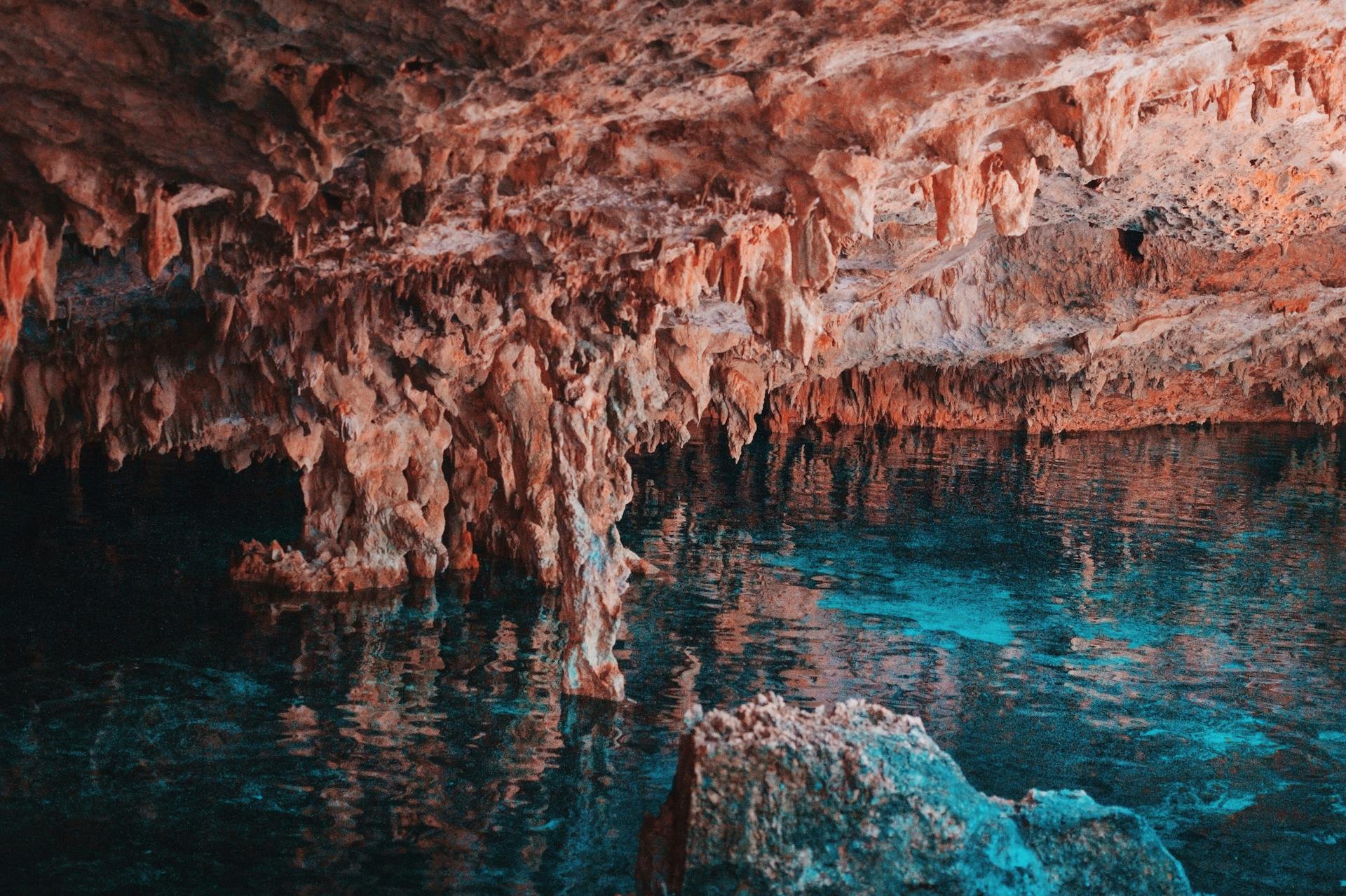
4- Tulum: El paraíso de los cenotes y las ruinas junto al mar.
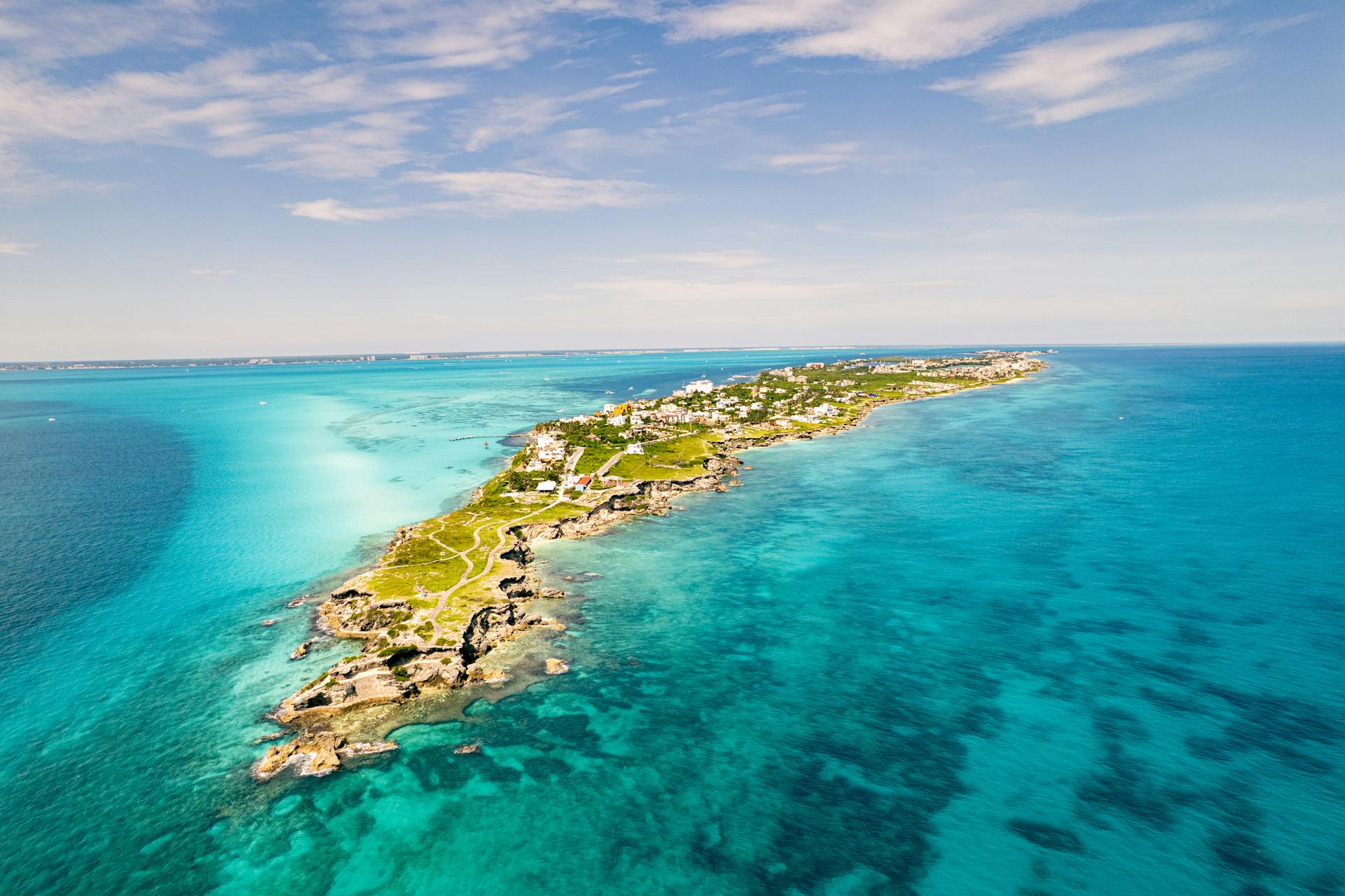
5- Isla Mujeres: Tranquilidad, escapada ideal de Cancún.
6- Cozumel: Ideal para el snorkel y refugio anti-sargazo.
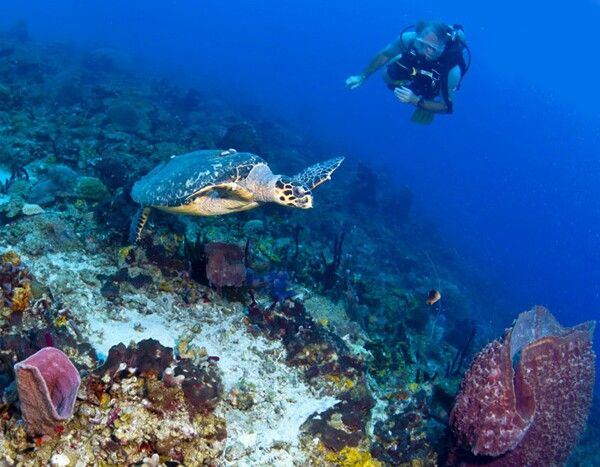
7- Oaxaca: El corazón gastronómico de México. Si buscás autenticidad y cultura viva, es aquí.
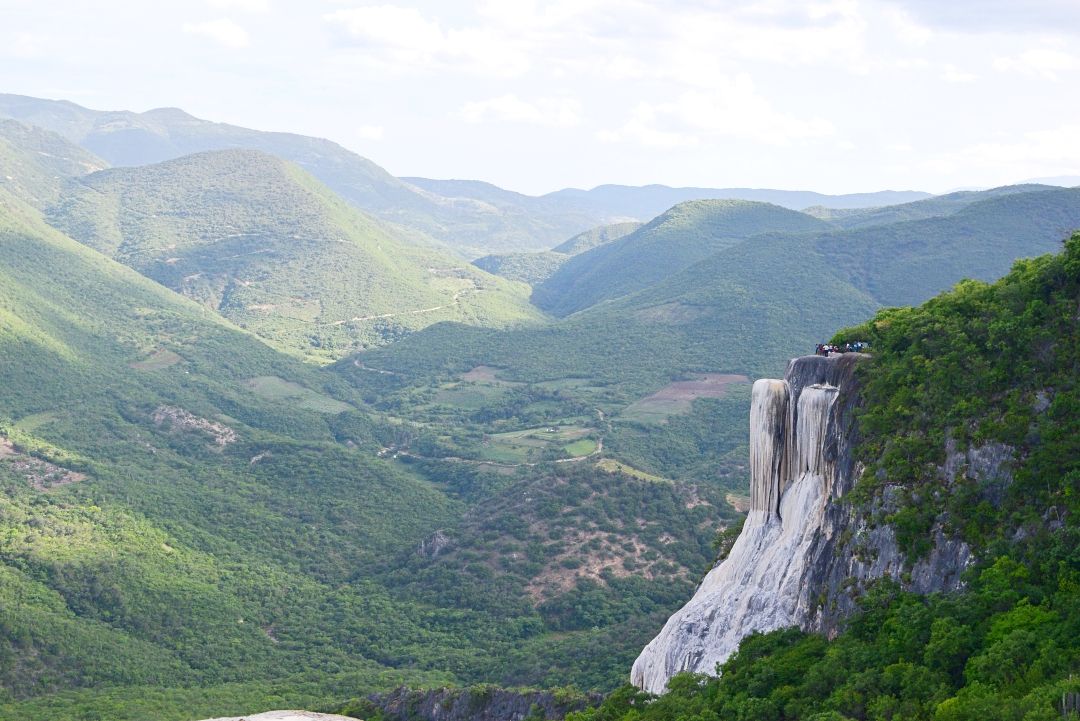
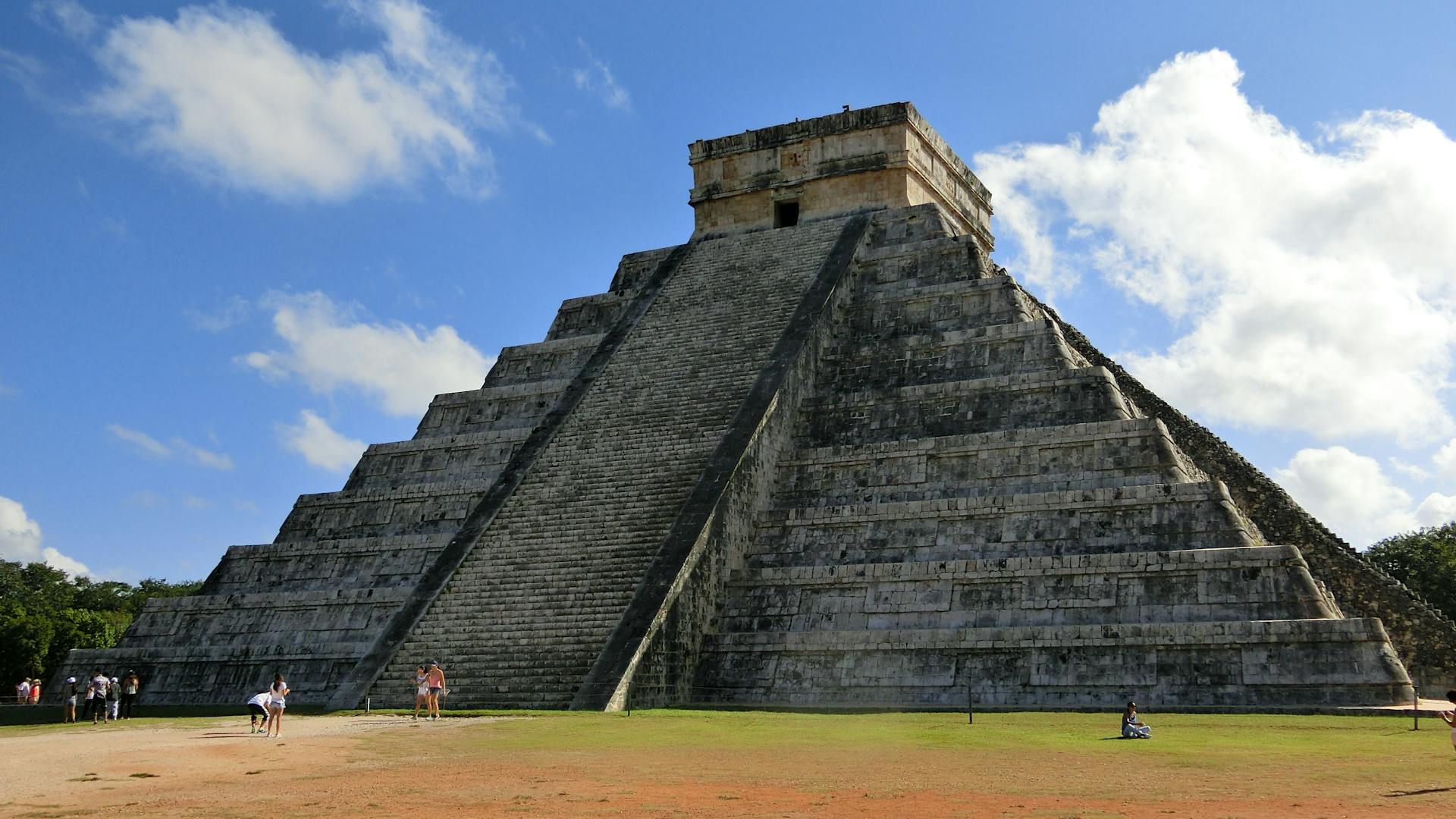
8- Chichén Itzá: Una de las maravillas del mundo. Tip local: Andá a primera hora (8:00 AM) para ganarle a los tours que llegan de Cancún.
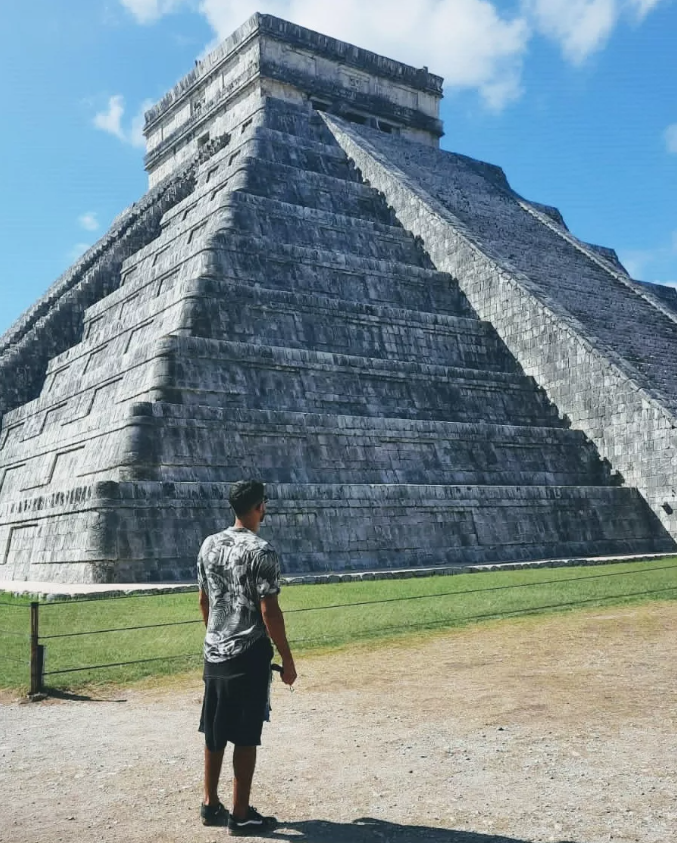
9- La Costa del Pacífico: Destinos como Puerto Vallarta, Sayulita (ideal para surf) y Mazatlán. Es un México de atardeceres en el mar y una vibra más relajada que el Caribe.
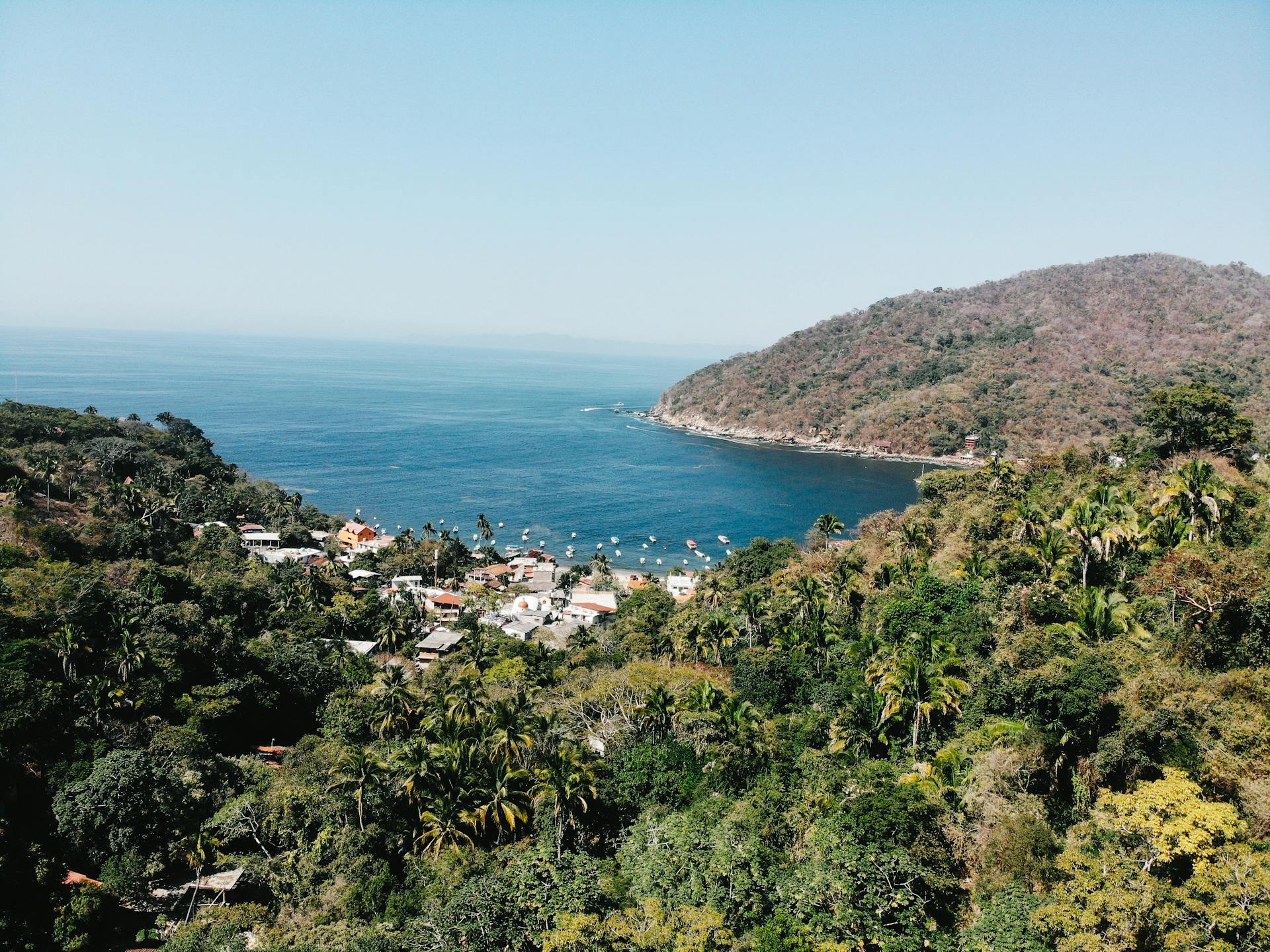
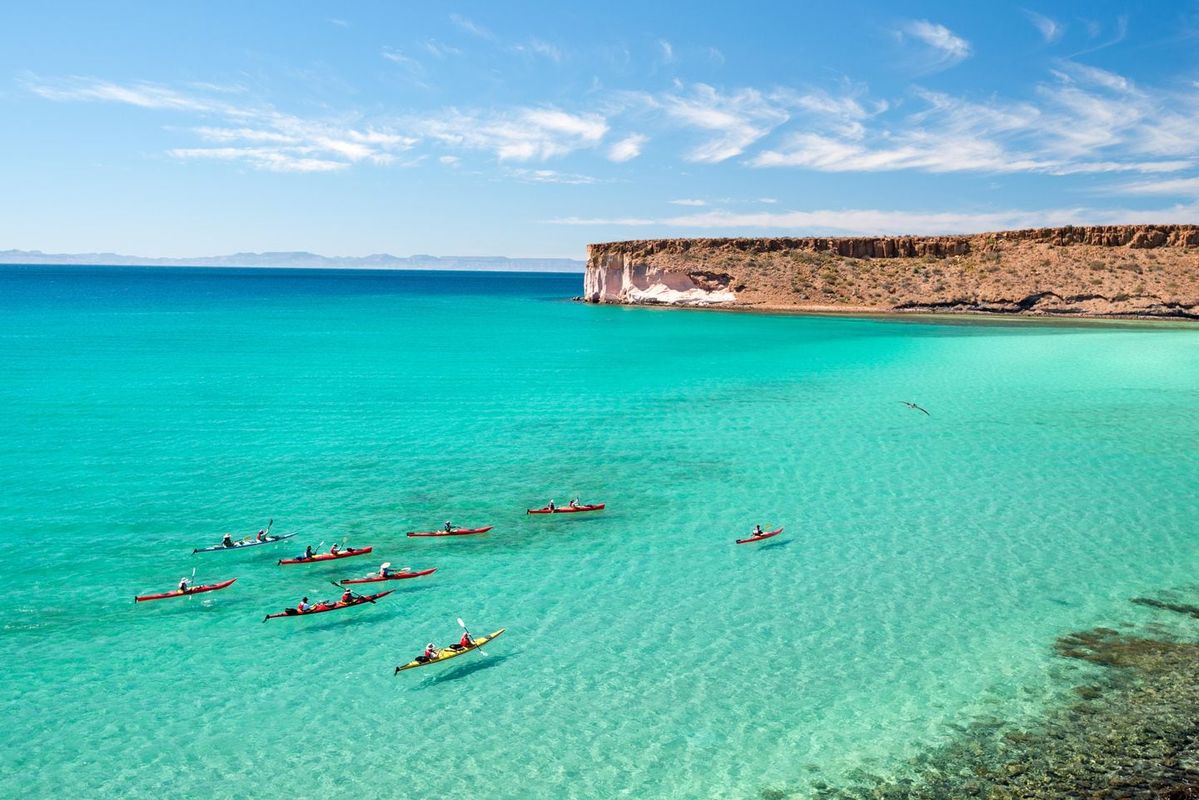
10- Baja California: Famosa por el avistaje de ballenas en el Mar de Cortés, los viñedos del Valle de Guadalupe y los paisajes desérticos de Los Cabos.
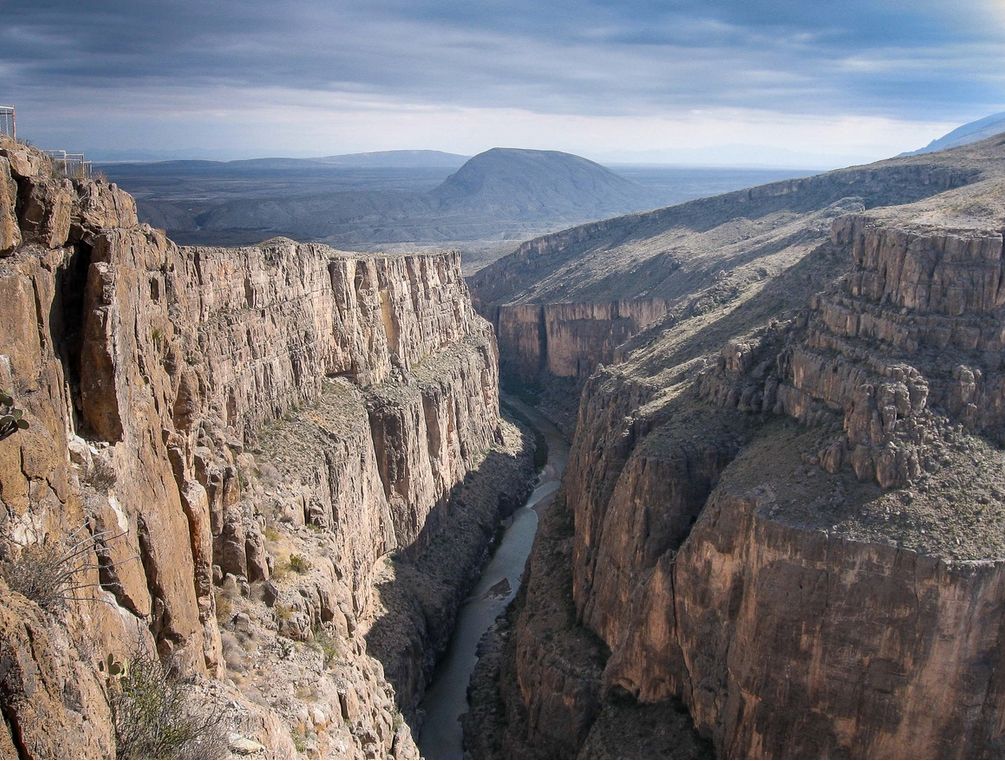
11- El Norte y las Barrancas del Cobre: Un viaje épico en el tren "El Chepe" a través de cañones impresionantes entre Chihuahua y Sinaloa.
Logística 2026: Cómo moverse
Para planificar tus trayectos en 2026, estas son las mejores opciones según tu plan:
- Tren Maya (El nuevo gigante): Ideal para distancias largas en el Sureste (Cancún, Mérida, Bacalar). Es cómodo y moderno, aunque de costo medio-alto.
- Buses ADO (La vieja confiable): Lo mejor para moverte entre ciudades principales con confort y puntualidad. Costo medio.
- Colectivos (Vans): La opción más barata para tramos cortos en la Riviera Maya (como ir de Playa del Carmen a un cenote). Para mí súper incómodas: son pequeñas y a veces están sobrepobladas.
- Apps (Uber/Didi): Funcionan excelente en CDMX. En Quintana Roo, usarlas con mucha precaución por conflictos locales.
Qué comer: El mapa de sabores
- Tacos: Probá los Al Pastor (con piña) y los de Cochinita Pibil (típicos de Yucatán).
- Chilaquiles: El desayuno de los campeones. Tortillas con salsa, queso, crema y huevo o pollo.
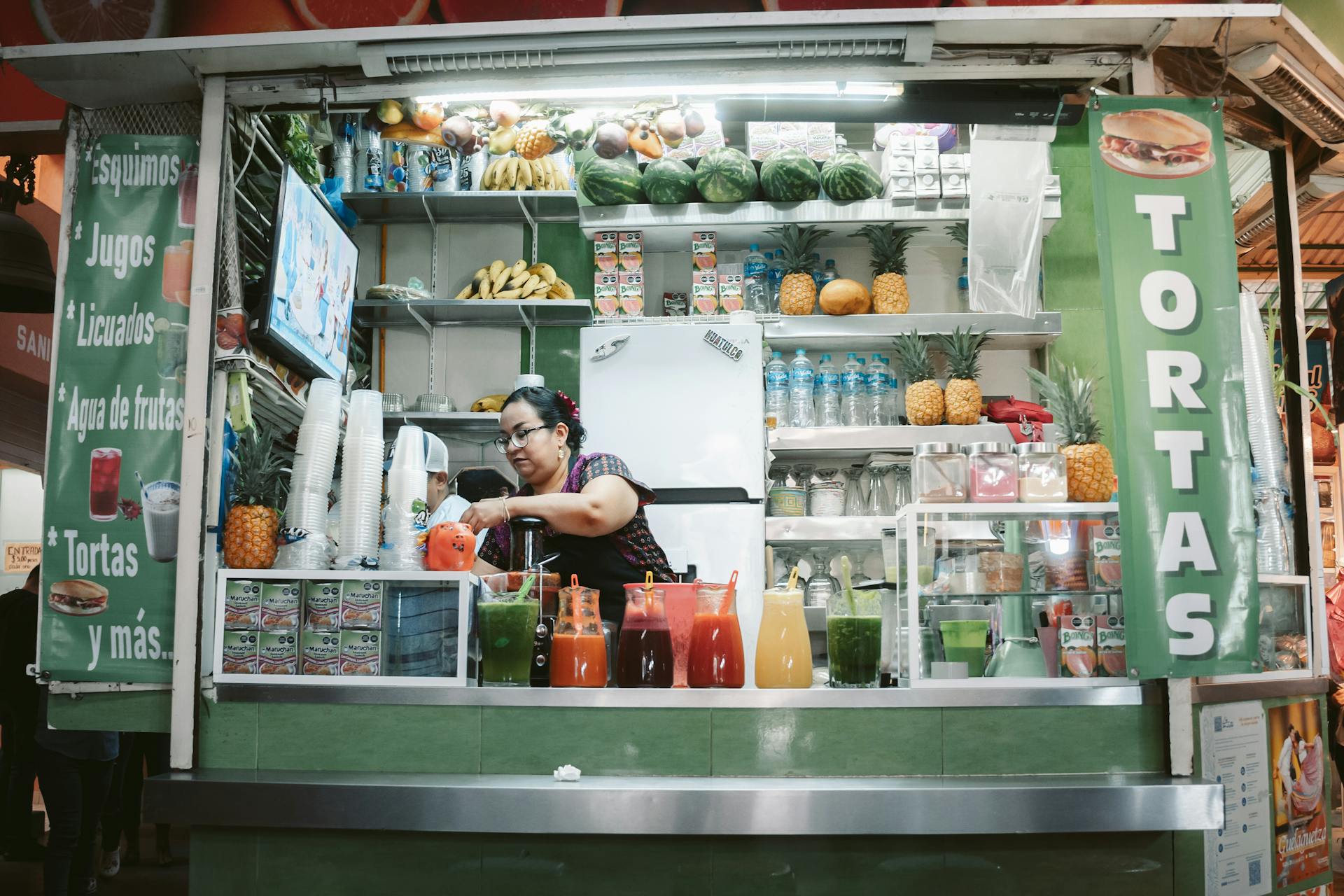
- Aguas Frescas: Jamaica, Horchata o Tamarindo. Son la salvación para el calor.
- El Picante: Un consejo real: aunque te digan que "no pica", pica. Probá siempre una gota antes de bañar tu comida en salsa.
Tips de supervivencia y datos útiles
- Agua: NUNCA tomes agua de la canilla. Ni siquiera para lavarte los dientes si sos muy sensible. Tomá siempre agua embotellada.
- Cajeros y Efectivo: El efectivo es rey en puestos y cenotes. Tip clave: Cuando retires en cajero, rechaza siempre el tipo de cambio que te ofrece la máquina (Decline conversion); deja que tu banco haga el cambio, ahorrarás mucho dinero.
- Sargazo: Si vas al Caribe, revisa grupos de Facebook como "Sargasso Seaweed Updates Riviera Maya". Si hay mucho, Isla Mujeres suele estar limpia.
- Seguridad y Seguro: México se recorre bien con sentido común, pero nunca viajes sin seguro médico. La salud privada es cara y es mejor estar cubierto ante cualquier imprevisto.
- Propinas: En México el "servicio" no suele estar incluido. Se espera entre un 10% y un 15%. Revisá el ticket para que no te la hayan cobrado ya (a veces dice "propina sugerida").
- Cenotes: Llevá siempre protector solar biodegradable, si no, no te dejan entrar para proteger el ecosistema.
- Conectividad y Datos: En 2026 lo más práctico es usar una eSim (como Airalo o Holafly) para tener internet apenas aterrizás. Si vas a estar en zonas de selva o pueblos alejados, Telcel sigue teniendo la mejor cobertura del país.
Mejor época para viajar
- Noviembre: Nuestra época favorita. Ya pasaron las lluvias fuertes y se vive el Día de Muertos, una experiencia que tenés que ver al menos una vez en la vida.
- Diciembre a Abril: Clima perfecto, pero es temporada alta (precios más caros).
- Mayo y Junio: Mucho calor y empieza la temporada de sargazo (algas) en algunas playas del Caribe.
Nuestra experiencia: 6 meses de vida mexicana
Vivir en México nos cambió la cabeza. Aprendimos que el tiempo se mide distinto y que la felicidad puede ser simplemente un taco de 15 pesos en una esquina con música de fondo.
Nos enamoramos de la Riviera Maya, pero no de la de los grandes hoteles, sino de la de los cenotes escondidos en la selva y los atardeceres en el ferry a Cozumel. México te recibe con los brazos abiertos, pero te exige que dejes los prejuicios de lado y te animes a su caos hermoso.
Te puede interesar también
1- Ciudad de México (CDMX): Una de las capitales más fascinantes del mundo. No te pierdas Coyoacán, las pirámides de Teotihuacán y la comida callejera.
2- Cancún: Las mejores playas.
3- Playa del Carmen: Combinación de ciudad más caminable y playas.
4- Tulum: El paraíso de los cenotes y las ruinas junto al mar.
5- Isla Mujeres: Tranquilidad, escapada ideal de Cancún.
6- Cozumel: Ideal para el snorkel y refugio anti-sargazo.
7- Oaxaca: El corazón gastronómico de México. Si buscás autenticidad y cultura viva, es aquí.
8- Chichén Itzá: Una de las maravillas del mundo. Tip local: Andá a primera hora (8:00 AM) para ganarle a los tours que llegan de Cancún.
9- La Costa del Pacífico: Destinos como Puerto Vallarta, Sayulita (ideal para surf) y Mazatlán. Es un México de atardeceres en el mar y una vibra más relajada que el Caribe.
10- Baja California: Famosa por el avistaje de ballenas en el Mar de Cortés, los viñedos del Valle de Guadalupe y los paisajes desérticos de Los Cabos.
11- El Norte y las Barrancas del Cobre: Un viaje épico en el tren "El Chepe" a través de cañones impresionantes entre Chihuahua y Sinaloa.
PUBLICIDAD
Travel with Data: Get your Saily eSIM
- ✓Internet in seconds upon landing
- ✓Flexible plans in 180+ countries
- ✓Easy setup directly via the App
Para planificar tus trayectos en 2026, estas son las mejores opciones según tu plan:
- Tren Maya (El nuevo gigante): Ideal para distancias largas en el Sureste (Cancún, Mérida, Bacalar). Es cómodo y moderno, aunque de costo medio-alto.
- Buses ADO (La vieja confiable): Lo mejor para moverte entre ciudades principales con confort y puntualidad. Costo medio.
- Colectivos (Vans): La opción más barata para tramos cortos en la Riviera Maya (como ir de Playa del Carmen a un cenote). Para mí súper incómodas: son pequeñas y a veces están sobrepobladas.
- Apps (Uber/Didi): Funcionan excelente en CDMX. En Quintana Roo, usarlas con mucha precaución por conflictos locales.
- Tacos: Probá los Al Pastor (con piña) y los de Cochinita Pibil (típicos de Yucatán).
- Chilaquiles: El desayuno de los campeones. Tortillas con salsa, queso, crema y huevo o pollo.
- Aguas Frescas: Jamaica, Horchata o Tamarindo. Son la salvación para el calor.
- El Picante: Un consejo real: aunque te digan que "no pica", pica. Probá siempre una gota antes de bañar tu comida en salsa.
- Agua: NUNCA tomes agua de la canilla. Ni siquiera para lavarte los dientes si sos muy sensible. Tomá siempre agua embotellada.
- Cajeros y Efectivo: El efectivo es rey en puestos y cenotes. Tip clave: Cuando retires en cajero, rechaza siempre el tipo de cambio que te ofrece la máquina (Decline conversion); deja que tu banco haga el cambio, ahorrarás mucho dinero.
- Sargazo: Si vas al Caribe, revisa grupos de Facebook como "Sargasso Seaweed Updates Riviera Maya". Si hay mucho, Isla Mujeres suele estar limpia.
- Seguridad y Seguro: México se recorre bien con sentido común, pero nunca viajes sin seguro médico. La salud privada es cara y es mejor estar cubierto ante cualquier imprevisto.
- Propinas: En México el "servicio" no suele estar incluido. Se espera entre un 10% y un 15%. Revisá el ticket para que no te la hayan cobrado ya (a veces dice "propina sugerida").
- Cenotes: Llevá siempre protector solar biodegradable, si no, no te dejan entrar para proteger el ecosistema.
- Conectividad y Datos: En 2026 lo más práctico es usar una eSim (como Airalo o Holafly) para tener internet apenas aterrizás. Si vas a estar en zonas de selva o pueblos alejados, Telcel sigue teniendo la mejor cobertura del país.
- Noviembre: Nuestra época favorita. Ya pasaron las lluvias fuertes y se vive el Día de Muertos, una experiencia que tenés que ver al menos una vez en la vida.
- Diciembre a Abril: Clima perfecto, pero es temporada alta (precios más caros).
- Mayo y Junio: Mucho calor y empieza la temporada de sargazo (algas) en algunas playas del Caribe.
Vivir en México nos cambió la cabeza. Aprendimos que el tiempo se mide distinto y que la felicidad puede ser simplemente un taco de 15 pesos en una esquina con música de fondo.
Nos enamoramos de la Riviera Maya, pero no de la de los grandes hoteles, sino de la de los cenotes escondidos en la selva y los atardeceres en el ferry a Cozumel. México te recibe con los brazos abiertos, pero te exige que dejes los prejuicios de lado y te animes a su caos hermoso.
PUBLICIDAD
International Travel Insurance
- ✓International medical insurance
- ✓24/7 immediate assistance in your language
- ✓Ideal for trekking & adventure
Posts in México
Preferences
Language
Color
Text
Width