Table of contents and map
Rome Travel Guide: What to see in the Eternal City, 2-day itinerary and tips 2026
Rome, the Eternal City, is an open-air museum where 2,000 years of history coexist with the charming chaos of modern life. Walking through its streets is discovering that every corner holds a secret of the Empire, a Renaissance fresco, or the best pasta you will ever taste.
Rome Travel Guide: What to see in the Eternal City, 2-day itinerary and tips 2026
Rome, the Eternal City, is an open-air museum where 2,000 years of history coexist with the charming chaos of modern life. Walking through its streets is discovering that every corner holds a secret of the Empire, a Renaissance fresco, or the best pasta you will ever taste.
Rome is not a city to visit with a checklist; it is a city to experience on foot. History here isn't locked in museums; it springs from the cobblestones. Walking through it is coexisting with the past in a way that is almost startling: you might be having a beer in front of a 2,000-year-old temple or crossing a bridge designed by emperors just to go buy bread.
It is intense, noisy, and chaotic, but that is its essence. In Rome, the slower you go, the more you discover.
What to See and Do in Rome: The Must-Sees
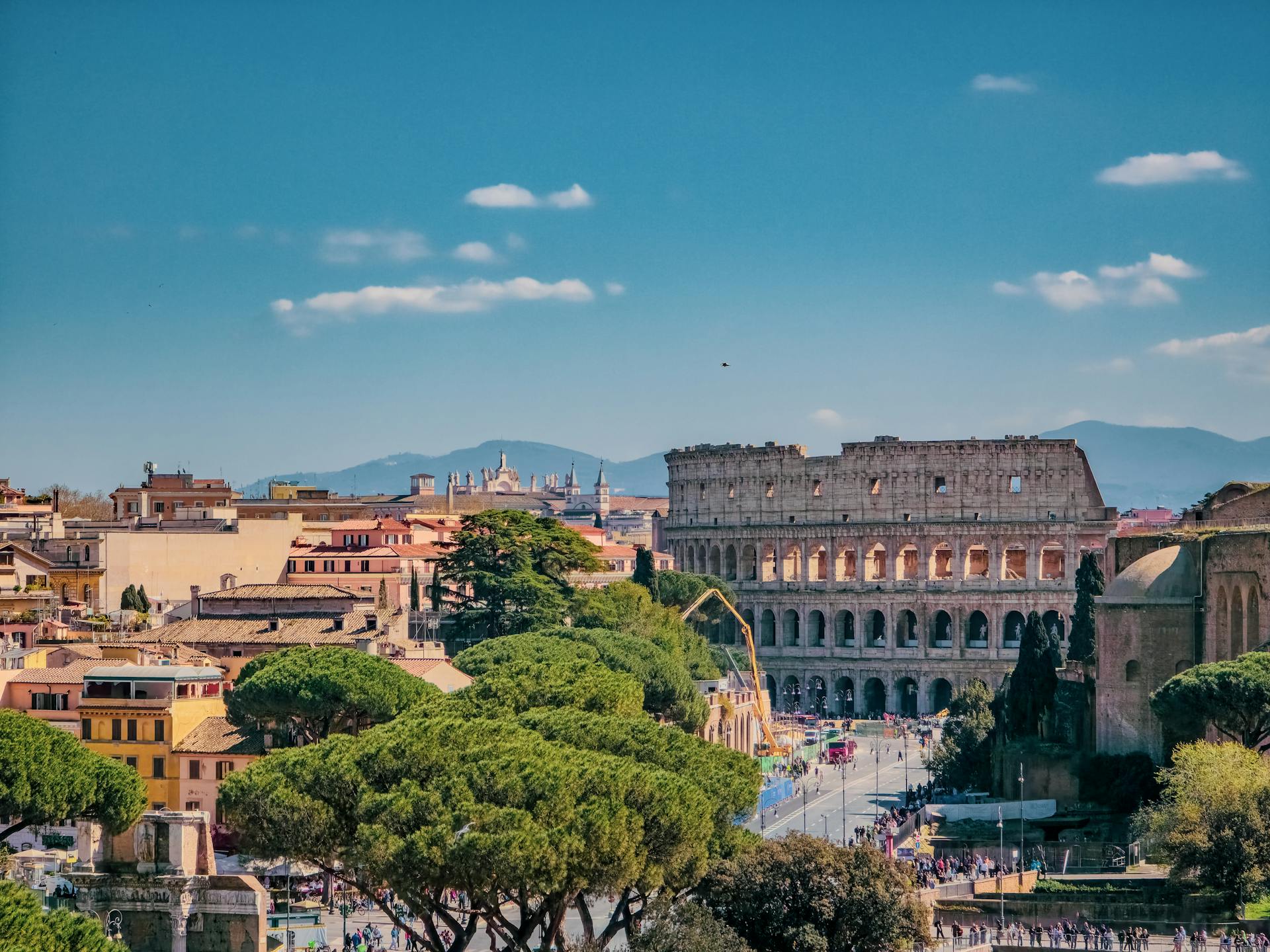
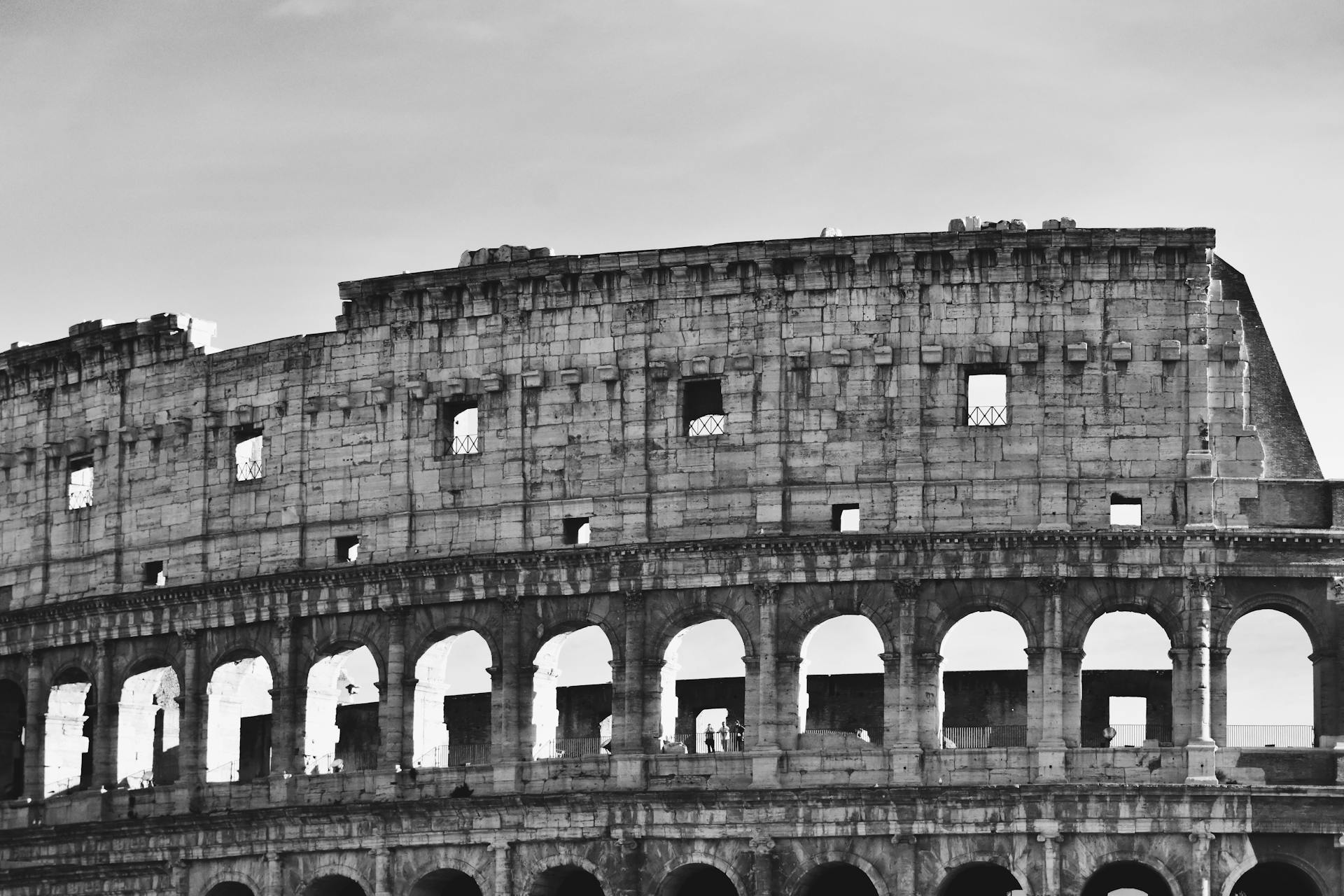
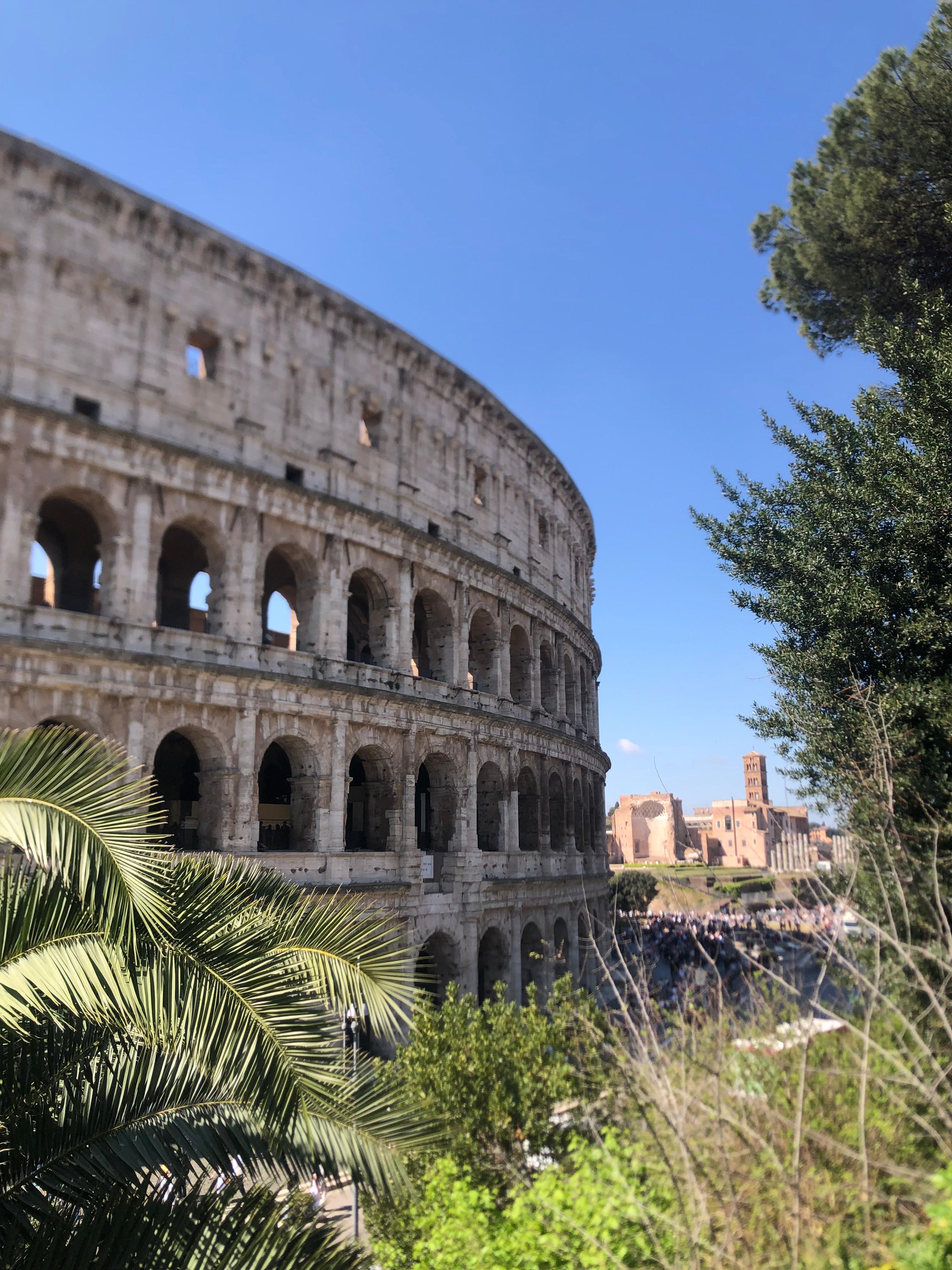
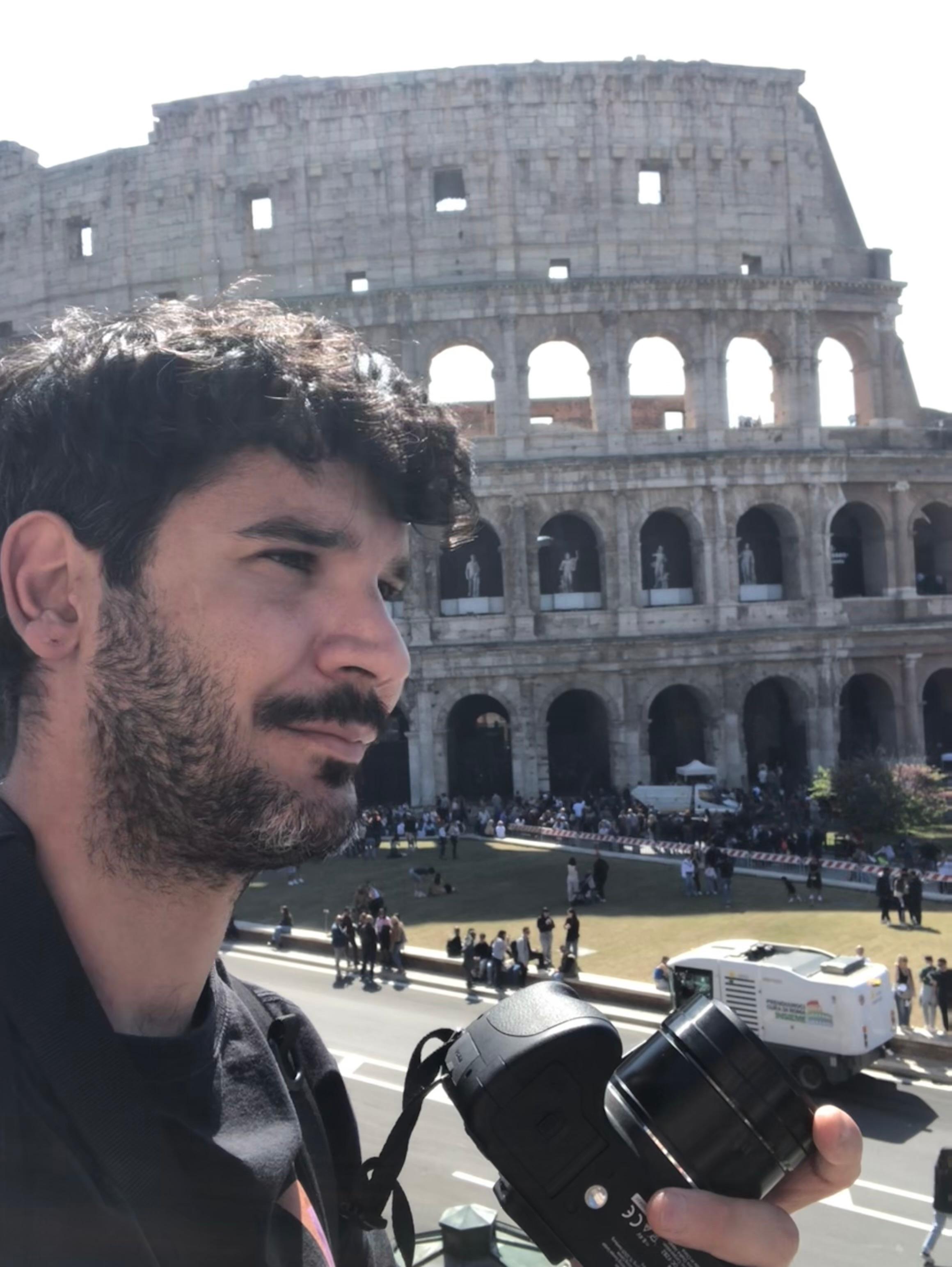
- Colosseum and Roman Forum: The heart of the Empire. Seeing the Colosseum for the first time is breathtaking, even if you've seen it a thousand times in photos. The Forum and Palatine Hill complete the experience of understanding Ancient Rome's scale.
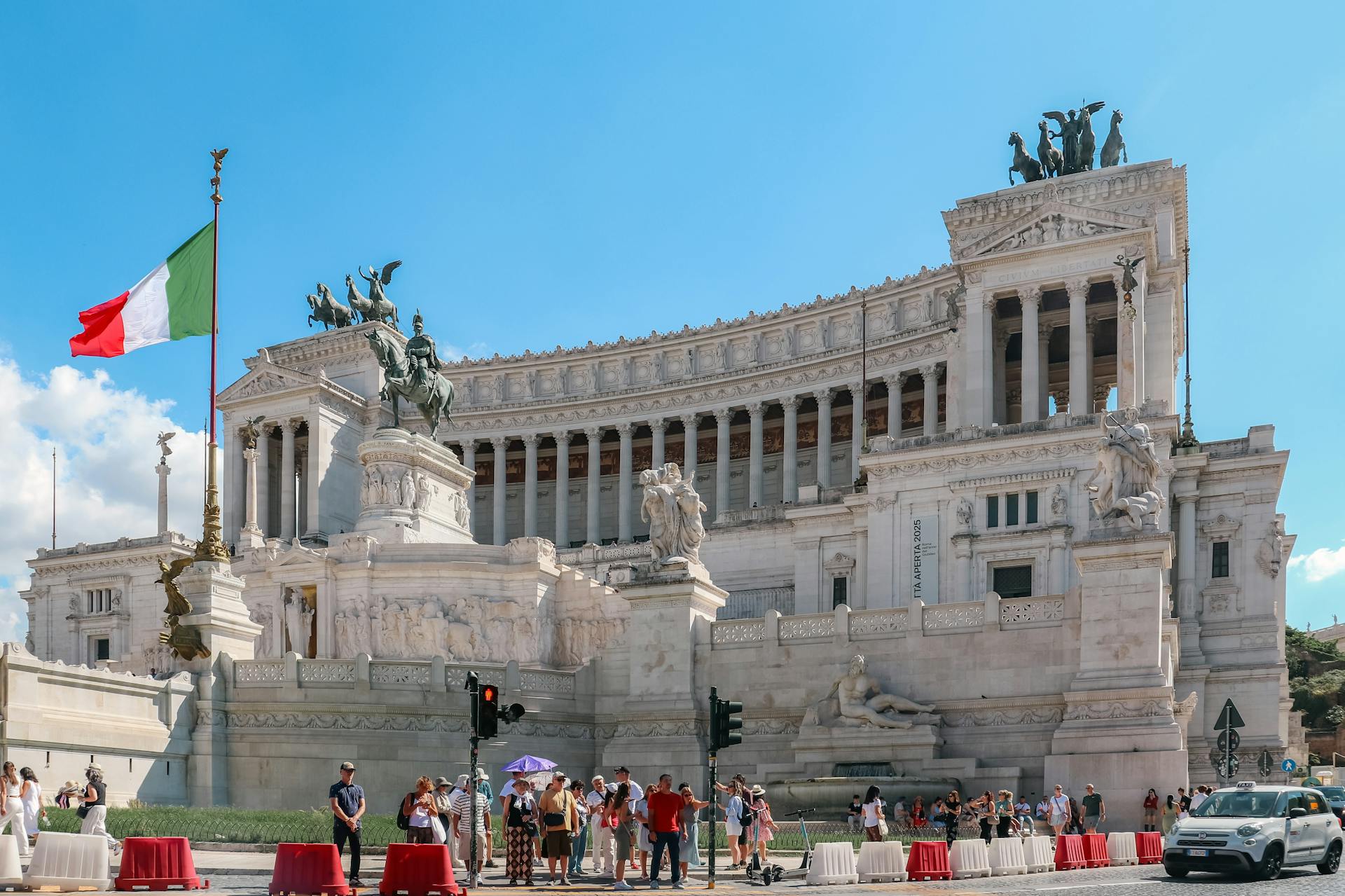
- Piazza Venezia: One of the most striking spots in the city. Here you will find the Vittorio Emanuele II (the Altar of the Fatherland), a colossal white marble monument that will take your breath away with its size and majesty.
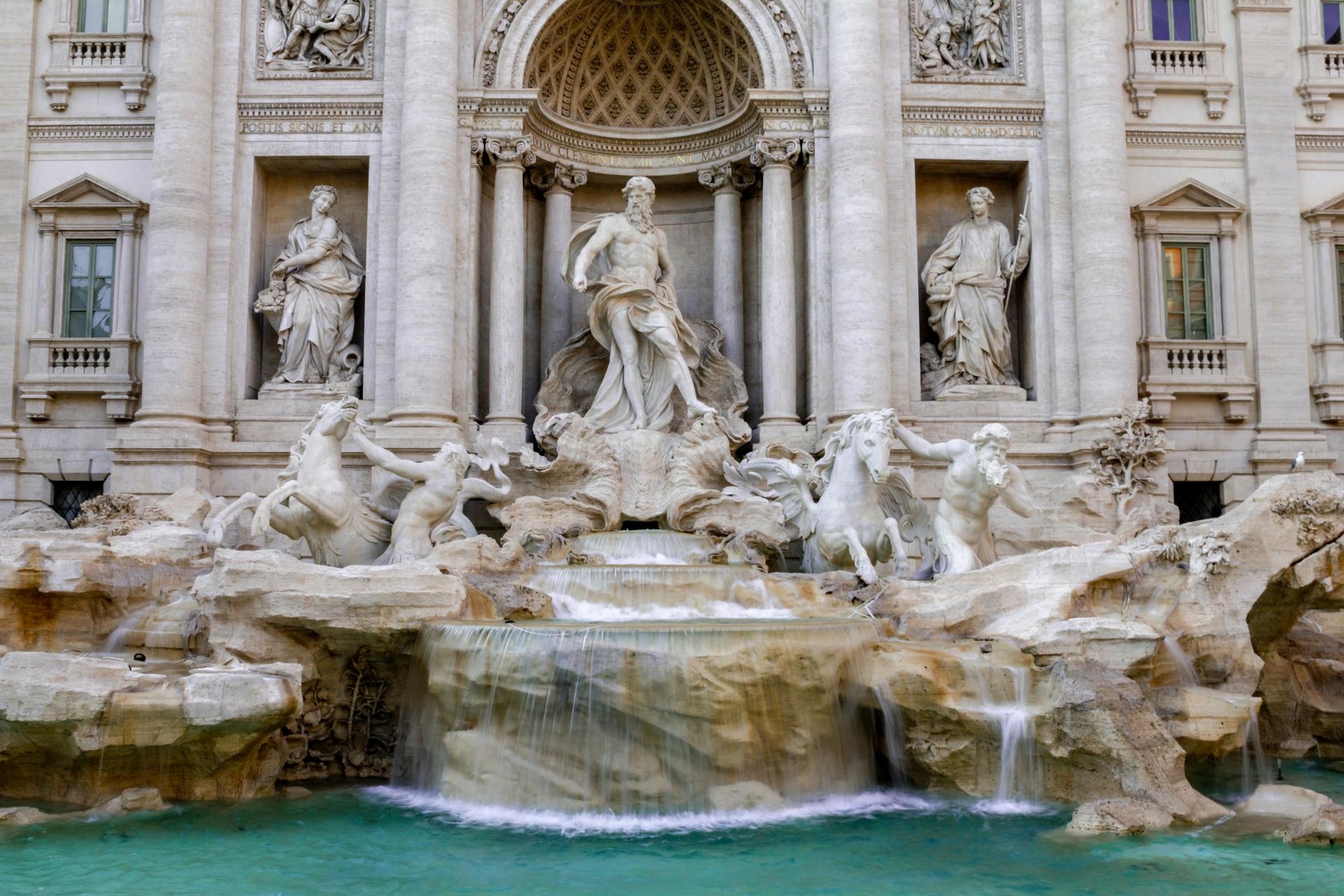
- Trevi Fountain: Always crowded, yet magnetic. It has a different charm when lit up at night. Don't forget to toss a coin if you wish to return.
- Pantheon: One of the best-preserved buildings from the ancient world. Its dome with the central oculus is a marvel of world architecture.
- Piazza Navona: Famous for its Bernini fountains and its elliptical shape (it was an ancient stadium). The perfect place to feel the city's Baroque pulse.
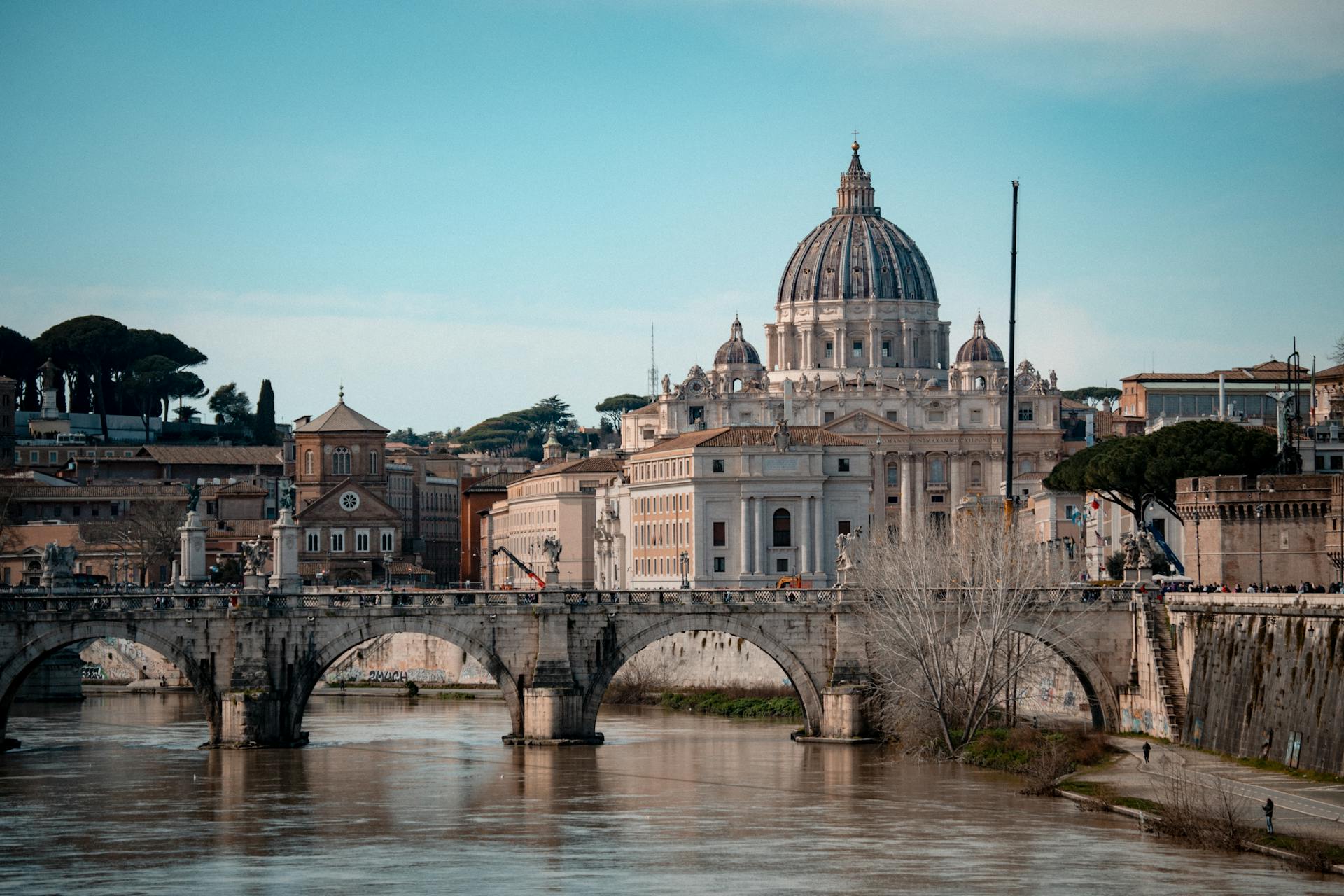
- Vatican and St. Peter's Basilica: Regardless of faith, the scale of the Basilica and the treasures in the Vatican Museums are staggering. Climbing the dome offers the best postcard view of Rome.
- Trastevere: The neighborhood with the most personality. Narrow streets, ochre buildings, and the best place to taste authentic Roman cuisine.
Realistic Itinerary: 2 Days in Rome
If you only have 48 hours, this is the smartest plan to see the essentials without burning out.
Day 1: Ancient Rome and the Baroque Center
- Morning (08:30): The Colosseum, Forum, and Palatine Hill. Start early (pre-booking mandatory) to grasp the power of the Empire.
- Midday: Piazza Venezia. As you leave the Forum, you will be struck by the sheer scale of the Vittorio Emanuele II monument. It is the perfect bridge between ancient and modern Rome.
- Afternoon: The Pantheon and Piazza Navona. Walk through the city center streets toward the Pantheon. This area is ideal for getting a bit lost in the alleys.
- Sunset: Trevi Fountain and Piazza di Spagna. End the day by tossing a coin and climbing the famous Spanish Steps.
Day 2: Vatican and the Soul of Trastevere
- Morning: Vatican Museums and St. Peter's Basilica. Allow at least 3 or 4 hours. Don't miss the Sistine Chapel and, if you have the energy, climb St. Peter's dome.
- Afternoon: Castel Sant'Angelo and the banks of the Tiber. Walk toward the river to see the castle and cross the Bridge of Angels.
- Sunset: Trastevere and Gianicolo. Lose yourself in the streets of Trastevere to see the nightlife spark up, and head up to the Gianicolo viewpoint to see all of Rome bathed in orange light.
Insider Tips: Live Rome Like a Local
- Free Water (Nasoni): Look for the metal fountains. The water is drinkable, fresh, and free. Fill your bottle at every corner and save money.
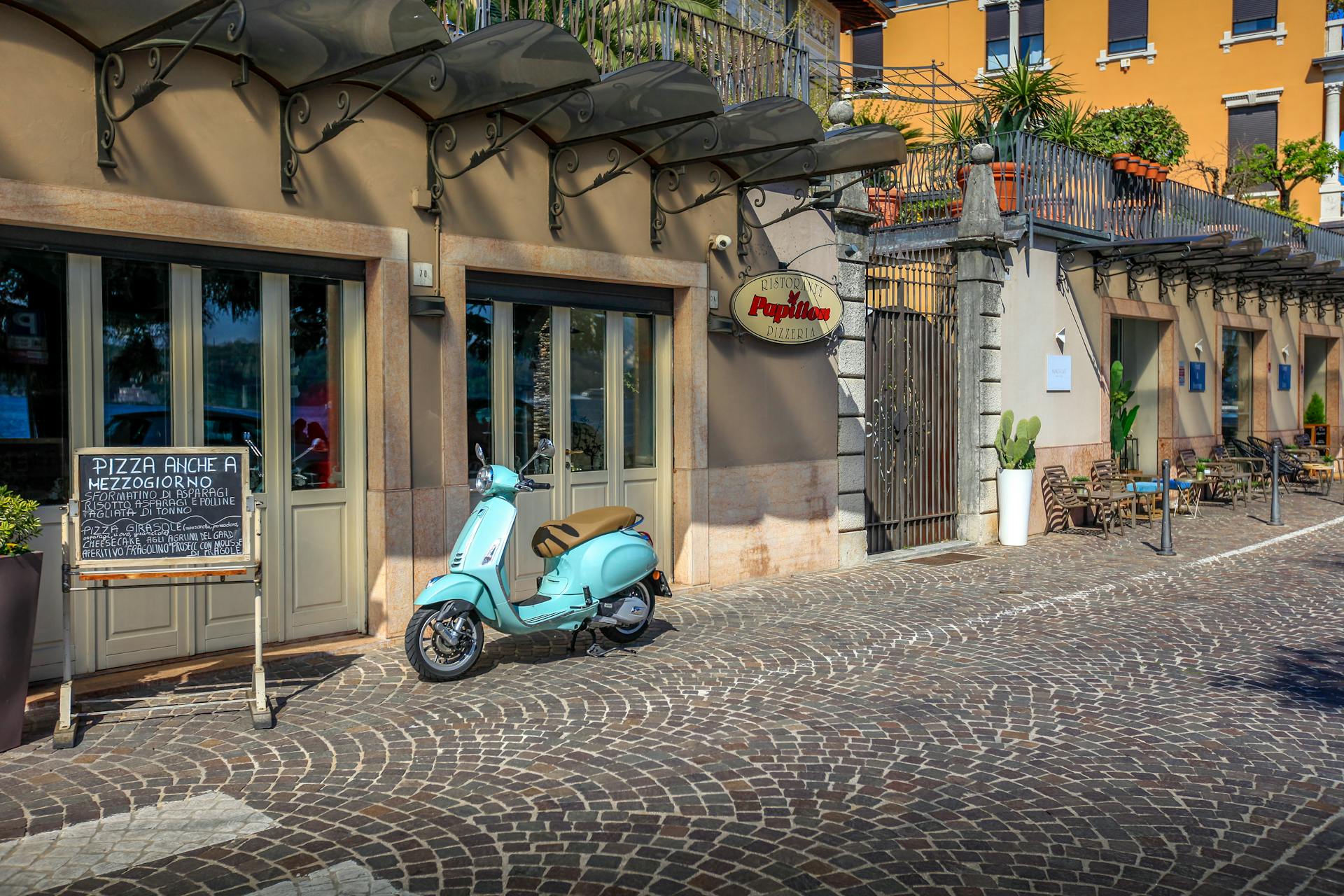
- The Coffee Ritual: Drink it standing at the bar (al banco) to pay the local price (approx. €1.20). If you sit at a table outside, the price can increase significantly.
- Online Tickets: For 2026, demand is extremely high. Buy your tickets for the Colosseum and Vatican at least one month in advance. Do not attempt to buy them at the entrance.
What to Eat (Must-Tries)
Food in Rome is a religion. Don't leave without trying:
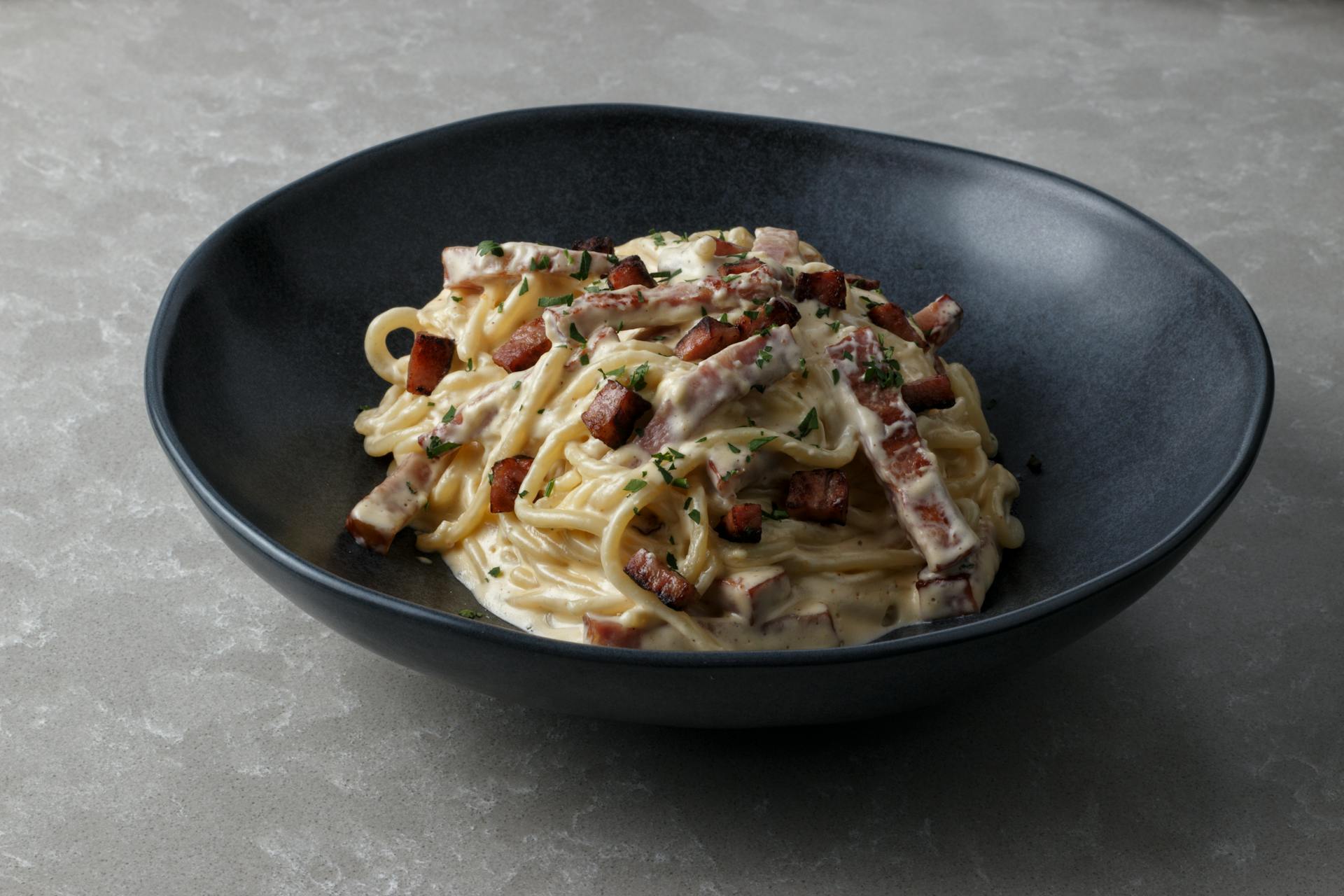
- The Carbonara: The real one, no cream. Just egg, pecorino cheese, pepper, and guanciale.
- Cacio e Pepe: Pasta with cheese and pepper. Simple, but if done right, it's addictive.
- Suppì: A fried rice ball with a mozzarella heart sold on every corner as a snack.
- Gelato: Look for artisanal shops with natural colors. If the pistachio is neon green, it's not the right place.
Our Experience Traveling Rome
Rome taught us that perfection doesn't exist, and it doesn't need to. It's a city that demands energy but gives back magic at every turn. We spent hours simply watching people go by and realizing that where we stood today, emperors and artists stood thousands of years ago.
What stayed with us most is that sense of the "Eternal City": a unique perspective on time. Rome isn't visited; it is absorbed.
You Might Also Like
- Colosseum and Roman Forum: The heart of the Empire. Seeing the Colosseum for the first time is breathtaking, even if you've seen it a thousand times in photos. The Forum and Palatine Hill complete the experience of understanding Ancient Rome's scale.
- Piazza Venezia: One of the most striking spots in the city. Here you will find the Vittorio Emanuele II (the Altar of the Fatherland), a colossal white marble monument that will take your breath away with its size and majesty.
- Trevi Fountain: Always crowded, yet magnetic. It has a different charm when lit up at night. Don't forget to toss a coin if you wish to return.
- Pantheon: One of the best-preserved buildings from the ancient world. Its dome with the central oculus is a marvel of world architecture.
- Piazza Navona: Famous for its Bernini fountains and its elliptical shape (it was an ancient stadium). The perfect place to feel the city's Baroque pulse.
- Vatican and St. Peter's Basilica: Regardless of faith, the scale of the Basilica and the treasures in the Vatican Museums are staggering. Climbing the dome offers the best postcard view of Rome.
- Trastevere: The neighborhood with the most personality. Narrow streets, ochre buildings, and the best place to taste authentic Roman cuisine.
PUBLICIDAD
Travel with Data: Get your Saily eSIM
- ✓Internet in seconds upon landing
- ✓Flexible plans in 180+ countries
- ✓Easy setup directly via the App
If you only have 48 hours, this is the smartest plan to see the essentials without burning out.
Day 1: Ancient Rome and the Baroque Center
- Morning (08:30): The Colosseum, Forum, and Palatine Hill. Start early (pre-booking mandatory) to grasp the power of the Empire.
- Midday: Piazza Venezia. As you leave the Forum, you will be struck by the sheer scale of the Vittorio Emanuele II monument. It is the perfect bridge between ancient and modern Rome.
- Afternoon: The Pantheon and Piazza Navona. Walk through the city center streets toward the Pantheon. This area is ideal for getting a bit lost in the alleys.
- Sunset: Trevi Fountain and Piazza di Spagna. End the day by tossing a coin and climbing the famous Spanish Steps.
Day 2: Vatican and the Soul of Trastevere
- Morning: Vatican Museums and St. Peter's Basilica. Allow at least 3 or 4 hours. Don't miss the Sistine Chapel and, if you have the energy, climb St. Peter's dome.
- Afternoon: Castel Sant'Angelo and the banks of the Tiber. Walk toward the river to see the castle and cross the Bridge of Angels.
- Sunset: Trastevere and Gianicolo. Lose yourself in the streets of Trastevere to see the nightlife spark up, and head up to the Gianicolo viewpoint to see all of Rome bathed in orange light.
- Free Water (Nasoni): Look for the metal fountains. The water is drinkable, fresh, and free. Fill your bottle at every corner and save money.
- The Coffee Ritual: Drink it standing at the bar (al banco) to pay the local price (approx. €1.20). If you sit at a table outside, the price can increase significantly.
- Online Tickets: For 2026, demand is extremely high. Buy your tickets for the Colosseum and Vatican at least one month in advance. Do not attempt to buy them at the entrance.
Food in Rome is a religion. Don't leave without trying:
- The Carbonara: The real one, no cream. Just egg, pecorino cheese, pepper, and guanciale.
- Cacio e Pepe: Pasta with cheese and pepper. Simple, but if done right, it's addictive.
- Suppì: A fried rice ball with a mozzarella heart sold on every corner as a snack.
- Gelato: Look for artisanal shops with natural colors. If the pistachio is neon green, it's not the right place.
Rome taught us that perfection doesn't exist, and it doesn't need to. It's a city that demands energy but gives back magic at every turn. We spent hours simply watching people go by and realizing that where we stood today, emperors and artists stood thousands of years ago.
What stayed with us most is that sense of the "Eternal City": a unique perspective on time. Rome isn't visited; it is absorbed.
Galery




PUBLICIDAD
International Travel Insurance
- ✓International medical insurance
- ✓24/7 immediate assistance in your language
- ✓Ideal for trekking & adventure
Preferences
Language
Color
Text
Width