Table of contents and map
Guía para viajar a Italia: consejos, transporte y qué visitar
Italia es mucho más que un destino; es un estilo de vida. Desde la historia monumental de Roma hasta los paisajes de la Toscana y el sur mediterráneo, te contamos todo lo que necesitás saber para planificar tu viaje por el país de la pasta.
Guía para viajar a Italia: consejos, transporte y qué visitar
Italia es mucho más que un destino; es un estilo de vida. Desde la historia monumental de Roma hasta los paisajes de la Toscana y el sur mediterráneo, te contamos todo lo que necesitás saber para planificar tu viaje por el país de la pasta.
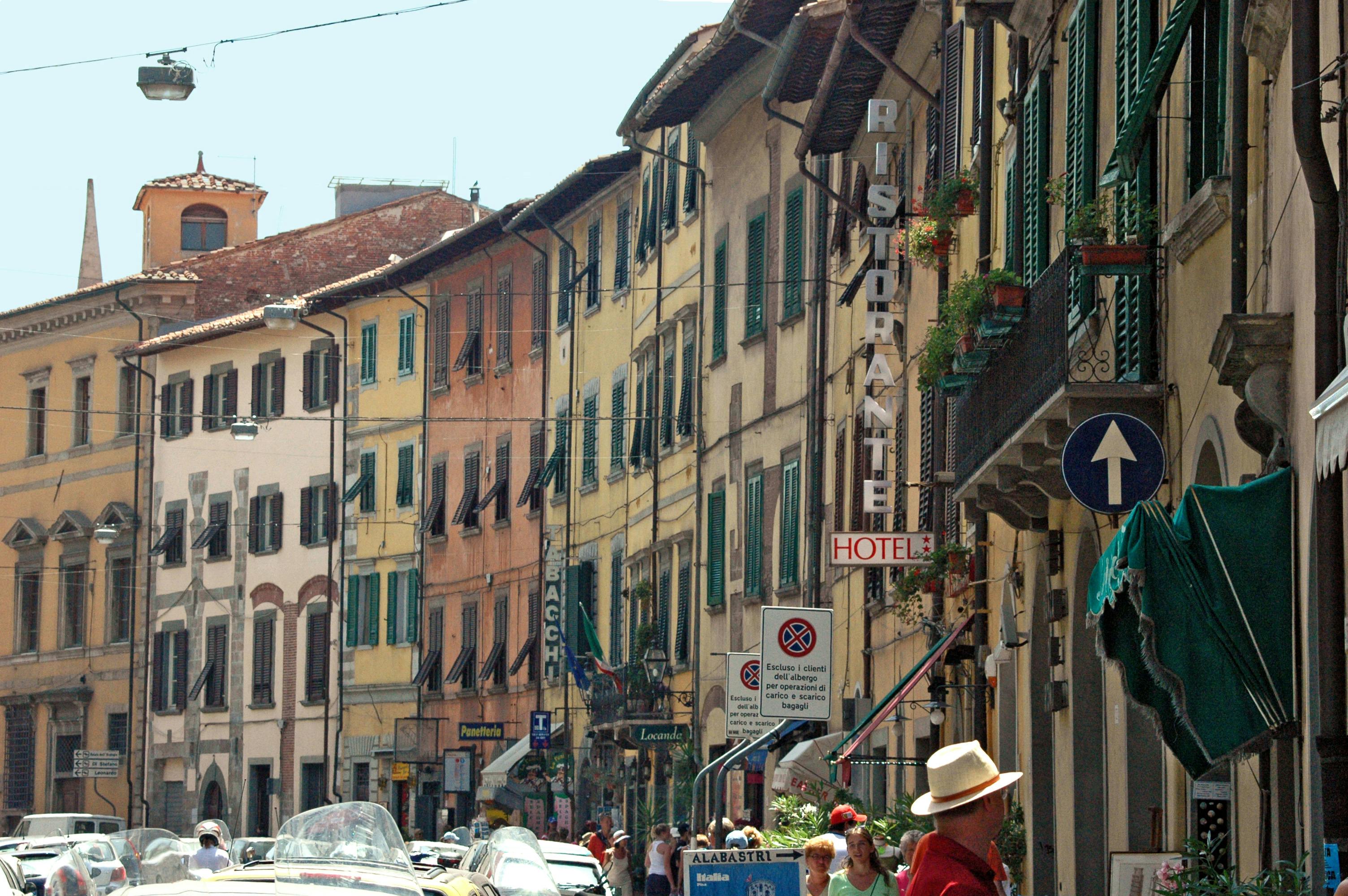
Italia no es un solo viaje, sino muchos viajes en uno. Cada región tiene su propia identidad, dialectos y una gastronomía que defiende con orgullo. Recorrerla implica moverse entre ciudades que son museos al aire libre, pueblos medievales y costas donde el tiempo parece haberse detenido.
Aunque es un país fácil de recorrer, tiene sus "reglas no escritas" que conviene conocer para evitar multas y disfrutar como un local.
Destinos imperdibles de Italia
Dependiendo de cuántos días tengas, estas son las zonas que suelen dividir los itinerarios:
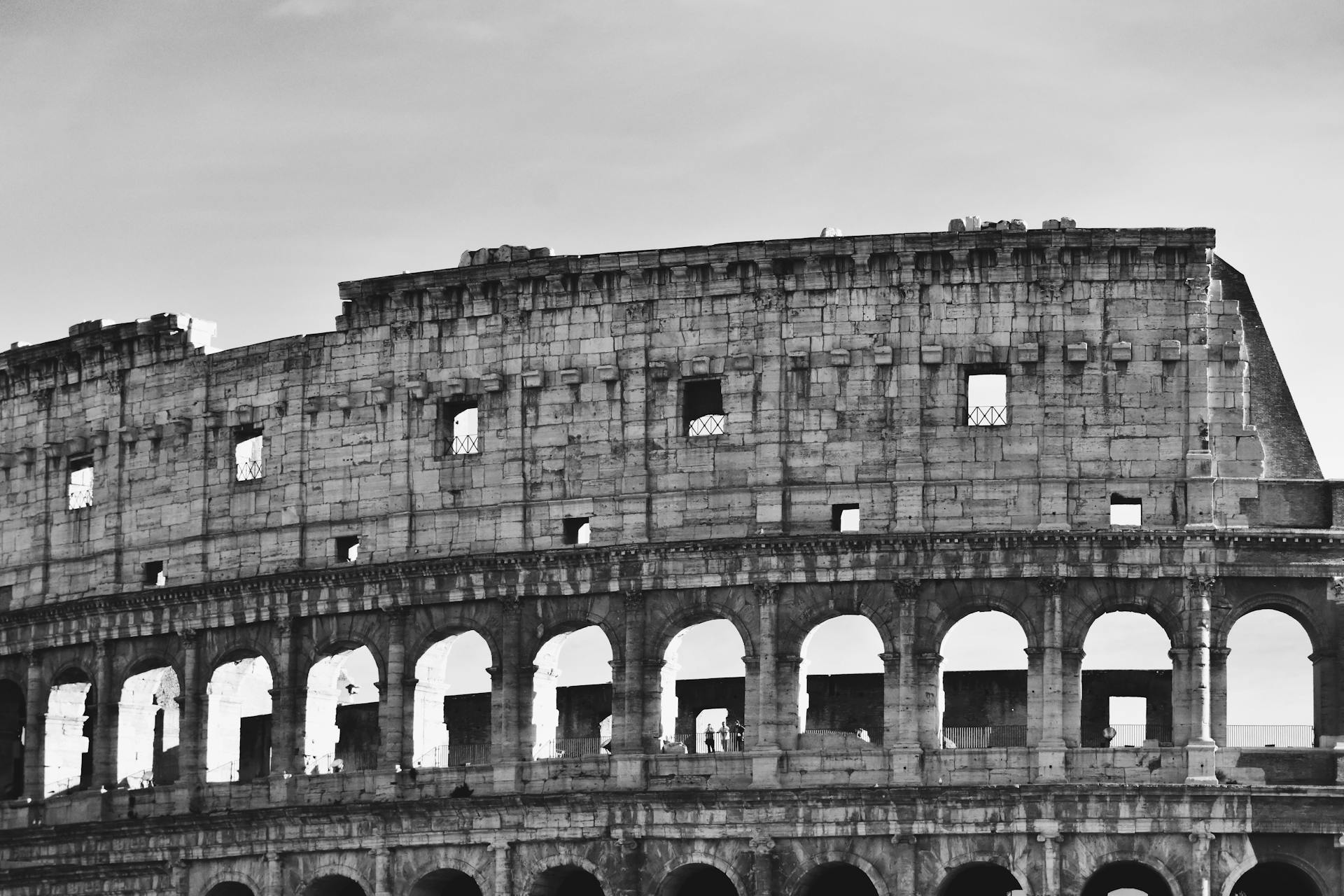
- Roma – La Ciudad Eterna. Es el punto de partida ideal para entender el peso de la historia en este país.
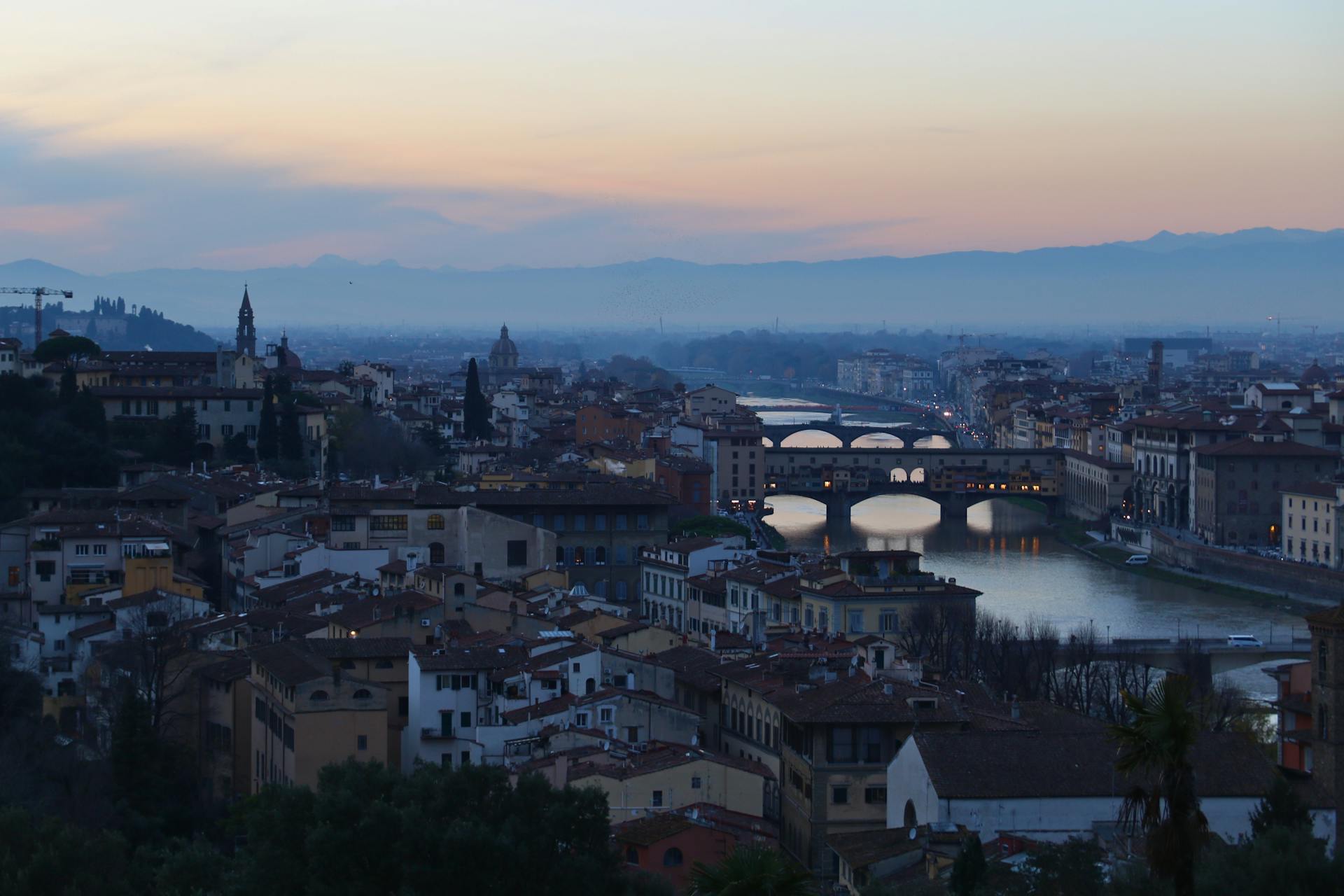
- Florencia y Toscana – El corazón del arte renacentista y paisajes de colinas con cipreses.
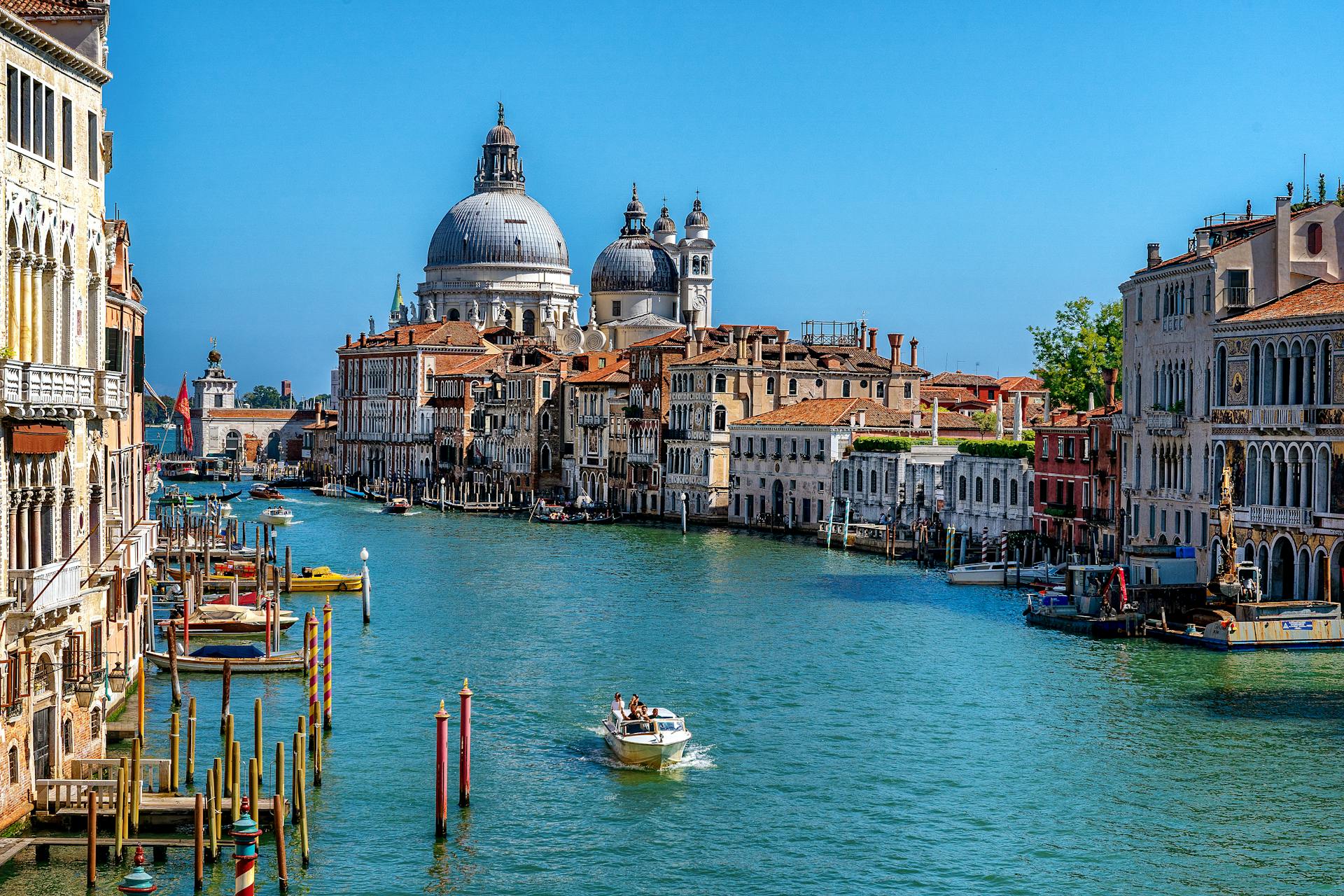
- Venecia – La ciudad de los canales. Un laberinto de agua único en el mundo.
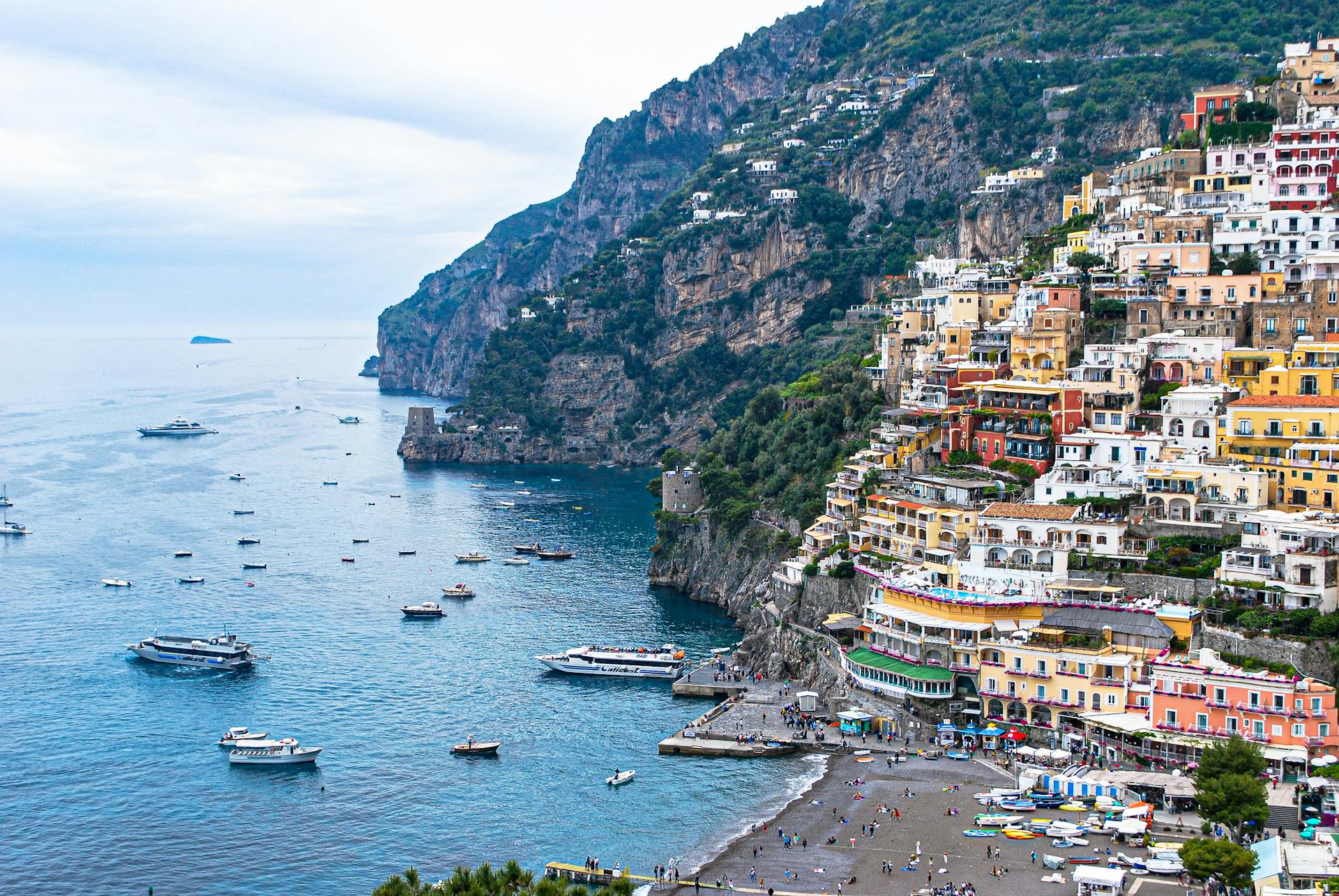
- El Sur (Nápoles y Costa Amalfitana) – Donde la comida es religión y los pueblos cuelgan de acantilados frente al mar.
- El Norte (Milán y Lagos) – La Italia más moderna, elegante y cercana a los Alpes.
Qué comer en Italia: Los imprescindibles italianos
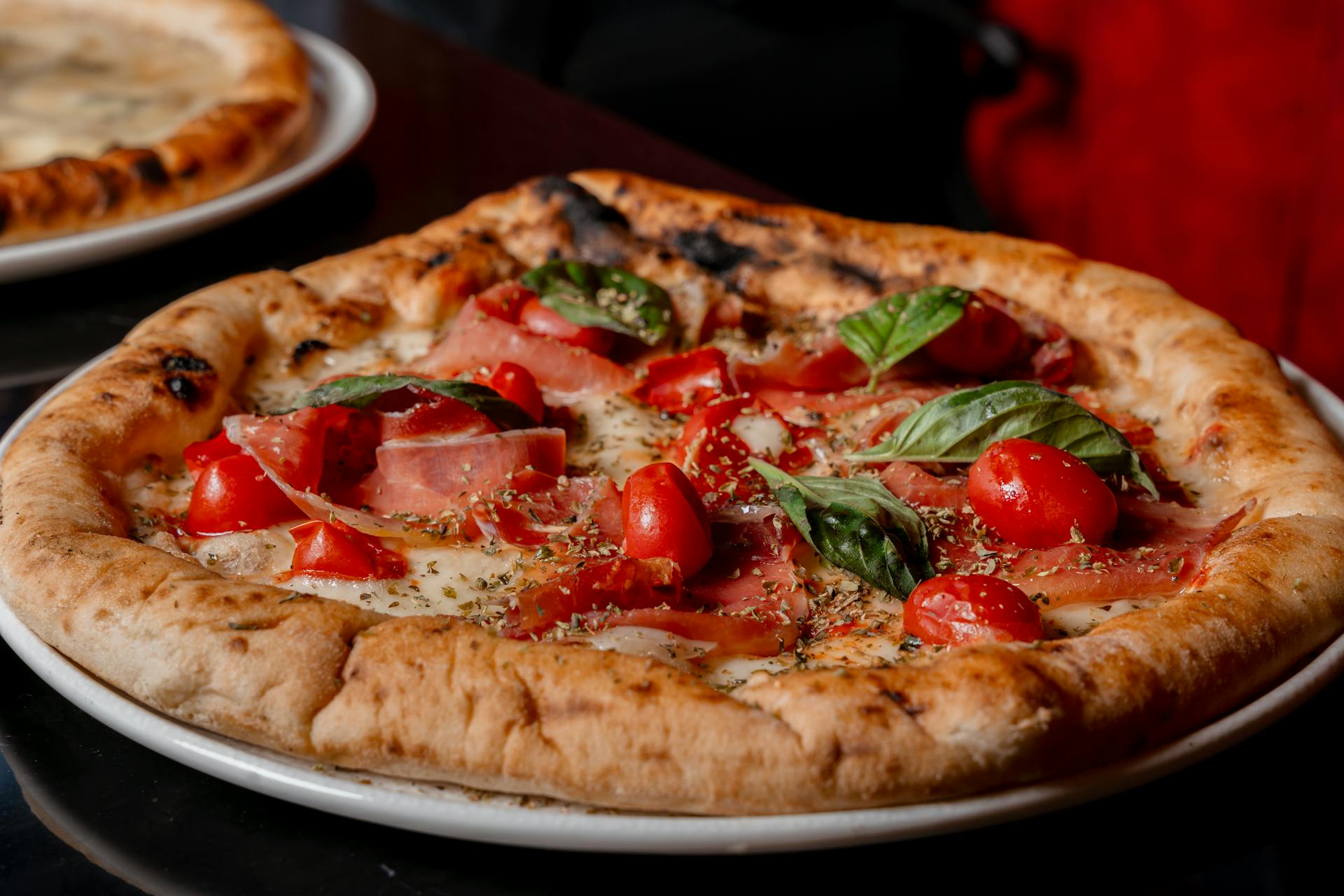
La gastronomía italiana se basa en productos simples, recetas regionales y mucha tradición. Estos son los platos que no podés dejar de probar:
- Pizza Napolitana – Masa fina, tomate, mozzarella y horno a leña.
- Pastas clásicas romanas – Específicamente la Carbonara, la Amatriciana o Cacio e Pepe.
- Lasagna – Capas de pasta, carne y salsa bechamel.
- Risotto – Especialidad de arroz cremoso, muy popular en el norte (Milán).
- Gelato – El auténtico helado artesanal italiano.
- Tiramisú – El postre clásico con café y mascarpone.
- Espresso – Parte esencial de la vida diaria. Recordá: ¡tomalo en la barra para pagar como un local!
Cómo moverse por Italia
Italia tiene una red de transporte muy desarrollada, pero cada medio tiene su secreto:
1. El Tren (La mejor opción)
Es la forma más eficiente de conectar ciudades grandes y medianas.
- Alta Velocidad: Trenitalia (Frecciarossa) e Italo conectan Roma, Florencia, Milán y Nápoles en tiempo récord.
- Regionales: Más lentos, pero llegan a cada pueblito.
- Ojo: Si comprás un pasaje de tren regional físico, tenés que validarlo en las máquinas verdes antes de subir. Si no lo hacés, el inspector te puede multar aunque tengas el ticket.
2. Auto (Solo para zonas rurales)
Alquilá auto solo si vas a la Toscana, Sicilia o zonas donde el tren no llega.
- ZTL (Zona Traffico Limitato): Gran advertencia. Los centros históricos tienen cámaras que prohíben el paso a autos no autorizados. Si entrás, la multa es segura.
Datos prácticos para el viajero
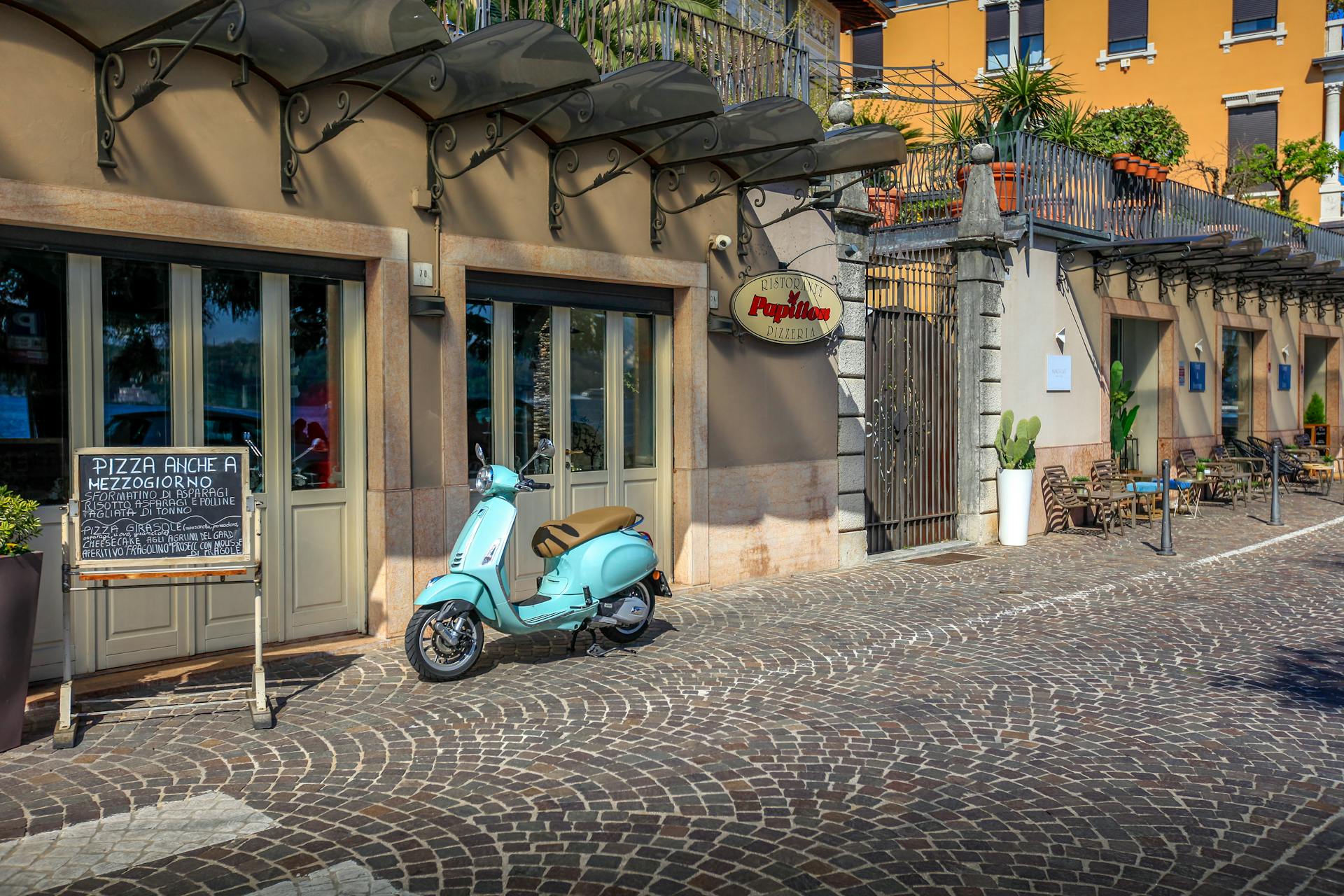
- El "Coperto": En casi todos los restaurantes te van a cobrar entre 2€ y 4€ por el servicio y el pan. Es algo estándar y legal.
- El café: Tomar un café parado en la barra (al banco) es mucho más barato que sentarse en una mesa (al tavolo).
- Agua gratis: Italia está llena de fuentes de agua potable. No compres botellas; usá las fuentes (llamadas nasoni en Roma).
- Entradas: Los sitios famosos (Coliseo, Vaticano, Galería Uffizi) se agotan. Comprá online con semanas de antelación.
Mejor época para viajar
- Primavera (Abril-Junio) y Otoño (Septiembre-Octubre): El clima es perfecto y hay menos multitudes que en verano.
- Verano (Julio-Agosto): Mucho calor y temporada altísima. Muchos italianos cierran sus negocios en agosto para irse de vacaciones.
- Invierno: Ideal para museos y ciudades grandes sin gente, pero el clima en el norte puede ser muy frío.
Nuestra experiencia en Italia
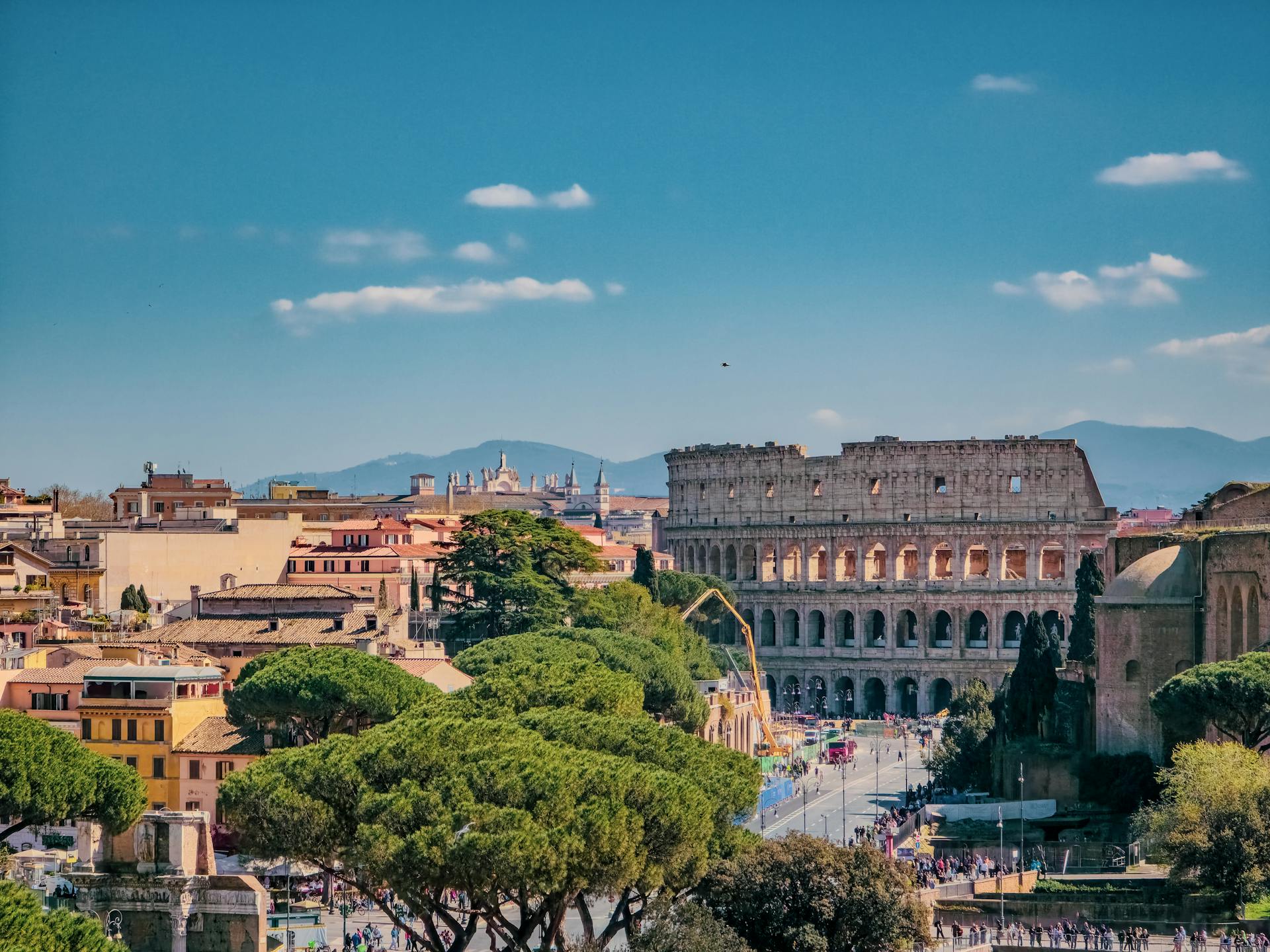
Por ahora, nuestro gran encuentro con este país ha sido Roma, y fue la puerta de entrada perfecta. Caminar por la Vía de los Foros Imperiales al atardecer o perderse por las calles del Trastevere nos hizo entender por qué Italia seduce a todo el que la visita.
Nos enseñó que no hace falta entrar a todos los museos para ver arte; basta con sentarse en una plaza con un gelato y observar la vida pasar. Nos fuimos con la promesa de volver para conocer el norte montañoso y el sur costero, porque una sola vida no alcanza para conocer toda Italia.
Te puede interesar también
Dependiendo de cuántos días tengas, estas son las zonas que suelen dividir los itinerarios:
- Roma – La Ciudad Eterna. Es el punto de partida ideal para entender el peso de la historia en este país.
- Florencia y Toscana – El corazón del arte renacentista y paisajes de colinas con cipreses.
- Venecia – La ciudad de los canales. Un laberinto de agua único en el mundo.
- El Sur (Nápoles y Costa Amalfitana) – Donde la comida es religión y los pueblos cuelgan de acantilados frente al mar.
- El Norte (Milán y Lagos) – La Italia más moderna, elegante y cercana a los Alpes.
PUBLICIDAD
Travel with Data: Get your Saily eSIM
- ✓Internet in seconds upon landing
- ✓Flexible plans in 180+ countries
- ✓Easy setup directly via the App
La gastronomía italiana se basa en productos simples, recetas regionales y mucha tradición. Estos son los platos que no podés dejar de probar:
- Pizza Napolitana – Masa fina, tomate, mozzarella y horno a leña.
- Pastas clásicas romanas – Específicamente la Carbonara, la Amatriciana o Cacio e Pepe.
- Lasagna – Capas de pasta, carne y salsa bechamel.
- Risotto – Especialidad de arroz cremoso, muy popular en el norte (Milán).
- Gelato – El auténtico helado artesanal italiano.
- Tiramisú – El postre clásico con café y mascarpone.
- Espresso – Parte esencial de la vida diaria. Recordá: ¡tomalo en la barra para pagar como un local!
Italia tiene una red de transporte muy desarrollada, pero cada medio tiene su secreto:
1. El Tren (La mejor opción)
Es la forma más eficiente de conectar ciudades grandes y medianas.
- Alta Velocidad: Trenitalia (Frecciarossa) e Italo conectan Roma, Florencia, Milán y Nápoles en tiempo récord.
- Regionales: Más lentos, pero llegan a cada pueblito.
- Ojo: Si comprás un pasaje de tren regional físico, tenés que validarlo en las máquinas verdes antes de subir. Si no lo hacés, el inspector te puede multar aunque tengas el ticket.
2. Auto (Solo para zonas rurales)
Alquilá auto solo si vas a la Toscana, Sicilia o zonas donde el tren no llega.
- ZTL (Zona Traffico Limitato): Gran advertencia. Los centros históricos tienen cámaras que prohíben el paso a autos no autorizados. Si entrás, la multa es segura.
- El "Coperto": En casi todos los restaurantes te van a cobrar entre 2€ y 4€ por el servicio y el pan. Es algo estándar y legal.
- El café: Tomar un café parado en la barra (al banco) es mucho más barato que sentarse en una mesa (al tavolo).
- Agua gratis: Italia está llena de fuentes de agua potable. No compres botellas; usá las fuentes (llamadas nasoni en Roma).
- Entradas: Los sitios famosos (Coliseo, Vaticano, Galería Uffizi) se agotan. Comprá online con semanas de antelación.
- Primavera (Abril-Junio) y Otoño (Septiembre-Octubre): El clima es perfecto y hay menos multitudes que en verano.
- Verano (Julio-Agosto): Mucho calor y temporada altísima. Muchos italianos cierran sus negocios en agosto para irse de vacaciones.
- Invierno: Ideal para museos y ciudades grandes sin gente, pero el clima en el norte puede ser muy frío.
Por ahora, nuestro gran encuentro con este país ha sido Roma, y fue la puerta de entrada perfecta. Caminar por la Vía de los Foros Imperiales al atardecer o perderse por las calles del Trastevere nos hizo entender por qué Italia seduce a todo el que la visita.
Nos enseñó que no hace falta entrar a todos los museos para ver arte; basta con sentarse en una plaza con un gelato y observar la vida pasar. Nos fuimos con la promesa de volver para conocer el norte montañoso y el sur costero, porque una sola vida no alcanza para conocer toda Italia.
PUBLICIDAD
International Travel Insurance
- ✓International medical insurance
- ✓24/7 immediate assistance in your language
- ✓Ideal for trekking & adventure
Posts in Italia
Preferences
Language
Color
Text
Width