Table of contents and map
Things to Do in Manchester 2026: Ultimate Guide, Football, Music & Culture
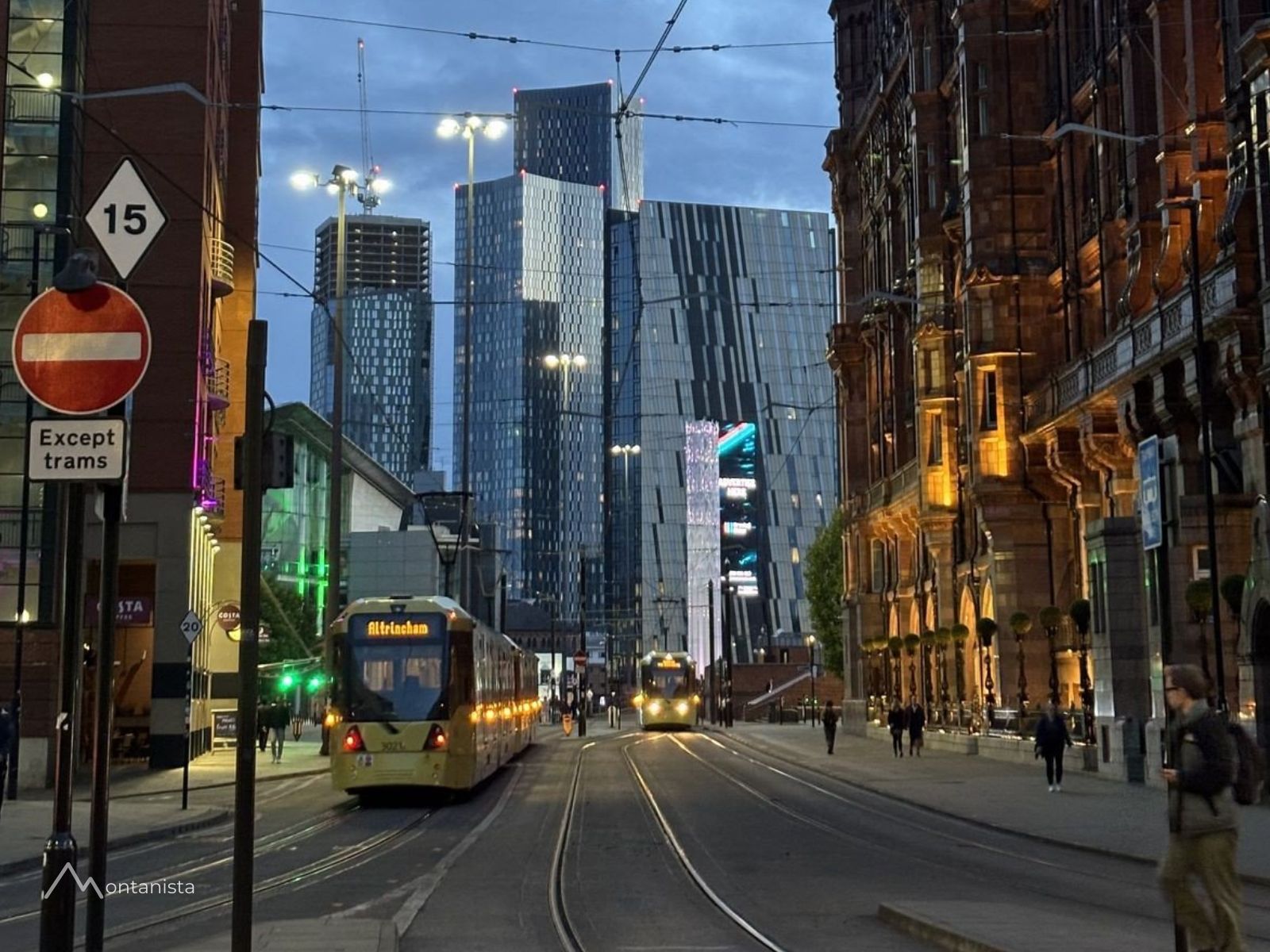
Manchester is a city with unshakeable pride and purely urban energy. As the birthplace of the Industrial Revolution, it successfully reinvented its massive red-brick factories into art galleries, design bars, and tech hubs. It is a global capital of music and football, where the working-class spirit of the past coexists with a young, rebellious, and deeply cultural avant-garde.
Things to Do in Manchester 2026: Ultimate Guide, Football, Music & Culture
Manchester is a city with unshakeable pride and purely urban energy. As the birthplace of the Industrial Revolution, it successfully reinvented its massive red-brick factories into art galleries, design bars, and tech hubs. It is a global capital of music and football, where the working-class spirit of the past coexists with a young, rebellious, and deeply cultural avant-garde.
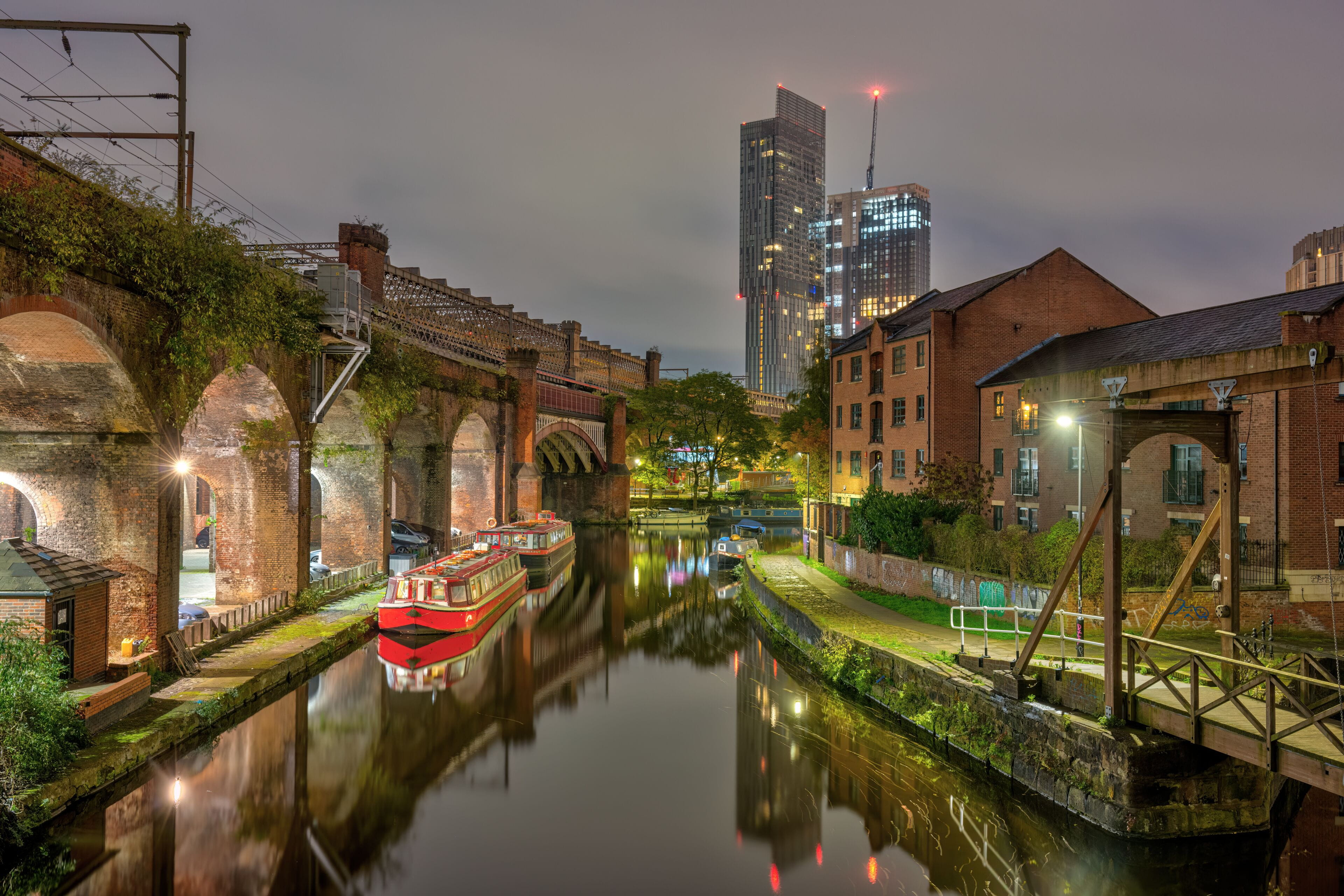
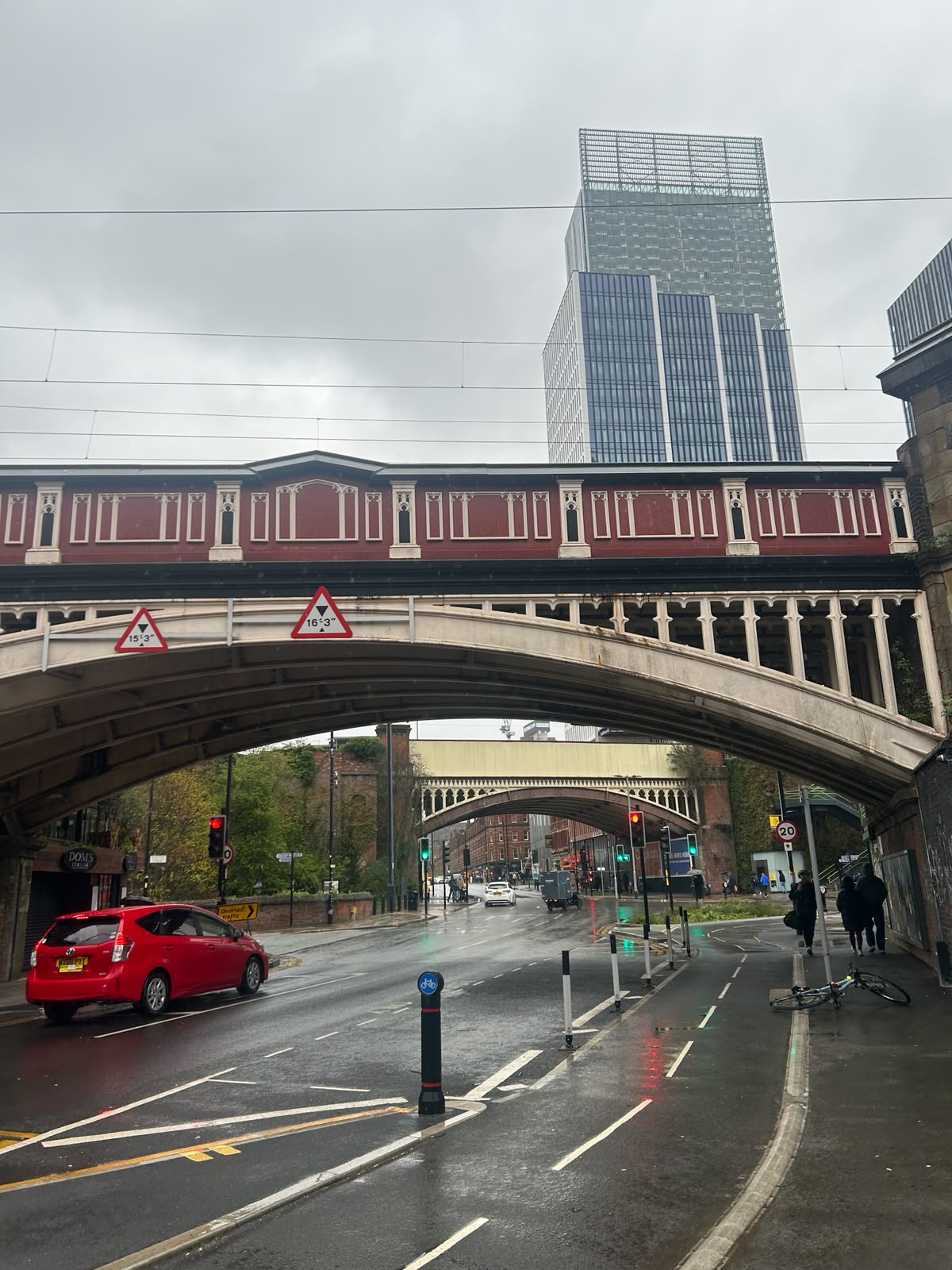
Manchester wins you over as you walk its streets. Its identity is permanently etched into the canals, railway viaducts, and iconic Victorian red-brick facades.
It is a destination with massive cultural weight. This is the birthplace of legendary bands like Oasis and The Smiths, and you can instantly feel the football rivalry that splits the city into two distinct colours.
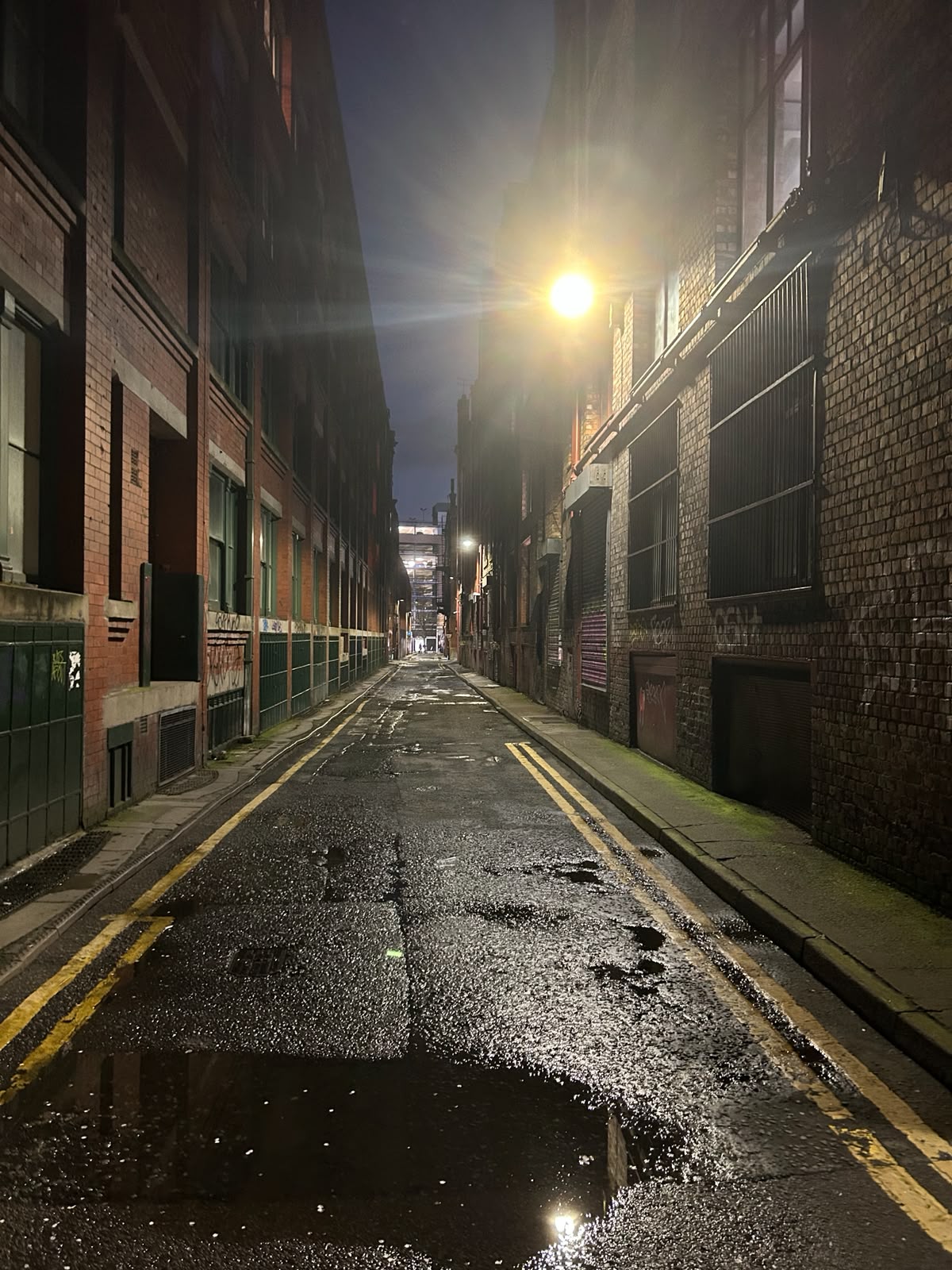
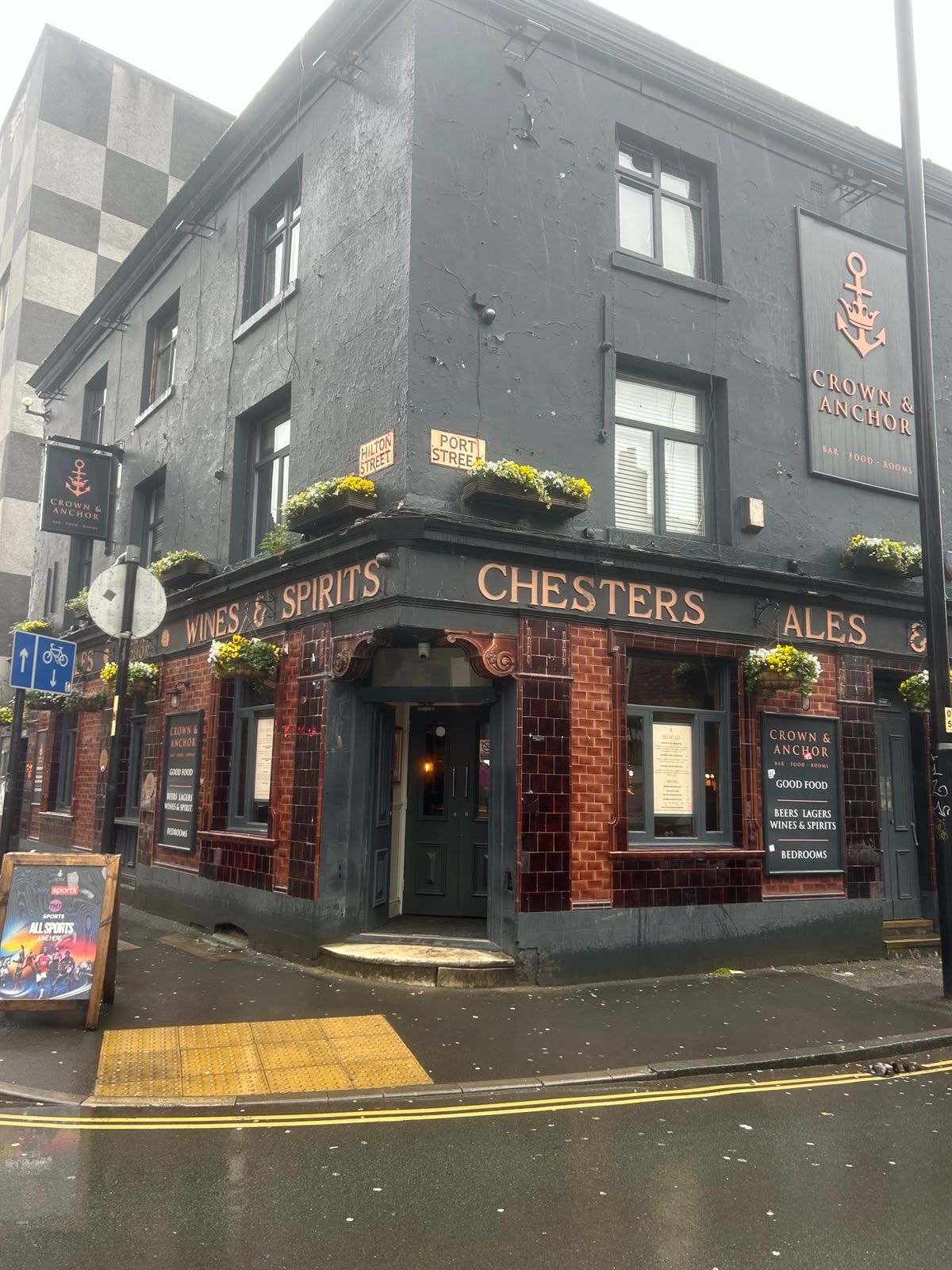
Strolling through its creative quarters or stepping into a pub housed inside a former Victorian warehouse is the ultimate proof of how the city beautifully transformed its old industrial structures into spaces buzzing with art, design, and lifestyle.
8 Top Things to See in Manchester
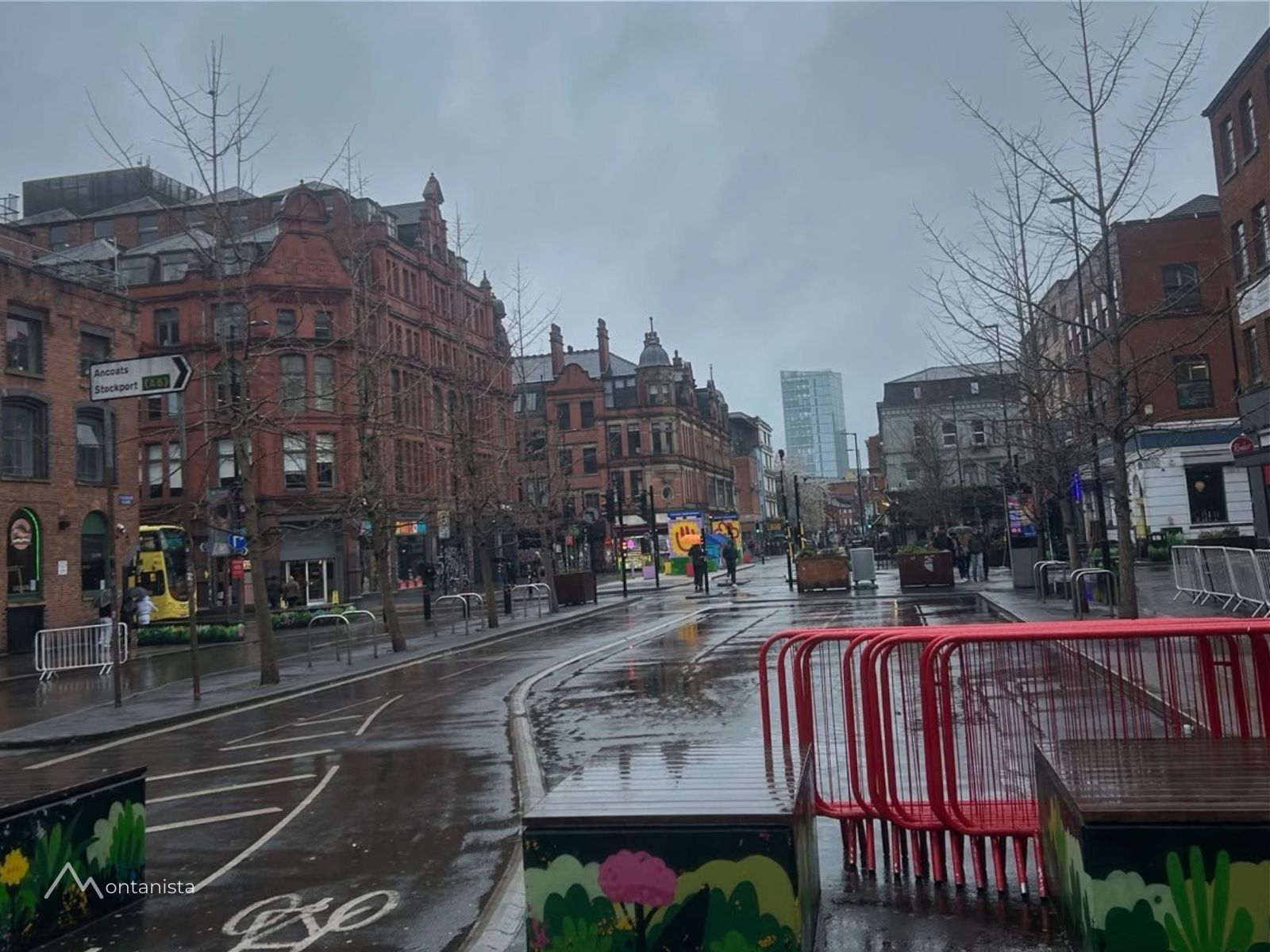
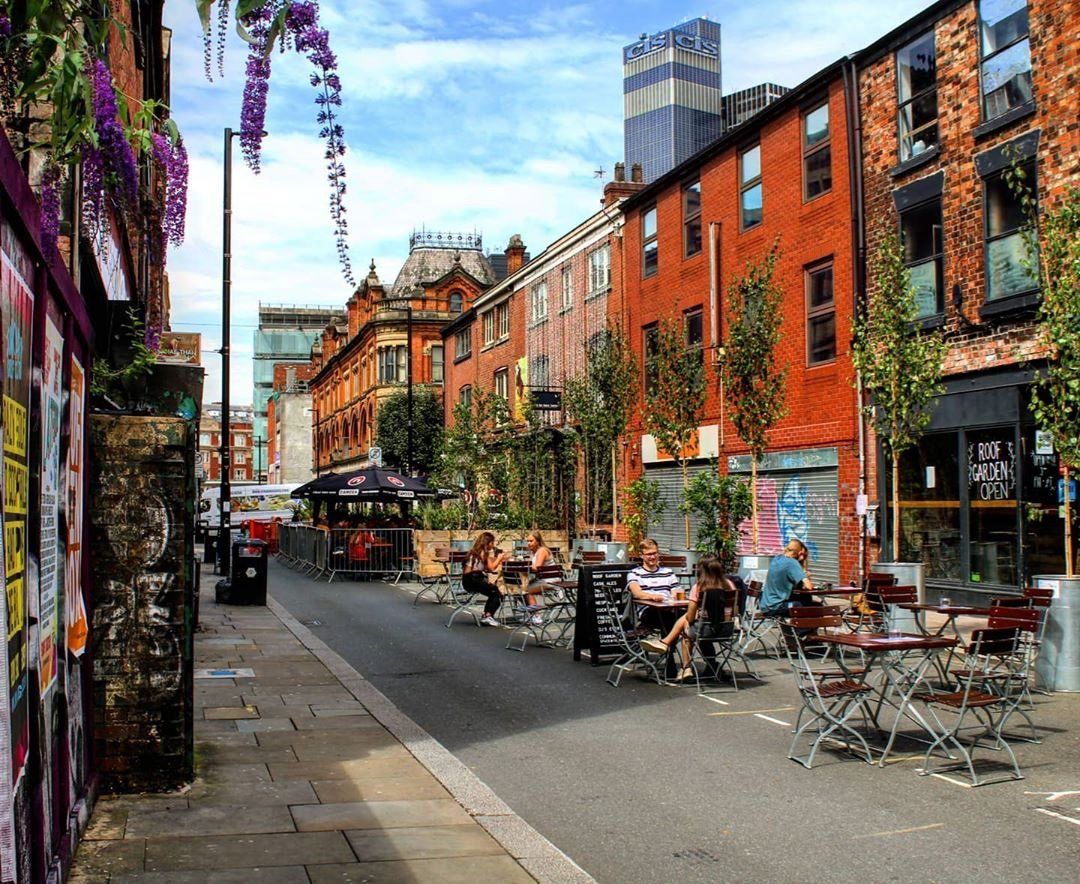
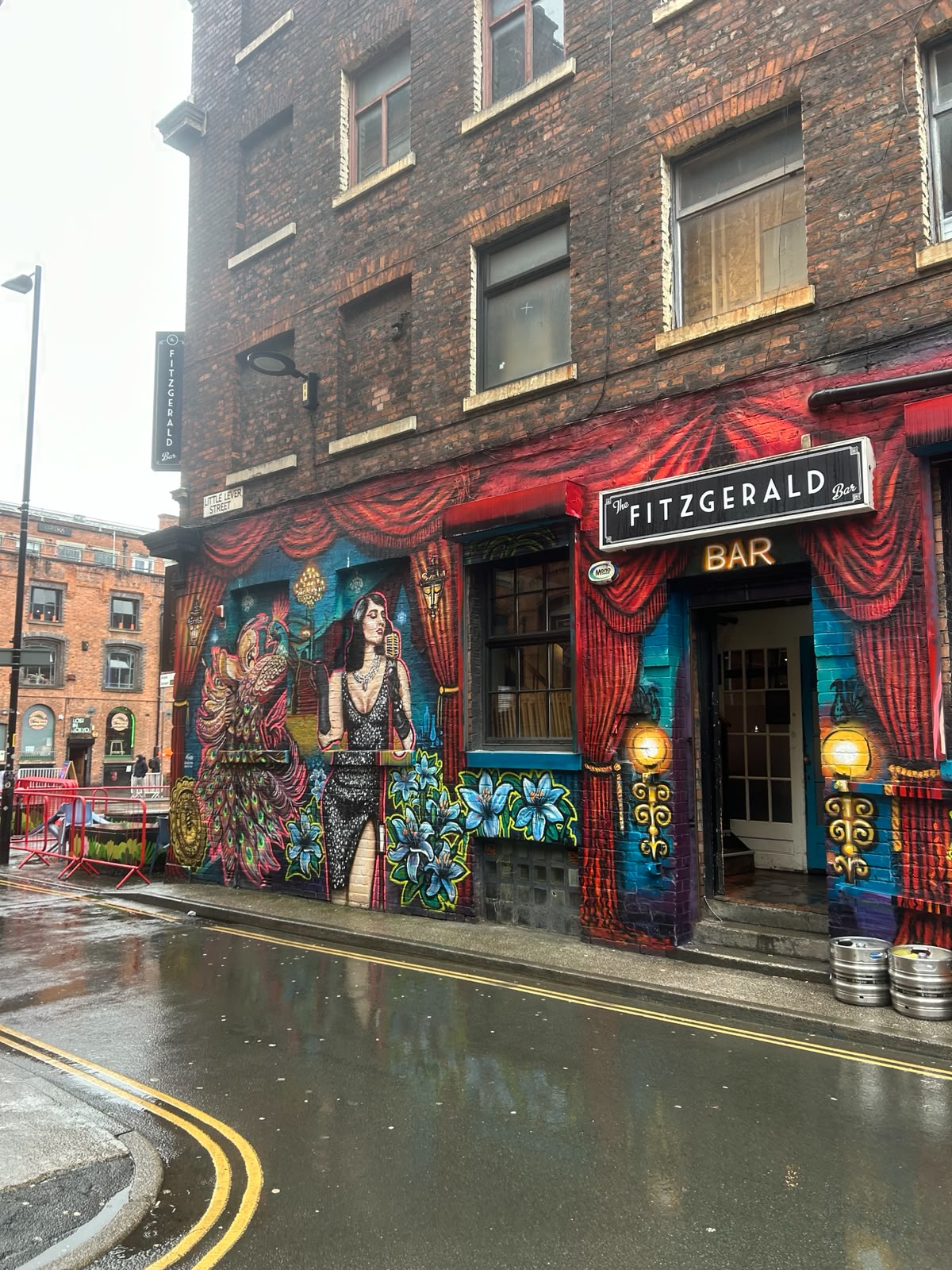
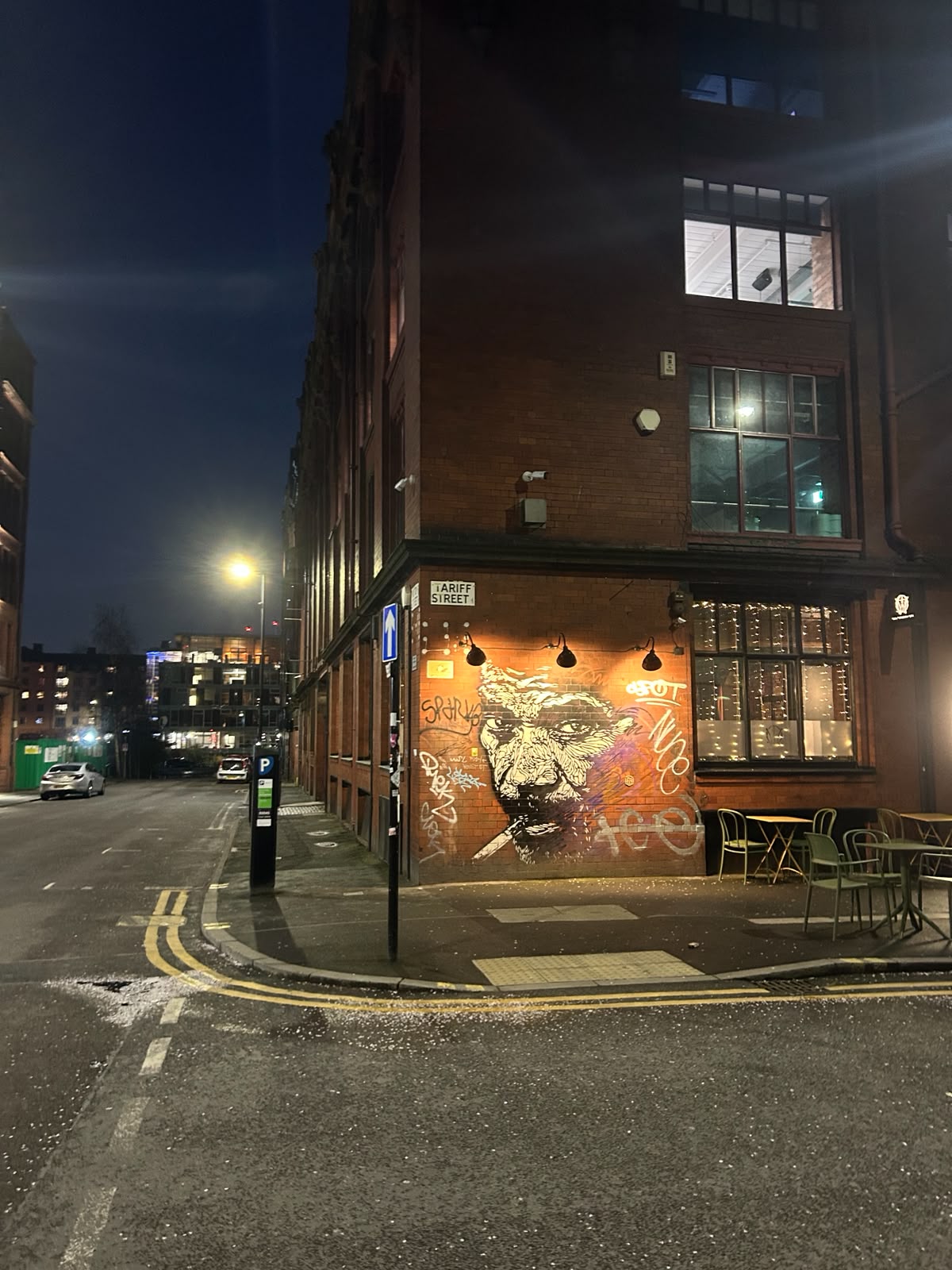
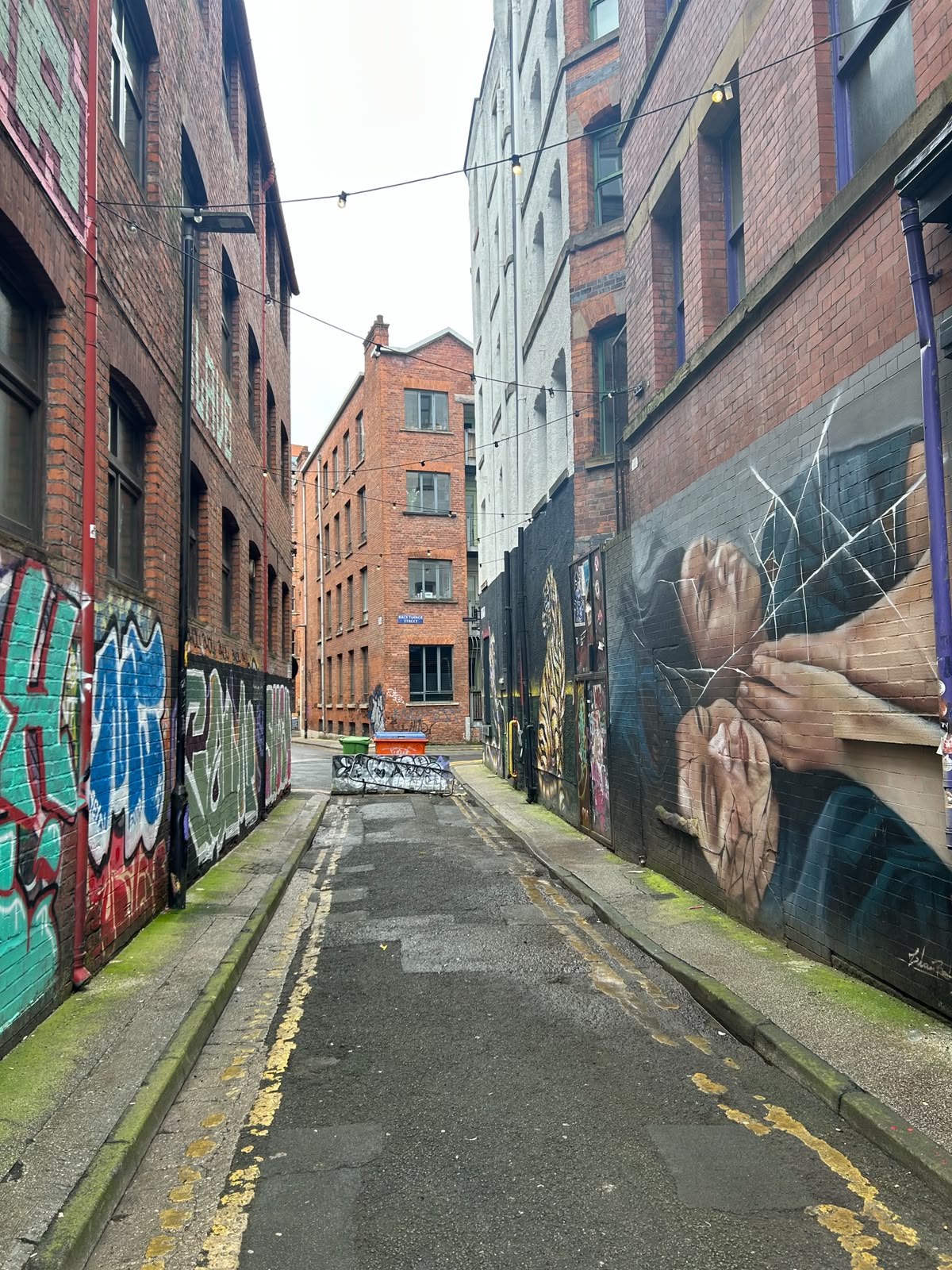
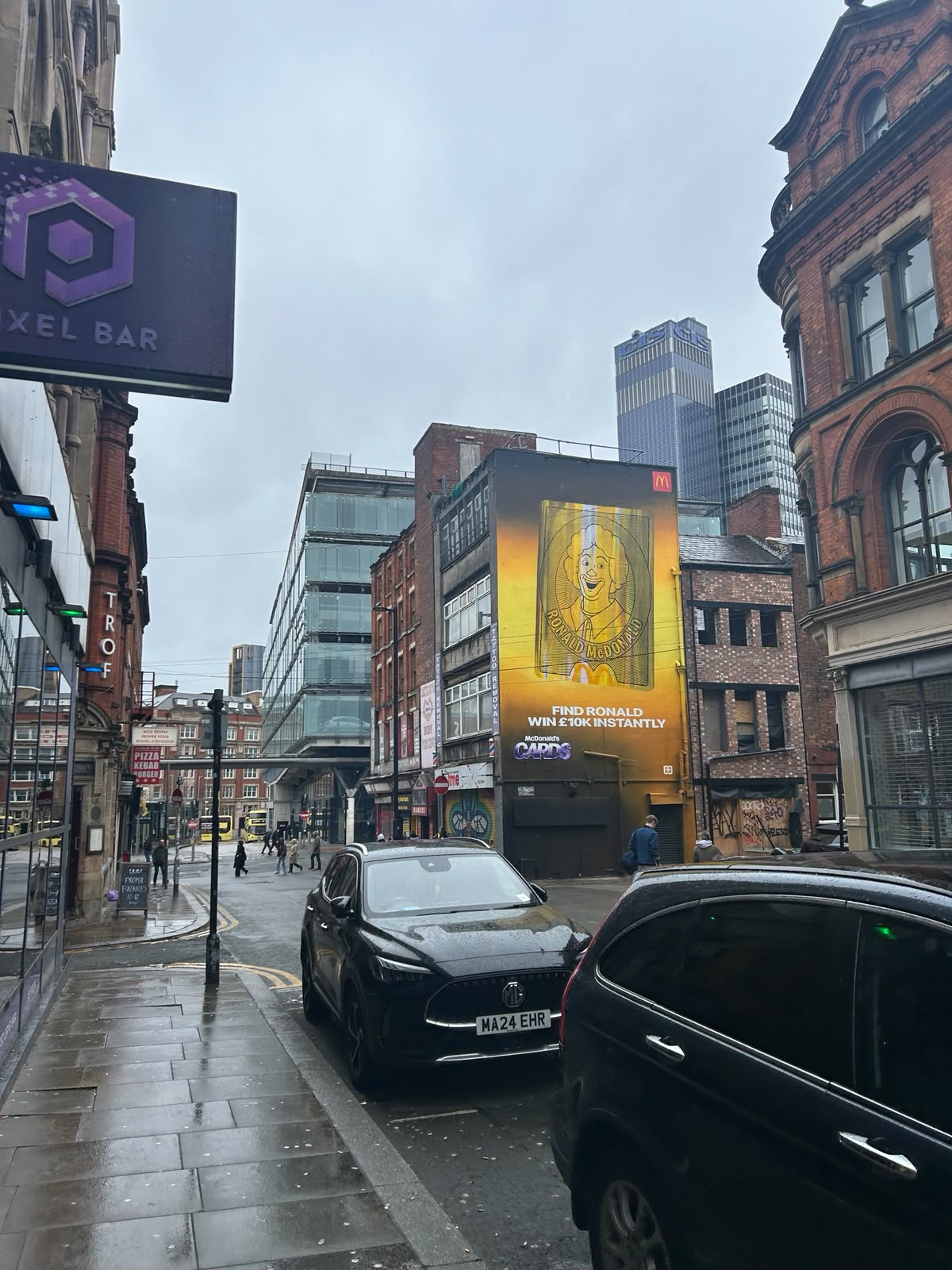
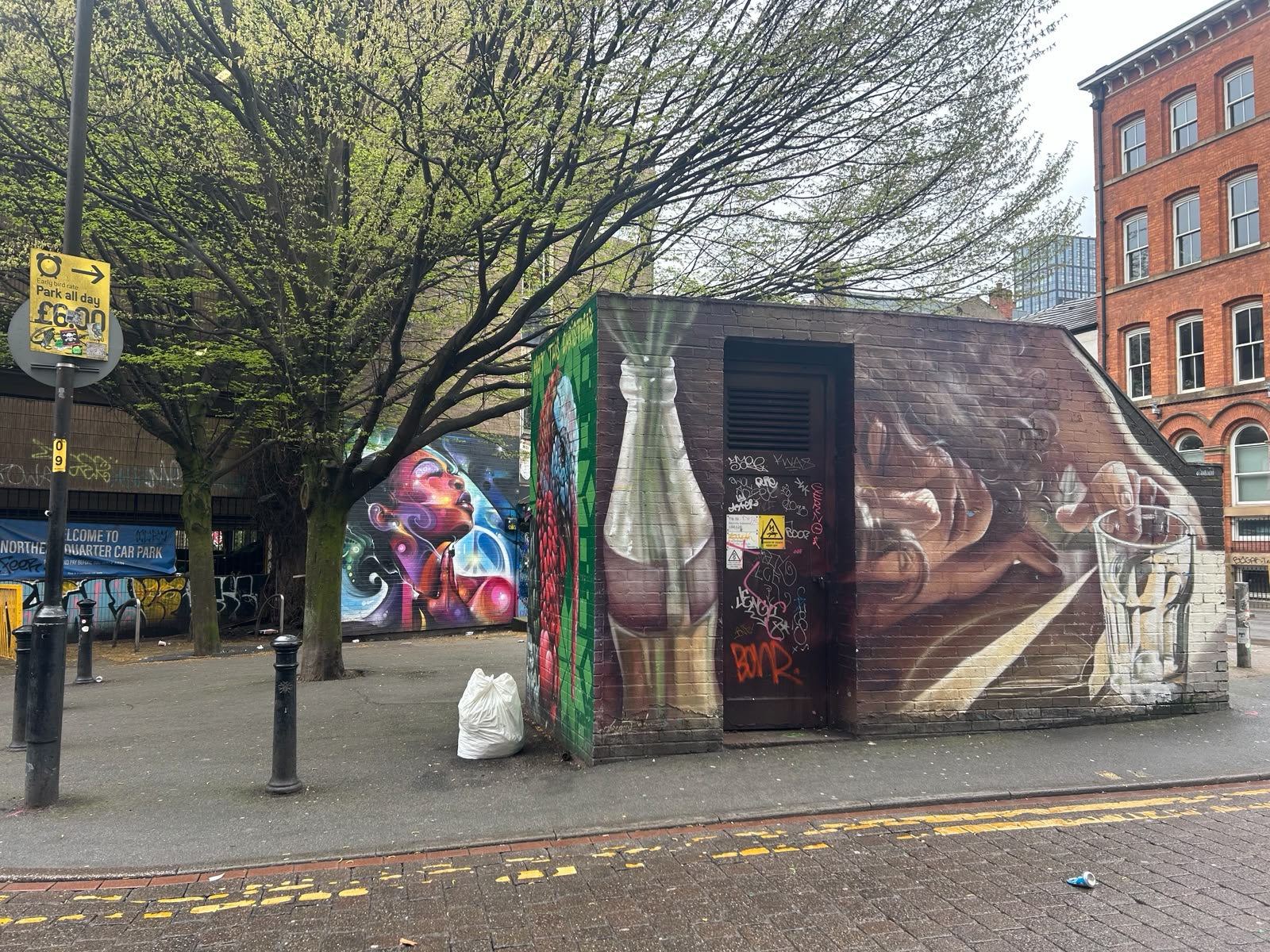
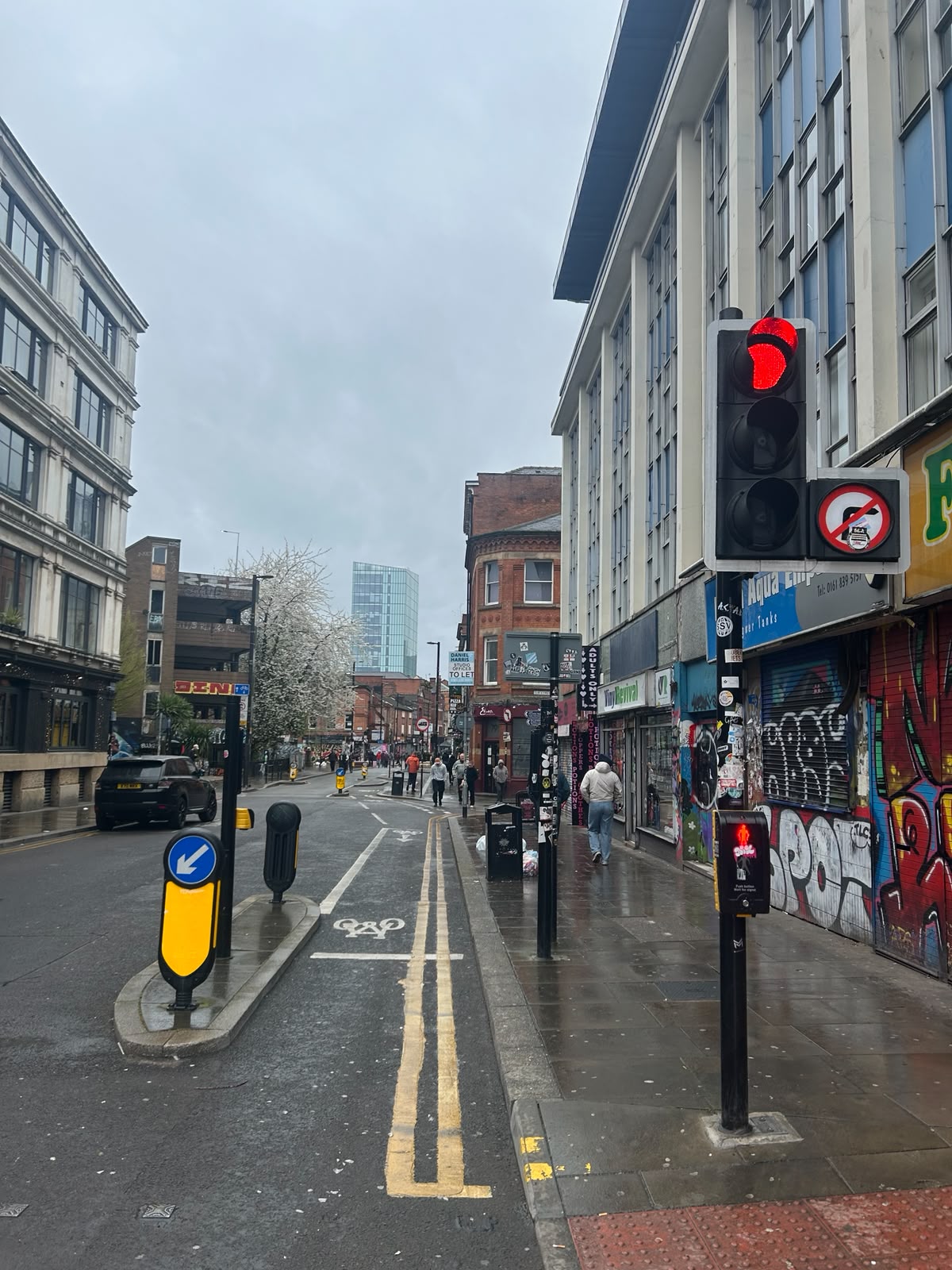
1- Northern Quarter – The most alternative and coolest neighbourhood in the city. If you love street art, independent vinyl record stores (like Piccadilly Records), vintage clothing, and specialty coffee shops, this labyrinth of streets is your place. Every single corner is filled with incredible murals.
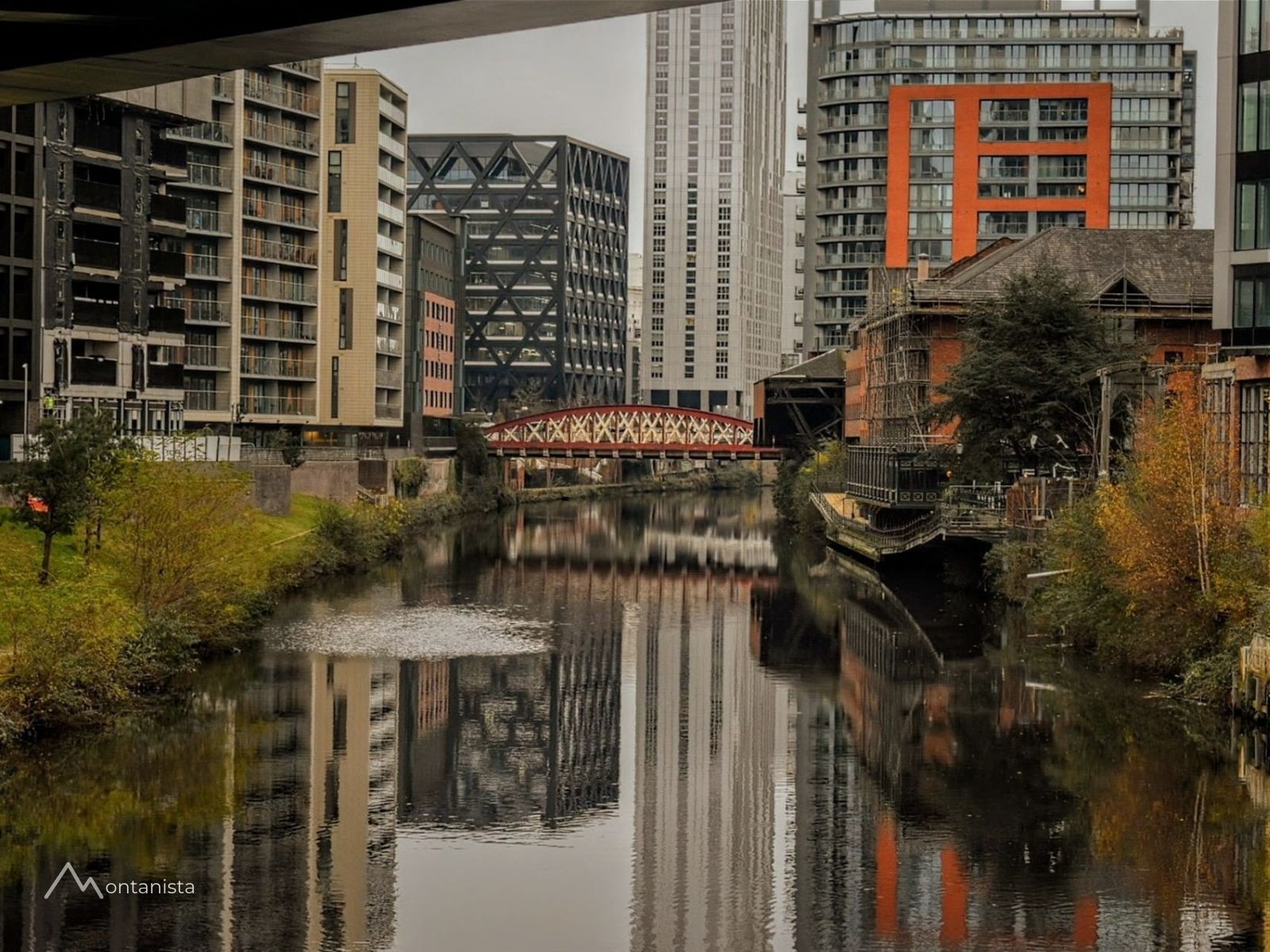
2- Castlefield – Where it all began. This is a beautiful and quiet pedestrianised area where old canals, the ruins of a Roman fort, and black iron railway bridges seamlessly coexist. It is the perfect spot for a sunset stroll or a drink on the waterside terraces.
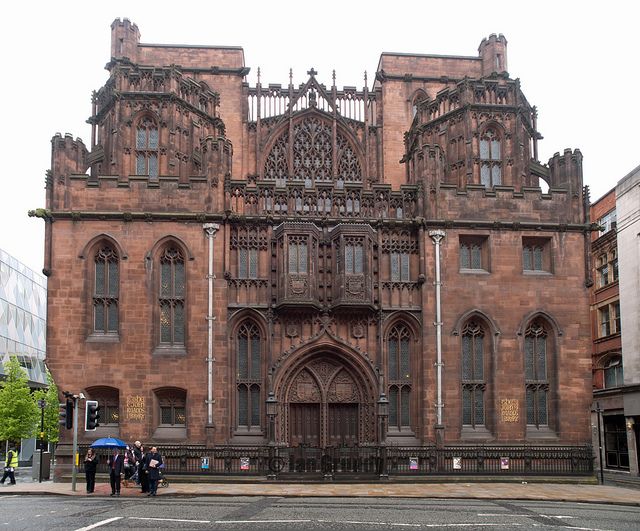
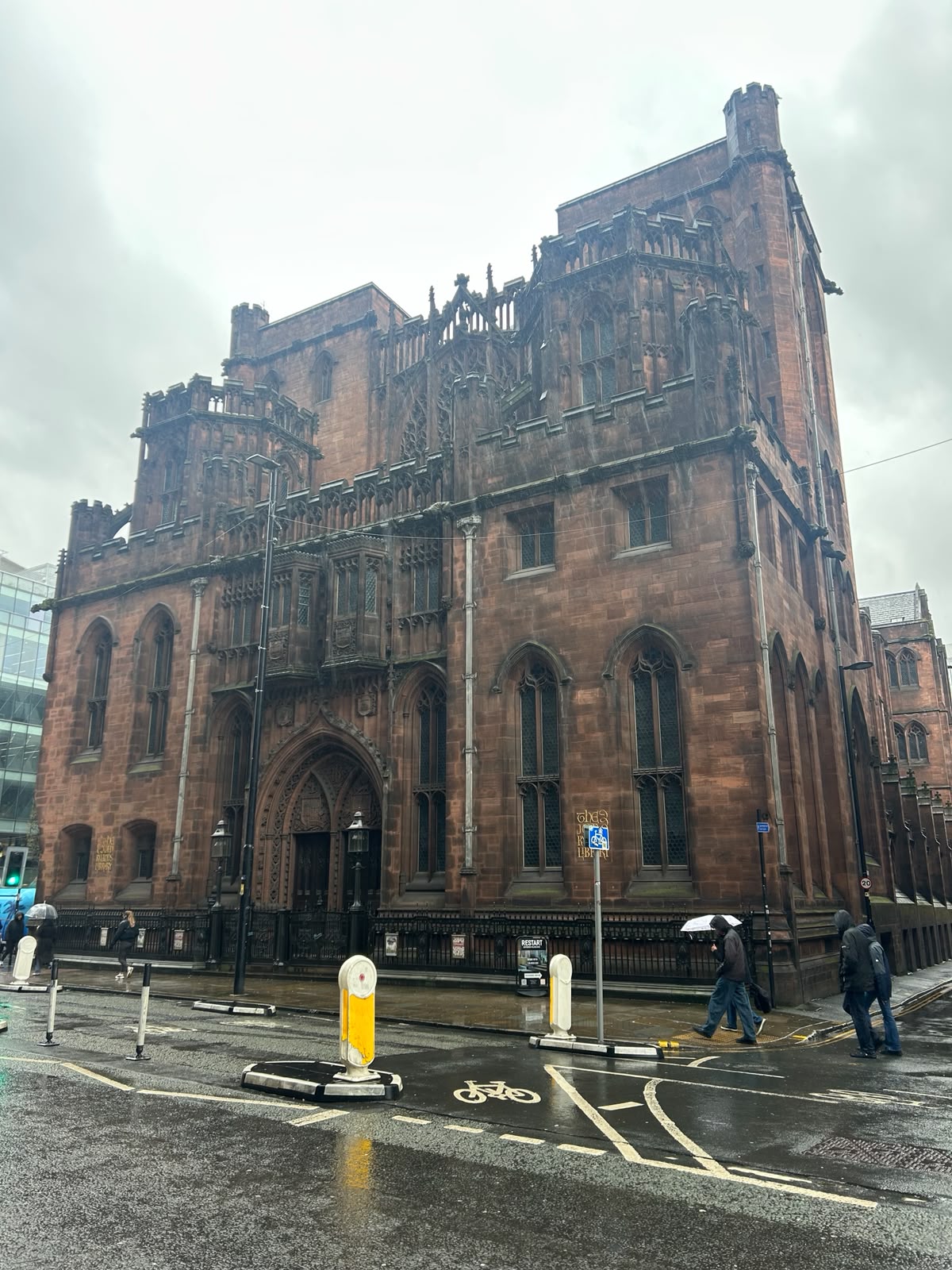
3- John Rylands Library – Looks like it was taken straight out of a fantasy film. Opened in 1900, this late Neo-Gothic library will leave you speechless. Its main hall resembles a cathedral, and inside it houses unique fragments of medieval manuscripts. Admission is free.
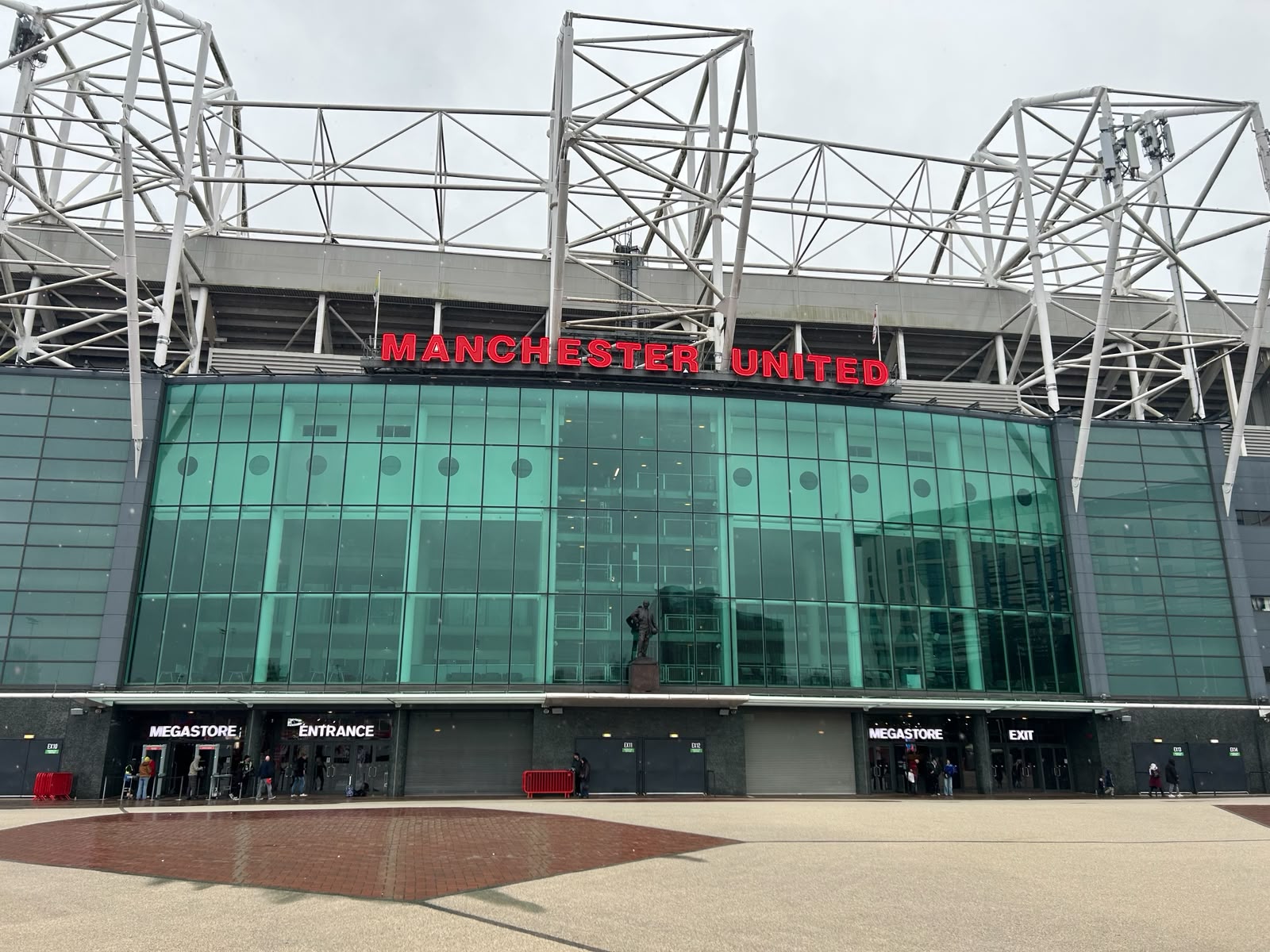
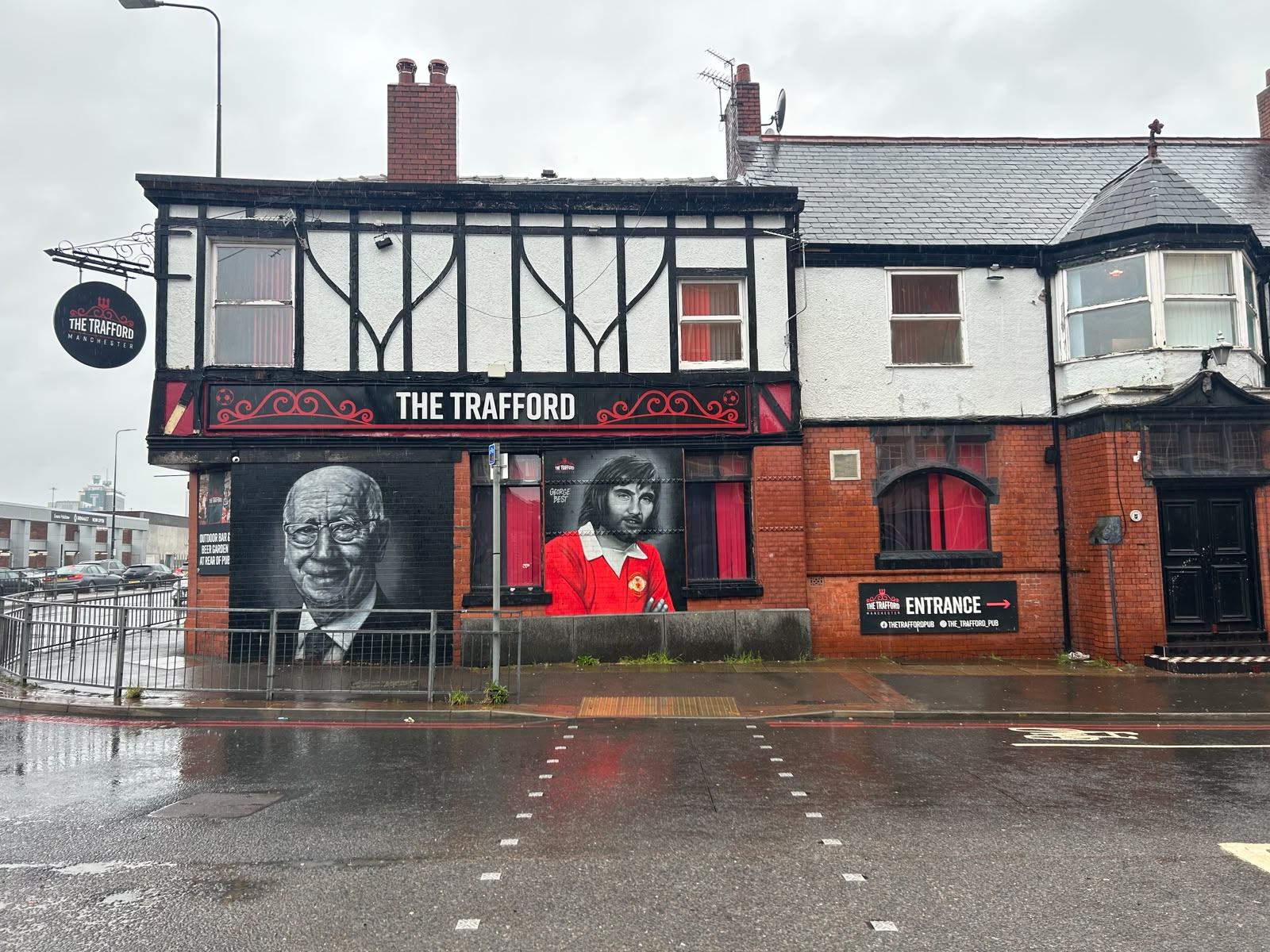
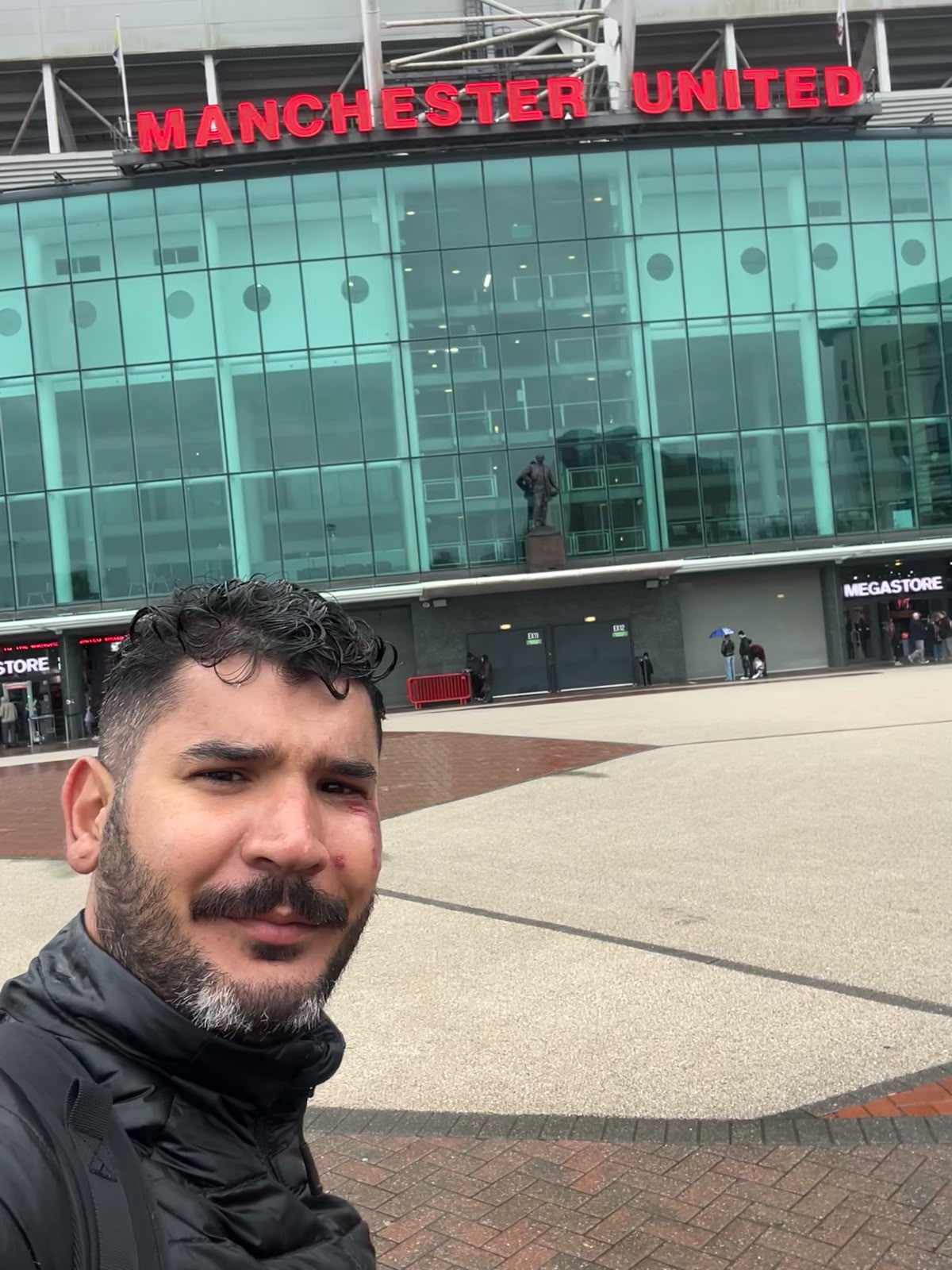
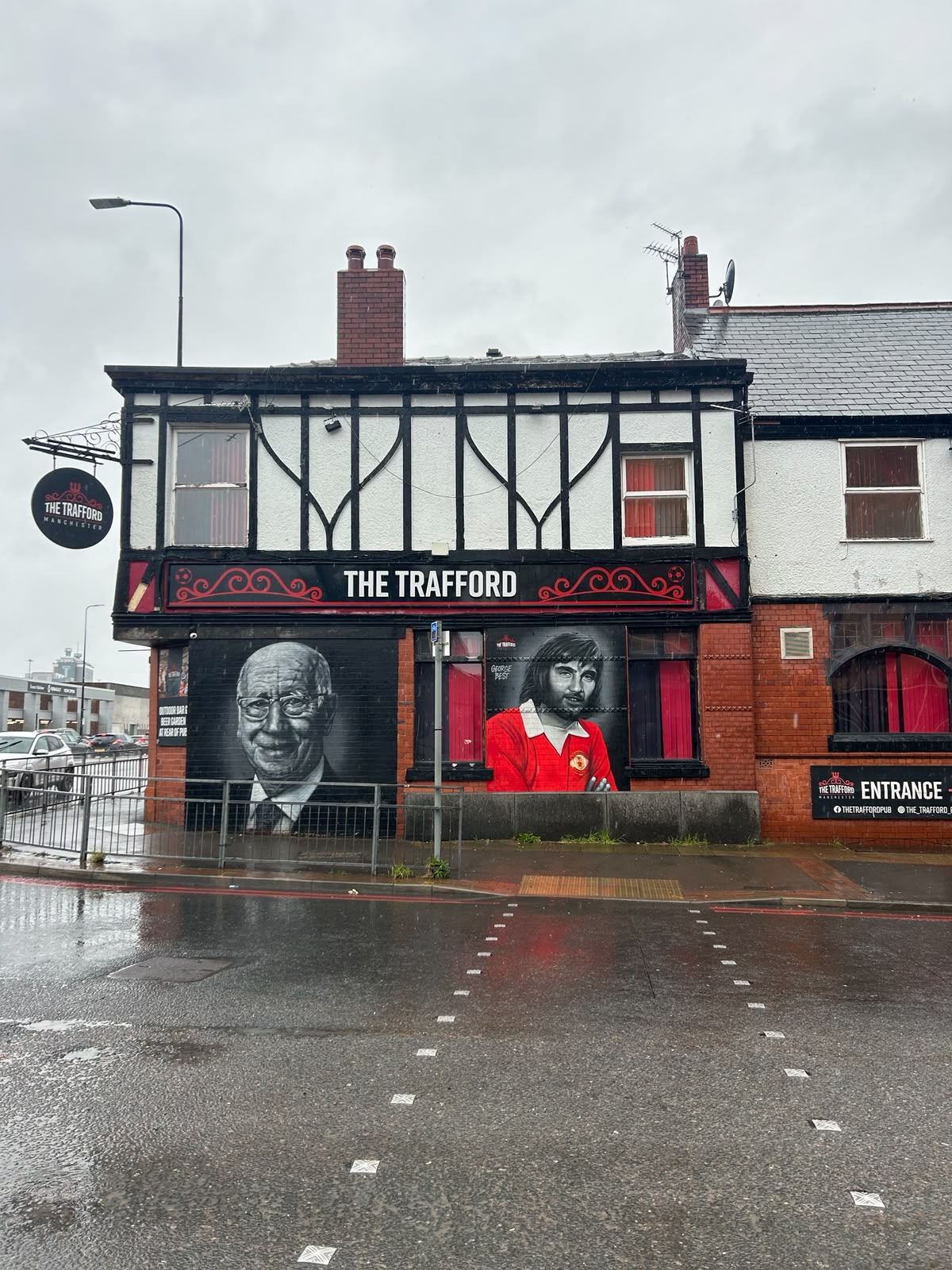
4- Old Trafford – The Theatre of Dreams. The mythical home of Manchester United is one of the most famous stadiums in sporting history. Visiting its museum, walking down the players' tunnel, and stepping out by the pitch gives you goosebumps, reviving the golden eras of Sir Alex Ferguson.
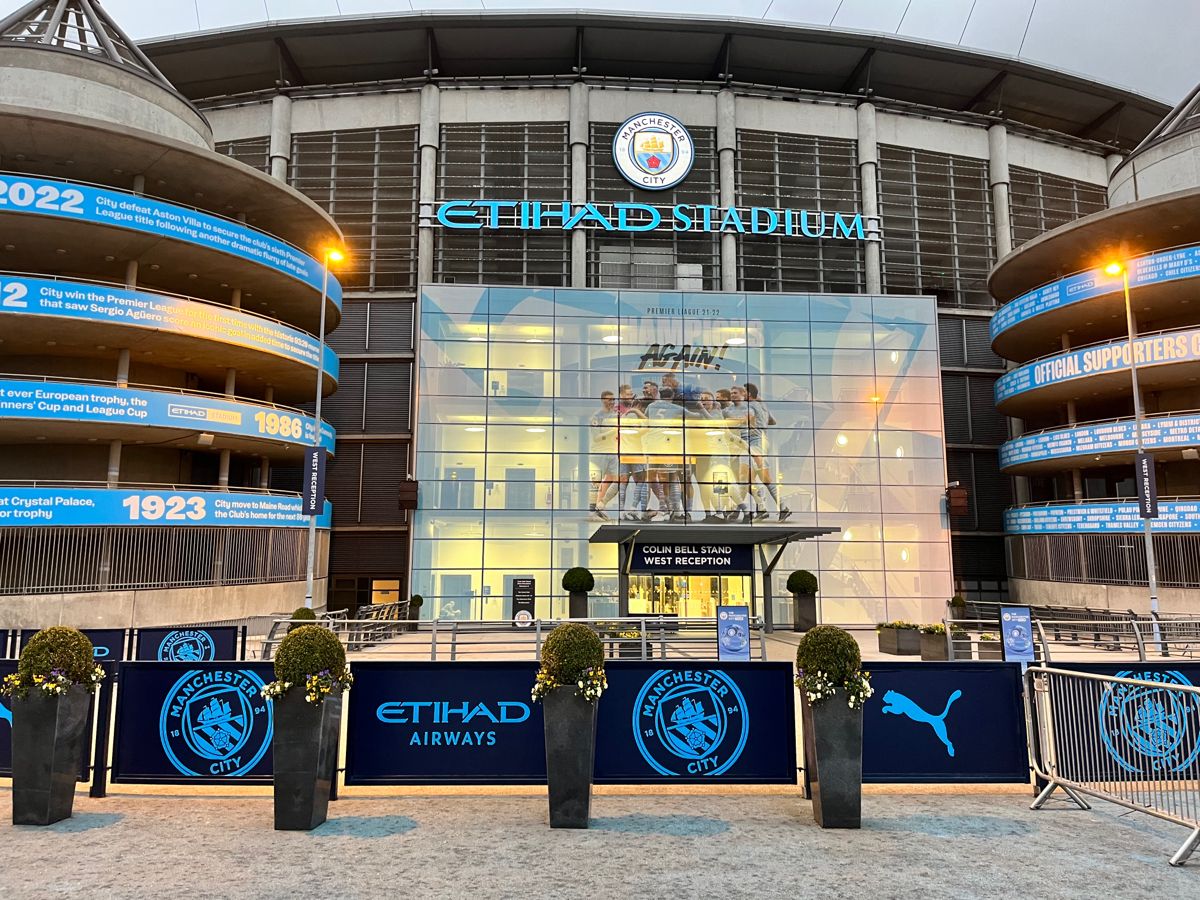
5- Etihad Stadium – The home of modern football. Rising up in the east of the city is the house of Manchester City, the epicentre of beautiful football and cutting-edge sports technology. Its striking exterior design and state-of-the-art facilities perfectly reflect Manchester's recent ambitious evolution.
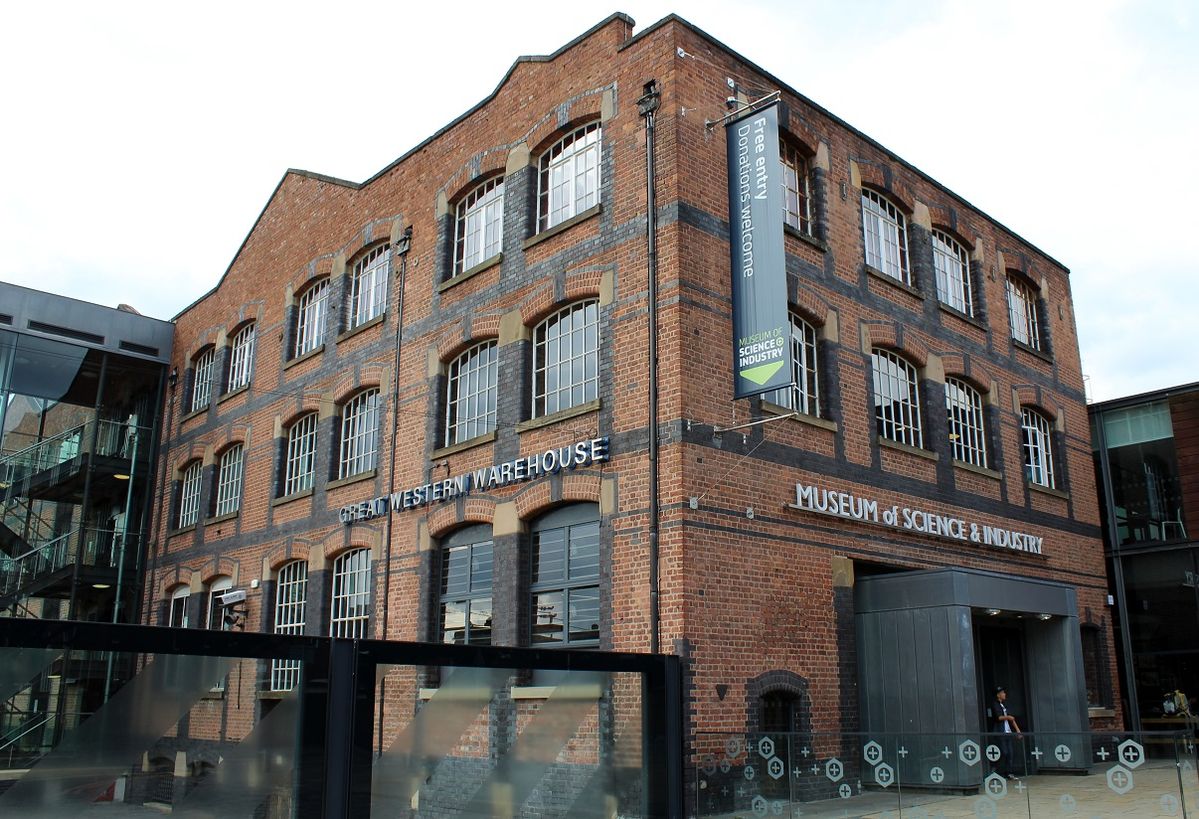
6- Science and Industry Museum – The engine of the revolution. Located on the site of the world's oldest surviving passenger railway station, this free museum shows you how Manchester changed the world with its textile machinery, steam locomotives, and groundbreaking scientific discoveries.
7- Ancoats – The culinary epicentre. Right next to the Northern Quarter, what used to be a working-class textile district filled with abandoned factories is today one of the trendiest residential neighbourhoods in Europe. It is packed with artisan pizzerias, award-winning restaurants, and brilliant bakeries.
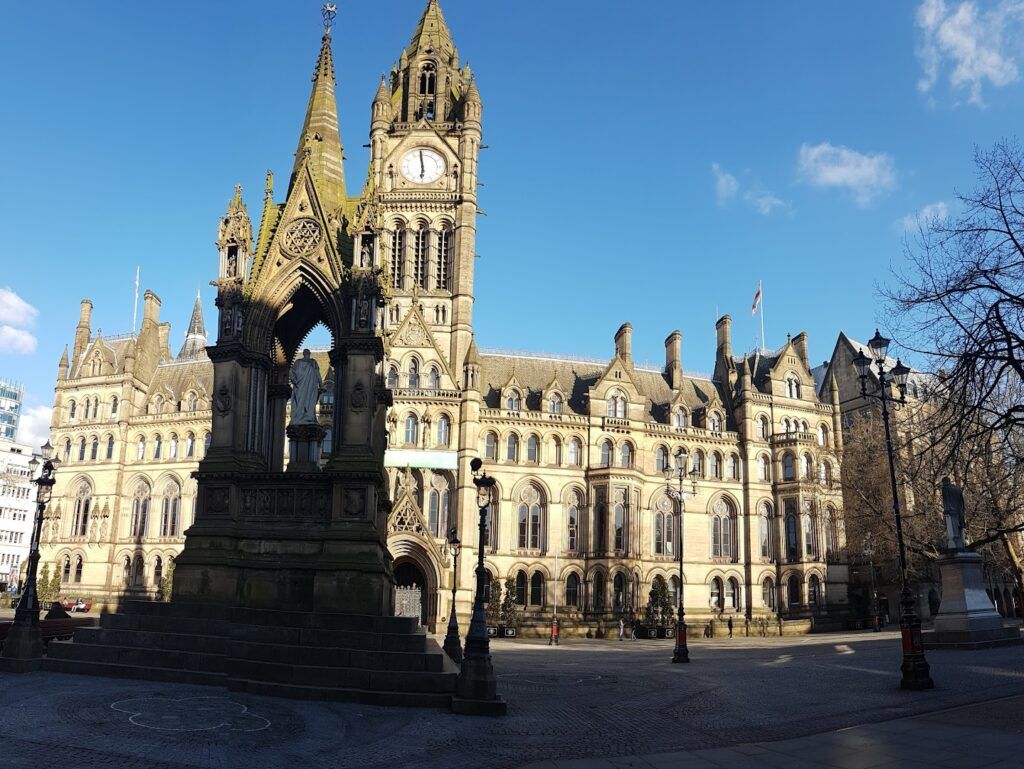
8- Manchester Town Hall and Albert Square – A masterpiece of Victorian Gothic architecture. Although it has been undergoing a massive restoration project, its striking facade and the surrounding square remain the central point for the city's largest celebrations.
Free Museums That Are Well Worth a Visit
Manchester truly stands out for its free access to culture. These three art spaces are absolute must-stops on your itinerary:
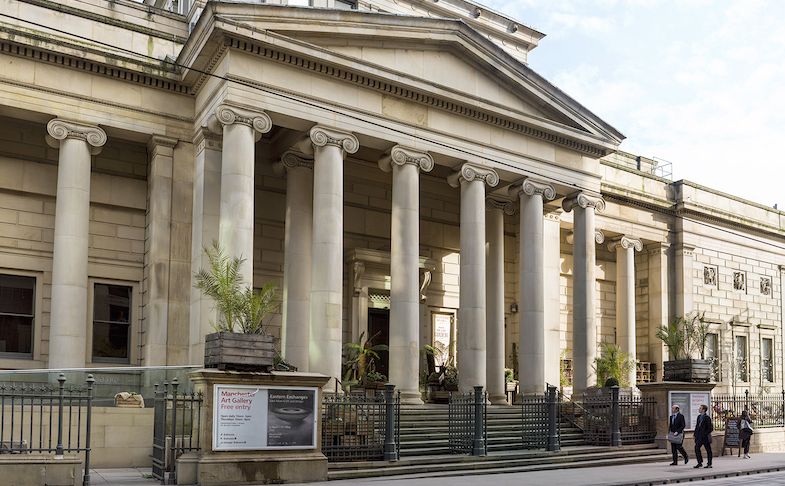
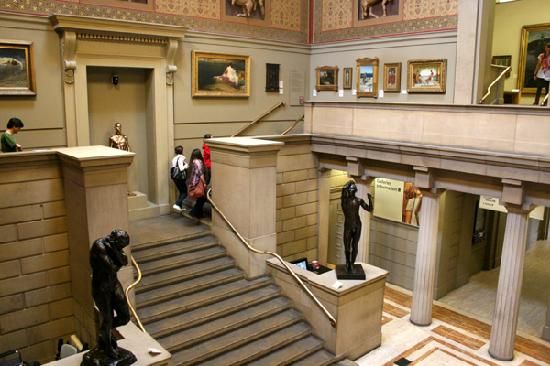
1- Manchester Art Gallery – The ultimate mix of classic and modern art. An impeccable collection blending classical paintings (featuring spectacular Pre-Raphaelite works) with contemporary design and fashion exhibitions, all set within an imposing Neoclassical building.
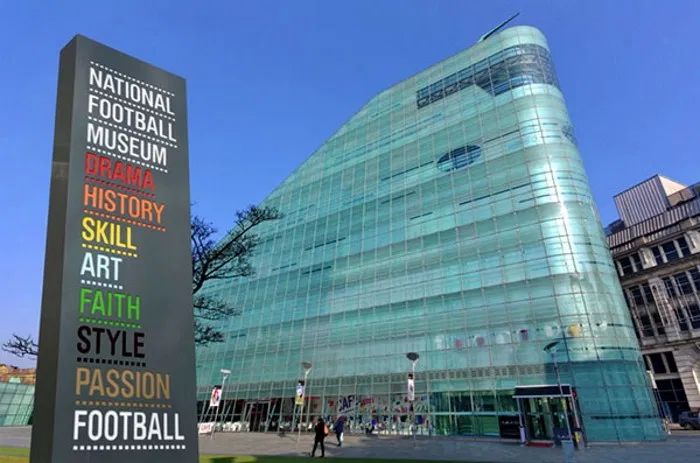
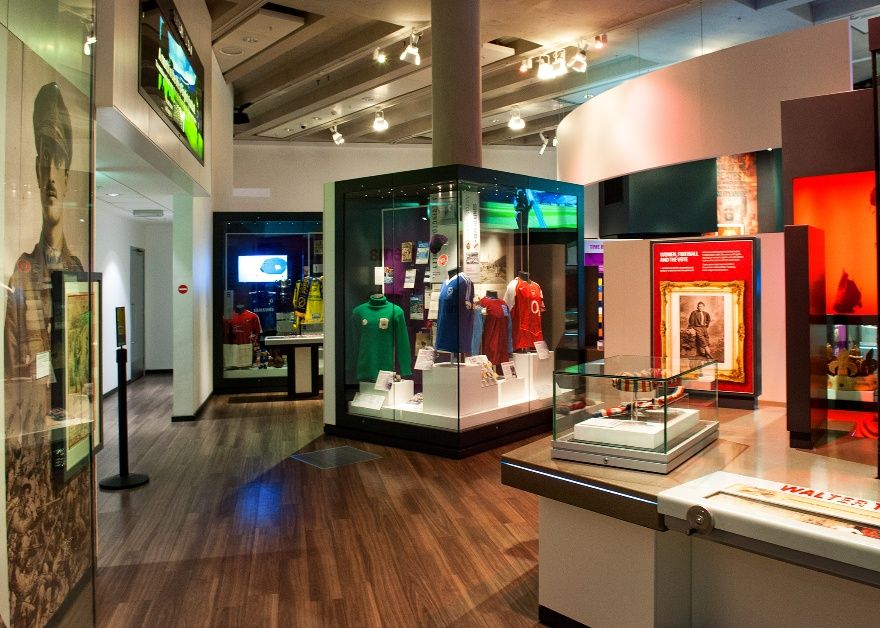
2- National Football Museum – The history of the beautiful game. Housed in the futuristic glass Urbis building right in the city centre, this is the world's largest football museum. It is packed with historic shirts, real trophies, and interactive games to test your penalty skills.
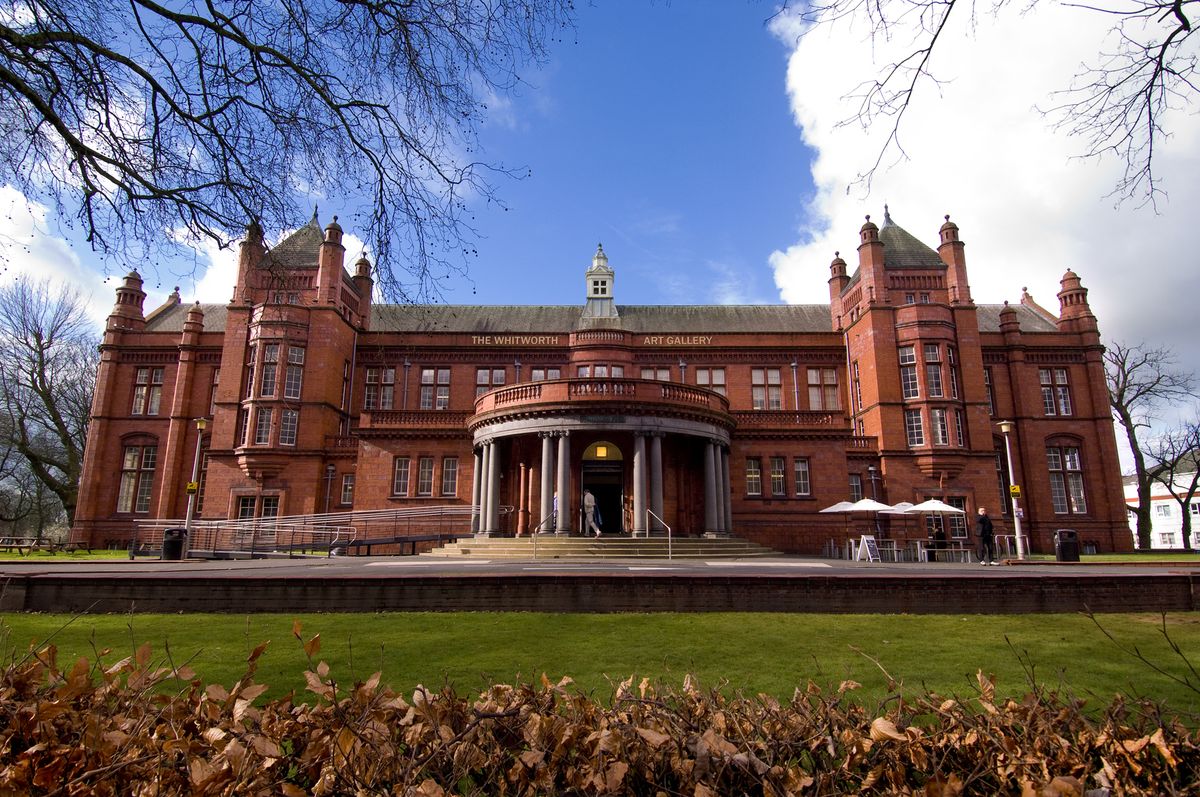
3- The Whitworth – Art surrounded by nature. Located inside a beautiful park south of the city centre, this unique space seamlessly integrates modern art installations and innovative textile galleries with massive glass windows overlooking the trees. Its glass-walled café is stunning.
How to Get Around Manchester
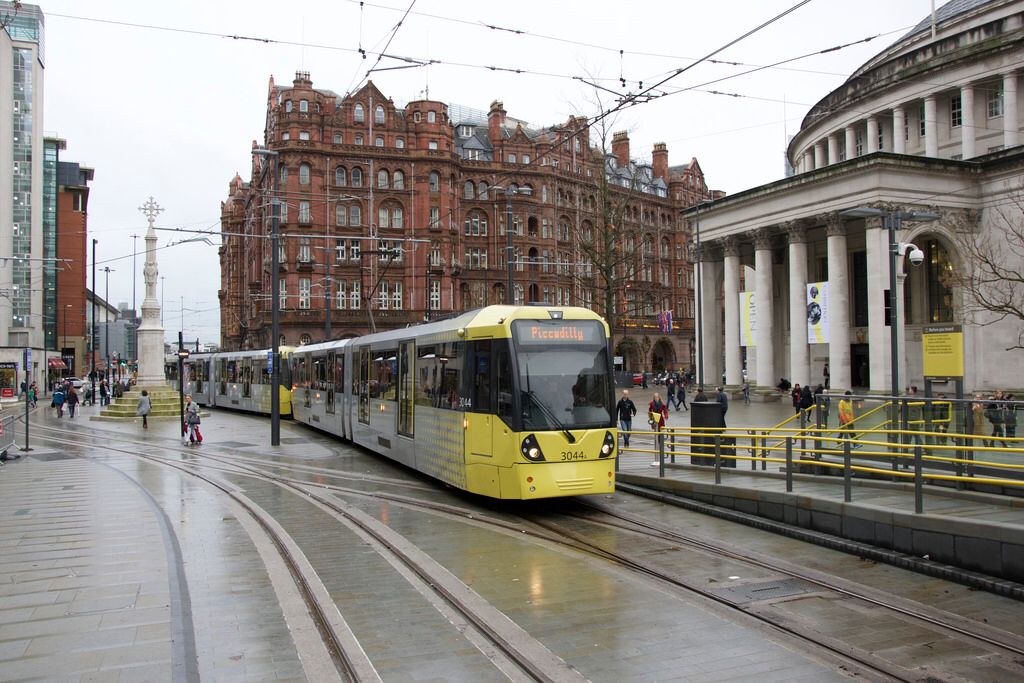
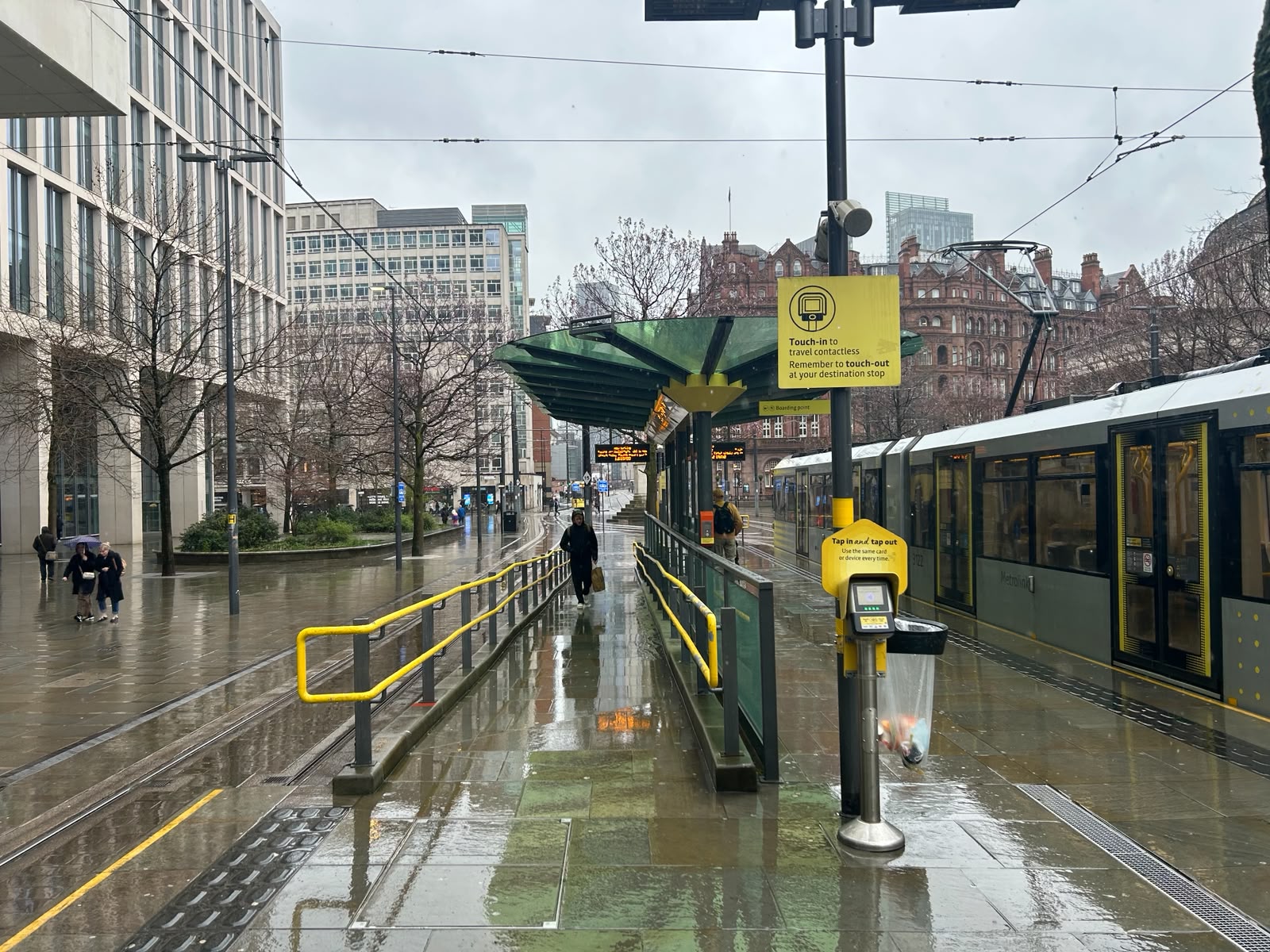
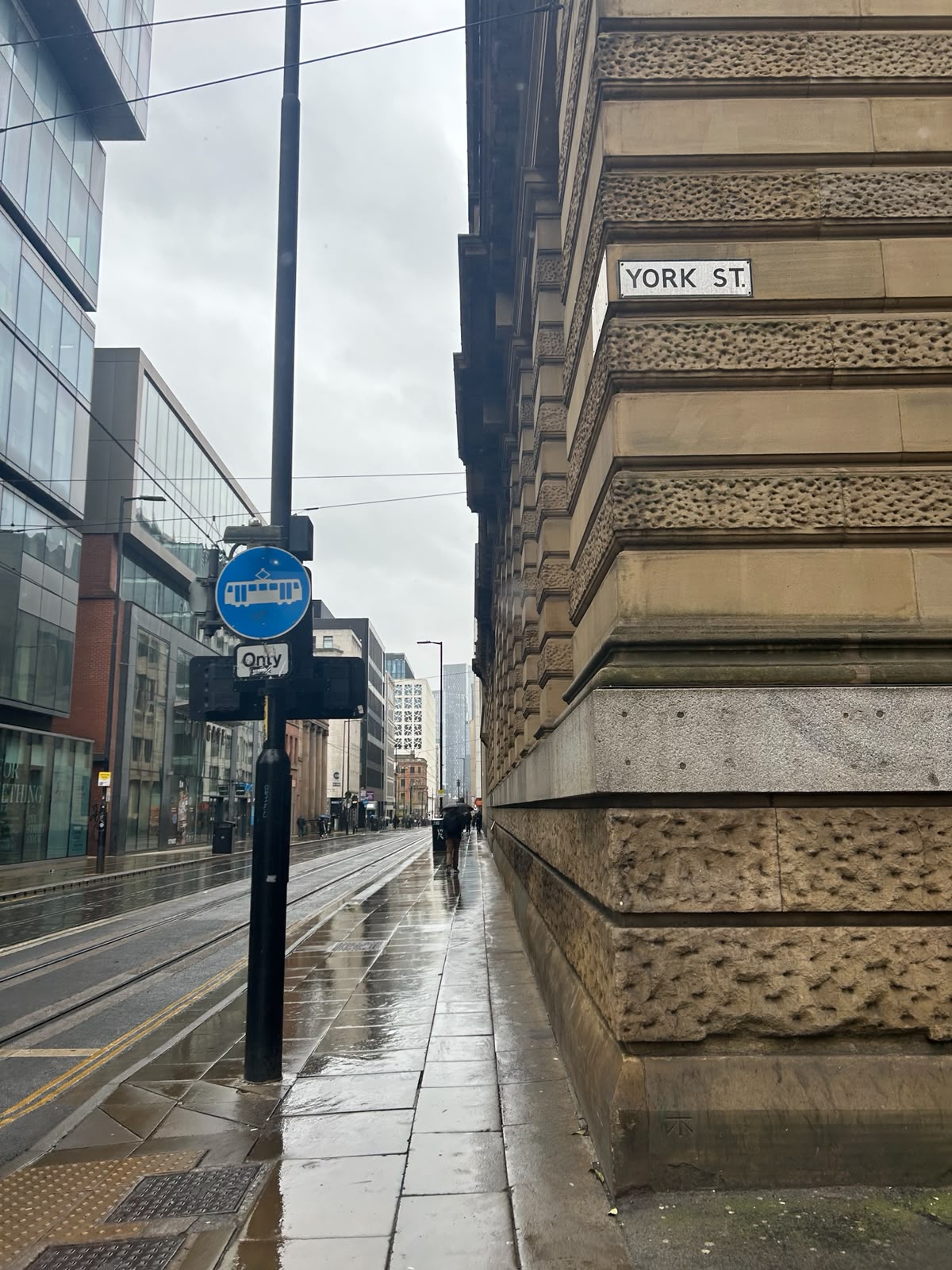
- Metrolink (Tram): It is excellent. It crosses the entire city, is super clean, fast, and connects the city centre with key areas like MediaCityUK or the City's football stadium.
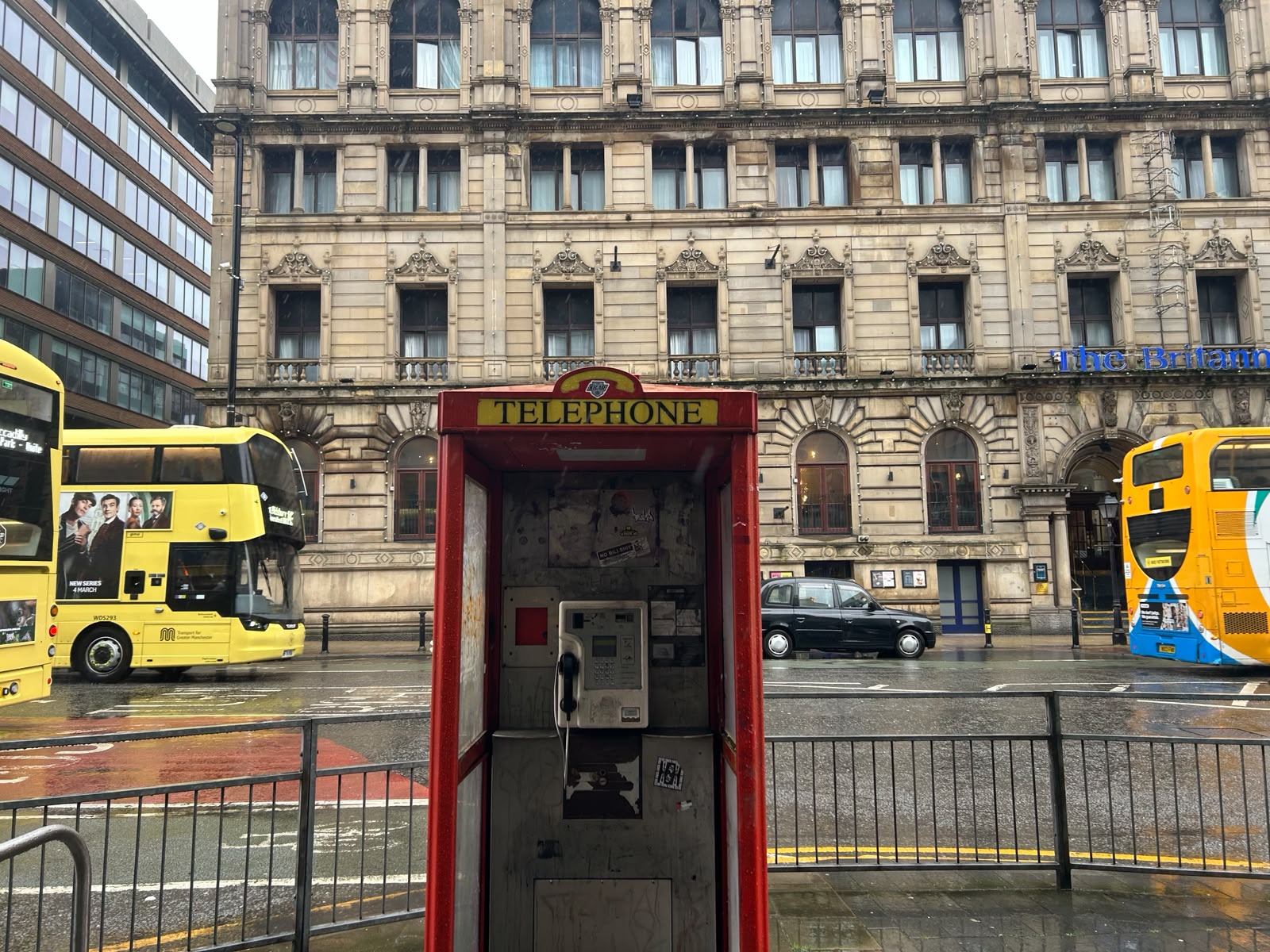
- Free Bus: There is a network of completely free buses running hop-on, hop-off routes around the city centre, connecting the main train stations (Piccadilly, Victoria, and Oxford Road). Just look for the green buses.
- Walking: Manchester city centre is remarkably flat and compact. You can easily walk from the Northern Quarter to Castlefield in about 20–25 minutes.
- Contactless Payments: Just like in the rest of the UK, you pay on trams and buses simply by tapping your bank card or phone when boarding and tapping out when you leave.
How to Get to the Stadiums: Old Trafford and Etihad Stadium
Visiting the football stadiums in Manchester is an incredible experience, but you need to plan your journey properly as they are located on opposite sides of the city. Taking the Metrolink (tram) is always your best option.
1. How to Get to Old Trafford (Manchester United)
The stadium is located southwest of the city centre.
- By Tram (Metrolink): Take the Altrincham Line from the city centre (from stations like Piccadilly or Deansgate-Castlefield) and get off at Old Trafford station.
- The Walk: Once you hop off, you will walk about 800 metres (roughly a 10-minute walk) following the matchday crowds down Sir Matt Busby Way until the stadium opens up in front of you. It is a fantastic walk, lined with scarf stalls, burger vans, and pure football atmosphere.
- Alternative Option: You can also get off at Wharfside station (Trafford Park Line), which drops you just a 5-minute walk away from the stadium near the waterside.
- Walking along the canal (A spectacular alternative): If you want to stretch your legs and avoid the busy matchday tram crowds, you can walk from the centre along the Bridgewater Canal path. Starting from the canals in Castlefield, the path leads you directly to the pedestrian bridge right next to the stadium without any road interruptions. It is a flat, safe 3.5-kilometre route that takes between 45 minutes and 1 hour 15 minutes at a leisurely pace, surrounded by fans walking to the match.
2. How to Get to the Etihad Stadium (Manchester City)
The City's stadium is located to the east, and getting there is even more direct.
- By Tram (Metrolink): From city centre stations (such as Piccadilly), catch the tram towards Ashton-under-Lyne and get off directly at Etihad Campus station.
- The Walk: As soon as you step out of the station, you are literally on the stadium's concourse. There is no way to get lost.
- Walking from the city centre: If you enjoy walking and the weather behaves, there is a safe, well-lit pedestrian route called the City Link that goes straight from the city centre (Ancoats/Piccadilly area) all the way to the stadium in about 30–45 minutes.
Best Neighbourhoods to Stay In
- Piccadilly / City Centre: Highly practical if you are arriving by train and want to be steps away from the main shops and excellent transport connections.
- Northern Quarter: Ideal if you are looking for a vibrant, youthful atmosphere, independent nightlife, and close proximity to cultural bars.
- Spinningfields: The modern financial district; home to high-end hotels, luxury restaurants, and incredibly sleek, polished streets.
- Ancoats: Perfect if you prefer a trendy residential vibe, independent design cafés, and a quieter stay just a short walk from the bustling centre.
Music and Nightlife: The DNA of the City
The nightlife in Manchester is legendary. You cannot leave without experiencing:
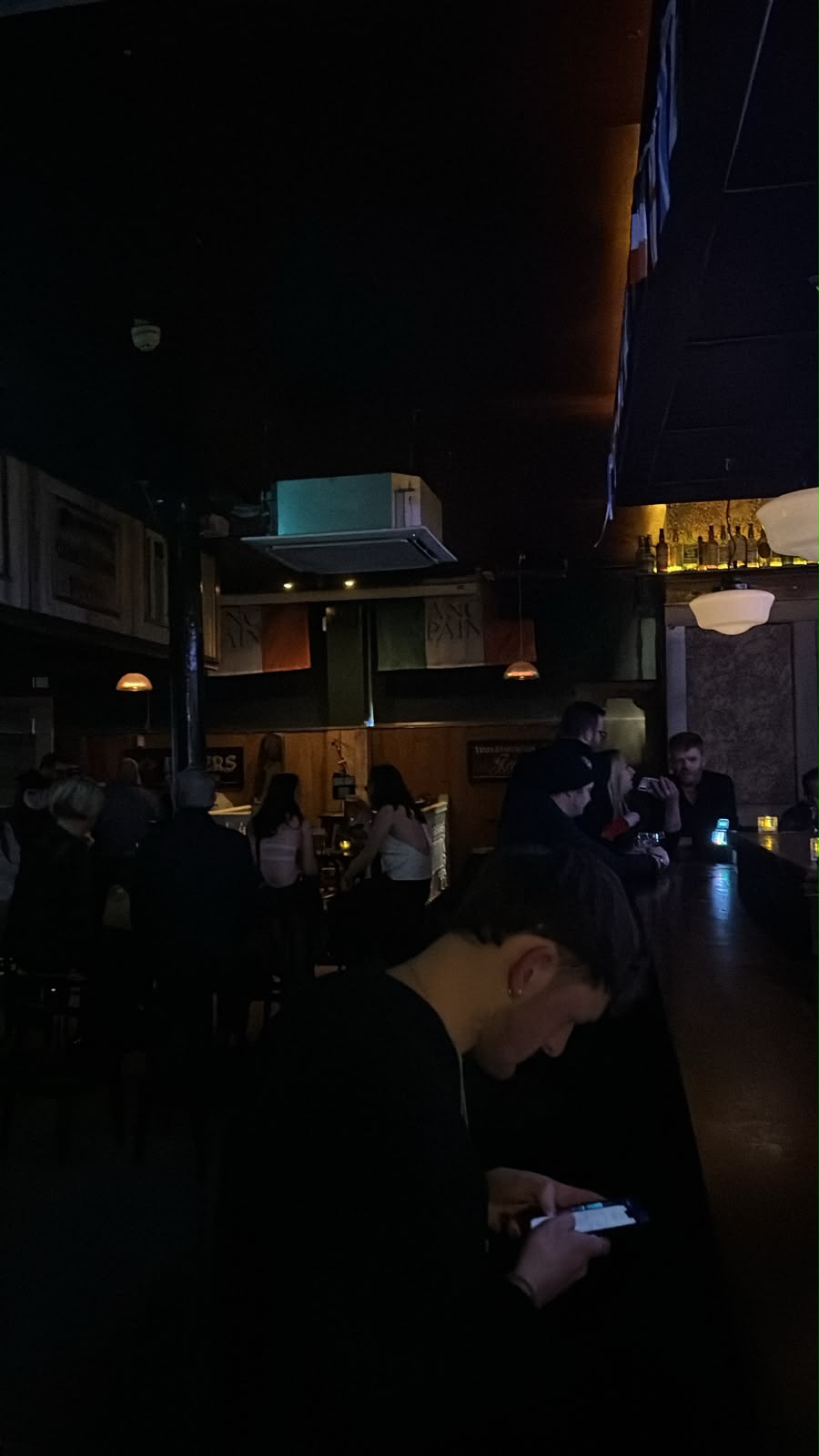
- Live Music Pubs: Historic spots like Night & Day Cafe or The Band on the Wall in the Northern Quarter, where world-famous bands played their very first gigs.
- The Gay Village (Canal Street): One of the most famous and vibrant LGBT+ quarters in the world, running alongside the canal with dozens of lively bars, outdoor terraces, and an incredible party atmosphere.
- Albert Schloss: A massive Bavarian-style beer palace in the city centre offering spectacular live showtime entertainment every single night and a brilliant atmosphere.
What to Eat and Drink in Manchester
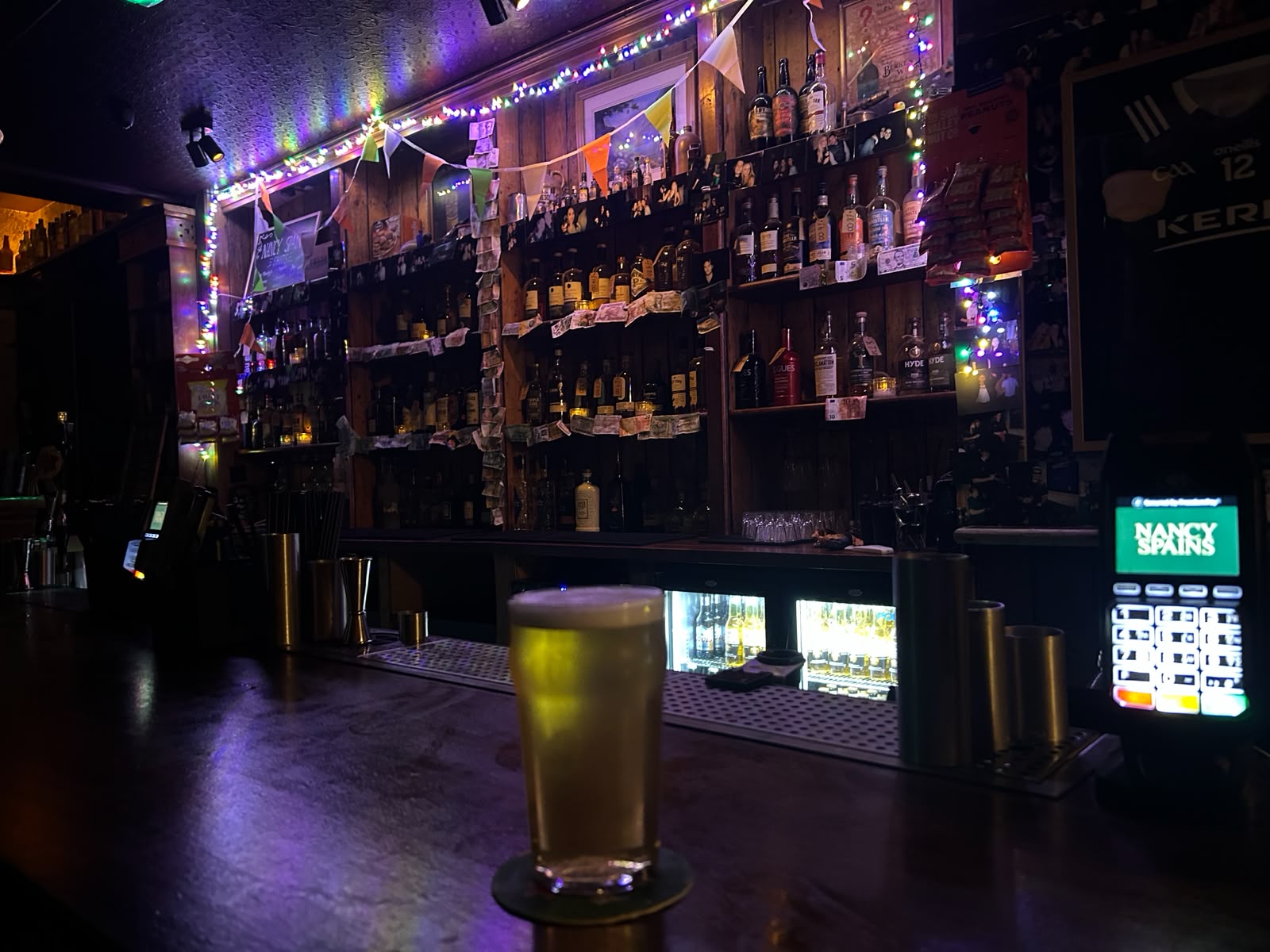
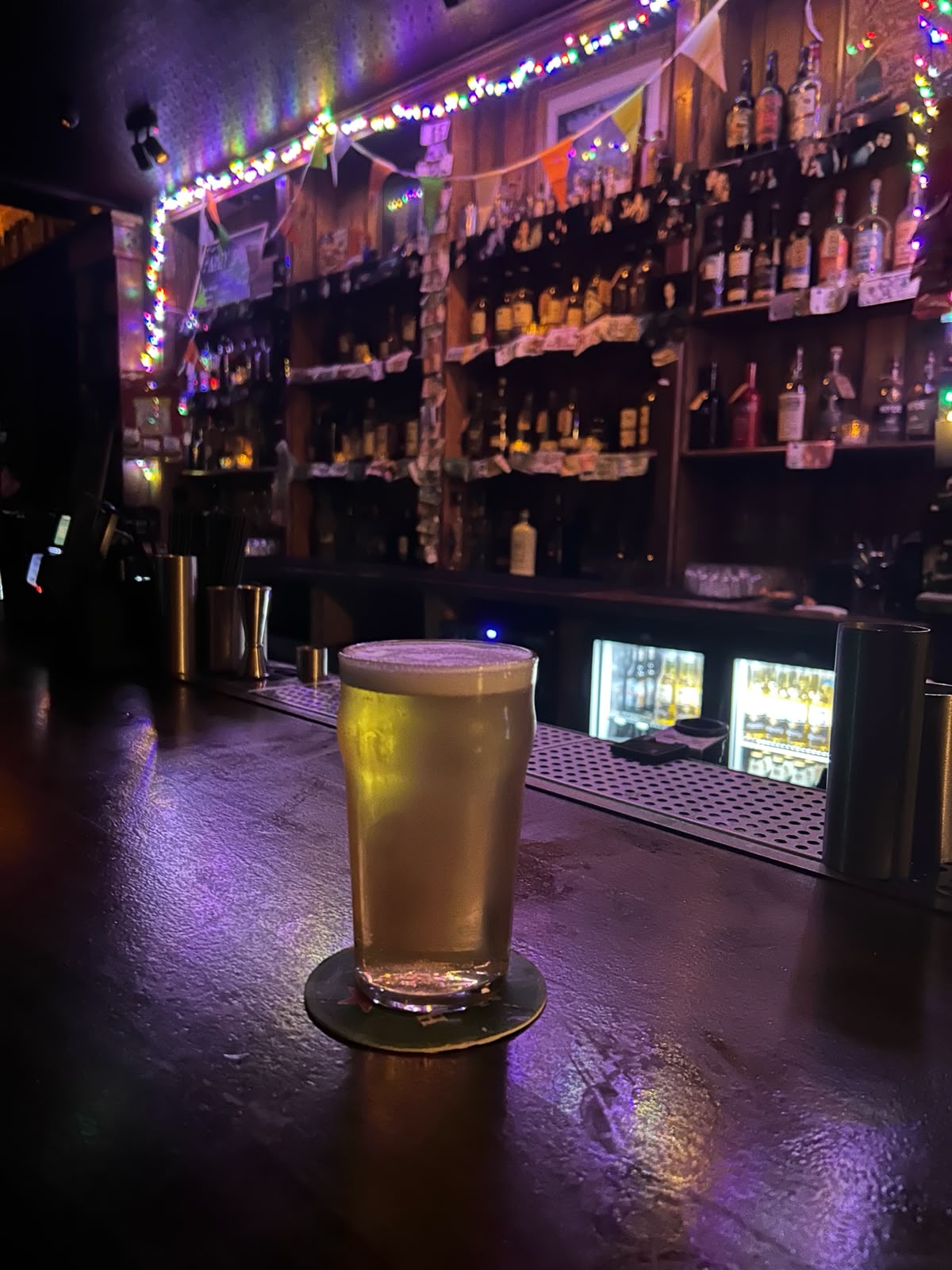
- Local Craft Beer: Manchester is home to some of the best microbreweries in the UK (such as Cloudwater or Track). You must try a fresh pint directly in their brewery taprooms.
- Vimto: A sweet, fruity carbonated drink that was invented in Manchester and has become a true local cult icon.
- International Cuisine: The food diversity here is massive. You can head over to Chinatown for spectacular dim sum and dumplings, or visit the famous Curry Mile in Rusholme to taste some of the best South Asian dishes in the country.
Tips and Useful Information
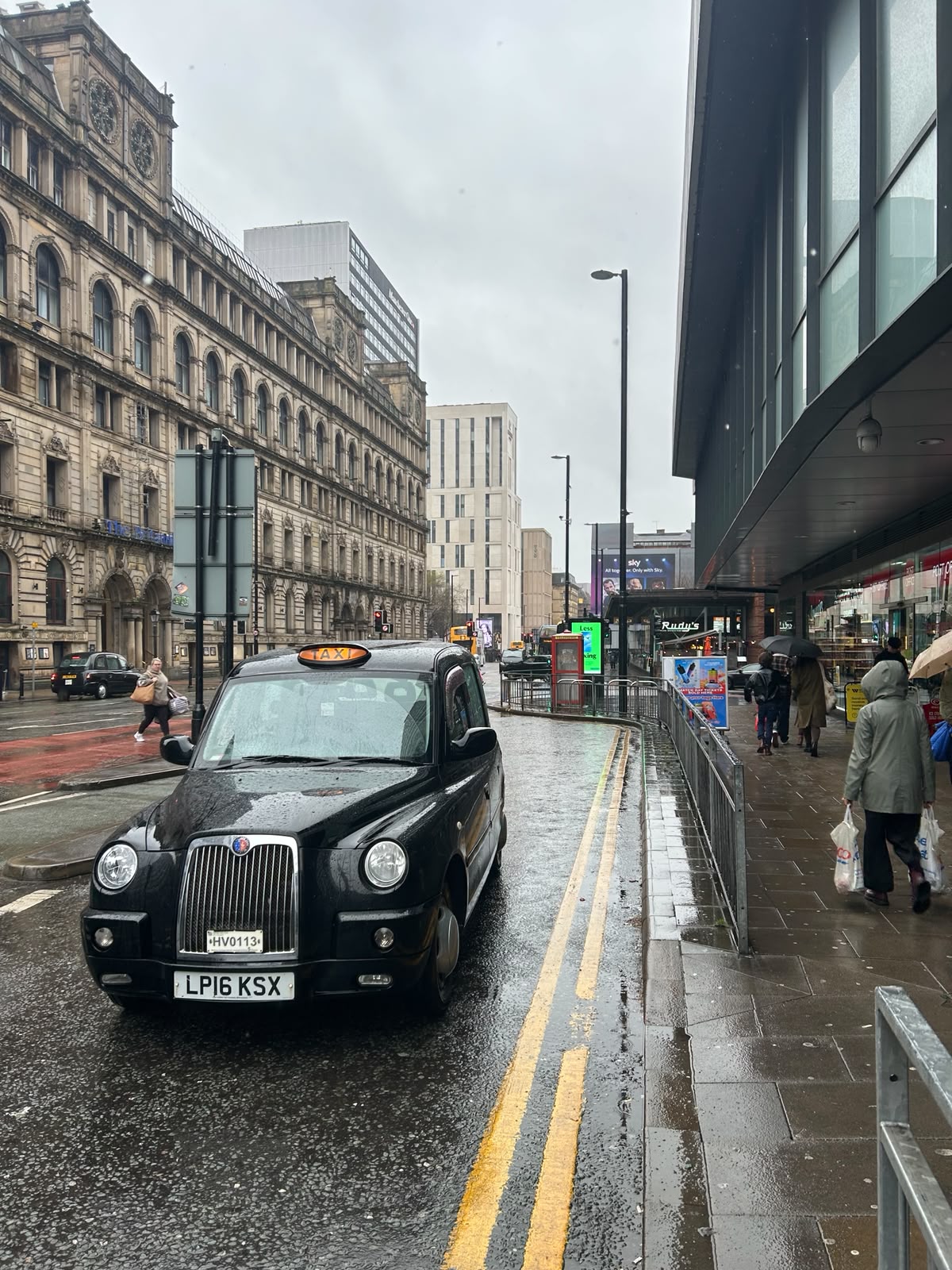
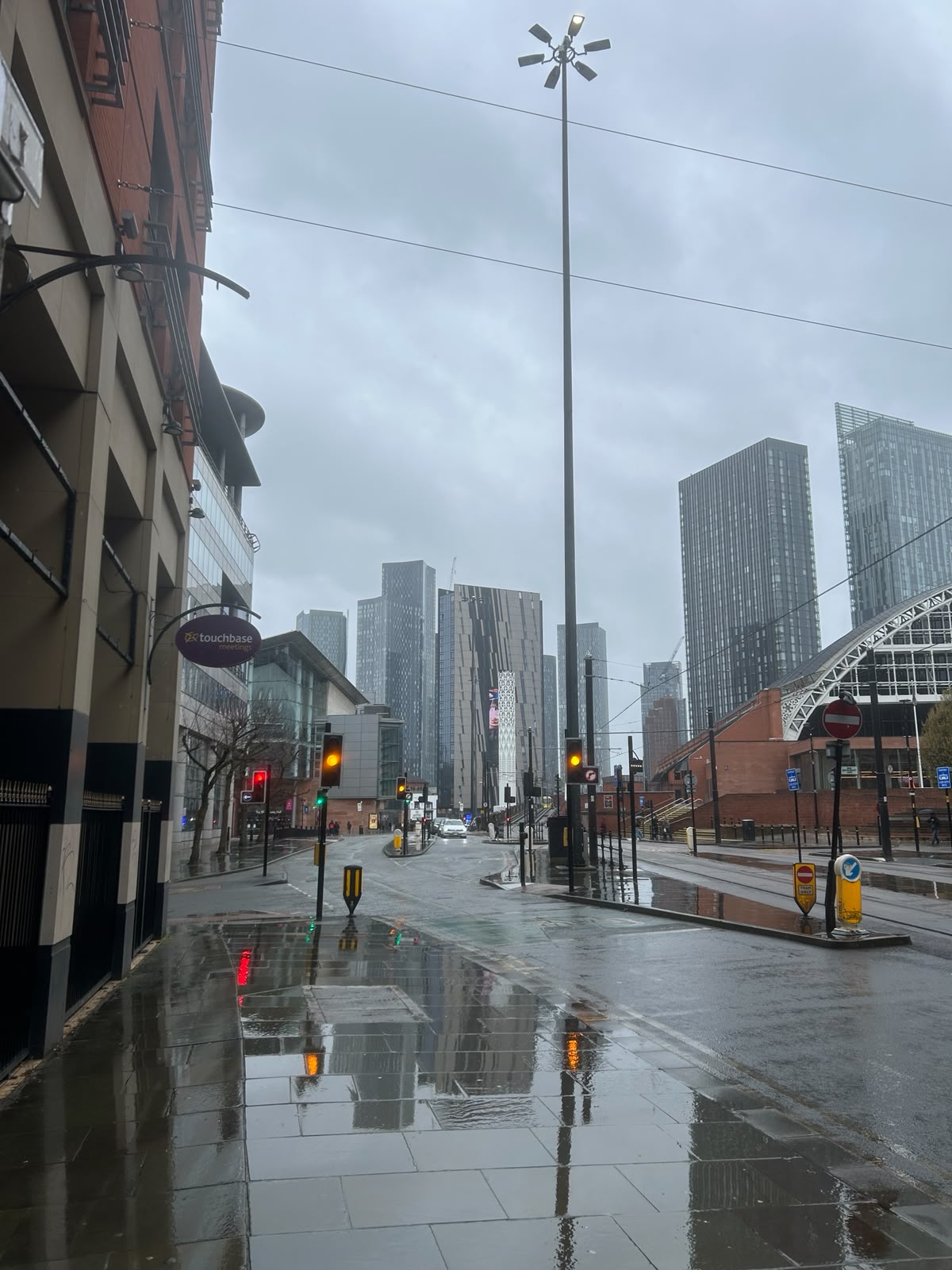
- The Weather and the Rain: Yes, the myth is true: it rains quite a bit in Manchester. The western winds and local geography mean light showers are common, so always pack a waterproof jacket. Don't let it stop you; it gives the city that moody, industrial charm that suits it perfectly.
- Plugs and Voltage: Throughout the UK, Type G plugs (three square pins) are the standard. The standard voltage is 230 V with a frequency of 50 Hz. Make sure to pack a travel adapter before heading out.
- Connectivity and Internet: If you are travelling from outside the UK, the easiest way to stay connected upon landing is using an international eSIM (like Airalo or Holafly). If you prefer a cheaper local option, you can easily buy a physical prepaid SIM card at any supermarket or Boots store in the city centre (networks like EE, Vodafone, or giffgaff offer excellent 5G coverage town-wide).
- Currency and Payments: The official currency is the British Pound (£). Manchester is almost entirely a cashless city. From trams and buses to the most hidden pubs in the Northern Quarter, everything accepts credit/debit cards and mobile payments (Apple Pay / Google Wallet). There is no real need to carry much cash.
- Safety: It is a major, vibrant student city. Generally speaking, it is safe to walk around at any time, but the area around Piccadilly Gardens late at night or during hectic weekends can get a bit sketchy or rowdy due to the pub crowds. Just using basic common sense is more than enough.
Day Trips from Manchester
If you have a few extra days in the city, Manchester's fantastic rail connectivity allows you to explore some of England's finest gems in less than an hour and a half's journey:
- Chester (45 minutes by train): A gorgeous walled city of Roman origin. Its famous 14th-century black-and-white half-timbered rows (The Rows) and its stunning medieval cathedral make it an unmissable, highly photogenic escape.
- The Lake District (1 hour 15 minutes by train): If you are craving a breath of pure nature among dramatic mountains, massive lakes, and charming stone villages like Windermere. You can catch a direct train straight from Piccadilly Station.
Why is the Bee the Symbol of Manchester? The True Story Behind the Icon
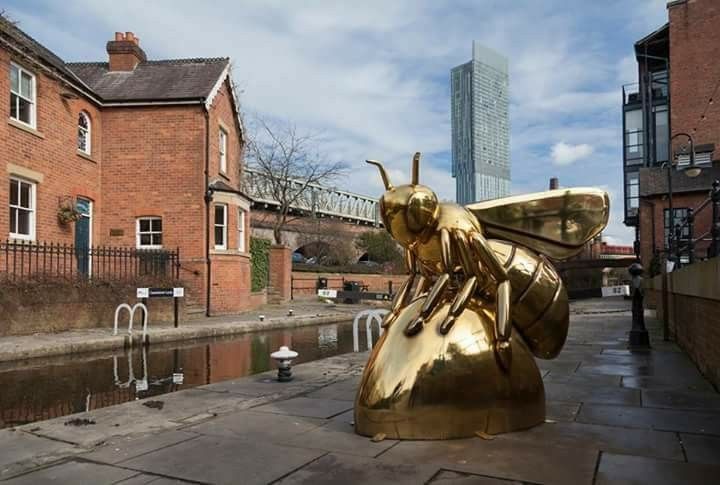
When walking around Manchester, you will quickly notice a curious detail: bees are everywhere. They are painted on street murals, carved into historic stone, and printed on every single rubbish bin. This is no modern graphic design trend; it is the Worker Bee, the official emblem of the city, and it carries nearly two centuries of working-class pride.
The story dates back to the Industrial Revolution in the 19th century. During this era, Manchester became the global hub for textile manufacturing and the economic powerhouse of the UK. The city’s massive, roaring cotton mills were so densely packed with movement and non-stop production that people commonly referred to them as "beehives of activity."
By extension, the thousands of local factory staff who worked tirelessly day and night were compared to worker bees. The metaphor was so powerful that in 1842, when Manchester officially received its corporate borough Charter and crest, seven worker bees were placed flying over a globe to symbolise the unstoppable work ethic of the local people and how Manchester’s goods reached every corner of the earth.
Today, the bee has evolved far beyond its industrial roots. It now stands as a deeply emotional symbol of resilience, solidarity, and community spirit for the Mancunians. It is, without a doubt, the ultimate local icon.
Our Experience in Manchester
Manchester hooks you with its sheer authenticity. It isn't a city that relies on postcard-perfect royal palaces; it thrives on its street culture, its beautifully repurposed industrial past, and an undeniably magnetic personality.
Walking through the Northern Quarter, getting lost along the Castlefield canals, heading out for a night of brilliant live music, and seeing how proudly they preserve their history while looking straight into the future makes it an essential stop to understand the true essence of Northern England.
You Might Also Like
1- Northern Quarter – The most alternative and coolest neighbourhood in the city. If you love street art, independent vinyl record stores (like Piccadilly Records), vintage clothing, and specialty coffee shops, this labyrinth of streets is your place. Every single corner is filled with incredible murals.
2- Castlefield – Where it all began. This is a beautiful and quiet pedestrianised area where old canals, the ruins of a Roman fort, and black iron railway bridges seamlessly coexist. It is the perfect spot for a sunset stroll or a drink on the waterside terraces.
3- John Rylands Library – Looks like it was taken straight out of a fantasy film. Opened in 1900, this late Neo-Gothic library will leave you speechless. Its main hall resembles a cathedral, and inside it houses unique fragments of medieval manuscripts. Admission is free.
4- Old Trafford – The Theatre of Dreams. The mythical home of Manchester United is one of the most famous stadiums in sporting history. Visiting its museum, walking down the players' tunnel, and stepping out by the pitch gives you goosebumps, reviving the golden eras of Sir Alex Ferguson.
5- Etihad Stadium – The home of modern football. Rising up in the east of the city is the house of Manchester City, the epicentre of beautiful football and cutting-edge sports technology. Its striking exterior design and state-of-the-art facilities perfectly reflect Manchester's recent ambitious evolution.
6- Science and Industry Museum – The engine of the revolution. Located on the site of the world's oldest surviving passenger railway station, this free museum shows you how Manchester changed the world with its textile machinery, steam locomotives, and groundbreaking scientific discoveries.
7- Ancoats – The culinary epicentre. Right next to the Northern Quarter, what used to be a working-class textile district filled with abandoned factories is today one of the trendiest residential neighbourhoods in Europe. It is packed with artisan pizzerias, award-winning restaurants, and brilliant bakeries.
8- Manchester Town Hall and Albert Square – A masterpiece of Victorian Gothic architecture. Although it has been undergoing a massive restoration project, its striking facade and the surrounding square remain the central point for the city's largest celebrations.
PUBLICIDAD
Travel with Data: Get your Saily eSIM
- ✓Internet in seconds upon landing
- ✓Flexible plans in 180+ countries
- ✓Easy setup directly via the App
Manchester truly stands out for its free access to culture. These three art spaces are absolute must-stops on your itinerary:
1- Manchester Art Gallery – The ultimate mix of classic and modern art. An impeccable collection blending classical paintings (featuring spectacular Pre-Raphaelite works) with contemporary design and fashion exhibitions, all set within an imposing Neoclassical building.
2- National Football Museum – The history of the beautiful game. Housed in the futuristic glass Urbis building right in the city centre, this is the world's largest football museum. It is packed with historic shirts, real trophies, and interactive games to test your penalty skills.
3- The Whitworth – Art surrounded by nature. Located inside a beautiful park south of the city centre, this unique space seamlessly integrates modern art installations and innovative textile galleries with massive glass windows overlooking the trees. Its glass-walled café is stunning.
- Metrolink (Tram): It is excellent. It crosses the entire city, is super clean, fast, and connects the city centre with key areas like MediaCityUK or the City's football stadium.
- Free Bus: There is a network of completely free buses running hop-on, hop-off routes around the city centre, connecting the main train stations (Piccadilly, Victoria, and Oxford Road). Just look for the green buses.
- Walking: Manchester city centre is remarkably flat and compact. You can easily walk from the Northern Quarter to Castlefield in about 20–25 minutes.
- Contactless Payments: Just like in the rest of the UK, you pay on trams and buses simply by tapping your bank card or phone when boarding and tapping out when you leave.
Visiting the football stadiums in Manchester is an incredible experience, but you need to plan your journey properly as they are located on opposite sides of the city. Taking the Metrolink (tram) is always your best option.
1. How to Get to Old Trafford (Manchester United)
The stadium is located southwest of the city centre.
- By Tram (Metrolink): Take the Altrincham Line from the city centre (from stations like Piccadilly or Deansgate-Castlefield) and get off at Old Trafford station.
- The Walk: Once you hop off, you will walk about 800 metres (roughly a 10-minute walk) following the matchday crowds down Sir Matt Busby Way until the stadium opens up in front of you. It is a fantastic walk, lined with scarf stalls, burger vans, and pure football atmosphere.
- Alternative Option: You can also get off at Wharfside station (Trafford Park Line), which drops you just a 5-minute walk away from the stadium near the waterside.
- Walking along the canal (A spectacular alternative): If you want to stretch your legs and avoid the busy matchday tram crowds, you can walk from the centre along the Bridgewater Canal path. Starting from the canals in Castlefield, the path leads you directly to the pedestrian bridge right next to the stadium without any road interruptions. It is a flat, safe 3.5-kilometre route that takes between 45 minutes and 1 hour 15 minutes at a leisurely pace, surrounded by fans walking to the match.
2. How to Get to the Etihad Stadium (Manchester City)
The City's stadium is located to the east, and getting there is even more direct.
- By Tram (Metrolink): From city centre stations (such as Piccadilly), catch the tram towards Ashton-under-Lyne and get off directly at Etihad Campus station.
- The Walk: As soon as you step out of the station, you are literally on the stadium's concourse. There is no way to get lost.
- Walking from the city centre: If you enjoy walking and the weather behaves, there is a safe, well-lit pedestrian route called the City Link that goes straight from the city centre (Ancoats/Piccadilly area) all the way to the stadium in about 30–45 minutes.
- Piccadilly / City Centre: Highly practical if you are arriving by train and want to be steps away from the main shops and excellent transport connections.
- Northern Quarter: Ideal if you are looking for a vibrant, youthful atmosphere, independent nightlife, and close proximity to cultural bars.
- Spinningfields: The modern financial district; home to high-end hotels, luxury restaurants, and incredibly sleek, polished streets.
- Ancoats: Perfect if you prefer a trendy residential vibe, independent design cafés, and a quieter stay just a short walk from the bustling centre.
The nightlife in Manchester is legendary. You cannot leave without experiencing:
- Live Music Pubs: Historic spots like Night & Day Cafe or The Band on the Wall in the Northern Quarter, where world-famous bands played their very first gigs.
- The Gay Village (Canal Street): One of the most famous and vibrant LGBT+ quarters in the world, running alongside the canal with dozens of lively bars, outdoor terraces, and an incredible party atmosphere.
- Albert Schloss: A massive Bavarian-style beer palace in the city centre offering spectacular live showtime entertainment every single night and a brilliant atmosphere.
- Local Craft Beer: Manchester is home to some of the best microbreweries in the UK (such as Cloudwater or Track). You must try a fresh pint directly in their brewery taprooms.
- Vimto: A sweet, fruity carbonated drink that was invented in Manchester and has become a true local cult icon.
- International Cuisine: The food diversity here is massive. You can head over to Chinatown for spectacular dim sum and dumplings, or visit the famous Curry Mile in Rusholme to taste some of the best South Asian dishes in the country.
- The Weather and the Rain: Yes, the myth is true: it rains quite a bit in Manchester. The western winds and local geography mean light showers are common, so always pack a waterproof jacket. Don't let it stop you; it gives the city that moody, industrial charm that suits it perfectly.
- Plugs and Voltage: Throughout the UK, Type G plugs (three square pins) are the standard. The standard voltage is 230 V with a frequency of 50 Hz. Make sure to pack a travel adapter before heading out.
- Connectivity and Internet: If you are travelling from outside the UK, the easiest way to stay connected upon landing is using an international eSIM (like Airalo or Holafly). If you prefer a cheaper local option, you can easily buy a physical prepaid SIM card at any supermarket or Boots store in the city centre (networks like EE, Vodafone, or giffgaff offer excellent 5G coverage town-wide).
- Currency and Payments: The official currency is the British Pound (£). Manchester is almost entirely a cashless city. From trams and buses to the most hidden pubs in the Northern Quarter, everything accepts credit/debit cards and mobile payments (Apple Pay / Google Wallet). There is no real need to carry much cash.
- Safety: It is a major, vibrant student city. Generally speaking, it is safe to walk around at any time, but the area around Piccadilly Gardens late at night or during hectic weekends can get a bit sketchy or rowdy due to the pub crowds. Just using basic common sense is more than enough.
If you have a few extra days in the city, Manchester's fantastic rail connectivity allows you to explore some of England's finest gems in less than an hour and a half's journey:
- Chester (45 minutes by train): A gorgeous walled city of Roman origin. Its famous 14th-century black-and-white half-timbered rows (The Rows) and its stunning medieval cathedral make it an unmissable, highly photogenic escape.
- The Lake District (1 hour 15 minutes by train): If you are craving a breath of pure nature among dramatic mountains, massive lakes, and charming stone villages like Windermere. You can catch a direct train straight from Piccadilly Station.
When walking around Manchester, you will quickly notice a curious detail: bees are everywhere. They are painted on street murals, carved into historic stone, and printed on every single rubbish bin. This is no modern graphic design trend; it is the Worker Bee, the official emblem of the city, and it carries nearly two centuries of working-class pride.
The story dates back to the Industrial Revolution in the 19th century. During this era, Manchester became the global hub for textile manufacturing and the economic powerhouse of the UK. The city’s massive, roaring cotton mills were so densely packed with movement and non-stop production that people commonly referred to them as "beehives of activity."
By extension, the thousands of local factory staff who worked tirelessly day and night were compared to worker bees. The metaphor was so powerful that in 1842, when Manchester officially received its corporate borough Charter and crest, seven worker bees were placed flying over a globe to symbolise the unstoppable work ethic of the local people and how Manchester’s goods reached every corner of the earth.
Today, the bee has evolved far beyond its industrial roots. It now stands as a deeply emotional symbol of resilience, solidarity, and community spirit for the Mancunians. It is, without a doubt, the ultimate local icon.
Manchester hooks you with its sheer authenticity. It isn't a city that relies on postcard-perfect royal palaces; it thrives on its street culture, its beautifully repurposed industrial past, and an undeniably magnetic personality.
Walking through the Northern Quarter, getting lost along the Castlefield canals, heading out for a night of brilliant live music, and seeing how proudly they preserve their history while looking straight into the future makes it an essential stop to understand the true essence of Northern England.
Galery


PUBLICIDAD
International Travel Insurance
- ✓International medical insurance
- ✓24/7 immediate assistance in your language
- ✓Ideal for trekking & adventure
Preferences
Language
Color
Text
Width