Table of contents and map
Budapest: what to see, what to do and travel tips 2026
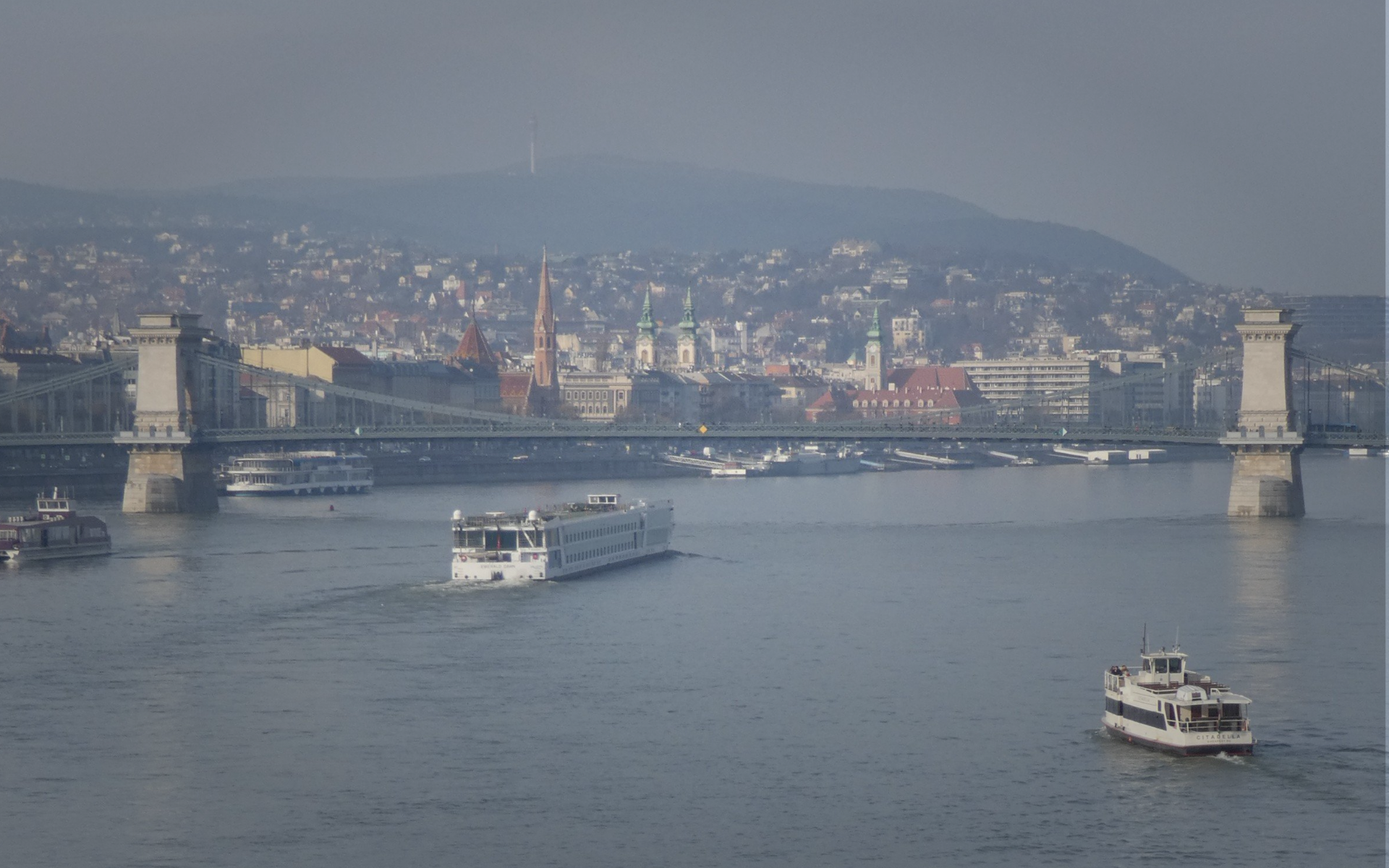
Budapest, capital of Hungary and known as the 'Pearl of the Danube', is one of the most beautiful cities in Central Europe. Formed in 1873, it combines historic Buda (hills, palaces) and vibrant Pest (flatlands, commercial center). Famous for its thermal baths, monumental architecture, café culture, and lively 'ruin bars' in the Jewish Quarter, it is a UNESCO World Heritage cultural destination.
Budapest: what to see, what to do and travel tips 2026
Budapest, capital of Hungary and known as the 'Pearl of the Danube', is one of the most beautiful cities in Central Europe. Formed in 1873, it combines historic Buda (hills, palaces) and vibrant Pest (flatlands, commercial center). Famous for its thermal baths, monumental architecture, café culture, and lively 'ruin bars' in the Jewish Quarter, it is a UNESCO World Heritage cultural destination.
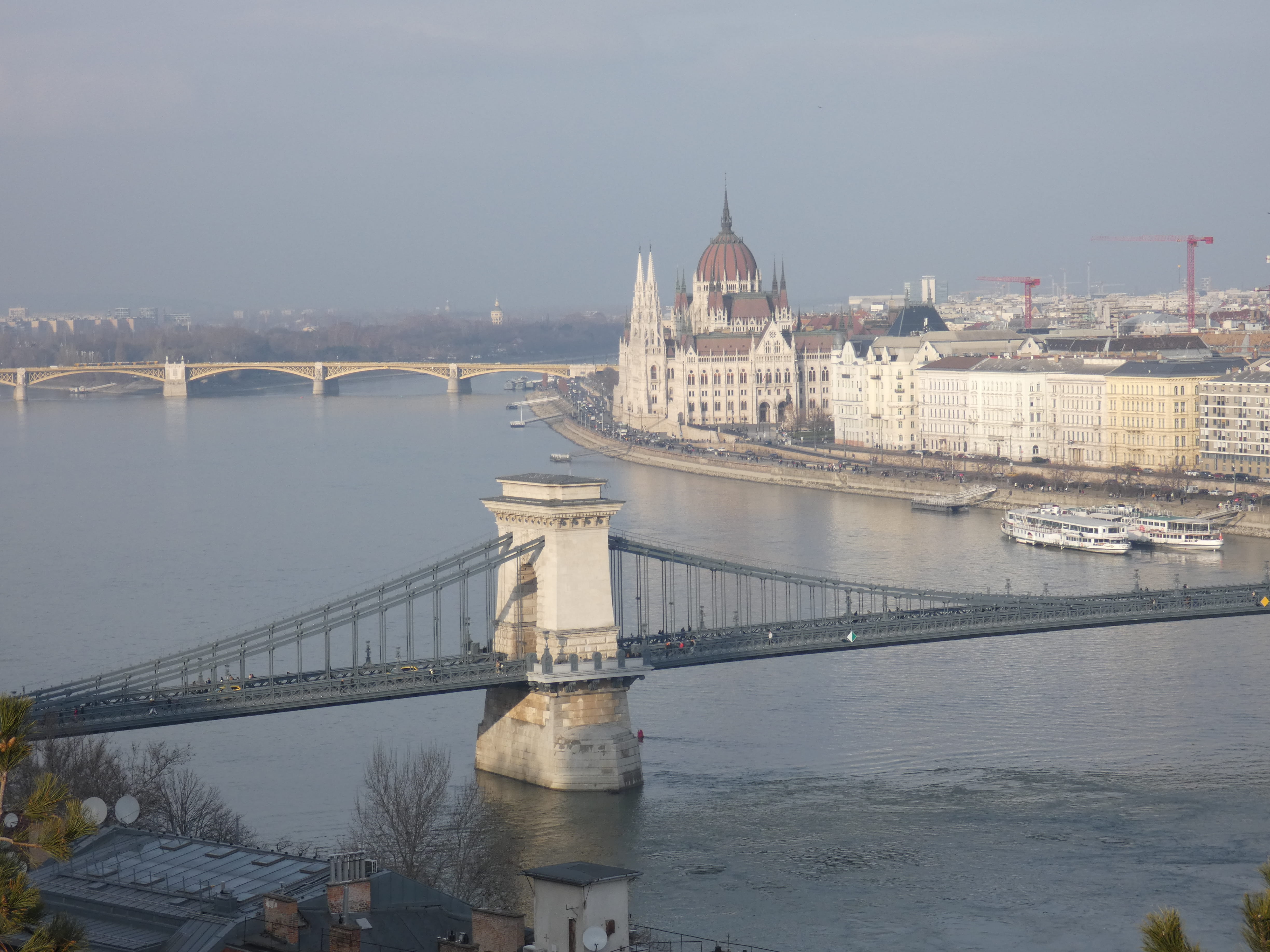
We spent 14 days in Budapest. It is a city that feels both majestic and bohemian. Divided by the imposing Danube River, it is a destination that can be deceptive: it looks like a crystal city, but it has a rebellious soul found in its alleyways and old bars.
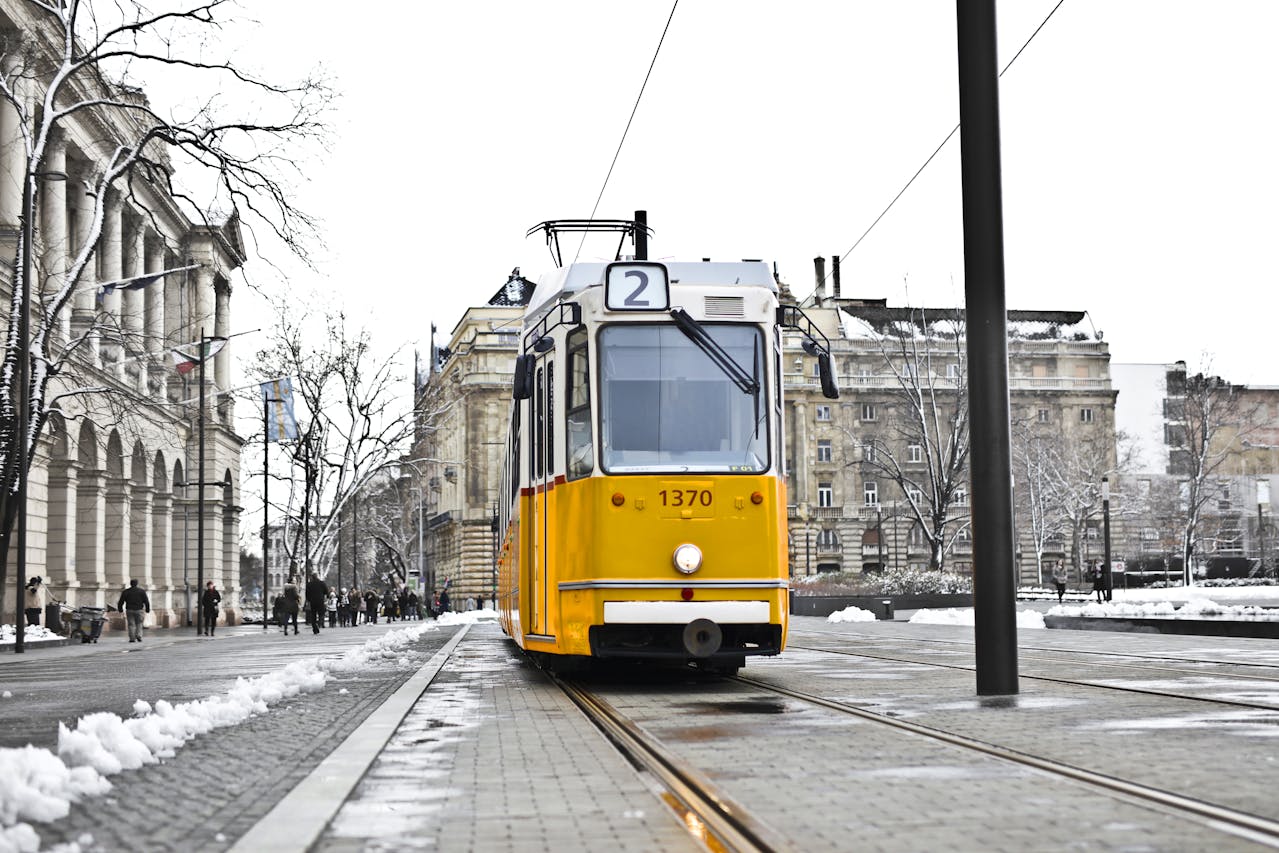
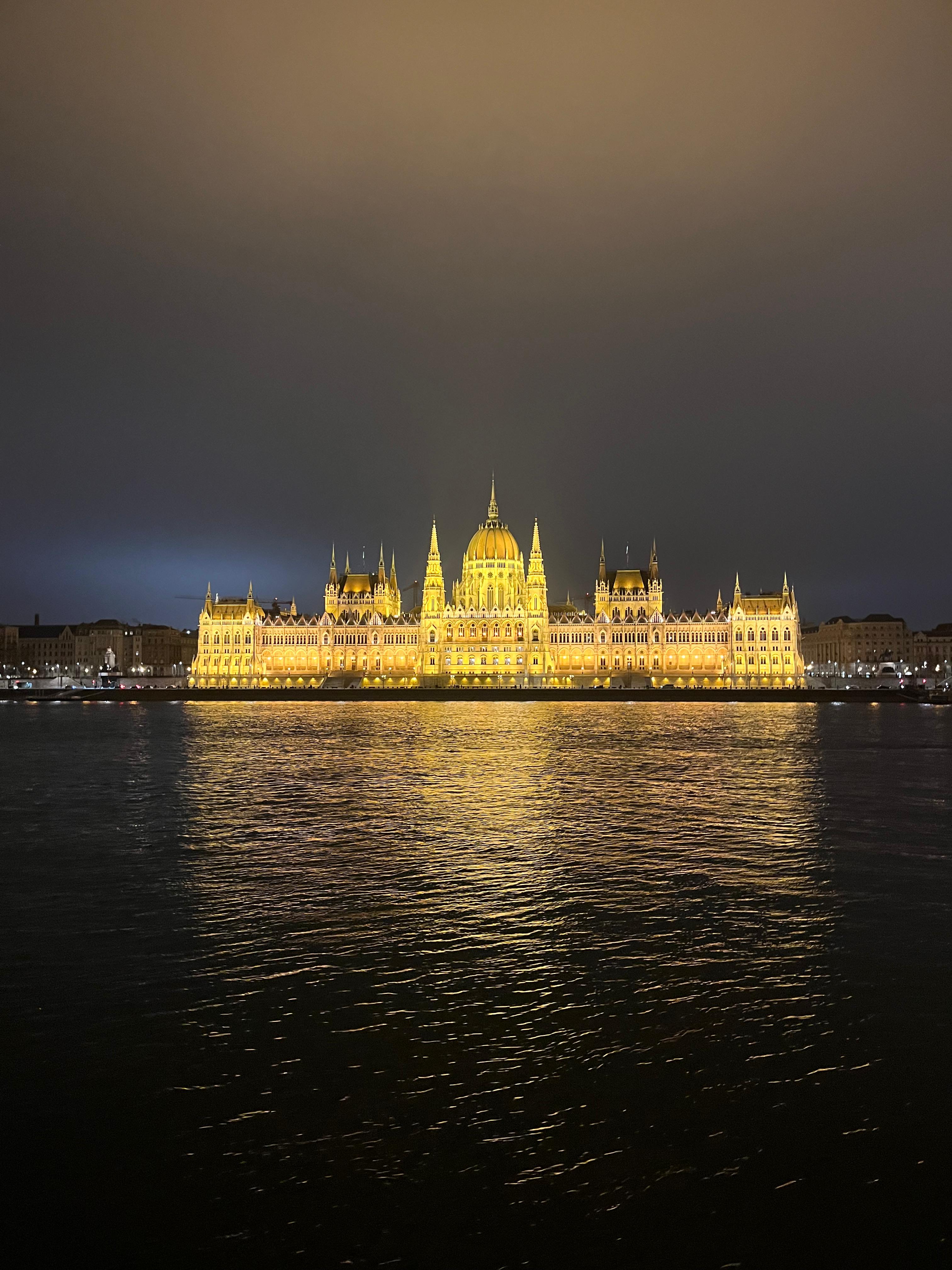
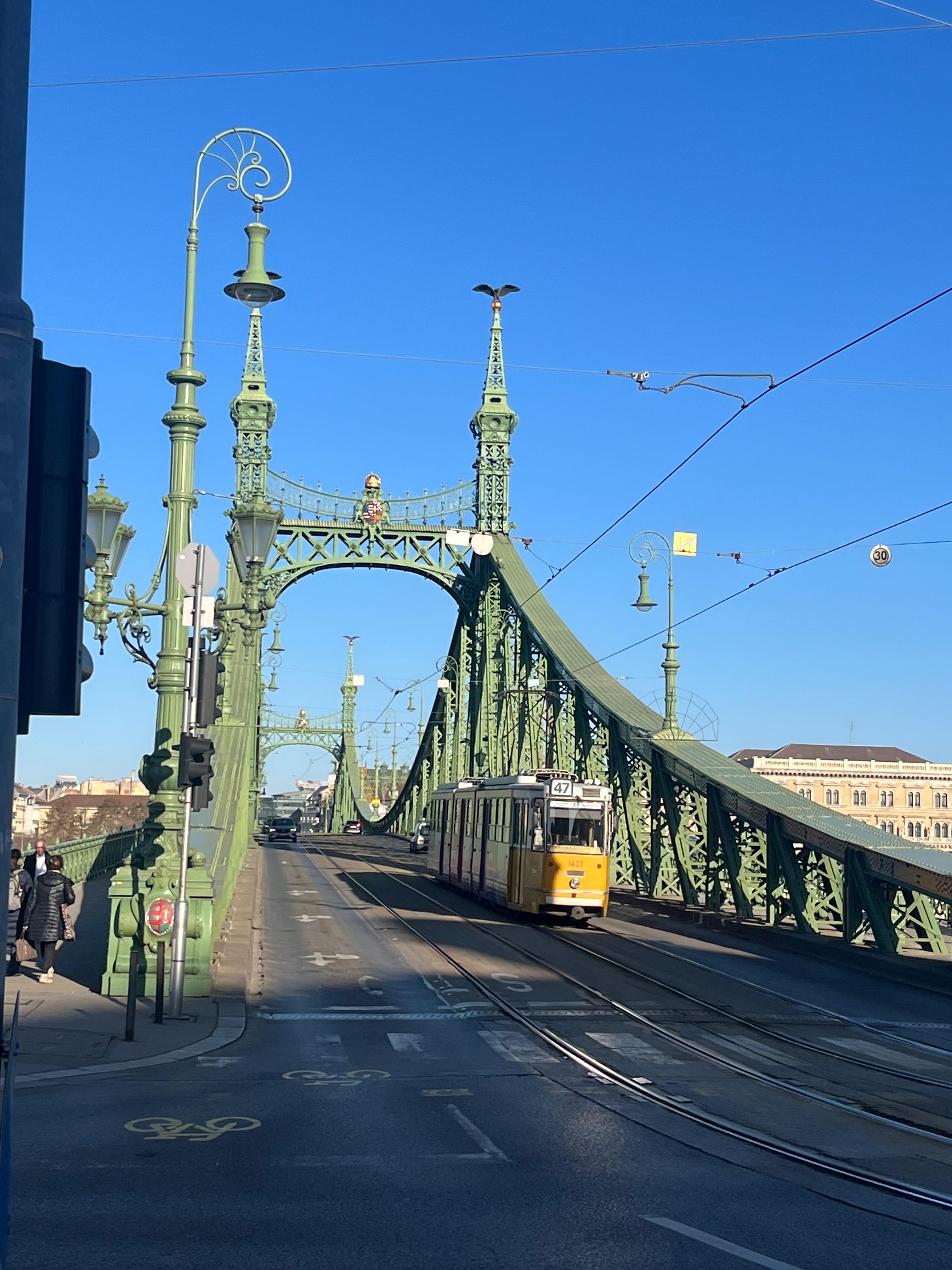
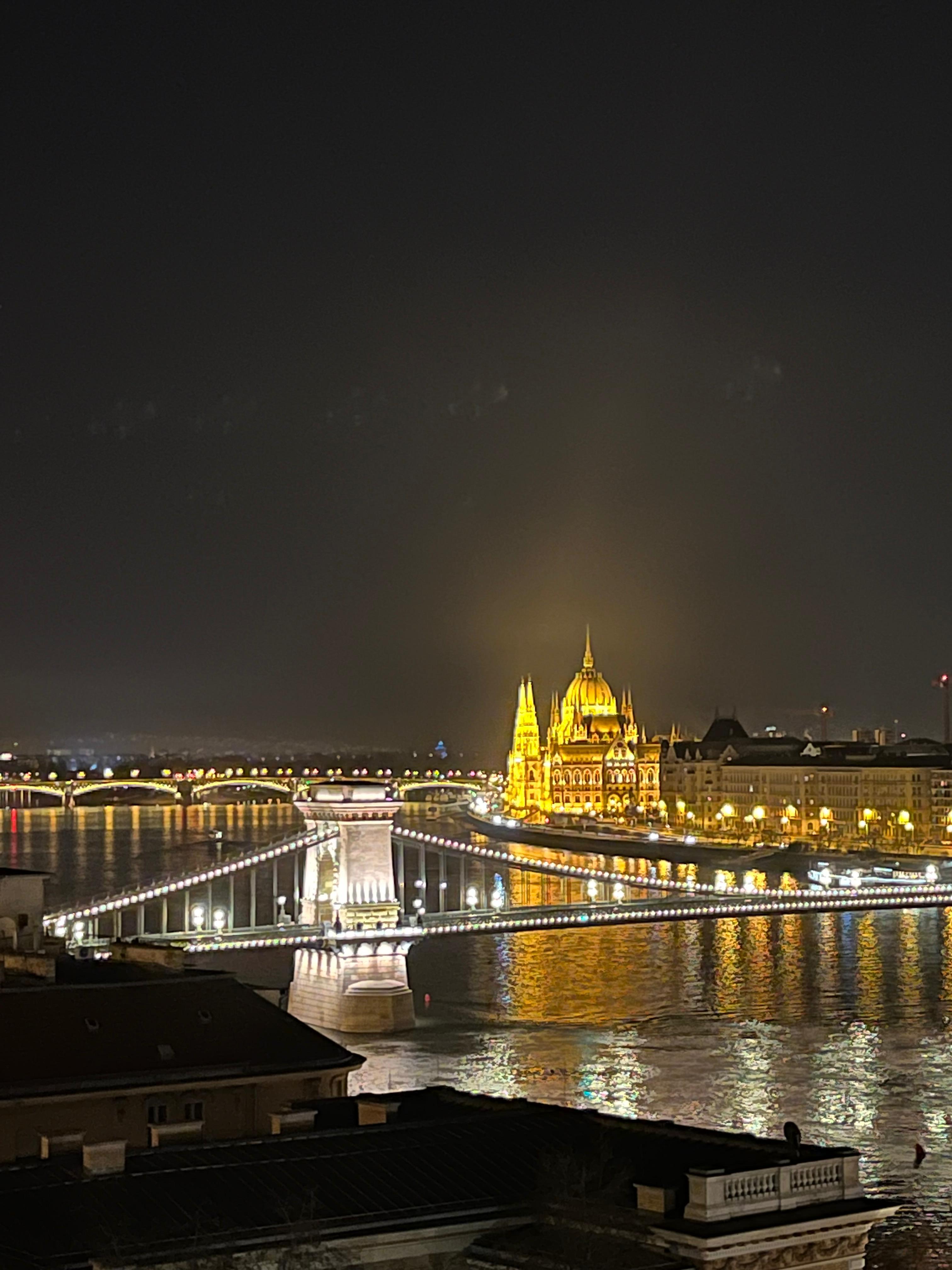
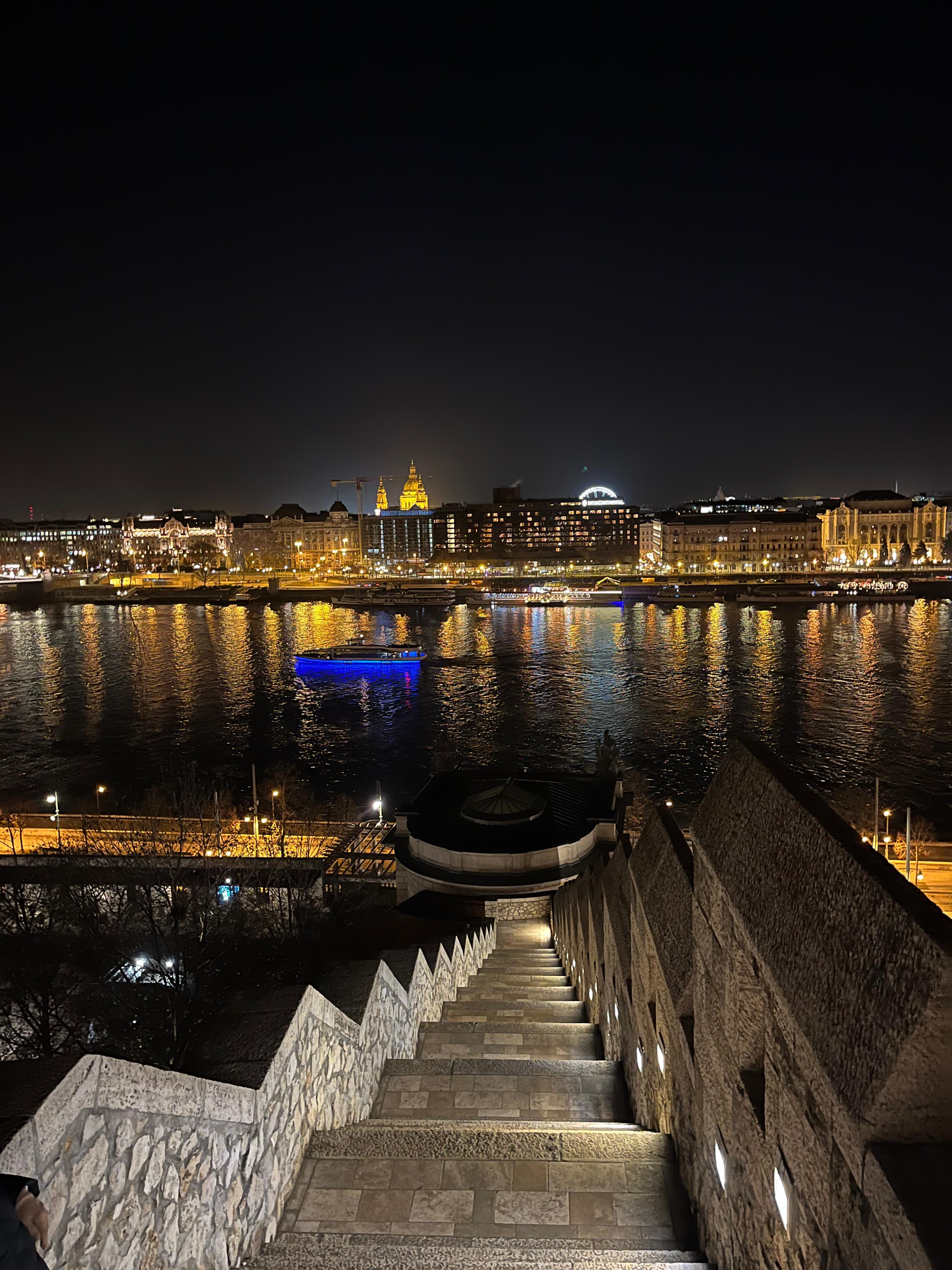
Beyond its monuments, Budapest has its own charms: steam rising from the thermal baths in winter, the old tram running along the river, and the nighttime lighting that transforms the city.
What to see and do in Budapest
-
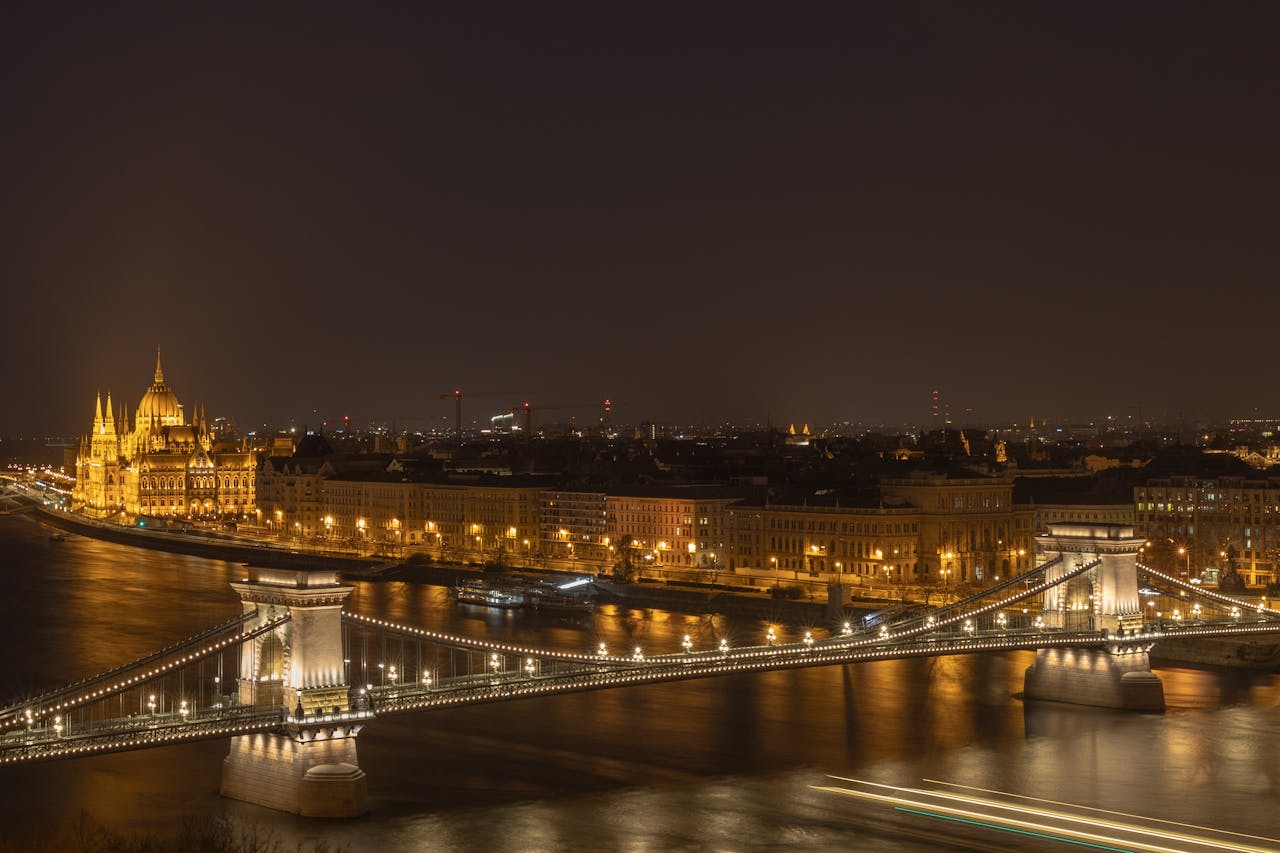
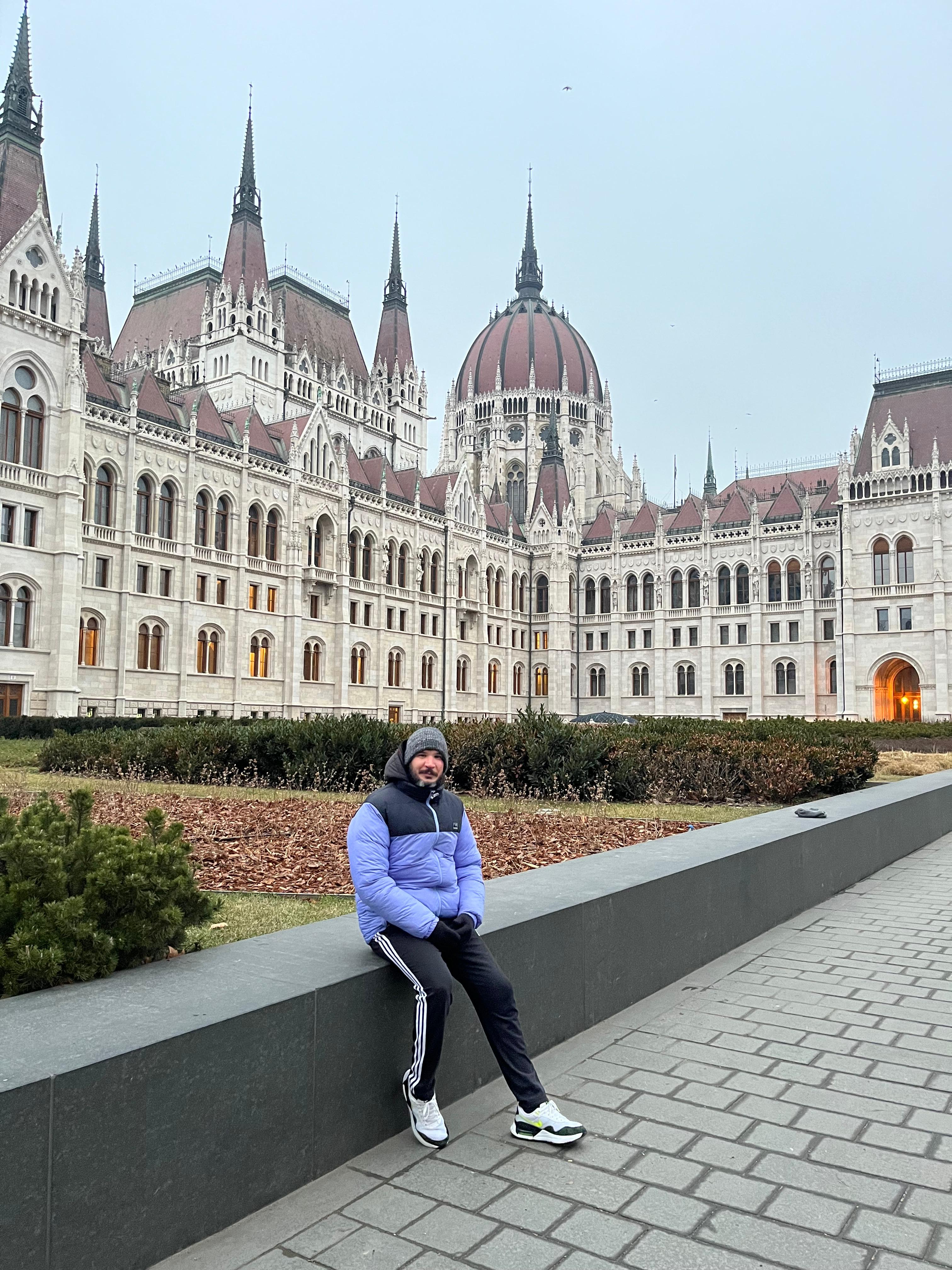
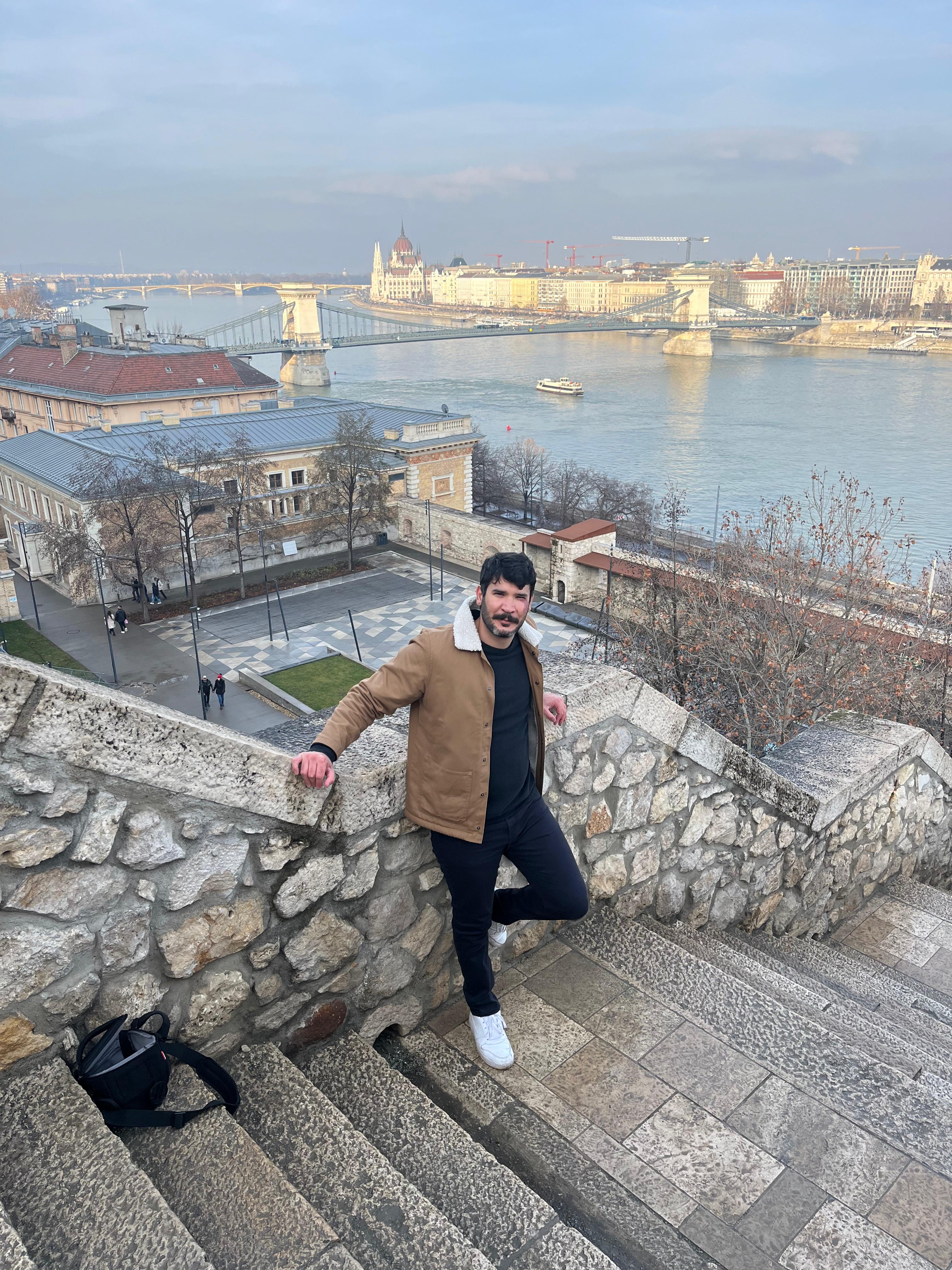
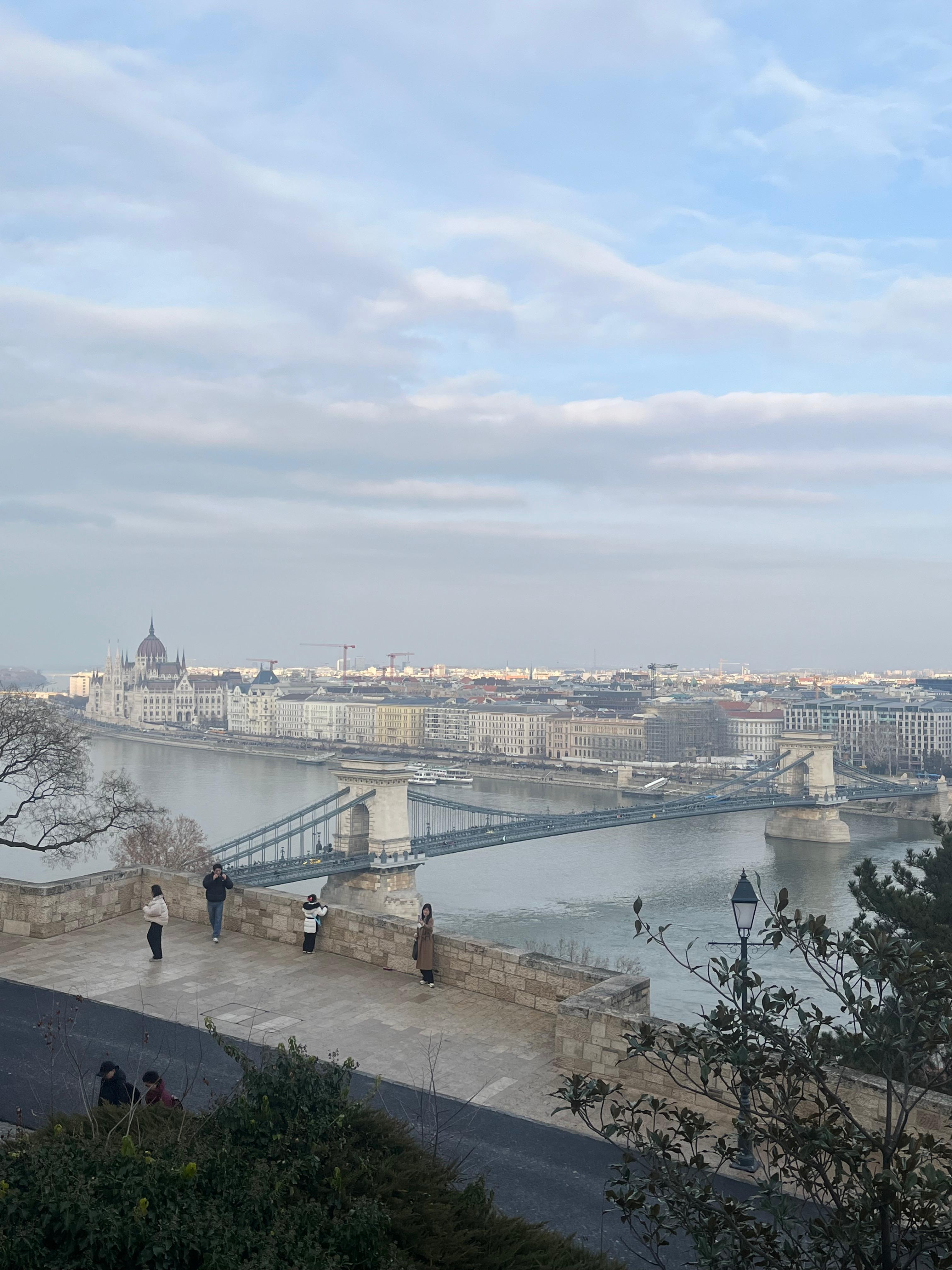
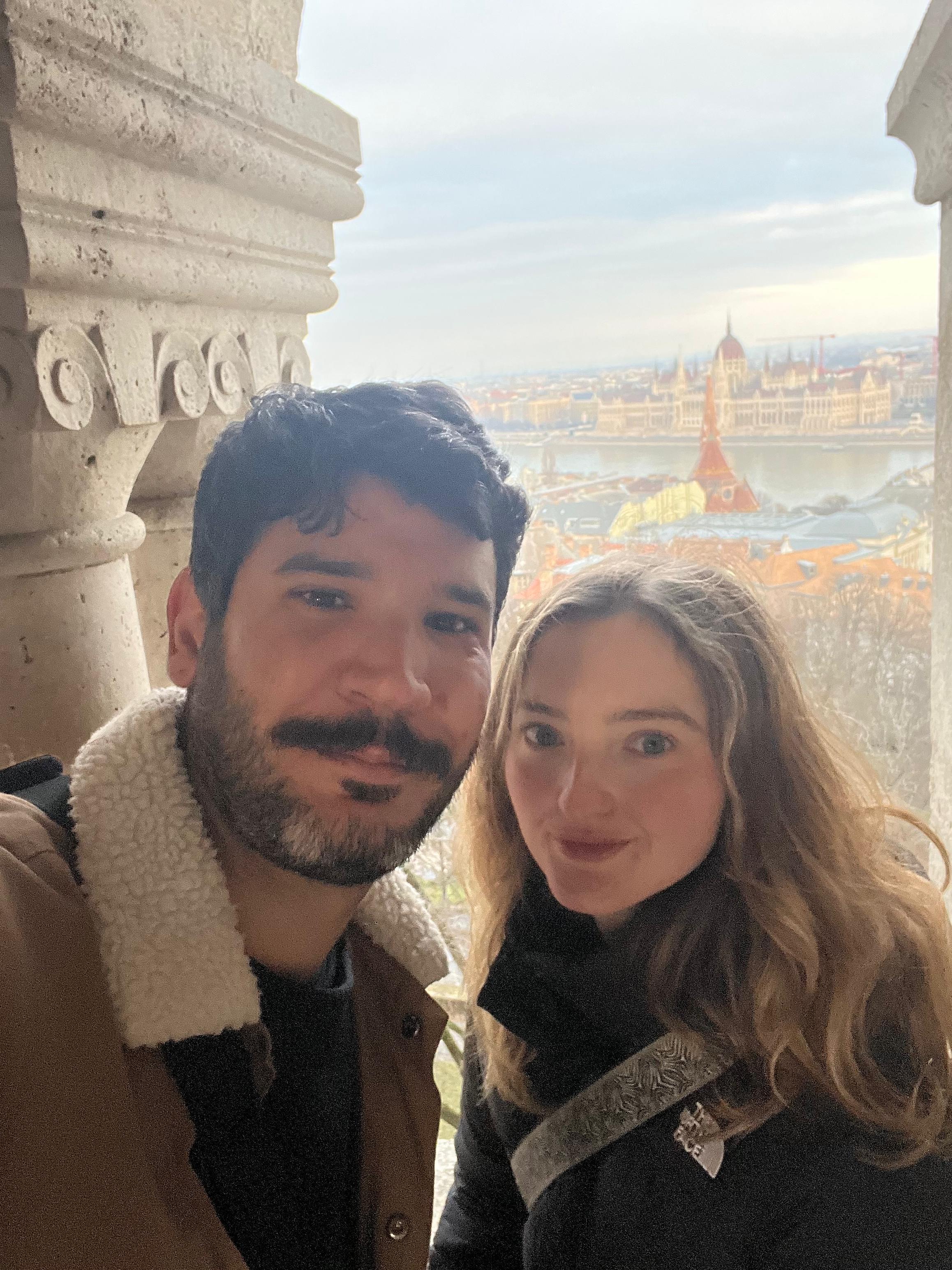
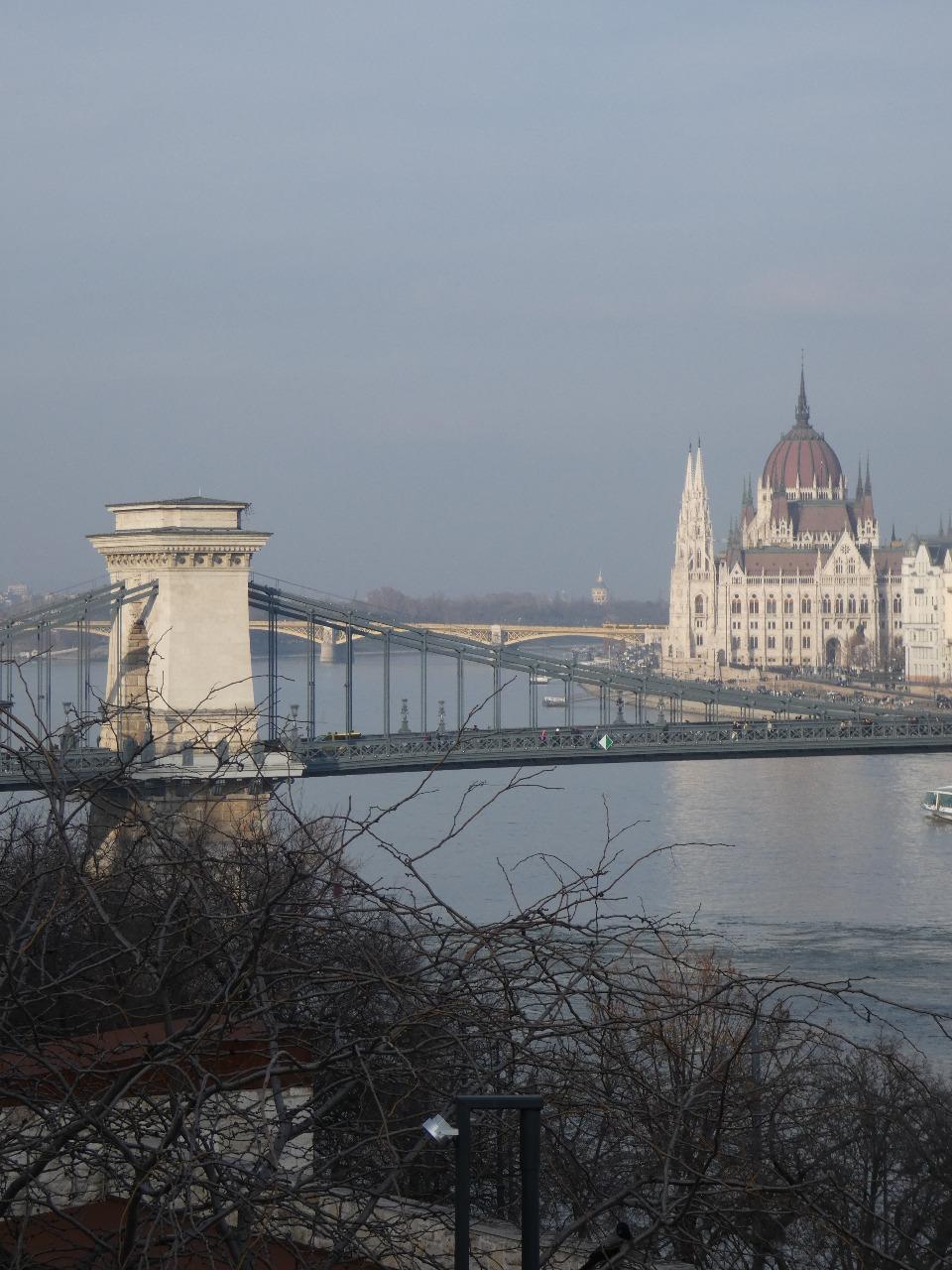
Hungarian Parliament - The city’s icon. Seeing it from the opposite bank (in Buda) at sunset is a breathtaking experience. Tip: If you want to go inside, book the official tour weeks in advance.
-
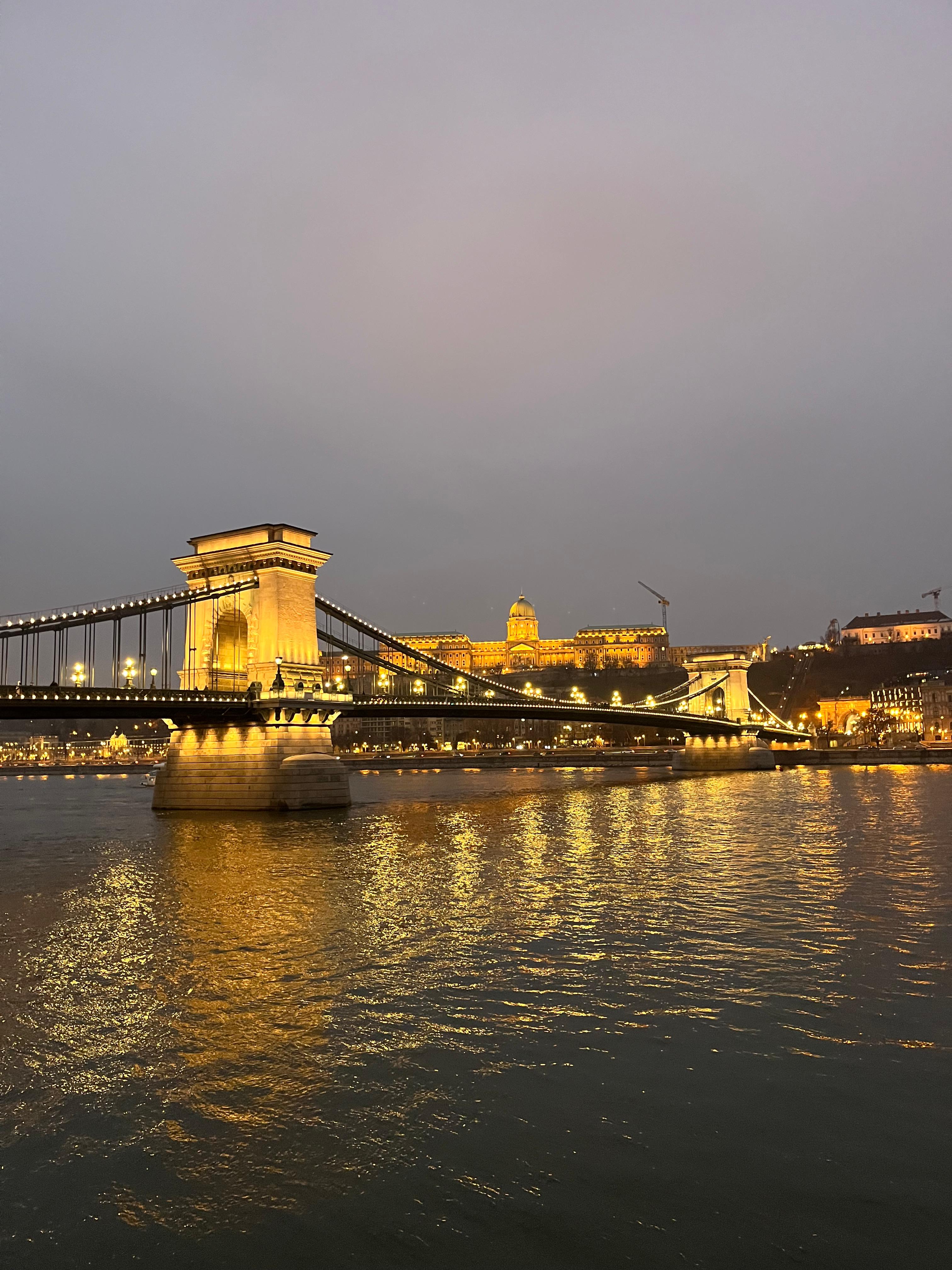
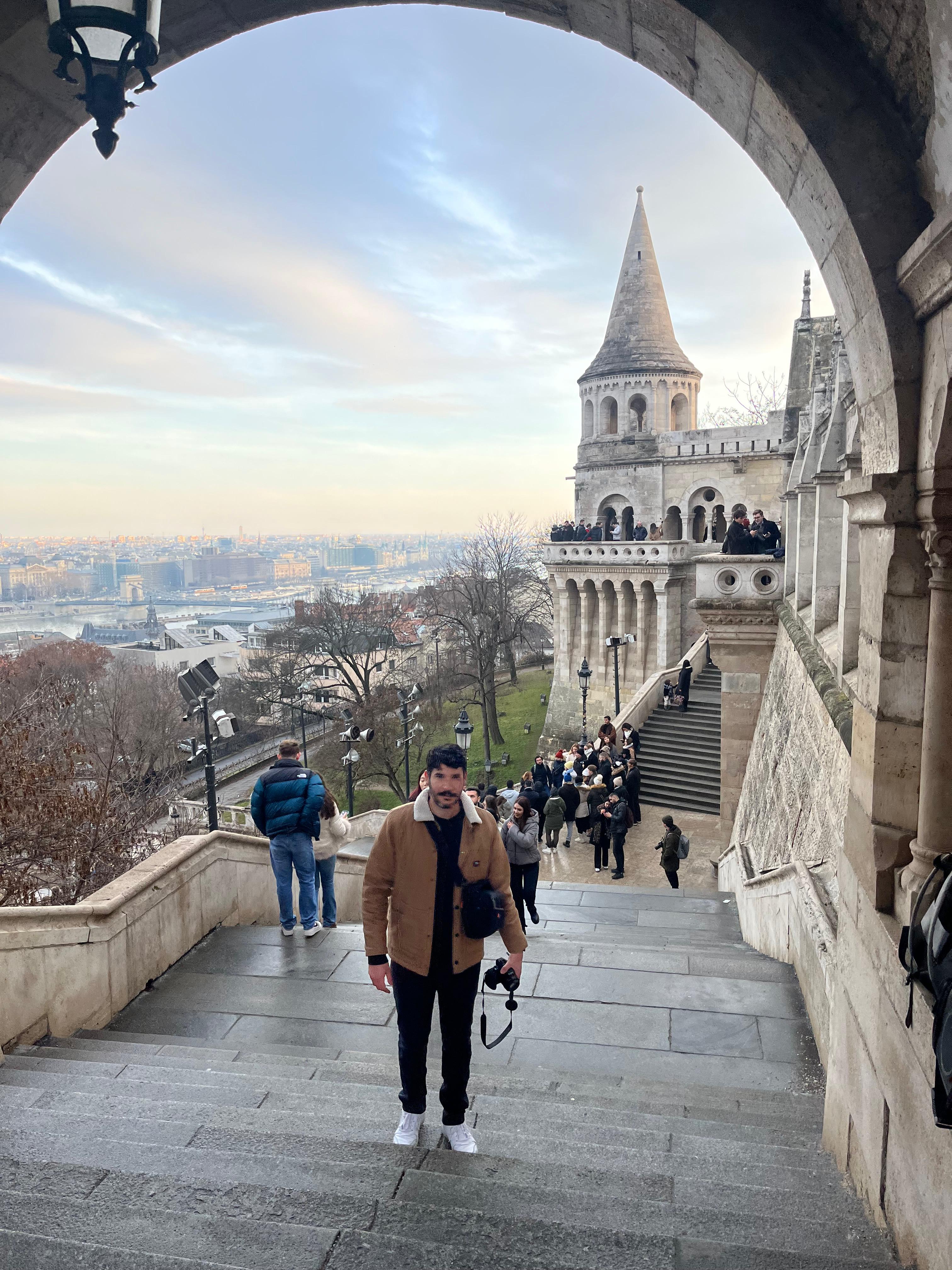
Fisherman’s Bastion and Buda Castle - Cross the Chain Bridge and walk up the hill. The views from the white towers of the Bastion look like something out of a fairytale.
-
Shoes on the Danube Bank - Walking from the Parliament towards the bridge, you’ll find 60 pairs of iron shoes. It is a powerful memorial dedicated to the Jews murdered during World War II.
-
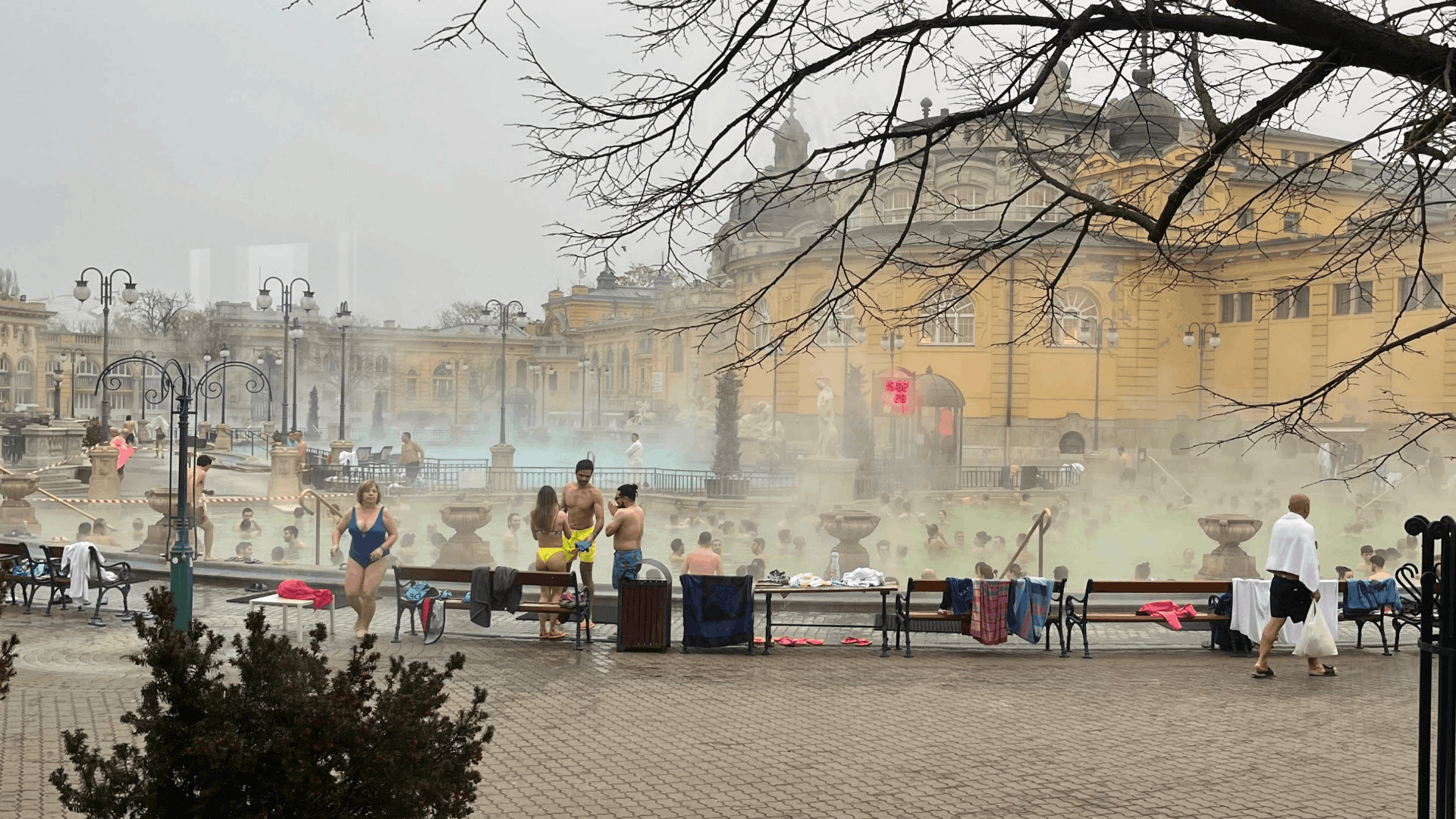
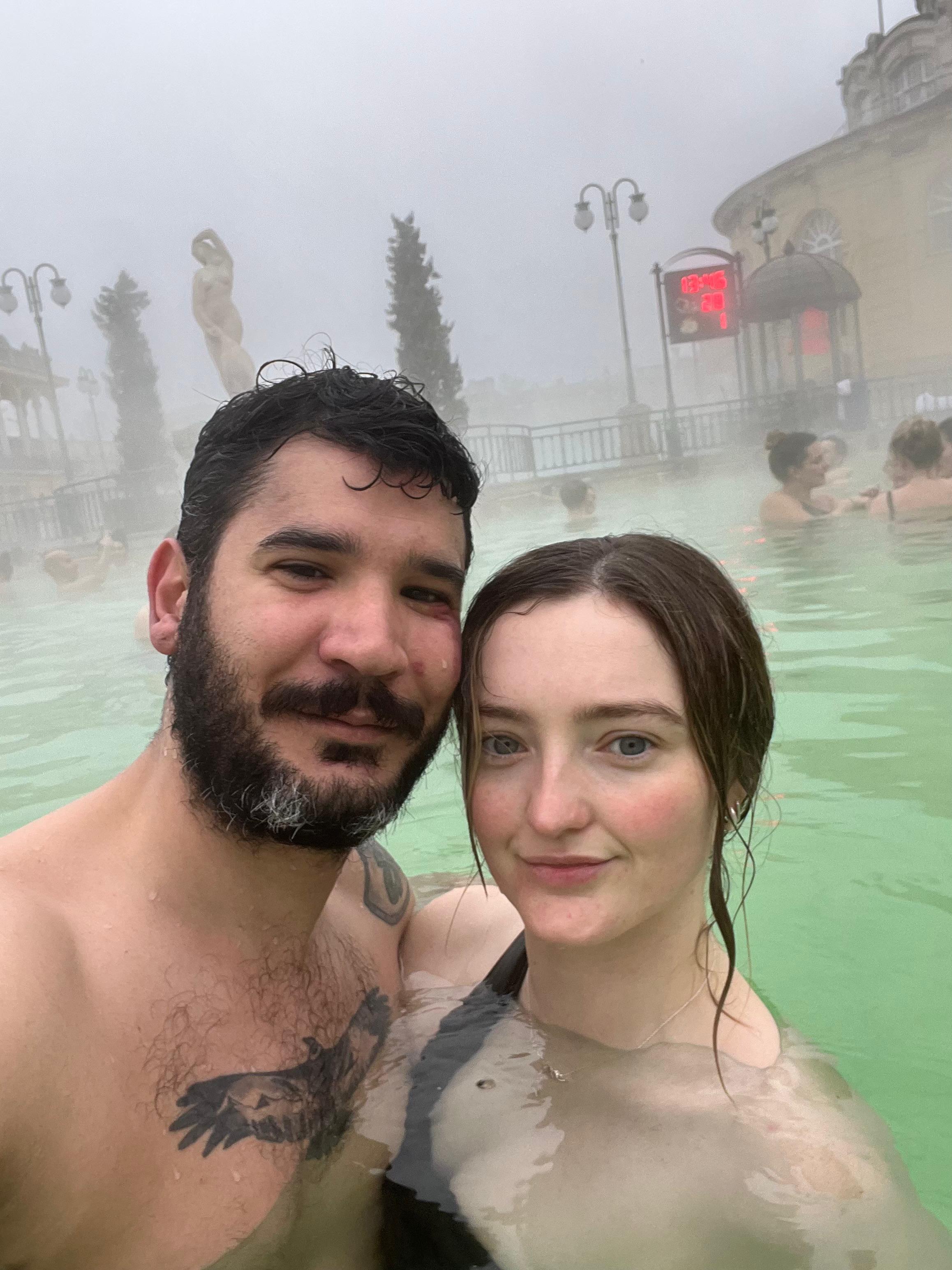
Széchenyi Baths - The most famous thermal spa. Yellow pools, 38°C water, and people playing chess in the water. Tip: Bring your own flip-flops and swimming cap to save money.
-
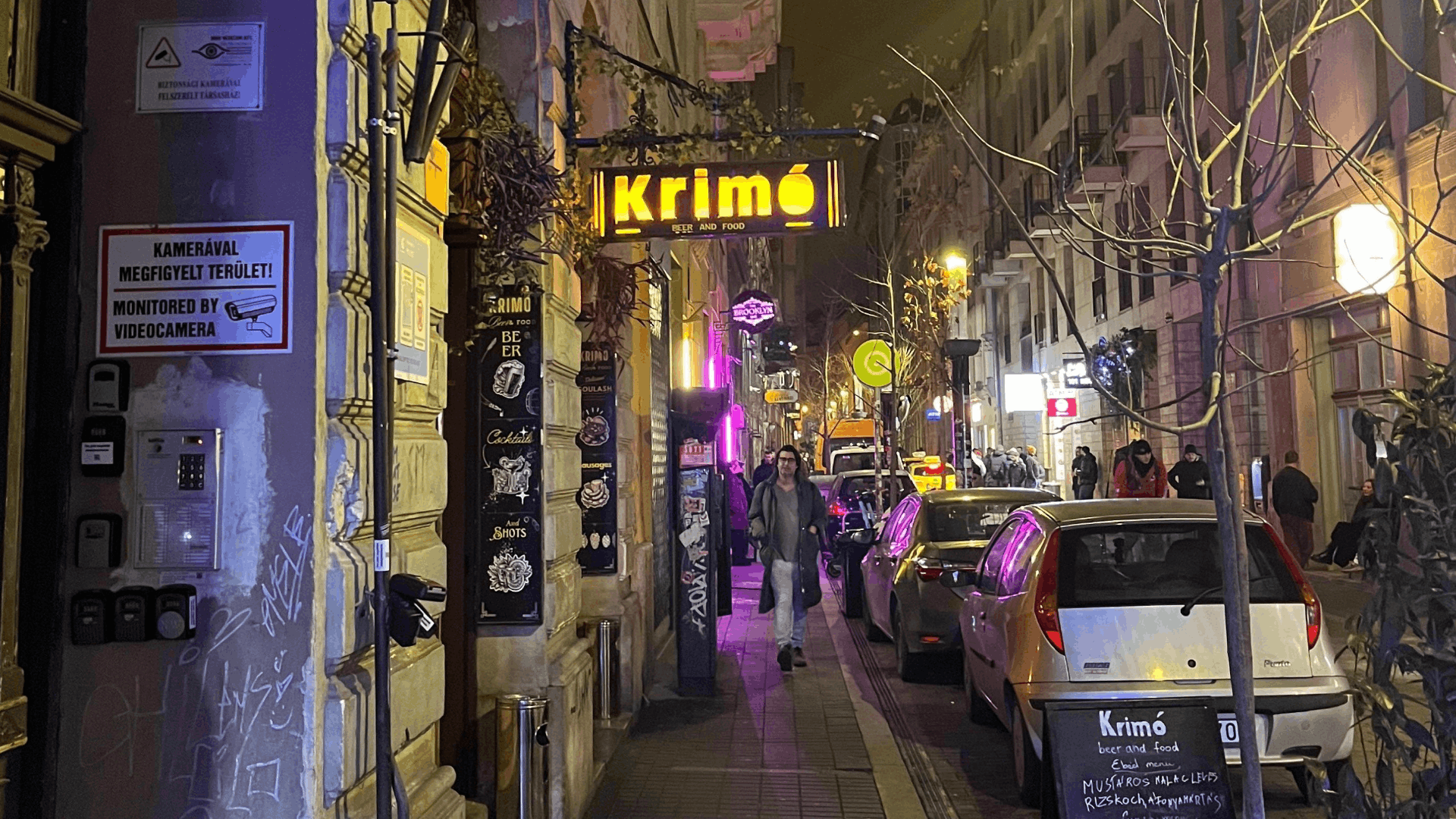
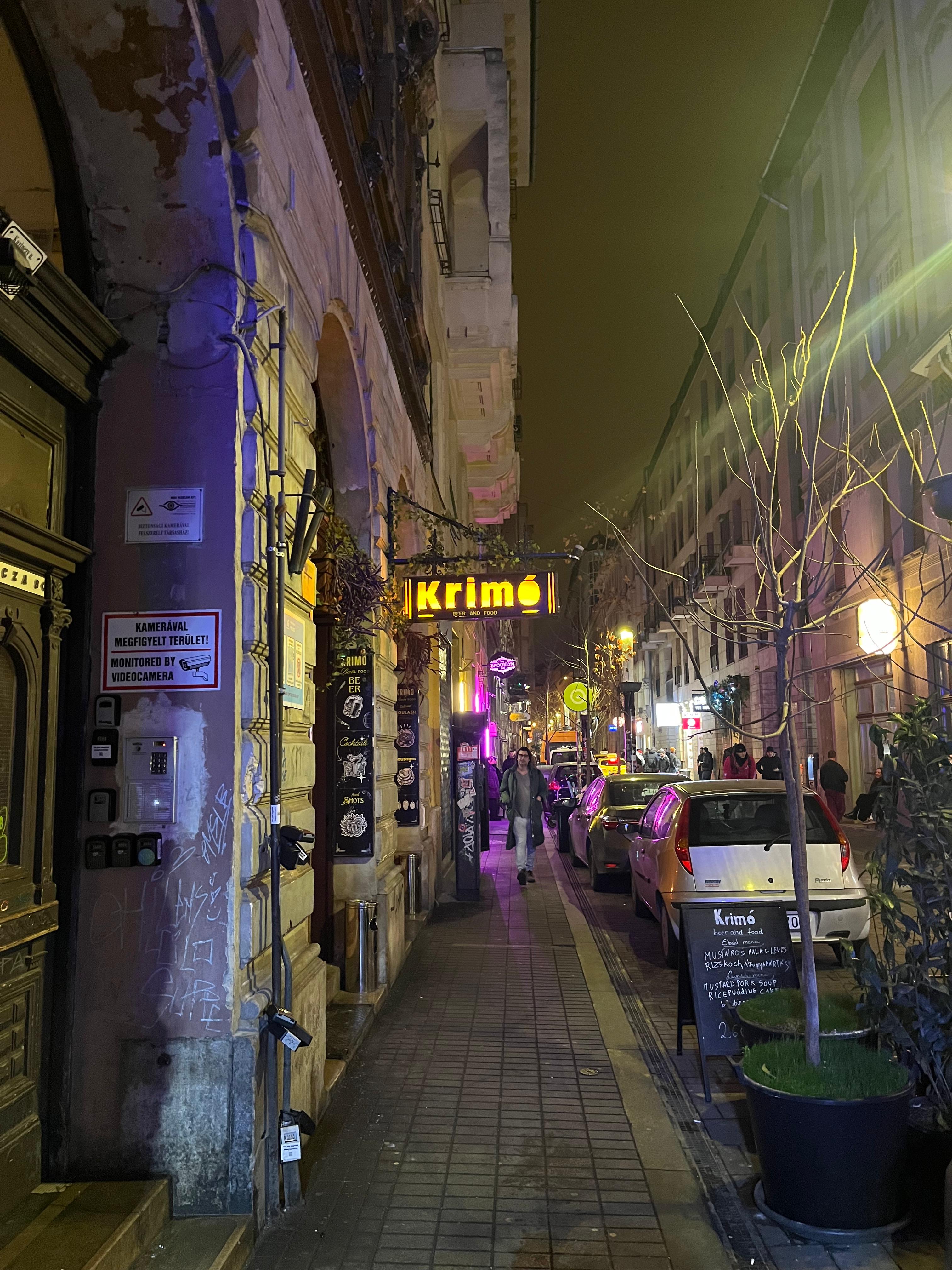
Ruin Bars (Szimpla Kert) - Located in the Jewish Quarter, these are abandoned buildings turned into bars with surreal decor. Szimpla is the original, but Instant-Fogas is where the real party is.
-
St. Stephen’s Basilica - Go inside to see the “Holy Right” (the mummified hand of Hungary’s first king) and climb the dome for the best 360° view of Pest.
-
Central Market Hall (Nagyvásárcsarnok) - A stunning historic building with colorful tiled roofs. On the ground floor you can buy Hungarian paprika, and upstairs try cheap local food like lángos.
-
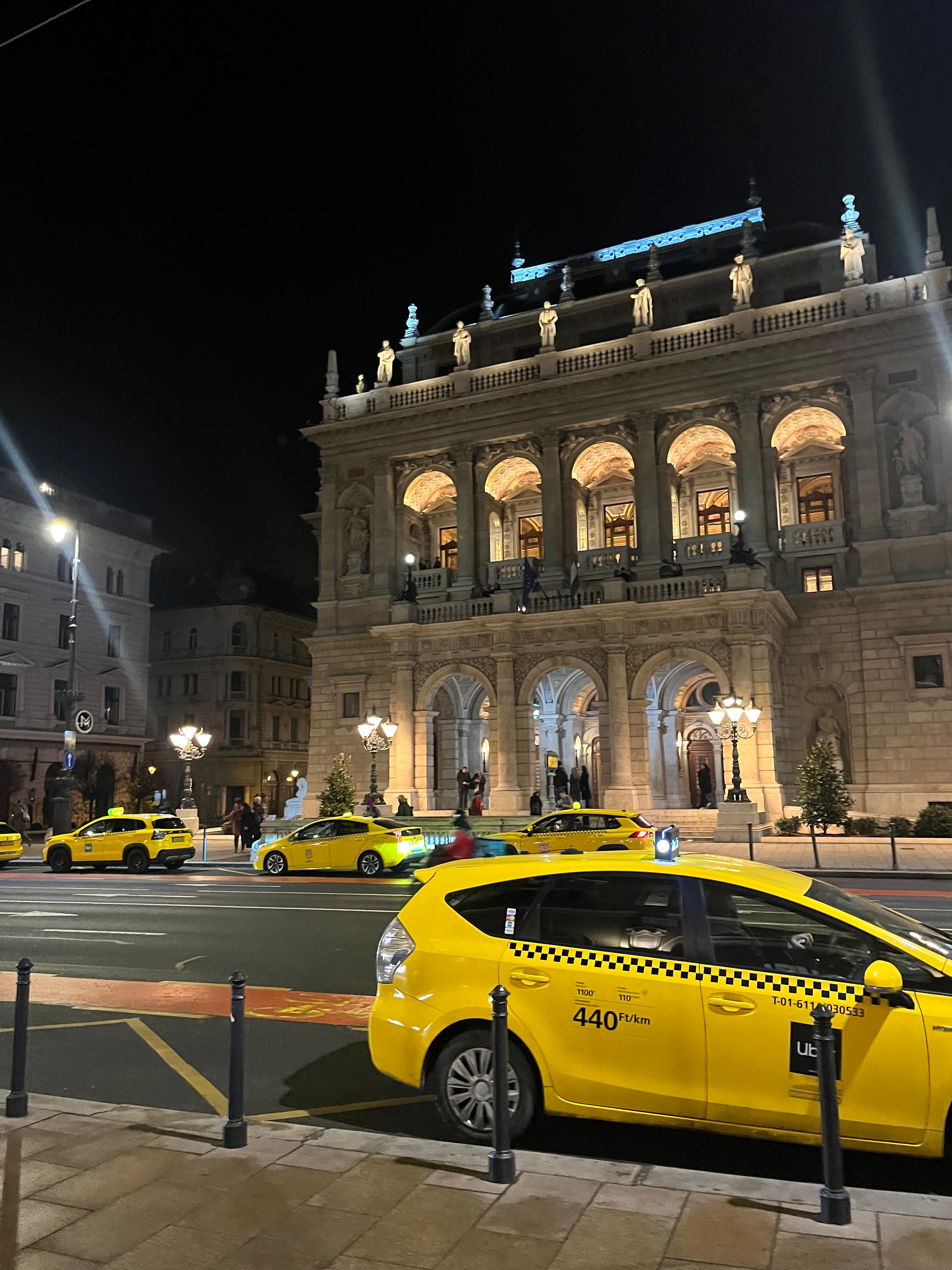
Andrássy Avenue and Hungarian State Opera - The city’s most elegant boulevard, a UNESCO World Heritage site. You can walk from the center to Heroes’ Square. The Opera House is an architectural gem.
-
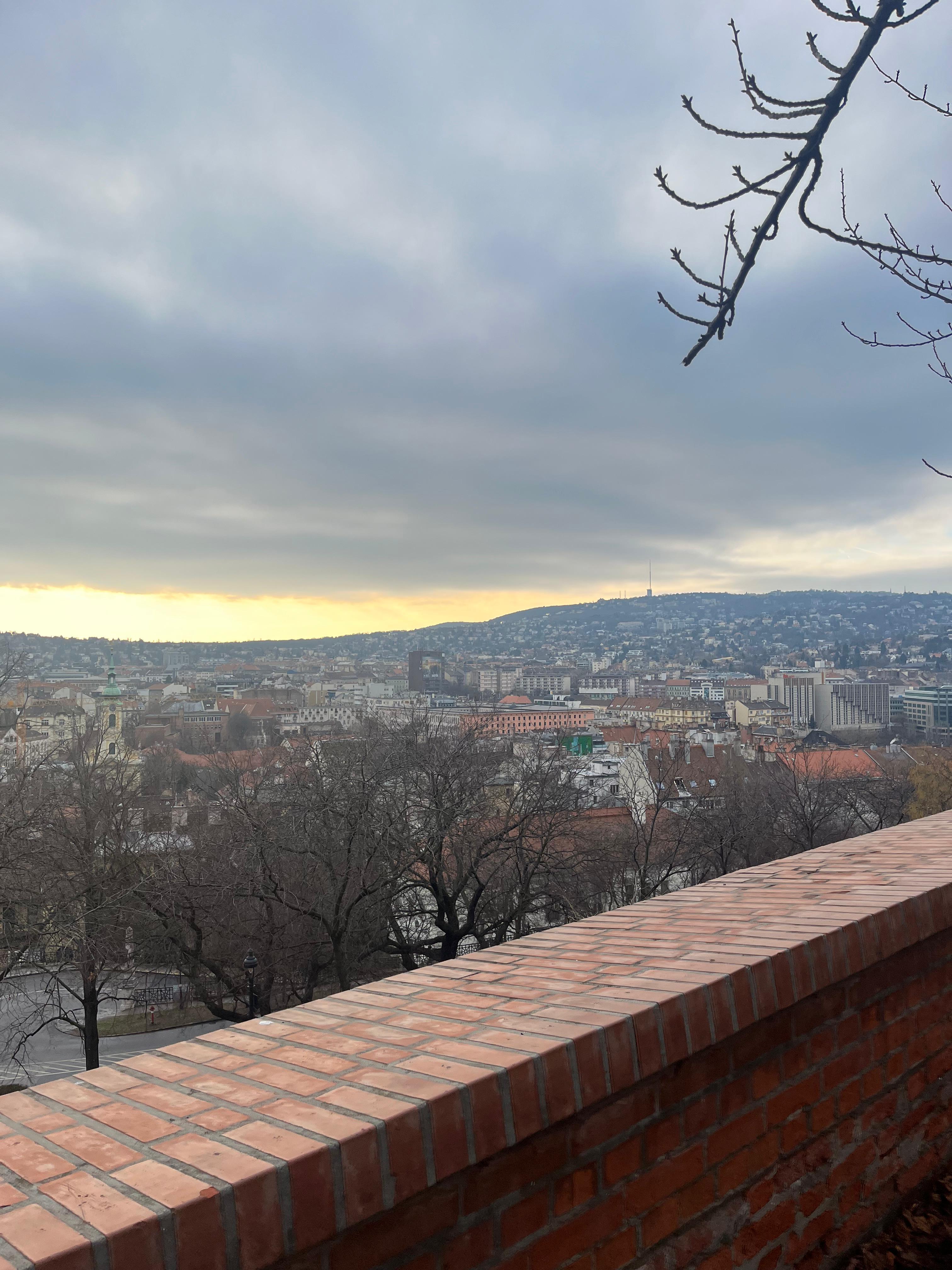
Gellért Hill and Citadel - The highest point in the city. The classic postcard photo with all Danube bridges aligned is taken from here.
-
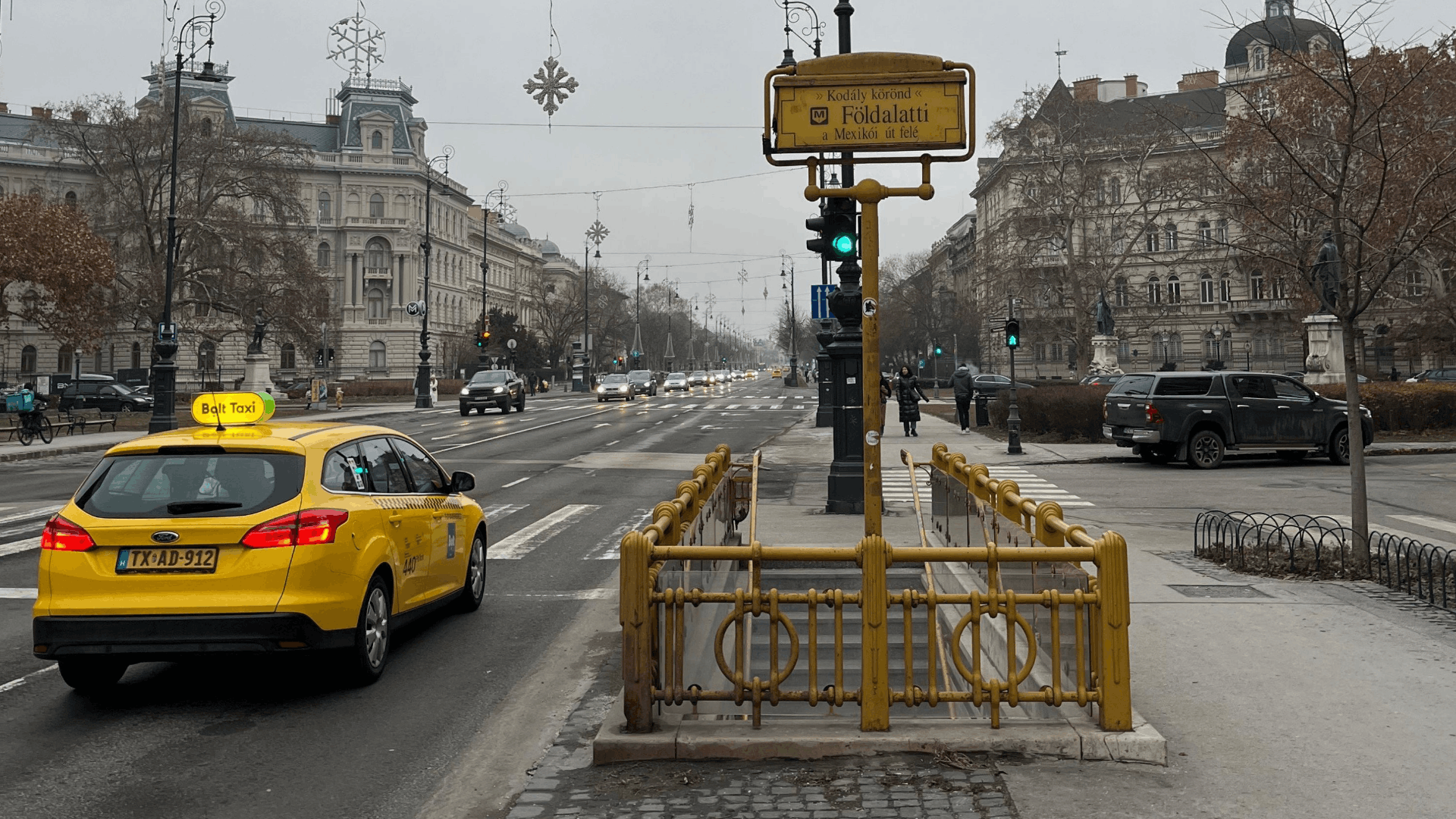
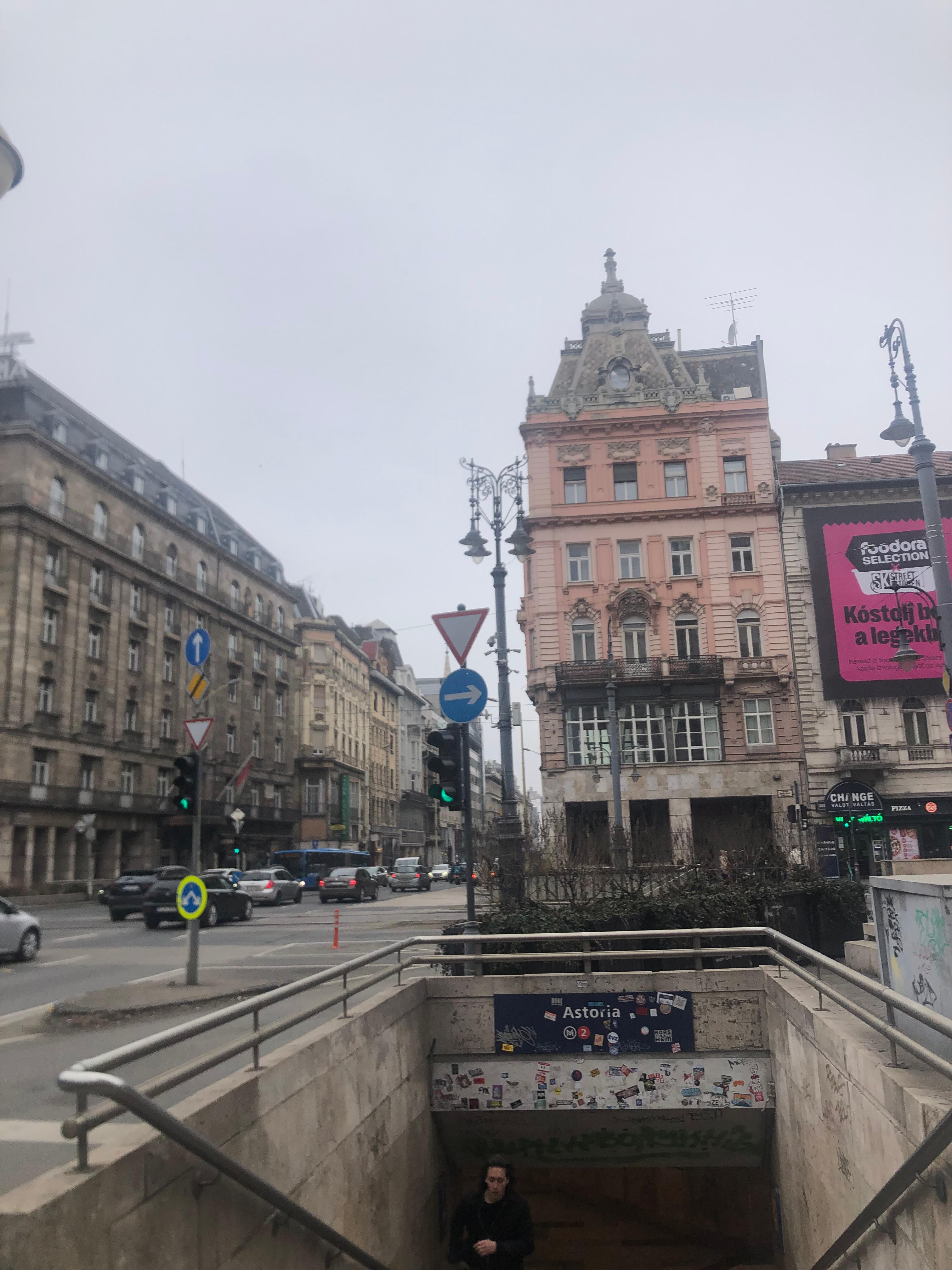
Metro Line 1 (M1) - Not just transport, but an attraction itself. It is the second oldest metro line in the world (after London). Small vintage trains and historic stations from 1896.
Coffee Culture in Budapest
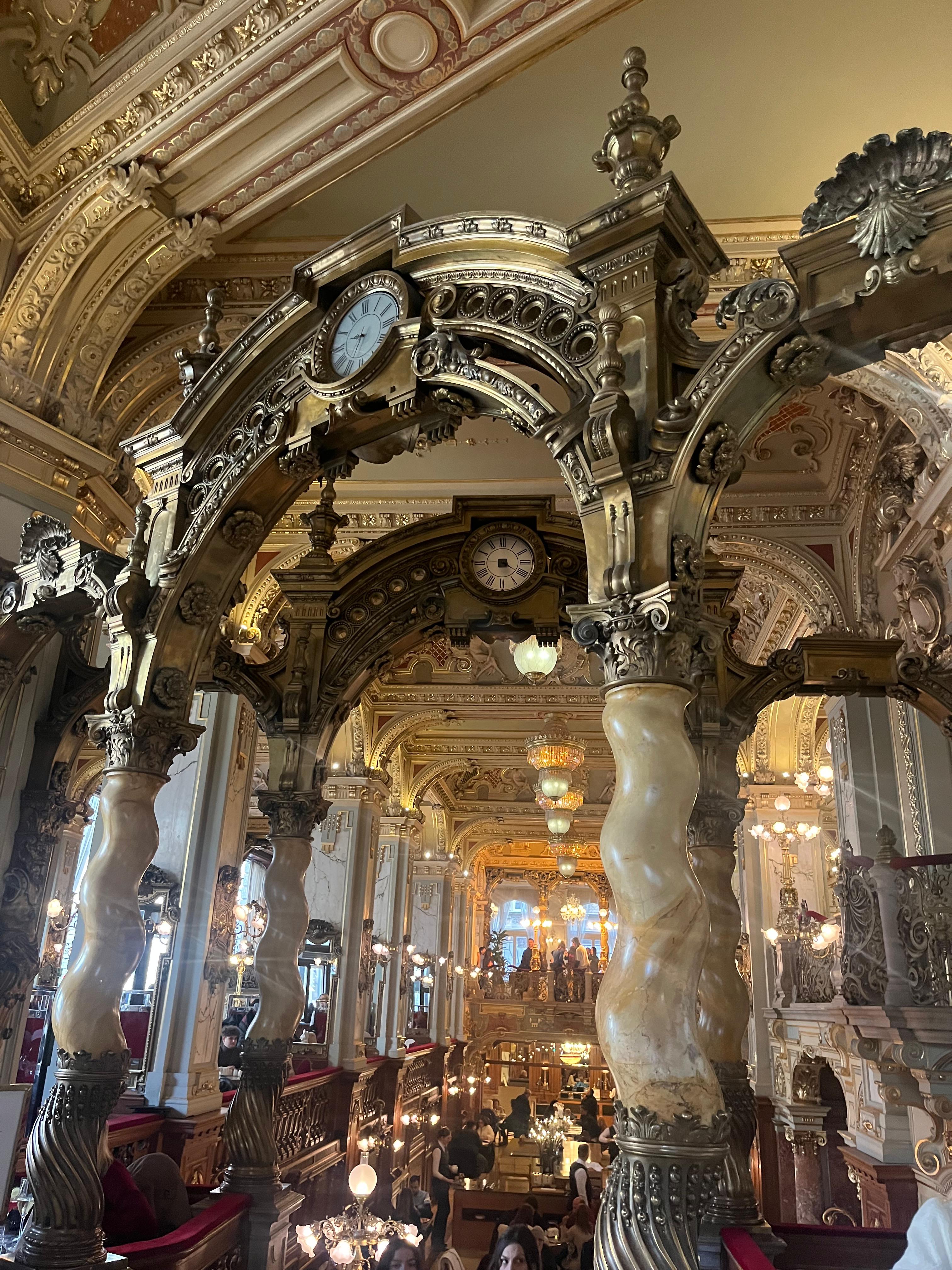
Budapest was the “city of cafés” in the early 20th century, where writers and artists spent entire days. Today, that elegance still lives on in café-palaces.
Cafés to visit:
-
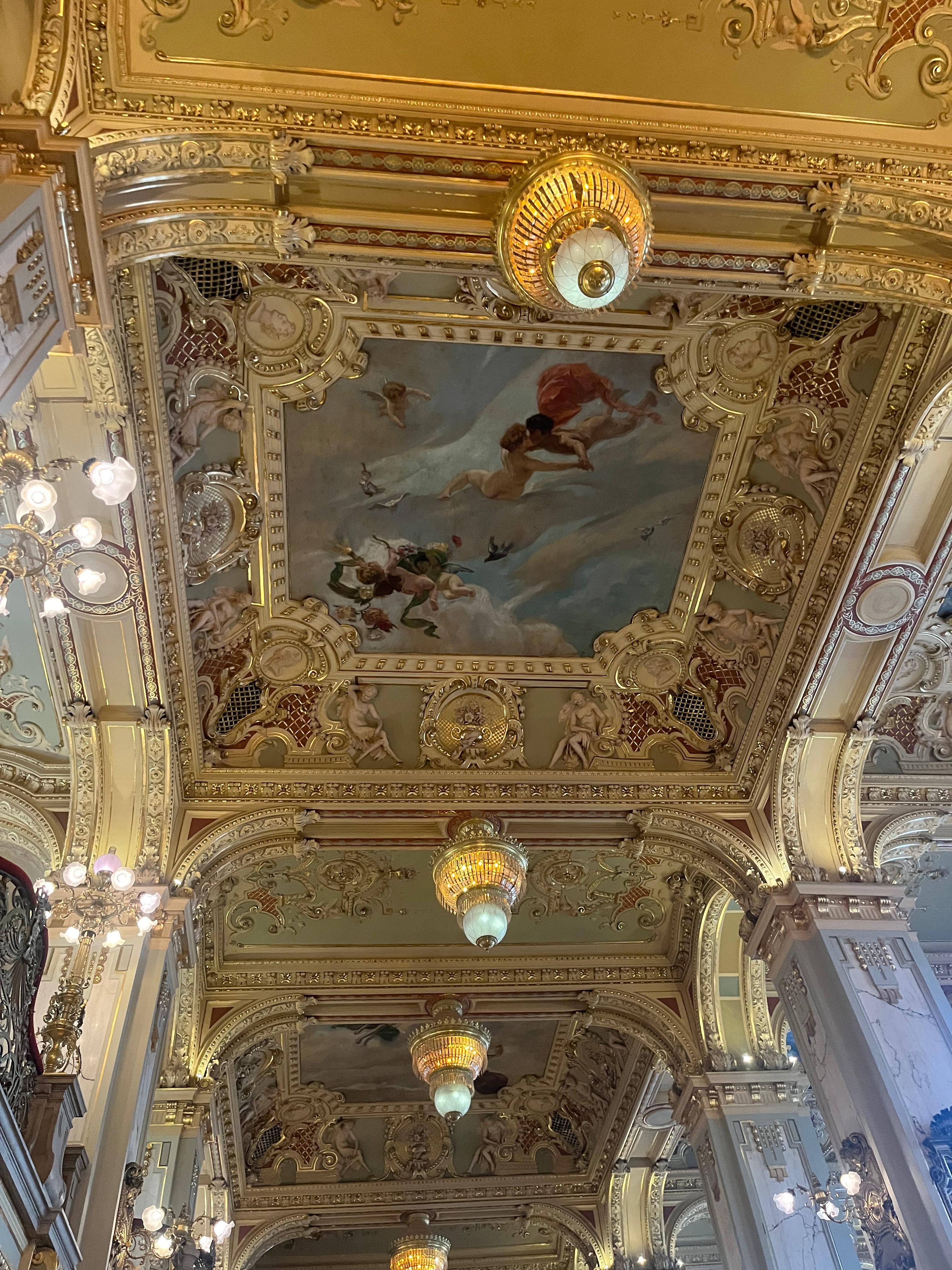
New York Café: Often called the most beautiful café in the world. Stunning interiors with frescoes and gold details. You can even order coffee with gold.
-
Gerbeaud: A classic in Vörösmarty Square, famous for pastries and aristocratic style.
-
Central Café: Less flashy than New York Café but equally historic and beautiful. Great for breakfast.
-
Café Párisi: Located in a former department store, with a breathtaking mosaic ceiling.
The Thermal Bath Ritual in Budapest
Budapest sits on more than 100 thermal springs. It is not just tourism; it is a social ritual for locals of all ages.
Which one to choose?
-
Széchenyi: The most iconic, with outdoor yellow pools. Perfect for the classic photo.
-
Gellért: Famous for Art Nouveau architecture and marble columns. Like bathing in a cathedral.
-
Rudas: Features an original Ottoman-era bath (16th century) plus a modern rooftop pool with river views.
-
Lukács: Less touristy, more local, known for its healing waters.
What to eat in Budapest
-
Goulash: The national dish. A hearty soup with meat, vegetables, and paprika.
-
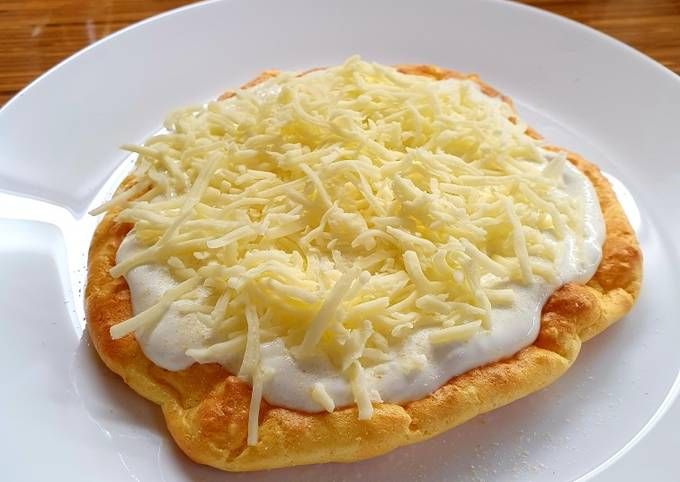
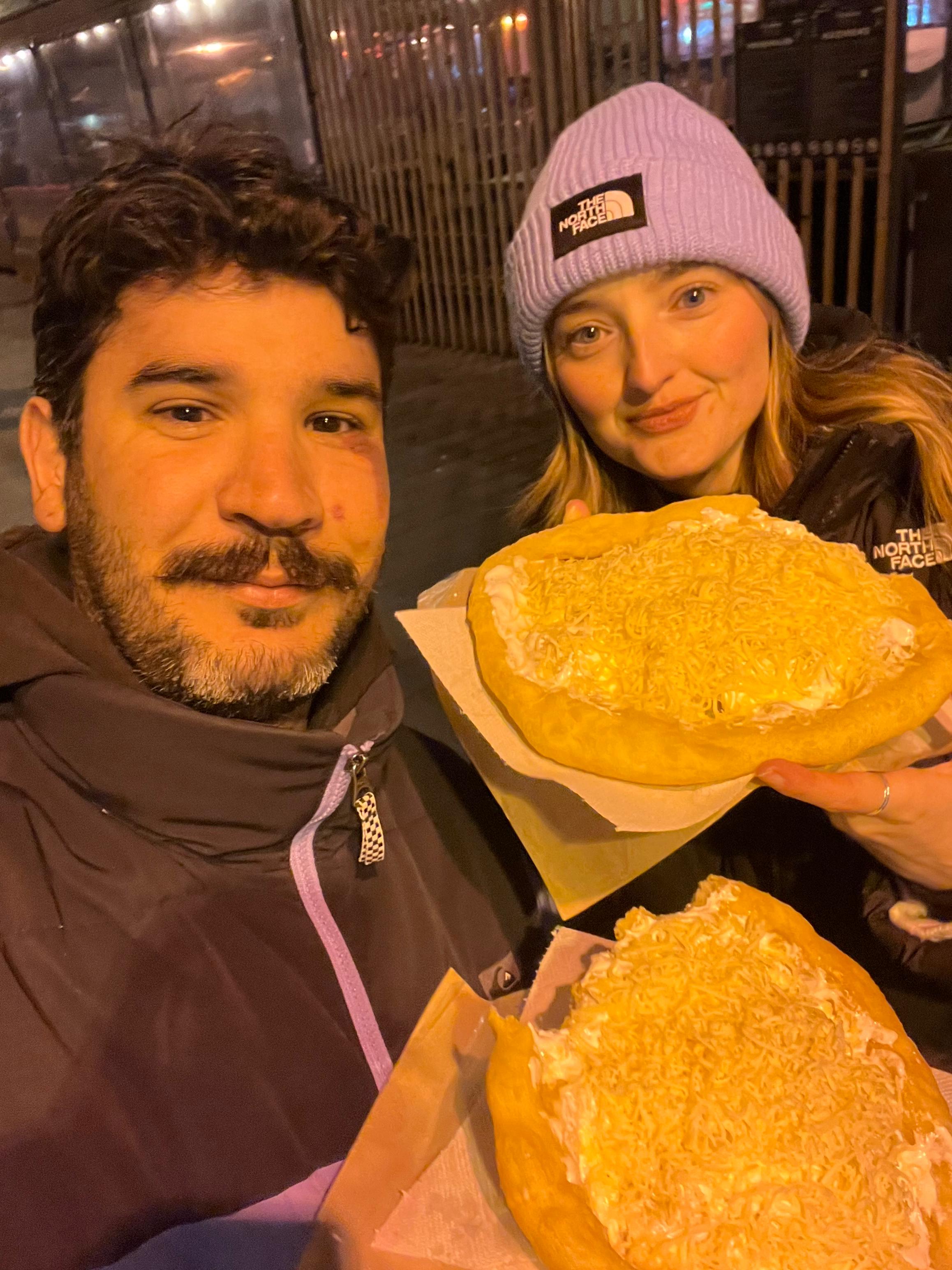
Lángos: Fried dough topped with garlic, sour cream, and cheese. The ultimate street food.
-
Kürtőskalács: Chimney cake, a sweet rolled pastry with sugar and cinnamon.
-
Hungarian wines: Try Tokaji (sweet wine) or local beers like Dreher or Soproni.
Getting around and practical tips
-
Airport to city: Bus 100E goes to Deák Ferenc Square. You can pay by contactless card. Cost: 2200 HUF.
-
Getting around: The Tram 2 runs along the river past the Parliament and bridges — a scenic ride with a regular ticket.
-
Money: Currency is the Forint (HUF). Most places accept cards, but carry some cash for small markets. Avoid Euronet ATMs (blue-yellow) due to high fees; use official bank ATMs instead.
-
Danube cruise: If possible, do it at night. Seeing the illuminated buildings from the river is unforgettable.
Suggested itinerary
If you have 2–3 days:
-
Day 1: Buda Castle, Fisherman’s Bastion, Matthias Church, sunset at Chain Bridge.
-
Day 2: Parliament, Shoes on the Danube, St. Stephen’s Basilica, ruin bars in the Jewish Quarter.
-
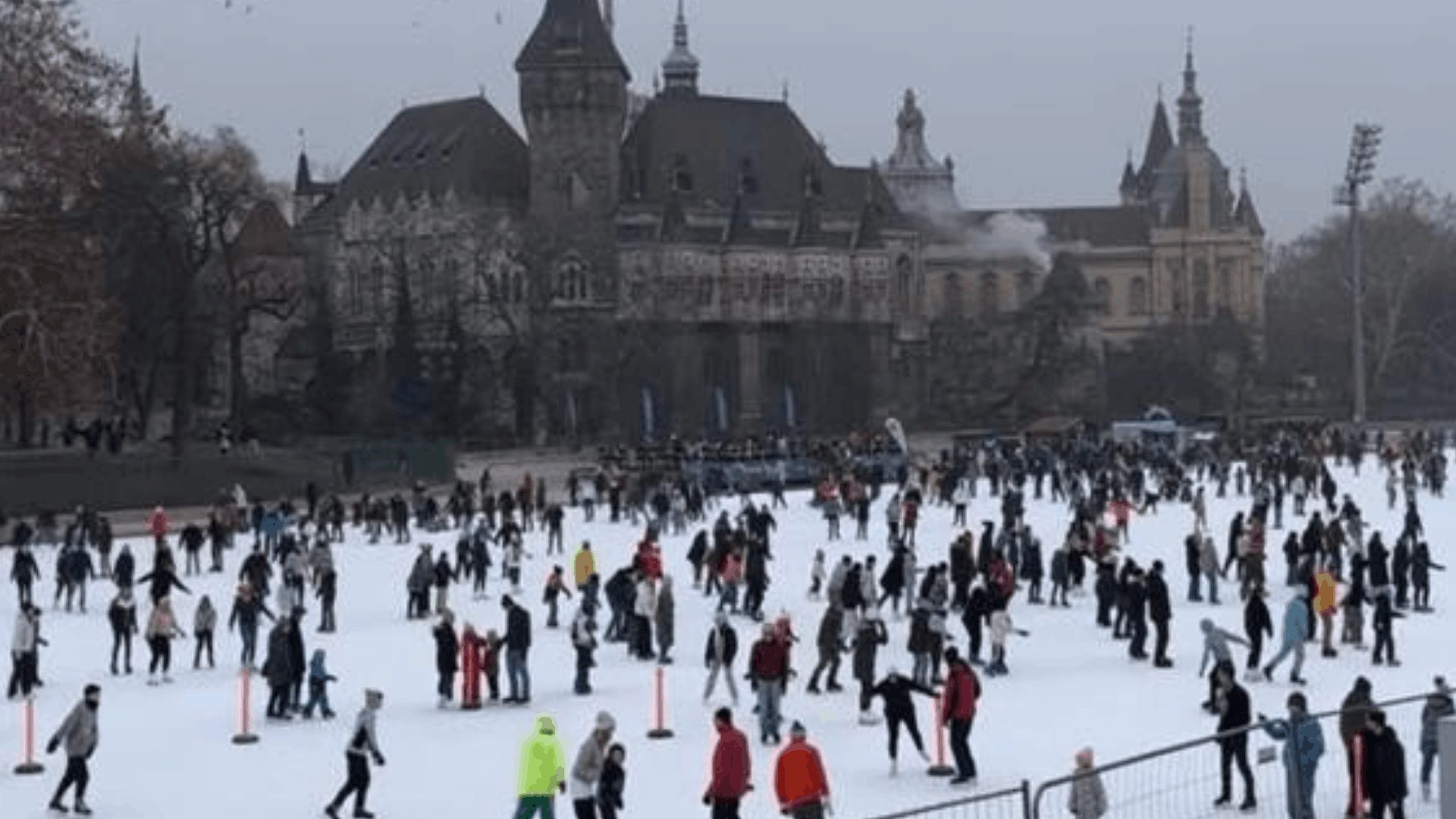
Day 3: Heroes’ Square, City Park (Városliget), and relaxation at Széchenyi Baths.
If you have more time:
Visit Margaret Island, a huge park in the middle of the river, or take a half-day trip to Szentendre, a charming artists’ town nearby.
Our experience in Budapest
Budapest surprised us with its worn elegance. It has the feel of an old empire, but also an incredible young energy. What we enjoyed most was the contrast: spending the afternoon in a marble palace café and ending the night in a ruin bar drinking beer next to a half-cut vintage car. It is an affordable, safe city with some of the best night lighting in Europe. Without a doubt, a place we would love to return to.
You may also like
-
Hungarian Parliament - The city’s icon. Seeing it from the opposite bank (in Buda) at sunset is a breathtaking experience. Tip: If you want to go inside, book the official tour weeks in advance.
-
Fisherman’s Bastion and Buda Castle - Cross the Chain Bridge and walk up the hill. The views from the white towers of the Bastion look like something out of a fairytale.
-
Shoes on the Danube Bank - Walking from the Parliament towards the bridge, you’ll find 60 pairs of iron shoes. It is a powerful memorial dedicated to the Jews murdered during World War II.
-
Széchenyi Baths - The most famous thermal spa. Yellow pools, 38°C water, and people playing chess in the water. Tip: Bring your own flip-flops and swimming cap to save money.
-
Ruin Bars (Szimpla Kert) - Located in the Jewish Quarter, these are abandoned buildings turned into bars with surreal decor. Szimpla is the original, but Instant-Fogas is where the real party is.
-
St. Stephen’s Basilica - Go inside to see the “Holy Right” (the mummified hand of Hungary’s first king) and climb the dome for the best 360° view of Pest.
-
Central Market Hall (Nagyvásárcsarnok) - A stunning historic building with colorful tiled roofs. On the ground floor you can buy Hungarian paprika, and upstairs try cheap local food like lángos.
-
Andrássy Avenue and Hungarian State Opera - The city’s most elegant boulevard, a UNESCO World Heritage site. You can walk from the center to Heroes’ Square. The Opera House is an architectural gem.
-
Gellért Hill and Citadel - The highest point in the city. The classic postcard photo with all Danube bridges aligned is taken from here.
-
Metro Line 1 (M1) - Not just transport, but an attraction itself. It is the second oldest metro line in the world (after London). Small vintage trains and historic stations from 1896.
PUBLICIDAD
Travel with Data: Get your Saily eSIM
- ✓Internet in seconds upon landing
- ✓Flexible plans in 180+ countries
- ✓Easy setup directly via the App
Budapest was the “city of cafés” in the early 20th century, where writers and artists spent entire days. Today, that elegance still lives on in café-palaces.
Cafés to visit:
-
New York Café: Often called the most beautiful café in the world. Stunning interiors with frescoes and gold details. You can even order coffee with gold.
-
Gerbeaud: A classic in Vörösmarty Square, famous for pastries and aristocratic style.
-
Central Café: Less flashy than New York Café but equally historic and beautiful. Great for breakfast.
-
Café Párisi: Located in a former department store, with a breathtaking mosaic ceiling.
Budapest sits on more than 100 thermal springs. It is not just tourism; it is a social ritual for locals of all ages.
Which one to choose?
-
Széchenyi: The most iconic, with outdoor yellow pools. Perfect for the classic photo.
-
Gellért: Famous for Art Nouveau architecture and marble columns. Like bathing in a cathedral.
-
Rudas: Features an original Ottoman-era bath (16th century) plus a modern rooftop pool with river views.
-
Lukács: Less touristy, more local, known for its healing waters.
-
Goulash: The national dish. A hearty soup with meat, vegetables, and paprika.
-
Lángos: Fried dough topped with garlic, sour cream, and cheese. The ultimate street food.
-
Kürtőskalács: Chimney cake, a sweet rolled pastry with sugar and cinnamon.
-
Hungarian wines: Try Tokaji (sweet wine) or local beers like Dreher or Soproni.
-
Airport to city: Bus 100E goes to Deák Ferenc Square. You can pay by contactless card. Cost: 2200 HUF.
-
Getting around: The Tram 2 runs along the river past the Parliament and bridges — a scenic ride with a regular ticket.
-
Money: Currency is the Forint (HUF). Most places accept cards, but carry some cash for small markets. Avoid Euronet ATMs (blue-yellow) due to high fees; use official bank ATMs instead.
-
Danube cruise: If possible, do it at night. Seeing the illuminated buildings from the river is unforgettable.
If you have 2–3 days:
-
Day 1: Buda Castle, Fisherman’s Bastion, Matthias Church, sunset at Chain Bridge.
-
Day 2: Parliament, Shoes on the Danube, St. Stephen’s Basilica, ruin bars in the Jewish Quarter.
-
Day 3: Heroes’ Square, City Park (Városliget), and relaxation at Széchenyi Baths.
If you have more time:
Visit Margaret Island, a huge park in the middle of the river, or take a half-day trip to Szentendre, a charming artists’ town nearby.
Budapest surprised us with its worn elegance. It has the feel of an old empire, but also an incredible young energy. What we enjoyed most was the contrast: spending the afternoon in a marble palace café and ending the night in a ruin bar drinking beer next to a half-cut vintage car. It is an affordable, safe city with some of the best night lighting in Europe. Without a doubt, a place we would love to return to.
Galery
PUBLICIDAD
International Travel Insurance
- ✓International medical insurance
- ✓24/7 immediate assistance in your language
- ✓Ideal for trekking & adventure
Preferences
Language
Color
Text
Width