Table of contents and map
Hungría: ciudades, termas y rutas para conocer el país
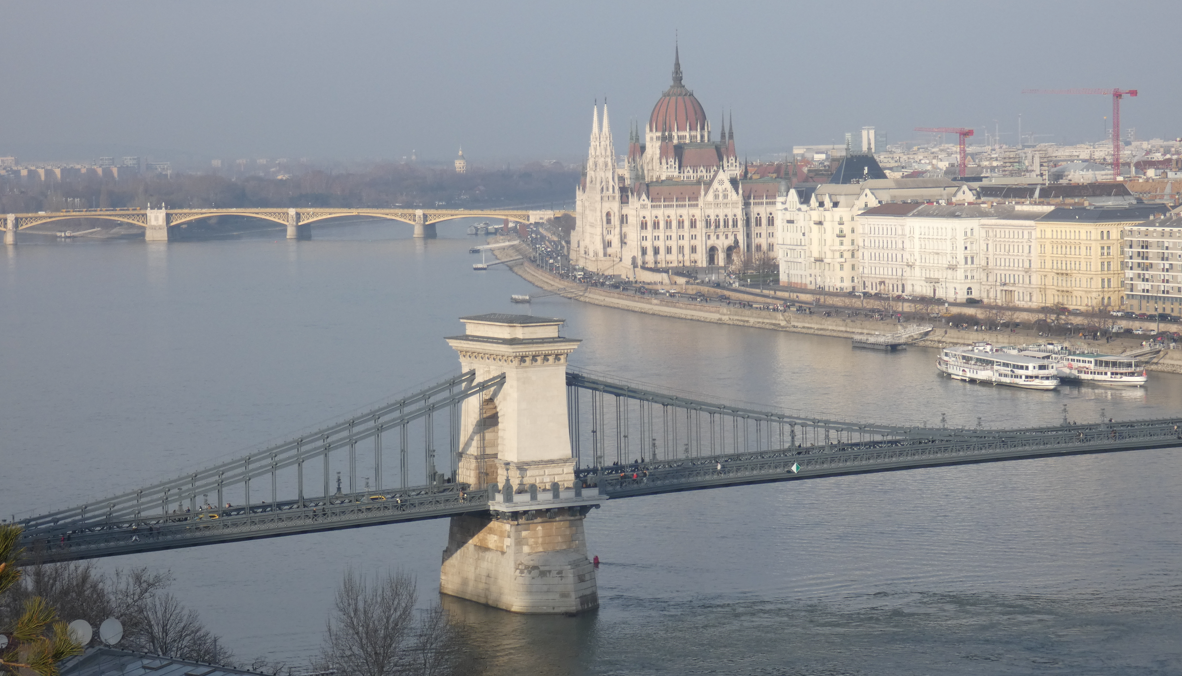
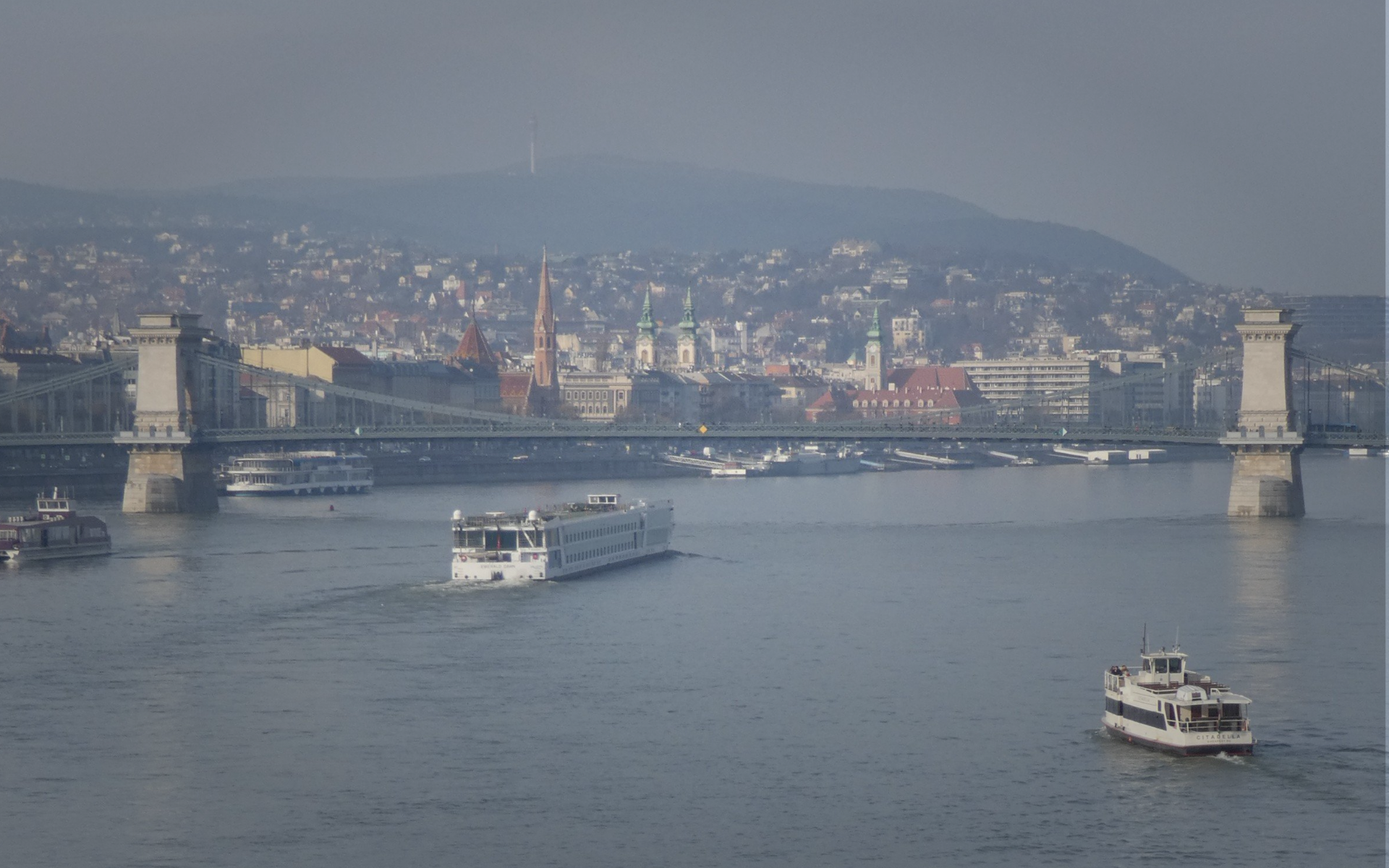
Hungría es un país de contrastes elegantes, donde Budapest brilla con su arquitectura imperial, puentes sobre el Danubio y baños termales históricos. Más allá de la capital, los pueblos, lagos y viñedos del país ofrecen experiencias tranquilas y auténticas, perfectas para combinar historia, cultura y naturaleza en un mismo viaje.
Hungría: ciudades, termas y rutas para conocer el país
Hungría es un país de contrastes elegantes, donde Budapest brilla con su arquitectura imperial, puentes sobre el Danubio y baños termales históricos. Más allá de la capital, los pueblos, lagos y viñedos del país ofrecen experiencias tranquilas y auténticas, perfectas para combinar historia, cultura y naturaleza en un mismo viaje.
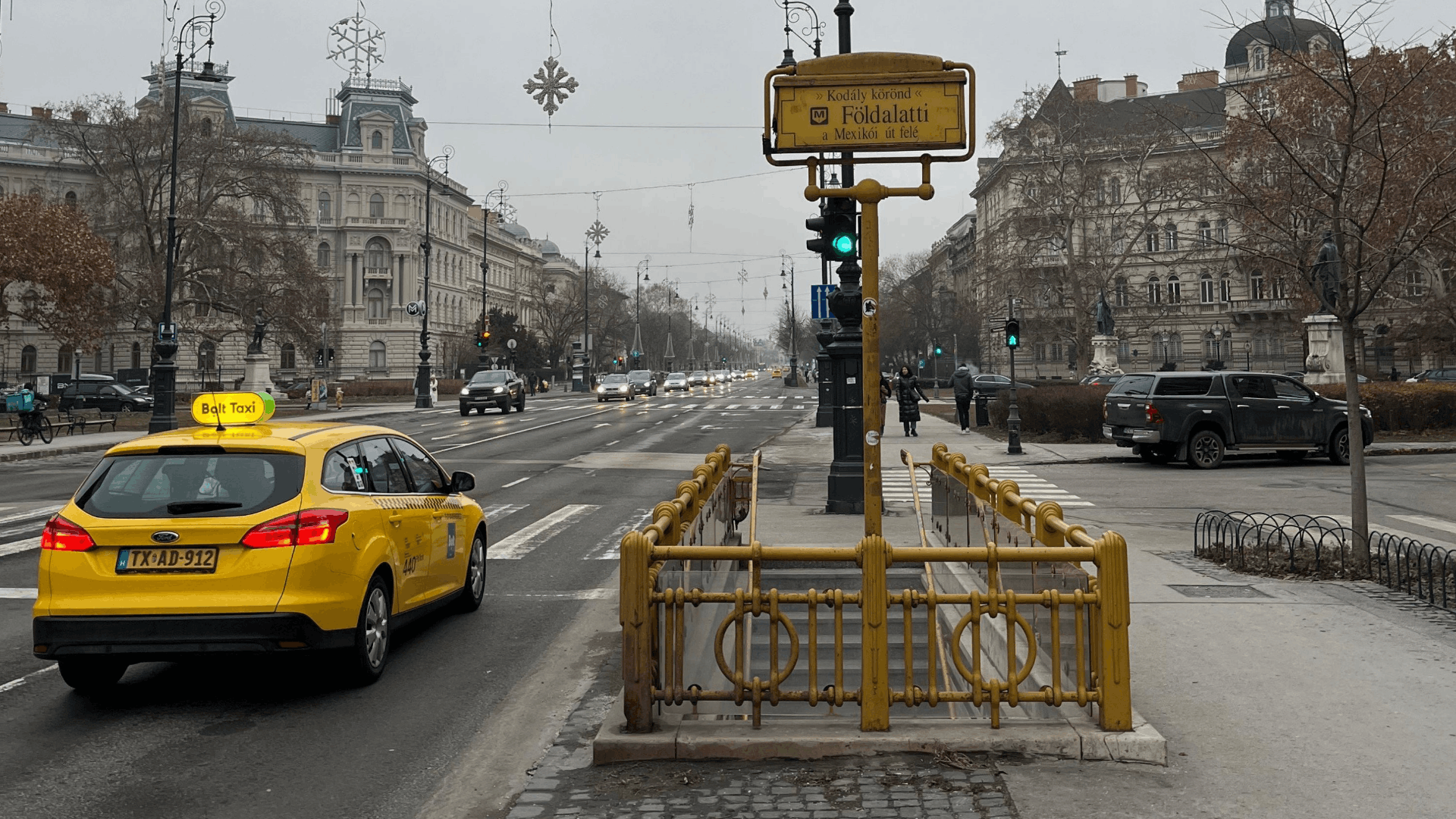
En nuestro caso, pasamos 15 días en Budapest, lo que nos permitió conocer la ciudad en profundidad. Si bien la capital concentra gran parte de los atractivos turísticos del país, fuera de ella Hungría ofrece experiencias muy distintas, especialmente en lagos, zonas rurales y regiones vinícolas.
Además, Hungría destaca por su muy buena relación precio-calidad, siendo más accesible que Europa occidental pero con servicios e infraestructura de alto nivel.
Destinos imperdibles de Hungría
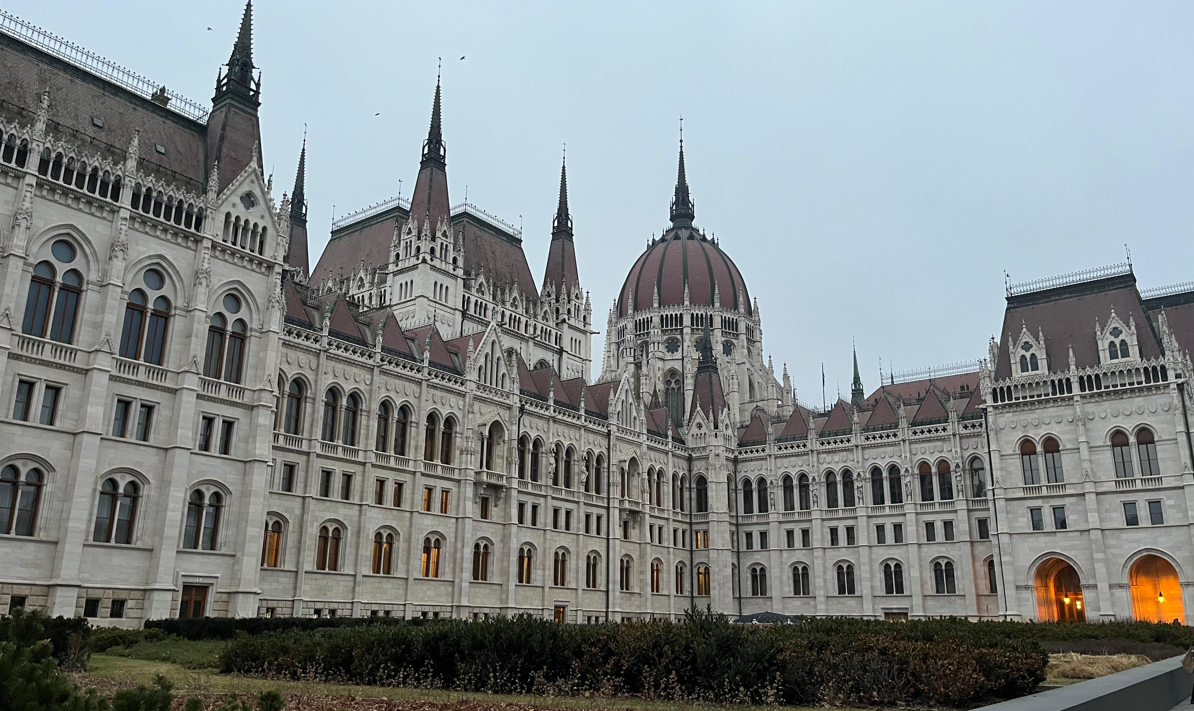
- Budapest – Capital monumental, el Danubio, termas históricas y arquitectura imperial.
- Buda – Zona histórica con castillo y vistas panorámicas de la ciudad.
- Pest – Parte moderna, animada y cultural, con barrios jóvenes y vida nocturna.
- Lago Balaton – El lago más grande de Europa Central, ideal para el verano.
- Eger – Vinos, termas y casco histórico barroco.
- Szentendre – Pueblo artístico a orillas del Danubio.
- Pécs – Influencia romana, otomana y mediterránea.
- Hollókő – Pueblo tradicional declarado Patrimonio de la Humanidad.
- Debrecen – Importante ciudad cultural del este del país.
- Tokaj – Región vitivinícola famosa por sus vinos dulces.
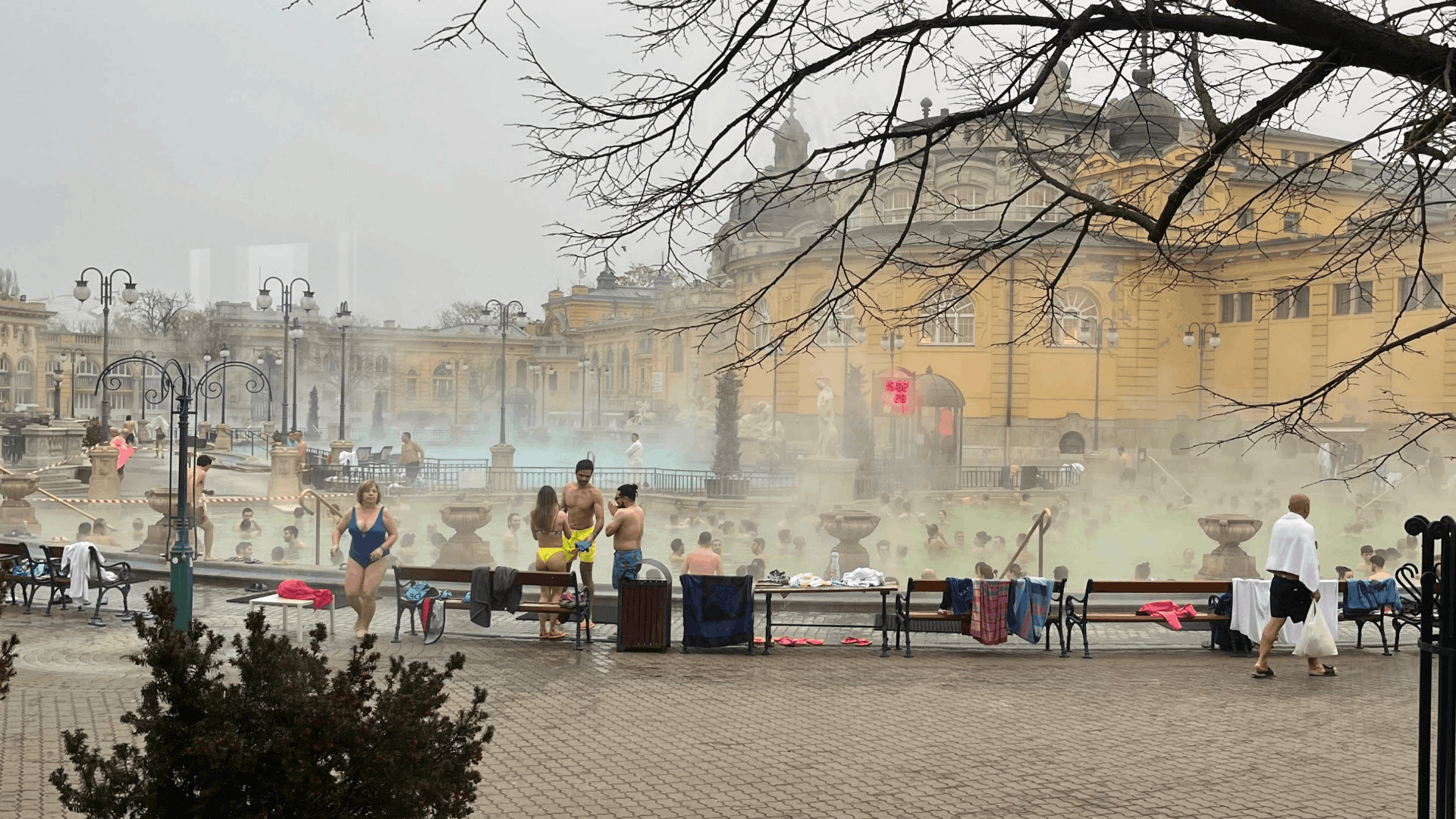
Budapest es especialmente conocida por sus baños termales, una parte esencial de la vida local. Entre los más famosos se encuentran Széchenyi, Gellért y Rudas, cada uno con estilos distintos, desde grandes piscinas exteriores hasta baños históricos de época otomana.
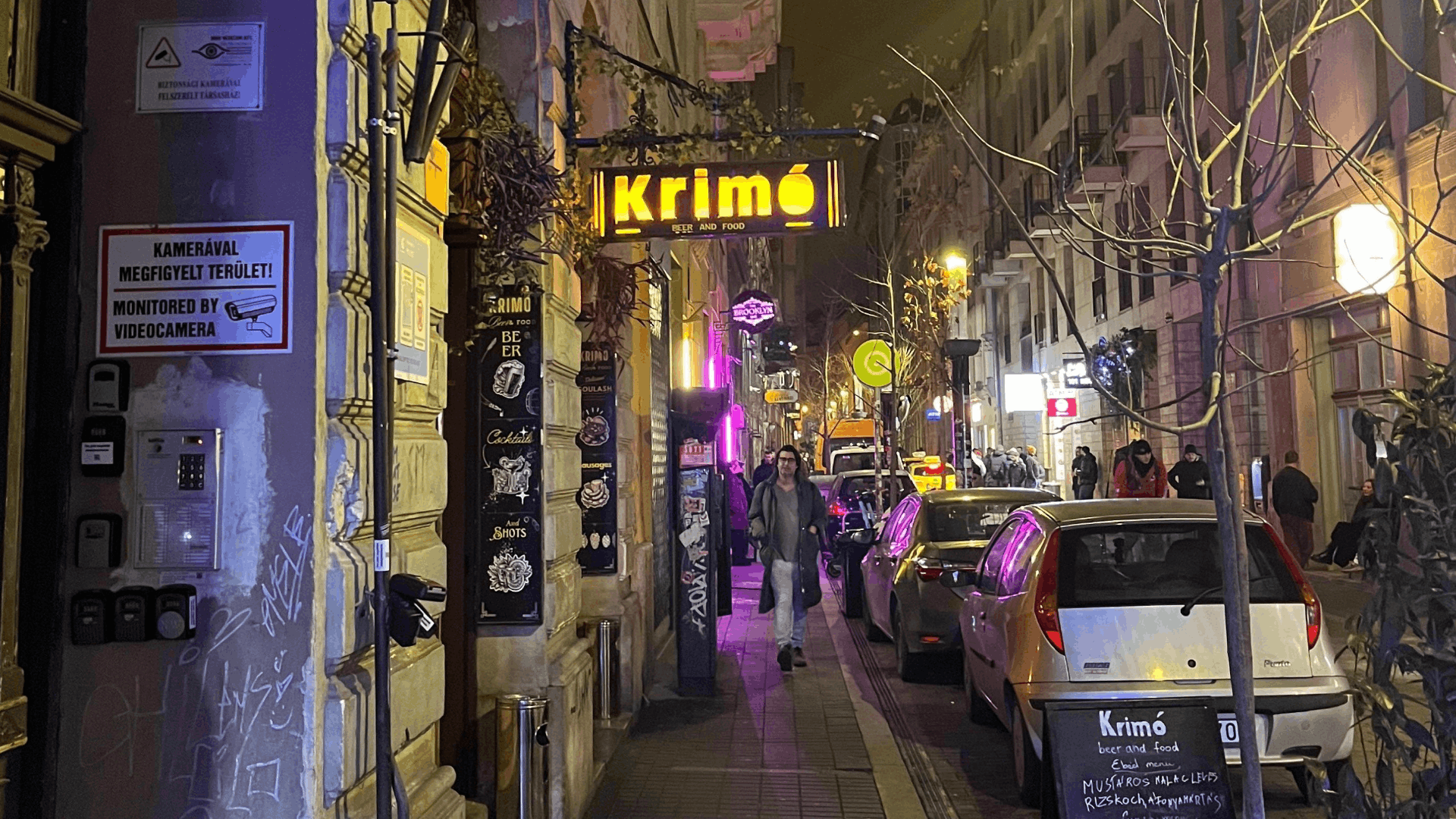
También es famosa por su vida nocturna, con los llamados ruin bars: bares instalados en antiguos edificios abandonados que se transformaron en uno de los símbolos culturales de la ciudad.
Qué comer en Hungría (imperdibles)
La gastronomía húngara es sabrosa, especiada y reconfortante, con fuerte presencia del pimentón:
- Goulash (Gulyás) – Estofado de carne con paprika y vegetales.
- Paprikash – Pollo o carne en salsa cremosa de pimentón.
- Lángos – Pan frito con crema agria y queso.
- Halászlé – Sopa picante de pescado.
- Töltött káposzta – Repollo relleno de carne y arroz.
- Kolbász – Salchichas húngaras.
- Dobos torta – Torta tradicional con capas de chocolate.
- Vinos húngaros – Especialmente los de la región de Tokaj.
Datos prácticos para viajar por Hungría
- Moneda: forinto húngaro (HUF).
- Idioma: húngaro.
- Enchufes: tipo C y F, 230V.
- Propinas: habituales; entre 10% y 15% en restaurantes.
- Conectividad: muy buena en ciudades y zonas turísticas.
- Pagos: tarjetas aceptadas; efectivo útil en mercados y pequeños comercios.
Cómo moverse por Hungría
Hungría tiene buenas conexiones y distancias relativamente cortas:
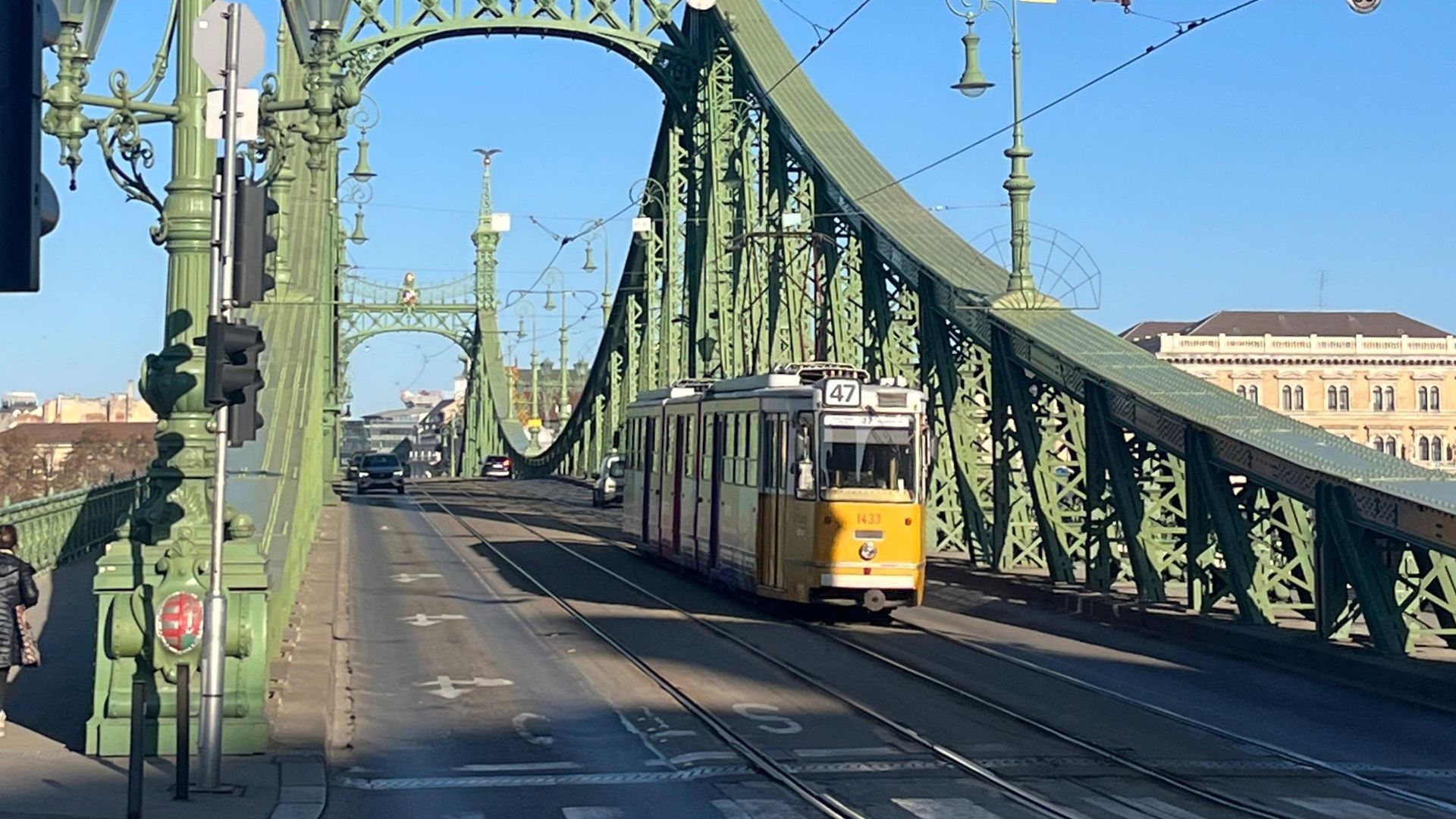
- Transporte urbano: metro, tranvías y buses muy eficientes en Budapest.
- Tren: conecta ciudades y pueblos importantes.
- Bus de larga distancia: económico y puntual.
- Auto: útil para zonas rurales y Lago Balaton.
- Bicicleta: muy común en ciudades planas como Budapest.
Mejor época para viajar
- Primavera y otoño: clima ideal y menos turistas.
- Verano: perfecto para termas al aire libre y Lago Balaton.
- Invierno: frío, pero con mercados navideños y ambiente festivo.
El clima es continental, con veranos cálidos e inviernos fríos.
Consejos útiles para viajar por Hungría
- Visitá las termas: son parte esencial de la cultura local.
- Comprá y validá los tickets de transporte antes de subir.
- Probá comida local fuera de zonas ultra turísticas.
- Llevá efectivo para pequeños comercios y mercados.
- Cuidá tus pertenencias en zonas concurridas.
- No te confundas con los precios: el forinto maneja cifras altas.
- Aprovechá los free walking tours para entender mejor la historia.
- Explorá más allá de Budapest si tenés tiempo: el país cambia mucho fuera de la capital.
- Budapest – Capital monumental, el Danubio, termas históricas y arquitectura imperial.
- Buda – Zona histórica con castillo y vistas panorámicas de la ciudad.
- Pest – Parte moderna, animada y cultural, con barrios jóvenes y vida nocturna.
- Lago Balaton – El lago más grande de Europa Central, ideal para el verano.
- Eger – Vinos, termas y casco histórico barroco.
- Szentendre – Pueblo artístico a orillas del Danubio.
- Pécs – Influencia romana, otomana y mediterránea.
- Hollókő – Pueblo tradicional declarado Patrimonio de la Humanidad.
- Debrecen – Importante ciudad cultural del este del país.
- Tokaj – Región vitivinícola famosa por sus vinos dulces.
Budapest es especialmente conocida por sus baños termales, una parte esencial de la vida local. Entre los más famosos se encuentran Széchenyi, Gellért y Rudas, cada uno con estilos distintos, desde grandes piscinas exteriores hasta baños históricos de época otomana.
También es famosa por su vida nocturna, con los llamados ruin bars: bares instalados en antiguos edificios abandonados que se transformaron en uno de los símbolos culturales de la ciudad.
PUBLICIDAD
Travel with Data: Get your Saily eSIM
- ✓Internet in seconds upon landing
- ✓Flexible plans in 180+ countries
- ✓Easy setup directly via the App
La gastronomía húngara es sabrosa, especiada y reconfortante, con fuerte presencia del pimentón:
- Goulash (Gulyás) – Estofado de carne con paprika y vegetales.
- Paprikash – Pollo o carne en salsa cremosa de pimentón.
- Lángos – Pan frito con crema agria y queso.
- Halászlé – Sopa picante de pescado.
- Töltött káposzta – Repollo relleno de carne y arroz.
- Kolbász – Salchichas húngaras.
- Dobos torta – Torta tradicional con capas de chocolate.
- Vinos húngaros – Especialmente los de la región de Tokaj.
- Moneda: forinto húngaro (HUF).
- Idioma: húngaro.
- Enchufes: tipo C y F, 230V.
- Propinas: habituales; entre 10% y 15% en restaurantes.
- Conectividad: muy buena en ciudades y zonas turísticas.
- Pagos: tarjetas aceptadas; efectivo útil en mercados y pequeños comercios.
Hungría tiene buenas conexiones y distancias relativamente cortas:
- Transporte urbano: metro, tranvías y buses muy eficientes en Budapest.
- Tren: conecta ciudades y pueblos importantes.
- Bus de larga distancia: económico y puntual.
- Auto: útil para zonas rurales y Lago Balaton.
- Bicicleta: muy común en ciudades planas como Budapest.
- Primavera y otoño: clima ideal y menos turistas.
- Verano: perfecto para termas al aire libre y Lago Balaton.
- Invierno: frío, pero con mercados navideños y ambiente festivo.
El clima es continental, con veranos cálidos e inviernos fríos.
PUBLICIDAD
- Visitá las termas: son parte esencial de la cultura local.
- Comprá y validá los tickets de transporte antes de subir.
- Probá comida local fuera de zonas ultra turísticas.
- Llevá efectivo para pequeños comercios y mercados.
- Cuidá tus pertenencias en zonas concurridas.
- No te confundas con los precios: el forinto maneja cifras altas.
- Aprovechá los free walking tours para entender mejor la historia.
- Explorá más allá de Budapest si tenés tiempo: el país cambia mucho fuera de la capital.
PUBLICIDAD
International Travel Insurance
- ✓International medical insurance
- ✓24/7 immediate assistance in your language
- ✓Ideal for trekking & adventure
Posts in Hungria
Preferences
Language
Color
Text
Width