Table of contents and map
Athens 2026: Ideal itinerary, what to see, what to eat, and travel tips
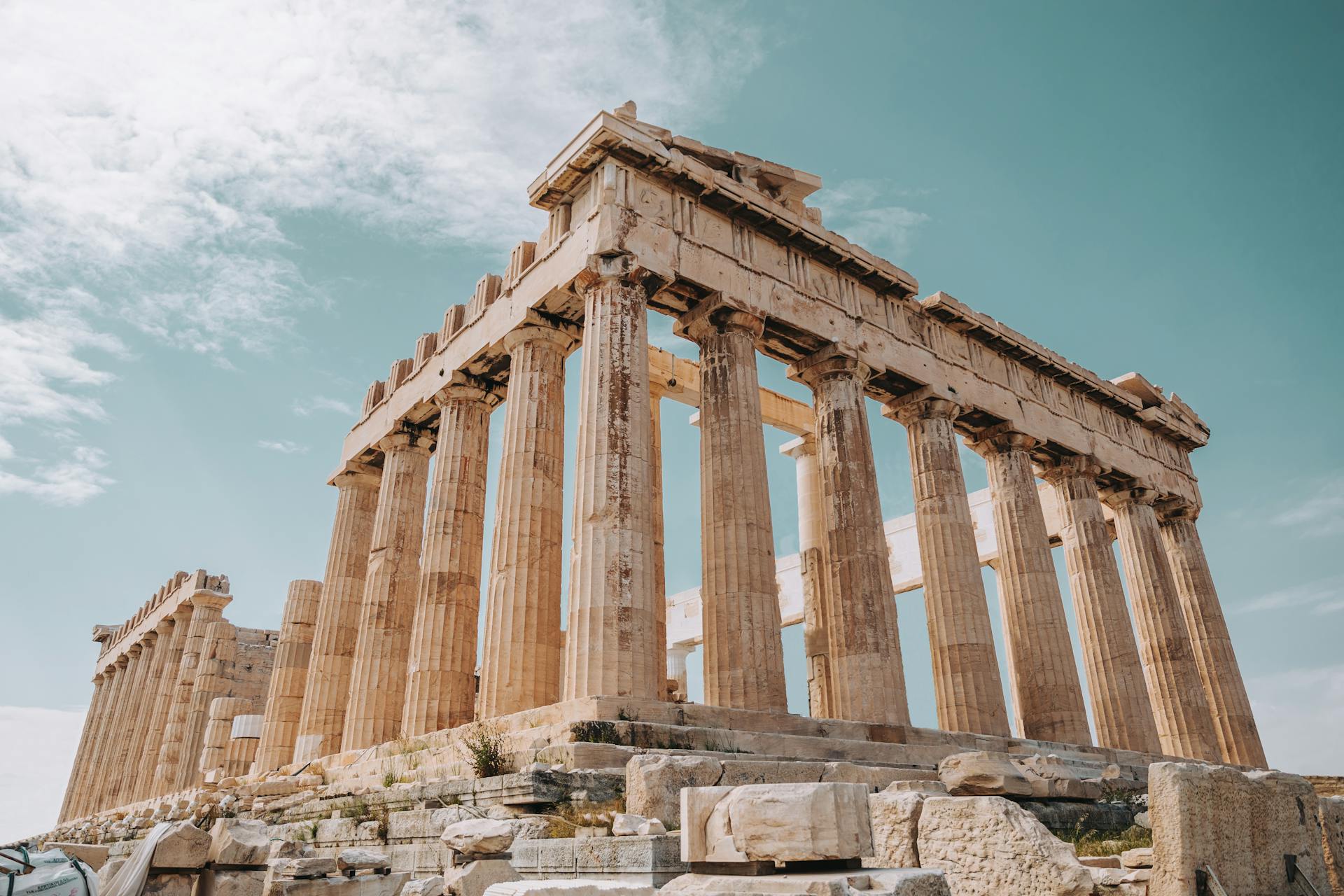
Athens, the capital of Greece, is a city where ancient history coexists with a vibrant and chaotic modern metropolis. Considered the cradle of Western civilization, its identity is shaped by classical monuments, historic hills, and a strong contemporary urban life. Athens is not just the past: it is an intense, authentic, and full-of-contrasts city, where the ancient and the modern constantly intersect.
Athens 2026: Ideal itinerary, what to see, what to eat, and travel tips
Athens, the capital of Greece, is a city where ancient history coexists with a vibrant and chaotic modern metropolis. Considered the cradle of Western civilization, its identity is shaped by classical monuments, historic hills, and a strong contemporary urban life. Athens is not just the past: it is an intense, authentic, and full-of-contrasts city, where the ancient and the modern constantly intersect.
We spent 10 days in Athens. It is a city that feels alive and chaotic, yet deeply fascinating. Walking through it means moving from ancient ruins to modern neighborhoods in just a few minutes. Its rhythm is intense, especially in the center, and heat, noise, and history are all part of the experience.
Beyond its monuments, Athens is best enjoyed by observing everyday life, sitting in a square, or climbing a hill to watch the city from above at sunset.
What to see and do in Athens
-
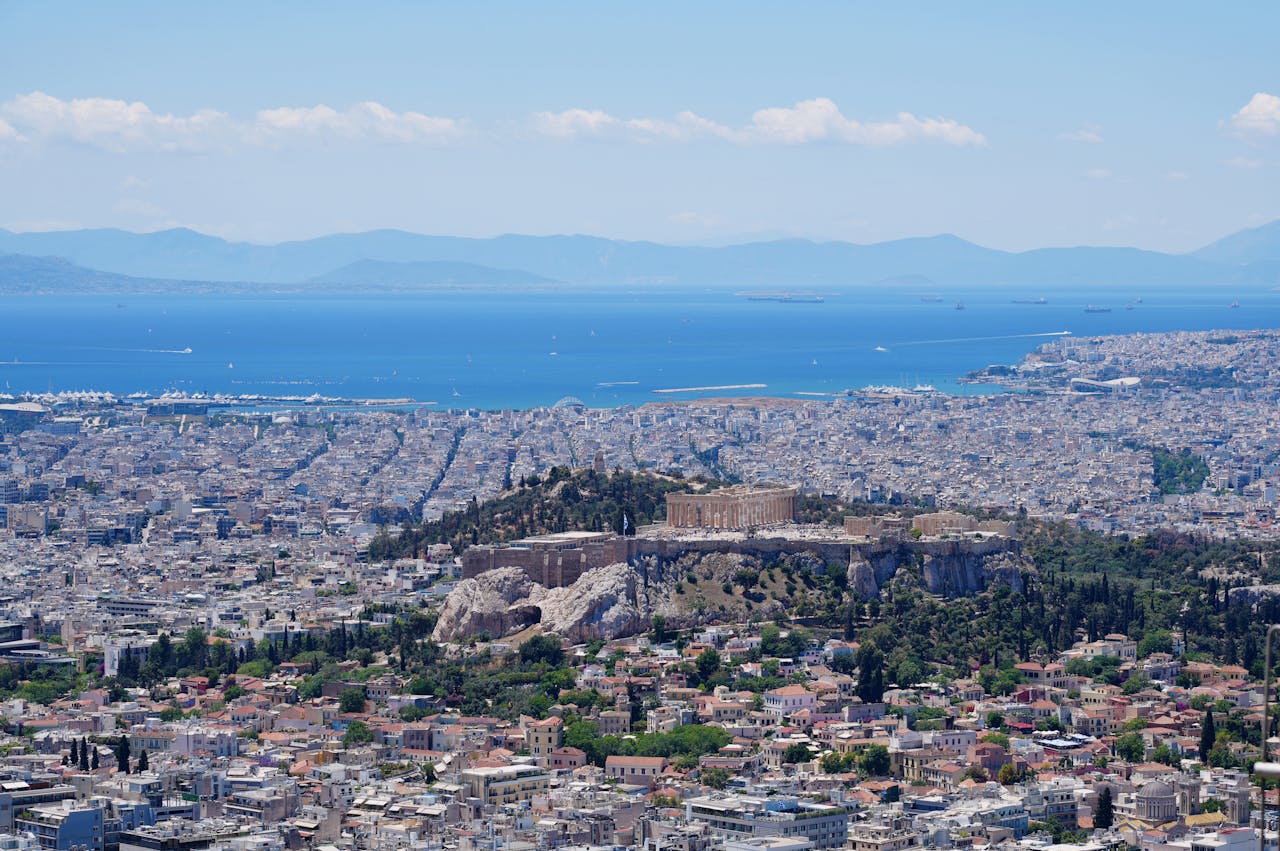
Acropolis – The absolute symbol of the city. Seeing the Parthenon on top of the hill is impressive both up close and from different points across Athens. It is an essential visit to understand the historical scale of the place.
-
Acropolis Museum – Modern and very well organized, it helps contextualize what you see at the Acropolis. It is ideal for complementing the visit and understanding ancient history.
-
Plaka neighborhood – One of the most picturesque areas of the city, with narrow streets, low houses, and a calmer atmosphere. Perfect for wandering without a plan and slowing down the pace.
-
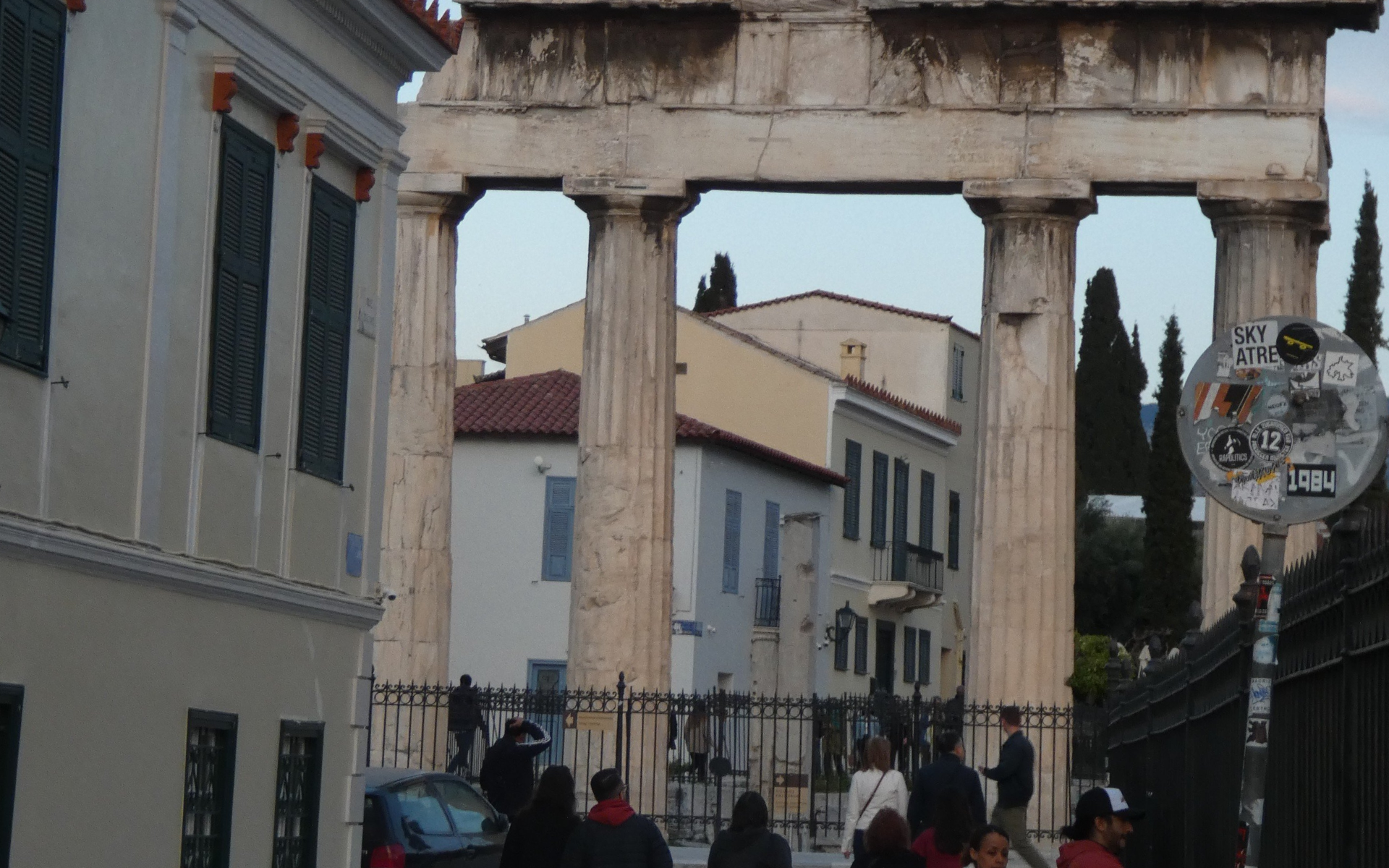
Ancient Agora – The former center of public life in Athens. Walking through its ruins helps you imagine how the city functioned in ancient times, with the Acropolis always in view.
-
Mount Lycabettus – One of the best viewpoints in Athens. From the top you get a full view of the city, perfect for sunset and for understanding its scale.
What to eat in Athens
-
Pita Gyros with Tzatziki: Soft pita bread wrapped around meat, fries, and the famous yogurt-cucumber sauce (tzatziki) that adds a fresh touch.
-
Souvlaki and gyros – Classic Greek street food, delicious and affordable.
-
Moussaka – Traditional layered dish with eggplant, meat, and béchamel.
-
Spanakopita – Spinach and feta pastry, perfect as a quick snack.
-
Mezedes – Small sharing plates, from olives to fried calamari.
-
Local sweets – Baklava and loukoumades (honey donuts) for those with a sweet tooth.

How to get around Athens
Athens is a city to explore on foot, but when distances or heat increase, public transport works surprisingly well.
-
Metro – The best way to move around. It is fast, clean, and many stations (like Syntagma or Akropoli) feel like museums because they display archaeological finds discovered during construction. Tip: don’t forget to validate your ticket before boarding, fines are heavy.
-
Taxi and apps – Taxis are yellow and very affordable compared to other European capitals. I recommend the FREENOW app (local Uber equivalent); it works great, shows the price upfront, and avoids overcharging.
-
Bus and trolleybus – An extensive network that reaches everywhere, but traffic in Athens can be intense. Best used when the metro doesn’t get you close enough.
-
Tram – Ideal for reaching the coastal area (Athens Riviera). It is a slow but scenic ride.
-
Walking – The historic center (Plaka, Monastiraki, Psiri) is mostly pedestrian-friendly. It is the best way to discover hidden alleys.
Travel tip: If you stay 3 days, get the “3-day tourist ticket” (€20). It includes airport transfers (normally €9 each way) and unlimited transport in the city. It pays for itself.
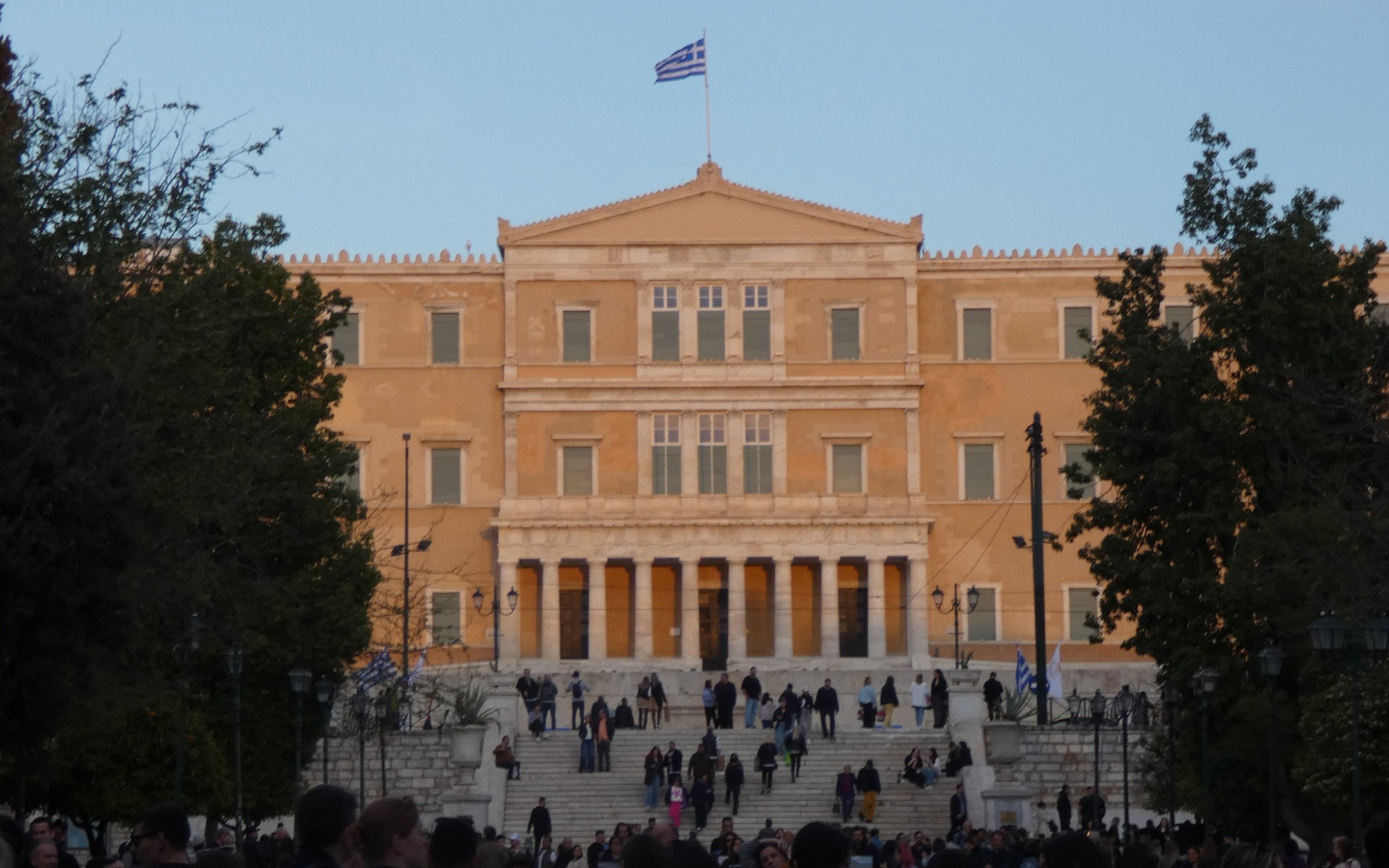
Ideal itinerary: 2 days in Athens 2026
If you have limited time, this is the route we would take to make the most of the city without rushing:
Day 1: The historic heart
-
Morning: Go up to the Acropolis as soon as it opens (8:00 am). Explore the Parthenon and Theater of Dionysus before the heat sets in.
-
Midday: Walk down toward the Acropolis Museum to cool off with air conditioning and better understand what you just saw.
-
Afternoon: Grab a quick Pita Gyros and wander through the streets of Plaka and the hidden gem of Anafiotika.
-
Sunset: Head up Mount Lycabettus (by cable car or on foot) to watch the city light up and the Parthenon glow in the distance.
Day 2: Local life and markets
-
Morning: Start at Syntagma Square to see the Changing of the Guard. Walk down Ermou Street to the Central Market (Varvakios) to experience real city life.
-
Midday: Explore the Ancient Agora and the Library of Hadrian.
-
Afternoon: Try loukoumades (Greek donuts) in Monastiraki and explore its flea market.
-
Night: End your trip in Psiri with dinner at a traditional tavern. Live rebetiko music makes it a true Greek experience.
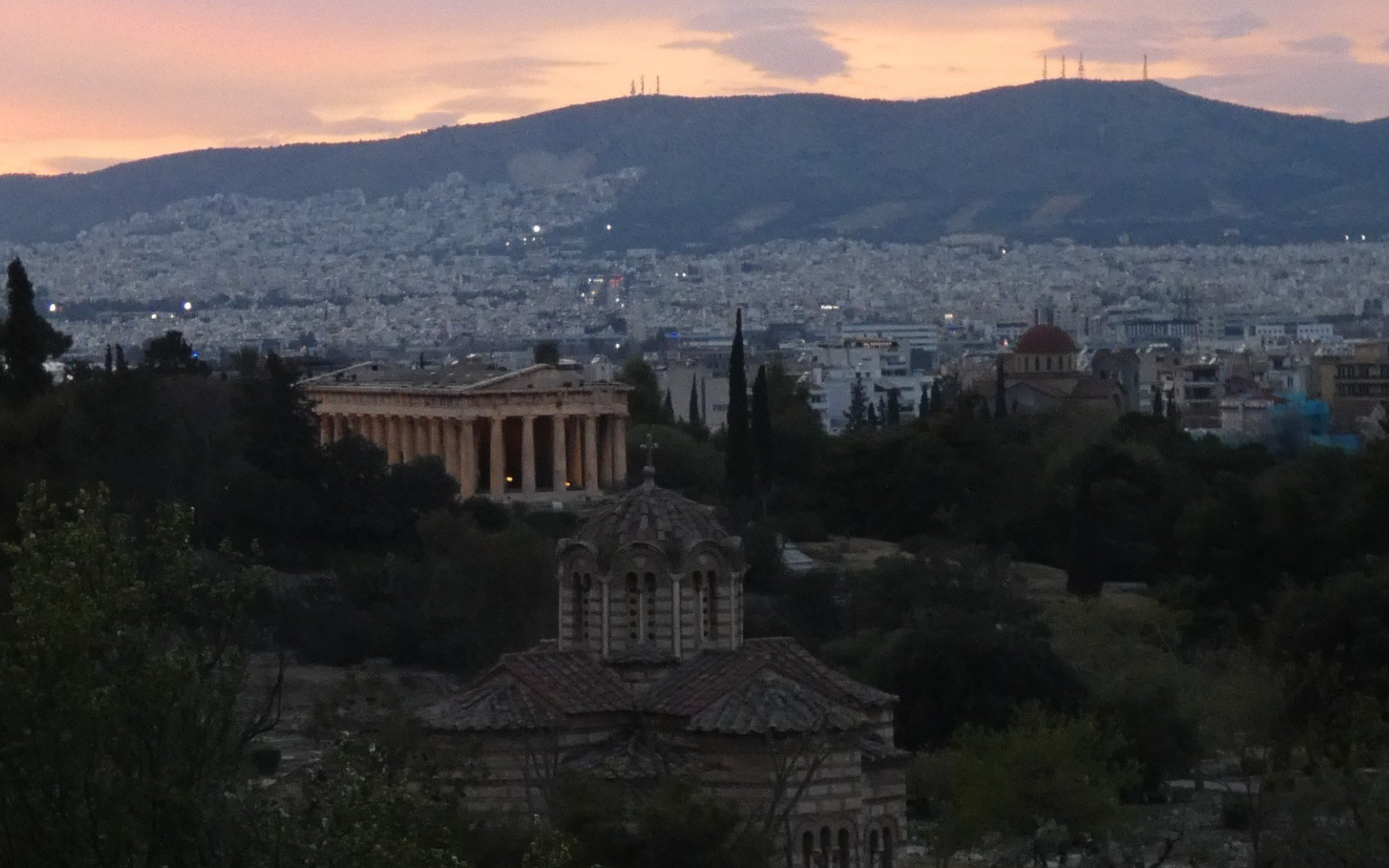
Museums and peaceful spots
If you have an extra day or want a break from the city’s intensity, these are worth visiting:
-
National Garden of Athens – A large green oasis next to the Parliament. Perfect for shade, walking, and relaxing after climbing hills.
-
National Archaeological Museum – One of the most important museums in the world. It contains treasures from all over Greece, including the Mask of Agamemnon.
-
Filopappou Hill – Less crowded than Lycabettus, with arguably the best frontal view of the Acropolis. Great for a sunset picnic.
Tips and characteristics
-
Currency: Euro (€).
-
Prices: Moderate; higher in tourist areas like Plaka and the Acropolis.
-
Climate: Mediterranean; hot, dry summers and mild, rainy winters.
-
Safety: Generally safe for tourists; just watch belongings in crowded areas.
-
Travel tip: Watching sunset from Lycabettus Hill is almost mandatory; central squares are great for experiencing local life.
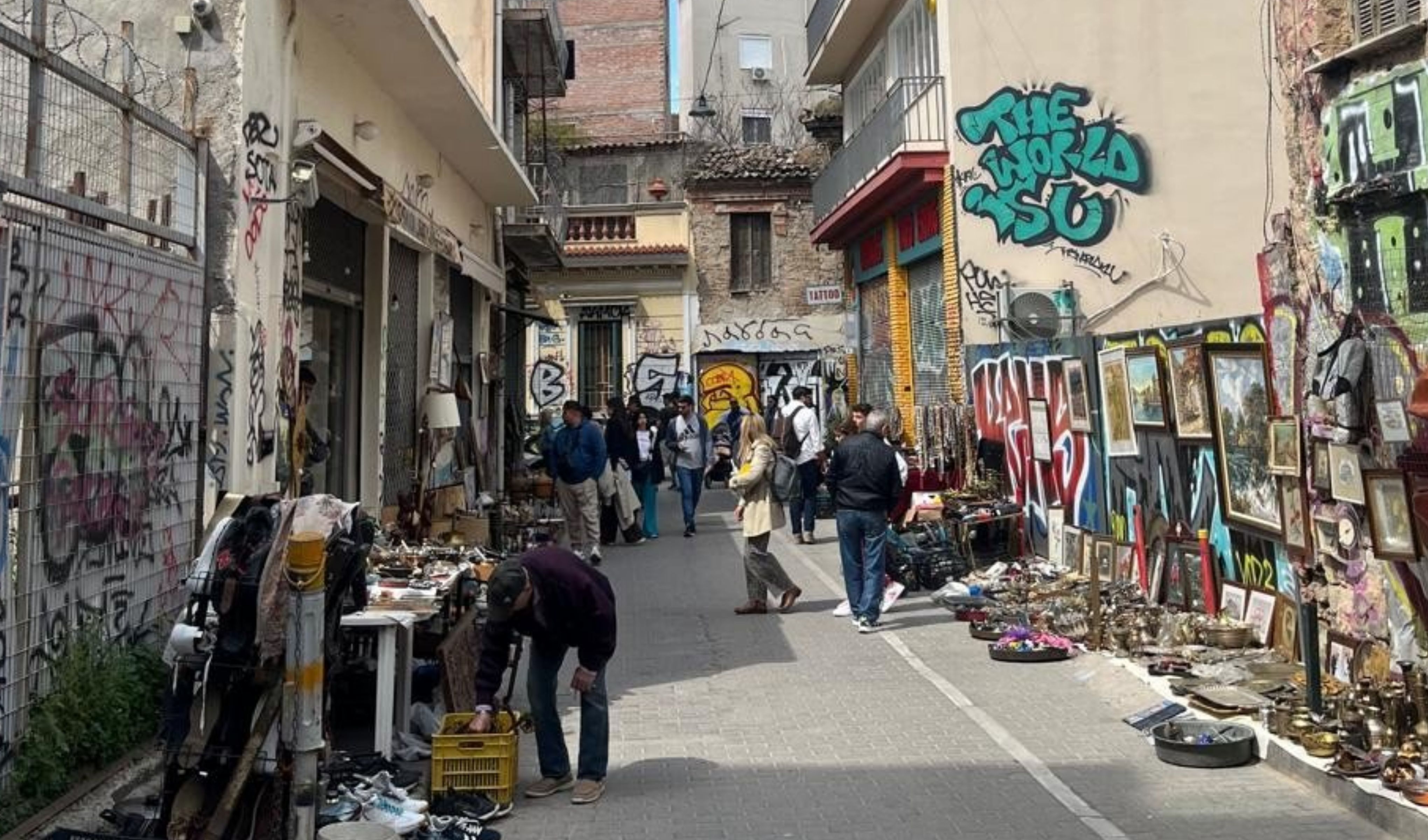
How to get from the airport to Athens
-
Metro (Line 3 - Blue): The most convenient option. Runs every 36 minutes and stops at Syntagma or Monastiraki. Ticket costs €9, but included in the 3-day tourist pass (€20).
-
X95 Bus: Runs 24/7, every 15–20 minutes, and goes directly to Syntagma Square. Costs €5.50 and is best for late-night arrivals.
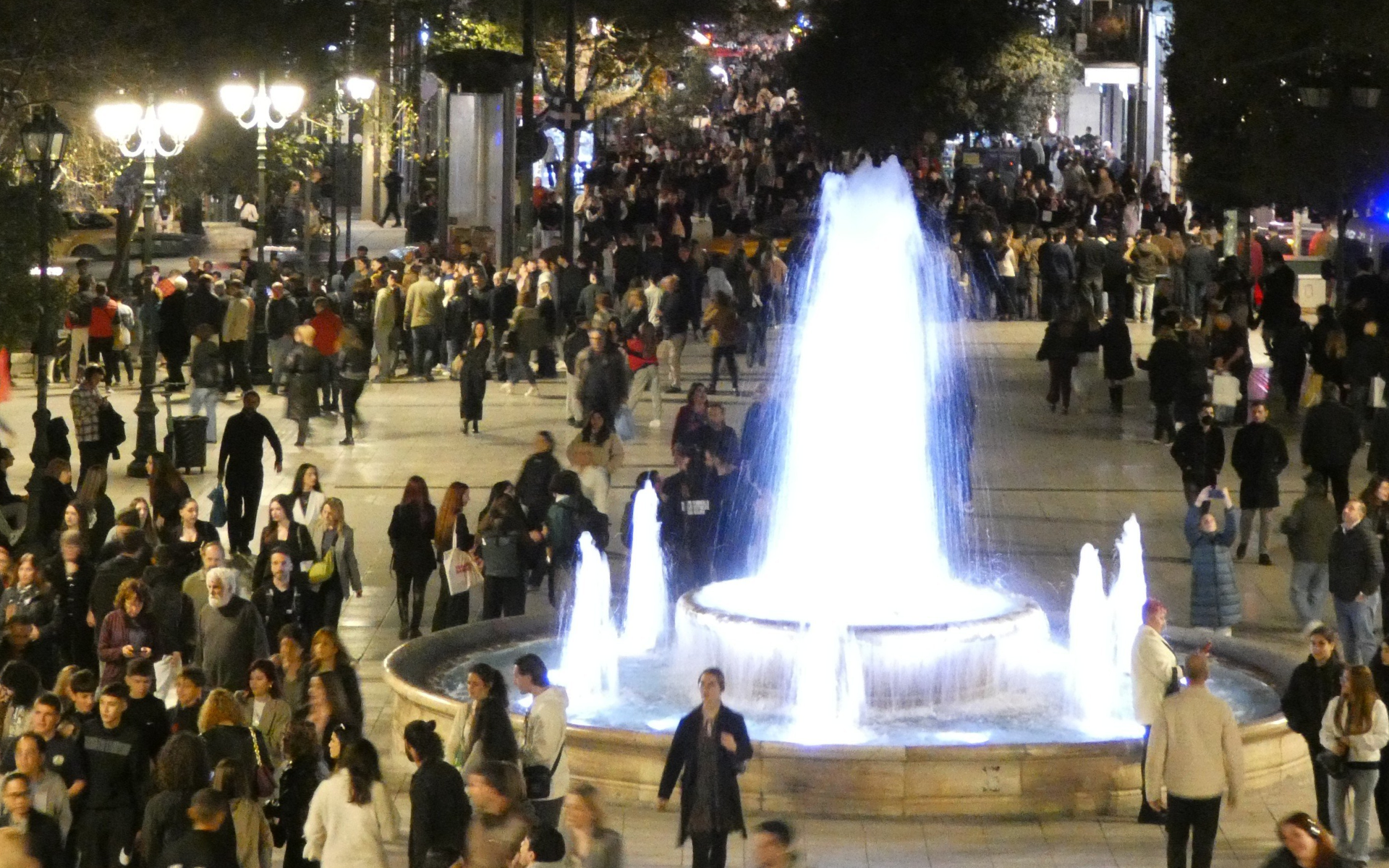
Our experience in Athens
Athens is one of those cities that hits you immediately: noisy, chaotic, and full of concrete that seems endless. But it has a magic that grabs you once you stop comparing it to other European capitals.
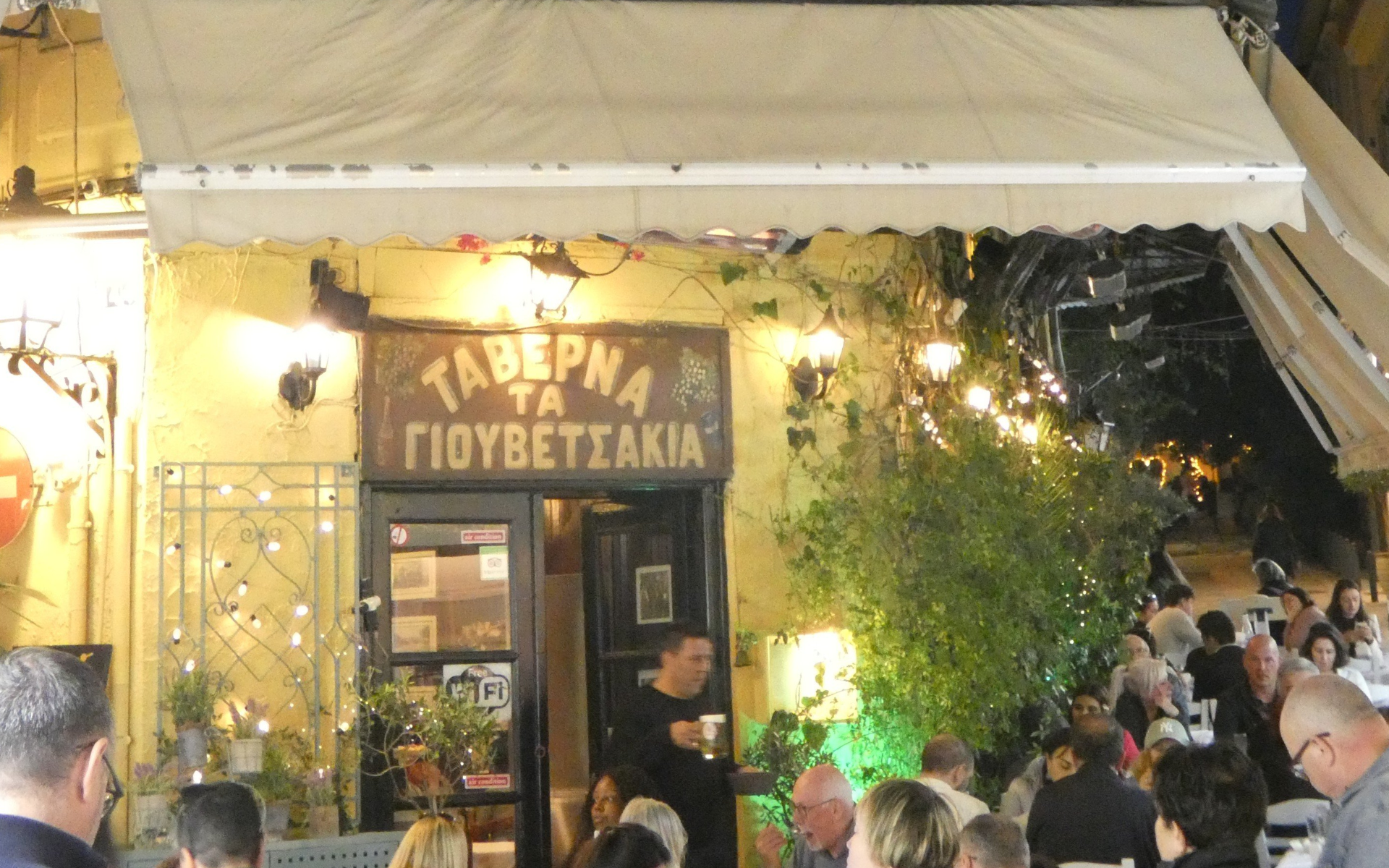
What we loved most was not just the Acropolis (which is truly impressive), but the energy of its streets. Having dinner in a hidden tavern in Psiri with live music in the background, getting lost in the alleys of Anafiotika feeling like we were in a timeless village, and that constant contrast of seeing 2,500-year-old marble columns next to modern cafés everywhere.
You might also like
-
Acropolis – The absolute symbol of the city. Seeing the Parthenon on top of the hill is impressive both up close and from different points across Athens. It is an essential visit to understand the historical scale of the place.
-
Acropolis Museum – Modern and very well organized, it helps contextualize what you see at the Acropolis. It is ideal for complementing the visit and understanding ancient history.
-
Plaka neighborhood – One of the most picturesque areas of the city, with narrow streets, low houses, and a calmer atmosphere. Perfect for wandering without a plan and slowing down the pace.
-
Ancient Agora – The former center of public life in Athens. Walking through its ruins helps you imagine how the city functioned in ancient times, with the Acropolis always in view.
-
Mount Lycabettus – One of the best viewpoints in Athens. From the top you get a full view of the city, perfect for sunset and for understanding its scale.
PUBLICIDAD
Travel with Data: Get your Saily eSIM
- ✓Internet in seconds upon landing
- ✓Flexible plans in 180+ countries
- ✓Easy setup directly via the App
-
Pita Gyros with Tzatziki: Soft pita bread wrapped around meat, fries, and the famous yogurt-cucumber sauce (tzatziki) that adds a fresh touch.
-
Souvlaki and gyros – Classic Greek street food, delicious and affordable.
-
Moussaka – Traditional layered dish with eggplant, meat, and béchamel.
-
Spanakopita – Spinach and feta pastry, perfect as a quick snack.
-
Mezedes – Small sharing plates, from olives to fried calamari.
-
Local sweets – Baklava and loukoumades (honey donuts) for those with a sweet tooth.
Athens is a city to explore on foot, but when distances or heat increase, public transport works surprisingly well.
-
Metro – The best way to move around. It is fast, clean, and many stations (like Syntagma or Akropoli) feel like museums because they display archaeological finds discovered during construction. Tip: don’t forget to validate your ticket before boarding, fines are heavy.
-
Taxi and apps – Taxis are yellow and very affordable compared to other European capitals. I recommend the FREENOW app (local Uber equivalent); it works great, shows the price upfront, and avoids overcharging.
-
Bus and trolleybus – An extensive network that reaches everywhere, but traffic in Athens can be intense. Best used when the metro doesn’t get you close enough.
-
Tram – Ideal for reaching the coastal area (Athens Riviera). It is a slow but scenic ride.
-
Walking – The historic center (Plaka, Monastiraki, Psiri) is mostly pedestrian-friendly. It is the best way to discover hidden alleys.
Travel tip: If you stay 3 days, get the “3-day tourist ticket” (€20). It includes airport transfers (normally €9 each way) and unlimited transport in the city. It pays for itself.
If you have limited time, this is the route we would take to make the most of the city without rushing:
Day 1: The historic heart
-
Morning: Go up to the Acropolis as soon as it opens (8:00 am). Explore the Parthenon and Theater of Dionysus before the heat sets in.
-
Midday: Walk down toward the Acropolis Museum to cool off with air conditioning and better understand what you just saw.
-
Afternoon: Grab a quick Pita Gyros and wander through the streets of Plaka and the hidden gem of Anafiotika.
-
Sunset: Head up Mount Lycabettus (by cable car or on foot) to watch the city light up and the Parthenon glow in the distance.
Day 2: Local life and markets
-
Morning: Start at Syntagma Square to see the Changing of the Guard. Walk down Ermou Street to the Central Market (Varvakios) to experience real city life.
-
Midday: Explore the Ancient Agora and the Library of Hadrian.
-
Afternoon: Try loukoumades (Greek donuts) in Monastiraki and explore its flea market.
-
Night: End your trip in Psiri with dinner at a traditional tavern. Live rebetiko music makes it a true Greek experience.
If you have an extra day or want a break from the city’s intensity, these are worth visiting:
-
National Garden of Athens – A large green oasis next to the Parliament. Perfect for shade, walking, and relaxing after climbing hills.
-
National Archaeological Museum – One of the most important museums in the world. It contains treasures from all over Greece, including the Mask of Agamemnon.
-
Filopappou Hill – Less crowded than Lycabettus, with arguably the best frontal view of the Acropolis. Great for a sunset picnic.
-
Currency: Euro (€).
-
Prices: Moderate; higher in tourist areas like Plaka and the Acropolis.
-
Climate: Mediterranean; hot, dry summers and mild, rainy winters.
-
Safety: Generally safe for tourists; just watch belongings in crowded areas.
-
Travel tip: Watching sunset from Lycabettus Hill is almost mandatory; central squares are great for experiencing local life.
-
Metro (Line 3 - Blue): The most convenient option. Runs every 36 minutes and stops at Syntagma or Monastiraki. Ticket costs €9, but included in the 3-day tourist pass (€20).
-
X95 Bus: Runs 24/7, every 15–20 minutes, and goes directly to Syntagma Square. Costs €5.50 and is best for late-night arrivals.
Athens is one of those cities that hits you immediately: noisy, chaotic, and full of concrete that seems endless. But it has a magic that grabs you once you stop comparing it to other European capitals.
What we loved most was not just the Acropolis (which is truly impressive), but the energy of its streets. Having dinner in a hidden tavern in Psiri with live music in the background, getting lost in the alleys of Anafiotika feeling like we were in a timeless village, and that constant contrast of seeing 2,500-year-old marble columns next to modern cafés everywhere.
PUBLICIDAD
International Travel Insurance
- ✓International medical insurance
- ✓24/7 immediate assistance in your language
- ✓Ideal for trekking & adventure
Preferences
Language
Color
Text
Width