Table of contents and map
Guía para viajar a Grecia 2026: Islas, historia y tips de supervivencia
Este maravilloso país combina historia milenaria, islas de aguas turquesas y paisajes bañados por el sol del Mediterráneo. Entre ruinas antiguas, pueblos blancos y una cultura vibrante, es un destino que invita a explorar, relajarse y viajar en el tiempo.
Guía para viajar a Grecia 2026: Islas, historia y tips de supervivencia
Este maravilloso país combina historia milenaria, islas de aguas turquesas y paisajes bañados por el sol del Mediterráneo. Entre ruinas antiguas, pueblos blancos y una cultura vibrante, es un destino que invita a explorar, relajarse y viajar en el tiempo.
Si bien las islas suelen ser el gran atractivo, el continente griego ofrece sitios históricos únicos y experiencias más tranquilas, ideales para equilibrar el viaje. Grecia no se recorre con prisa; se disfruta en sus tabernas y en sus atardeceres eternos.
Grecia tiene un ritmo propio: las comidas son tardías, las tardes pueden ser tranquilas (respetando la siesta) y la vida social se activa especialmente al caer el sol, algo que forma parte esencial de la experiencia de viaje.
Destinos imperdibles de Grecia
-
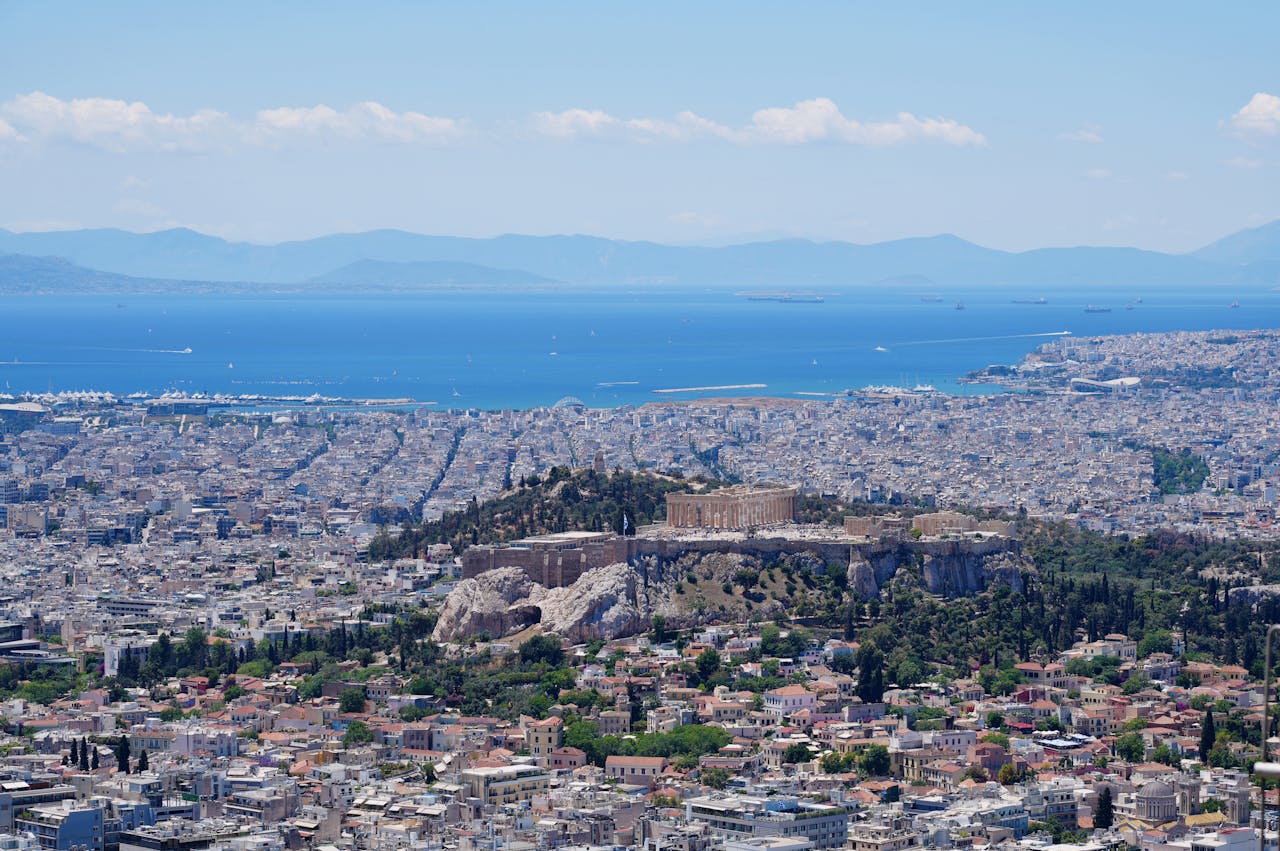
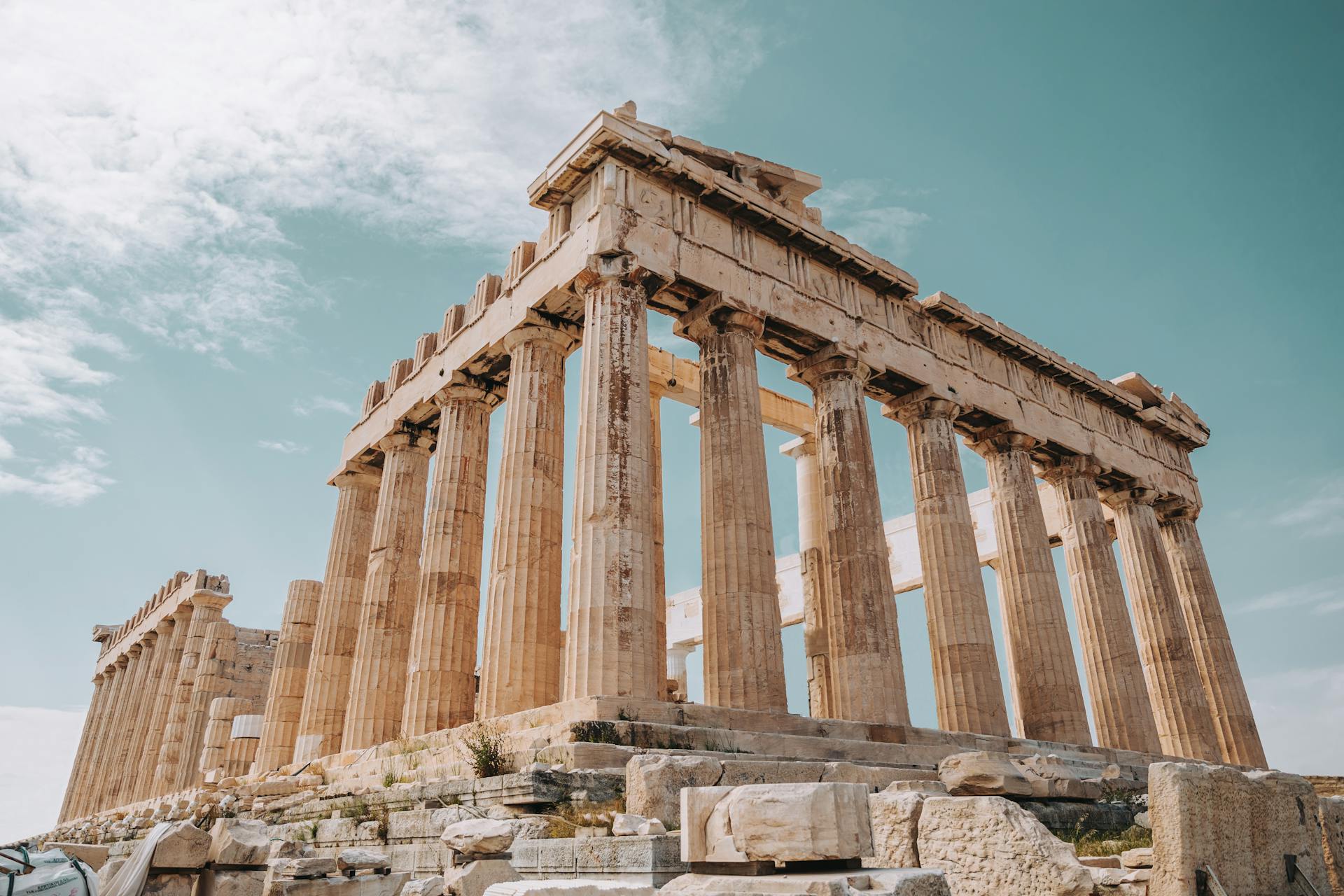
Atenas – Cuna de la civilización occidental y sede de la majestuosa Acrópolis.
-
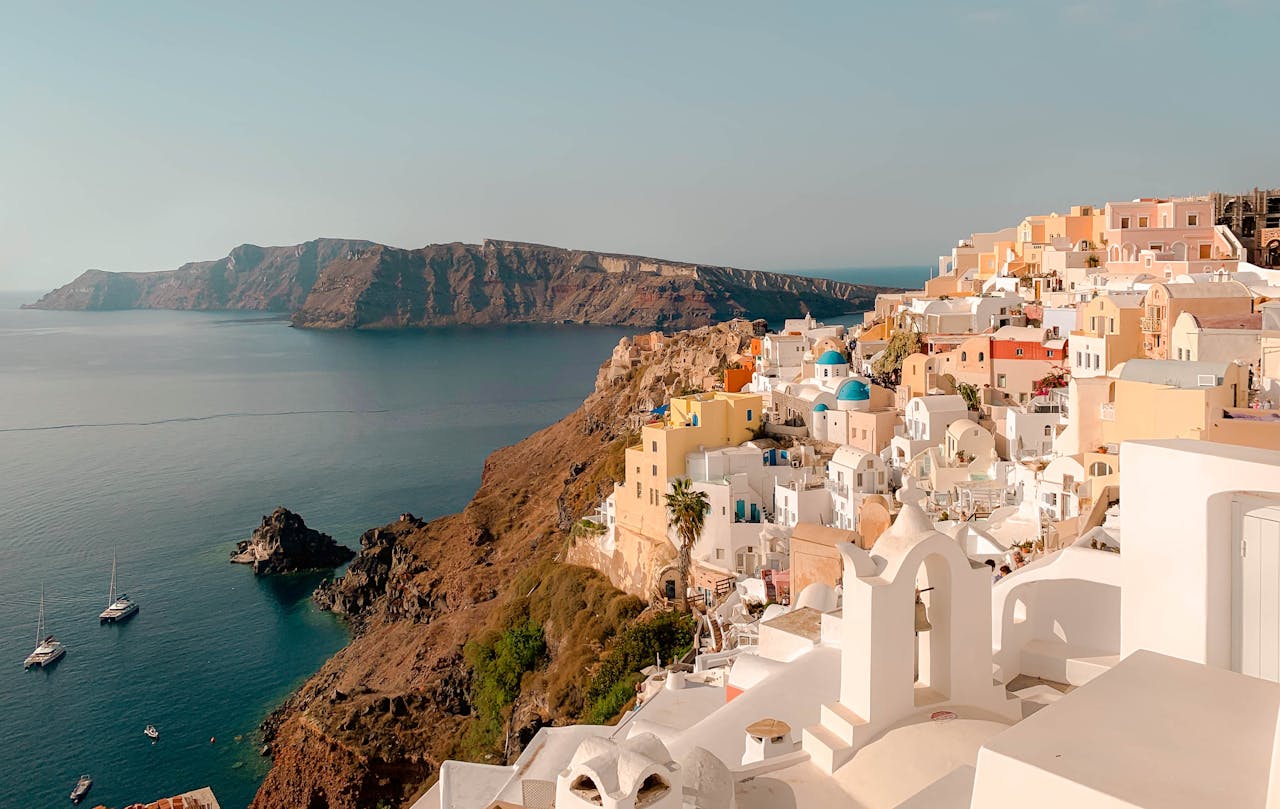
Santorini – Famosa por sus cúpulas azules, atardeceres en Oia y vistas al volcán.
-
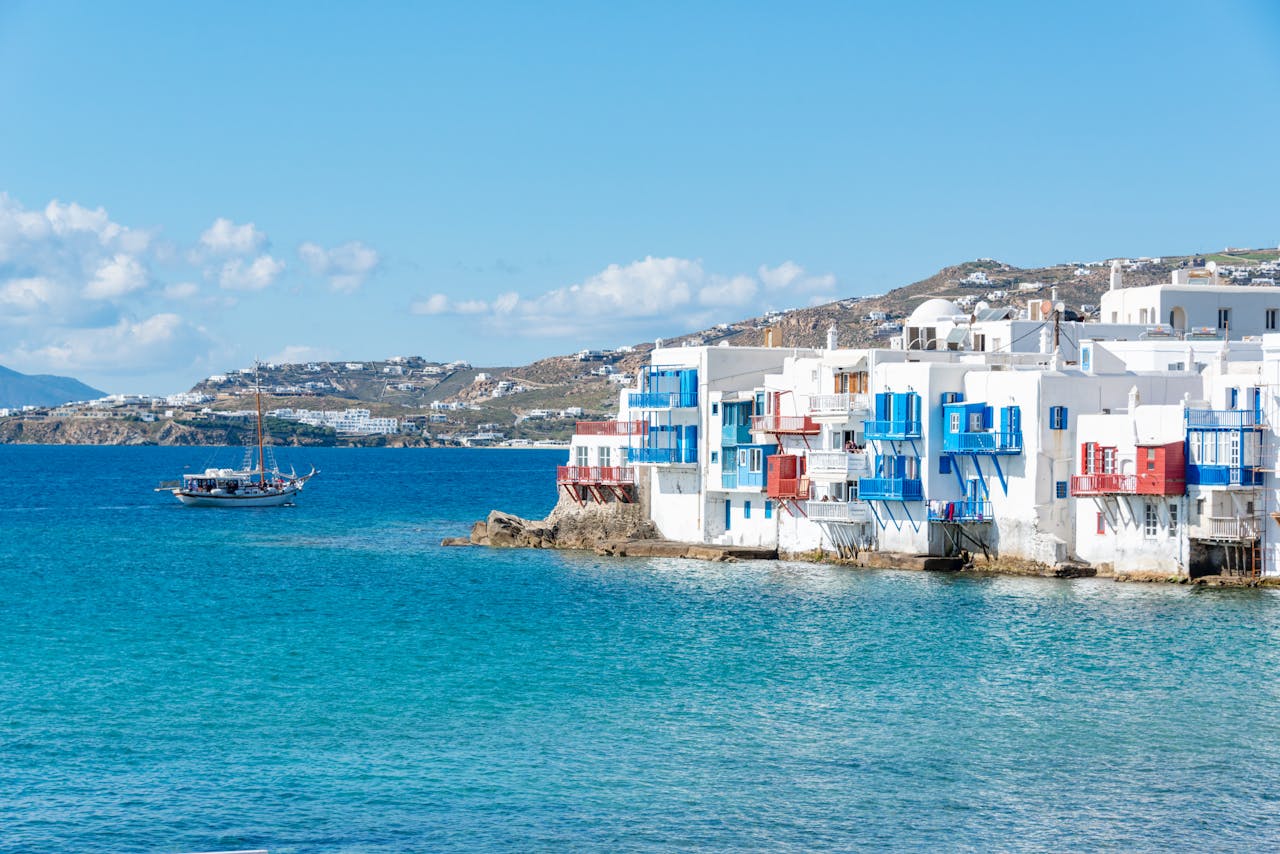
Mykonos – El epicentro de la vida nocturna, molinos de viento y playas de cristal.
-
Creta – Una isla-mundo con el Palacio de Knossos y las mejores playas como Balos.
-
Meteora – Impresionantes monasterios suspendidos sobre pilares de roca natural.
-
Naxos y Paros – El equilibrio perfecto entre playas increíbles y pueblos auténticos.
-
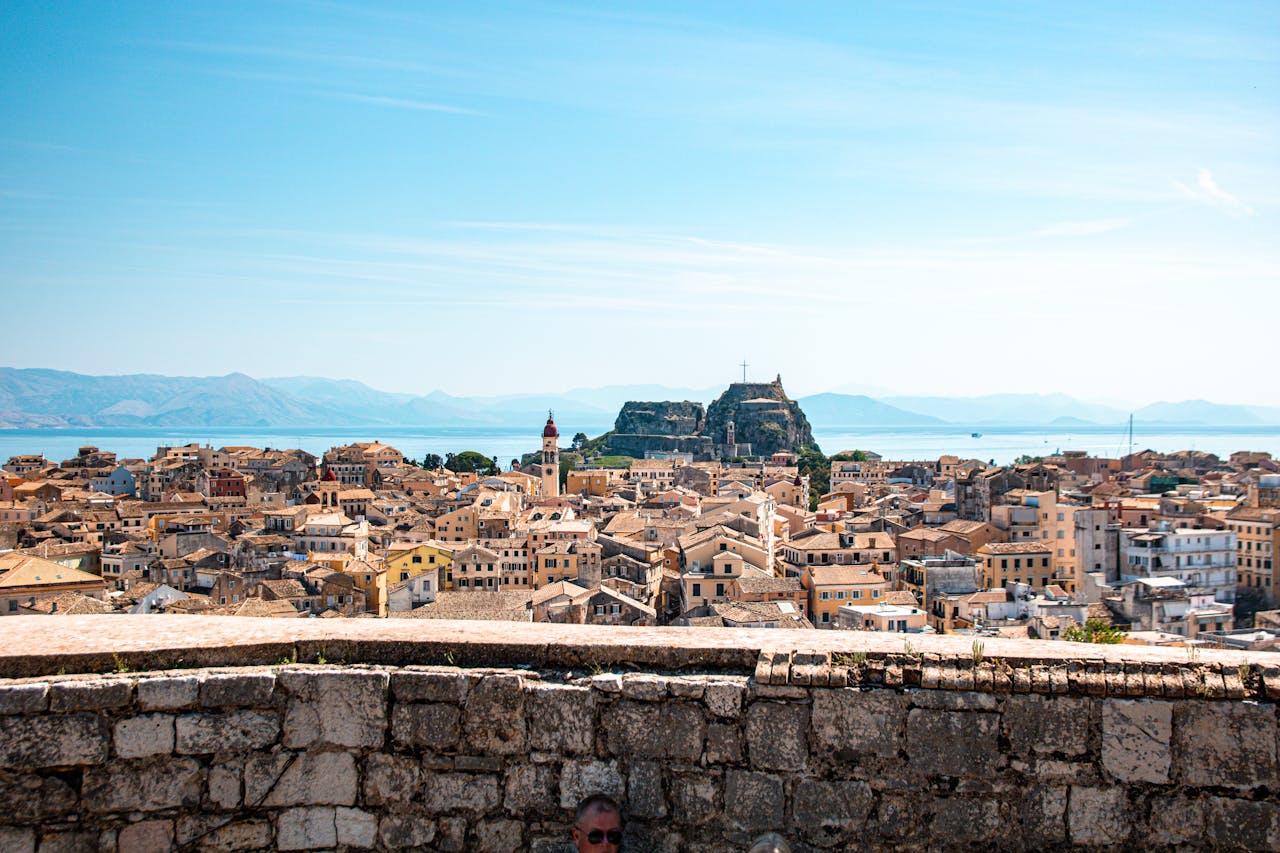
Corfú – Influencia veneciana y una naturaleza mucho más verde que el resto.
Qué comer en Grecia: Sabores del Mediterráneo
La gastronomía griega se basa en el producto fresco. Un dato clave: el "Couvert" (pan y cubiertos) se cobra aparte en las tabernas (1€-3€), es la norma local.
-
Moussaka – El pastel de berenjena y carne más famoso del país.
-
Gyros y Souvlaki – La comida callejera por excelencia: rápida, barata y deliciosa.
-
Tzatziki – Crema de yogur y pepino que acompaña casi todo.
-
Queso Feta y Saganaki – Probá el queso feta al horno o el saganaki (queso frito).
-
Frappé y Freddo Espresso – El café helado es la religión oficial del verano griego.
-
Baklava – Un postre empalagoso de miel y frutos secos que tenés que probar.
Datos prácticos de supervivencia
-
Agua Potable: En Atenas es segura, pero en casi todas las islas NO se puede beber agua del grifo. Siempre comprá agua embotellada.
-
Moneda: Euro (EUR). Las tarjetas se aceptan en todos lados, pero llevá efectivo para propinas o tiendas en pueblos pequeños.
-
Enchufes: Tipo C y F (europeos), 230V.
-
Horarios: Los sitios arqueológicos suelen cerrar temprano (15:00 o 17:00 en temporada baja), chequealo siempre el día anterior.
Cómo moverse: El arte del Island Hopping
-
Ferry (La opción estrella): Usá la app Ferryhopper para comparar rutas.
- Tip: Los ferries grandes (como Blue Star) son más lentos pero más estables. Los rápidos (Seajets) ahorran tiempo pero se mueven mucho si hay viento (Meltemi).
-
Vuelos Internos: Aegean o Sky Express conectan Atenas con las islas en 45 minutos. Si reservás con tiempo, salen igual que el ferry.
-
Auto/Cuatrimoto: En islas como Santorini o Creta, alquilar vehículo es clave para llegar a playas escondidas. Necesitás registro internacional si venís de fuera de la UE.
Mejor época para viajar
-
Temporada Ideal (Mayo/Junio y Septiembre/Octubre): Clima perfecto para la playa sin las multitudes ni los precios de agosto.
-
Verano (Julio/Agosto): Mucho calor (40°C) y todo al máximo de capacidad. Reservá con 4 meses de antelación.
-
Invierno: Ideal para Atenas y Meteora. Las islas entran en "hibernación": muchos hoteles y ferrys dejan de operar.
Consejos finales para tu viaje
-
Calzado: Para la Acrópolis o los senderos de Santorini, olvidate de las sandalias finas; el mármol antiguo es extremadamente resbaladizo.
-
Baños: En muchos lugares de Grecia (incluyendo Atenas) no se puede tirar el papel higiénico al inodoro debido a las tuberías antiguas. Usá siempre el tacho.
-
Meltemi: Es un viento fuerte que sopla en verano en las Cícladas. Puede cancelar ferrys; siempre dejá un día de margen antes de tu vuelo de regreso.
-
Atardeceres: El de Oia es famoso, pero el de la Colina de Filopapo en Atenas es igual de mágico y gratis.
Te puede interesar también
-
Atenas – Cuna de la civilización occidental y sede de la majestuosa Acrópolis.
-
Santorini – Famosa por sus cúpulas azules, atardeceres en Oia y vistas al volcán.
-
Mykonos – El epicentro de la vida nocturna, molinos de viento y playas de cristal.
-
Creta – Una isla-mundo con el Palacio de Knossos y las mejores playas como Balos.
-
Meteora – Impresionantes monasterios suspendidos sobre pilares de roca natural.
-
Naxos y Paros – El equilibrio perfecto entre playas increíbles y pueblos auténticos.
-
Corfú – Influencia veneciana y una naturaleza mucho más verde que el resto.
PUBLICIDAD
Travel with Data: Get your Saily eSIM
- ✓Internet in seconds upon landing
- ✓Flexible plans in 180+ countries
- ✓Easy setup directly via the App
La gastronomía griega se basa en el producto fresco. Un dato clave: el "Couvert" (pan y cubiertos) se cobra aparte en las tabernas (1€-3€), es la norma local.
-
Moussaka – El pastel de berenjena y carne más famoso del país.
-
Gyros y Souvlaki – La comida callejera por excelencia: rápida, barata y deliciosa.
-
Tzatziki – Crema de yogur y pepino que acompaña casi todo.
-
Queso Feta y Saganaki – Probá el queso feta al horno o el saganaki (queso frito).
-
Frappé y Freddo Espresso – El café helado es la religión oficial del verano griego.
-
Baklava – Un postre empalagoso de miel y frutos secos que tenés que probar.
-
Agua Potable: En Atenas es segura, pero en casi todas las islas NO se puede beber agua del grifo. Siempre comprá agua embotellada.
-
Moneda: Euro (EUR). Las tarjetas se aceptan en todos lados, pero llevá efectivo para propinas o tiendas en pueblos pequeños.
-
Enchufes: Tipo C y F (europeos), 230V.
-
Horarios: Los sitios arqueológicos suelen cerrar temprano (15:00 o 17:00 en temporada baja), chequealo siempre el día anterior.
-
Ferry (La opción estrella): Usá la app Ferryhopper para comparar rutas.
- Tip: Los ferries grandes (como Blue Star) son más lentos pero más estables. Los rápidos (Seajets) ahorran tiempo pero se mueven mucho si hay viento (Meltemi).
-
Vuelos Internos: Aegean o Sky Express conectan Atenas con las islas en 45 minutos. Si reservás con tiempo, salen igual que el ferry.
-
Auto/Cuatrimoto: En islas como Santorini o Creta, alquilar vehículo es clave para llegar a playas escondidas. Necesitás registro internacional si venís de fuera de la UE.
-
Temporada Ideal (Mayo/Junio y Septiembre/Octubre): Clima perfecto para la playa sin las multitudes ni los precios de agosto.
-
Verano (Julio/Agosto): Mucho calor (40°C) y todo al máximo de capacidad. Reservá con 4 meses de antelación.
-
Invierno: Ideal para Atenas y Meteora. Las islas entran en "hibernación": muchos hoteles y ferrys dejan de operar.
-
Calzado: Para la Acrópolis o los senderos de Santorini, olvidate de las sandalias finas; el mármol antiguo es extremadamente resbaladizo.
-
Baños: En muchos lugares de Grecia (incluyendo Atenas) no se puede tirar el papel higiénico al inodoro debido a las tuberías antiguas. Usá siempre el tacho.
-
Meltemi: Es un viento fuerte que sopla en verano en las Cícladas. Puede cancelar ferrys; siempre dejá un día de margen antes de tu vuelo de regreso.
-
Atardeceres: El de Oia es famoso, pero el de la Colina de Filopapo en Atenas es igual de mágico y gratis.
PUBLICIDAD
International Travel Insurance
- ✓International medical insurance
- ✓24/7 immediate assistance in your language
- ✓Ideal for trekking & adventure
Posts in Grecia
Preferences
Language
Color
Text
Width