Table of contents and map
Stirling Travel Guide: What to see, history, and tips for visiting the heart of Scotland
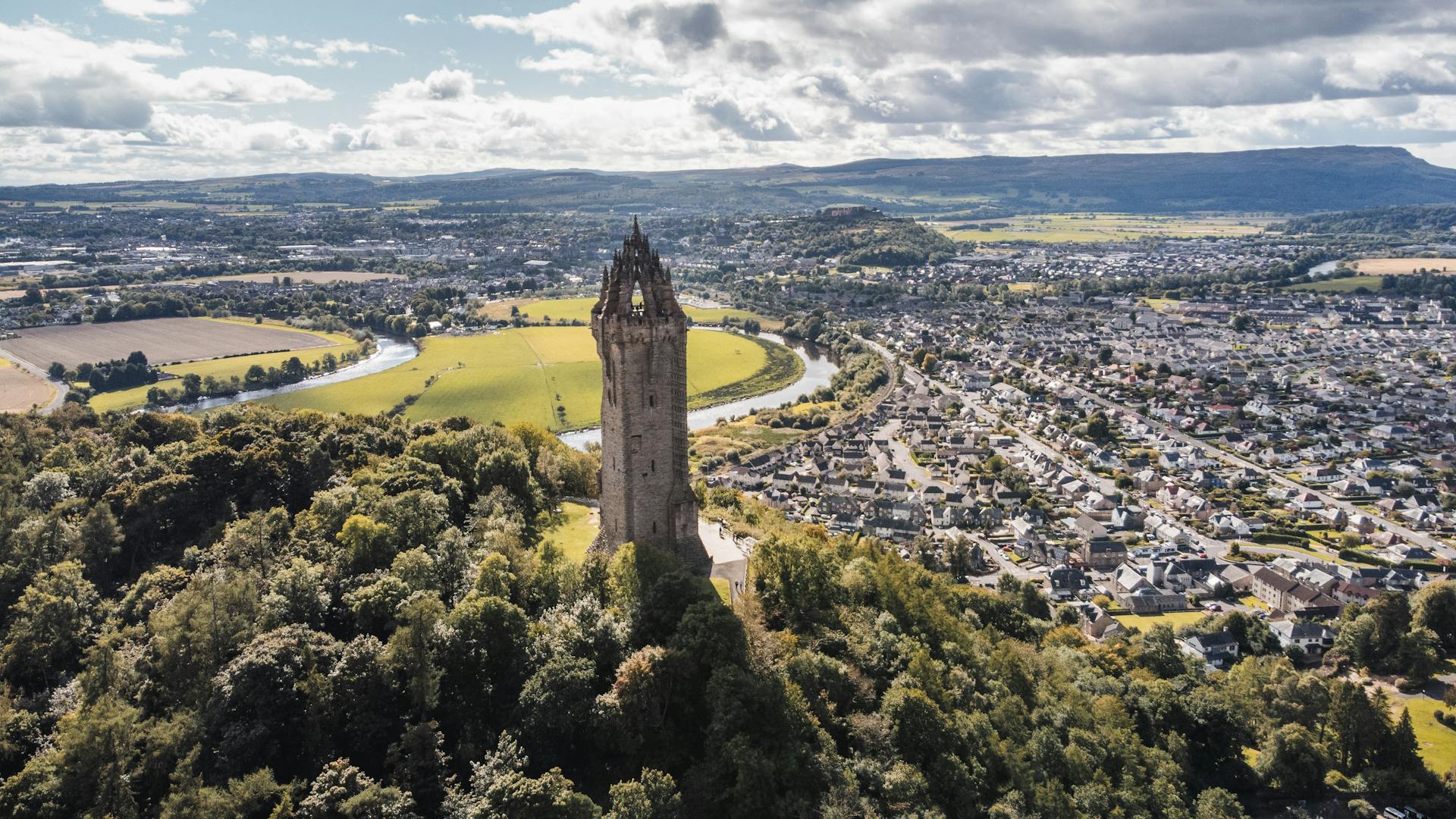
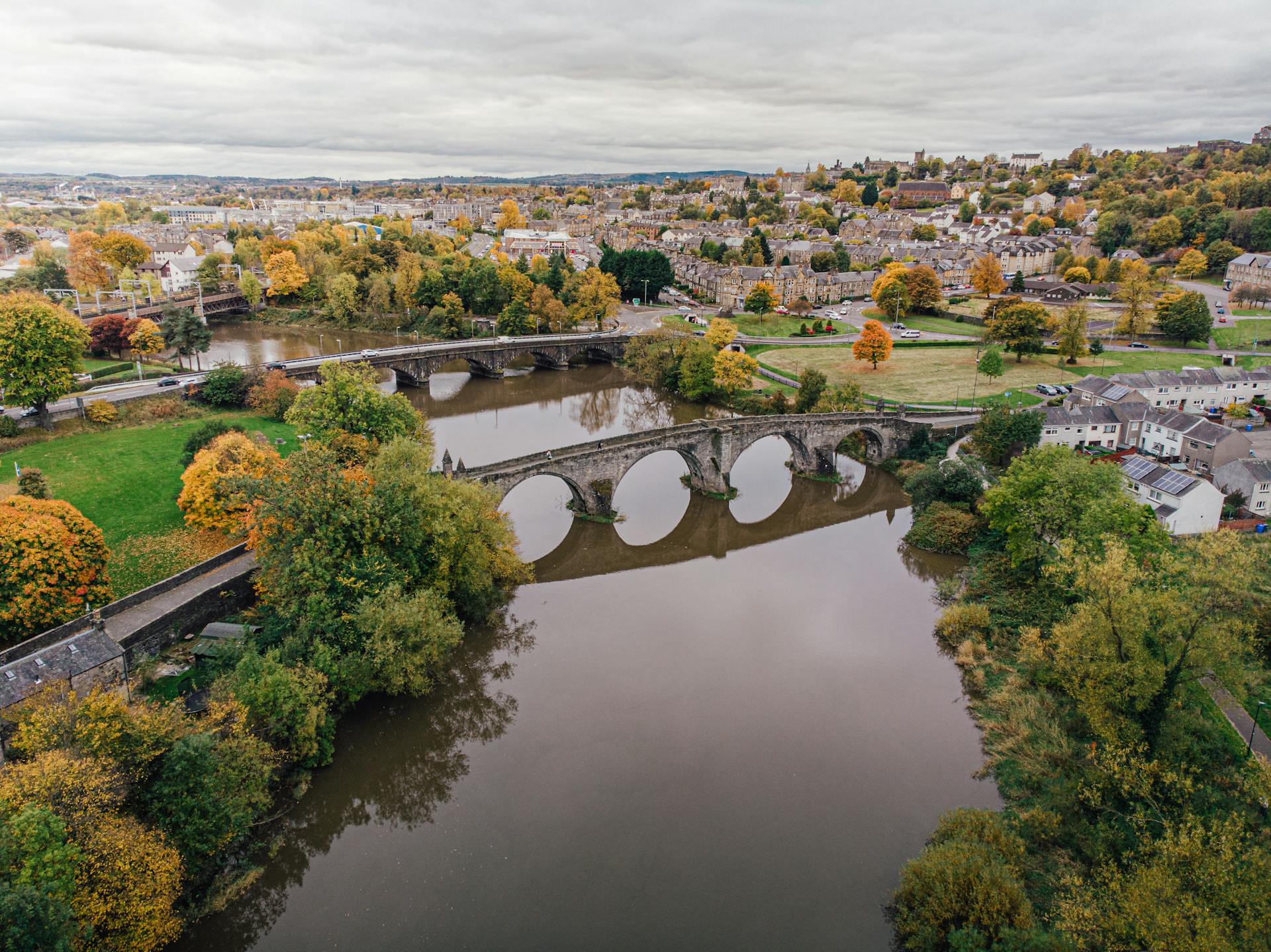
Stirling surprises by concentrating centuries of history in a compact and very walkable space. Known as the 'brooch that joins the Highlands and the Lowlands,' the city offers a deep experience of Scotland without the hustle and bustle of the big cities. From its imposing castle to the Wallace Monument, every corner breathes legends of kings and battles for freedom.
Stirling Travel Guide: What to see, history, and tips for visiting the heart of Scotland
Stirling surprises by concentrating centuries of history in a compact and very walkable space. Known as the 'brooch that joins the Highlands and the Lowlands,' the city offers a deep experience of Scotland without the hustle and bustle of the big cities. From its imposing castle to the Wallace Monument, every corner breathes legends of kings and battles for freedom.
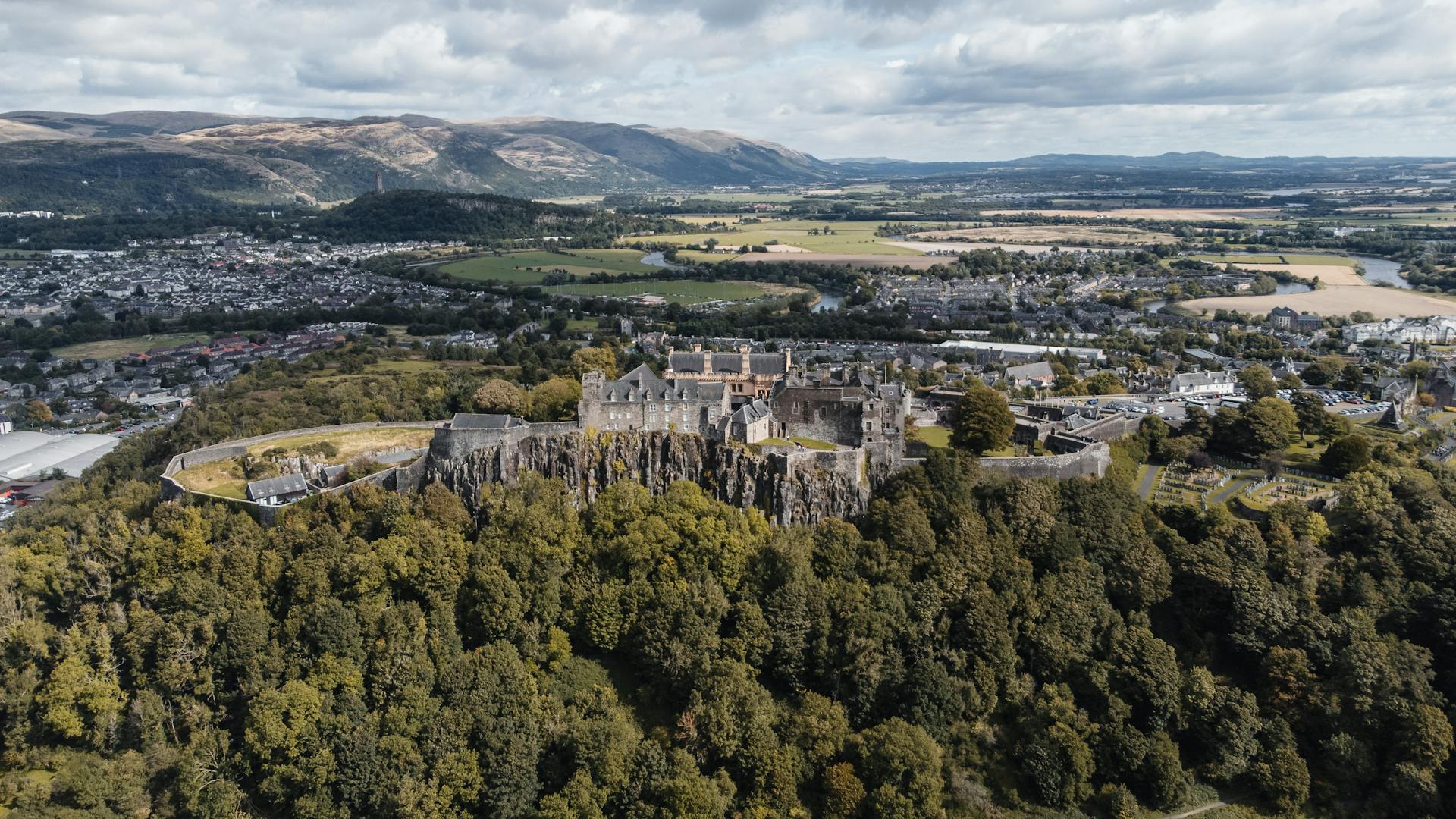
Stirling is a destination that combines history, viewpoints, and culture in a manageable size. It is easily explored on foot, with visits to castles, abbeys, and monuments that help visitors understand the historical importance of the city and its role in Scottish independence.
Best Things to Do in Stirling: Must-Sees
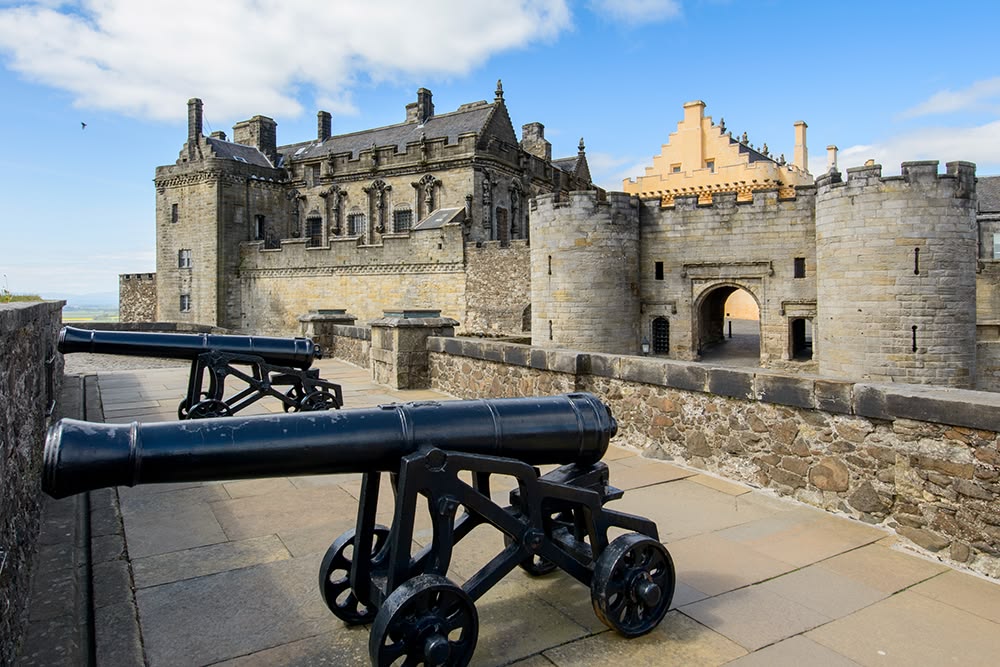
- Stirling Castle: One of Scotland's largest and most important fortresses. It was the royal residence of the Stewarts and is famous for its Renaissance architecture and costumed guides who transport you back to the 16th century.
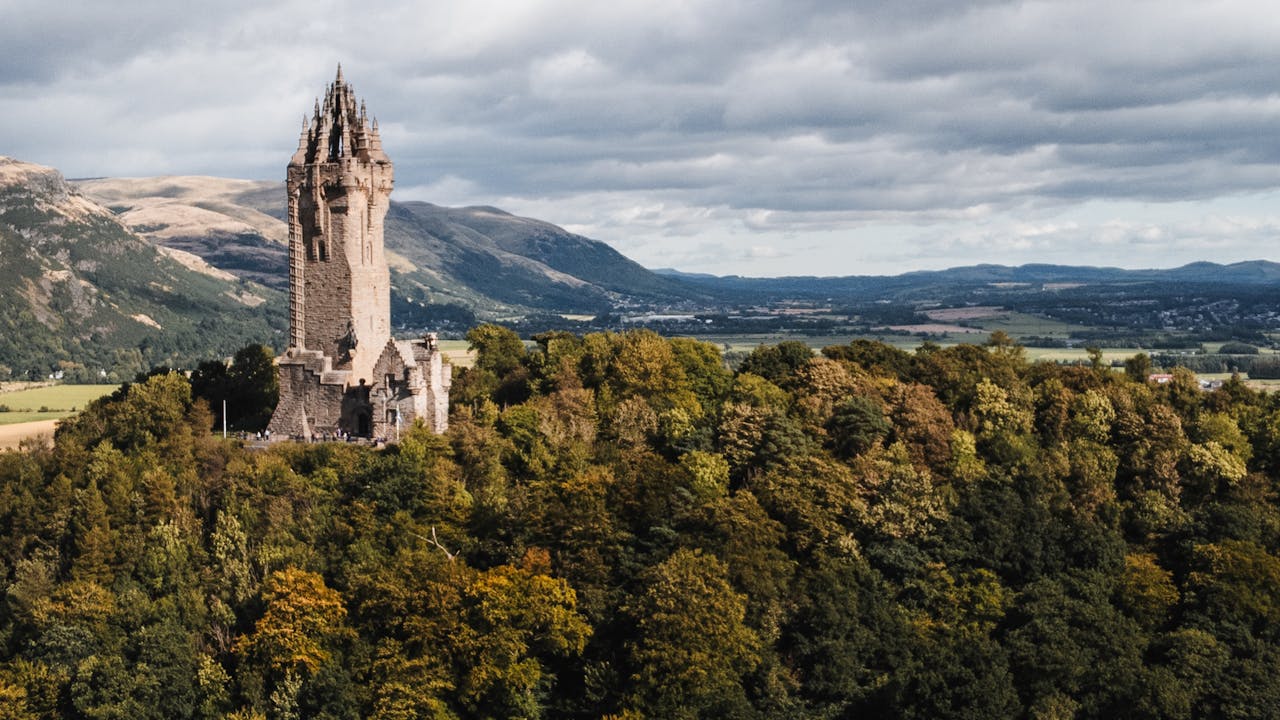
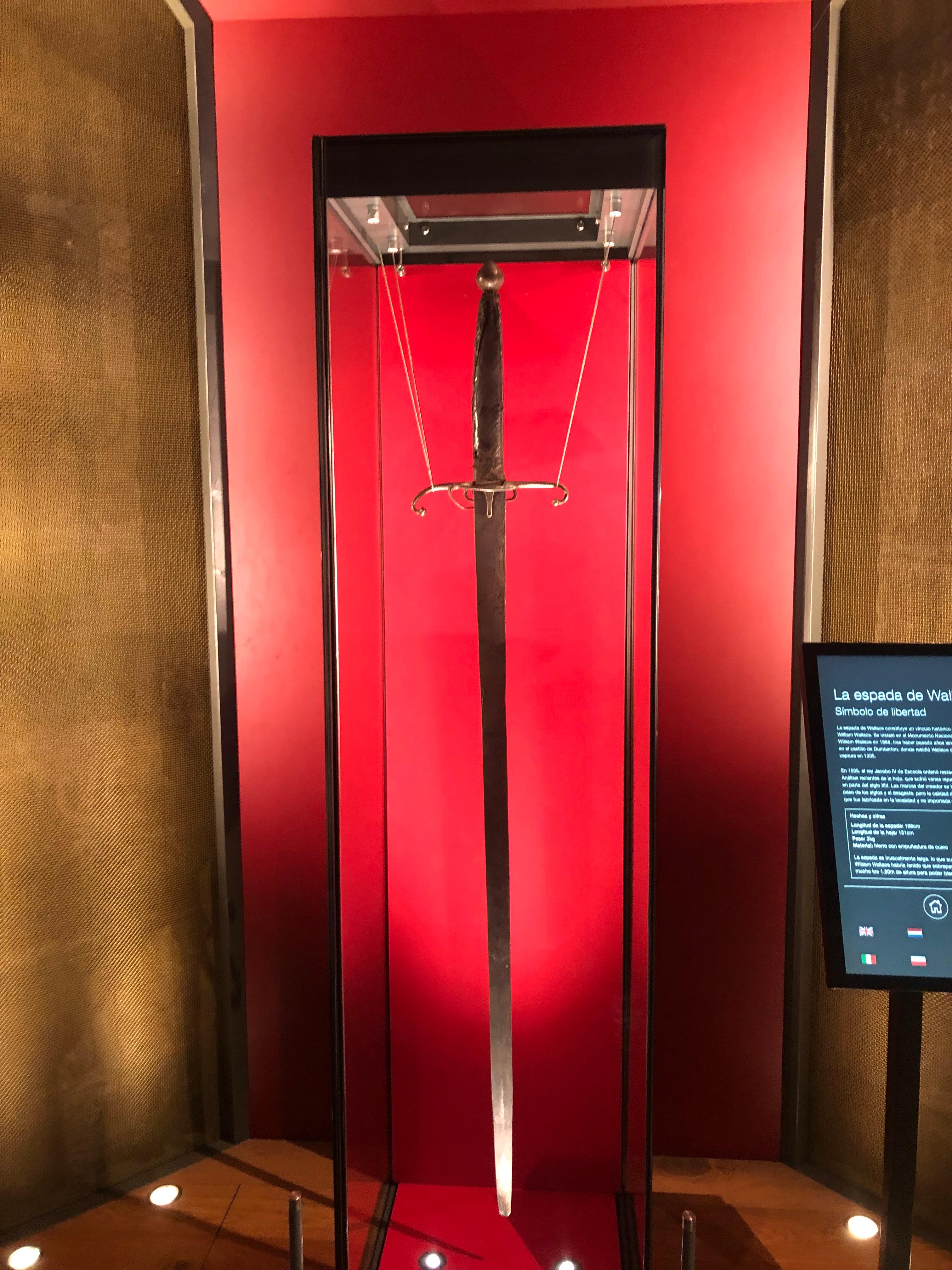
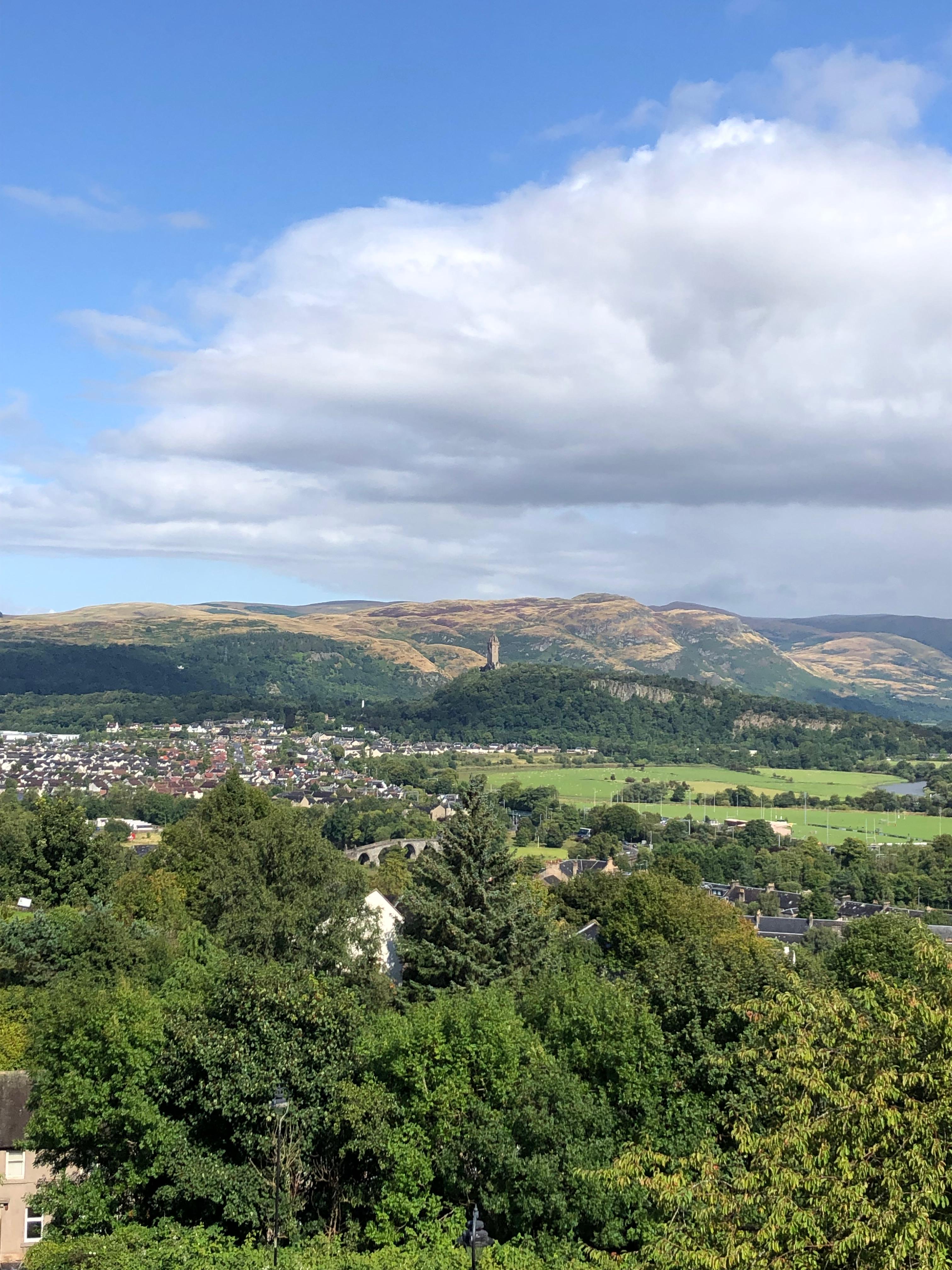
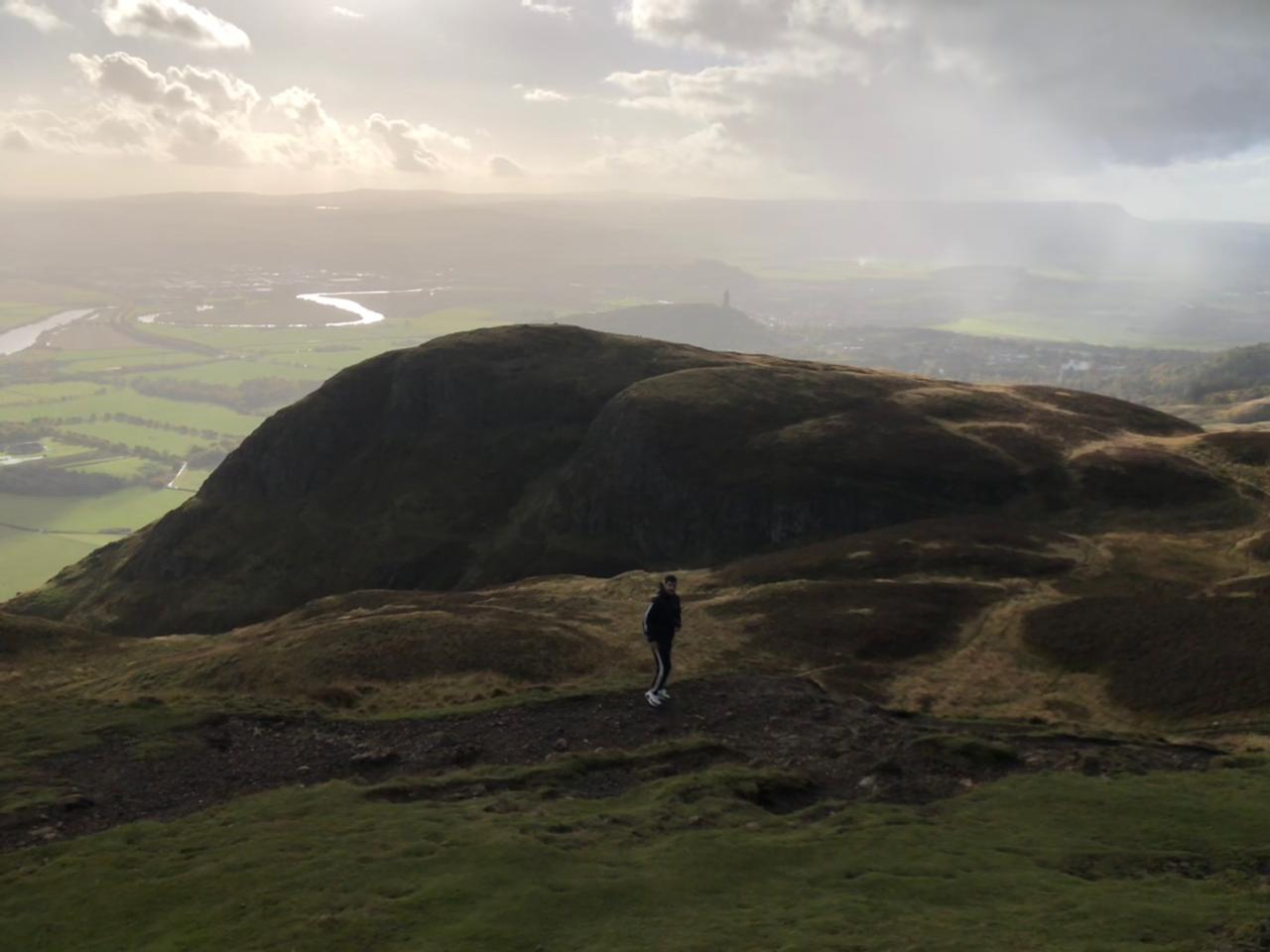
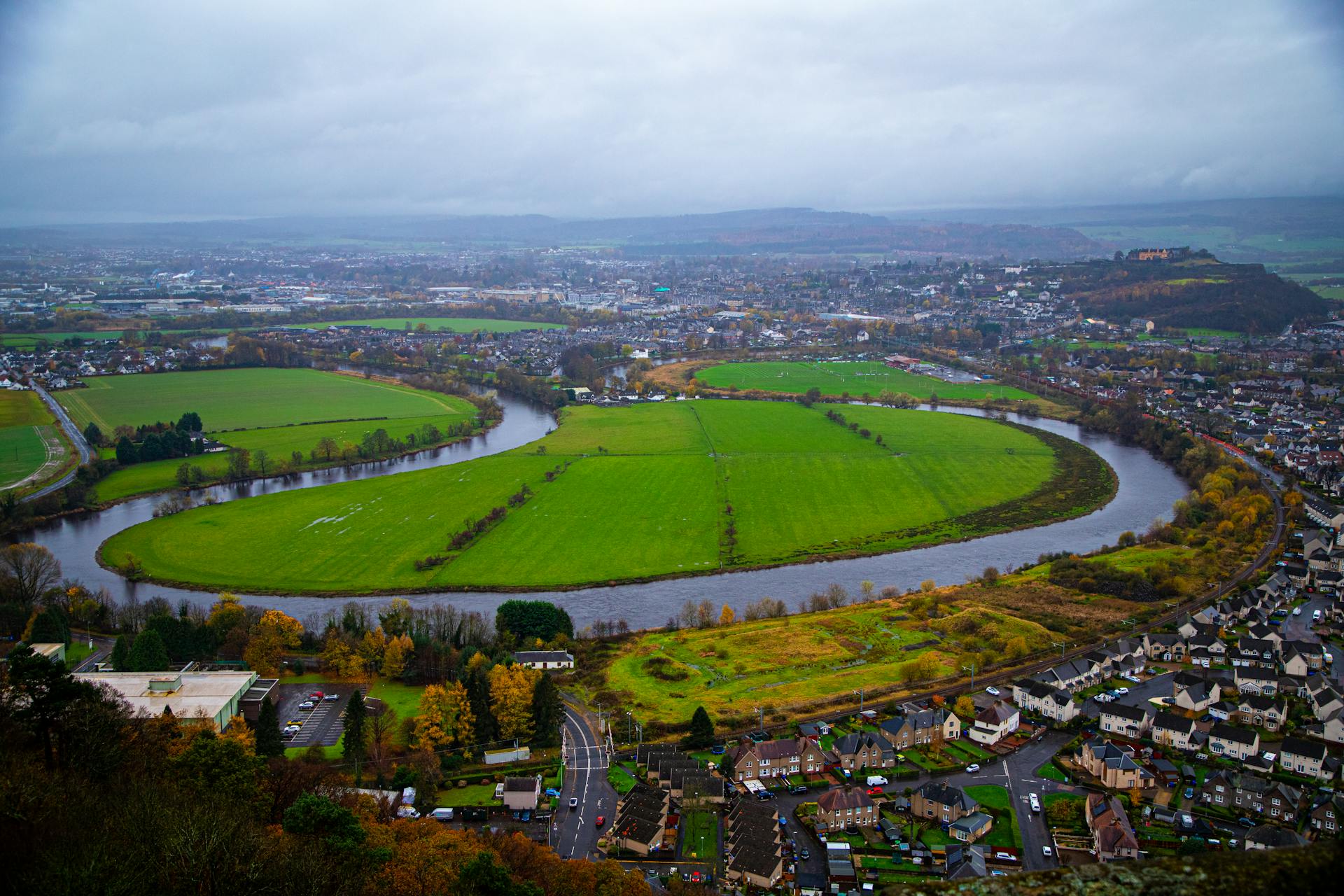
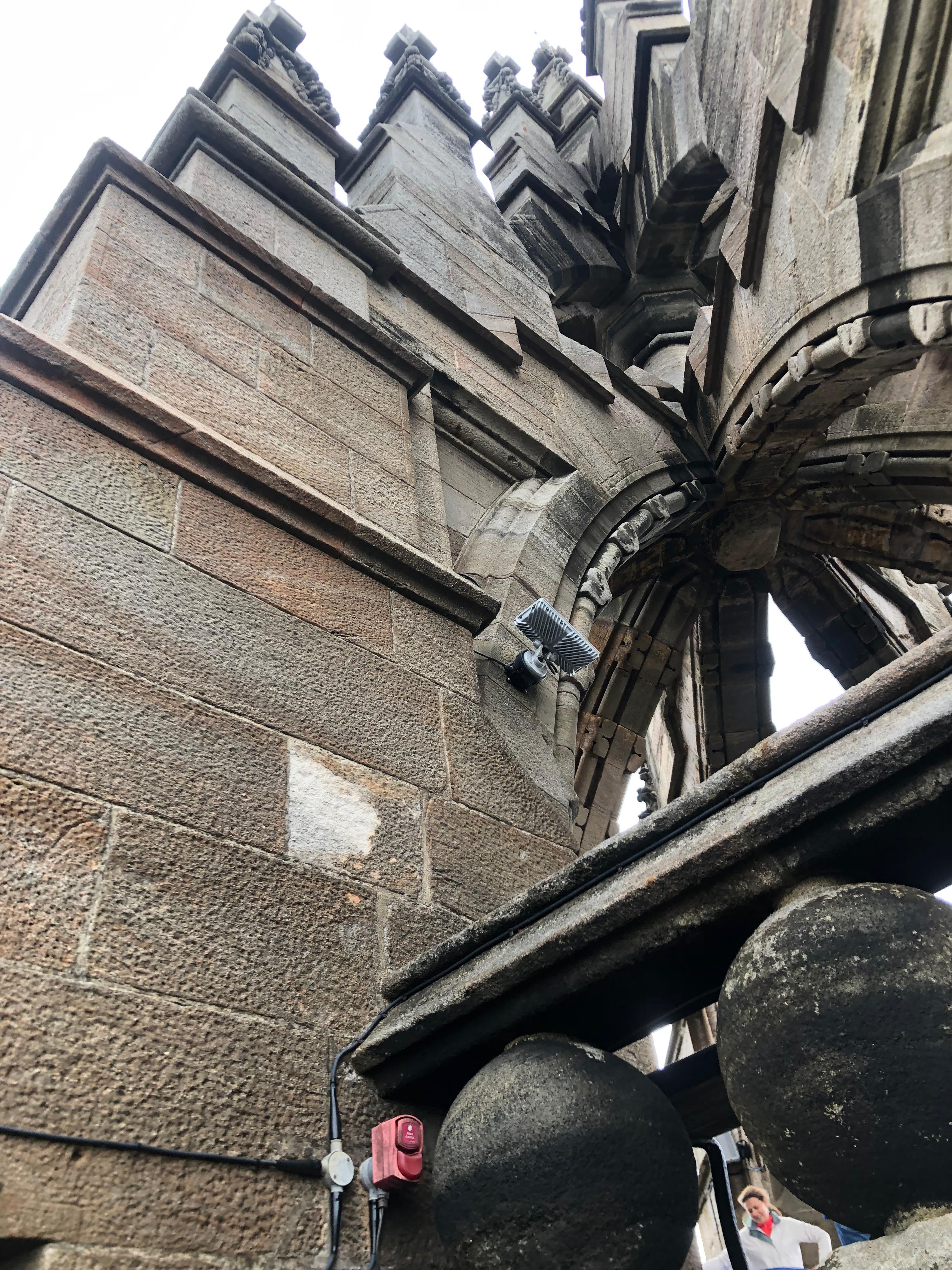
- The National Wallace Monument: This Victorian tower pays tribute to the hero of Braveheart. The climb is intense, but the views from the top ("The Crown") are, for us, the best in the area.
- Church of the Holy Rude: Located just below the castle. It is the only church in the UK, other than Westminster Abbey, that is still in use and has hosted a royal coronation (that of James VI).
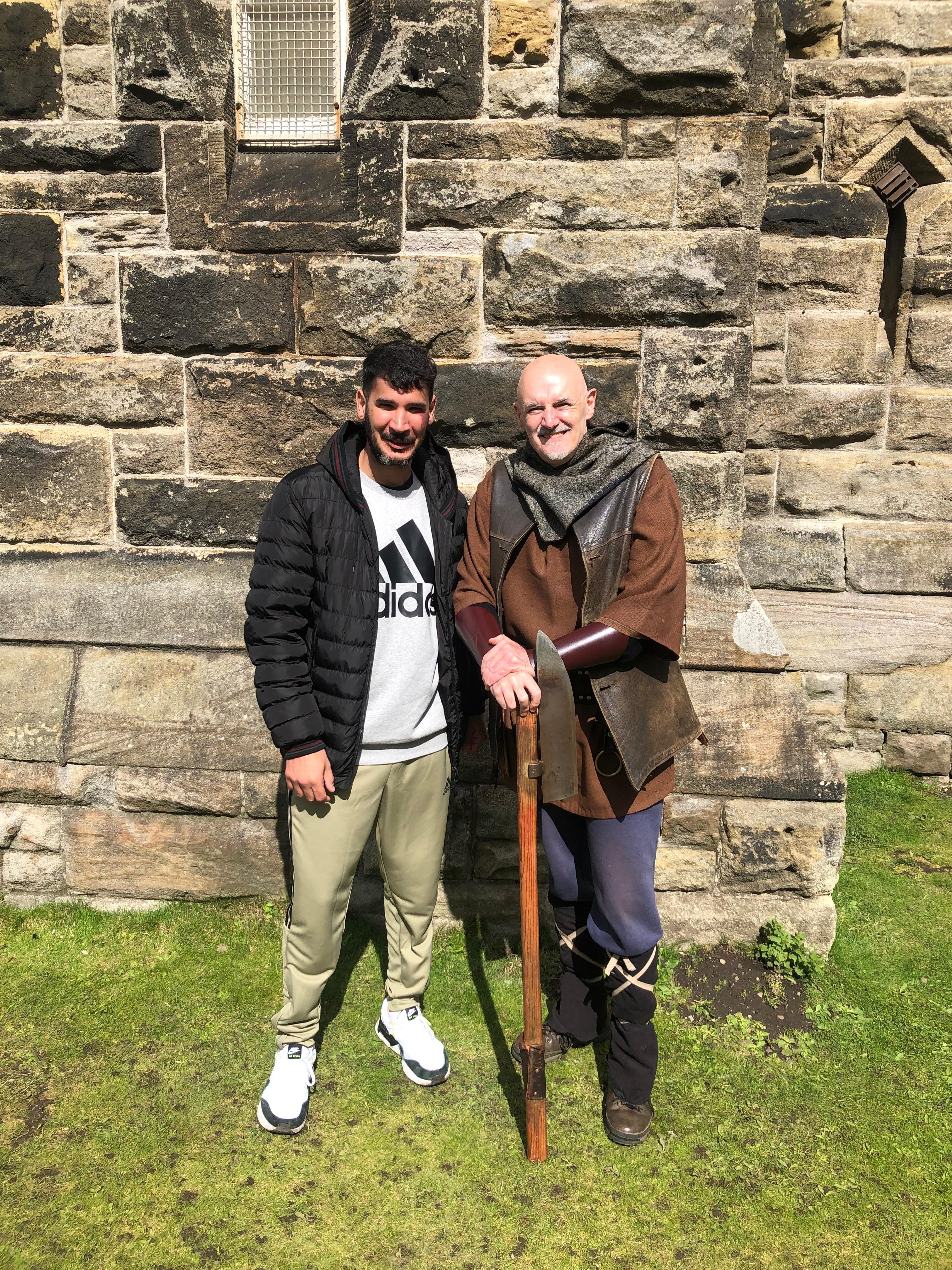
- Old Town Jail: A very fun interactive experience. Through actors and tours, you learn about the harsh prison life of the 19th century.
- The Beheading Stone: A short walk toward Mote Hill leads to this historic site. The stone, protected by a cage, was where traitors were executed, offering direct views of the Wallace Monument.
How to Get to Stirling
Stirling is incredibly easy to visit, whether as a base for exploring central Scotland or as a day trip:
- From Edinburgh: Direct trains every 30 minutes from Waverley or Haymarket station (45-50 min).
- From Glasgow: Direct trains from Queen Street (about 35 min).
- By Car: Ideal if you are on your way to the Highlands. There is a very convenient "Park & Ride" to avoid driving into the historic center.
What to Eat in Stirling
- Haggis, Neeps and Tatties – A staple in any Old Town pub.
- Cullen Skink – Being close to the Forth, many pubs serve this smoked fish soup which is pure bliss on cold days.
- Scotch Pie – The perfect snack to take with you as you walk up toward the castle.
- The Smith Art Gallery Tearoom – A great spot to try the best scones in the city in an artistic setting.

Tips and Essentials
- Currency: British Pound (GBP).
- Transportation: The city is easily explored on foot, but be prepared: it’s all uphill toward the castle. There is a tourist bus (Stirling Sightseeing) in summer if you want to avoid the steep walks.
- Traveler Tip: If you plan to visit both Stirling Castle and Edinburgh Castle, check if the Explorer Pass from Historic Environment Scotland is worth it; you'll save a significant amount of money.
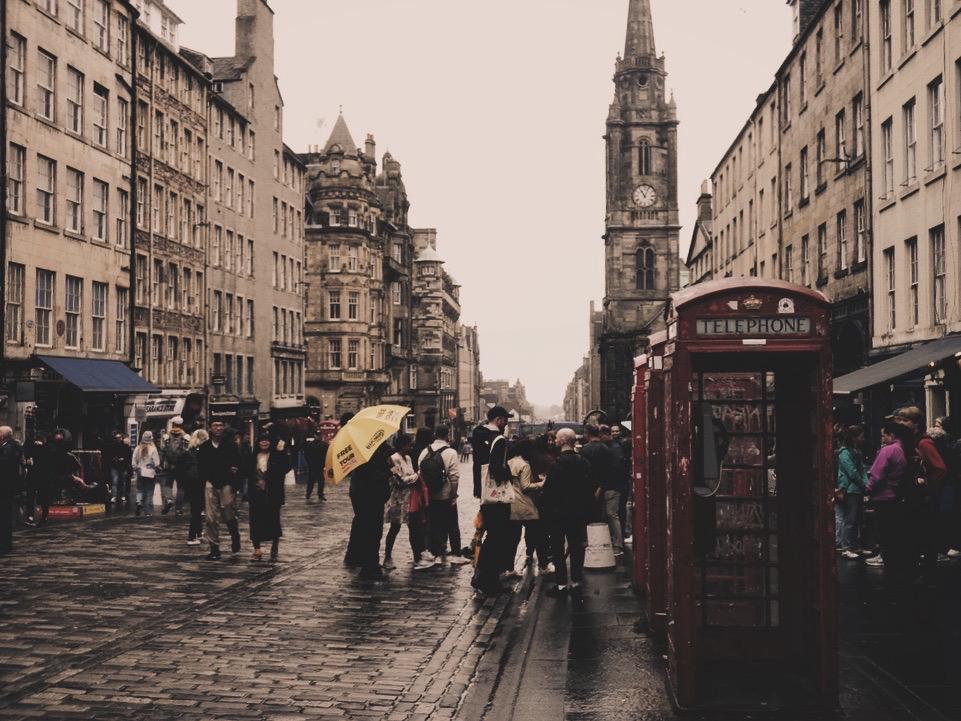
- Footwear: Comfortable shoes with good grip are essential; the Old Town streets are cobblestone and can be slippery when it rains (and in Scotland, it rains).

Our Experience Traveling in Stirling
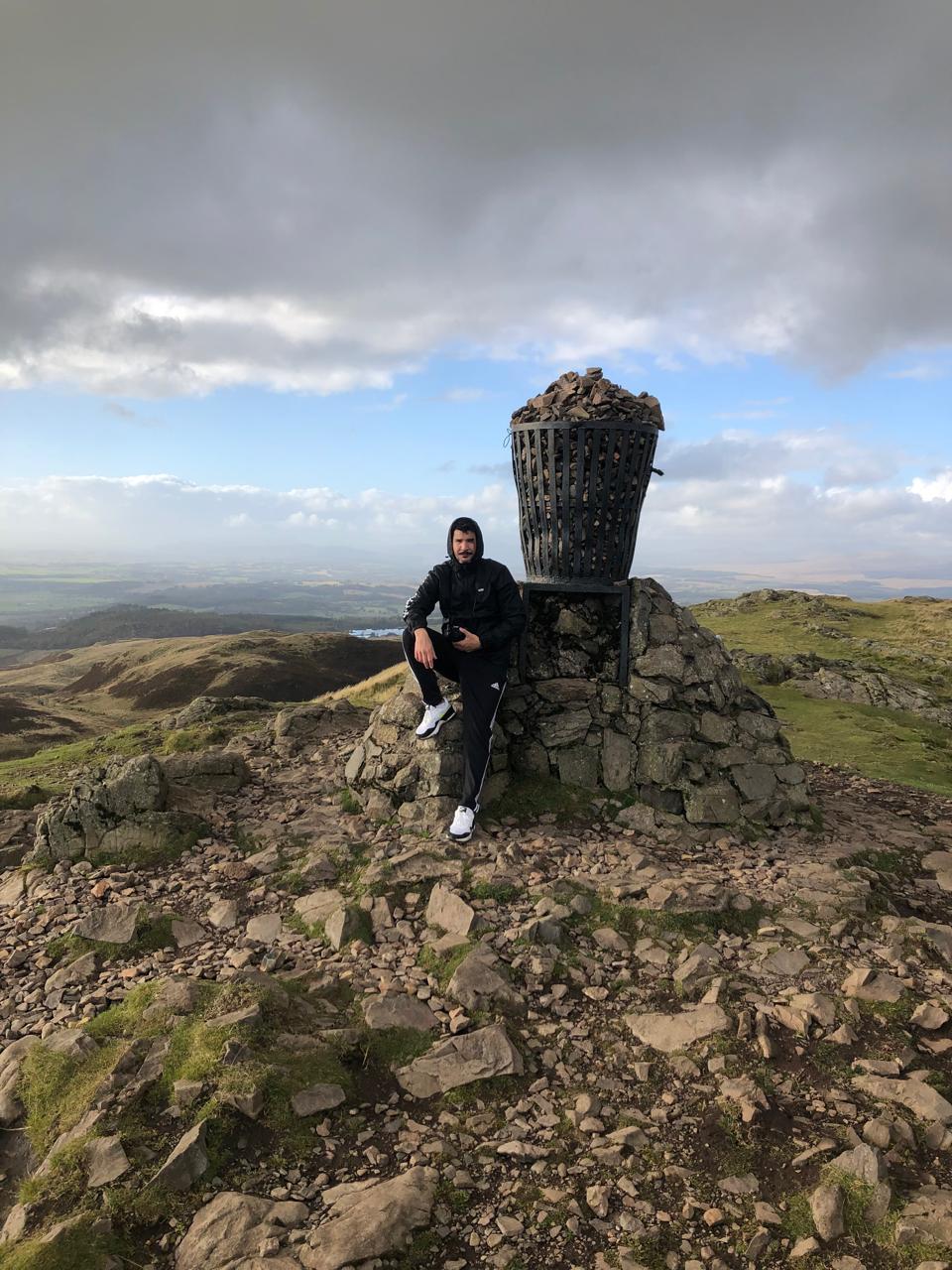
Stirling felt like the perfect balance to us. It has the historical grandeur of Edinburgh but feels much more authentic and less crowded. Walking through the Holy Rude cemetery at sunset, with the castle in the background and the wind blowing, is one of the most "Highlander" experiences you can have without driving hours to the north.
It is the place where you truly understand the battles of Robert the Bruce and Wallace. If you like unfiltered history and breathtaking views, Stirling will steal your heart just as it did ours.
You Might Also Like
- Stirling Castle: One of Scotland's largest and most important fortresses. It was the royal residence of the Stewarts and is famous for its Renaissance architecture and costumed guides who transport you back to the 16th century.
- The National Wallace Monument: This Victorian tower pays tribute to the hero of Braveheart. The climb is intense, but the views from the top ("The Crown") are, for us, the best in the area.
- Church of the Holy Rude: Located just below the castle. It is the only church in the UK, other than Westminster Abbey, that is still in use and has hosted a royal coronation (that of James VI).
- Old Town Jail: A very fun interactive experience. Through actors and tours, you learn about the harsh prison life of the 19th century.
- The Beheading Stone: A short walk toward Mote Hill leads to this historic site. The stone, protected by a cage, was where traitors were executed, offering direct views of the Wallace Monument.
PUBLICIDAD
Travel with Data: Get your Saily eSIM
- ✓Internet in seconds upon landing
- ✓Flexible plans in 180+ countries
- ✓Easy setup directly via the App
Stirling is incredibly easy to visit, whether as a base for exploring central Scotland or as a day trip:
- From Edinburgh: Direct trains every 30 minutes from Waverley or Haymarket station (45-50 min).
- From Glasgow: Direct trains from Queen Street (about 35 min).
- By Car: Ideal if you are on your way to the Highlands. There is a very convenient "Park & Ride" to avoid driving into the historic center.
- Haggis, Neeps and Tatties – A staple in any Old Town pub.
- Cullen Skink – Being close to the Forth, many pubs serve this smoked fish soup which is pure bliss on cold days.
- Scotch Pie – The perfect snack to take with you as you walk up toward the castle.
- The Smith Art Gallery Tearoom – A great spot to try the best scones in the city in an artistic setting.
- Currency: British Pound (GBP).
- Transportation: The city is easily explored on foot, but be prepared: it’s all uphill toward the castle. There is a tourist bus (Stirling Sightseeing) in summer if you want to avoid the steep walks.
- Traveler Tip: If you plan to visit both Stirling Castle and Edinburgh Castle, check if the Explorer Pass from Historic Environment Scotland is worth it; you'll save a significant amount of money.
- Footwear: Comfortable shoes with good grip are essential; the Old Town streets are cobblestone and can be slippery when it rains (and in Scotland, it rains).
Stirling felt like the perfect balance to us. It has the historical grandeur of Edinburgh but feels much more authentic and less crowded. Walking through the Holy Rude cemetery at sunset, with the castle in the background and the wind blowing, is one of the most "Highlander" experiences you can have without driving hours to the north.
It is the place where you truly understand the battles of Robert the Bruce and Wallace. If you like unfiltered history and breathtaking views, Stirling will steal your heart just as it did ours.
Galery




PUBLICIDAD
International Travel Insurance
- ✓International medical insurance
- ✓24/7 immediate assistance in your language
- ✓Ideal for trekking & adventure
Posts in Stirling






Preferences
Language
Color
Text
Width