Table of contents and map
North Coast 500 Guide: Everything you need to know about Scotland's most famous route
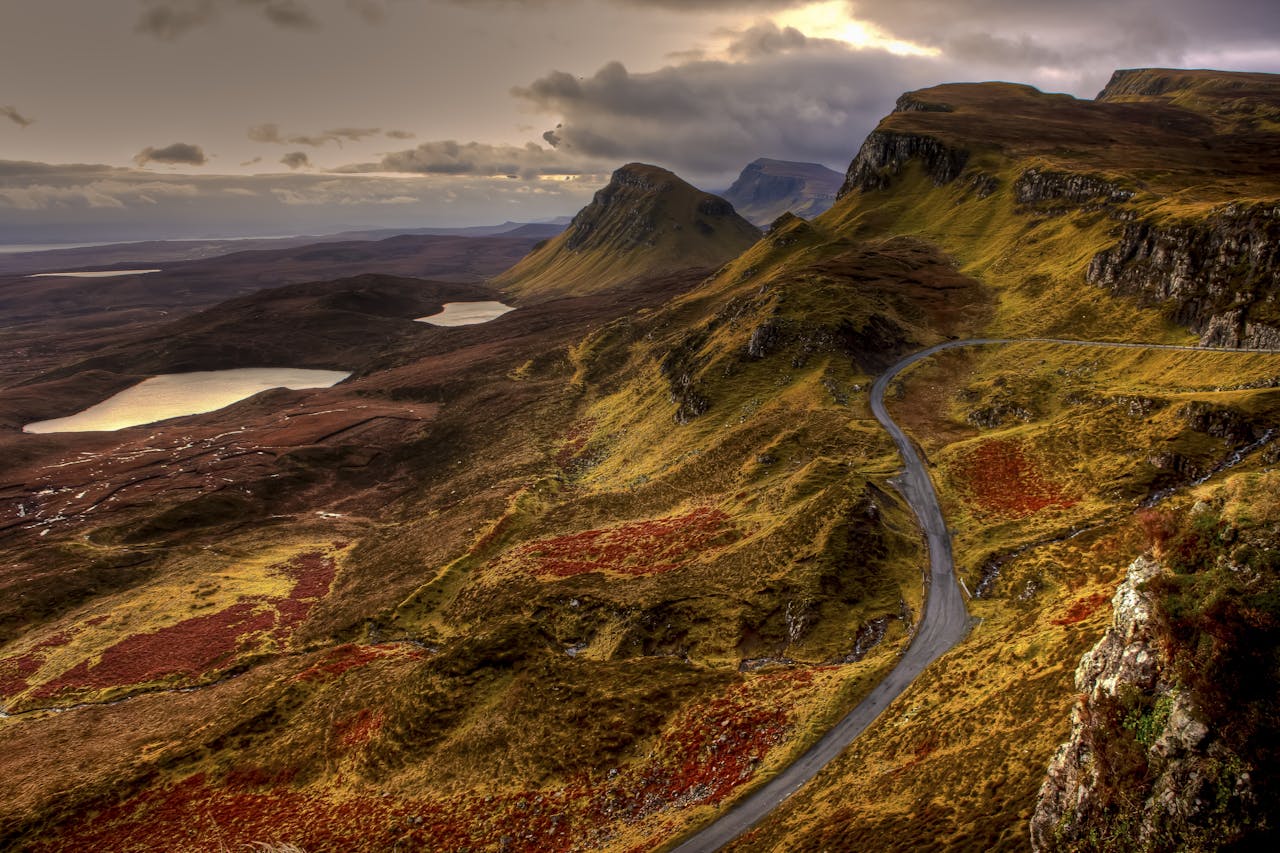
Known as 'Scotland's Route 66,' the NC500 is an epic 800-kilometer journey through the Highlands. A route of lonely castles, turquoise water beaches, and roads that wind through mountains that seem straight out of a legend.
North Coast 500 Guide: Everything you need to know about Scotland's most famous route
Known as 'Scotland's Route 66,' the NC500 is an epic 800-kilometer journey through the Highlands. A route of lonely castles, turquoise water beaches, and roads that wind through mountains that seem straight out of a legend.
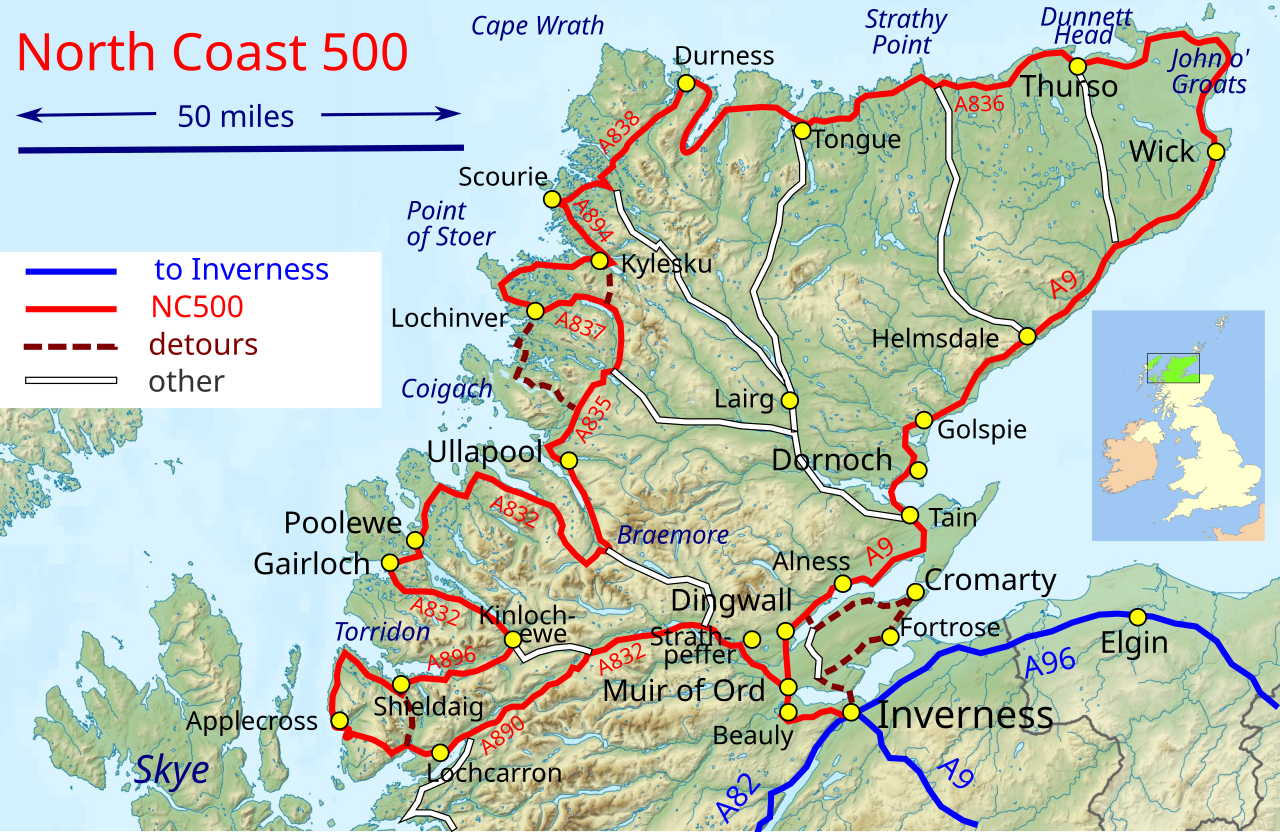
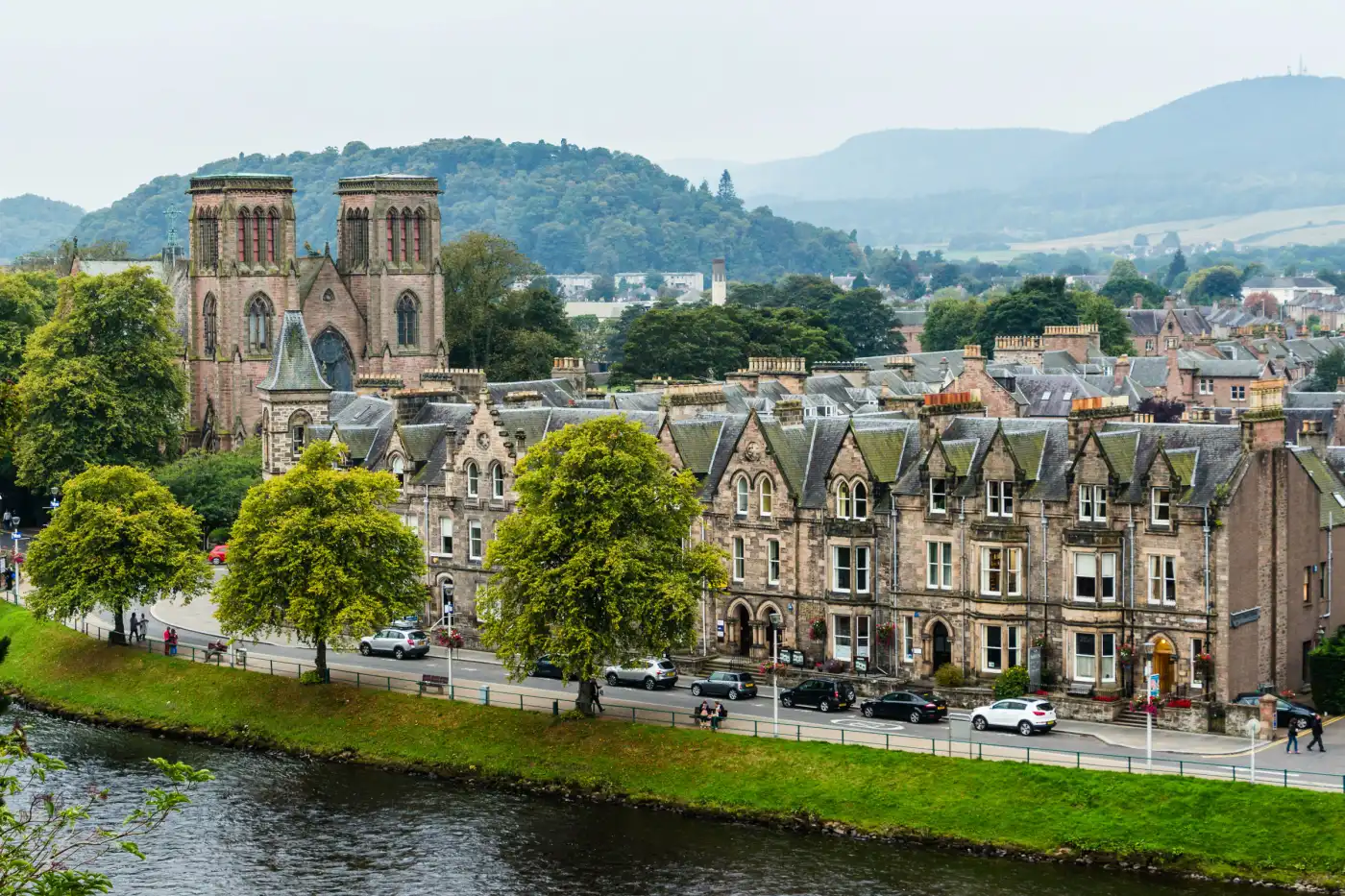
The North Coast 500 (NC500) is not just a road; it is Scotland's answer to the mythical Route 66 in the United States. It is a circular route of 516 miles (about 830 km) that covers the northern coast of the country, starting and ending in the capital of the Highlands: Inverness.
This trip has become a rite of passage for those seeking the wildest side of Scotland. Here, the landscape changes drastically every hour: you go from deep green valleys to cliffs battered by the Atlantic and white sand beaches that look like the Caribbean, but with the soul (and climate) of the Highlands.
Route Sections: What will you see?
To understand the NC500, you have to divide it into three zones with very different personalities:
The West Coast (Geological Drama)
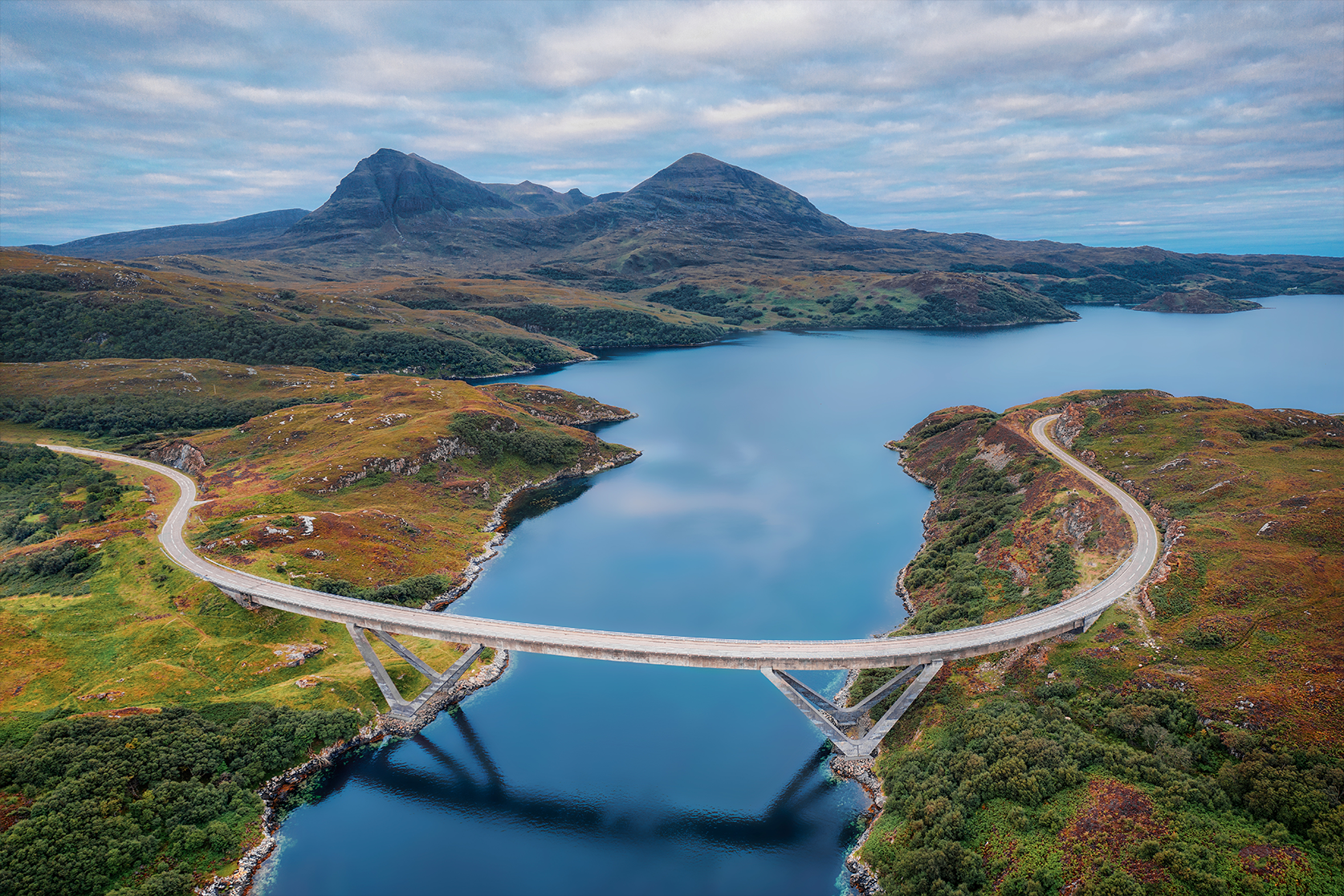
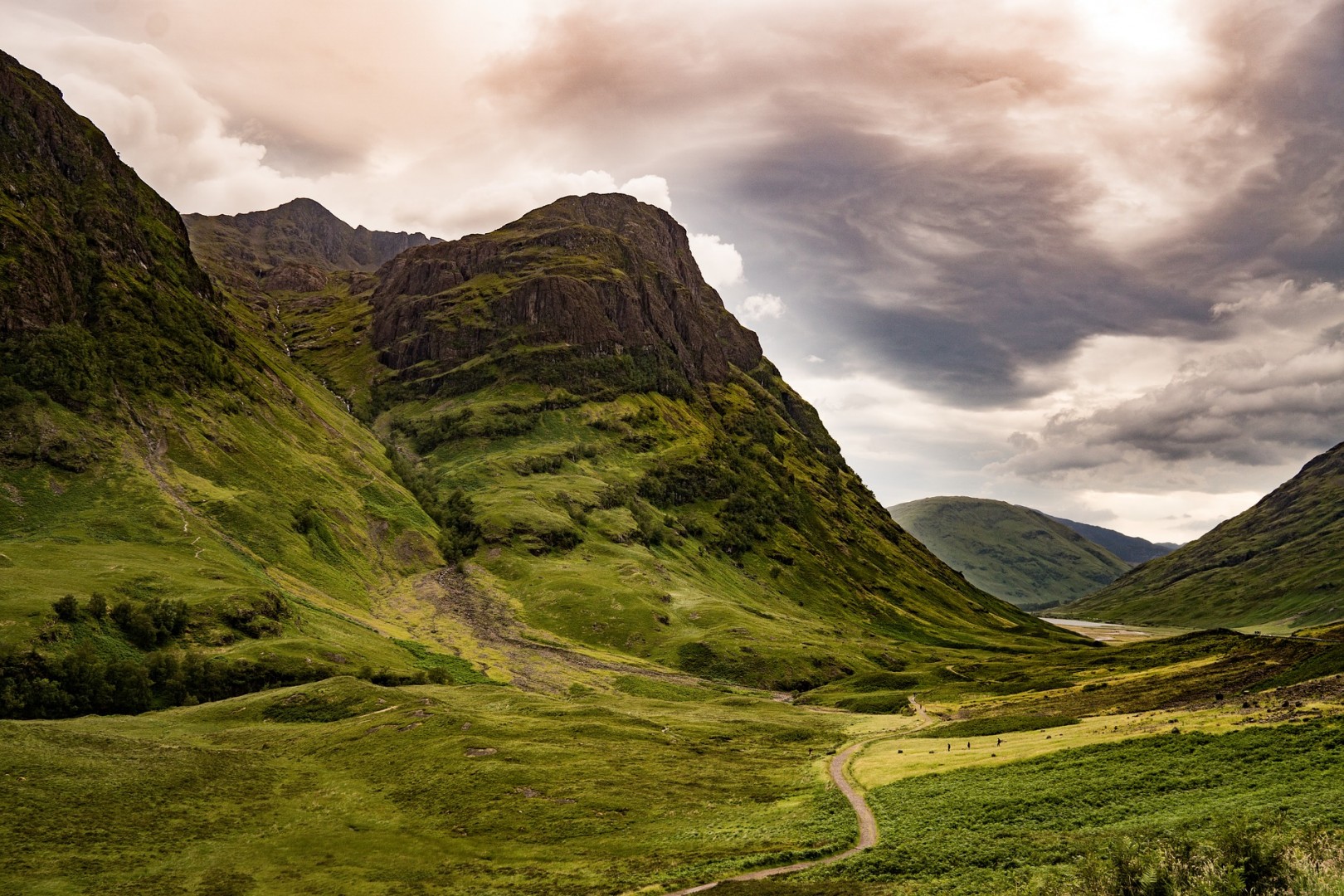
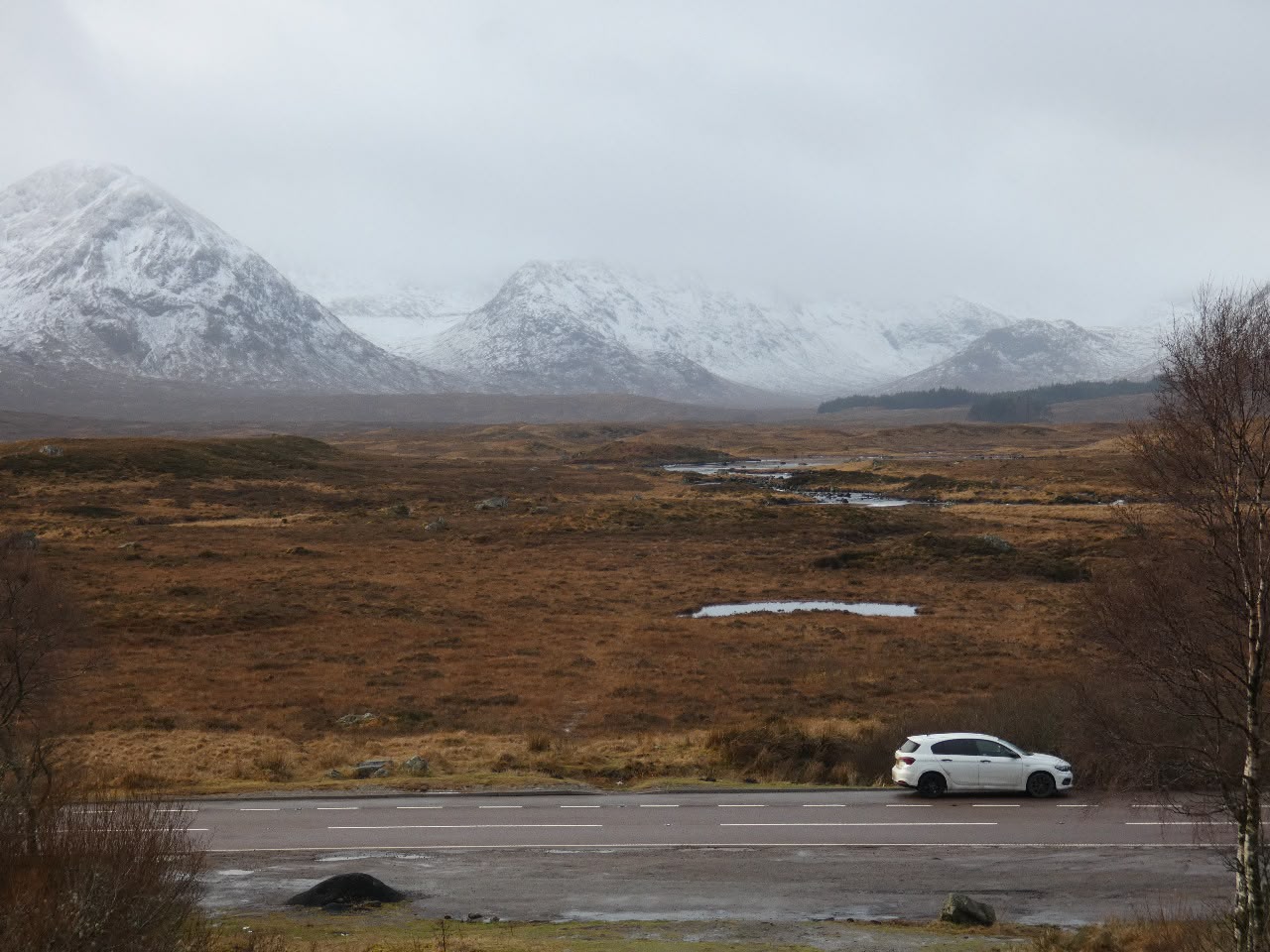
It is the most rugged part and, for many, the most beautiful. Here, red sandstone mountains rise directly from the sea.
- Bealach na Bà: A historic mountain pass with hairpin turns that rises to 626 meters. The views of the Isle of Skye from the top are unforgettable.
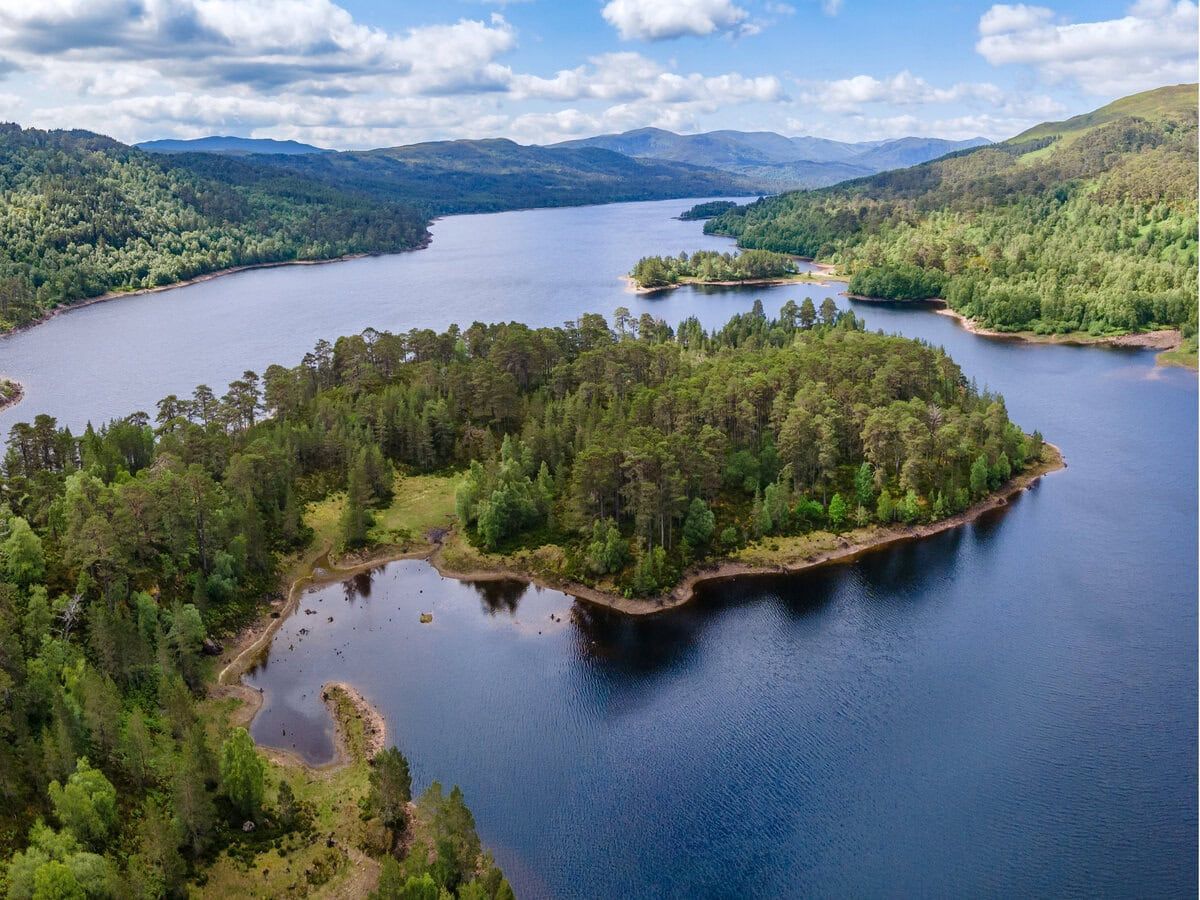
- Wester Ross: An area of exceptional natural beauty with deep fjords and lochs.
The North Coast (The Wild Frontier)
Here you can feel the true solitude and the power of the ocean.
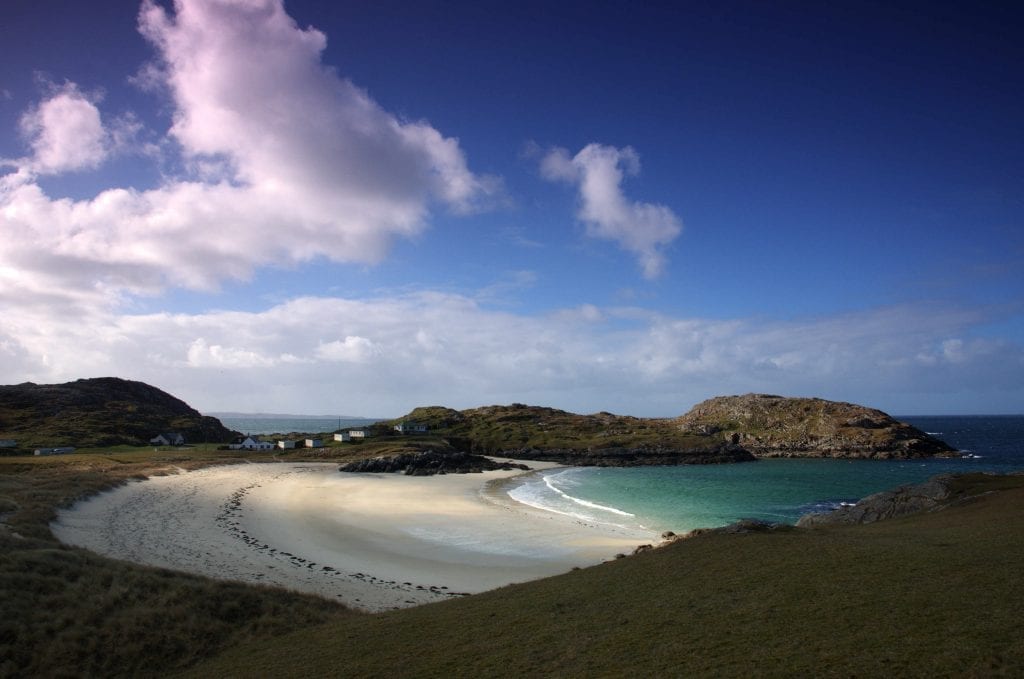
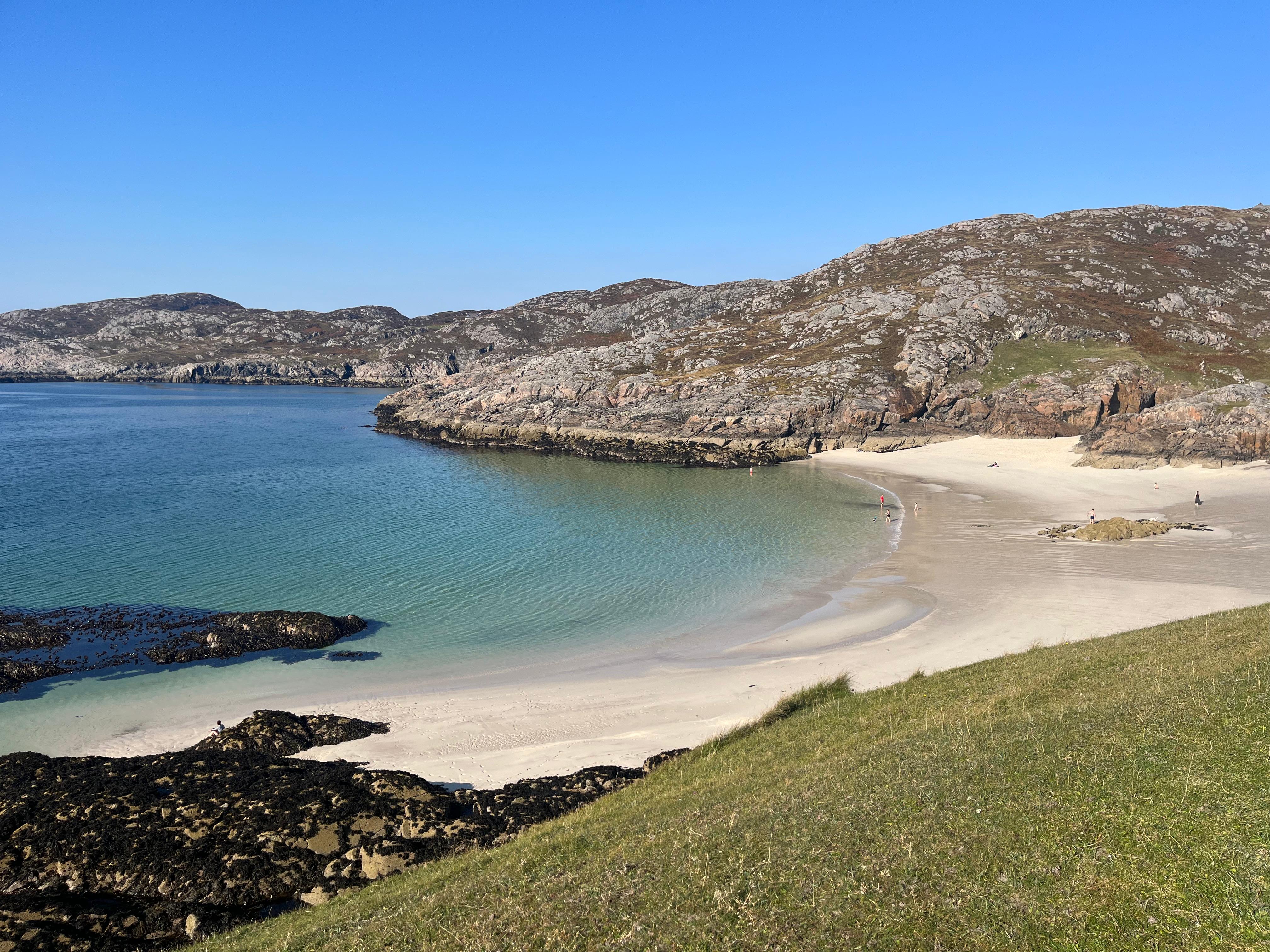
- Durness Beaches: Places like Sango Sands or Achmelvich have waters so turquoise they don't seem real until you touch the cold water.
- Smoo Cave: A massive sea cave with an internal waterfall that you can explore on foot.
The East Coast (History and Distilleries)
The landscape becomes softer, with green hills, grand estates, and plenty of history.
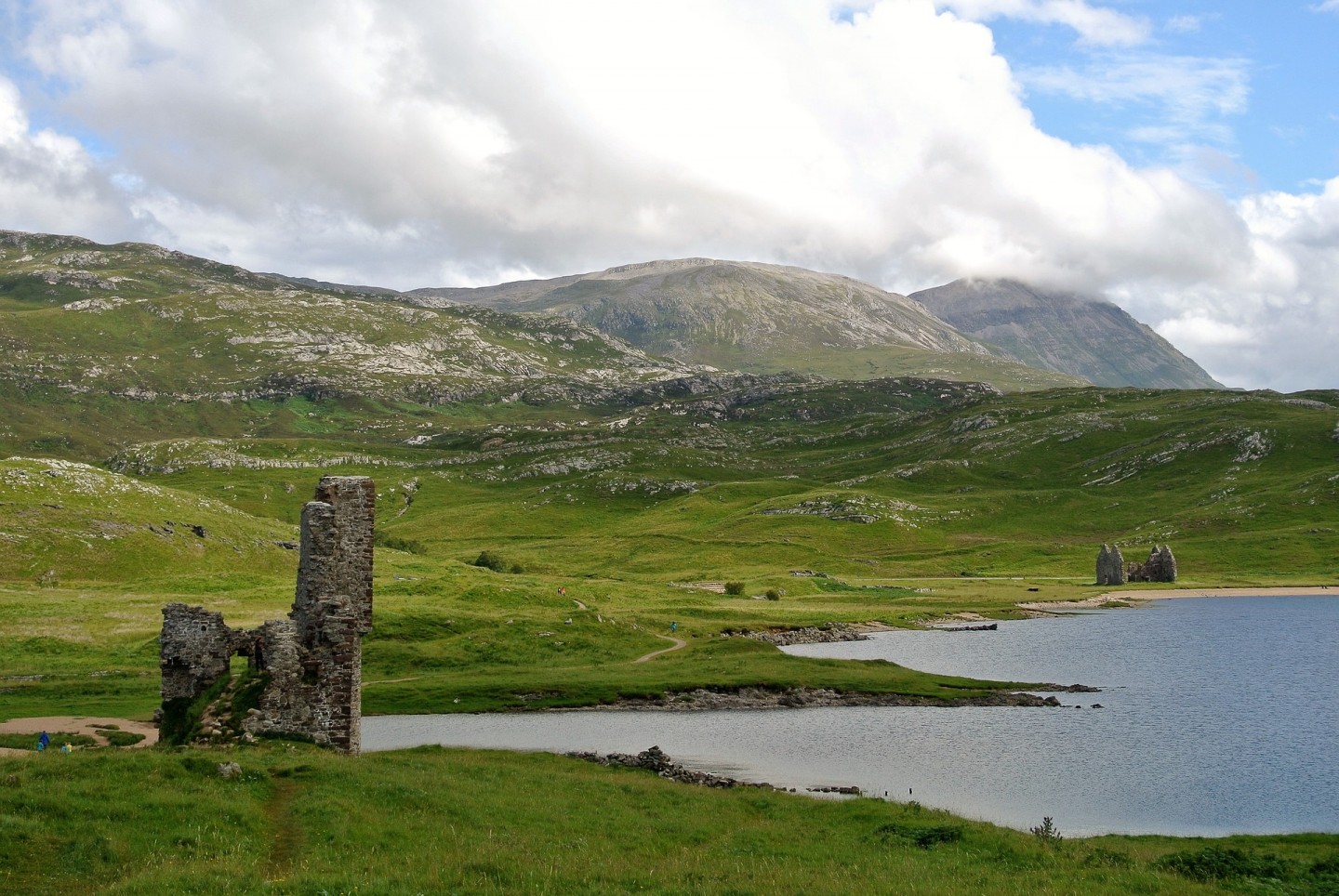
- Dunrobin Castle: A French-style castle with conical towers that looks like something out of a fairytale.
- Cradle of Whisky: You will pass near legendary distilleries such as Glenmorangie or Old Pulteney.
Essential Tips for your 2026 Roadtrip
If you are planning this adventure, these tips are the difference between an epic trip and a logistical headache:
The Art of "Single Track Roads"
Much of the route in the west and north consists of a single lane for both directions.
- Passing Places: These are pull-outs on the side so two cars can pass each other.
- The Golden Rule: If the space is on your left, you stop. If it’s on the right, the other person stops. And most importantly: always wave your hand to say thank you!
- Do not block: Never park in a passing place to take photos; you block the passage for locals and emergency services.
Survival Logistics
- Fuel: On the northwest coast, gas stations are scarce and close early. If you see one and have less than half a tank, fill up.
- Reservations: For 2026, demand remains extremely high. Book your accommodation or camping spots 6 to 8 months in advance.
- Connectivity: Download offline maps. GPS and cell signals disappear completely as you head into the more remote glens.
FAQ (Useful Data)
- How long does it take? The minimum is 5 days, but the ideal is 7 to 10 days to be able to explore without living in the car.
- Which side do you drive on? On the left. If you are not used to it, rent an automatic car; it will take a lot of stress off your shoulders.
- When to go? May and September are the "magic" months: long days, fewer people than in July, and above all, you avoid the midges (tiny biting mosquitoes common in summer).
Our Experience
Driving the North Coast 500 taught us that the destination is not a point on the map, but the journey itself. What we remember most are not the tourist stops, but the silence at the Duncansby Head cliffs and the unexpected encounters with red deer at sunset.
It is a route that demands respect for nature and rewards you with a sense of freedom that is very hard to find in the rest of Europe.
You Might Also Like
- General Guide to Traveling in Scotland
- Scotland Itinerary: The Perfect 7, 10, and 14-Day Route
- Harry Potter in Scotland: Route to Real Locations
- East Coast Castle Trail Through Scotland & England
- Edinburgh Step-by-Step: The Fairytale Capital Guide
- Glasgow, the City of Music
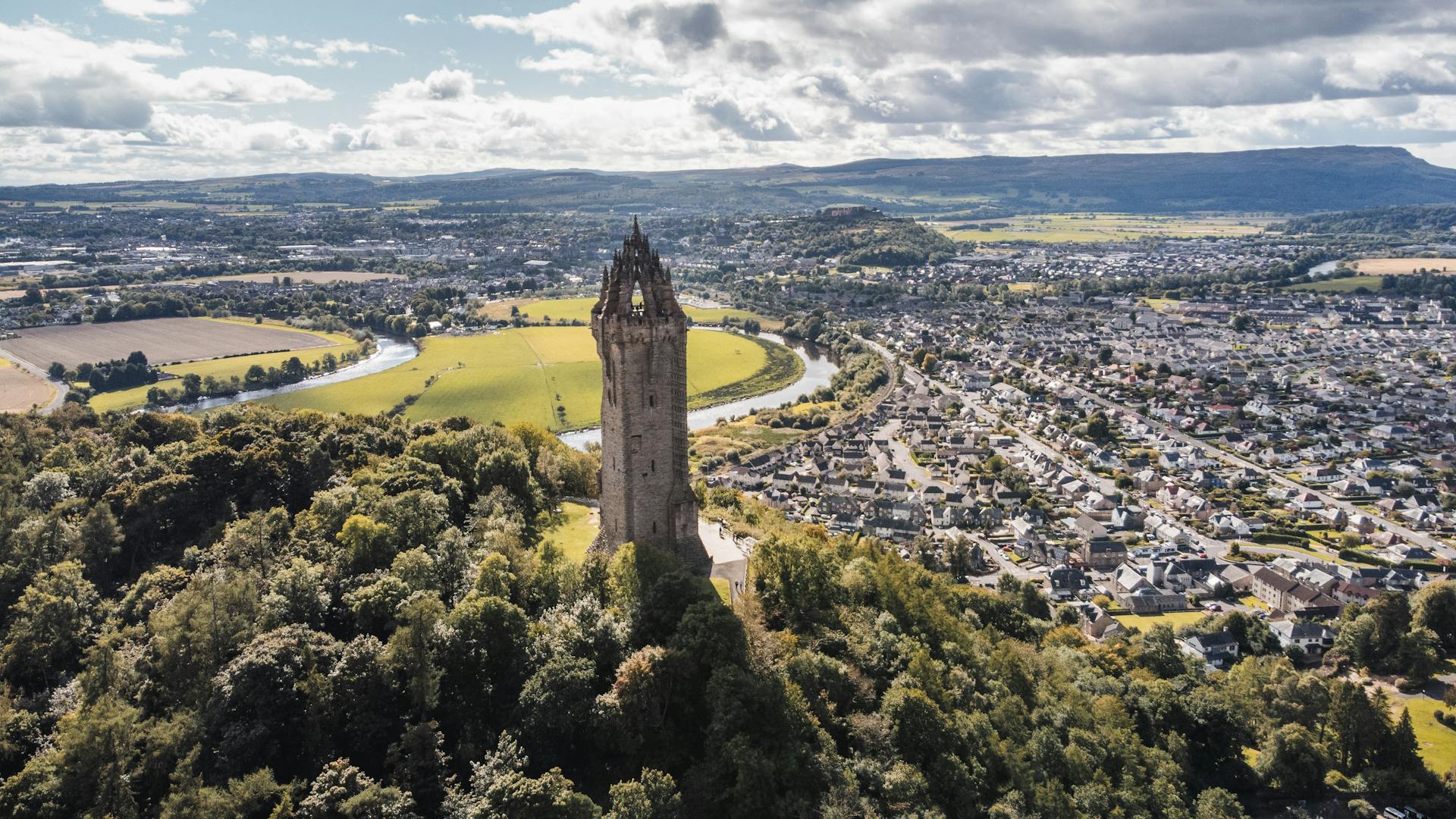
- Stirling: Castle and William Wallace Monument
To understand the NC500, you have to divide it into three zones with very different personalities:
The West Coast (Geological Drama)
It is the most rugged part and, for many, the most beautiful. Here, red sandstone mountains rise directly from the sea.
- Bealach na Bà: A historic mountain pass with hairpin turns that rises to 626 meters. The views of the Isle of Skye from the top are unforgettable.
- Wester Ross: An area of exceptional natural beauty with deep fjords and lochs.
The North Coast (The Wild Frontier)
Here you can feel the true solitude and the power of the ocean.
- Durness Beaches: Places like Sango Sands or Achmelvich have waters so turquoise they don't seem real until you touch the cold water.
- Smoo Cave: A massive sea cave with an internal waterfall that you can explore on foot.
The East Coast (History and Distilleries)
The landscape becomes softer, with green hills, grand estates, and plenty of history.
- Dunrobin Castle: A French-style castle with conical towers that looks like something out of a fairytale.
- Cradle of Whisky: You will pass near legendary distilleries such as Glenmorangie or Old Pulteney.
PUBLICIDAD
Travel with Data: Get your Saily eSIM
- ✓Internet in seconds upon landing
- ✓Flexible plans in 180+ countries
- ✓Easy setup directly via the App
If you are planning this adventure, these tips are the difference between an epic trip and a logistical headache:
The Art of "Single Track Roads"
Much of the route in the west and north consists of a single lane for both directions.
- Passing Places: These are pull-outs on the side so two cars can pass each other.
- The Golden Rule: If the space is on your left, you stop. If it’s on the right, the other person stops. And most importantly: always wave your hand to say thank you!
- Do not block: Never park in a passing place to take photos; you block the passage for locals and emergency services.
Survival Logistics
- Fuel: On the northwest coast, gas stations are scarce and close early. If you see one and have less than half a tank, fill up.
- Reservations: For 2026, demand remains extremely high. Book your accommodation or camping spots 6 to 8 months in advance.
- Connectivity: Download offline maps. GPS and cell signals disappear completely as you head into the more remote glens.
- How long does it take? The minimum is 5 days, but the ideal is 7 to 10 days to be able to explore without living in the car.
- Which side do you drive on? On the left. If you are not used to it, rent an automatic car; it will take a lot of stress off your shoulders.
- When to go? May and September are the "magic" months: long days, fewer people than in July, and above all, you avoid the midges (tiny biting mosquitoes common in summer).
Driving the North Coast 500 taught us that the destination is not a point on the map, but the journey itself. What we remember most are not the tourist stops, but the silence at the Duncansby Head cliffs and the unexpected encounters with red deer at sunset.
It is a route that demands respect for nature and rewards you with a sense of freedom that is very hard to find in the rest of Europe.
PUBLICIDAD
- General Guide to Traveling in Scotland
- Scotland Itinerary: The Perfect 7, 10, and 14-Day Route
- Harry Potter in Scotland: Route to Real Locations
- East Coast Castle Trail Through Scotland & England
- Edinburgh Step-by-Step: The Fairytale Capital Guide
- Glasgow, the City of Music
- Stirling: Castle and William Wallace Monument
PUBLICIDAD
International Travel Insurance
- ✓International medical insurance
- ✓24/7 immediate assistance in your language
- ✓Ideal for trekking & adventure
Preferences
Language
Color
Text
Width