Table of contents and map
Loch Lomond in Scotland: What to See, How to Get There, and Guide to the Most Famous Loch
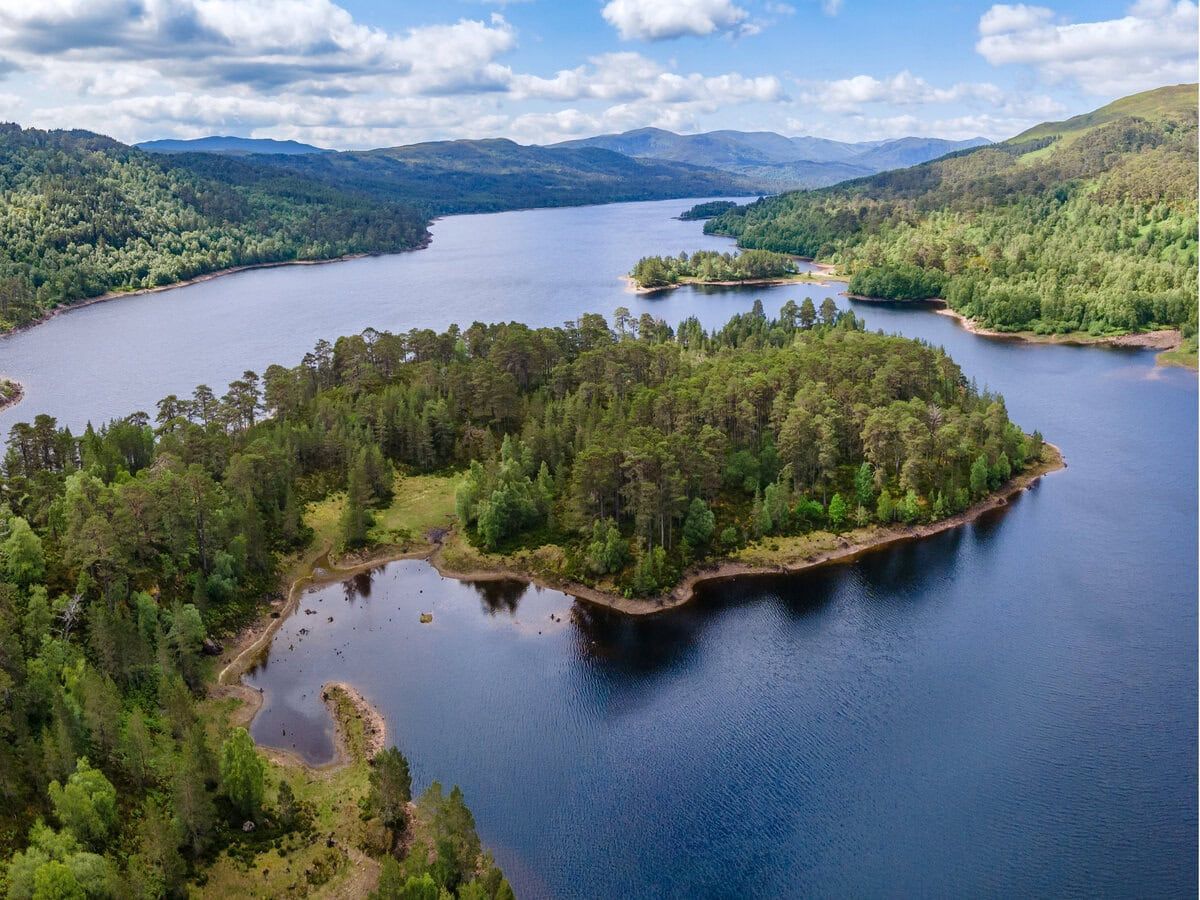
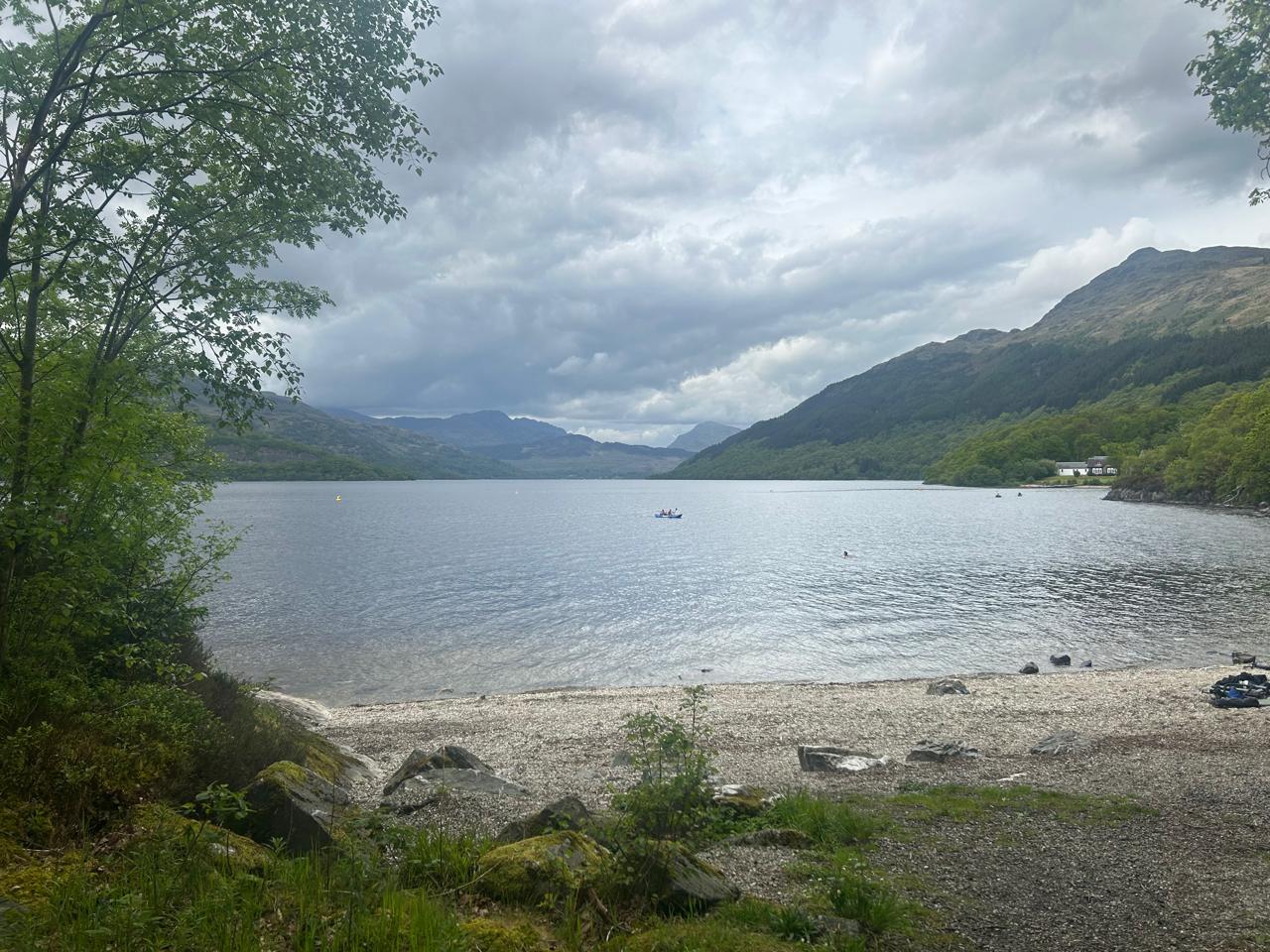
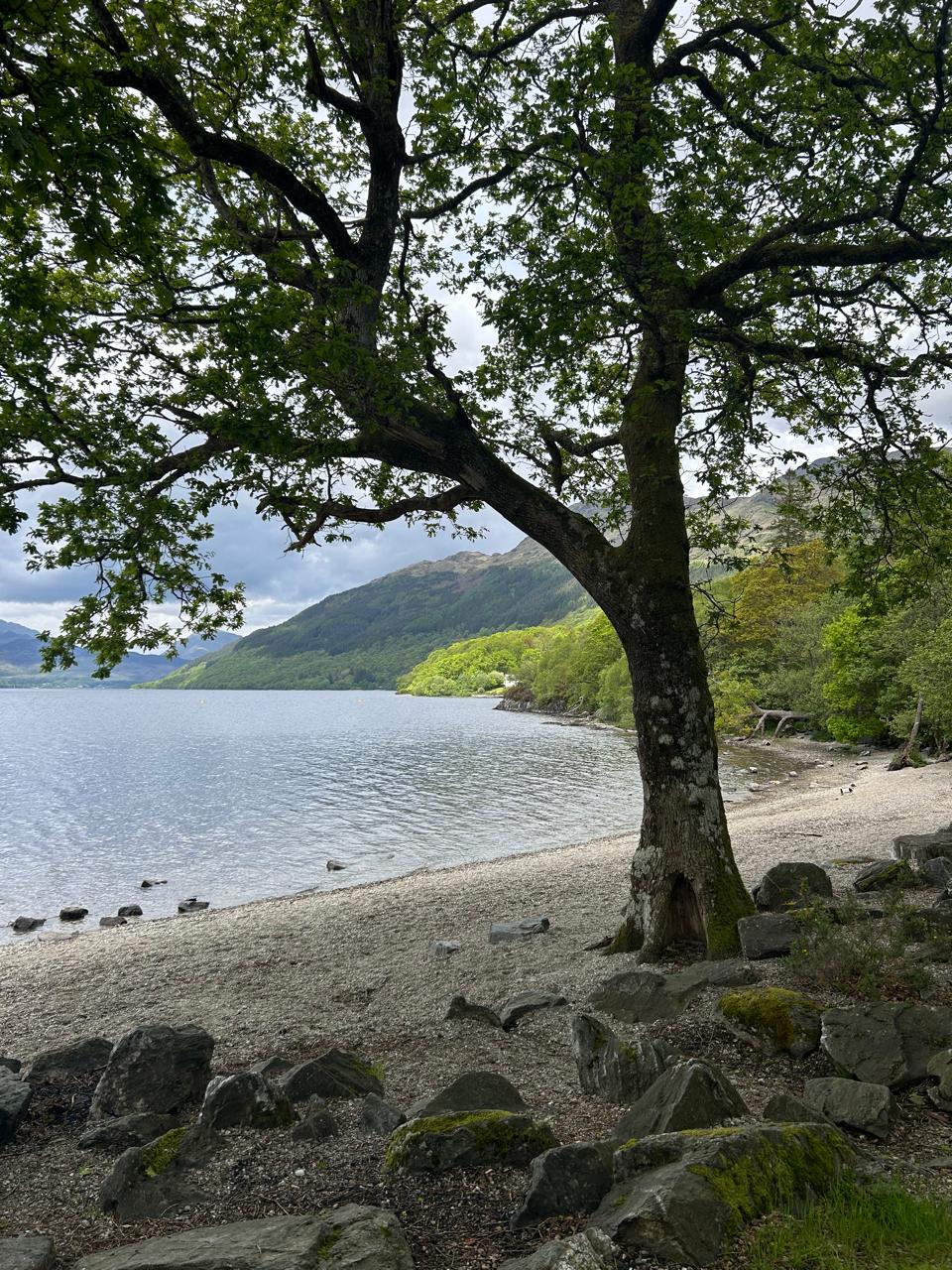
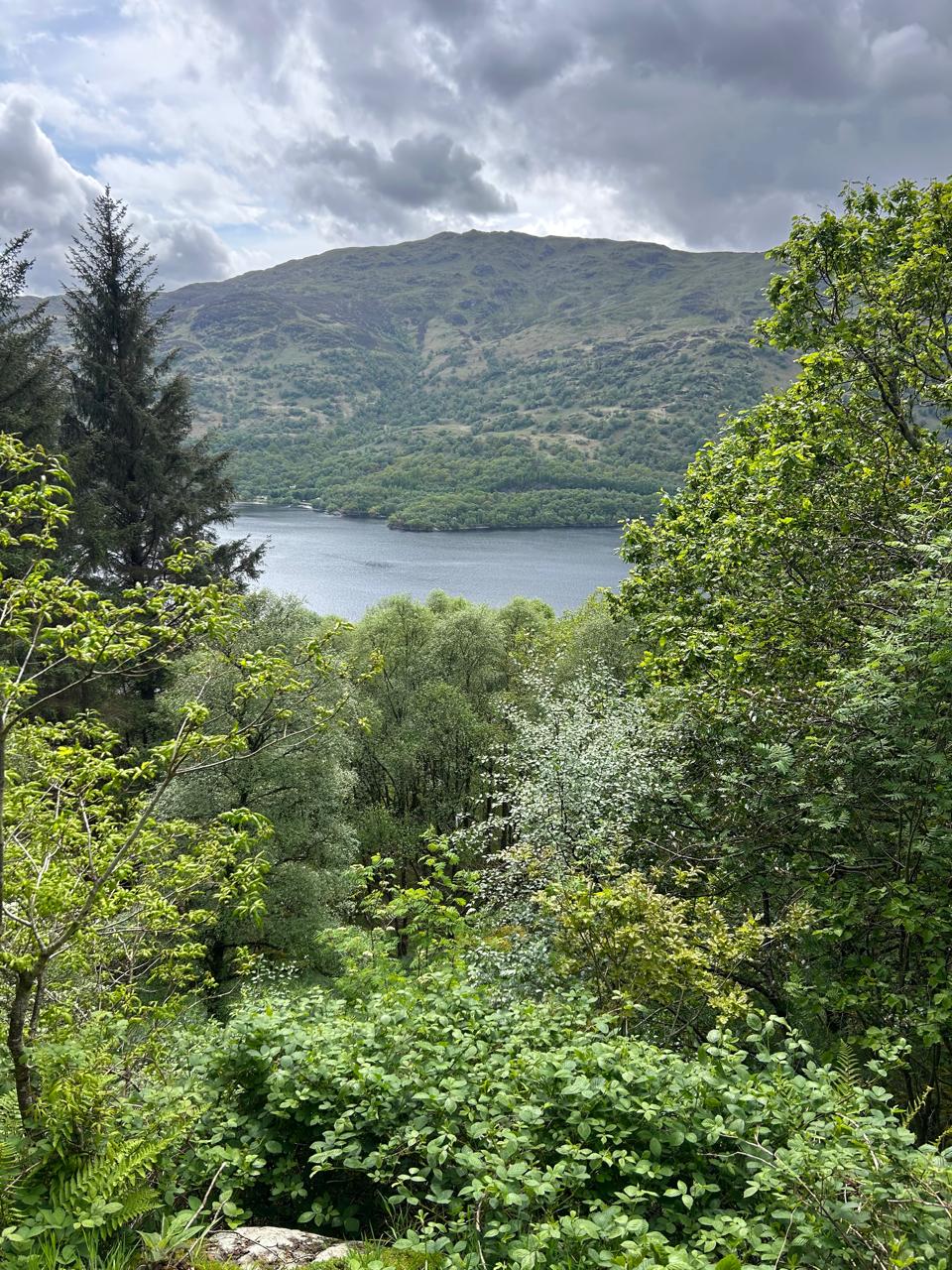
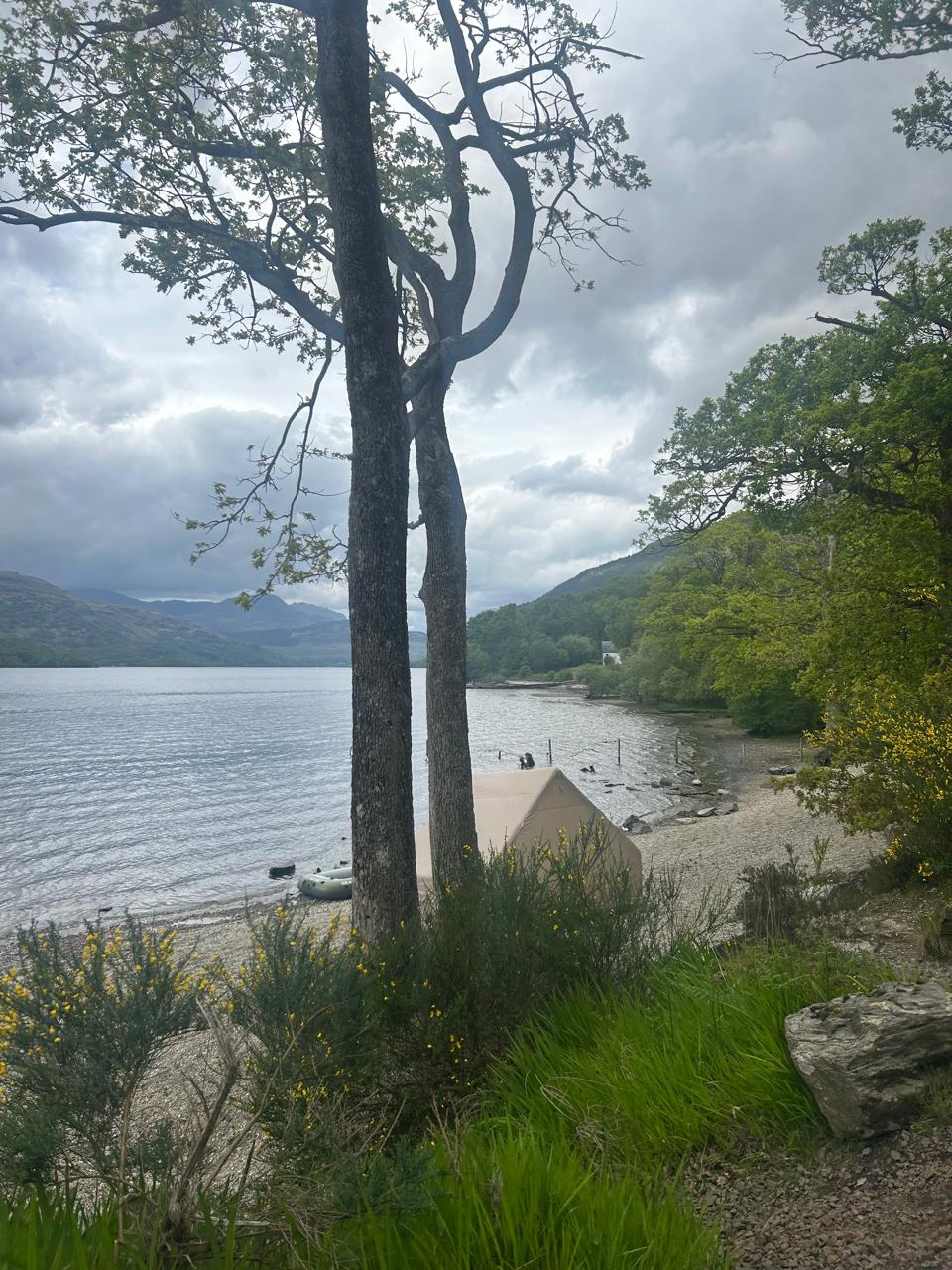
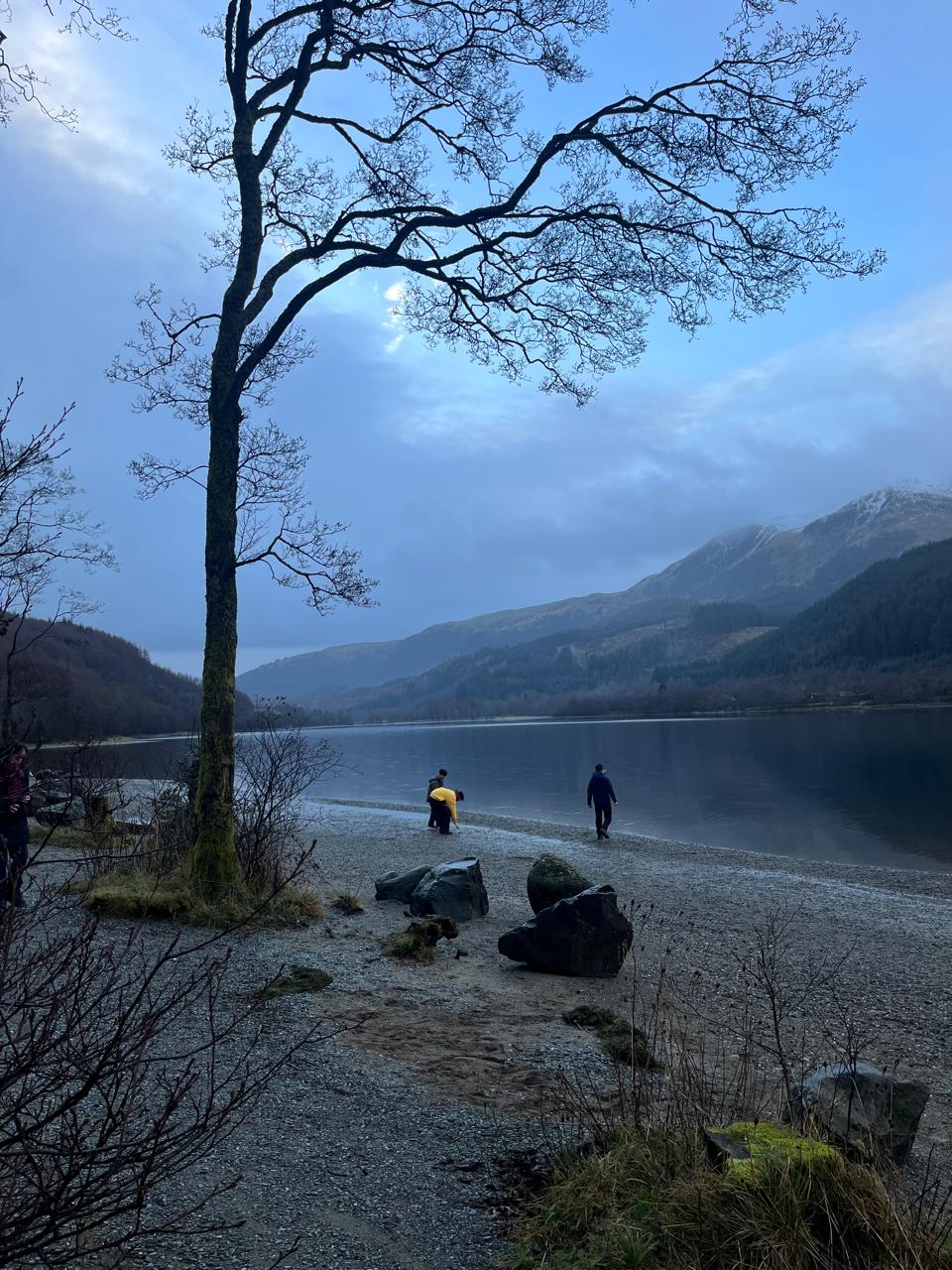
We have visited the Loch (which is what lakes are called in Scotland) on several occasions, and we can truly say it is wonderful—not just the loch itself, but the National Park as a whole. Less than an hour from Glasgow lies the spectacular Loch Lomond, the largest freshwater lake in Great Britain. Guarded by the imposing silhouette of Ben Lomond and dotted with wooded islands that hide legends of clans and wallabies, this corner of the Trossachs National Park is the perfect natural escape. From the picturesque stone cottages of Luss to sunset cruises, it is an essential, magical stop on your Scottish itinerary.
Loch Lomond in Scotland: What to See, How to Get There, and Guide to the Most Famous Loch
We have visited the Loch (which is what lakes are called in Scotland) on several occasions, and we can truly say it is wonderful—not just the loch itself, but the National Park as a whole. Less than an hour from Glasgow lies the spectacular Loch Lomond, the largest freshwater lake in Great Britain. Guarded by the imposing silhouette of Ben Lomond and dotted with wooded islands that hide legends of clans and wallabies, this corner of the Trossachs National Park is the perfect natural escape. From the picturesque stone cottages of Luss to sunset cruises, it is an essential, magical stop on your Scottish itinerary.
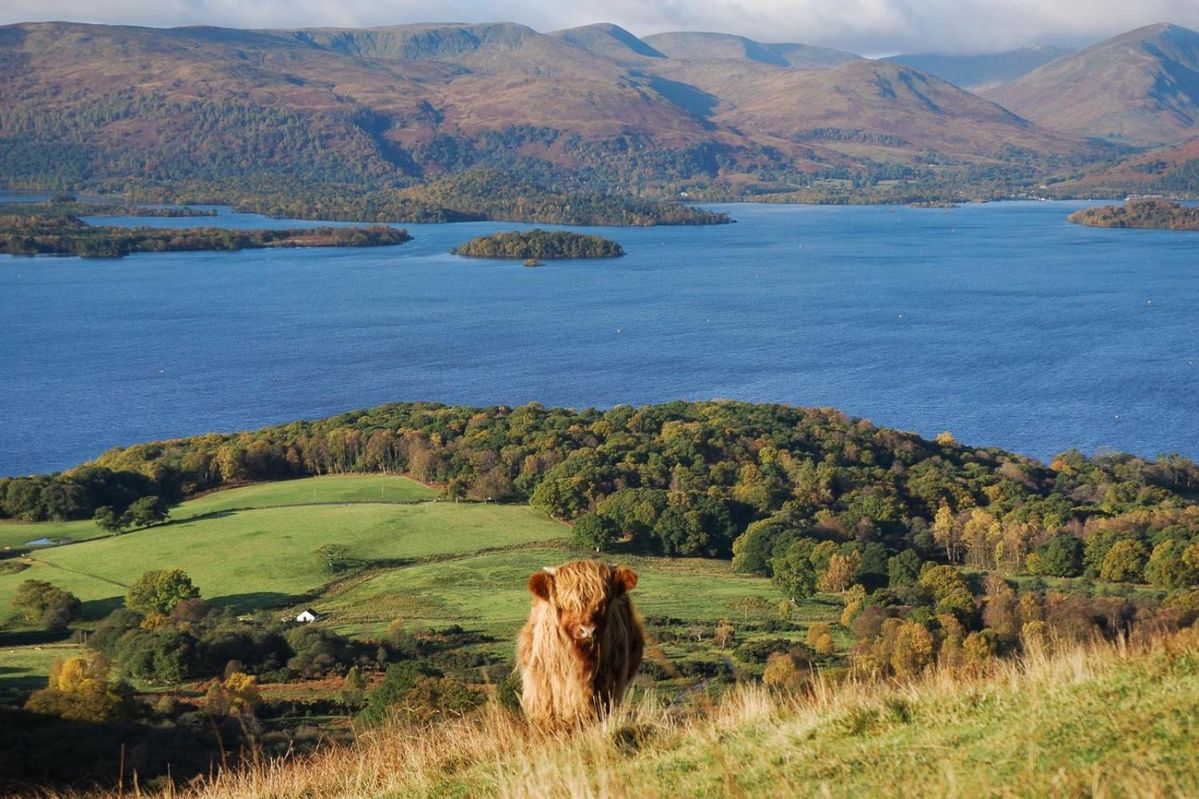
If you want to experience the majesty of the Highlands without having to drive for hours to the north of Scotland, your destination is Loch Lomond. This immense mirror of water is part of the country's first national park: the Loch Lomond and The Trossachs National Park.
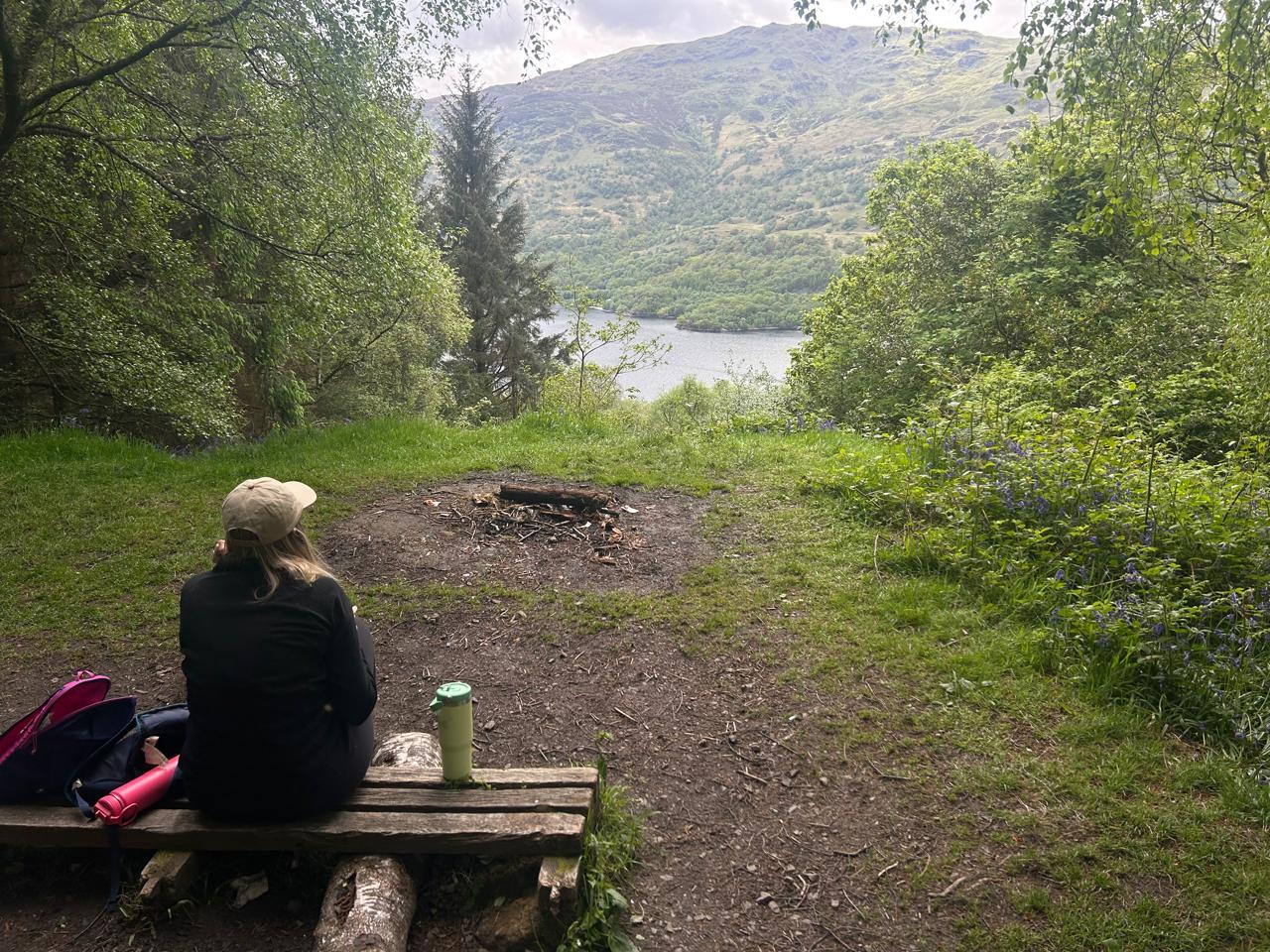
Stretching 39 kilometers (24 miles) in length, featuring over 30 islands, and watched over by the towering peak of Ben Lomond on its eastern shore, this loch is a paradise for hikers, water sports enthusiasts, and those seeking peace and quiet. Whether you are looking for a relaxing day strolling through stone villages or a challenging hike with jaw-dropping panoramic views, Loch Lomond has it all.
What to See and Do in Loch Lomond: The Essentials
Because it is such a massive lake, the activities and points of interest vary significantly depending on which shore you visit. Here are the best experiences to build your itinerary:
1. Visit the Picturesque Village of Luss
Located on the western shore of the loch, Luss is widely considered one of the prettiest villages in all of Scotland.
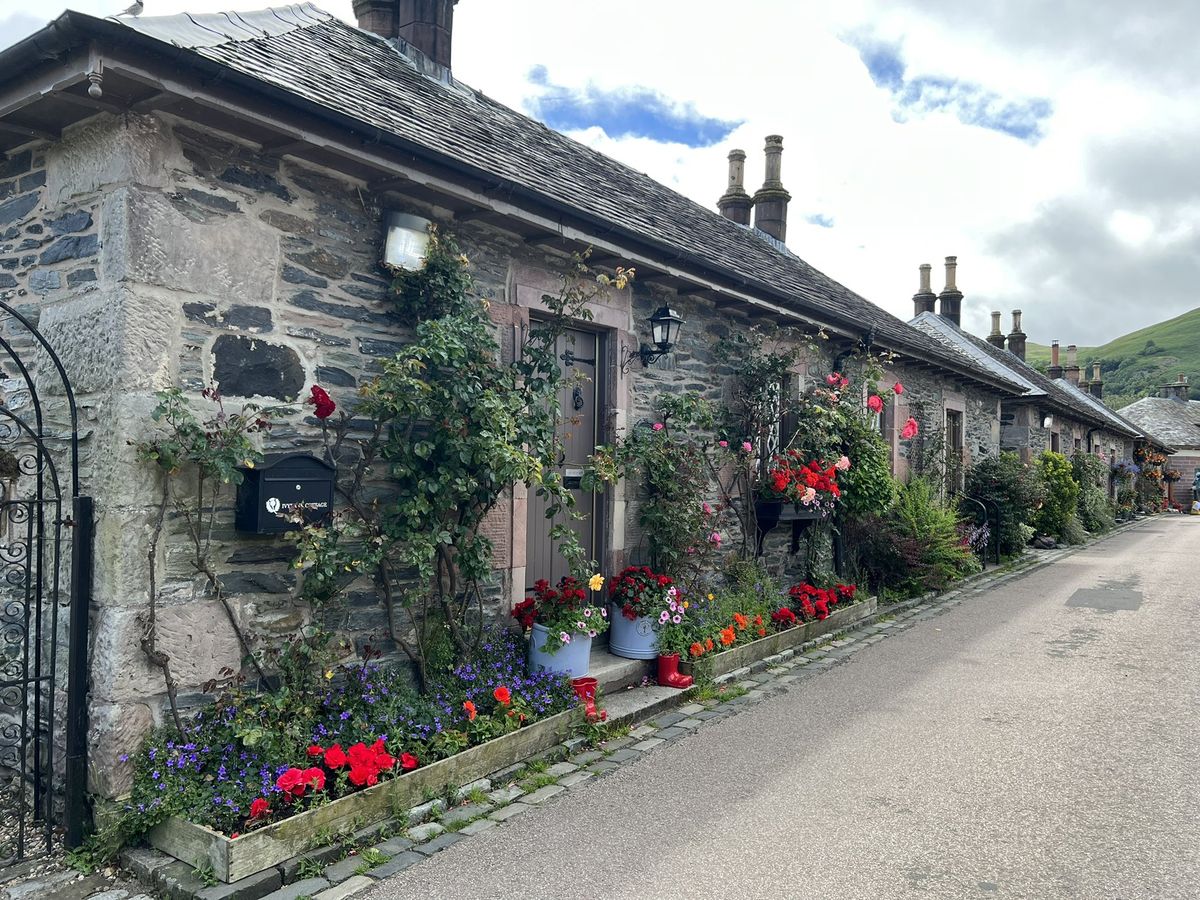
- What to see: Its streets are lined with charming 19th-century stone cottages, originally built for local slate quarry workers and today adorned with colorful flowers.
- The church: Don't miss Luss Parish Church and its historic graveyard, which features medieval gravestones and a unique 11th-century Viking hogback stone. The wooden pier offers one of the most iconic views of the loch.
2. Take a Cruise on the Loch
Sailing the waters of Loch Lomond is the best way to appreciate its vastness and discover its islands. The main cruises depart from Balloch (on the southern tip) or from Luss and Tarbet (on the west), mostly operated by Sweeney’s Cruise Co. and Cruise Loch Lomond.
- Wallaby Island (Inchconnachan): There is a very peculiar island in the loch called Inchconnachan, which is home to a colony of wild wallabies (small Australian marsupials) introduced there in the 1940s by Lady Colquhoun. If you're lucky, you might spot them from the boat!
3. Hike up to the Conic Hill Viewpoint (Balmaha)
If you are looking for the perfect photo that showcases Scotland's dramatic geography, you have to climb Conic Hill. This hill is located on the eastern shore, right in the village of Balmaha.
- The hike: It is a steep but well-marked path suitable for almost any fitness level, taking about 45 to 60 minutes to go up.
- The reward: From the summit, you can see with your own eyes how the Highland Boundary Fault geologically divides Scotland between the Lowlands and the Highlands, marked by the perfect line drawn by the islands aligned across the loch.
4. Explore Balloch and Loch Lomond Shores
Balloch is the main gateway to the loch at its southern end. It is ideal if you are traveling with family, as it houses the Loch Lomond Shores complex—a hub featuring local design shops, waterside cafes, kayak or canoe rentals, and the SEA LIFE aquarium. You can also wander through the vast wooded grounds of Balloch Castle Country Park.
How to Get to Loch Lomond from Glasgow
Loch Lomond boasts a privileged location and is incredibly accessible, whether you use public transport or drive:
- By Train (The easiest and most eco-friendly option): There are direct, frequent trains operated by ScotRail that depart from Glasgow Queen Street station and arrive at Balloch station in just 45 minutes. From Balloch station, you can easily walk directly to the boat piers and the park.
- By Bus (Best for visiting Luss): Intercity buses run by Citylink (bound for Oban or Fort William) depart from Buchanan Bus Station in central Glasgow and stop in west-coast villages like Luss or Tarbet in about 50 minutes.
- By Rental Car: From Glasgow, simply take the A82 road heading north. You will reach Balloch in about 35 to 40 minutes. If you continue along this road, you will drive along the entire scenic west coast of the loch on your way toward the Highlands (Glencoe).
Prices and Admission
- National Park Access: Entering the Loch Lomond and The Trossachs National Park is 100% free 24 hours a day, all year round.
- Boat Cruises: Prices vary depending on the duration (usually between 1 and 2 hours), but generally range from £15 to £25 per adult (with discounts available for families and children).
- Parking: Most of the tourist villages (Balloch, Luss, Balmaha) have large pay-and-display parking lots (using ticket machines or apps like RingGo). We recommend carrying some coins or a credit card.
Recommended Timing and Hours
- The park itself never closes, but the best time to visit is between May and October, when the days are longer, temperatures are milder, and cruises operate at full capacity with multiple daily departures.
- If you plan to hike (such as climbing Conic Hill), we highly recommend starting early in the morning (before 9:30 AM) to beat the midday crowds and easily secure a parking space.
Practical Tips for Your Visit
- Watch Out for Midges: If you visit the loch during the damp summer months (especially July and August), it is absolutely essential to carry a good local insect repellent (such as the famous brand Smidge). These tiny biting midges are harmless but incredibly annoying in damp, windless areas.
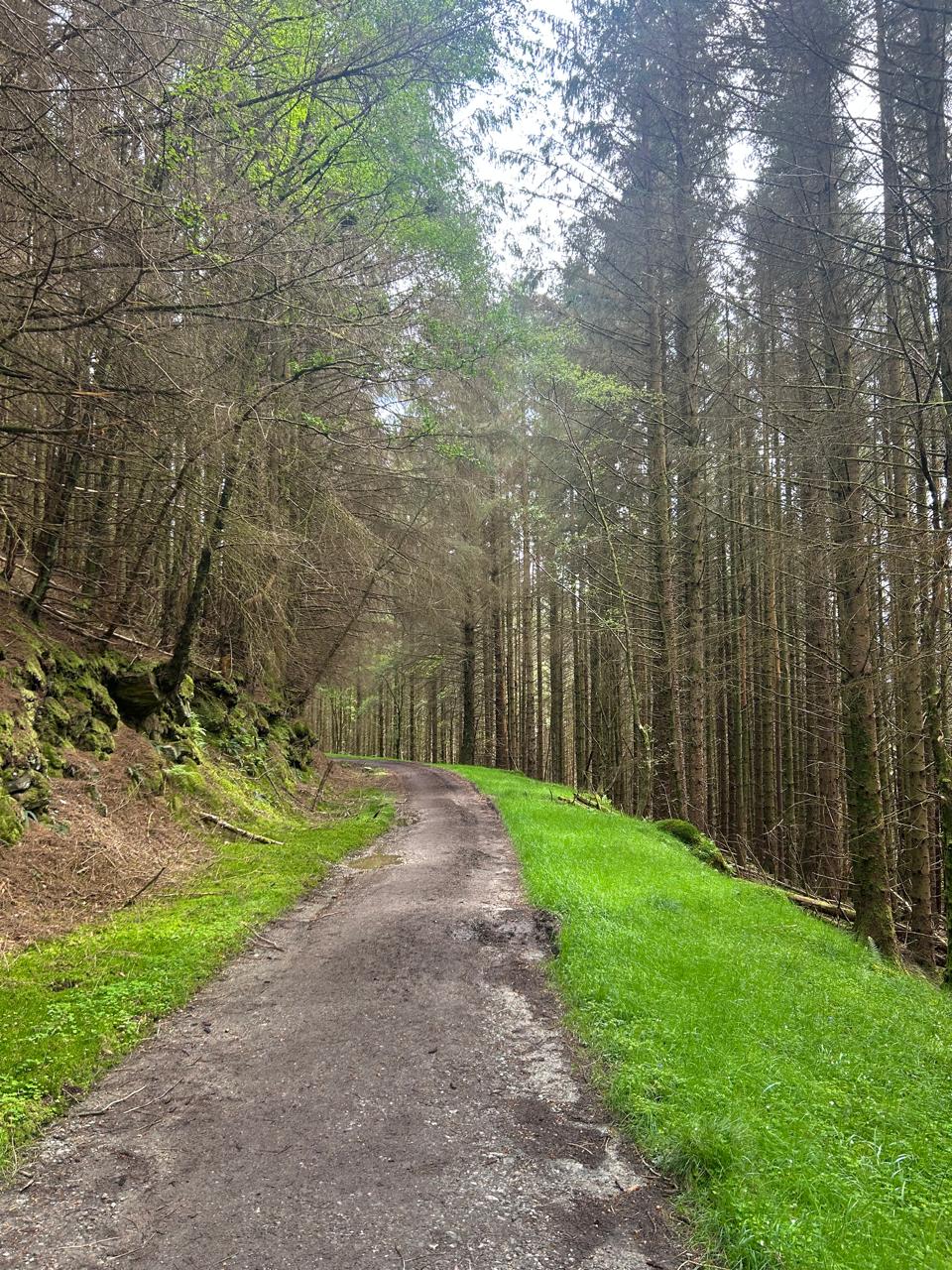
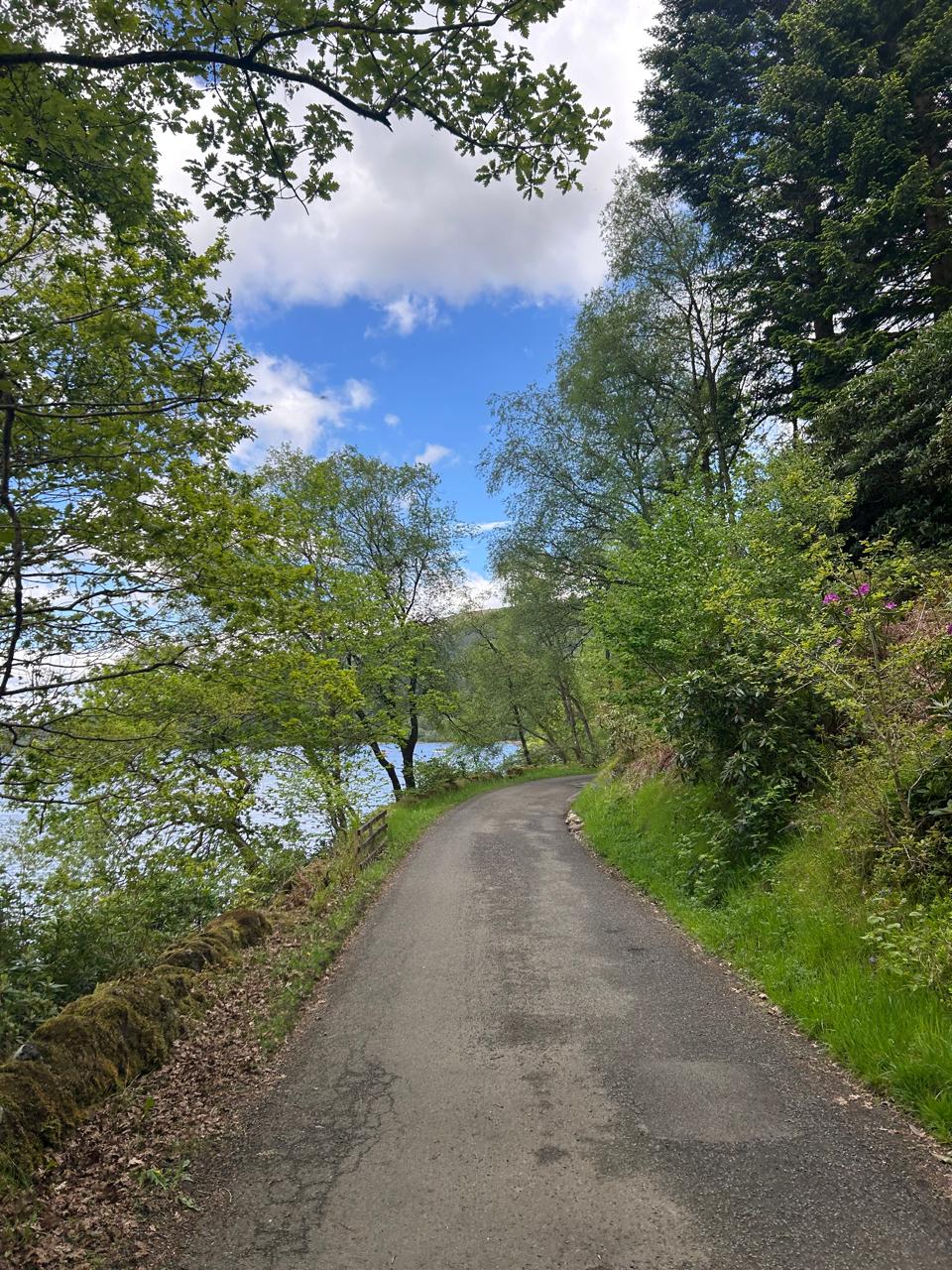
- Unpredictable Weather: The weather at Loch Lomond can change drastically in a matter of minutes. Even if it is sunny in the morning, always pack a waterproof jacket, a windbreaker, and comfortable shoes with good grip for walking on dirt trails.
- Avoid Sunny Weekends: On exceptionally warm summer days, Loch Lomond gets packed with locals escaping Glasgow. If possible, plan your visit from Monday to Friday to enjoy the quiet and the true mystique of the Scottish nature.
Frequently Asked Questions (FAQ)
Can you swim in Loch Lomond?
Yes, swimming is permitted, but with extreme caution. The loch water comes from mountain streams and remains extremely cold year-round (rarely exceeding 13–14°C or 55–57°F in summer), which can trigger cold water shock. There are also strong currents and boat traffic, so swimming close to supervised shores (such as Luss or Loch Lomond Shores) is advised, and using a wetsuit is highly recommended.
How much time do you need to visit Loch Lomond?
If you want a basic day trip from Glasgow (taking a train, going on a one-hour southern cruise, and strolling through Balloch), 5 to 6 hours is enough. If you want to explore the west coast, visit Luss, and hike up Conic Hill in Balmaha, we recommend dedicating a full day (about 8 to 10 hours) and renting a car.
Is Loch Ness larger than Loch Lomond?
This is a very common question! Loch Lomond is the largest lake in Great Britain by surface area (covering the most square kilometers of water). However, Loch Ness is the largest lake by volume of water, because it is far deeper and narrower.
Useful Links to Keep Building Your Scotland Itinerary
Because it is such a massive lake, the activities and points of interest vary significantly depending on which shore you visit. Here are the best experiences to build your itinerary:
1. Visit the Picturesque Village of Luss
Located on the western shore of the loch, Luss is widely considered one of the prettiest villages in all of Scotland.
- What to see: Its streets are lined with charming 19th-century stone cottages, originally built for local slate quarry workers and today adorned with colorful flowers.
- The church: Don't miss Luss Parish Church and its historic graveyard, which features medieval gravestones and a unique 11th-century Viking hogback stone. The wooden pier offers one of the most iconic views of the loch.
2. Take a Cruise on the Loch
Sailing the waters of Loch Lomond is the best way to appreciate its vastness and discover its islands. The main cruises depart from Balloch (on the southern tip) or from Luss and Tarbet (on the west), mostly operated by Sweeney’s Cruise Co. and Cruise Loch Lomond.
- Wallaby Island (Inchconnachan): There is a very peculiar island in the loch called Inchconnachan, which is home to a colony of wild wallabies (small Australian marsupials) introduced there in the 1940s by Lady Colquhoun. If you're lucky, you might spot them from the boat!
3. Hike up to the Conic Hill Viewpoint (Balmaha)
If you are looking for the perfect photo that showcases Scotland's dramatic geography, you have to climb Conic Hill. This hill is located on the eastern shore, right in the village of Balmaha.
- The hike: It is a steep but well-marked path suitable for almost any fitness level, taking about 45 to 60 minutes to go up.
- The reward: From the summit, you can see with your own eyes how the Highland Boundary Fault geologically divides Scotland between the Lowlands and the Highlands, marked by the perfect line drawn by the islands aligned across the loch.
4. Explore Balloch and Loch Lomond Shores
Balloch is the main gateway to the loch at its southern end. It is ideal if you are traveling with family, as it houses the Loch Lomond Shores complex—a hub featuring local design shops, waterside cafes, kayak or canoe rentals, and the SEA LIFE aquarium. You can also wander through the vast wooded grounds of Balloch Castle Country Park.
PUBLICIDAD
Travel with Data: Get your Saily eSIM
- ✓Internet in seconds upon landing
- ✓Flexible plans in 180+ countries
- ✓Easy setup directly via the App
Loch Lomond boasts a privileged location and is incredibly accessible, whether you use public transport or drive:
- By Train (The easiest and most eco-friendly option): There are direct, frequent trains operated by ScotRail that depart from Glasgow Queen Street station and arrive at Balloch station in just 45 minutes. From Balloch station, you can easily walk directly to the boat piers and the park.
- By Bus (Best for visiting Luss): Intercity buses run by Citylink (bound for Oban or Fort William) depart from Buchanan Bus Station in central Glasgow and stop in west-coast villages like Luss or Tarbet in about 50 minutes.
- By Rental Car: From Glasgow, simply take the A82 road heading north. You will reach Balloch in about 35 to 40 minutes. If you continue along this road, you will drive along the entire scenic west coast of the loch on your way toward the Highlands (Glencoe).
- National Park Access: Entering the Loch Lomond and The Trossachs National Park is 100% free 24 hours a day, all year round.
- Boat Cruises: Prices vary depending on the duration (usually between 1 and 2 hours), but generally range from £15 to £25 per adult (with discounts available for families and children).
- Parking: Most of the tourist villages (Balloch, Luss, Balmaha) have large pay-and-display parking lots (using ticket machines or apps like RingGo). We recommend carrying some coins or a credit card.
- The park itself never closes, but the best time to visit is between May and October, when the days are longer, temperatures are milder, and cruises operate at full capacity with multiple daily departures.
- If you plan to hike (such as climbing Conic Hill), we highly recommend starting early in the morning (before 9:30 AM) to beat the midday crowds and easily secure a parking space.
- Watch Out for Midges: If you visit the loch during the damp summer months (especially July and August), it is absolutely essential to carry a good local insect repellent (such as the famous brand Smidge). These tiny biting midges are harmless but incredibly annoying in damp, windless areas.
- Unpredictable Weather: The weather at Loch Lomond can change drastically in a matter of minutes. Even if it is sunny in the morning, always pack a waterproof jacket, a windbreaker, and comfortable shoes with good grip for walking on dirt trails.
- Avoid Sunny Weekends: On exceptionally warm summer days, Loch Lomond gets packed with locals escaping Glasgow. If possible, plan your visit from Monday to Friday to enjoy the quiet and the true mystique of the Scottish nature.
Can you swim in Loch Lomond?
Yes, swimming is permitted, but with extreme caution. The loch water comes from mountain streams and remains extremely cold year-round (rarely exceeding 13–14°C or 55–57°F in summer), which can trigger cold water shock. There are also strong currents and boat traffic, so swimming close to supervised shores (such as Luss or Loch Lomond Shores) is advised, and using a wetsuit is highly recommended.
How much time do you need to visit Loch Lomond?
If you want a basic day trip from Glasgow (taking a train, going on a one-hour southern cruise, and strolling through Balloch), 5 to 6 hours is enough. If you want to explore the west coast, visit Luss, and hike up Conic Hill in Balmaha, we recommend dedicating a full day (about 8 to 10 hours) and renting a car.
Is Loch Ness larger than Loch Lomond?
This is a very common question! Loch Lomond is the largest lake in Great Britain by surface area (covering the most square kilometers of water). However, Loch Ness is the largest lake by volume of water, because it is far deeper and narrower.
Galery
PUBLICIDAD
International Travel Insurance
- ✓International medical insurance
- ✓24/7 immediate assistance in your language
- ✓Ideal for trekking & adventure
Preferences
Language
Color
Text
Width