Table of contents and map
Loch Ness Guide: Urquhart Castle, best viewpoints, and what to see in 2026
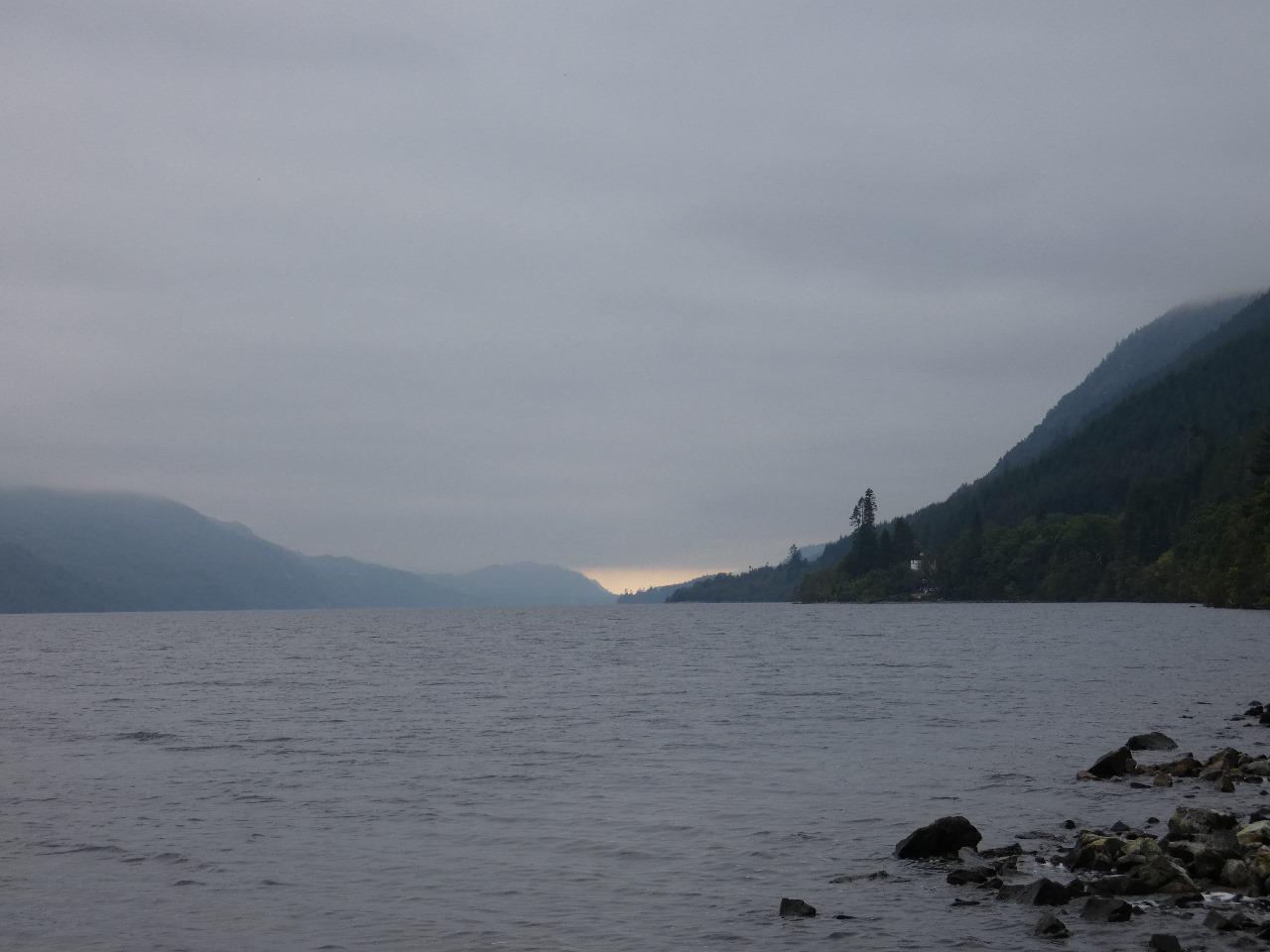
Beyond the myth, Loch Ness is a freshwater giant carving through the Highlands. Between the ruins of Urquhart Castle and the wooded trails of its shores, we discovered a landscape where the scale of nature and the history of Scottish clans far outweigh any legend.
Loch Ness Guide: Urquhart Castle, best viewpoints, and what to see in 2026
Beyond the myth, Loch Ness is a freshwater giant carving through the Highlands. Between the ruins of Urquhart Castle and the wooded trails of its shores, we discovered a landscape where the scale of nature and the history of Scottish clans far outweigh any legend.
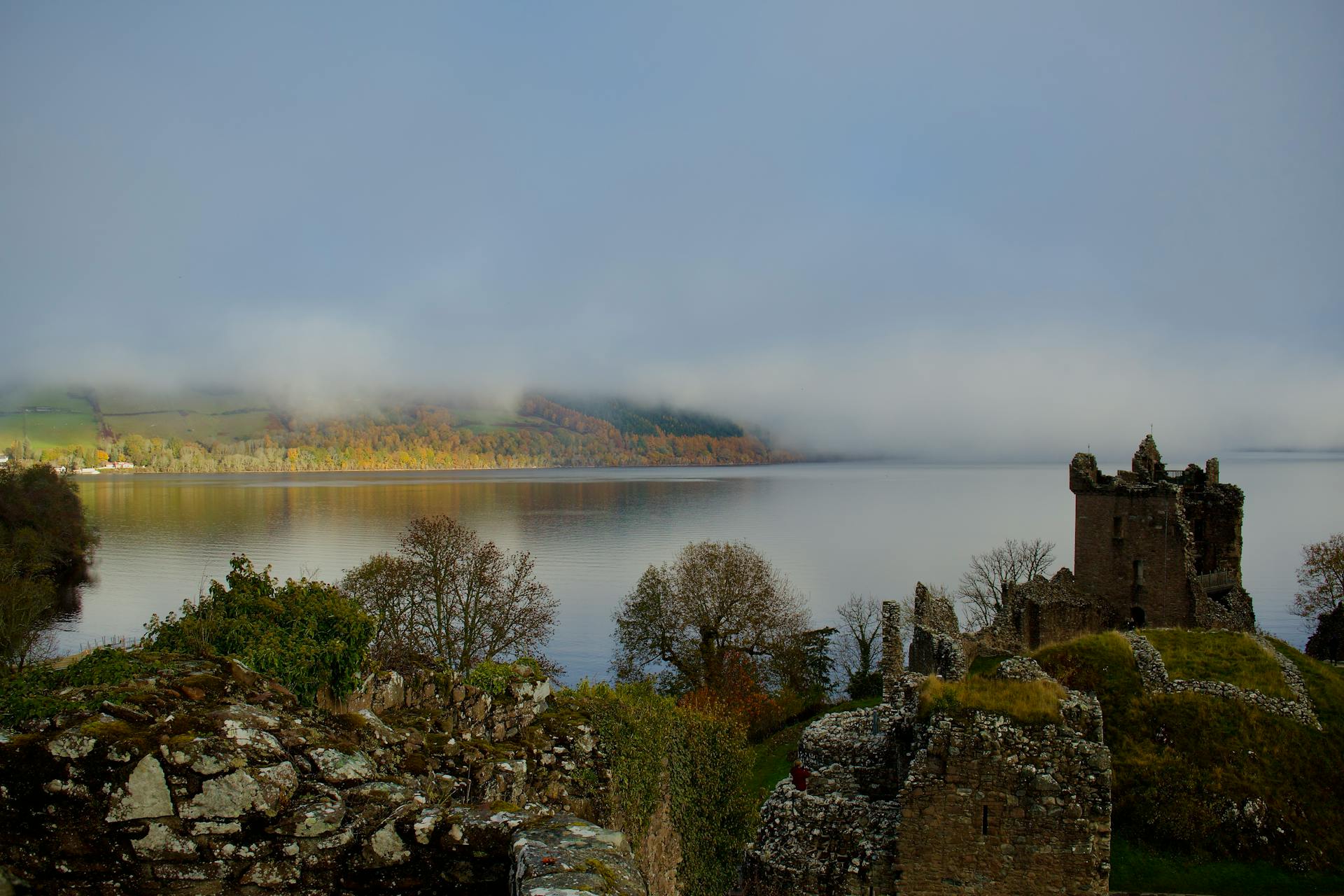
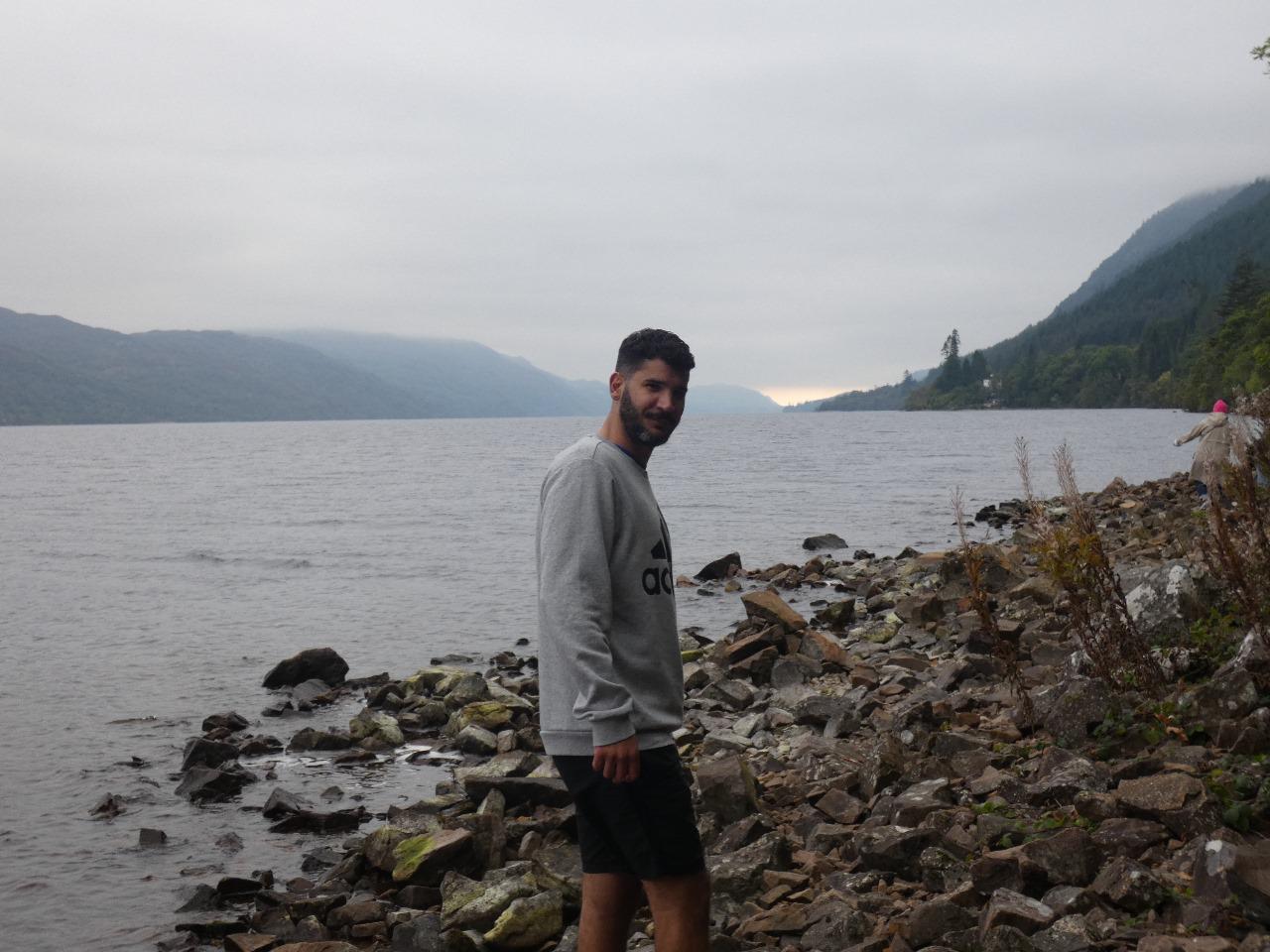
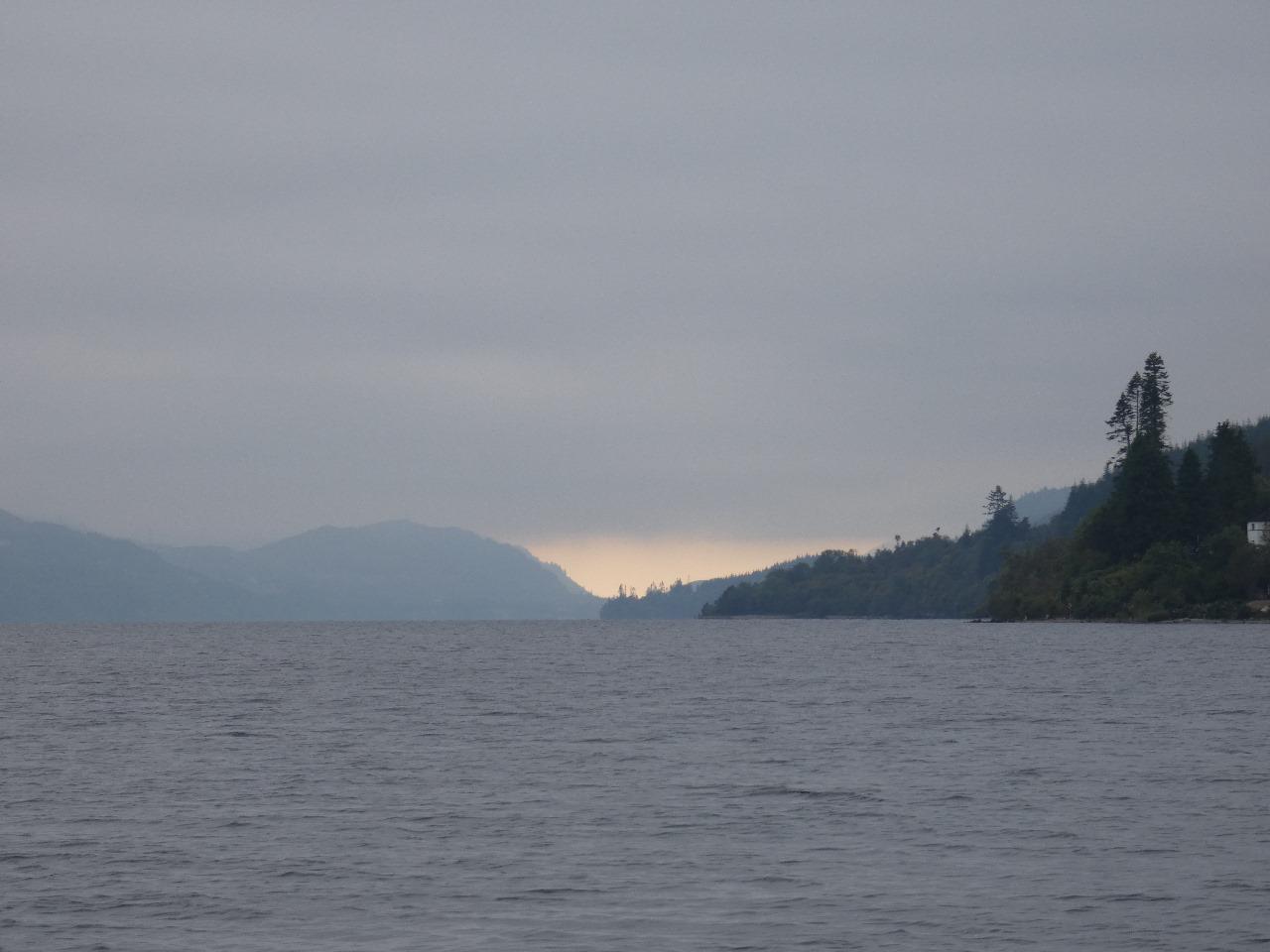
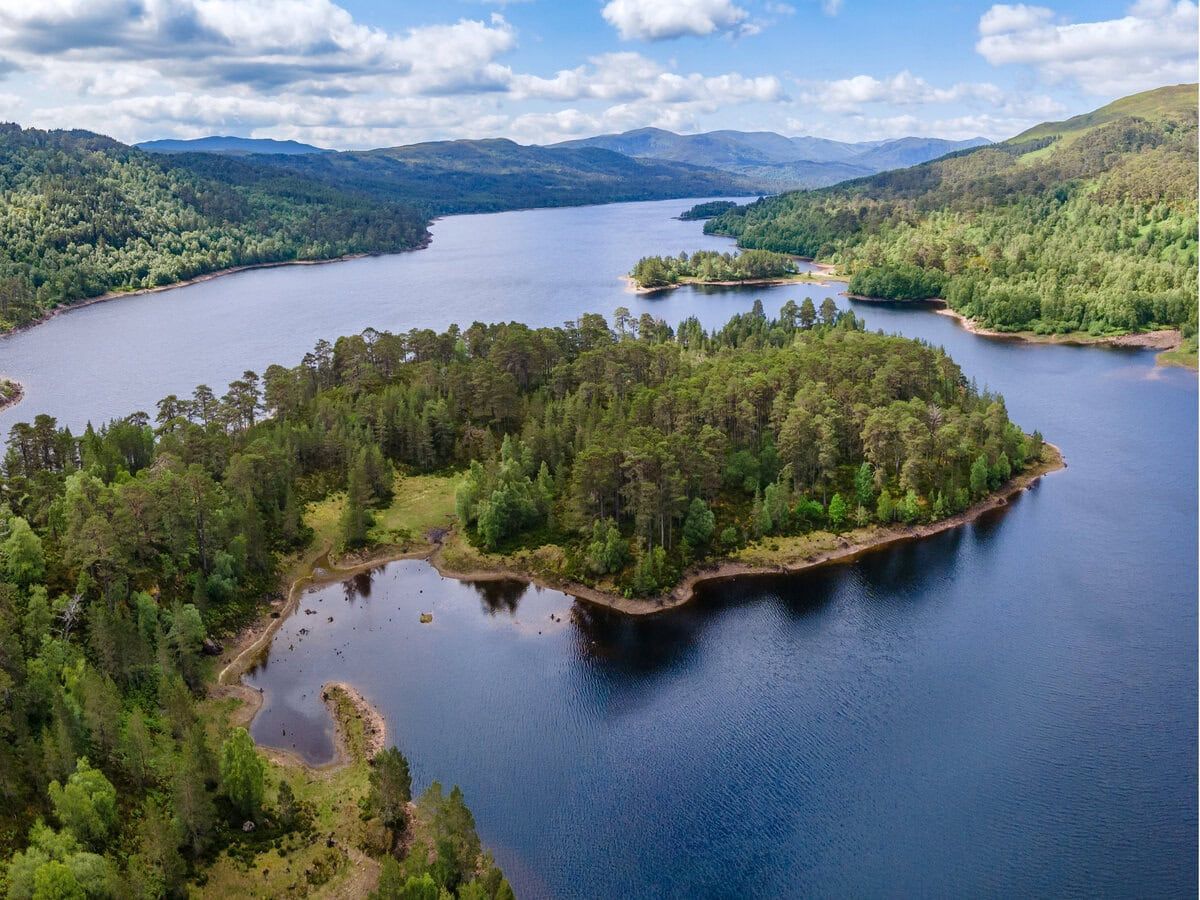
Loch Ness needs no introduction, but it does deserve a fresh perspective. Stretching 23 miles long and reaching depths that exceed many seas, it is the heart of the Great Glen. Visiting in 2026 remains a magical experience if you know where to look: from the brutality of its medieval ruins to the calm of its less-traveled shores.
Quick summary for your visit:
- Recommended time: 4 to 6 hours (including the castle and a drive along the scenic route).
- Best transport: Car (A82 road) for flexibility, or a cruise from Inverness/Dochgarroch.
- Ideal for: Medieval history buffs, photography enthusiasts, and legend seekers.
What to see at Loch Ness
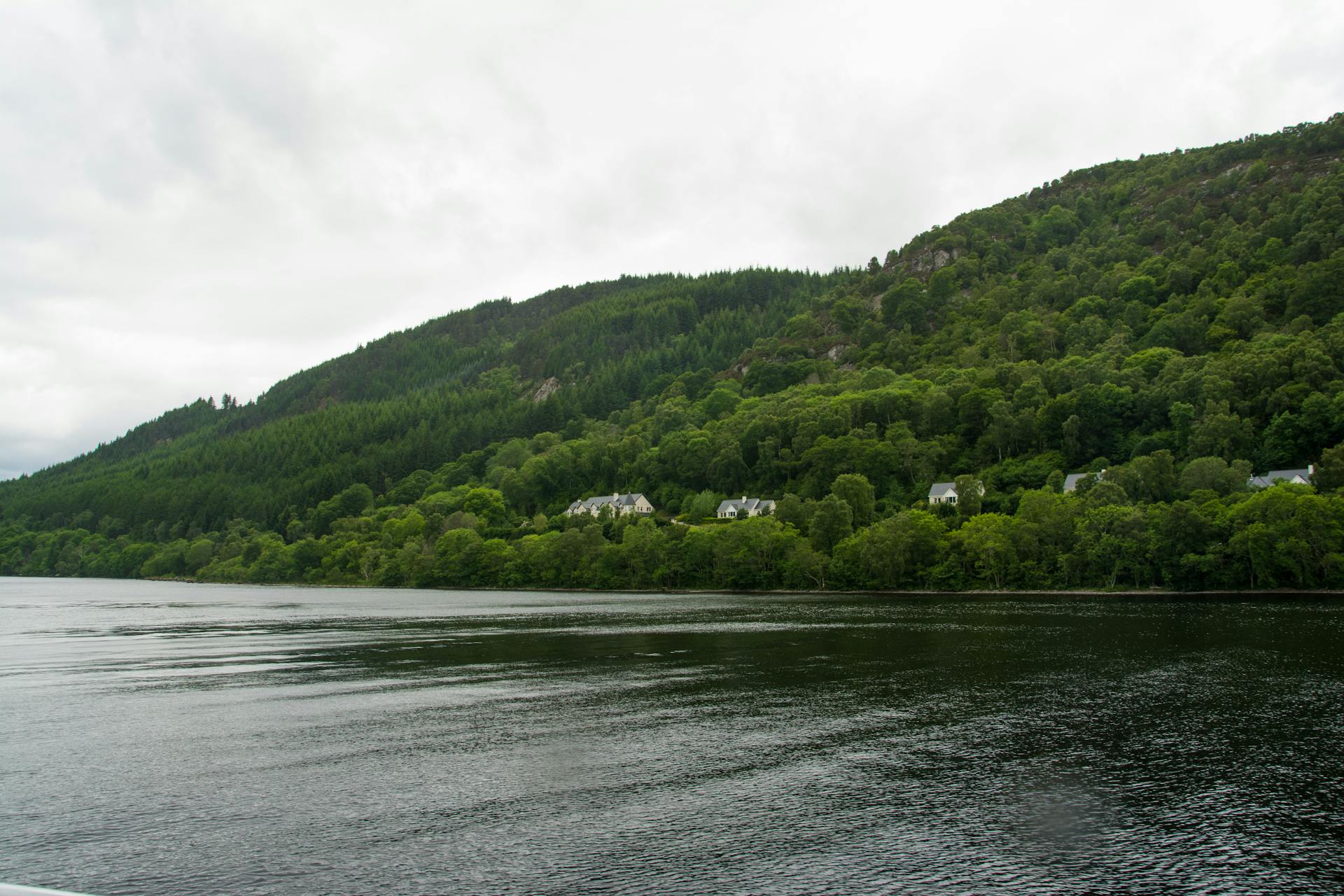
While the loch is immense, most points of interest are concentrated on the north shore, though the south side hides the best secrets.
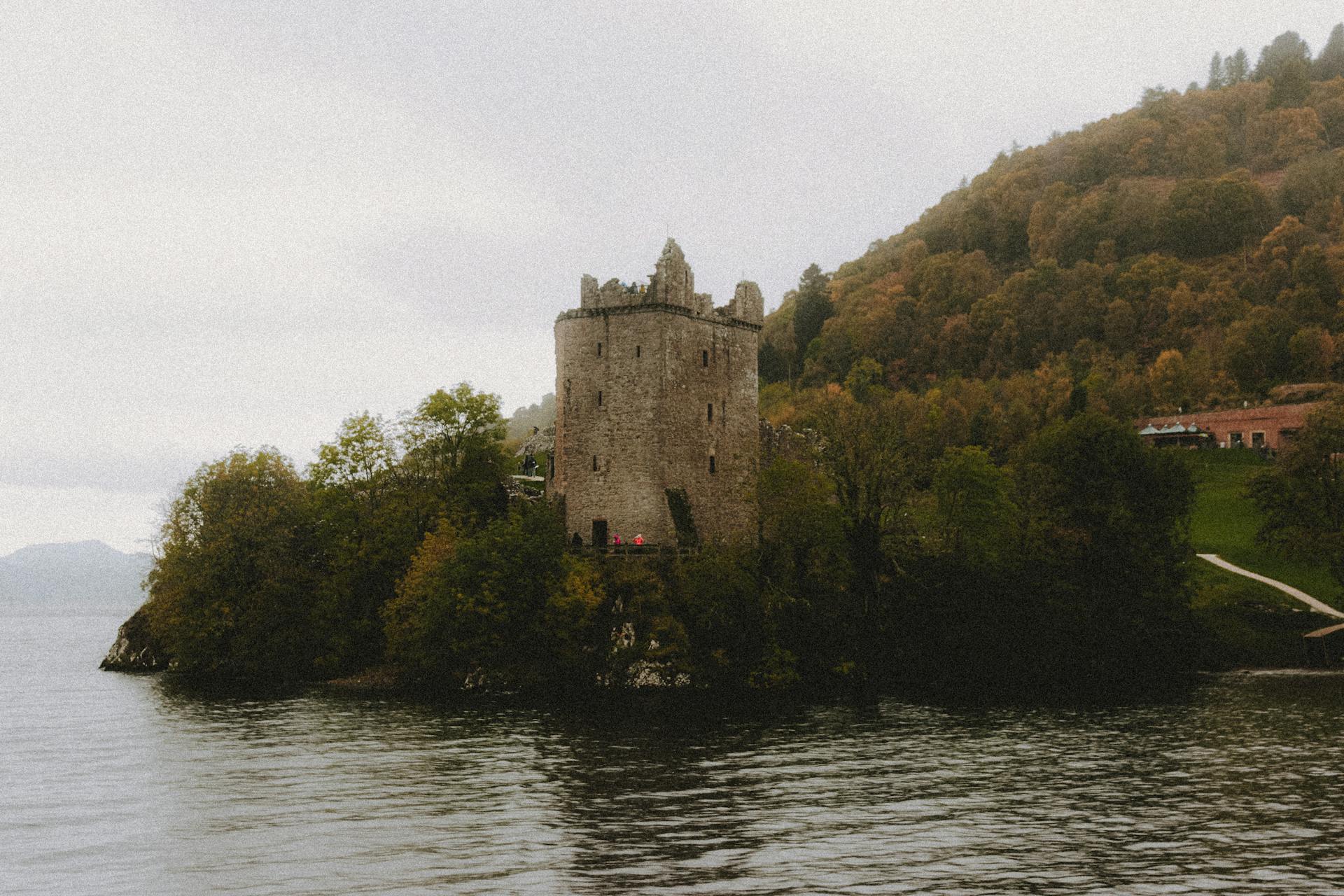
Urquhart Castle
These 13th-century ruins are, for us, the true heart of the loch. They have survived centuries of clan warfare and Jacobite attacks.
- The Grant Tower: You can climb its narrow spiral staircase for a 360-degree view of the loch.
- The Trebuchet: In the gardens, you’ll see a full-scale replica of a medieval siege engine, a reminder that this was once a strategic military stronghold.
- The Visitor Centre: Cleverly built into the hillside, it features a short film explaining why the castle was blown up to prevent it from falling into Jacobite hands.
Dores Beach and the South Shore
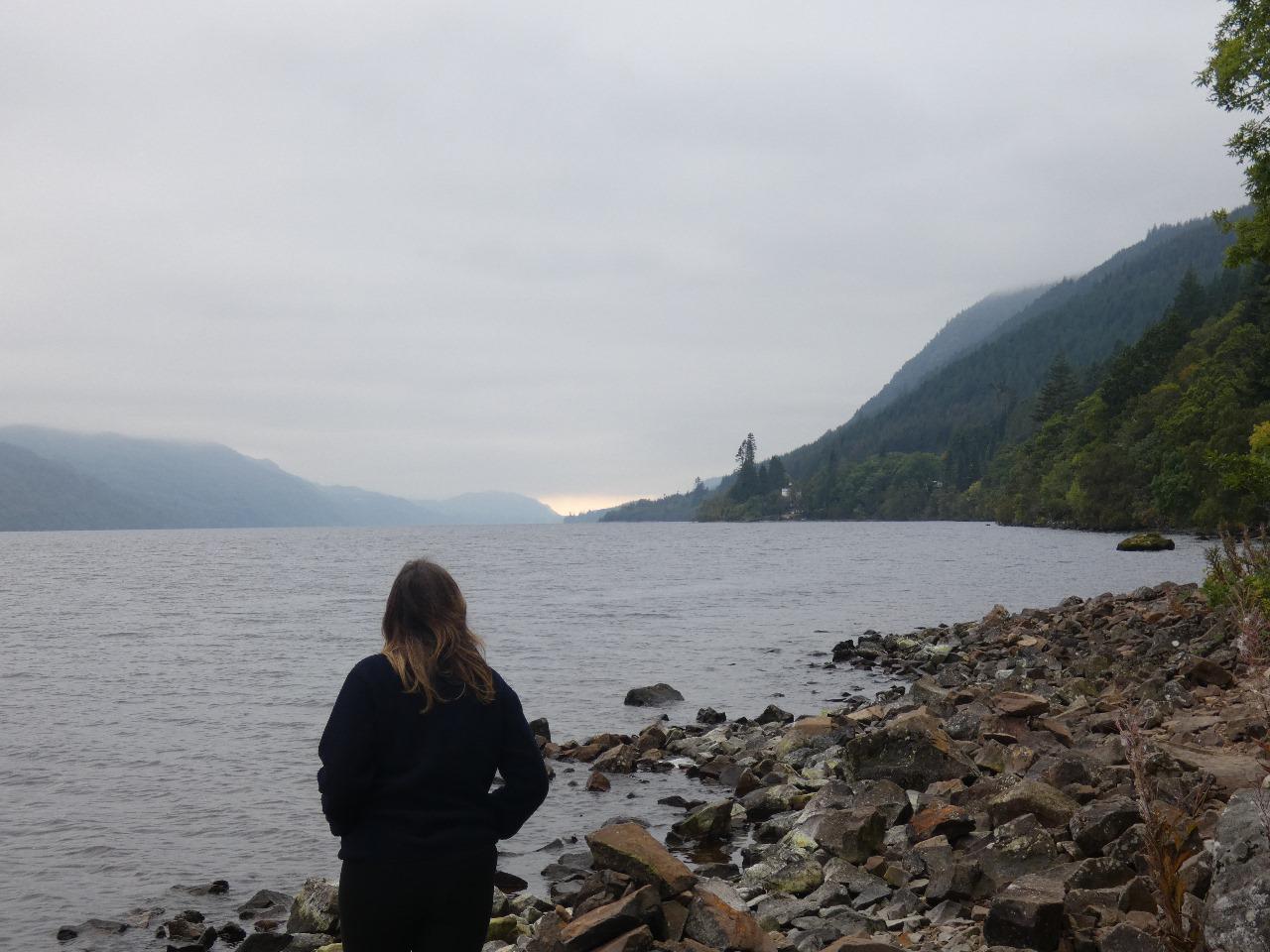
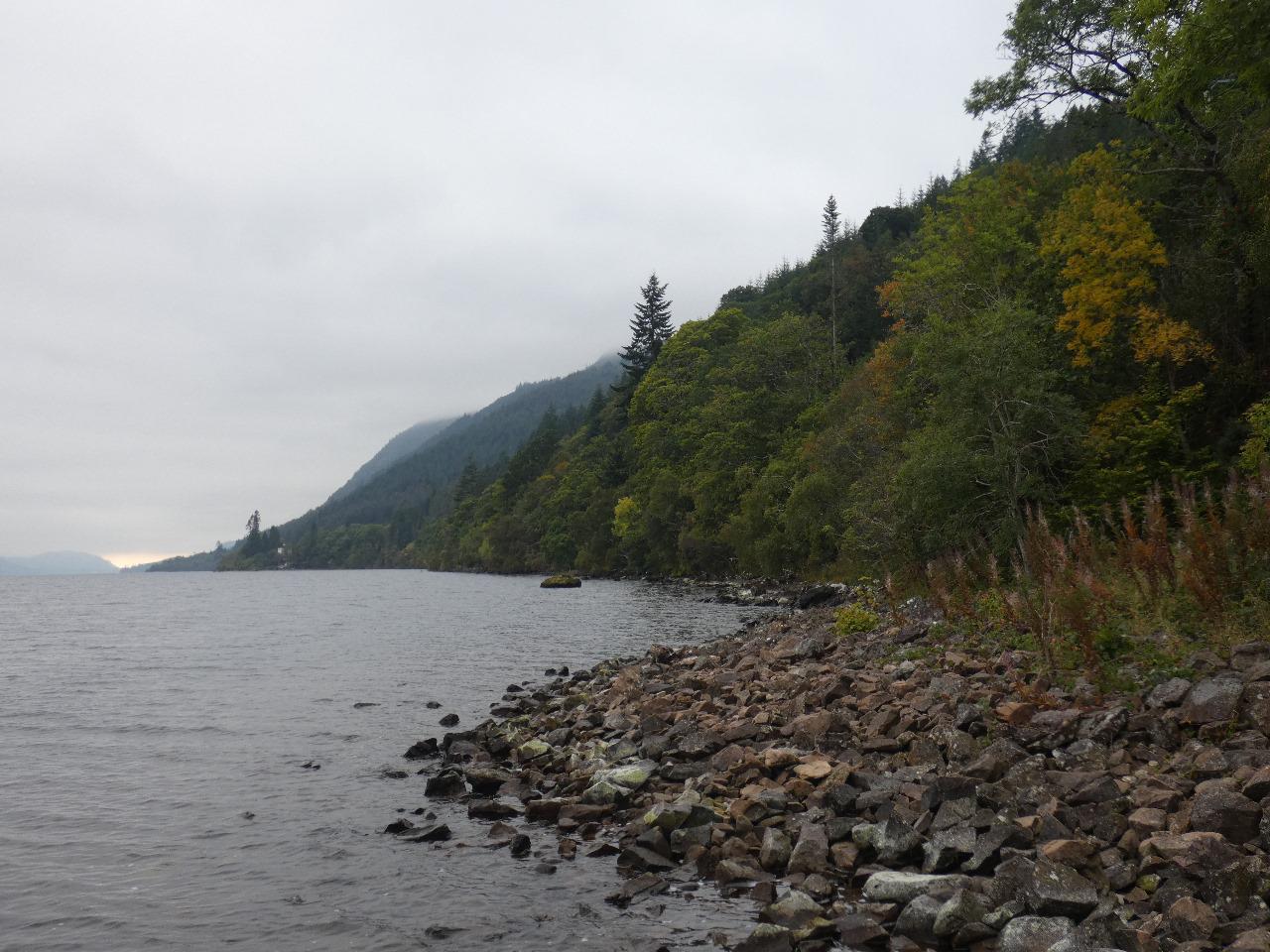
If you want to escape the tour buses, head to the south side. In the small village of Dores, you’ll find a pebble beach with the longest linear view of the entire loch.
- The Nessie Hunter: You’ll likely spot the caravan of Steve Feltham, who has held the world record for living on the shore hunting for the monster since 1991.
- Absolute Peace: Unlike Urquhart, the dominant sound here is the gentle lapping of small waves against the stones.
Invermoriston: A Charming Corner
A few minutes' drive from the castle lies the small settlement of Invermoriston. It is a mandatory technical stop for those seeking the quieter, more photogenic side of the Highlands.
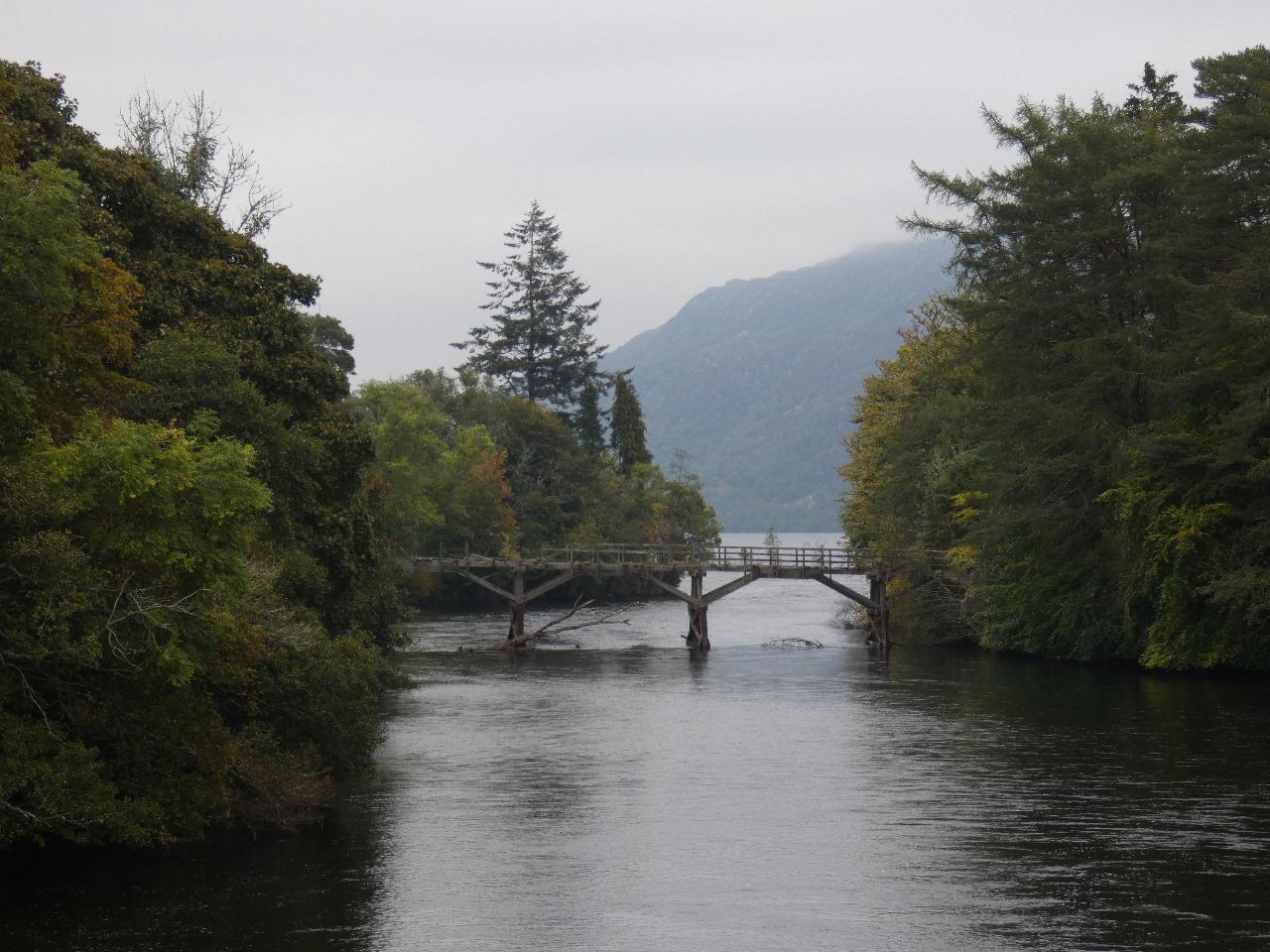
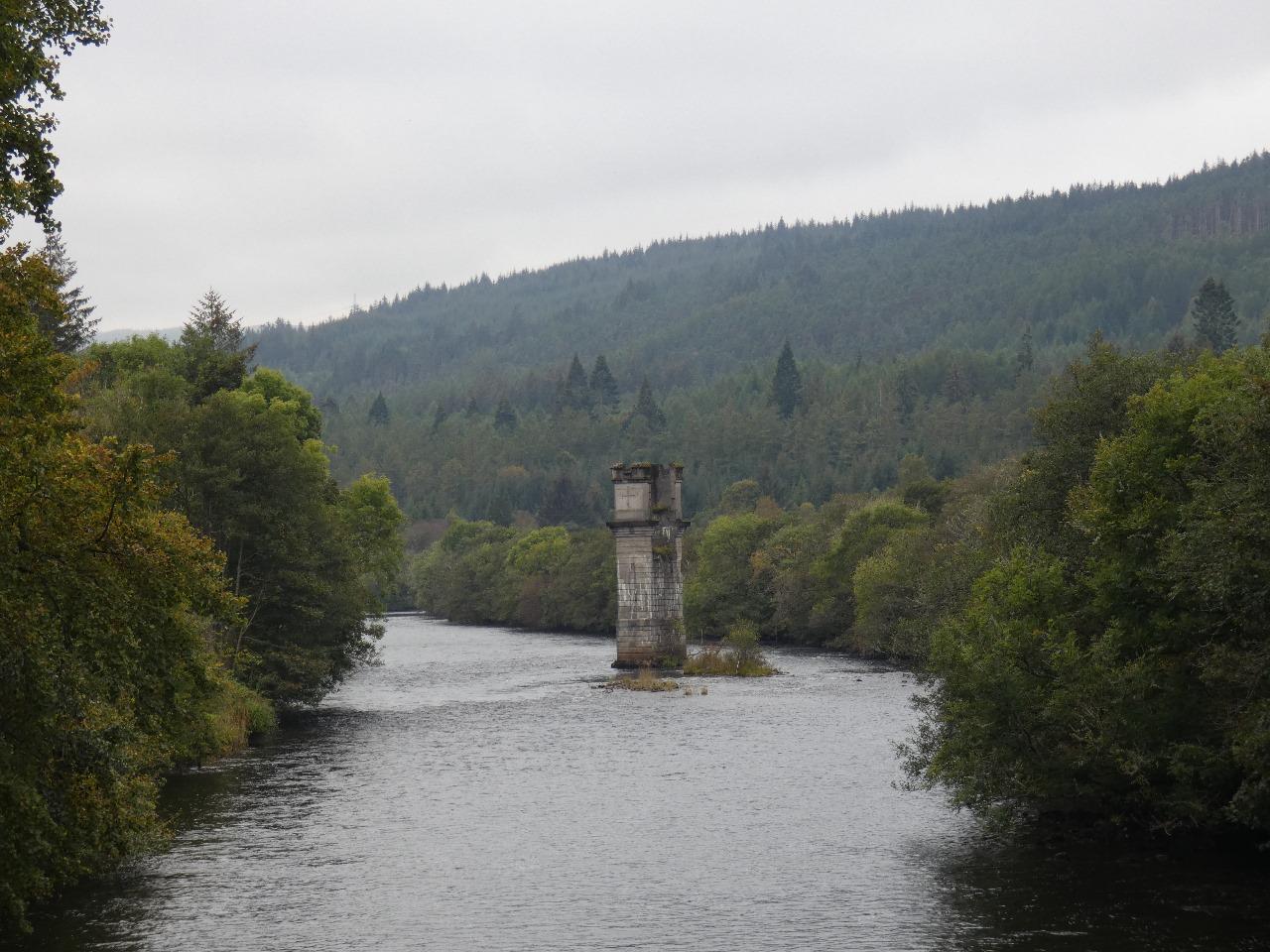
- The Wooden Bridge: This bridge offers one of the most romantic perspectives of the trip. The Moriston River rushes beneath your feet surrounded by dense greenery, creating a perfect natural scene.
- Forest Trails: Small paths start from here, allowing you to see the loch from angles that large tours completely ignore.
Activities: The Water and the Path
Navigating the Great Glen
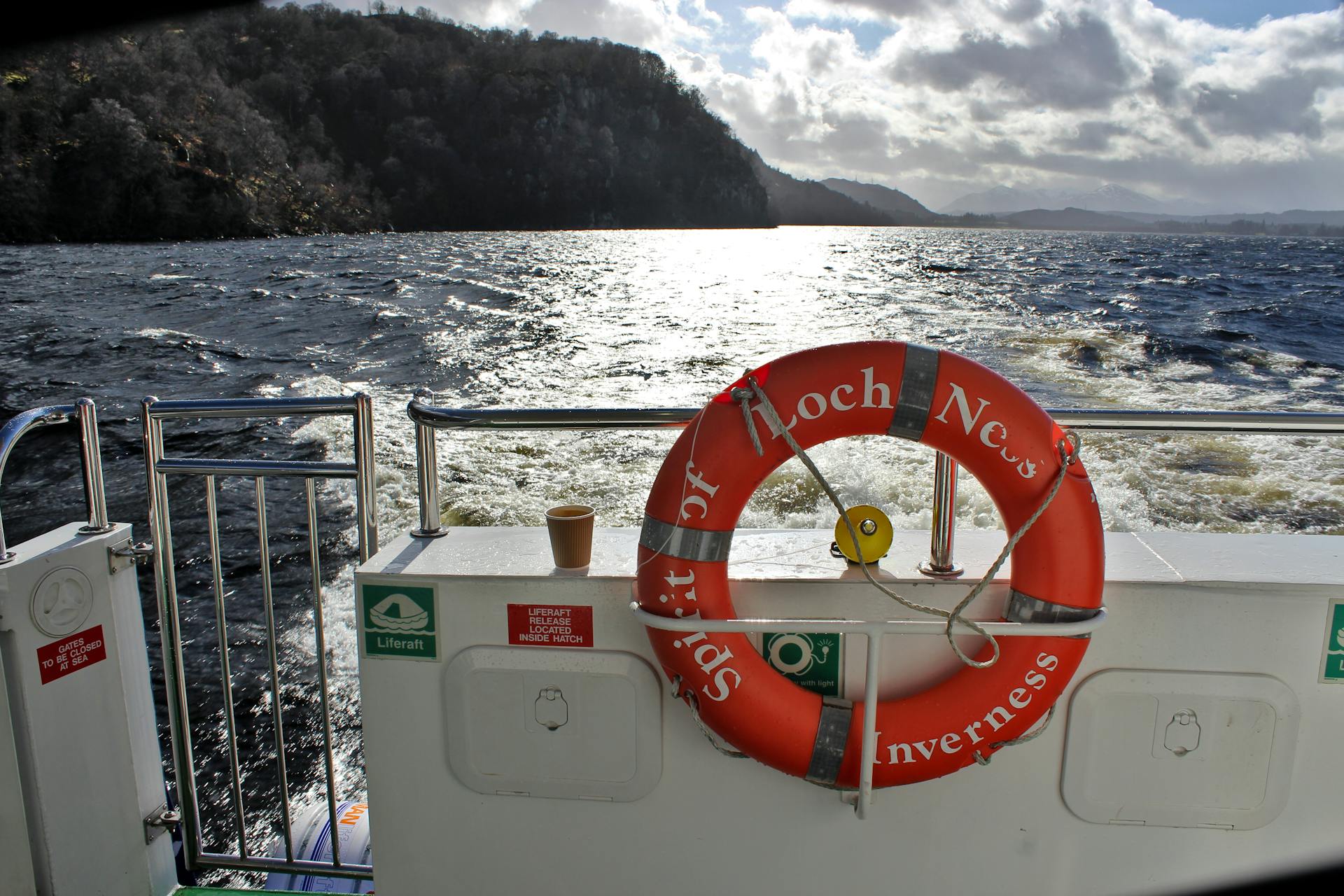
You don't truly feel the scale of Loch Ness until you are in the middle of it.
- Sonar Cruises: Many boats (like Jacobite Cruises) carry real-time sonar. It's fun to see the relief of the loch floor, which drops down to 755 feet (230 meters).
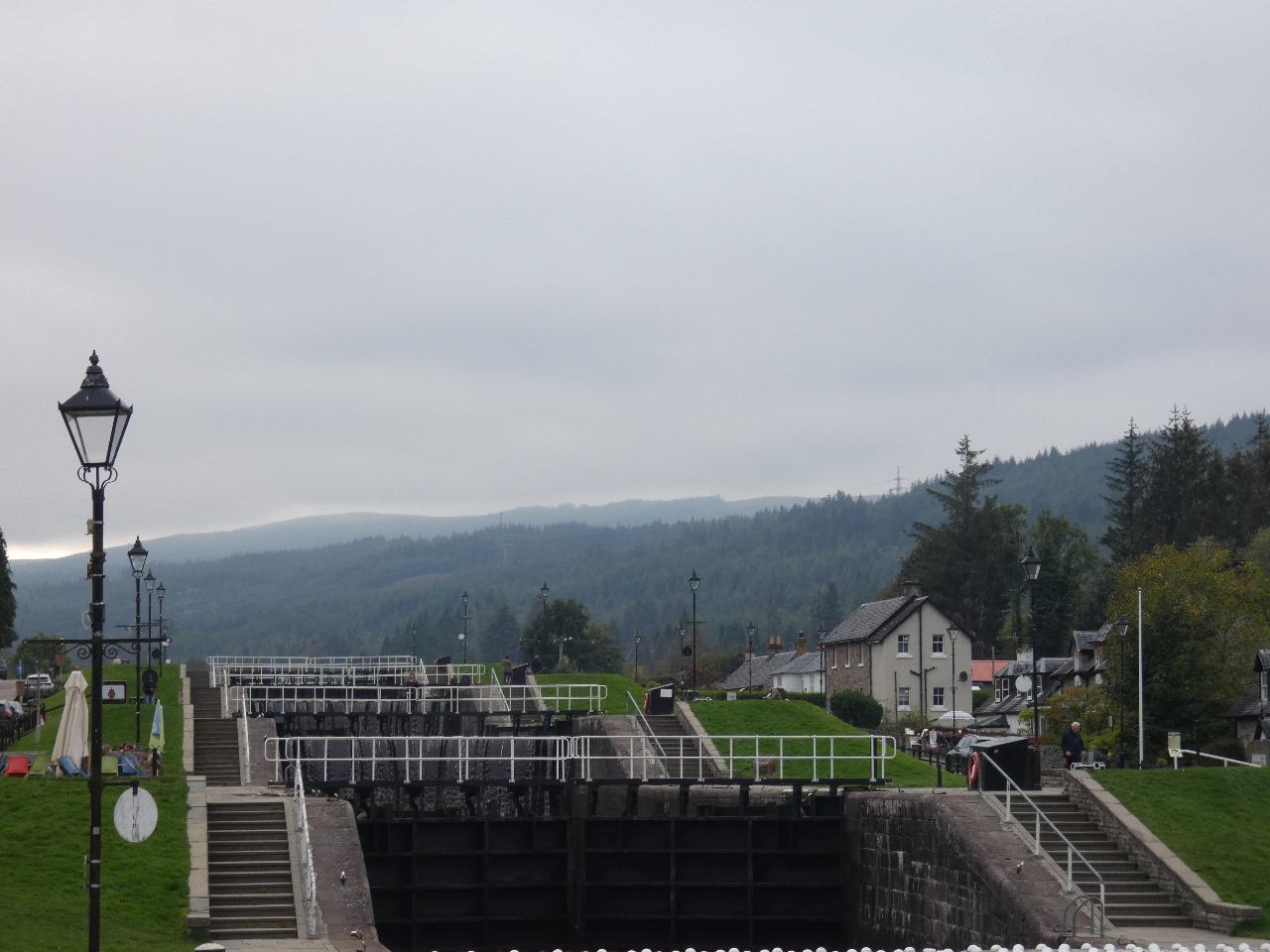
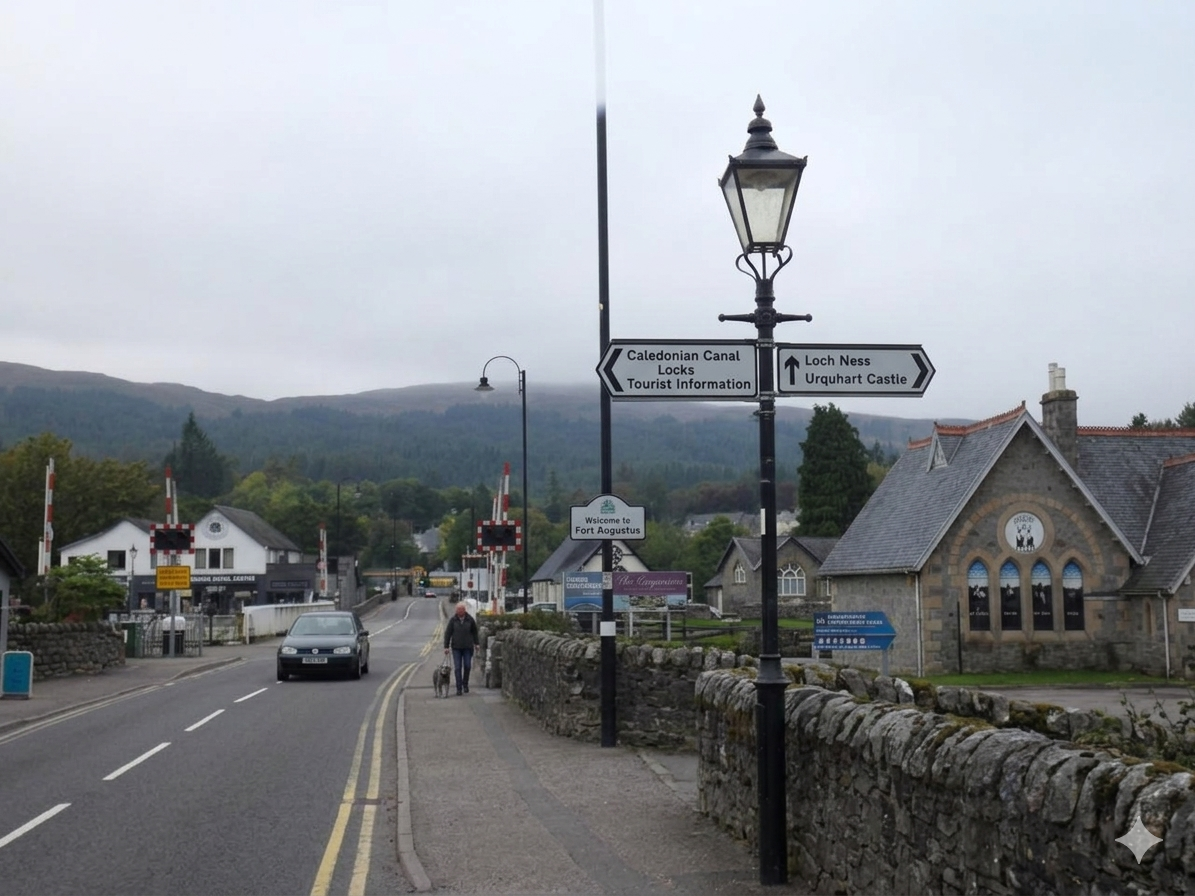
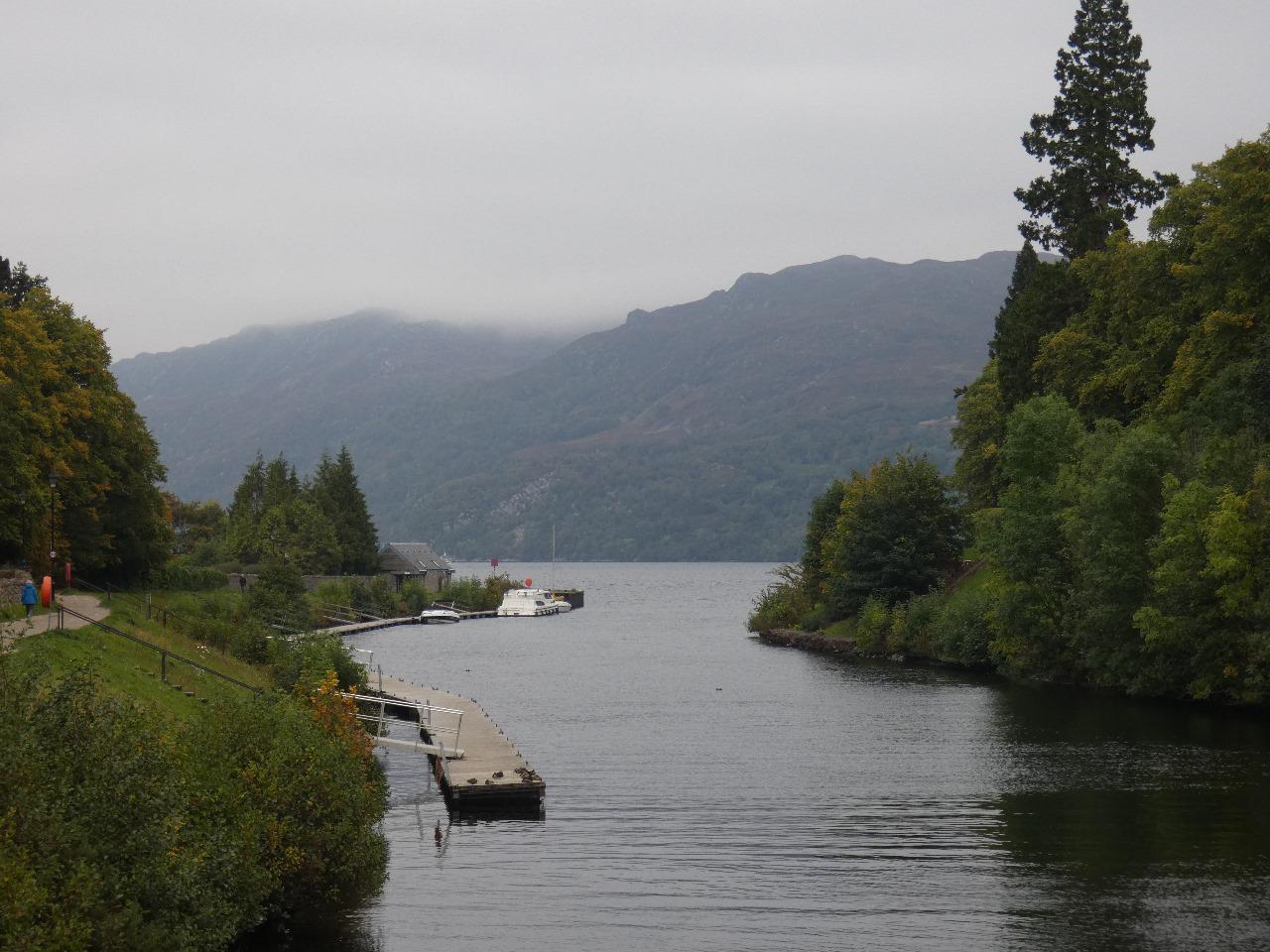
- Caledonian Canal: If you have time, walk along the locks in Fort Augustus, where the loch connects to the canal system crossing Scotland from coast to coast.
Falls of Foyers
Located near the south shore, this waterfall is a must-stop. A steep path leads you through a forest that looks like something out of a fairytale to an impressive viewpoint overlooking the falls.
Practical Tips (2026 Edition)
- Advance Booking: For Urquhart Castle, online booking is mandatory. Slots fill up fast, especially during peak season.
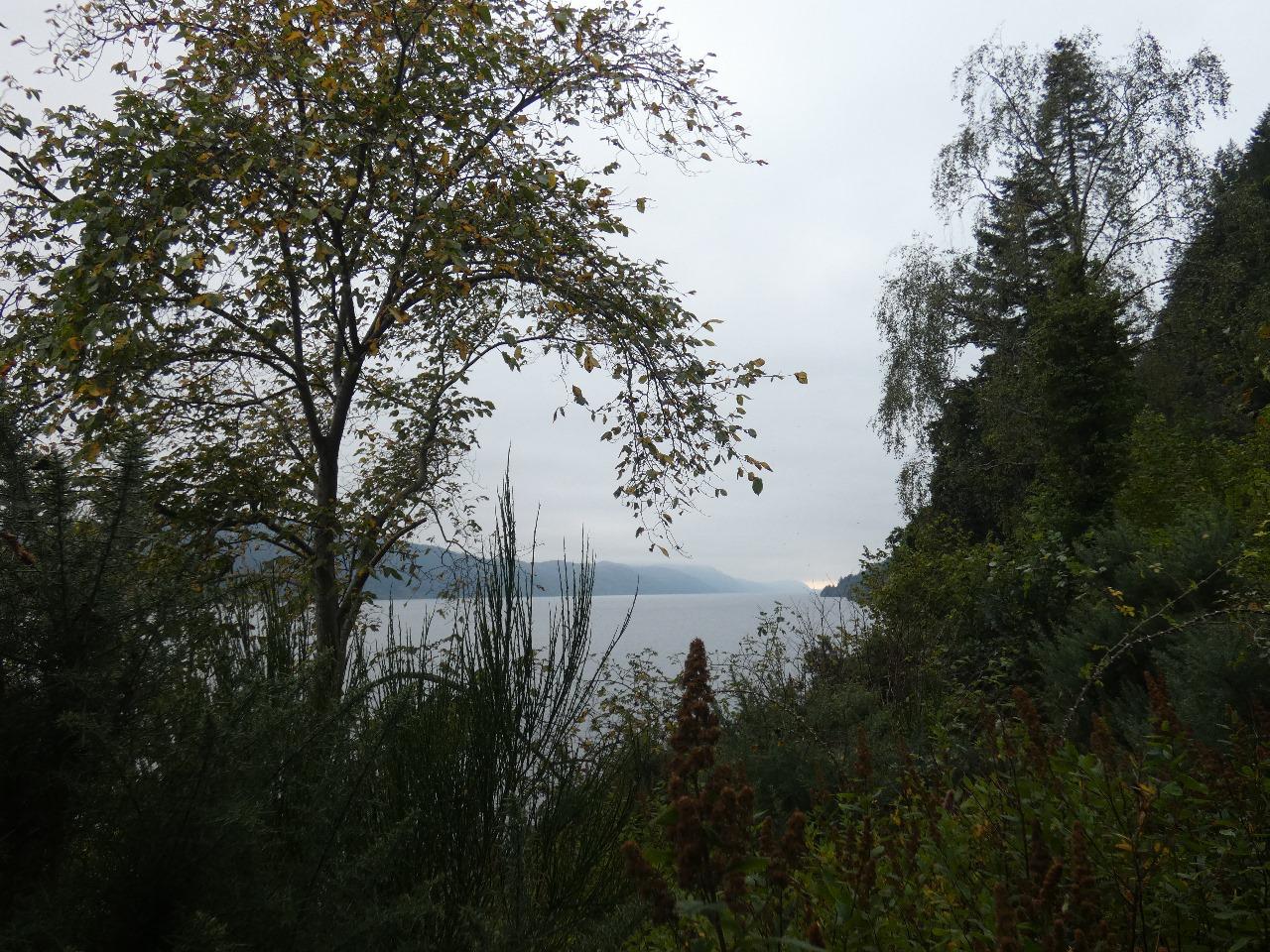
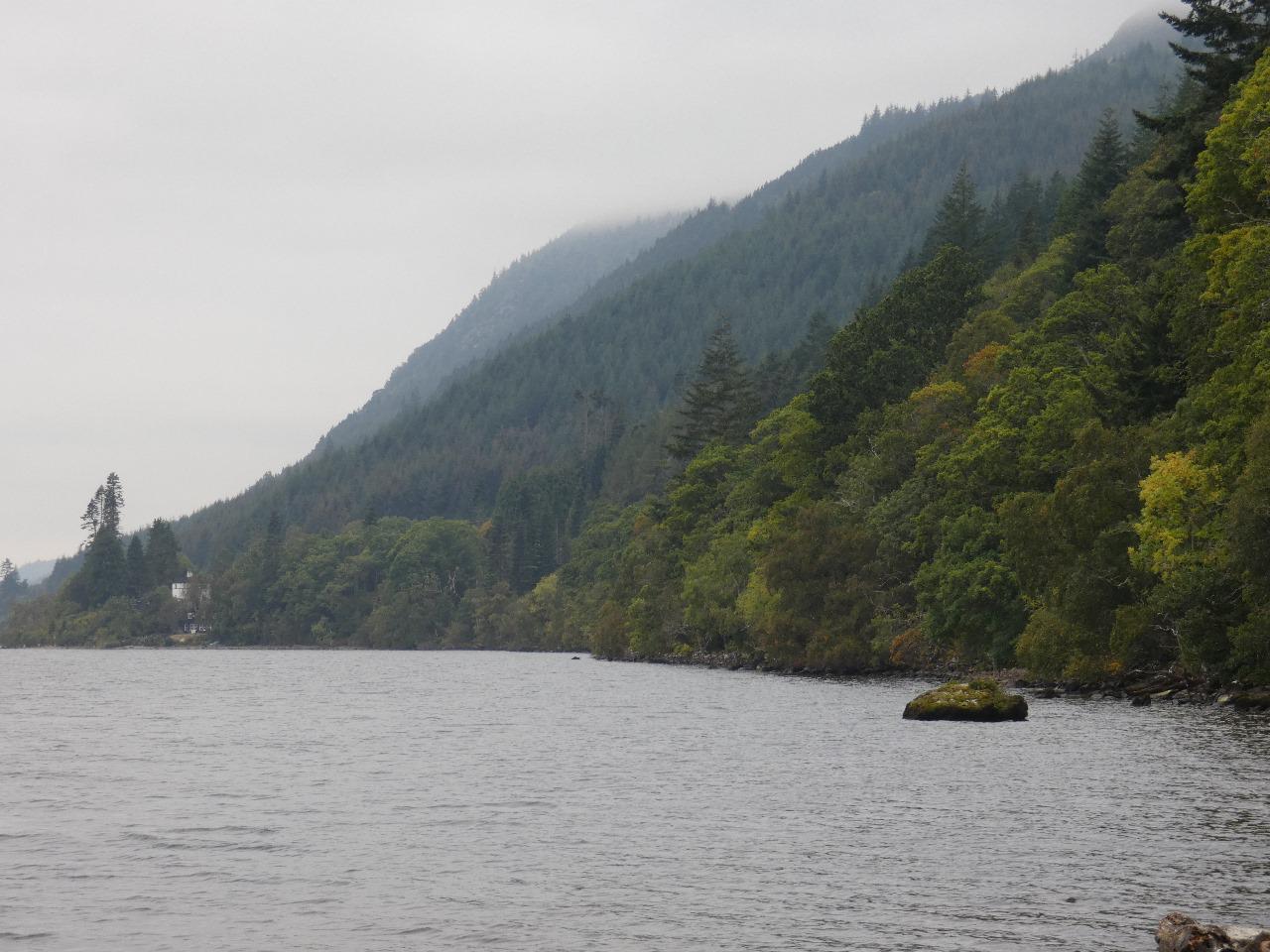
- The Weather: The loch creates its own microclimate. It might be sunny in Inverness and foggy at the castle. The wind here is strong, so bring technical layers.
- Avoid the Crowds: Try to visit the castle first thing in the morning (9:30 AM) or after 4:00 PM when the tour buses have departed.
Our Experience
We were afraid Loch Ness might be a "tourist trap," but we were pleasantly surprised. Yes, there are souvenir shops full of green plushies, but when you stand on the ramparts of Urquhart Castle and look toward the horizon, the mysticism of the place takes over. What we enjoyed most was the contrast between the cold stone of the castle and the immense dark water. It’s a place that makes you feel small, and in Scotland, that is the best feeling in the world.
You might also like
While the loch is immense, most points of interest are concentrated on the north shore, though the south side hides the best secrets.
Urquhart Castle
These 13th-century ruins are, for us, the true heart of the loch. They have survived centuries of clan warfare and Jacobite attacks.
- The Grant Tower: You can climb its narrow spiral staircase for a 360-degree view of the loch.
- The Trebuchet: In the gardens, you’ll see a full-scale replica of a medieval siege engine, a reminder that this was once a strategic military stronghold.
- The Visitor Centre: Cleverly built into the hillside, it features a short film explaining why the castle was blown up to prevent it from falling into Jacobite hands.
Dores Beach and the South Shore
If you want to escape the tour buses, head to the south side. In the small village of Dores, you’ll find a pebble beach with the longest linear view of the entire loch.
- The Nessie Hunter: You’ll likely spot the caravan of Steve Feltham, who has held the world record for living on the shore hunting for the monster since 1991.
- Absolute Peace: Unlike Urquhart, the dominant sound here is the gentle lapping of small waves against the stones.
PUBLICIDAD
Travel with Data: Get your Saily eSIM
- ✓Internet in seconds upon landing
- ✓Flexible plans in 180+ countries
- ✓Easy setup directly via the App
A few minutes' drive from the castle lies the small settlement of Invermoriston. It is a mandatory technical stop for those seeking the quieter, more photogenic side of the Highlands.
- The Wooden Bridge: This bridge offers one of the most romantic perspectives of the trip. The Moriston River rushes beneath your feet surrounded by dense greenery, creating a perfect natural scene.
- Forest Trails: Small paths start from here, allowing you to see the loch from angles that large tours completely ignore.
Navigating the Great Glen
You don't truly feel the scale of Loch Ness until you are in the middle of it.
- Sonar Cruises: Many boats (like Jacobite Cruises) carry real-time sonar. It's fun to see the relief of the loch floor, which drops down to 755 feet (230 meters).
- Caledonian Canal: If you have time, walk along the locks in Fort Augustus, where the loch connects to the canal system crossing Scotland from coast to coast.
Falls of Foyers
Located near the south shore, this waterfall is a must-stop. A steep path leads you through a forest that looks like something out of a fairytale to an impressive viewpoint overlooking the falls.
- Advance Booking: For Urquhart Castle, online booking is mandatory. Slots fill up fast, especially during peak season.
- The Weather: The loch creates its own microclimate. It might be sunny in Inverness and foggy at the castle. The wind here is strong, so bring technical layers.
- Avoid the Crowds: Try to visit the castle first thing in the morning (9:30 AM) or after 4:00 PM when the tour buses have departed.
We were afraid Loch Ness might be a "tourist trap," but we were pleasantly surprised. Yes, there are souvenir shops full of green plushies, but when you stand on the ramparts of Urquhart Castle and look toward the horizon, the mysticism of the place takes over. What we enjoyed most was the contrast between the cold stone of the castle and the immense dark water. It’s a place that makes you feel small, and in Scotland, that is the best feeling in the world.
Galery
PUBLICIDAD
International Travel Insurance
- ✓International medical insurance
- ✓24/7 immediate assistance in your language
- ✓Ideal for trekking & adventure
Preferences
Language
Color
Text
Width