Table of contents and map
Highlands Guide: What to See in the Scottish Highlands
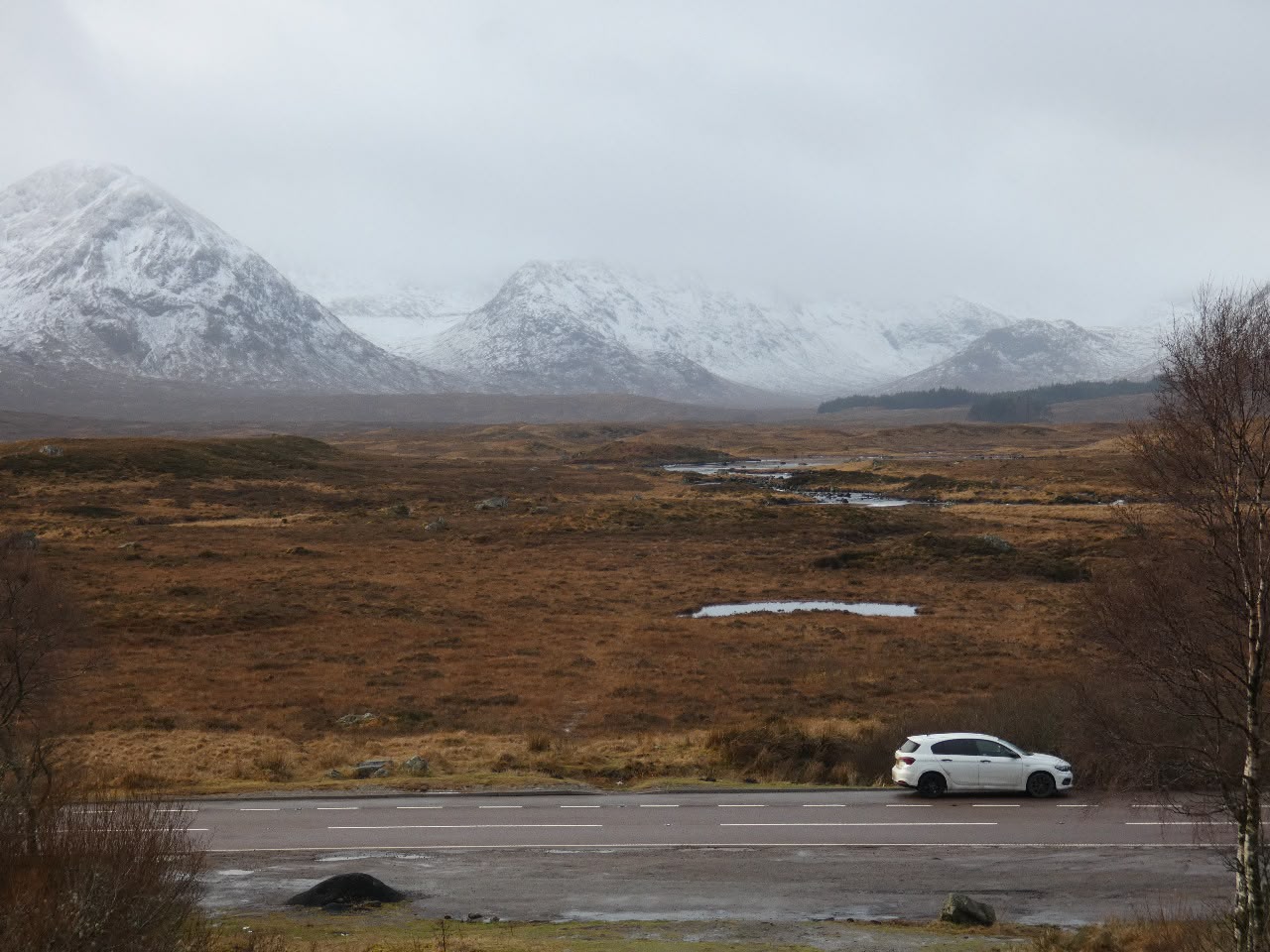
The Highlands are Scotland's wild soul. A territory of deep glacial valleys, mountains plunging into the sea, and ruined castles carrying the heavy weight of clan history. Having traveled its roads by car during our year living in the country, this guide breaks down the real geography of the region, the unmissable spots without the tourist traps, and the exact logistics to explore them at your own pace.
Highlands Guide: What to See in the Scottish Highlands
The Highlands are Scotland's wild soul. A territory of deep glacial valleys, mountains plunging into the sea, and ruined castles carrying the heavy weight of clan history. Having traveled its roads by car during our year living in the country, this guide breaks down the real geography of the region, the unmissable spots without the tourist traps, and the exact logistics to explore them at your own pace.
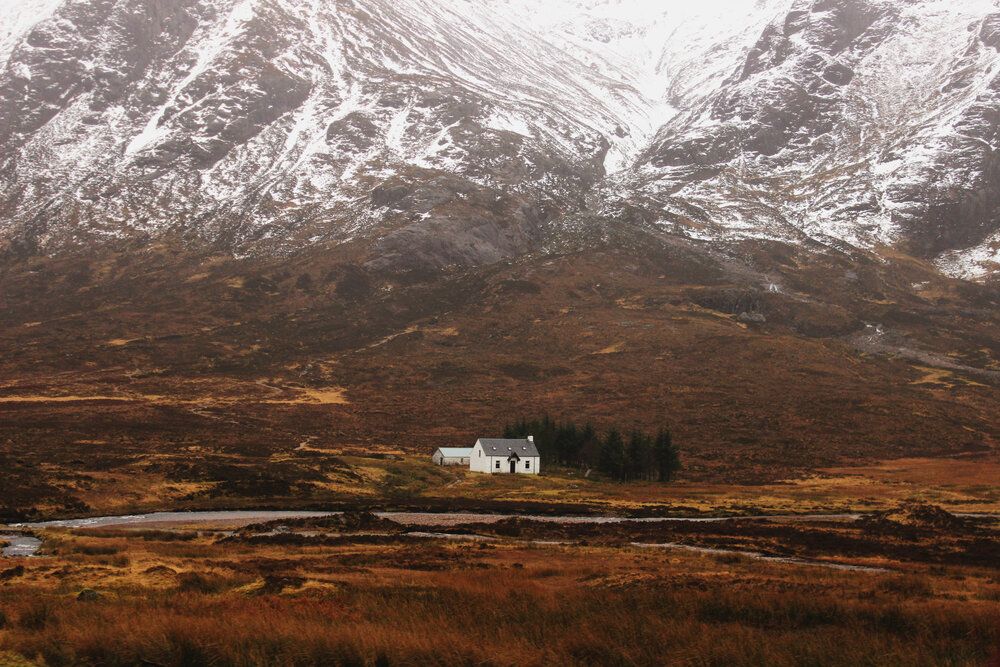
The most common mistake when planning a trip to Scotland is treating the Highlands as if they were a simple "tourist attraction" to be visited in an afternoon. The Highlands cover almost 60% of the Scottish territory.
It is an immense and sparsely populated region where distances on the map can be highly deceptive due to the geography of rural roads. You don't come to the Highlands to cross attractions off a checklist; you come to drive among colossal landscapes and to understand the historical isolation that shaped clan culture.
Understanding the Map: Key Sub-Regions
To organize your road trip smartly, it is crucial to divide the Highlands into its main geographic sections. Each area has a completely unique character and distinct logistics.
1. The Glencoe Valley (The Dramatic South)
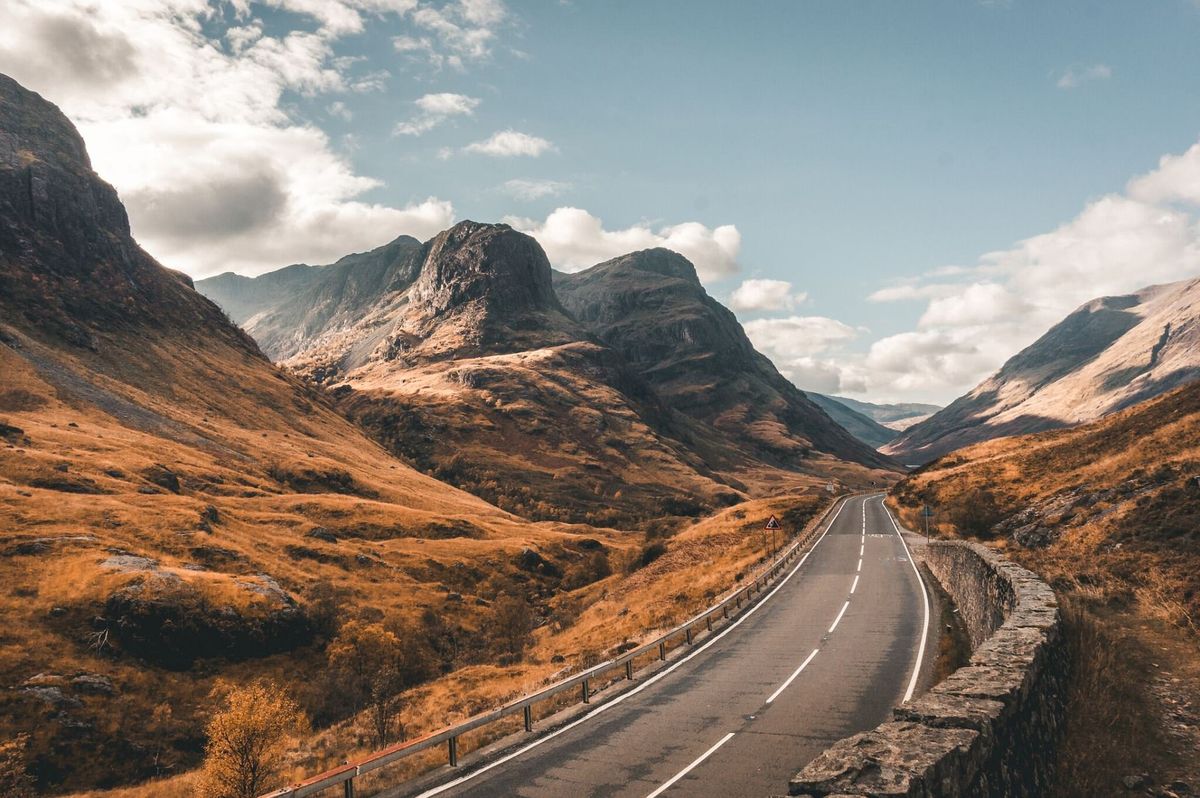
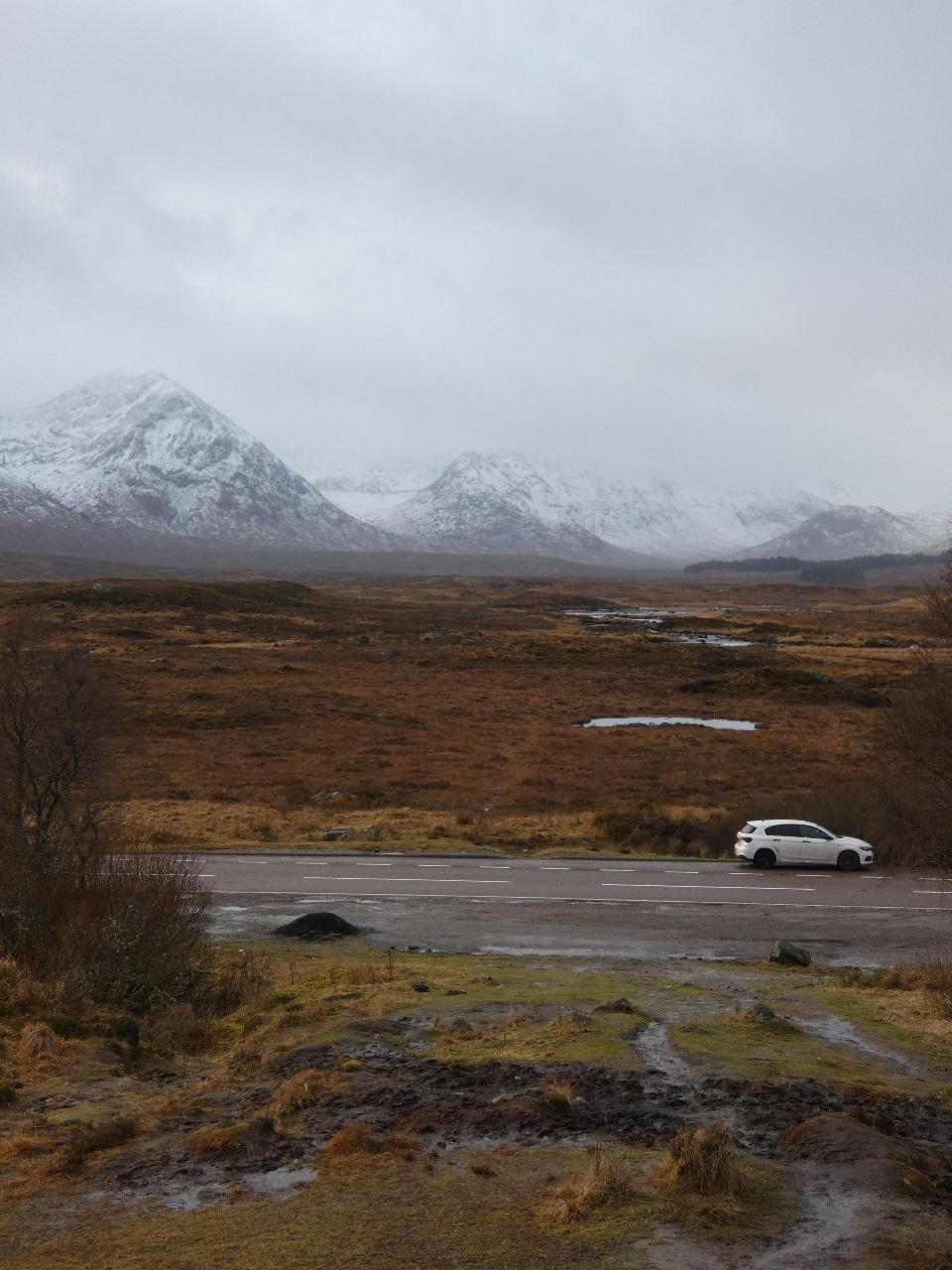
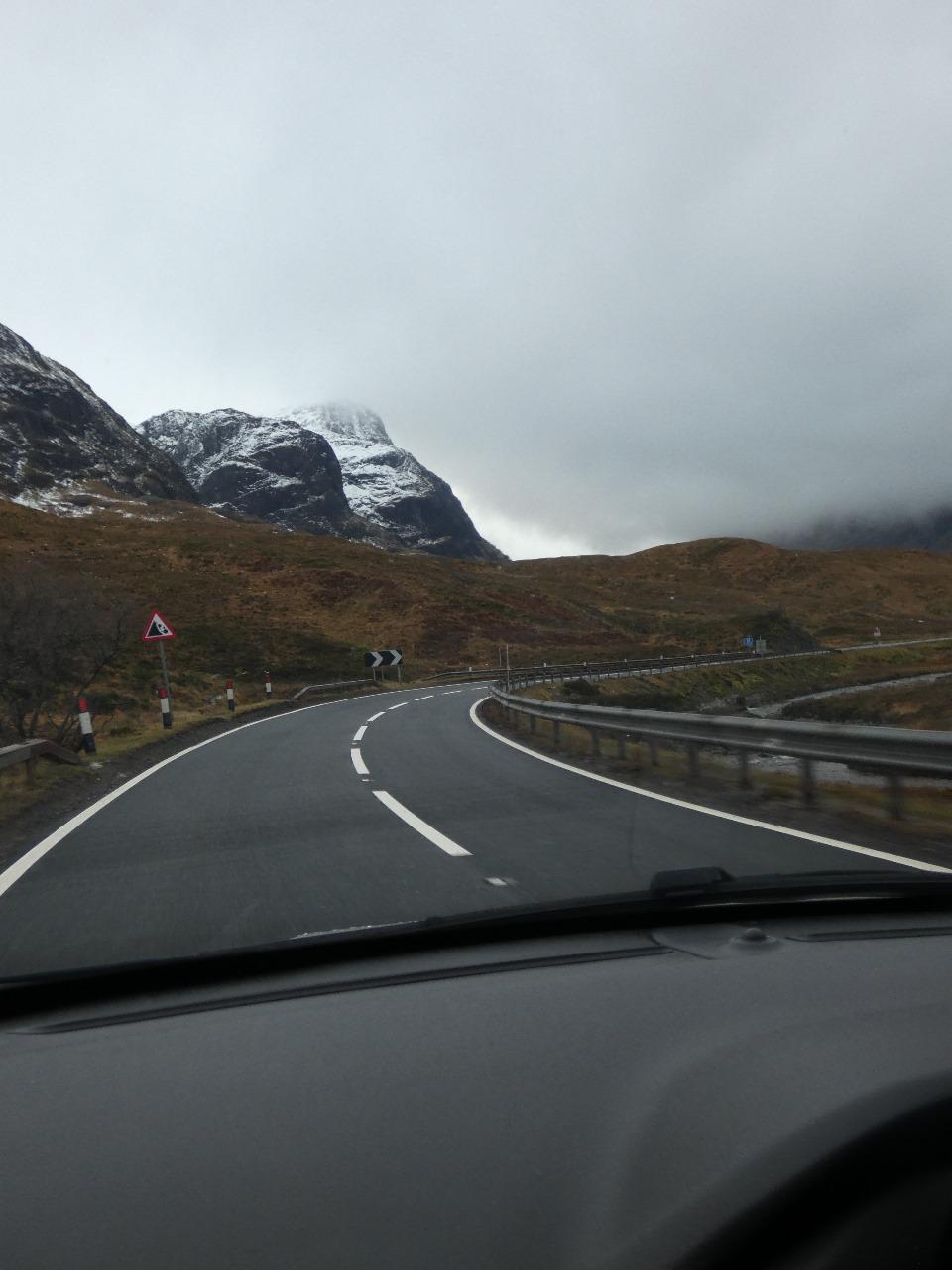
This is the most spectacular gateway to the Highlands if you drive up from Edinburgh or Glasgow along the A82 road. Glencoe is a massive valley carved out by glaciers and ancient volcanoes.
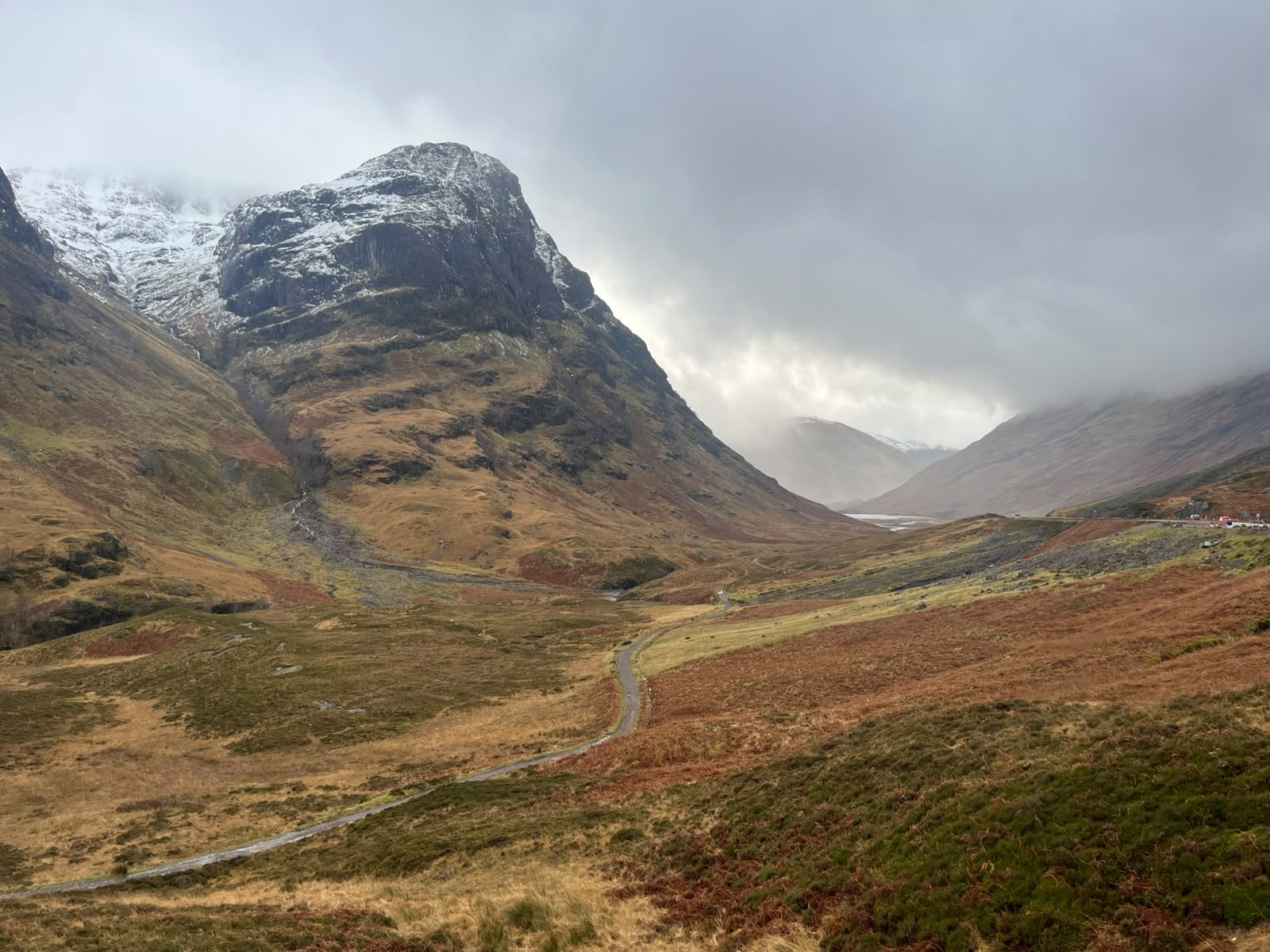
- The Unmissable: The Three Sisters, three towering stone ridges that carve through the landscape. There is a main viewpoint parking lot right on the route to pull over and take photos.
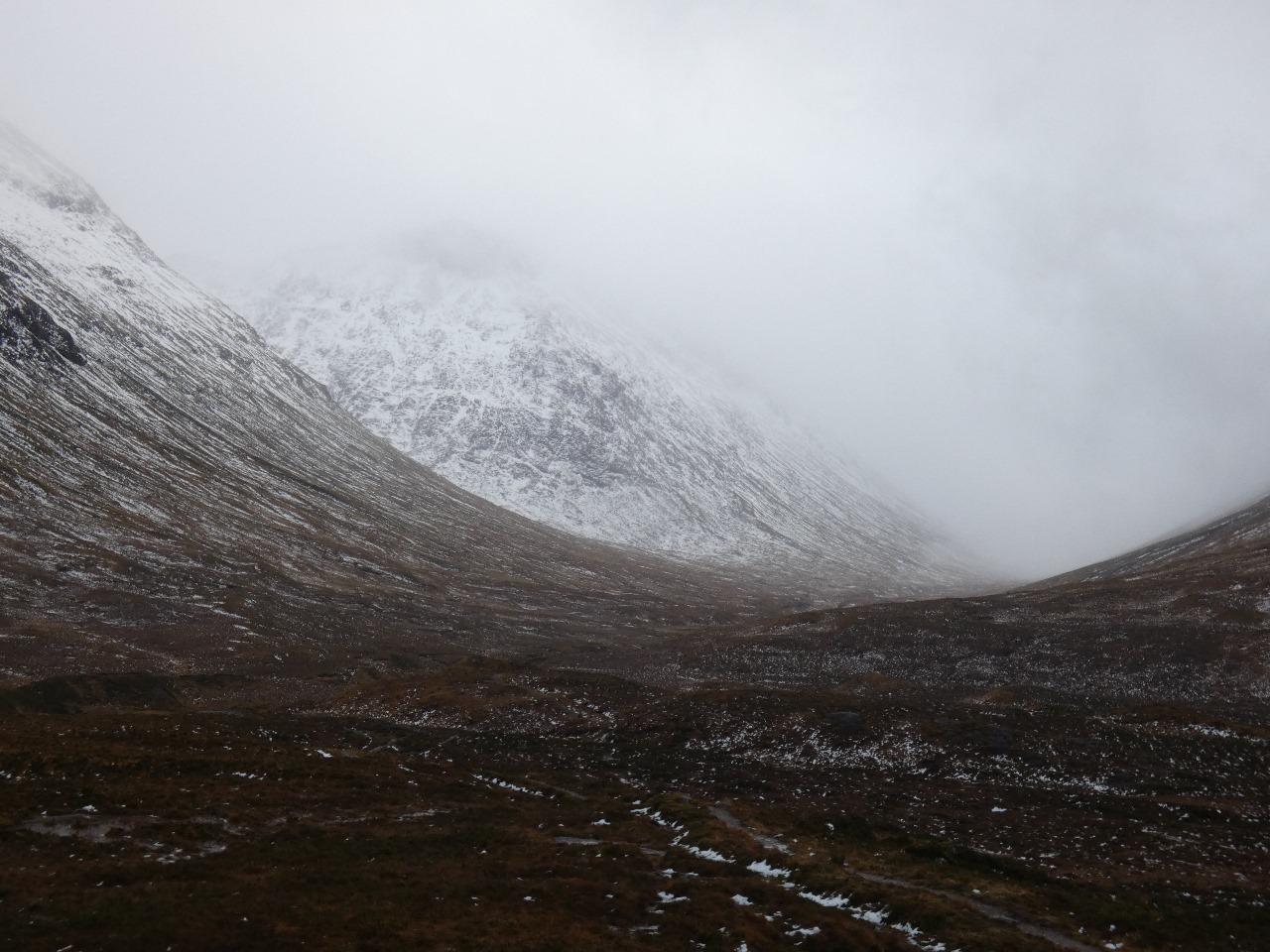
- Expert Tip: If you want to do a short, rewarding trek without high-altitude mountaineering gear, take the trail to the Hidden Valley (Coire Gabhail). This is the lost valley where the Macdonald clan used to hide cattle stolen from their rivals. It takes about 2-3 hours round trip over rocky patches, but the visual reward is stunning.
2. Fort William and the Ben Nevis Area
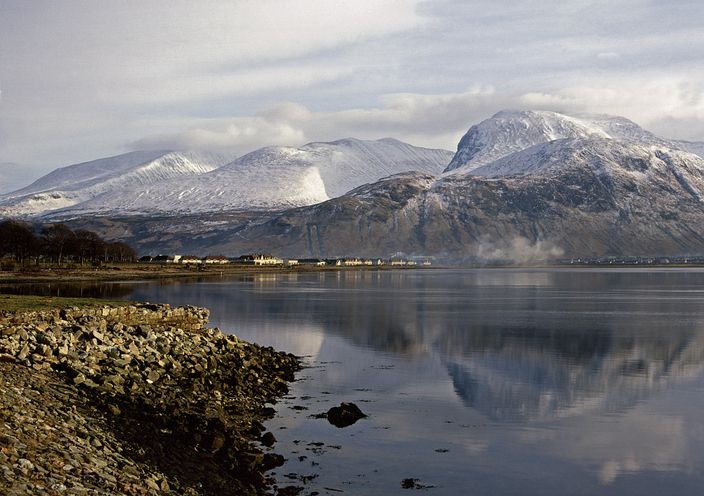
Located at the end of the Great Glen geological fault, Fort William is the outdoor capital of the United Kingdom. It is guarded by Ben Nevis, the highest mountain in the British Isles (1,345 meters).
- Strategic Use: This is the best logistical hub to set up camp, refuel, and stock up on supplies at large supermarkets before heading deep north or toward the island ferries.
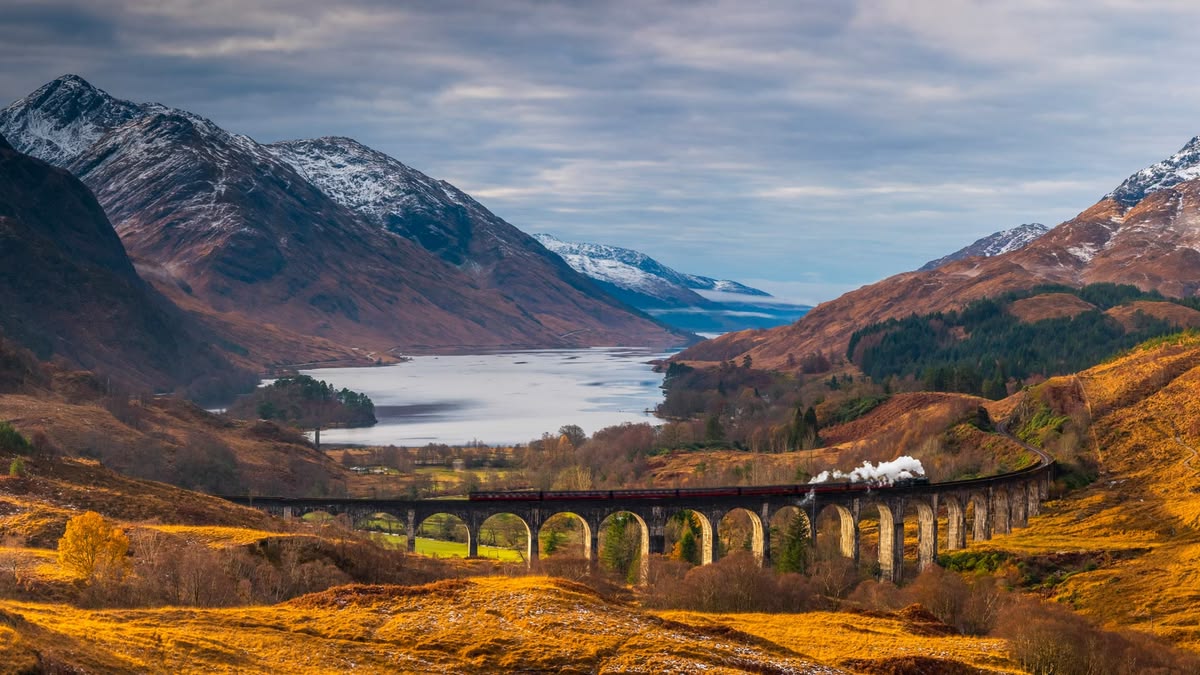
- Nearby: You have the Glenfinnan Viaduct and the start of the beautiful Road to the Isles leading to Mallaig.
3. Inverness and Loch Ness (The Great East)
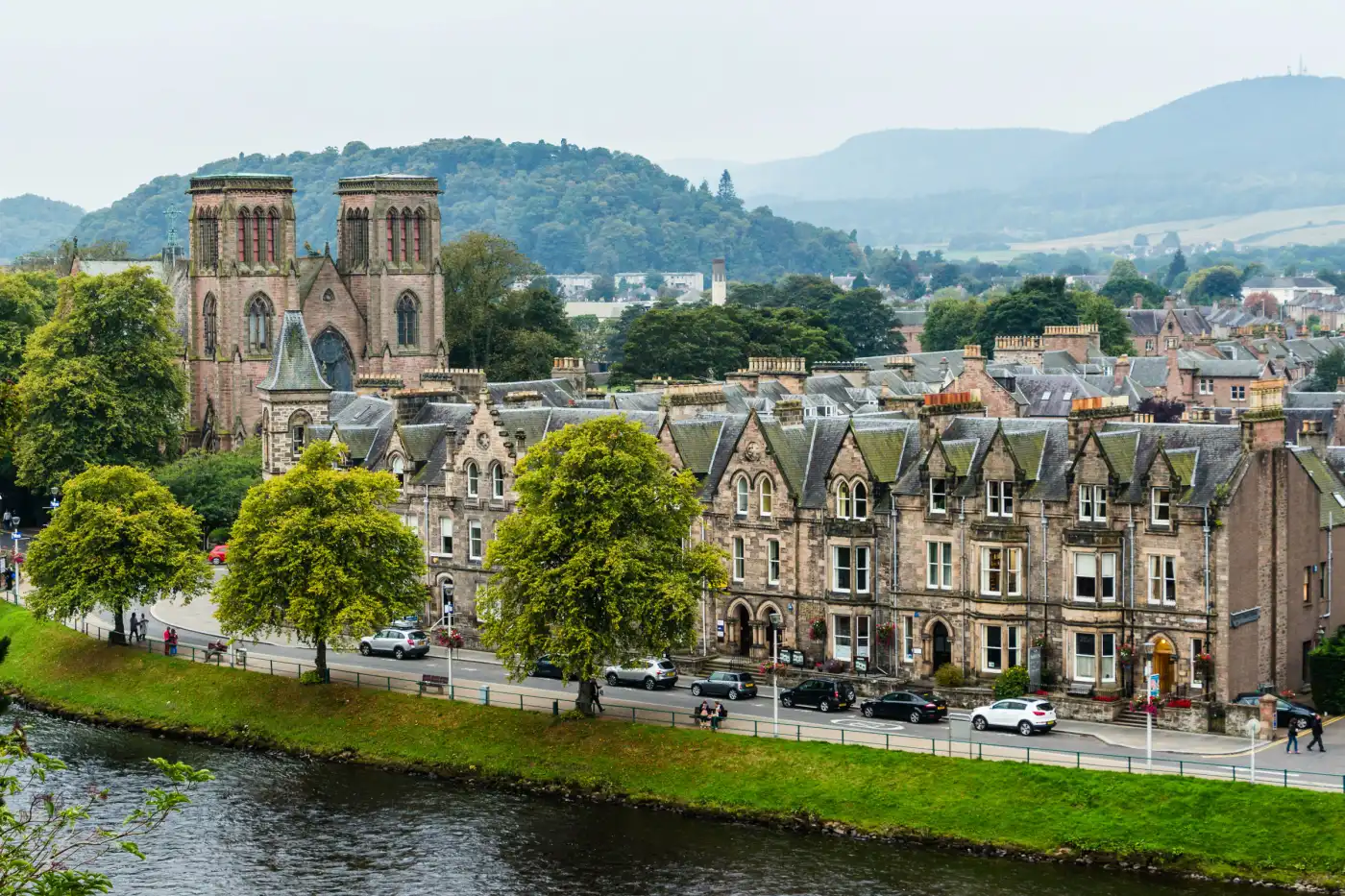
Inverness is the only true city in the Highlands and serves as its administrative capital. From here, the mystery of Loch Ness comes alive.
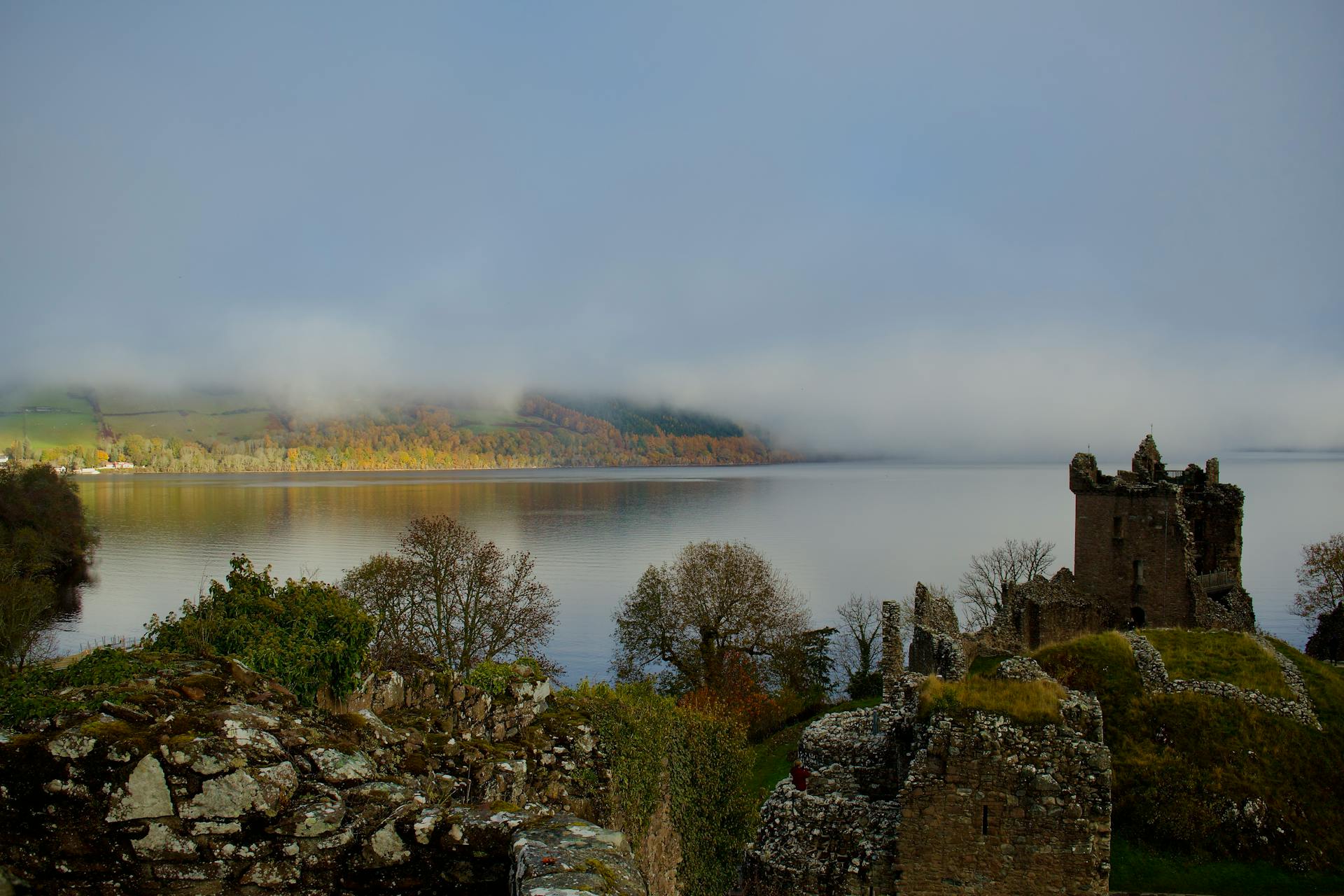
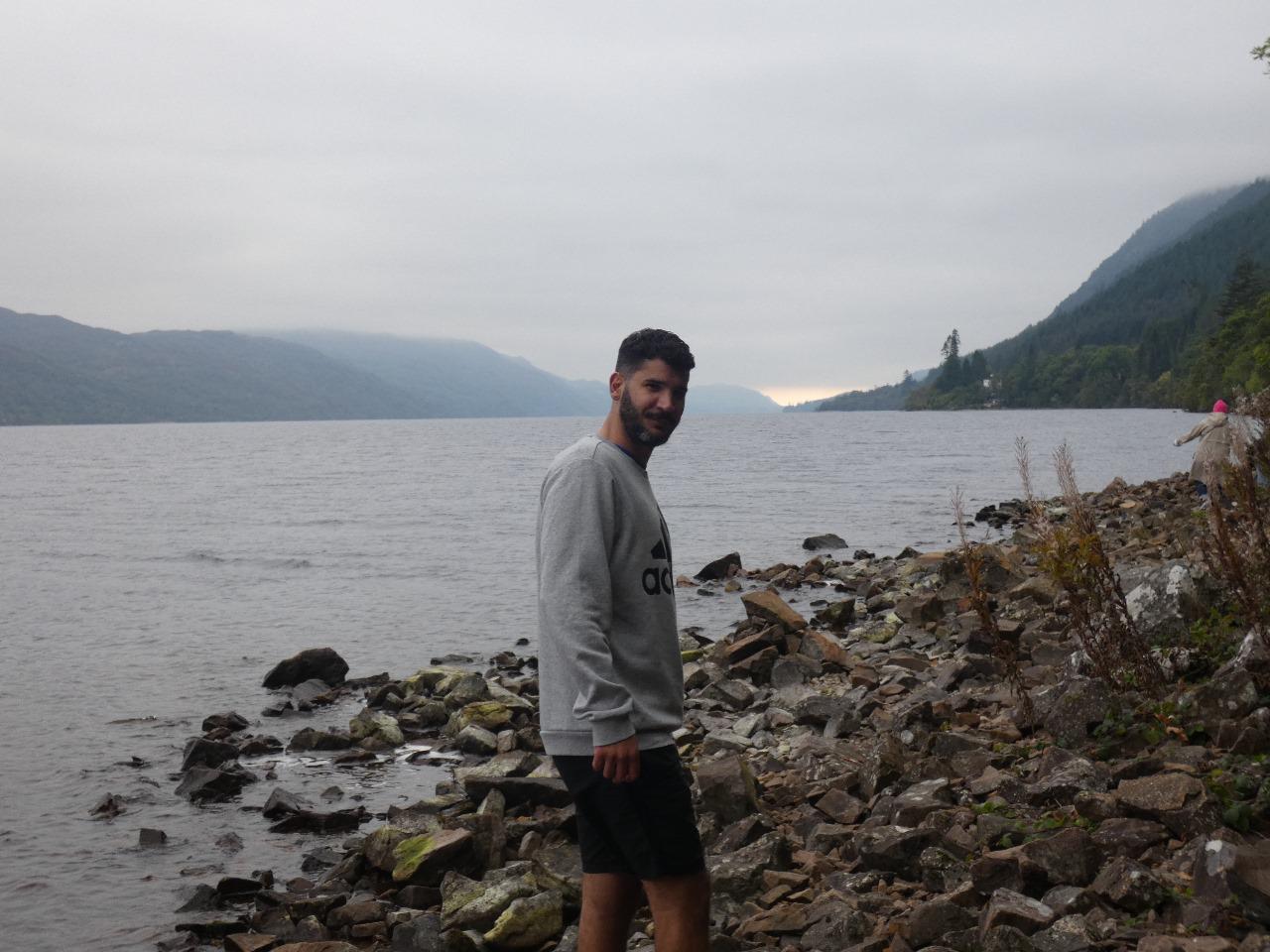
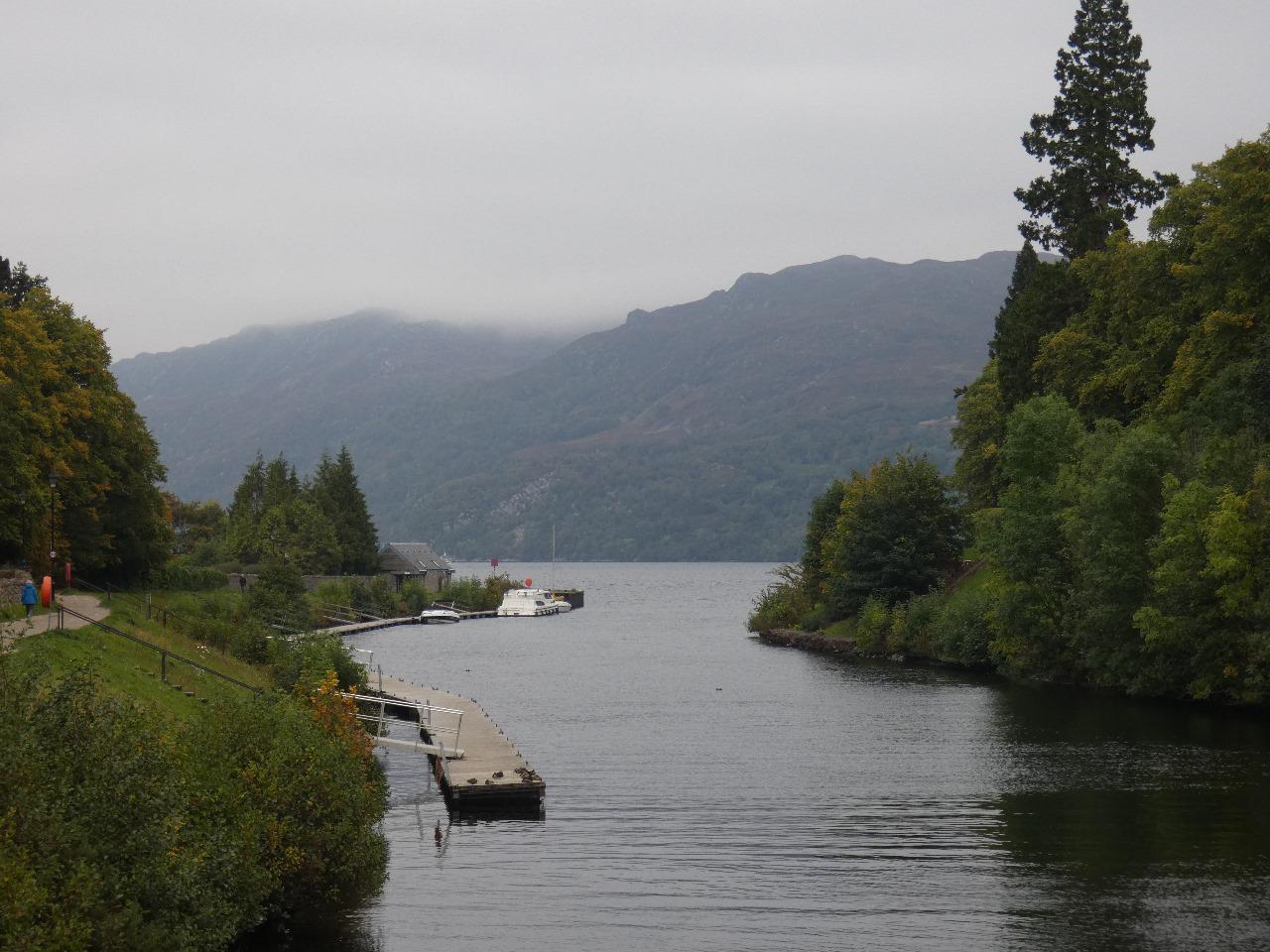
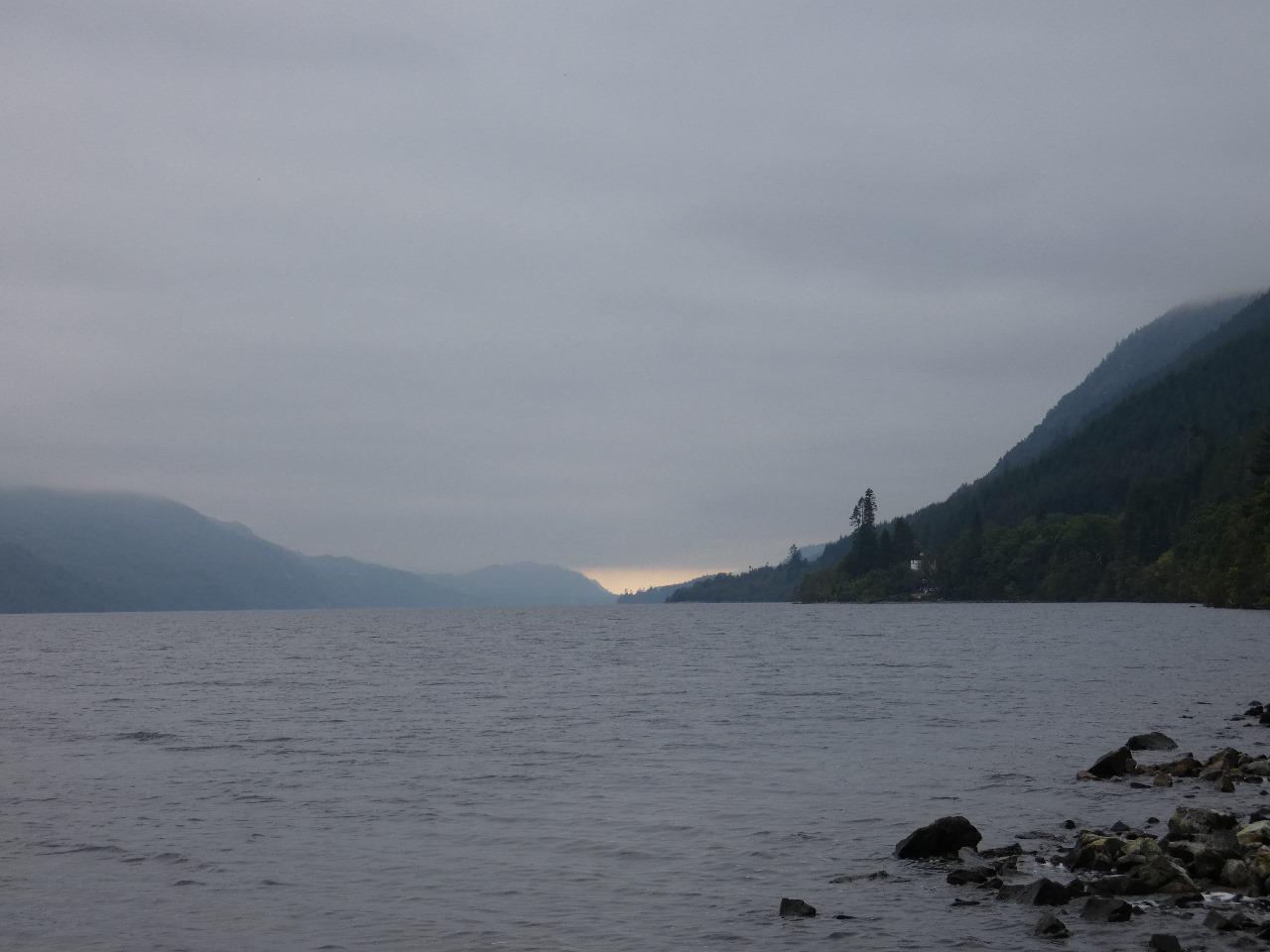
- The Truth About Loch Ness: Let's be completely honest: visually, the loch is a massive, straight body of water that can feel quite monotonous compared to the dramatic west coast lochs. Do not come here looking for wild postcard landscapes. What makes the stop truly worthwhile are the ruins of Urquhart Castle, perched on a cliffside right over the shore, giving you an exact sense of scale for the Jacobite wars.
4. The Far North and the North Coast 500
Heading north past Inverness, the landscape changes radically. Trees vanish, the land becomes flat and boggy (peatlands), and the coast shatters into wild cliffs facing the North Sea. This is the Sutherland and Caithness area, spanned by the famous NC500 circular route.
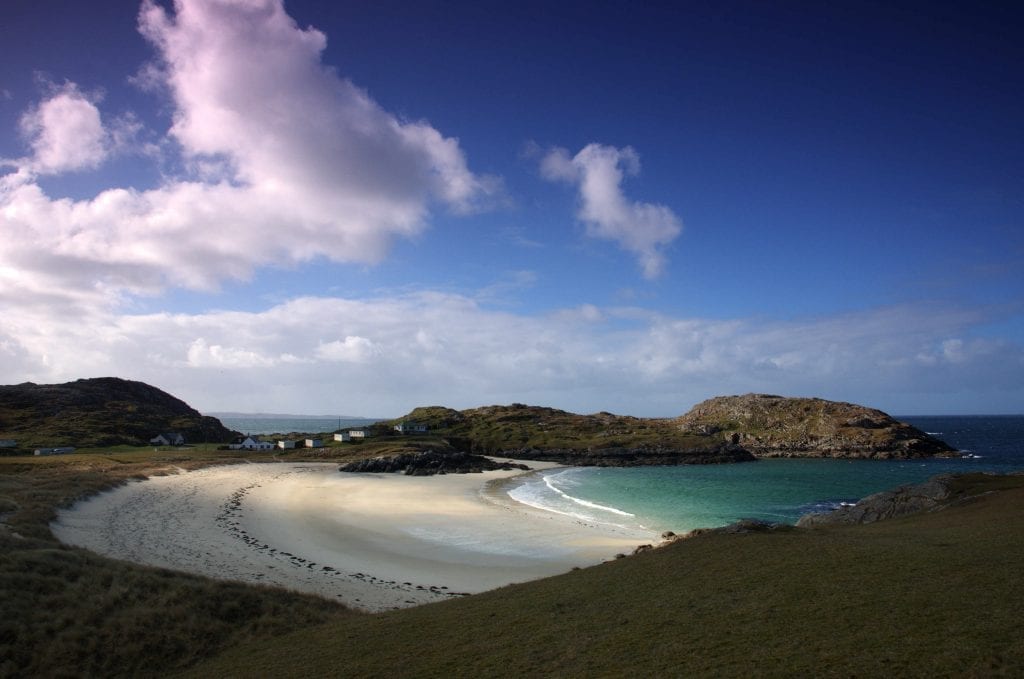
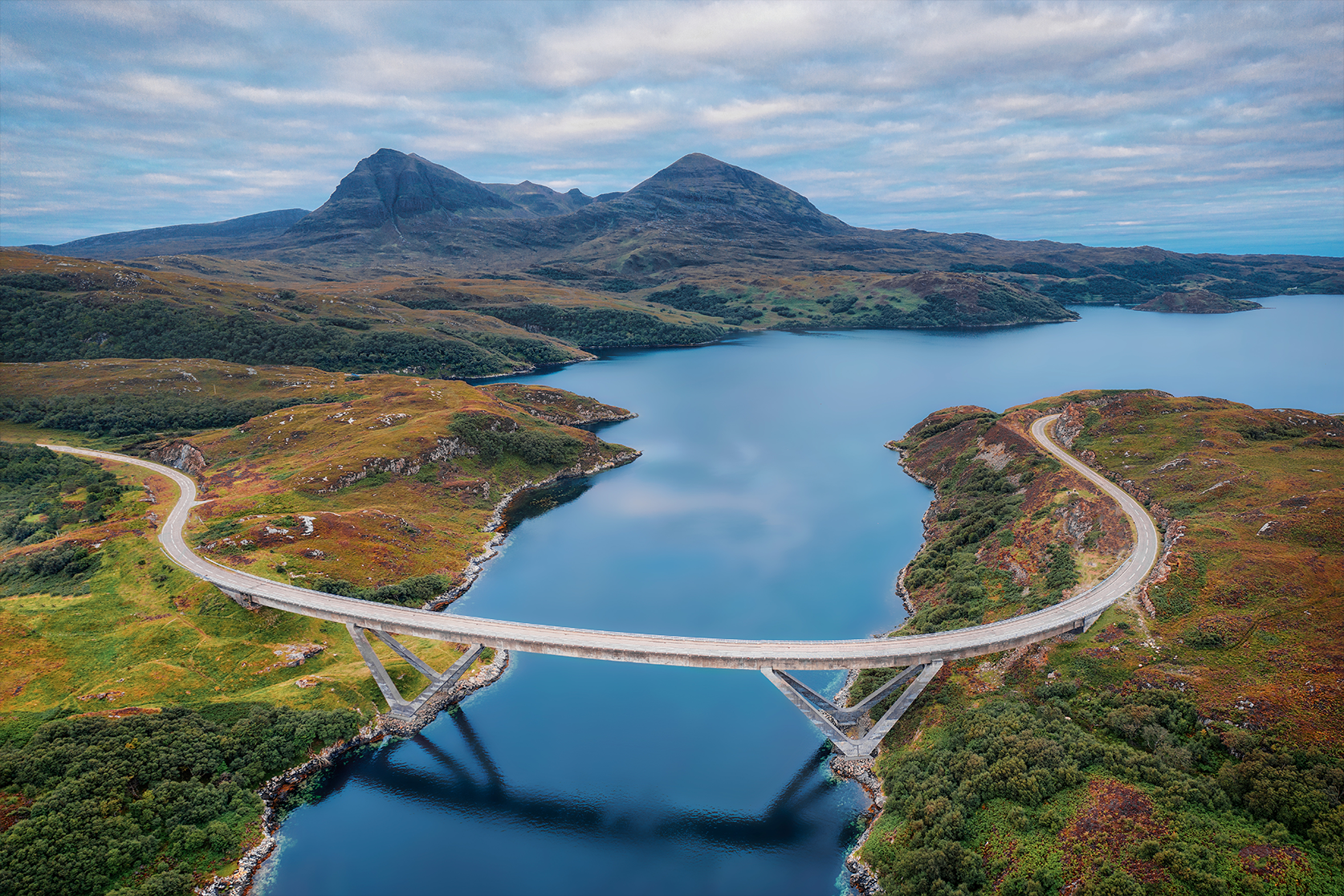
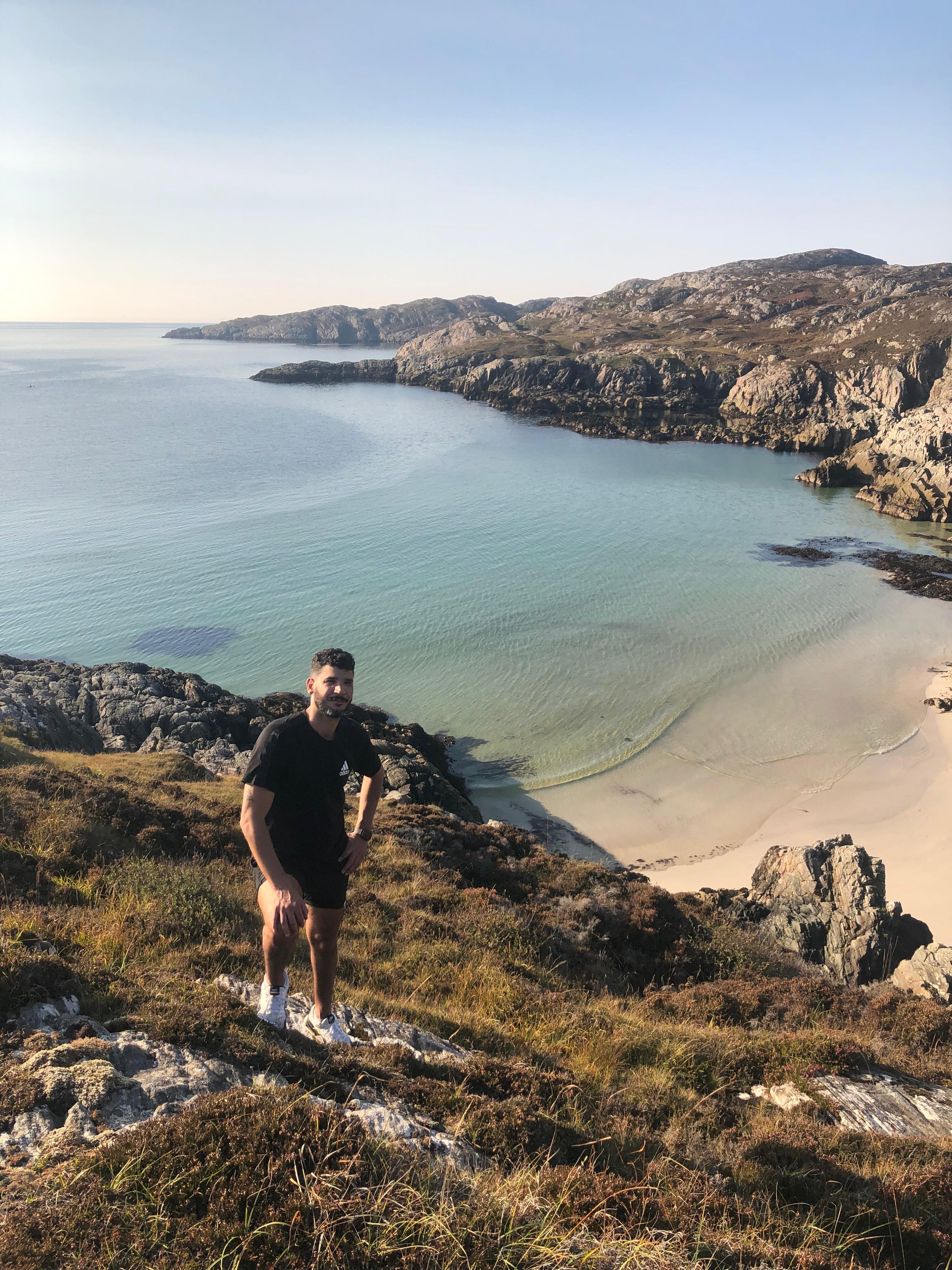
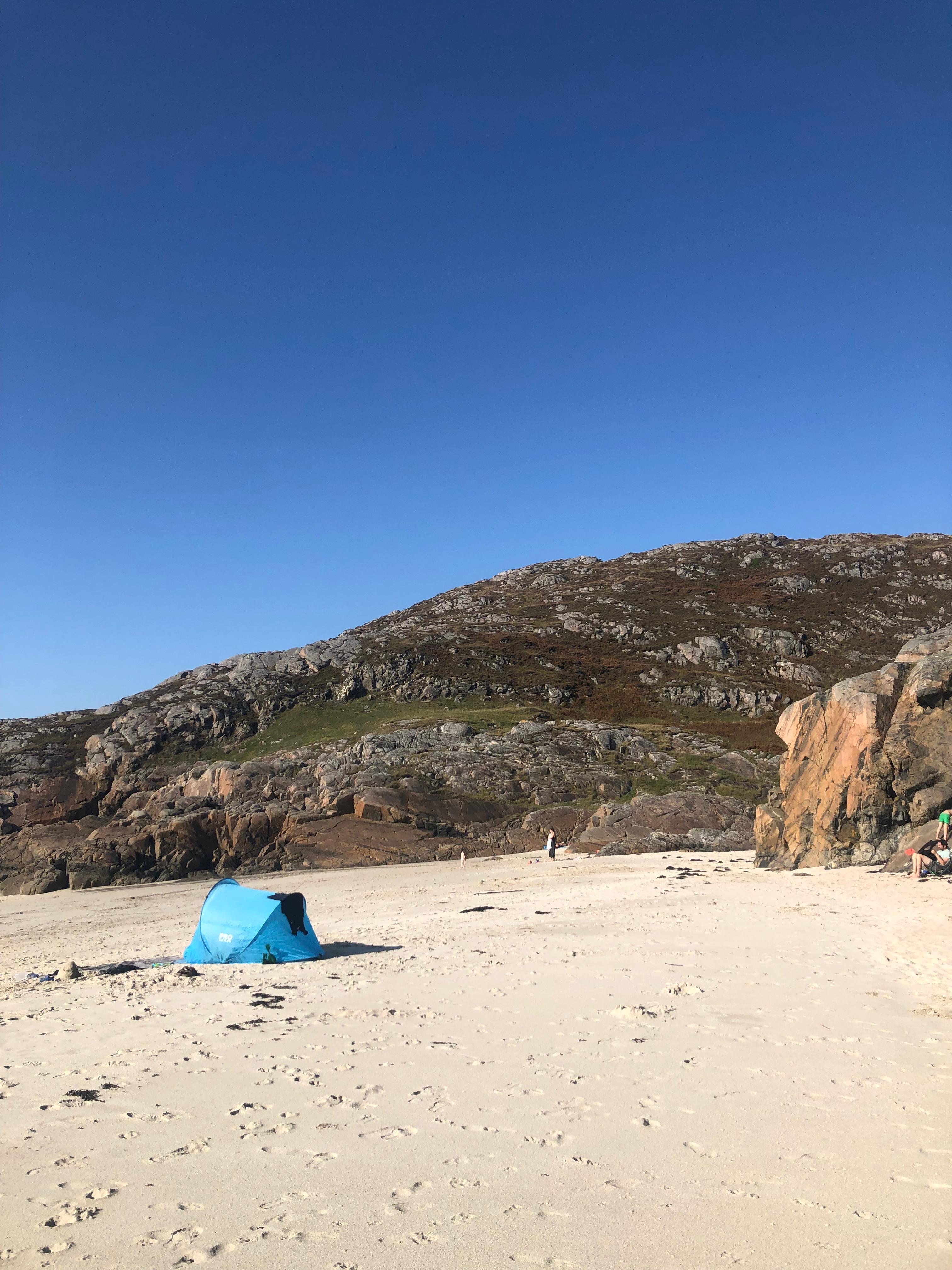
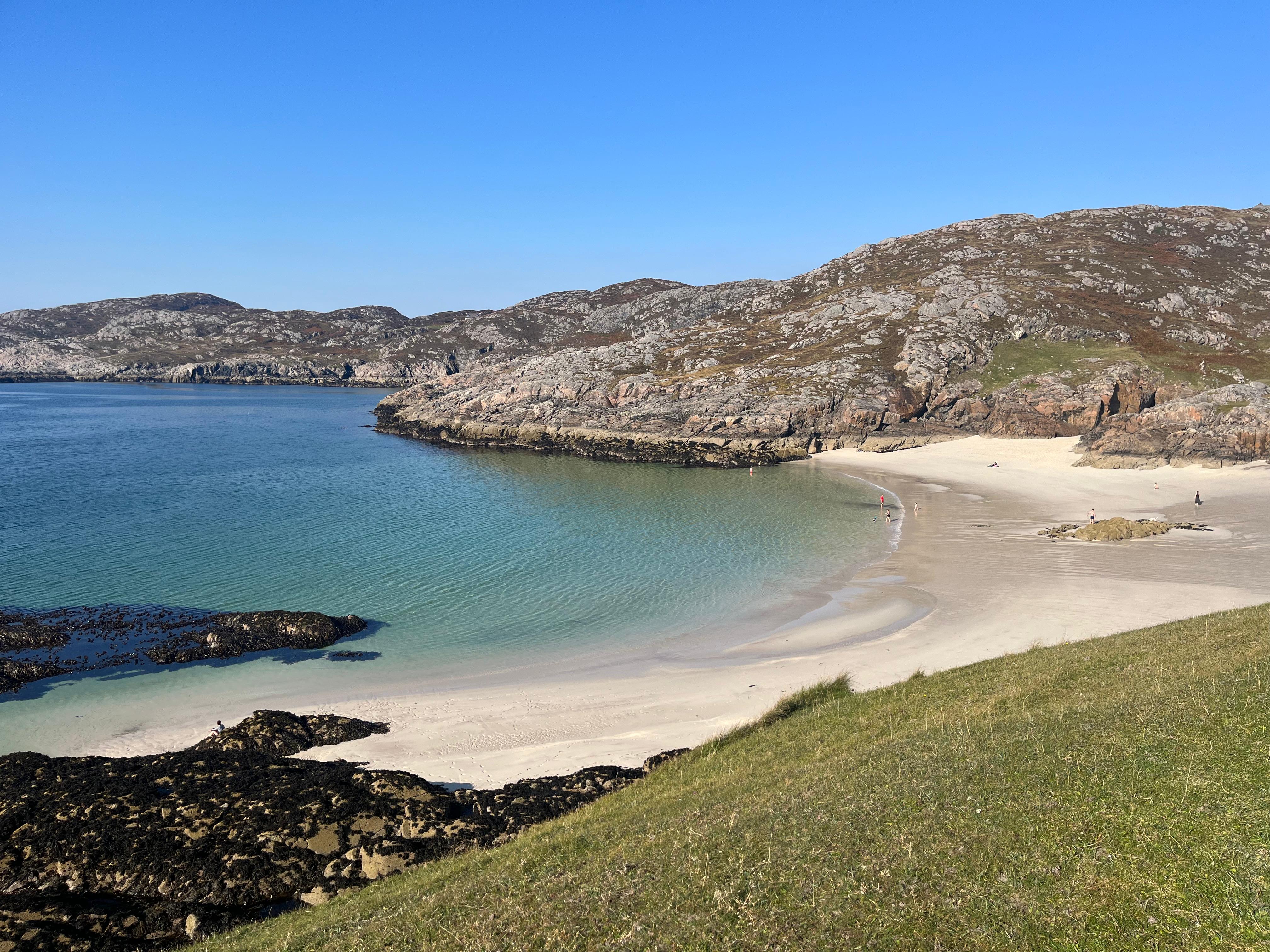
- This is where you will find hidden gems like the white sands and turquoise waters of Achmelvich Beach or the iconic curved Kylesku Bridge.
Logistics in the Highlands: What No One Tells You
Driving up here requires shifting your mental gears entirely. Based on our time on the ground, keep these three critical factors in mind:
Unmanned Fuel Stations in Remote Areas
Deep north or inside the western valleys, distances between service stations can easily stretch over 40 miles. Many of them are community-run and fully automated (operating 24/7 with credit/debit cards at unmanned pumps). The Golden Rule of the Highlands: Never let your tank drop below a quarter; if you spot a fuel station in a remote spot, fill up even if you still have half a tank.
Real Digital Disconnection
As soon as you enter the deep mountain passes of Glencoe or the northern wilderness valleys, mobile data signals (4G/5G) vanish completely due to the rugged terrain.
- Practical Solution: Download offline maps on Google Maps or Maps.Me (we personally use the latter) or use dedicated sat-nav systems before leaving your hotel. Do not rely on being able to search for a restaurant or trail coordinates in the middle of the road.
The Highland Cow Phenomenon
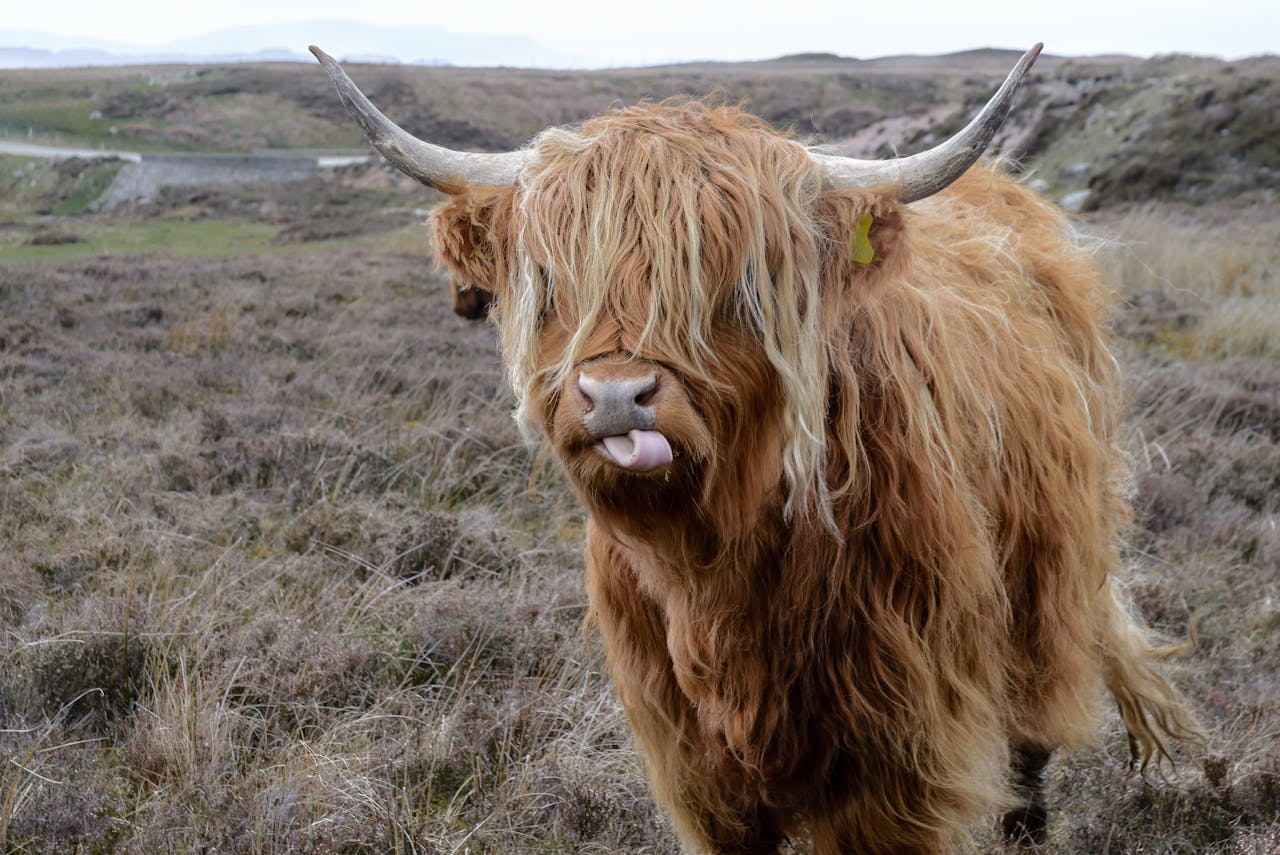
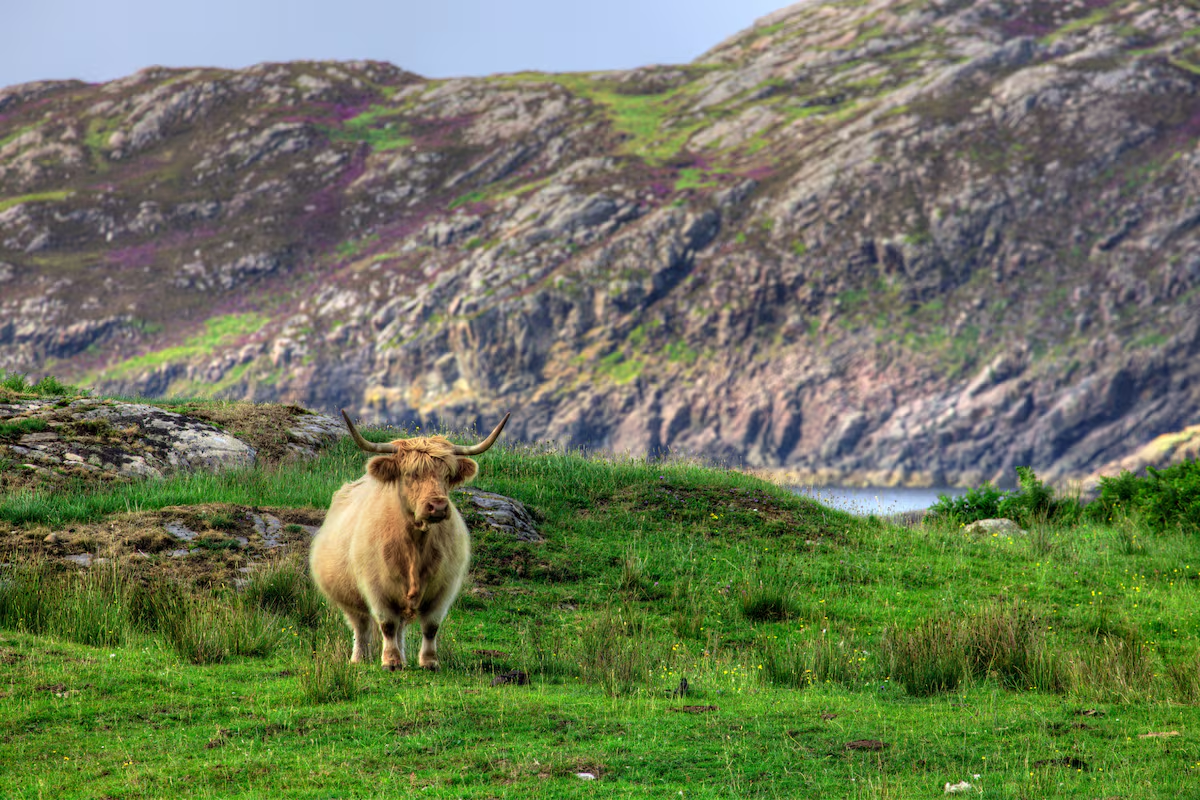
They are the ultimate photographic icon of the country with their shaggy coats and ginger fringes. While there are tourist farms where you can view them, you will find them roaming completely free on the tarmac across many secondary roads in the north and around the Applecross peninsula. They have absolute right of way. Slow down, enjoy the moment, and crawl forward gently without scaring them with your horn.
Frequently Asked Questions (FAQ)
Is it safe to drive in the Highlands if I have never driven on the left? Yes, it is completely safe because main routes are exceptionally well-signposted and traffic moves very peacefully outside of peak season. The real challenge lies in the Single Track Roads (one-lane roads with wider sections called Passing Places). Always remember to pull over to your left if the bay is on your side, or wait in front of it if the bay is on your right to let the oncoming vehicle pass.
What is the best town to stay and make base in the Highlands? If you are looking for amenities, restaurants, and ease of access, Fort William (in the west) or Inverness (in the east) are your best bets. If you prefer a highly authentic experience surrounded by raw wilderness, look for traditional Bed & Breakfasts in tiny villages like Plockton or authorized campsites in the heart of Glencoe.
Are hiking boots required to visit the region? If you only plan on stepping out of the car at roadside viewpoints to snap photos, comfortable sneakers are fine. But if you intend to tackle trails like the Hidden Valley or walk through damp peat areas, waterproof trekking boots with proper ankle support are an absolute must. The Scottish terrain acts like a water sponge all year round.
Links to Structure Your Scotland Trip
- General Guide to Traveling in Scotland
- Glencoe: Guide to Visiting Scotland's Most Spectacular Valley
- Scotland Itinerary: The Perfect 7, 10, and 14-Day Route
- Harry Potter in Scotland: Route to Real Locations
- East Coast Castle Trail Through Scotland & England
- Edinburgh Step-by-Step: The Fairytale Capital Guide
- Glasgow, the City of Music
- Stirling: Castle and William Wallace Monument
To organize your road trip smartly, it is crucial to divide the Highlands into its main geographic sections. Each area has a completely unique character and distinct logistics.
1. The Glencoe Valley (The Dramatic South)
This is the most spectacular gateway to the Highlands if you drive up from Edinburgh or Glasgow along the A82 road. Glencoe is a massive valley carved out by glaciers and ancient volcanoes.
- The Unmissable: The Three Sisters, three towering stone ridges that carve through the landscape. There is a main viewpoint parking lot right on the route to pull over and take photos.
- Expert Tip: If you want to do a short, rewarding trek without high-altitude mountaineering gear, take the trail to the Hidden Valley (Coire Gabhail). This is the lost valley where the Macdonald clan used to hide cattle stolen from their rivals. It takes about 2-3 hours round trip over rocky patches, but the visual reward is stunning.
2. Fort William and the Ben Nevis Area
Located at the end of the Great Glen geological fault, Fort William is the outdoor capital of the United Kingdom. It is guarded by Ben Nevis, the highest mountain in the British Isles (1,345 meters).
- Strategic Use: This is the best logistical hub to set up camp, refuel, and stock up on supplies at large supermarkets before heading deep north or toward the island ferries.
- Nearby: You have the Glenfinnan Viaduct and the start of the beautiful Road to the Isles leading to Mallaig.
3. Inverness and Loch Ness (The Great East)
Inverness is the only true city in the Highlands and serves as its administrative capital. From here, the mystery of Loch Ness comes alive.
- The Truth About Loch Ness: Let's be completely honest: visually, the loch is a massive, straight body of water that can feel quite monotonous compared to the dramatic west coast lochs. Do not come here looking for wild postcard landscapes. What makes the stop truly worthwhile are the ruins of Urquhart Castle, perched on a cliffside right over the shore, giving you an exact sense of scale for the Jacobite wars.
4. The Far North and the North Coast 500
Heading north past Inverness, the landscape changes radically. Trees vanish, the land becomes flat and boggy (peatlands), and the coast shatters into wild cliffs facing the North Sea. This is the Sutherland and Caithness area, spanned by the famous NC500 circular route.
- This is where you will find hidden gems like the white sands and turquoise waters of Achmelvich Beach or the iconic curved Kylesku Bridge.
PUBLICIDAD
Travel with Data: Get your Saily eSIM
- ✓Internet in seconds upon landing
- ✓Flexible plans in 180+ countries
- ✓Easy setup directly via the App
Driving up here requires shifting your mental gears entirely. Based on our time on the ground, keep these three critical factors in mind:
Unmanned Fuel Stations in Remote Areas
Deep north or inside the western valleys, distances between service stations can easily stretch over 40 miles. Many of them are community-run and fully automated (operating 24/7 with credit/debit cards at unmanned pumps). The Golden Rule of the Highlands: Never let your tank drop below a quarter; if you spot a fuel station in a remote spot, fill up even if you still have half a tank.
Real Digital Disconnection
As soon as you enter the deep mountain passes of Glencoe or the northern wilderness valleys, mobile data signals (4G/5G) vanish completely due to the rugged terrain.
- Practical Solution: Download offline maps on Google Maps or Maps.Me (we personally use the latter) or use dedicated sat-nav systems before leaving your hotel. Do not rely on being able to search for a restaurant or trail coordinates in the middle of the road.
The Highland Cow Phenomenon
They are the ultimate photographic icon of the country with their shaggy coats and ginger fringes. While there are tourist farms where you can view them, you will find them roaming completely free on the tarmac across many secondary roads in the north and around the Applecross peninsula. They have absolute right of way. Slow down, enjoy the moment, and crawl forward gently without scaring them with your horn.
Is it safe to drive in the Highlands if I have never driven on the left? Yes, it is completely safe because main routes are exceptionally well-signposted and traffic moves very peacefully outside of peak season. The real challenge lies in the Single Track Roads (one-lane roads with wider sections called Passing Places). Always remember to pull over to your left if the bay is on your side, or wait in front of it if the bay is on your right to let the oncoming vehicle pass.
What is the best town to stay and make base in the Highlands? If you are looking for amenities, restaurants, and ease of access, Fort William (in the west) or Inverness (in the east) are your best bets. If you prefer a highly authentic experience surrounded by raw wilderness, look for traditional Bed & Breakfasts in tiny villages like Plockton or authorized campsites in the heart of Glencoe.
Are hiking boots required to visit the region? If you only plan on stepping out of the car at roadside viewpoints to snap photos, comfortable sneakers are fine. But if you intend to tackle trails like the Hidden Valley or walk through damp peat areas, waterproof trekking boots with proper ankle support are an absolute must. The Scottish terrain acts like a water sponge all year round.
PUBLICIDAD
- General Guide to Traveling in Scotland
- Glencoe: Guide to Visiting Scotland's Most Spectacular Valley
- Scotland Itinerary: The Perfect 7, 10, and 14-Day Route
- Harry Potter in Scotland: Route to Real Locations
- East Coast Castle Trail Through Scotland & England
- Edinburgh Step-by-Step: The Fairytale Capital Guide
- Glasgow, the City of Music
- Stirling: Castle and William Wallace Monument
Galery
PUBLICIDAD
International Travel Insurance
- ✓International medical insurance
- ✓24/7 immediate assistance in your language
- ✓Ideal for trekking & adventure
Preferences
Language
Color
Text
Width