Table of contents and map
Riverside Museum Glasgow: Guide to the Transport Museum and the Tall Ship
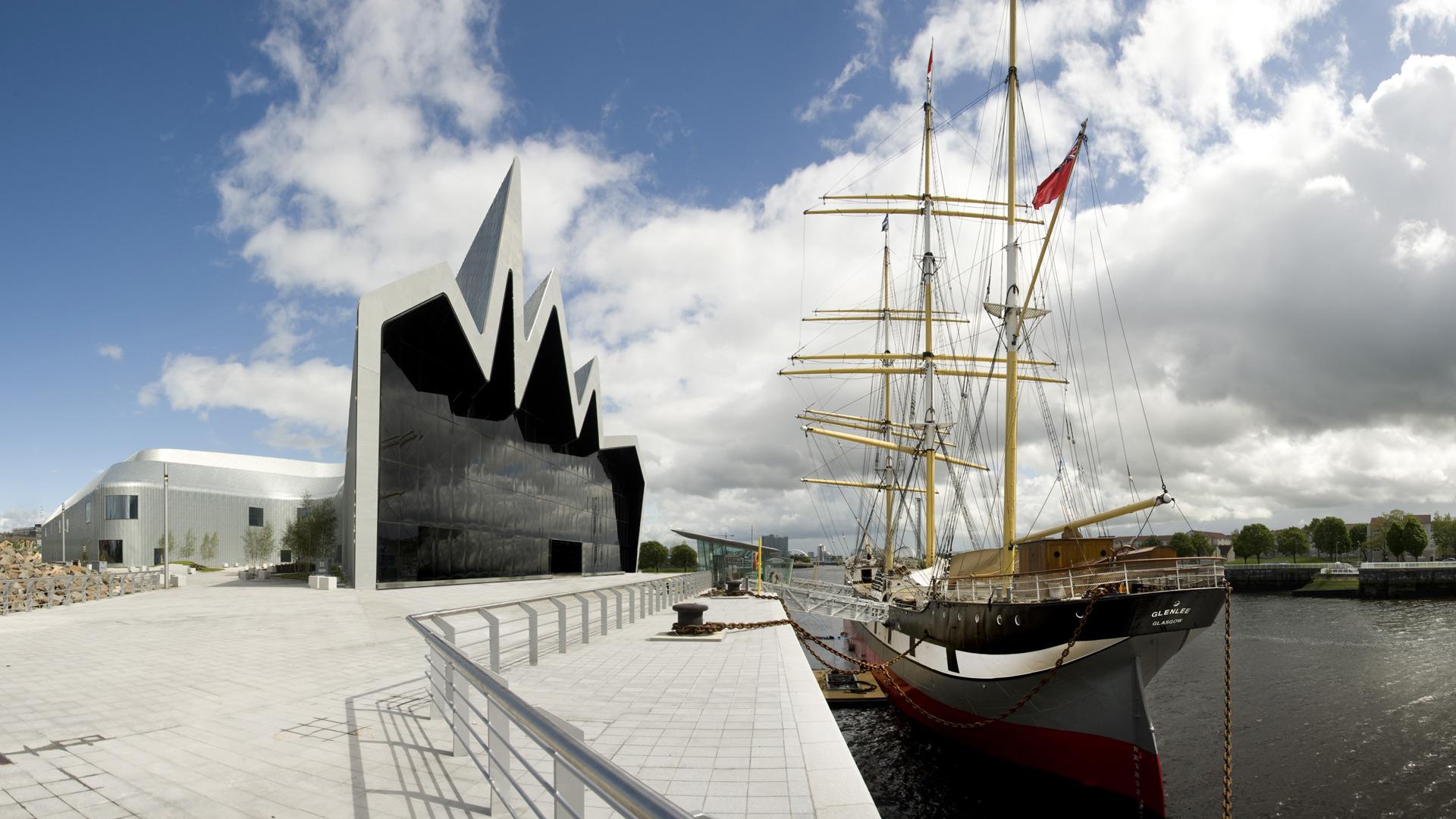
On the banks of the River Clyde stands one of Glasgow's most avant-garde architectural gems: the Riverside Museum. Designed by the acclaimed architect Zaha Hadid, this futuristic building with its zinc-clad zigzag roof houses the city's spectacular Transport Museum. From steam locomotives and vintage cars to the imposing tall ship Glenlee moored at its quay, it offers an interactive journey perfect for the whole family.
Riverside Museum Glasgow: Guide to the Transport Museum and the Tall Ship
On the banks of the River Clyde stands one of Glasgow's most avant-garde architectural gems: the Riverside Museum. Designed by the acclaimed architect Zaha Hadid, this futuristic building with its zinc-clad zigzag roof houses the city's spectacular Transport Museum. From steam locomotives and vintage cars to the imposing tall ship Glenlee moored at its quay, it offers an interactive journey perfect for the whole family.
Glasgow has a formidable industrial and maritime past; for decades, it was the shipyard of the British Empire, where the most imposing ships on the planet were built. There is no better place to understand this heritage than the Riverside Museum, the city's award-winning transport museum.
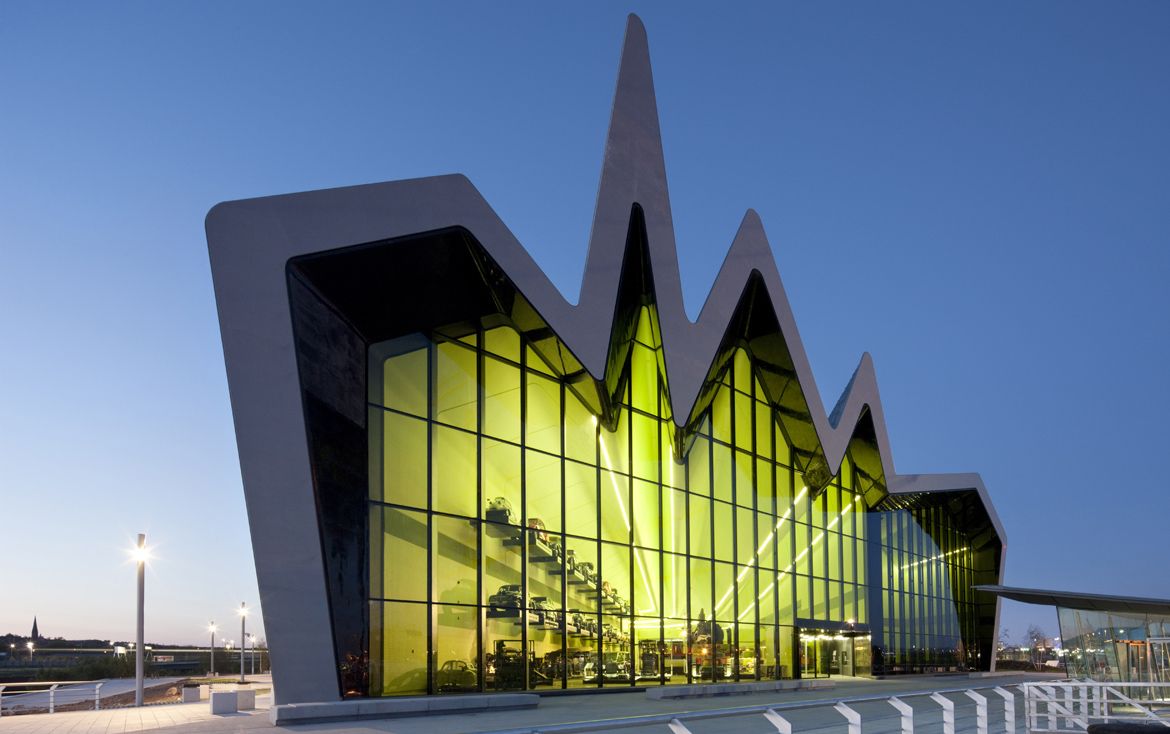
The building itself is a work of art. Designed by the famous deconstructivist architect Zaha Hadid, its flowing lines and a metallic roof that mimics the ripples of water poetically connect the city with the River Clyde. Just like Glasgow's other major museums, admission to both the Riverside and the historic tall ship moored at its outdoor quay is completely free.
What to See at the Riverside Museum
The interior of the museum is a bright, open, and dynamic space housing over 3,000 objects related to transport and technology. Here are the highlights you shouldn't miss:
1. The Historic Glasgow Street (The Street)
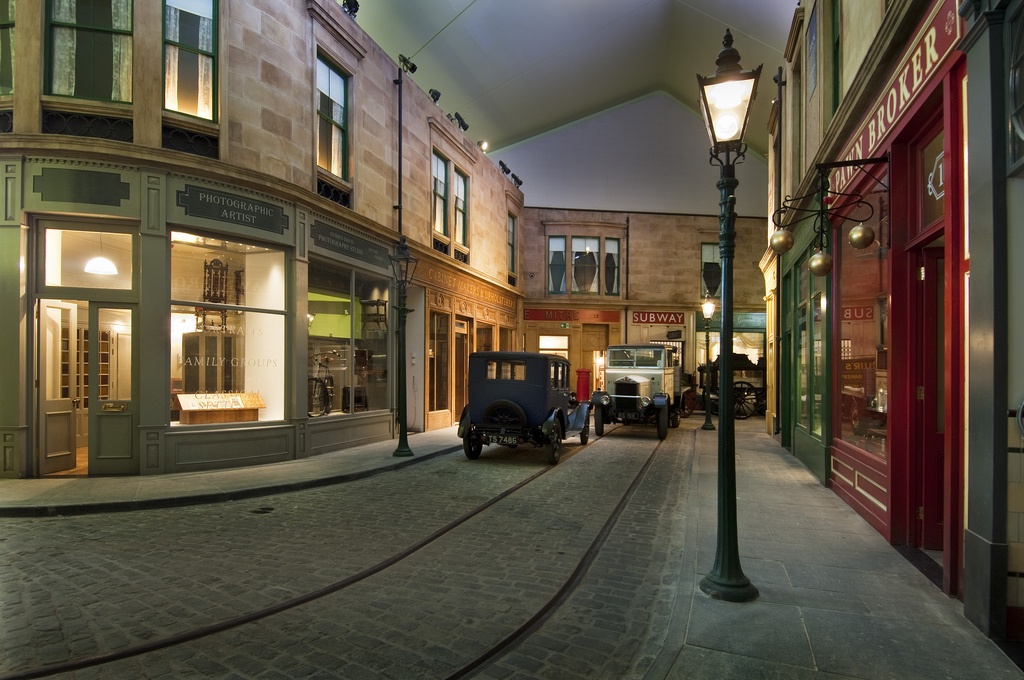
Without a doubt, this is the visitors' favorite section. The museum has recreated a full-scale cobbled Glasgow street across three different periods (ranging from 1895 to the 1930s). You can stroll down it, step inside real shops of the era—such as a toy shop, a tailor, a saddler, and an apothecary—and even climb aboard a vintage tram or explore a wonderfully realistic reconstructed historic subway station.
2. The Collection of Cars, Motorbikes, and Steam Locomotives
The museum features a spectacular display where vehicles seem to climb up the walls and hang from the ceiling:
- Giant Steam Locomotives: You can climb into the cabs of massive steam trains built in Glasgow's own Springburn works, which were once exported all over the world.
- Cars of All Eras: From the earliest horseless carriages to classic models from legendary Scottish and international brands.
- The Motorbike Wall: A massive ramp displaying dozens of historic motorbikes arranged chronologically.
3. The Historic Tall Ship: The Glenlee
Moored at the harbor right behind the museum's glass facade is the Glenlee. Built in the shipyards of Port Glasgow in 1896, this imposing three-masted barque is one of only five Clyde-built sailing ships of its class still afloat in the world today.
- The Visit: Access is completely free. You can climb on board, walk the deck, explore the crew's quarters, head down into the cargo holds, and experience firsthand what the incredibly harsh life was like for sailors who circumnavigated the globe in the late 19th century.
Ticket Prices and Admission
- Riverside Museum: 100% free admission. No advance booking is required; you can just walk right in.
- The Tall Ship Glenlee: Free admission (although voluntary donations of around £3 to £5 are greatly appreciated to help with the ship's upkeep and conservation).
Opening Hours
- Monday to Thursday and Saturday: 10:00 AM to 5:00 PM.
- Friday and Sunday: 11:00 AM to 5:00 PM. (Last entry to the Glenlee tall ship is usually 30 minutes before the museum closes).
How to Get to the Riverside Museum
The museum is located in the Pointhouse area, slightly west of Kelvingrove Park. There are several very easy ways to get there from the city center:
- On Foot (Recommended route): If you are in the West End (for example, leaving the Kelvingrove Museum or the University of Glasgow), you can walk south through the park and follow the pedestrian path along the River Kelvin to where it meets the Clyde. It is a very scenic 20-25 minute walk.
- By Subway/Train: The nearest station is Partick (which serves both the circular subway and urban rail lines). From the station, there is a signposted pedestrian path that takes about 10-15 minutes to reach the museum entrance.
- By Bus: The 100 Riversider service (operated by First Bus) departs directly from the city center (George Square) and drops you right outside the museum doors.
Practical Tips for Your Visit
- Paid Parking: Unlike other areas of the West End on weekends, the official Riverside Museum car park is chargeable 24 hours a day (approximately £1.60 per hour at the meter). Keep this in mind if you are driving.
- Perfect for Traveling with Kids: The Riverside is Glasgow's most interactive museum. There are buttons to press, simulator screens, vehicles to climb into, and interactive play areas, making it a perfect plan if you are traveling as a family.
- Enjoy a Coffee with a View: The museum's café has a beautiful terrace facing the River Clyde, ideal for grabbing a specialty coffee or a quick lunch while looking out at the Glenlee tall ship.
Frequently Asked Questions (FAQ)
How much time do I need to visit the museum and the tall ship?
To explore the Riverside Museum comfortably, walk down the historic street, and go aboard the Glenlee tall ship, you will need between 2 and 3 hours in total.
Is the museum accessible for people with reduced mobility?
Yes, the building was designed to Zaha Hadid's modern accessibility standards. It features step-free access, wide corridors, elevators, and adapted restrooms. There is a wheelchair-accessible gangway to board the Glenlee, though some of the ship's lower decks are accessed via steep wooden ladders typical of a 19th-century vessel.
Where does the name "Riverside" come from?
Its name simply comes from its physical location: "Riverside" refers to its prime spot right on the banks where the River Kelvin joins the majestic River Clyde.
Useful Links to Keep Building Your Scotland Itinerary
- Glasgow: the ultimate guide to discovering the most vibrant city
- Kelvingrove Museum: Dalí masterpieces and free treasures in the West End
- University of Glasgow: How to visit the Hogwarts-style cloisters
- Ashton Lane and the West End: Glasgow's most photogenic spot
- Glasgow Cathedral and the Necropolis: Historic guide and legends
- Glasgow Mural Trail: Street art route
The interior of the museum is a bright, open, and dynamic space housing over 3,000 objects related to transport and technology. Here are the highlights you shouldn't miss:
1. The Historic Glasgow Street (The Street)
Without a doubt, this is the visitors' favorite section. The museum has recreated a full-scale cobbled Glasgow street across three different periods (ranging from 1895 to the 1930s). You can stroll down it, step inside real shops of the era—such as a toy shop, a tailor, a saddler, and an apothecary—and even climb aboard a vintage tram or explore a wonderfully realistic reconstructed historic subway station.
2. The Collection of Cars, Motorbikes, and Steam Locomotives
The museum features a spectacular display where vehicles seem to climb up the walls and hang from the ceiling:
- Giant Steam Locomotives: You can climb into the cabs of massive steam trains built in Glasgow's own Springburn works, which were once exported all over the world.
- Cars of All Eras: From the earliest horseless carriages to classic models from legendary Scottish and international brands.
- The Motorbike Wall: A massive ramp displaying dozens of historic motorbikes arranged chronologically.
3. The Historic Tall Ship: The Glenlee
Moored at the harbor right behind the museum's glass facade is the Glenlee. Built in the shipyards of Port Glasgow in 1896, this imposing three-masted barque is one of only five Clyde-built sailing ships of its class still afloat in the world today.
- The Visit: Access is completely free. You can climb on board, walk the deck, explore the crew's quarters, head down into the cargo holds, and experience firsthand what the incredibly harsh life was like for sailors who circumnavigated the globe in the late 19th century.
PUBLICIDAD
Travel with Data: Get your Saily eSIM
- ✓Internet in seconds upon landing
- ✓Flexible plans in 180+ countries
- ✓Easy setup directly via the App
- Riverside Museum: 100% free admission. No advance booking is required; you can just walk right in.
- The Tall Ship Glenlee: Free admission (although voluntary donations of around £3 to £5 are greatly appreciated to help with the ship's upkeep and conservation).
- Monday to Thursday and Saturday: 10:00 AM to 5:00 PM.
- Friday and Sunday: 11:00 AM to 5:00 PM. (Last entry to the Glenlee tall ship is usually 30 minutes before the museum closes).
The museum is located in the Pointhouse area, slightly west of Kelvingrove Park. There are several very easy ways to get there from the city center:
- On Foot (Recommended route): If you are in the West End (for example, leaving the Kelvingrove Museum or the University of Glasgow), you can walk south through the park and follow the pedestrian path along the River Kelvin to where it meets the Clyde. It is a very scenic 20-25 minute walk.
- By Subway/Train: The nearest station is Partick (which serves both the circular subway and urban rail lines). From the station, there is a signposted pedestrian path that takes about 10-15 minutes to reach the museum entrance.
- By Bus: The 100 Riversider service (operated by First Bus) departs directly from the city center (George Square) and drops you right outside the museum doors.
- Paid Parking: Unlike other areas of the West End on weekends, the official Riverside Museum car park is chargeable 24 hours a day (approximately £1.60 per hour at the meter). Keep this in mind if you are driving.
- Perfect for Traveling with Kids: The Riverside is Glasgow's most interactive museum. There are buttons to press, simulator screens, vehicles to climb into, and interactive play areas, making it a perfect plan if you are traveling as a family.
- Enjoy a Coffee with a View: The museum's café has a beautiful terrace facing the River Clyde, ideal for grabbing a specialty coffee or a quick lunch while looking out at the Glenlee tall ship.
How much time do I need to visit the museum and the tall ship?
To explore the Riverside Museum comfortably, walk down the historic street, and go aboard the Glenlee tall ship, you will need between 2 and 3 hours in total.
Is the museum accessible for people with reduced mobility?
Yes, the building was designed to Zaha Hadid's modern accessibility standards. It features step-free access, wide corridors, elevators, and adapted restrooms. There is a wheelchair-accessible gangway to board the Glenlee, though some of the ship's lower decks are accessed via steep wooden ladders typical of a 19th-century vessel.
Where does the name "Riverside" come from?
Its name simply comes from its physical location: "Riverside" refers to its prime spot right on the banks where the River Kelvin joins the majestic River Clyde.
PUBLICIDAD
- Glasgow: the ultimate guide to discovering the most vibrant city
- Kelvingrove Museum: Dalí masterpieces and free treasures in the West End
- University of Glasgow: How to visit the Hogwarts-style cloisters
- Ashton Lane and the West End: Glasgow's most photogenic spot
- Glasgow Cathedral and the Necropolis: Historic guide and legends
- Glasgow Mural Trail: Street art route
PUBLICIDAD
International Travel Insurance
- ✓International medical insurance
- ✓24/7 immediate assistance in your language
- ✓Ideal for trekking & adventure



Preferences
Language
Color
Text
Width