Table of contents and map
Kelvingrove Museum in Glasgow: What to See, Masterpieces, and Visitor Guide
Located in the heart of the bohemian West End, Kelvingrove is not only Glasgow's most famous museum, but one of the most beloved in all of Scotland. Inside its imposing red sandstone palace, dinosaur fossils, a World War II fighter plane, masterpieces by Salvador Dalí, and a massive 5,000-pipe organ live together. Here is everything you need to know for your 2026 visit.
Kelvingrove Museum in Glasgow: What to See, Masterpieces, and Visitor Guide
Located in the heart of the bohemian West End, Kelvingrove is not only Glasgow's most famous museum, but one of the most beloved in all of Scotland. Inside its imposing red sandstone palace, dinosaur fossils, a World War II fighter plane, masterpieces by Salvador Dalí, and a massive 5,000-pipe organ live together. Here is everything you need to know for your 2026 visit.
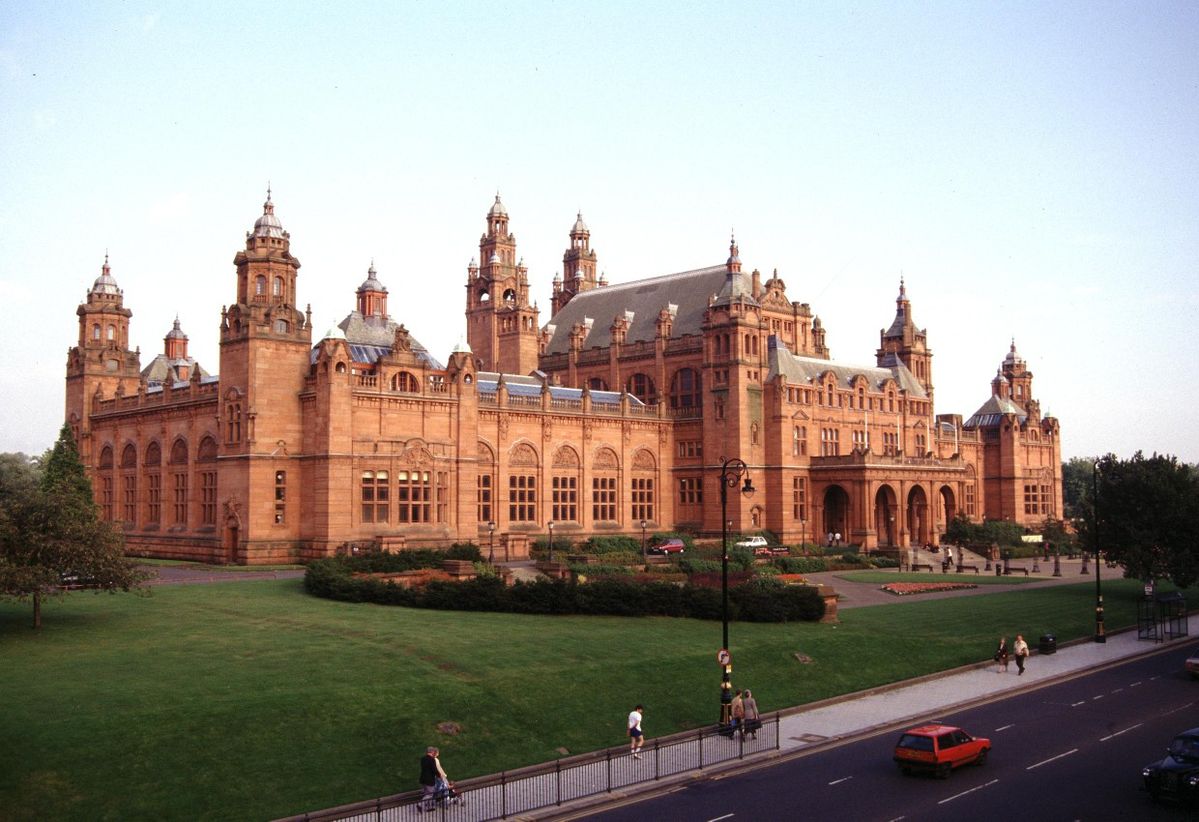
If you only had time to visit one place in Glasgow, it would undoubtedly have to be the Kelvingrove Art Gallery and Museum. This spectacular late 19th-century palace stands out not only for its breathtaking Spanish Baroque architecture built from red sandstone, but also for housing one of the most eclectic and fascinating art and anthropology collections in Europe.
Opened in 1901, Kelvingrove operates under a beautiful principle: art and history belong to everyone. That is why, like the vast majority of Glasgow's museums, admission is completely free. Get ready to lose yourself in its 22 themed galleries, where a harmonious chaos will take you from contemplating Renaissance art to walking past a stuffed Asian elephant.
What to See in the Kelvingrove Museum: Must-See Masterpieces
The museum features over 8,000 objects on display across two main floors: the East Wing (primarily dedicated to Natural History) and the West Wing (focused on Fine Arts). Here are the absolute highlights of your visit:
1. Christ of Saint John of the Cross by Salvador Dalí
This is the undisputed jewel in the crown and Scotland's most valuable painting. Acquired by the city in 1952 (amidst great controversy over its cost at the time), Dalí's masterpiece is striking for its unique overhead perspective of the crucifixion, its play of light, and the absence of traditional dramatic elements (such as nails or blood). It is displayed in a special room with dim lighting that invites quiet contemplation.
2. The Spitfire Hanging from the Ceiling
In the natural history section of the East Wing, you will spot an authentic World War II Supermarine Spitfire fighter plane (built in 1944) suspended directly over visitors' heads, surrounded by whale skeletons and wild animals. It is one of the most famous and iconic sights in the museum.
3. Sophie Cave's Floating Heads
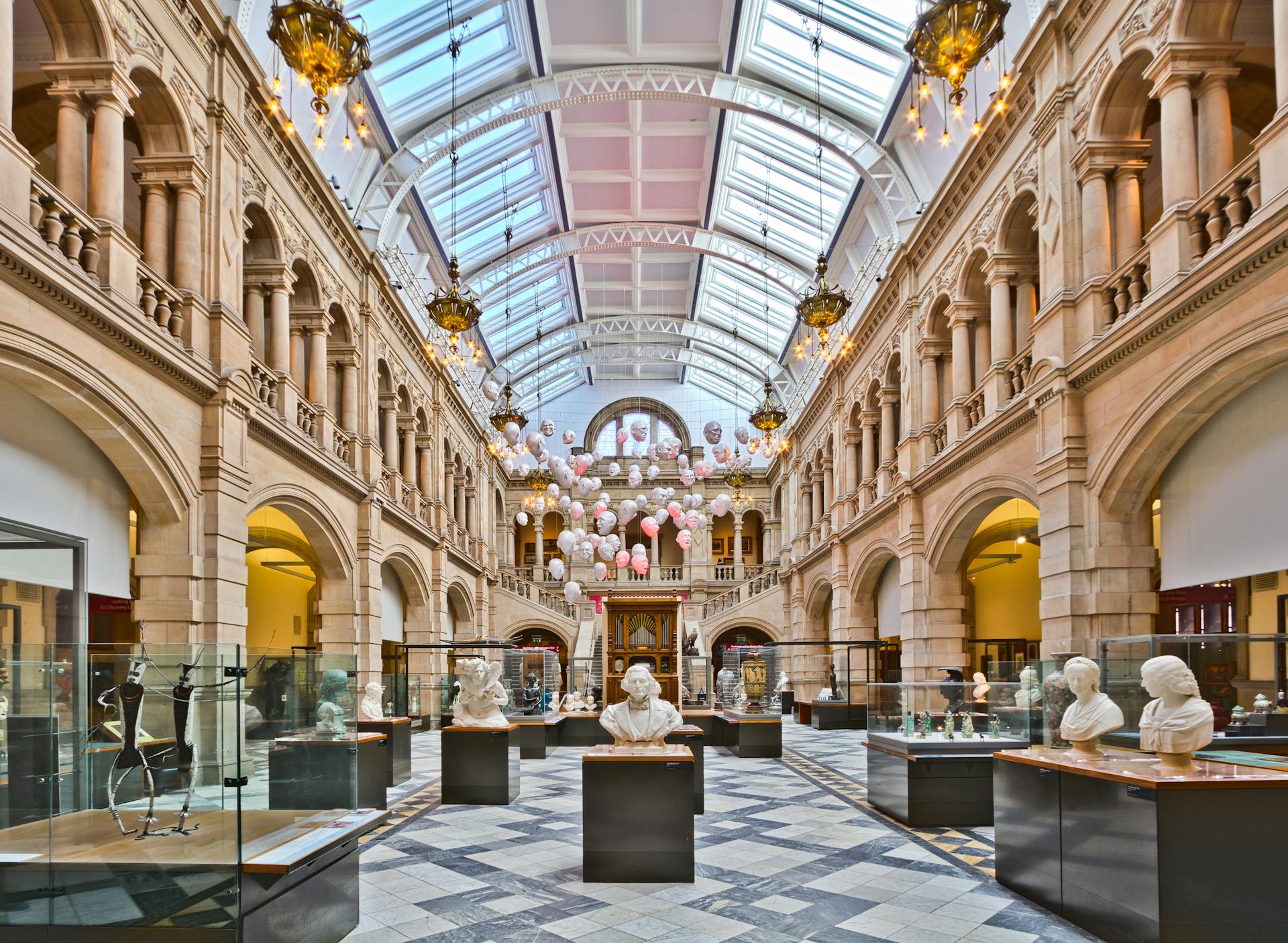
In the central hall, you will come across the contemporary art installation Expressions by artist Sophie Cave. It features more than 50 floating white heads suspended in mid-air, displaying the full spectrum of human emotions (joy, pain, disgust, anger) highlighted by shifting colored lights. It is hypnotic and a little eerie all at once.
4. The Grand Organ and Daily Recitals
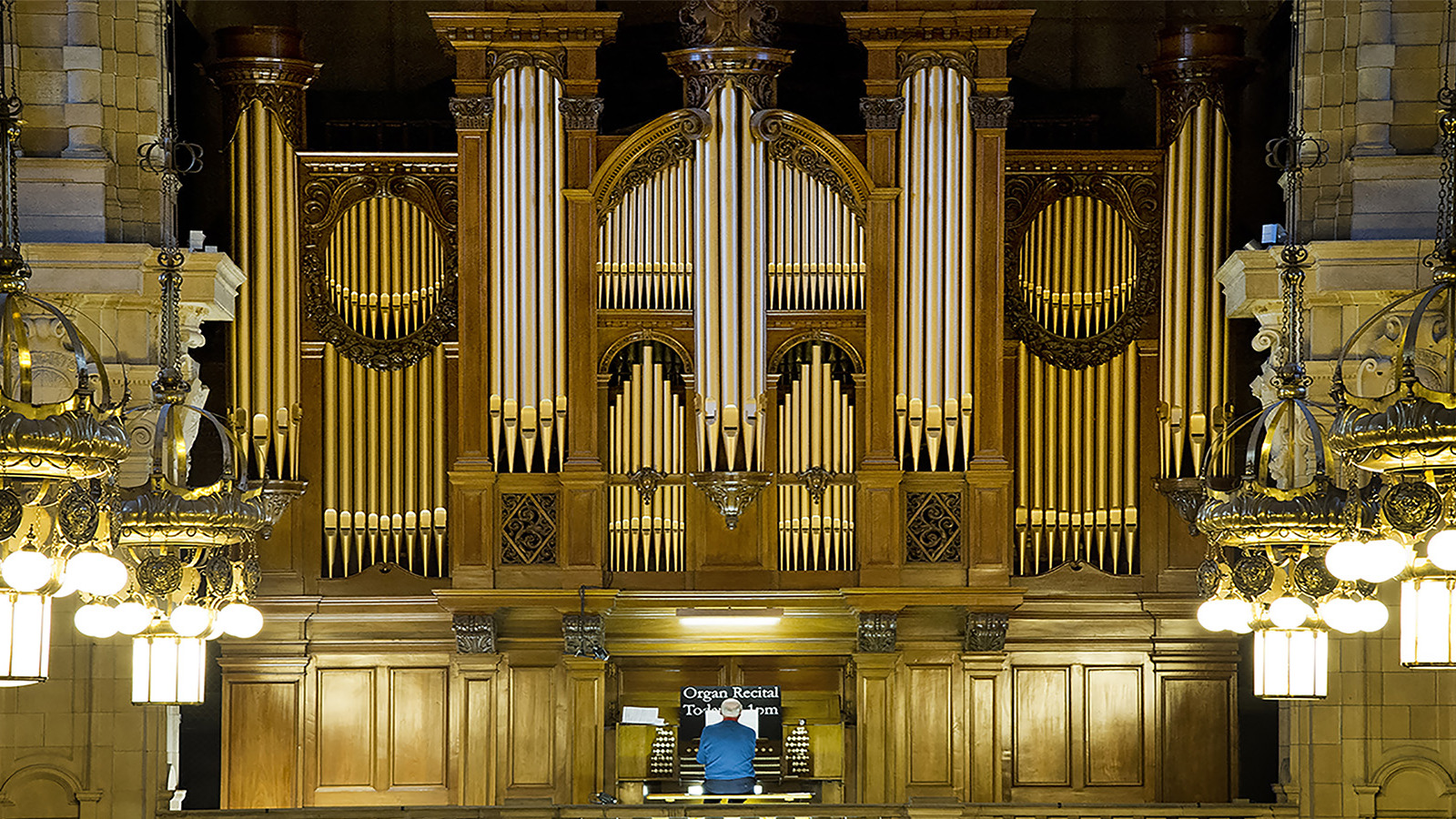
The majestic entrance hall is dominated by a giant concert pipe organ built in 1901. Best of all, there is a free live organ recital every day at 1:00 PM (and Sundays at 3:00 PM). Sitting on the benches of the grand hall and listening to classical music or movie soundtracks echoing under the vaulted ceilings is a truly magical experience.
5. Charles Rennie Mackintosh and the "Glasgow Boys"
The museum features an entire gallery dedicated to Art Nouveau and the Glasgow School of Art. You can get an up-close look at the work of Charles Rennie Mackintosh (the city's most famous architect and designer) and the genius of the group of painters known as the Glasgow Boys, who revolutionized Scottish art in the late 19th century by depicting rural and urban life with a fresh, realistic style.
Ticket Prices and Admission
General admission is 100% free. You do not need to book tickets in advance; you can simply show up and walk in. Only certain special, temporary exhibitions may require a paid ticket.
Opening Hours
The museum is open every day of the week:
- Monday to Thursday and Saturday: 10:00 AM to 5:00 PM.
- Friday and Sunday: 11:00 AM to 5:00 PM.
How to Get There from Central Glasgow
Getting here from George Square is very simple and you have several convenient options:
- By Subway: Take the circular subway line (the "Clockwork Orange") from Buchanan Street to Kelvinhall or Hillhead station. From there, it is just a 10-minute walk through the West End.
- By Bus: Bus routes 2, 3, and 77 drop you off right in front of the museum.
- On Foot: If you enjoy walking, it is a straightforward 35-to-40-minute walk cutting through the city's Victorian streets towards the West End.
Practical Tips for Your Visit
To make the most of your time at Kelvingrove, keep these recommendations in mind:
- Budget your time wisely: The museum is massive and easy to get lost in. We suggest setting aside 2 to 3 hours to explore at a relaxed pace and see the main highlights without rushing.
- Enjoy the surroundings: The museum is located right inside the beautiful Kelvingrove Park. After your visit, we highly recommend taking a stroll along its paths bordering the River Kelvin, perfect for unwinding or taking photos of the building from a distance.
- Food and Coffee: There is an excellent cafe inside the building offering lunch options, teas, and traditional pastries. However, if you prefer something different, you are just steps away from Argyle Street in the Finnieston neighborhood—Glasgow's most vibrant and trendy culinary hotspot.
Frequently Asked Questions (FAQ)
Can I take photos inside the museum?
Yes, taking photos and videos for personal, non-commercial use is allowed throughout most of the museum. However, this must always be done without a flash to protect the artwork, and tripods are not permitted. Pay close attention to the signs in each room, as some temporary exhibitions or specific paintings in the permanent collection may have copyright restrictions.
Are there cloakrooms or lockers to leave backpacks and suitcases?
Yes, the museum offers a cloakroom service and lockers (which usually operate with a returnable deposit coin). Nevertheless, if you are traveling with large suitcases or bulky carry-on luggage, we highly recommend leaving them in the left-luggage facilities at the city center train stations (such as Glasgow Central or Queen Street), as the museum's space for large bags is limited.
Is it a good museum to visit with children?
It is absolutely fantastic for families! Kelvingrove is famous for being incredibly dynamic and far from boring. The natural history wing with its stuffed animals, dinosaur fossils, the hanging Spitfire fighter plane, and various interactive screens will keep the little ones highly entertained. Furthermore, the building is 100% accessible for strollers.
Are there audio guides available in other languages?
All informational signage throughout the museum is in English. While printed guide leaflets in multiple languages are sometimes available, the availability of physical foreign-language audio guides can vary by season. A very useful travel tip is to use the camera feature on Google Translate on your phone to translate the artwork information panels instantly.
Is parking available if I go by car?
Yes, the museum has its own paid parking lot on-site (around £1.60 per hour). However, spaces are quite limited and tend to fill up quickly during peak hours. It is highly recommended to use the city's excellent public transit system or leave your car in a central parking garage if you plan on spending the entire day exploring the West End.
Useful Links to Keep Planning Your Scotland Itinerary
- Glasgow: the ultimate guide to discovering the most vibrant city
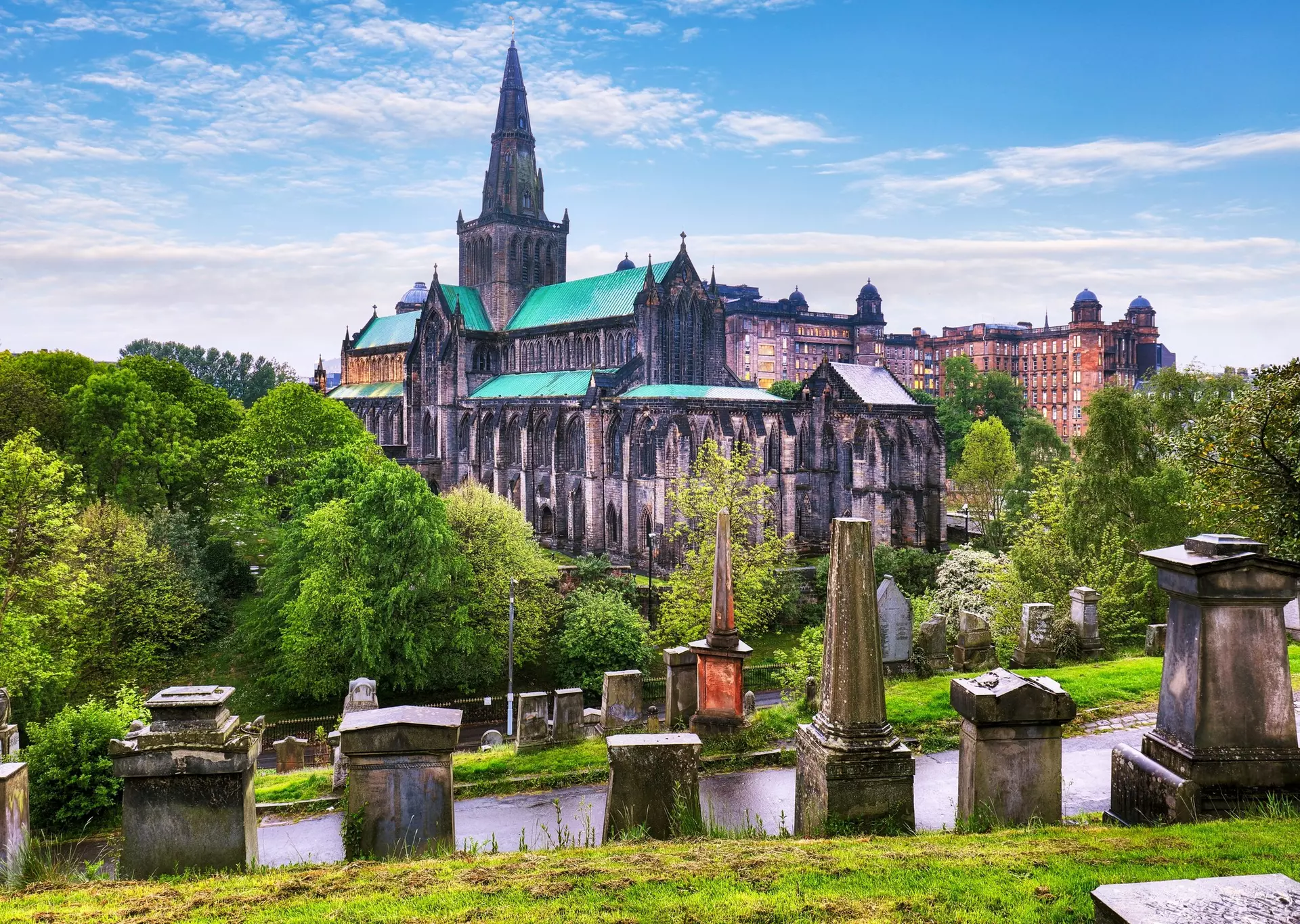
- Glasgow Cathedral and the Necropolis: Historical guide and legends
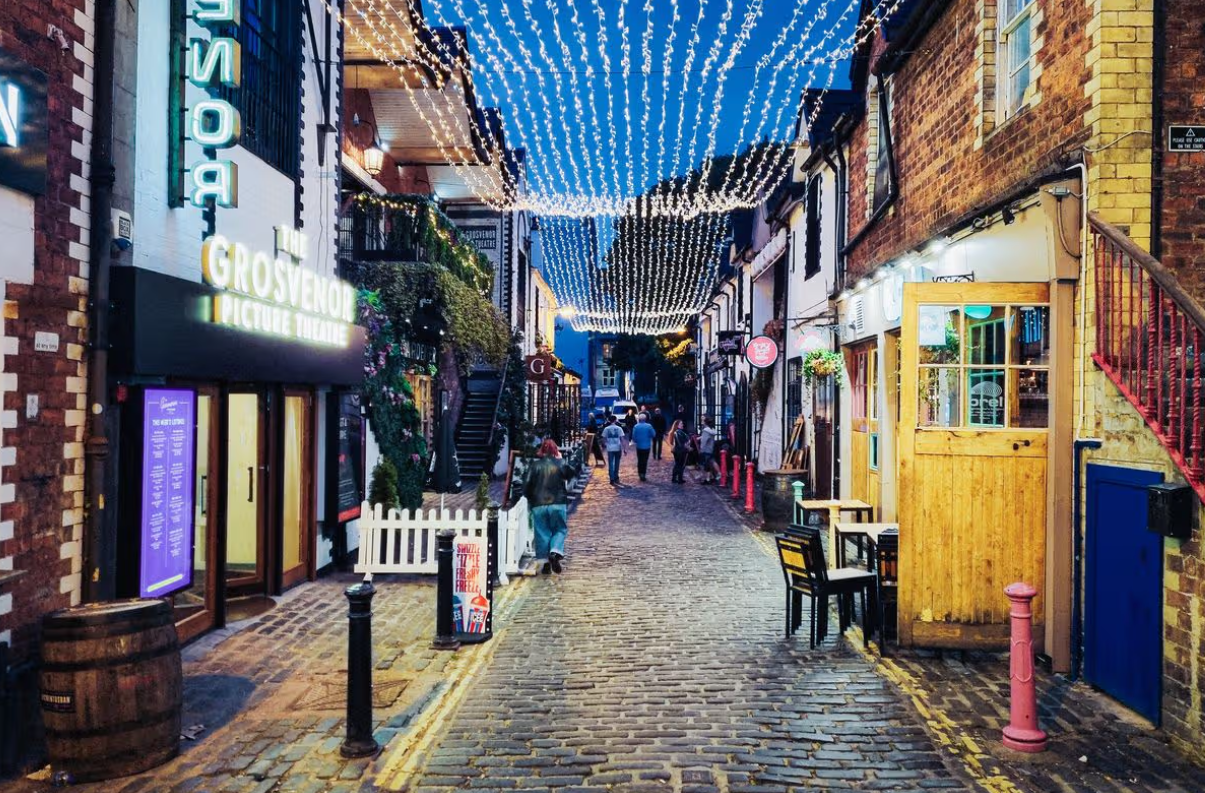
- Ashton Lane and the West End: Glasgow's most photogenic spot
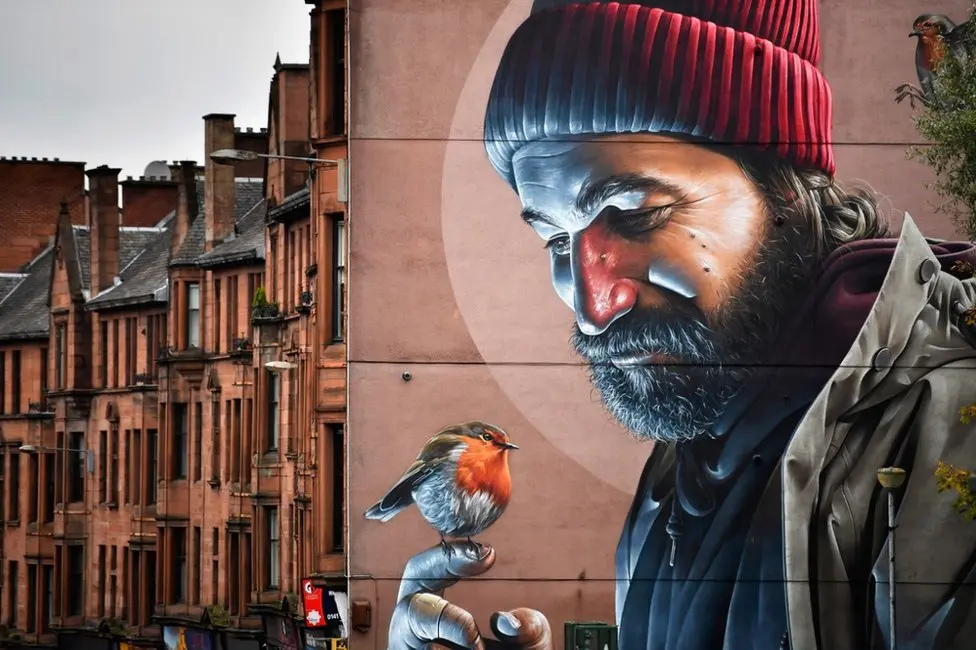
- Glasgow Mural Trail
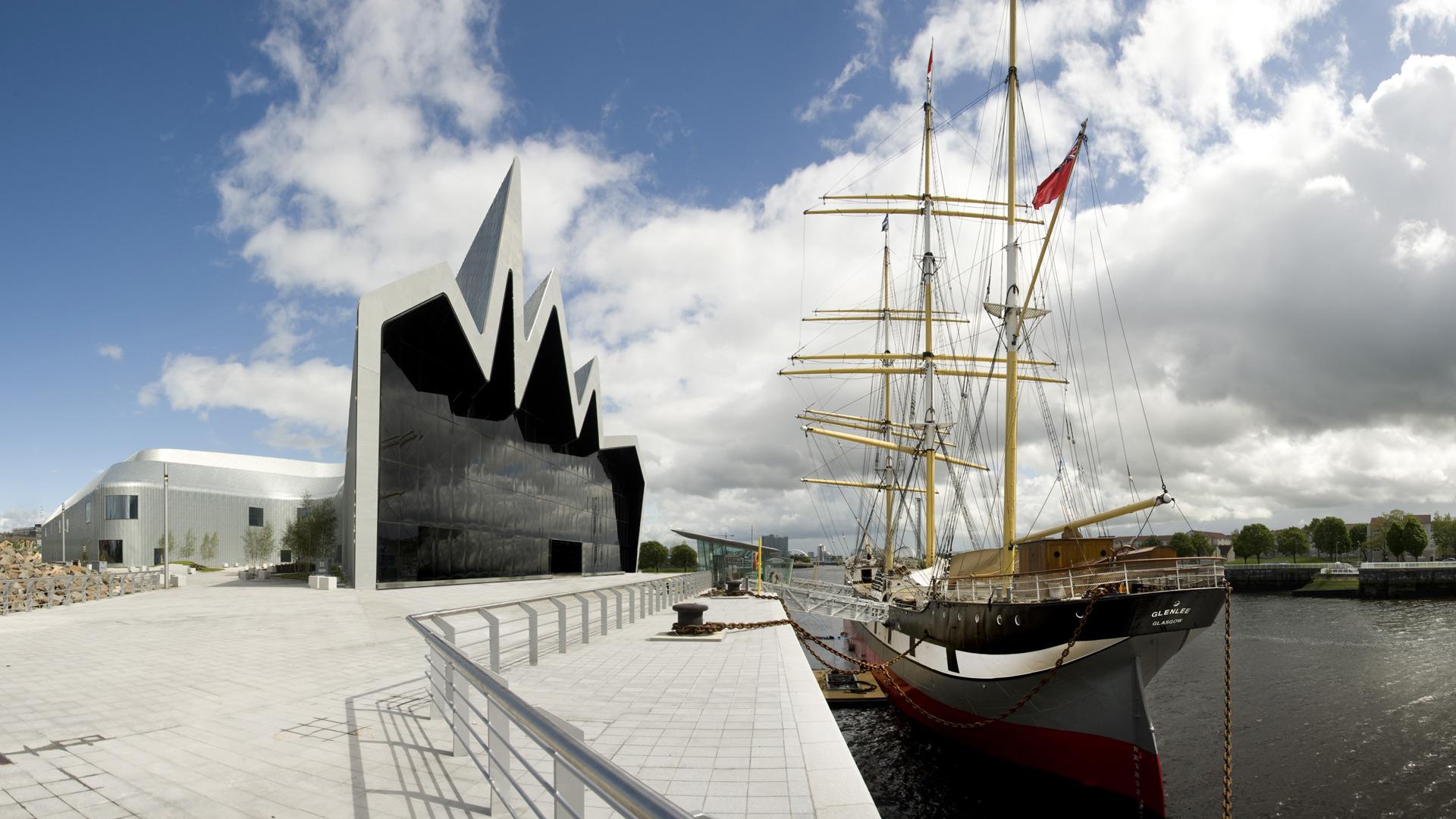
- The Riverside Museum
- Edinburgh step by step: the ultimate guide to squeezing the capital
The museum features over 8,000 objects on display across two main floors: the East Wing (primarily dedicated to Natural History) and the West Wing (focused on Fine Arts). Here are the absolute highlights of your visit:
1. Christ of Saint John of the Cross by Salvador Dalí
This is the undisputed jewel in the crown and Scotland's most valuable painting. Acquired by the city in 1952 (amidst great controversy over its cost at the time), Dalí's masterpiece is striking for its unique overhead perspective of the crucifixion, its play of light, and the absence of traditional dramatic elements (such as nails or blood). It is displayed in a special room with dim lighting that invites quiet contemplation.
2. The Spitfire Hanging from the Ceiling
In the natural history section of the East Wing, you will spot an authentic World War II Supermarine Spitfire fighter plane (built in 1944) suspended directly over visitors' heads, surrounded by whale skeletons and wild animals. It is one of the most famous and iconic sights in the museum.
3. Sophie Cave's Floating Heads
In the central hall, you will come across the contemporary art installation Expressions by artist Sophie Cave. It features more than 50 floating white heads suspended in mid-air, displaying the full spectrum of human emotions (joy, pain, disgust, anger) highlighted by shifting colored lights. It is hypnotic and a little eerie all at once.
4. The Grand Organ and Daily Recitals
The majestic entrance hall is dominated by a giant concert pipe organ built in 1901. Best of all, there is a free live organ recital every day at 1:00 PM (and Sundays at 3:00 PM). Sitting on the benches of the grand hall and listening to classical music or movie soundtracks echoing under the vaulted ceilings is a truly magical experience.
5. Charles Rennie Mackintosh and the "Glasgow Boys"
The museum features an entire gallery dedicated to Art Nouveau and the Glasgow School of Art. You can get an up-close look at the work of Charles Rennie Mackintosh (the city's most famous architect and designer) and the genius of the group of painters known as the Glasgow Boys, who revolutionized Scottish art in the late 19th century by depicting rural and urban life with a fresh, realistic style.
PUBLICIDAD
Travel with Data: Get your Saily eSIM
- ✓Internet in seconds upon landing
- ✓Flexible plans in 180+ countries
- ✓Easy setup directly via the App
General admission is 100% free. You do not need to book tickets in advance; you can simply show up and walk in. Only certain special, temporary exhibitions may require a paid ticket.
The museum is open every day of the week:
- Monday to Thursday and Saturday: 10:00 AM to 5:00 PM.
- Friday and Sunday: 11:00 AM to 5:00 PM.
Getting here from George Square is very simple and you have several convenient options:
- By Subway: Take the circular subway line (the "Clockwork Orange") from Buchanan Street to Kelvinhall or Hillhead station. From there, it is just a 10-minute walk through the West End.
- By Bus: Bus routes 2, 3, and 77 drop you off right in front of the museum.
- On Foot: If you enjoy walking, it is a straightforward 35-to-40-minute walk cutting through the city's Victorian streets towards the West End.
To make the most of your time at Kelvingrove, keep these recommendations in mind:
- Budget your time wisely: The museum is massive and easy to get lost in. We suggest setting aside 2 to 3 hours to explore at a relaxed pace and see the main highlights without rushing.
- Enjoy the surroundings: The museum is located right inside the beautiful Kelvingrove Park. After your visit, we highly recommend taking a stroll along its paths bordering the River Kelvin, perfect for unwinding or taking photos of the building from a distance.
- Food and Coffee: There is an excellent cafe inside the building offering lunch options, teas, and traditional pastries. However, if you prefer something different, you are just steps away from Argyle Street in the Finnieston neighborhood—Glasgow's most vibrant and trendy culinary hotspot.
Can I take photos inside the museum?
Yes, taking photos and videos for personal, non-commercial use is allowed throughout most of the museum. However, this must always be done without a flash to protect the artwork, and tripods are not permitted. Pay close attention to the signs in each room, as some temporary exhibitions or specific paintings in the permanent collection may have copyright restrictions.
Are there cloakrooms or lockers to leave backpacks and suitcases?
Yes, the museum offers a cloakroom service and lockers (which usually operate with a returnable deposit coin). Nevertheless, if you are traveling with large suitcases or bulky carry-on luggage, we highly recommend leaving them in the left-luggage facilities at the city center train stations (such as Glasgow Central or Queen Street), as the museum's space for large bags is limited.
Is it a good museum to visit with children?
It is absolutely fantastic for families! Kelvingrove is famous for being incredibly dynamic and far from boring. The natural history wing with its stuffed animals, dinosaur fossils, the hanging Spitfire fighter plane, and various interactive screens will keep the little ones highly entertained. Furthermore, the building is 100% accessible for strollers.
Are there audio guides available in other languages?
All informational signage throughout the museum is in English. While printed guide leaflets in multiple languages are sometimes available, the availability of physical foreign-language audio guides can vary by season. A very useful travel tip is to use the camera feature on Google Translate on your phone to translate the artwork information panels instantly.
Is parking available if I go by car?
Yes, the museum has its own paid parking lot on-site (around £1.60 per hour). However, spaces are quite limited and tend to fill up quickly during peak hours. It is highly recommended to use the city's excellent public transit system or leave your car in a central parking garage if you plan on spending the entire day exploring the West End.
PUBLICIDAD
- Glasgow: the ultimate guide to discovering the most vibrant city
- Glasgow Cathedral and the Necropolis: Historical guide and legends
- Ashton Lane and the West End: Glasgow's most photogenic spot
- Glasgow Mural Trail
- The Riverside Museum
- Edinburgh step by step: the ultimate guide to squeezing the capital
PUBLICIDAD
International Travel Insurance
- ✓International medical insurance
- ✓24/7 immediate assistance in your language
- ✓Ideal for trekking & adventure
Preferences
Language
Color
Text
Width