Table of contents and map
Merchant City in Glasgow: What to See, Where to Eat, and Trendy District Guide
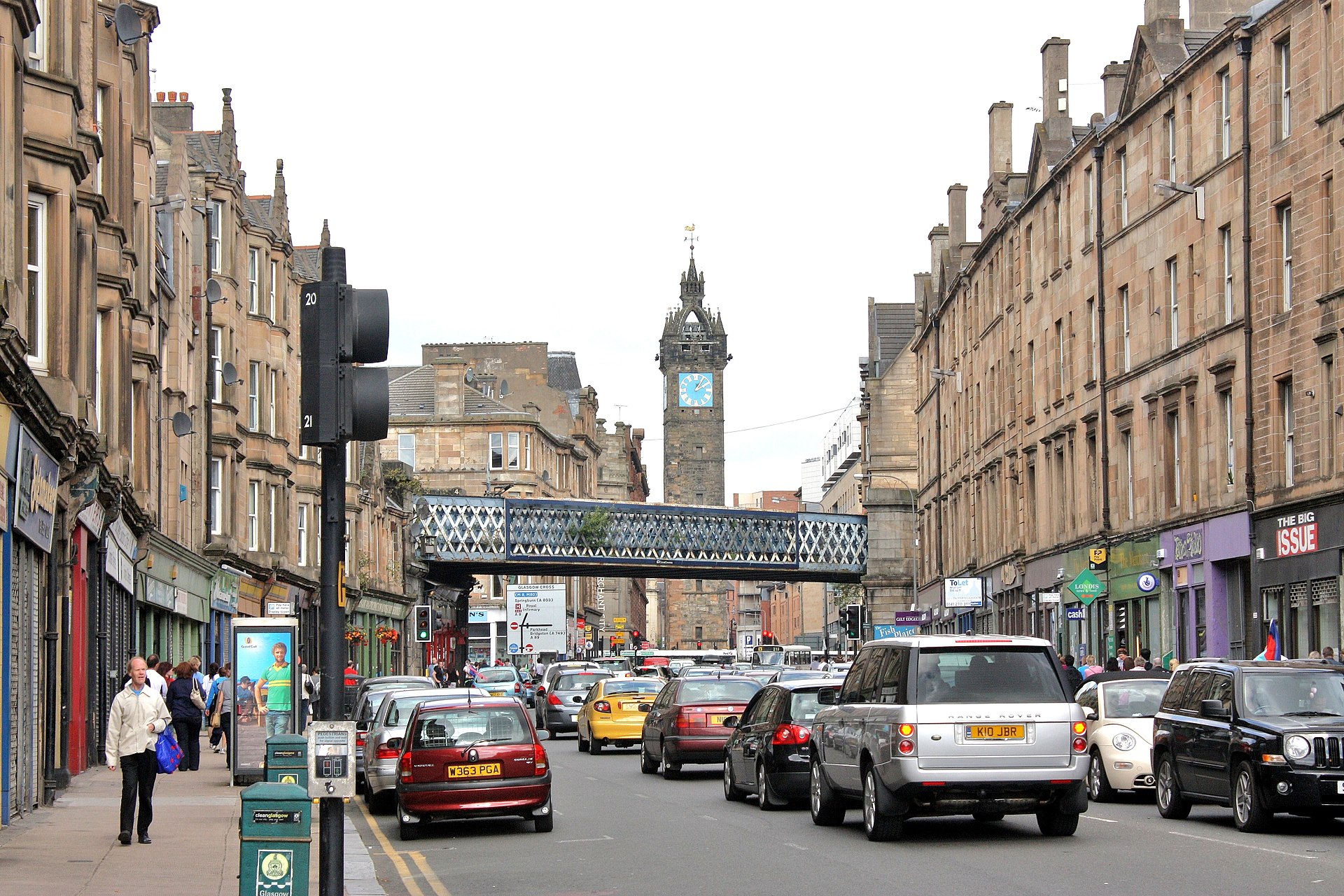
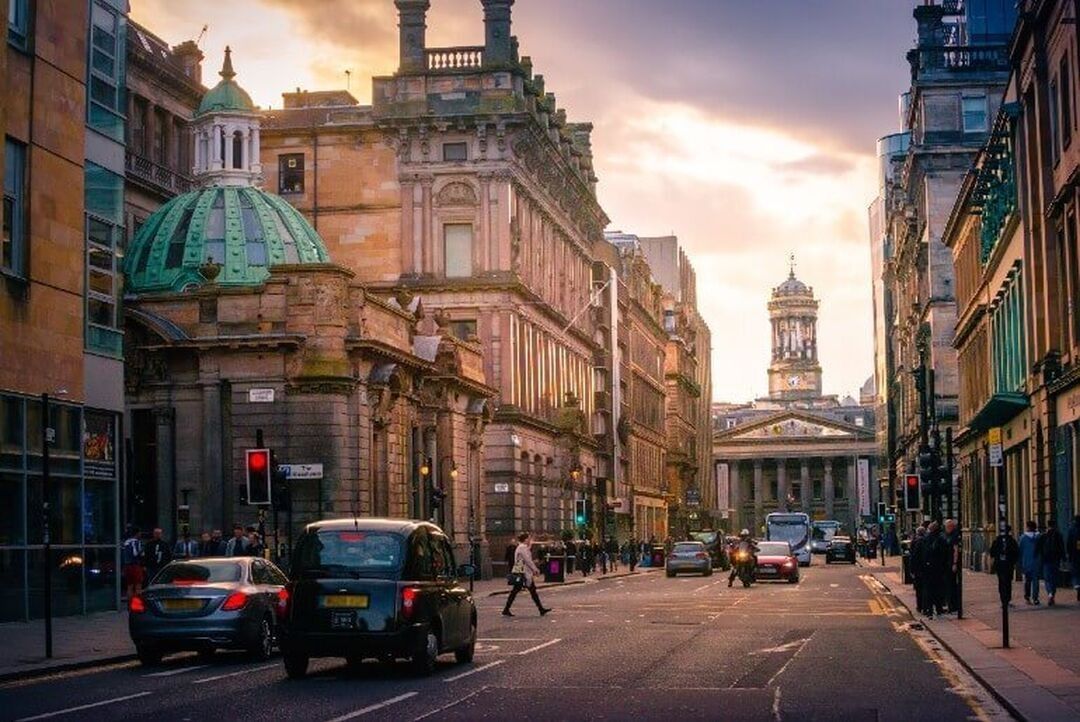
Located just steps from George Square, Merchant City is the most elegant, artistic, and vibrant neighborhood in Glasgow's city centre. Its imposing Victorian warehouses and 18th-century neoclassical townhouses—originally built by wealthy tobacco and sugar merchants—now house independent art galleries, specialty coffee shops, and design boutiques. Discover the charm of this district where industrial history and modern design go hand in hand.
Merchant City in Glasgow: What to See, Where to Eat, and Trendy District Guide
Located just steps from George Square, Merchant City is the most elegant, artistic, and vibrant neighborhood in Glasgow's city centre. Its imposing Victorian warehouses and 18th-century neoclassical townhouses—originally built by wealthy tobacco and sugar merchants—now house independent art galleries, specialty coffee shops, and design boutiques. Discover the charm of this district where industrial history and modern design go hand in hand.
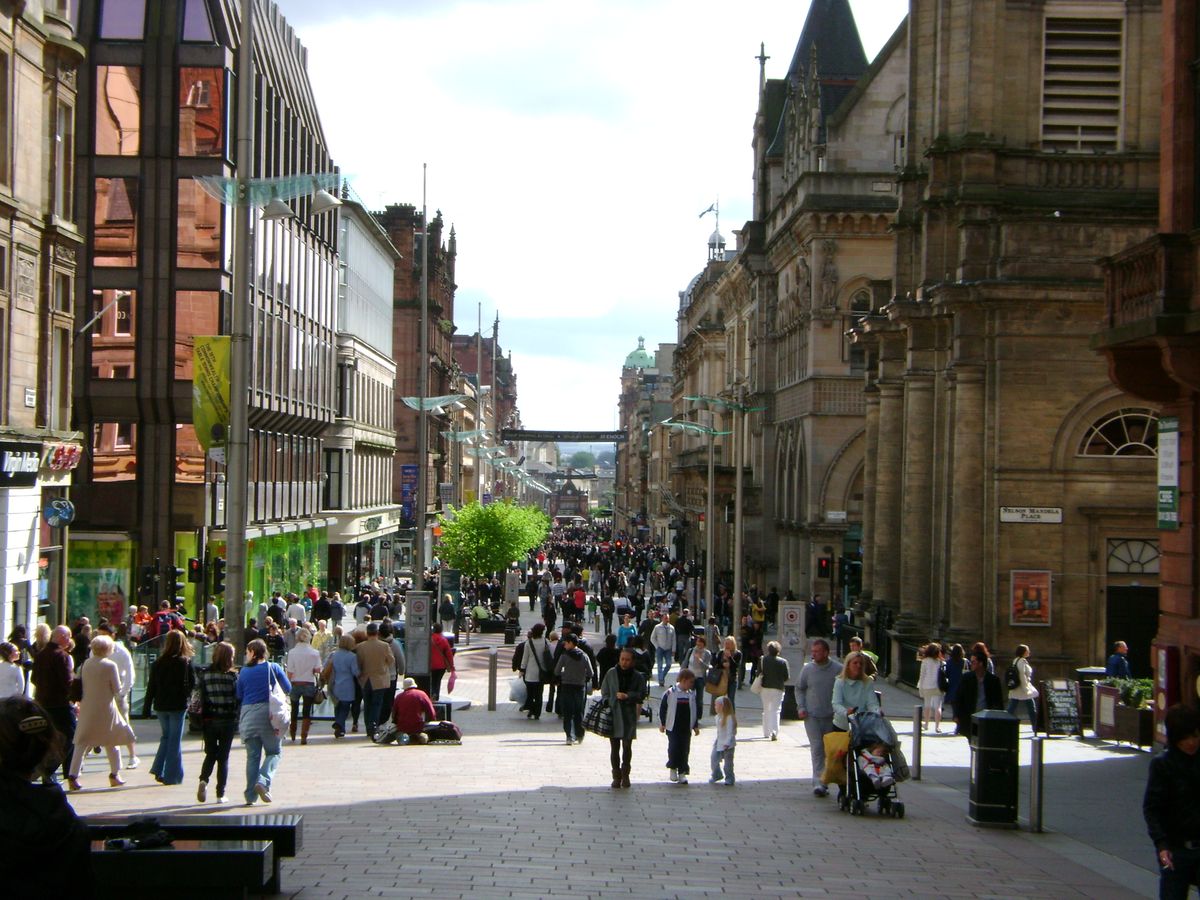
If the West End is the bohemian, university-driven soul of Glasgow, Merchant City is its sophisticated, cosmopolitan counterpart steeped in trading history. This neighborhood, roughly bounded by bustling George Square to the west and the historic East End to the east, is one of the most fascinating design and culinary districts in the north of the United Kingdom.
Strolling through Merchant City is like taking a walk through the golden age of Scotland's maritime trade. However, behind its majestic red and blonde sandstone facades lies a history of contrasts, a vibrant artistic community, and some of the best covered dining courtyards in the city.
A Little History: The "Tobacco Lords"
To understand the grand architecture of Merchant City, we have to travel back to the 18th century. Following the Act of Union in 1707, Glasgow gained access to the lucrative trade routes of the American colonies. A select group of local merchants, known as the "Tobacco Lords", amassed colossal fortunes by importing tobacco, sugar, and cotton (a trade intrinsically tied to the system of exploitation and slavery on American plantations).
With their immense wealth, these merchants built grand mansions and warehouses in this area, shifting the city's center of gravity westward. In the late 20th century, after decades of industrial decline, the neighborhood was successfully rescued and regenerated, turning it into the epicentre of design, fashion, and nightlife we see today.
What to See and Do in Merchant City: The Essentials
Merchant City is a compact and highly walkable neighborhood. When you visit, make sure to include these key stops on your itinerary:
1. Merchant Square
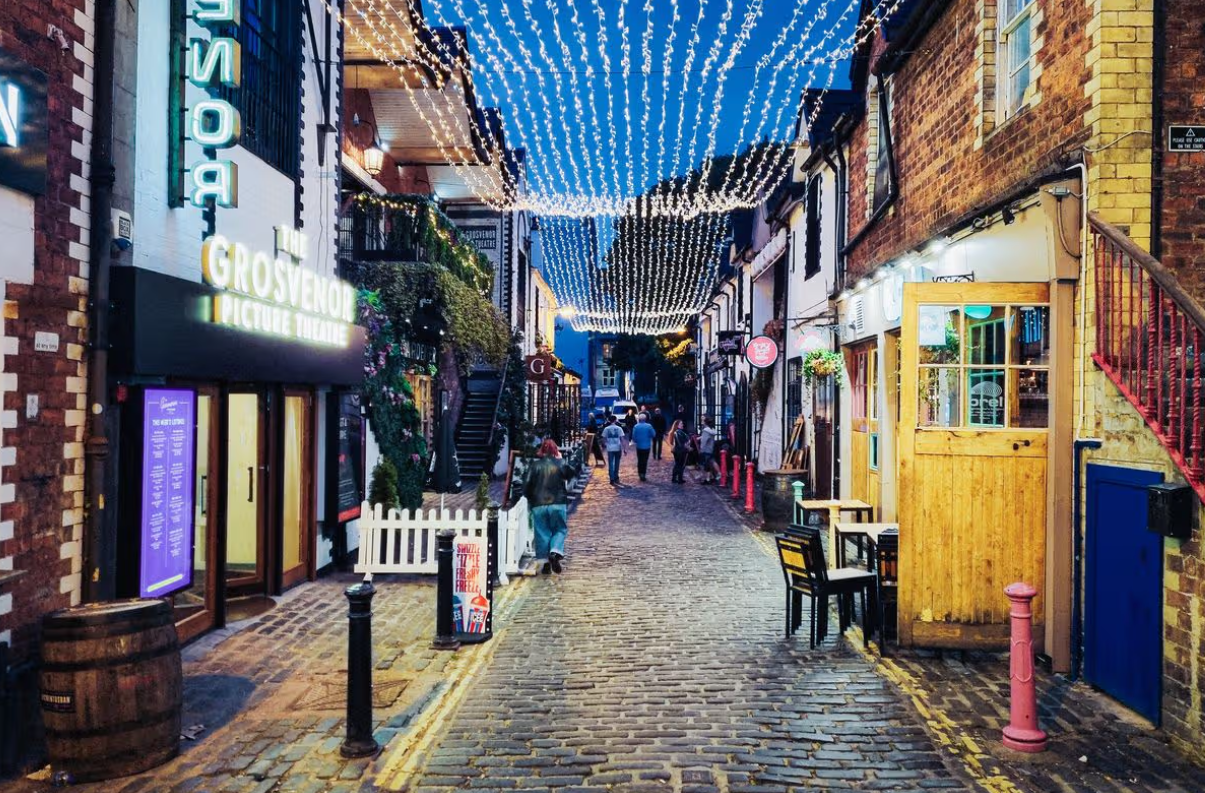
This is the undisputed social heart of the neighborhood. Located inside what used to be a 19th-century meat market (Sheriff Court), Merchant Square is now a spectacular indoor courtyard beneath an immense glass roof and cast-iron structures.
- The Vibe: Inside you will find a fantastic selection of independent pubs, wine bars, craft pizzerias, and restaurants with indoor terraces that recreate the feeling of being outdoors—but with the benefit of being 100% protected from the Scottish weather.
- Events: On weekends, it regularly hosts craft markets, secondhand book sales, and independent makers' fairs.
2. Glasgow Police Museum
- Location: 21 Bell Street
- This is one of the city centre's most fascinating hidden gems. Did you know that Glasgow has the oldest continuously operating organized police force in the UK (established in 1800)? This small museum, passionately run by volunteer retired police officers, houses an impressive collection of historic uniforms, weapons, badges from around the world, and a compelling (and sometimes gritty) account of Victorian Glasgow's most notorious crimes.
- Price: Free entry (donations are warmly welcomed).
3. Gallery of Modern Art (GoMA)
- Location: Royal Exchange Square (on the western edge of the neighborhood)
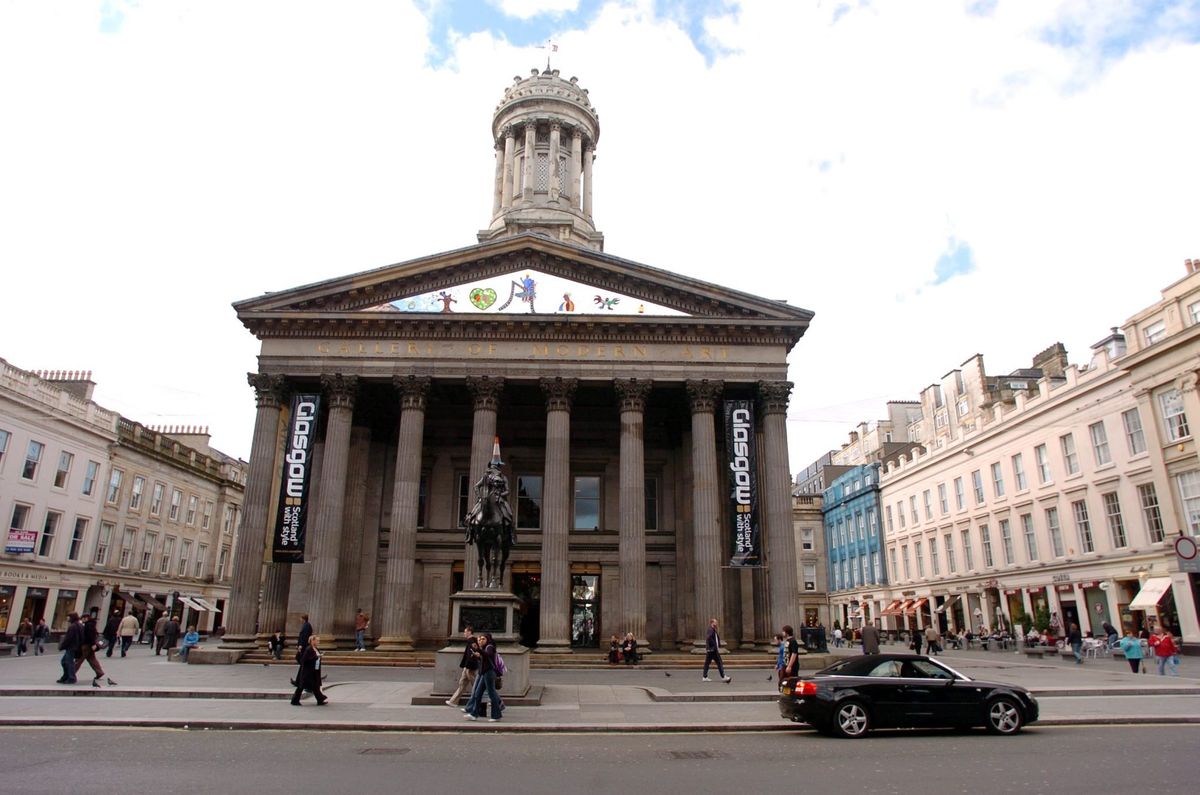
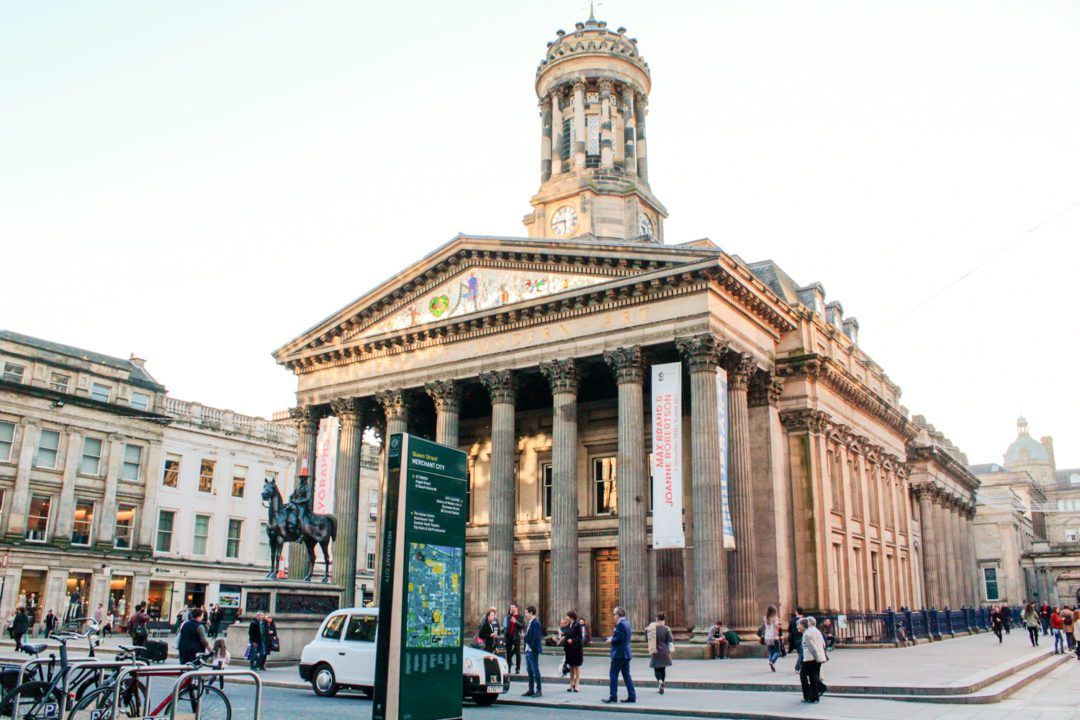
- While technically marking the transition between the commercial high street of Buchanan Street and Merchant City, GoMA is an absolute must-visit. It is housed in a stunning 1778 neoclassical mansion that originally belonged to a wealthy tobacco lord.
- Fun Fact: Right in front of its neoclassical facade stands the iconic statue of the Duke of Wellington with a traffic cone on his head, the ultimate symbol of Glaswegian humor and irreverence.
4. St Andrew’s in the Square
Built in 1756 and inspired by London’s famous St Martin-in-the-Fields, this is considered one of the finest neoclassical church buildings in the UK. Today, it has been fully restored and serves as a cultural centre hosting folk music concerts, weddings, and community events.
Street Art in Merchant City
If you are exploring Glasgow’s famous Mural Trail, you will inevitably cross through Merchant City. Within the neighborhood, you'll find several outstanding pieces:
- Fellow Glasgow Residents: Located in a car park on George Street, this giant mural by Smug realistically depicts various native animals (like squirrels, foxes, and badgers) as if they are interacting with passersby.
- Bad Badge: A playful canine portrait on the walls of Ingram Street.
Where to Eat and Drink: The Foodie Hub
Merchant City is famous for its high concentration of top-tier restaurants and specialty cafes. If you want to dive into its food scene, keep these recommendations in mind:
- For Brunch: Singl-end (Merchant City) is a quirky basement café decorated with retro furniture and vintage posters, famous for serving the best brunch in the neighborhood, featuring incredible house-made breads alongside excellent vegetarian and vegan options.
- For a Truly Local Vibe: Café Gandolfi is an absolute Glasgow classic. Its interior is famous for beautiful wooden furniture hand-carved by Scottish artist Tim Stead. It is ideal for breakfast or trying traditional dishes with a contemporary twist.
- The Market Experience: Head to Merchant Square in the late afternoon, grab a pint of Scottish craft beer, and enjoy the lively chatter at spots like The Metropolitan or Bar Soba.
Practical Tips for Your Visit
- The Perfect Rainy Day Plan: If Scotland’s famously wet weather catches you in the city center, Merchant City is your ultimate savior. You can spend the morning exploring the exhibitions at GoMA, grab lunch under the glass canopy of Merchant Square, and spend the afternoon at the cozy Police Museum without getting a single drop of rain on your shoes.
- Summer Festivals: If you are traveling in late July or early August, you can experience the Merchant City Festival, a spectacular annual event where the main streets are fully pedestrianized and filled with street food stalls, outdoor theater performances, acrobats, and live music.
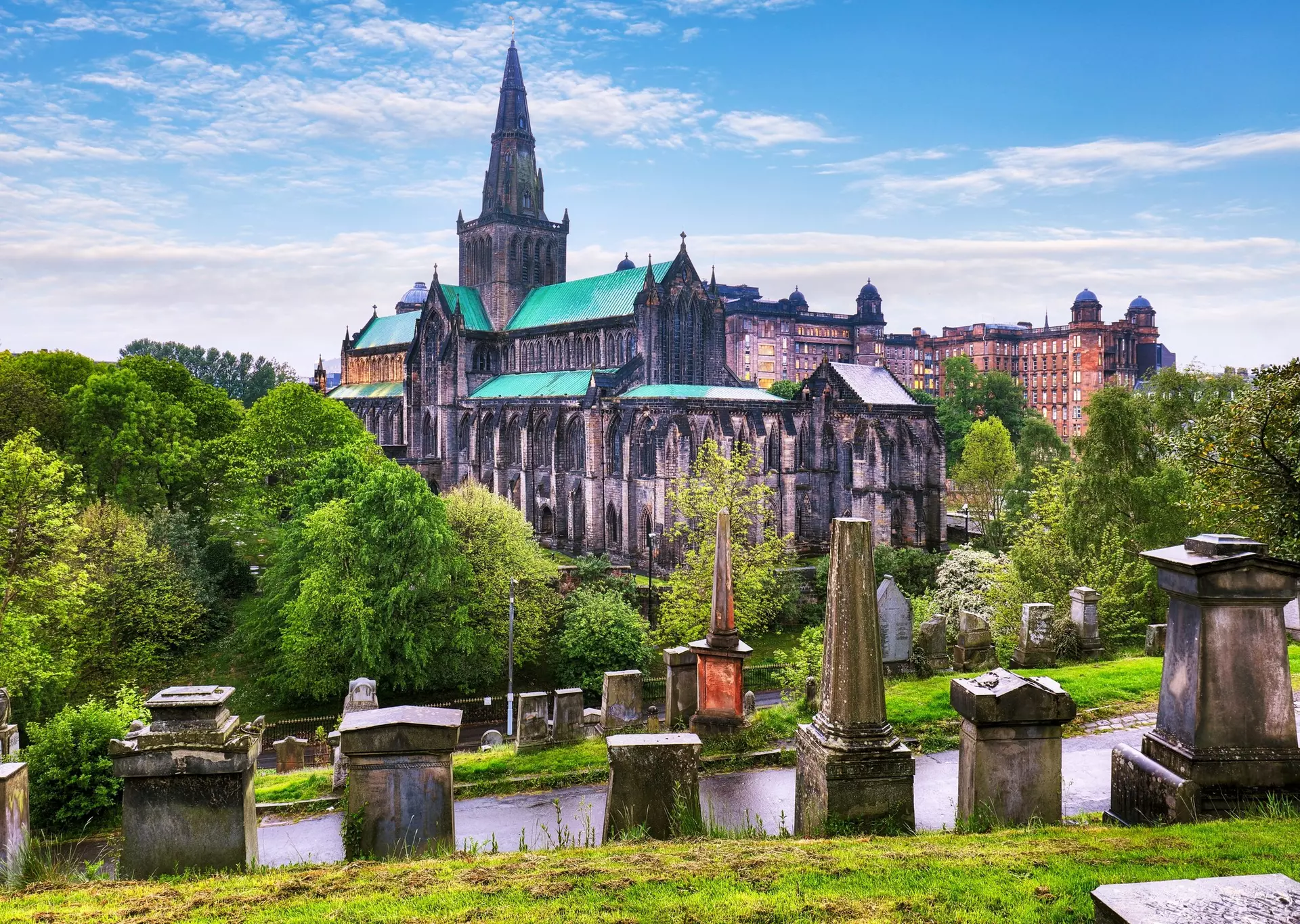
- Connecting to the East End: When you finish exploring Merchant City, you are just a 10-minute walk from the East End, home to the beautiful Glasgow Cathedral, the spectacular hillside of the Necropolis, and Glasgow Green park. It is the perfect transition for a one-day itinerary.
Frequently Asked Questions (FAQ)
Where does the name "Merchant City" come from?
The name was officially adopted during the neighborhood's redevelopment in the 1980s to honor the 18th-century tobacco, sugar, and textile merchants who originally founded, funded, and designed this elegant street grid.
Is it a good area for shopping?
Yes, but with a different style compared to busy Buchanan Street. While the main pedestrian center features major global high-street brands, Merchant City stands out for its independent design shops, local art galleries, boutique opticians, bookshops, and high-end fashion boutiques along the upscale Ingram Street.
How much time do I need to explore the neighborhood?
Since it is a highly compact area, you can easily walk its main streets, photograph the neoclassical architecture, and visit the Police Museum in about 2 hours. If you plan to have lunch at Merchant Square or spend more time inside GoMA, set aside a full morning or afternoon (around 4 hours).
Useful Links to Keep Building Your Scotland Itinerary
To understand the grand architecture of Merchant City, we have to travel back to the 18th century. Following the Act of Union in 1707, Glasgow gained access to the lucrative trade routes of the American colonies. A select group of local merchants, known as the "Tobacco Lords", amassed colossal fortunes by importing tobacco, sugar, and cotton (a trade intrinsically tied to the system of exploitation and slavery on American plantations).
With their immense wealth, these merchants built grand mansions and warehouses in this area, shifting the city's center of gravity westward. In the late 20th century, after decades of industrial decline, the neighborhood was successfully rescued and regenerated, turning it into the epicentre of design, fashion, and nightlife we see today.
PUBLICIDAD
Travel with Data: Get your Saily eSIM
- ✓Internet in seconds upon landing
- ✓Flexible plans in 180+ countries
- ✓Easy setup directly via the App
Merchant City is a compact and highly walkable neighborhood. When you visit, make sure to include these key stops on your itinerary:
1. Merchant Square
This is the undisputed social heart of the neighborhood. Located inside what used to be a 19th-century meat market (Sheriff Court), Merchant Square is now a spectacular indoor courtyard beneath an immense glass roof and cast-iron structures.
- The Vibe: Inside you will find a fantastic selection of independent pubs, wine bars, craft pizzerias, and restaurants with indoor terraces that recreate the feeling of being outdoors—but with the benefit of being 100% protected from the Scottish weather.
- Events: On weekends, it regularly hosts craft markets, secondhand book sales, and independent makers' fairs.
2. Glasgow Police Museum
- Location: 21 Bell Street
- This is one of the city centre's most fascinating hidden gems. Did you know that Glasgow has the oldest continuously operating organized police force in the UK (established in 1800)? This small museum, passionately run by volunteer retired police officers, houses an impressive collection of historic uniforms, weapons, badges from around the world, and a compelling (and sometimes gritty) account of Victorian Glasgow's most notorious crimes.
- Price: Free entry (donations are warmly welcomed).
3. Gallery of Modern Art (GoMA)
- Location: Royal Exchange Square (on the western edge of the neighborhood)
- While technically marking the transition between the commercial high street of Buchanan Street and Merchant City, GoMA is an absolute must-visit. It is housed in a stunning 1778 neoclassical mansion that originally belonged to a wealthy tobacco lord.
- Fun Fact: Right in front of its neoclassical facade stands the iconic statue of the Duke of Wellington with a traffic cone on his head, the ultimate symbol of Glaswegian humor and irreverence.
4. St Andrew’s in the Square
Built in 1756 and inspired by London’s famous St Martin-in-the-Fields, this is considered one of the finest neoclassical church buildings in the UK. Today, it has been fully restored and serves as a cultural centre hosting folk music concerts, weddings, and community events.
If you are exploring Glasgow’s famous Mural Trail, you will inevitably cross through Merchant City. Within the neighborhood, you'll find several outstanding pieces:
- Fellow Glasgow Residents: Located in a car park on George Street, this giant mural by Smug realistically depicts various native animals (like squirrels, foxes, and badgers) as if they are interacting with passersby.
- Bad Badge: A playful canine portrait on the walls of Ingram Street.
Merchant City is famous for its high concentration of top-tier restaurants and specialty cafes. If you want to dive into its food scene, keep these recommendations in mind:
- For Brunch: Singl-end (Merchant City) is a quirky basement café decorated with retro furniture and vintage posters, famous for serving the best brunch in the neighborhood, featuring incredible house-made breads alongside excellent vegetarian and vegan options.
- For a Truly Local Vibe: Café Gandolfi is an absolute Glasgow classic. Its interior is famous for beautiful wooden furniture hand-carved by Scottish artist Tim Stead. It is ideal for breakfast or trying traditional dishes with a contemporary twist.
- The Market Experience: Head to Merchant Square in the late afternoon, grab a pint of Scottish craft beer, and enjoy the lively chatter at spots like The Metropolitan or Bar Soba.
- The Perfect Rainy Day Plan: If Scotland’s famously wet weather catches you in the city center, Merchant City is your ultimate savior. You can spend the morning exploring the exhibitions at GoMA, grab lunch under the glass canopy of Merchant Square, and spend the afternoon at the cozy Police Museum without getting a single drop of rain on your shoes.
- Summer Festivals: If you are traveling in late July or early August, you can experience the Merchant City Festival, a spectacular annual event where the main streets are fully pedestrianized and filled with street food stalls, outdoor theater performances, acrobats, and live music.
- Connecting to the East End: When you finish exploring Merchant City, you are just a 10-minute walk from the East End, home to the beautiful Glasgow Cathedral, the spectacular hillside of the Necropolis, and Glasgow Green park. It is the perfect transition for a one-day itinerary.
Where does the name "Merchant City" come from?
The name was officially adopted during the neighborhood's redevelopment in the 1980s to honor the 18th-century tobacco, sugar, and textile merchants who originally founded, funded, and designed this elegant street grid.
Is it a good area for shopping?
Yes, but with a different style compared to busy Buchanan Street. While the main pedestrian center features major global high-street brands, Merchant City stands out for its independent design shops, local art galleries, boutique opticians, bookshops, and high-end fashion boutiques along the upscale Ingram Street.
How much time do I need to explore the neighborhood?
Since it is a highly compact area, you can easily walk its main streets, photograph the neoclassical architecture, and visit the Police Museum in about 2 hours. If you plan to have lunch at Merchant Square or spend more time inside GoMA, set aside a full morning or afternoon (around 4 hours).
PUBLICIDAD
PUBLICIDAD
International Travel Insurance
- ✓International medical insurance
- ✓24/7 immediate assistance in your language
- ✓Ideal for trekking & adventure


Preferences
Language
Color
Text
Width