Table of contents and map
Guide to the Glasgow Botanic Gardens and Kibble Palace
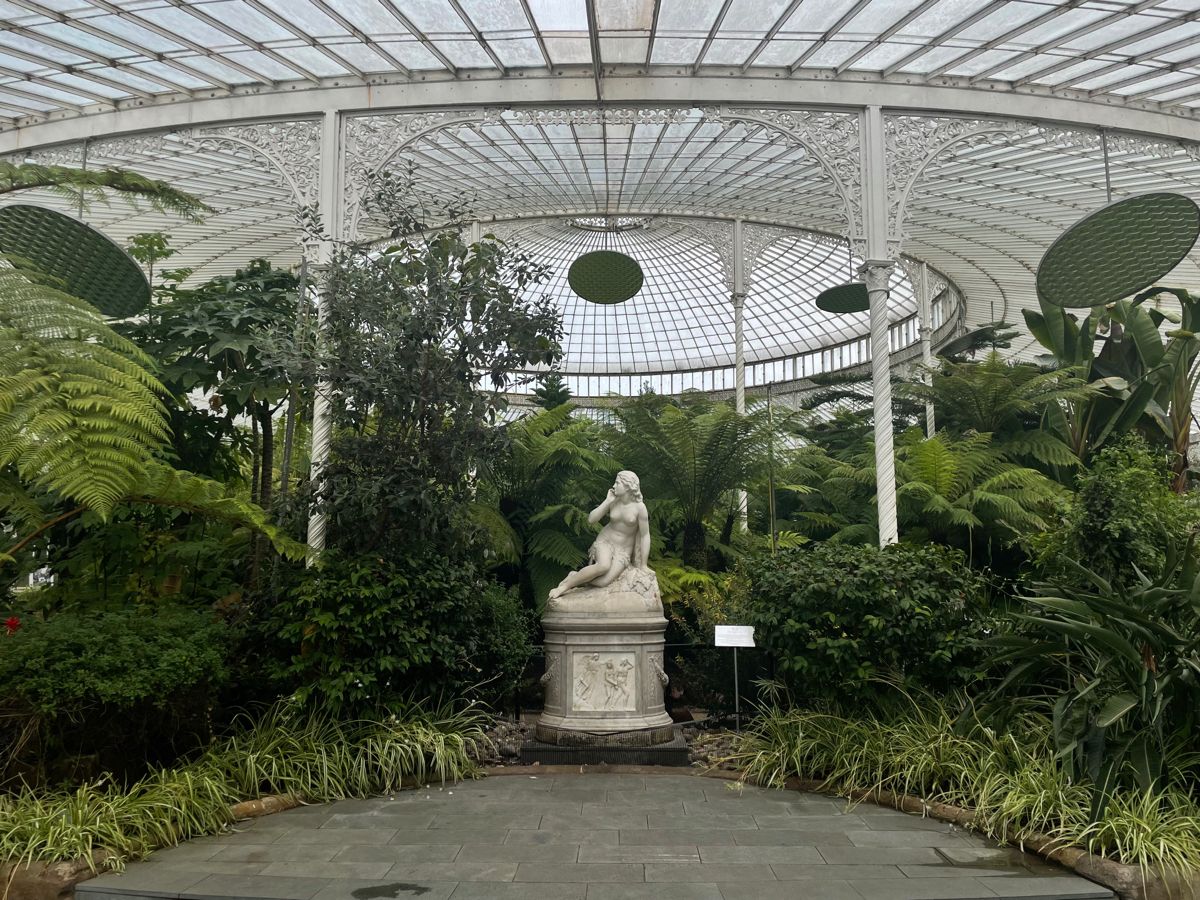
In the heart of the West End, where the city's hustle and bustle seems to fade away, lies the Glasgow Botanic Gardens. Stepping through its iron gates means entering an oasis of tranquility that combines Victorian flower beds, wooded paths along the River Kelvin, and, above all, a series of spectacular 19th-century glasshouses. The most famous of them, the Kibble Palace, is a masterpiece of iron and glass architecture housing a tropical forest of tree ferns beneath an imposing white dome. A magical, photogenic spot that is ideal for taking refuge on a typical rainy Scottish day.
Guide to the Glasgow Botanic Gardens and Kibble Palace
In the heart of the West End, where the city's hustle and bustle seems to fade away, lies the Glasgow Botanic Gardens. Stepping through its iron gates means entering an oasis of tranquility that combines Victorian flower beds, wooded paths along the River Kelvin, and, above all, a series of spectacular 19th-century glasshouses. The most famous of them, the Kibble Palace, is a masterpiece of iron and glass architecture housing a tropical forest of tree ferns beneath an imposing white dome. A magical, photogenic spot that is ideal for taking refuge on a typical rainy Scottish day.
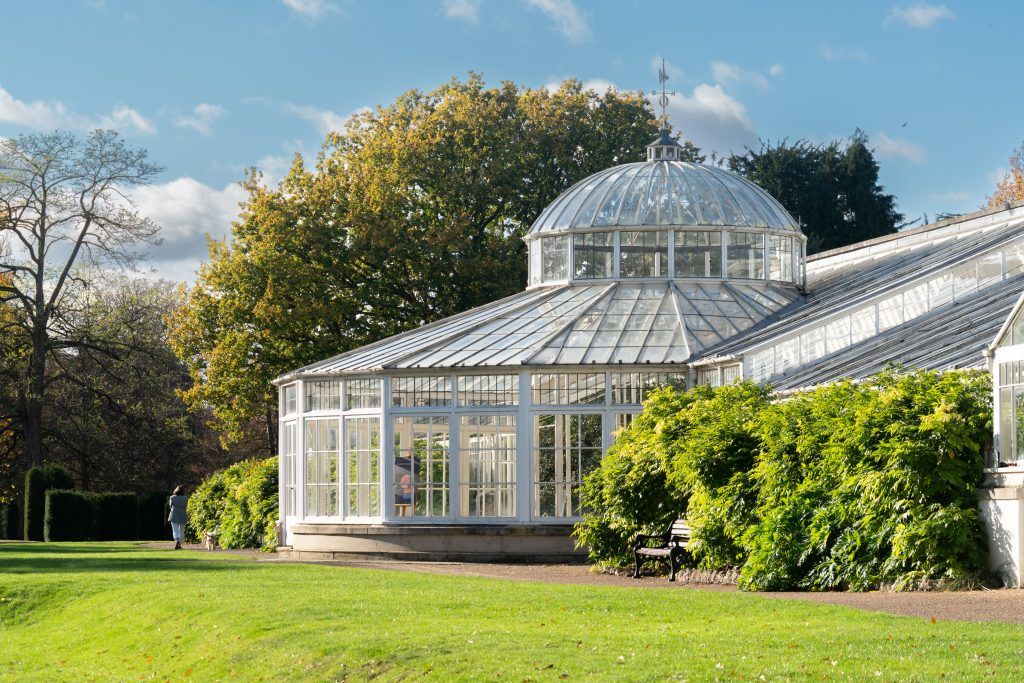
Founded in 1817, the Glasgow Botanic Gardens is one of Scotland's most beloved green spaces. Located at the northern end of the lively West End, this park of over 11 hectares stands out not only for its botanical and scientific value but also for being one of the city's finest examples of Victorian architecture.
Whether you are looking for a relaxing stroll beneath the shade of ancient trees, photographing exotic plants from all over the world, or sheltering from an unexpected downpour in a fairy-tale greenhouse, this is an essential stop on your Glasgow itinerary.
The Jewel in the Crown: Kibble Palace
Although the park features several glasshouses, the Kibble Palace is the most photographed and famous monument in the entire garden.
- Its unique history: Originally designed by engineer John Kibble for his private home on Loch Long, this immense wrought-iron and glass palace was dismantled and transported by boat to the Glasgow Botanic Gardens in 1871.
- From concert hall to greenhouse: In its early days, it was used as an event venue for concerts and political speeches (the great William Gladstone himself spoke here!), until it definitively became home to an exceptional botanical collection at the end of the 19th century.
- What you will see inside: The interior is primarily dedicated to an impressive forest of tree ferns from Australia and New Zealand, some of which are over 120 years old. Additionally, the space is dotted with beautiful Victorian marble statues that contrast with the deep green of the plants under the natural light filtering through the dome.
What Else to See at the Botanic Gardens
1. Glasgow Outdoor Glasshouses
Behind the Kibble Palace lies a complex of traditional glasshouses where different global microclimates are recreated. You can walk among desert cacti, exotic orchids, carnivorous plants, and an impressive collection of tropical plants used for medicine and food.
2. The Kelvin Walkway
The northern boundary of the park descends directly to the banks of the River Kelvin. From here, you can join the tree-lined path known as the Kelvin Walkway, a beautiful trail that connects the Botanic Gardens with Kelvingrove Park. It is an ideal walk to completely disconnect from the urban environment.
3. The Herb Garden and Rose Gardens
During the spring and summer months, the outdoor areas explode with color. Don't miss the formally designed rose garden and the aromatic and medicinal plant sector, which are at their peak between June and August.
How to Get to the Glasgow Botanic Gardens
The gardens are perfectly connected to the rest of the city via public transport:
- By Subway (The most convenient option): Take the circular subway line to Hillhead station. Upon exiting the station, turn right onto lively Byres Road and walk straight north for about 5 minutes. The main entrance to the park will be right in front of you.
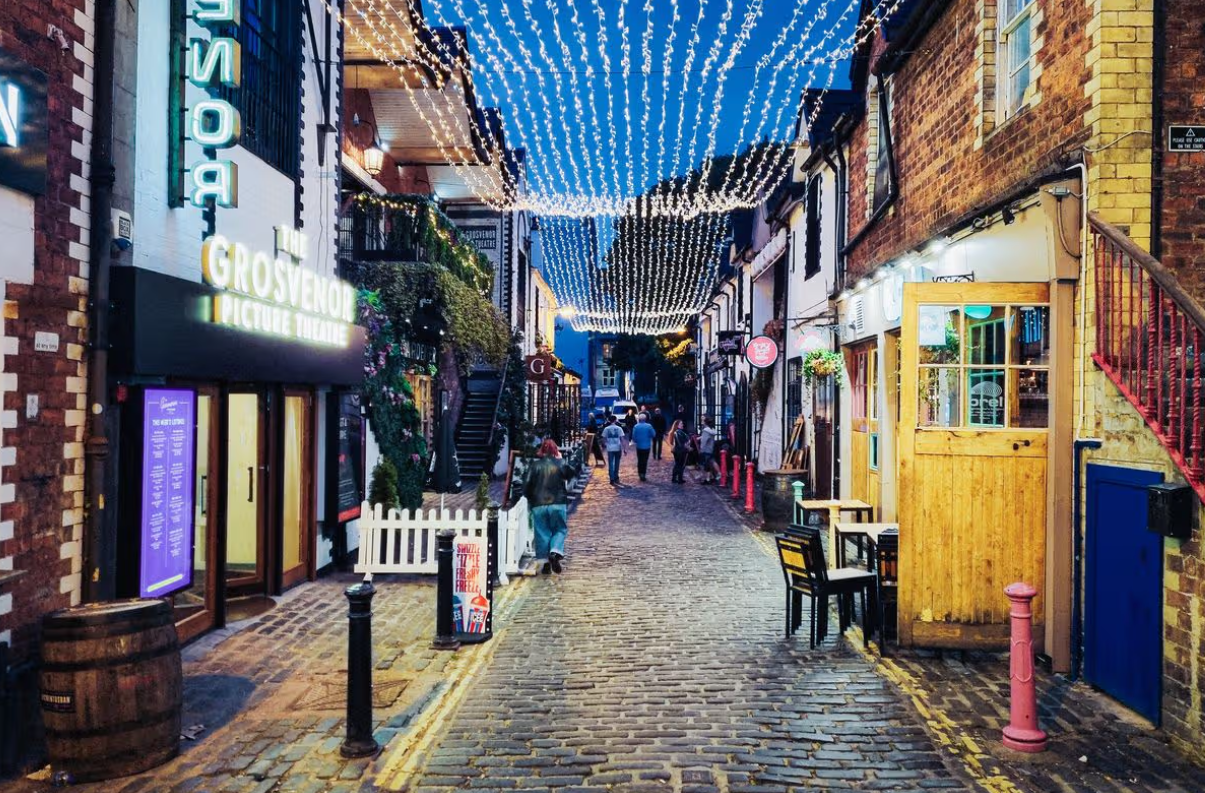
- On Foot from the West End: If you are visiting the University of Glasgow or exploring Ashton Lane, you can easily walk there in less than 10 minutes through the heart of this bohemian neighborhood.
- By Bus: Lines 6, 6A, and 8 operated by First Bus stop right by the gardens on Great Western Road.
Prices and Schedules (Updated 2026)
- Admission price: Like most of the city's parks and museums, entry to the Botanic Gardens and all its glasshouses (including the Kibble Palace) is completely free.
- Park hours: Open daily from 07:00 AM until dusk (times vary depending on the season).
- Glasshouse hours: The Kibble Palace and the other glasshouses are open daily from 10:00 AM to 6:00 PM in summer (April to September) and from 10:00 AM to 4:00 PM in winter (October to March).
Practical Tips for Your Visit
- The perfect rainy day plan: If the Scottish weather decides to turn gray and wet, the Kibble Palace and the adjacent glasshouses are the ideal refuge. The temperature inside is warm, and you can spend a very pleasant hour surrounded by nature without getting wet.
- Coffee stop: Right next to the Kibble Palace, you will find the Botanic Gardens Tearoom, a cafe housed in the park's old curator's house, perfect for a tea and a warm scone.
- Combine your visit: The park is just steps away from Byres Road, a street packed with secondhand bookshops, specialty coffee shops, and excellent independent boutiques to explore after your botanical stroll.
Frequently Asked Questions (FAQ)
How much time do I need to visit the Botanic Gardens?
To leisurely explore the outdoor gardens and visit both the Kibble Palace and the other tropical glasshouses, an hour and a half (1.5 hours) is the ideal amount of time.
Is it accessible for people with reduced mobility or strollers?
Yes, almost all the main paths in the park are paved and flat. The interior of the Kibble Palace also features access ramps and corridors that are wide enough.
Useful Links to Keep Organizing Your Trip to Glasgow
Although the park features several glasshouses, the Kibble Palace is the most photographed and famous monument in the entire garden.
- Its unique history: Originally designed by engineer John Kibble for his private home on Loch Long, this immense wrought-iron and glass palace was dismantled and transported by boat to the Glasgow Botanic Gardens in 1871.
- From concert hall to greenhouse: In its early days, it was used as an event venue for concerts and political speeches (the great William Gladstone himself spoke here!), until it definitively became home to an exceptional botanical collection at the end of the 19th century.
- What you will see inside: The interior is primarily dedicated to an impressive forest of tree ferns from Australia and New Zealand, some of which are over 120 years old. Additionally, the space is dotted with beautiful Victorian marble statues that contrast with the deep green of the plants under the natural light filtering through the dome.
PUBLICIDAD
Travel with Data: Get your Saily eSIM
- ✓Internet in seconds upon landing
- ✓Flexible plans in 180+ countries
- ✓Easy setup directly via the App
1. Glasgow Outdoor Glasshouses
Behind the Kibble Palace lies a complex of traditional glasshouses where different global microclimates are recreated. You can walk among desert cacti, exotic orchids, carnivorous plants, and an impressive collection of tropical plants used for medicine and food.
2. The Kelvin Walkway
The northern boundary of the park descends directly to the banks of the River Kelvin. From here, you can join the tree-lined path known as the Kelvin Walkway, a beautiful trail that connects the Botanic Gardens with Kelvingrove Park. It is an ideal walk to completely disconnect from the urban environment.
3. The Herb Garden and Rose Gardens
During the spring and summer months, the outdoor areas explode with color. Don't miss the formally designed rose garden and the aromatic and medicinal plant sector, which are at their peak between June and August.
The gardens are perfectly connected to the rest of the city via public transport:
- By Subway (The most convenient option): Take the circular subway line to Hillhead station. Upon exiting the station, turn right onto lively Byres Road and walk straight north for about 5 minutes. The main entrance to the park will be right in front of you.
- On Foot from the West End: If you are visiting the University of Glasgow or exploring Ashton Lane, you can easily walk there in less than 10 minutes through the heart of this bohemian neighborhood.
- By Bus: Lines 6, 6A, and 8 operated by First Bus stop right by the gardens on Great Western Road.
- Admission price: Like most of the city's parks and museums, entry to the Botanic Gardens and all its glasshouses (including the Kibble Palace) is completely free.
- Park hours: Open daily from 07:00 AM until dusk (times vary depending on the season).
- Glasshouse hours: The Kibble Palace and the other glasshouses are open daily from 10:00 AM to 6:00 PM in summer (April to September) and from 10:00 AM to 4:00 PM in winter (October to March).
- The perfect rainy day plan: If the Scottish weather decides to turn gray and wet, the Kibble Palace and the adjacent glasshouses are the ideal refuge. The temperature inside is warm, and you can spend a very pleasant hour surrounded by nature without getting wet.
- Coffee stop: Right next to the Kibble Palace, you will find the Botanic Gardens Tearoom, a cafe housed in the park's old curator's house, perfect for a tea and a warm scone.
- Combine your visit: The park is just steps away from Byres Road, a street packed with secondhand bookshops, specialty coffee shops, and excellent independent boutiques to explore after your botanical stroll.
How much time do I need to visit the Botanic Gardens?
To leisurely explore the outdoor gardens and visit both the Kibble Palace and the other tropical glasshouses, an hour and a half (1.5 hours) is the ideal amount of time.
Is it accessible for people with reduced mobility or strollers?
Yes, almost all the main paths in the park are paved and flat. The interior of the Kibble Palace also features access ramps and corridors that are wide enough.
PUBLICIDAD
International Travel Insurance
- ✓International medical insurance
- ✓24/7 immediate assistance in your language
- ✓Ideal for trekking & adventure



Preferences
Language
Color
Text
Width