Table of contents and map
Glasgow Cathedral and Necropolis: Ultimate Visitor Guide, History, and Legends
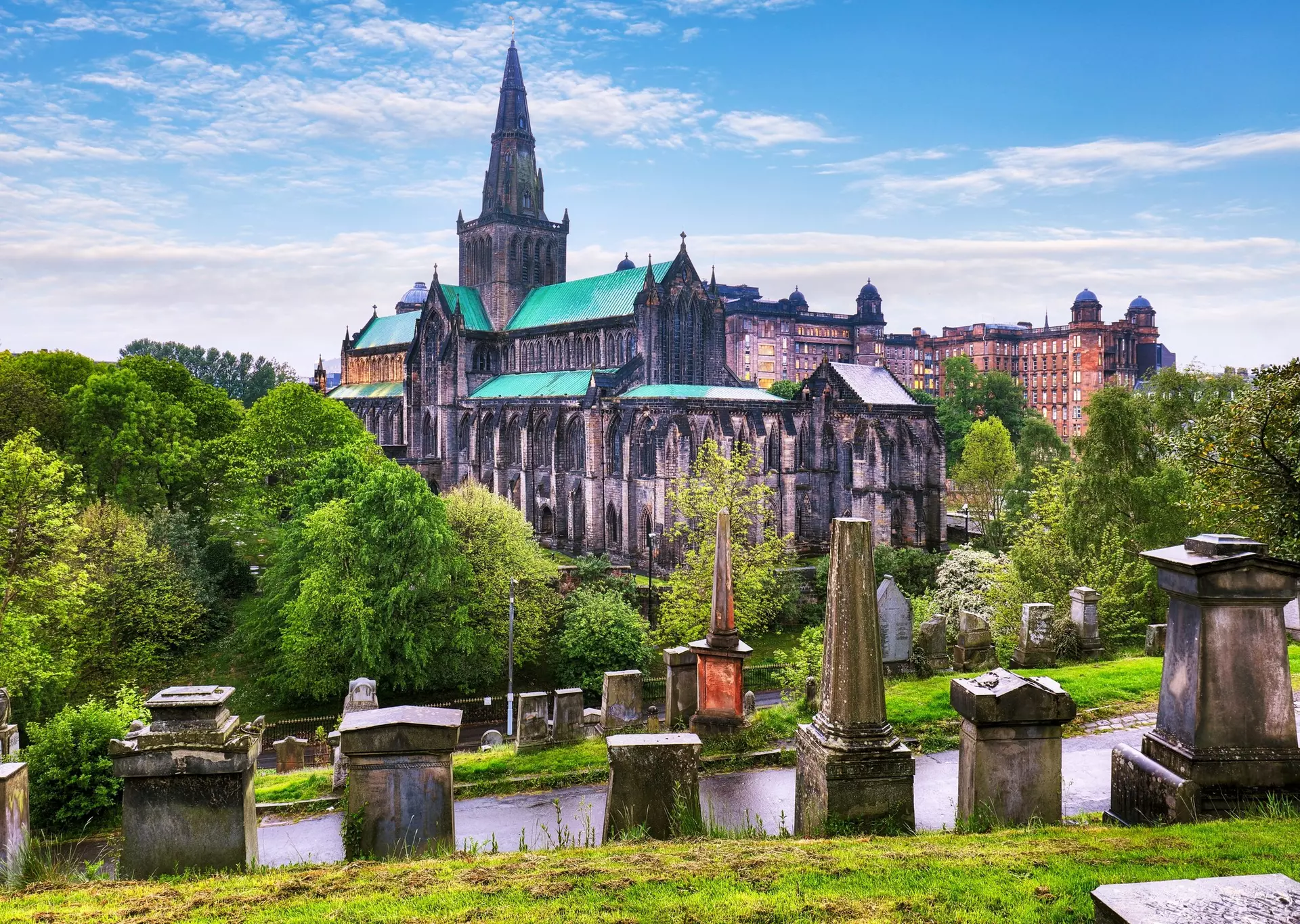
In the oldest part of Glasgow, where the city took its first steps in the 6th century, stand two of its most imposing and mysterious monuments. Glasgow Cathedral, a Gothic masterpiece that survived the Scottish Reformation entirely intact, and the Necropolis, a majestic Victorian cemetery inspired by Paris's Père Lachaise. Here is how to explore this corner steeped in legend and history.
Glasgow Cathedral and Necropolis: Ultimate Visitor Guide, History, and Legends
In the oldest part of Glasgow, where the city took its first steps in the 6th century, stand two of its most imposing and mysterious monuments. Glasgow Cathedral, a Gothic masterpiece that survived the Scottish Reformation entirely intact, and the Necropolis, a majestic Victorian cemetery inspired by Paris's Père Lachaise. Here is how to explore this corner steeped in legend and history.
If you want to travel back in time and discover the true origins of the city, you need to leave the modern bustle of the center behind and head east. There you will find Glasgow's most awe-inspiring monumental complex: its medieval Cathedral and, right behind it, the imposing Necropolis—a hill dotted with thousands of Victorian monuments watching over the city from above.
This corner is not only a treat for lovers of Gothic architecture and photography, but it is also the resting place of the figures who transformed Glasgow into the "Second City of the British Empire." Best of all: just like the Kelvingrove Museum, both sites are completely free to enter.
Glasgow Cathedral: Legend and Gothic Survival
Glasgow Cathedral (also known as the High Kirk of Glasgow or St Mungo's Cathedral) is a building of monumental historical importance. Dedicated to the patron saint and founder of the city, Saint Mungo, its construction began in the 12th century, though the current structure dates primarily from the 13th and 14th centuries.
What makes it truly unique is its survival: it is one of the very few medieval churches in Scotland to survive the Protestant Reformation of 1560 virtually intact, a period when most of the country's Catholic temples were looted, damaged, or demolished.
What to See Inside the Cathedral:
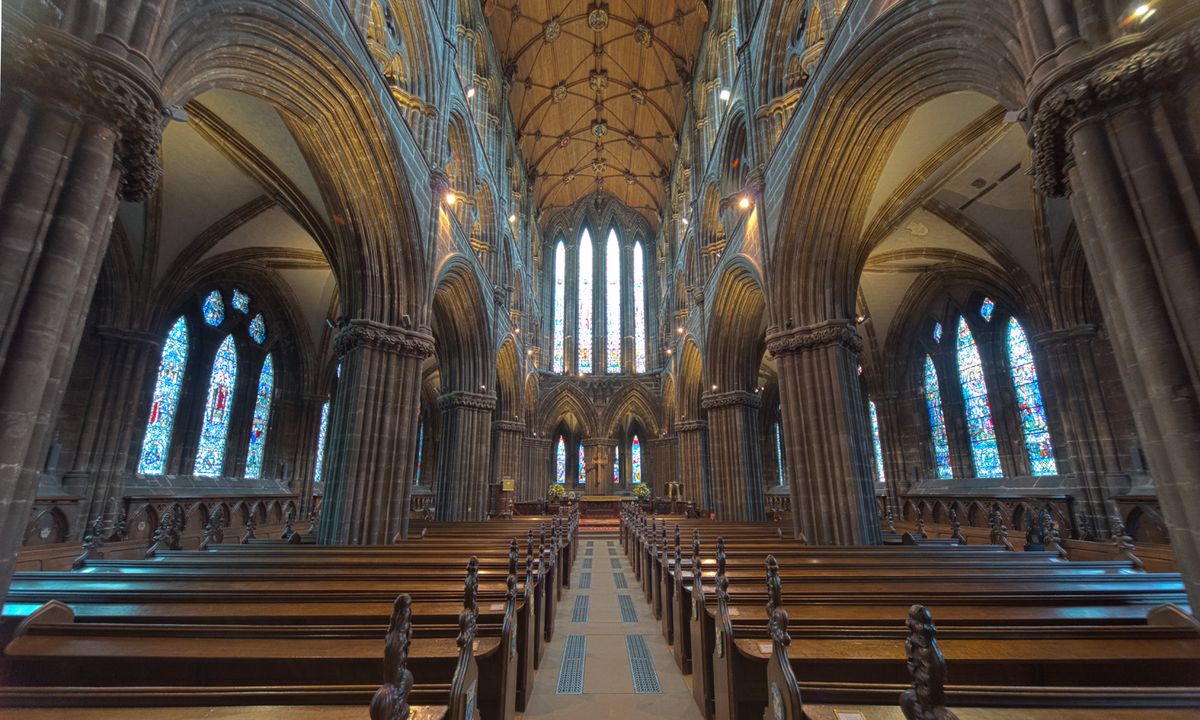
- St Mungo's Crypt (13th Century): The mystical heart of the cathedral. Located on the lower level (lower crypt), it houses the tomb of Saint Mungo himself, who founded a monastery on this very spot in the 6th century. The atmosphere of this crypt, with its intricate forest of stone columns and dim light, is deeply moving.
- The Modern Stained Glass Windows: Although the cathedral is medieval, almost all of its original stained glass was destroyed during the Reformation. The current windows date from the 20th and 21st centuries, standing out for their intense colors and detailed designs depicting biblical passages and local history.
- The Carved Wooden Ceilings: Look up in the central nave to admire the vaulted timber ceilings made of oak, originally built in the 14th century and restored with historical accuracy.
Glasgow Necropolis: A Victorian "City of the Dead"
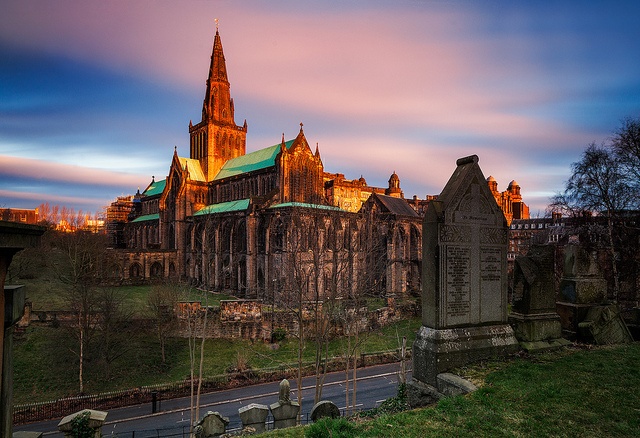
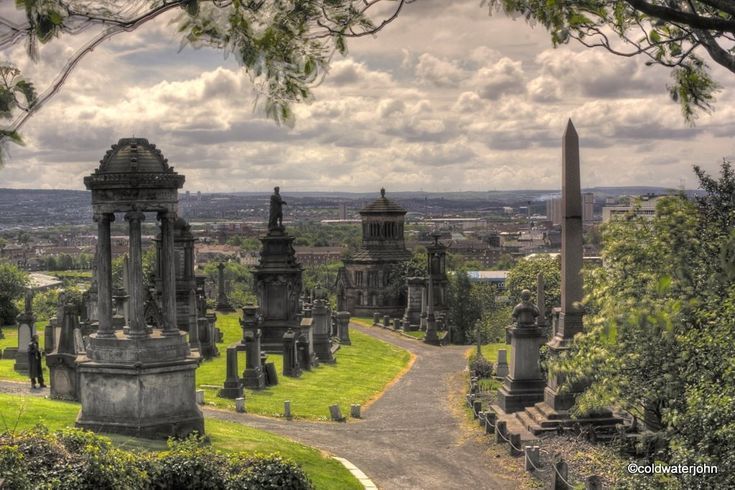
Just behind the cathedral, crossing a small pedestrian bridge historically known as the Bridge of Sighs, rises a steep hill that home to the Glasgow Necropolis.
Opened in 1833 and inspired by the famous Père Lachaise Cemetery in Paris, this Necropolis is a textbook example of a Victorian garden cemetery. You won't find a flat, gloomy graveyard here; instead, it is a landscaped park filled with winding paths, mature trees, stone walkways, and around 50,000 burials. Approximately 3,500 of these graves are marked by spectacular monuments, mausoleums, and tombs designed by the leading architects of the era (such as Alexander "Greek" Thomson).
What to See in the Necropolis:
- The John Knox Monument: Crowning the top of the hill is a massive column dedicated to the leader of the Scottish Reformation. From this high point, you will get the best panoramic view of Glasgow Cathedral and the city skyline. It is a truly magical spot to visit at sunset.
- The Mausoleums of the Industrial Elite: As you climb the hill, you will see grand monuments belonging to 19th-century "Tobacco Lords" and industrial magnates. The wealth of these figures was quite literally measured by the scale of their tombs.
- The Legend of the Gorbals Vampire: In the 1950s, this cemetery was the backdrop to one of the city's strangest urban legends, when dozens of local school children patrolled the Necropolis armed with stakes, hunting for an alleged "vampire with iron teeth" they believed had taken two local children.
Ticket Prices and Admission
Both Glasgow Cathedral and the Necropolis are completely free of charge.
- Cathedral: No advance booking is required, though voluntary donations are highly appreciated to help maintain this historic temple (managed by Historic Environment Scotland).
- Necropolis: Access to the cemetery/park is completely open, and you can explore it on your own for free.
Opening Hours
When planning your day, keep in mind that opening hours differ between the two sites:
Glasgow Cathedral:
- April to September: Monday to Saturday from 9:30 AM to 5:30 PM. Sundays from 1:00 PM to 5:30 PM.
- October to March: Monday to Saturday from 10:00 AM to 4:00 PM. Sundays from 1:00 PM to 4:00 PM. (Note: As this is an active place of worship, hours may vary due to religious services or weddings).
Glasgow Necropolis:
- Open daily from 7:00 AM until dusk (usually closing around 6:00 PM in winter and stretching as late as 8:00 PM or 9:00 PM during the summer months).
How to Get There from Central Glasgow
The complex is located about a 15-minute walk northeast of George Square:
- On Foot (Recommended): It is a straightforward and very gentle uphill walk from the city center. Walk straight up George Street, past the University of Strathclyde buildings, until you reach Cathedral Square.
- By Bus: Bus routes 38, 41, 90, and 380 drop you off just a few yards from the cathedral square.
- By Train: The nearest train station is High Street, located just a 5-minute walk from the cathedral.
Practical Tips for Your Visit
- Prepare for steep slopes: The Necropolis is situated on a fairly steep hill. Wear comfortable shoes with good traction, as the stone and grass paths can get quite slippery in typical Scottish drizzle.
- Show utmost respect: Please remember that the Necropolis remains a cemetery and the Cathedral is an active house of worship. Avoid climbing on the graves to take photos and keep a respectful tone of voice throughout your visit.
- Combine it with the St Mungo Museum of Religious Life and Art: Located right across from the cathedral, this small but highly interesting free museum explores the importance of religion in people's lives across the globe throughout history. It is well worth a visit!
Frequently Asked Questions (FAQ)
Can the Glasgow Necropolis be visited at night?
No. The cemetery gates are locked at dusk for safety and security reasons (and to prevent vandalism). We highly recommend heading up in the late afternoon during summer to capture the "golden hour" with incredible views over the cathedral and the city.
Were Batman movies filmed at the Necropolis?
Yes! If you are a movie buff, you will love to know that the Necropolis and the streets surrounding Glasgow Cathedral were transformed into the dark, rain-soaked streets of Gotham City for the film The Batman (2022), starring Robert Pattinson. The cemetery served as the backdrop for several dramatic motorcycle scenes.
Are there guided tours available for the cemetery?
Yes, the charity The Friends of Glasgow Necropolis organizes historical guided tours run by passionate volunteers. These tours are fantastic for learning the individual stories behind the most famous graves; they run on a donation basis and require advance booking on their official website.
Is the route accessible for visitors with reduced mobility or strollers?
The Cathedral has ramp access to the main nave, but accessing St Mungo's Crypt requires going down rather steep, medieval stone stairs. As for the Necropolis, while the main paths are paved, the slope is exceptionally steep in several sections, making it physically demanding to push a stroller or a wheelchair.
Useful Links to Keep Planning Your Scotland Itinerary
- Glasgow: the ultimate guide to discovering the most vibrant city
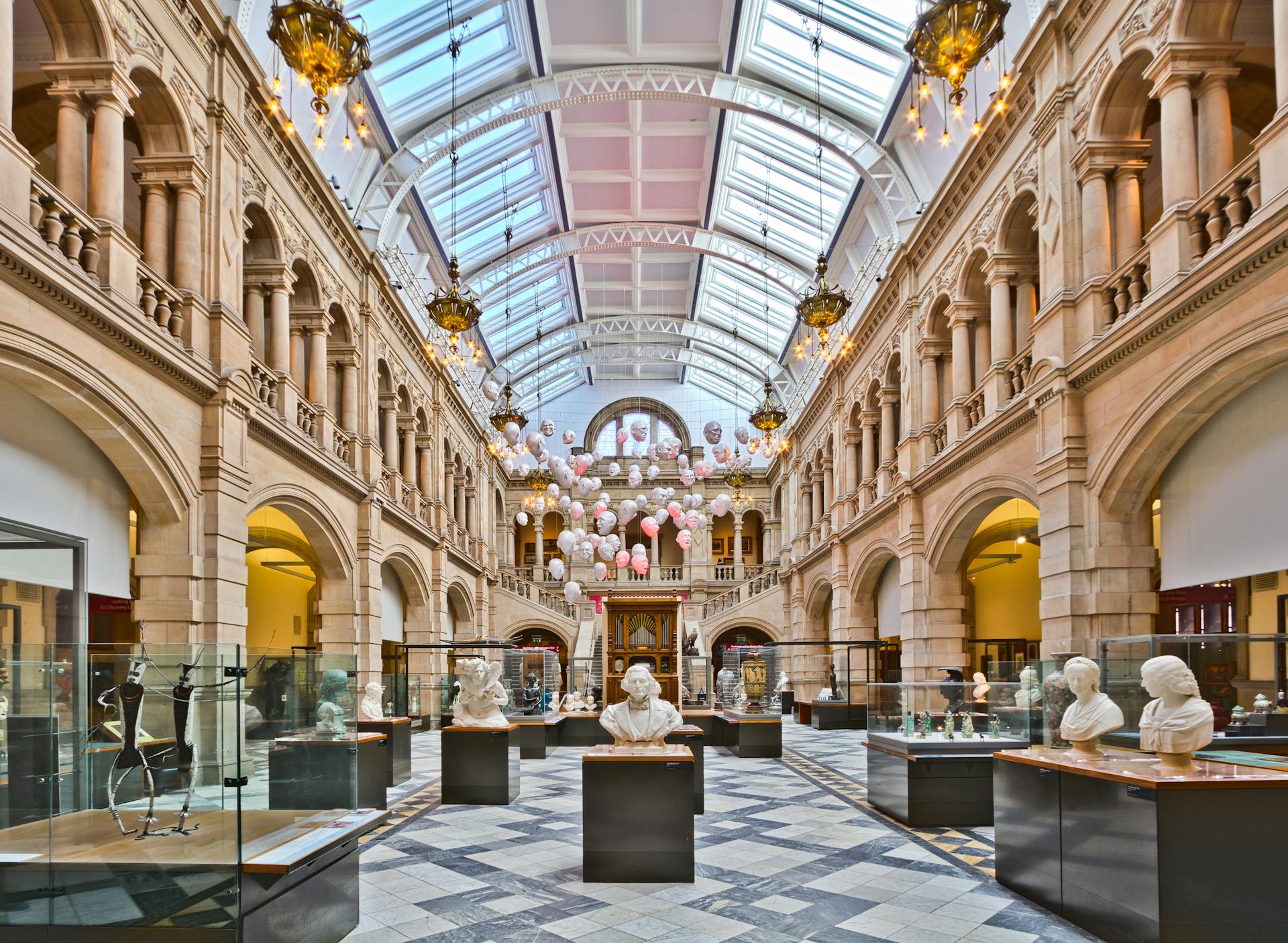
- Kelvingrove Museum: Dalí masterpieces and free treasures in the West End
- Ashton Lane and the West End: Glasgow's most photogenic spot
- Glasgow Mural Trail
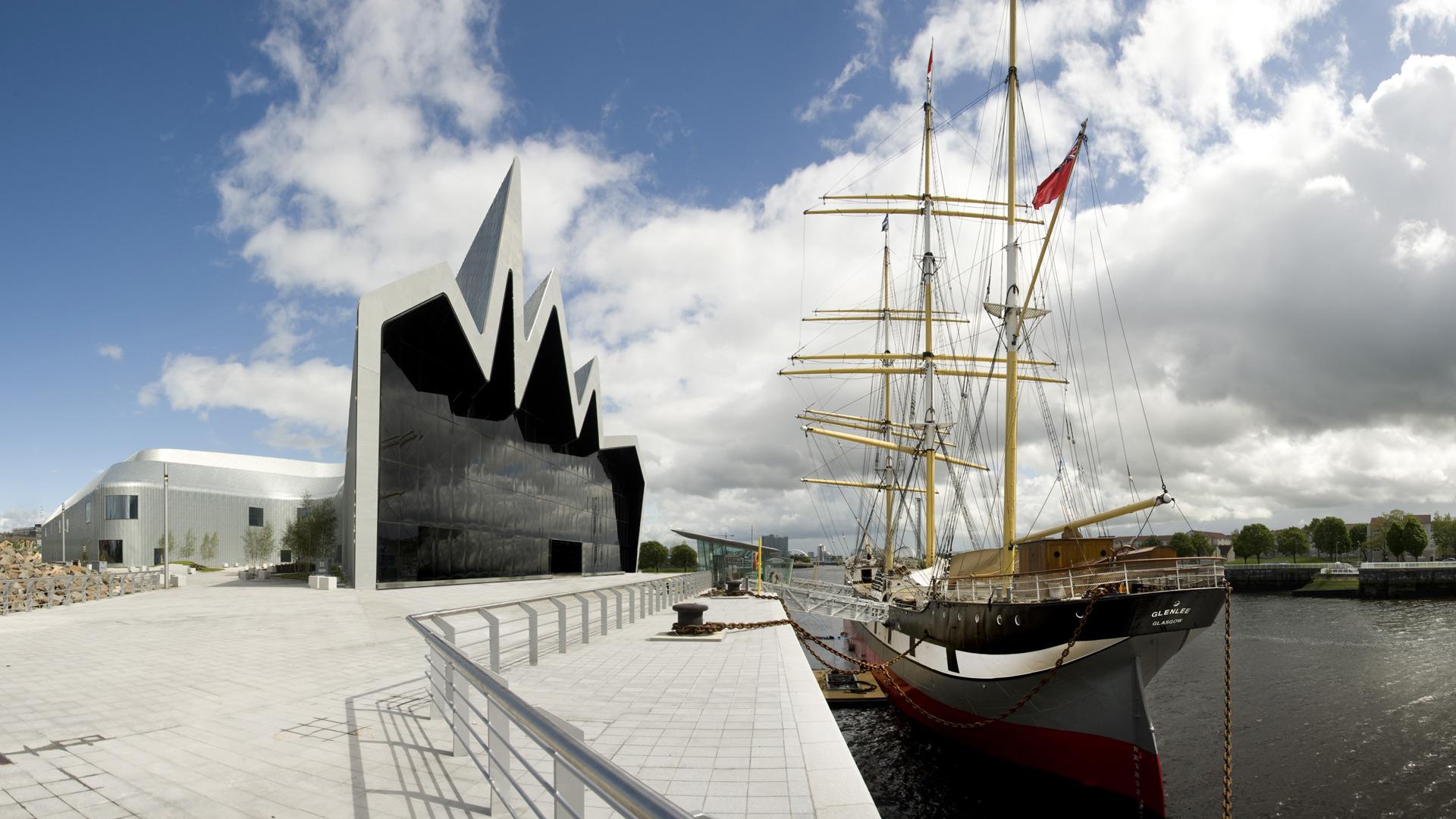
- The Riverside Museum
- Edinburgh step by step: the ultimate guide to squeezing the capital
Glasgow Cathedral (also known as the High Kirk of Glasgow or St Mungo's Cathedral) is a building of monumental historical importance. Dedicated to the patron saint and founder of the city, Saint Mungo, its construction began in the 12th century, though the current structure dates primarily from the 13th and 14th centuries.
What makes it truly unique is its survival: it is one of the very few medieval churches in Scotland to survive the Protestant Reformation of 1560 virtually intact, a period when most of the country's Catholic temples were looted, damaged, or demolished.
What to See Inside the Cathedral:
- St Mungo's Crypt (13th Century): The mystical heart of the cathedral. Located on the lower level (lower crypt), it houses the tomb of Saint Mungo himself, who founded a monastery on this very spot in the 6th century. The atmosphere of this crypt, with its intricate forest of stone columns and dim light, is deeply moving.
- The Modern Stained Glass Windows: Although the cathedral is medieval, almost all of its original stained glass was destroyed during the Reformation. The current windows date from the 20th and 21st centuries, standing out for their intense colors and detailed designs depicting biblical passages and local history.
- The Carved Wooden Ceilings: Look up in the central nave to admire the vaulted timber ceilings made of oak, originally built in the 14th century and restored with historical accuracy.
PUBLICIDAD
Travel with Data: Get your Saily eSIM
- ✓Internet in seconds upon landing
- ✓Flexible plans in 180+ countries
- ✓Easy setup directly via the App
Just behind the cathedral, crossing a small pedestrian bridge historically known as the Bridge of Sighs, rises a steep hill that home to the Glasgow Necropolis.
Opened in 1833 and inspired by the famous Père Lachaise Cemetery in Paris, this Necropolis is a textbook example of a Victorian garden cemetery. You won't find a flat, gloomy graveyard here; instead, it is a landscaped park filled with winding paths, mature trees, stone walkways, and around 50,000 burials. Approximately 3,500 of these graves are marked by spectacular monuments, mausoleums, and tombs designed by the leading architects of the era (such as Alexander "Greek" Thomson).
What to See in the Necropolis:
- The John Knox Monument: Crowning the top of the hill is a massive column dedicated to the leader of the Scottish Reformation. From this high point, you will get the best panoramic view of Glasgow Cathedral and the city skyline. It is a truly magical spot to visit at sunset.
- The Mausoleums of the Industrial Elite: As you climb the hill, you will see grand monuments belonging to 19th-century "Tobacco Lords" and industrial magnates. The wealth of these figures was quite literally measured by the scale of their tombs.
- The Legend of the Gorbals Vampire: In the 1950s, this cemetery was the backdrop to one of the city's strangest urban legends, when dozens of local school children patrolled the Necropolis armed with stakes, hunting for an alleged "vampire with iron teeth" they believed had taken two local children.
Both Glasgow Cathedral and the Necropolis are completely free of charge.
- Cathedral: No advance booking is required, though voluntary donations are highly appreciated to help maintain this historic temple (managed by Historic Environment Scotland).
- Necropolis: Access to the cemetery/park is completely open, and you can explore it on your own for free.
When planning your day, keep in mind that opening hours differ between the two sites:
Glasgow Cathedral:
- April to September: Monday to Saturday from 9:30 AM to 5:30 PM. Sundays from 1:00 PM to 5:30 PM.
- October to March: Monday to Saturday from 10:00 AM to 4:00 PM. Sundays from 1:00 PM to 4:00 PM. (Note: As this is an active place of worship, hours may vary due to religious services or weddings).
Glasgow Necropolis:
- Open daily from 7:00 AM until dusk (usually closing around 6:00 PM in winter and stretching as late as 8:00 PM or 9:00 PM during the summer months).
The complex is located about a 15-minute walk northeast of George Square:
- On Foot (Recommended): It is a straightforward and very gentle uphill walk from the city center. Walk straight up George Street, past the University of Strathclyde buildings, until you reach Cathedral Square.
- By Bus: Bus routes 38, 41, 90, and 380 drop you off just a few yards from the cathedral square.
- By Train: The nearest train station is High Street, located just a 5-minute walk from the cathedral.
- Prepare for steep slopes: The Necropolis is situated on a fairly steep hill. Wear comfortable shoes with good traction, as the stone and grass paths can get quite slippery in typical Scottish drizzle.
- Show utmost respect: Please remember that the Necropolis remains a cemetery and the Cathedral is an active house of worship. Avoid climbing on the graves to take photos and keep a respectful tone of voice throughout your visit.
- Combine it with the St Mungo Museum of Religious Life and Art: Located right across from the cathedral, this small but highly interesting free museum explores the importance of religion in people's lives across the globe throughout history. It is well worth a visit!
Can the Glasgow Necropolis be visited at night?
No. The cemetery gates are locked at dusk for safety and security reasons (and to prevent vandalism). We highly recommend heading up in the late afternoon during summer to capture the "golden hour" with incredible views over the cathedral and the city.
Were Batman movies filmed at the Necropolis?
Yes! If you are a movie buff, you will love to know that the Necropolis and the streets surrounding Glasgow Cathedral were transformed into the dark, rain-soaked streets of Gotham City for the film The Batman (2022), starring Robert Pattinson. The cemetery served as the backdrop for several dramatic motorcycle scenes.
Are there guided tours available for the cemetery?
Yes, the charity The Friends of Glasgow Necropolis organizes historical guided tours run by passionate volunteers. These tours are fantastic for learning the individual stories behind the most famous graves; they run on a donation basis and require advance booking on their official website.
Is the route accessible for visitors with reduced mobility or strollers?
The Cathedral has ramp access to the main nave, but accessing St Mungo's Crypt requires going down rather steep, medieval stone stairs. As for the Necropolis, while the main paths are paved, the slope is exceptionally steep in several sections, making it physically demanding to push a stroller or a wheelchair.
PUBLICIDAD
- Glasgow: the ultimate guide to discovering the most vibrant city
- Kelvingrove Museum: Dalí masterpieces and free treasures in the West End
- Ashton Lane and the West End: Glasgow's most photogenic spot
- Glasgow Mural Trail
- The Riverside Museum
- Edinburgh step by step: the ultimate guide to squeezing the capital
PUBLICIDAD
International Travel Insurance
- ✓International medical insurance
- ✓24/7 immediate assistance in your language
- ✓Ideal for trekking & adventure


Preferences
Language
Color
Text
Width