Table of contents and map
Edinburgh Royal Mile: Best Things to Do, History and Secret Closes. Complete Guide.
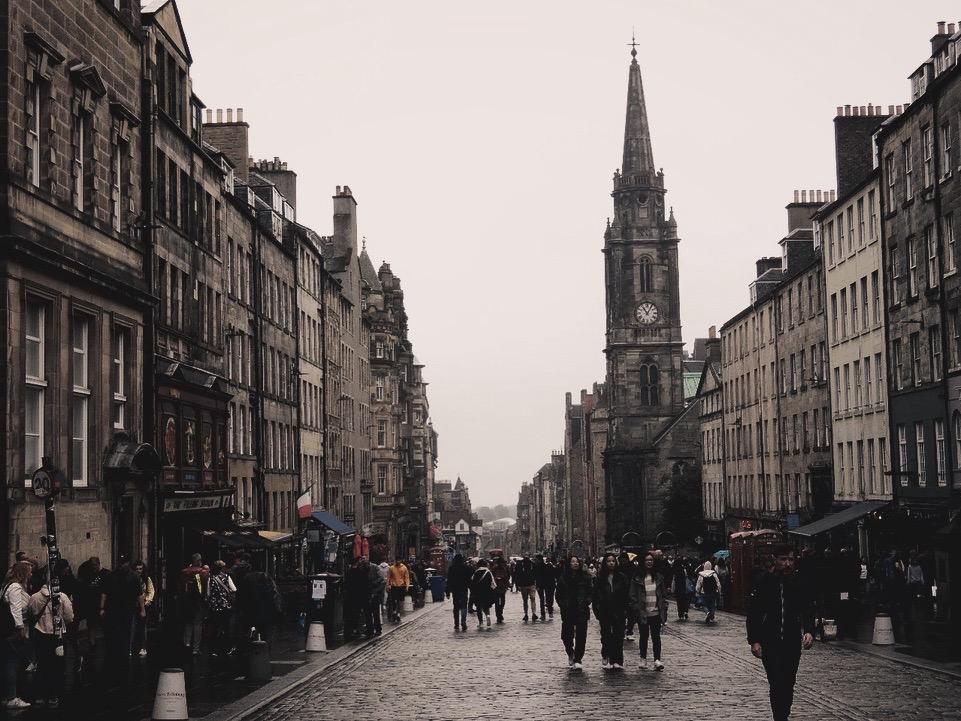
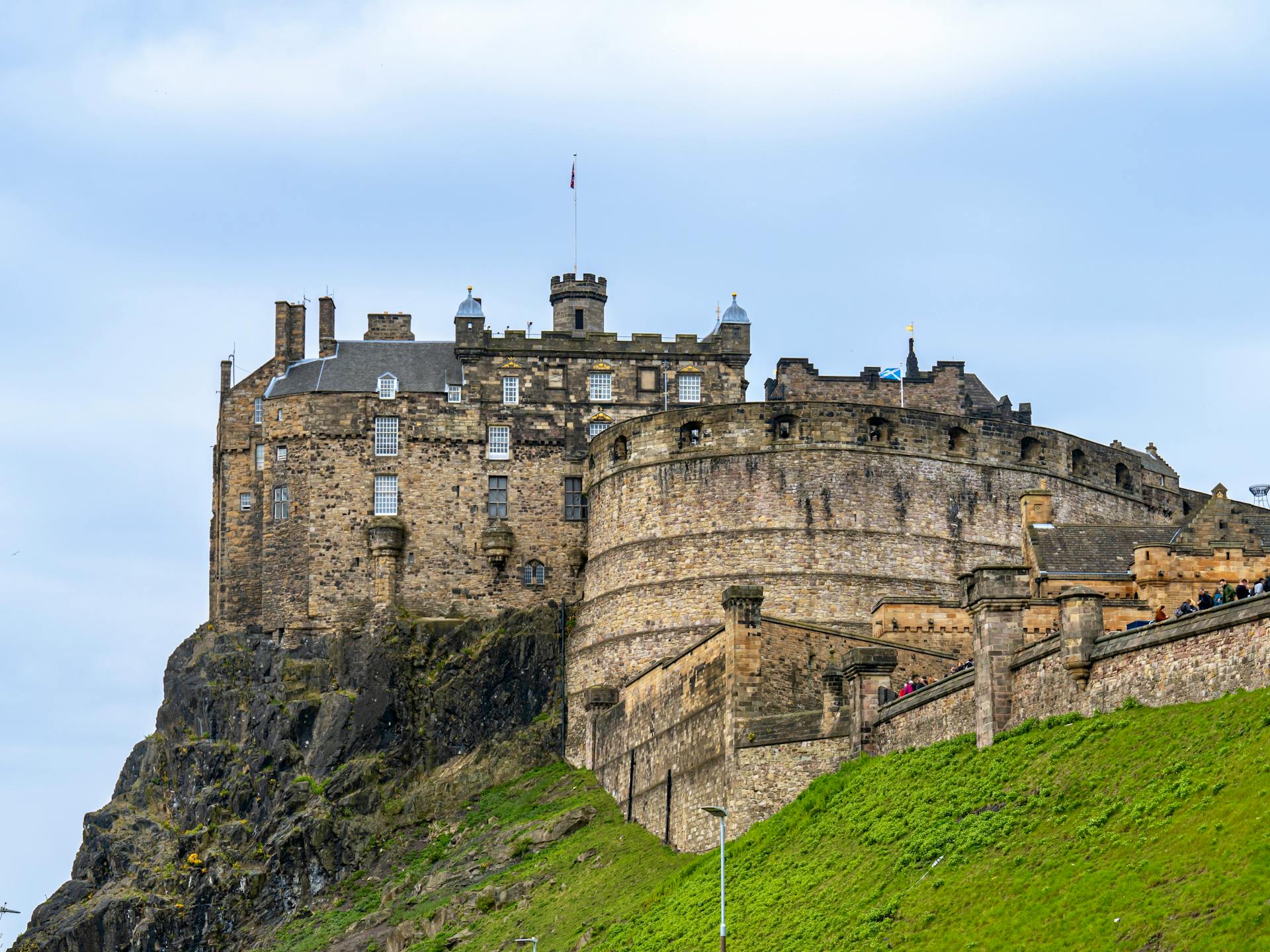
The Royal Mile is the true beating heart of Edinburgh's Old Town. Measuring exactly one Scottish mile, this iconic avenue connects the imposing Castle at the top of the rock to the Palace of Holyroodhouse at the foot of the hill. Walking along its cobblestones is not just strolling down Scotland's most famous street; it is stepping into a labyrinth of medieval alleys, ghost legends, Gothic cathedrals, and centuries-old pubs. In this guide, we break down what to see section by section so you don't miss a thing.
Edinburgh Royal Mile: Best Things to Do, History and Secret Closes. Complete Guide.
The Royal Mile is the true beating heart of Edinburgh's Old Town. Measuring exactly one Scottish mile, this iconic avenue connects the imposing Castle at the top of the rock to the Palace of Holyroodhouse at the foot of the hill. Walking along its cobblestones is not just strolling down Scotland's most famous street; it is stepping into a labyrinth of medieval alleys, ghost legends, Gothic cathedrals, and centuries-old pubs. In this guide, we break down what to see section by section so you don't miss a thing.
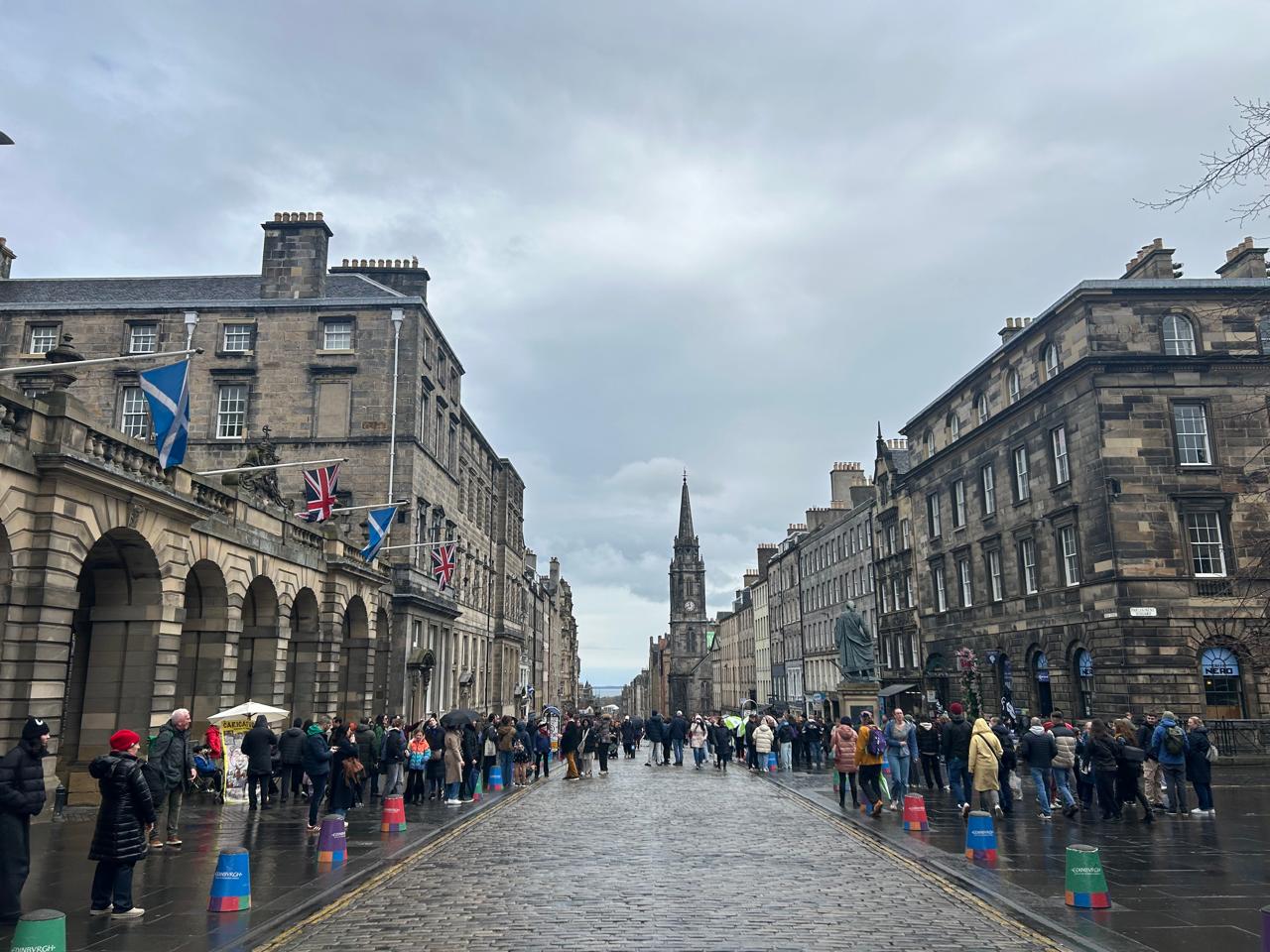
The Royal Mile measures exactly 1,814 meters (a Scottish mile, which is slightly longer than a standard international mile). For centuries, it was the central axis for daily life, commerce, and, unfortunately, public executions within walled Edinburgh.
Today, the street is split into four main sections (Castlehill, Lawnmarket, High Street, and Canongate). To ensure a perfect visit, we will walk it downhill, starting from the very top.
1. Section 1: Castlehill and Lawnmarket (The Upper Area)
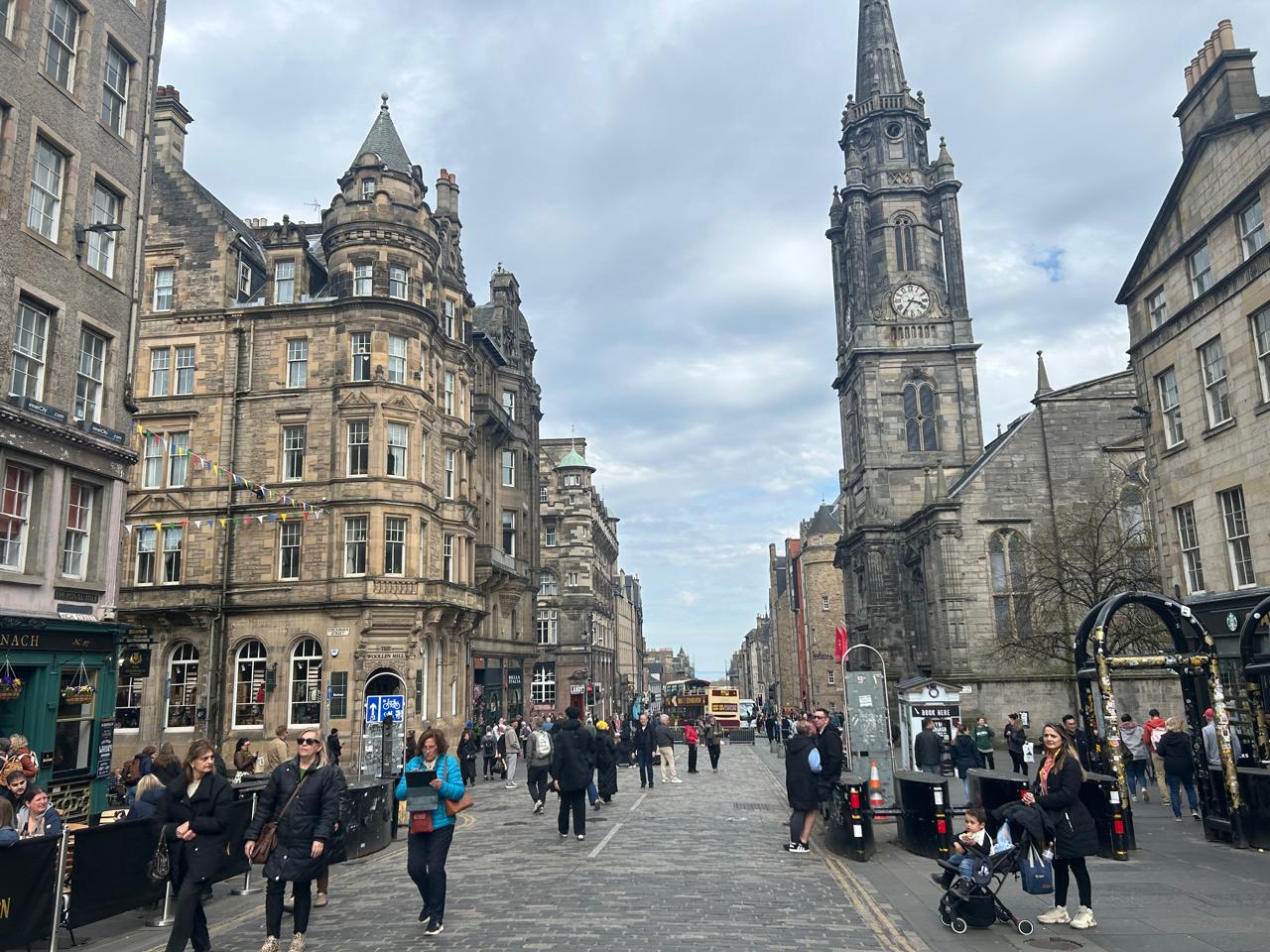
This section begins right at the esplanade of Edinburgh Castle. It is the oldest and steepest part of the avenue, where towering stone tenement buildings rise on both sides, creating an imposing medieval atmosphere.
Main attractions in this section:
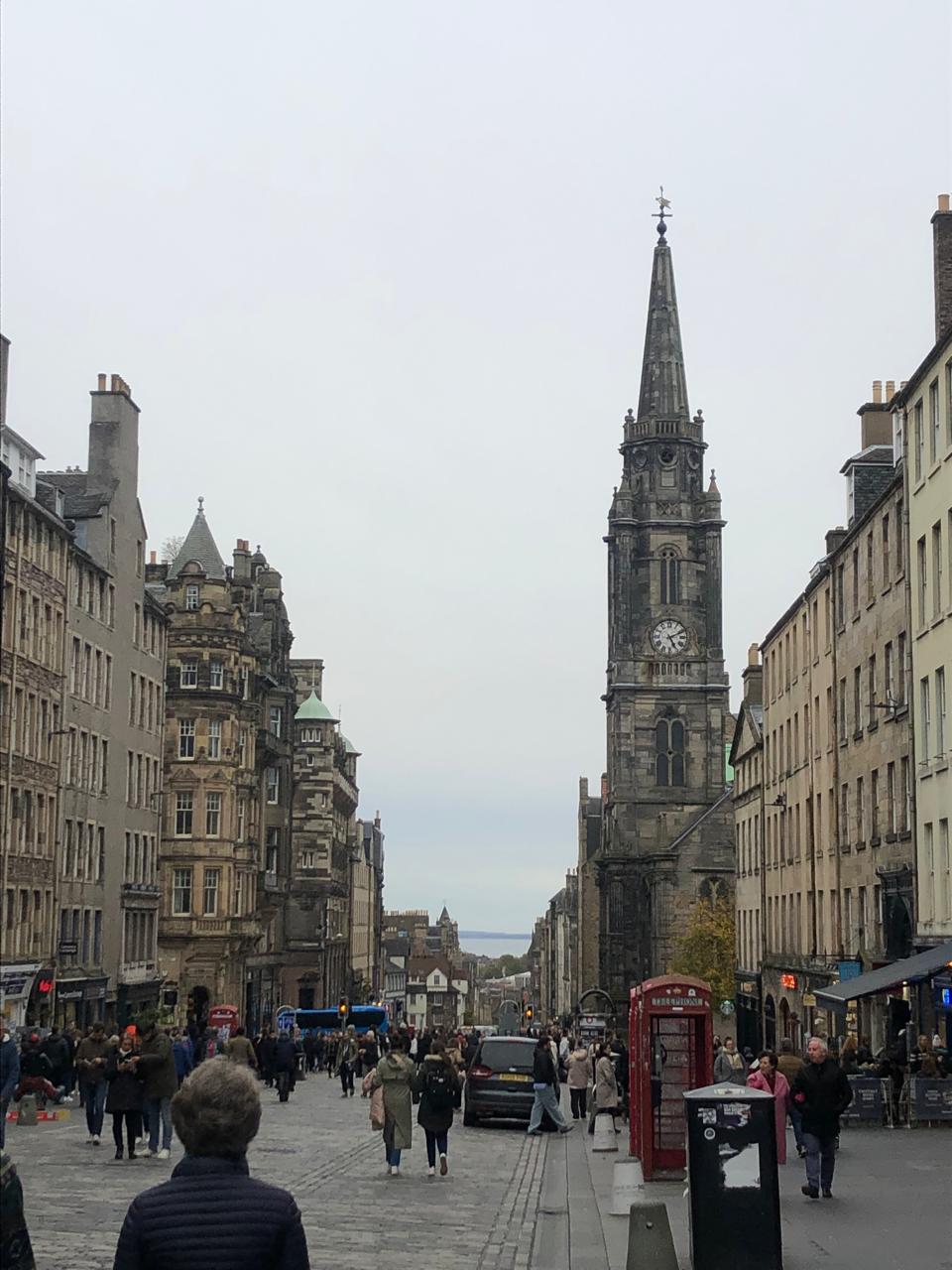
- The Hub: A spectacular Gothic building with a towering black spire that currently serves as the headquarters for the Edinburgh International Festival. While it is not open for standard tourist visits inside, its exterior provides one of the most iconic photos on the street.
- Camera Obscura & World of Illusions: An optical illusion museum perfect if you are traveling with children, featuring a Victorian interactive tower that offers panoramic views over the entire city.
- The Scotch Whisky Experience: Located right next door, this is the ultimate interactive center to learn about the production process of Scotch whisky (and it includes a massive tasting vault).
- Gladstone’s Land: A beautifully preserved 17th-century merchant’s house. It is the best place to understand how tightly packed people lived in the Old Town 400 years ago.
2. Section 2: High Street (The Heart of the Royal Mile)
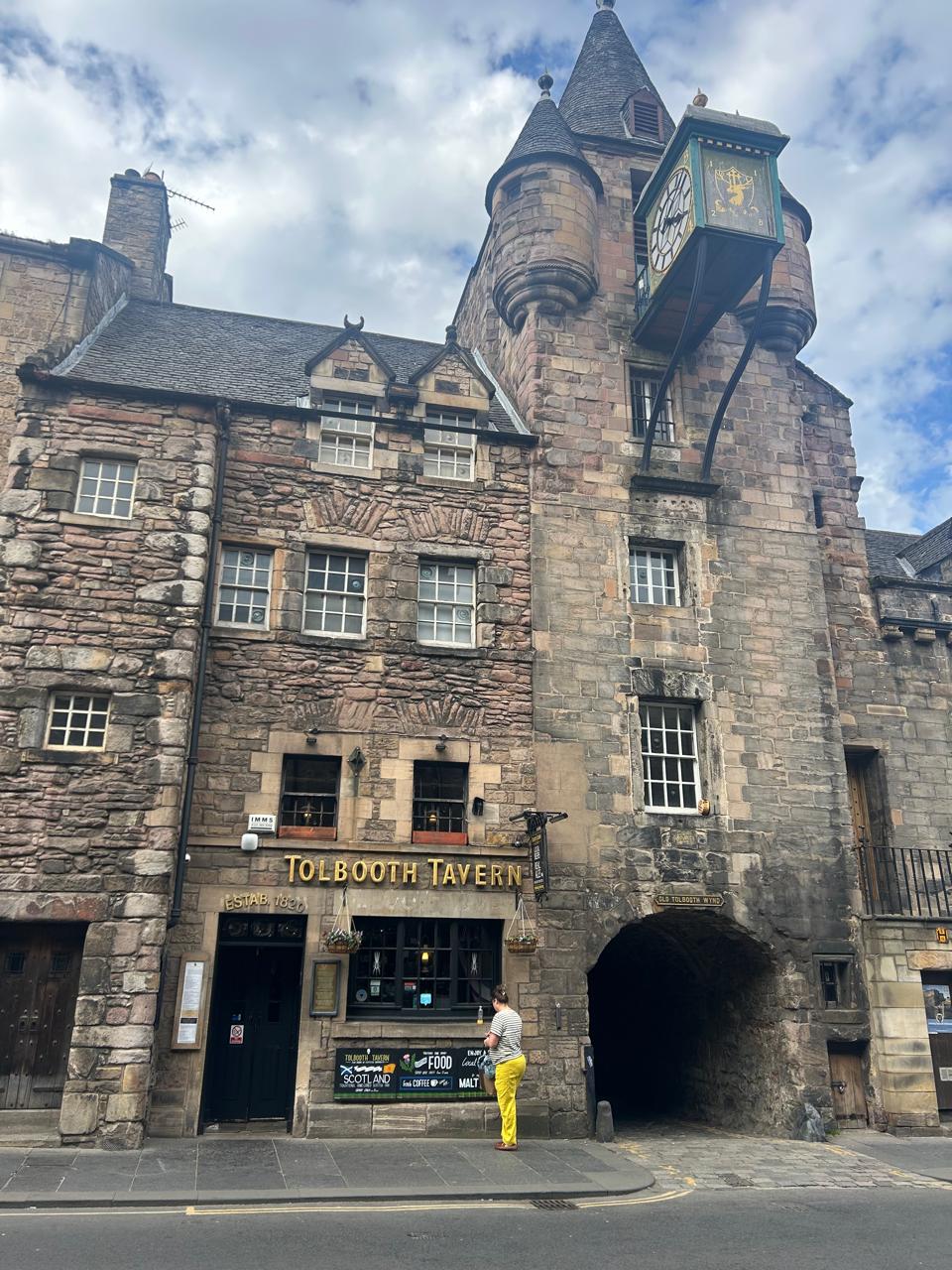
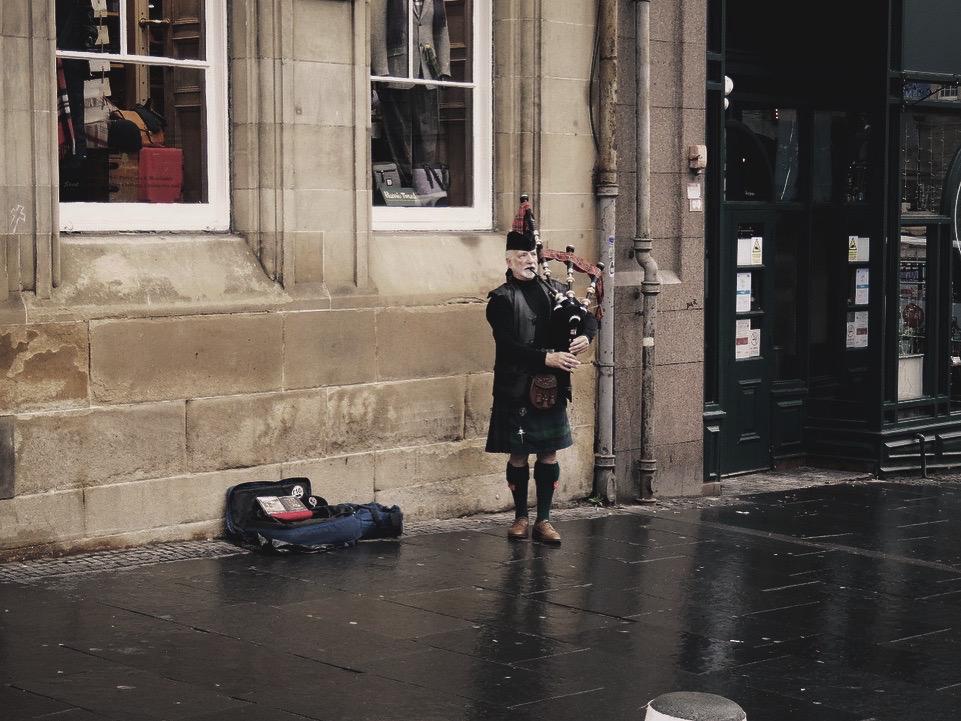
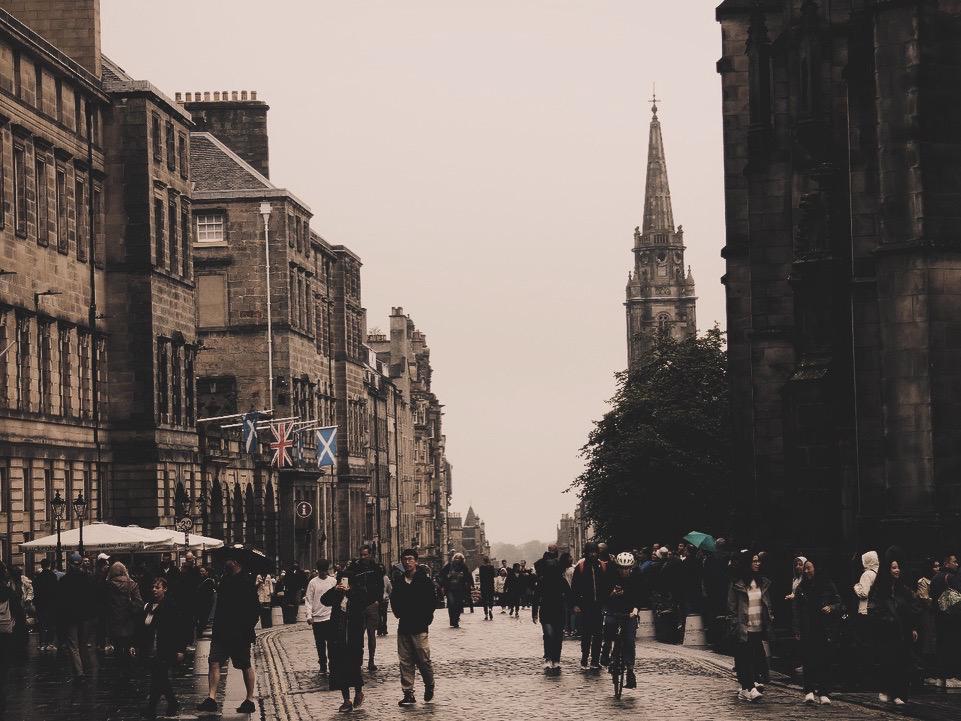
After crossing the intersection with George IV Bridge, the street opens up and transforms into High Street. This is the most vibrant section of the avenue, packed with historic pubs, street bagpipers, and traditional kilt shops.
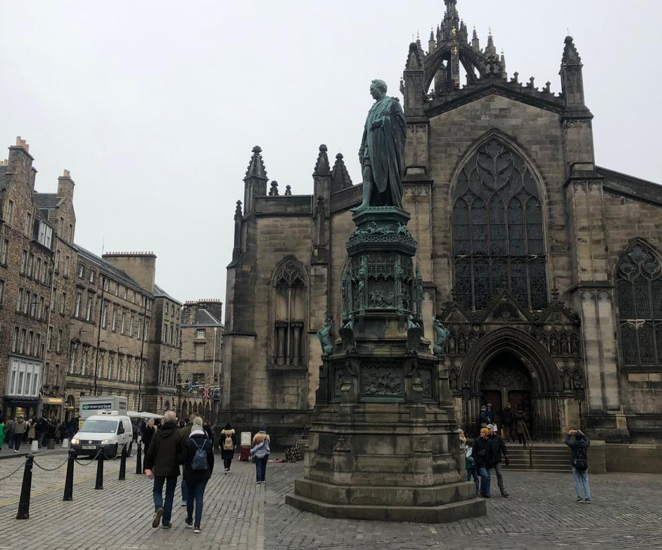
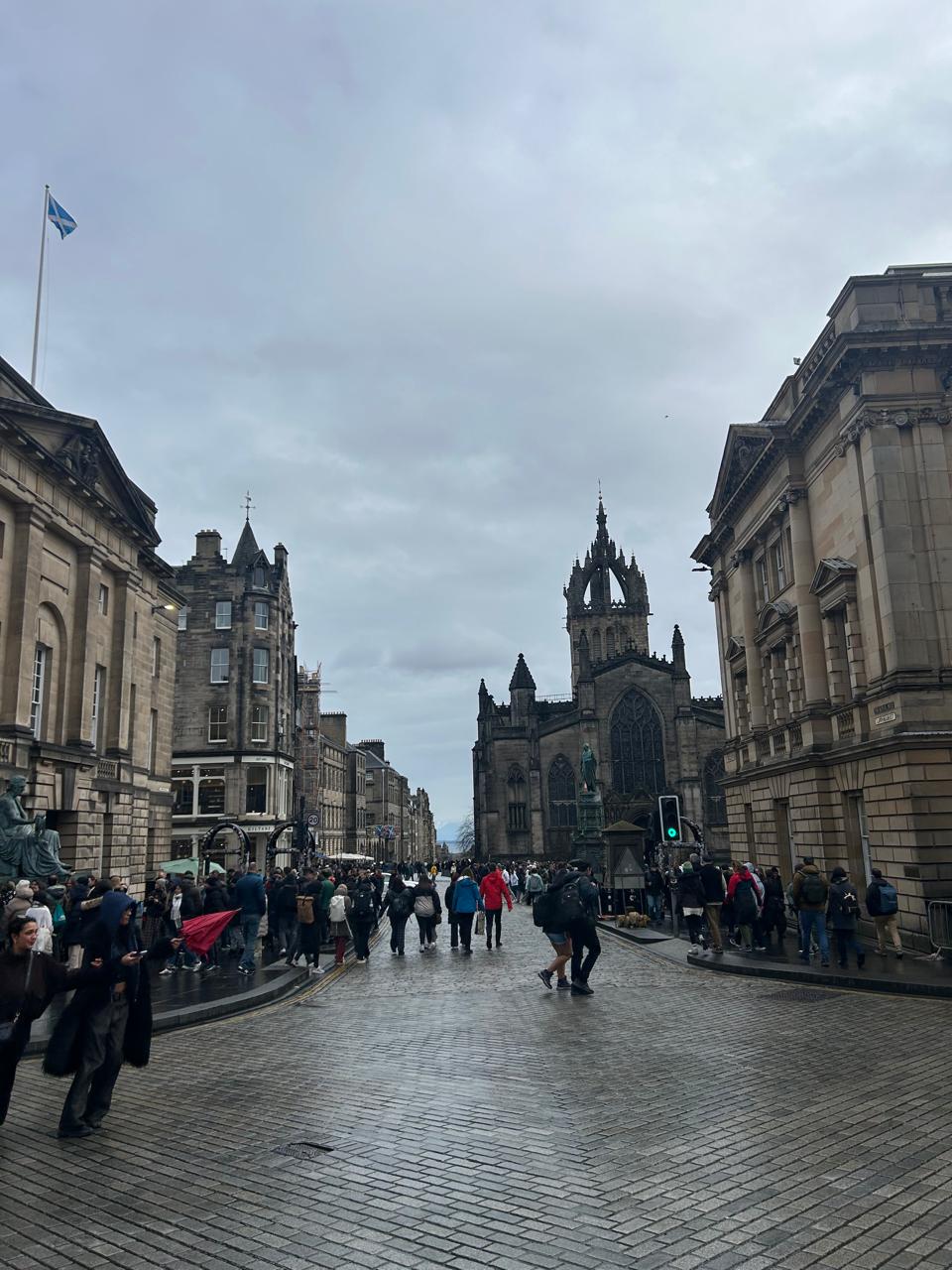
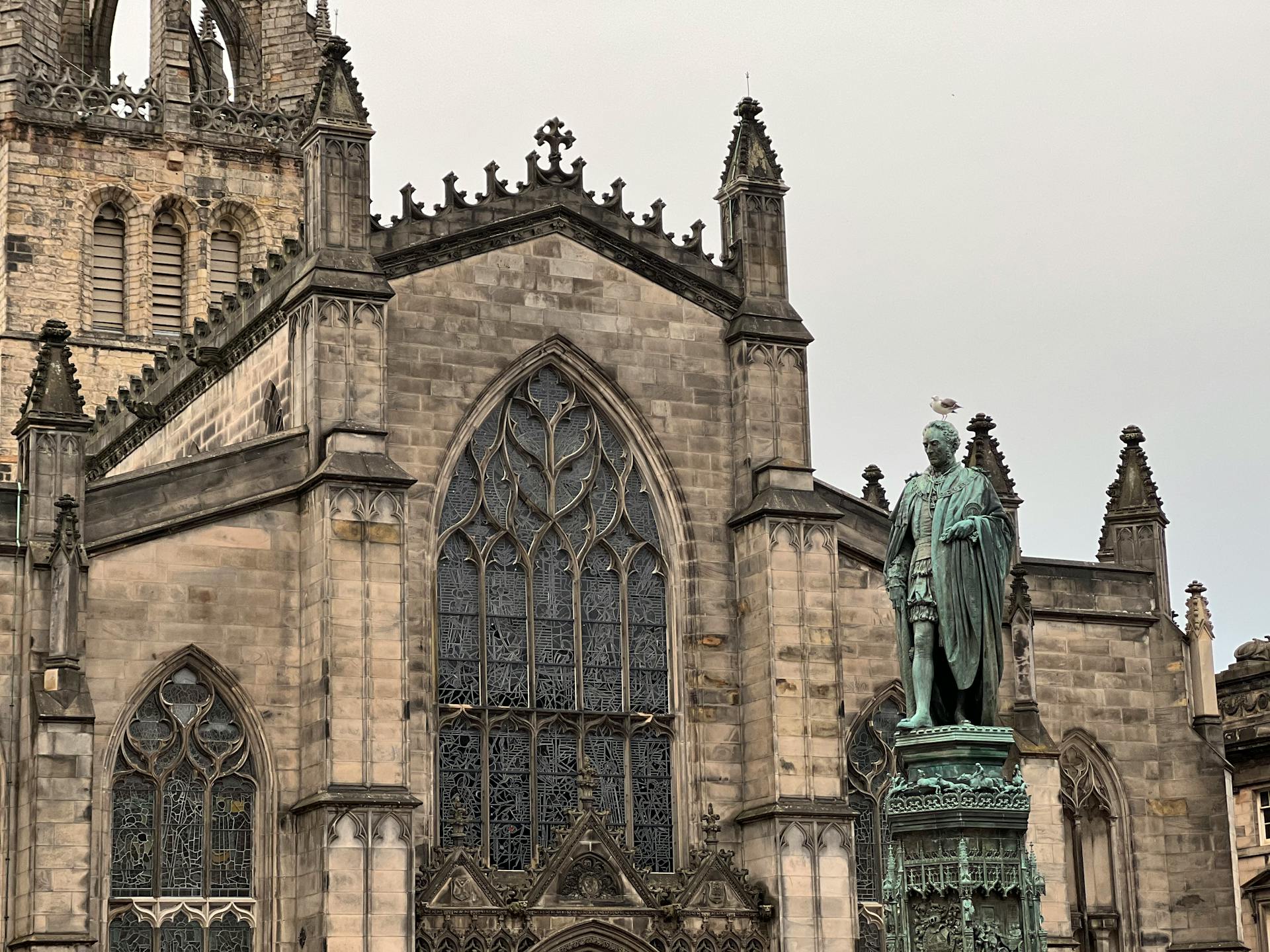
- St. Giles' Cathedral: With its famous crown spire, this is the mother church of Presbyterianism. Admission is free (a small donation is appreciated), and the interior highlights the beautiful Thistle Chapel, filled with incredibly detailed wood carvings.
- The Heart of Midlothian: Right in the cobblestones next to the cathedral, you will spot a heart-shaped mosaic. It marks the exact location of the city's old and brutal prison. Fun fact: Locals traditionally spit on the center when passing by as a sign of historical disdain for the jail (and for good luck).
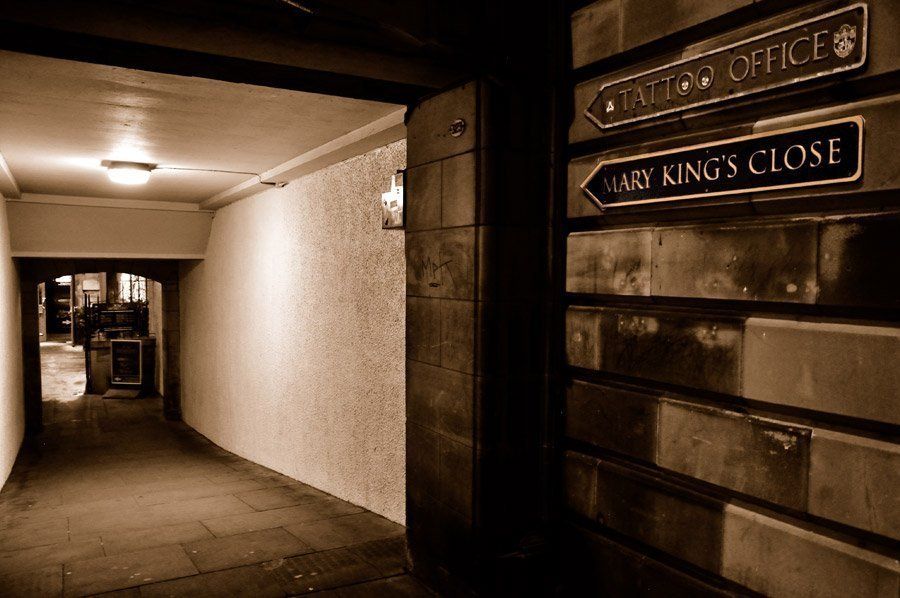
- The Real Mary King’s Close: A subterranean medieval alleyway that was bricked up for centuries during plague outbreaks. Today, it offers one of the city's most famous guided tours to discover the myths and underground life of 17th-century Edinburgh.
3. The Must-See 'Closes': Alleyways with Secrets
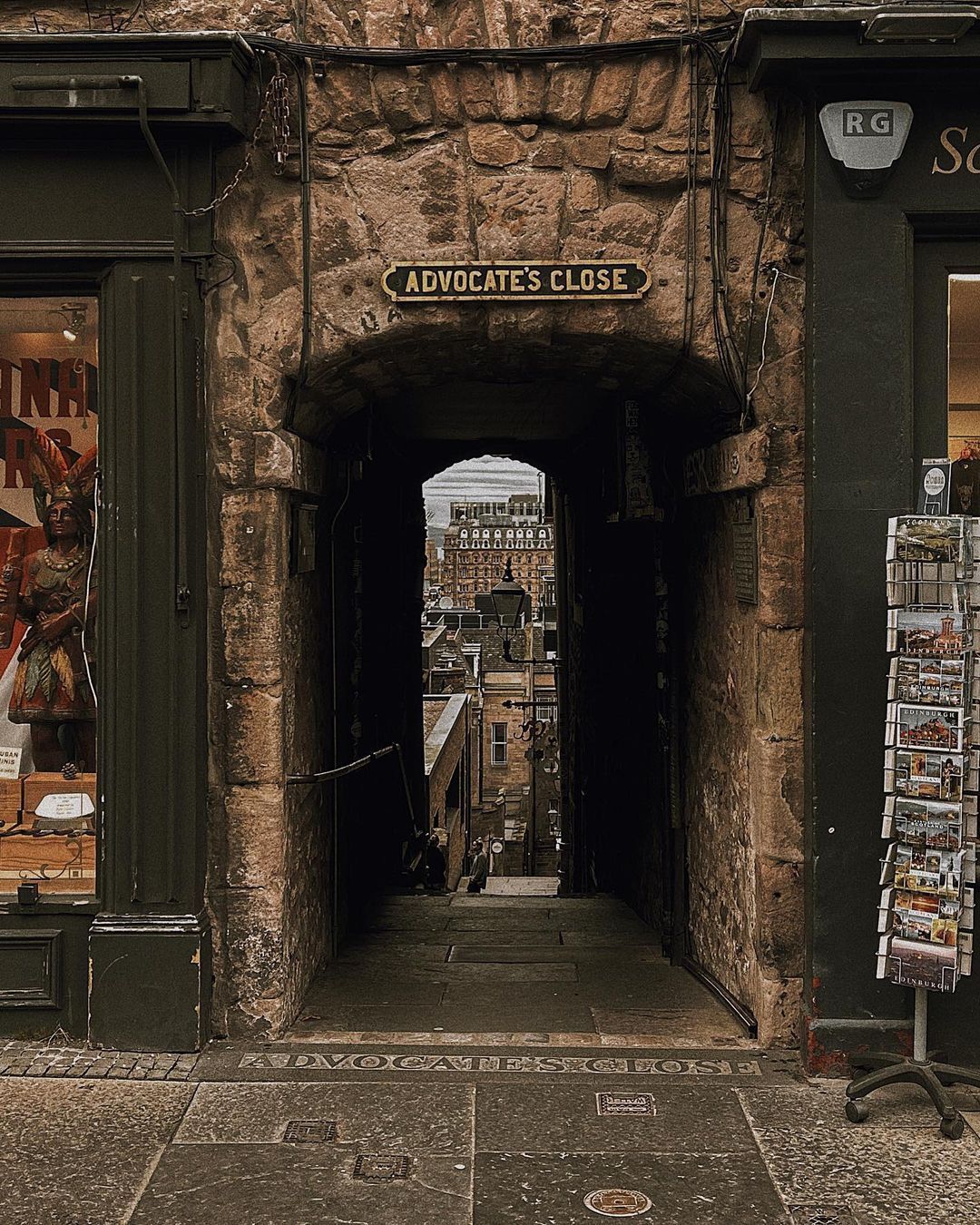
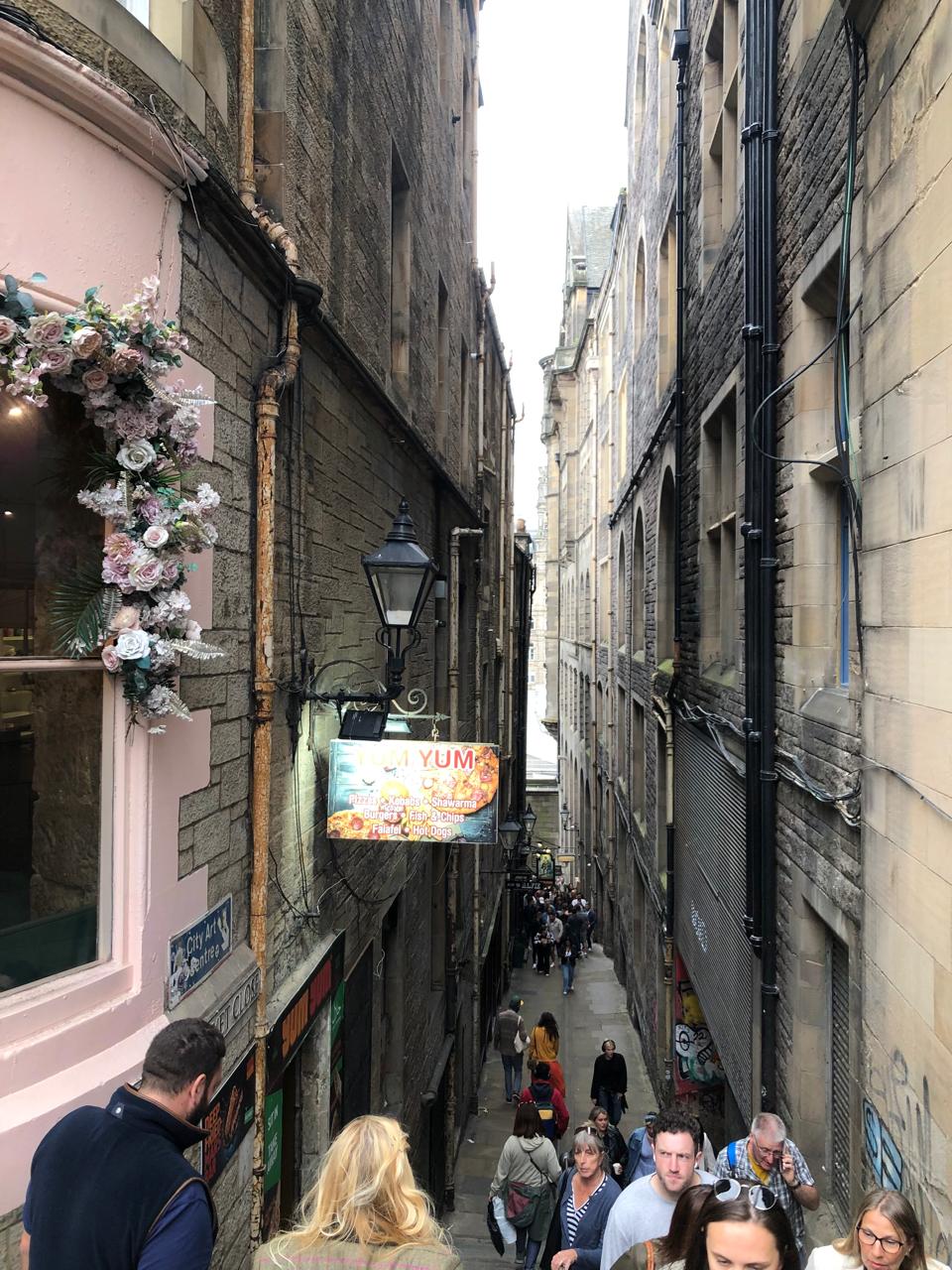
The closes are narrow, steep alleyways that branch off the sides of the Royal Mile, sloping downwards to the north or south. In medieval times, the city grew upwards and outwards into these alleyways. There are dozens of them, but these three are truly magical:
- White Horse Close: Located near the very end of the street, this is arguably the most beautiful and photographed close. It features picturesque white-harled 17th-century houses with exterior staircases where stagecoaches used to depart for London.
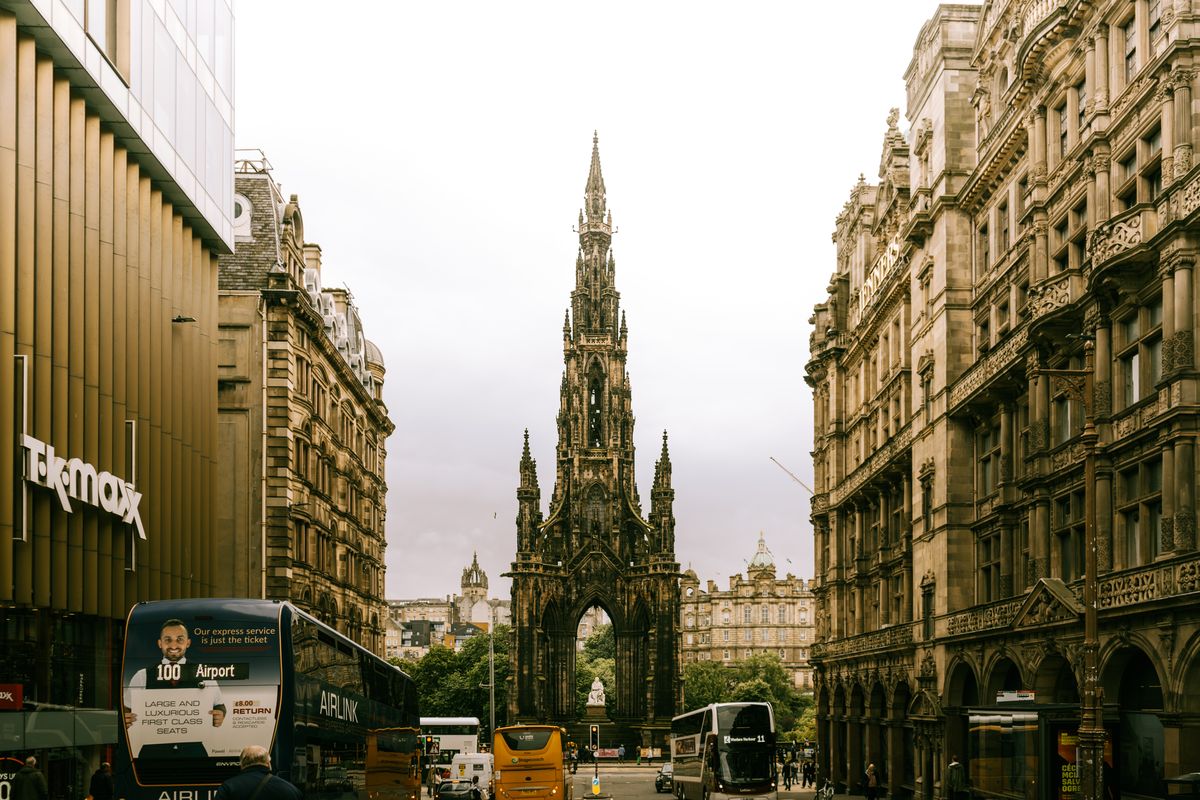
- Advocate’s Close: Rewards you with one of the most spectacular views of the Scott Monument silhouette and the New Town neatly framed between medieval stone walls.
- Lady Stair’s Close: Stepping through this passage leads you to a lovely hidden courtyard home to the Writers' Museum, which celebrates the country's literary legends: Sir Walter Scott, Robert Burns, and Robert Louis Stevenson.
4. Section 3: Canongate (The Lower Area and the Palace)
Once you cross the intersection of The Netherbow (where the fortified gateway to the city historically stood), you enter Canongate. This section was historically a separate, independent burgh, which explains why the houses are a bit grander and the atmosphere is notably more peaceful.
- The Scottish Parliament: A striking piece of avant-garde modern architecture opened in 2004 that contrasts sharply with its ancient surroundings. You can enter for free to view parliamentary debates or take an architectural tour.
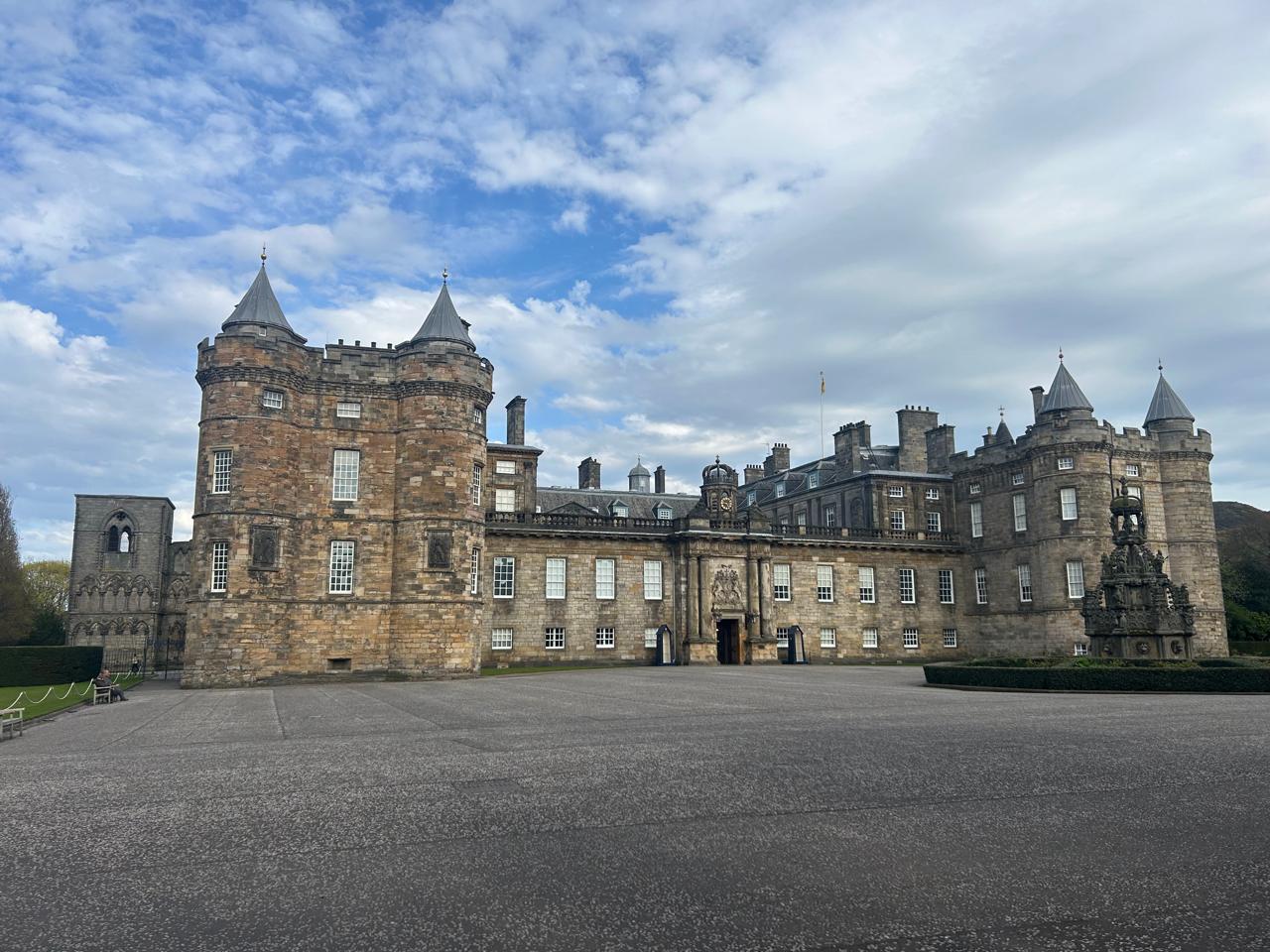
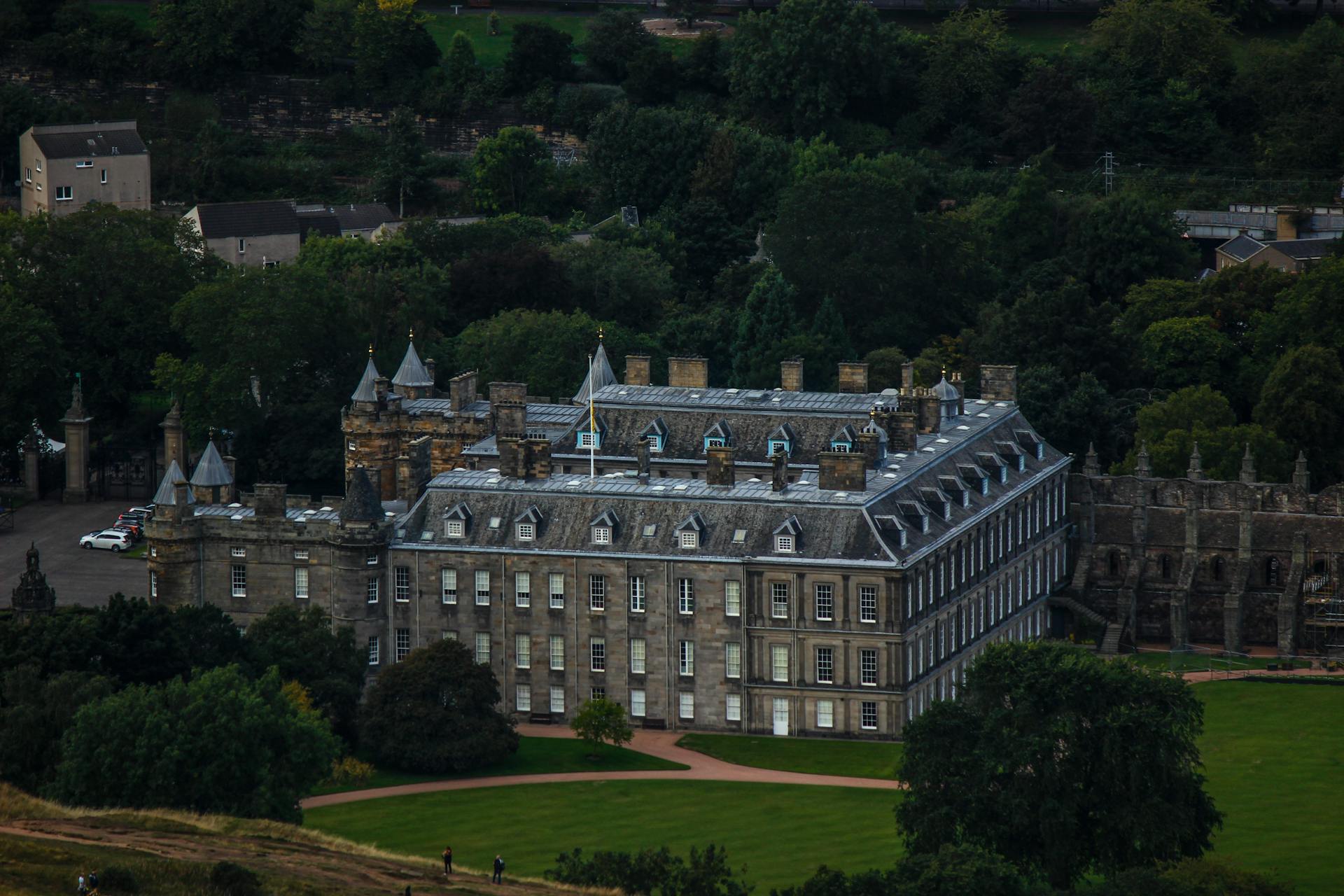
- Palace of Holyroodhouse: The finishing point of the Royal Mile. This is the official residence of the British monarch in Scotland. You can tour the historic State Apartments, explore the 12th-century Augustinian abbey ruins located within the gardens, and step into the chambers once occupied by the famous Mary, Queen of Scots.
Practical Tips for Your Visit
How long does it take to walk? If you walk straight down without stopping, it takes about 25 minutes. However, to truly enjoy it—stepping into the closes, exploring St. Giles', and taking photos—it will easily take you a full morning (3 to 4 hours).
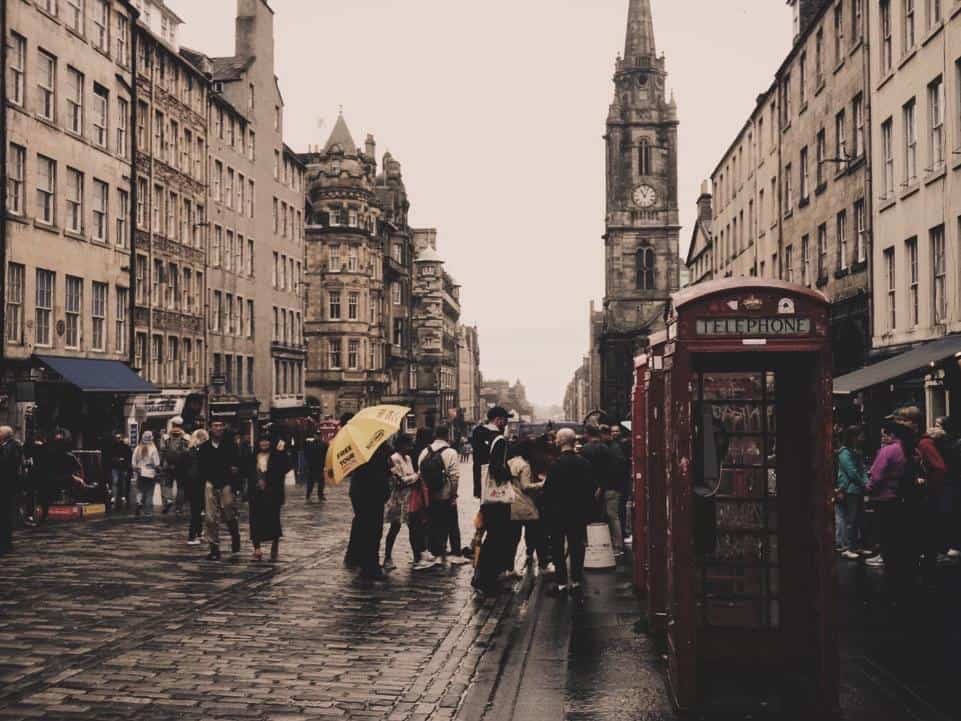
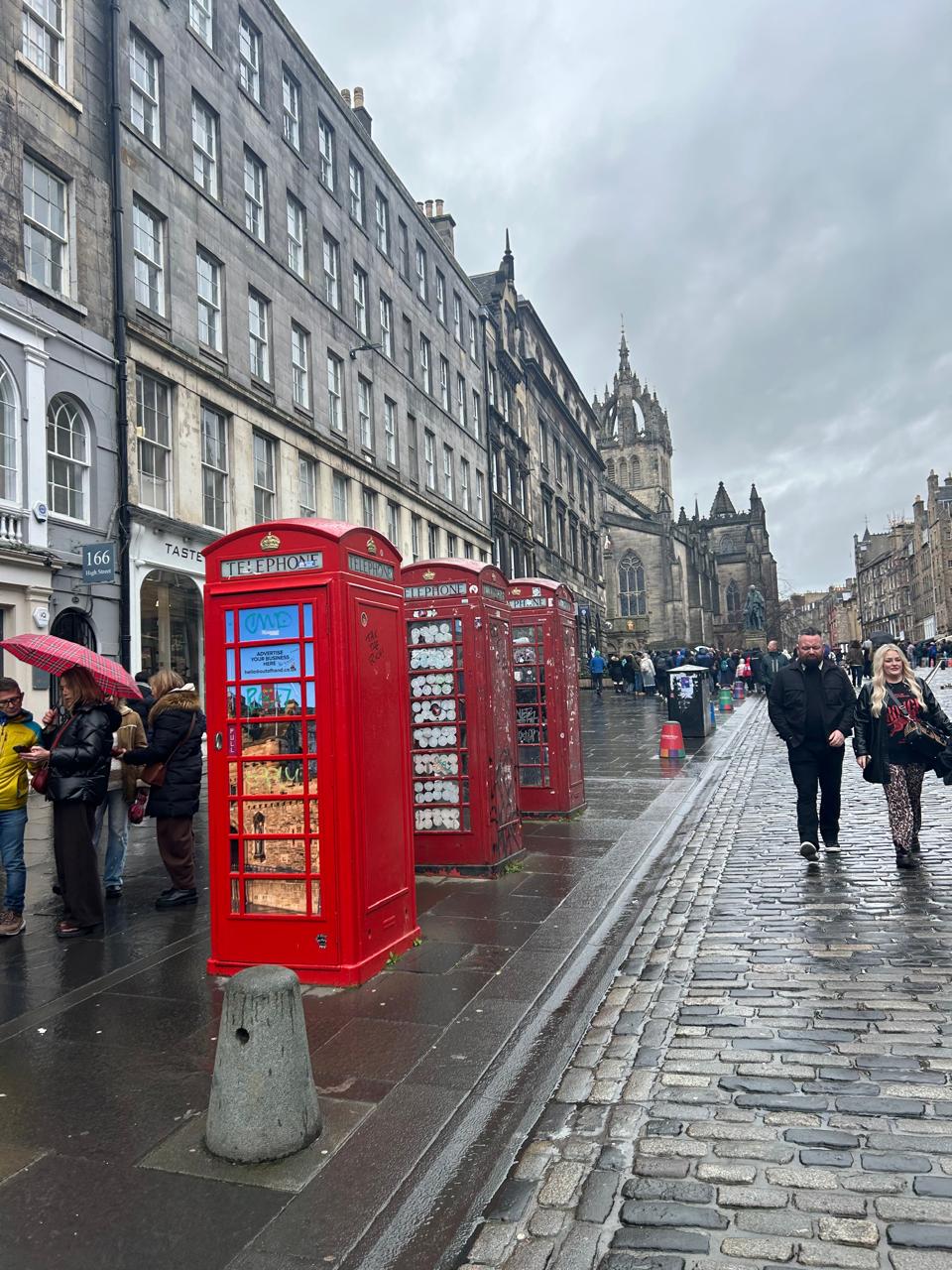
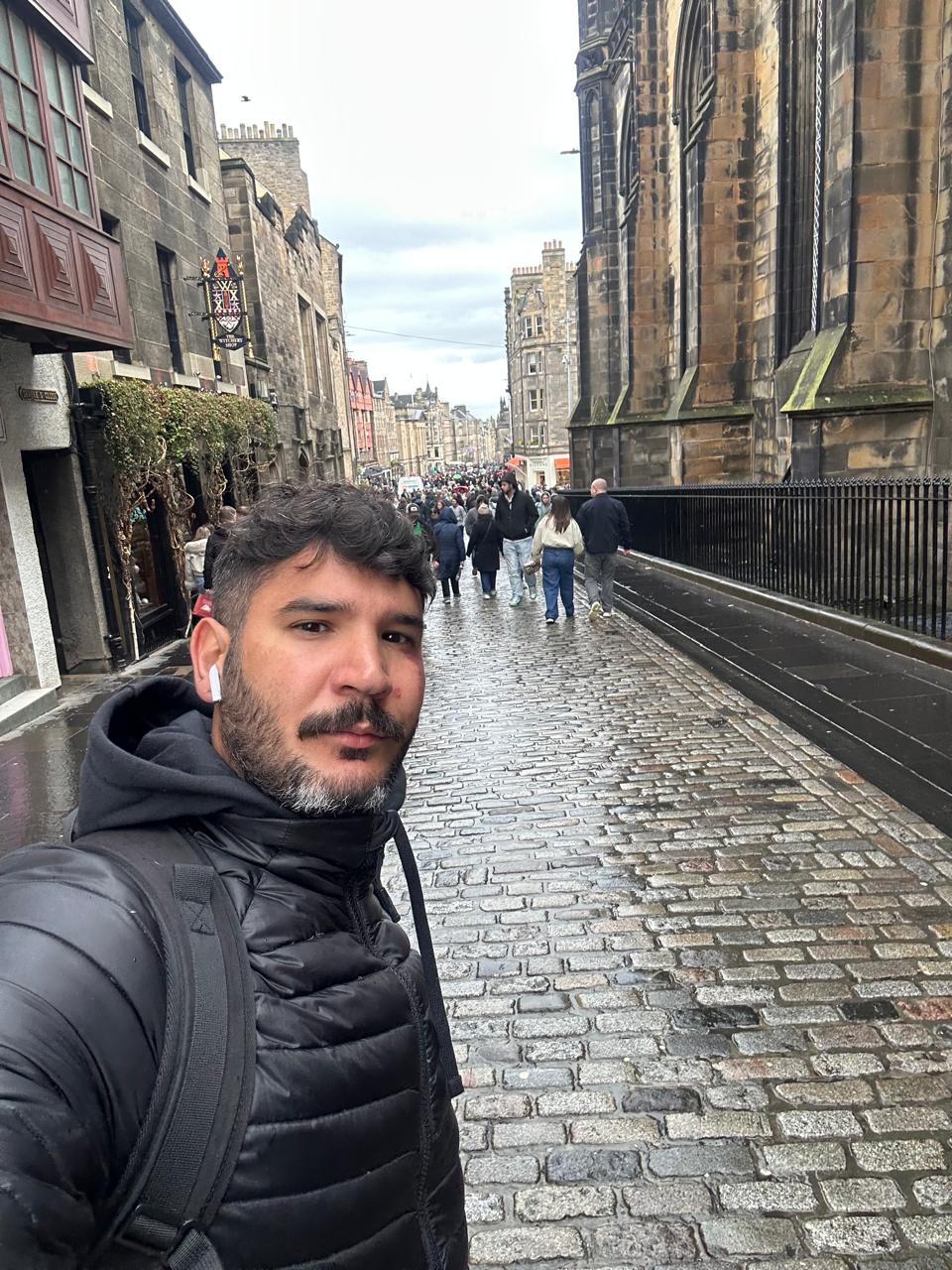
Footwear: The cobblestones of the Royal Mile are historical, uneven, and can become quite slippery when it rains. Make sure to wear comfortable footwear with good grip.
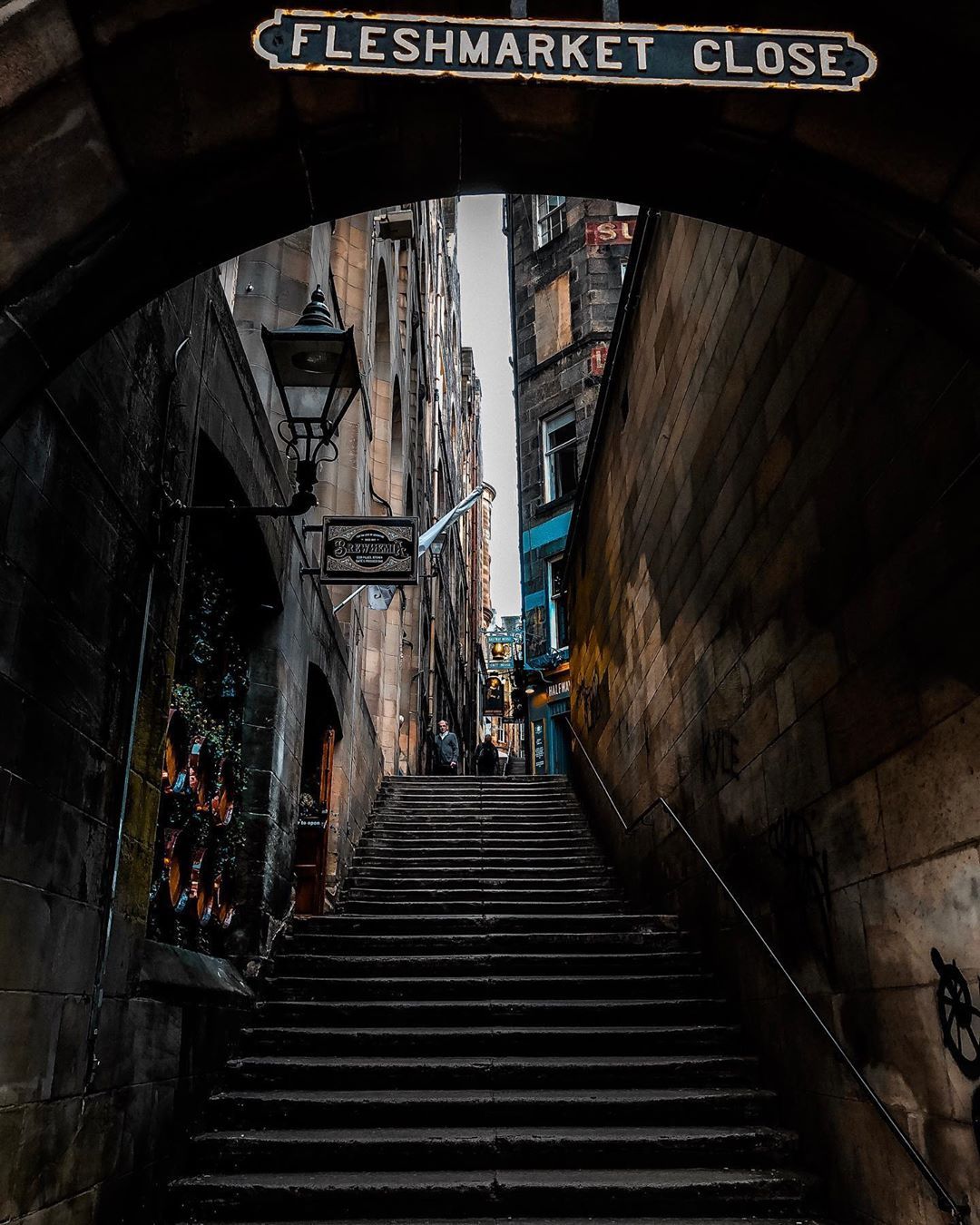
How to get there: Being the nerve center of the Old Town, you can easily walk there from any central point. Edinburgh Waverley train station has an exit (Princes Street/Market Street) that leaves you just a 3-minute uphill walk away via Fleshmarket Close.
Frequently Asked Questions (FAQ)
Is it safe to walk through the Closes at night? Yes, completely. Today, all walkable closes off the Royal Mile are well-lit and highly secure. In fact, at night they come alive with atmosphere thanks to the city's famous Ghost Tours that wander the area sharing historical macabre tales.
Which attractions on the Royal Mile are free? Entering St. Giles' Cathedral, exploring any of the open closes, visiting the Writers' Museum (Lady Stair's Close), and passing through security to tour the public areas of the Scottish Parliament is 100% free.
Useful Links for Planning Your Edinburgh Itinerary
- Edinburgh Step-by-Step: The Ultimate Capital Guide
- How to Get from Edinburgh Airport to the City Center: Prices and Options
- How to Get Around Scotland: Rental Car, Train, or Bus?
- Stirling: Medieval Castle and William Wallace Monument
- General Guide to Traveling in Scotland
- Scotland Itinerary: The Perfect 7, 10, and 14-Day Route
- Castle Route Through Eastern Scotland and England
- Linlithgow: Real History Behind Wentworth Prison
- South Queensferry: Bridge Views and Closeness to Lallybroch
- Glencoe: Guide to Visiting Scotland's Most Spectacular Valley
- Blackness: The Ship-Shaped Castle on the Firth of Forth
- Harry Potter in Scotland: Route Through the Real Locations
This section begins right at the esplanade of Edinburgh Castle. It is the oldest and steepest part of the avenue, where towering stone tenement buildings rise on both sides, creating an imposing medieval atmosphere.
Main attractions in this section:
- The Hub: A spectacular Gothic building with a towering black spire that currently serves as the headquarters for the Edinburgh International Festival. While it is not open for standard tourist visits inside, its exterior provides one of the most iconic photos on the street.
- Camera Obscura & World of Illusions: An optical illusion museum perfect if you are traveling with children, featuring a Victorian interactive tower that offers panoramic views over the entire city.
- The Scotch Whisky Experience: Located right next door, this is the ultimate interactive center to learn about the production process of Scotch whisky (and it includes a massive tasting vault).
- Gladstone’s Land: A beautifully preserved 17th-century merchant’s house. It is the best place to understand how tightly packed people lived in the Old Town 400 years ago.
PUBLICIDAD
Travel with Data: Get your Saily eSIM
- ✓Internet in seconds upon landing
- ✓Flexible plans in 180+ countries
- ✓Easy setup directly via the App
After crossing the intersection with George IV Bridge, the street opens up and transforms into High Street. This is the most vibrant section of the avenue, packed with historic pubs, street bagpipers, and traditional kilt shops.
- St. Giles' Cathedral: With its famous crown spire, this is the mother church of Presbyterianism. Admission is free (a small donation is appreciated), and the interior highlights the beautiful Thistle Chapel, filled with incredibly detailed wood carvings.
- The Heart of Midlothian: Right in the cobblestones next to the cathedral, you will spot a heart-shaped mosaic. It marks the exact location of the city's old and brutal prison. Fun fact: Locals traditionally spit on the center when passing by as a sign of historical disdain for the jail (and for good luck).
- The Real Mary King’s Close: A subterranean medieval alleyway that was bricked up for centuries during plague outbreaks. Today, it offers one of the city's most famous guided tours to discover the myths and underground life of 17th-century Edinburgh.
The closes are narrow, steep alleyways that branch off the sides of the Royal Mile, sloping downwards to the north or south. In medieval times, the city grew upwards and outwards into these alleyways. There are dozens of them, but these three are truly magical:
- White Horse Close: Located near the very end of the street, this is arguably the most beautiful and photographed close. It features picturesque white-harled 17th-century houses with exterior staircases where stagecoaches used to depart for London.
- Advocate’s Close: Rewards you with one of the most spectacular views of the Scott Monument silhouette and the New Town neatly framed between medieval stone walls.
- Lady Stair’s Close: Stepping through this passage leads you to a lovely hidden courtyard home to the Writers' Museum, which celebrates the country's literary legends: Sir Walter Scott, Robert Burns, and Robert Louis Stevenson.
Once you cross the intersection of The Netherbow (where the fortified gateway to the city historically stood), you enter Canongate. This section was historically a separate, independent burgh, which explains why the houses are a bit grander and the atmosphere is notably more peaceful.
- The Scottish Parliament: A striking piece of avant-garde modern architecture opened in 2004 that contrasts sharply with its ancient surroundings. You can enter for free to view parliamentary debates or take an architectural tour.
- Palace of Holyroodhouse: The finishing point of the Royal Mile. This is the official residence of the British monarch in Scotland. You can tour the historic State Apartments, explore the 12th-century Augustinian abbey ruins located within the gardens, and step into the chambers once occupied by the famous Mary, Queen of Scots.
How long does it take to walk? If you walk straight down without stopping, it takes about 25 minutes. However, to truly enjoy it—stepping into the closes, exploring St. Giles', and taking photos—it will easily take you a full morning (3 to 4 hours).
Footwear: The cobblestones of the Royal Mile are historical, uneven, and can become quite slippery when it rains. Make sure to wear comfortable footwear with good grip.
How to get there: Being the nerve center of the Old Town, you can easily walk there from any central point. Edinburgh Waverley train station has an exit (Princes Street/Market Street) that leaves you just a 3-minute uphill walk away via Fleshmarket Close.
Is it safe to walk through the Closes at night? Yes, completely. Today, all walkable closes off the Royal Mile are well-lit and highly secure. In fact, at night they come alive with atmosphere thanks to the city's famous Ghost Tours that wander the area sharing historical macabre tales.
Which attractions on the Royal Mile are free? Entering St. Giles' Cathedral, exploring any of the open closes, visiting the Writers' Museum (Lady Stair's Close), and passing through security to tour the public areas of the Scottish Parliament is 100% free.
PUBLICIDAD
- Edinburgh Step-by-Step: The Ultimate Capital Guide
- How to Get from Edinburgh Airport to the City Center: Prices and Options
- How to Get Around Scotland: Rental Car, Train, or Bus?
- Stirling: Medieval Castle and William Wallace Monument
- General Guide to Traveling in Scotland
- Scotland Itinerary: The Perfect 7, 10, and 14-Day Route
- Castle Route Through Eastern Scotland and England
- Linlithgow: Real History Behind Wentworth Prison
- South Queensferry: Bridge Views and Closeness to Lallybroch
- Glencoe: Guide to Visiting Scotland's Most Spectacular Valley
- Blackness: The Ship-Shaped Castle on the Firth of Forth
- Harry Potter in Scotland: Route Through the Real Locations
Galery

PUBLICIDAD
International Travel Insurance
- ✓International medical insurance
- ✓24/7 immediate assistance in your language
- ✓Ideal for trekking & adventure
Posts in Edimburgo
Arthur's Seat
Calton Hill
Castillo de Craigmillar
Castillo de Edimburgo
Catedral de St Giles
Dean Village
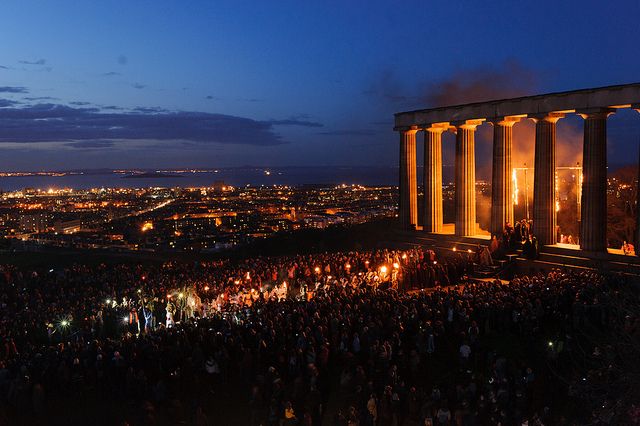
Festival del Fuego de Samhuinn
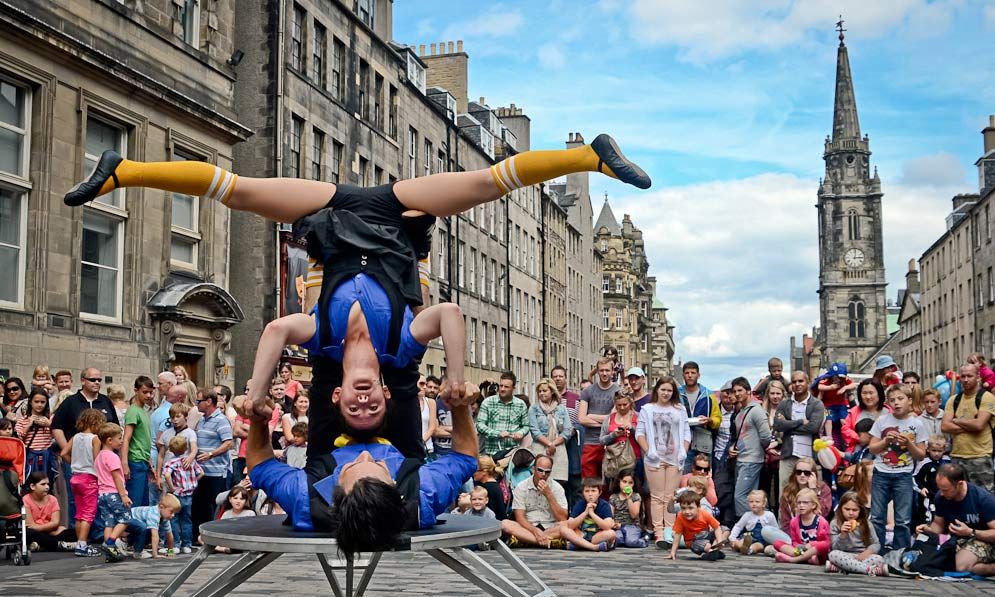
Festival Fringe de Edimburgo
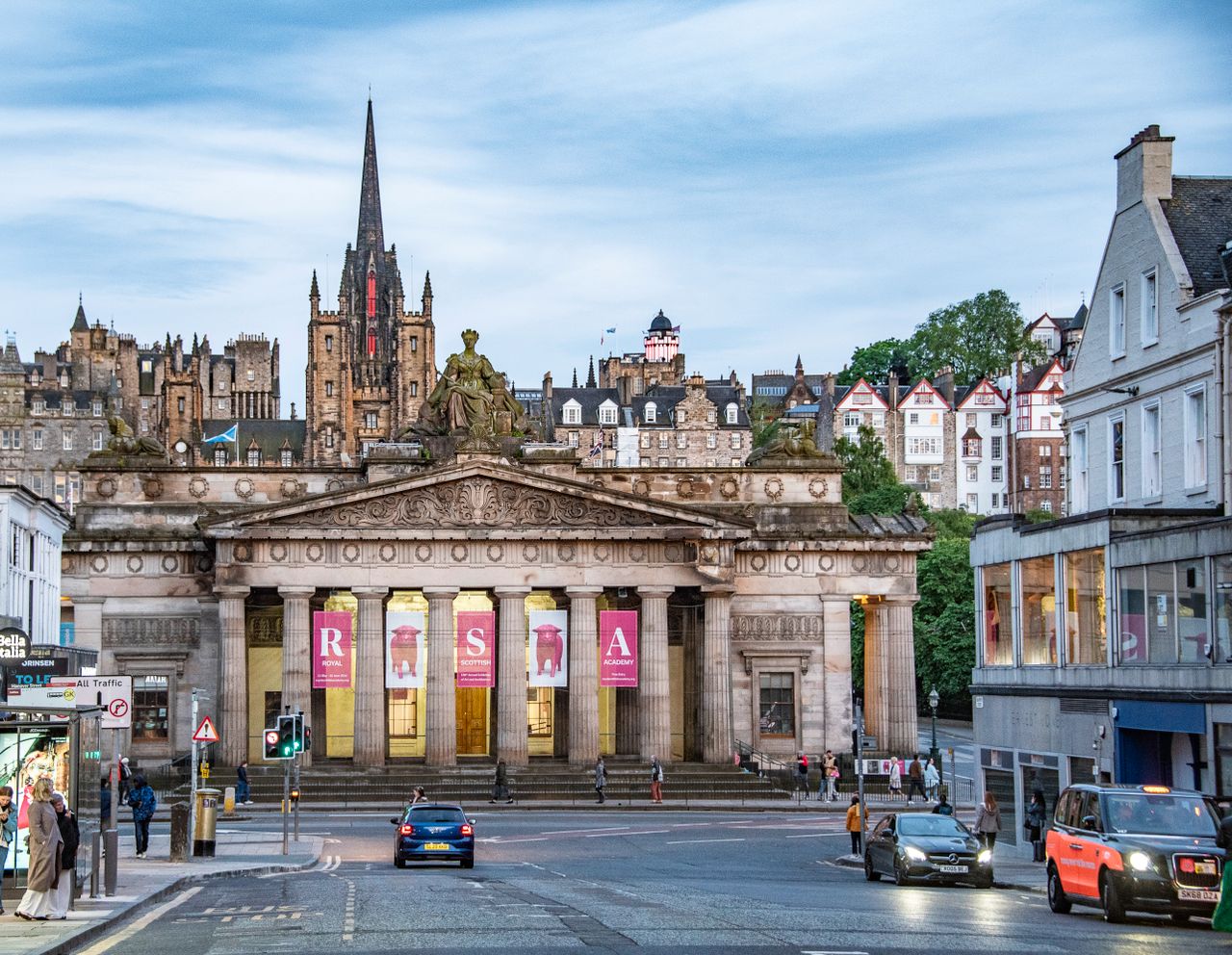
Galería Nacional de Escocia
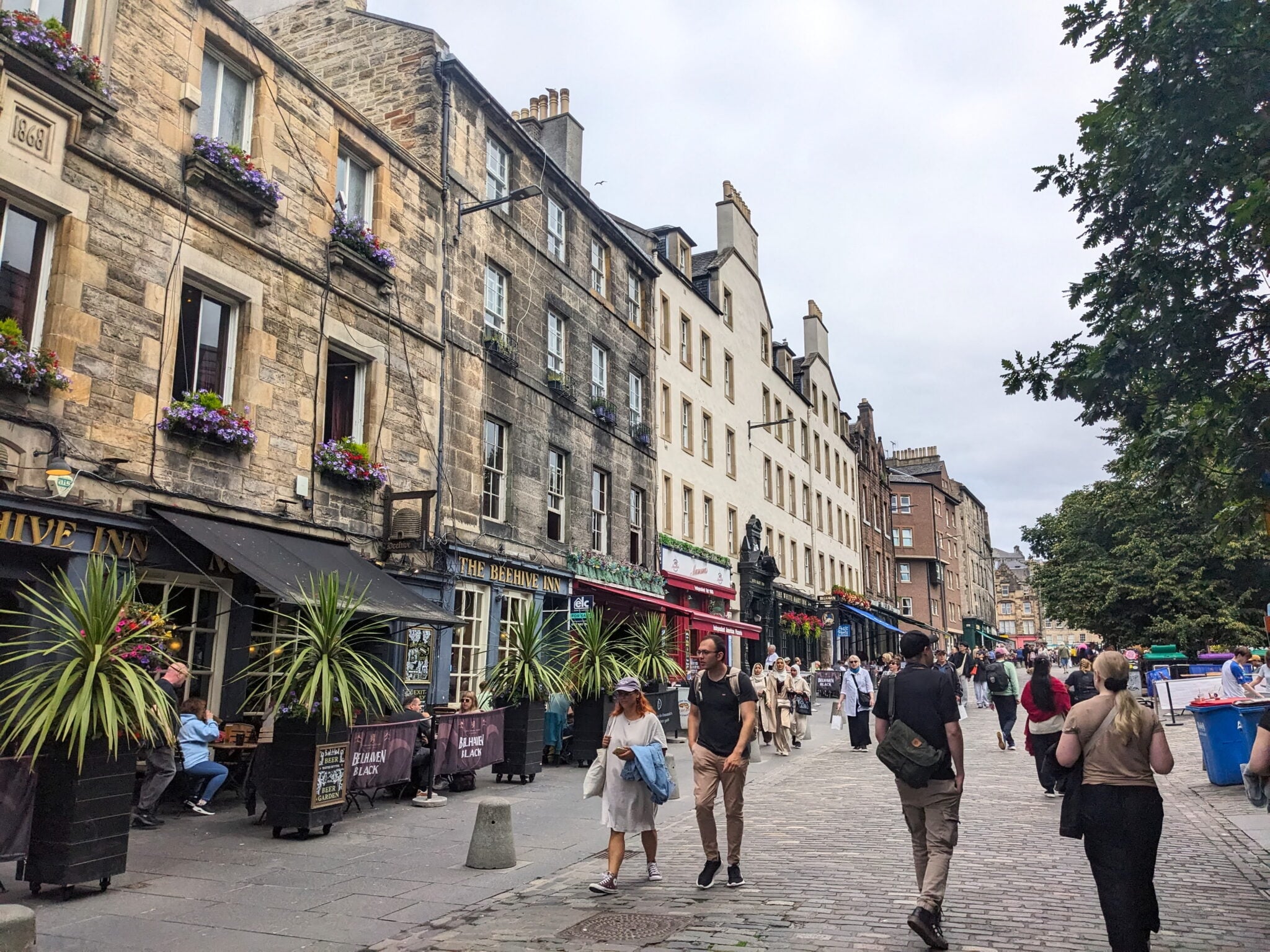
Grassmarket
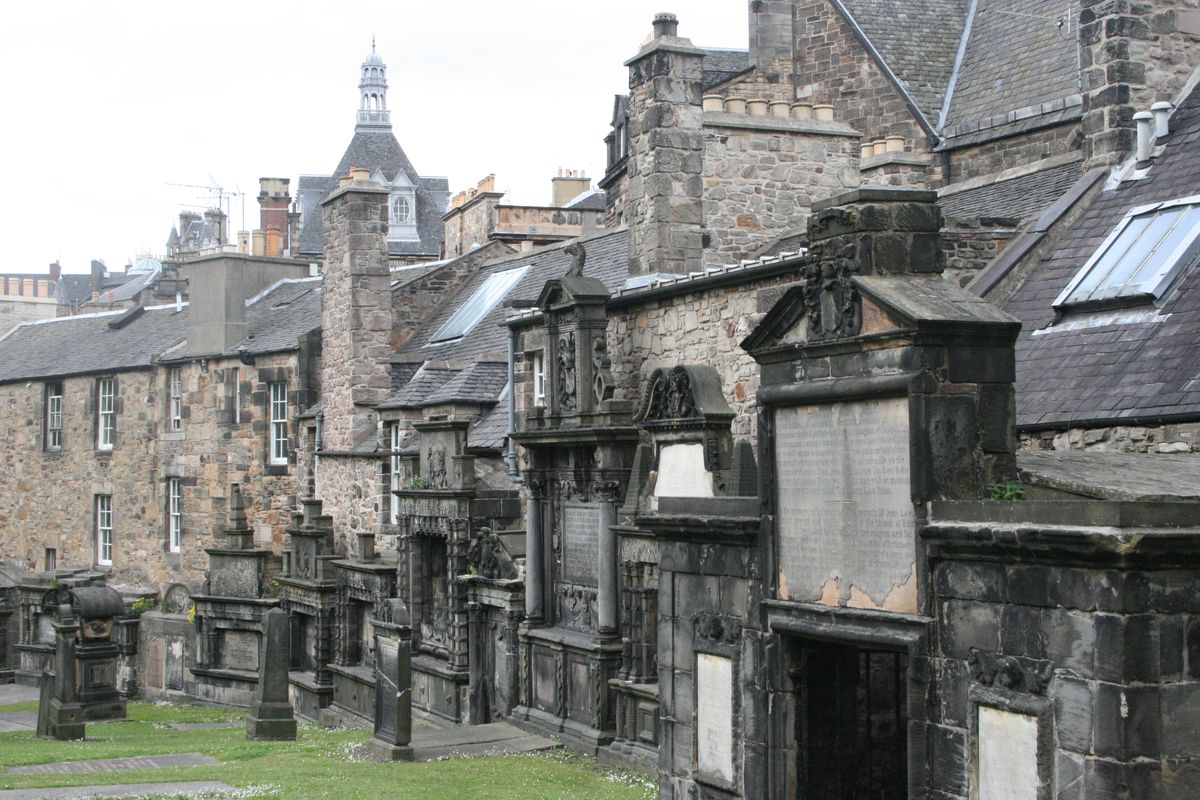
Greyfriars Kirkyard
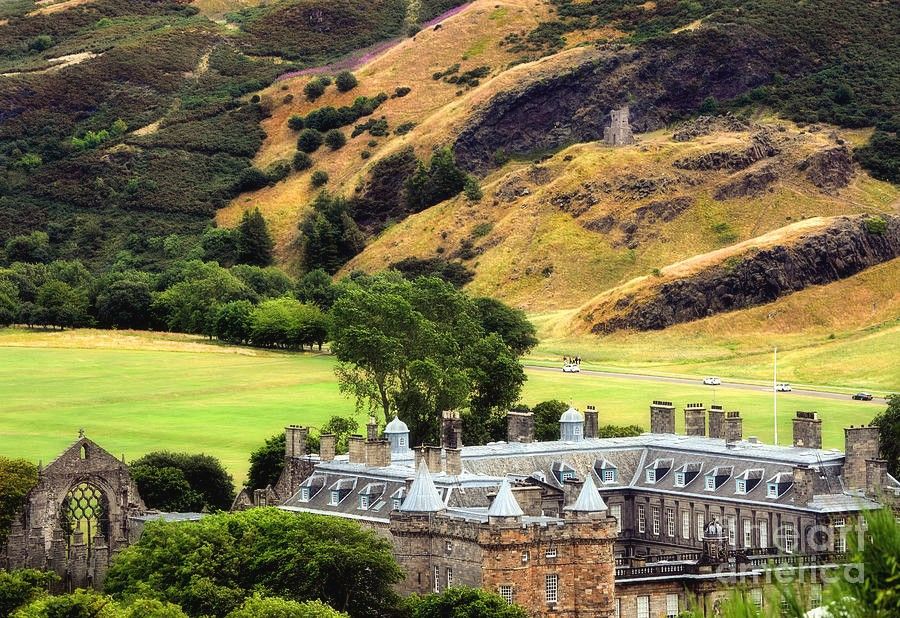
Holyrood Park
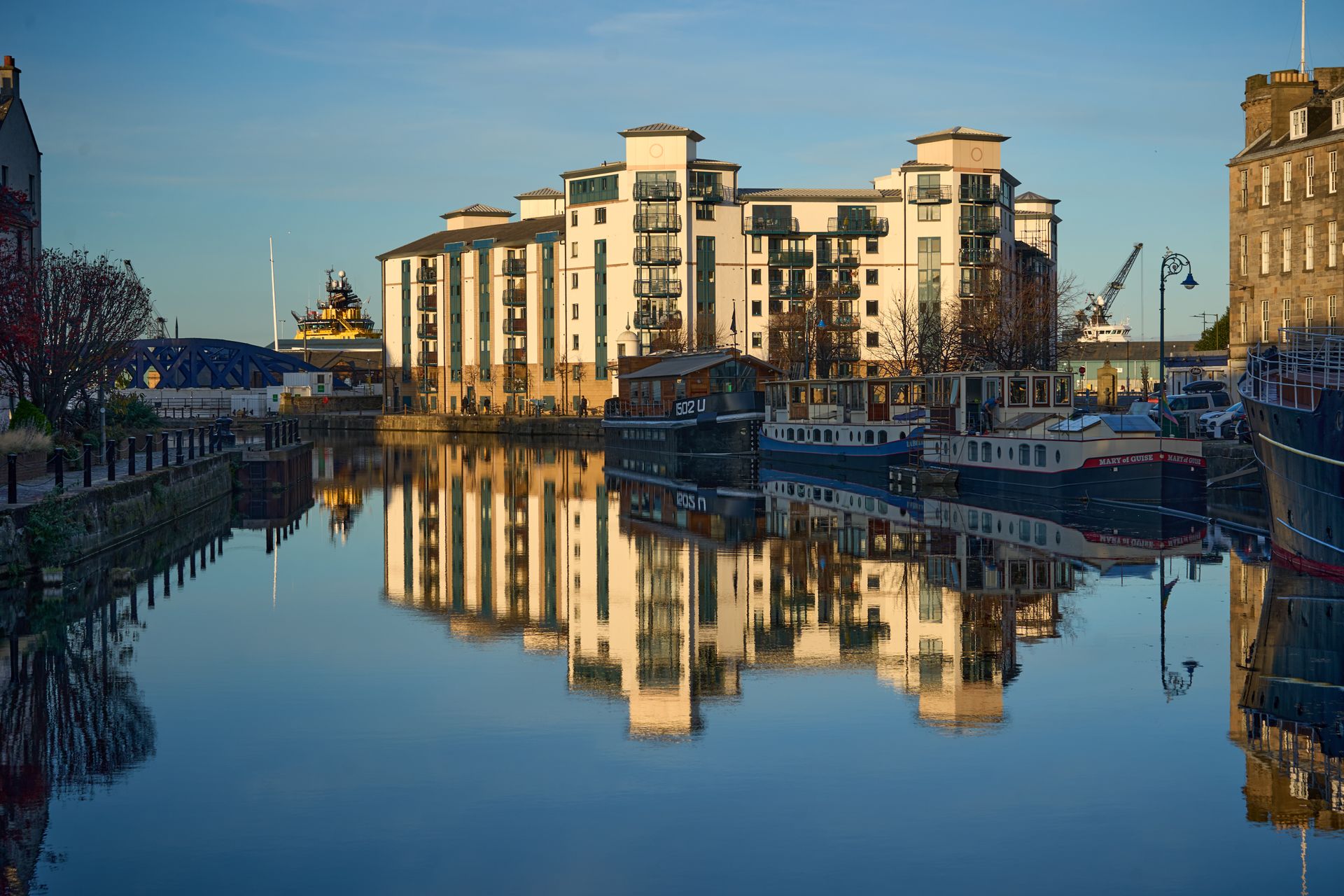
Leith
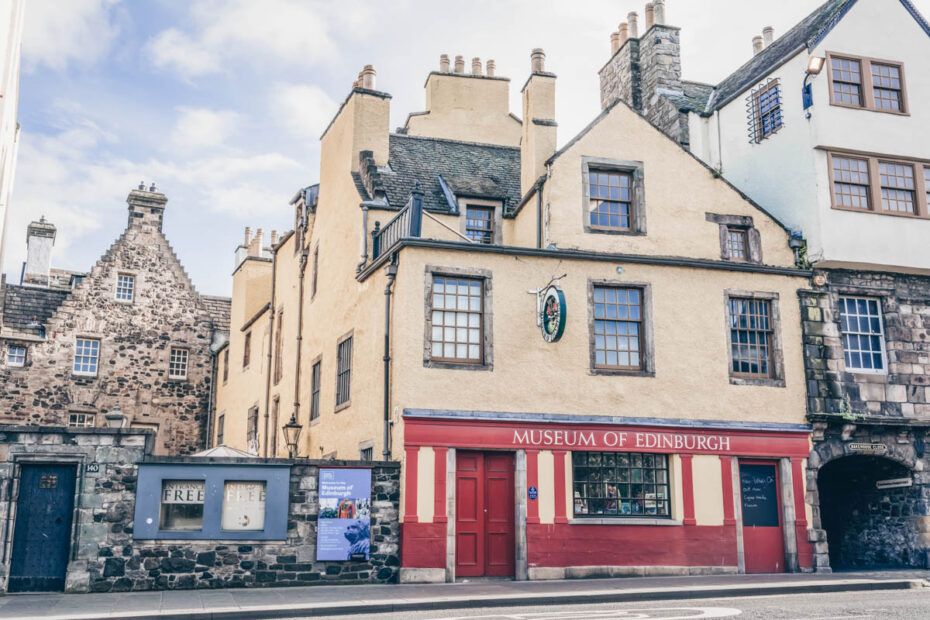
Museo de Edimburgo
Museo Nacional de Escocia
Palacio de Holyroodhouse
Princes Street Gardens
Real Jardín Botánico de Edimburgo
Scott Monument
The Real Mary King's Close
The Vennel
Victoria Street
Preferences
Language
Color
Text
Width