Table of contents and map
Greyfriars Kirkyard in Edinburgh: Bobby, Harry Potter, and Mysteries
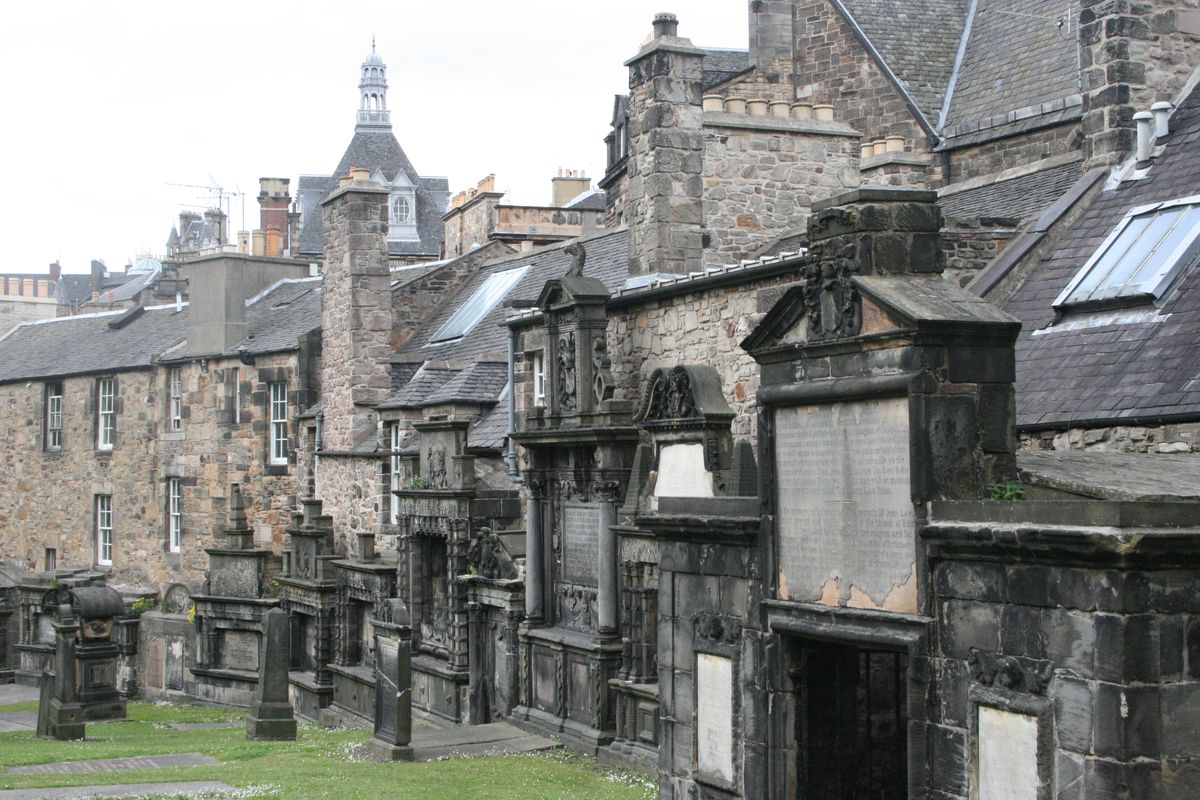
Greyfriars Kirkyard is no ordinary cemetery; it is one of Edinburgh's most magical, mysterious, and history-soaked corners. World-famous for the heartwarming loyalty of Bobby the dog and for housing the headstones that inspired J.K. Rowling to create her Harry Potter characters, this 16th-century graveyard is an essential stop in the Old Town. In this guide, we cover its legends, its mysteries, and how to track down its most famous graves.
Greyfriars Kirkyard in Edinburgh: Bobby, Harry Potter, and Mysteries
Greyfriars Kirkyard is no ordinary cemetery; it is one of Edinburgh's most magical, mysterious, and history-soaked corners. World-famous for the heartwarming loyalty of Bobby the dog and for housing the headstones that inspired J.K. Rowling to create her Harry Potter characters, this 16th-century graveyard is an essential stop in the Old Town. In this guide, we cover its legends, its mysteries, and how to track down its most famous graves.
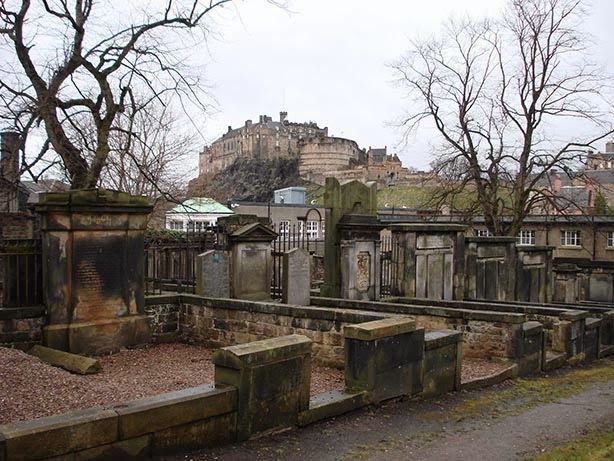
Established in 1562 on the former grounds of a Franciscan monastery (hence the name Grey Friars), Greyfriars Kirkyard is a living reflection of Scotland's turbulent past. It was here that the National Covenant of 1638 was signed, and where thousands of Covenanters were later imprisoned under brutal, subhuman conditions.
Today, far from being a gloomy place, locals use it as a peaceful park for walks, while travelers arrive drawn by its fascinating historical, folklore, and literary legends.
1. The Heartwarming Story of Greyfriars Bobby
Right at the graveyard's entrance lies Edinburgh's most beloved tribute. Bobby was a loyal Skye Terrier who belonged to John Gray, a night watchman for the local police. When Gray died of tuberculosis in 1858 and was buried in Greyfriars, Bobby refused to leave his master's side.
The dog spent the next 14 years of his life living on his master's grave, enduring harsh Scottish winters. Local residents and the sexton themselves took turns feeding him until Bobby passed away in 1872. As animals were not permitted burial in consecrated ground, Bobby was laid to rest just inside the cemetery gates in unconsecrated soil.
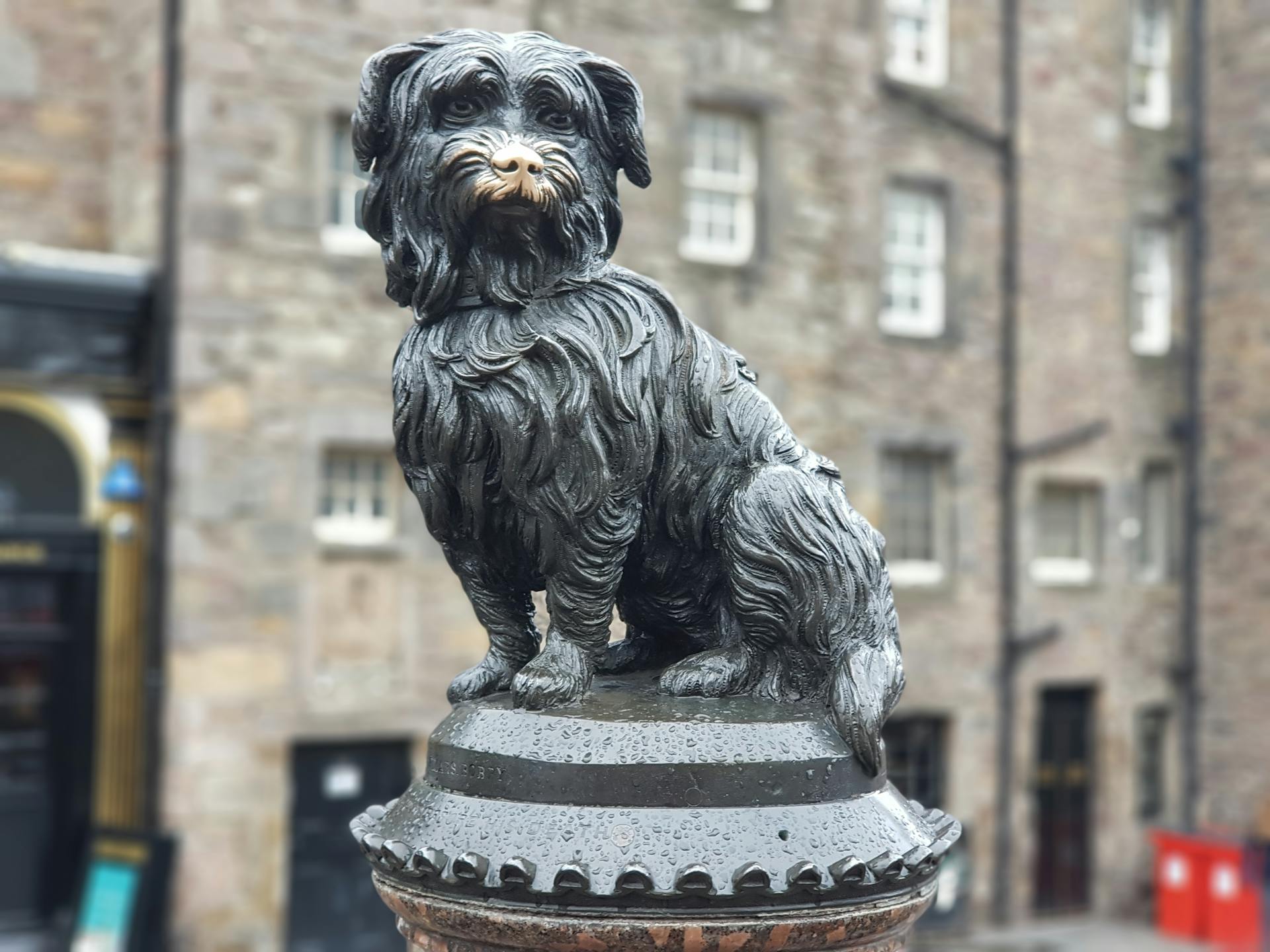
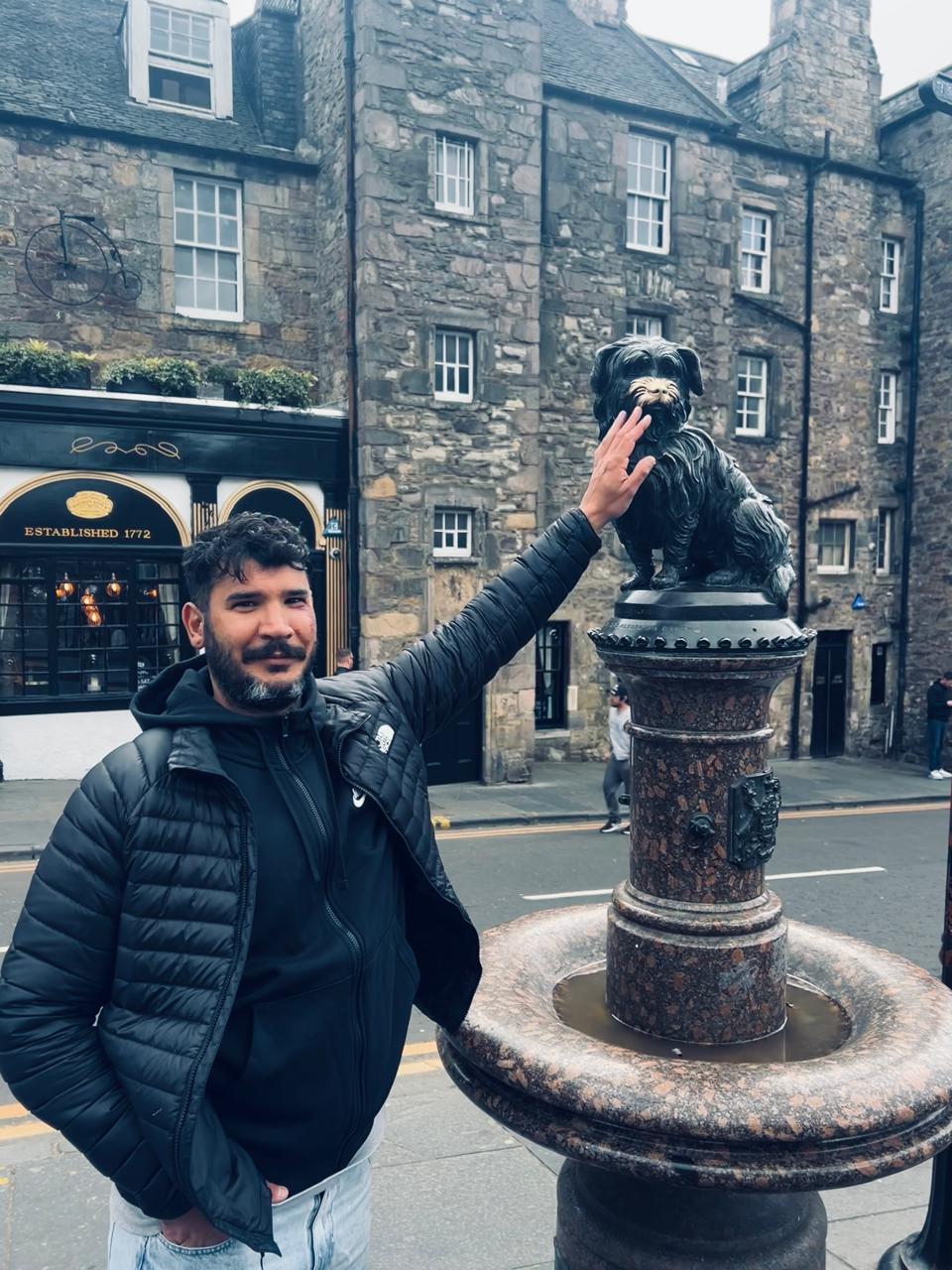
🔴 The Statue Myth: Right outside the churchyard stands the famous bronze statue of Bobby. There is a popular tourist tradition (both false and damaging) of rubbing his nose for good luck. Please don't do it! The constant friction from thousands of hands is wearing away the metal. Locals deeply appreciate it when travelers respect the statue without touching it.
2. The Harry Potter Route: Where is Lord Voldemort?
J.K. Rowling wrote large portions of the early books in nearby coffee shops (such as The Elephant House) and frequently strolled through Greyfriars looking for inspiration. If you check the names on the headstones closely, you will recognize the origins of several iconic characters:
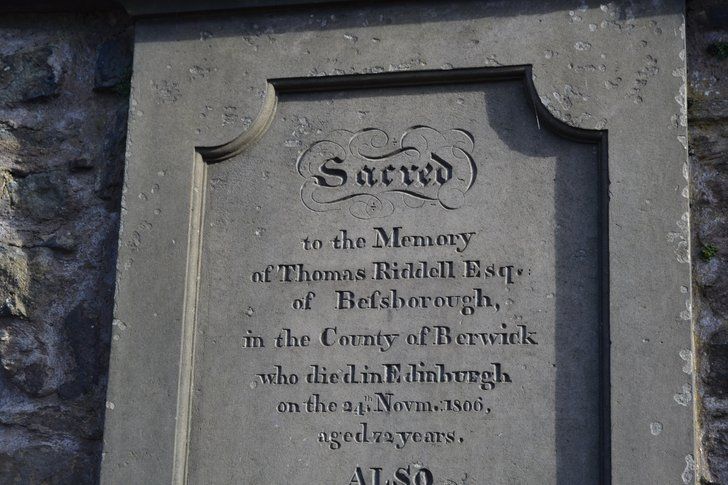
- Thomas Riddell (Lord Voldemort): This is the most sought-after grave. Rowling adapted this real name to create Tom Marvolo Riddle. The headstone is often adorned with flowers, letters, and wands left by fans.
- William McGonagall: A real-life figure, historically remembered as "Scotland's worst poet". Rowling used his surname for the beloved Transfiguration professor, Minerva McGonagall.
- Elizabeth Moodie: It is widely believed this stone inspired the name of the Auror Alastor "Mad-Eye" Moody.
- Rufus Scrimgeour: Another headstone that shares its surname with the Minister for Magic from the final books.
3. Body Snatchers and Protection Cages (Mortsafes)
During the 18th and early 19th centuries, Edinburgh was the global epicenter of medical research, but universities desperately needed legal corpses for anatomy classes and supply fell short. This gave rise to resurrectionists or body snatchers, who dug up fresh graves to sell the bodies to surgeons.
To prevent this, wealthy families installed mortsafes: heavy iron cages or massive stone slabs placed over new graves to protect the bodies during the first few weeks of decomposition, until they were no longer useful for medical science. If you walk along the cemetery walls, you will spot several of these remarkable, original iron cages.
4. The MacKenzie Poltergeist: The Darkest Corner
Greyfriars holds a reputation as one of the most haunted cemeteries in the world due to George MacKenzie, a 17th-century lawyer known as "Bloody MacKenzie" for his brutal persecution and torture of the Covenanters (Scottish Presbyterians).
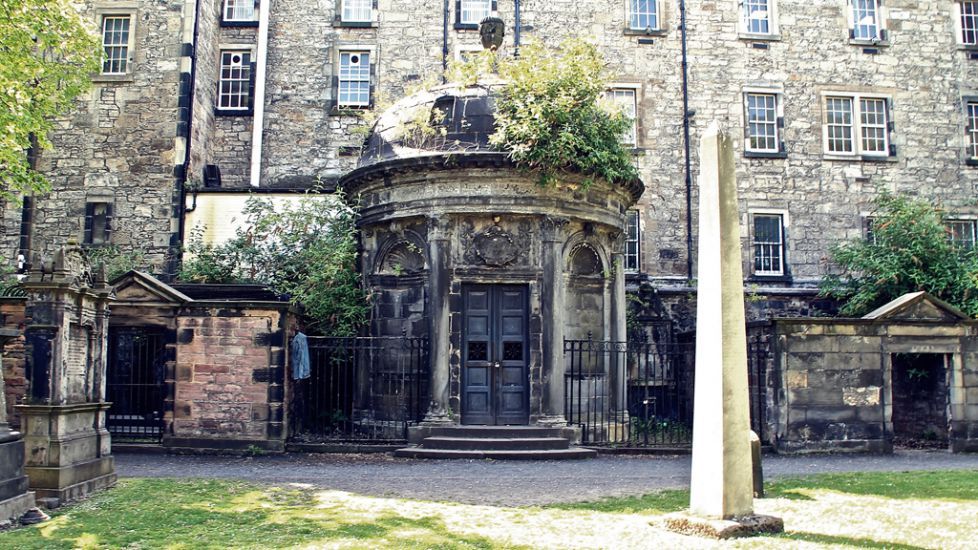
MacKenzie was buried in a grand, circular mausoleum within the grounds. An urban legend states that in the late 1990s, a trespasser forced open the mausoleum to escape the cold and crashed through the coffin floor. Since then, hundreds of nocturnal tour visitors have reported scratches, unexplained bruises, or sudden fainting near the site. Today, this rear section of the graveyard is locked shut and can only be visited with authorized tour guides.
Practical Tips for Visiting Greyfriars Kirkyard
How to find the Harry Potter graves:
The graveyard can be a bit of a labyrinth. The Thomas Riddell headstone is located in the rear section; walk through the stone archway toward the wall backing onto George Heriot's School (the historic school that inspired Hogwarts' house structure).
Hours and pricing:
The cemetery is public and 100% free. It is open 24 hours a day, though visiting during daylight hours is best for reading the historical inscriptions. Alternatively, join a ghost tour at night if you are looking for an adrenaline rush.
Location:
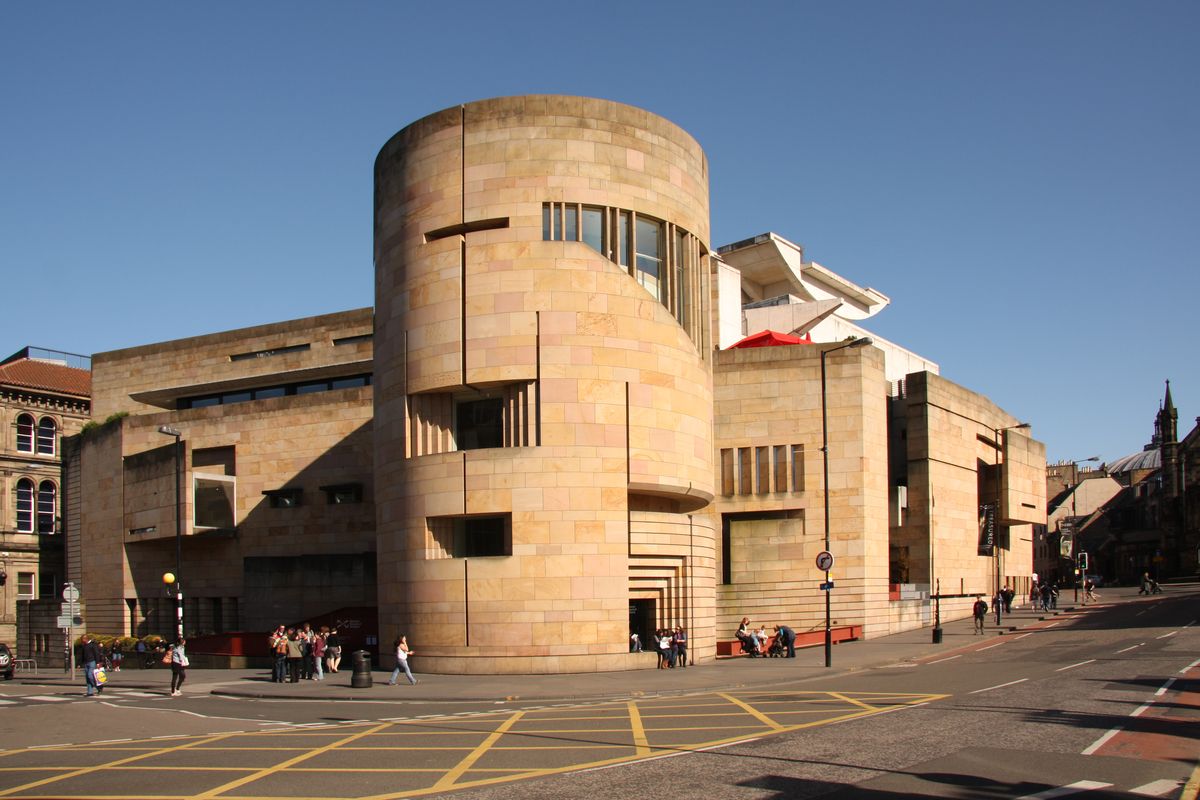
It sits at the end of George IV Bridge, right next to the National Museum of Scotland and just a 2-minute walk from Victoria Street.
Frequently Asked Questions (FAQ)
Where exactly is Bobby the dog buried?
His red granite commemorative headstone sits just past the main gates of the cemetery, on the grass lawn. It is very easy to spot because visitors frequently leave small sticks and toys as offerings.
Are dogs allowed inside?
Yes, ironically enough, well-behaved dogs on a lead are welcome to stroll through the graveyard, honoring the memory of Bobby himself.
Is it safe to visit at night?
Yes, the area is right in the city center and very safe. However, there is no interior artificial lighting, so you will need your mobile phone torch to avoid tripping over tree roots and uneven ground markers.
Useful Links for Continuing to Build Your Edinburgh Itinerary
- Edinburgh Step-by-Step: The Ultimate Guide to Squeezing the Capital Dry
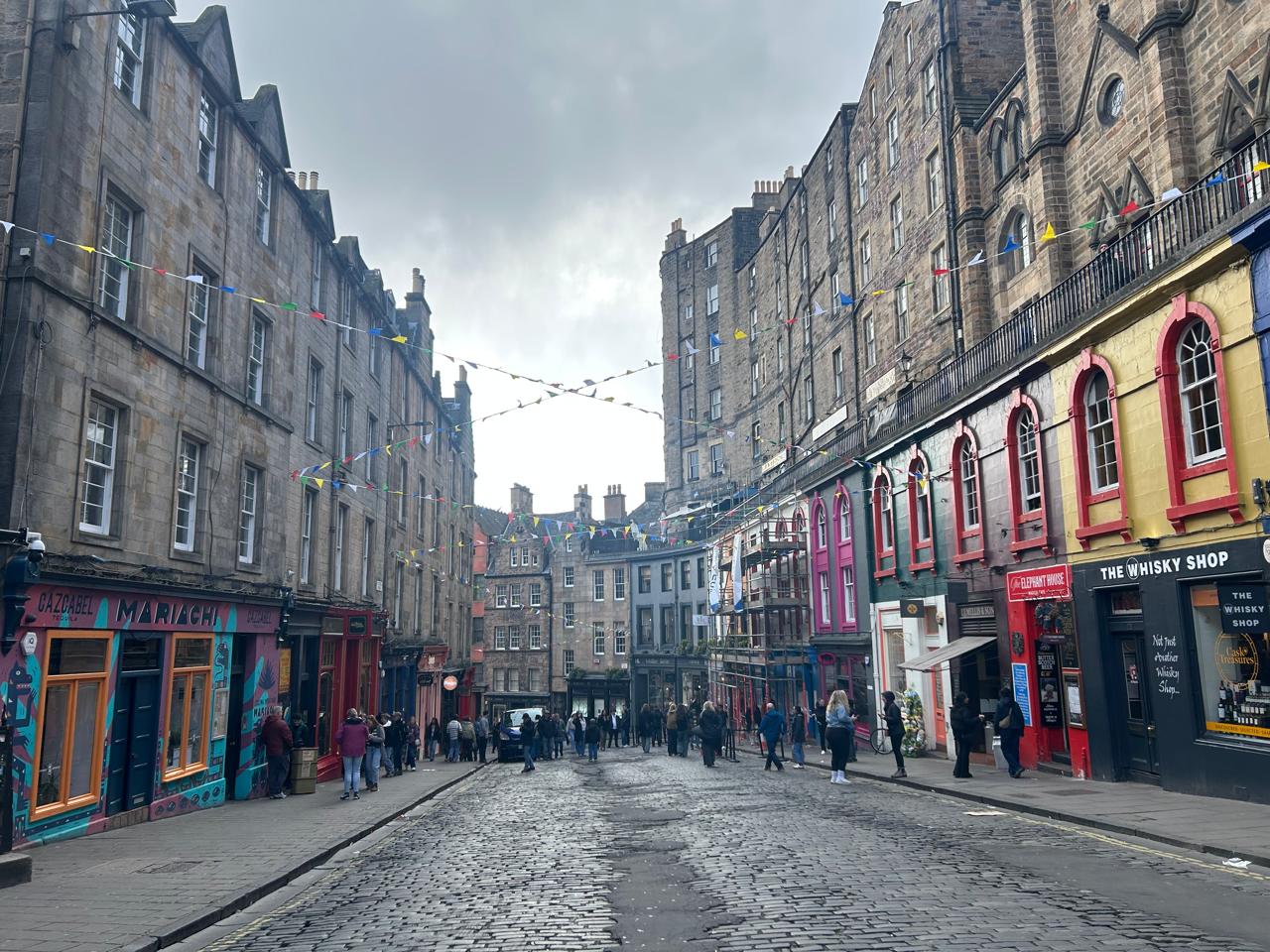
- Victoria Street: Colorful Shops and Harry Potter Magic 2 Minutes from Greyfriars
- Harry Potter in Scotland: Route Through the Real Book Locations
- Dean Village: The Fairytale Oasis Hidden in the City Center
- Scotland Itinerary: The Perfect 7, 10, and 14-Day Route
Right at the graveyard's entrance lies Edinburgh's most beloved tribute. Bobby was a loyal Skye Terrier who belonged to John Gray, a night watchman for the local police. When Gray died of tuberculosis in 1858 and was buried in Greyfriars, Bobby refused to leave his master's side.
The dog spent the next 14 years of his life living on his master's grave, enduring harsh Scottish winters. Local residents and the sexton themselves took turns feeding him until Bobby passed away in 1872. As animals were not permitted burial in consecrated ground, Bobby was laid to rest just inside the cemetery gates in unconsecrated soil.
🔴 The Statue Myth: Right outside the churchyard stands the famous bronze statue of Bobby. There is a popular tourist tradition (both false and damaging) of rubbing his nose for good luck. Please don't do it! The constant friction from thousands of hands is wearing away the metal. Locals deeply appreciate it when travelers respect the statue without touching it.
PUBLICIDAD
Travel with Data: Get your Saily eSIM
- ✓Internet in seconds upon landing
- ✓Flexible plans in 180+ countries
- ✓Easy setup directly via the App
J.K. Rowling wrote large portions of the early books in nearby coffee shops (such as The Elephant House) and frequently strolled through Greyfriars looking for inspiration. If you check the names on the headstones closely, you will recognize the origins of several iconic characters:
- Thomas Riddell (Lord Voldemort): This is the most sought-after grave. Rowling adapted this real name to create Tom Marvolo Riddle. The headstone is often adorned with flowers, letters, and wands left by fans.
- William McGonagall: A real-life figure, historically remembered as "Scotland's worst poet". Rowling used his surname for the beloved Transfiguration professor, Minerva McGonagall.
- Elizabeth Moodie: It is widely believed this stone inspired the name of the Auror Alastor "Mad-Eye" Moody.
- Rufus Scrimgeour: Another headstone that shares its surname with the Minister for Magic from the final books.
During the 18th and early 19th centuries, Edinburgh was the global epicenter of medical research, but universities desperately needed legal corpses for anatomy classes and supply fell short. This gave rise to resurrectionists or body snatchers, who dug up fresh graves to sell the bodies to surgeons.
To prevent this, wealthy families installed mortsafes: heavy iron cages or massive stone slabs placed over new graves to protect the bodies during the first few weeks of decomposition, until they were no longer useful for medical science. If you walk along the cemetery walls, you will spot several of these remarkable, original iron cages.
Greyfriars holds a reputation as one of the most haunted cemeteries in the world due to George MacKenzie, a 17th-century lawyer known as "Bloody MacKenzie" for his brutal persecution and torture of the Covenanters (Scottish Presbyterians).
MacKenzie was buried in a grand, circular mausoleum within the grounds. An urban legend states that in the late 1990s, a trespasser forced open the mausoleum to escape the cold and crashed through the coffin floor. Since then, hundreds of nocturnal tour visitors have reported scratches, unexplained bruises, or sudden fainting near the site. Today, this rear section of the graveyard is locked shut and can only be visited with authorized tour guides.
How to find the Harry Potter graves:
The graveyard can be a bit of a labyrinth. The Thomas Riddell headstone is located in the rear section; walk through the stone archway toward the wall backing onto George Heriot's School (the historic school that inspired Hogwarts' house structure).
Hours and pricing:
The cemetery is public and 100% free. It is open 24 hours a day, though visiting during daylight hours is best for reading the historical inscriptions. Alternatively, join a ghost tour at night if you are looking for an adrenaline rush.
Location:
It sits at the end of George IV Bridge, right next to the National Museum of Scotland and just a 2-minute walk from Victoria Street.
Where exactly is Bobby the dog buried?
His red granite commemorative headstone sits just past the main gates of the cemetery, on the grass lawn. It is very easy to spot because visitors frequently leave small sticks and toys as offerings.
Are dogs allowed inside?
Yes, ironically enough, well-behaved dogs on a lead are welcome to stroll through the graveyard, honoring the memory of Bobby himself.
Is it safe to visit at night?
Yes, the area is right in the city center and very safe. However, there is no interior artificial lighting, so you will need your mobile phone torch to avoid tripping over tree roots and uneven ground markers.
PUBLICIDAD
- Edinburgh Step-by-Step: The Ultimate Guide to Squeezing the Capital Dry
- Victoria Street: Colorful Shops and Harry Potter Magic 2 Minutes from Greyfriars
- Harry Potter in Scotland: Route Through the Real Book Locations
- Dean Village: The Fairytale Oasis Hidden in the City Center
- Scotland Itinerary: The Perfect 7, 10, and 14-Day Route
PUBLICIDAD
International Travel Insurance
- ✓International medical insurance
- ✓24/7 immediate assistance in your language
- ✓Ideal for trekking & adventure
Posts in Edimburgo
Arthur's Seat
Calton Hill
Castillo de Craigmillar
Castillo de Edimburgo
Catedral de St Giles
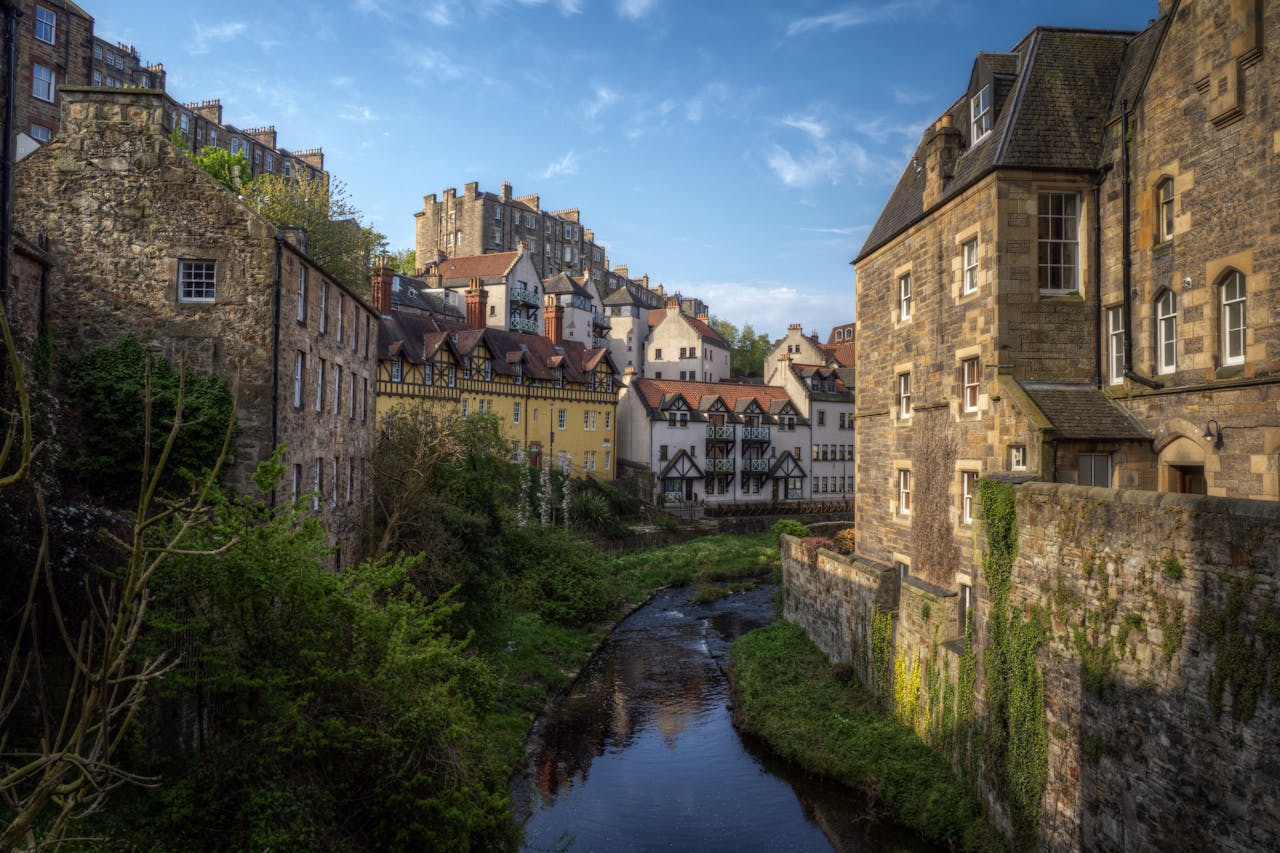
Dean Village
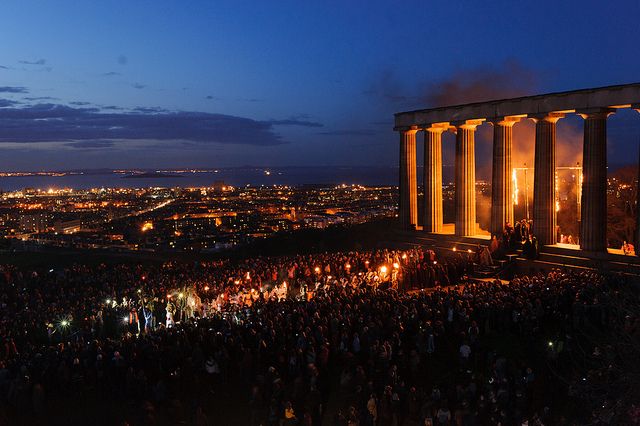
Festival del Fuego de Samhuinn
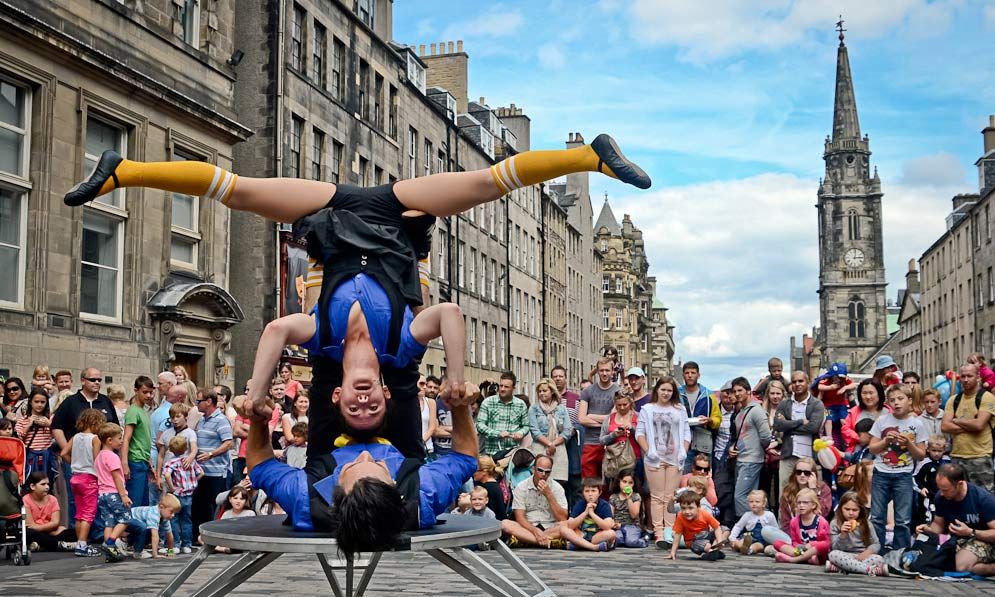
Festival Fringe de Edimburgo
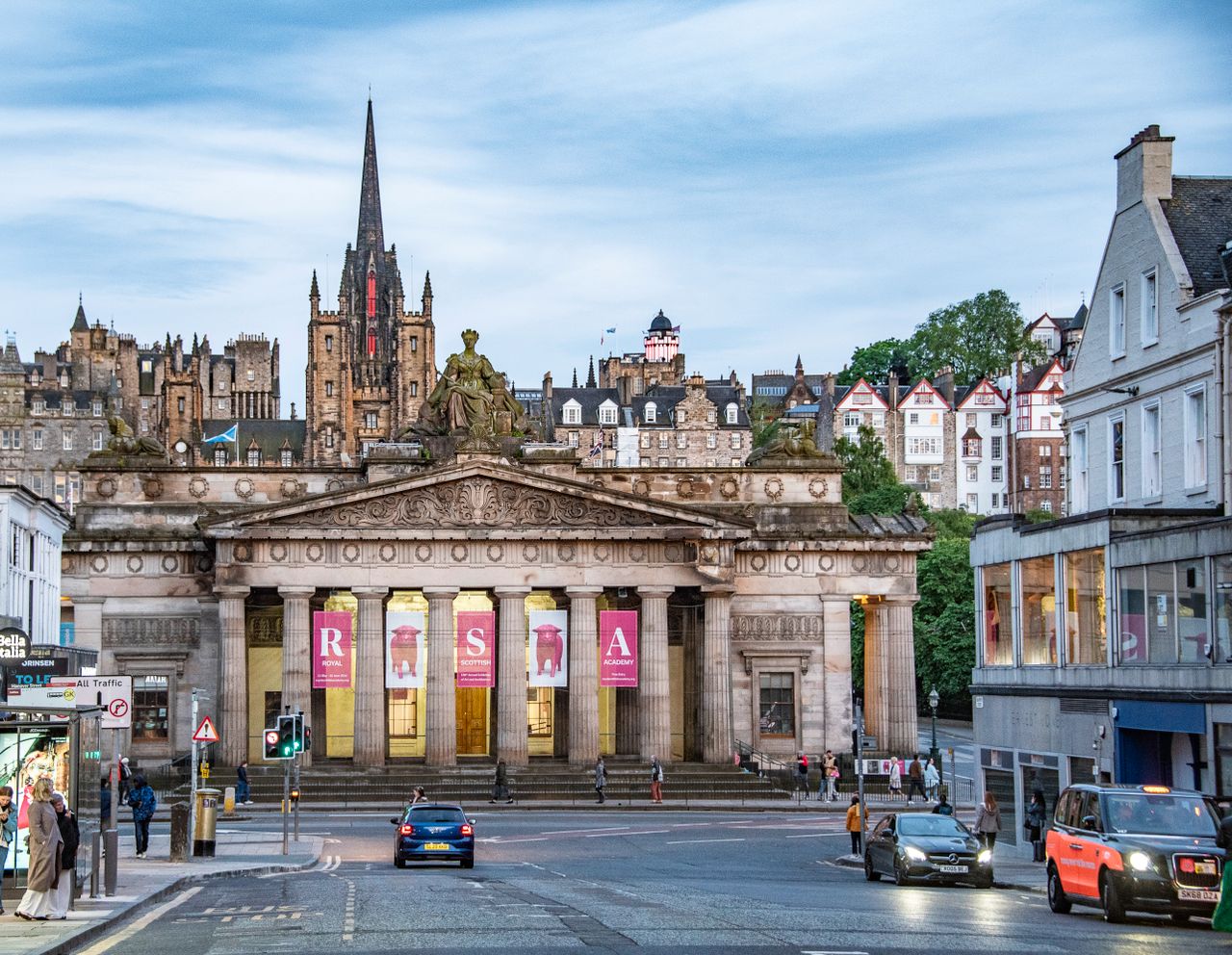
Galería Nacional de Escocia
Grassmarket
Holyrood Park
La Royal Mile
Leith
Museo de Edimburgo
Museo Nacional de Escocia
Palacio de Holyroodhouse
Princes Street Gardens
Real Jardín Botánico de Edimburgo
Scott Monument
The Real Mary King's Close
The Vennel
Victoria Street
Preferences
Language
Color
Text
Width