Blackness Guide: the 'stone ship' castle, coastal walks, and filming locations
Known as 'the ship that never sailed,' Blackness is a cinematic corner on the shores of the Firth of Forth. Its ship-shaped castle, views of the Edinburgh bridges, and maritime atmosphere make it a sanctuary of peace and stone legends.
Blackness Guide: the 'stone ship' castle, coastal walks, and filming locations
Known as 'the ship that never sailed,' Blackness is a cinematic corner on the shores of the Firth of Forth. Its ship-shaped castle, views of the Edinburgh bridges, and maritime atmosphere make it a sanctuary of peace and stone legends.
Located just a few miles from Edinburgh, Blackness is a small coastal village that seems frozen in time. While world-famous for its fortress, the surroundings offer some of the most peaceful and photogenic coastal walks in West Lothian.
Quick summary for your visit:
- Recommended time: 2 to 3 hours (more if you do the walk towards Hopetoun House).
- Difficulty: Very low; the coastal path is flat but can be muddy.
- Ideal for: Castle lovers, Outlander fans, and landscape photographers.
What to see in Blackness
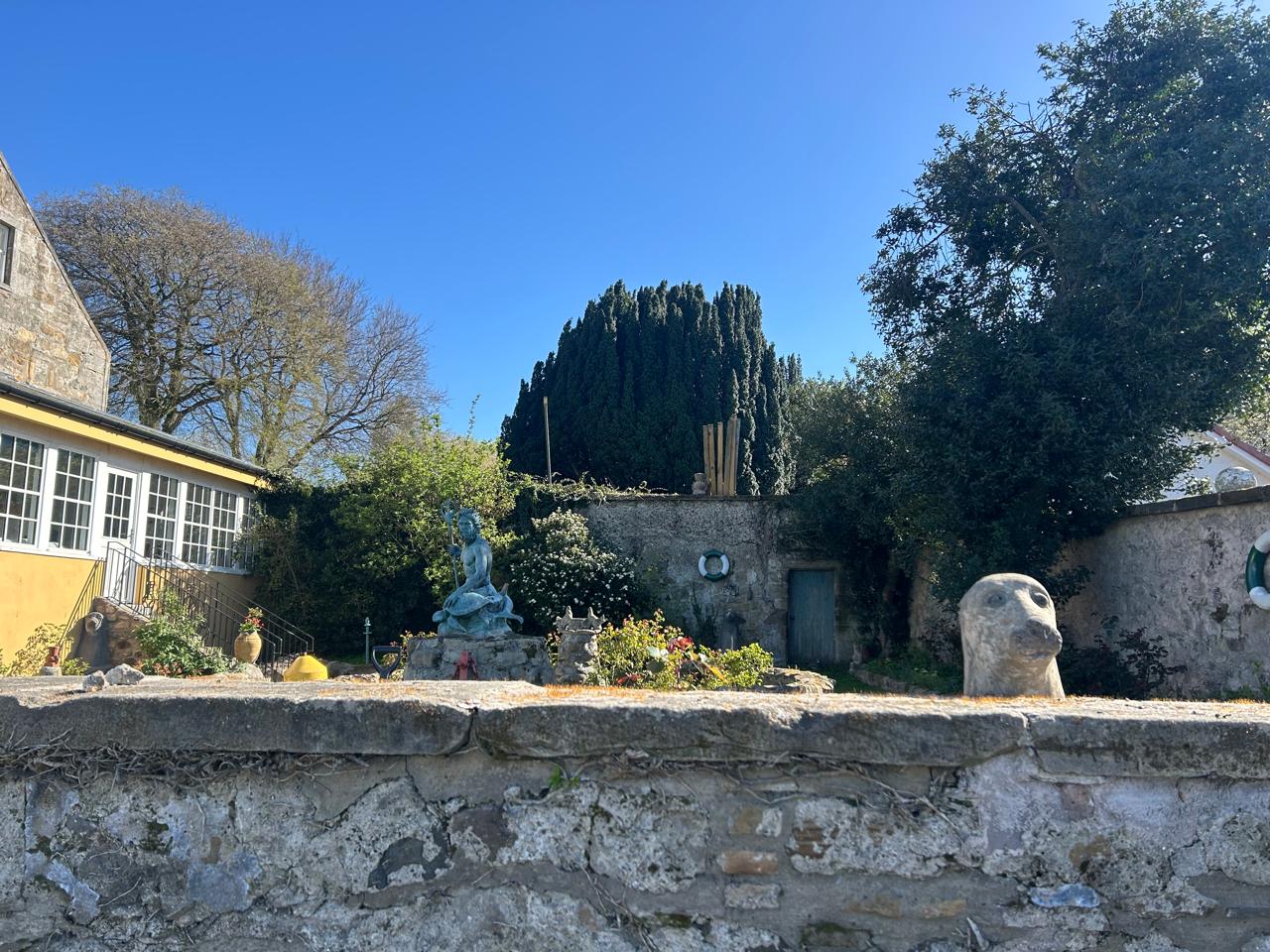
The village is small and linear, with life concentrated between its single main street, the pebble beach, and the imposing castle at the end of the road.
Blackness Castle
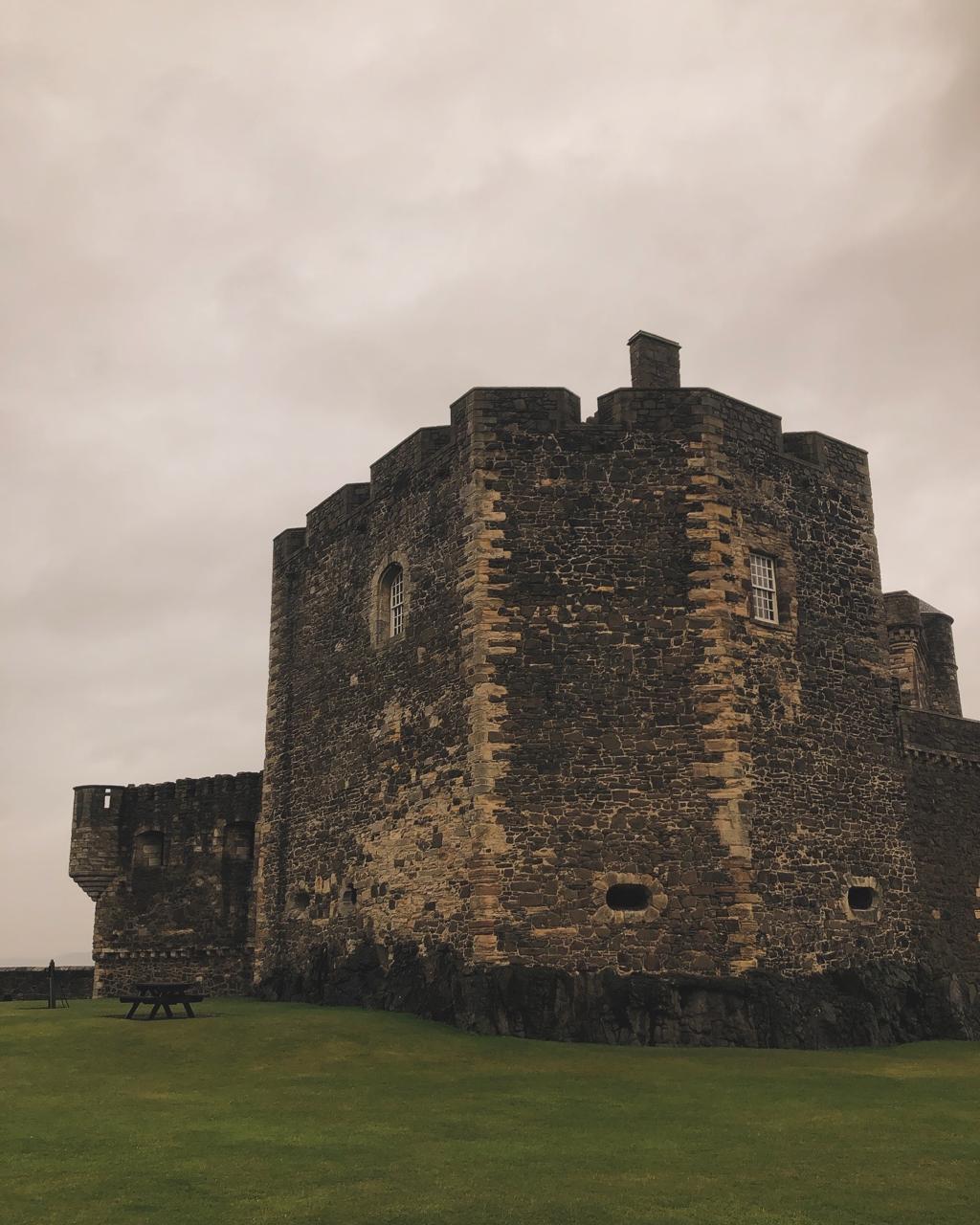
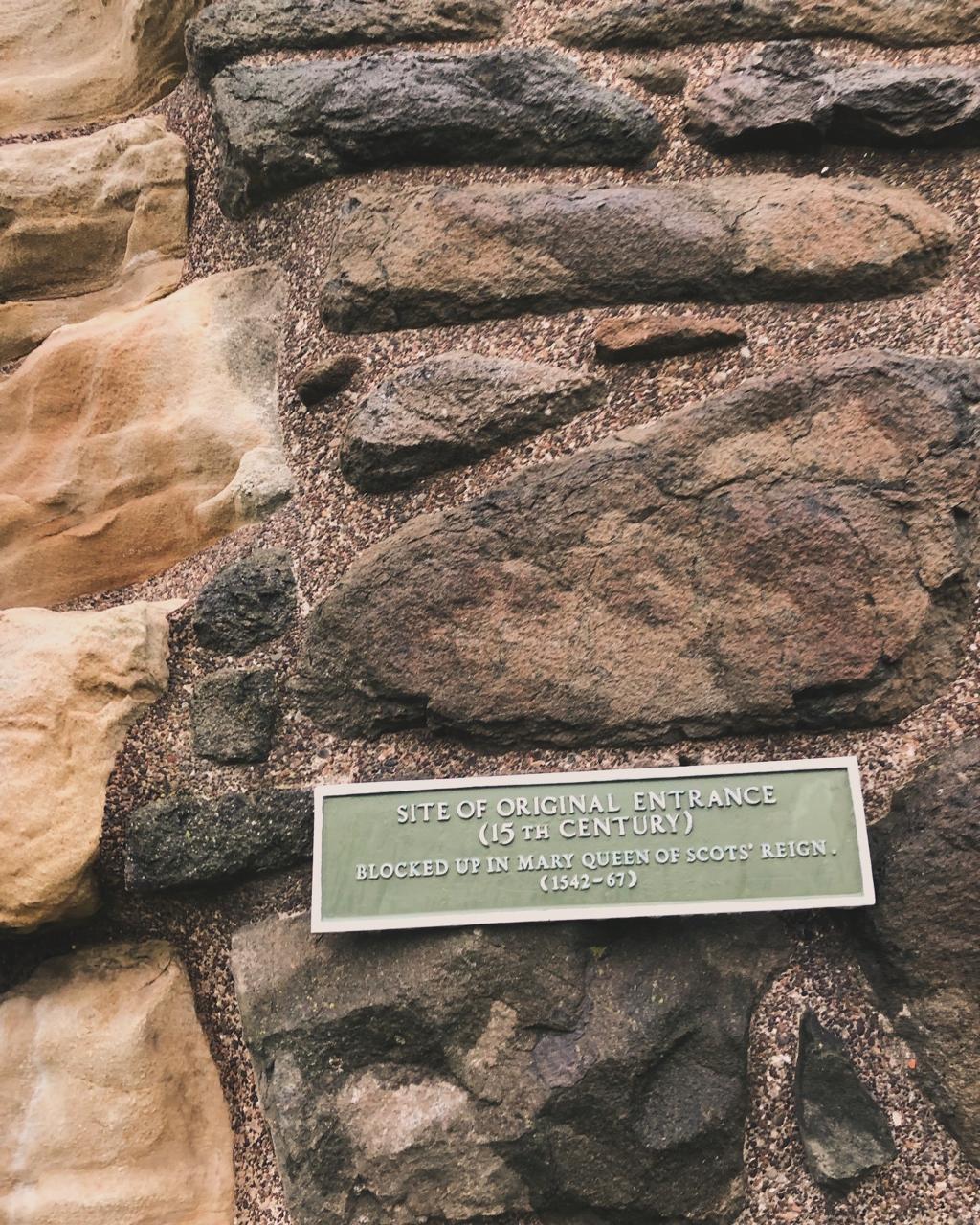
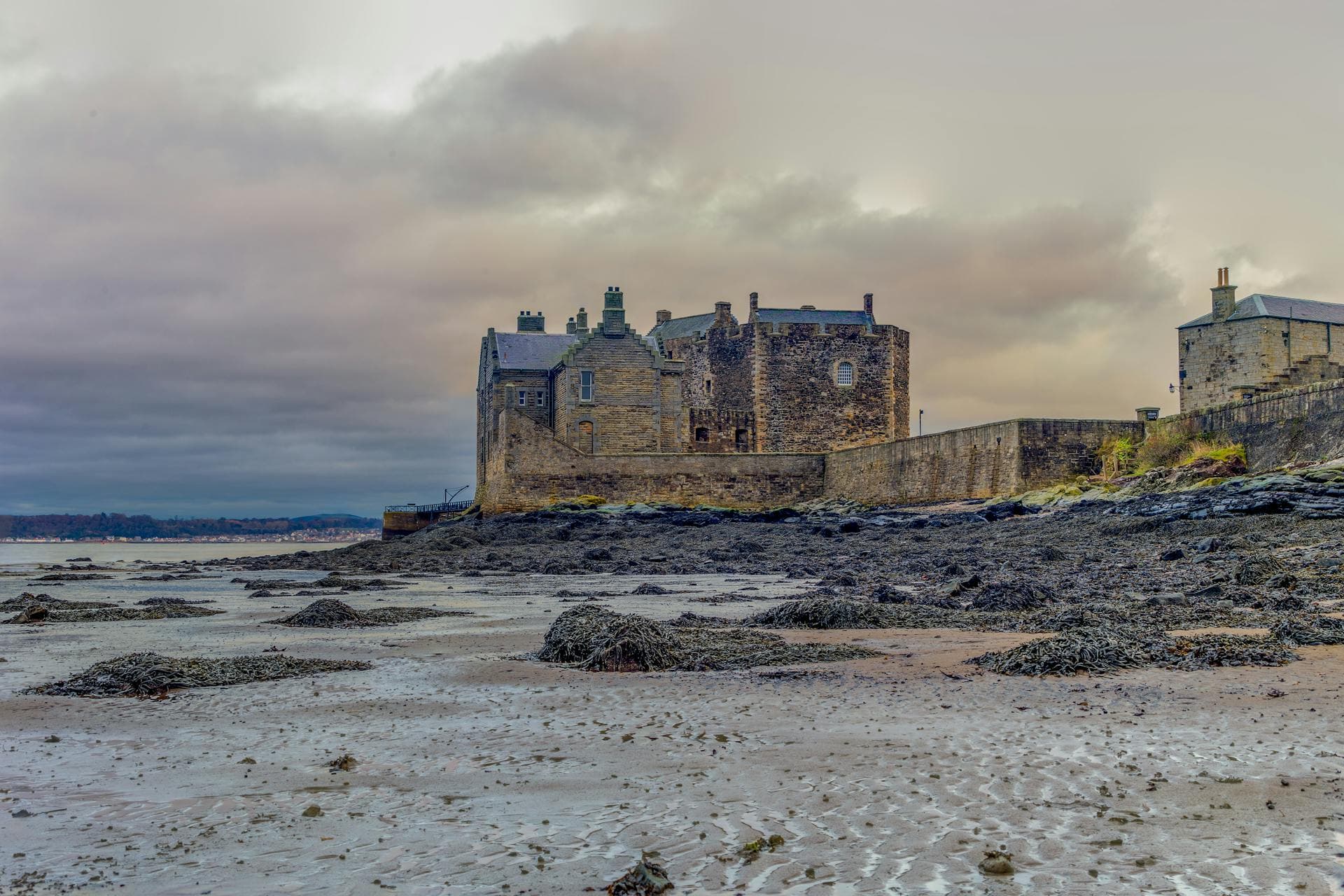
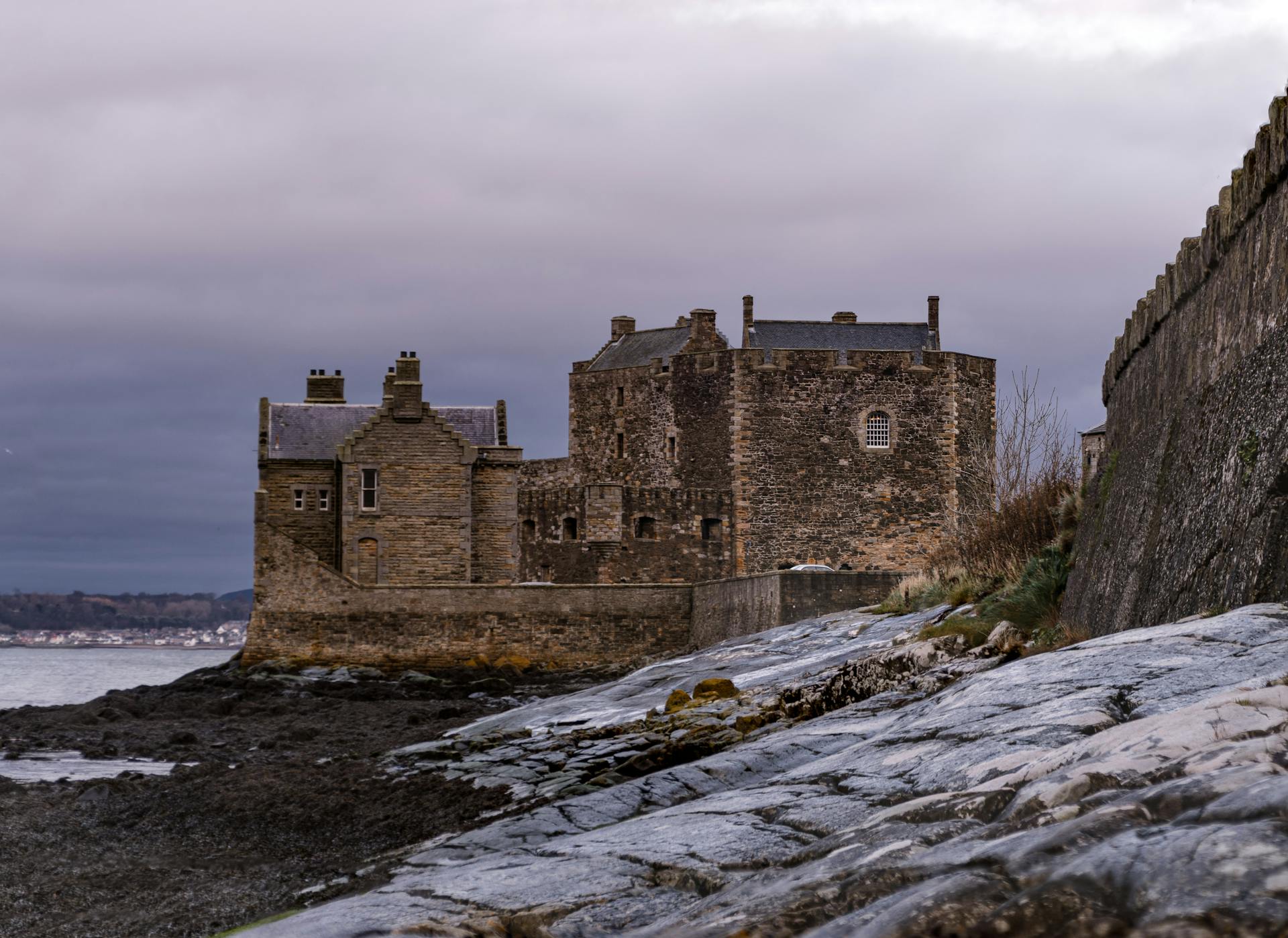
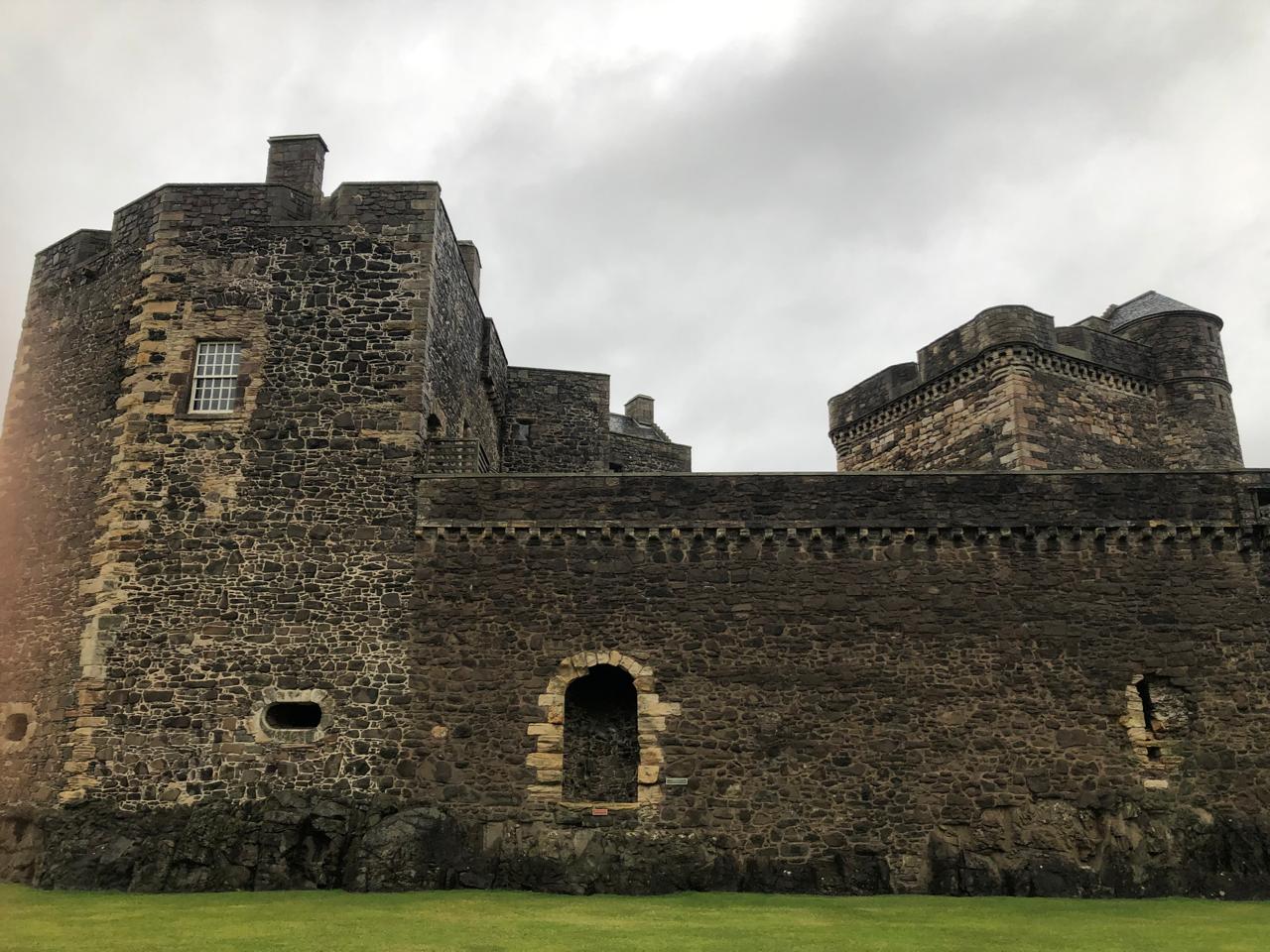
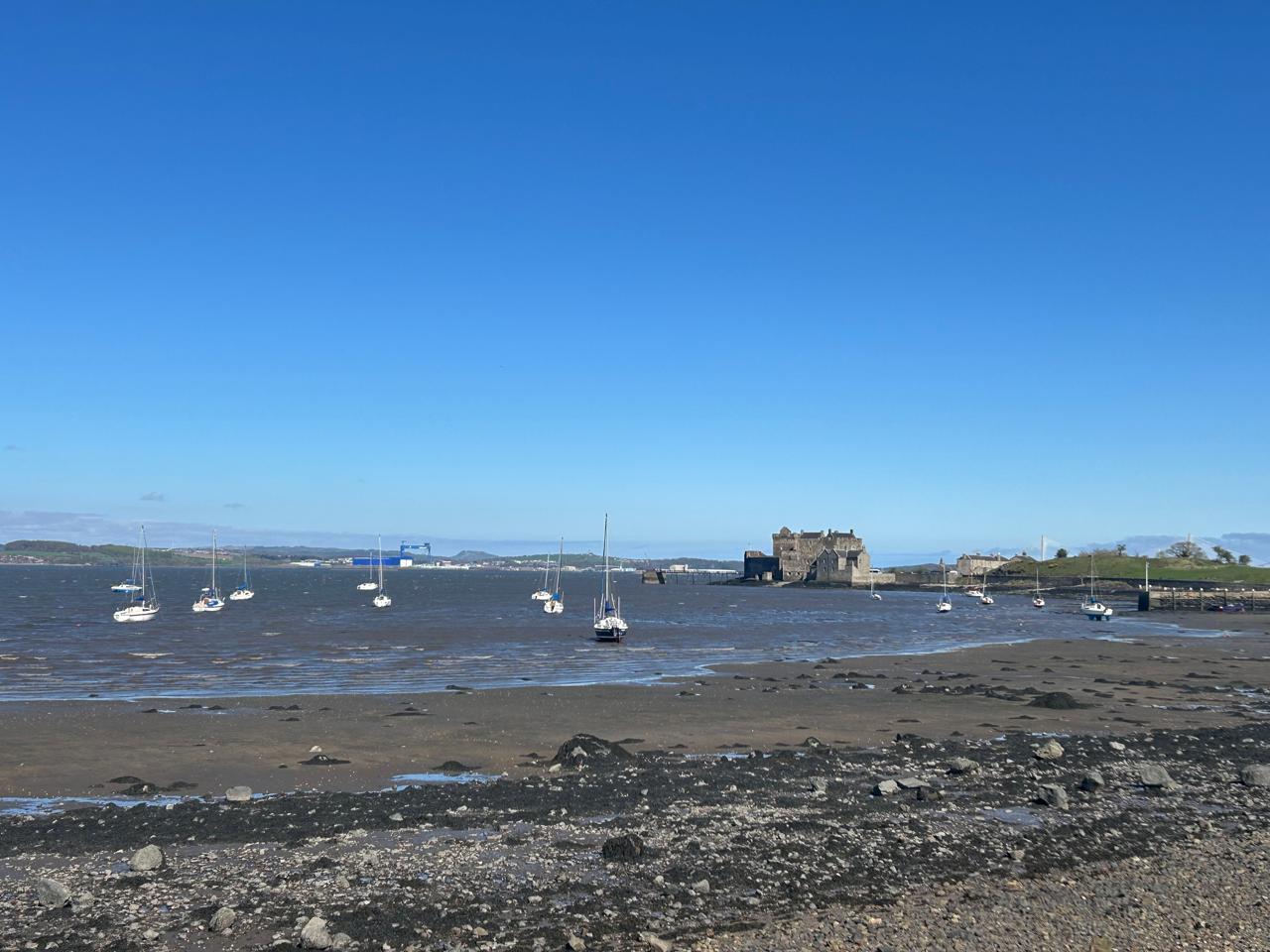
Built in the 15th century by the Crichton family, this castle is unique for its narrow, elongated shape. From the air (or from the pier), it looks like a stranded ship pointing towards the sea.
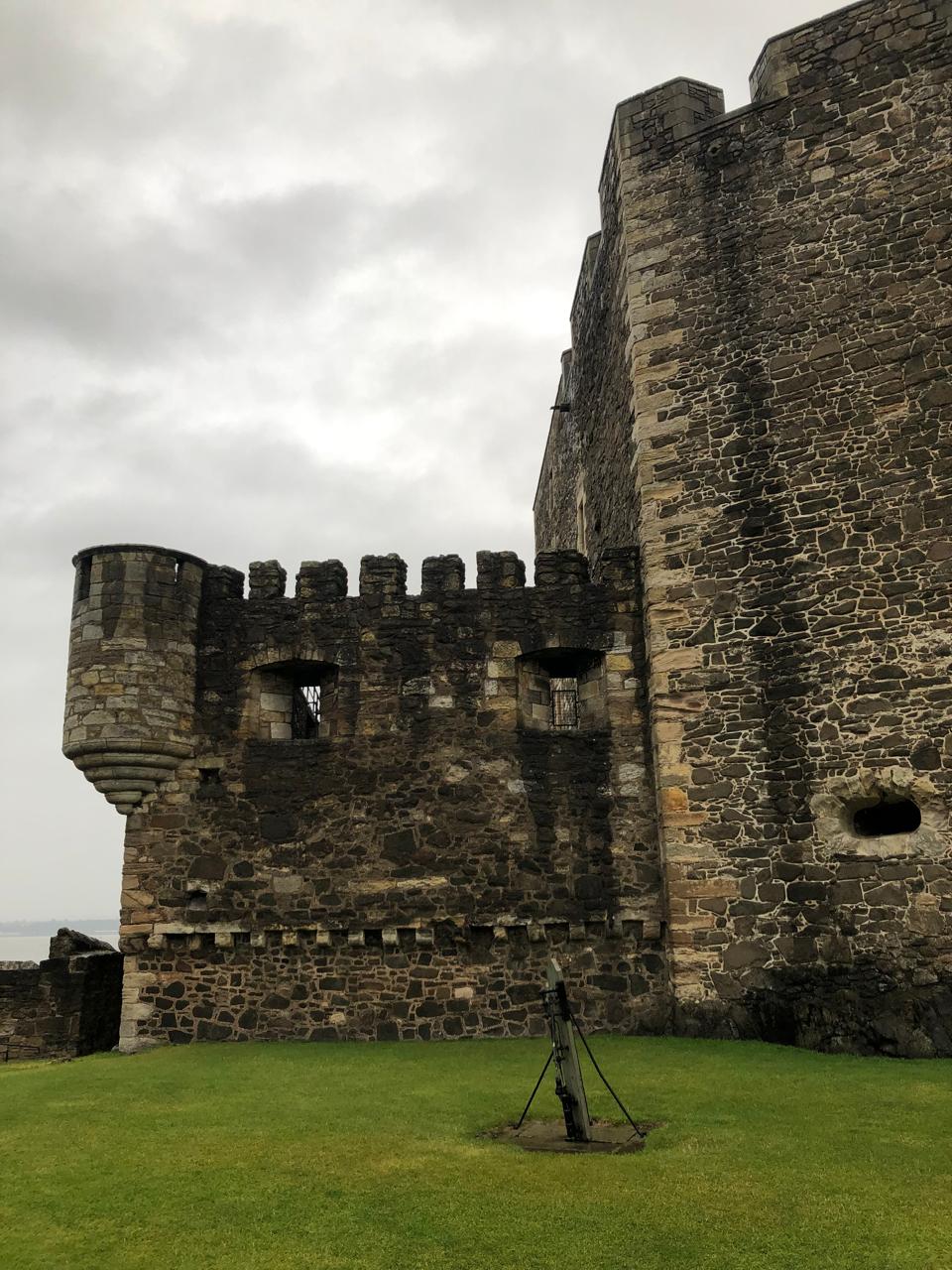
- The Stone Ship: The north tower is the 'bow,' the south is the 'stern,' and the central one is the 'mast.' You can walk the curtain walls to feel the North Sea wind.
- Filming Location: Its rugged appearance has made it a star on screen. It served as Fort William in Outlander, and has also appeared in Mary Queen of Scots and Hamlet.
- Royal Prison: Unlike other residential castles, Blackness feels cold and defensive; it was used for centuries as a state prison and ammunition depot.
The pier and the beach
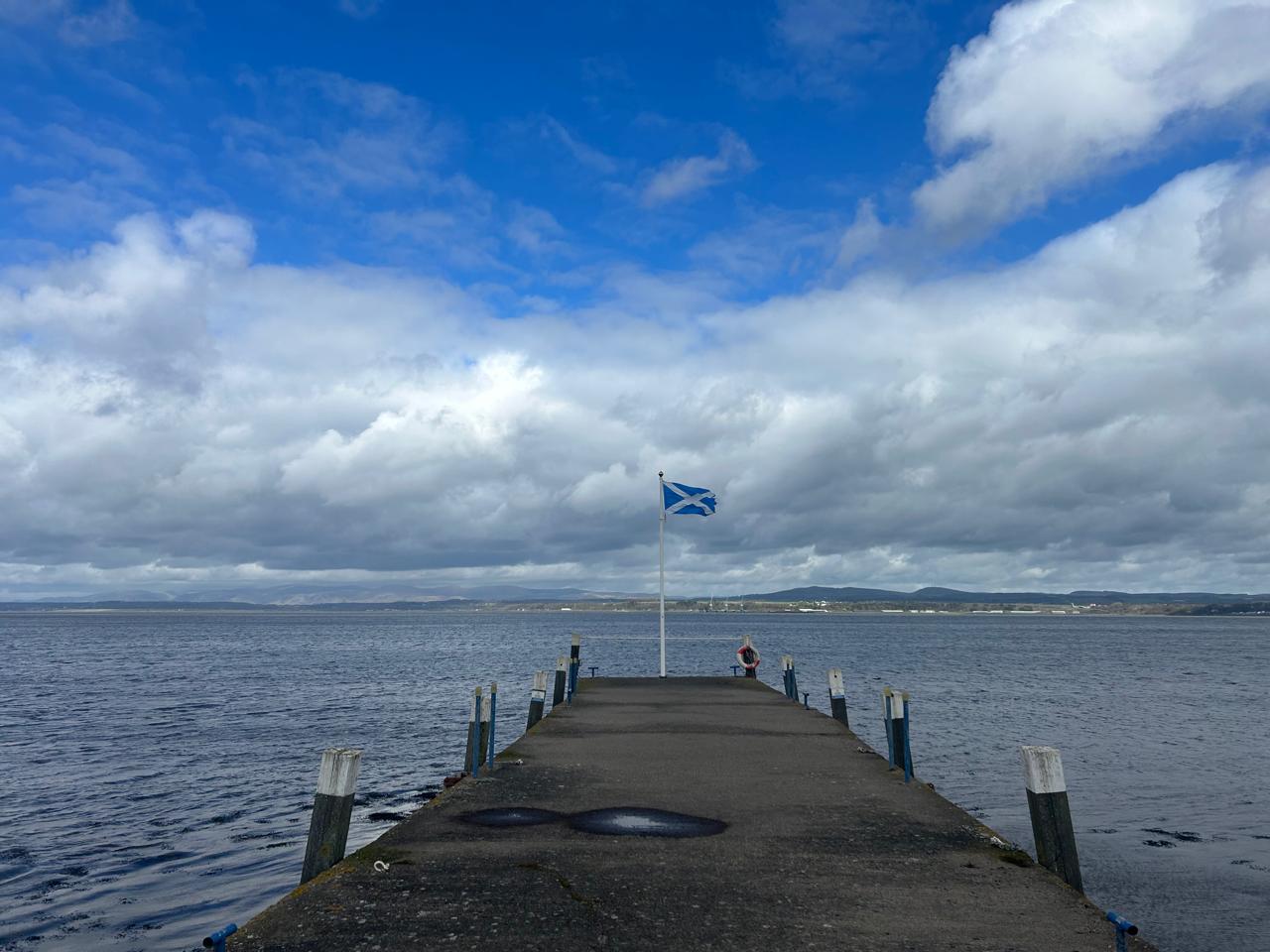
Right in front of the castle, there is a pier that ventures into the estuary. It is the key point to understanding why this location was strategically so important.
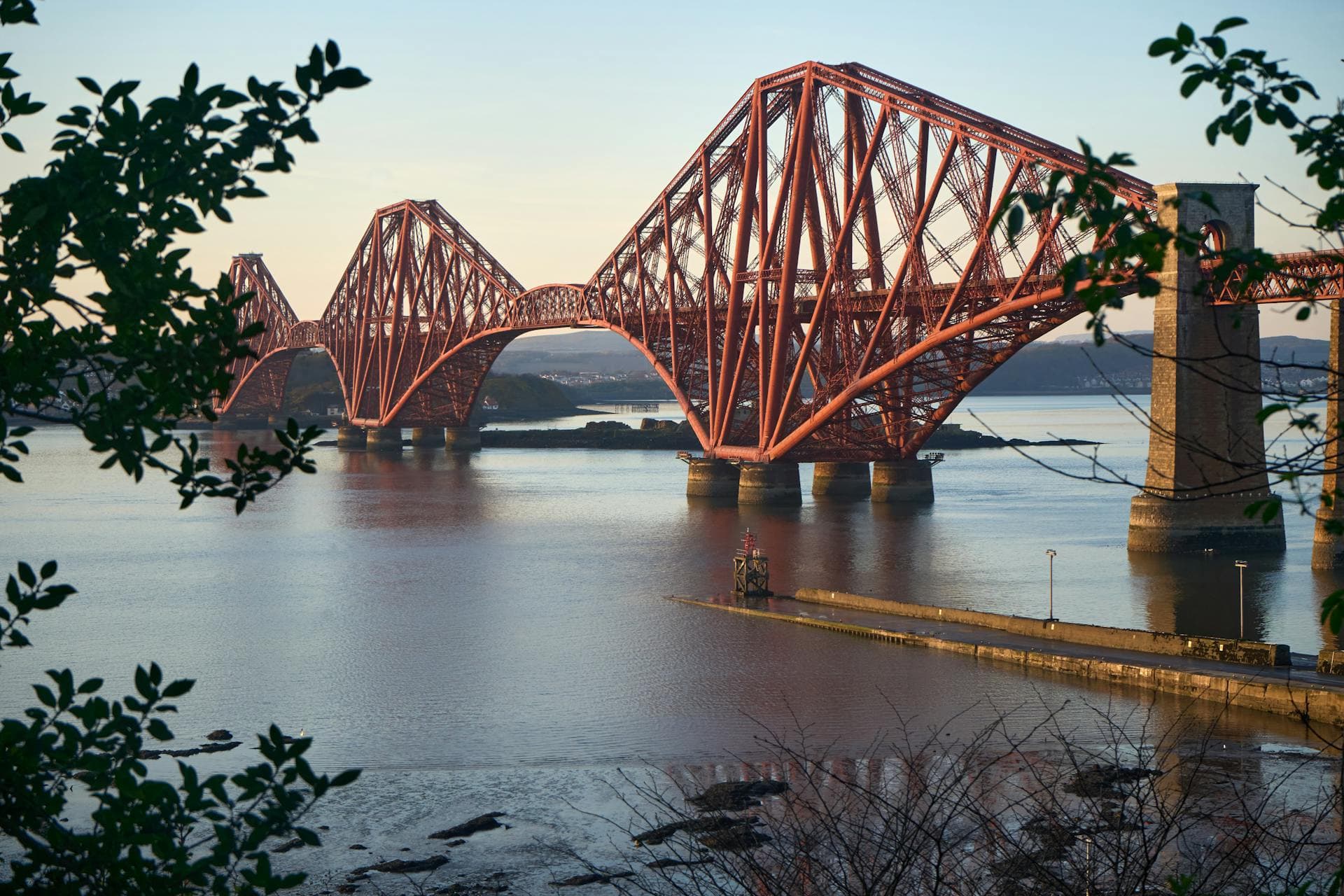
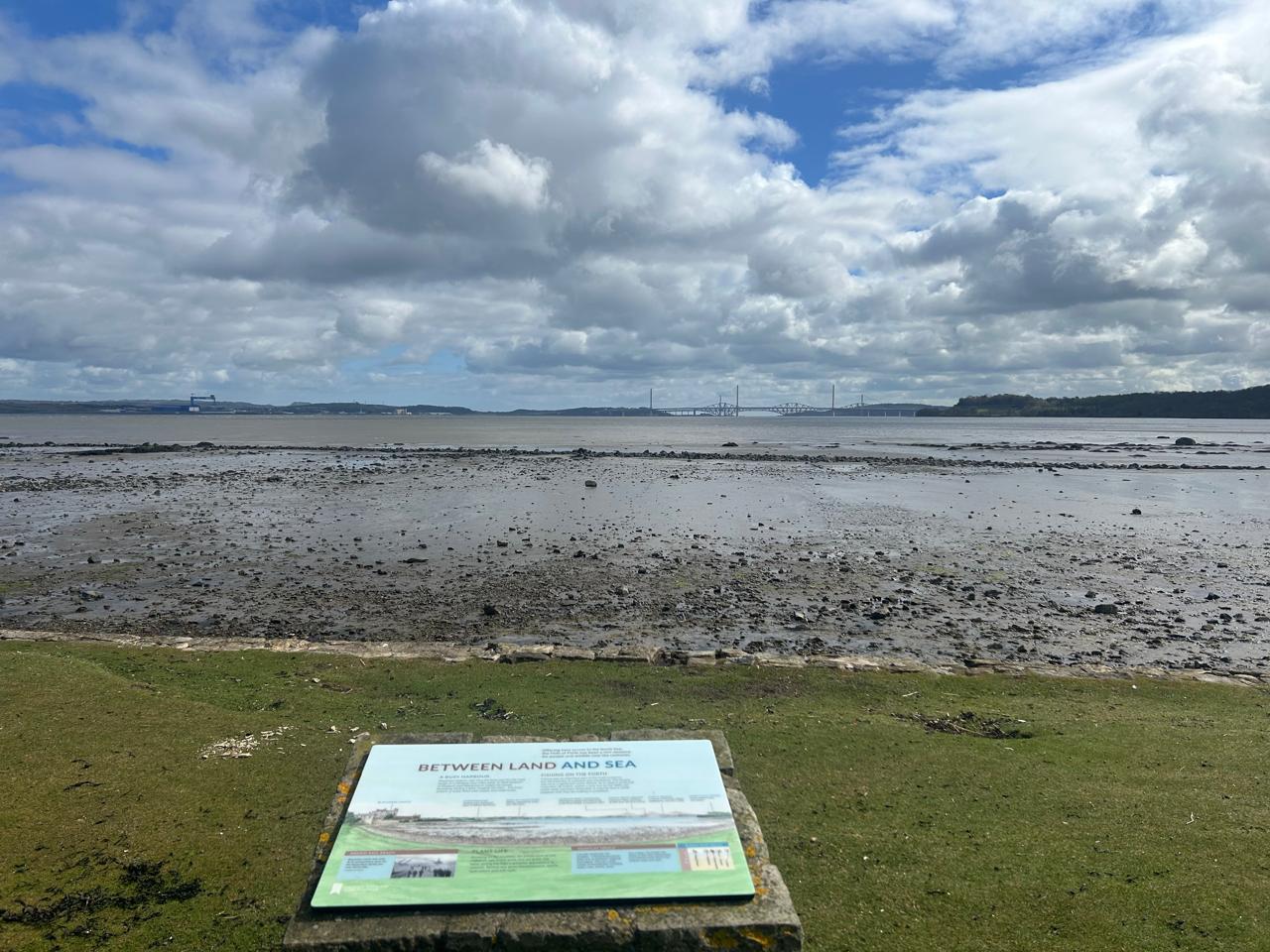
- Bridge Views: From here, you have an incredible side perspective of the Forth Bridge (the red iron bridge, a UNESCO World Heritage site).
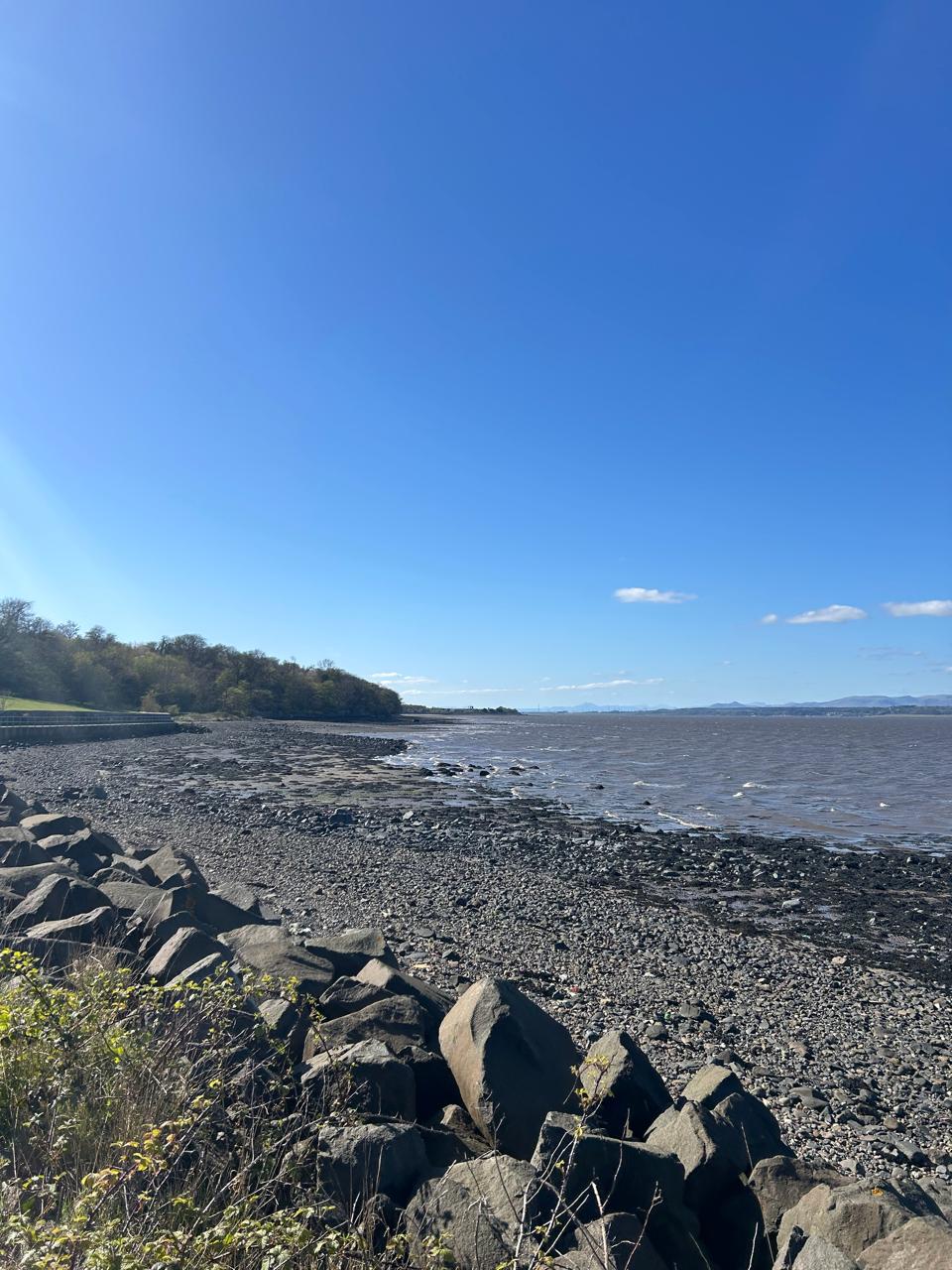
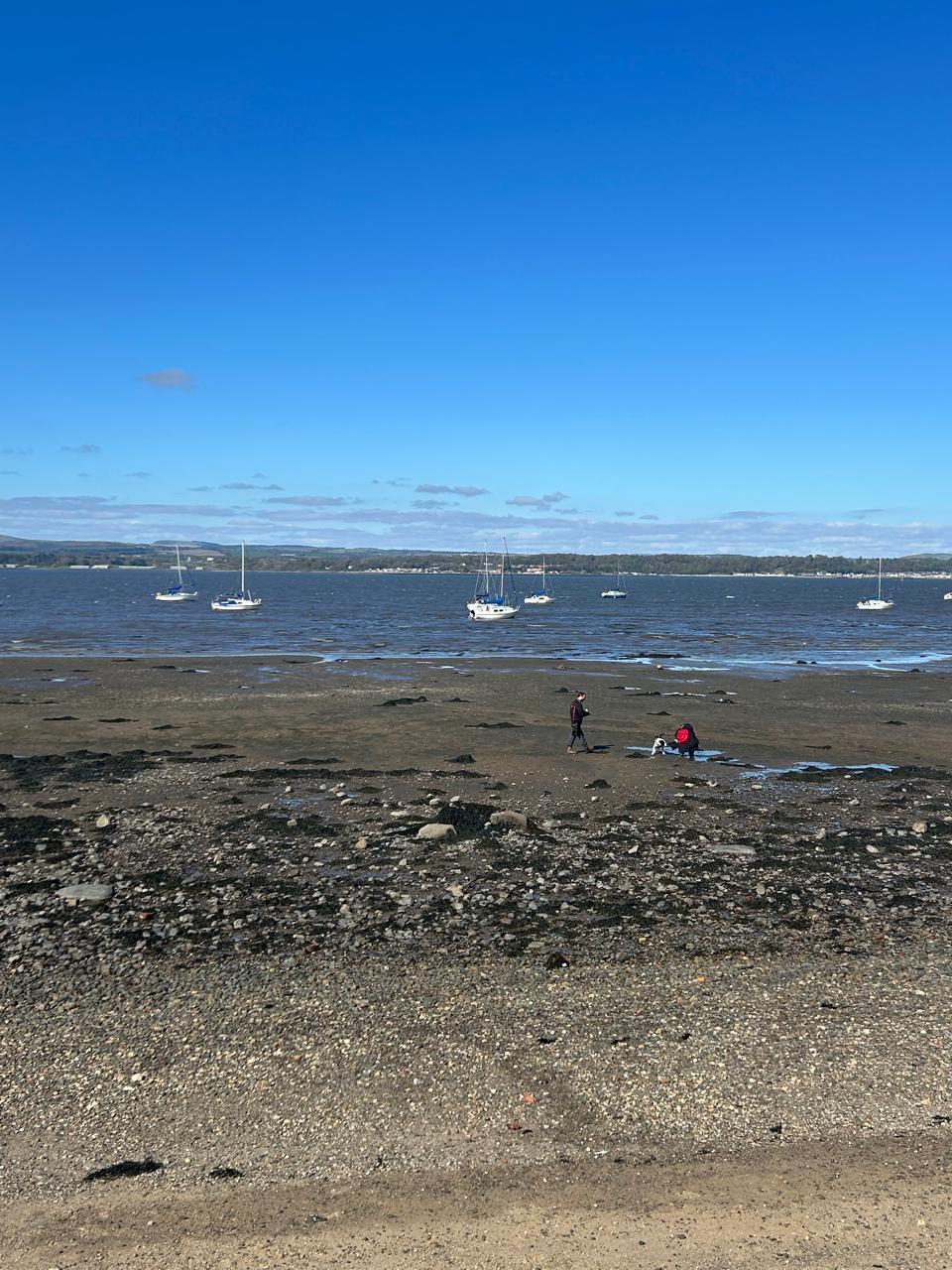
- Shoreline Stroll: When the tide goes out, the beach reveals rocks covered in seaweed and shell remains, ideal for a reflective walk.
Walks: The coastal path
If you enjoy walking, Blackness is the starting (or ending) point for one of the best sections of the John Muir Way.
From Blackness to Hopetoun House
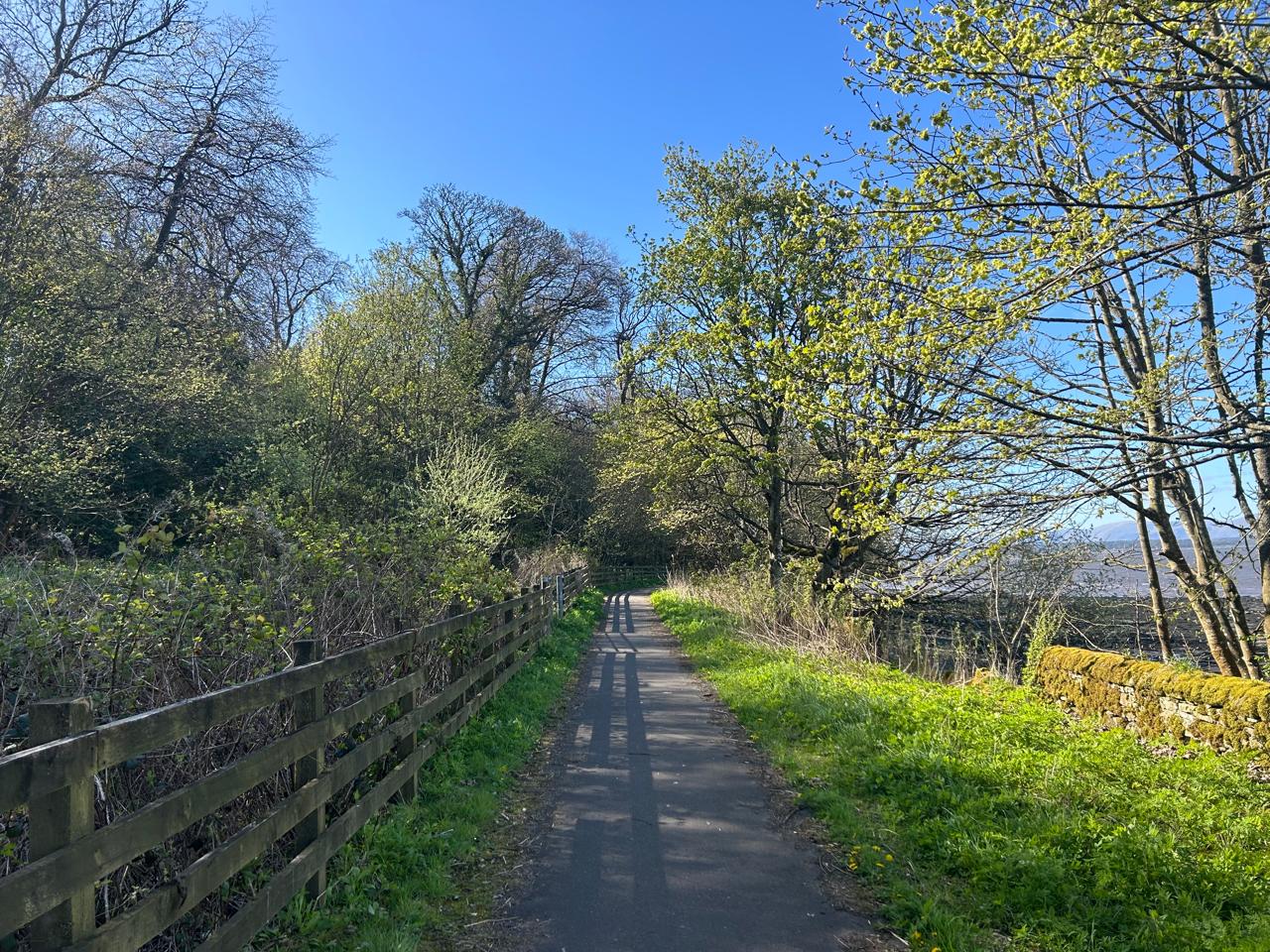
It is a walk of about 4-5 kilometers (one way) through woods and along the shore.
- Wildlife: You are very likely to see deer if you venture slightly into the grounds of the Hopetoun estate.
- The destination: You will end up at Hopetoun House, considered 'Scotland's Versailles,' another architectural gem well worth a visit.
Where to eat and rest
Blackness is very authentic and not overcrowded with shops, which is part of its charm:
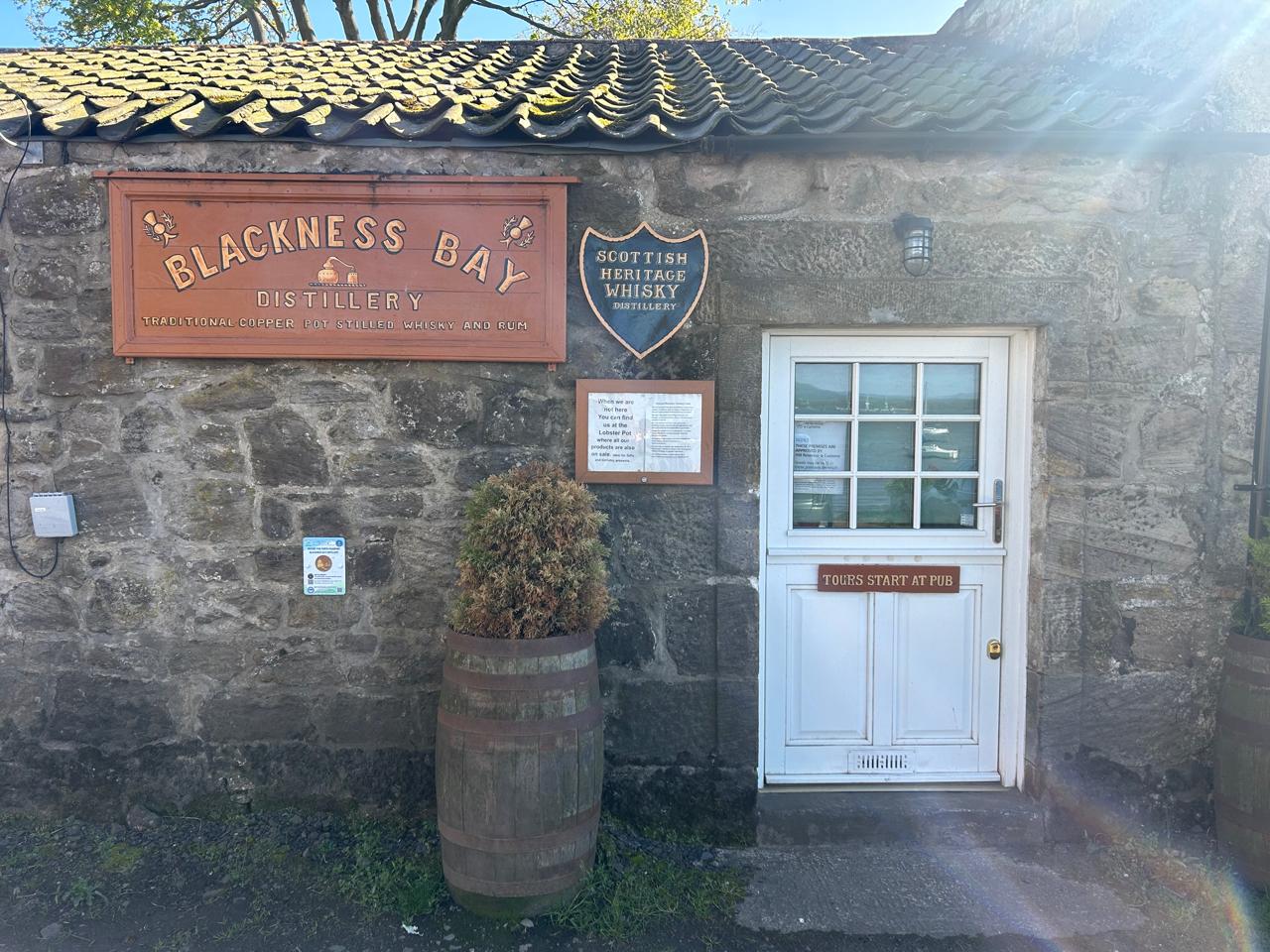
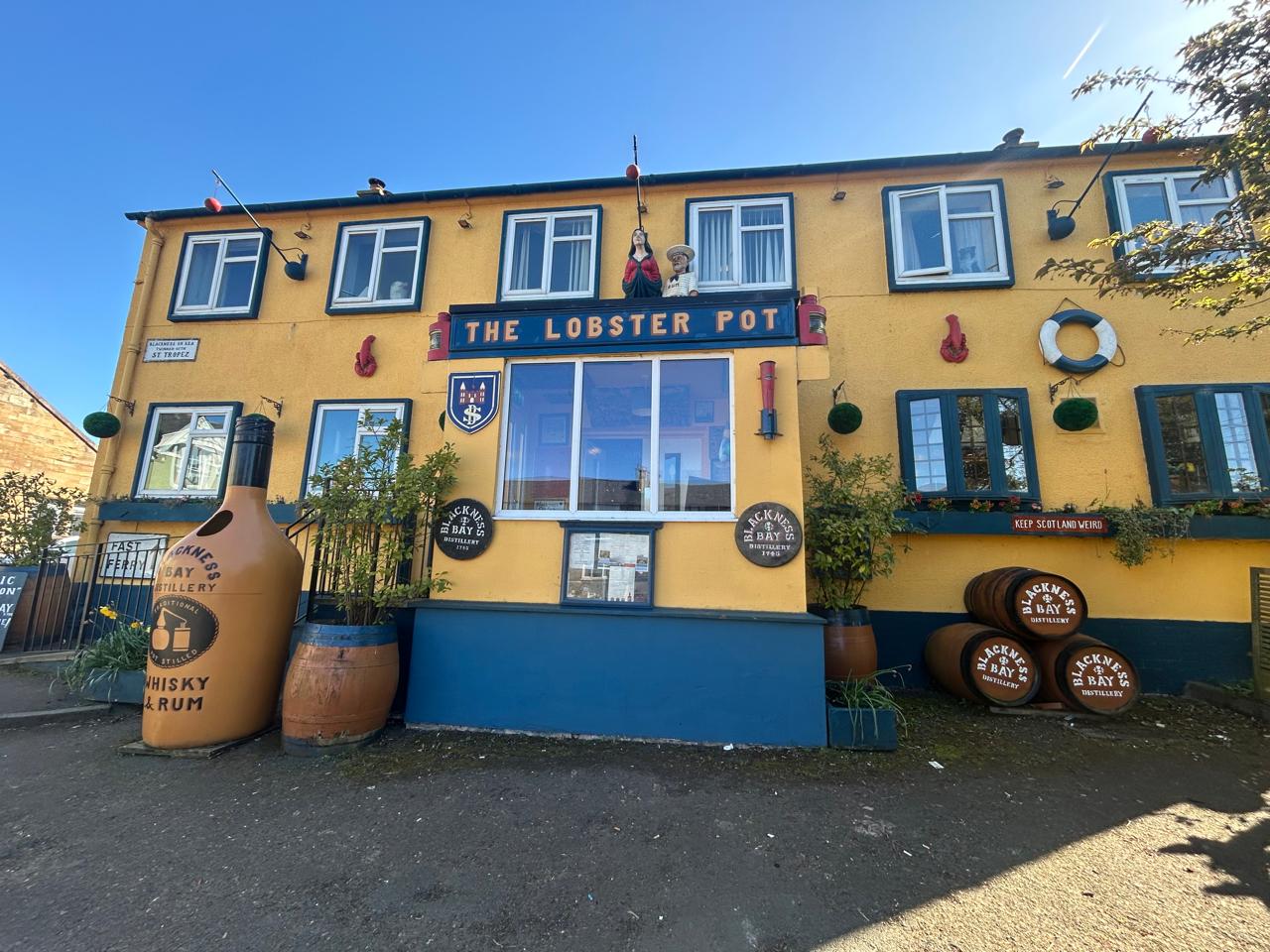
- The Lobster Pot: The heart of the village. A cozy pub/café with a maritime theme where you can eat fresh seafood or simply have tea and scones after visiting the castle.
- Picnic by the Forth: Many locals choose to bring their own sandwiches and sit on the wooden benches facing the sea to enjoy the silence.
How to get there
- Car: The easiest way. There is a free parking lot at the entrance of the village and another small one at the castle (the latter usually fills up quickly).
- Bus/Walk: You can take a bus from Linlithgow to the nearby village of Bridgend and walk from there, or take a taxi (about 10 minutes).
- From South Queensferry: For the more adventurous, you can walk along the coast from the bridges, but it’s a 10-12km route.
Our experience
Blackness is our "reset" place. What fascinates us is the contrast: on one hand, the brutality of the grey stone castle and, on the other, the delicacy of the sunsets over the Forth. If you go on a weekday, you’ll likely have the pier all to yourself. Don’t forget your camera and, above all, a good windbreaker, as the weather there always reminds you that you are on the Scottish coast.
You might also be interested in
The village is small and linear, with life concentrated between its single main street, the pebble beach, and the imposing castle at the end of the road.
Blackness Castle
Built in the 15th century by the Crichton family, this castle is unique for its narrow, elongated shape. From the air (or from the pier), it looks like a stranded ship pointing towards the sea.
- The Stone Ship: The north tower is the 'bow,' the south is the 'stern,' and the central one is the 'mast.' You can walk the curtain walls to feel the North Sea wind.
- Filming Location: Its rugged appearance has made it a star on screen. It served as Fort William in Outlander, and has also appeared in Mary Queen of Scots and Hamlet.
- Royal Prison: Unlike other residential castles, Blackness feels cold and defensive; it was used for centuries as a state prison and ammunition depot.
The pier and the beach
Right in front of the castle, there is a pier that ventures into the estuary. It is the key point to understanding why this location was strategically so important.
- Bridge Views: From here, you have an incredible side perspective of the Forth Bridge (the red iron bridge, a UNESCO World Heritage site).
- Shoreline Stroll: When the tide goes out, the beach reveals rocks covered in seaweed and shell remains, ideal for a reflective walk.
If you enjoy walking, Blackness is the starting (or ending) point for one of the best sections of the John Muir Way.
From Blackness to Hopetoun House
It is a walk of about 4-5 kilometers (one way) through woods and along the shore.
- Wildlife: You are very likely to see deer if you venture slightly into the grounds of the Hopetoun estate.
- The destination: You will end up at Hopetoun House, considered 'Scotland's Versailles,' another architectural gem well worth a visit.
Blackness is very authentic and not overcrowded with shops, which is part of its charm:
- The Lobster Pot: The heart of the village. A cozy pub/café with a maritime theme where you can eat fresh seafood or simply have tea and scones after visiting the castle.
- Picnic by the Forth: Many locals choose to bring their own sandwiches and sit on the wooden benches facing the sea to enjoy the silence.
- Car: The easiest way. There is a free parking lot at the entrance of the village and another small one at the castle (the latter usually fills up quickly).
- Bus/Walk: You can take a bus from Linlithgow to the nearby village of Bridgend and walk from there, or take a taxi (about 10 minutes).
- From South Queensferry: For the more adventurous, you can walk along the coast from the bridges, but it’s a 10-12km route.
Blackness is our "reset" place. What fascinates us is the contrast: on one hand, the brutality of the grey stone castle and, on the other, the delicacy of the sunsets over the Forth. If you go on a weekday, you’ll likely have the pier all to yourself. Don’t forget your camera and, above all, a good windbreaker, as the weather there always reminds you that you are on the Scottish coast.
Galery