Table of contents and map
Ecuador en profundidad: ciudades, naturaleza y rutas de viaje
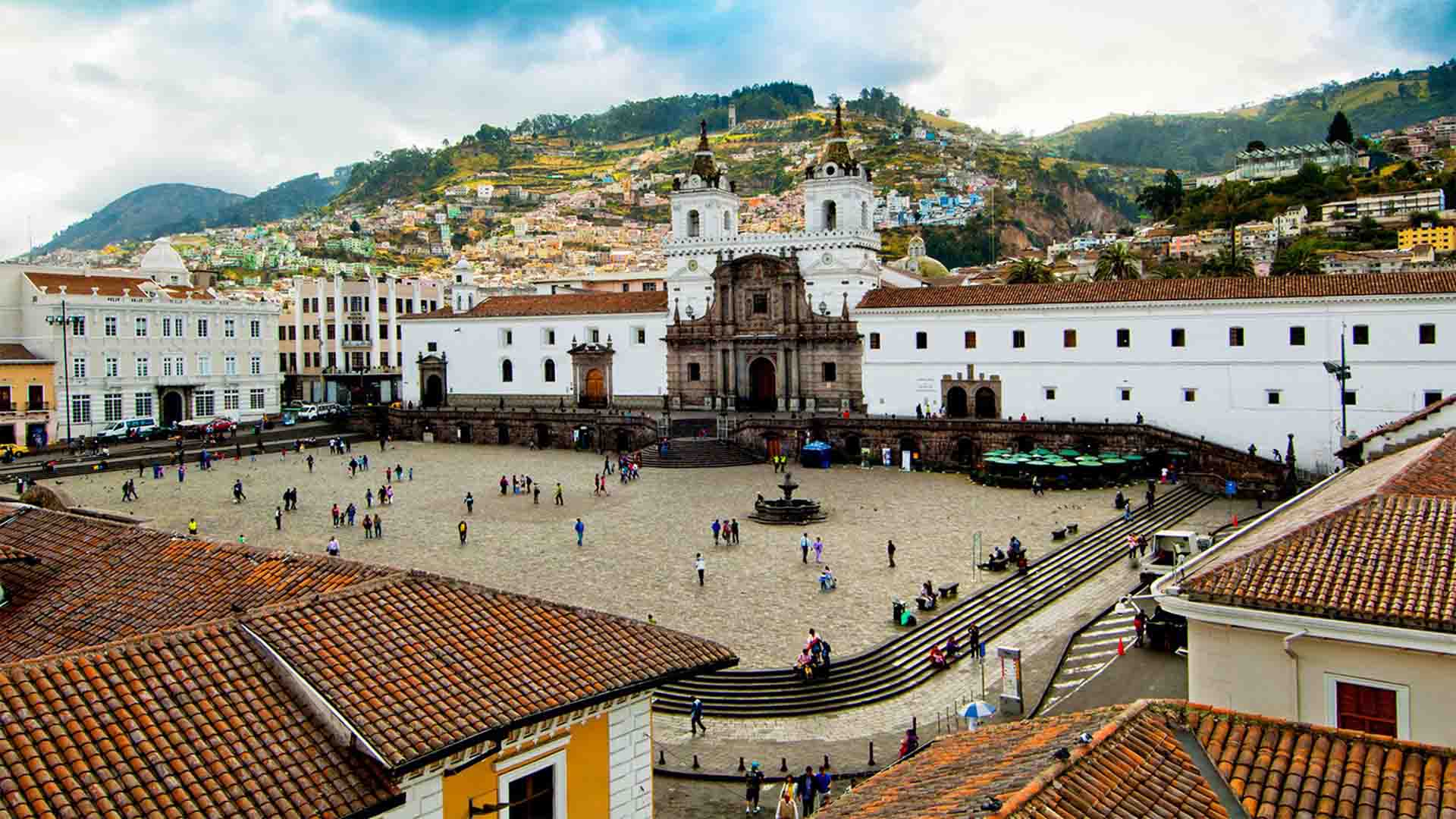
Ecuador es uno de los países más diversos de Sudamérica en relación a su tamaño. En pocos kilómetros conviven la cordillera de los Andes, la selva amazónica, playas sobre el Pacífico y uno de los ecosistemas más únicos del planeta: las Islas Galápagos. Su identidad combina herencia indígena, pasado colonial y una vida cotidiana muy ligada a la naturaleza y al entorno.
Ecuador en profundidad: ciudades, naturaleza y rutas de viaje
Ecuador es uno de los países más diversos de Sudamérica en relación a su tamaño. En pocos kilómetros conviven la cordillera de los Andes, la selva amazónica, playas sobre el Pacífico y uno de los ecosistemas más únicos del planeta: las Islas Galápagos. Su identidad combina herencia indígena, pasado colonial y una vida cotidiana muy ligada a la naturaleza y al entorno.
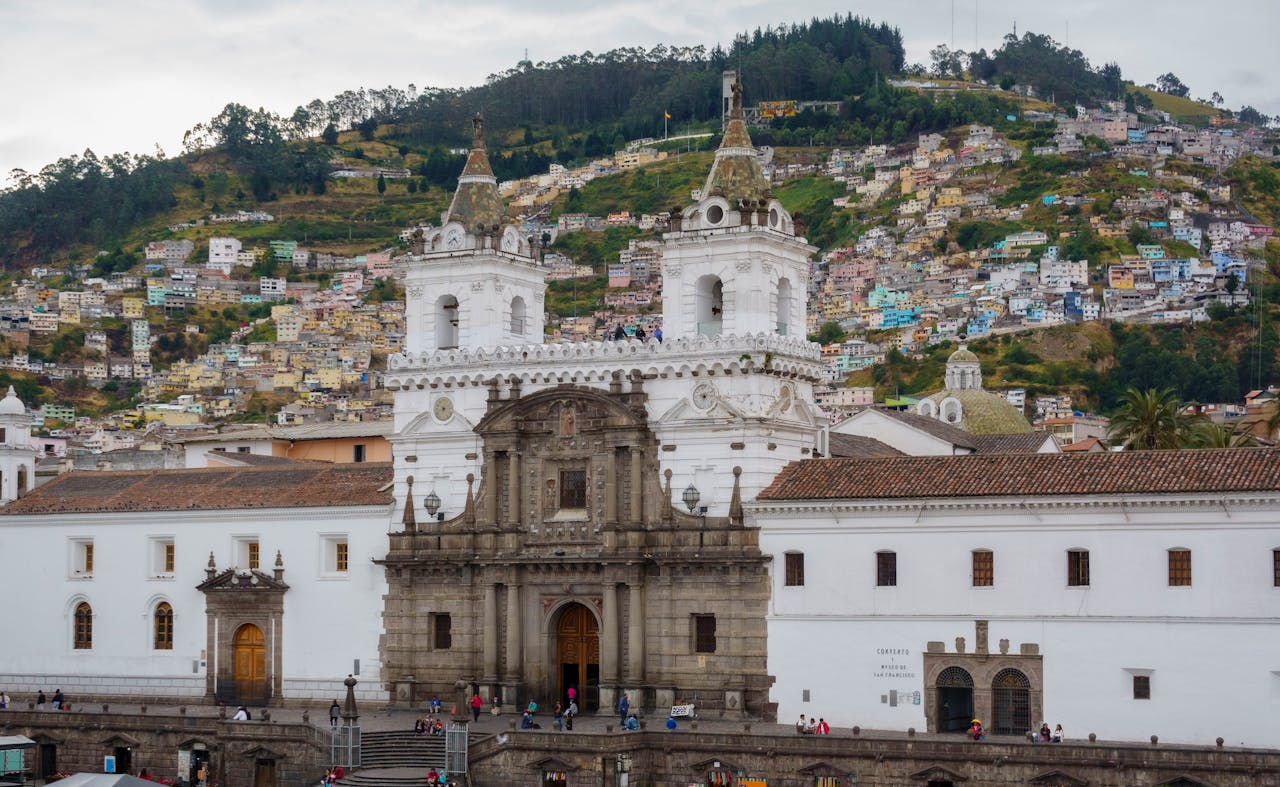
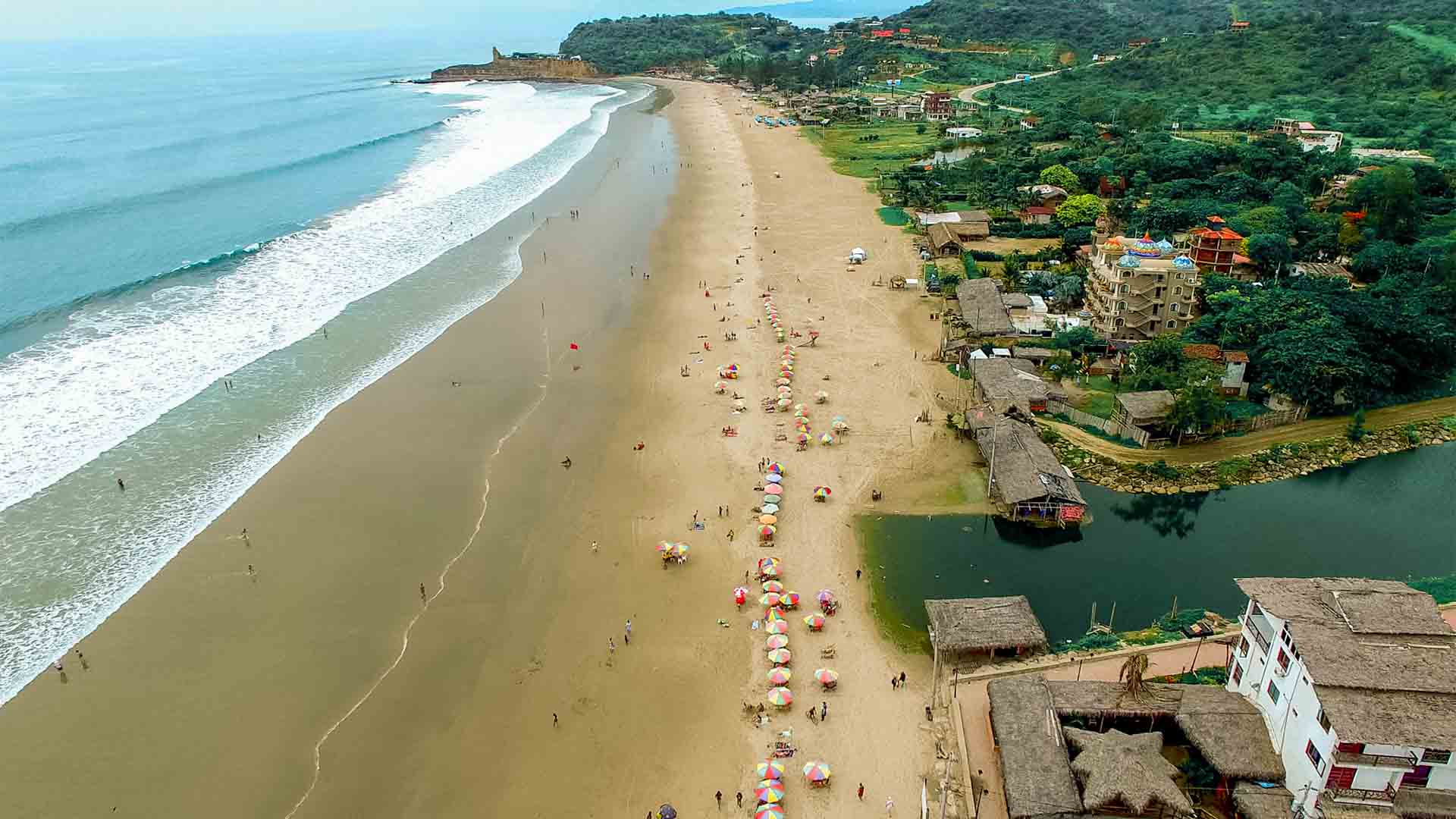
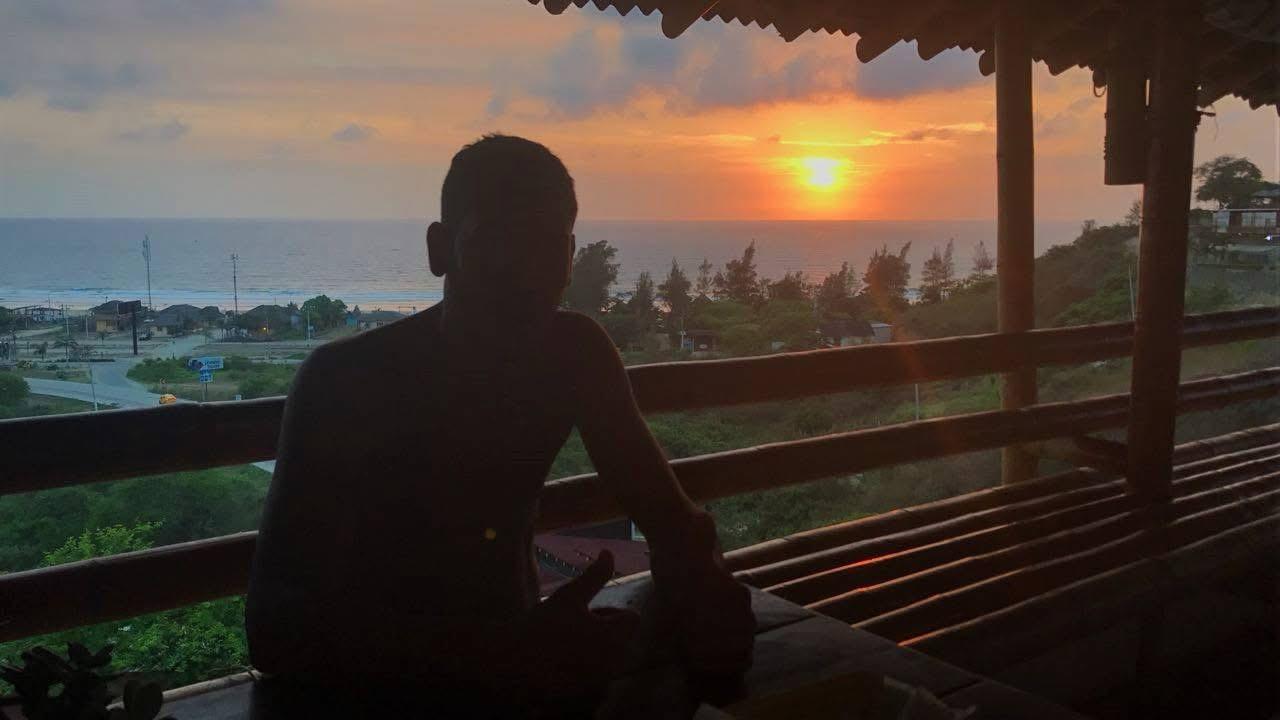
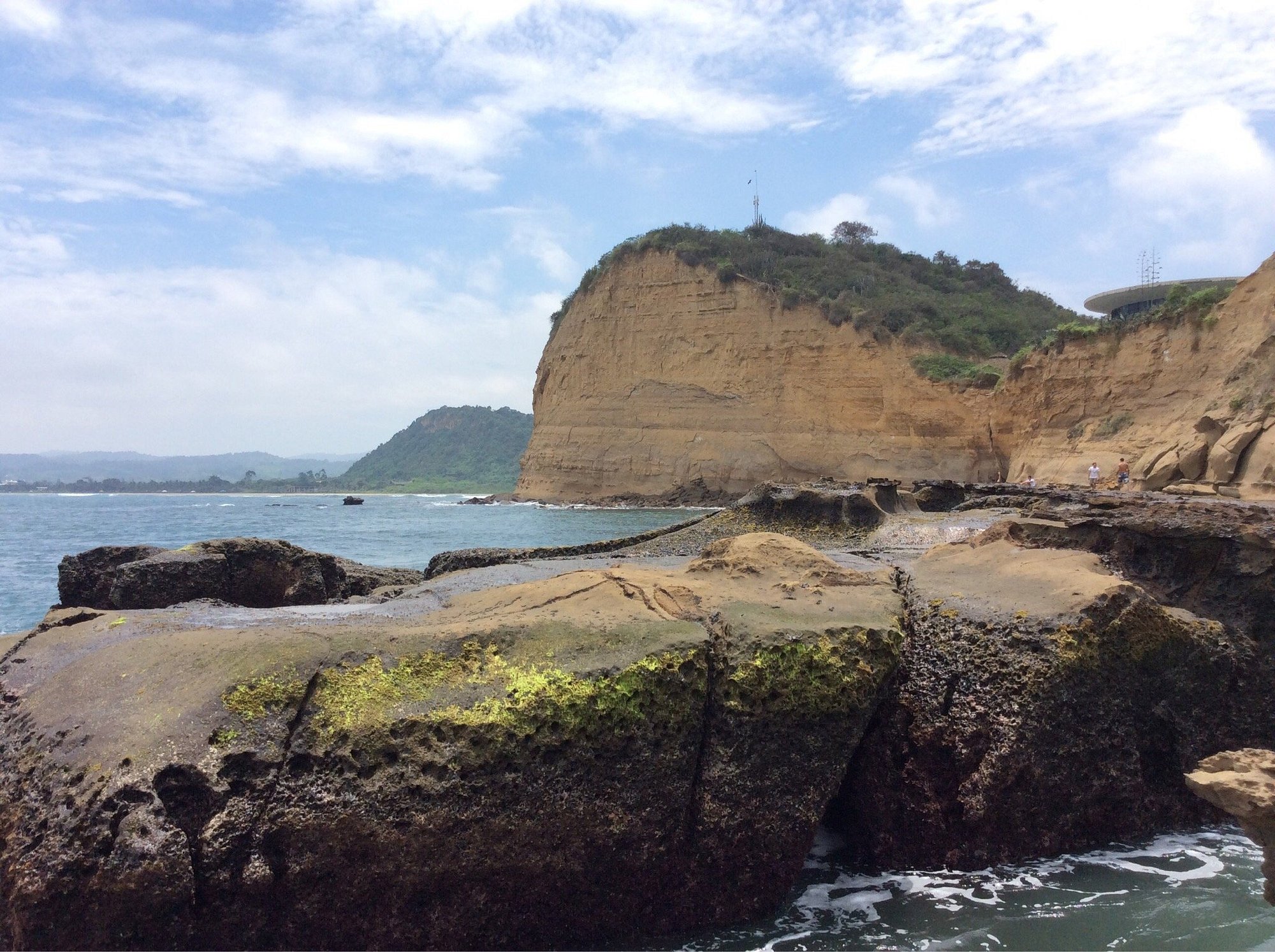
Estuve casi dos meses en Ecuador, con base principalmente en la costa. Pasé un mes entero en Montañita, donde viví el Año Nuevo de 2017, y también recorrí ciudades como Quito, Guayaquil y Manta.
Ecuador tiene una energía muy particular: contrastes fuertes entre sierra y costa, climas que cambian rápido y una cultura muy marcada por la geografía. Es un país fácil de recorrer, intenso en experiencias y con una diversidad que sorprende todo el tiempo.
Destinos imperdibles de Ecuador
Ecuador es pequeño en tamaño, pero enorme en diversidad: Andes, Amazonía, costa del Pacífico y las Islas Galápagos.
-
Quito – Centro histórico colonial y cultura andina.
-
Islas Galápagos – Fauna única y naturaleza protegida.
-
Baños de Agua Santa – Cascadas, termas y deportes de aventura.
-
Cuenca – Arquitectura colonial y ambiente cultural.
-
Otavalo – Mercado indígena y tradiciones ancestrales.
-
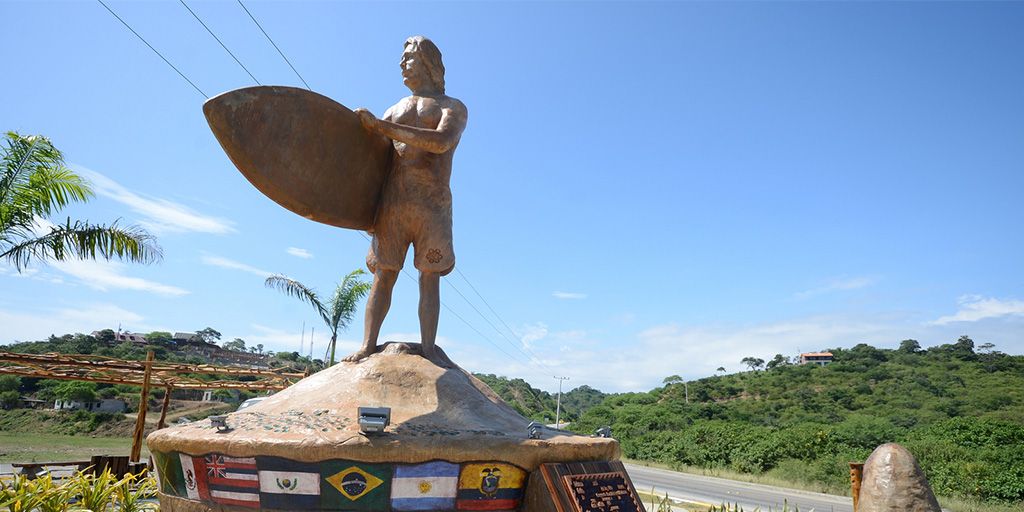
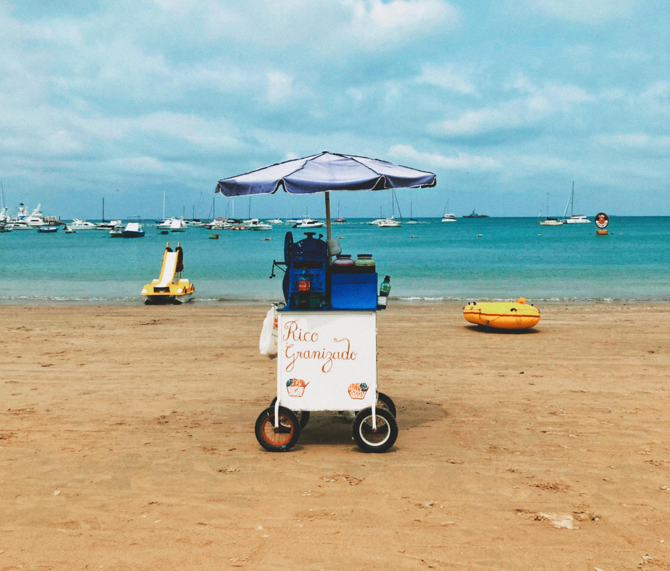
Montañita – Playa, surf y vida nocturna.
-
Mindo – Bosque nublado y biodiversidad.
-
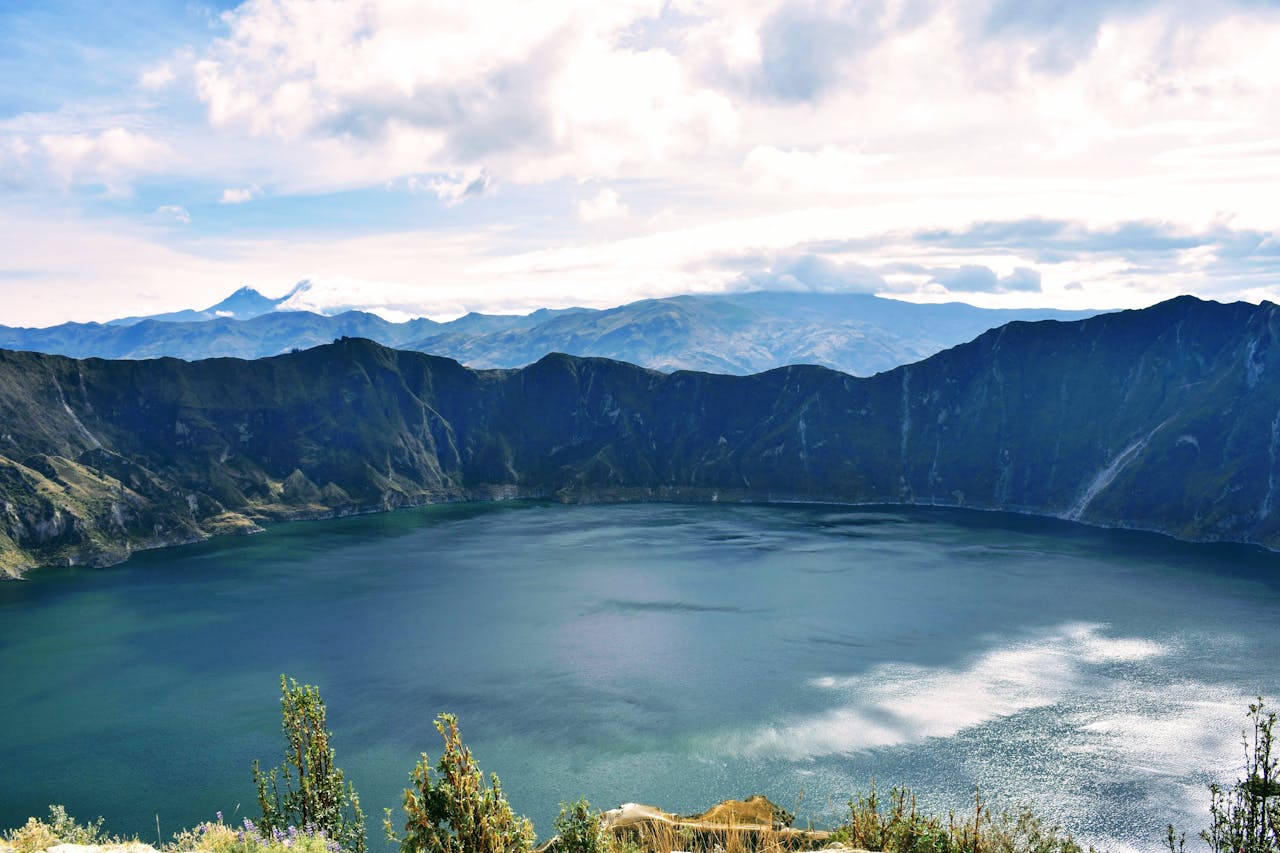
Parque Nacional Cotopaxi – Volcanes y paisajes andinos.
-
Guayaquil – Ciudad portuaria y punto de entrada al país.
-
Amazonía ecuatoriana – Selva, comunidades indígenas y ecoturismo.
-
Manta – Ciudad costera y base para explorar playas cercanas.
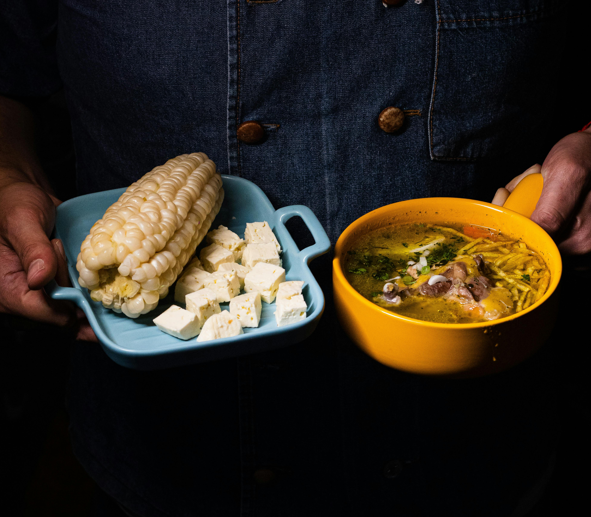
Qué comer en Ecuador (imperdibles)
La gastronomía ecuatoriana es regional y muy ligada a ingredientes locales:
-
Ceviche ecuatoriano – Más caldoso, de pescado o camarón.
-
Encebollado – Sopa de pescado, muy popular.
-
Hornado – Cerdo asado con maíz y papas.
-
Llapingachos – Tortillas de papa rellenas de queso.
-
Fanesca – Sopa tradicional de Semana Santa.
-
Bolón de verde – Banana verde con queso o chicharrón.
-
Empanadas de viento – Fritas y rellenas de queso.
-
Corviche – Frito de plátano verde relleno de pescado y maní, típico de la costa.
-
Avena polaca – Bebida espesa y dulce a base de avena y especias, muy común en la calle.
-
Chocolate ecuatoriano – Considerado de los mejores del mundo.
Datos prácticos para viajar por Ecuador
-
Moneda: dólar estadounidense (USD).
-
Idioma: español; también quechua en zonas andinas.
-
Enchufes: tipo A y B, 110V.
-
Propinas: no obligatorias; se suele dejar 5–10%.
-
Conectividad: buena en ciudades y destinos turísticos.
-
Pagos: efectivo muy usado; tarjetas aceptadas en ciudades grandes.
Cómo moverse por Ecuador
-
Bus – Principal medio; económico y frecuente.
-
Avión – Útil para Galápagos y distancias largas.
-
Auto – Práctico para rutas andinas y pueblos pequeños.
-
Taxi – Económico; usar taxis oficiales.
-
Transporte urbano – Buses y metro (Quito).
Mejor época para viajar
-
Junio a septiembre – Clima más seco en la sierra.
-
Diciembre a mayo – Temporada lluviosa, mejor para la costa.
-
Todo el año – Galápagos es visitable siempre.
El clima varía mucho según región y altitud.
Recordatorios útiles para viajar por Ecuador
-
Llevá abrigo incluso en zonas ecuatoriales.
-
Tomá precauciones con la altura en Quito y la sierra.
-
Usá protector solar: el sol es fuerte todo el año.
-
Llevá efectivo para mercados y pueblos.
-
Respetá normas ambientales, especialmente en Galápagos.
-
Probá la comida local en mercados.
-
Movete temprano: el transporte baja su frecuencia por la tarde.
Ecuador es pequeño en tamaño, pero enorme en diversidad: Andes, Amazonía, costa del Pacífico y las Islas Galápagos.
-
Quito – Centro histórico colonial y cultura andina.
-
Islas Galápagos – Fauna única y naturaleza protegida.
-
Baños de Agua Santa – Cascadas, termas y deportes de aventura.
-
Cuenca – Arquitectura colonial y ambiente cultural.
-
Otavalo – Mercado indígena y tradiciones ancestrales.
-
Montañita – Playa, surf y vida nocturna.
-
Mindo – Bosque nublado y biodiversidad.
-
Parque Nacional Cotopaxi – Volcanes y paisajes andinos.
-
Guayaquil – Ciudad portuaria y punto de entrada al país.
-
Amazonía ecuatoriana – Selva, comunidades indígenas y ecoturismo.
-
Manta – Ciudad costera y base para explorar playas cercanas.
PUBLICIDAD
Travel with Data: Get your Saily eSIM
- ✓Internet in seconds upon landing
- ✓Flexible plans in 180+ countries
- ✓Easy setup directly via the App
La gastronomía ecuatoriana es regional y muy ligada a ingredientes locales:
-
Ceviche ecuatoriano – Más caldoso, de pescado o camarón.
-
Encebollado – Sopa de pescado, muy popular.
-
Hornado – Cerdo asado con maíz y papas.
-
Llapingachos – Tortillas de papa rellenas de queso.
-
Fanesca – Sopa tradicional de Semana Santa.
-
Bolón de verde – Banana verde con queso o chicharrón.
-
Empanadas de viento – Fritas y rellenas de queso.
-
Corviche – Frito de plátano verde relleno de pescado y maní, típico de la costa.
-
Avena polaca – Bebida espesa y dulce a base de avena y especias, muy común en la calle.
-
Chocolate ecuatoriano – Considerado de los mejores del mundo.
-
Moneda: dólar estadounidense (USD).
-
Idioma: español; también quechua en zonas andinas.
-
Enchufes: tipo A y B, 110V.
-
Propinas: no obligatorias; se suele dejar 5–10%.
-
Conectividad: buena en ciudades y destinos turísticos.
-
Pagos: efectivo muy usado; tarjetas aceptadas en ciudades grandes.
-
Bus – Principal medio; económico y frecuente.
-
Avión – Útil para Galápagos y distancias largas.
-
Auto – Práctico para rutas andinas y pueblos pequeños.
-
Taxi – Económico; usar taxis oficiales.
-
Transporte urbano – Buses y metro (Quito).
-
Junio a septiembre – Clima más seco en la sierra.
-
Diciembre a mayo – Temporada lluviosa, mejor para la costa.
-
Todo el año – Galápagos es visitable siempre.
El clima varía mucho según región y altitud.
PUBLICIDAD
-
Llevá abrigo incluso en zonas ecuatoriales.
-
Tomá precauciones con la altura en Quito y la sierra.
-
Usá protector solar: el sol es fuerte todo el año.
-
Llevá efectivo para mercados y pueblos.
-
Respetá normas ambientales, especialmente en Galápagos.
-
Probá la comida local en mercados.
-
Movete temprano: el transporte baja su frecuencia por la tarde.
PUBLICIDAD
International Travel Insurance
- ✓International medical insurance
- ✓24/7 immediate assistance in your language
- ✓Ideal for trekking & adventure
Posts in Ecuador
Preferences
Language
Color
Text
Width