
Table of contents and map
Zagreb Guide 2026: what to see, what to do, and travel tips in the Croatian capital
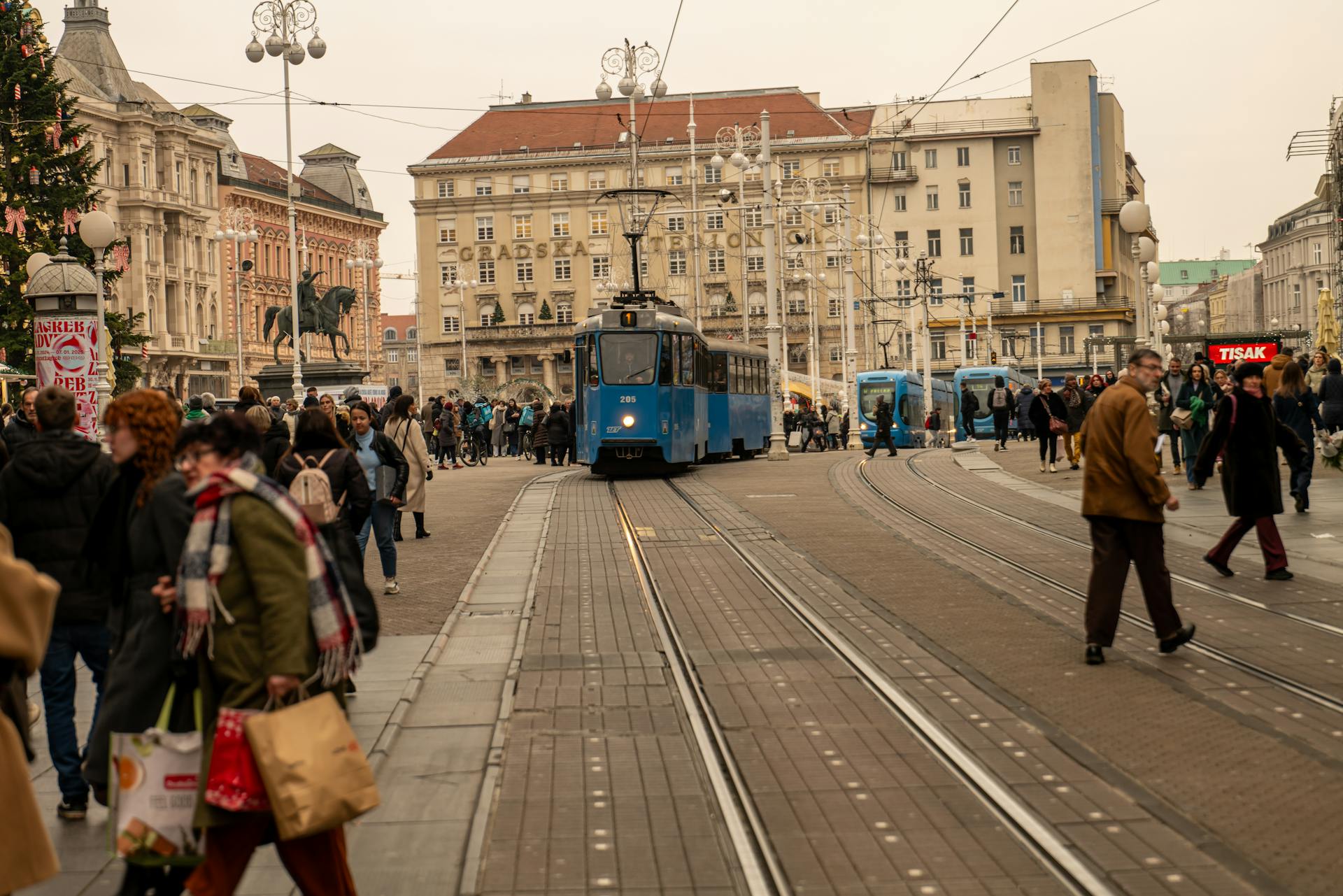
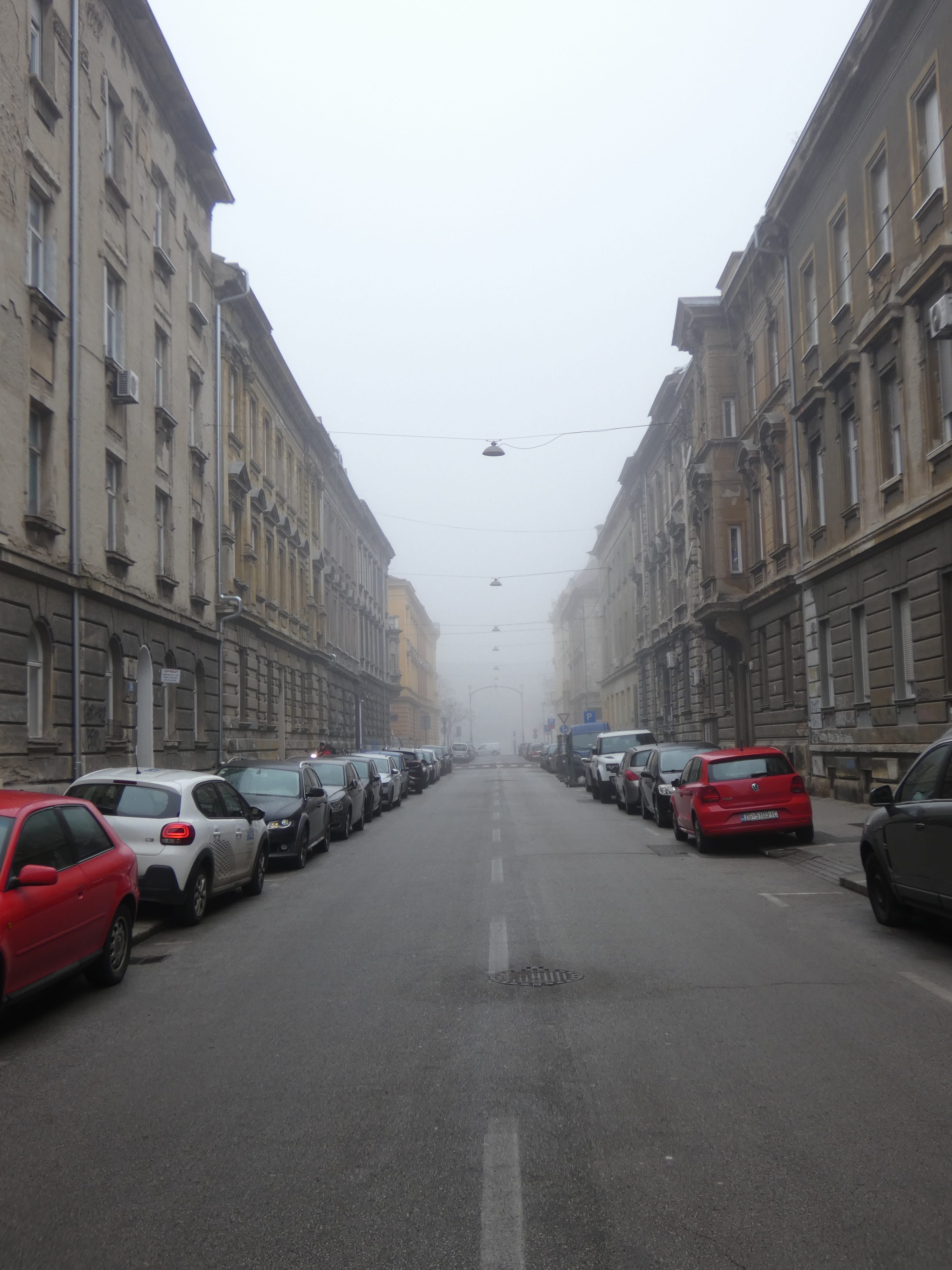
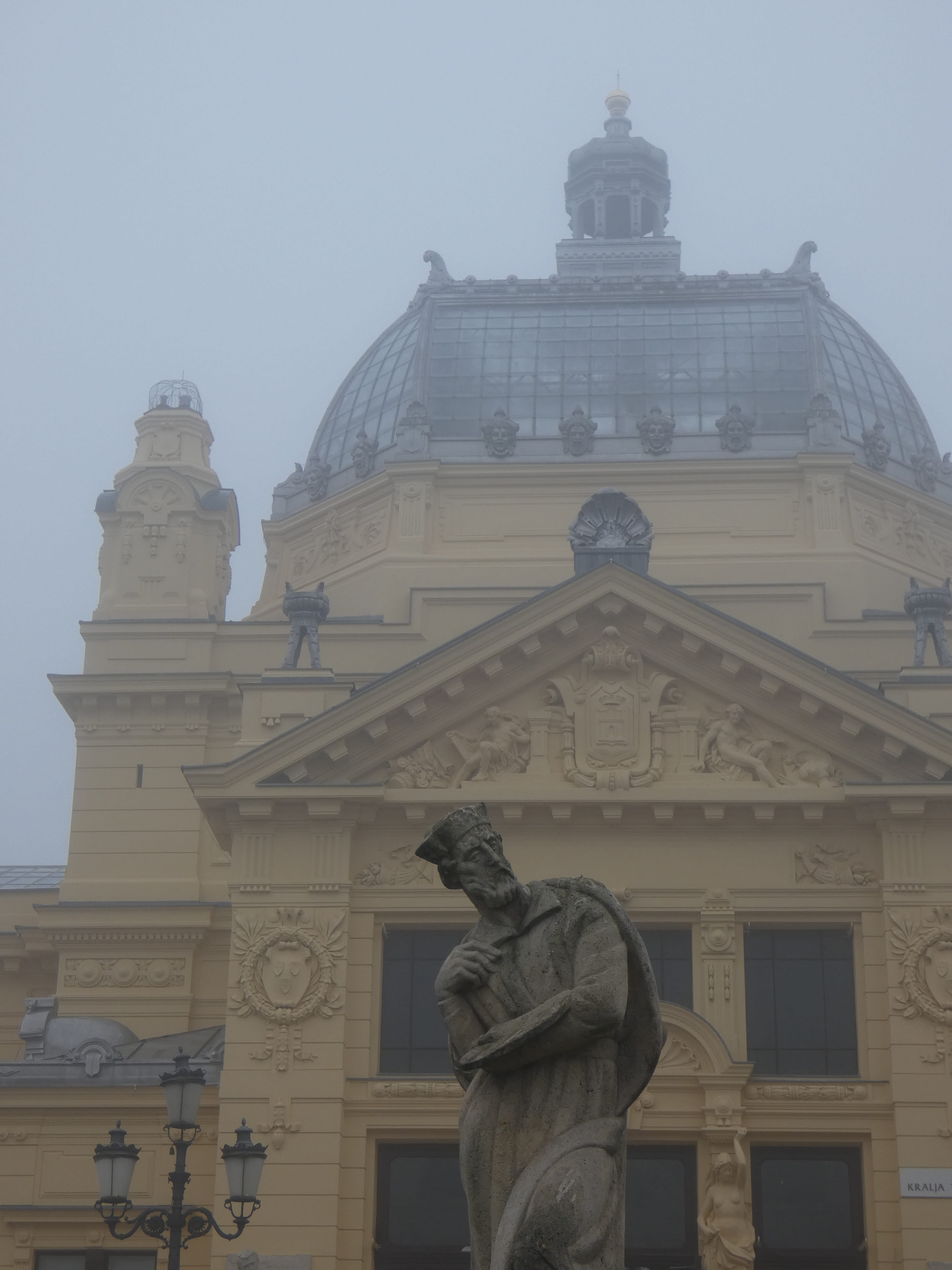
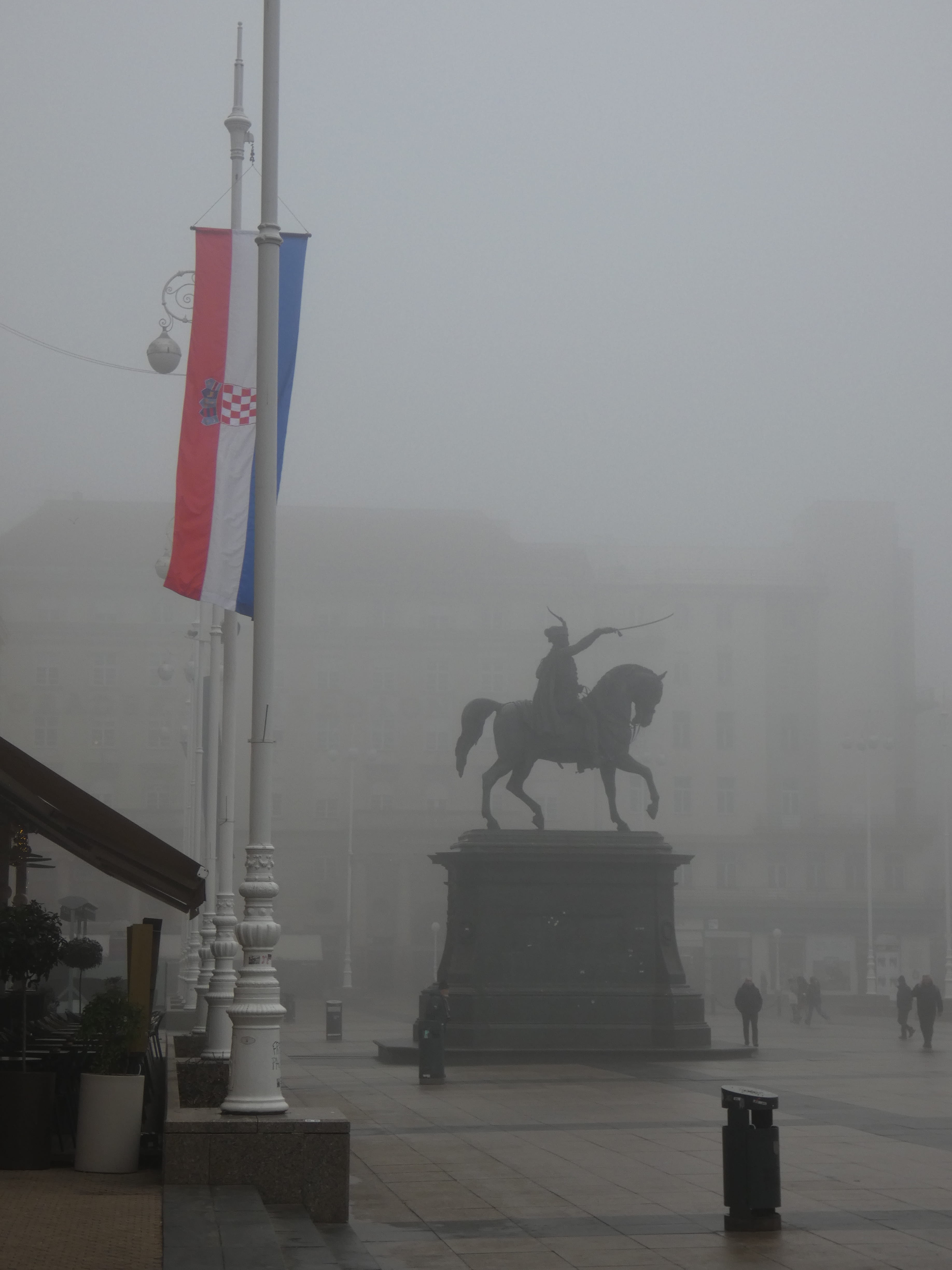
The capital of Croatia is a city that blends Central European history and contemporary urban life in a very natural way. With a relaxed atmosphere, it stands out for its Austro-Hungarian architecture, wide squares, traditional cafes, and neighborhoods that maintain a strong local character. Unlike the coastal cities, Zagreb is experienced through daily life, with a steady pace and a well-defined cultural identity.
Zagreb Guide 2026: what to see, what to do, and travel tips in the Croatian capital
The capital of Croatia is a city that blends Central European history and contemporary urban life in a very natural way. With a relaxed atmosphere, it stands out for its Austro-Hungarian architecture, wide squares, traditional cafes, and neighborhoods that maintain a strong local character. Unlike the coastal cities, Zagreb is experienced through daily life, with a steady pace and a well-defined cultural identity.
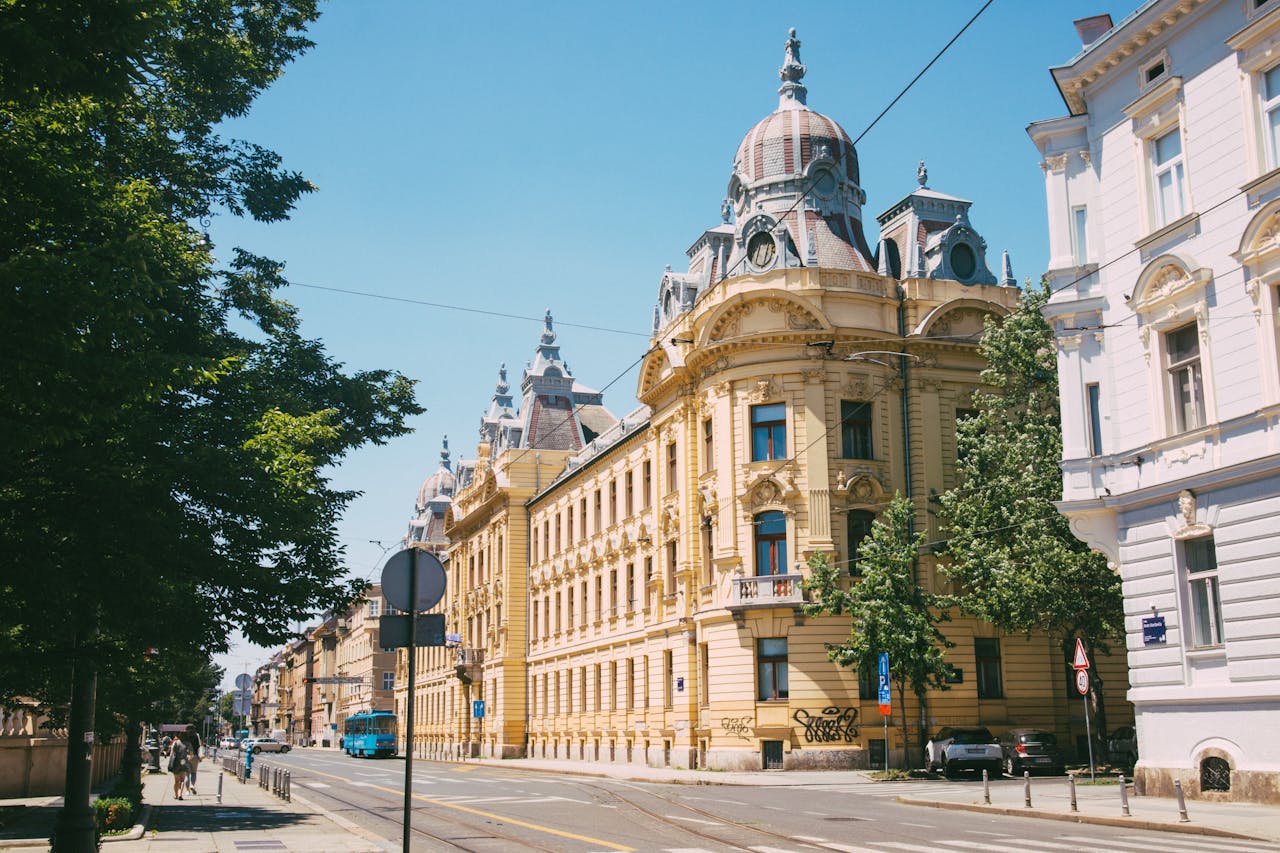
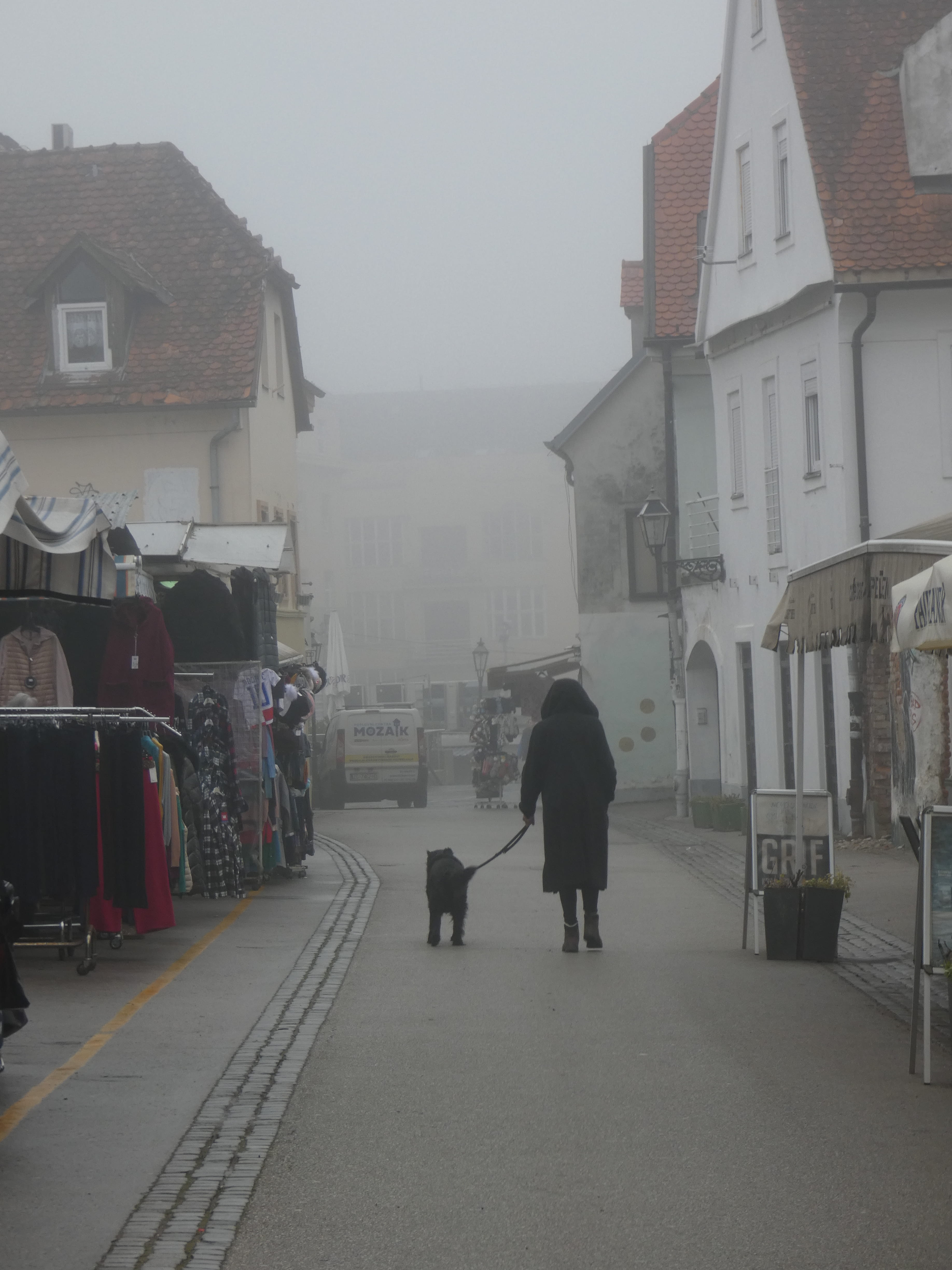
Zagreb is a city that doesn't seek to impress immediately, but rather lets itself be known gradually. It is walkable, green, and peaceful, with a very present local life felt in its markets, parks, and cafes.
It serves as a great contrast to the Croatian coast, offering a more urban and authentic experience, far from mass tourism.
What to do in Zagreb: a personal travel guide
Upper Town (Gornji Grad)
This is the medieval core of the city. Here, time seems to stand still among gas lanterns that are still hand-lit every night. It is the most photogenic area, with cobblestone streets and the most important government buildings.
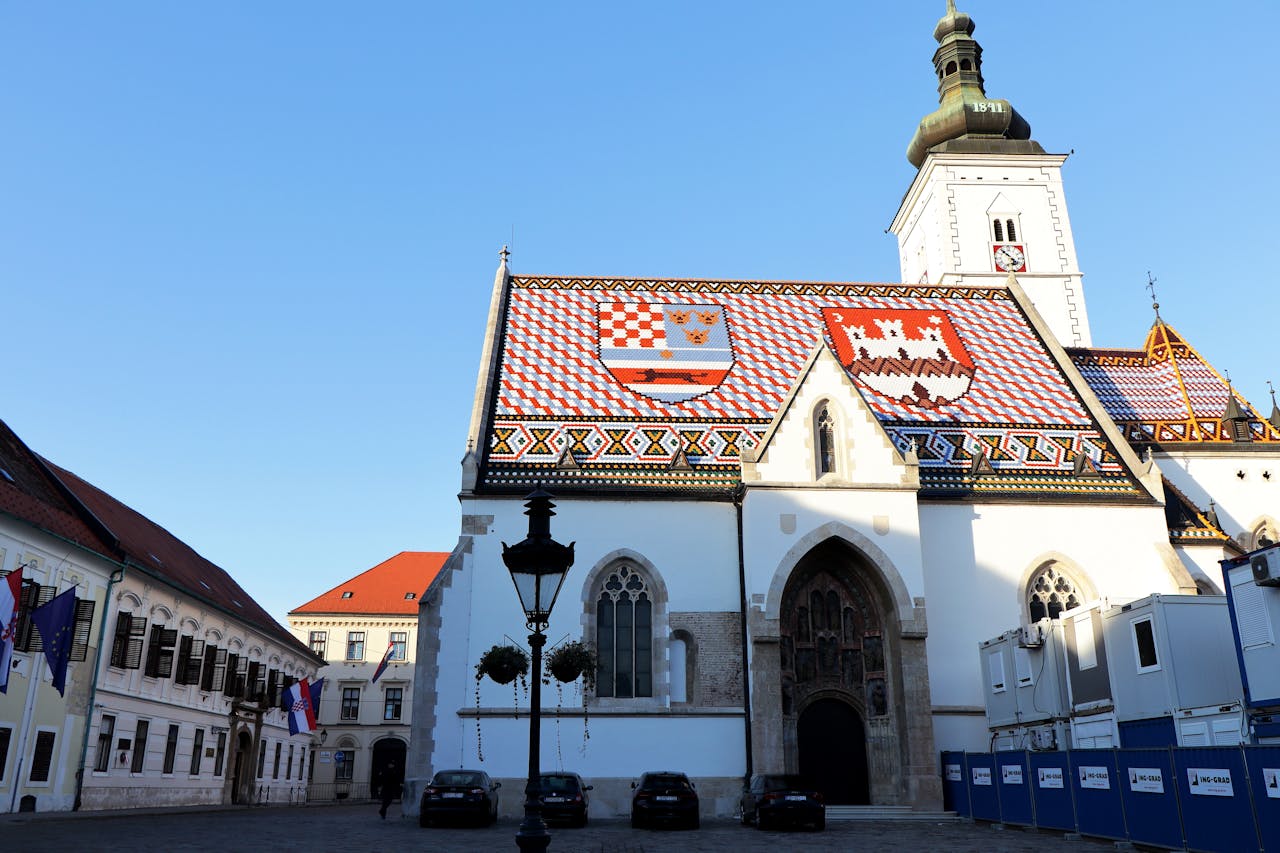
- St. Mark's Church: Recognizable by its colorful tiled roof representing the historical coats of arms of Croatia. It is small, but the ultimate symbol of the city's character.
- Museum of Broken Relationships: One of the most original stops in Europe. It exhibits objects donated by people from all over the world that represent the end of a relationship, accompanied by real stories. Check more on their official website.
- Lotrščak Tower: Offers one of the best 360-degree views of the city. Every day at noon, a cannon is fired from its upper window, a tradition that has lasted for over a century.
Lower Town (Donji Grad) and Local Life
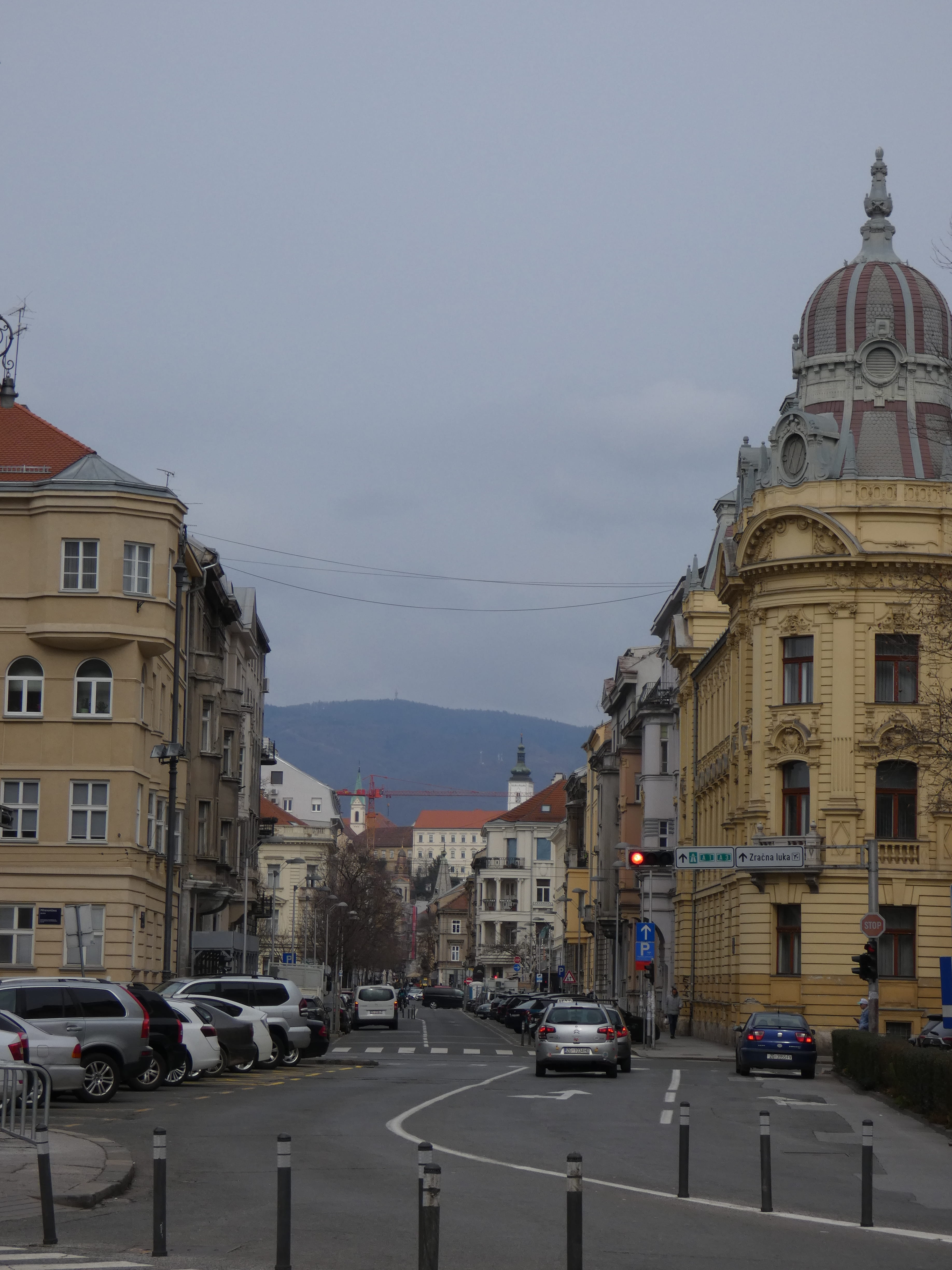
This is the area of wide squares, museums, and vibrant coffee culture. It is organized around the "Lenuci Horseshoe," a U-shaped set of parks that runs through the center.
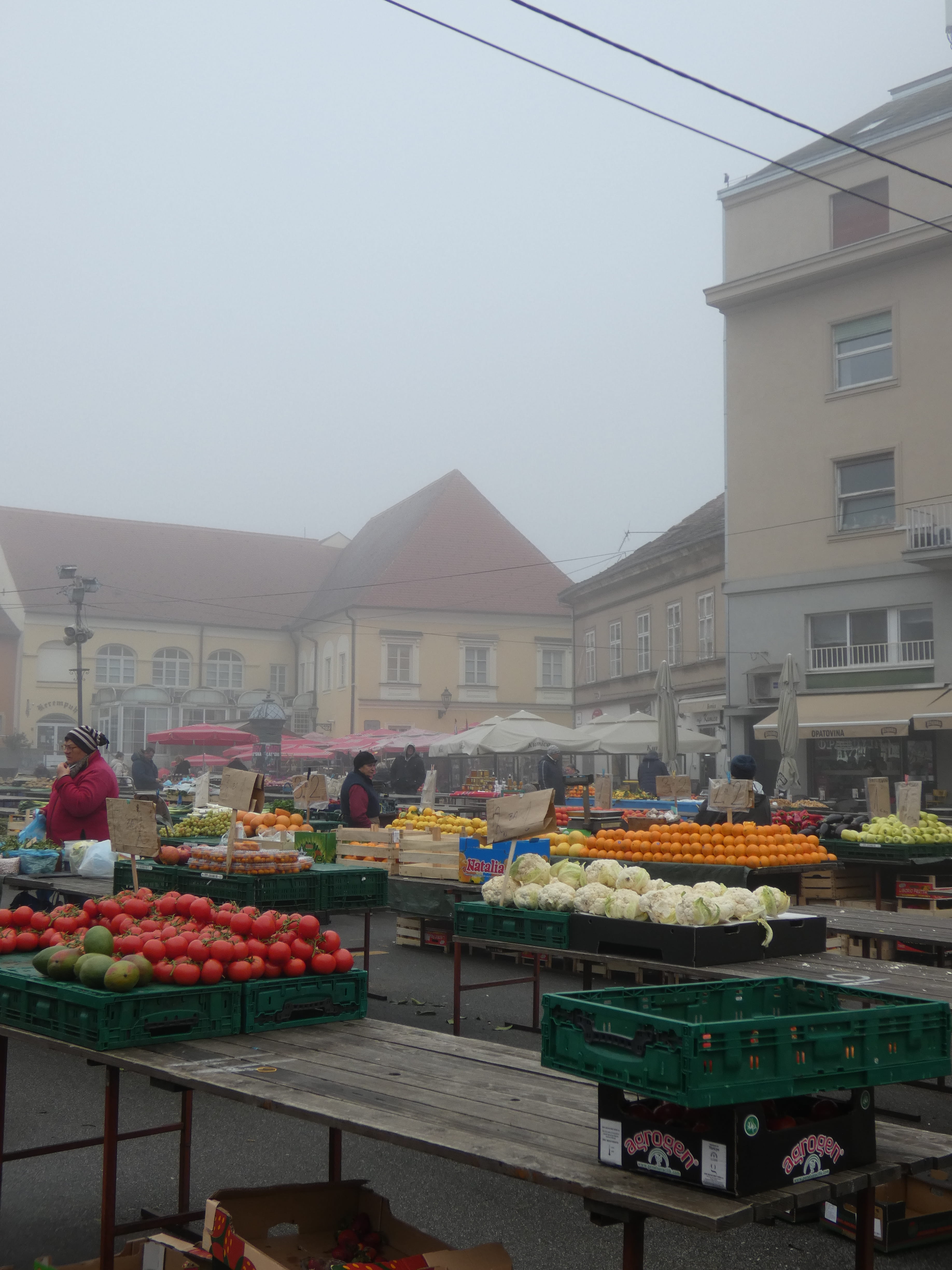
- Dolac Market: The most important market in the city. Under its iconic red umbrellas, fruit, vegetables, and local cheeses are sold. It is the key spot to witness the daily life of Zagreb's inhabitants.
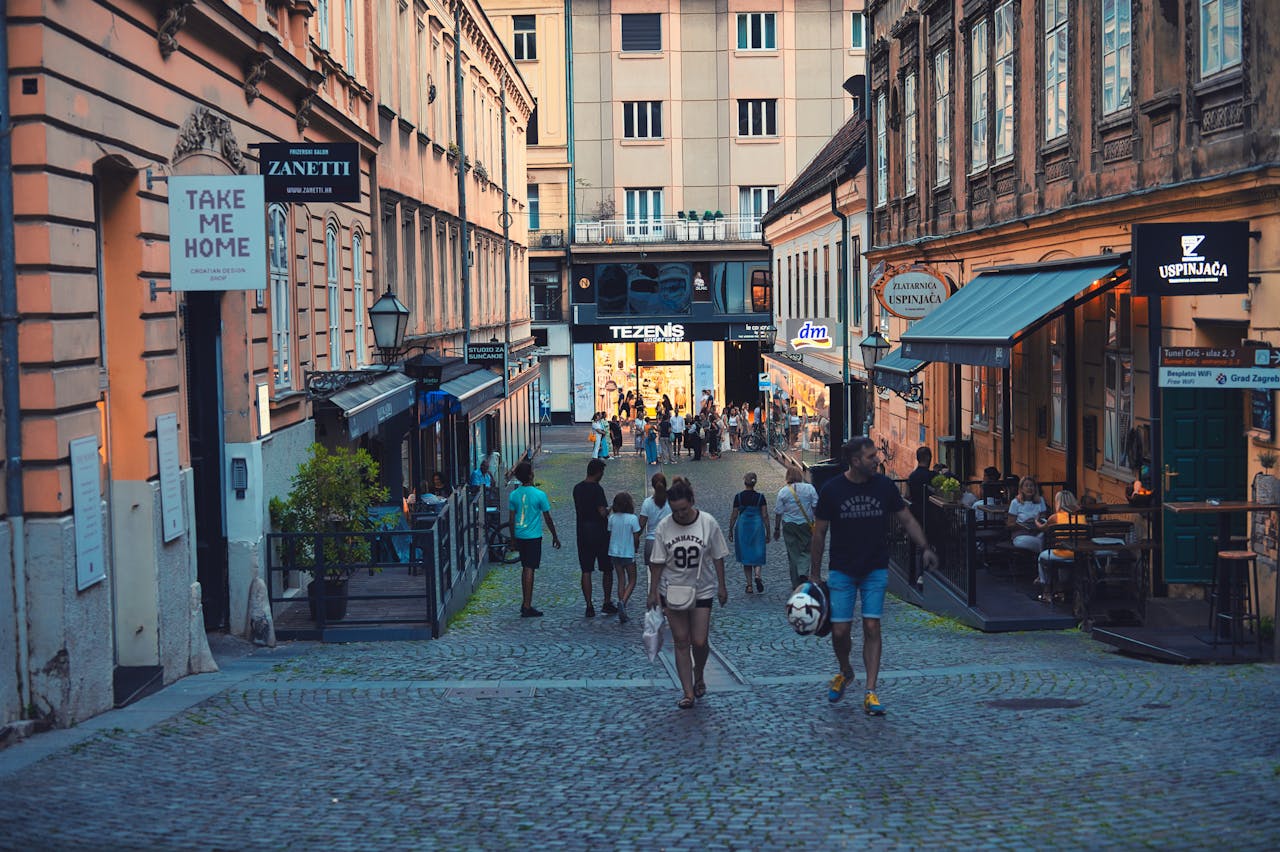
- Tkalčićeva Street: A former mill area now converted into the city's liveliest pedestrian street, full of bars, pubs, and cafes with terraces.
- Grič Tunnel: A former World War II air-raid shelter that today functions as an underground pedestrian passage. It is a curious and cool way to cross beneath the Upper Town.
How to get around in Zagreb
The Croatian capital is extremely easy to navigate, but it has its logistical tricks that save you time and money:
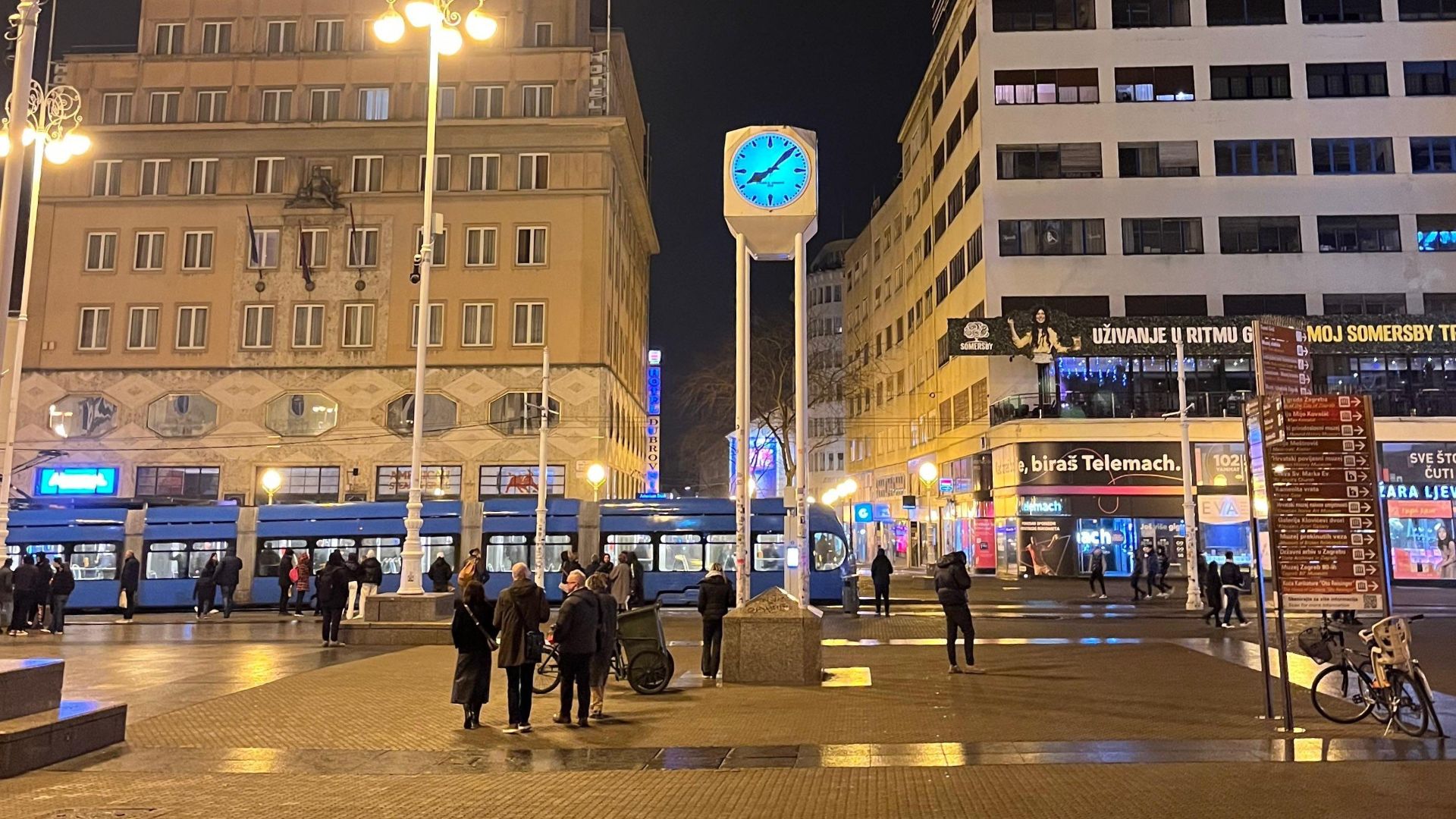
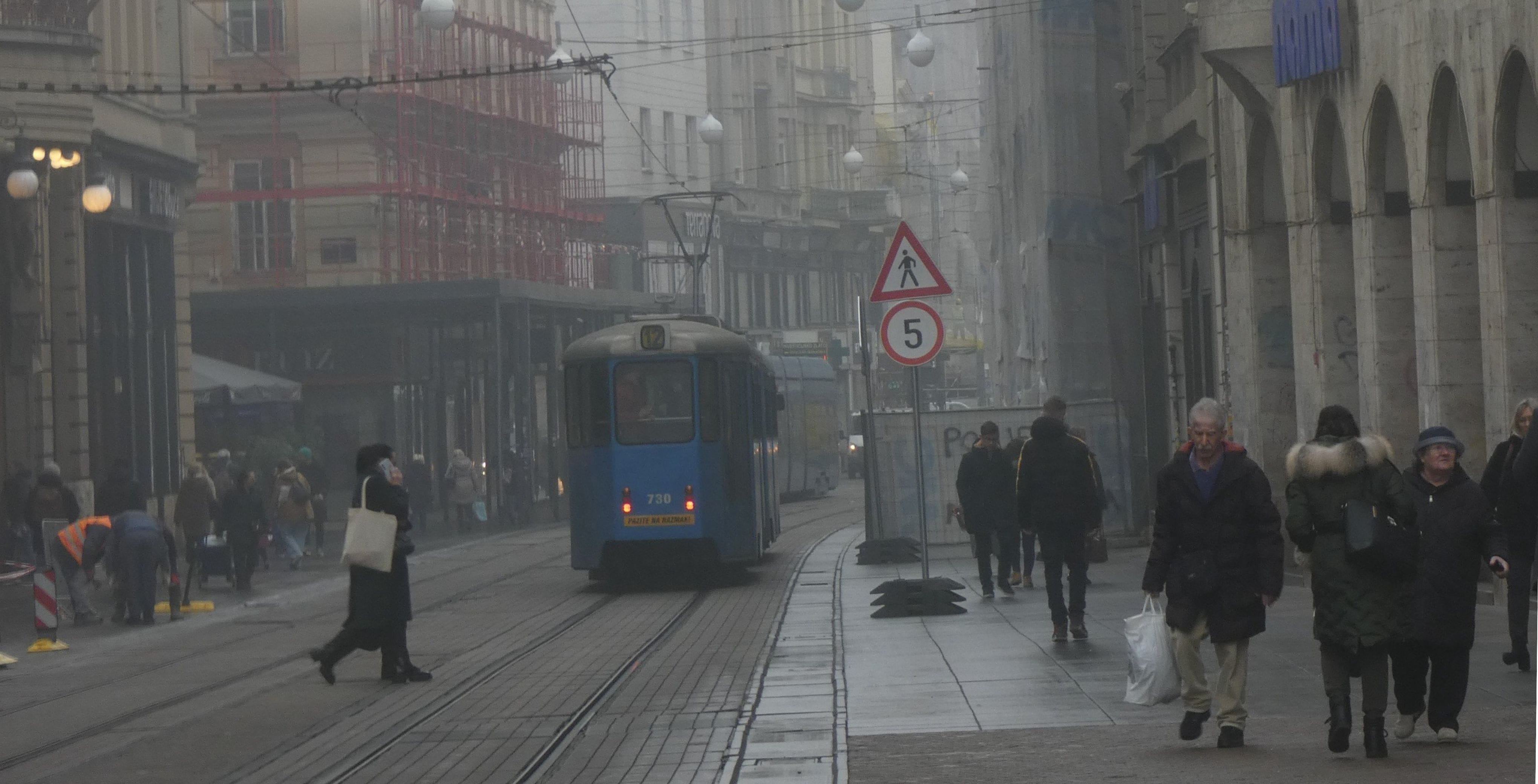
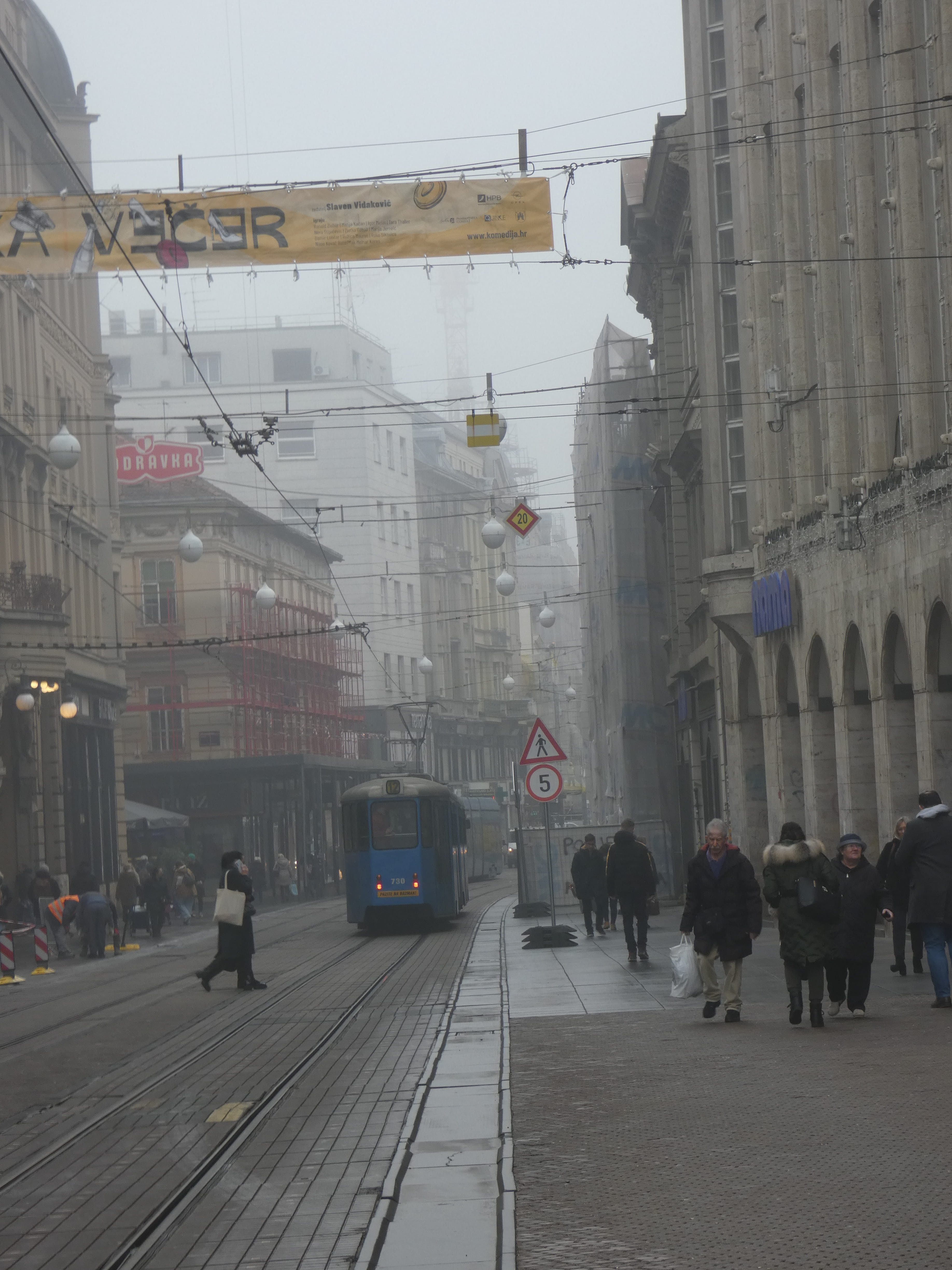
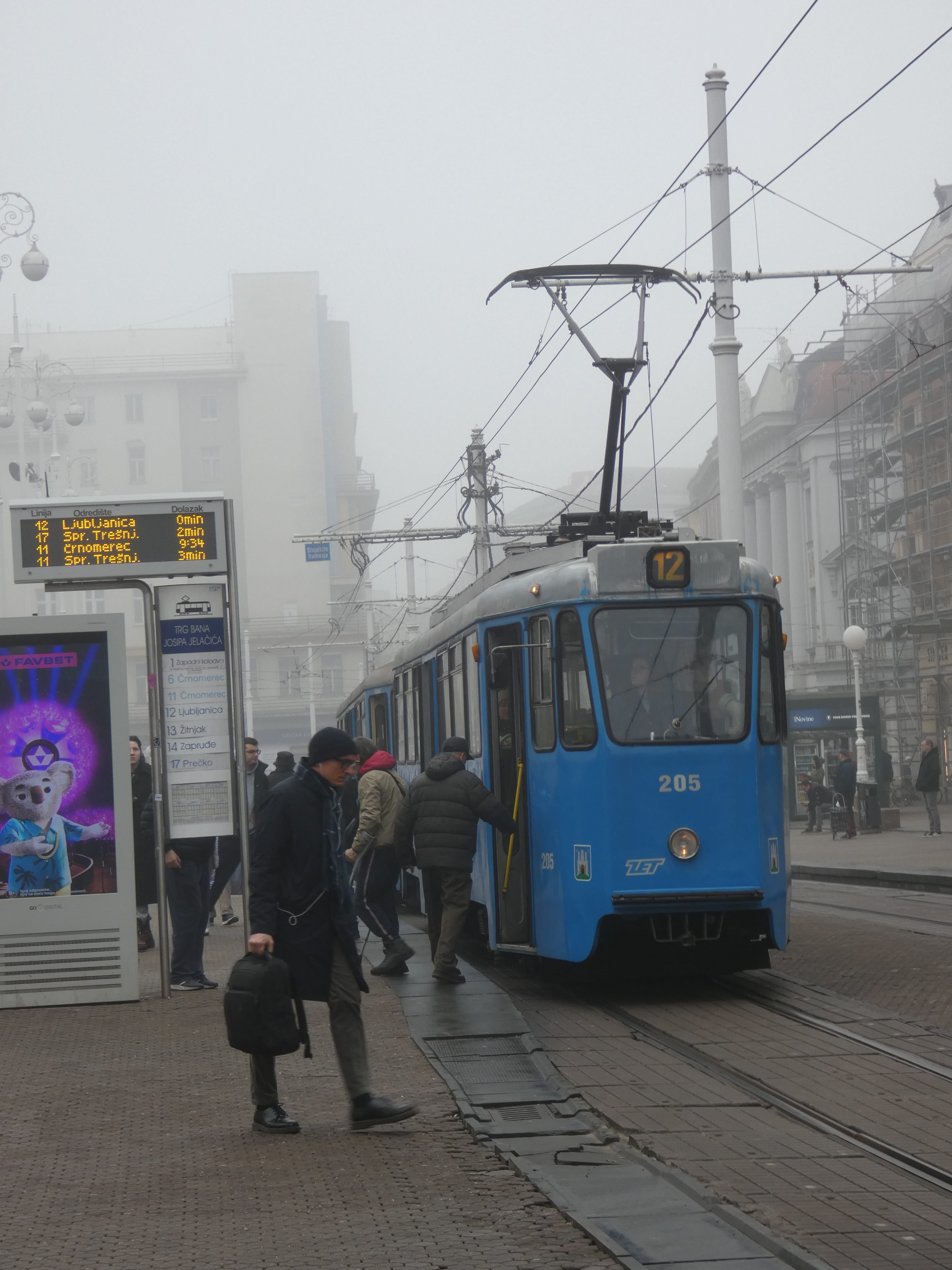
- Blue Tram (ZET): This is the heart of transport in Zagreb. Lines 1, 6, 11, 12, 13, 14, and 17 are the ones that pass through the center most frequently. You can buy individual 30 or 60-minute tickets at Tisak kiosks (they are cheaper than buying them on the tram).
- Zagreb Funicular: It holds the record for the shortest funicular in the world with only a 66-meter journey. It connects Ilica Street (Lower Town) with the Lotrščak Tower (Upper Town). It’s a trip of barely a minute that costs less than one euro.
- On foot: Most city center attractions are less than a 15-minute walk from each other. Zagreb is a city designed for pedestrians.
- ZET App: In 2026, the transport system's mobile app allows you to top up virtual balance and see in real-time how long until the next tram arrives.
- Train: The Central Station (Glavni Kolodvor) connects Zagreb with cities like Split or international destinations like Vienna and Budapest.
What to eat in Zagreb
-
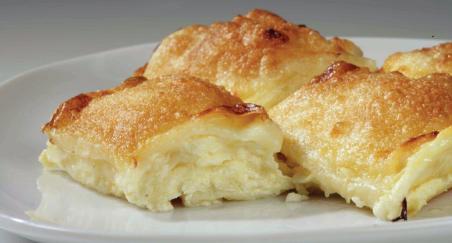
Štrukli: The most typical dish. Dough filled with cottage cheese and cream, which can be served boiled or baked.
-
Ćevapi: Small spiced meat sausages served in flatbread (lepinja) with chopped onions.
-
Zagreb Schnitzel: Veal stuffed with ham and cheese, breaded and fried. A heritage of Central European cuisine.
-
Coffee Culture: Sitting on a terrace to watch the world go by is the national sport. Pair it with a slice of Kremšnita (custard slice).
Tips and characteristics
-
Currency: Euro (€).
-
Prices: Notably more affordable than on the Croatian coast, especially compared to Dubrovnik or Split.
-
Weather: Continental; winters with frequent snow and warm summers. The Zagreb Christmas Market has been voted the best in Europe on several occasions.
-
Safety: One of the safest capitals in the world; you can walk around with total peace of mind at any time.
-
Water Quality: In Zagreb, tap water is drinkable and excellent; there are historic fountains throughout the city where you can refill your bottle for free.
-
Sundays: Keep in mind that since 2024, a law limits shop openings on Sundays (only 16 Sundays a year are allowed). If you need to buy something at a supermarket, do it on Saturday.
Our experience traveling through Zagreb
Zagreb is a city to be enjoyed without haste. Its charm lies in the details: the sound of the bells, the color of the umbrellas in Dolac, and the ritual of having coffee on Saturday mornings (known as Špica).
It is a destination that perfectly balances a trip through Croatia, providing an authentic and close urban experience. It is the ideal place to understand the true Croatian identity beyond its beaches.
Upper Town (Gornji Grad)
This is the medieval core of the city. Here, time seems to stand still among gas lanterns that are still hand-lit every night. It is the most photogenic area, with cobblestone streets and the most important government buildings.
- St. Mark's Church: Recognizable by its colorful tiled roof representing the historical coats of arms of Croatia. It is small, but the ultimate symbol of the city's character.
- Museum of Broken Relationships: One of the most original stops in Europe. It exhibits objects donated by people from all over the world that represent the end of a relationship, accompanied by real stories. Check more on their official website.
- Lotrščak Tower: Offers one of the best 360-degree views of the city. Every day at noon, a cannon is fired from its upper window, a tradition that has lasted for over a century.
Lower Town (Donji Grad) and Local Life
This is the area of wide squares, museums, and vibrant coffee culture. It is organized around the "Lenuci Horseshoe," a U-shaped set of parks that runs through the center.
- Dolac Market: The most important market in the city. Under its iconic red umbrellas, fruit, vegetables, and local cheeses are sold. It is the key spot to witness the daily life of Zagreb's inhabitants.
- Tkalčićeva Street: A former mill area now converted into the city's liveliest pedestrian street, full of bars, pubs, and cafes with terraces.
- Grič Tunnel: A former World War II air-raid shelter that today functions as an underground pedestrian passage. It is a curious and cool way to cross beneath the Upper Town.
PUBLICIDAD
Travel with Data: Get your Saily eSIM
- ✓Internet in seconds upon landing
- ✓Flexible plans in 180+ countries
- ✓Easy setup directly via the App
The Croatian capital is extremely easy to navigate, but it has its logistical tricks that save you time and money:
- Blue Tram (ZET): This is the heart of transport in Zagreb. Lines 1, 6, 11, 12, 13, 14, and 17 are the ones that pass through the center most frequently. You can buy individual 30 or 60-minute tickets at Tisak kiosks (they are cheaper than buying them on the tram).
- Zagreb Funicular: It holds the record for the shortest funicular in the world with only a 66-meter journey. It connects Ilica Street (Lower Town) with the Lotrščak Tower (Upper Town). It’s a trip of barely a minute that costs less than one euro.
- On foot: Most city center attractions are less than a 15-minute walk from each other. Zagreb is a city designed for pedestrians.
- ZET App: In 2026, the transport system's mobile app allows you to top up virtual balance and see in real-time how long until the next tram arrives.
- Train: The Central Station (Glavni Kolodvor) connects Zagreb with cities like Split or international destinations like Vienna and Budapest.
-
Štrukli: The most typical dish. Dough filled with cottage cheese and cream, which can be served boiled or baked.
-
Ćevapi: Small spiced meat sausages served in flatbread (lepinja) with chopped onions.
-
Zagreb Schnitzel: Veal stuffed with ham and cheese, breaded and fried. A heritage of Central European cuisine.
-
Coffee Culture: Sitting on a terrace to watch the world go by is the national sport. Pair it with a slice of Kremšnita (custard slice).
-
Currency: Euro (€).
-
Prices: Notably more affordable than on the Croatian coast, especially compared to Dubrovnik or Split.
-
Weather: Continental; winters with frequent snow and warm summers. The Zagreb Christmas Market has been voted the best in Europe on several occasions.
-
Safety: One of the safest capitals in the world; you can walk around with total peace of mind at any time.
-
Water Quality: In Zagreb, tap water is drinkable and excellent; there are historic fountains throughout the city where you can refill your bottle for free.
-
Sundays: Keep in mind that since 2024, a law limits shop openings on Sundays (only 16 Sundays a year are allowed). If you need to buy something at a supermarket, do it on Saturday.
PUBLICIDAD
Zagreb is a city to be enjoyed without haste. Its charm lies in the details: the sound of the bells, the color of the umbrellas in Dolac, and the ritual of having coffee on Saturday mornings (known as Špica).
It is a destination that perfectly balances a trip through Croatia, providing an authentic and close urban experience. It is the ideal place to understand the true Croatian identity beyond its beaches.
Galery
PUBLICIDAD
International Travel Insurance
- ✓International medical insurance
- ✓24/7 immediate assistance in your language
- ✓Ideal for trekking & adventure
Posts in Croacia
Preferences
Language
Color
Text
Width


