
Table of contents and map
Guía de Croacia por tu cuenta: ruta por la capital y la costa dálmata
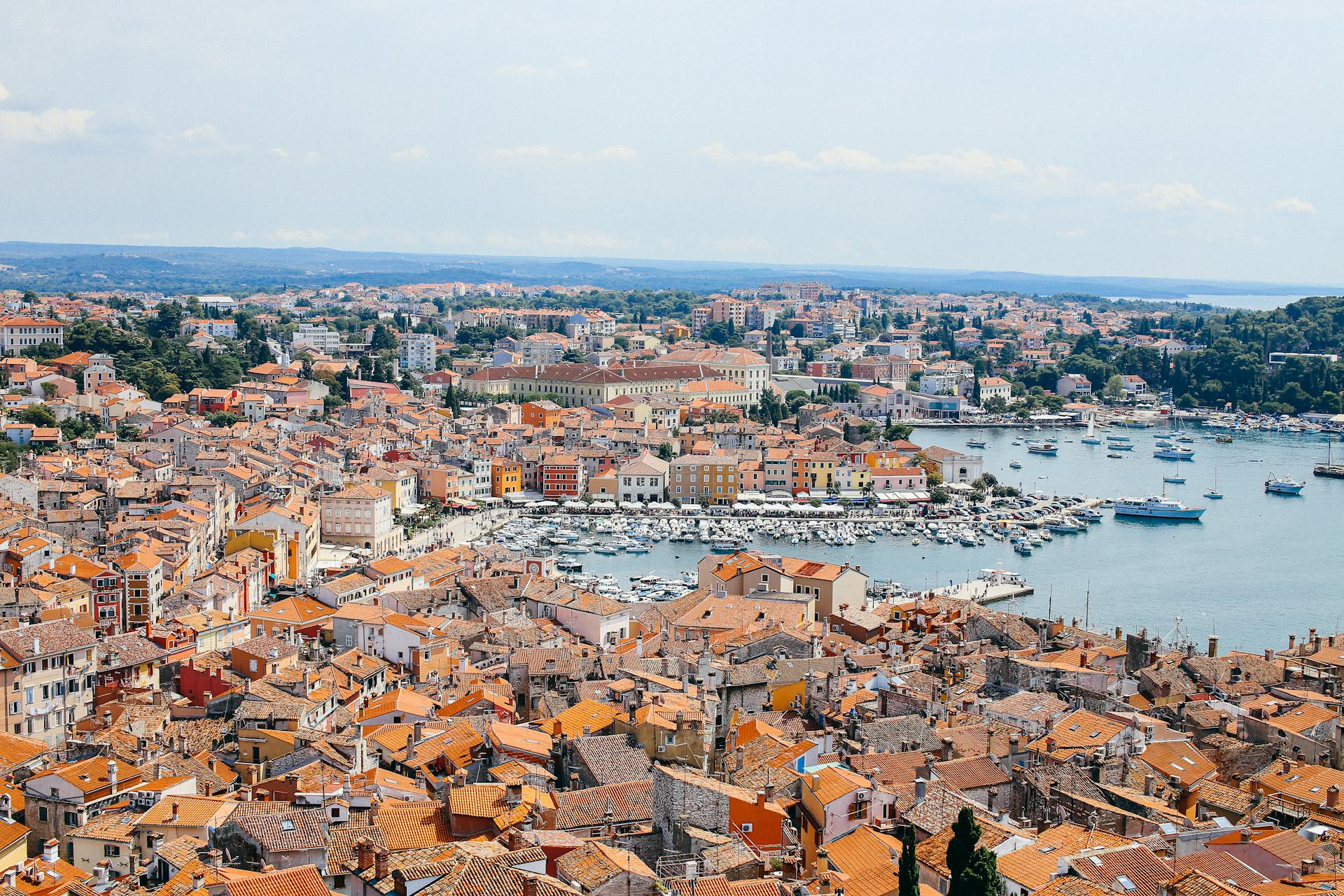
Un destino donde el mar Adriático se encuentra con ciudades medievales, islas de aguas cristalinas y parques naturales espectaculares. Su costa recortada, pueblos históricos y paisajes verdes la convierten en un lugar perfecto para explorar, relajarse y descubrir cultura en cada rincón.
Guía de Croacia por tu cuenta: ruta por la capital y la costa dálmata
Un destino donde el mar Adriático se encuentra con ciudades medievales, islas de aguas cristalinas y parques naturales espectaculares. Su costa recortada, pueblos históricos y paisajes verdes la convierten en un lugar perfecto para explorar, relajarse y descubrir cultura en cada rincón.
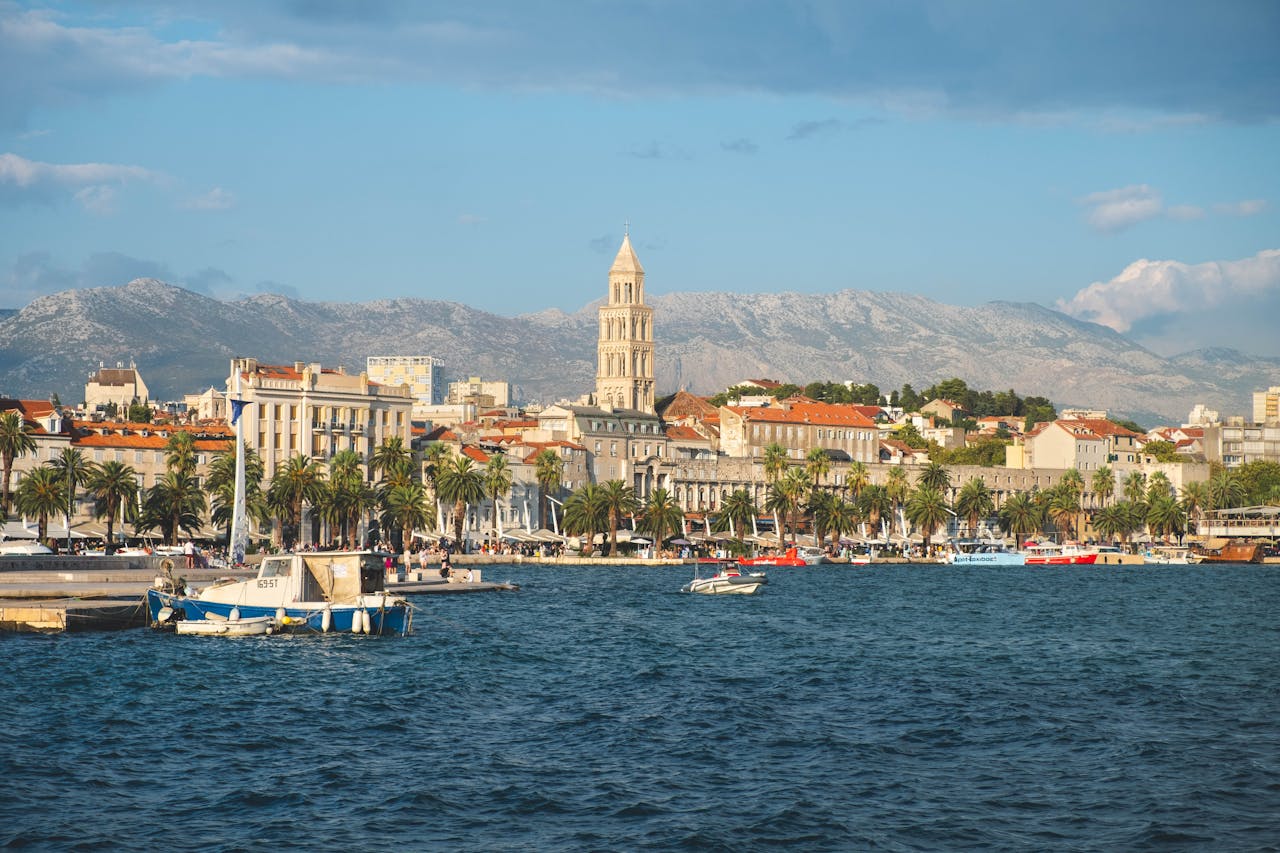
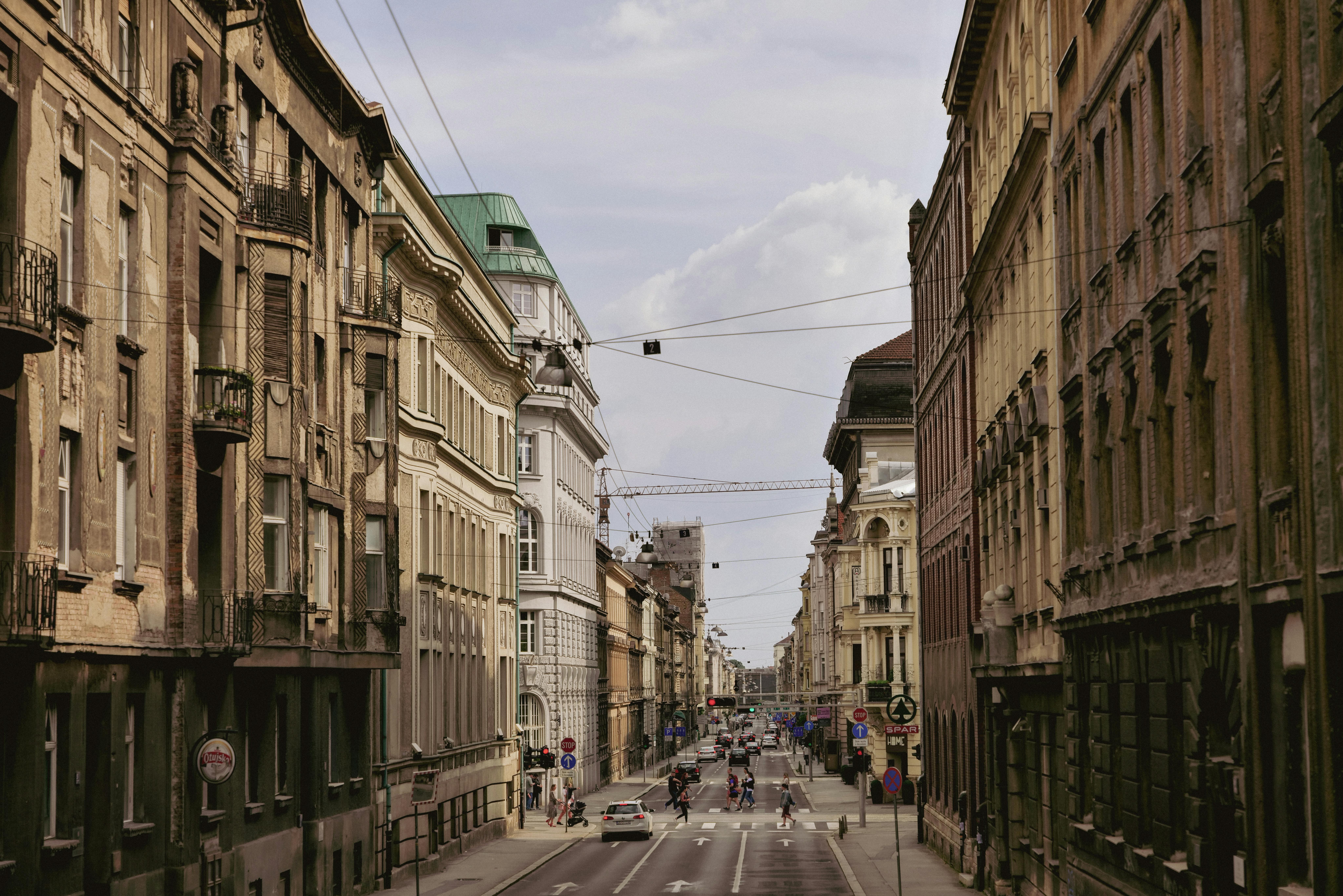
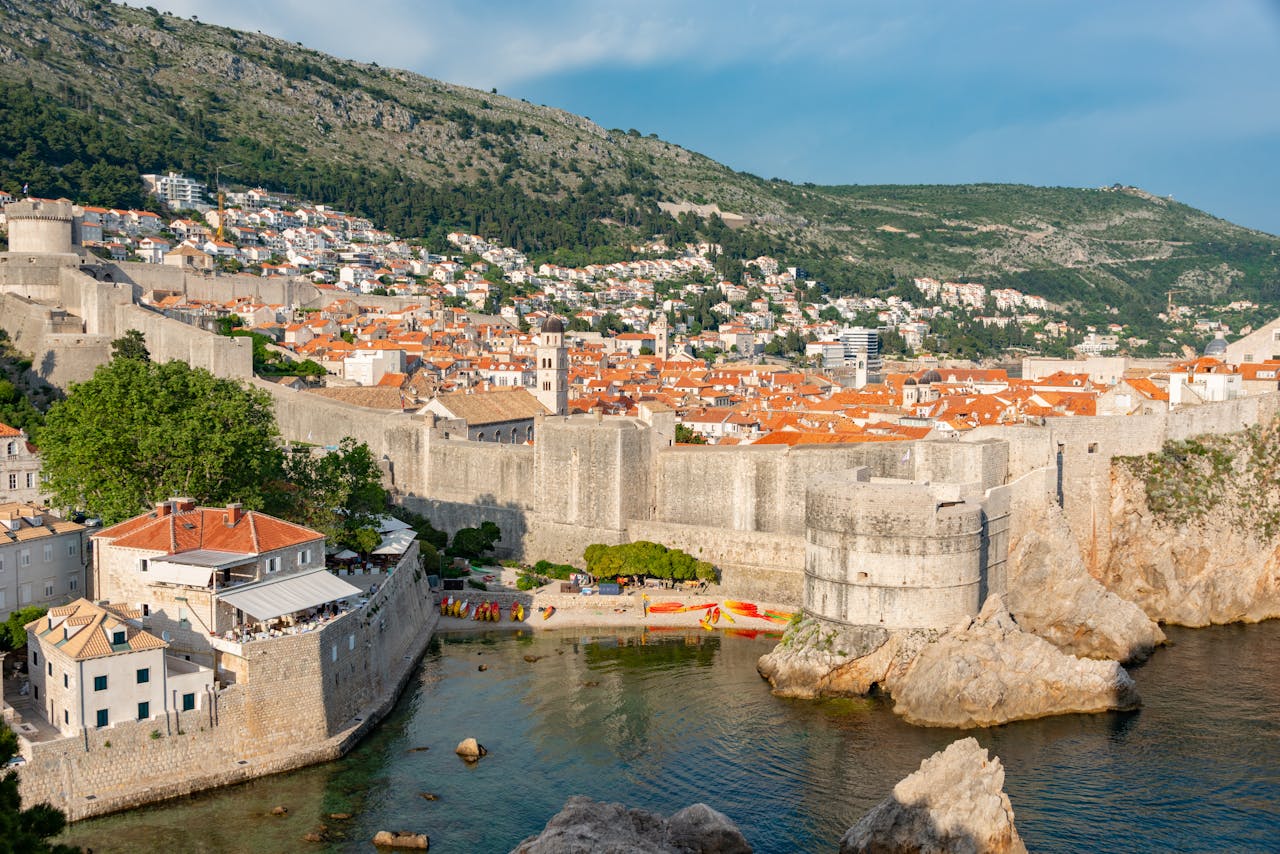
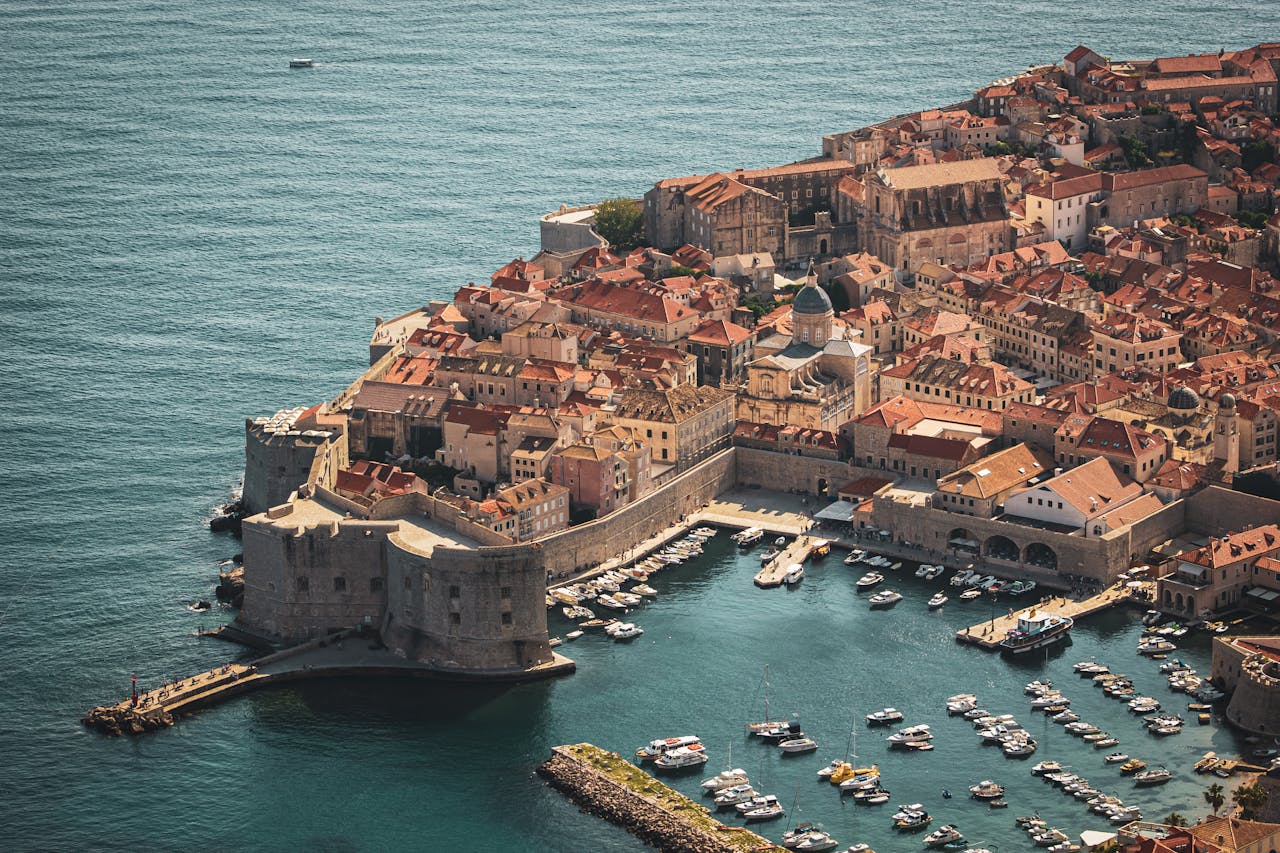
Hicimos base por una semana en la capital, Zagreb, algunos dias en Split y dos semanas en Dubrovnik, una ciudad amurallada en la costa dálmata mundialmente conocida como la "Perla del Adriático" por su belleza y valor histórico.
Croacia es uno de los países más completos y fáciles de recorrer de Europa. Desde su entrada al espacio Schengen, moverte por sus fronteras es sumamente ágil. Combina ciudades históricas, islas accesibles y parques naturales únicos. Su tamaño permite armar rutas variadas sin grandes traslados, ideal tanto para viajes tranquilos como activos.
Destinos imperdibles de Croacia
-
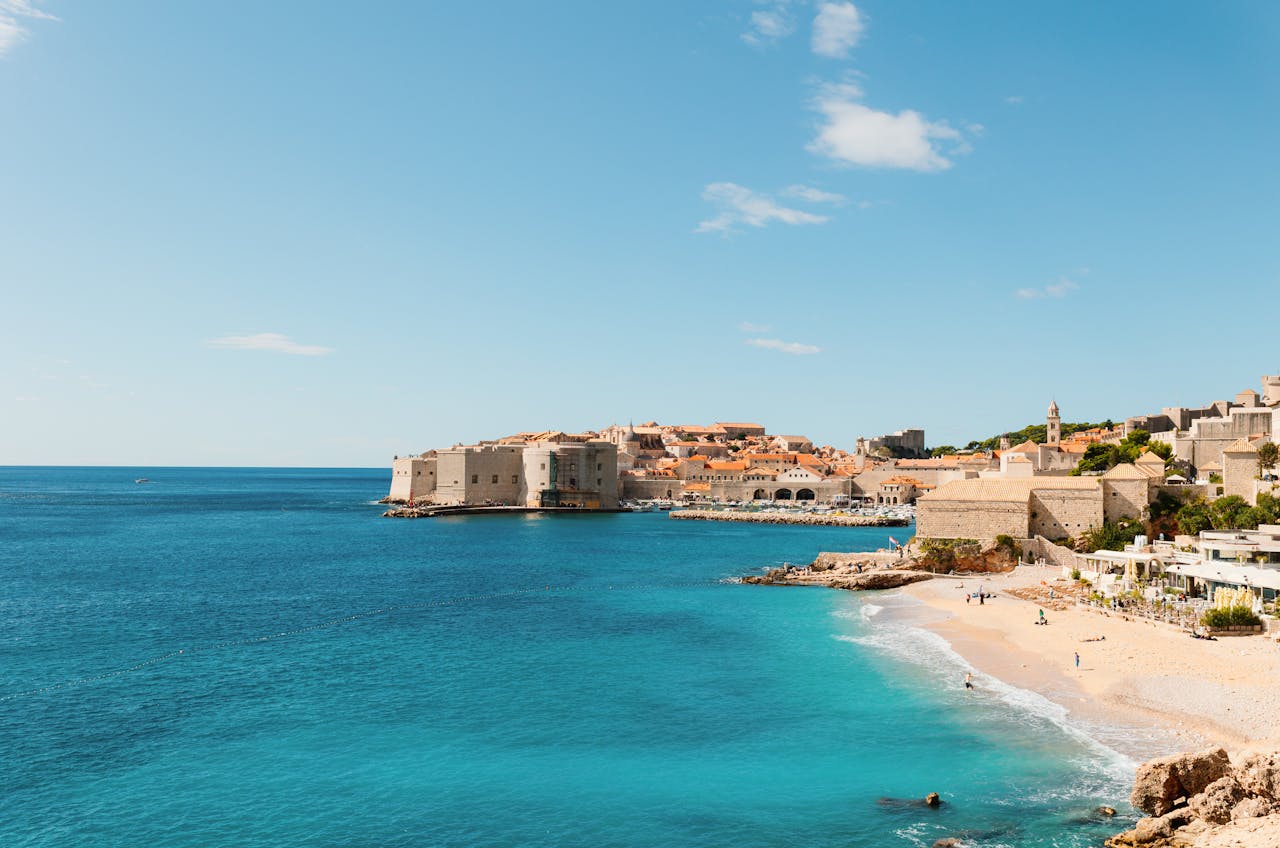
Dubrovnik – Ciudad amurallada, patrimonio histórico y vistas al Adriático.
-
Split – Palacio de Diocleciano, playas urbanas y vida local.
-
Hvar – Isla famosa por sus playas, fiesta y casco histórico.
-
Zagreb – Capital cultural, museos y ambiente local.
-
Plitvice Lakes National Park – Lagos turquesas y cascadas, uno de los parques más bellos de Europa.
-
Krka National Park – Cascadas y senderos naturales, muy accesible desde la costa.
-
Rovinj – Ciudad costera romántica de estilo veneciano.
-
Zadar – Centro histórico y el famoso Órgano del Mar.
-
Korčula – Isla medieval, vinos y playas tranquilas.
Qué comer en Croacia (imperdibles)
La gastronomía croata varía según la región: mediterránea en la costa y más contundente en el interior.
-
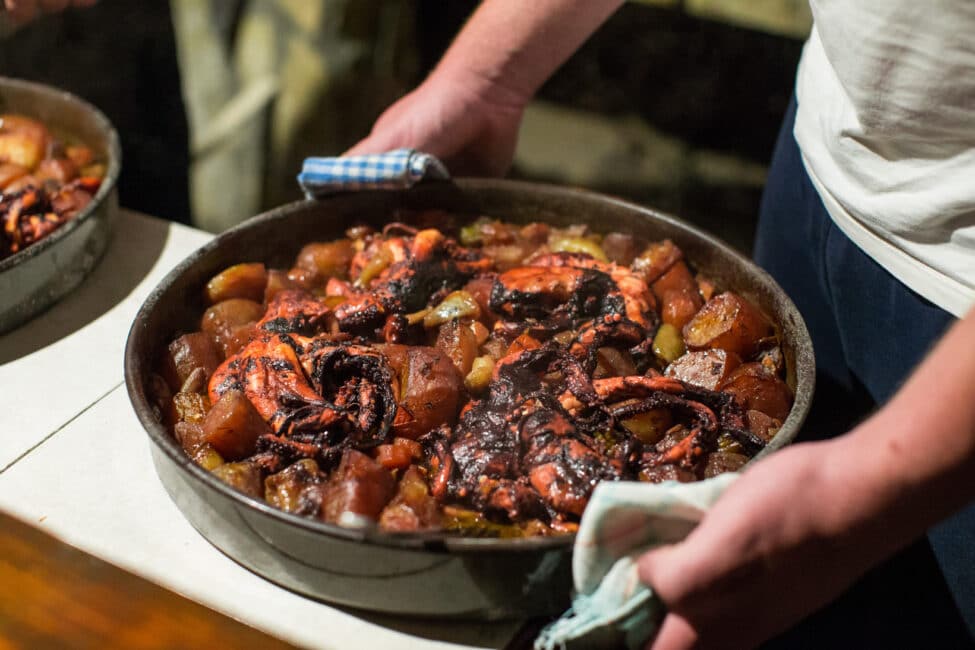
Peka – Carne o pulpo cocido lentamente bajo una campana de hierro cubierta de brasas. Es el plato nacional por excelencia.
-
Risotto negro (Crni Rižot) – Hecho con tinta de calamar, un sabor intenso a mar típico de Dalmacia.
-
Ćevapi – Pequeñas salchichas de carne servidas en pan de pita, herencia de los Balcanes.
-
Pašticada – Ternera marinada y cocida a fuego lento, servida con gnocchis.
-
Queso de Pag – Un queso de oveja premiado mundialmente, con un toque salino único.
-
Vinos croatas – No dejes de probar el Pošip (blanco) o el Plavac Mali (tinto).
Cómo moverse por Croacia
Croacia es un país ideal para recorrer por tierra y mar:
-
Auto – La mejor opción para la costa. Dato Pro: Gracias al nuevo Puente de Pelješac, ya podés ir de Split a Dubrovnik sin tener que cruzar la frontera de Bosnia.
-
Ferry – Fundamental para las islas. Podés consultar horarios y precios en la web oficial de Jadrolinija.
-
Bus – Muy puntual y eficiente. Conecta ciudades grandes y pueblos pequeños a precios muy razonables.
-
Tren – Funciona bien para conectar Zagreb con el interior, pero no es la mejor opción para la costa sur.
Mejor época para viajar
-
Mayo a junio y Septiembre: Para nosotros, la mejor época. Clima perfecto, mar cálido y sin las multitudes de julio.
-
Julio y agosto: Temporada altísima. Mucho calor y precios más elevados, pero con toda la vida nocturna a pleno.
-
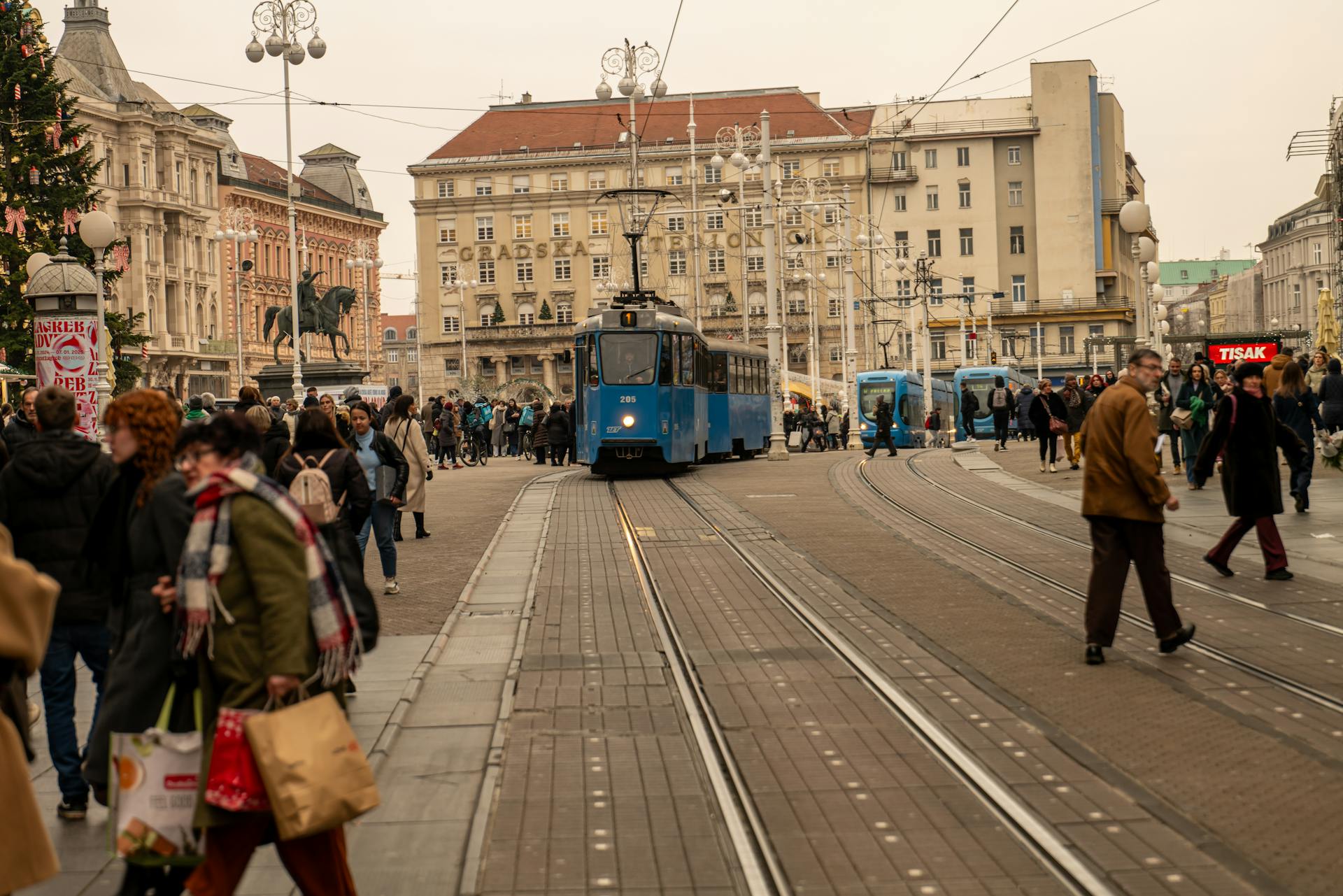
Invierno: Ideal para ver los mercados de Navidad en Zagreb (premiados como los mejores de Europa), aunque la costa se vuelve muy tranquila.
Consejos útiles para viajar por Croacia
-
Calzado: Llevá siempre zapatillas de agua. Las playas son de piedras y hay muchos erizos de mar.
-
Cruceros: En Dubrovnik, chequeá cuándo llegan los cruceros grandes y tratá de recorrer la ciudad vieja temprano a la mañana o tarde a la noche.
-
Efectivo: Aunque el Euro es la moneda oficial y aceptan tarjetas en casi todos lados, llevá algo de efectivo para heladerías pequeñas o puestos de mercado.
-
Parques Nacionales: En Plitvice y Krka, comprá las entradas online con días de antelación, ya que tienen cupos limitados por hora.
Nuestra experiencia viajando por Croacia
Croacia transmite una mezcla de historia romana, veneciana y balcánica que no encontrás en otro lado. Nos sorprendió la transparencia del agua (parece una pileta) y lo seguro que se siente el país a cualquier hora. Es un destino que te obliga a bajar un cambio, sentarte en una "konoba" (taberna típica) y disfrutar del ritmo del Adriático.
-
Dubrovnik – Ciudad amurallada, patrimonio histórico y vistas al Adriático.
-
Split – Palacio de Diocleciano, playas urbanas y vida local.
-
Hvar – Isla famosa por sus playas, fiesta y casco histórico.
-
Zagreb – Capital cultural, museos y ambiente local.
-
Plitvice Lakes National Park – Lagos turquesas y cascadas, uno de los parques más bellos de Europa.
-
Krka National Park – Cascadas y senderos naturales, muy accesible desde la costa.
-
Rovinj – Ciudad costera romántica de estilo veneciano.
-
Zadar – Centro histórico y el famoso Órgano del Mar.
-
Korčula – Isla medieval, vinos y playas tranquilas.
PUBLICIDAD
Travel with Data: Get your Saily eSIM
- ✓Internet in seconds upon landing
- ✓Flexible plans in 180+ countries
- ✓Easy setup directly via the App
La gastronomía croata varía según la región: mediterránea en la costa y más contundente en el interior.
-
Peka – Carne o pulpo cocido lentamente bajo una campana de hierro cubierta de brasas. Es el plato nacional por excelencia.
-
Risotto negro (Crni Rižot) – Hecho con tinta de calamar, un sabor intenso a mar típico de Dalmacia.
-
Ćevapi – Pequeñas salchichas de carne servidas en pan de pita, herencia de los Balcanes.
-
Pašticada – Ternera marinada y cocida a fuego lento, servida con gnocchis.
-
Queso de Pag – Un queso de oveja premiado mundialmente, con un toque salino único.
-
Vinos croatas – No dejes de probar el Pošip (blanco) o el Plavac Mali (tinto).
Croacia es un país ideal para recorrer por tierra y mar:
-
Auto – La mejor opción para la costa. Dato Pro: Gracias al nuevo Puente de Pelješac, ya podés ir de Split a Dubrovnik sin tener que cruzar la frontera de Bosnia.
-
Ferry – Fundamental para las islas. Podés consultar horarios y precios en la web oficial de Jadrolinija.
-
Bus – Muy puntual y eficiente. Conecta ciudades grandes y pueblos pequeños a precios muy razonables.
-
Tren – Funciona bien para conectar Zagreb con el interior, pero no es la mejor opción para la costa sur.
-
Mayo a junio y Septiembre: Para nosotros, la mejor época. Clima perfecto, mar cálido y sin las multitudes de julio.
-
Julio y agosto: Temporada altísima. Mucho calor y precios más elevados, pero con toda la vida nocturna a pleno.
-
Invierno: Ideal para ver los mercados de Navidad en Zagreb (premiados como los mejores de Europa), aunque la costa se vuelve muy tranquila.
-
Calzado: Llevá siempre zapatillas de agua. Las playas son de piedras y hay muchos erizos de mar.
-
Cruceros: En Dubrovnik, chequeá cuándo llegan los cruceros grandes y tratá de recorrer la ciudad vieja temprano a la mañana o tarde a la noche.
-
Efectivo: Aunque el Euro es la moneda oficial y aceptan tarjetas en casi todos lados, llevá algo de efectivo para heladerías pequeñas o puestos de mercado.
-
Parques Nacionales: En Plitvice y Krka, comprá las entradas online con días de antelación, ya que tienen cupos limitados por hora.
PUBLICIDAD
Croacia transmite una mezcla de historia romana, veneciana y balcánica que no encontrás en otro lado. Nos sorprendió la transparencia del agua (parece una pileta) y lo seguro que se siente el país a cualquier hora. Es un destino que te obliga a bajar un cambio, sentarte en una "konoba" (taberna típica) y disfrutar del ritmo del Adriático.
PUBLICIDAD
International Travel Insurance
- ✓International medical insurance
- ✓24/7 immediate assistance in your language
- ✓Ideal for trekking & adventure
Preferences
Language
Color
Text
Width


