Table of contents and map
Arica Guide 2026: Beaches, Chinchorro Culture, and El Morro
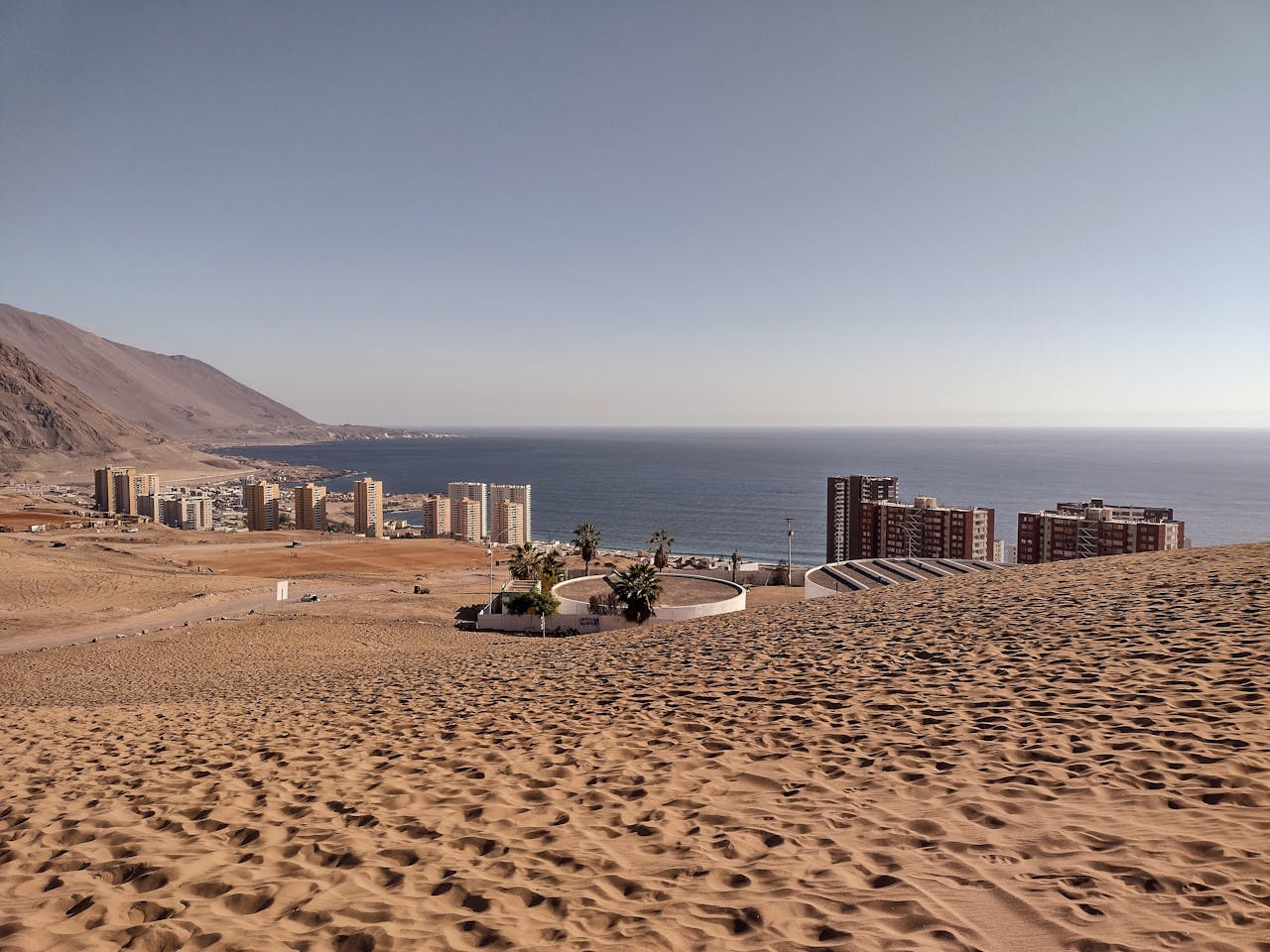
Arica is the gateway to the Chilean north, where the desert meets the Pacific under a sun that never rests. It is a city of contrasts: from the oldest mummies in the world to waves that are legends in the surfing world, all guarded by the imposing Morro.
Arica Guide 2026: Beaches, Chinchorro Culture, and El Morro
Arica is the gateway to the Chilean north, where the desert meets the Pacific under a sun that never rests. It is a city of contrasts: from the oldest mummies in the world to waves that are legends in the surfing world, all guarded by the imposing Morro.
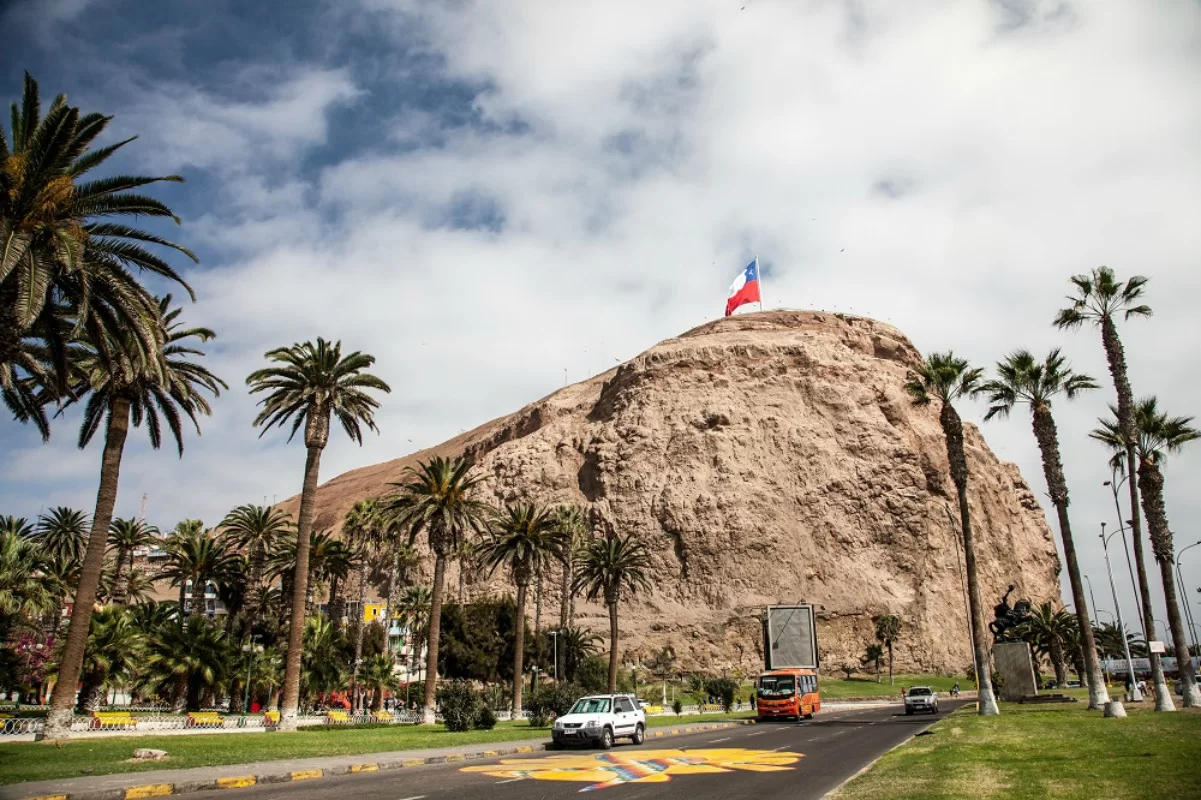
Arica is much more than just a border city. It is a destination that combines millenary history with a relaxed and athletic pace. Thanks to its privileged climate, it is the ideal place for those seeking the beach at any time of the year or for those planning to venture into the vastness of the Chilean highlands.
What to See and Do in Arica: Must-Sees
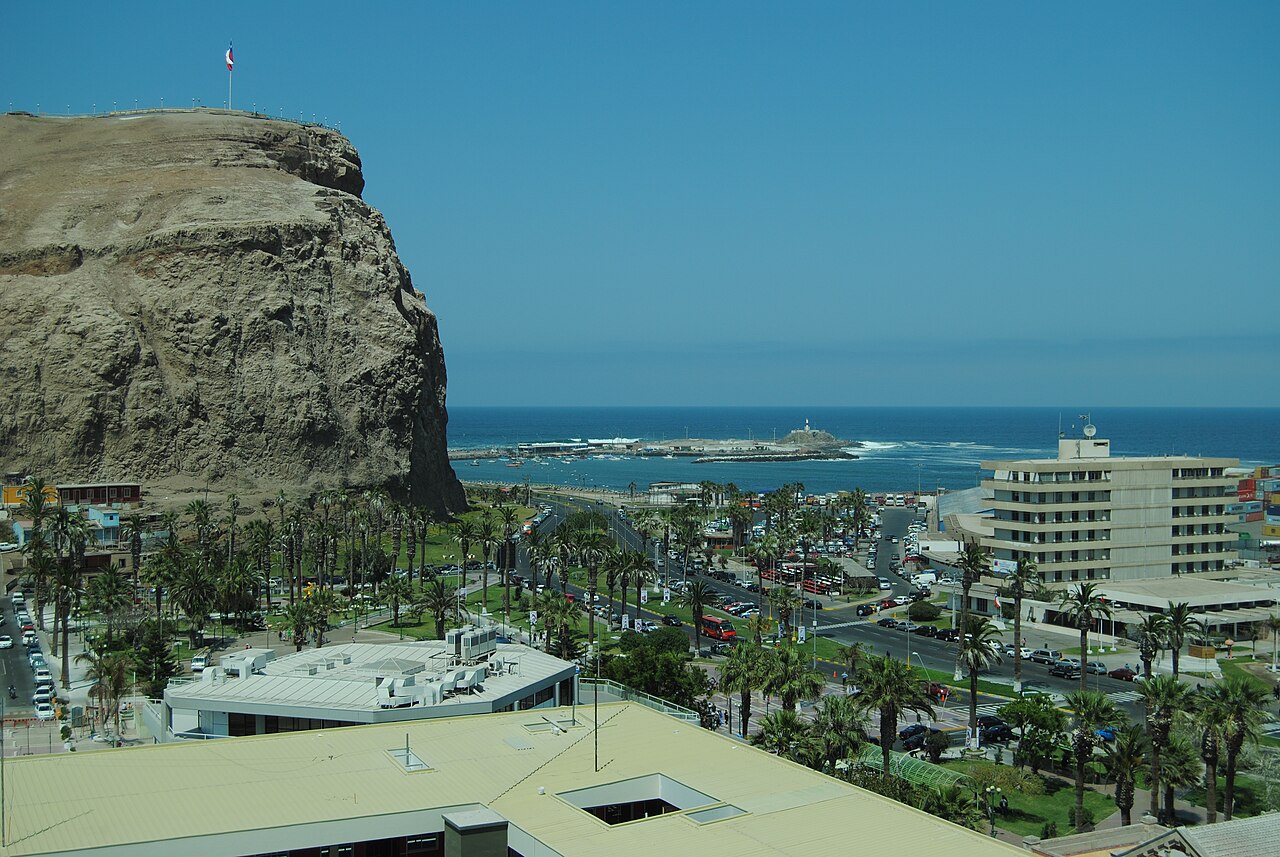
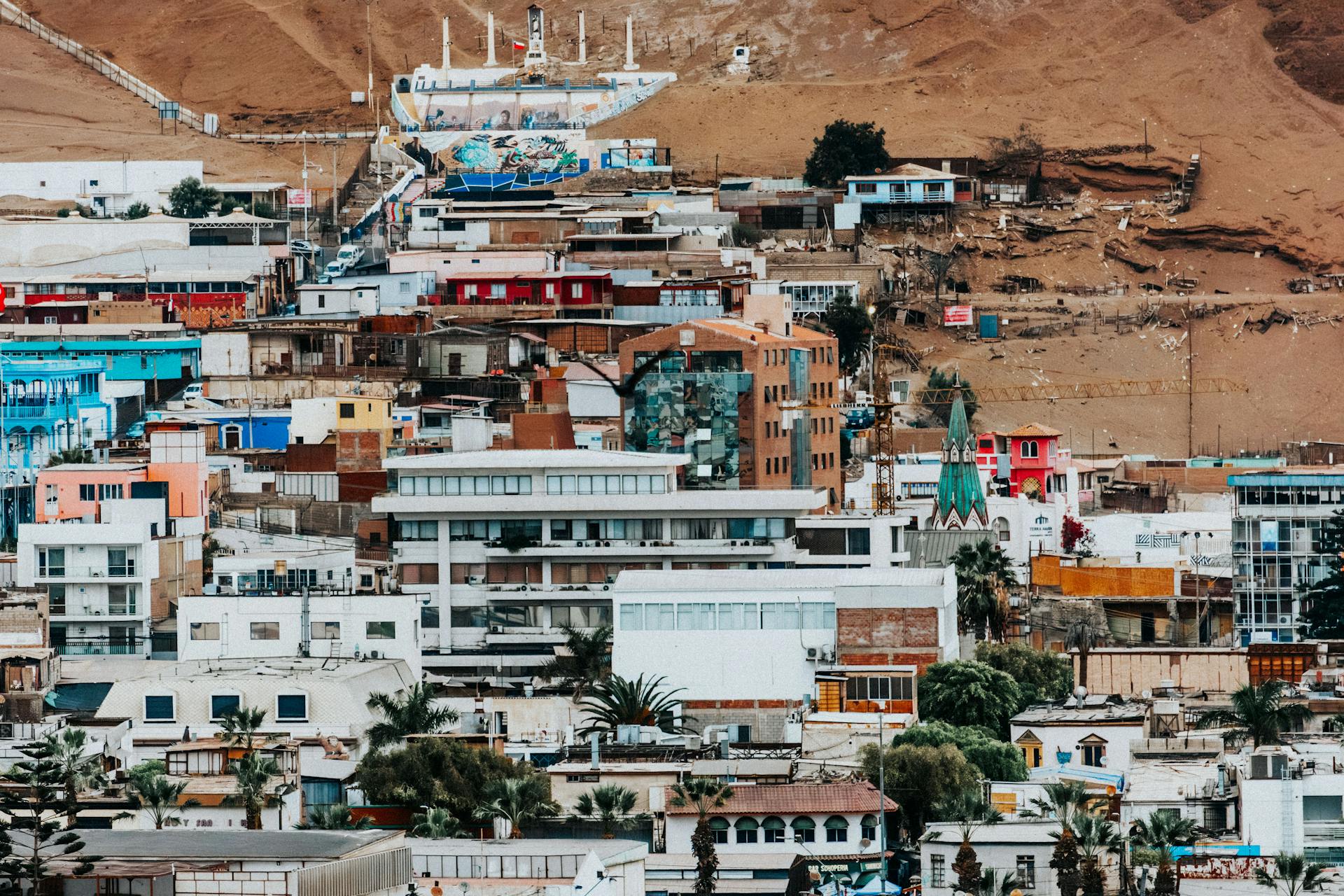
- El Morro de Arica - The indisputable symbol of the city. You can go up by car or on foot for the best panoramic view. In addition to its historical value from the War of the Pacific, it is the best place to understand the geography of the area.
- Chinchorro Culture and San Miguel de Azapa Museum - Arica is home to the oldest mummies in the world (predating the Egyptian ones). The museum in the Azapa Valley is a mandatory stop to understand this fascinating culture.
- Surfing the 'El Gringo' Wave - Located on Alacrán Island, it is one of the most famous and dangerous waves in the world. If you don't surf, watching the experts from the shore is a spectacle in itself.
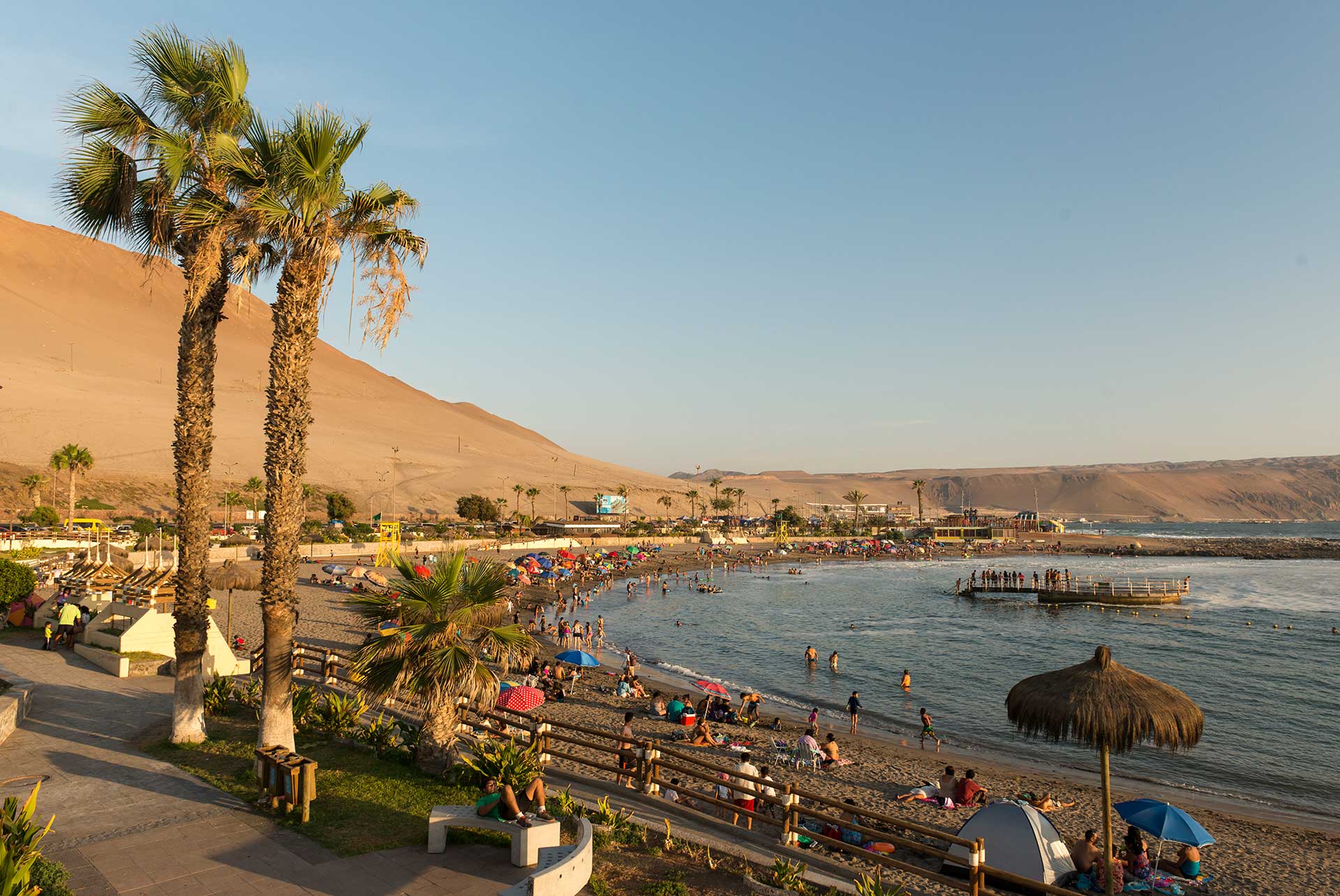
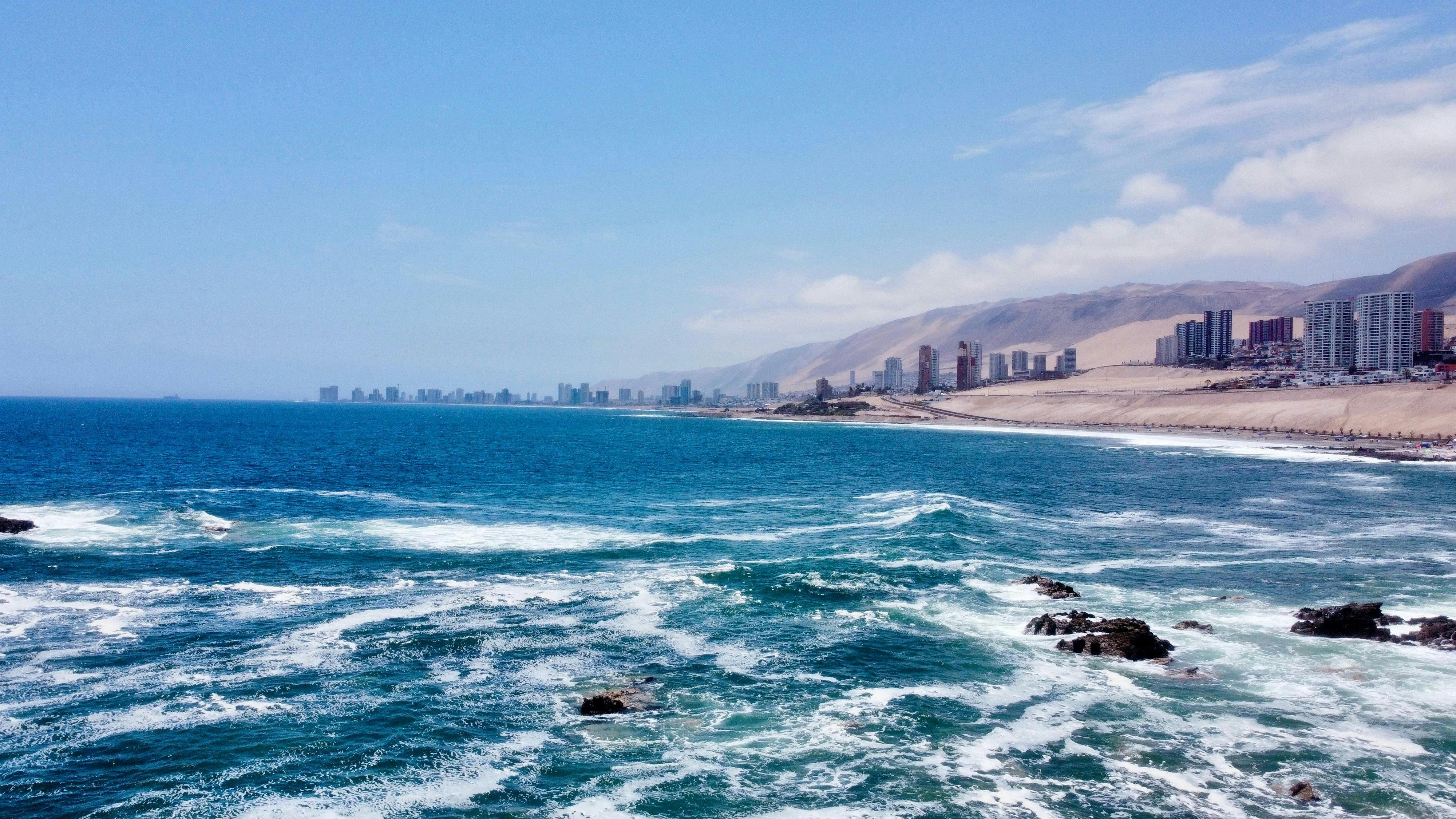
- Playa Cavancha and Playa Las Machas - Ideal for walking, sunbathing, or starting out in surfing. Las Machas is known for its strong currents, while El Laucho is perfect for a calm swim.
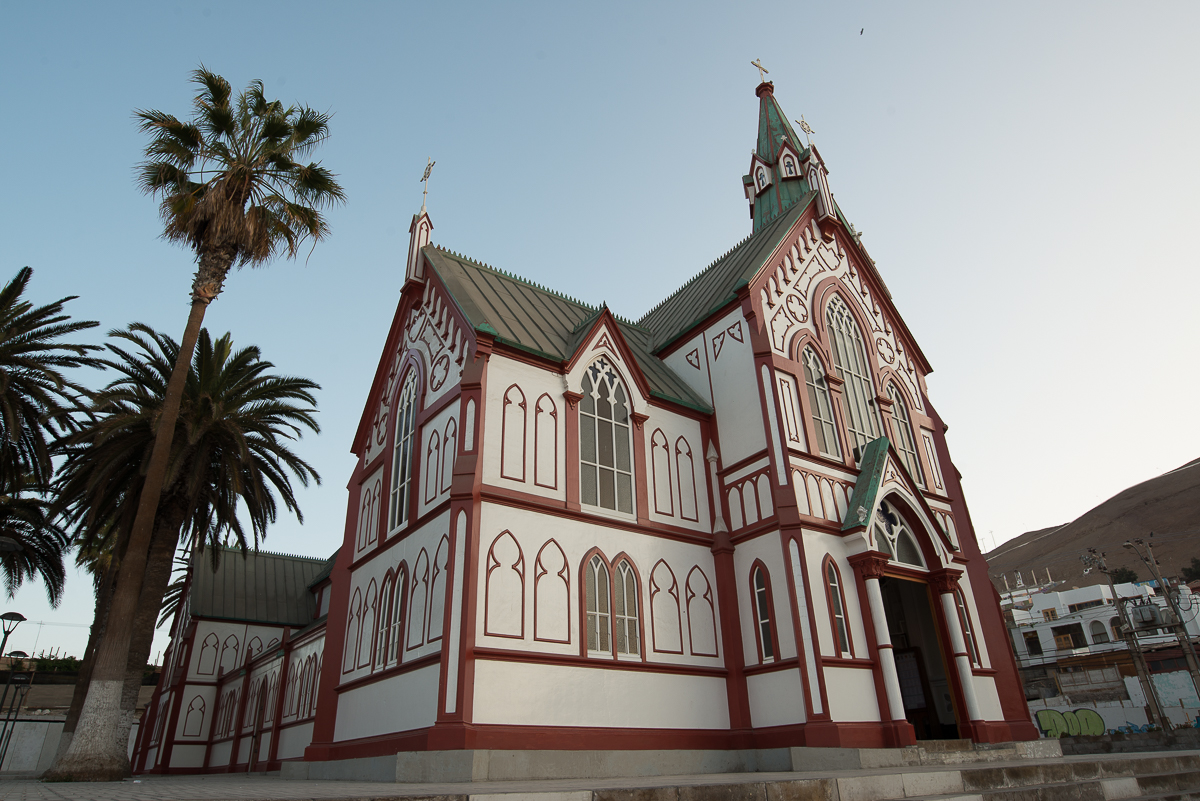
- San Marcos Cathedral - A gem designed by Gustave Eiffel's workshops. It is a cast-iron structure that survives impeccably in the center of the city.
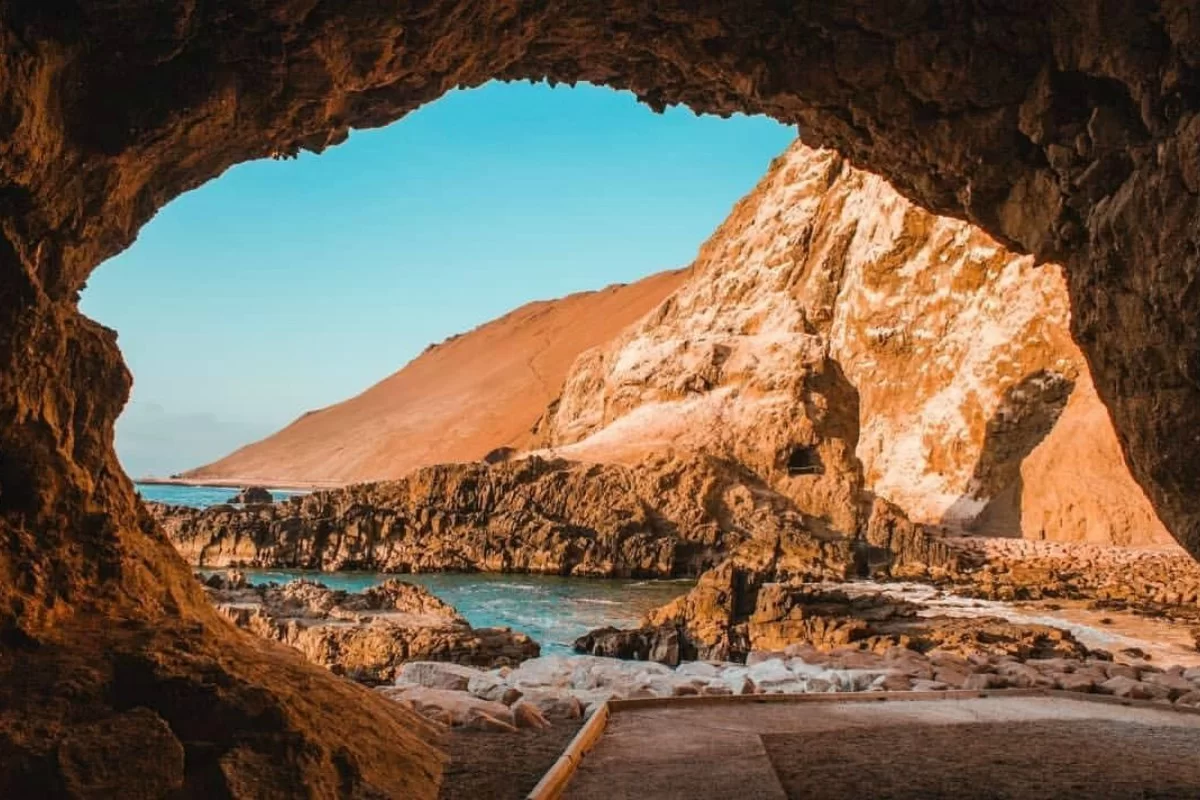
- Anzota Caves - A coastal path bordering impressive cliffs where the Chinchorro people used to gather shellfish. It is ideal for seeing marine fauna and light trekking.
Nearby Experiences (Day Trips)
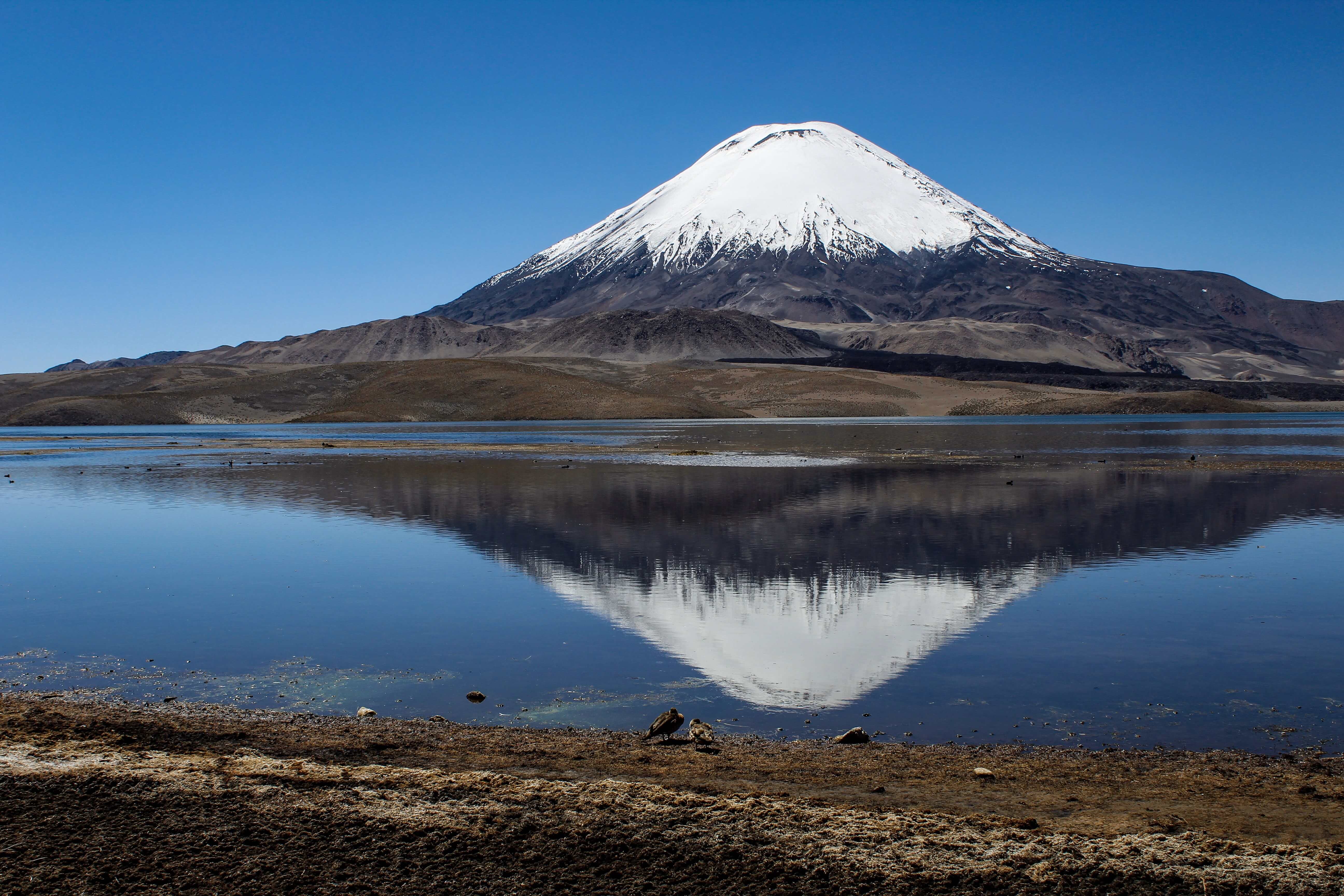
- Putre and Lauca National Park - Arica is the base for ascending to the highlands. Seeing Lake Chungará and the Payachatas volcanoes at over 4,500 meters high is one of the most powerful experiences in Chile.
- Azapa Valley - Famous for its olives and geoglyphs (giant figures on the hills). It is a green oasis in the middle of the desert.
- Agropecuario Market - If you want to experience the real Arica, visit this market. It is the meeting point for Chilean, Peruvian, and Bolivian products.
What to Eat in Arica
- Azapa Olives – Famous throughout Chile for their violet color and intense flavor.
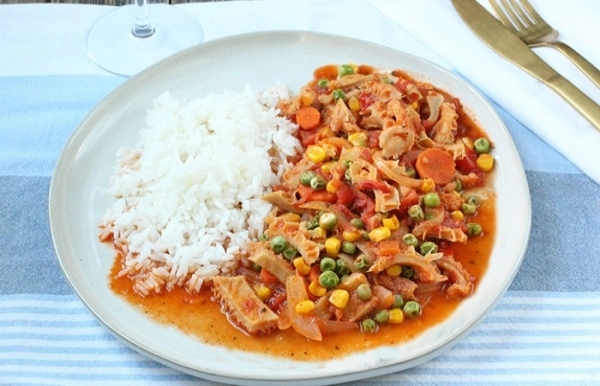
- Picante de Guatitas – A dish with strong Andean influence, ideal for those seeking hearty local flavors.
- Fresh Fish and Seafood – At the Fishing Terminal (at the foot of the Morro), you can eat ceviches and seafood platters fresh from the sea.
- Natural Fruit Juice – Due to the nearby valleys, mango, guava, and passion fruit juices are spectacular and very common in the markets.
Tips for your 2026 Visit
- Climate: It is called the city of eternal spring because it almost never rains and the temperature is constant (20-25°C). Even so, if you go to the highlands, bring high-mountain clothing for the extreme cold.
- Watch the Sun: The UV index in northern Chile is among the highest in the world. Always use sunscreen, even if it is cloudy.
- Proximity to Peru: Tacna is only 1 hour away. It is very common to cross for the day for shopping or gastronomy, but remember to bring your ID/passport and patience for customs.
- Transportation: "Micros" and collectives (fixed-route taxis) work excellently and are very economical for moving between the beaches and the center.
Our Experience Traveling in Arica
We were in Arica, and what surprised us most was its light and the sense of space. It is a city that feels authentic, without excessive tourist filters. Walking along the coastline at sunset, watching the surfers, and finishing with a fresh dinner near the port helps you understand why many decide to stay longer than planned. It is the perfect entry point for those coming down from Peru or up from central Chile, offering a warm and history-filled break before facing the altitude of the highlands or the void of the Atacama.
You Might Also Be Interested In
- El Morro de Arica - The indisputable symbol of the city. You can go up by car or on foot for the best panoramic view. In addition to its historical value from the War of the Pacific, it is the best place to understand the geography of the area.
- Chinchorro Culture and San Miguel de Azapa Museum - Arica is home to the oldest mummies in the world (predating the Egyptian ones). The museum in the Azapa Valley is a mandatory stop to understand this fascinating culture.
- Surfing the 'El Gringo' Wave - Located on Alacrán Island, it is one of the most famous and dangerous waves in the world. If you don't surf, watching the experts from the shore is a spectacle in itself.
- Playa Cavancha and Playa Las Machas - Ideal for walking, sunbathing, or starting out in surfing. Las Machas is known for its strong currents, while El Laucho is perfect for a calm swim.
- San Marcos Cathedral - A gem designed by Gustave Eiffel's workshops. It is a cast-iron structure that survives impeccably in the center of the city.
- Anzota Caves - A coastal path bordering impressive cliffs where the Chinchorro people used to gather shellfish. It is ideal for seeing marine fauna and light trekking.
PUBLICIDAD
Travel with Data: Get your Saily eSIM
- ✓Internet in seconds upon landing
- ✓Flexible plans in 180+ countries
- ✓Easy setup directly via the App
- Putre and Lauca National Park - Arica is the base for ascending to the highlands. Seeing Lake Chungará and the Payachatas volcanoes at over 4,500 meters high is one of the most powerful experiences in Chile.
- Azapa Valley - Famous for its olives and geoglyphs (giant figures on the hills). It is a green oasis in the middle of the desert.
- Agropecuario Market - If you want to experience the real Arica, visit this market. It is the meeting point for Chilean, Peruvian, and Bolivian products.
- Azapa Olives – Famous throughout Chile for their violet color and intense flavor.
- Picante de Guatitas – A dish with strong Andean influence, ideal for those seeking hearty local flavors.
- Fresh Fish and Seafood – At the Fishing Terminal (at the foot of the Morro), you can eat ceviches and seafood platters fresh from the sea.
- Natural Fruit Juice – Due to the nearby valleys, mango, guava, and passion fruit juices are spectacular and very common in the markets.
- Climate: It is called the city of eternal spring because it almost never rains and the temperature is constant (20-25°C). Even so, if you go to the highlands, bring high-mountain clothing for the extreme cold.
- Watch the Sun: The UV index in northern Chile is among the highest in the world. Always use sunscreen, even if it is cloudy.
- Proximity to Peru: Tacna is only 1 hour away. It is very common to cross for the day for shopping or gastronomy, but remember to bring your ID/passport and patience for customs.
- Transportation: "Micros" and collectives (fixed-route taxis) work excellently and are very economical for moving between the beaches and the center.
We were in Arica, and what surprised us most was its light and the sense of space. It is a city that feels authentic, without excessive tourist filters. Walking along the coastline at sunset, watching the surfers, and finishing with a fresh dinner near the port helps you understand why many decide to stay longer than planned. It is the perfect entry point for those coming down from Peru or up from central Chile, offering a warm and history-filled break before facing the altitude of the highlands or the void of the Atacama.
Galery
PUBLICIDAD
International Travel Insurance
- ✓International medical insurance
- ✓24/7 immediate assistance in your language
- ✓Ideal for trekking & adventure
Posts in Chile
Preferences
Language
Color
Text
Width