Table of contents and map
Viajar por Chile: desierto, ciudades y paisajes extremos
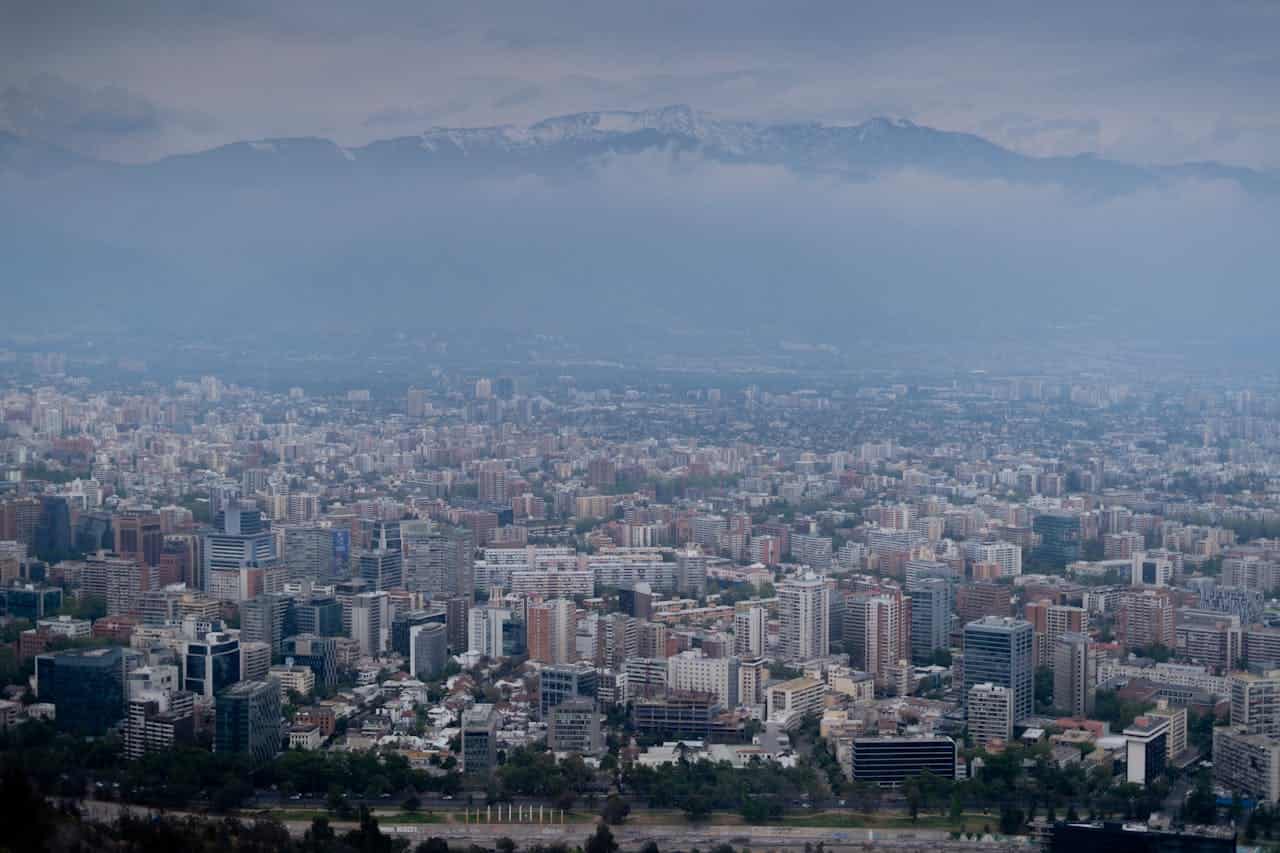
Chile es un país largo y diverso, donde en pocos kilómetros se pasa del desierto más árido del mundo a volcanes, glaciares y costas infinitas. Su geografía extrema se combina con ciudades activas, una identidad cultural marcada y paisajes que invitan a la aventura y la exploración constante.
Viajar por Chile: desierto, ciudades y paisajes extremos
Chile es un país largo y diverso, donde en pocos kilómetros se pasa del desierto más árido del mundo a volcanes, glaciares y costas infinitas. Su geografía extrema se combina con ciudades activas, una identidad cultural marcada y paisajes que invitan a la aventura y la exploración constante.
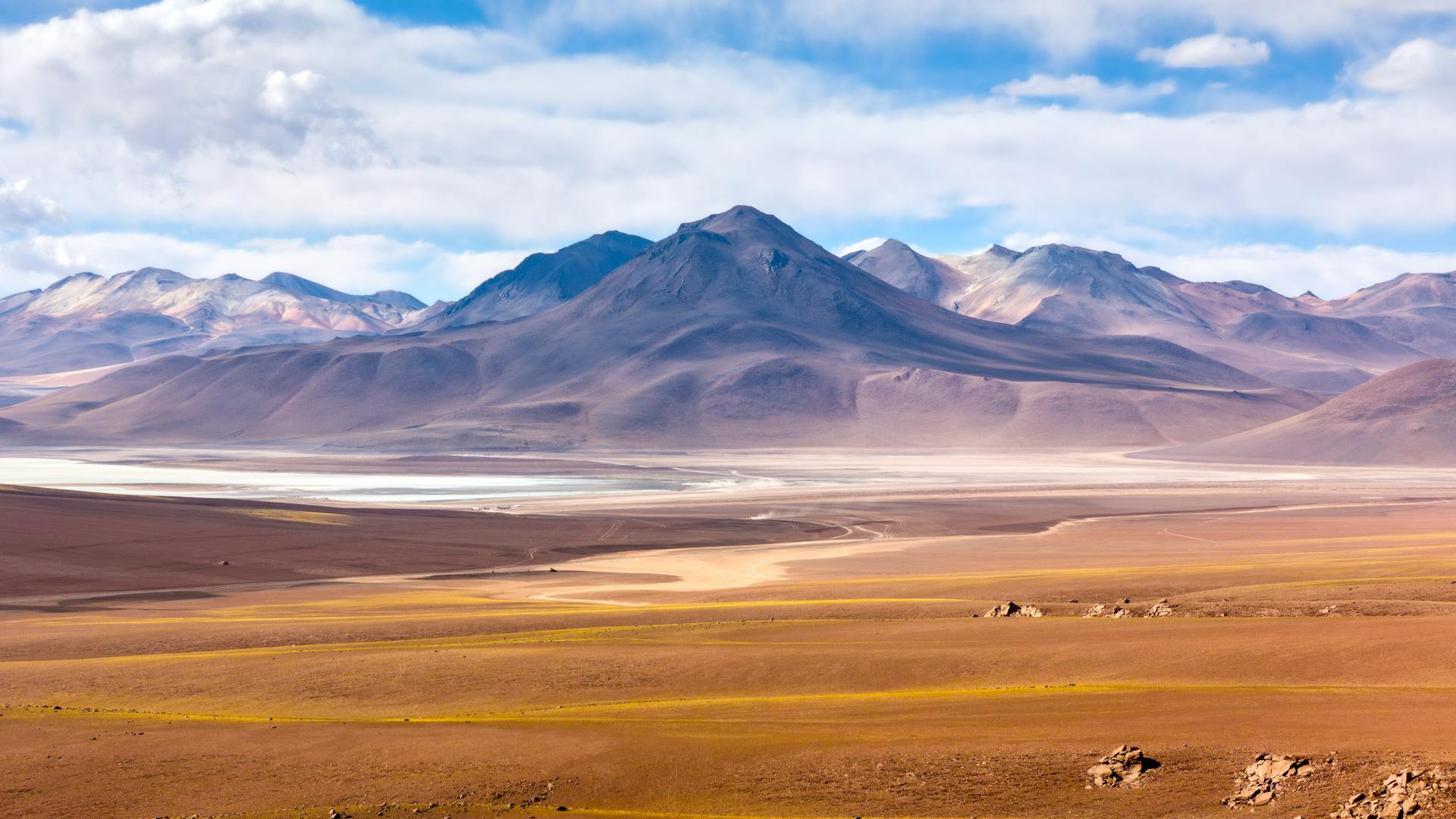
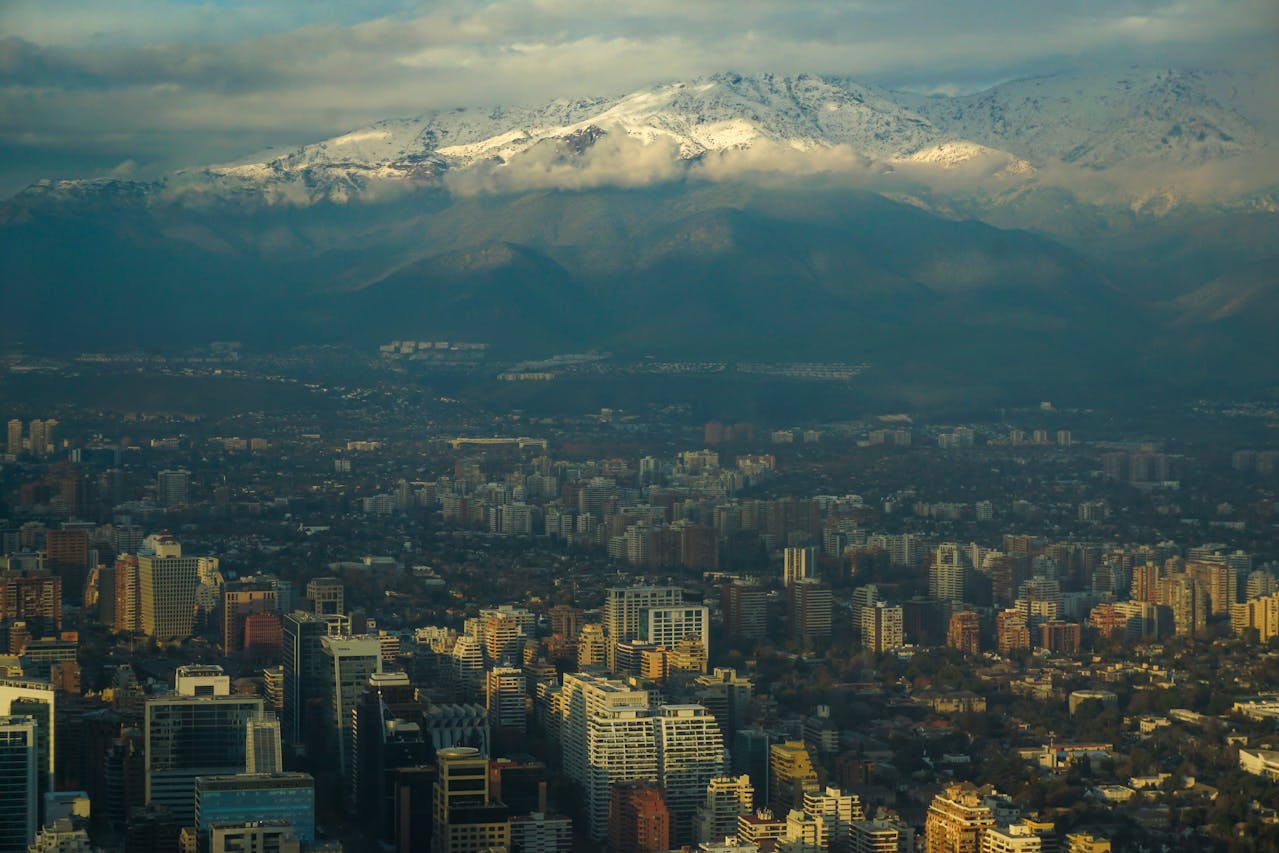
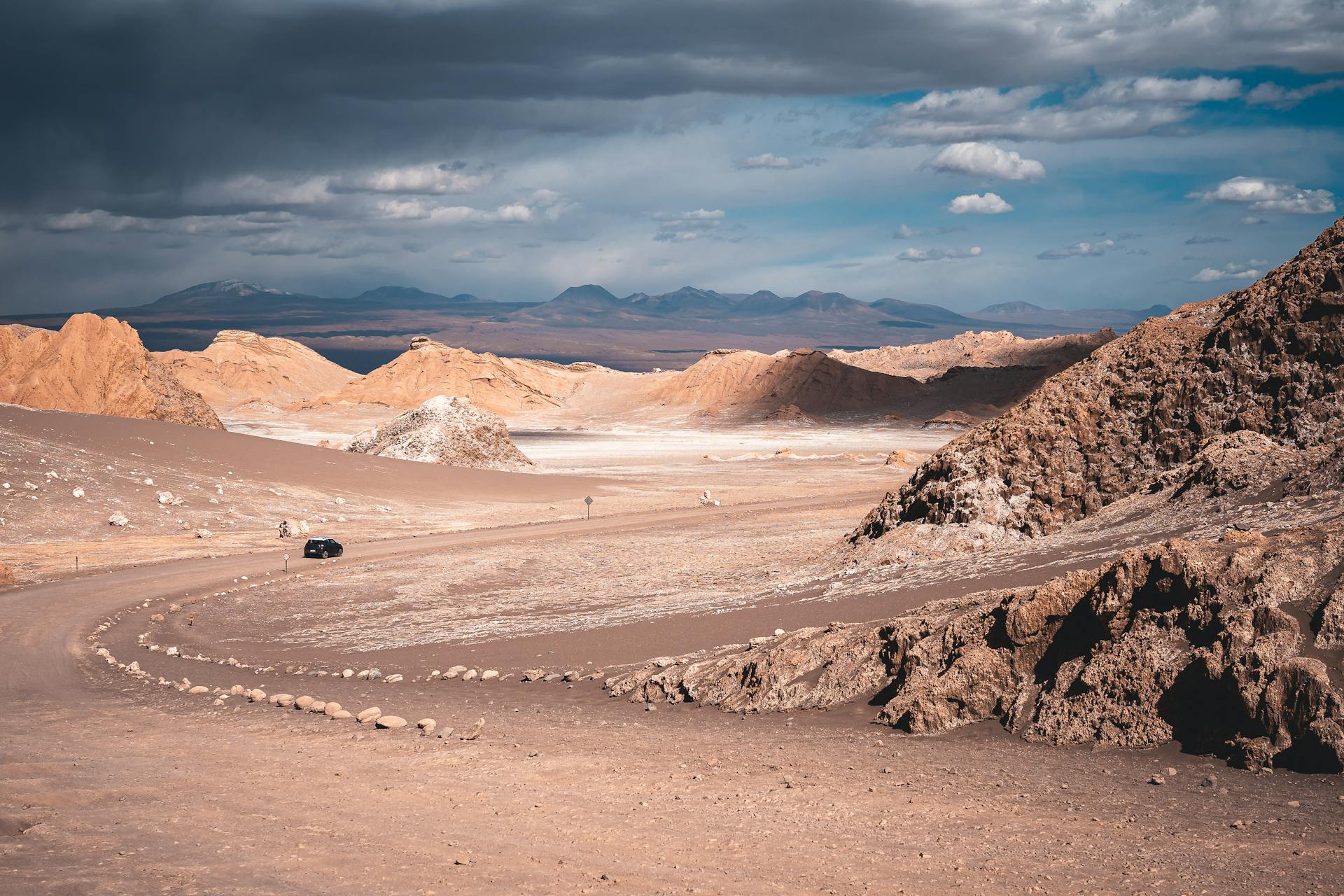
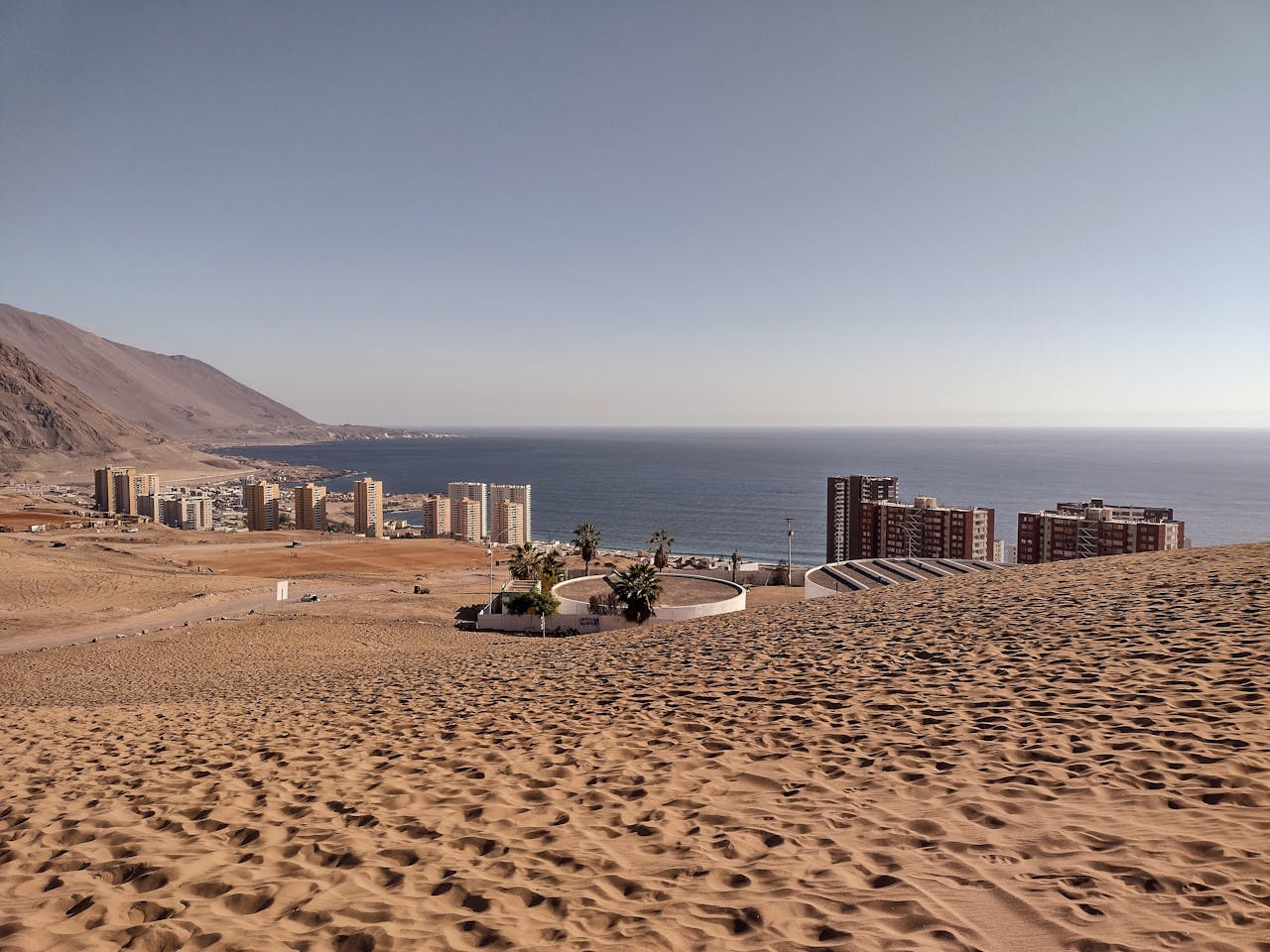
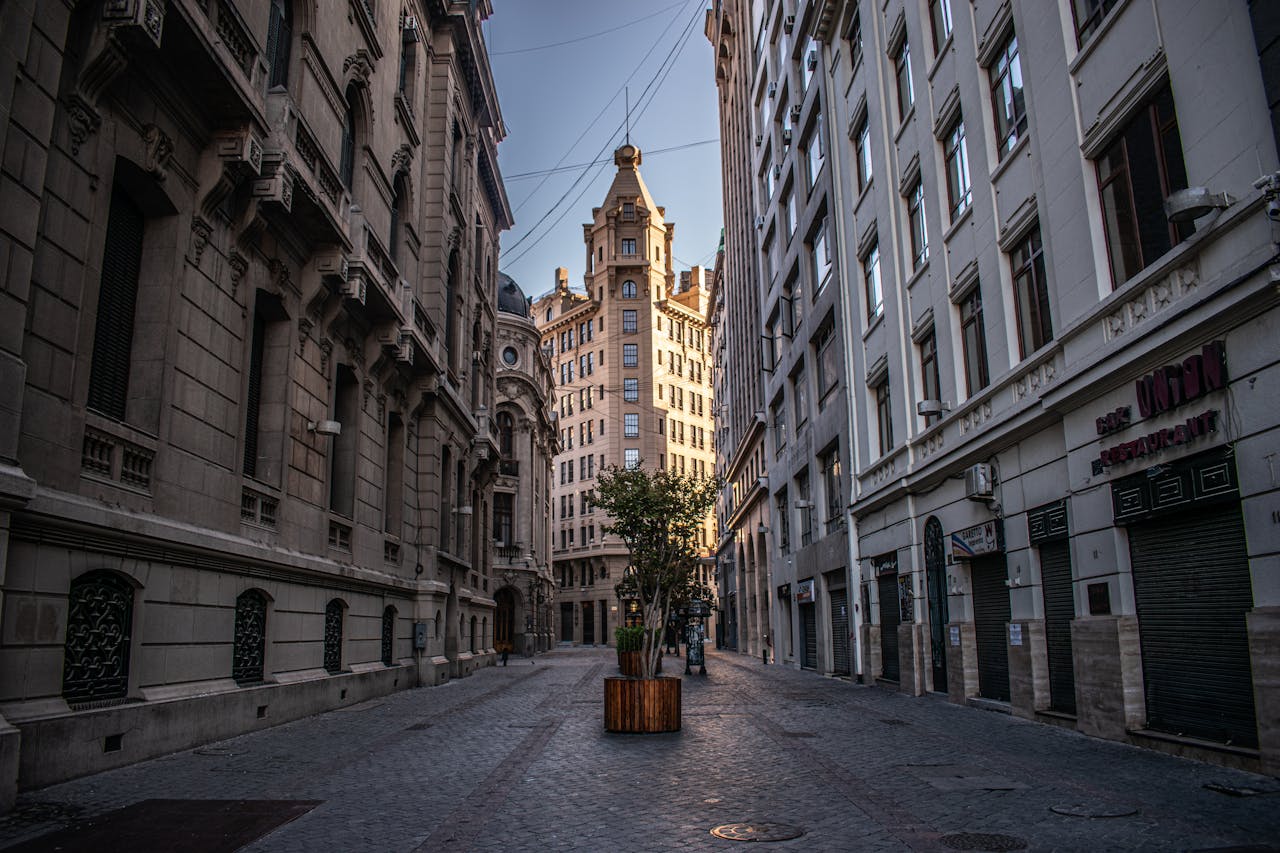
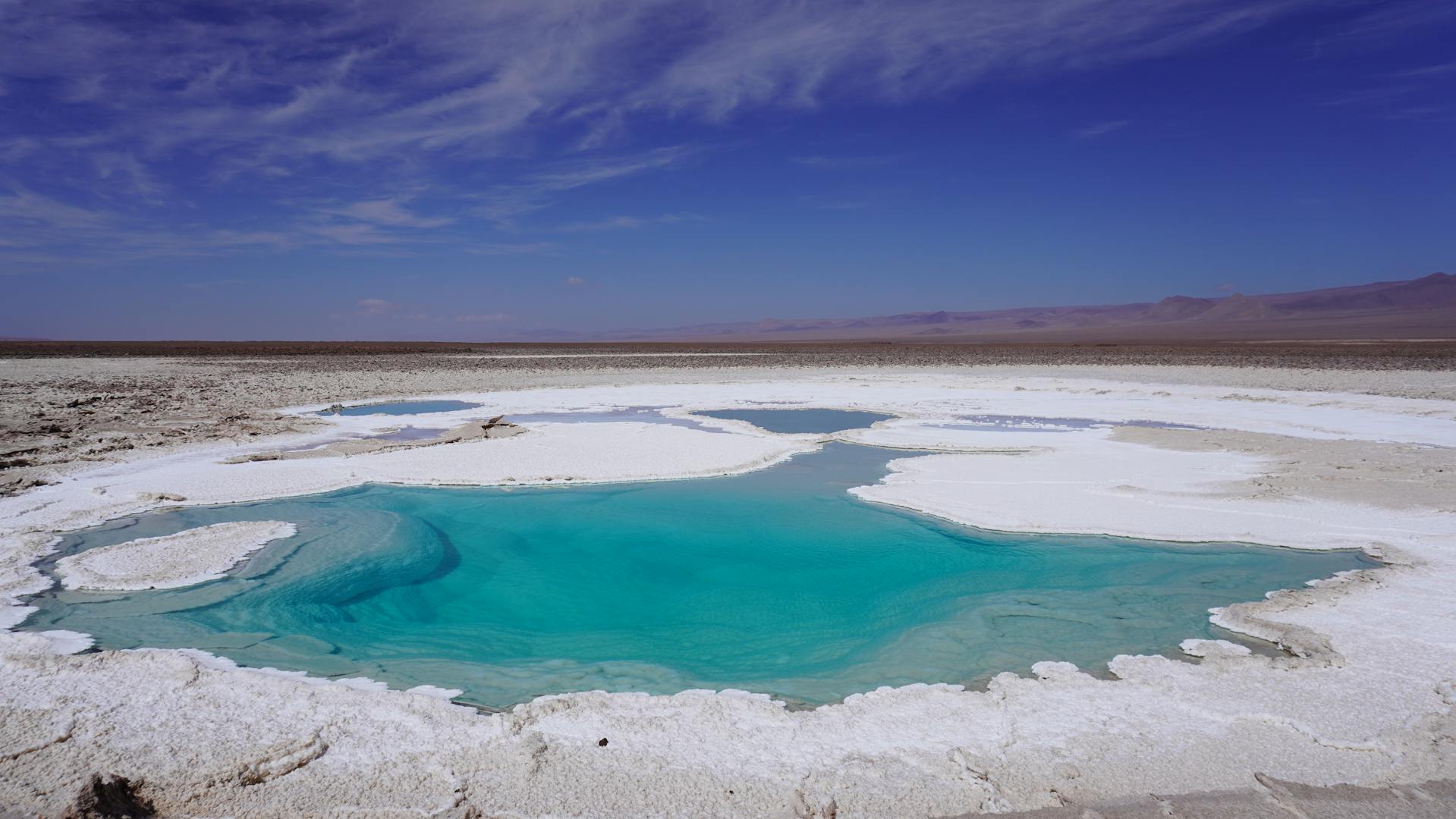
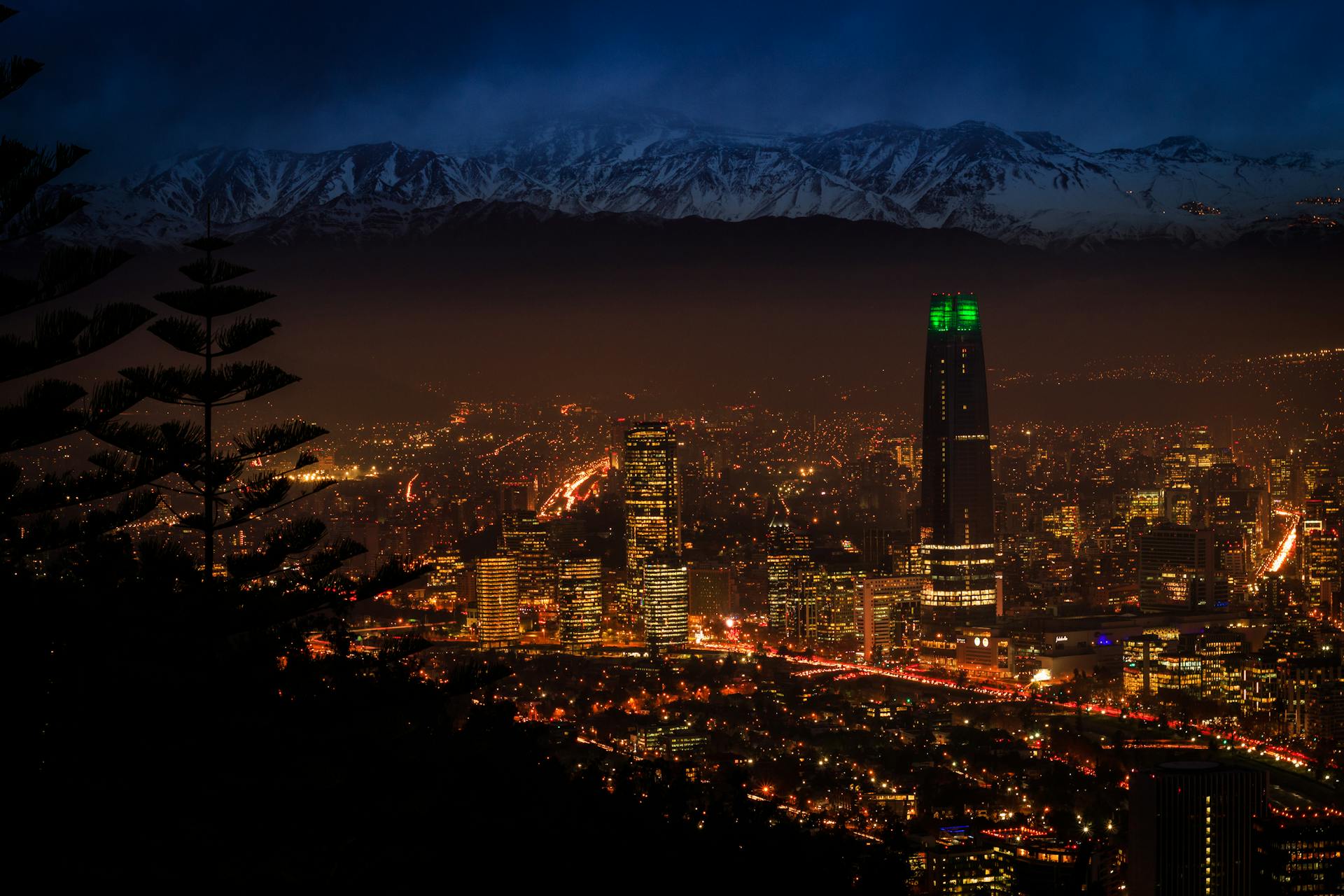
Pasamos varias semanas recorriendo el norte de Chile: estuvimos en Arica, Iquique, algunos días en Santiago y atravesamos el desierto de Atacama. El contraste es inmediato: ciudades costeras con ritmo propio, el vacío inmenso del desierto y la cordillera siempre presente en el horizonte.
Chile se siente ordenado, intenso y muy conectado con su geografía. El norte, en particular, transmite una sensación de amplitud y silencio difícil de encontrar en otros lugares, donde el paisaje es el verdadero protagonista del viaje.
Destinos imperdibles de Chile
Chile es un país largo y diverso. Para planificar mejor en 2026, podés dividirlo en tres grandes áreas: el Norte Grande (desierto y cultura andina), la Zona Central (valles y ciudades) y el Sur/Patagonia (lagos y glaciares).
- Santiago – Capital moderna, cerros urbanos y base para viñedos y la cordillera.
- Valparaíso – Ciudad bohemia, colorida y patrimonio de la humanidad.
- San Pedro de Atacama – Desierto, géiseres, lagunas altiplánicas y paisajes únicos.
- Arica – Playa, historia y puerta de entrada al extremo norte.
- Iquique – Ciudad costera, playas y herencia salitrera.
- La Serena – Playas, cielos despejados y observatorios astronómicos (ideales para astroturismo).
- Puerto Varas – Lagos, volcanes y arquitectura de influencia alemana.
- Chiloé – Iglesias de madera, tradiciones y naturaleza.
- Torres del Paine – Uno de los parques nacionales más impresionantes del mundo.
- Isla de Pascua (Rapa Nui) – Cultura ancestral y moáis únicos.
- Carretera Austral – Ruta escénica entre fiordos, bosques y glaciares.
Qué comer en Chile (imperdibles)
La gastronomía chilena es simple, sabrosa y muy ligada al mar y a productos locales:
- Empanadas de pino – Carne, cebolla, huevo y aceituna.
- Pastel de choclo – Preparación de maíz con carne y pollo al horno.
- Cazuela – Sopa tradicional de carne y verduras.
- Mariscos – Centolla, machas (pruébalas a la parmesana), locos y ostiones.
- Curanto – Plato típico de Chiloé, cocido bajo tierra.
- Completo – Hot dog chileno con palta, tomate y mayonesa (el "italiano" es el rey).
- Vinos chilenos – Carménère, Cabernet Sauvignon y Sauvignon Blanc.
- Pisco sour – Bebida clásica compartida con Perú.
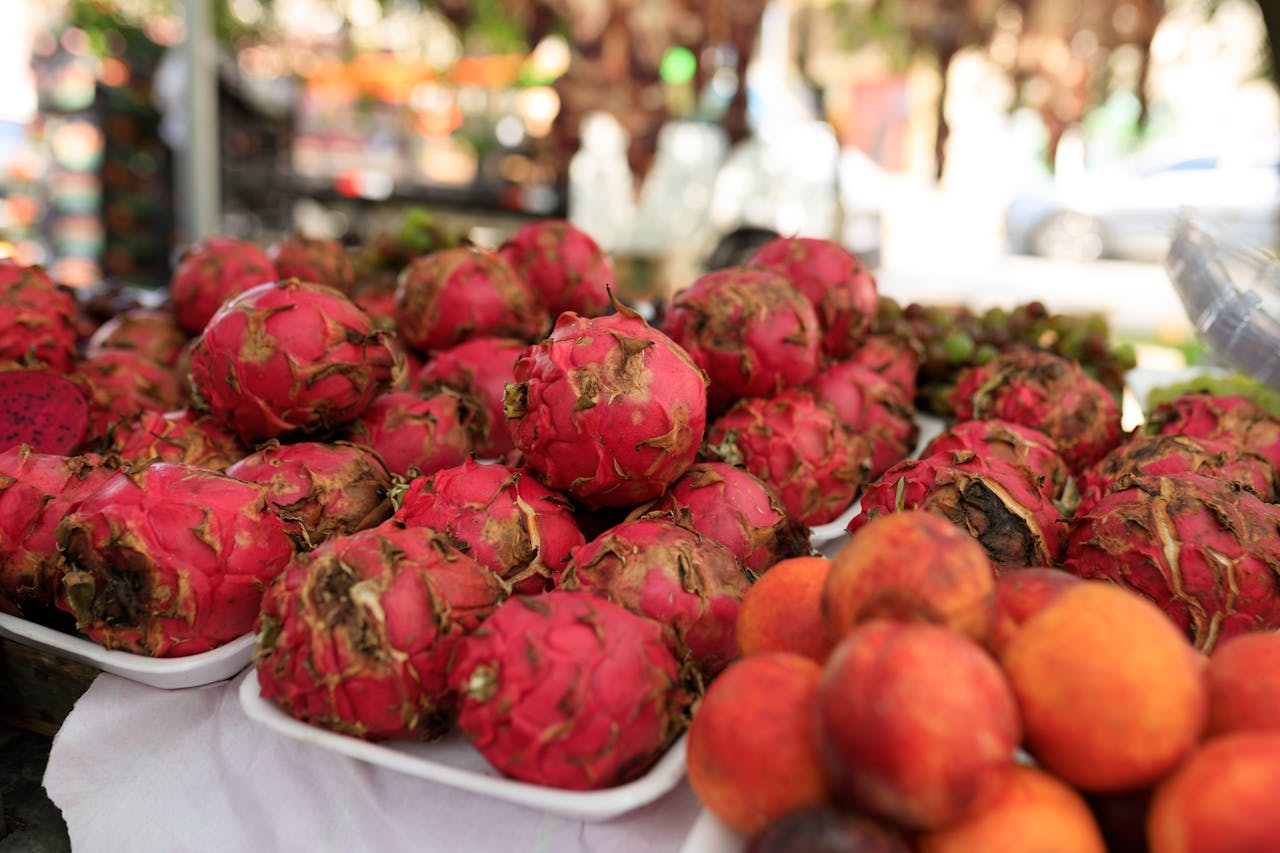
Datos prácticos para viajar por Chile
- Moneda: peso chileno (CLP).
- Idioma: español.
- Enchufes: tipo C y L (tres pines en línea), 220V.
- Propinas: se acostumbra dejar 10% en restaurantes (suele venir sugerido en la cuenta).
- Conectividad: muy buena en ciudades; en la Carretera Austral o desierto profundo puede fallar.
- Pagos: tarjetas ampliamente aceptadas; efectivo útil en zonas rurales y para propinas.
- Fronteras (SAG): Chile es muy estricto. No ingreses con alimentos frescos (fruta, miel, carne); las multas en aduana son severas.
Cómo moverse por Chile
Debido a su longitud, planificar bien los traslados es clave:
- Avión – Ideal para largas distancias (norte–sur). Las aerolíneas low-cost funcionan muy bien si comprás con tiempo.
- Bus de larga distancia – Cómodos y bien equipados (los buses "Salón Cama" son excelentes).
- Auto – Excelente para rutas escénicas, desierto y Patagonia.
- Transporte urbano – Metro y buses (Red) en Santiago; buses locales en ciudades.
- Ferries – Necesarios en el sur y la Carretera Austral.
Mejor época para viajar
- Octubre a abril – Mejor época en general para casi todo el país.
- Verano (Enero/Febrero) – Ideal para Patagonia, playas y sur, pero es temporada muy alta.
- Invierno (Junio a Agosto) – Bueno para el norte y centros de ski cerca de Santiago.
- Primavera y otoño – Menos turistas y clima agradable en la zona central.
El clima varía mucho entre el desierto del norte, la zona central y la Patagonia.
Recordatorios útiles para viajar por Chile
- Reservá con anticipación en Patagonia (Torres del Paine) y temporada alta.
- Llevá ropa para distintas temperaturas (técnica de "cebolla"), incluso en el norte por la amplitud térmica.
- No subestimes distancias ni tiempos de viaje; el mapa engaña por lo angosto que es el país.
- Probá vinos en viñedos cercanos a Santiago (Valle del Maipo o Casablanca).
- Usá efectivo en pueblos pequeños y para pagar el transporte local (colectivos).
- Respetá parques nacionales y normas ambientales (Chile es muy cuidadoso con su naturaleza).
- Aprovechá mercados locales (como La Vega en Santiago) para comer bien y a buen precio.
Te puede interesar también
Chile es un país largo y diverso. Para planificar mejor en 2026, podés dividirlo en tres grandes áreas: el Norte Grande (desierto y cultura andina), la Zona Central (valles y ciudades) y el Sur/Patagonia (lagos y glaciares).
- Santiago – Capital moderna, cerros urbanos y base para viñedos y la cordillera.
- Valparaíso – Ciudad bohemia, colorida y patrimonio de la humanidad.
- San Pedro de Atacama – Desierto, géiseres, lagunas altiplánicas y paisajes únicos.
- Arica – Playa, historia y puerta de entrada al extremo norte.
- Iquique – Ciudad costera, playas y herencia salitrera.
- La Serena – Playas, cielos despejados y observatorios astronómicos (ideales para astroturismo).
- Puerto Varas – Lagos, volcanes y arquitectura de influencia alemana.
- Chiloé – Iglesias de madera, tradiciones y naturaleza.
- Torres del Paine – Uno de los parques nacionales más impresionantes del mundo.
- Isla de Pascua (Rapa Nui) – Cultura ancestral y moáis únicos.
- Carretera Austral – Ruta escénica entre fiordos, bosques y glaciares.
PUBLICIDAD
Travel with Data: Get your Saily eSIM
- ✓Internet in seconds upon landing
- ✓Flexible plans in 180+ countries
- ✓Easy setup directly via the App
La gastronomía chilena es simple, sabrosa y muy ligada al mar y a productos locales:
- Empanadas de pino – Carne, cebolla, huevo y aceituna.
- Pastel de choclo – Preparación de maíz con carne y pollo al horno.
- Cazuela – Sopa tradicional de carne y verduras.
- Mariscos – Centolla, machas (pruébalas a la parmesana), locos y ostiones.
- Curanto – Plato típico de Chiloé, cocido bajo tierra.
- Completo – Hot dog chileno con palta, tomate y mayonesa (el "italiano" es el rey).
- Vinos chilenos – Carménère, Cabernet Sauvignon y Sauvignon Blanc.
- Pisco sour – Bebida clásica compartida con Perú.
- Moneda: peso chileno (CLP).
- Idioma: español.
- Enchufes: tipo C y L (tres pines en línea), 220V.
- Propinas: se acostumbra dejar 10% en restaurantes (suele venir sugerido en la cuenta).
- Conectividad: muy buena en ciudades; en la Carretera Austral o desierto profundo puede fallar.
- Pagos: tarjetas ampliamente aceptadas; efectivo útil en zonas rurales y para propinas.
- Fronteras (SAG): Chile es muy estricto. No ingreses con alimentos frescos (fruta, miel, carne); las multas en aduana son severas.
Debido a su longitud, planificar bien los traslados es clave:
- Avión – Ideal para largas distancias (norte–sur). Las aerolíneas low-cost funcionan muy bien si comprás con tiempo.
- Bus de larga distancia – Cómodos y bien equipados (los buses "Salón Cama" son excelentes).
- Auto – Excelente para rutas escénicas, desierto y Patagonia.
- Transporte urbano – Metro y buses (Red) en Santiago; buses locales en ciudades.
- Ferries – Necesarios en el sur y la Carretera Austral.
- Octubre a abril – Mejor época en general para casi todo el país.
- Verano (Enero/Febrero) – Ideal para Patagonia, playas y sur, pero es temporada muy alta.
- Invierno (Junio a Agosto) – Bueno para el norte y centros de ski cerca de Santiago.
- Primavera y otoño – Menos turistas y clima agradable en la zona central.
El clima varía mucho entre el desierto del norte, la zona central y la Patagonia.
- Reservá con anticipación en Patagonia (Torres del Paine) y temporada alta.
- Llevá ropa para distintas temperaturas (técnica de "cebolla"), incluso en el norte por la amplitud térmica.
- No subestimes distancias ni tiempos de viaje; el mapa engaña por lo angosto que es el país.
- Probá vinos en viñedos cercanos a Santiago (Valle del Maipo o Casablanca).
- Usá efectivo en pueblos pequeños y para pagar el transporte local (colectivos).
- Respetá parques nacionales y normas ambientales (Chile es muy cuidadoso con su naturaleza).
- Aprovechá mercados locales (como La Vega en Santiago) para comer bien y a buen precio.
PUBLICIDAD
International Travel Insurance
- ✓International medical insurance
- ✓24/7 immediate assistance in your language
- ✓Ideal for trekking & adventure
Posts in Chile
Preferences
Language
Color
Text
Width