Table of contents and map
Ubatuba 2026: things to do, best beaches, Trilha das 7 Praias and where to stay
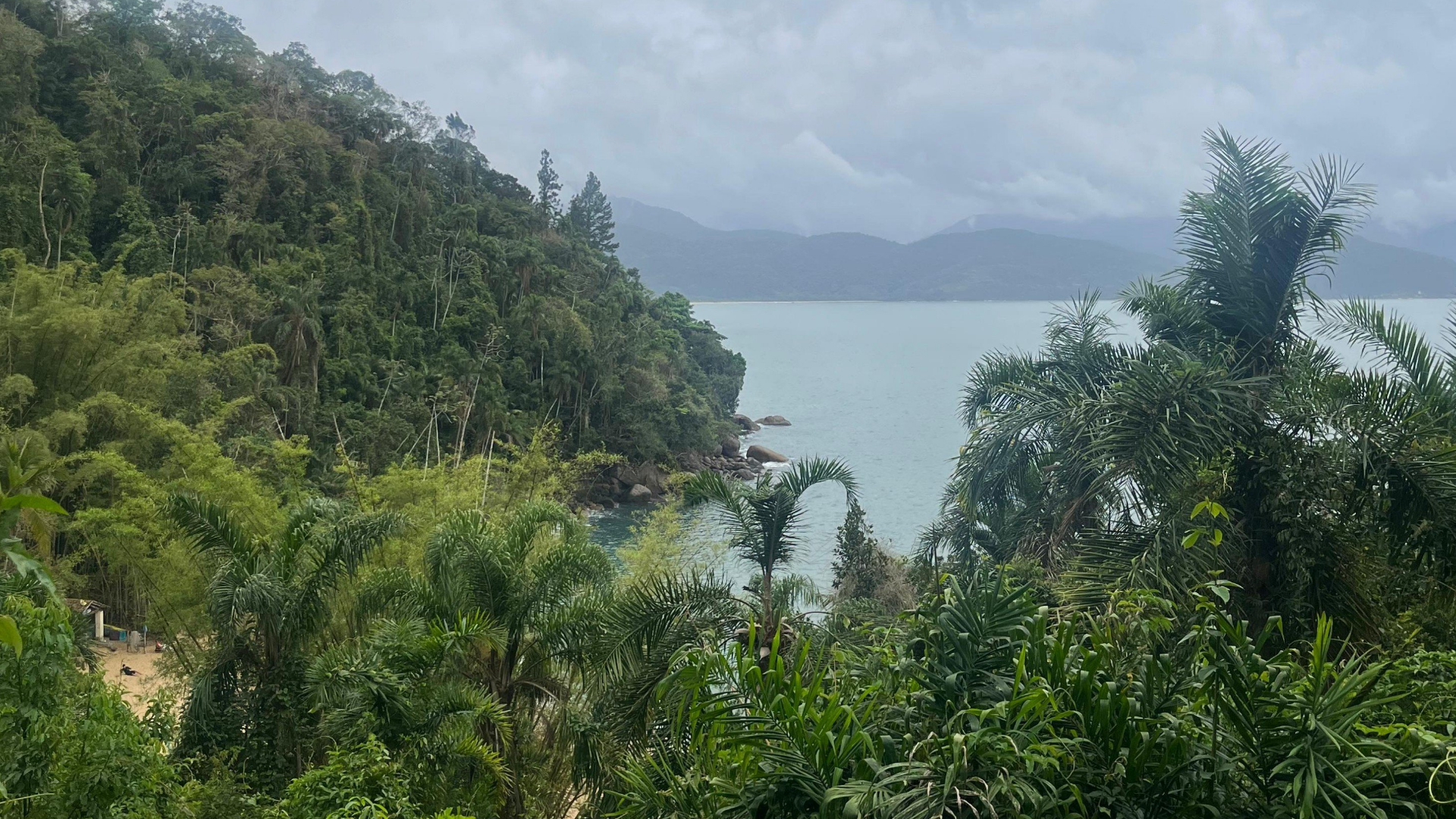
Ubatuba is one of those destinations where nature takes center stage. Atlantic rainforest, wild beaches, and a relaxed pace make the trip more about enjoying than rushing. It is ideal for travelers looking for ocean, greenery, and a deeper connection with nature.
Ubatuba 2026: things to do, best beaches, Trilha das 7 Praias and where to stay
Ubatuba is one of those destinations where nature takes center stage. Atlantic rainforest, wild beaches, and a relaxed pace make the trip more about enjoying than rushing. It is ideal for travelers looking for ocean, greenery, and a deeper connection with nature.
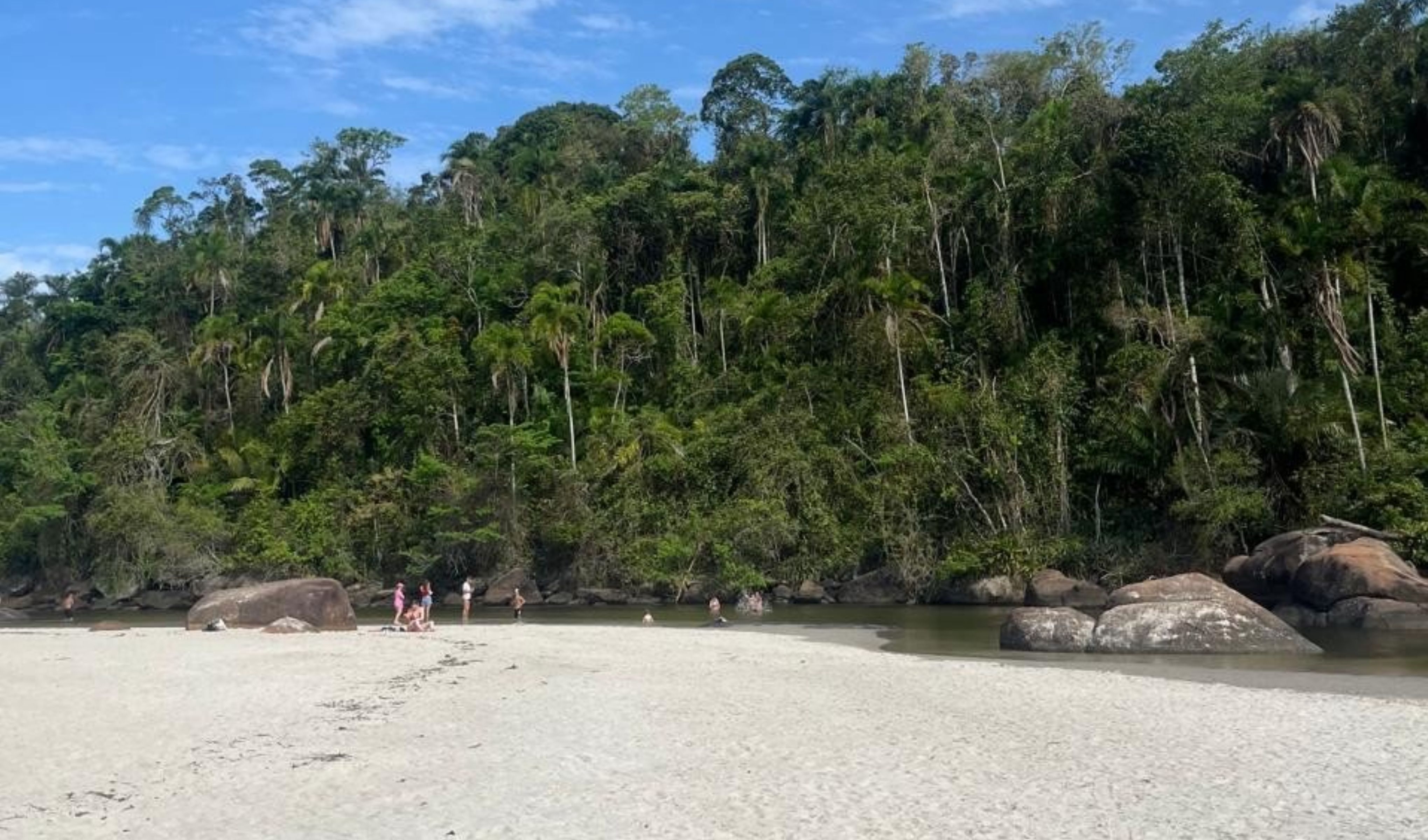
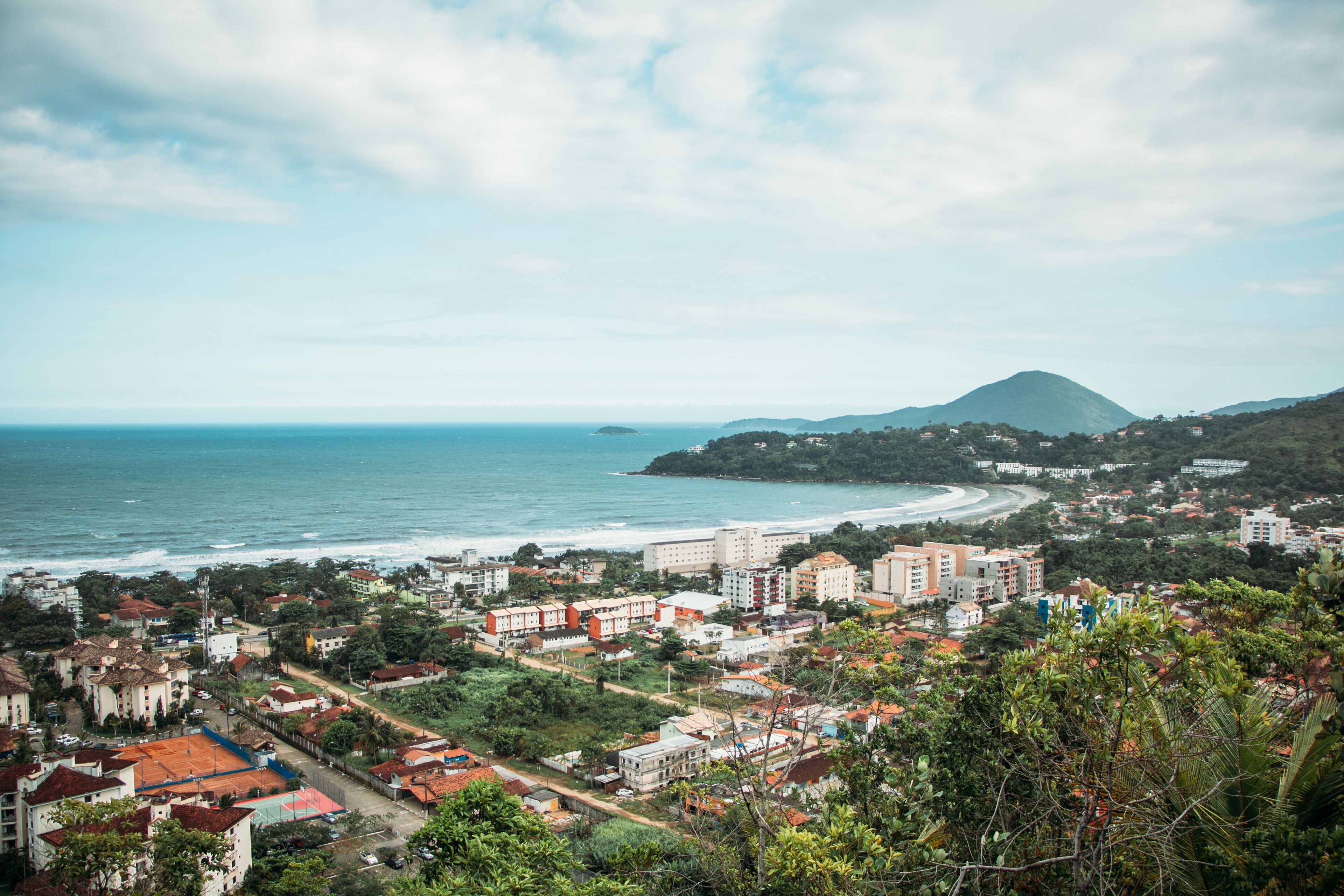
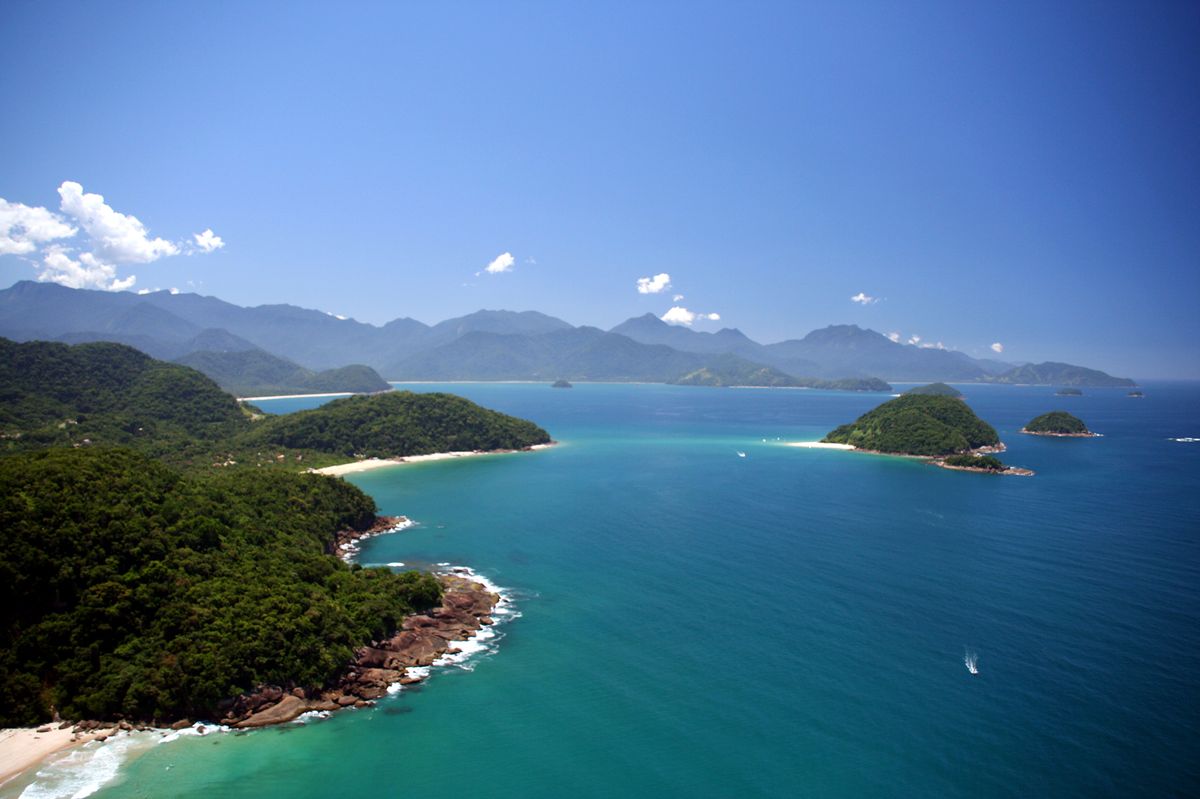
Ubatuba, located on the northern coast of São Paulo state, is one of the most natural destinations on Brazil's coastline. With more than 100 beaches surrounded by Atlantic rainforest, it offers a very different experience from Brazil's more urban beach cities. It is a place to slow down, explore beaches, hike trails, and enjoy nature.
6 Things to See and Do in Ubatuba
1- Trilha das 7 Praias (Seven Beaches Trail) - The most famous hiking route in Ubatuba. A 10 km trek (one way) crossing hills and beaches.
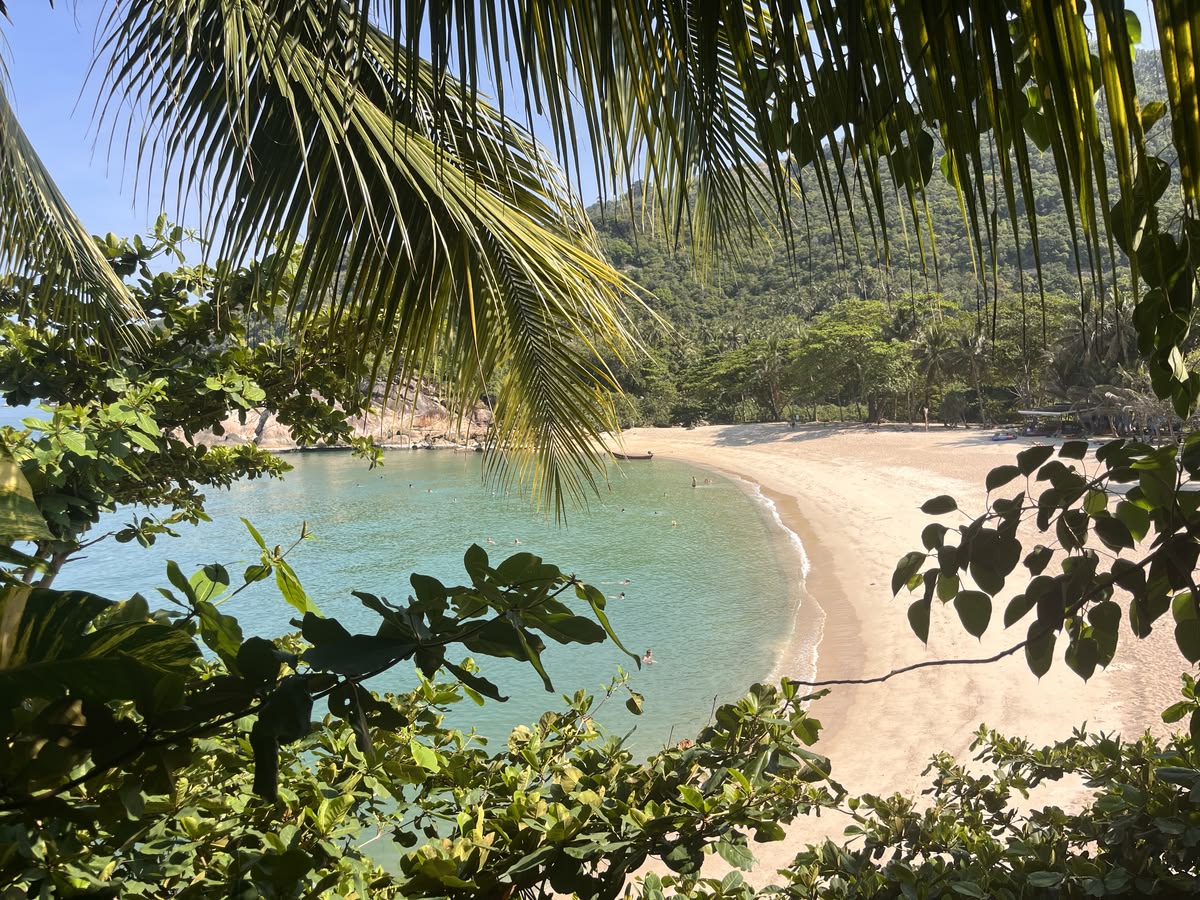
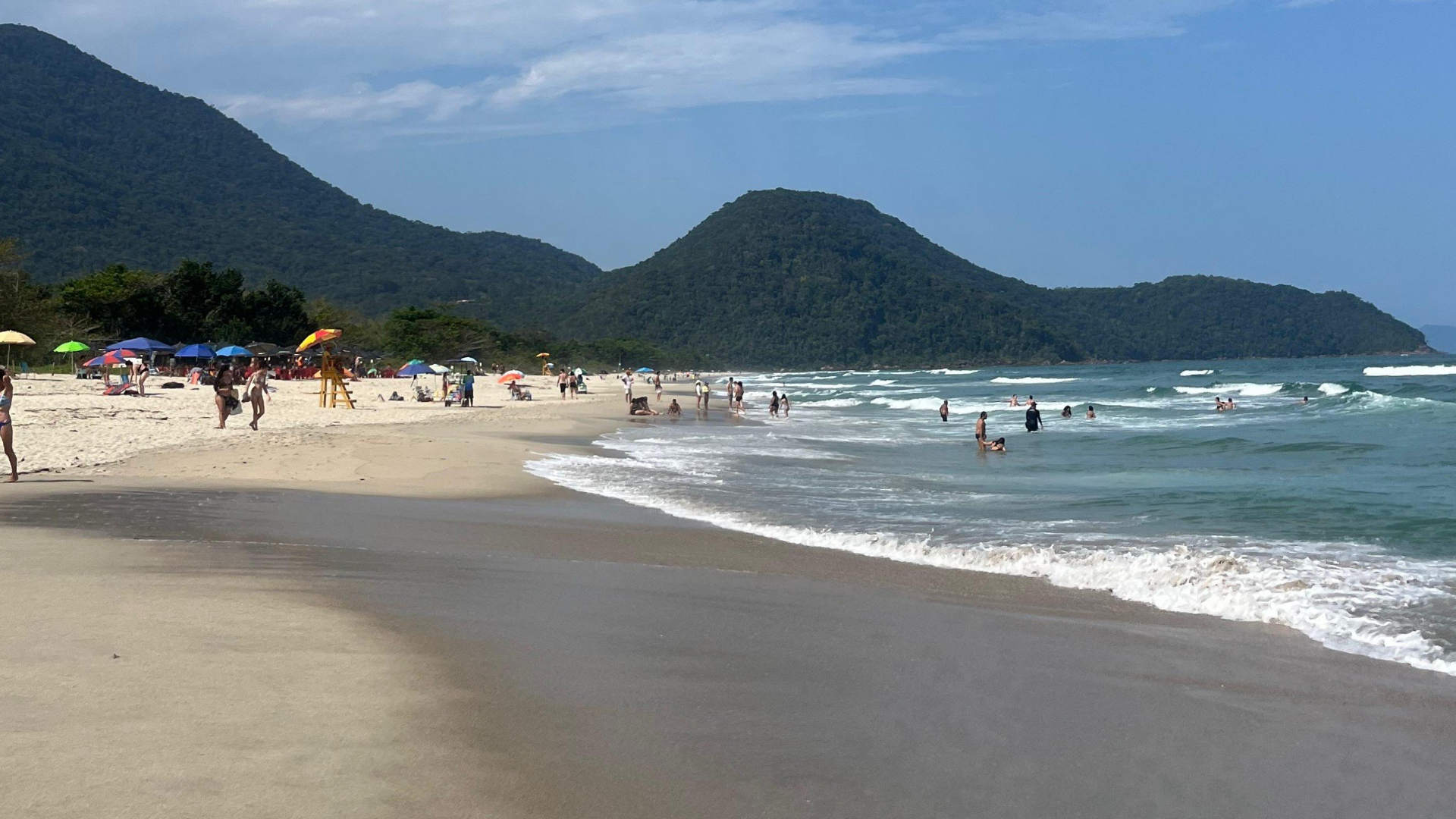
2- Ubatuba's Beaches - Ubatuba has more than 100 beaches, ranging from calm family-friendly spots to wild and open stretches of coastline. Some of the most famous are Praia do Félix, Praia Itamambuca, and Praia Domingas Dias. Each beach has its own personality and is worth visiting.
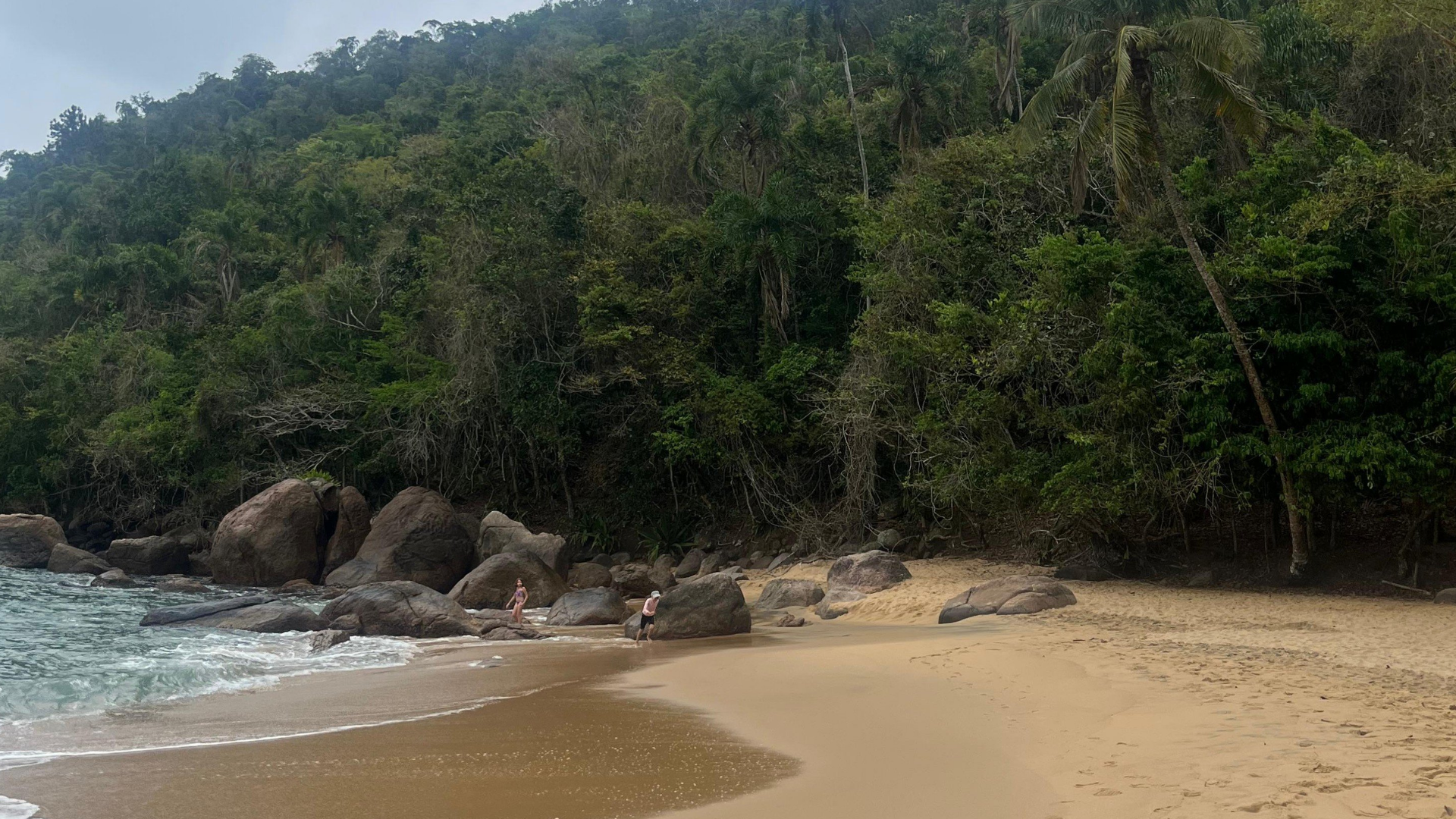
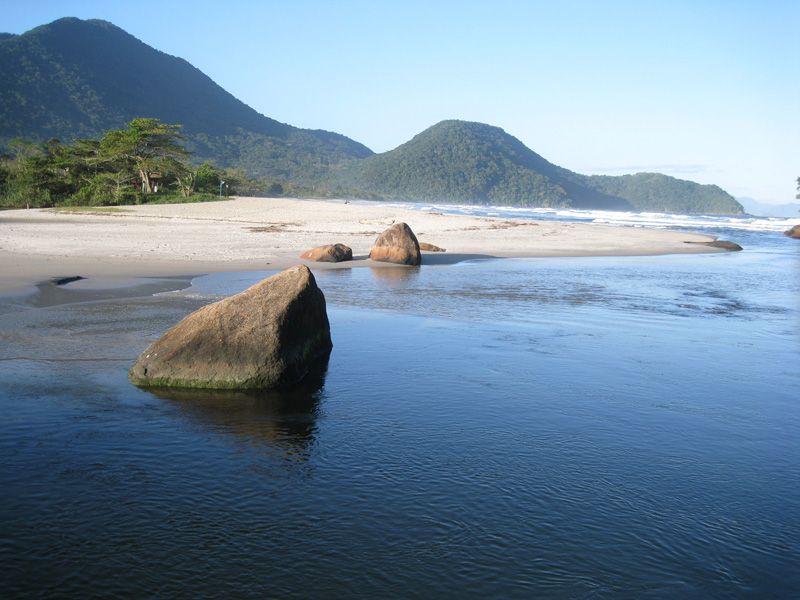
3- Surf & Nature in Itamambuca - Itamambuca is one of Brazil's most famous surfing beaches. It features great waves, a young vibe, and an incredibly pristine natural setting. Even if you don't surf, it's a fantastic spot to spend the day exploring where the river meets the sea.
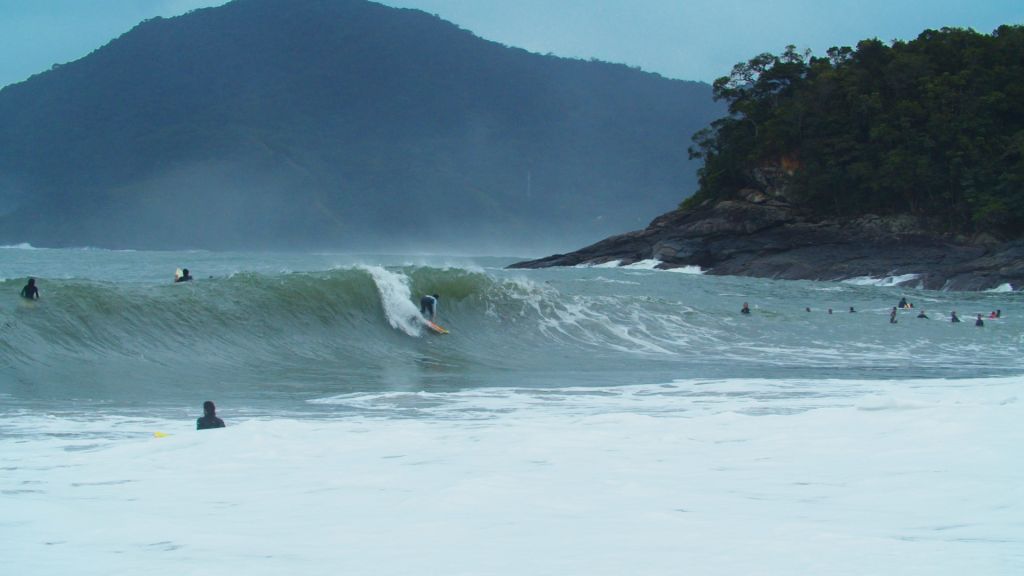
4- Trails and Nature - The Atlantic rainforest surrounds the town and offers hiking trails, waterfalls, and viewpoints. There are short and accessible walks that combine forest, rivers, and hidden beaches.
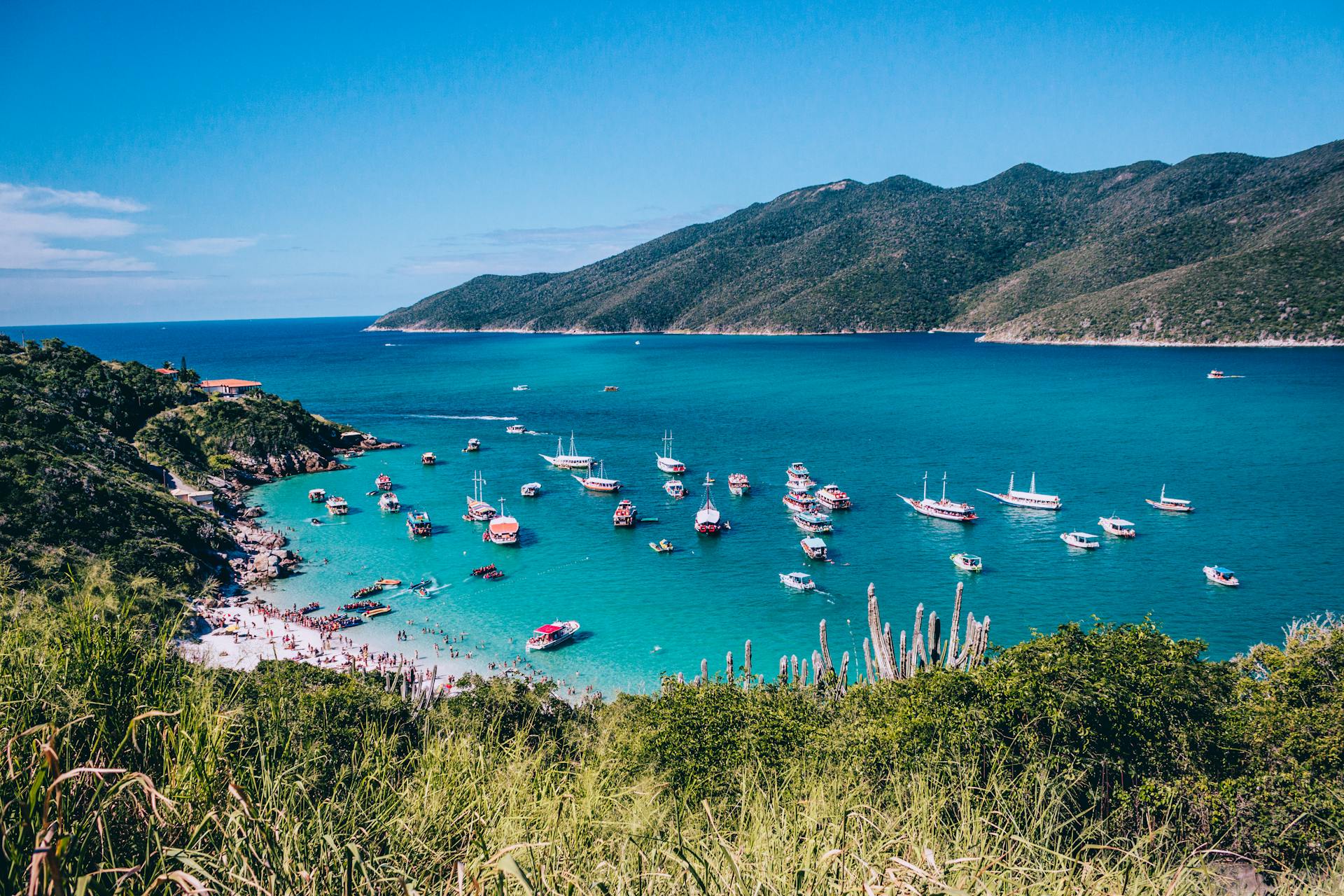
5- Boat Tours and Nearby Islands - Several excursions depart from Ubatuba to small islands and beaches that are difficult to reach by land. It is a great way to explore quieter and less crowded areas.
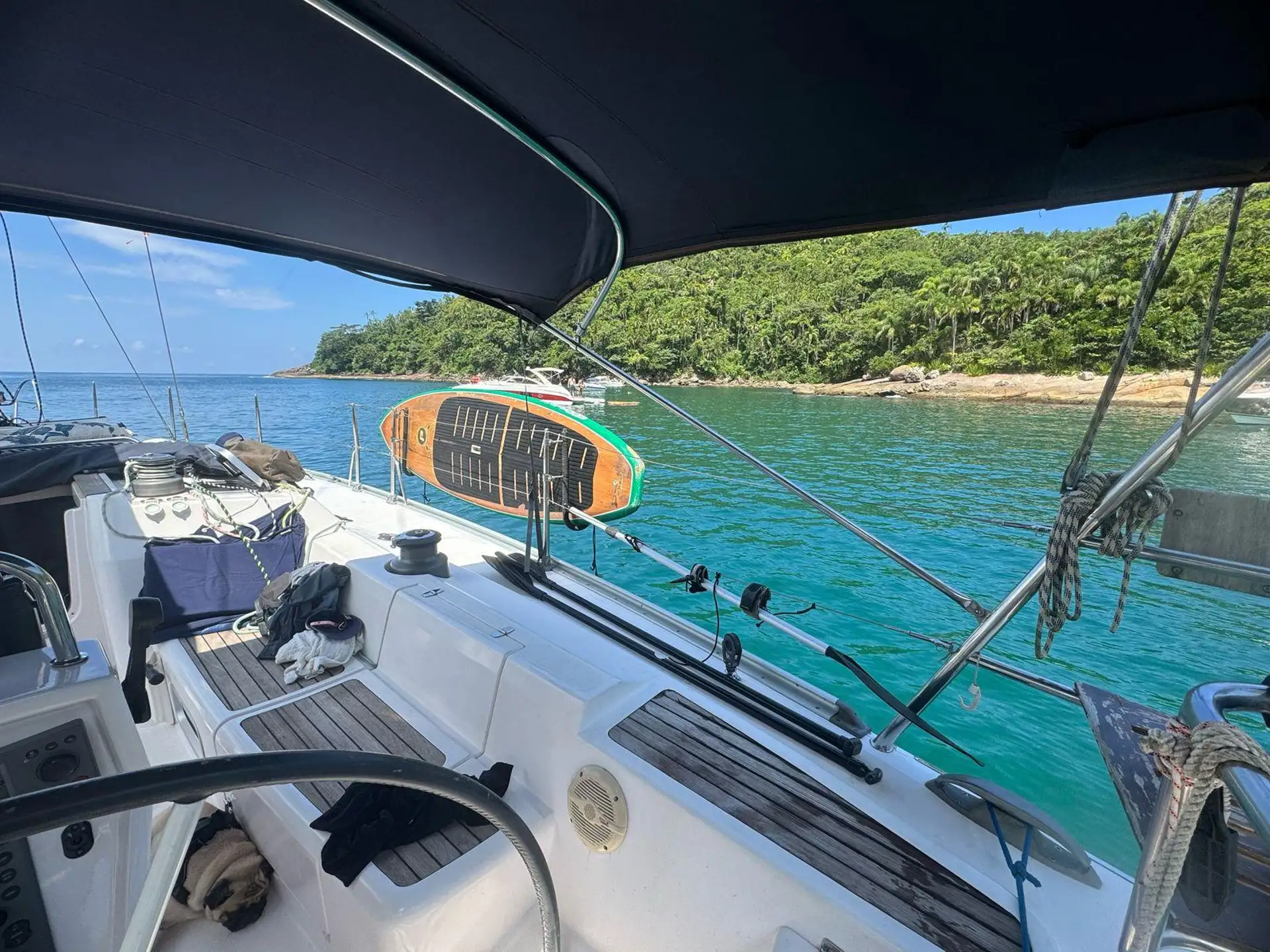
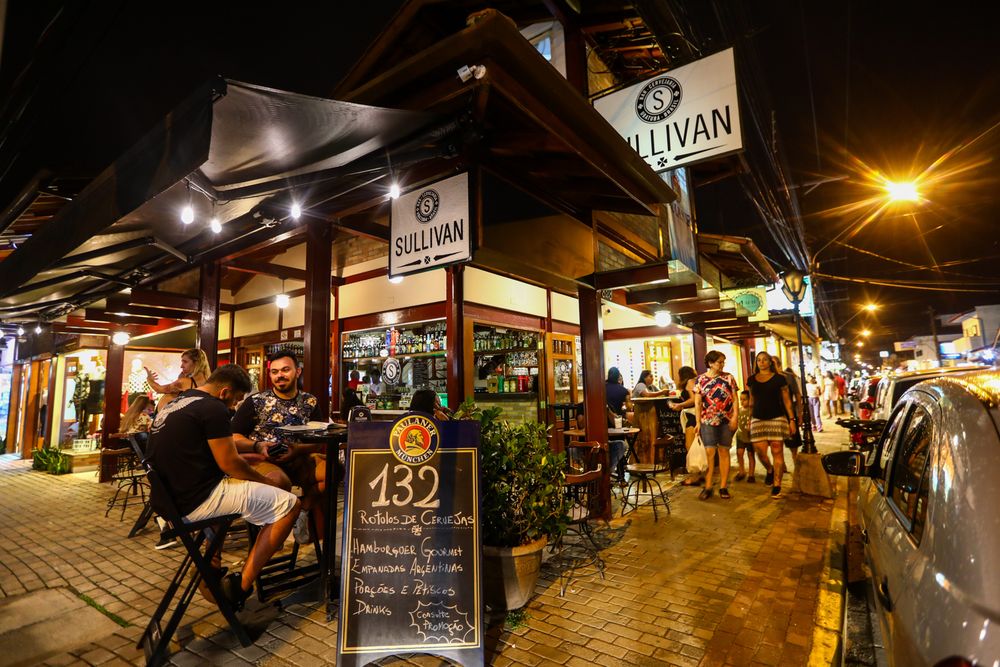
6- Downtown and Local Life - The town center has restaurants, markets, bars, and a relaxed atmosphere, especially in the evenings. It is not a large city, but it has everything needed for a comfortable stay.
Trilha das 7 Praias (Seven Beaches Trail)
This is Ubatuba's signature hike because it allows you to discover untouched beaches that cars cannot reach.
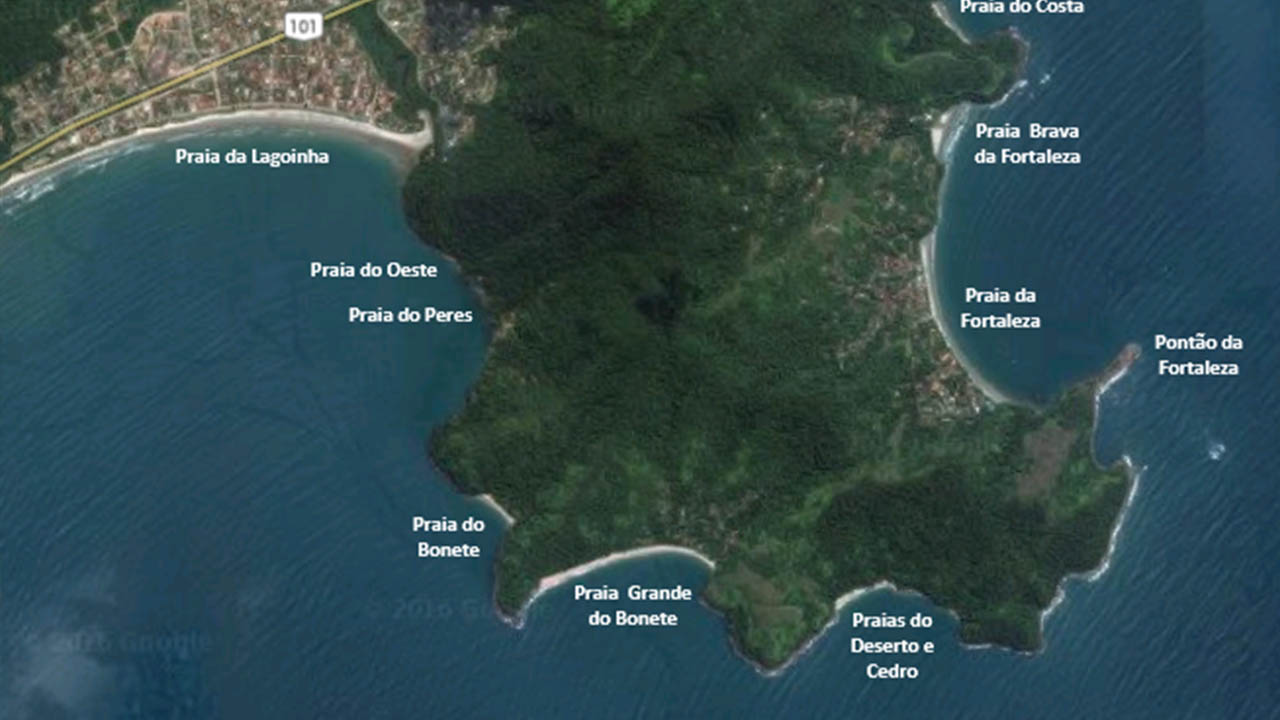
It is a journey of about 10 km (one way) through the heart of the Atlantic Forest. What makes it special is that you move from beach to beach: hiking through the rainforest, descending onto the sand, taking a swim, and climbing another hill to see the next beach from above.
The Route (Step by Step)
The ideal route starts at Praia da Lagoinha (where the terrain is flatter) and ends at Praia da Fortaleza.
-
1 - Lagoinha: Your starting point. Very family-friendly.
-
2 - Oeste and Peres: Small beaches with many rocks and traditional fishermen's houses.
-
3 - Bonete: Home to a traditional caiçara community. There are a few rustic beach kiosks.
-
4 - Grande do Bonete: The largest beach on the route. Perfect for a longer stop.
-
5 - Deserto: Completely deserted. Nothing but sand and sea.
-
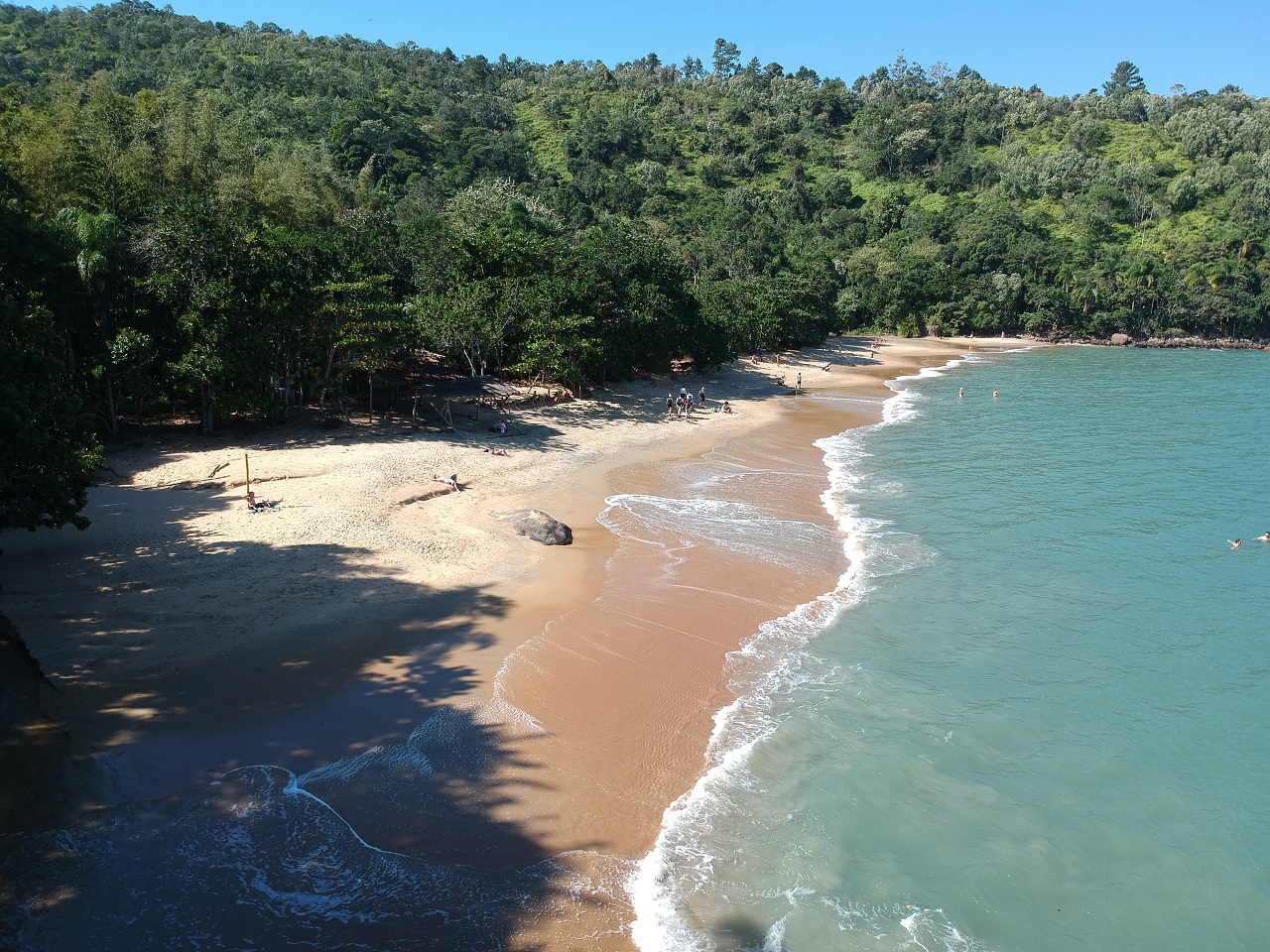
6 - Cedro do Sul: The most beautiful beach of the trail. Emerald-colored water and excellent snorkeling.
-
7 - Fortaleza: The end of the route. A calm beach where you can wait for transportation back.
Technical Information
-
Difficulty: Moderate. You do not need to be an athlete, but there are climbs with roots and muddy sections.
-
Duration: Between 3 and 5 hours (including beach stops).
-
Cost: Access is free. The main expense is transportation back.
-
Best Time to Visit: May to August (less rain and fewer mosquitoes), although summer is the best season for swimming.
Tips
-
Almost nobody hikes back because that would mean another 10 km. The best option is to take a boat taxi from Praia do Cedro or Fortaleza back to Lagoinha. Prices and schedules can be checked through Ubatuba's tourism information services.
-
Silent enemy: Borrachudos. These tiny mosquitoes make no noise but bite aggressively. Standard repellents do not always work. A local citronella-based product called Citroilha is widely recommended and can be found in Ubatuba pharmacies.
-
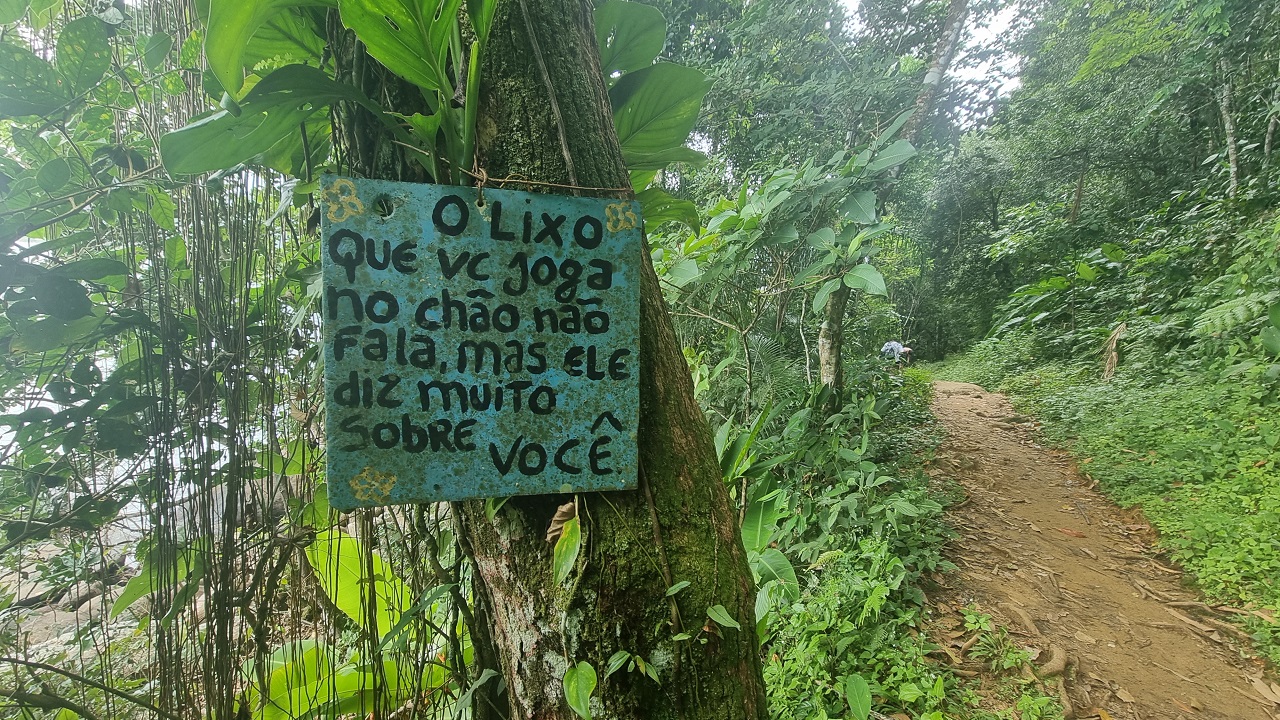
Important: There are no trash bins along the trail. Everything you bring should leave with you.
-
At Praia da Fortaleza (the end of the trail), cell phone coverage can be very poor. If you plan to call an Uber, you may need to walk toward the village entrance or ask a restaurant such as Refúgio do Corsário for Wi-Fi access.
Suggested Equipment
-
Hiking shoes or sneakers with good grip (avoid flip-flops on the hills).
-
Plenty of water (at least 1.5 liters per person).
-
Snacks (nuts, energy bars, etc.).
-
A waterproof bag for your phone or camera.
Best Areas to Stay in Ubatuba
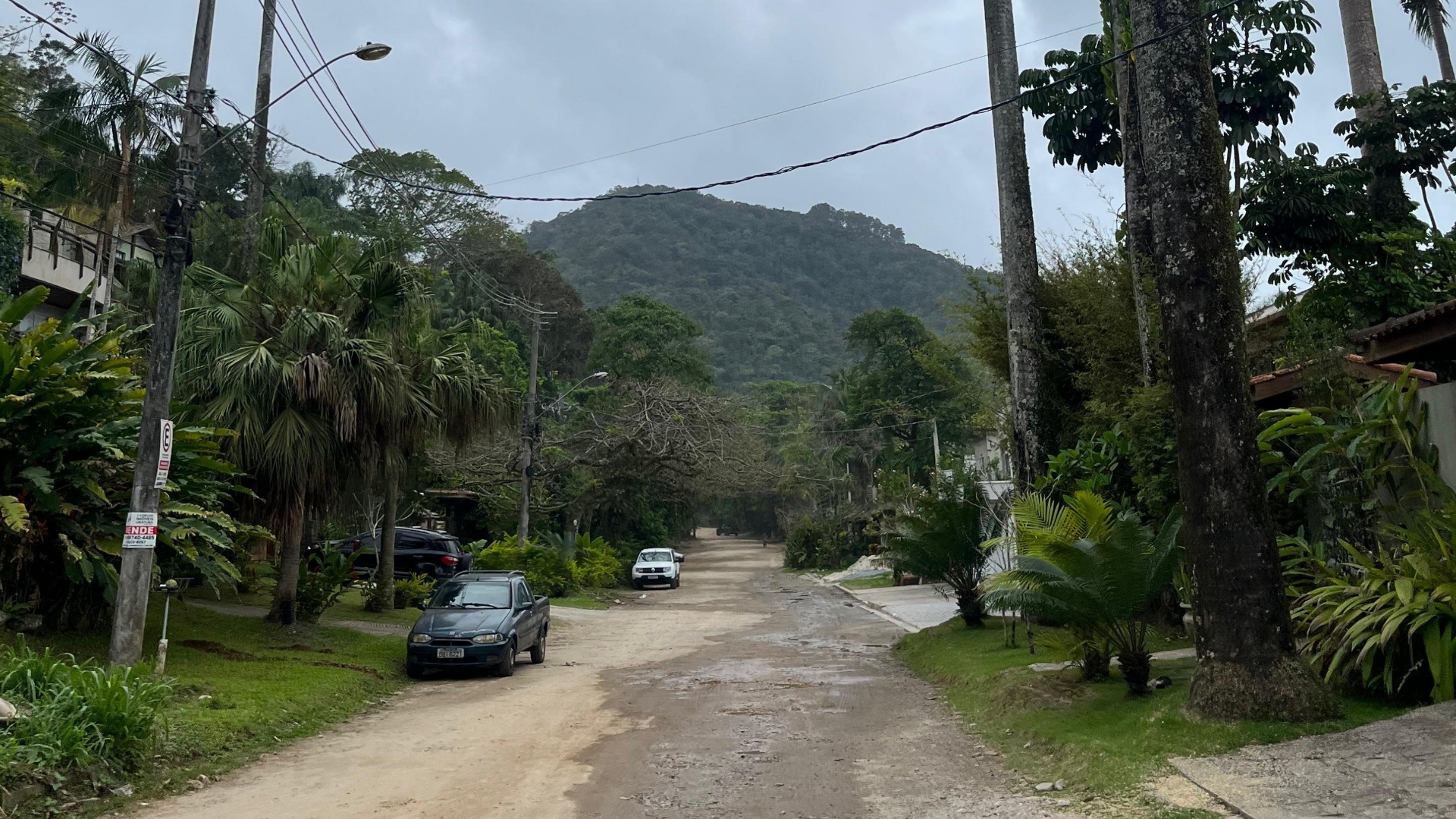
The most important decision is whether you prefer staying close to restaurants and shops or waking up next to a specific beach. Ubatuba is very spread out, and traffic can be heavy during peak season.
Downtown and Surroundings (Convenience and Nightlife)
-
Itaguá: The neighborhood with the best infrastructure. Although the beach itself is not ideal for swimming, this is where you'll find Rua Guarani (the main dining area), Projeto TAMAR, and the aquarium. Ideal for travelers without a car, couples who enjoy dining out, and families wanting everything nearby.
-
Praia Grande: The most famous and busiest beach in Ubatuba. Full of apartment buildings, beach kiosks, supermarkets, and pharmacies. Ideal for families with teenagers and groups of friends looking for activity.
-
Perequê-Açu: Located just north of downtown, it combines a swimmable beach with more affordable and youthful accommodation options.
Northern Beaches (Surf and Wild Nature)
-
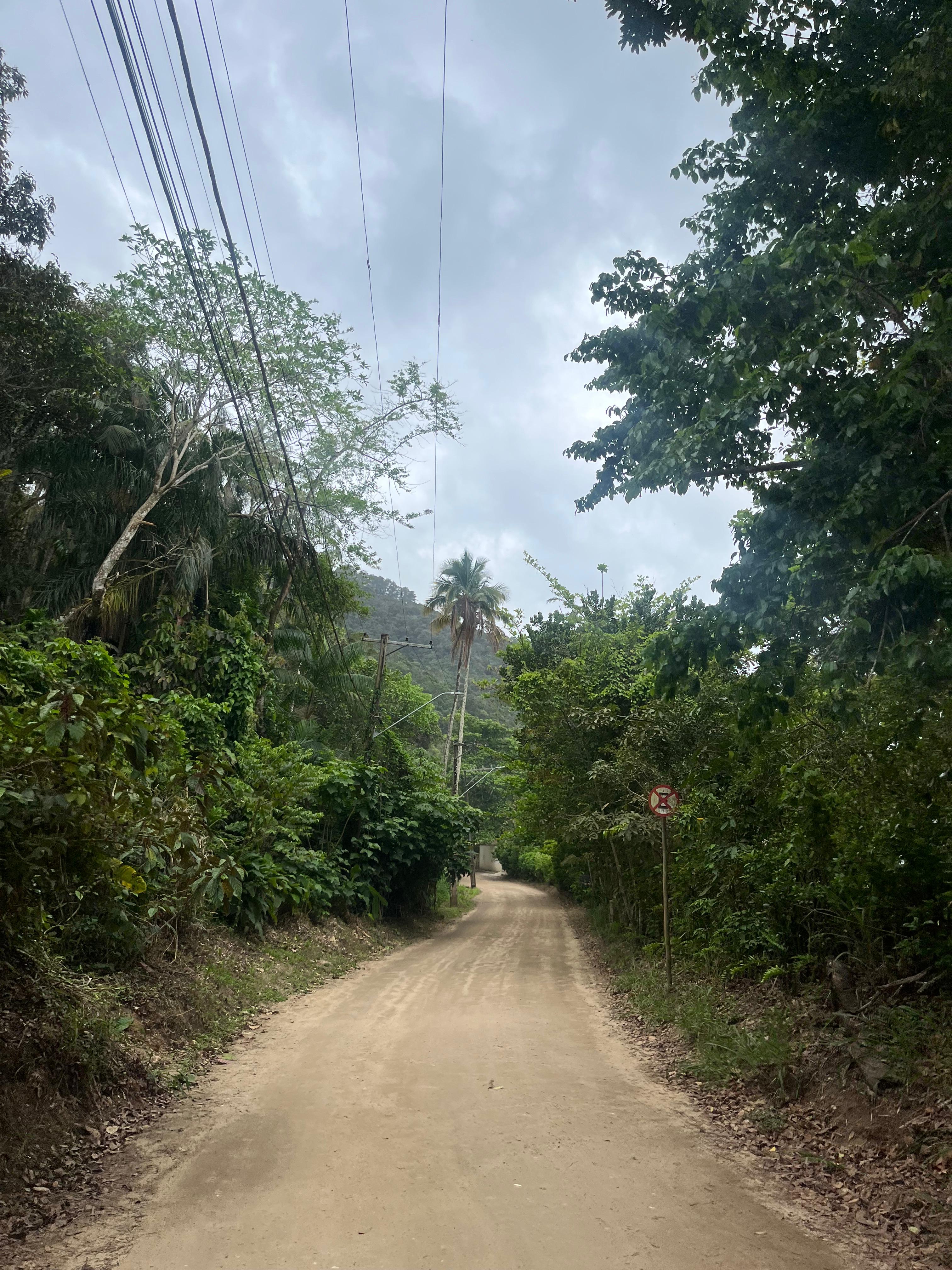
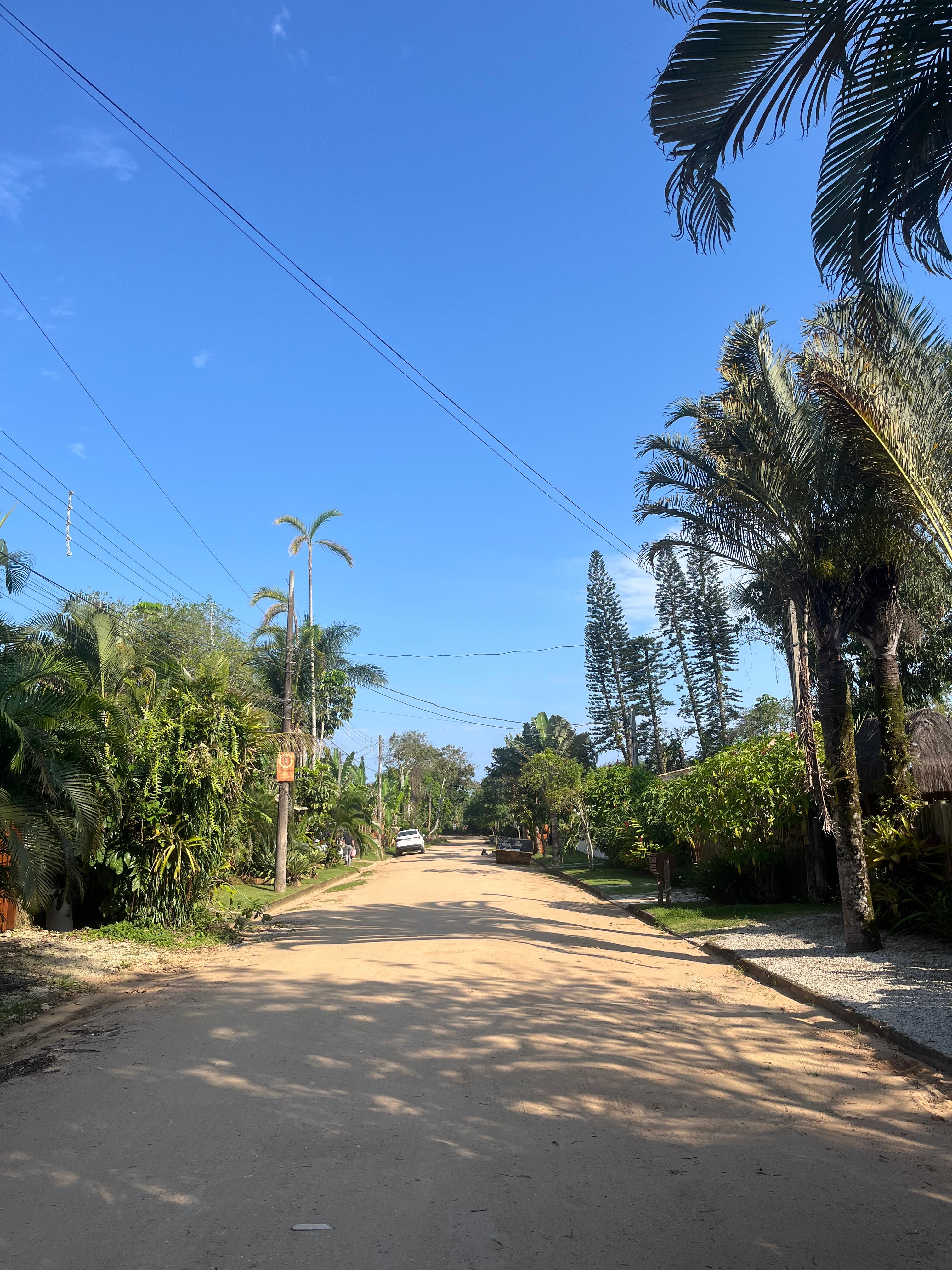
Itamambuca: (My favorite) The surfing epicenter of Ubatuba. Rustic atmosphere, dirt roads, and abundant vegetation. Ideal for surfers, eco-conscious couples, and travelers seeking total peace surrounded by rainforest.
-
Praia do Félix: One of the most beautiful beaches in the region. Accommodation here is usually in rental houses or boutique guesthouses hidden among the hills.
Southern Beaches (Relaxation and Families)
-
Enseada and Lázaro: Calm waters that feel like a natural swimming pool. The Lázaro area has excellent infrastructure with small shopping centers and easy walking access to nearby beaches such as Domingas Dias. Ideal for families with young children and travelers looking for a peaceful stay.
-
Lagoinha: The starting point of the Seven Beaches Trail. A very safe and quiet residential area.
What to Eat in Ubatuba
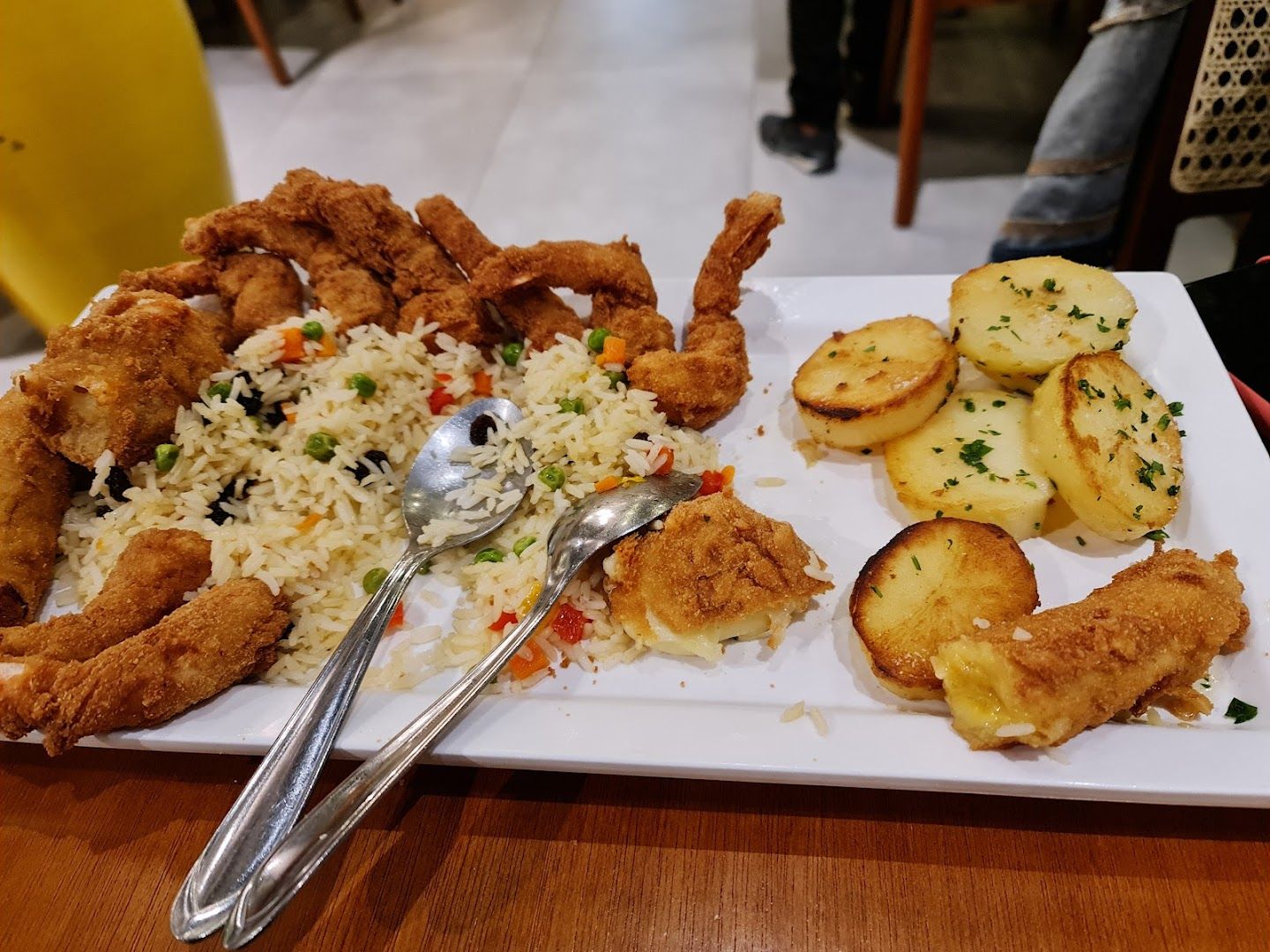
Ubatuba's cuisine combines fresh seafood with classic Brazilian flavors:
-
Fish and seafood: moqueca, grilled fish, and fresh shrimp.
-
Pastéis and beach snacks: perfect for a quick bite between beaches.
-
Açaí: extremely popular and perfect for hot days.
-
Classic Brazilian dishes: rice, feijão, farofa, and grilled meats.
-
Fresh fruit juices: passion fruit, mango, pineapple, and coconut.
Tips and Practical Information
-
Currency: Brazilian Real (BRL)
-
Transportation: A car is highly recommended for moving between beaches, although local buses are available.
-
Prices: Variable; there are both budget-friendly and more tourist-oriented options.
-
Climate: Tropical and humid, with frequent rainfall, especially during summer.
-
Safety: Generally safe, with the usual travel precautions.
-
Traveler Tip: Bring a rain jacket and do not underestimate the distances between beaches.
Our Experience in Ubatuba
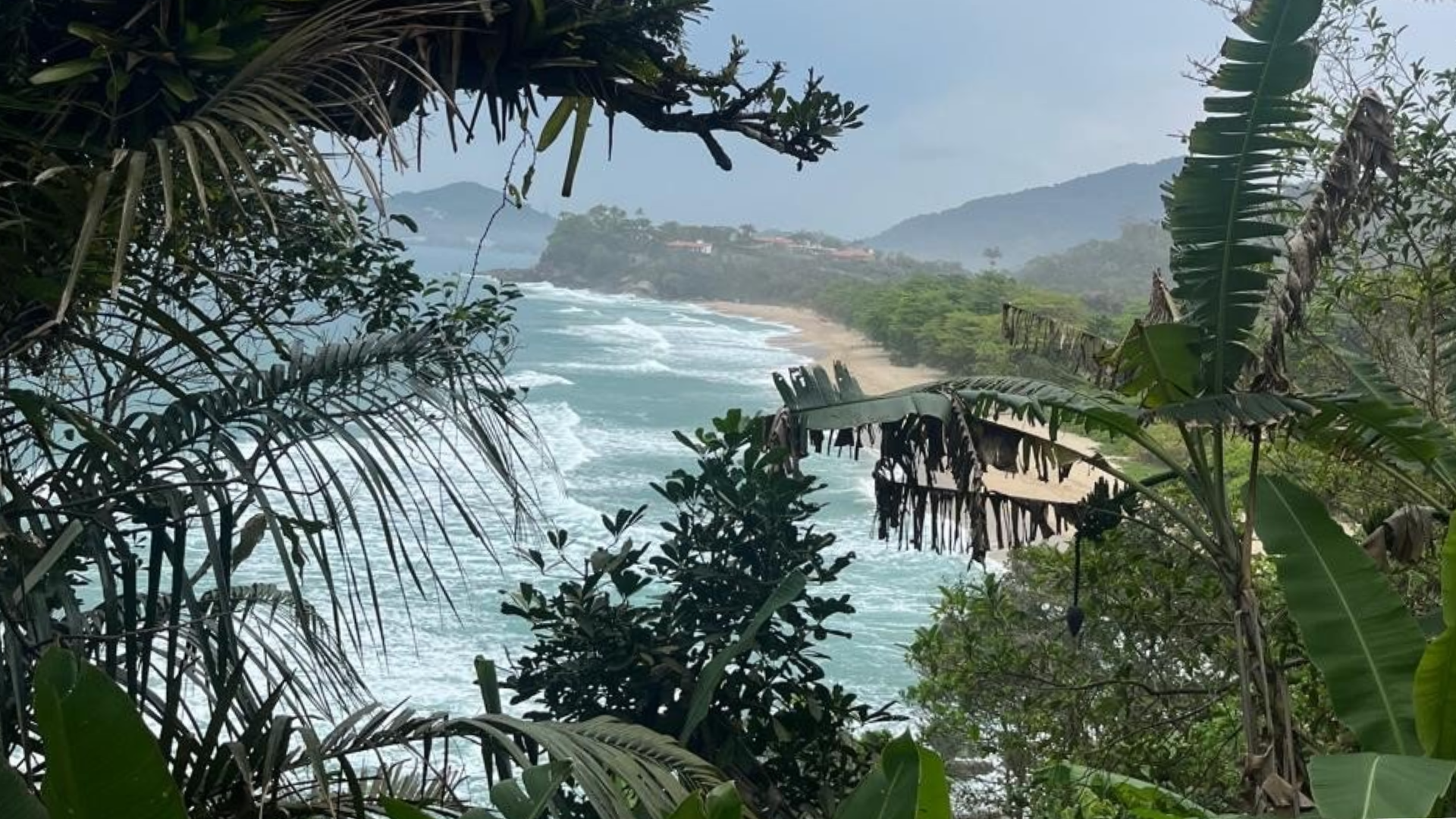
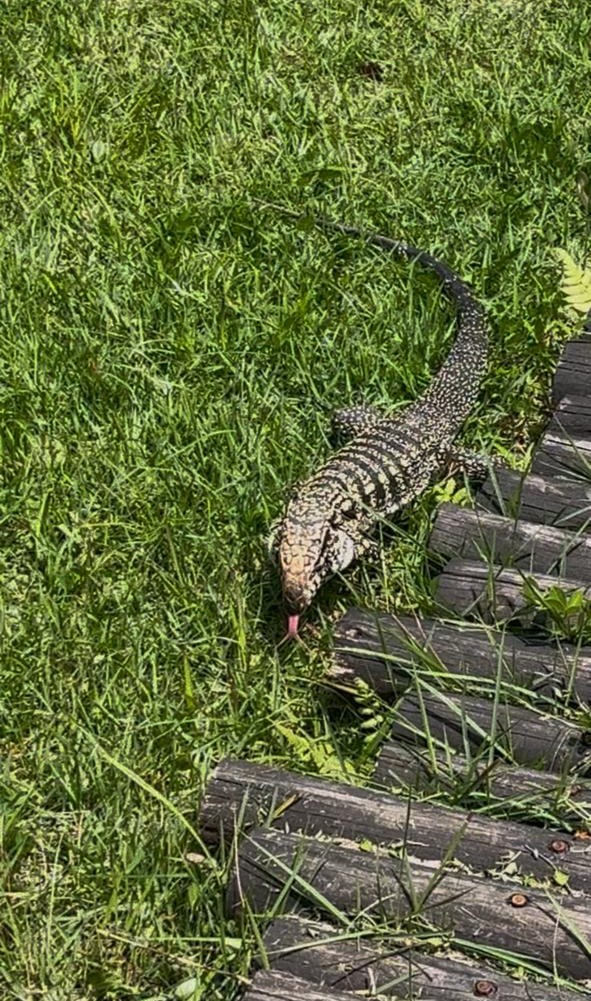
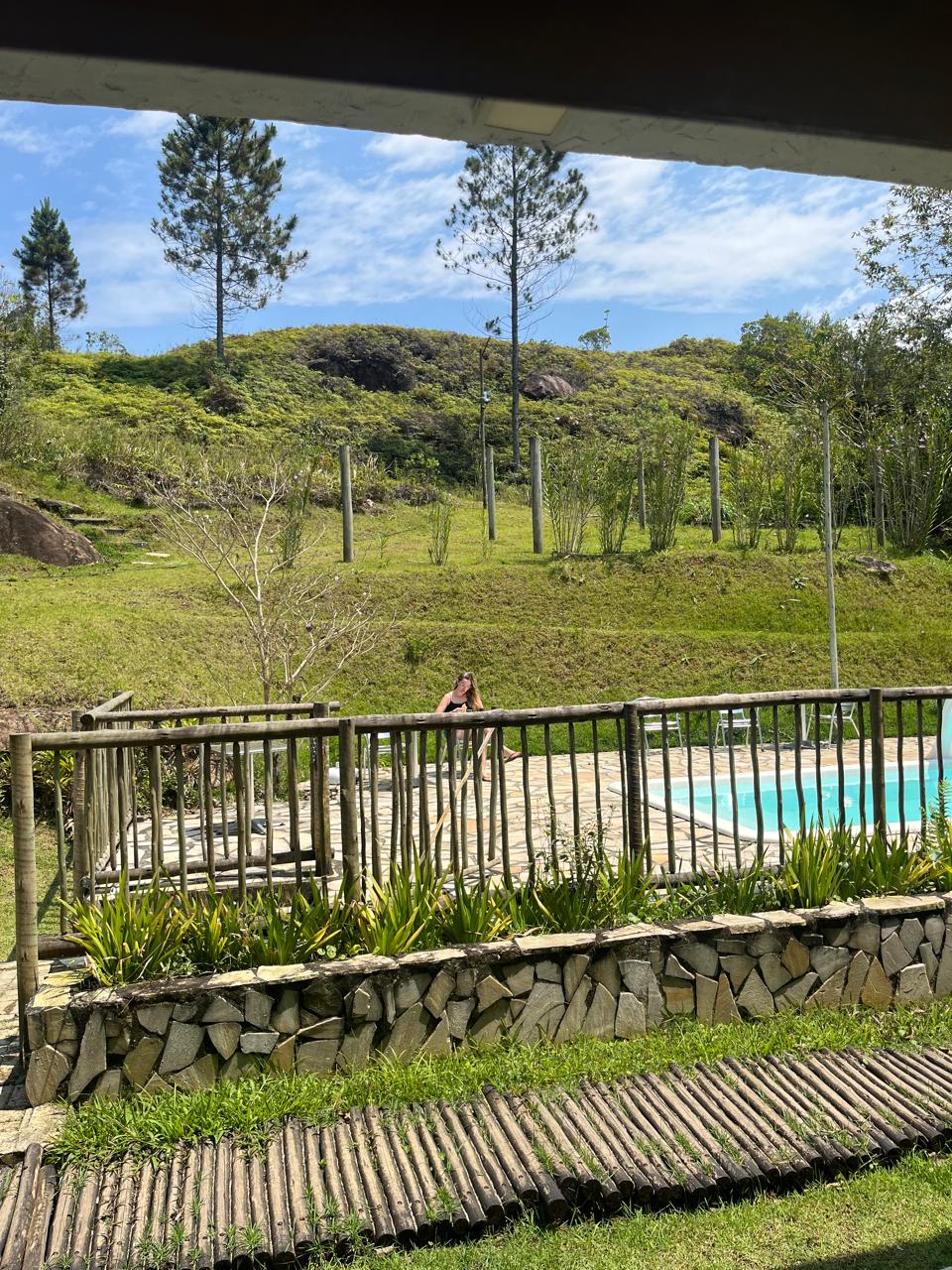
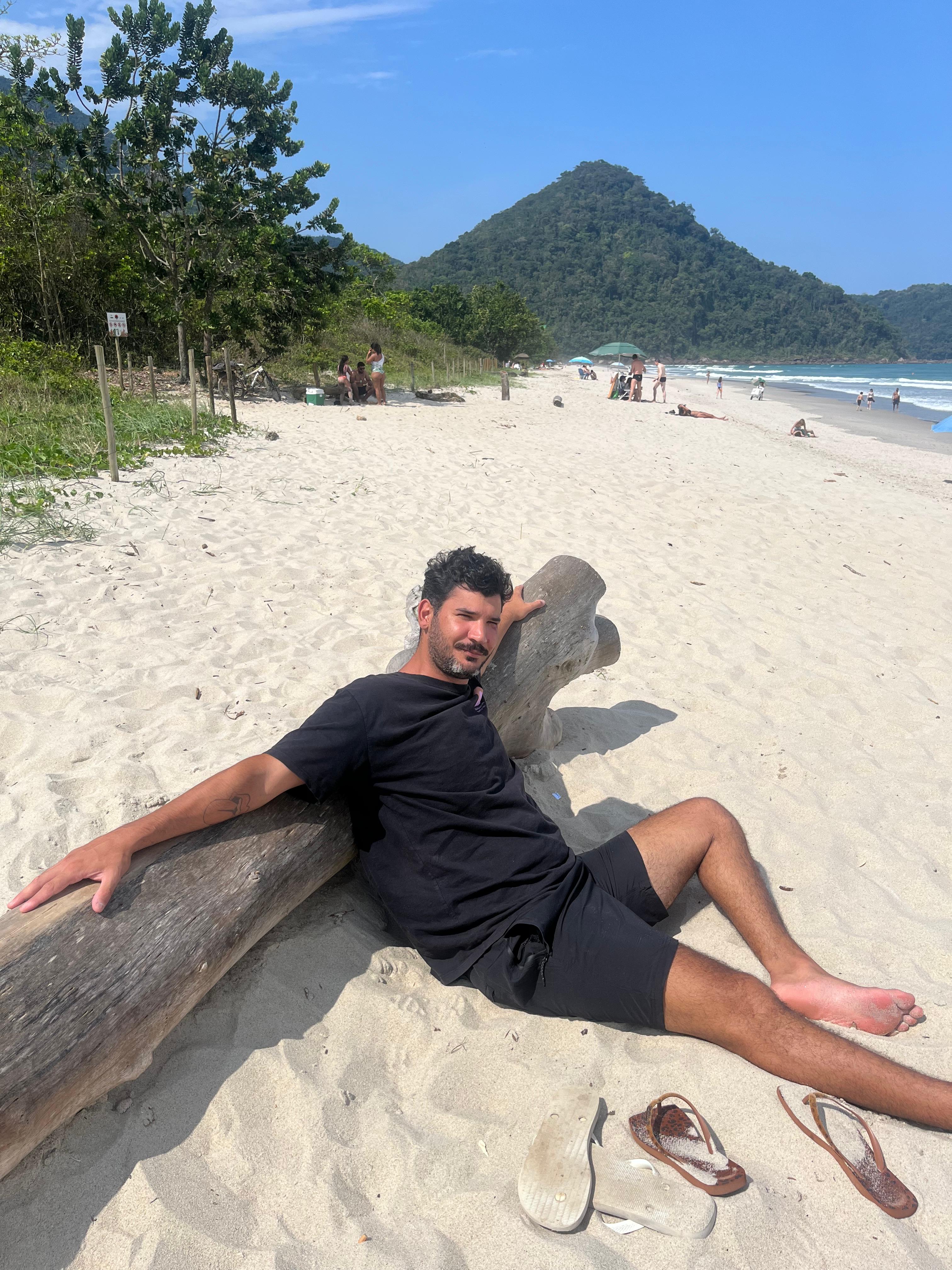
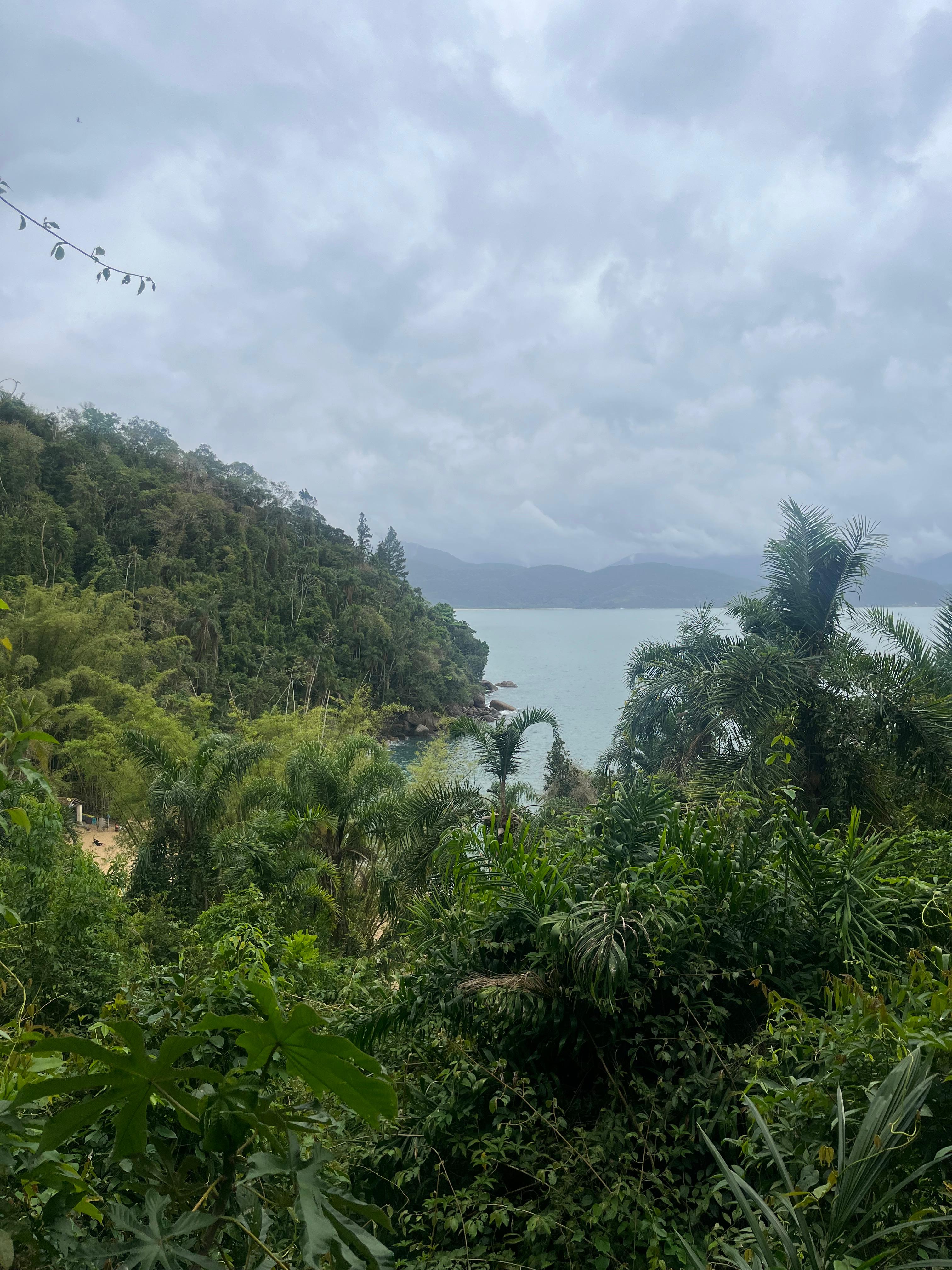
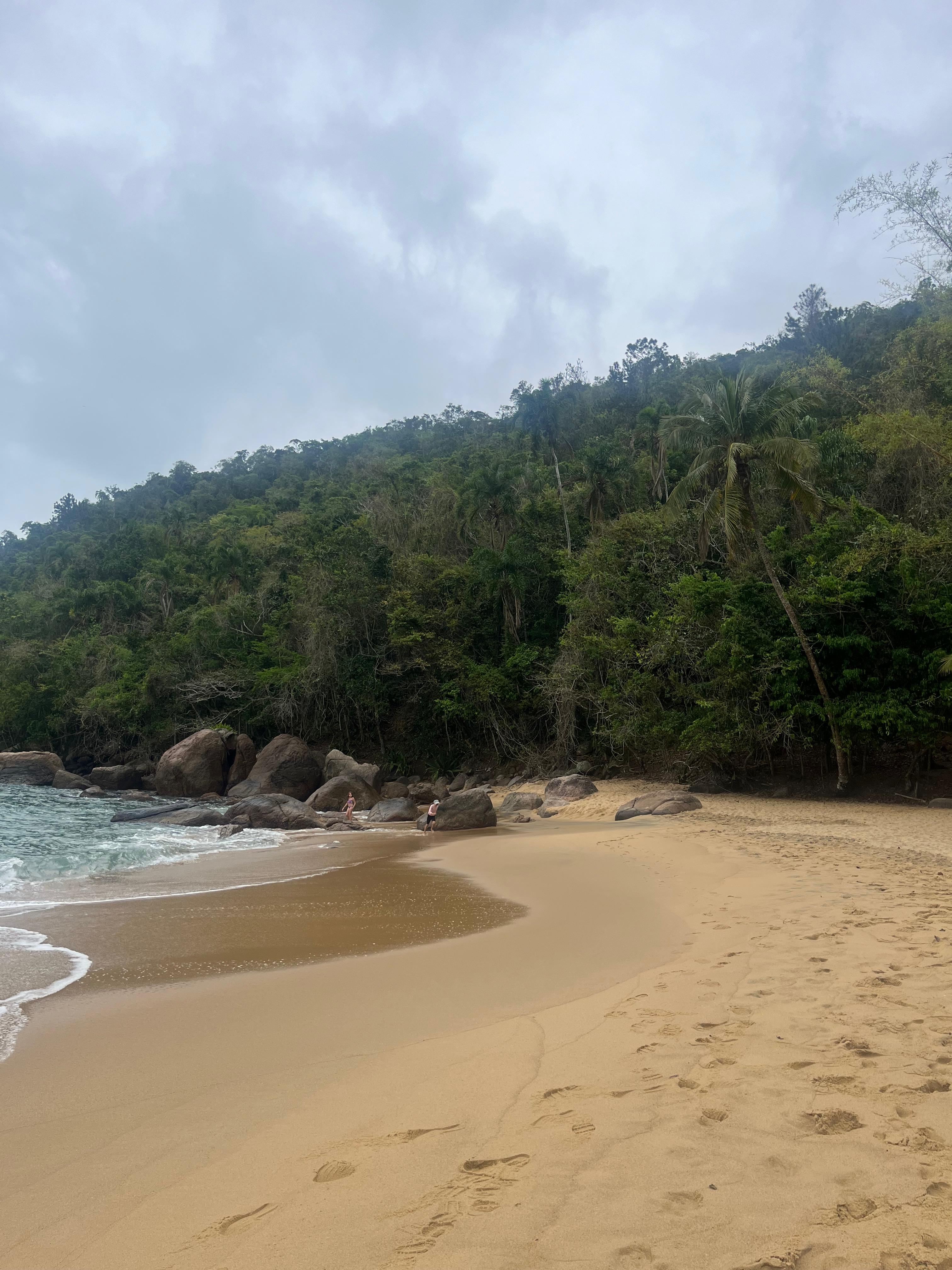
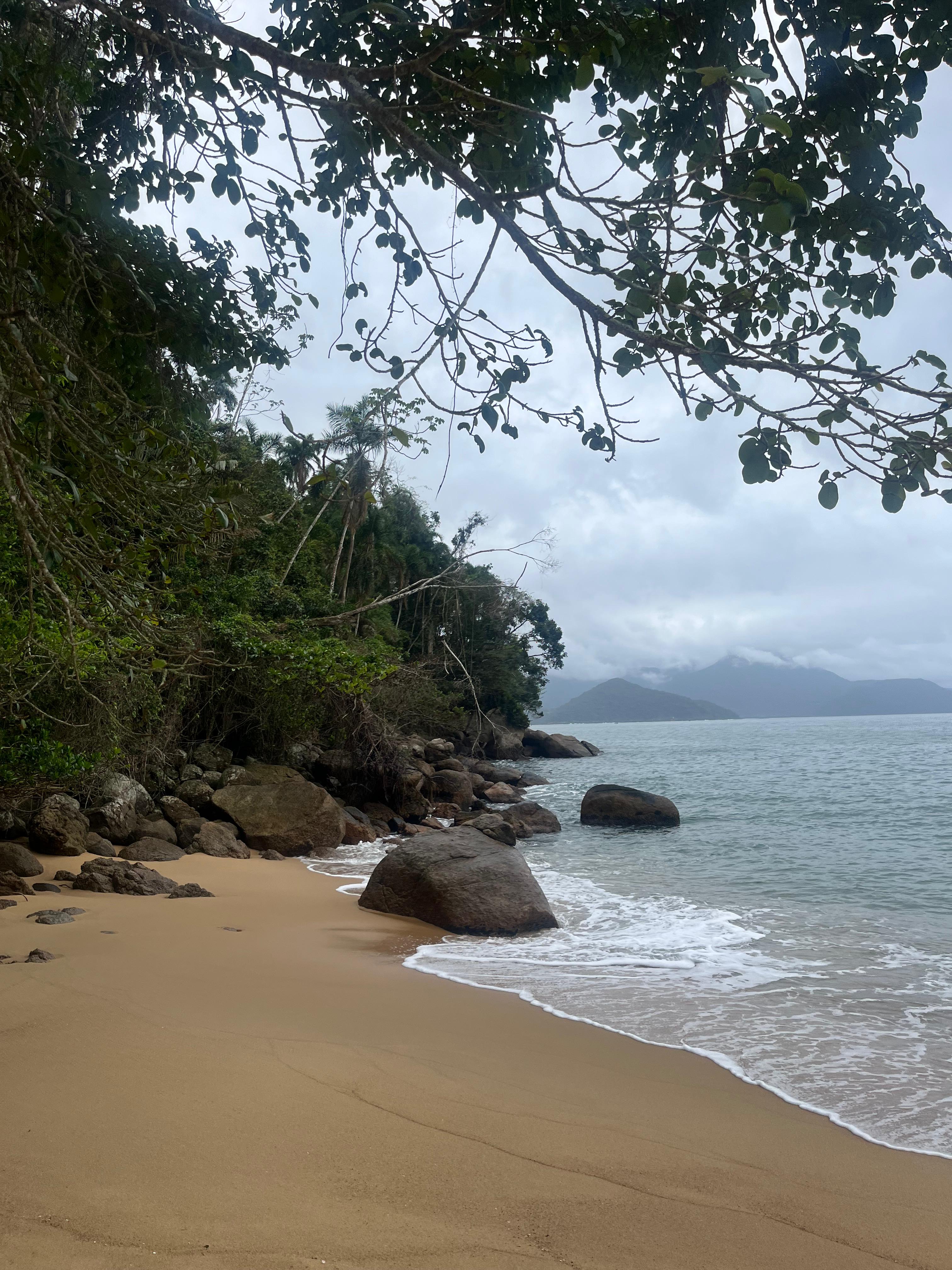
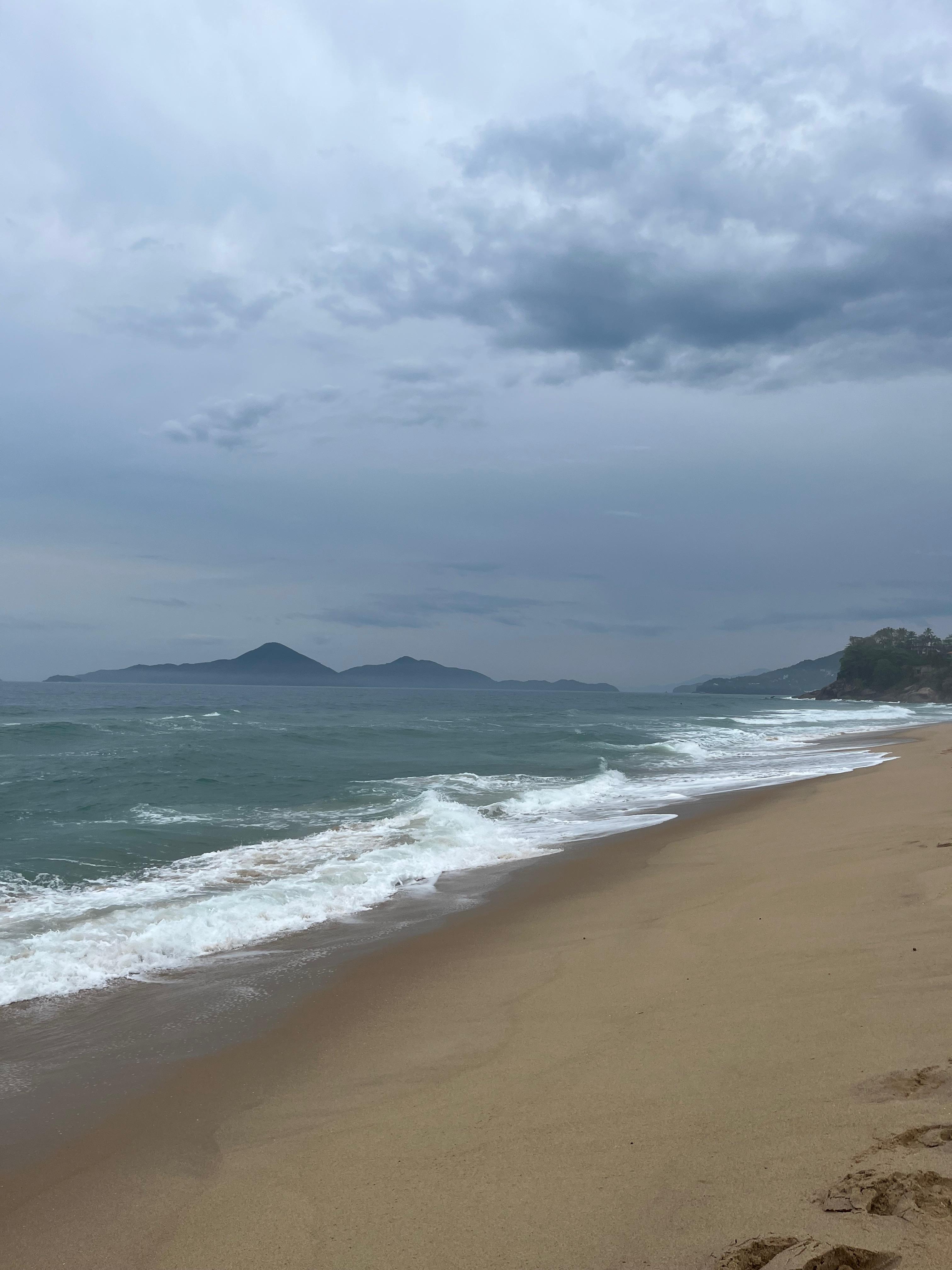
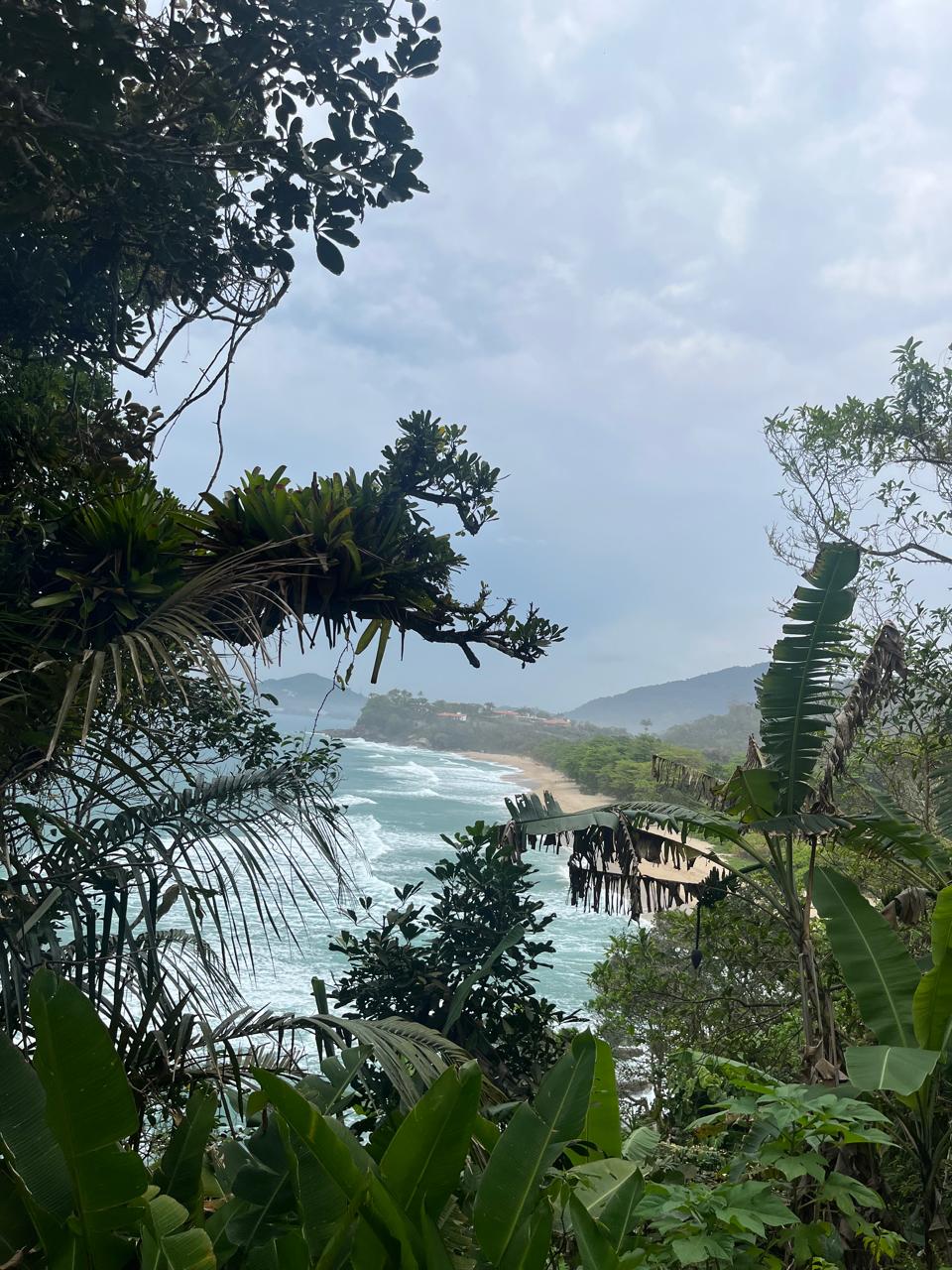
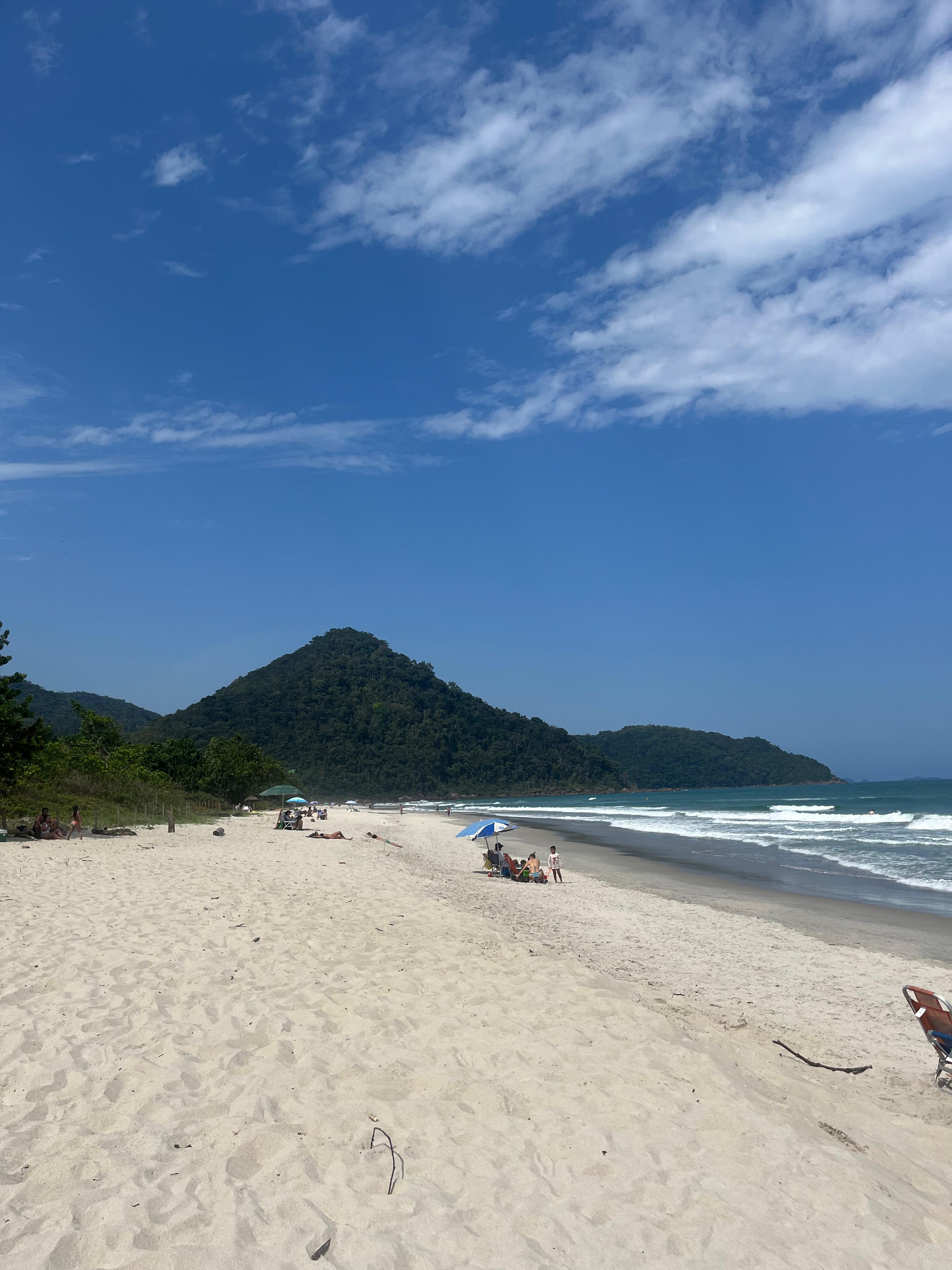
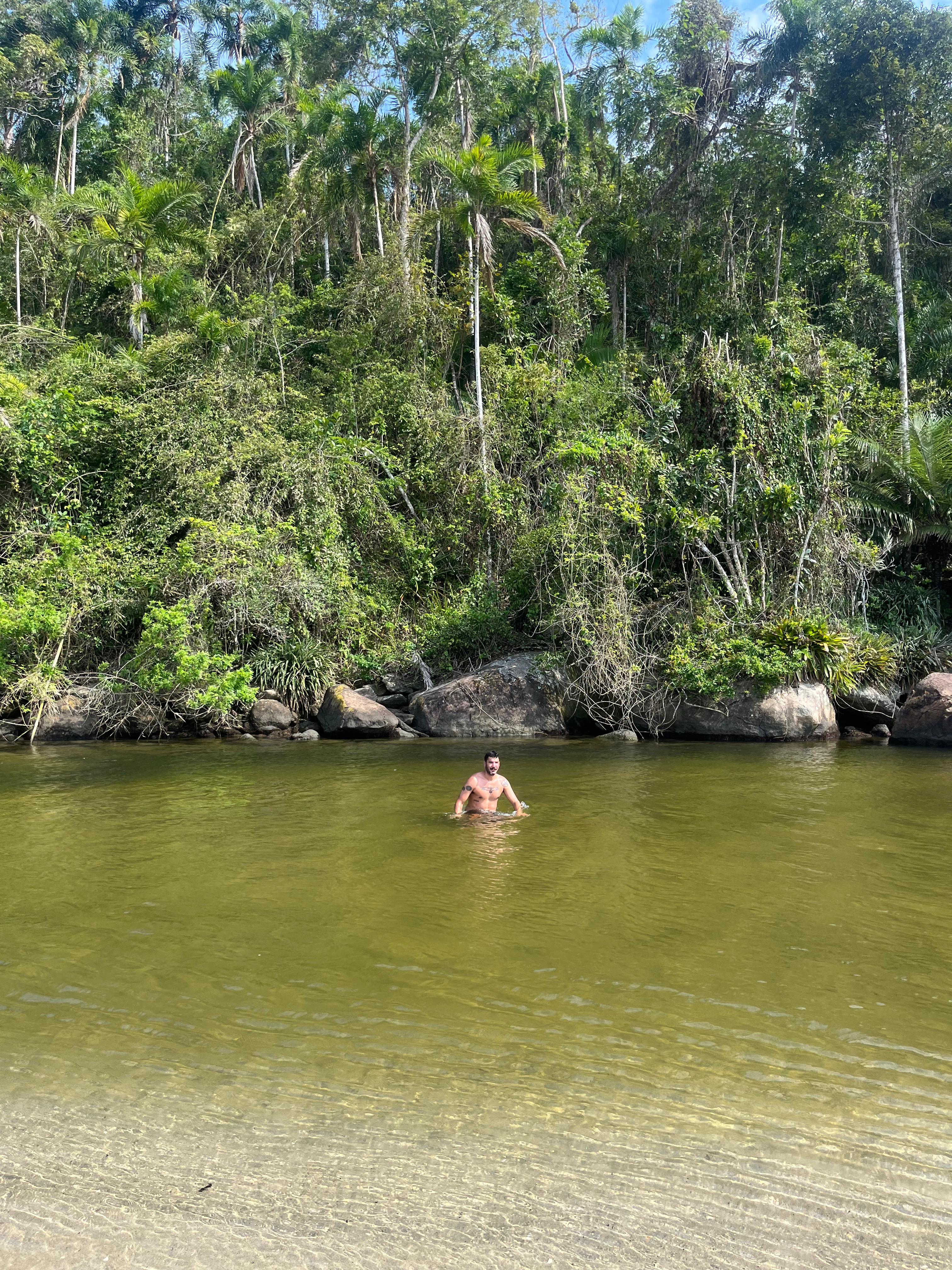
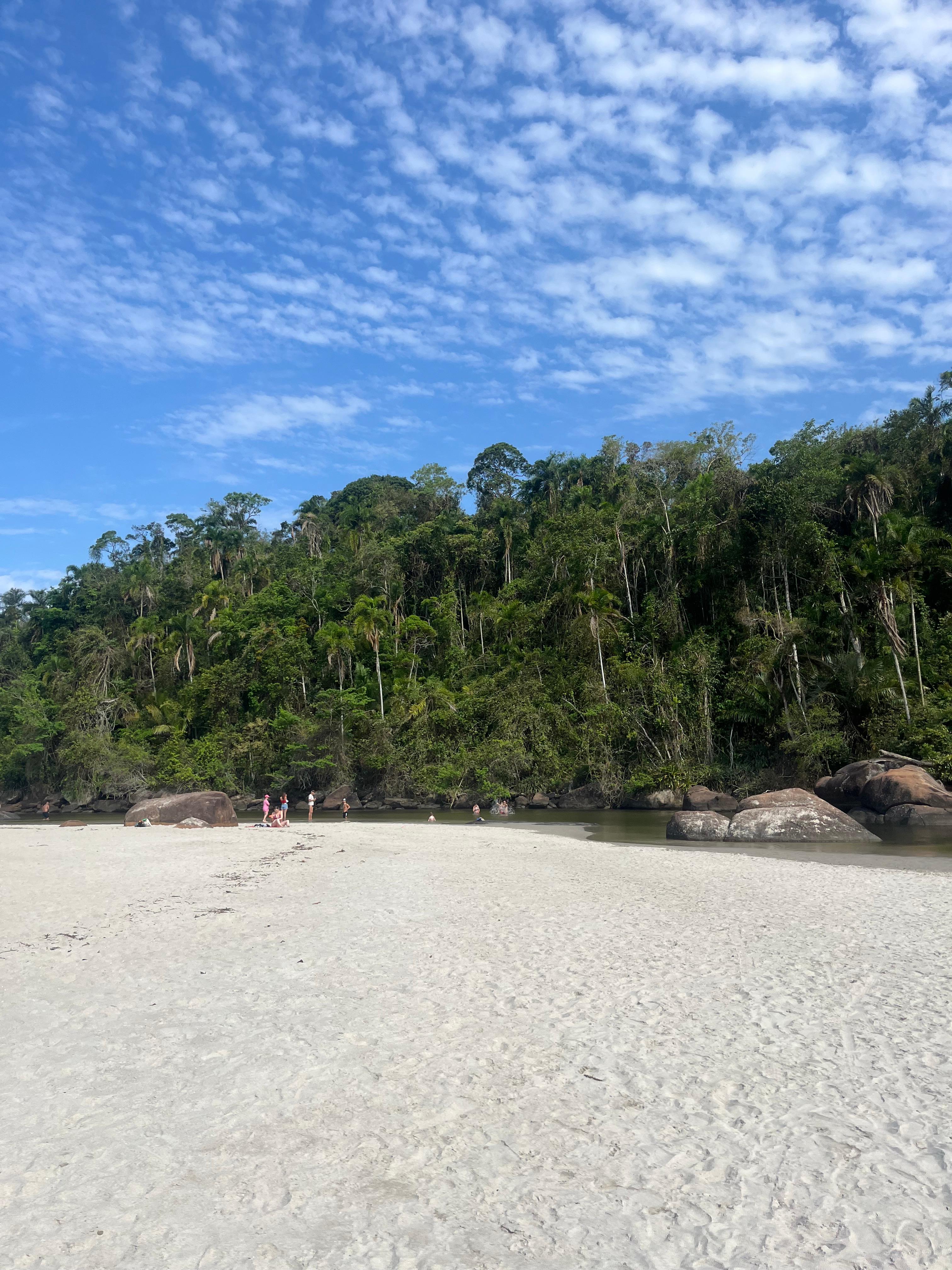
Ubatuba felt like one of the most natural destinations on the entire Brazilian coast. Unlike many beach cities, the constant impression here is that the rainforest dominates the landscape.
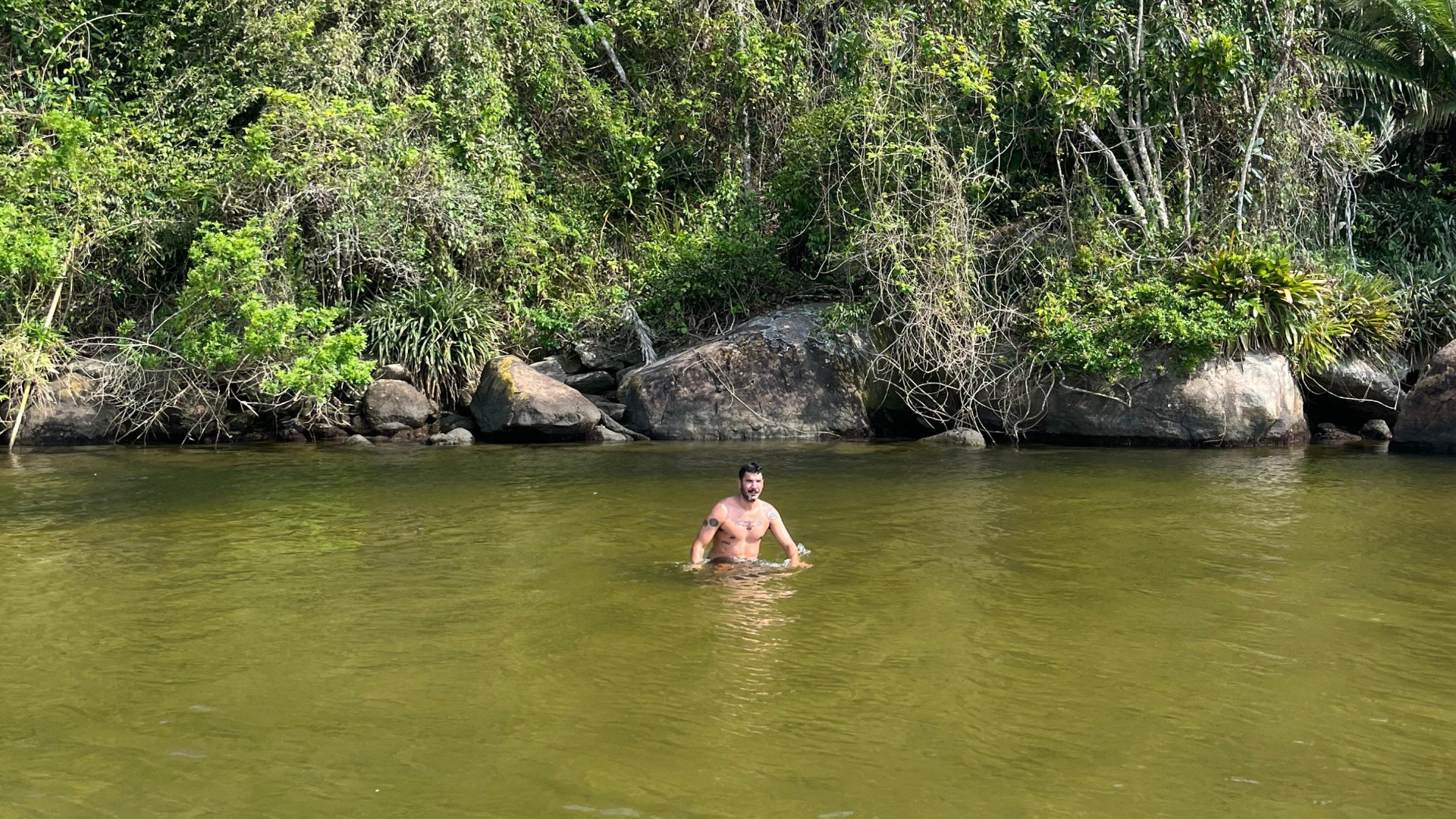
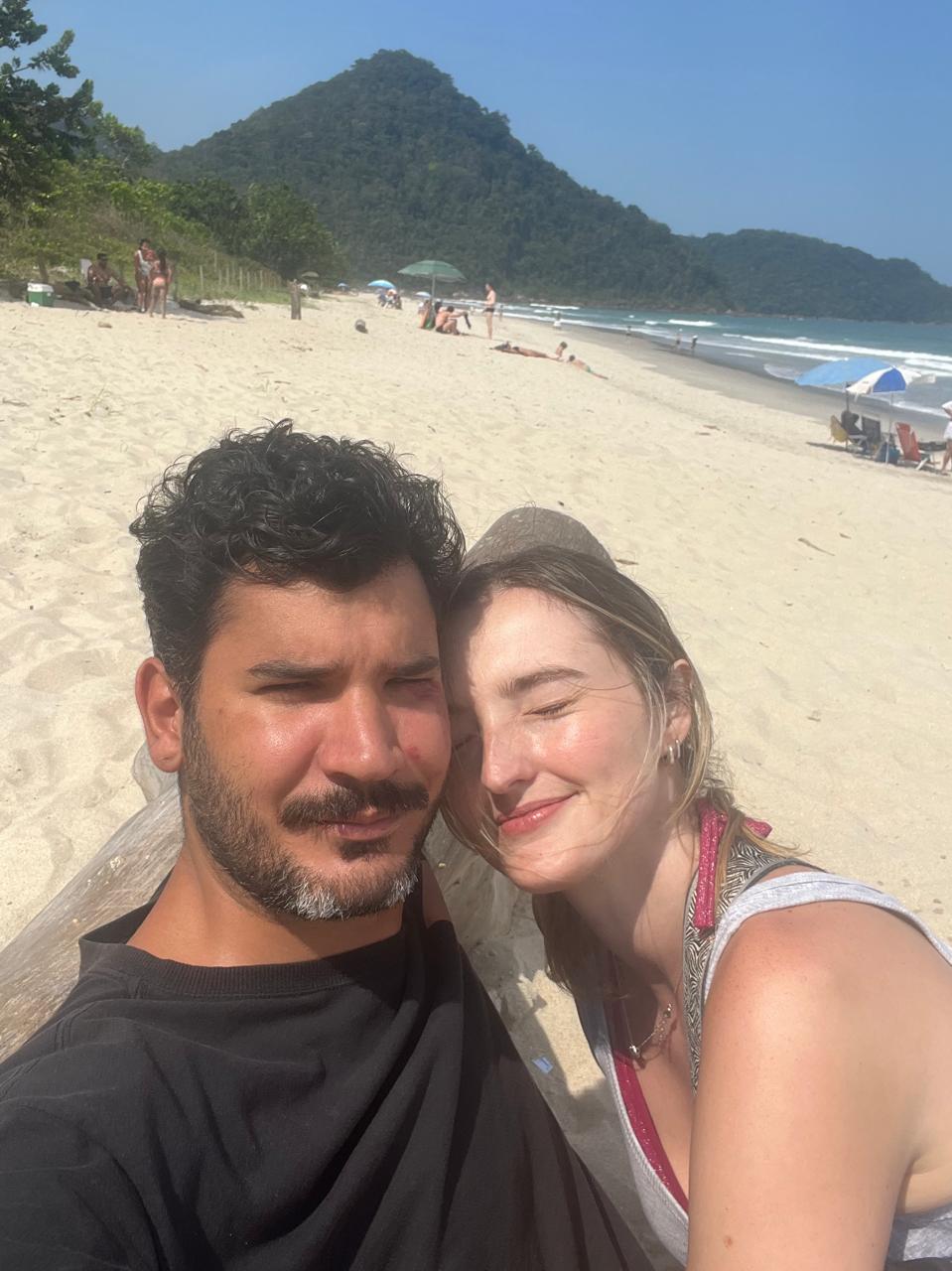
What we enjoyed most was combining beach days with short hikes and bicycle rides. Every beach has a different personality, and often a short walk is enough to move from a crowded beach to one that feels almost deserted.
If you are looking for intense nightlife or a large city atmosphere, Ubatuba may not be the right destination. But if your priorities are nature, ocean, and tranquility, it is hard to beat.
You May Also Like
1- Trilha das 7 Praias (Seven Beaches Trail) - The most famous hiking route in Ubatuba. A 10 km trek (one way) crossing hills and beaches.
2- Ubatuba's Beaches - Ubatuba has more than 100 beaches, ranging from calm family-friendly spots to wild and open stretches of coastline. Some of the most famous are Praia do Félix, Praia Itamambuca, and Praia Domingas Dias. Each beach has its own personality and is worth visiting.
3- Surf & Nature in Itamambuca - Itamambuca is one of Brazil's most famous surfing beaches. It features great waves, a young vibe, and an incredibly pristine natural setting. Even if you don't surf, it's a fantastic spot to spend the day exploring where the river meets the sea.
4- Trails and Nature - The Atlantic rainforest surrounds the town and offers hiking trails, waterfalls, and viewpoints. There are short and accessible walks that combine forest, rivers, and hidden beaches.
5- Boat Tours and Nearby Islands - Several excursions depart from Ubatuba to small islands and beaches that are difficult to reach by land. It is a great way to explore quieter and less crowded areas.
6- Downtown and Local Life - The town center has restaurants, markets, bars, and a relaxed atmosphere, especially in the evenings. It is not a large city, but it has everything needed for a comfortable stay.
PUBLICIDAD
Travel with Data: Get your Saily eSIM
- ✓Internet in seconds upon landing
- ✓Flexible plans in 180+ countries
- ✓Easy setup directly via the App
This is Ubatuba's signature hike because it allows you to discover untouched beaches that cars cannot reach.
It is a journey of about 10 km (one way) through the heart of the Atlantic Forest. What makes it special is that you move from beach to beach: hiking through the rainforest, descending onto the sand, taking a swim, and climbing another hill to see the next beach from above.
The Route (Step by Step)
The ideal route starts at Praia da Lagoinha (where the terrain is flatter) and ends at Praia da Fortaleza.
-
1 - Lagoinha: Your starting point. Very family-friendly.
-
2 - Oeste and Peres: Small beaches with many rocks and traditional fishermen's houses.
-
3 - Bonete: Home to a traditional caiçara community. There are a few rustic beach kiosks.
-
4 - Grande do Bonete: The largest beach on the route. Perfect for a longer stop.
-
5 - Deserto: Completely deserted. Nothing but sand and sea.
-
6 - Cedro do Sul: The most beautiful beach of the trail. Emerald-colored water and excellent snorkeling.
-
7 - Fortaleza: The end of the route. A calm beach where you can wait for transportation back.
Technical Information
-
Difficulty: Moderate. You do not need to be an athlete, but there are climbs with roots and muddy sections.
-
Duration: Between 3 and 5 hours (including beach stops).
-
Cost: Access is free. The main expense is transportation back.
-
Best Time to Visit: May to August (less rain and fewer mosquitoes), although summer is the best season for swimming.
Tips
-
Almost nobody hikes back because that would mean another 10 km. The best option is to take a boat taxi from Praia do Cedro or Fortaleza back to Lagoinha. Prices and schedules can be checked through Ubatuba's tourism information services.
-
Silent enemy: Borrachudos. These tiny mosquitoes make no noise but bite aggressively. Standard repellents do not always work. A local citronella-based product called Citroilha is widely recommended and can be found in Ubatuba pharmacies.
-
Important: There are no trash bins along the trail. Everything you bring should leave with you.
-
At Praia da Fortaleza (the end of the trail), cell phone coverage can be very poor. If you plan to call an Uber, you may need to walk toward the village entrance or ask a restaurant such as Refúgio do Corsário for Wi-Fi access.
Suggested Equipment
-
Hiking shoes or sneakers with good grip (avoid flip-flops on the hills).
-
Plenty of water (at least 1.5 liters per person).
-
Snacks (nuts, energy bars, etc.).
-
A waterproof bag for your phone or camera.
The most important decision is whether you prefer staying close to restaurants and shops or waking up next to a specific beach. Ubatuba is very spread out, and traffic can be heavy during peak season.
Downtown and Surroundings (Convenience and Nightlife)
-
Itaguá: The neighborhood with the best infrastructure. Although the beach itself is not ideal for swimming, this is where you'll find Rua Guarani (the main dining area), Projeto TAMAR, and the aquarium. Ideal for travelers without a car, couples who enjoy dining out, and families wanting everything nearby.
-
Praia Grande: The most famous and busiest beach in Ubatuba. Full of apartment buildings, beach kiosks, supermarkets, and pharmacies. Ideal for families with teenagers and groups of friends looking for activity.
-
Perequê-Açu: Located just north of downtown, it combines a swimmable beach with more affordable and youthful accommodation options.
Northern Beaches (Surf and Wild Nature)
-
Itamambuca: (My favorite) The surfing epicenter of Ubatuba. Rustic atmosphere, dirt roads, and abundant vegetation. Ideal for surfers, eco-conscious couples, and travelers seeking total peace surrounded by rainforest.
-
Praia do Félix: One of the most beautiful beaches in the region. Accommodation here is usually in rental houses or boutique guesthouses hidden among the hills.
Southern Beaches (Relaxation and Families)
-
Enseada and Lázaro: Calm waters that feel like a natural swimming pool. The Lázaro area has excellent infrastructure with small shopping centers and easy walking access to nearby beaches such as Domingas Dias. Ideal for families with young children and travelers looking for a peaceful stay.
-
Lagoinha: The starting point of the Seven Beaches Trail. A very safe and quiet residential area.
Ubatuba's cuisine combines fresh seafood with classic Brazilian flavors:
-
Fish and seafood: moqueca, grilled fish, and fresh shrimp.
-
Pastéis and beach snacks: perfect for a quick bite between beaches.
-
Açaí: extremely popular and perfect for hot days.
-
Classic Brazilian dishes: rice, feijão, farofa, and grilled meats.
-
Fresh fruit juices: passion fruit, mango, pineapple, and coconut.
-
Currency: Brazilian Real (BRL)
-
Transportation: A car is highly recommended for moving between beaches, although local buses are available.
-
Prices: Variable; there are both budget-friendly and more tourist-oriented options.
-
Climate: Tropical and humid, with frequent rainfall, especially during summer.
-
Safety: Generally safe, with the usual travel precautions.
-
Traveler Tip: Bring a rain jacket and do not underestimate the distances between beaches.
Ubatuba felt like one of the most natural destinations on the entire Brazilian coast. Unlike many beach cities, the constant impression here is that the rainforest dominates the landscape.
What we enjoyed most was combining beach days with short hikes and bicycle rides. Every beach has a different personality, and often a short walk is enough to move from a crowded beach to one that feels almost deserted.
If you are looking for intense nightlife or a large city atmosphere, Ubatuba may not be the right destination. But if your priorities are nature, ocean, and tranquility, it is hard to beat.
Galery
PUBLICIDAD
International Travel Insurance
- ✓International medical insurance
- ✓24/7 immediate assistance in your language
- ✓Ideal for trekking & adventure
Posts in Brasil
Preferences
Language
Color
Text
Width