Table of contents and map
Salar de Uyuni: the world’s largest salt desert in Bolivia
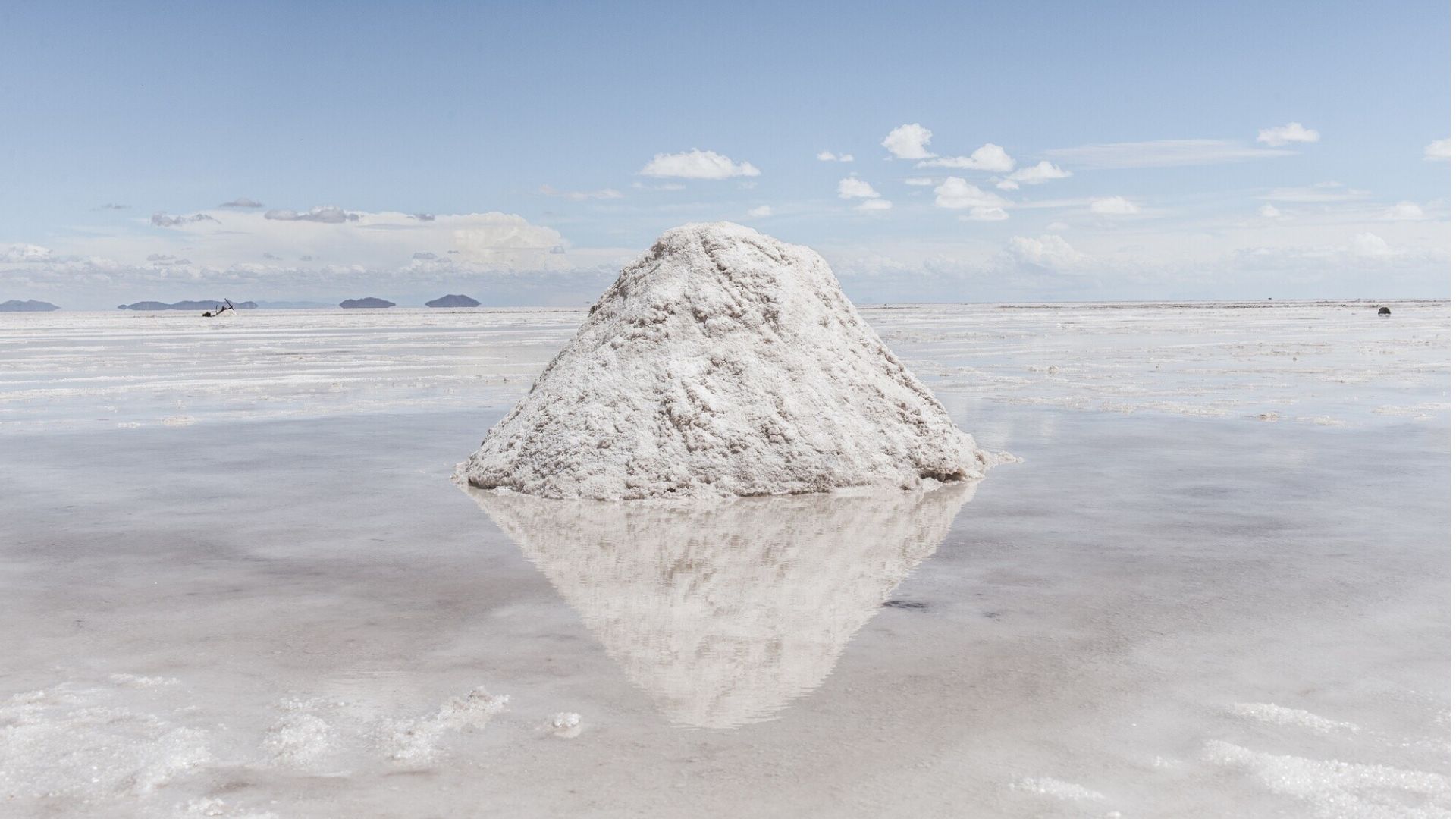
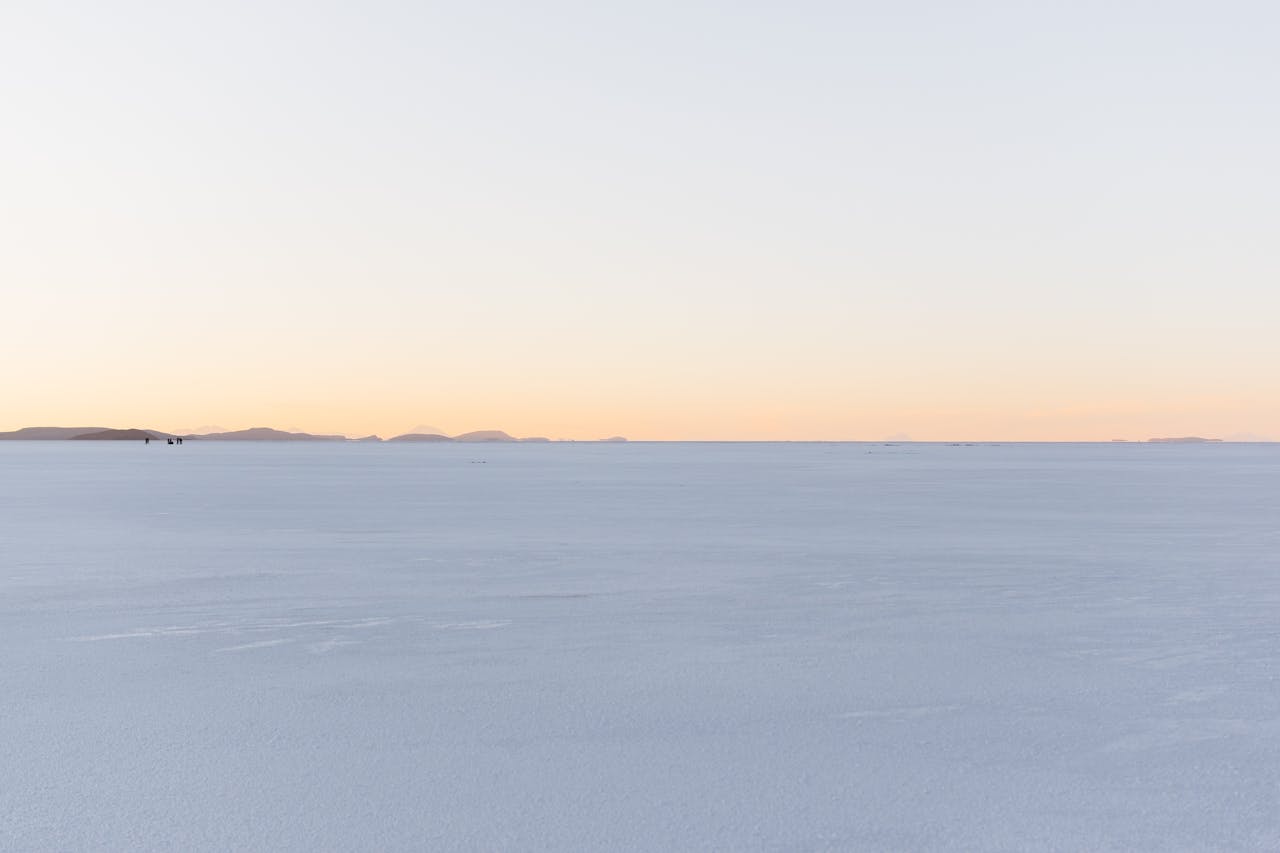
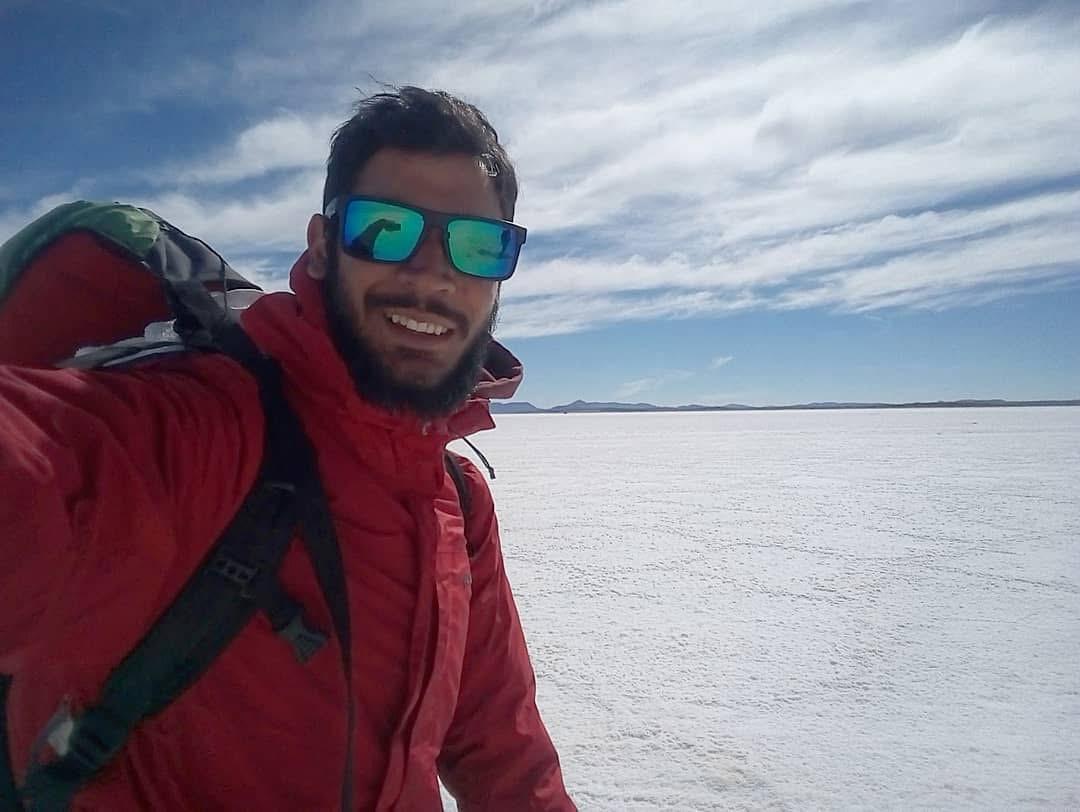
The Salar de Uyuni is one of those places that defy any prior expectations. Located in the Bolivian Altiplano, it is the largest salt flat in the world and a landscape that seems to have no limits. The horizon becomes blurred, the sky reflects on the ground, and the feeling of being in a truly unique place is constant.
Salar de Uyuni: the world’s largest salt desert in Bolivia
The Salar de Uyuni is one of those places that defy any prior expectations. Located in the Bolivian Altiplano, it is the largest salt flat in the world and a landscape that seems to have no limits. The horizon becomes blurred, the sky reflects on the ground, and the feeling of being in a truly unique place is constant.
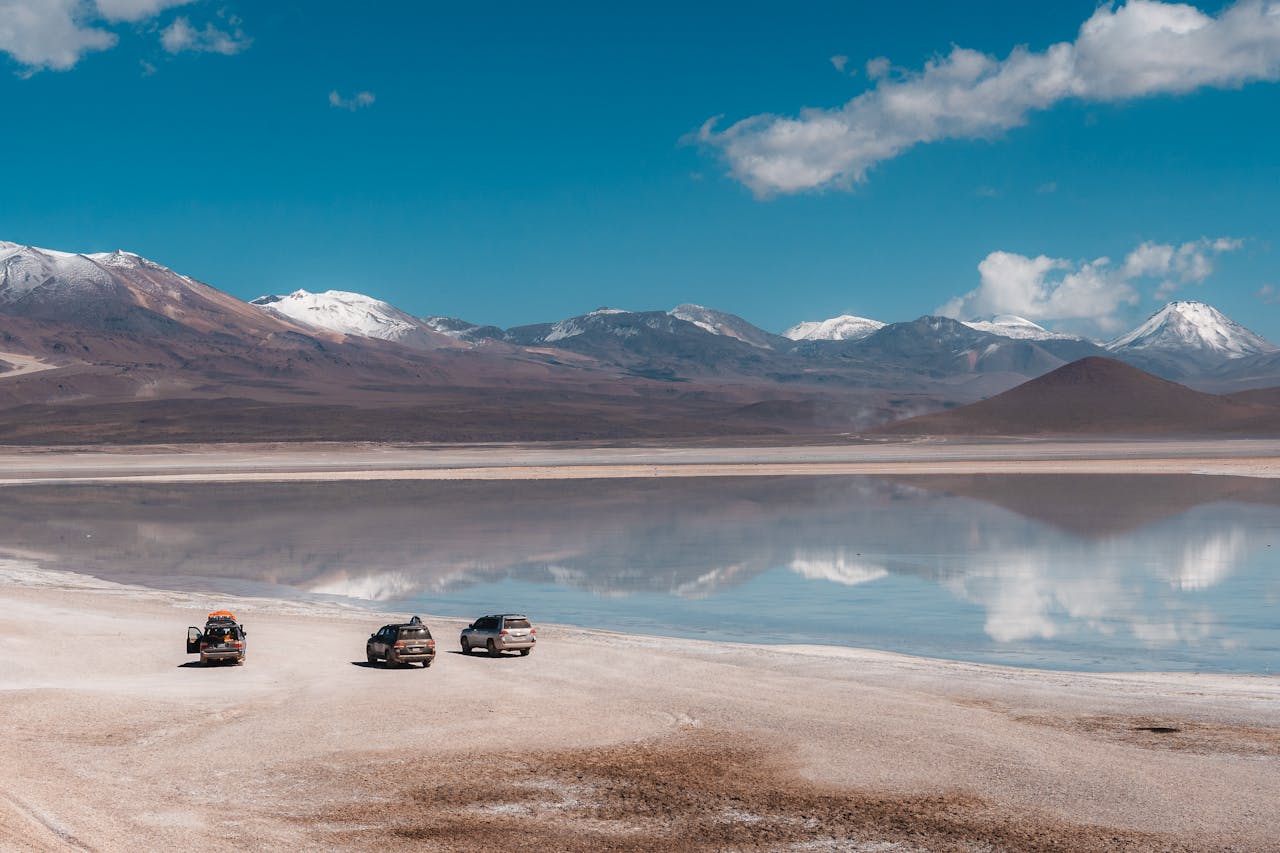
More than just a destination, Uyuni is an experience lived in motion, crossing vast distances and extreme landscapes where silence, light, and weather set the rhythm of the journey.
Activities in the Salar de Uyuni
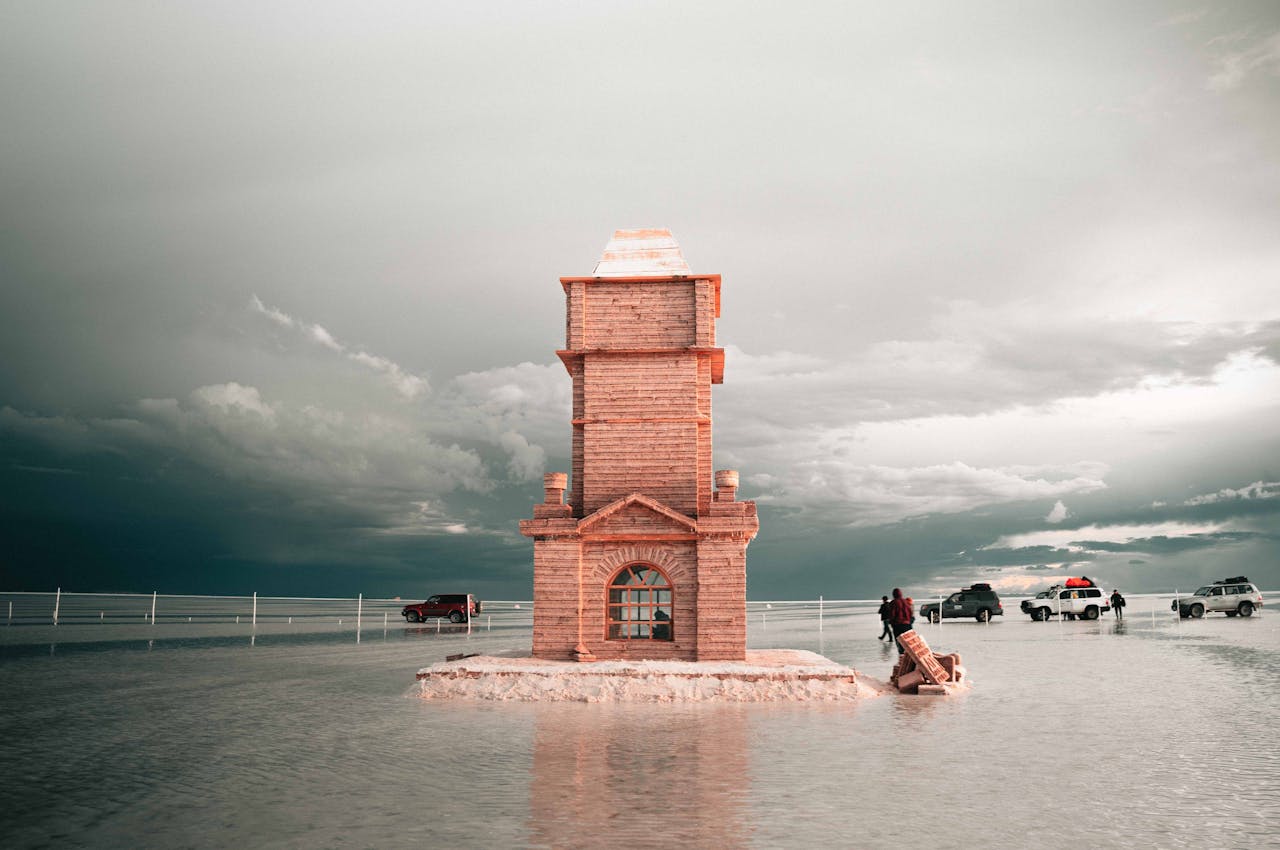
- Salar de Uyuni - The vast white plain is the heart of the trip. In the dry season, you can see the geometric salt patterns; during the rainy season, it transforms into a natural mirror reflecting the sky like nowhere else in the world.
- Incahuasi Island - An island covered with giant cacti in the middle of the salt flat. From its highest point, you get an impressive panoramic view of the endless white sea surrounding it.
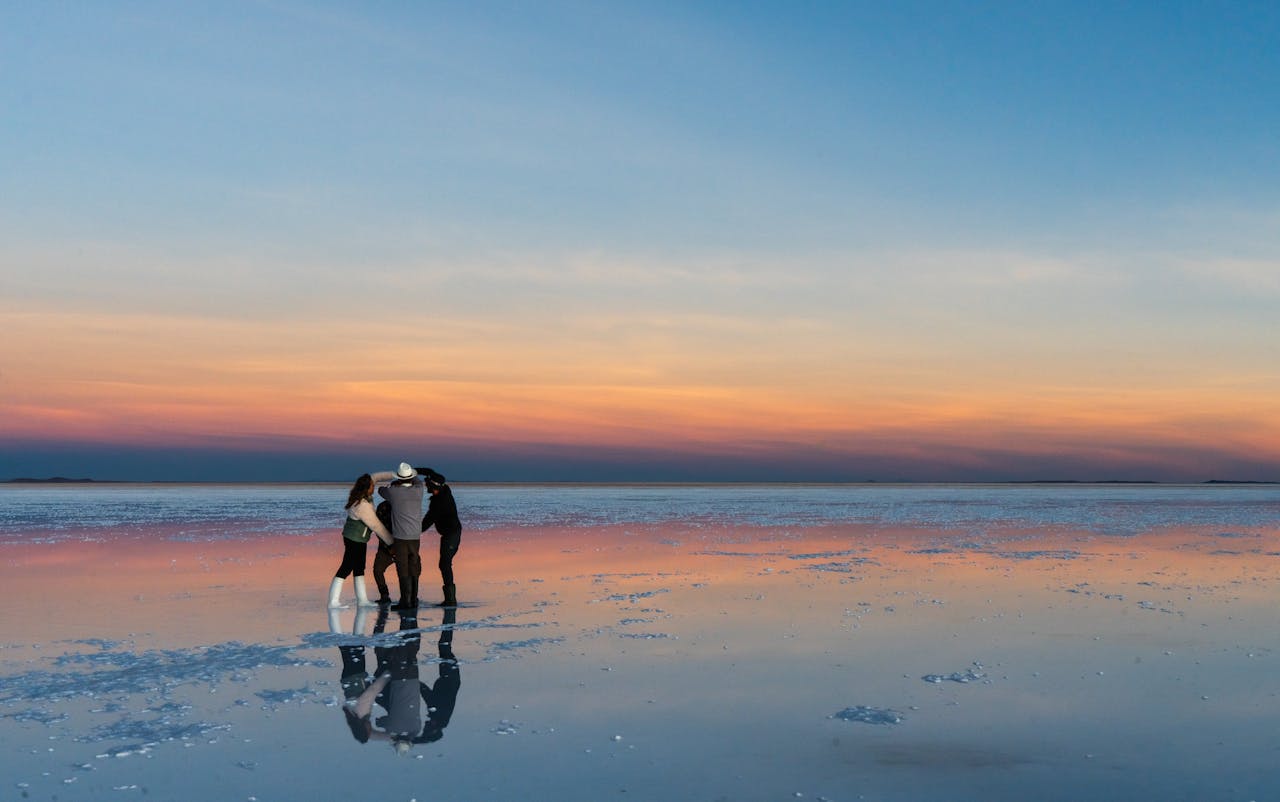
- Sunset over the salt flat - One of the most unforgettable moments of the trip. Colors shift rapidly, and the landscape becomes almost surreal.
- Train Cemetery - On the outskirts of Uyuni, it gathers old abandoned locomotives that recall the region’s railway past. A short but very photogenic stop.
- High-altitude lagoons - On longer tours, you visit colorful lagoons surrounded by volcanoes and Andean wildlife, showing another side of the Bolivian Altiplano.
What to do in the Salar de Uyuni
- 1, 2 or 3-day tours - The classic way to explore the area. Tours include 4x4 transport, guide, meals, and basic high-altitude accommodation.
- Perspective photography - The salt flat is perfect for playing with scale and perspective. Guides often help create fun and creative photos.
- See the mirror effect - Between January and March, if rains are present, the famous mirror effect occurs. It’s important to check conditions before traveling.
- Sleep in a salt hotel - Some tours include accommodations built with salt blocks, a unique experience deeply connected to the environment.
- Wildlife observation - Flamingos, vicuñas, and Andean birds can be seen especially in lagoons and more remote areas.
What to eat in Uyuni and the Altiplano
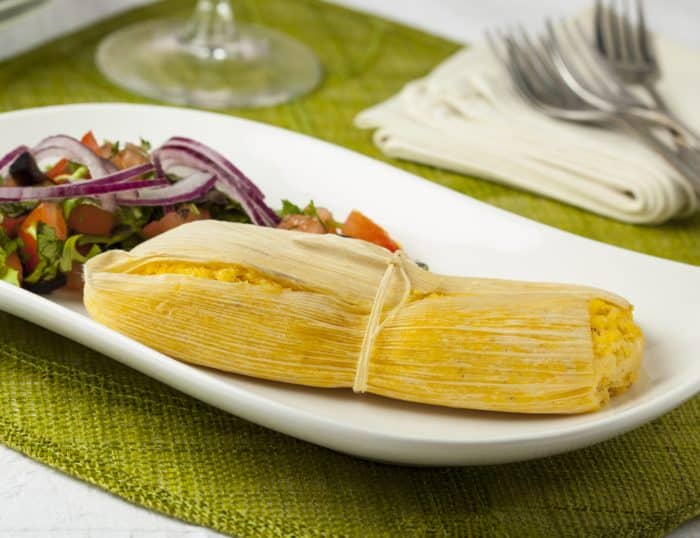
Highland cuisine is simple, energetic, and closely tied to local products.
-
Quinoa - A staple ingredient in the region, used in soups, stews, and side dishes.
-
Llama meat - Typical Altiplano protein, prepared in stews or grilled.
-
Andean soups - Hot and nutritious dishes, ideal for cold temperatures and altitude.
-
Hot infusions - Coca leaf tea, herbal teas, and warm drinks help with altitude adaptation.
-
Tour food - On long trips, meals are simple but hearty, designed to restore energy.
Facts
-
Tours: Approximate cost per person for a full-day tour ranges from US$50 to 80.
-
Climate: Very extreme; temperatures can drop below 0°C at night, even in summer.
-
Lithium reserve: Contains between 50% and 70% of the world’s lithium reserves.
Tips and characteristics
-
Currency: Bolivian boliviano (BOB).
-
Altitude: over 3,600 meters above sea level; it is important to take the first day slowly.
-
Climate: cold and dry; very cold nights year-round.
-
Best time to visit:
- May to November: dry salt flat and firm roads.
- January to March: mirror effect (weather dependent).
-
Clothing: warm layers, hat, gloves, sunscreen, and sunglasses.
-
Travel tip: choosing a reliable tour is essential; the experience depends heavily on the guide, vehicle, and logistics.
Our experience traveling through the Salar de Uyuni
The Salar de Uyuni is not just a striking landscape, it is a deeply physical and emotional experience. The immensity, silence, and contrasts of the Altiplano make every day different.
It is a journey that requires adapting to altitude and weather conditions, but in return it offers images and sensations that are hard to find anywhere else in the world. Uyuni is unlike anything else, and that is exactly its strength.
You might also like
- Salar de Uyuni - The vast white plain is the heart of the trip. In the dry season, you can see the geometric salt patterns; during the rainy season, it transforms into a natural mirror reflecting the sky like nowhere else in the world.
- Incahuasi Island - An island covered with giant cacti in the middle of the salt flat. From its highest point, you get an impressive panoramic view of the endless white sea surrounding it.
- Sunset over the salt flat - One of the most unforgettable moments of the trip. Colors shift rapidly, and the landscape becomes almost surreal.
- Train Cemetery - On the outskirts of Uyuni, it gathers old abandoned locomotives that recall the region’s railway past. A short but very photogenic stop.
- High-altitude lagoons - On longer tours, you visit colorful lagoons surrounded by volcanoes and Andean wildlife, showing another side of the Bolivian Altiplano.
PUBLICIDAD
Travel with Data: Get your Saily eSIM
- ✓Internet in seconds upon landing
- ✓Flexible plans in 180+ countries
- ✓Easy setup directly via the App
- 1, 2 or 3-day tours - The classic way to explore the area. Tours include 4x4 transport, guide, meals, and basic high-altitude accommodation.
- Perspective photography - The salt flat is perfect for playing with scale and perspective. Guides often help create fun and creative photos.
- See the mirror effect - Between January and March, if rains are present, the famous mirror effect occurs. It’s important to check conditions before traveling.
- Sleep in a salt hotel - Some tours include accommodations built with salt blocks, a unique experience deeply connected to the environment.
- Wildlife observation - Flamingos, vicuñas, and Andean birds can be seen especially in lagoons and more remote areas.
Highland cuisine is simple, energetic, and closely tied to local products.
-
Quinoa - A staple ingredient in the region, used in soups, stews, and side dishes.
-
Llama meat - Typical Altiplano protein, prepared in stews or grilled.
-
Andean soups - Hot and nutritious dishes, ideal for cold temperatures and altitude.
-
Hot infusions - Coca leaf tea, herbal teas, and warm drinks help with altitude adaptation.
-
Tour food - On long trips, meals are simple but hearty, designed to restore energy.
-
Tours: Approximate cost per person for a full-day tour ranges from US$50 to 80.
-
Climate: Very extreme; temperatures can drop below 0°C at night, even in summer.
-
Lithium reserve: Contains between 50% and 70% of the world’s lithium reserves.
-
Currency: Bolivian boliviano (BOB).
-
Altitude: over 3,600 meters above sea level; it is important to take the first day slowly.
-
Climate: cold and dry; very cold nights year-round.
-
Best time to visit:
- May to November: dry salt flat and firm roads.
- January to March: mirror effect (weather dependent).
-
Clothing: warm layers, hat, gloves, sunscreen, and sunglasses.
-
Travel tip: choosing a reliable tour is essential; the experience depends heavily on the guide, vehicle, and logistics.
PUBLICIDAD
The Salar de Uyuni is not just a striking landscape, it is a deeply physical and emotional experience. The immensity, silence, and contrasts of the Altiplano make every day different.
It is a journey that requires adapting to altitude and weather conditions, but in return it offers images and sensations that are hard to find anywhere else in the world. Uyuni is unlike anything else, and that is exactly its strength.
You might also like
PUBLICIDAD
International Travel Insurance
- ✓International medical insurance
- ✓24/7 immediate assistance in your language
- ✓Ideal for trekking & adventure
Preferences
Language
Color
Text
Width