Table of contents and map
Viajar por Bolivia: rutas, ciudades y paisajes imprescindibles
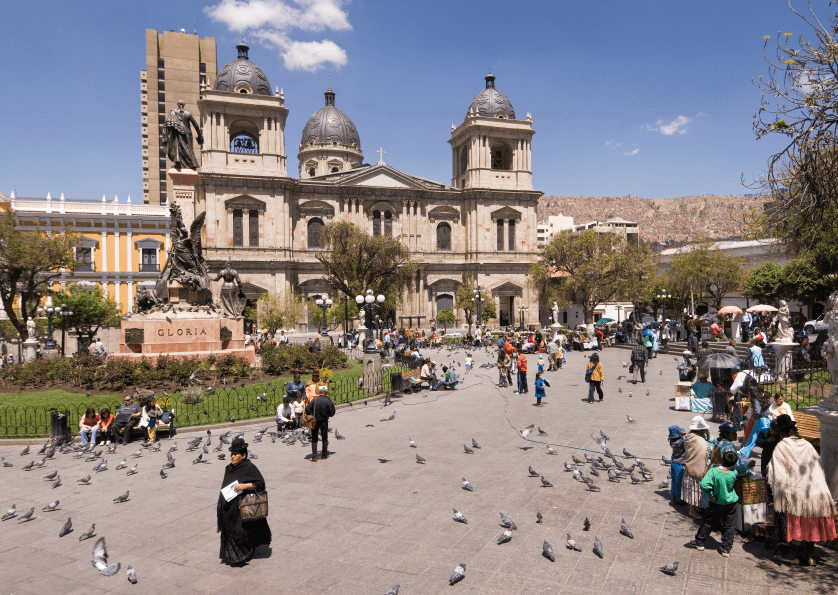
Bolivia es un país de contrastes intensos y raíces profundas, donde la naturaleza se muestra en su forma más pura: el Salar de Uyuni, la cordillera de los Andes, lagos de altura y selvas amazónicas. Su identidad cultural, marcada por pueblos originarios, mercados coloridos y rituales ancestrales, convierte cada viaje en una experiencia auténtica, ideal para quienes buscan aventura, historia y una conexión real con el lugar.
Viajar por Bolivia: rutas, ciudades y paisajes imprescindibles
Bolivia es un país de contrastes intensos y raíces profundas, donde la naturaleza se muestra en su forma más pura: el Salar de Uyuni, la cordillera de los Andes, lagos de altura y selvas amazónicas. Su identidad cultural, marcada por pueblos originarios, mercados coloridos y rituales ancestrales, convierte cada viaje en una experiencia auténtica, ideal para quienes buscan aventura, historia y una conexión real con el lugar.
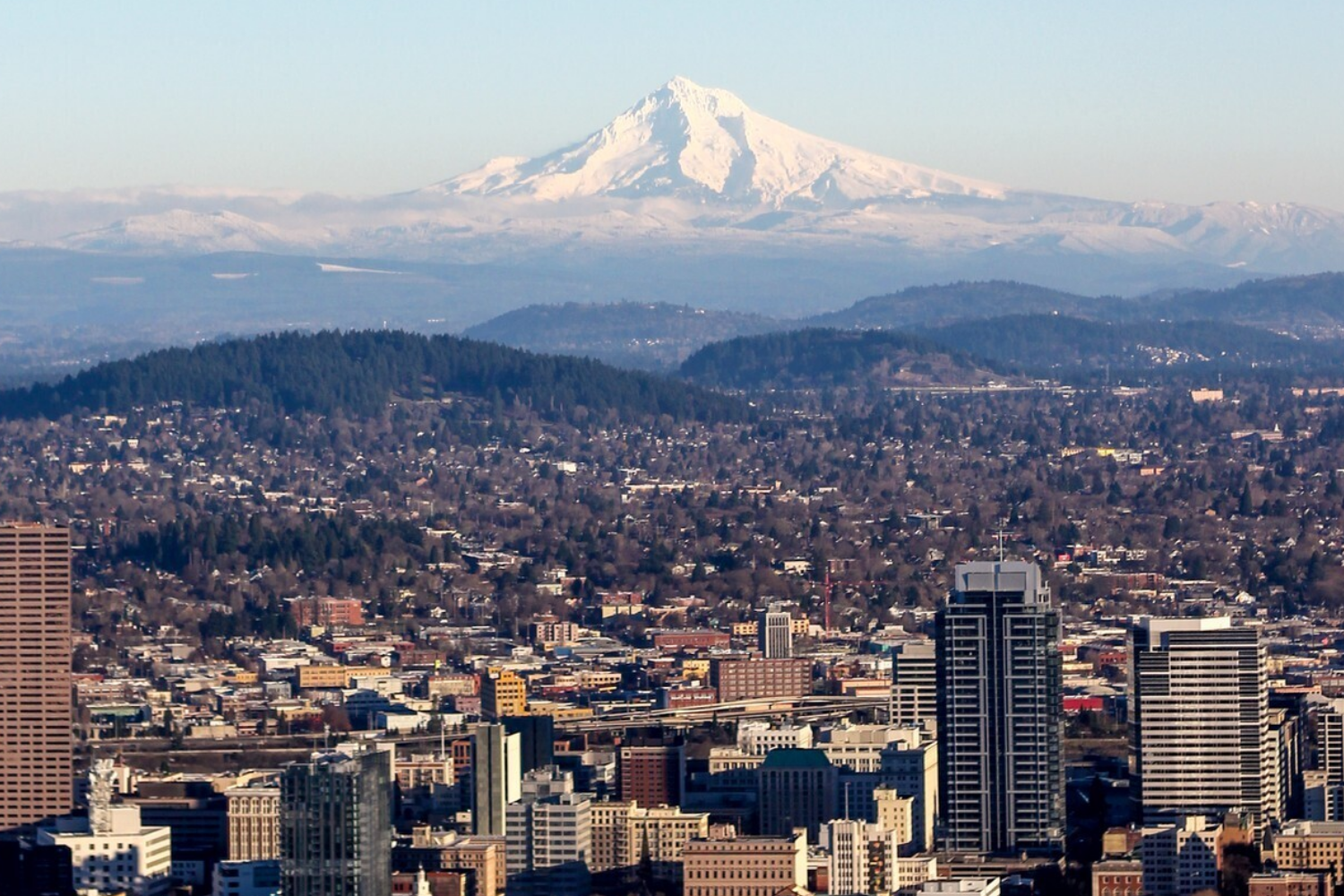
Recorrí Bolivia durante casi dos meses, moviéndome principalmente por el altiplano y las ciudades andinas. Estuve en La Paz, Copacabana y el Lago Titicaca, Cochabamba, Oruro y Uyuni, atravesando paisajes extremos, cambios de altura constantes y un ritmo muy distinto al de otros países de la región.
Bolivia es intensa, a veces desafiante, pero profundamente auténtica. Es un país que deja una impresión muy marcada, tanto por su geografía como por su identidad cultural.
Destinos imperdibles de Bolivia
Bolivia es uno de los países más diversos de Sudamérica, con paisajes extremos, fuerte identidad indígena y destinos naturales únicos en el mundo.
-
La Paz – Ciudad más alta del mundo, cultura andina y vistas impactantes.
-
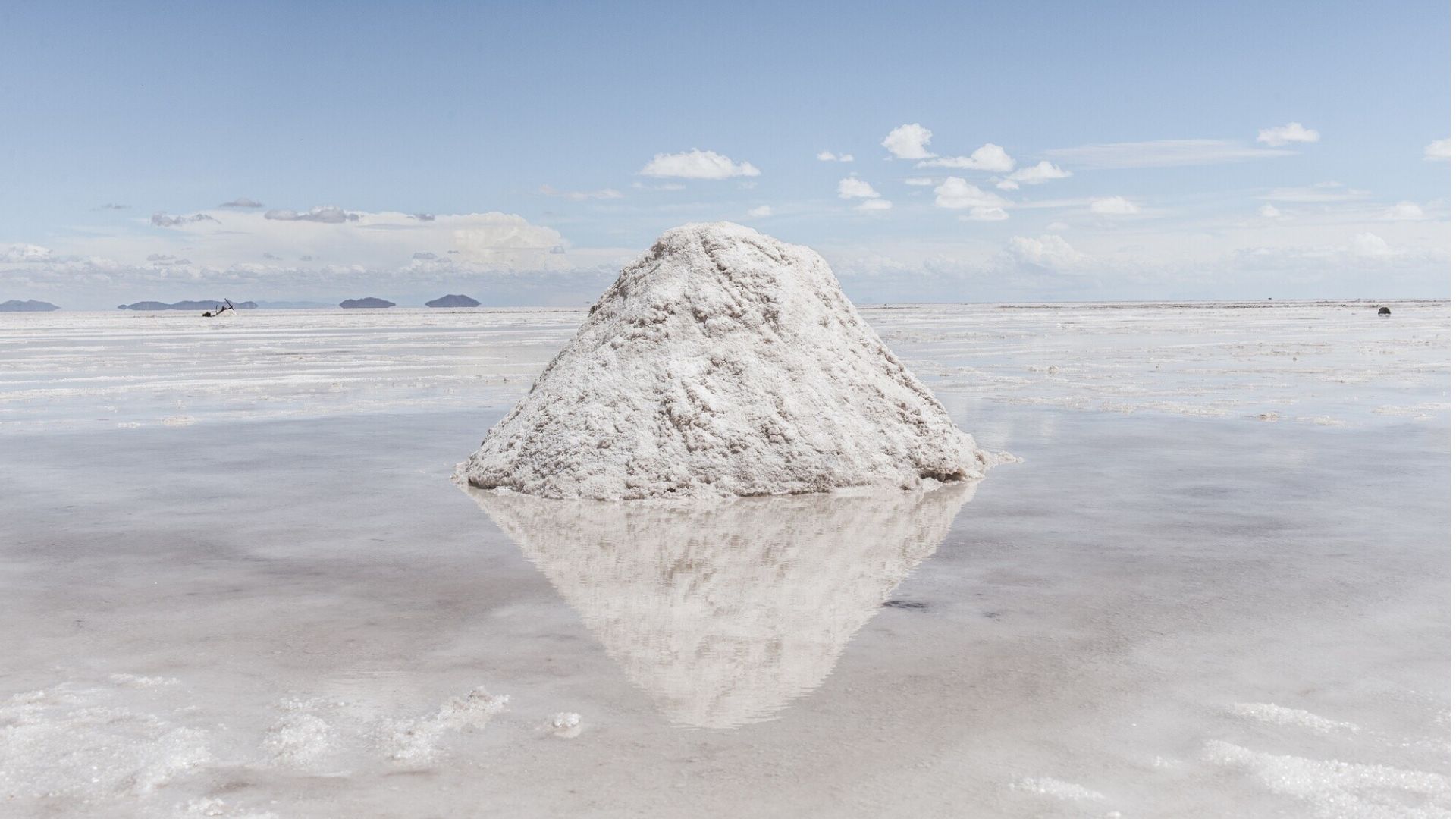
Salar de Uyuni – El mayor desierto de sal del planeta.
-
Uyuni – Base para excursiones al salar y lagunas altiplánicas.
-
Lago Titicaca – Copacabana e Isla del Sol.
-
Sucre – Capital constitucional y arquitectura colonial.
-
Potosí – Historia minera y el imponente Cerro Rico.
-
Cochabamba – Clima templado y vida local.
-
Oruro – Tradiciones andinas y famoso carnaval.
-
Parque Nacional Madidi – Amazonía y biodiversidad extrema.
-
Rurrenabaque – Acceso a la selva y pampas del Beni.
-
Torotoro – Cañones, cavernas y huellas de dinosaurios.
-
Santa Cruz de la Sierra – Centro urbano moderno y puerta al oriente boliviano.
Qué comer en Bolivia (imperdibles)
La gastronomía boliviana es tradicional, sencilla y muy ligada a ingredientes locales:
-
Salteñas – Empanadas jugosas rellenas de carne, papa y caldo.
-
Silpancho – Carne apanada con arroz, papas y huevo.
-
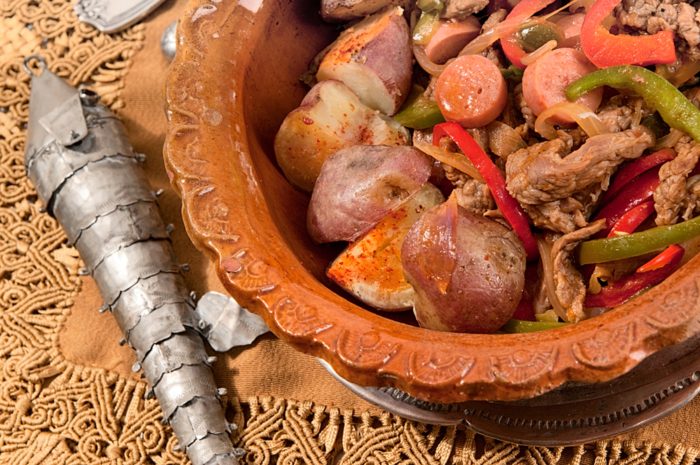
Pique macho – Plato contundente de carne, salchichas y papas.
-
Sopa de maní – Espesa y muy popular.
-
Anticuchos – Brochetas de corazón con salsa picante.
-
Chairo – Sopa andina con chuño.
-
Cuñapé – Pan de queso típico del oriente.
-
Api con buñuelos – Bebida caliente de maíz morado.
Datos prácticos para viajar por Bolivia
-
Moneda: boliviano (BOB).
-
Idioma: español; también quechua, aimara y guaraní.
-
Enchufes: tipo A y C, 230V.
-
Propinas: no obligatorias; se suele redondear.
-
Conectividad: buena en ciudades; limitada en zonas rurales.
-
Pagos: efectivo muy importante; tarjetas aceptadas en hoteles y restaurantes grandes.
Cómo moverse por Bolivia
-
Bus de larga distancia – Principal medio; económico pero lento.
-
Avión – Útil para trayectos largos (La Paz–Santa Cruz).
-
Auto – Solo recomendable en rutas principales.
-
Minibuses y trufis – Transporte urbano y regional.
-
Taxi – Económico, pero conviene acordar precio antes.
Mejor época para viajar
-
Mayo a octubre – Temporada seca, ideal para el altiplano y el Salar de Uyuni.
-
Enero y febrero – Temporada de lluvias; salar con efecto espejo.
-
Noviembre a marzo – Lluvias en selva y oriente.
Las temperaturas varían mucho según la región y la altitud.
Recordatorios útiles para viajar por Bolivia
-
Tomá en serio la altura: descansá y evitá esfuerzo los primeros días.
-
Llevá siempre efectivo y billetes chicos.
-
Abrigate bien: las noches pueden ser muy frías.
-
Contratá tours del Salar con agencias confiables.
-
Probá la comida local en mercados.
-
No subestimes los tiempos de viaje por tierra.
-
Respetá costumbres, rituales y comunidades locales.
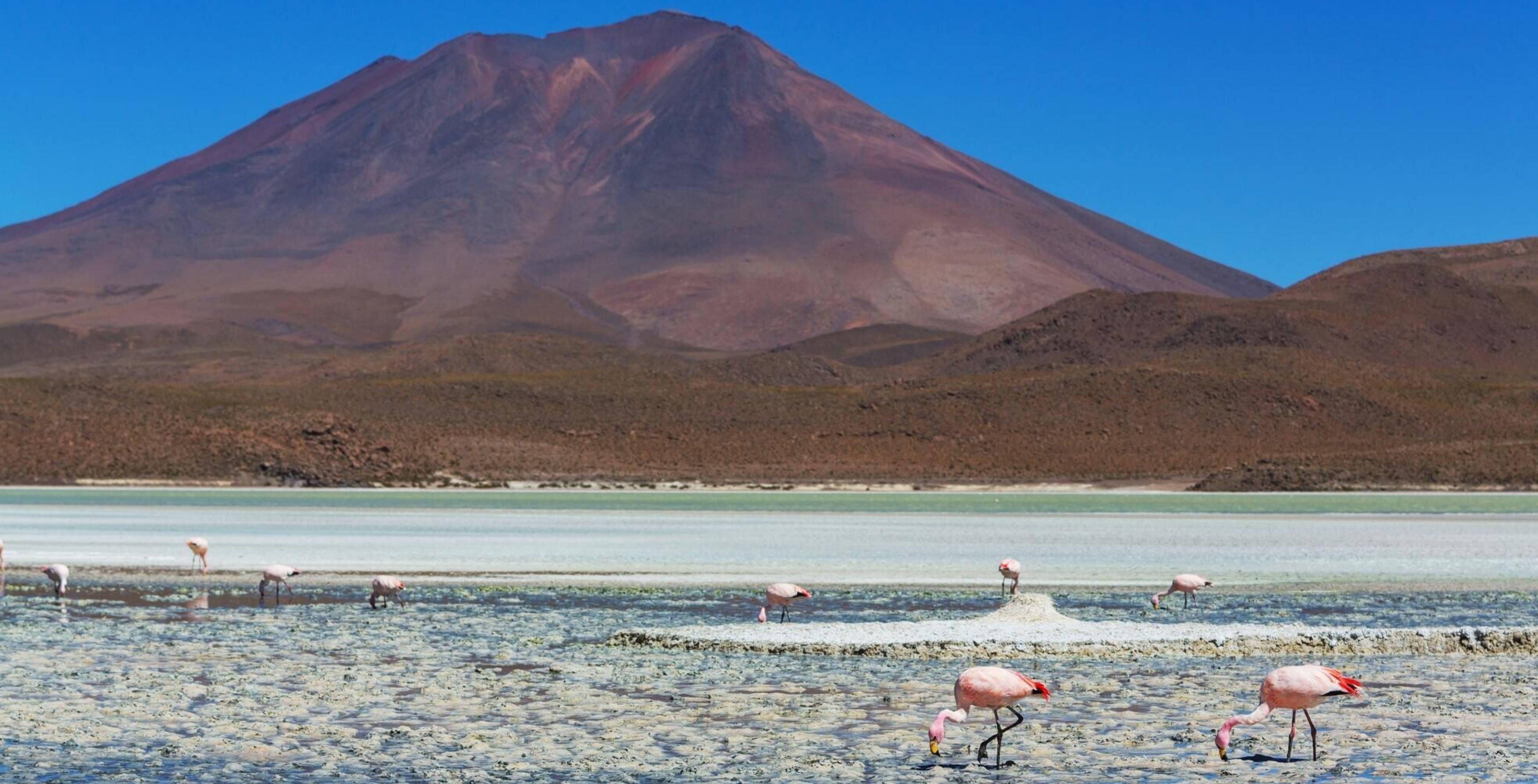
Bolivia es uno de los países más diversos de Sudamérica, con paisajes extremos, fuerte identidad indígena y destinos naturales únicos en el mundo.
-
La Paz – Ciudad más alta del mundo, cultura andina y vistas impactantes.
-
Salar de Uyuni – El mayor desierto de sal del planeta.
-
Uyuni – Base para excursiones al salar y lagunas altiplánicas.
-
Lago Titicaca – Copacabana e Isla del Sol.
-
Sucre – Capital constitucional y arquitectura colonial.
-
Potosí – Historia minera y el imponente Cerro Rico.
-
Cochabamba – Clima templado y vida local.
-
Oruro – Tradiciones andinas y famoso carnaval.
-
Parque Nacional Madidi – Amazonía y biodiversidad extrema.
-
Rurrenabaque – Acceso a la selva y pampas del Beni.
-
Torotoro – Cañones, cavernas y huellas de dinosaurios.
-
Santa Cruz de la Sierra – Centro urbano moderno y puerta al oriente boliviano.
PUBLICIDAD
Travel with Data: Get your Saily eSIM
- ✓Internet in seconds upon landing
- ✓Flexible plans in 180+ countries
- ✓Easy setup directly via the App
La gastronomía boliviana es tradicional, sencilla y muy ligada a ingredientes locales:
-
Salteñas – Empanadas jugosas rellenas de carne, papa y caldo.
-
Silpancho – Carne apanada con arroz, papas y huevo.
-
Pique macho – Plato contundente de carne, salchichas y papas.
-
Sopa de maní – Espesa y muy popular.
-
Anticuchos – Brochetas de corazón con salsa picante.
-
Chairo – Sopa andina con chuño.
-
Cuñapé – Pan de queso típico del oriente.
-
Api con buñuelos – Bebida caliente de maíz morado.
-
Moneda: boliviano (BOB).
-
Idioma: español; también quechua, aimara y guaraní.
-
Enchufes: tipo A y C, 230V.
-
Propinas: no obligatorias; se suele redondear.
-
Conectividad: buena en ciudades; limitada en zonas rurales.
-
Pagos: efectivo muy importante; tarjetas aceptadas en hoteles y restaurantes grandes.
-
Bus de larga distancia – Principal medio; económico pero lento.
-
Avión – Útil para trayectos largos (La Paz–Santa Cruz).
-
Auto – Solo recomendable en rutas principales.
-
Minibuses y trufis – Transporte urbano y regional.
-
Taxi – Económico, pero conviene acordar precio antes.
-
Mayo a octubre – Temporada seca, ideal para el altiplano y el Salar de Uyuni.
-
Enero y febrero – Temporada de lluvias; salar con efecto espejo.
-
Noviembre a marzo – Lluvias en selva y oriente.
Las temperaturas varían mucho según la región y la altitud.
PUBLICIDAD
-
Tomá en serio la altura: descansá y evitá esfuerzo los primeros días.
-
Llevá siempre efectivo y billetes chicos.
-
Abrigate bien: las noches pueden ser muy frías.
-
Contratá tours del Salar con agencias confiables.
-
Probá la comida local en mercados.
-
No subestimes los tiempos de viaje por tierra.
-
Respetá costumbres, rituales y comunidades locales.
PUBLICIDAD
International Travel Insurance
- ✓International medical insurance
- ✓24/7 immediate assistance in your language
- ✓Ideal for trekking & adventure
Posts in Bolivia
Preferences
Language
Color
Text
Width