Table of contents and map
Belice por tu cuenta: qué ver, cómo moverte y cómo organizar el viaje
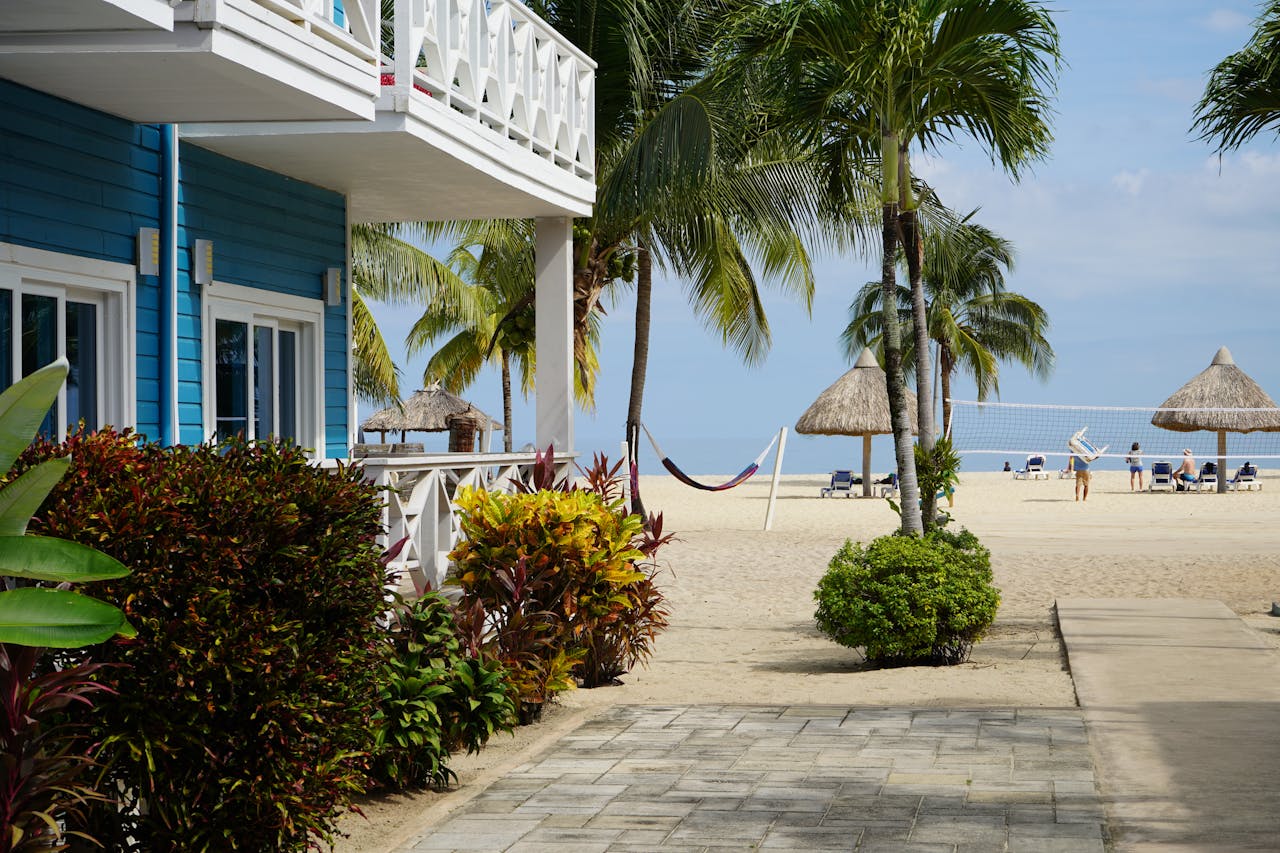
Belice es un pequeño país de Centroamérica que combina selva tropical, cultura caribeña y un entorno natural privilegiado. Bordeado por el mar Caribe, es famoso por su barrera de coral (la segunda más grande del mundo), sus aguas turquesas y su enorme biodiversidad. Con influencias mayas, criollas y coloniales británicas, Belice ofrece un ambiente relajado, auténtico y muy conectado con la naturaleza.
Belice por tu cuenta: qué ver, cómo moverte y cómo organizar el viaje
Belice es un pequeño país de Centroamérica que combina selva tropical, cultura caribeña y un entorno natural privilegiado. Bordeado por el mar Caribe, es famoso por su barrera de coral (la segunda más grande del mundo), sus aguas turquesas y su enorme biodiversidad. Con influencias mayas, criollas y coloniales británicas, Belice ofrece un ambiente relajado, auténtico y muy conectado con la naturaleza.
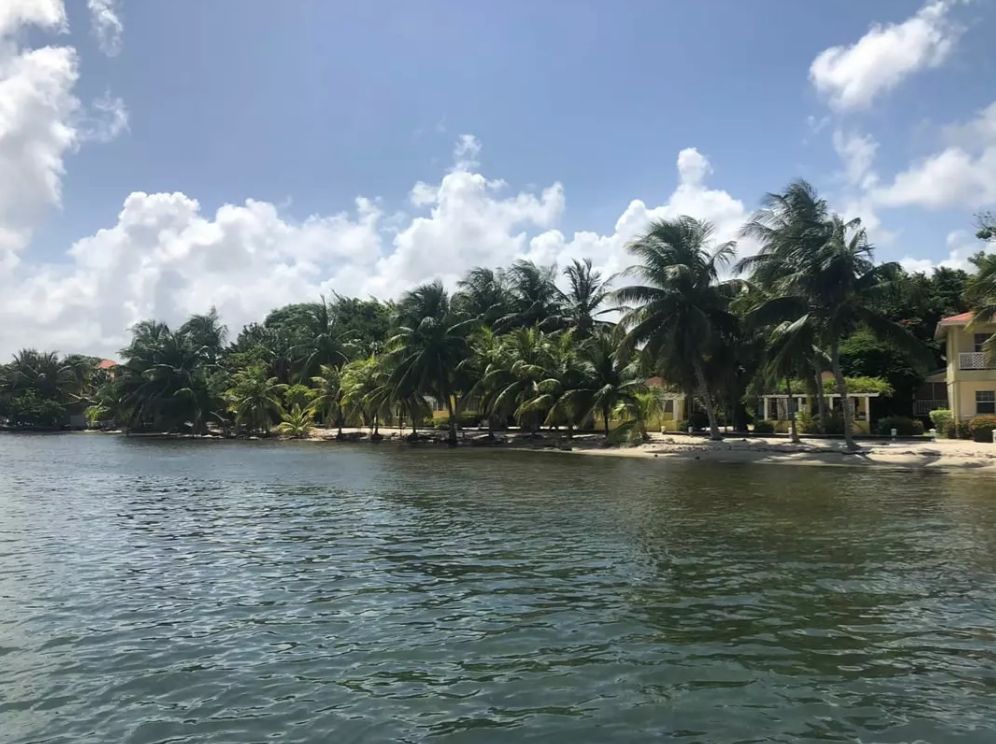
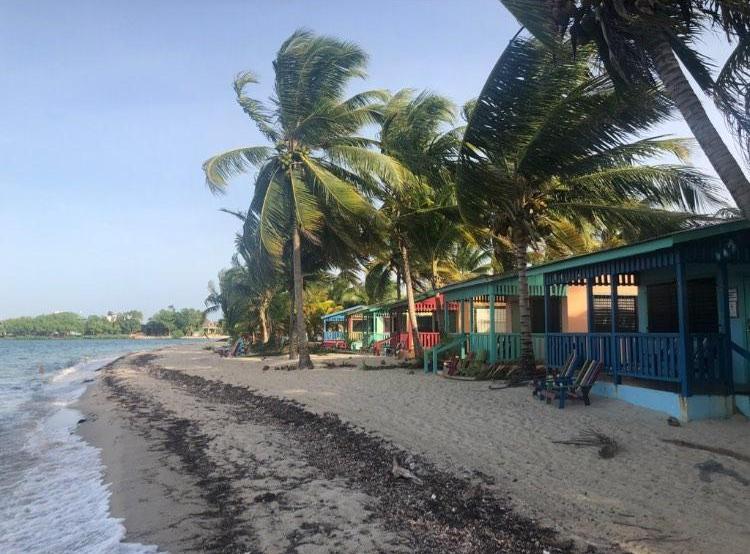
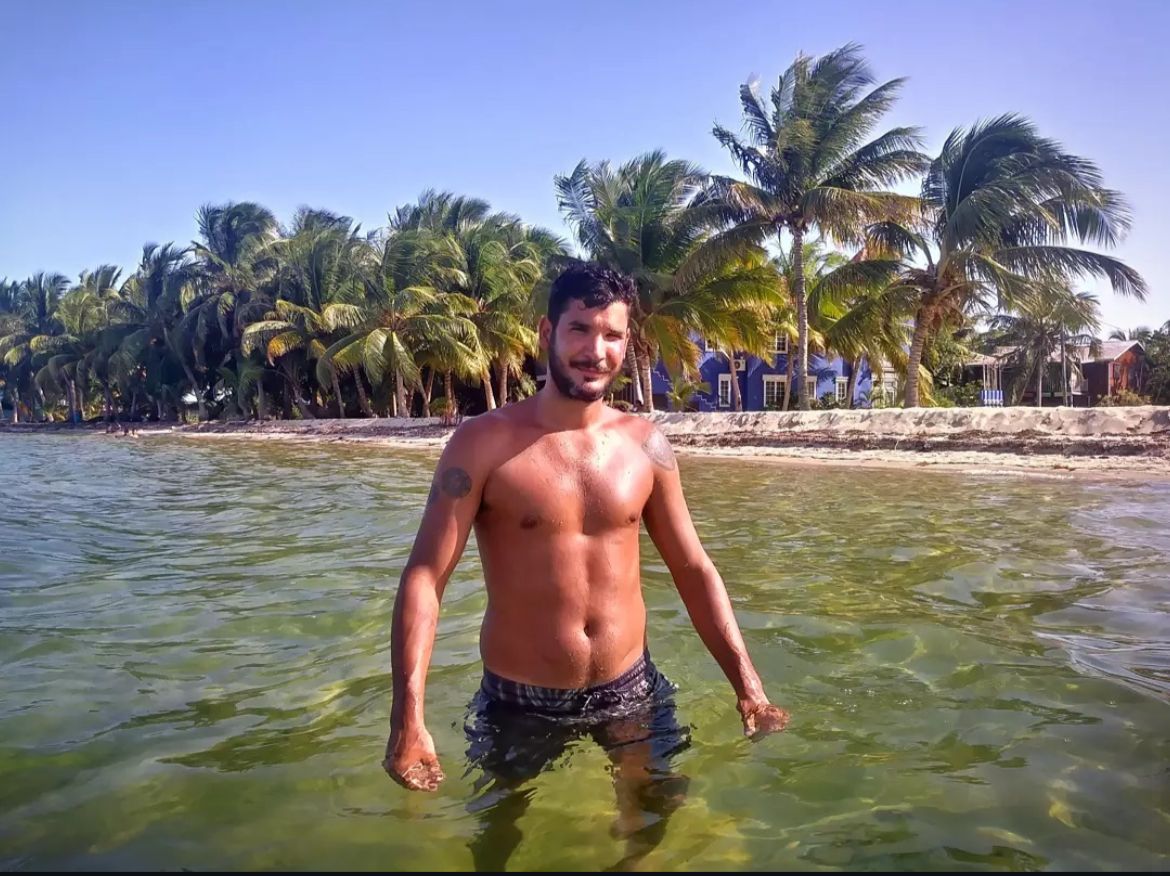
Estuvimos alrededor de un mes en Placencia, viviendo el verdadero caribe, lejos de los resorts y el ruido, frente al mar, con días que se pasaban entre playa, snorkel, kayak, caminatas y comida local. También pasamos algunos días en la capital, Belmopán, lo que nos permitió tener una visión más cotidiana y real del país, lejos de las zonas más turísticas.
Belice se recorre fácil, y se disfruta mucho si uno se adapta a su ritmo caribeño y a su fuerte conexión con la naturaleza.
Destinos imperdibles de Belice
-
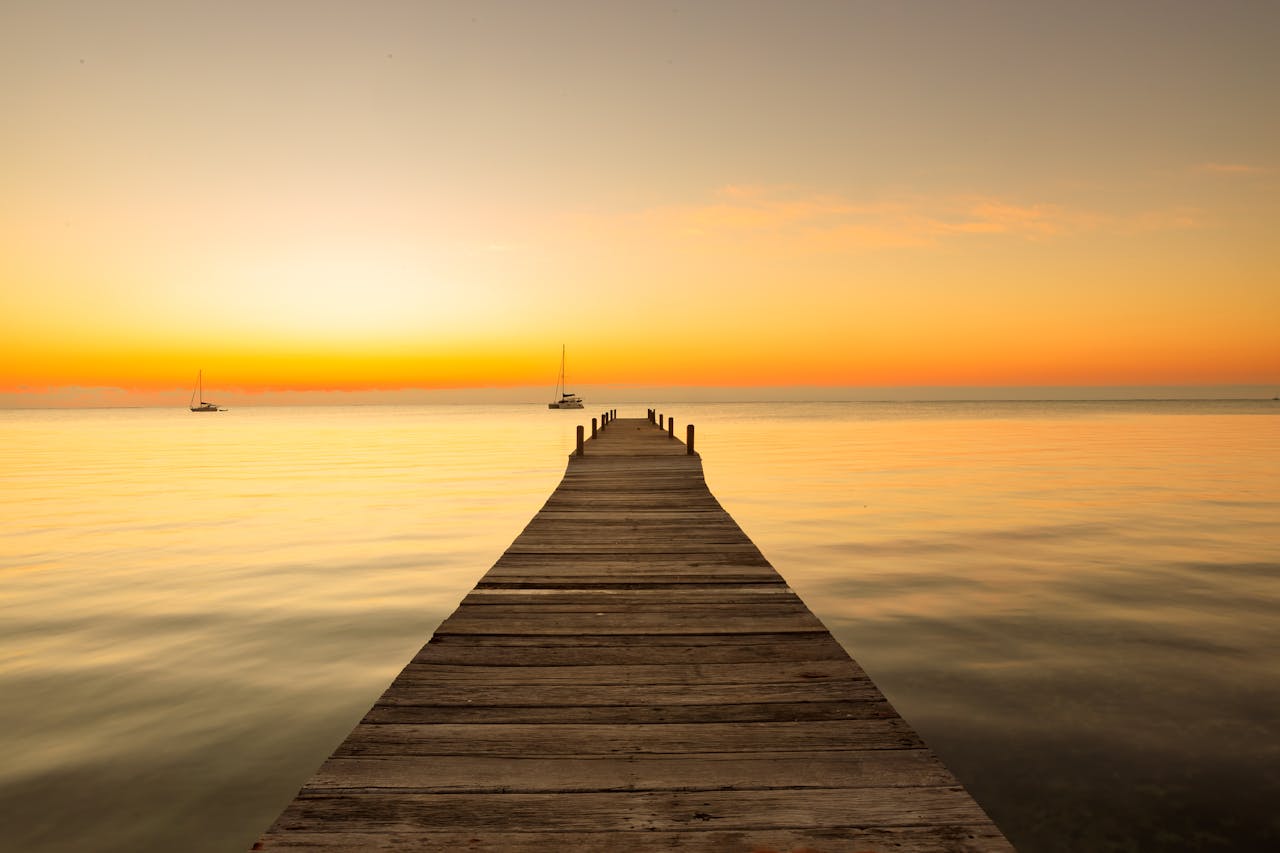
Placencia – Playas tranquilas, ambiente relajado y base para snorkel y selva.
-
Caye Caulker – Isla pequeña, ideal para snorkel y vida caribeña sin apuros.
-
Ambergris Caye – Principal centro turístico y base para buceo.
-
Blue Hole – Sitio de buceo icónico a nivel mundial.
-
San Ignacio – Puerta de entrada a selvas, cuevas y ruinas mayas.
-
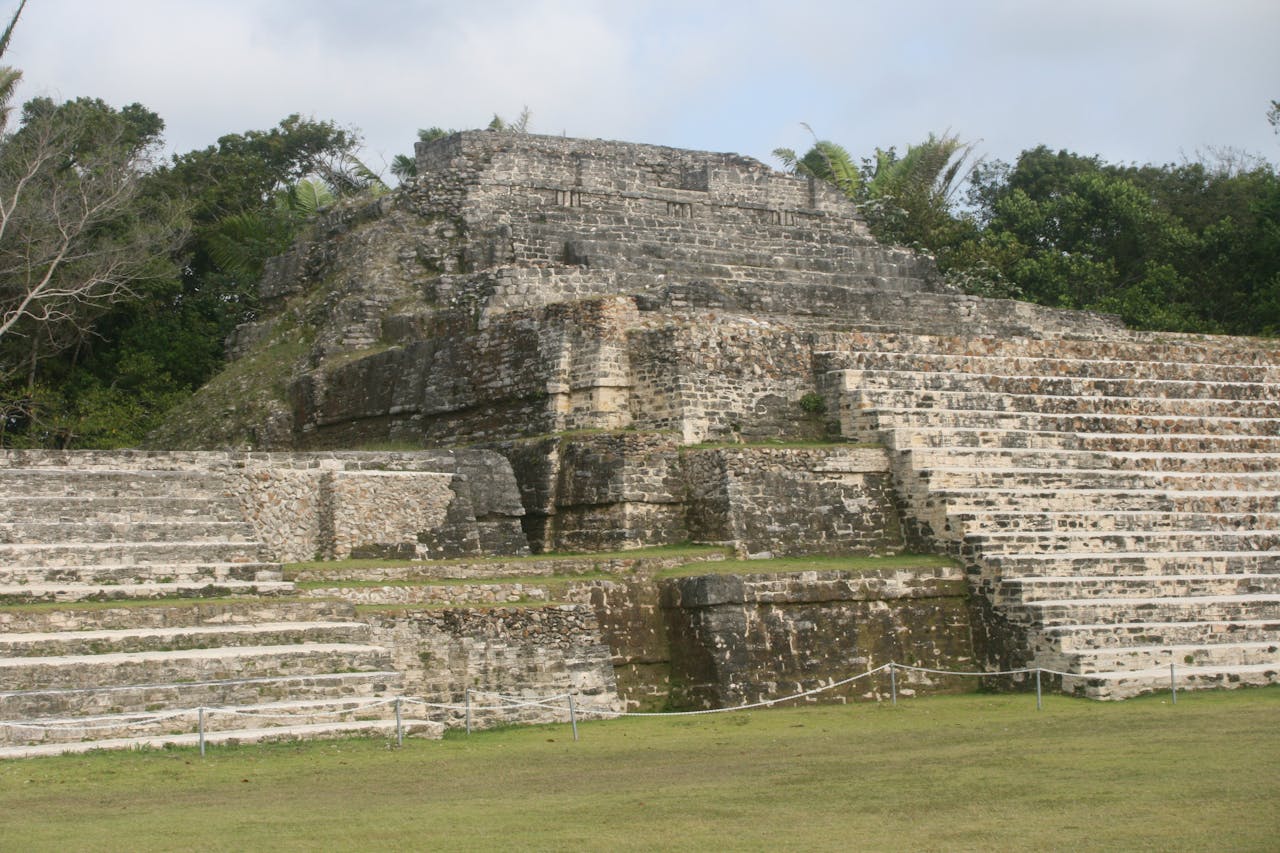
Altun Ha – Ruinas mayas rodeadas de selva, famosas por el hallazgo de la mayor cabeza de jade del mundo maya.
-
Xunantunich – Importante sitio arqueológico maya.
-
Caracol – Una de las ciudades mayas más grandes de la región.
-
Hopkins – Pueblo garífuna con fuerte identidad cultural.
-
Cockscomb Basin – Reserva natural y santuario del jaguar.
-
Turneffe Atoll – Arrecifes, manglares y vida marina.
Qué comer en Belice (imperdibles)
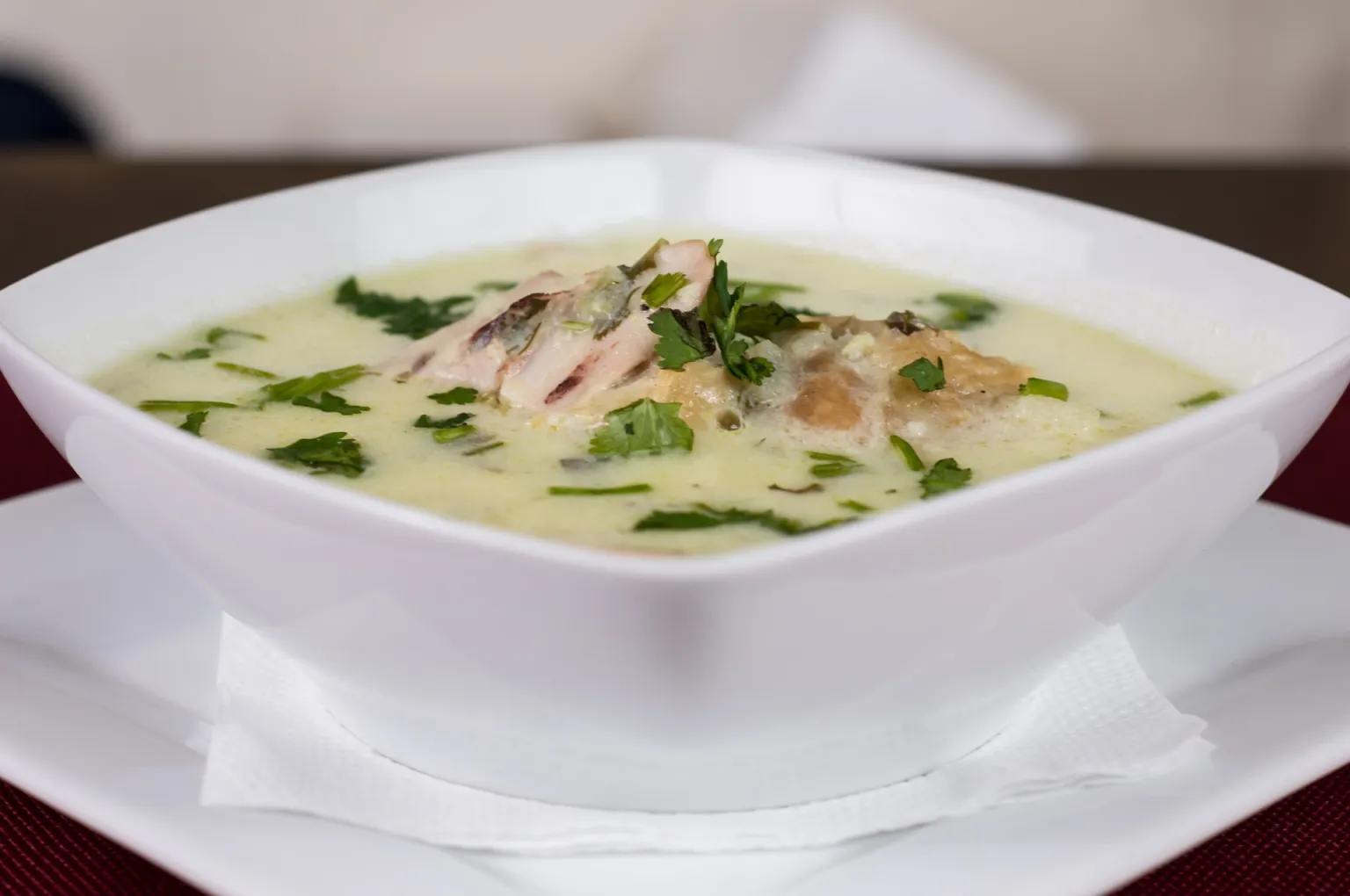
La gastronomía beliceña es una mezcla de influencias caribeñas, mayas, criollas y centroamericanas:
-
Rice and beans – Arroz con porotos y leche de coco, plato nacional.
-
Stew chicken – Pollo guisado con especias caribeñas.
-
Fry jacks – Pan frito, típico del desayuno.
-
Hudut – Pescado con puré de banana verde, comida garífuna.
-
Tamales beliceños – Versión local del tamal mesoamericano.
-
Ceviche – De pescado o mariscos frescos.
-
Panades – Empanadas fritas rellenas.
-
Ron caribeño – Muy popular y accesible.
Datos prácticos para viajar por Belice
-
Moneda: dólar beliceño (BZD); el dólar estadounidense es ampliamente aceptado.
-
Idioma: inglés (oficial); también español y criollo beliceño.
-
Enchufes: tipo A y B, 110V.
-
Propinas: no obligatorias; en turismo se deja entre 5% y 10%.
-
Conectividad: buena en zonas turísticas; limitada en áreas rurales.
-
Pagos: efectivo muy usado; tarjetas aceptadas en hoteles y centros turísticos.
Cómo moverse por Belice
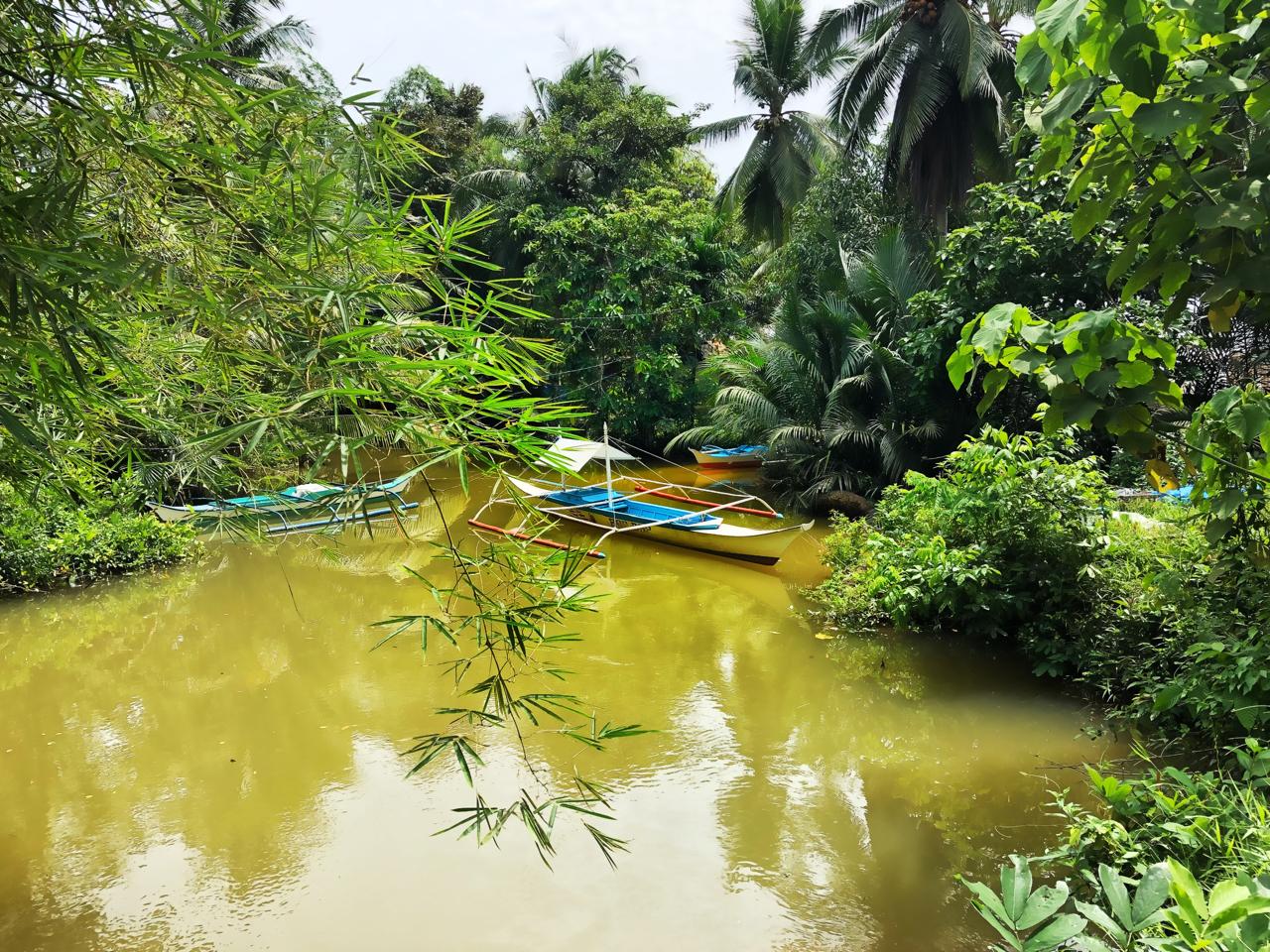
Belice es pequeño, pero con infraestructura variable según la zona:
-
Bus – Económico, lento pero funcional para distancias cortas.
-
Avión interno – Avionetas conectan ciudades e islas.
-
Ferry – Principal medio para llegar a las islas desde la costa.
-
Auto – Útil para explorar el interior; algunas rutas no están asfaltadas.
-
Taxi acuático – Muy común entre cayos y zonas costeras.
Mejor época para viajar
-
Diciembre a abril – Temporada seca y mejor clima en general.
-
Mayo a noviembre – Temporada lluviosa y de huracanes (pico entre agosto y octubre).
-
Verano – Calor y humedad altos, pero menos turistas.
El clima es tropical durante todo el año.
Recordatorios útiles para viajar por Belice
-
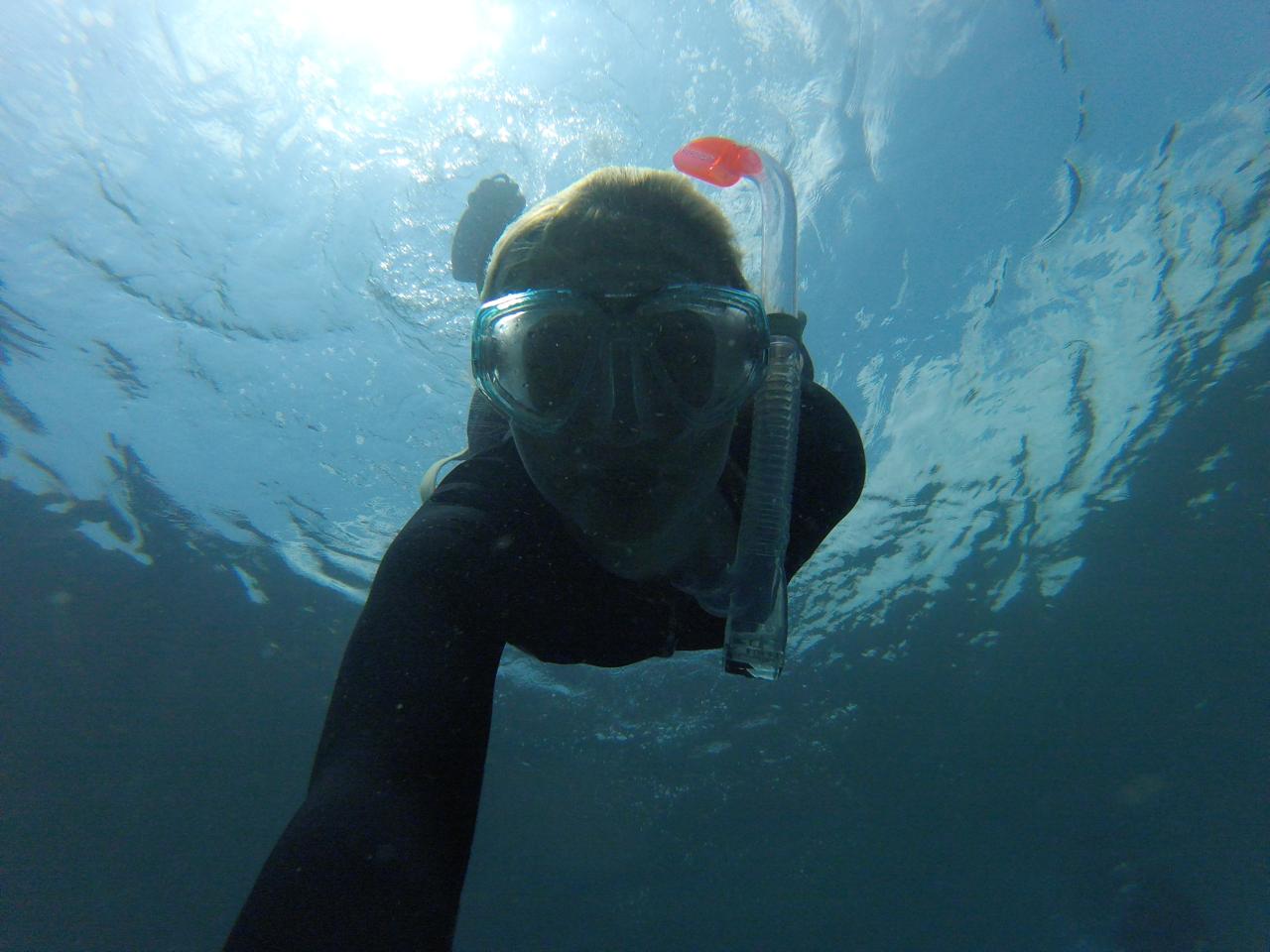
Reservá buceo y snorkel con operadores certificados.
-
Llevá efectivo, especialmente fuera de islas turísticas.
-
No subestimes el calor y la humedad: hidratate bien.
-
Respetá la vida marina y los arrecifes.
-
Alquilá auto solo si pensás recorrer el interior.
-
Probá la comida garífuna en pueblos costeros.
-
Movete temprano: el transporte suele reducirse por la tarde.
-
Placencia – Playas tranquilas, ambiente relajado y base para snorkel y selva.
-
Caye Caulker – Isla pequeña, ideal para snorkel y vida caribeña sin apuros.
-
Ambergris Caye – Principal centro turístico y base para buceo.
-
Blue Hole – Sitio de buceo icónico a nivel mundial.
-
San Ignacio – Puerta de entrada a selvas, cuevas y ruinas mayas.
-
Altun Ha – Ruinas mayas rodeadas de selva, famosas por el hallazgo de la mayor cabeza de jade del mundo maya.
-
Xunantunich – Importante sitio arqueológico maya.
-
Caracol – Una de las ciudades mayas más grandes de la región.
-
Hopkins – Pueblo garífuna con fuerte identidad cultural.
-
Cockscomb Basin – Reserva natural y santuario del jaguar.
-
Turneffe Atoll – Arrecifes, manglares y vida marina.
PUBLICIDAD
Travel with Data: Get your Saily eSIM
- ✓Internet in seconds upon landing
- ✓Flexible plans in 180+ countries
- ✓Easy setup directly via the App
La gastronomía beliceña es una mezcla de influencias caribeñas, mayas, criollas y centroamericanas:
-
Rice and beans – Arroz con porotos y leche de coco, plato nacional.
-
Stew chicken – Pollo guisado con especias caribeñas.
-
Fry jacks – Pan frito, típico del desayuno.
-
Hudut – Pescado con puré de banana verde, comida garífuna.
-
Tamales beliceños – Versión local del tamal mesoamericano.
-
Ceviche – De pescado o mariscos frescos.
-
Panades – Empanadas fritas rellenas.
-
Ron caribeño – Muy popular y accesible.
-
Moneda: dólar beliceño (BZD); el dólar estadounidense es ampliamente aceptado.
-
Idioma: inglés (oficial); también español y criollo beliceño.
-
Enchufes: tipo A y B, 110V.
-
Propinas: no obligatorias; en turismo se deja entre 5% y 10%.
-
Conectividad: buena en zonas turísticas; limitada en áreas rurales.
-
Pagos: efectivo muy usado; tarjetas aceptadas en hoteles y centros turísticos.
Belice es pequeño, pero con infraestructura variable según la zona:
-
Bus – Económico, lento pero funcional para distancias cortas.
-
Avión interno – Avionetas conectan ciudades e islas.
-
Ferry – Principal medio para llegar a las islas desde la costa.
-
Auto – Útil para explorar el interior; algunas rutas no están asfaltadas.
-
Taxi acuático – Muy común entre cayos y zonas costeras.
-
Diciembre a abril – Temporada seca y mejor clima en general.
-
Mayo a noviembre – Temporada lluviosa y de huracanes (pico entre agosto y octubre).
-
Verano – Calor y humedad altos, pero menos turistas.
El clima es tropical durante todo el año.
PUBLICIDAD
-
Reservá buceo y snorkel con operadores certificados.
-
Llevá efectivo, especialmente fuera de islas turísticas.
-
No subestimes el calor y la humedad: hidratate bien.
-
Respetá la vida marina y los arrecifes.
-
Alquilá auto solo si pensás recorrer el interior.
-
Probá la comida garífuna en pueblos costeros.
-
Movete temprano: el transporte suele reducirse por la tarde.
PUBLICIDAD
International Travel Insurance
- ✓International medical insurance
- ✓24/7 immediate assistance in your language
- ✓Ideal for trekking & adventure
Posts in Belice
Preferences
Language
Color
Text
Width