Table of contents and map
Travel to Vienna: complete guide 2026
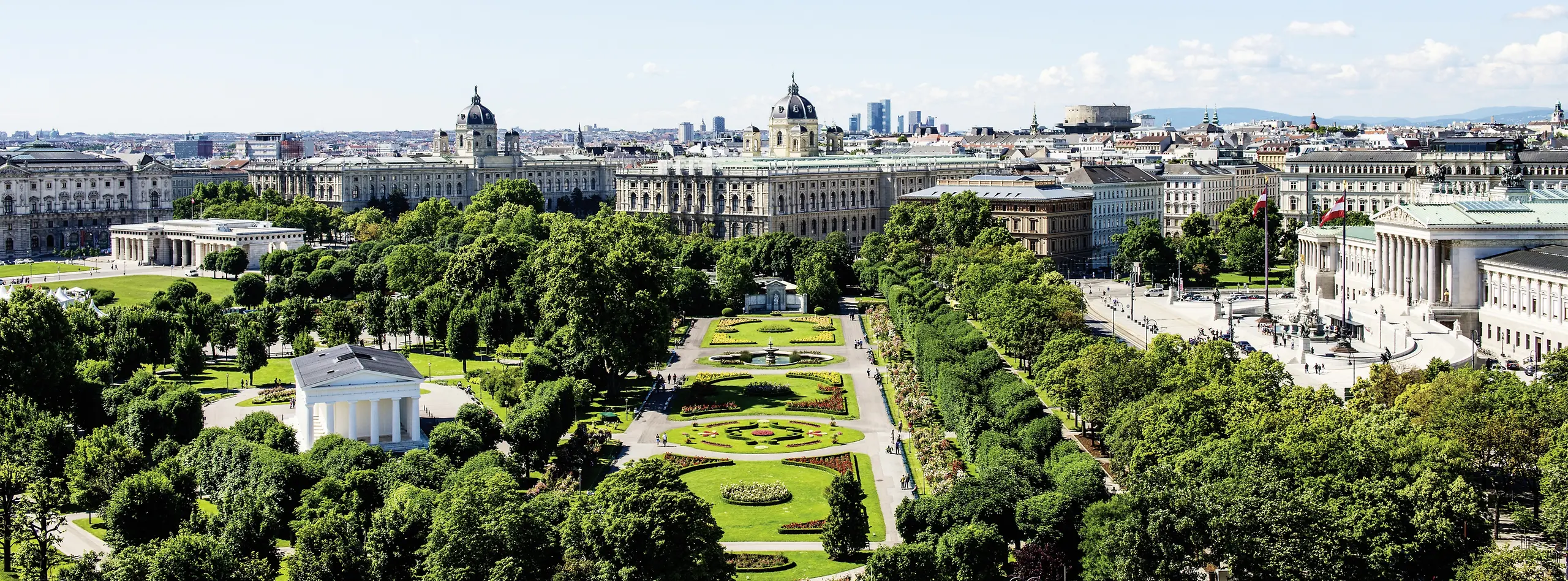
Vienna, the capital of Austria, is an elegant city deeply connected to European history. Former capital of the Austro-Hungarian Empire, it stands out for its monumental architecture, musical tradition, and a quality of life that places it among the best in the world. It combines imperial palaces, historic cafés, and a very vibrant cultural scene, always maintaining a classic and refined atmosphere.
Travel to Vienna: complete guide 2026
Vienna, the capital of Austria, is an elegant city deeply connected to European history. Former capital of the Austro-Hungarian Empire, it stands out for its monumental architecture, musical tradition, and a quality of life that places it among the best in the world. It combines imperial palaces, historic cafés, and a very vibrant cultural scene, always maintaining a classic and refined atmosphere.
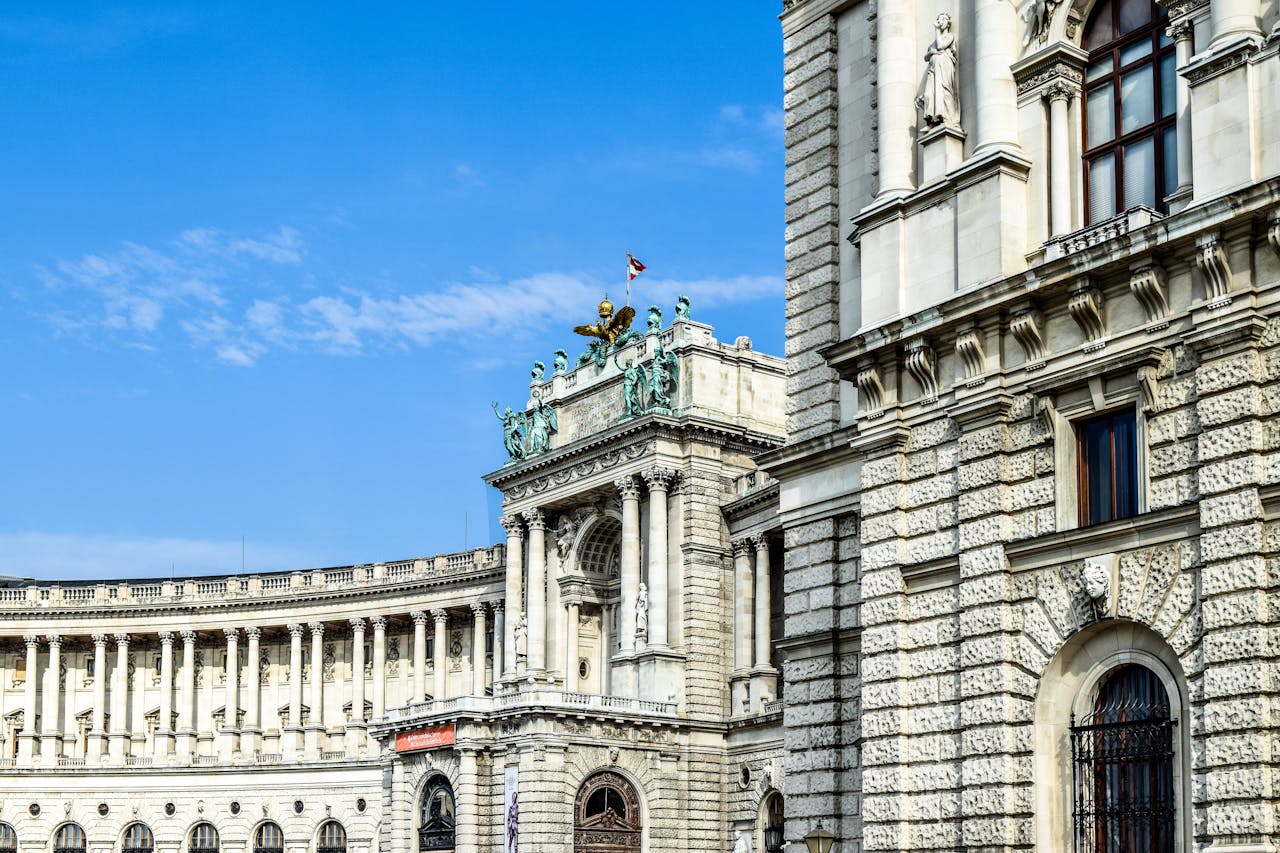
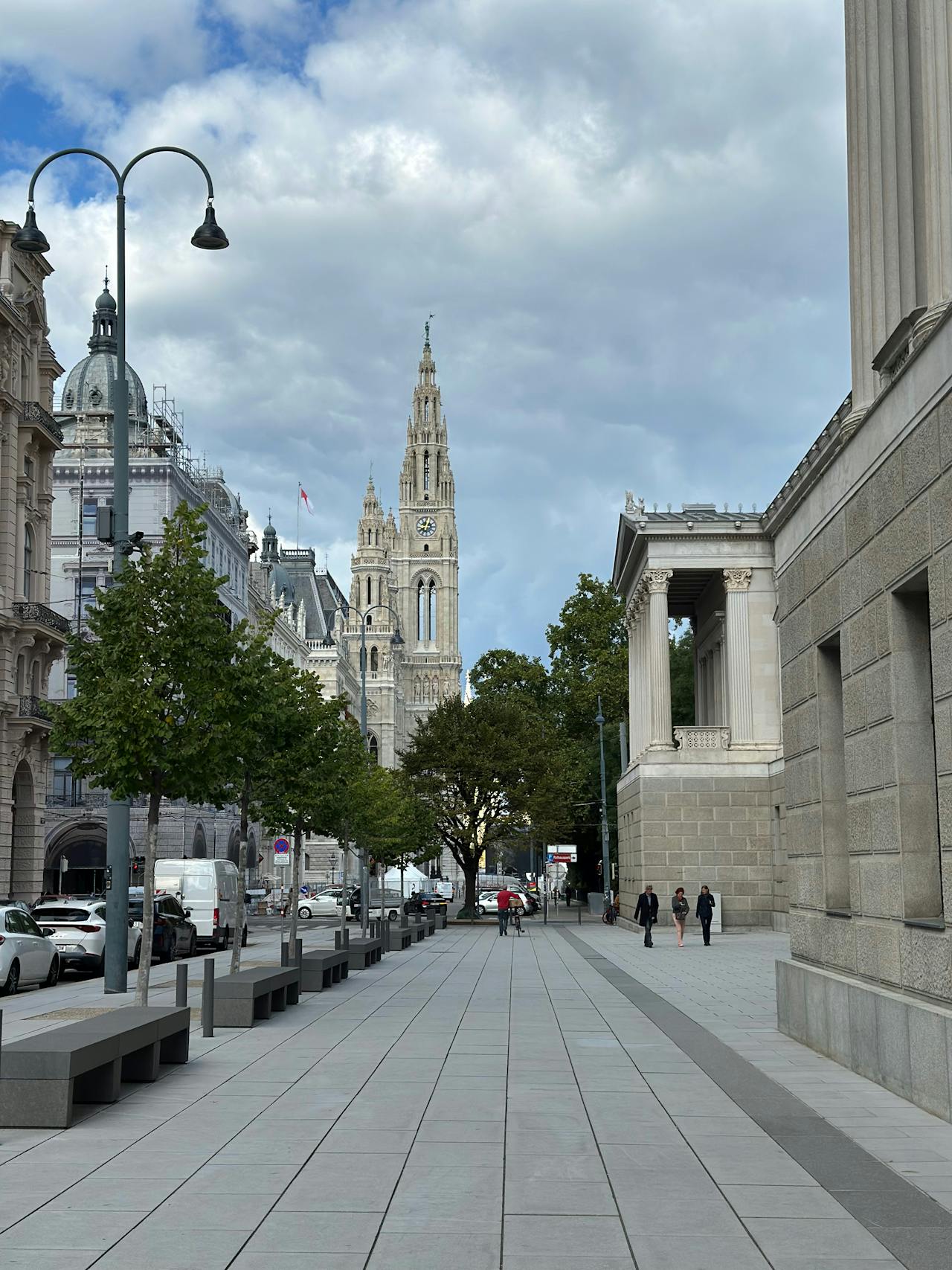
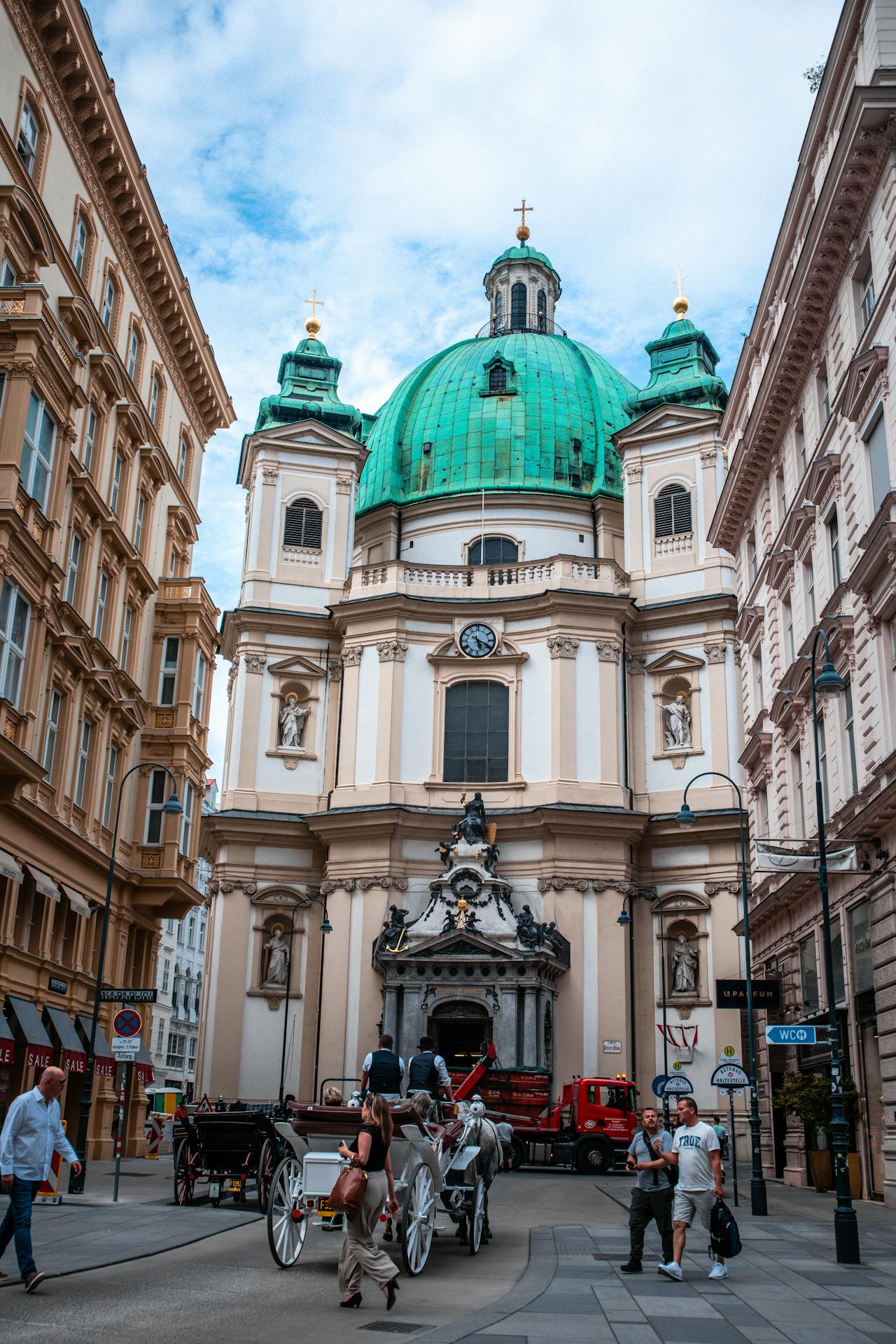
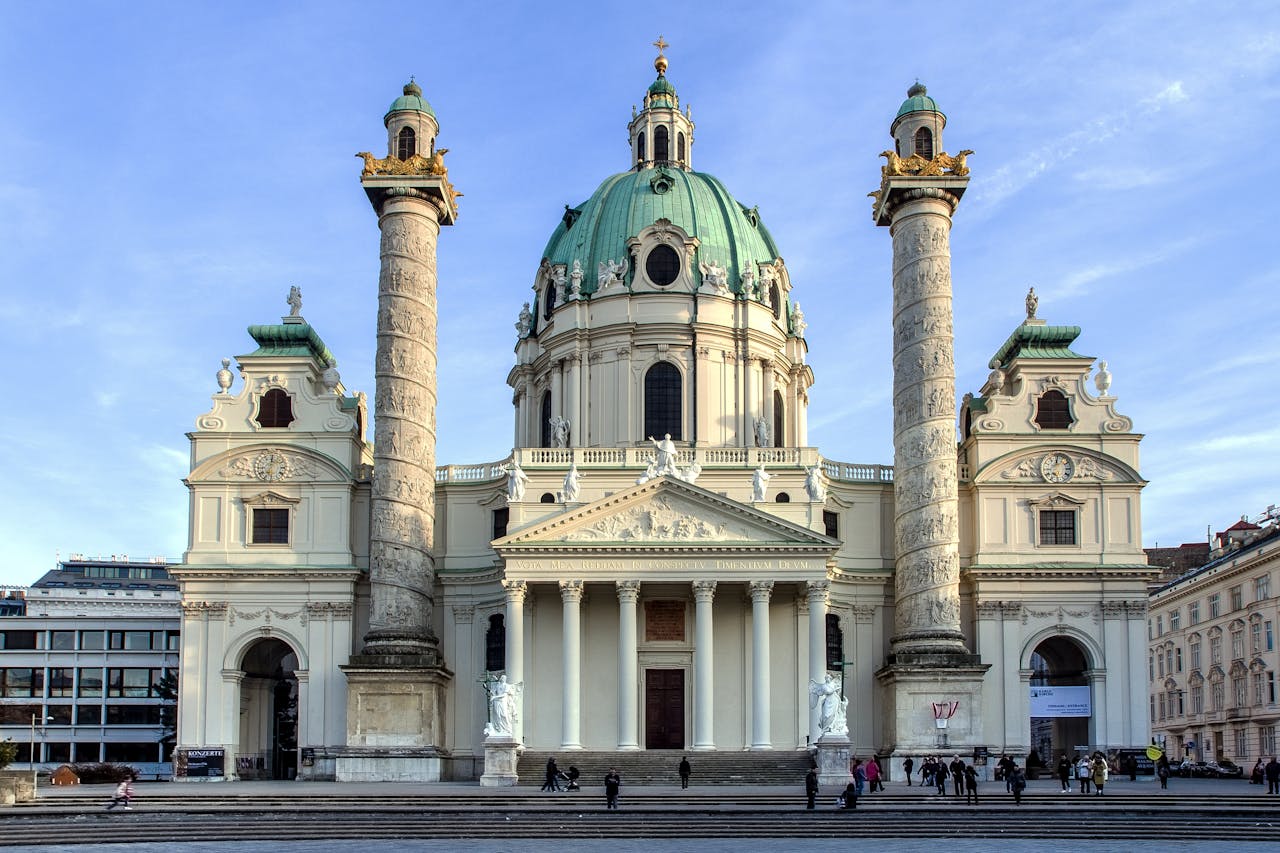
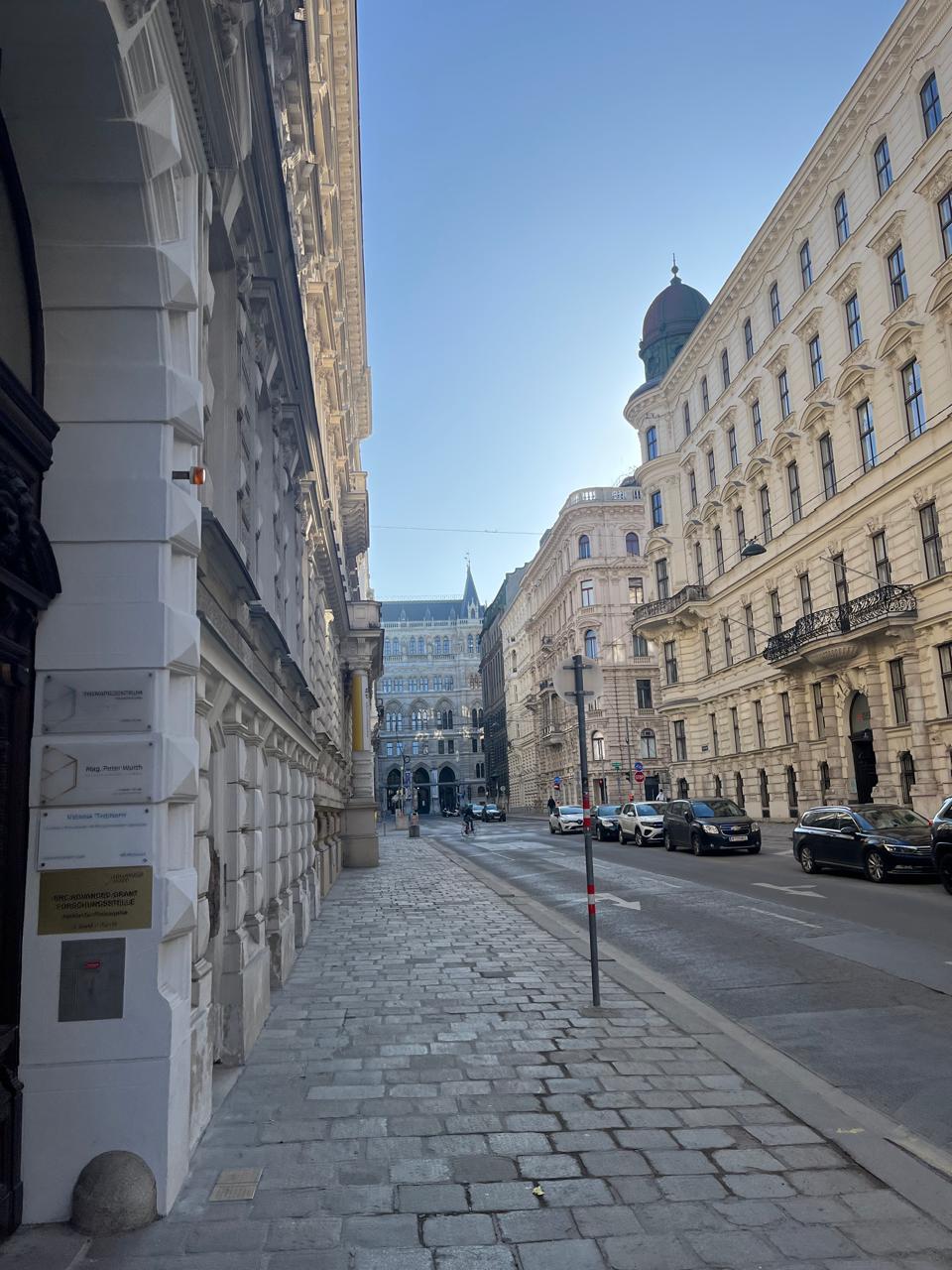
In Vienna we spent an entire week, walking through its streets, experiencing daily life, and shopping in local stores just like any resident.
It is a city to explore slowly and with attention to detail. Each district reflects part of its imperial past, while at the same time coexisting with an active cultural life, well-maintained parks, and excellent urban infrastructure. It is an ideal destination for those who enjoy history, art, and urban experiences with a strong identity.
What to see and do in Vienna
-
Schönbrunn Palace: The former summer residence of the Habsburgs. Its rooms, gardens, and viewpoints reveal the magnitude of the Austro-Hungarian Empire.
-
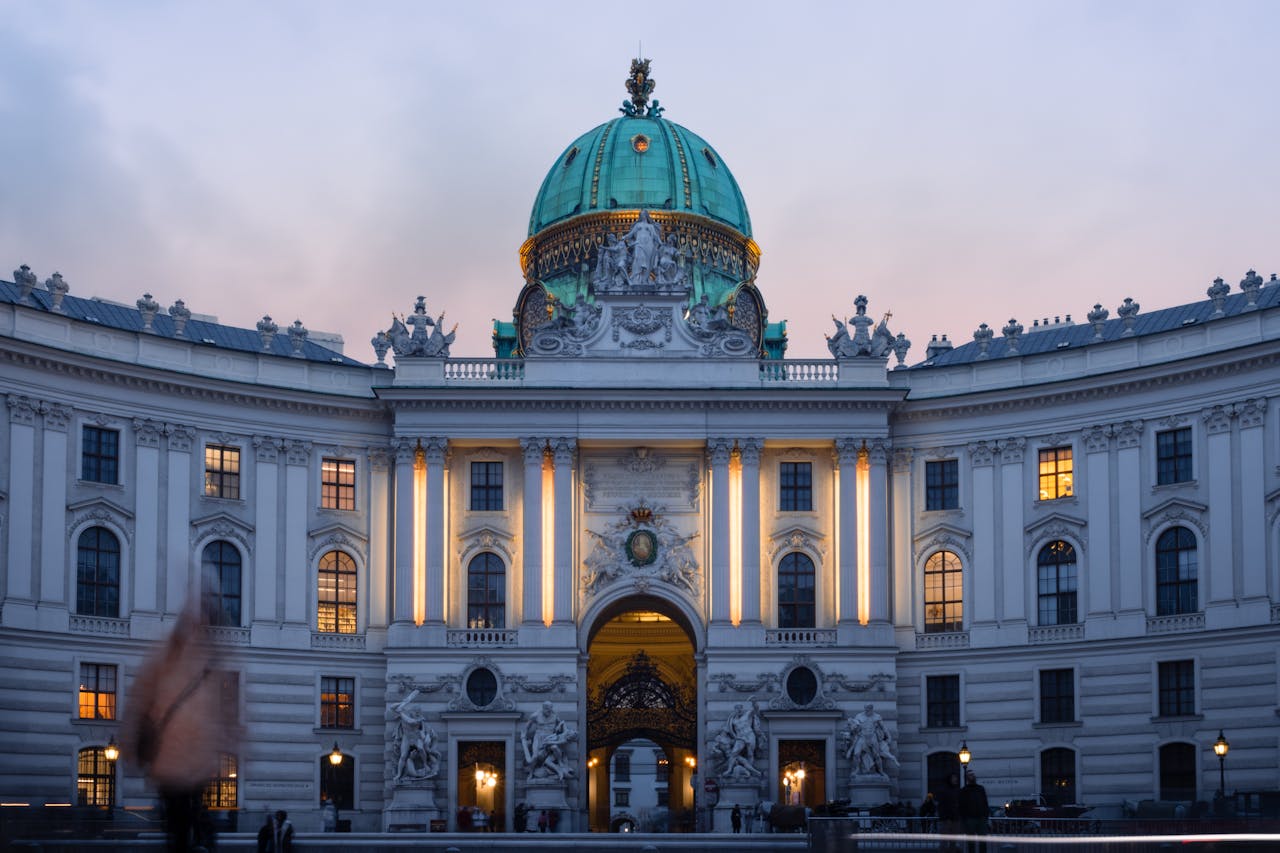
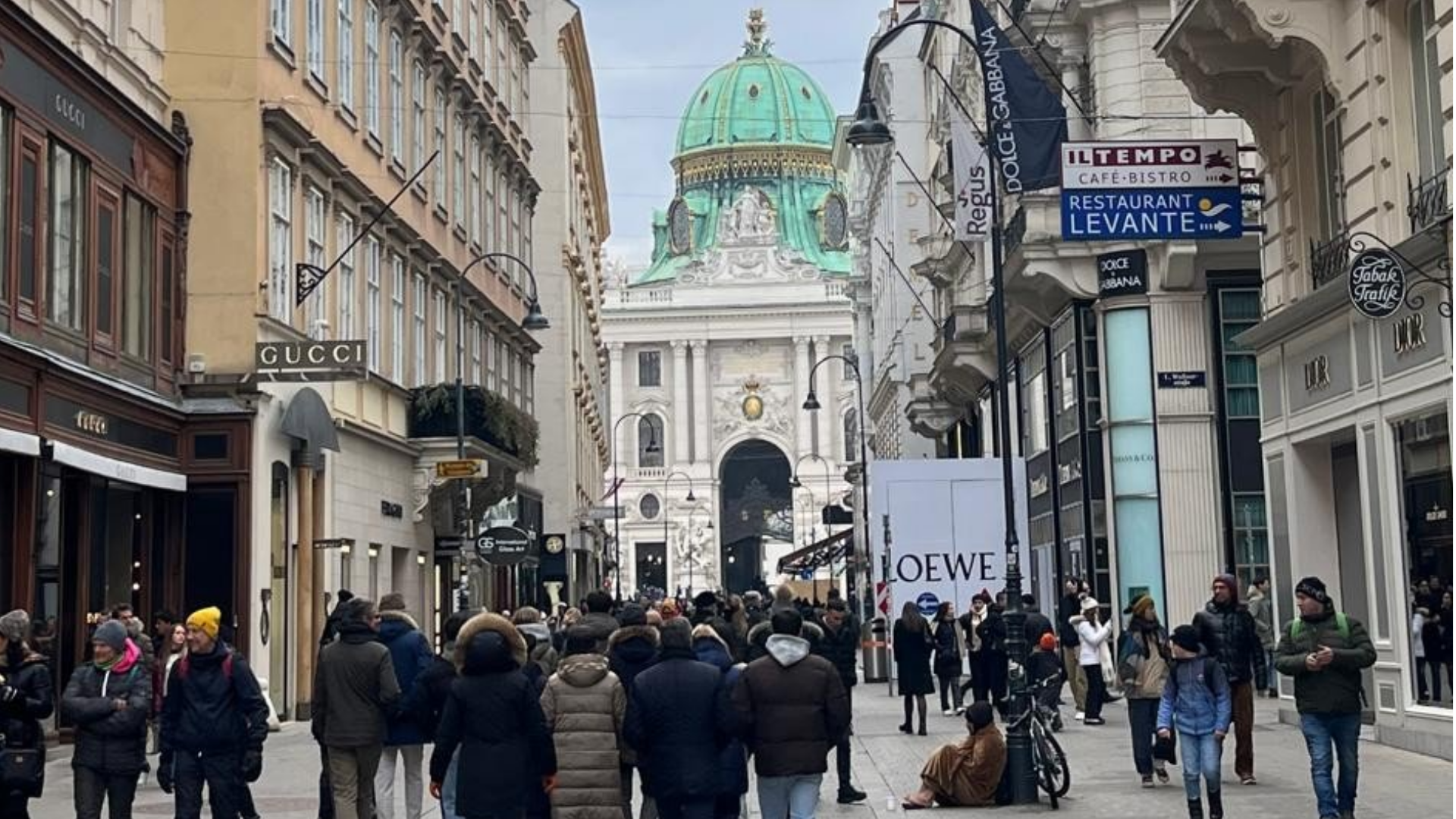
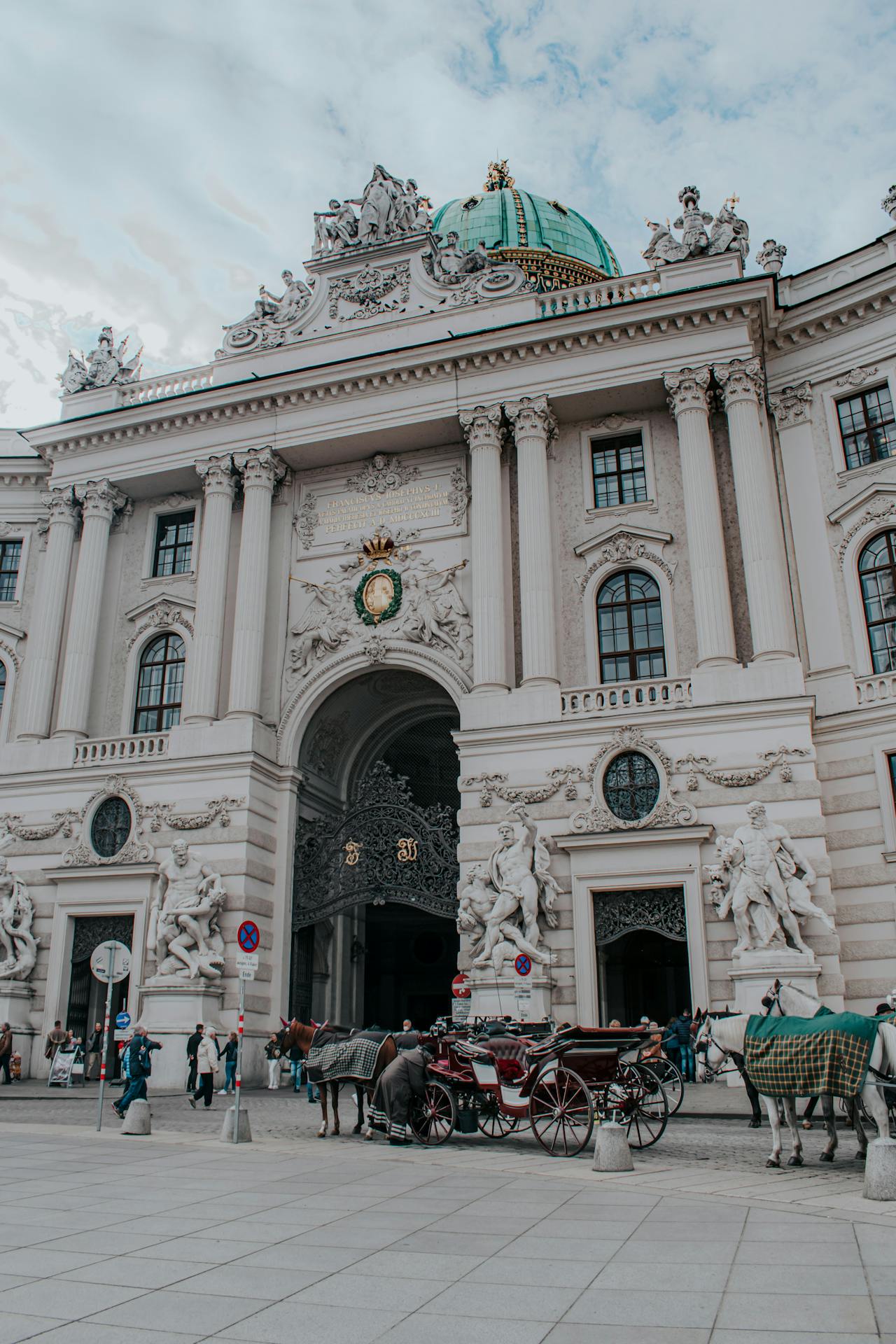
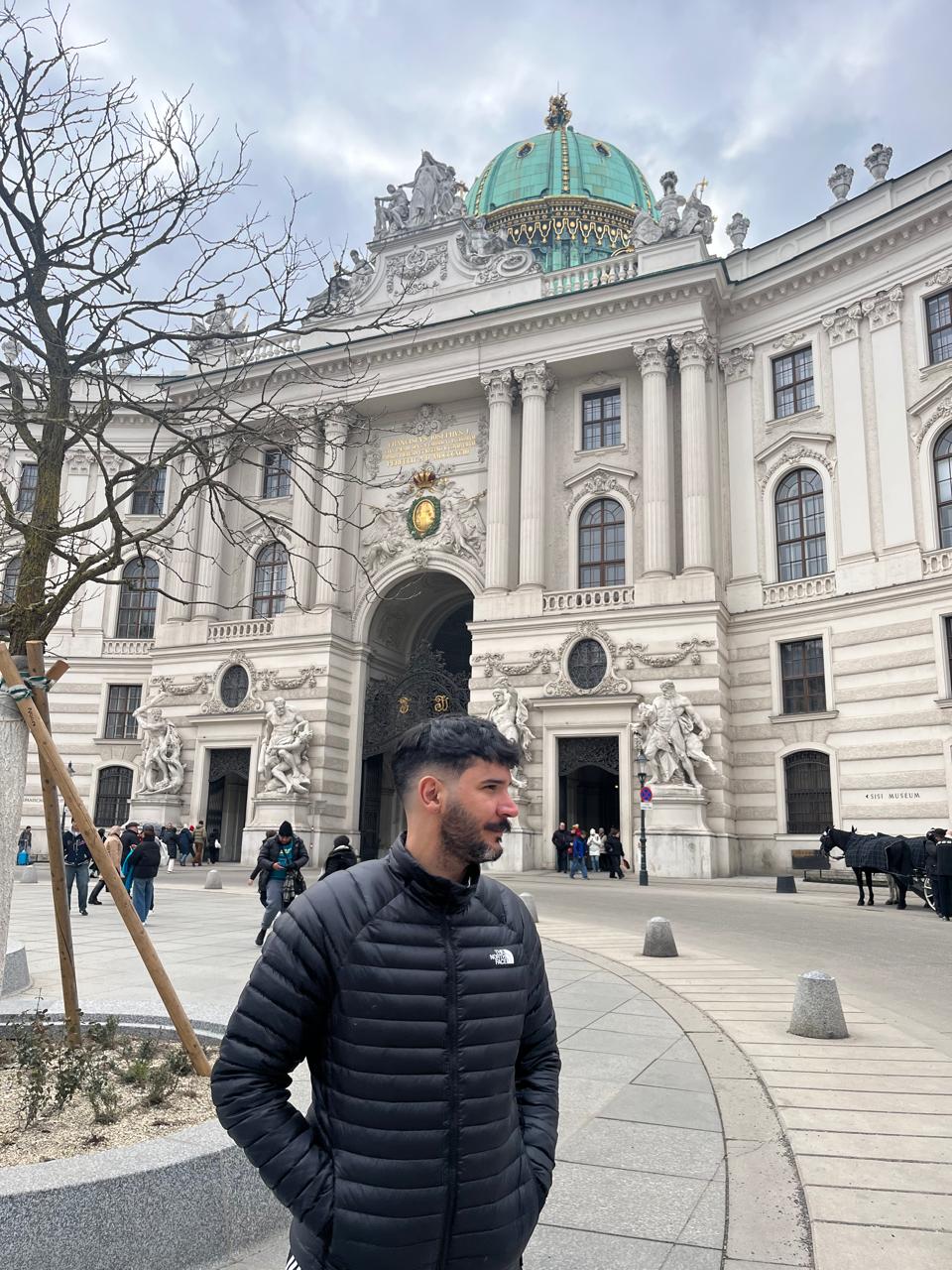
Hofburg Palace: Located in the historic center, it served as the imperial residence for centuries. Today it houses museums, the National Library, and the former apartments of Empress Sissi.
-
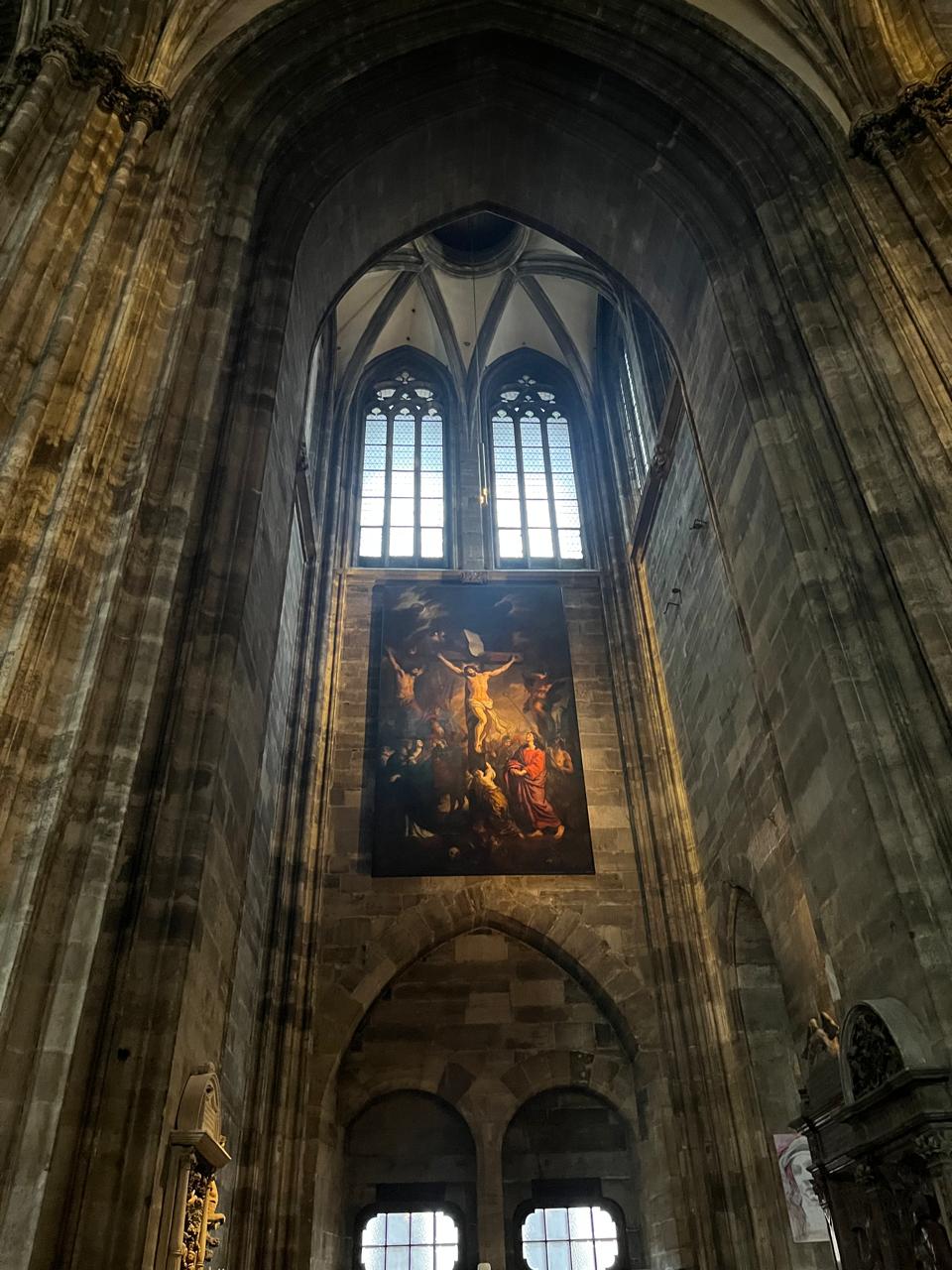
St. Stephen’s Cathedral (Stephansdom): The city’s main landmark. Its tower offers panoramic views of the old town, and its interior reflects centuries of Viennese history.
-
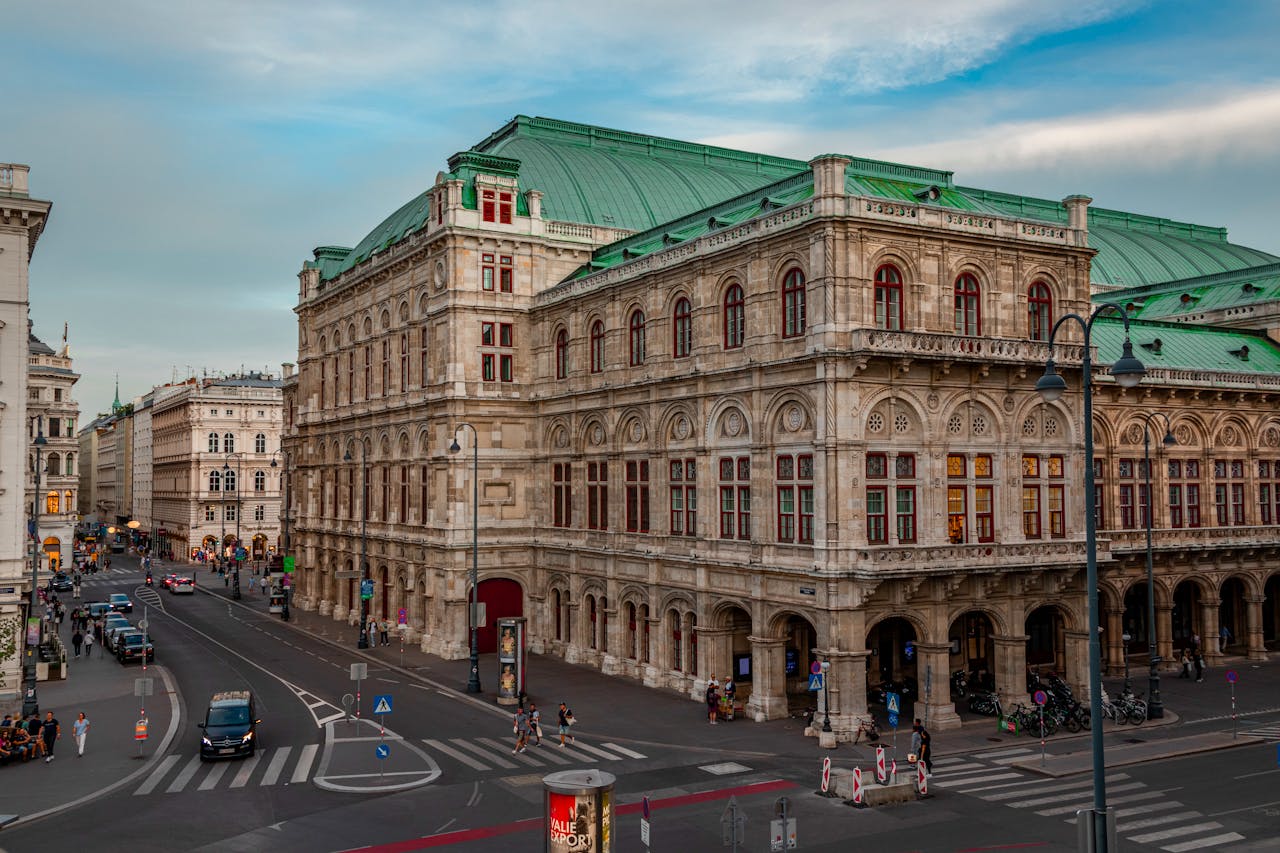
Vienna State Opera: One of the most prestigious opera houses in the world. Even without attending a performance, it is worth visiting or touring inside.
-
Traditional Viennese cafés: A fundamental part of local culture. Places to sit without rush, read, talk, and enjoy classic pastries.
-
MuseumsQuartier: One of the most important cultural complexes in Europe. It combines museums, open spaces, and a young atmosphere that contrasts with imperial Vienna.
-
Ringstrasse: A circular avenue surrounding the historic center, connecting iconic buildings. Perfect for walking or taking a tram ride.
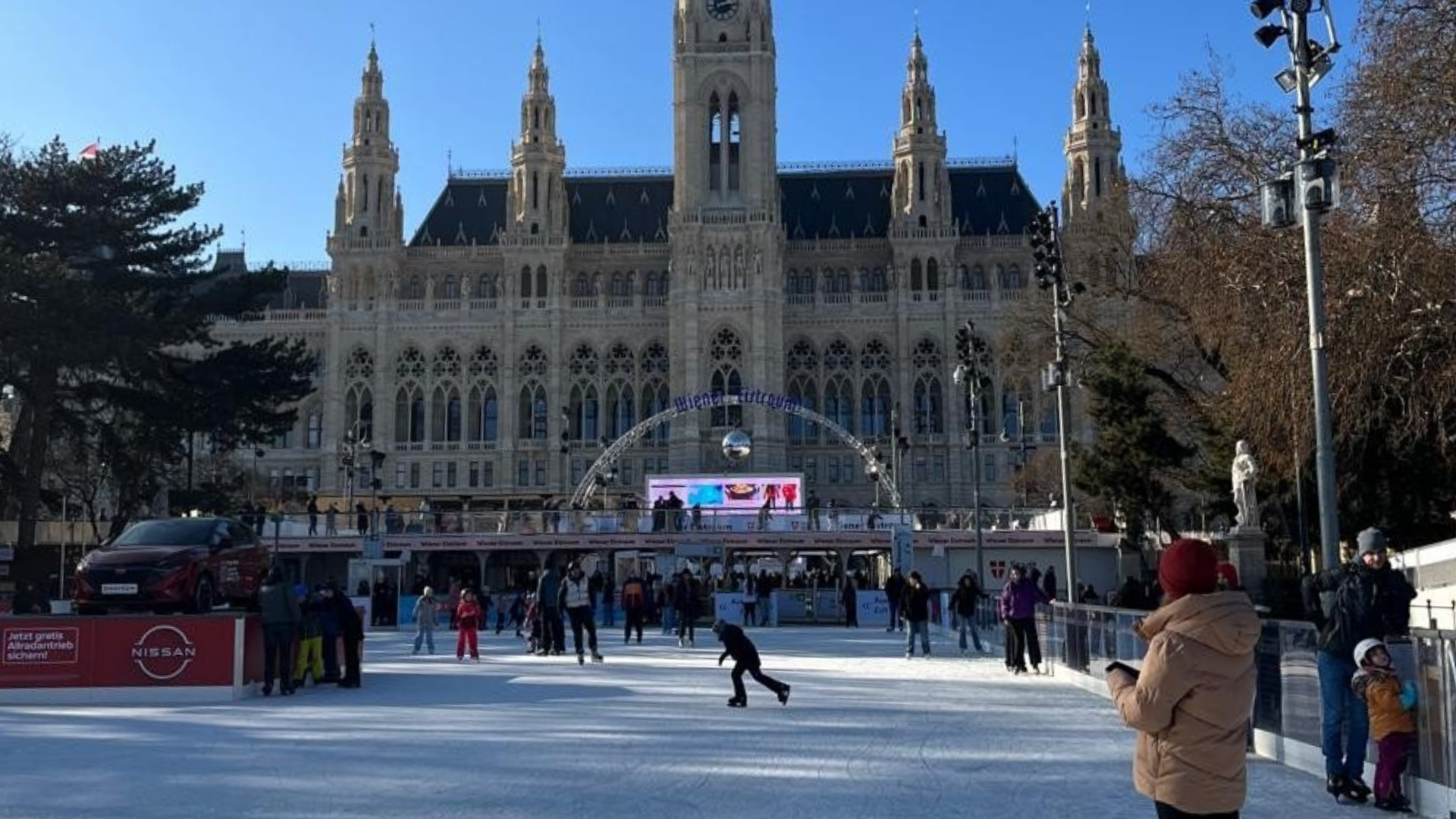
What to eat in Vienna
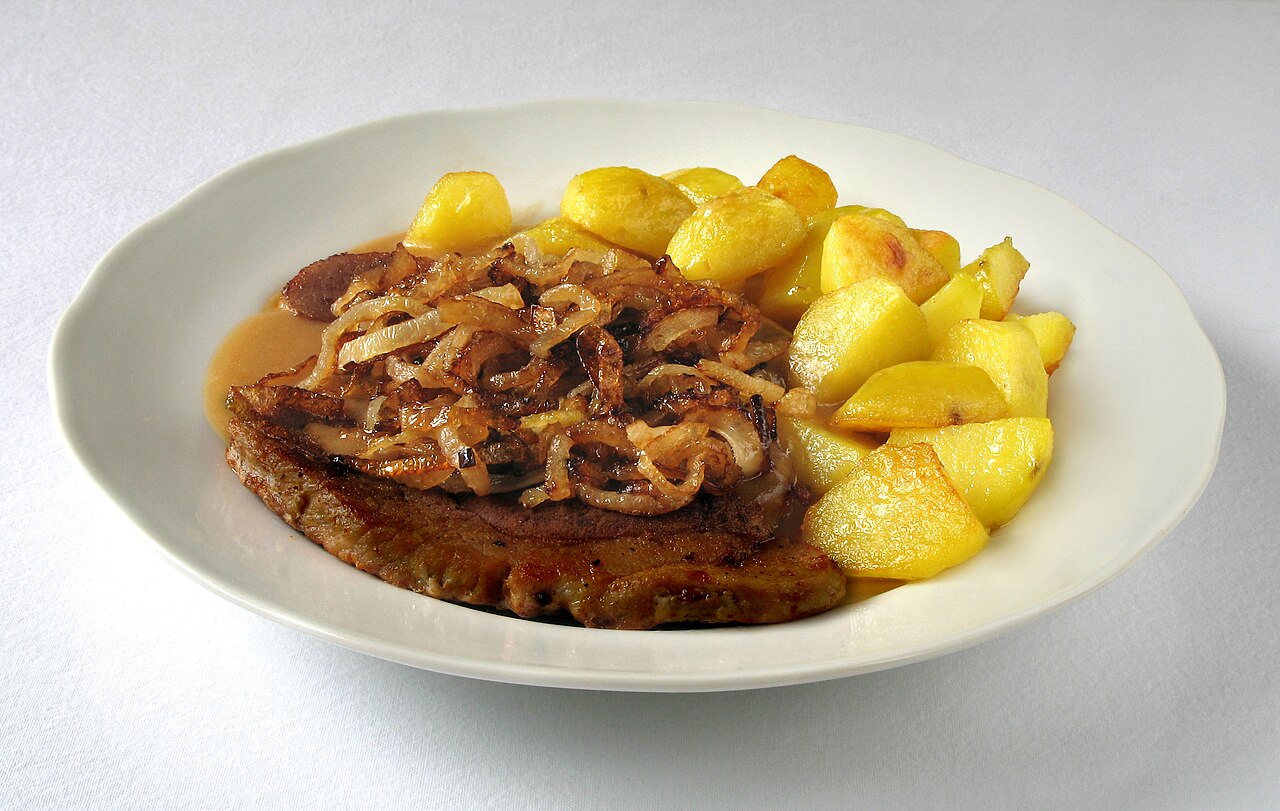
Viennese cuisine blends imperial tradition with simple, hearty dishes.
-
Wiener Schnitzel: The classic Viennese breaded veal cutlet, thin and crispy, served with potato salad or lemon.
-
Sachertorte: Chocolate cake with apricot jam. A classic to enjoy with coffee.
-
Apfelstrudel: Apple strudel with raisins, cinnamon, and powdered sugar.
-
Kaiserschmarrn: Shredded pancake, served as a dessert or afternoon treat.
-
Viennese cafés: More than food, a cultural experience tied to the city’s slow rhythm.
Tips and characteristics
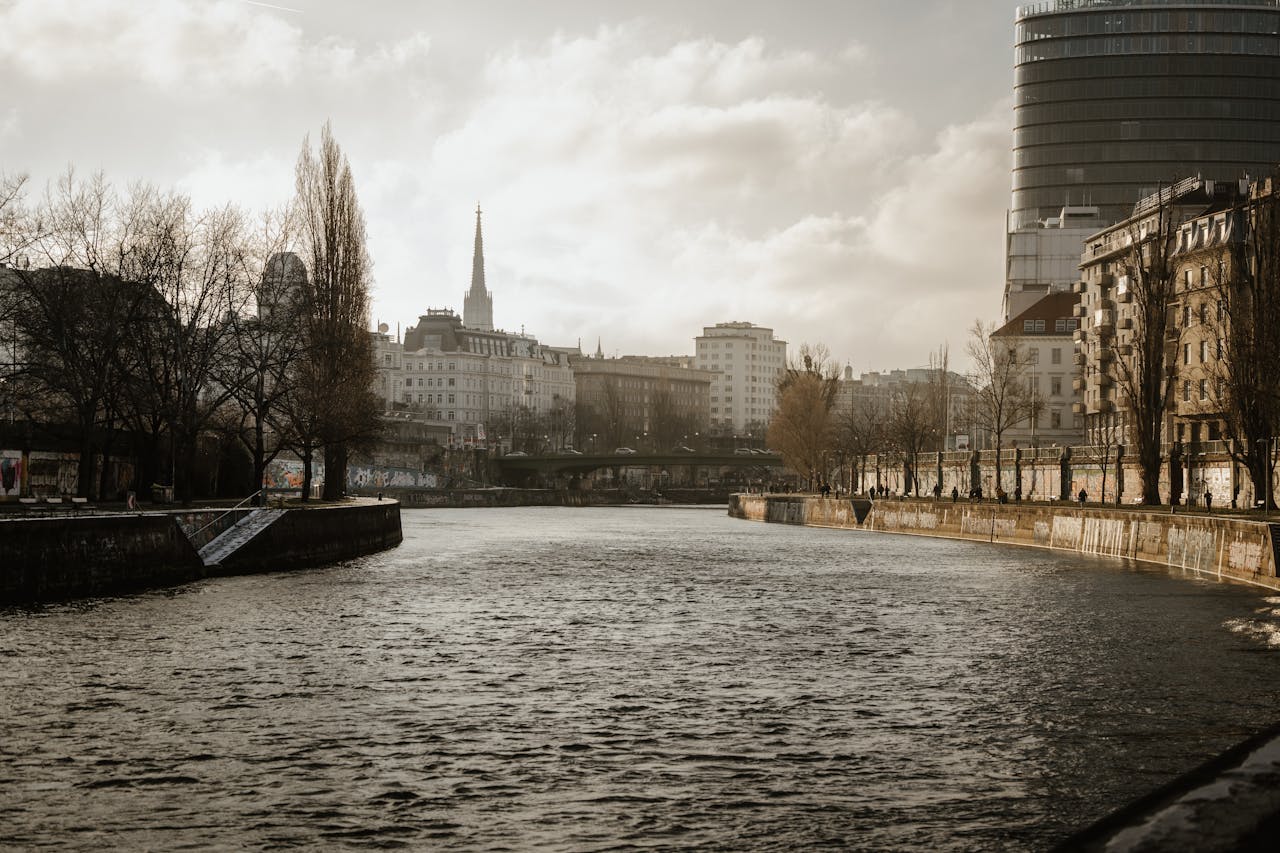
- Currency: euro (€).
- Transport: very efficient; subway, trams, and buses cover the entire city. Daily or weekly passes are recommended.
- Prices: moderate to high, especially in tourist areas.
- Climate: continental; cold winters and pleasant summers. Spring and autumn are ideal.
- Safety: very safe city with low crime rates.
- Language: German; English is widely spoken in tourist areas.
- Travel tip: tap water is drinkable and of excellent quality; no need to buy bottled water.
What to do in Vienna depending on the type of trip
History and architecture
Imperial palaces
Historic center
Ringstrasse
Art and culture
Opera and concerts
Classical and contemporary museums
MuseumsQuartier
Urban life and cafés
Historic cafés
Parks and squares
Relaxed city walks
How to get around Vienna
On foot: ideal for the historic center.
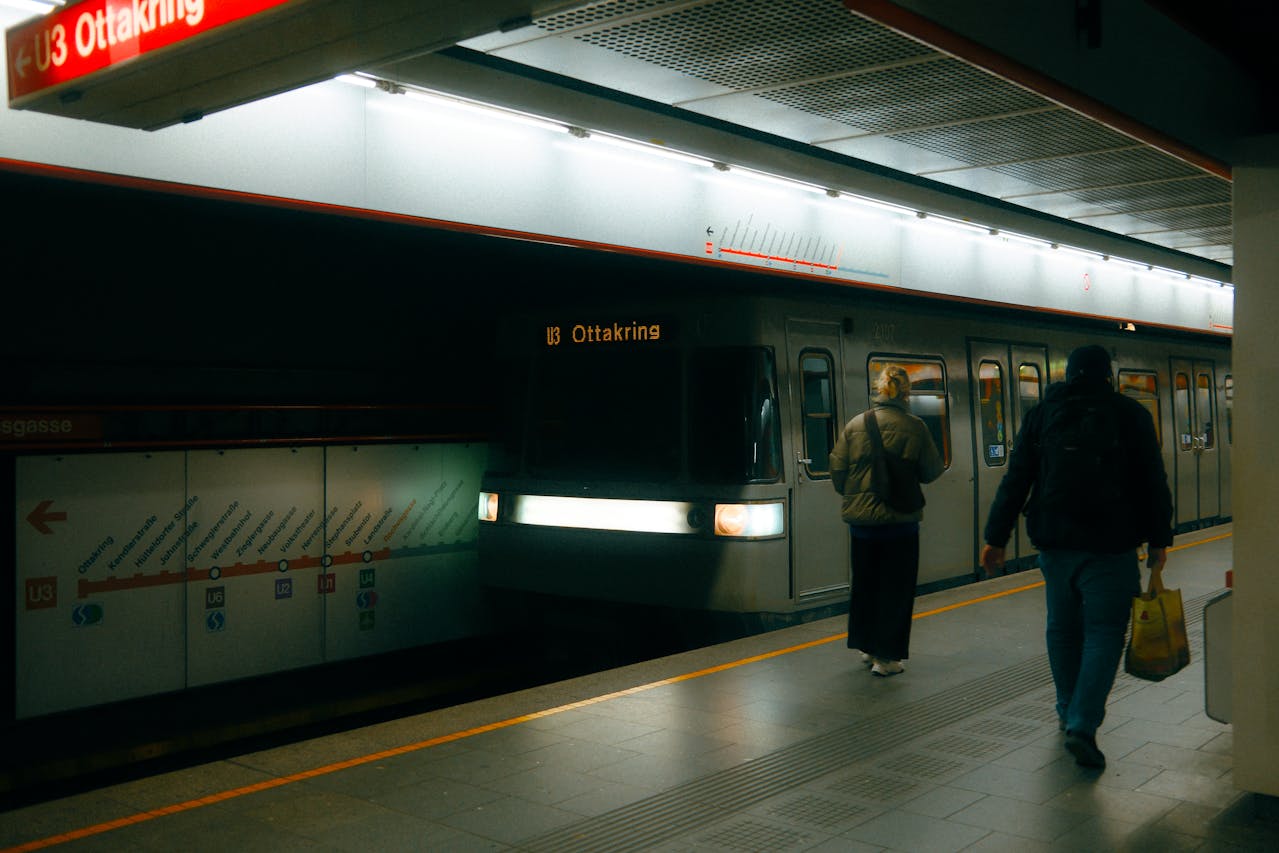
Subway (U-Bahn): fast and efficient.
Tram: perfect for scenic routes.
Bus: good complement to the public transport network.
Bicycle: widely used with excellent infrastructure.
Our experience traveling in Vienna
Vienna conveys a sense of order, history, and elegance that is hard to find in other European cities. It is a destination that invites you to sit in a café and simply enjoy the urban environment. Beyond its monuments, what stands out most is its balance between tradition and modern life, making every walk an experience in itself.
You may also like
-
Schönbrunn Palace: The former summer residence of the Habsburgs. Its rooms, gardens, and viewpoints reveal the magnitude of the Austro-Hungarian Empire.
-
Hofburg Palace: Located in the historic center, it served as the imperial residence for centuries. Today it houses museums, the National Library, and the former apartments of Empress Sissi.
-
St. Stephen’s Cathedral (Stephansdom): The city’s main landmark. Its tower offers panoramic views of the old town, and its interior reflects centuries of Viennese history.
-
Vienna State Opera: One of the most prestigious opera houses in the world. Even without attending a performance, it is worth visiting or touring inside.
-
Traditional Viennese cafés: A fundamental part of local culture. Places to sit without rush, read, talk, and enjoy classic pastries.
-
MuseumsQuartier: One of the most important cultural complexes in Europe. It combines museums, open spaces, and a young atmosphere that contrasts with imperial Vienna.
-
Ringstrasse: A circular avenue surrounding the historic center, connecting iconic buildings. Perfect for walking or taking a tram ride.
PUBLICIDAD
Travel with Data: Get your Saily eSIM
- ✓Internet in seconds upon landing
- ✓Flexible plans in 180+ countries
- ✓Easy setup directly via the App
Viennese cuisine blends imperial tradition with simple, hearty dishes.
-
Wiener Schnitzel: The classic Viennese breaded veal cutlet, thin and crispy, served with potato salad or lemon.
-
Sachertorte: Chocolate cake with apricot jam. A classic to enjoy with coffee.
-
Apfelstrudel: Apple strudel with raisins, cinnamon, and powdered sugar.
-
Kaiserschmarrn: Shredded pancake, served as a dessert or afternoon treat.
-
Viennese cafés: More than food, a cultural experience tied to the city’s slow rhythm.
- Currency: euro (€).
- Transport: very efficient; subway, trams, and buses cover the entire city. Daily or weekly passes are recommended.
- Prices: moderate to high, especially in tourist areas.
- Climate: continental; cold winters and pleasant summers. Spring and autumn are ideal.
- Safety: very safe city with low crime rates.
- Language: German; English is widely spoken in tourist areas.
- Travel tip: tap water is drinkable and of excellent quality; no need to buy bottled water.
History and architecture
Imperial palaces
Historic center
Ringstrasse
Art and culture
Opera and concerts
Classical and contemporary museums
MuseumsQuartier
Urban life and cafés
Historic cafés
Parks and squares
Relaxed city walks
On foot: ideal for the historic center.
Subway (U-Bahn): fast and efficient.
Tram: perfect for scenic routes.
Bus: good complement to the public transport network.
Bicycle: widely used with excellent infrastructure.
Vienna conveys a sense of order, history, and elegance that is hard to find in other European cities. It is a destination that invites you to sit in a café and simply enjoy the urban environment. Beyond its monuments, what stands out most is its balance between tradition and modern life, making every walk an experience in itself.
Galery
PUBLICIDAD
International Travel Insurance
- ✓International medical insurance
- ✓24/7 immediate assistance in your language
- ✓Ideal for trekking & adventure
Preferences
Language
Color
Text
Width