Table of contents and map
Austria: qué ver, qué comer y cómo moverse con base en Viena
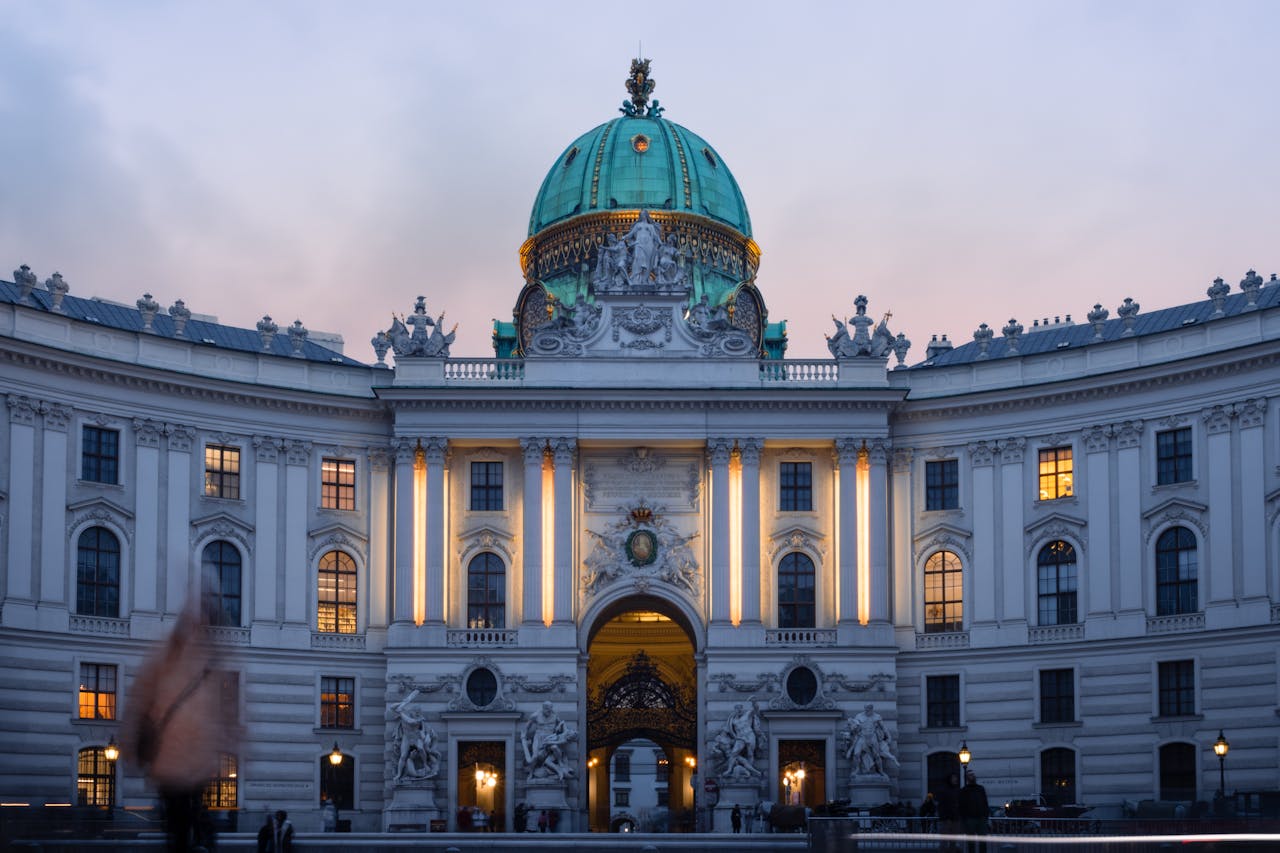
Austria es un país de Europa Central conocido por sus paisajes alpinos, ciudades elegantes y una fuerte herencia cultural. Entre montañas, lagos y valles verdes, combina tradición y modernidad con naturalidad. Su historia imperial, la música clásica, la arquitectura cuidada y una alta calidad de vida hacen de Austria un destino que transmite orden, belleza y una identidad cultural muy marcada.
Austria: qué ver, qué comer y cómo moverse con base en Viena
Austria es un país de Europa Central conocido por sus paisajes alpinos, ciudades elegantes y una fuerte herencia cultural. Entre montañas, lagos y valles verdes, combina tradición y modernidad con naturalidad. Su historia imperial, la música clásica, la arquitectura cuidada y una alta calidad de vida hacen de Austria un destino que transmite orden, belleza y una identidad cultural muy marcada.
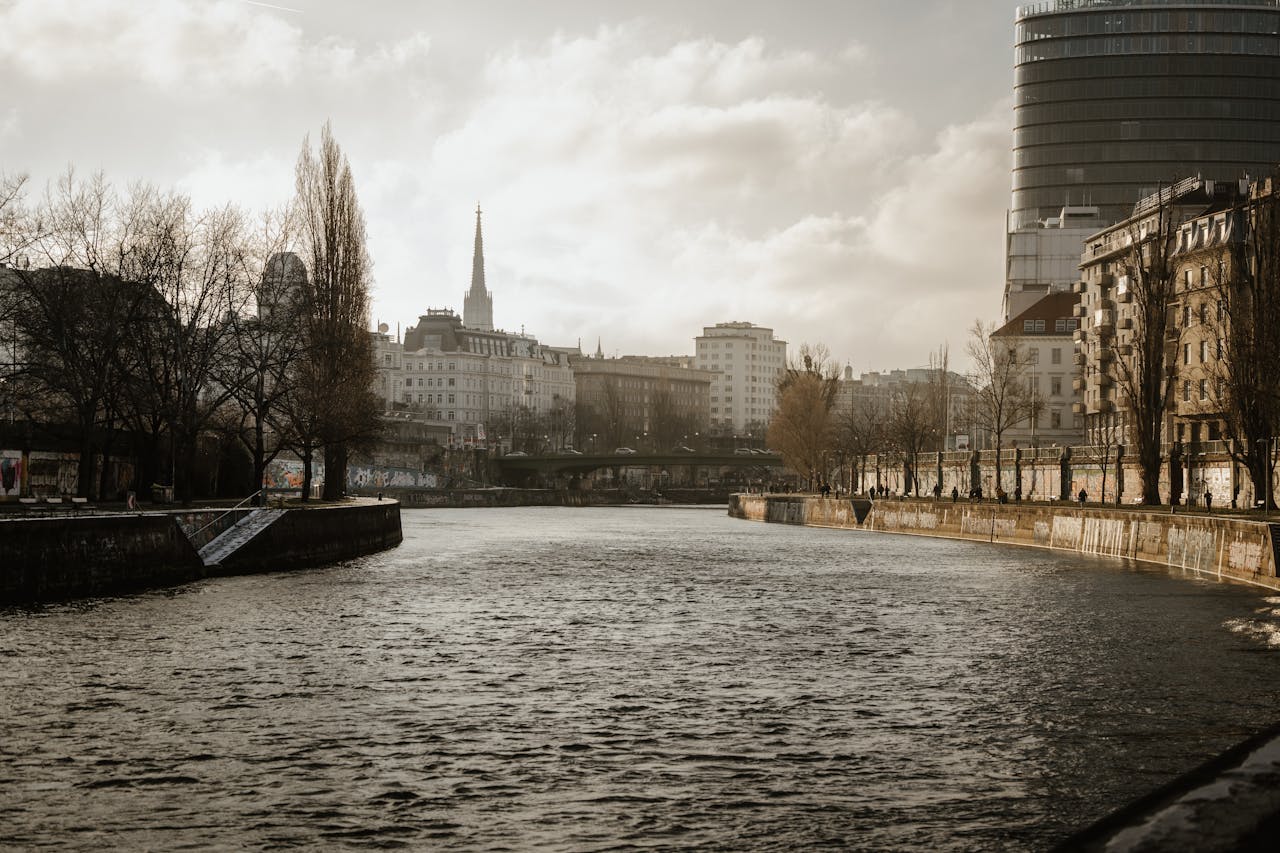
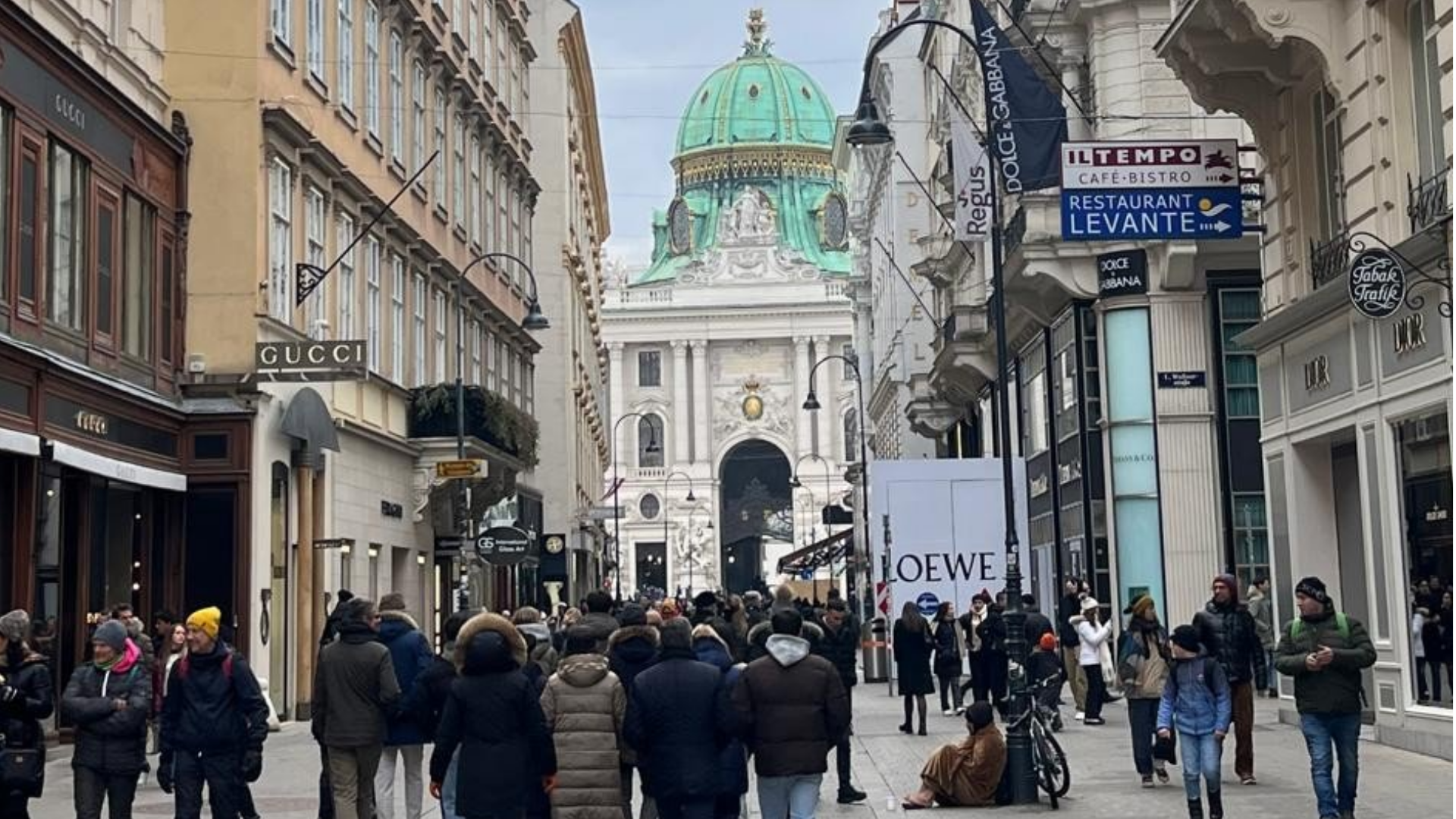
En nuestro caso, lo recorrimos con base en Viena durante una semana entera, una ciudad ideal para entender el espíritu del país y su forma de vivir: pausada, cultural y muy ligada a sus tradiciones.
Austria combina ciudades imperiales, paisajes alpinos, lagos cristalinos y una fuerte tradición cultural. Es un país ideal para quienes buscan historia, naturaleza y calidad de vida en un mismo viaje.
Destinos imperdibles de Austria
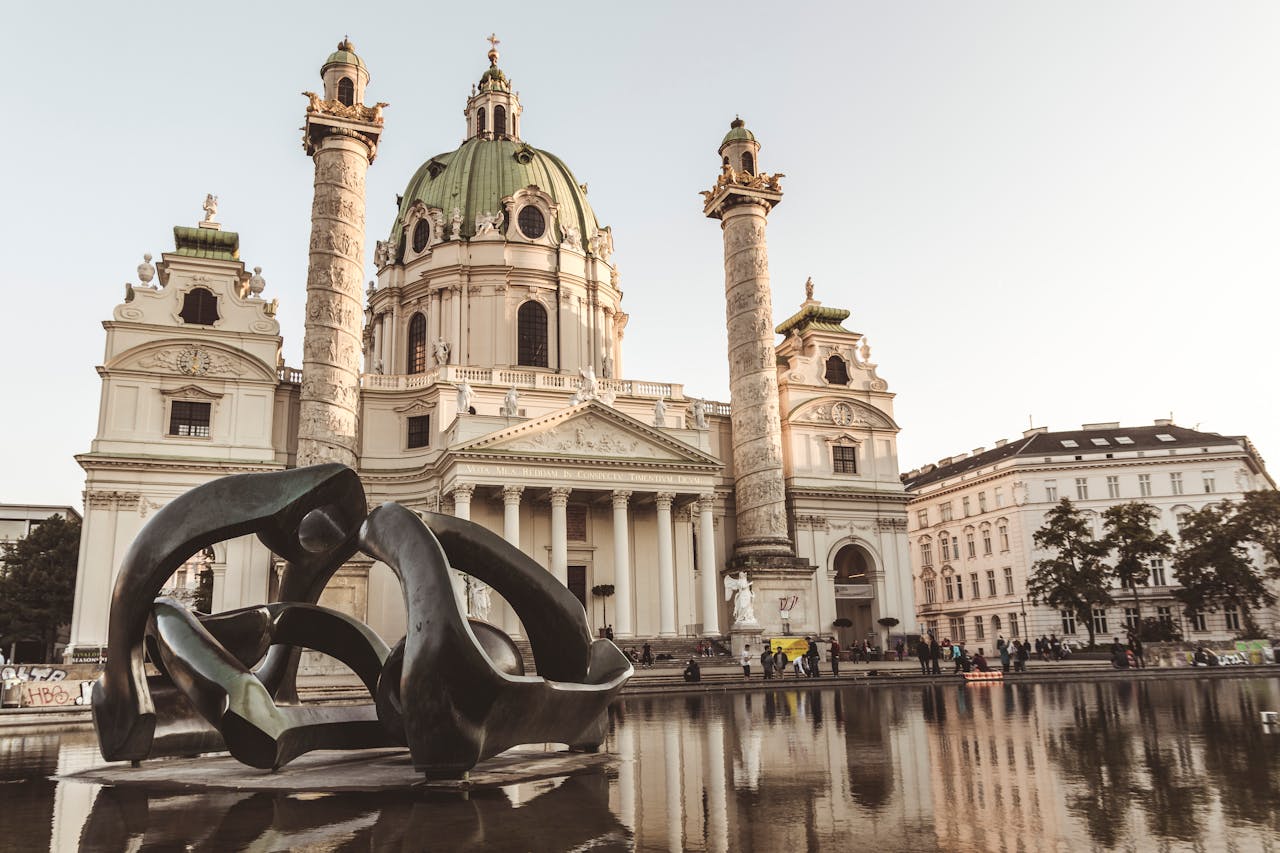
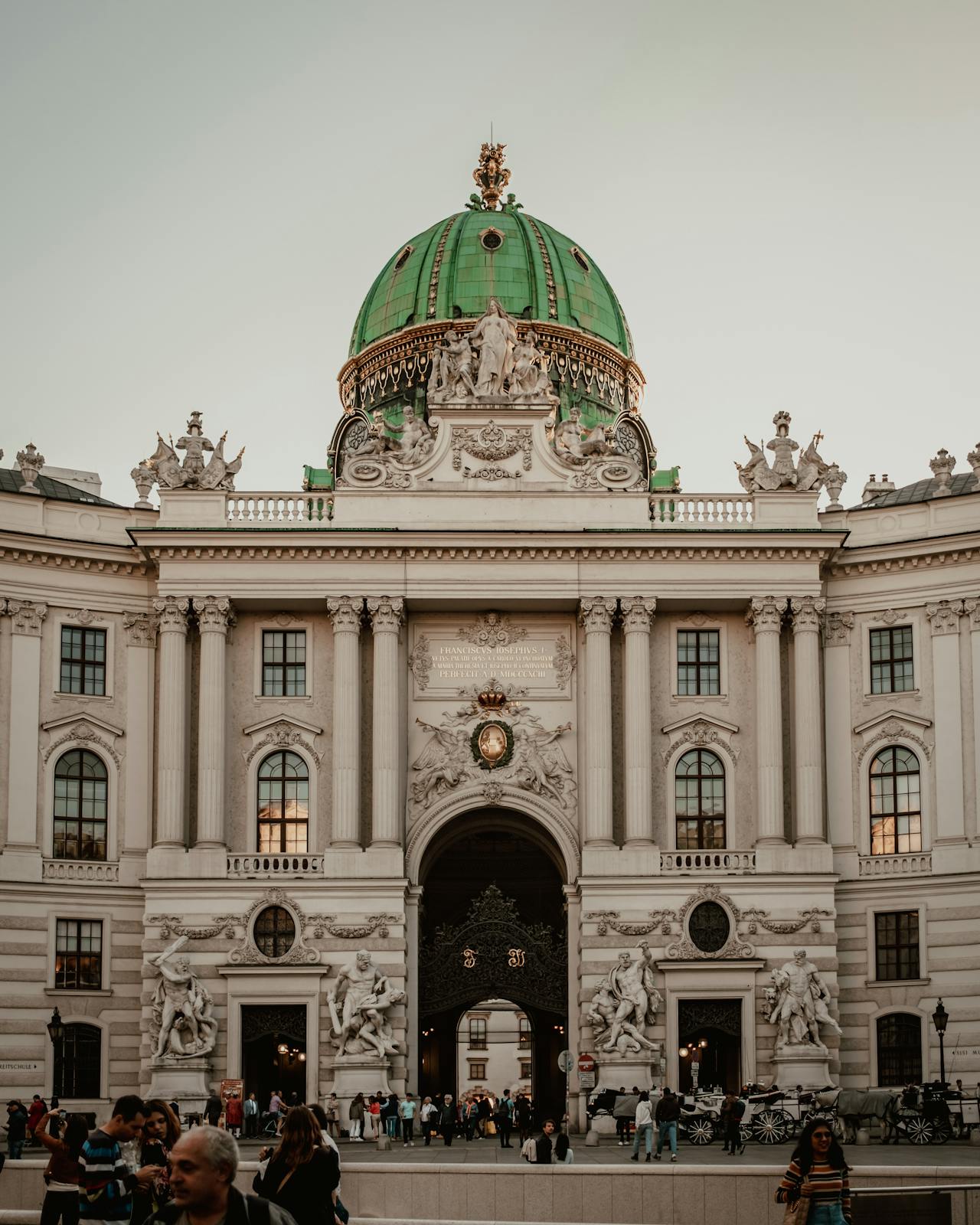
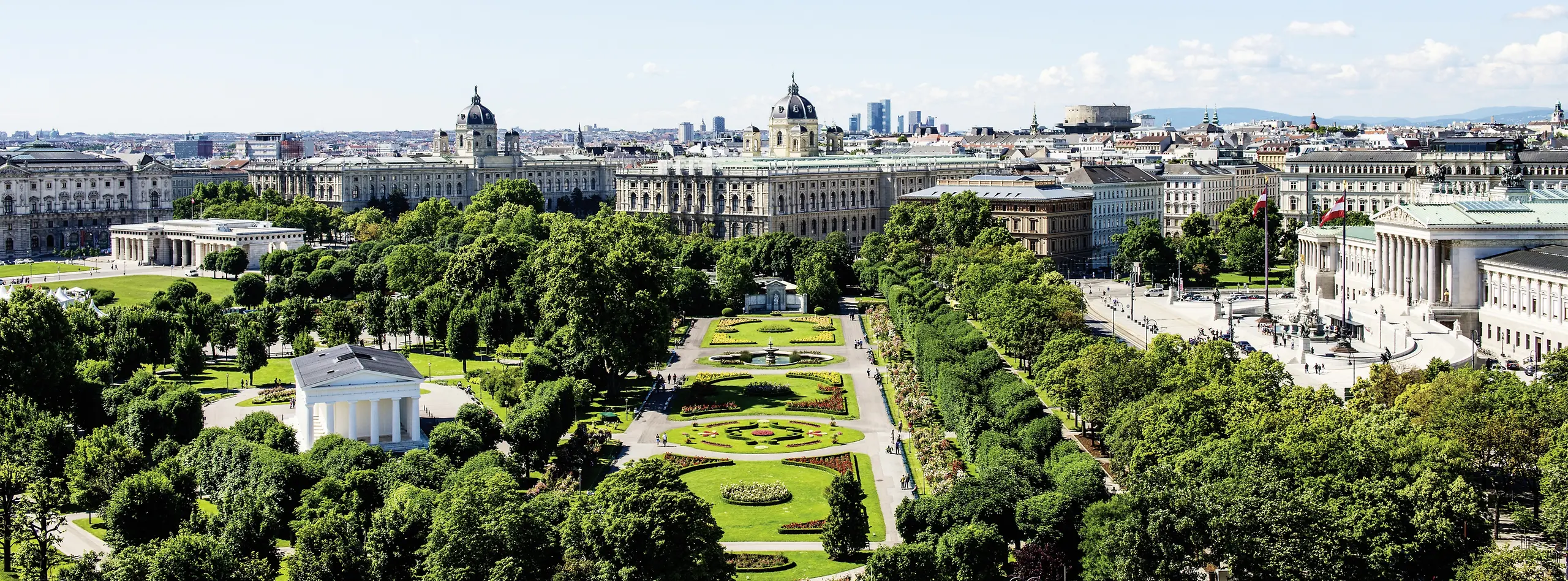
- Viena – Capital imperial, palacios, museos y cafés históricos.
- Salzburgo – Ciudad natal de Mozart y casco antiguo barroco.
- Hallstatt – Pueblo alpino junto al lago, uno de los más fotografiados de Europa.
- Innsbruck – Rodeada por los Alpes, ideal para deportes de montaña.
- Graz – Centro histórico medieval y ambiente universitario.
- Zell am See – Lago alpino y acceso a rutas de montaña.
- Bad Ischl – Tradición imperial y naturaleza.
- Linz – Ciudad cultural y tecnológica a orillas del Danubio.
- Valle de Wachau – Viñedos, pueblos históricos y el río Danubio.
- St. Wolfgang – Pueblo pintoresco en la región de los lagos.
Qué comer en Austria (imperdibles)
La gastronomía austríaca es tradicional, contundente y con fuerte influencia centroeuropea:
- Wiener Schnitzel – Milanesa de ternera, plato nacional.
- Tafelspitz – Carne hervida con guarniciones clásicas.
- Goulash – Guiso especiado de origen centroeuropeo.
- Käsespätzle – Pasta con queso, típica de regiones alpinas.
- Apfelstrudel – Strudel de manzana, postre emblemático.
- Sachertorte – Torta de chocolate tradicional vienesa.
- Kaiserschmarrn – Panqueque desmenuzado con azúcar.
- Café vienés – Parte esencial de la cultura local.

Datos prácticos para viajar por Austria
- Moneda: euro (EUR).
- Idioma: alemán.
- Enchufes: tipo C y F, 230V.
- Propinas: no obligatorias; se suele redondear o dejar 5–10%.
- Conectividad: excelente en todo el país.
- Pagos: tarjetas ampliamente aceptadas; efectivo útil en pueblos pequeños.
Cómo moverse por Austria
Austria tiene uno de los sistemas de transporte más eficientes de Europa:
- Tren – Rápido, puntual y muy cómodo para todo el país.
- Bus – Excelente complemento para zonas rurales y alpinas.
- Auto – Ideal para explorar los Alpes y regiones menos accesibles.
- Transporte urbano – Muy eficiente en Viena, Graz y Salzburgo.
- Bicicleta – Muy utilizada, especialmente en ciudades y rutas del Danubio.
Mejor época para viajar
- Mayo a septiembre: ideal para ciudades, lagos y montaña.
- Julio y agosto: verano, clima agradable y festivales.
- Diciembre: mercados navideños y ambiente invernal.
- Invierno: perfecto para esquí y deportes de nieve en los Alpes.
El clima es continental y alpino, con inviernos fríos y veranos suaves.
Consejos útiles para viajar por Austria
- Comprá tickets de tren con anticipación para mejores precios.
- Probá los cafés históricos en Viena sin apuro.
- Reservá alojamiento en pueblos alpinos en temporada alta.
- Llevá efectivo para pequeños restaurantes o refugios de montaña.
- Respetá los horarios: la puntualidad es muy importante.
- Si viajás en auto, necesitás viñeta para autopistas.
- Caminá los centros históricos: son compactos y muy agradables.
- Viena – Capital imperial, palacios, museos y cafés históricos.
- Salzburgo – Ciudad natal de Mozart y casco antiguo barroco.
- Hallstatt – Pueblo alpino junto al lago, uno de los más fotografiados de Europa.
- Innsbruck – Rodeada por los Alpes, ideal para deportes de montaña.
- Graz – Centro histórico medieval y ambiente universitario.
- Zell am See – Lago alpino y acceso a rutas de montaña.
- Bad Ischl – Tradición imperial y naturaleza.
- Linz – Ciudad cultural y tecnológica a orillas del Danubio.
- Valle de Wachau – Viñedos, pueblos históricos y el río Danubio.
- St. Wolfgang – Pueblo pintoresco en la región de los lagos.
PUBLICIDAD
Travel with Data: Get your Saily eSIM
- ✓Internet in seconds upon landing
- ✓Flexible plans in 180+ countries
- ✓Easy setup directly via the App
La gastronomía austríaca es tradicional, contundente y con fuerte influencia centroeuropea:
- Wiener Schnitzel – Milanesa de ternera, plato nacional.
- Tafelspitz – Carne hervida con guarniciones clásicas.
- Goulash – Guiso especiado de origen centroeuropeo.
- Käsespätzle – Pasta con queso, típica de regiones alpinas.
- Apfelstrudel – Strudel de manzana, postre emblemático.
- Sachertorte – Torta de chocolate tradicional vienesa.
- Kaiserschmarrn – Panqueque desmenuzado con azúcar.
- Café vienés – Parte esencial de la cultura local.
- Moneda: euro (EUR).
- Idioma: alemán.
- Enchufes: tipo C y F, 230V.
- Propinas: no obligatorias; se suele redondear o dejar 5–10%.
- Conectividad: excelente en todo el país.
- Pagos: tarjetas ampliamente aceptadas; efectivo útil en pueblos pequeños.
Austria tiene uno de los sistemas de transporte más eficientes de Europa:
- Tren – Rápido, puntual y muy cómodo para todo el país.
- Bus – Excelente complemento para zonas rurales y alpinas.
- Auto – Ideal para explorar los Alpes y regiones menos accesibles.
- Transporte urbano – Muy eficiente en Viena, Graz y Salzburgo.
- Bicicleta – Muy utilizada, especialmente en ciudades y rutas del Danubio.
- Mayo a septiembre: ideal para ciudades, lagos y montaña.
- Julio y agosto: verano, clima agradable y festivales.
- Diciembre: mercados navideños y ambiente invernal.
- Invierno: perfecto para esquí y deportes de nieve en los Alpes.
El clima es continental y alpino, con inviernos fríos y veranos suaves.
PUBLICIDAD
- Comprá tickets de tren con anticipación para mejores precios.
- Probá los cafés históricos en Viena sin apuro.
- Reservá alojamiento en pueblos alpinos en temporada alta.
- Llevá efectivo para pequeños restaurantes o refugios de montaña.
- Respetá los horarios: la puntualidad es muy importante.
- Si viajás en auto, necesitás viñeta para autopistas.
- Caminá los centros históricos: son compactos y muy agradables.
PUBLICIDAD
International Travel Insurance
- ✓International medical insurance
- ✓24/7 immediate assistance in your language
- ✓Ideal for trekking & adventure
Posts in Austria
Preferences
Language
Color
Text
Width