Table of contents and map
Ushuaia 2026: 10 must-sees and how to live the end of the world
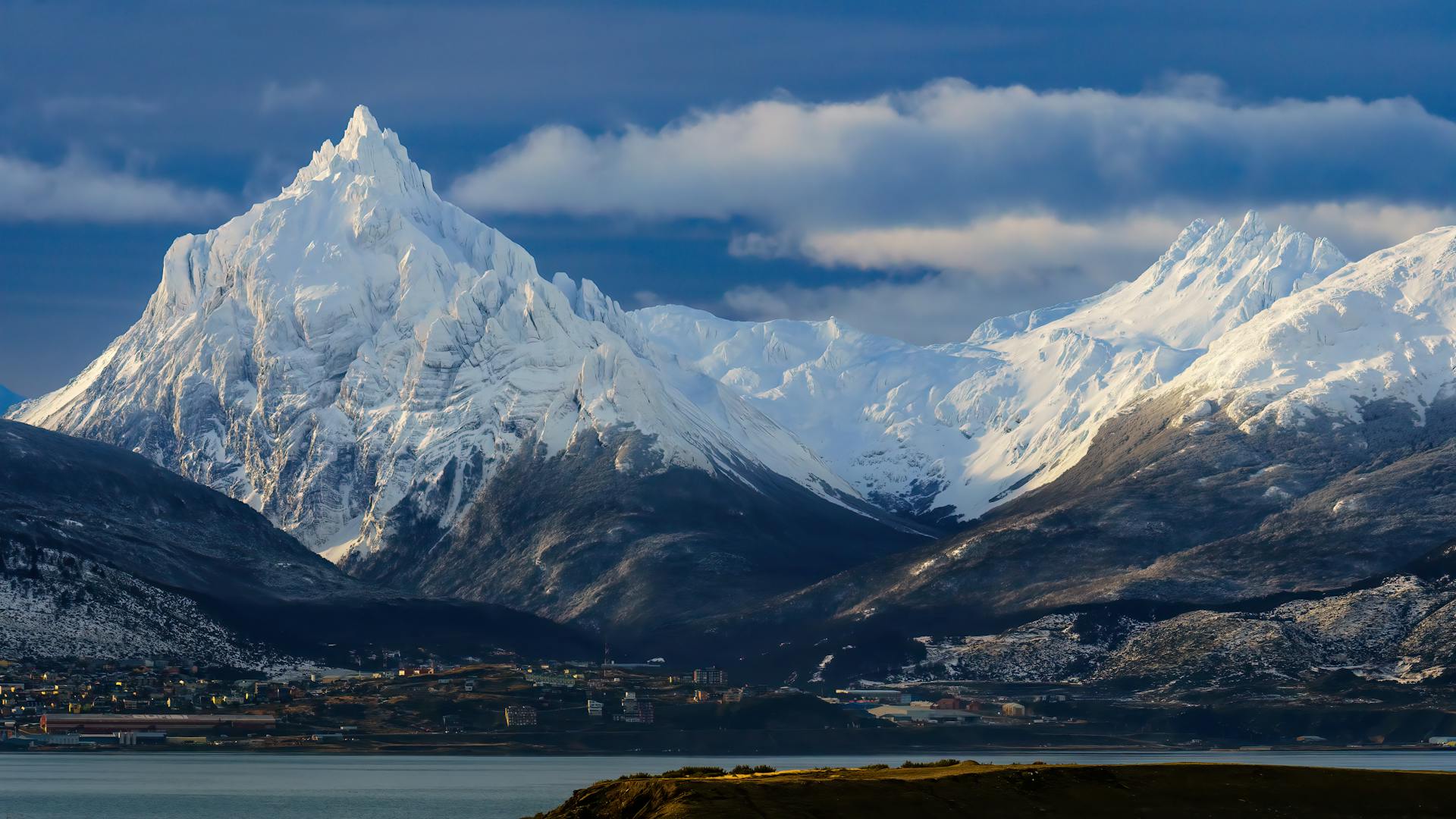
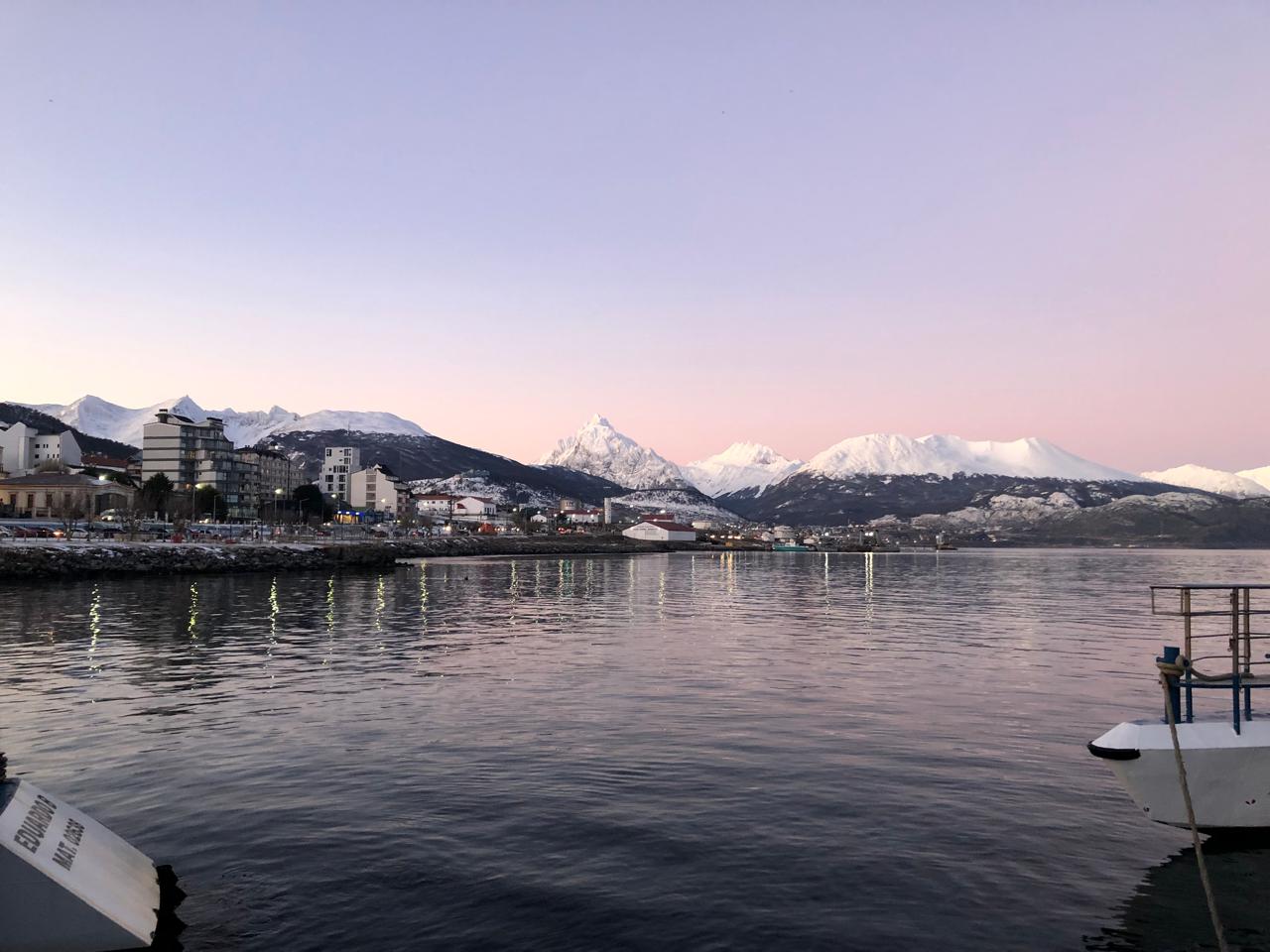
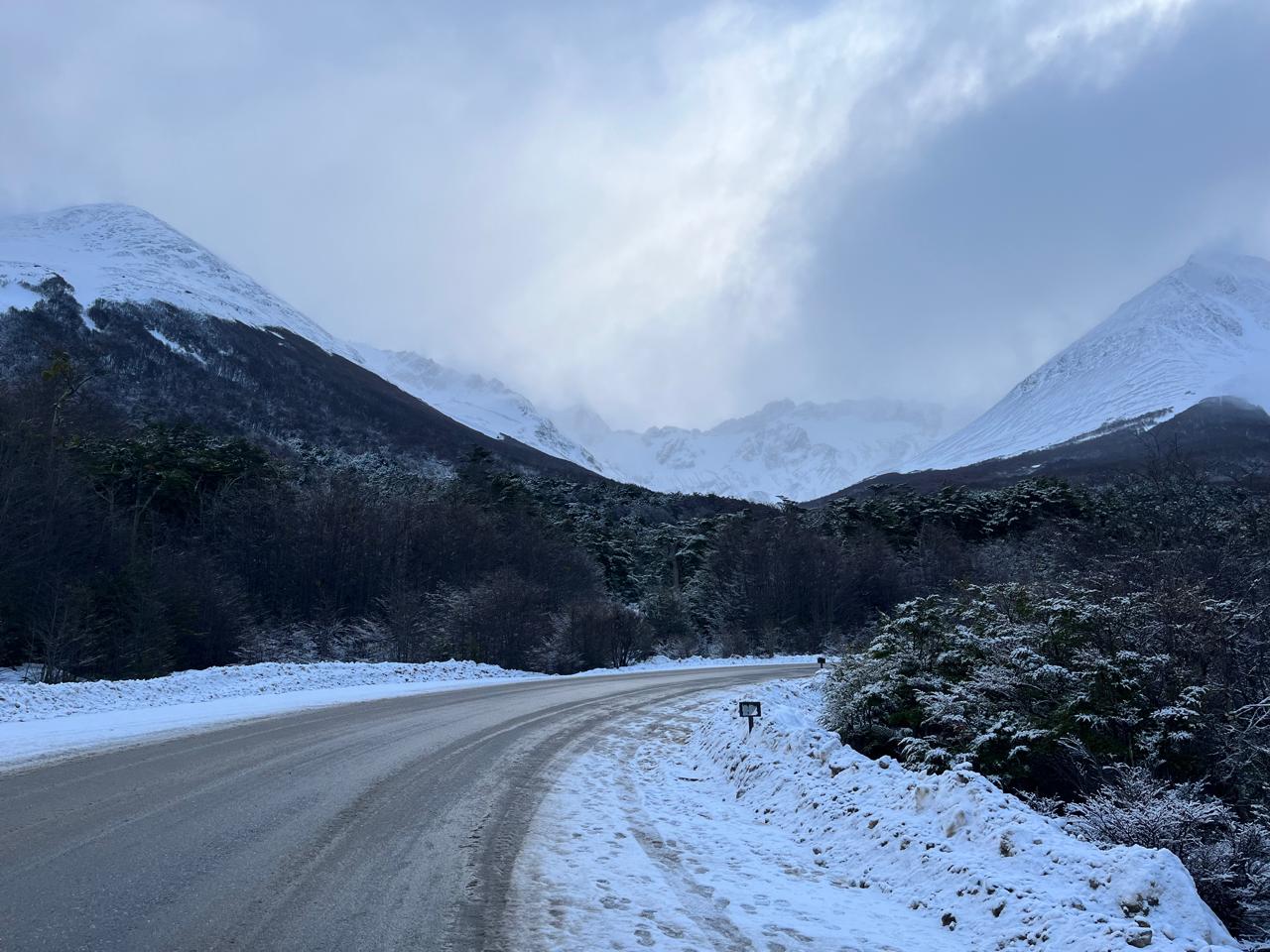
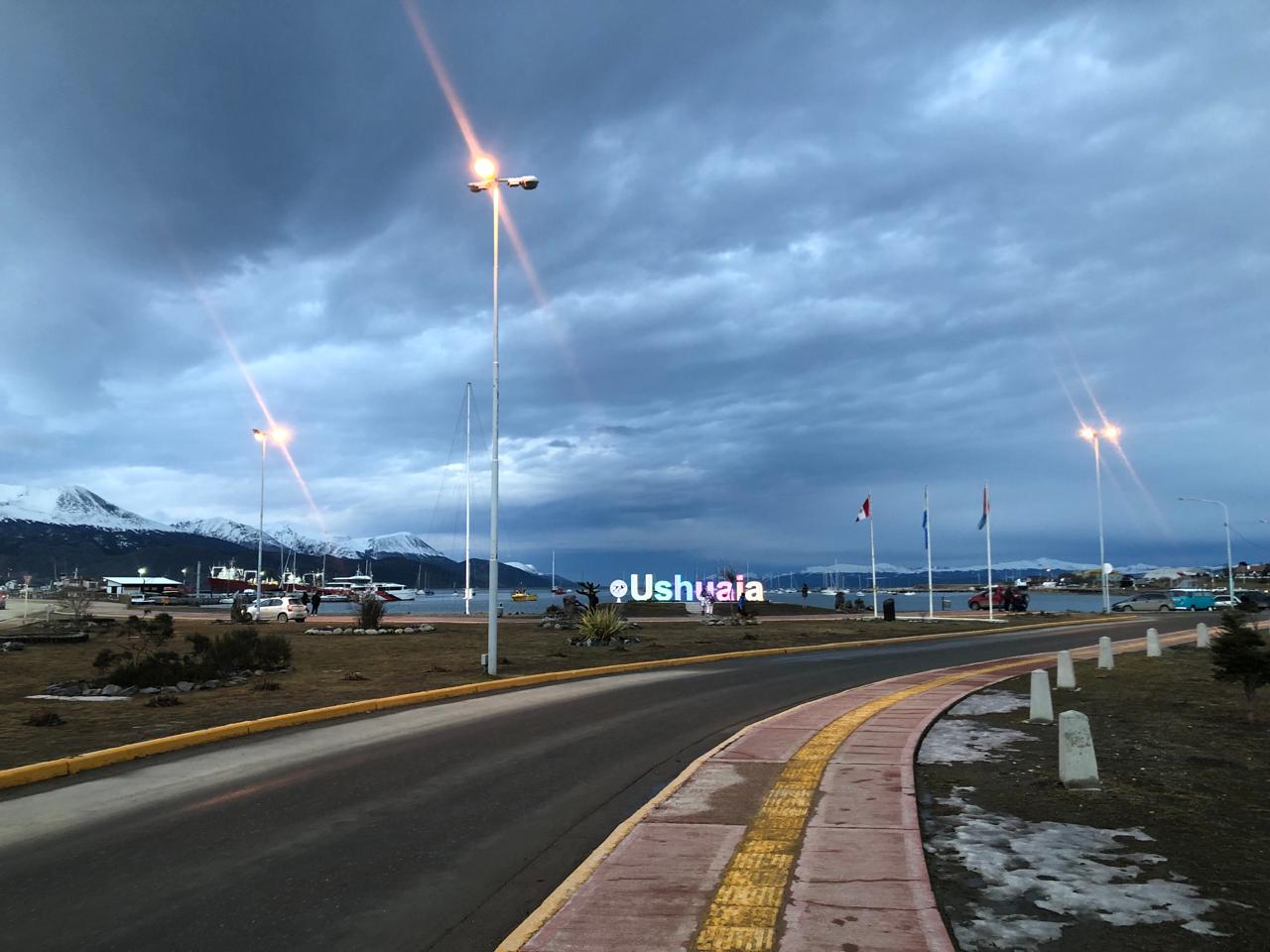
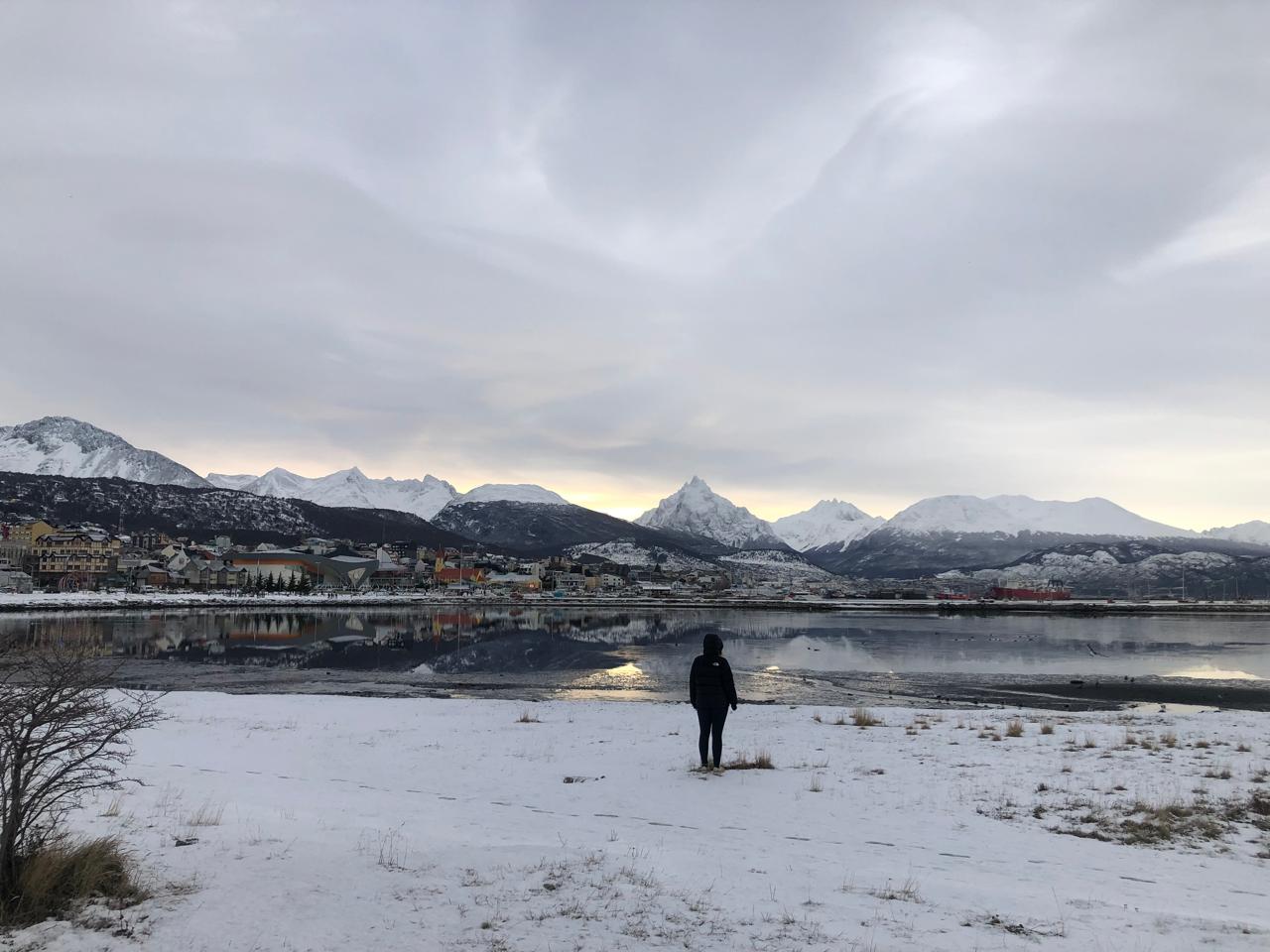
Ushuaia is located at the end of southern Patagonia, at the southernmost tip of Argentina. Known as the end of the world, or for some, the beginning of everything. It is surrounded by the sea and the mountain range, and from almost any point, you can see one of those two landscapes. It is a city where nature is always present and the environment completely defines the travel experience.
Ushuaia 2026: 10 must-sees and how to live the end of the world
Ushuaia is located at the end of southern Patagonia, at the southernmost tip of Argentina. Known as the end of the world, or for some, the beginning of everything. It is surrounded by the sea and the mountain range, and from almost any point, you can see one of those two landscapes. It is a city where nature is always present and the environment completely defines the travel experience.
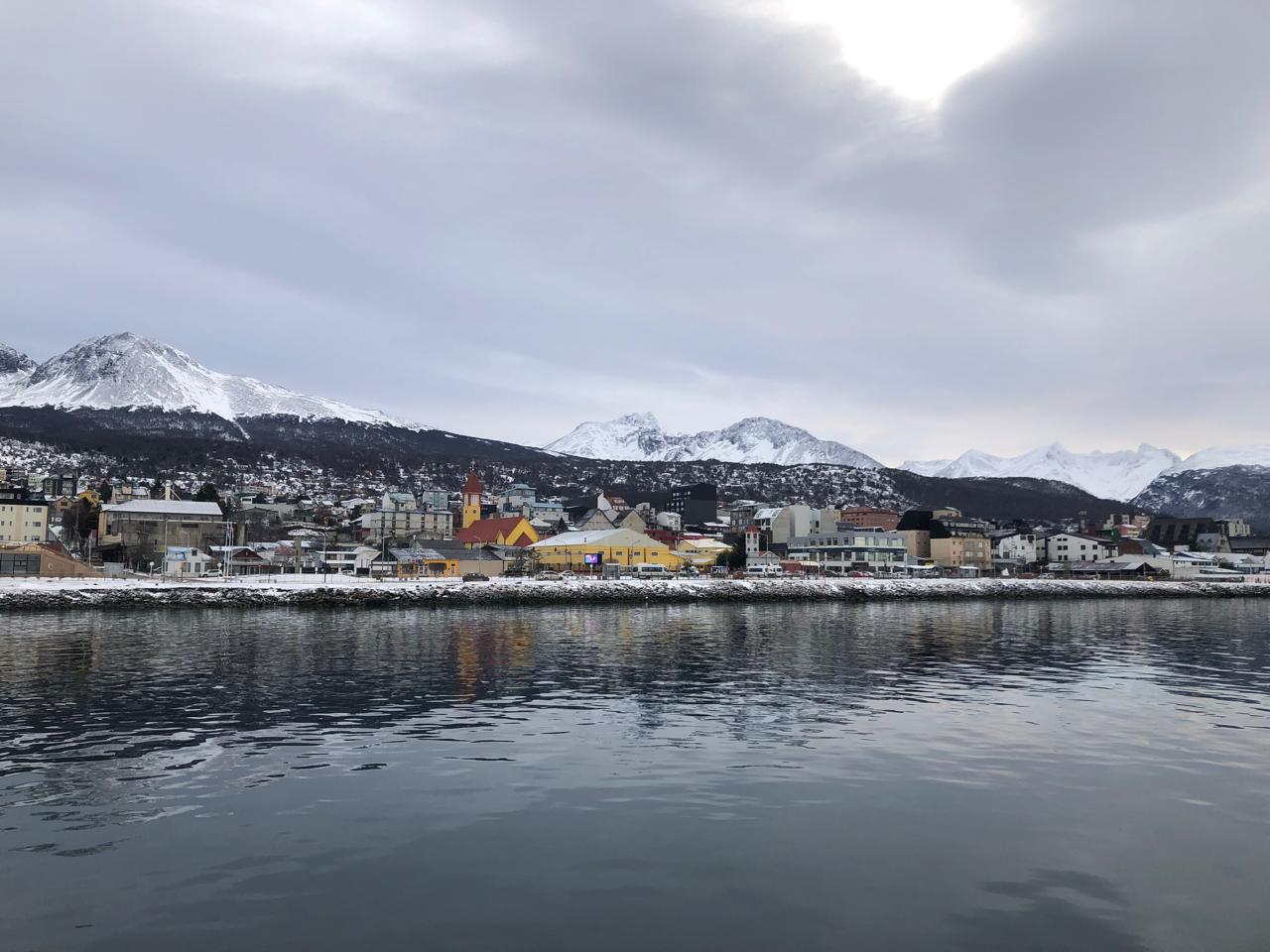
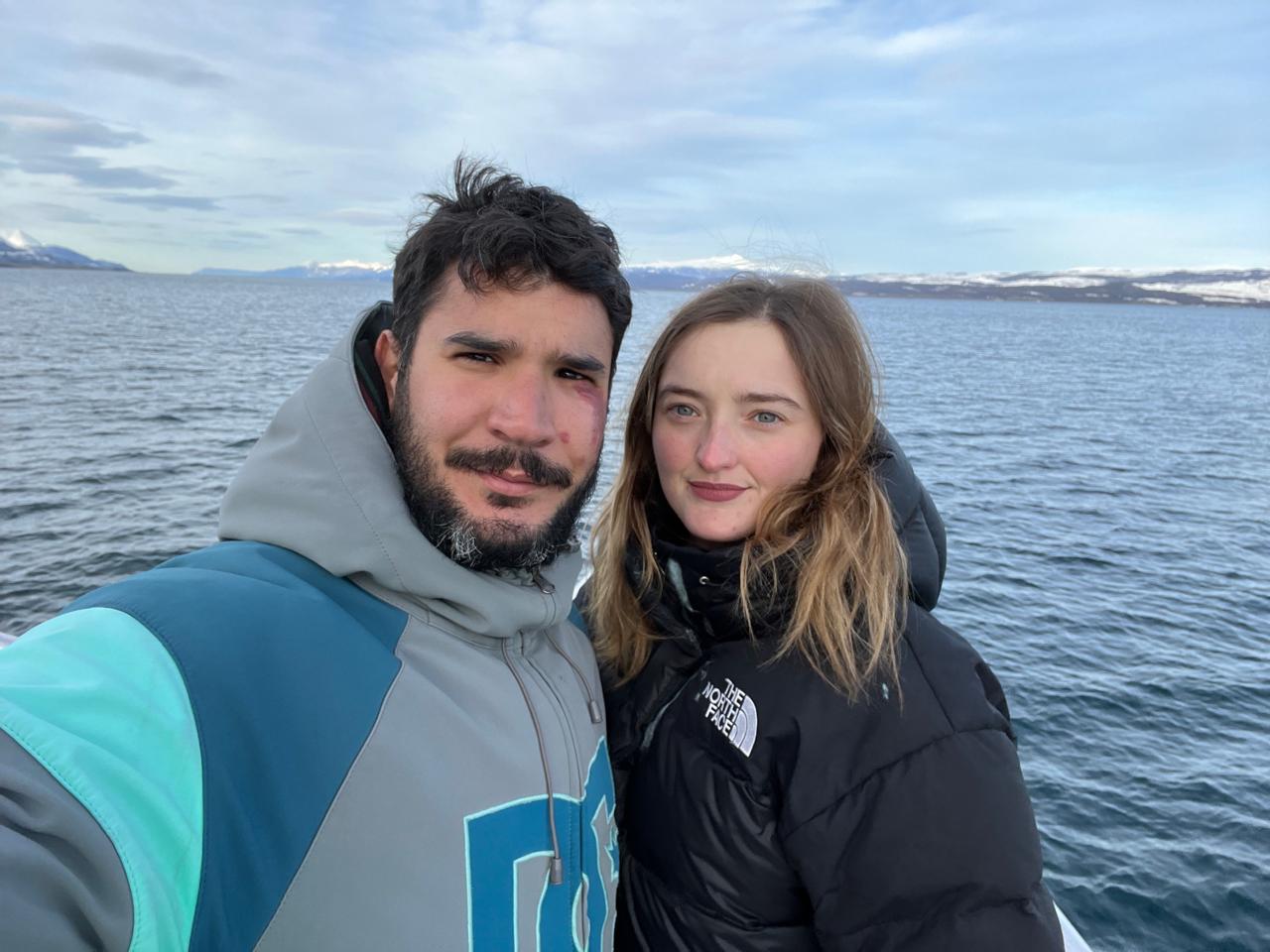
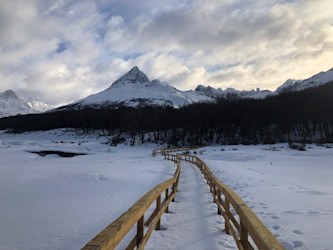
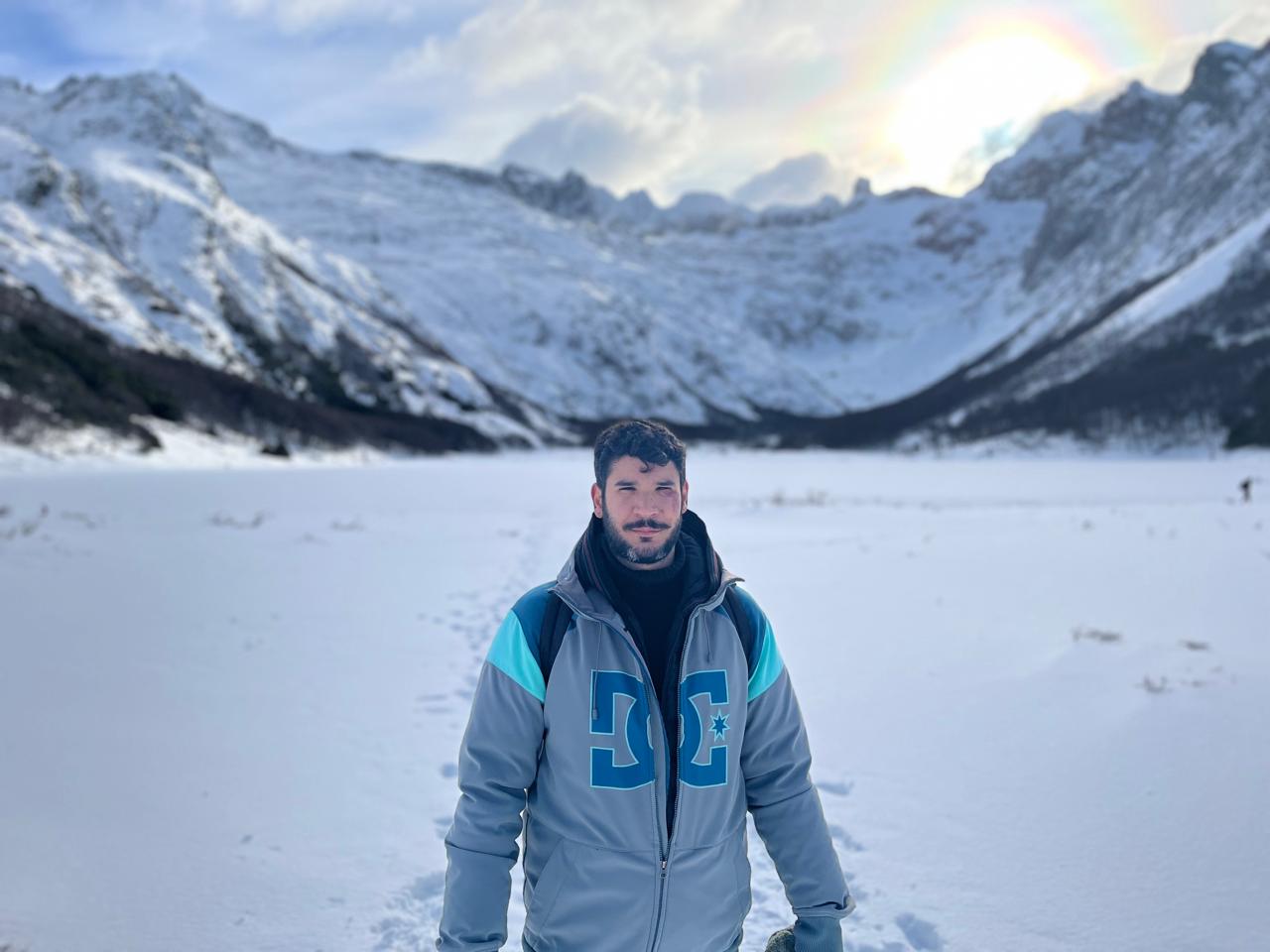
We spent a whole month in Ushuaia, and it stole our hearts. We arrived with moderate expectations and ended up completely in love. Going through intense snowfalls, gray days, and others incredibly clear.
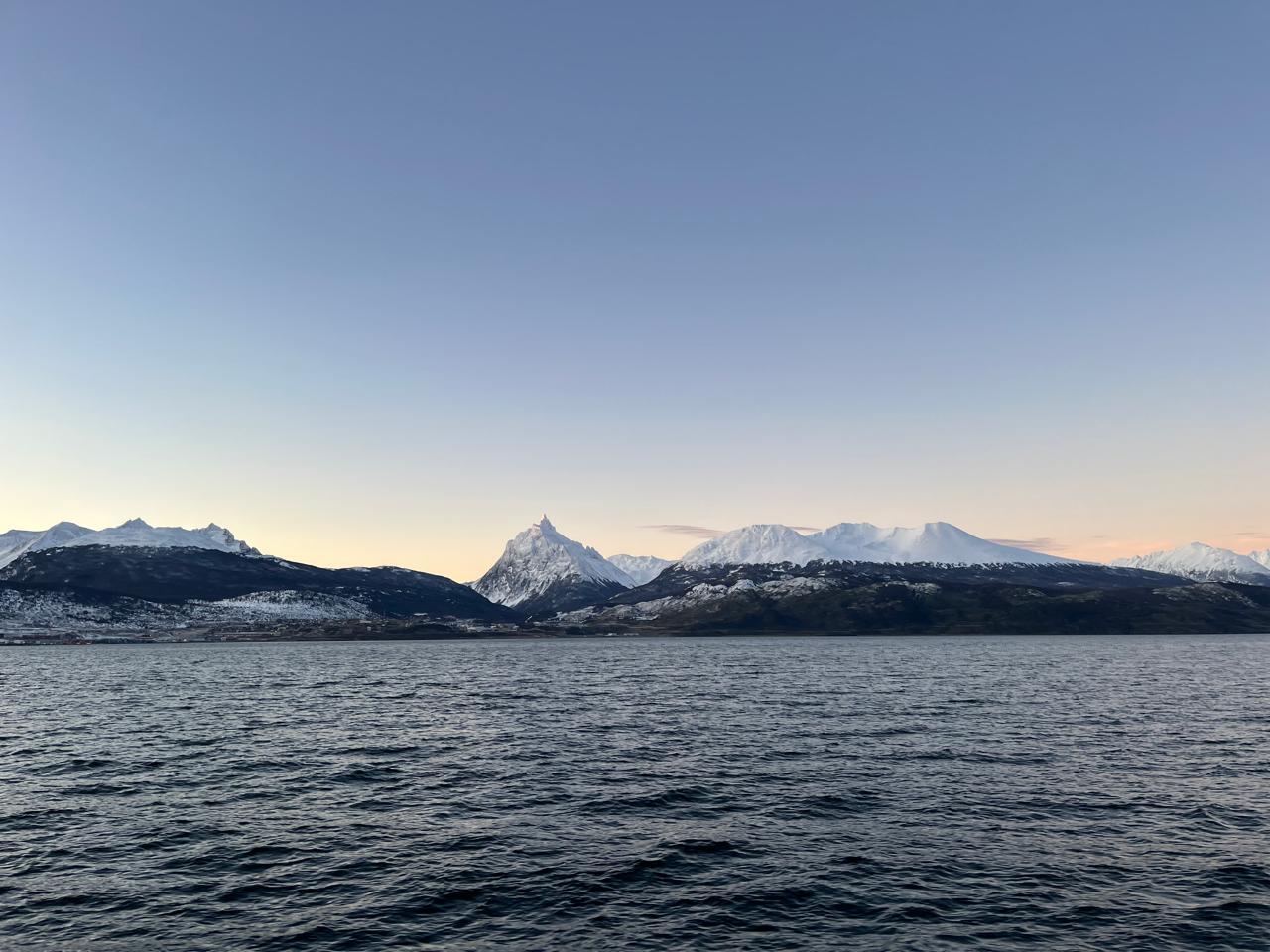
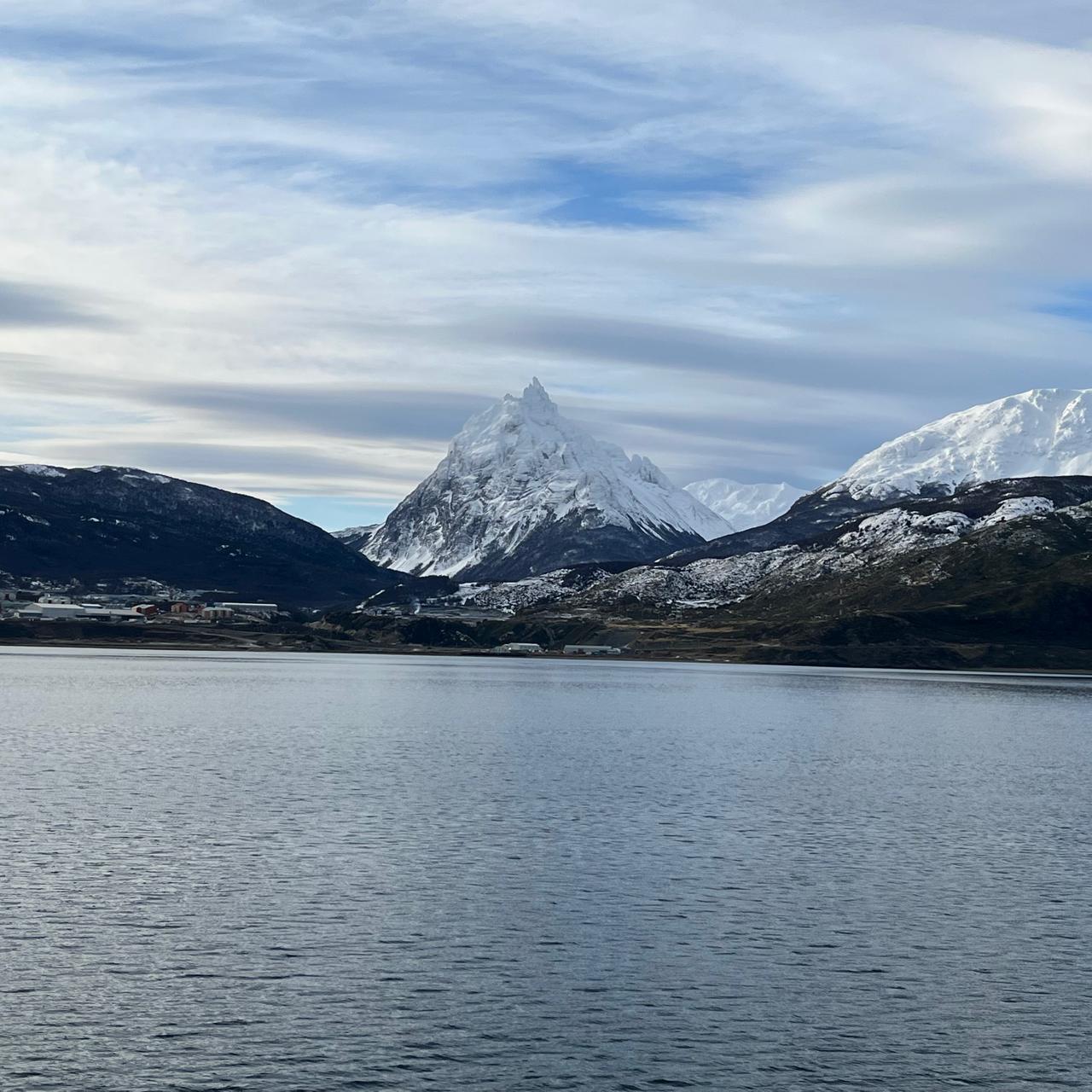
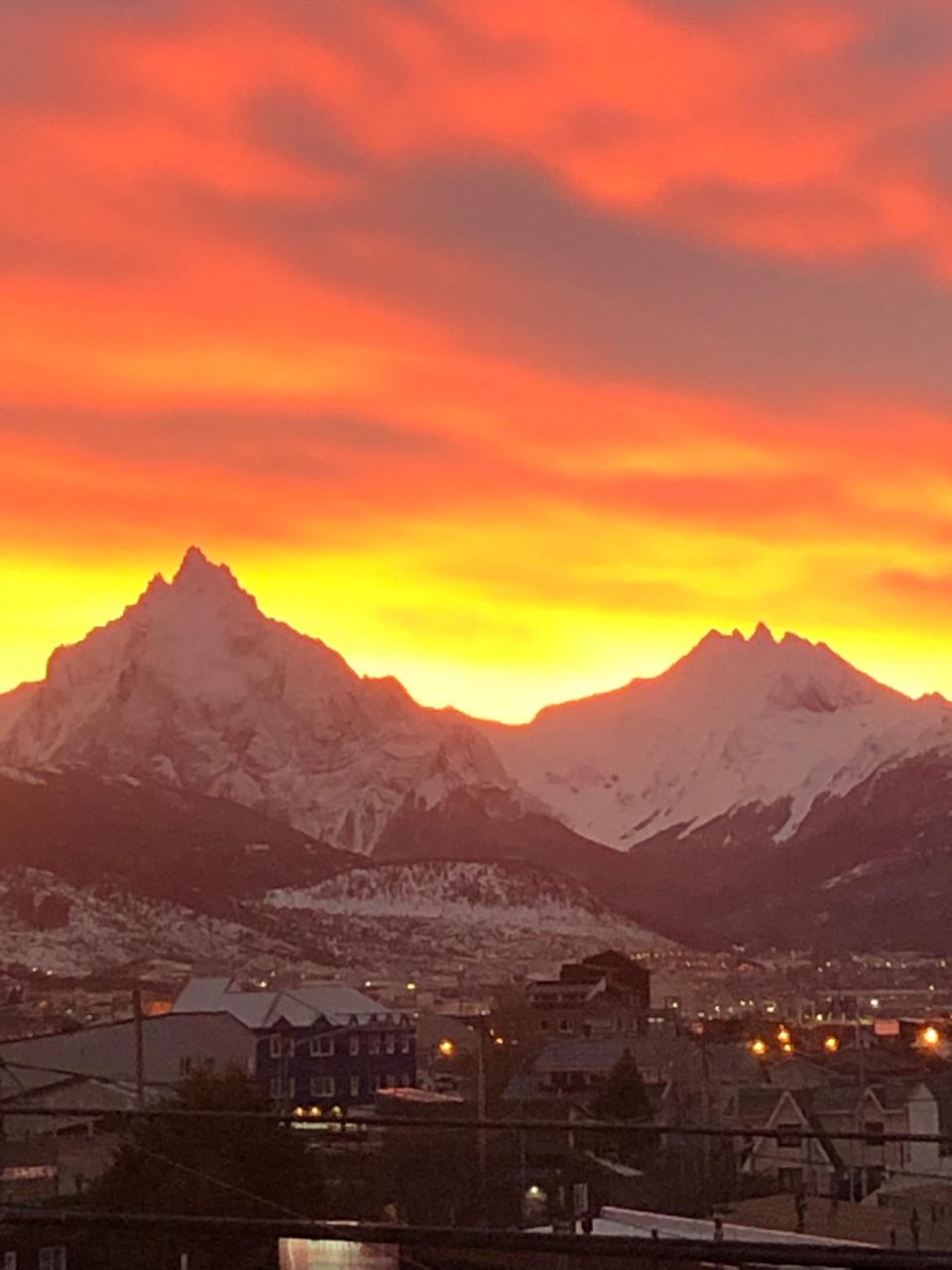
It wasn't so much the city itself that conquered us, but the environment that surrounds it. The mountains are always present, the landscape changes every hour, and nature feels close, constant. From almost any point, the silhouette of Monte Olivia stands out, elegant and dominant, reminding you where you are.
Ushuaia is a destination with a lot to do, but also one that invites you to slow down, look around, and let yourself be carried away by the weather, the wind, and the southern light.
10 Must-Sees in Ushuaia
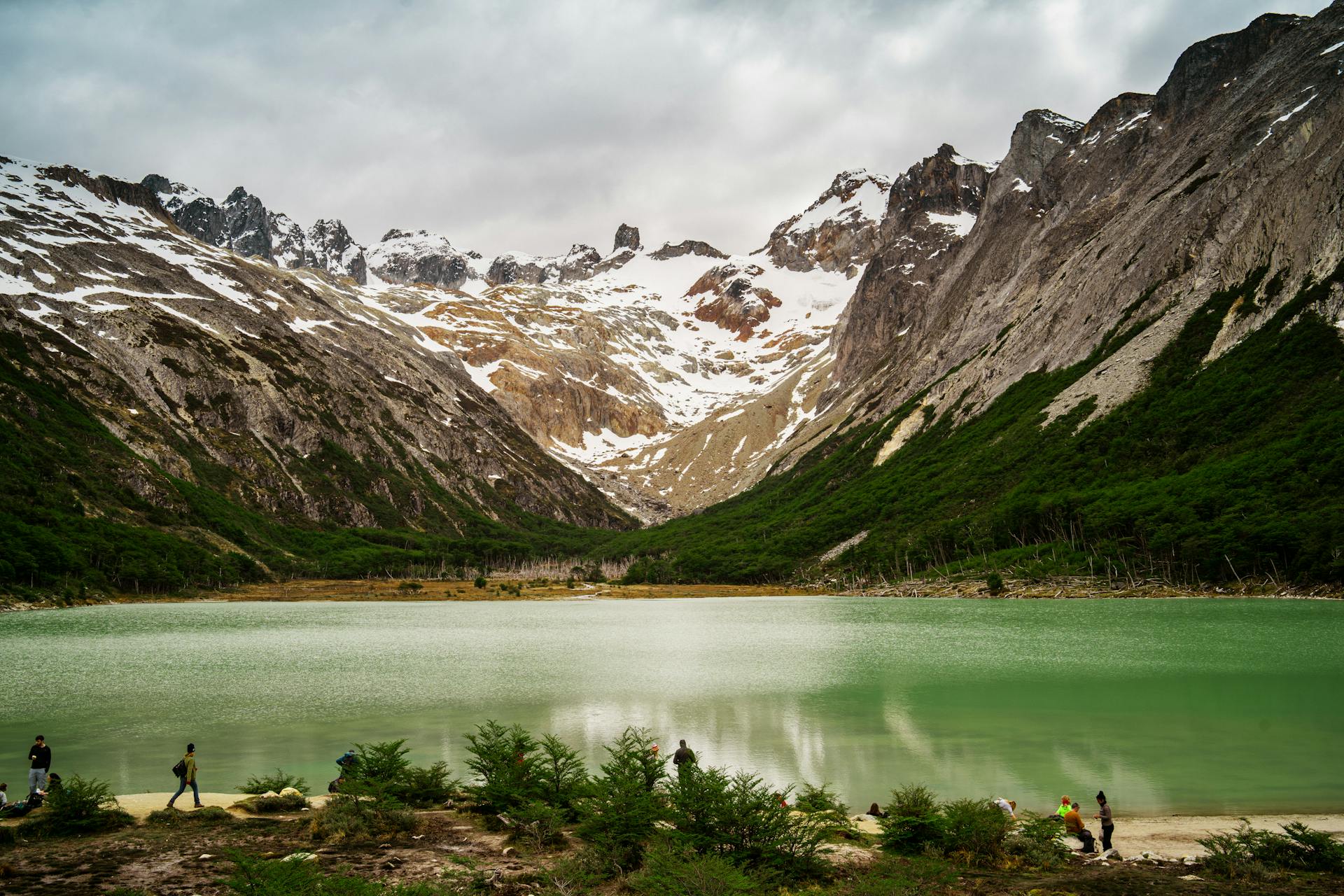
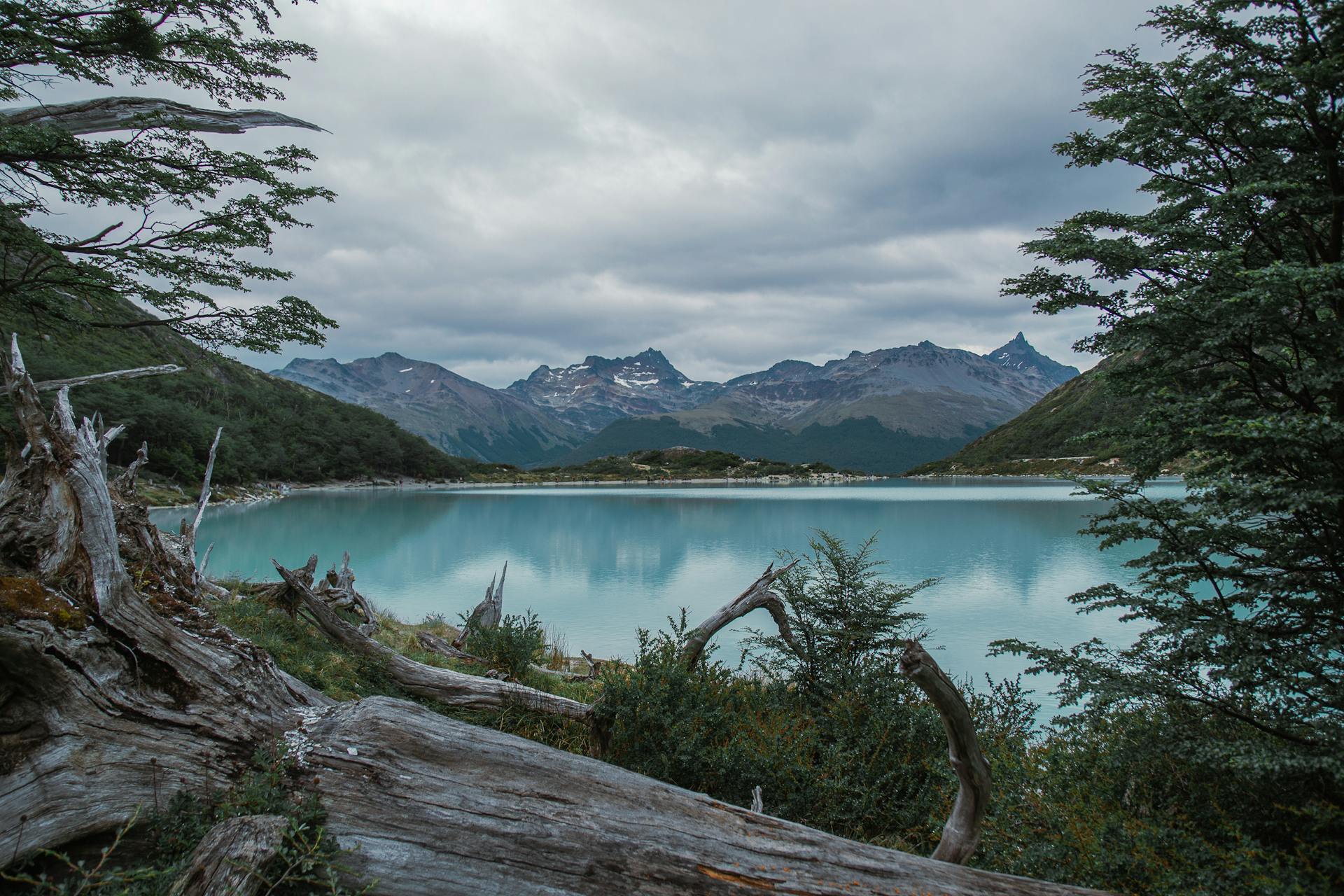
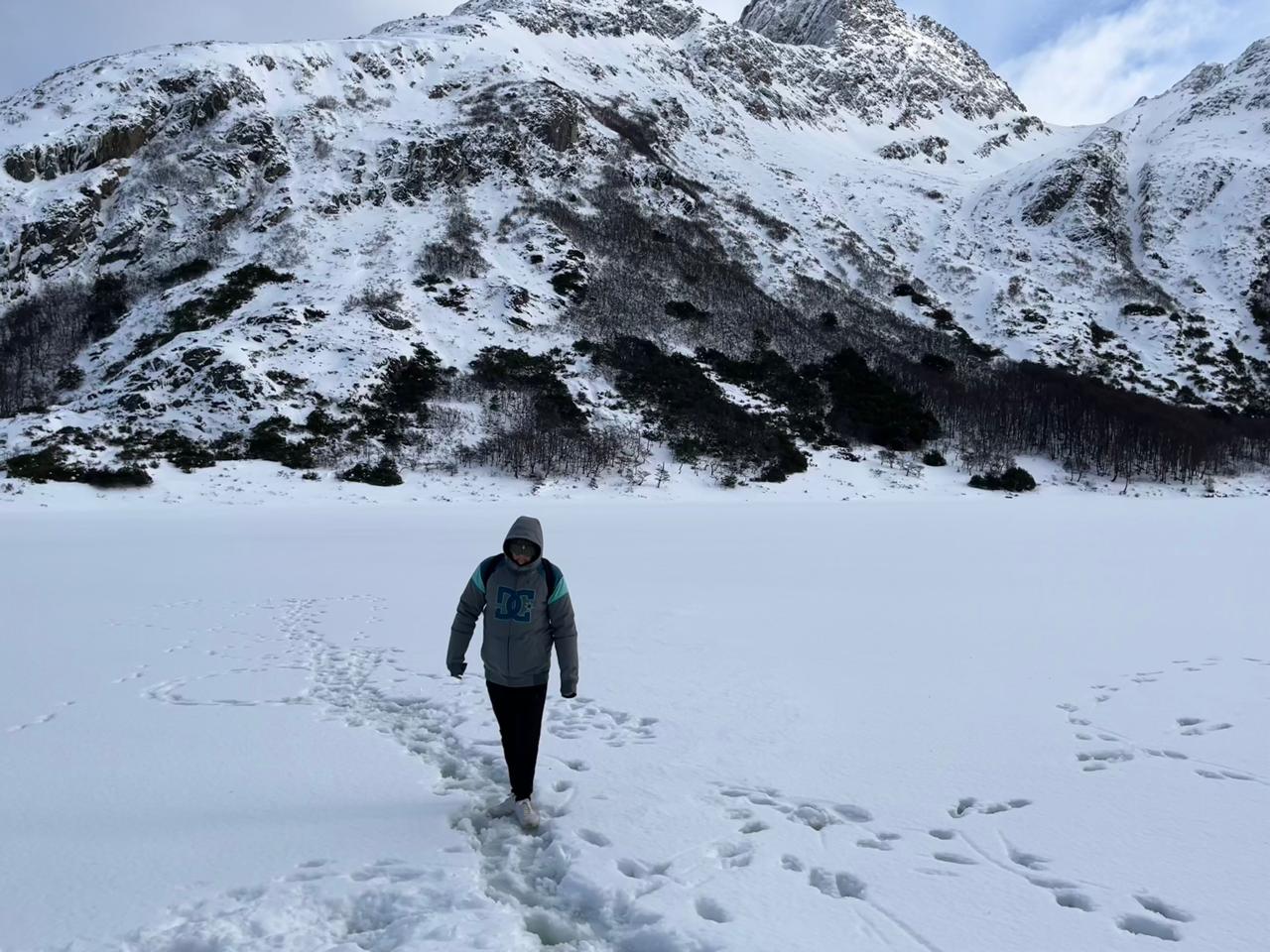
1- Laguna Esmeralda – Probably the most popular trekking in Ushuaia. Very photogenic and accessible.
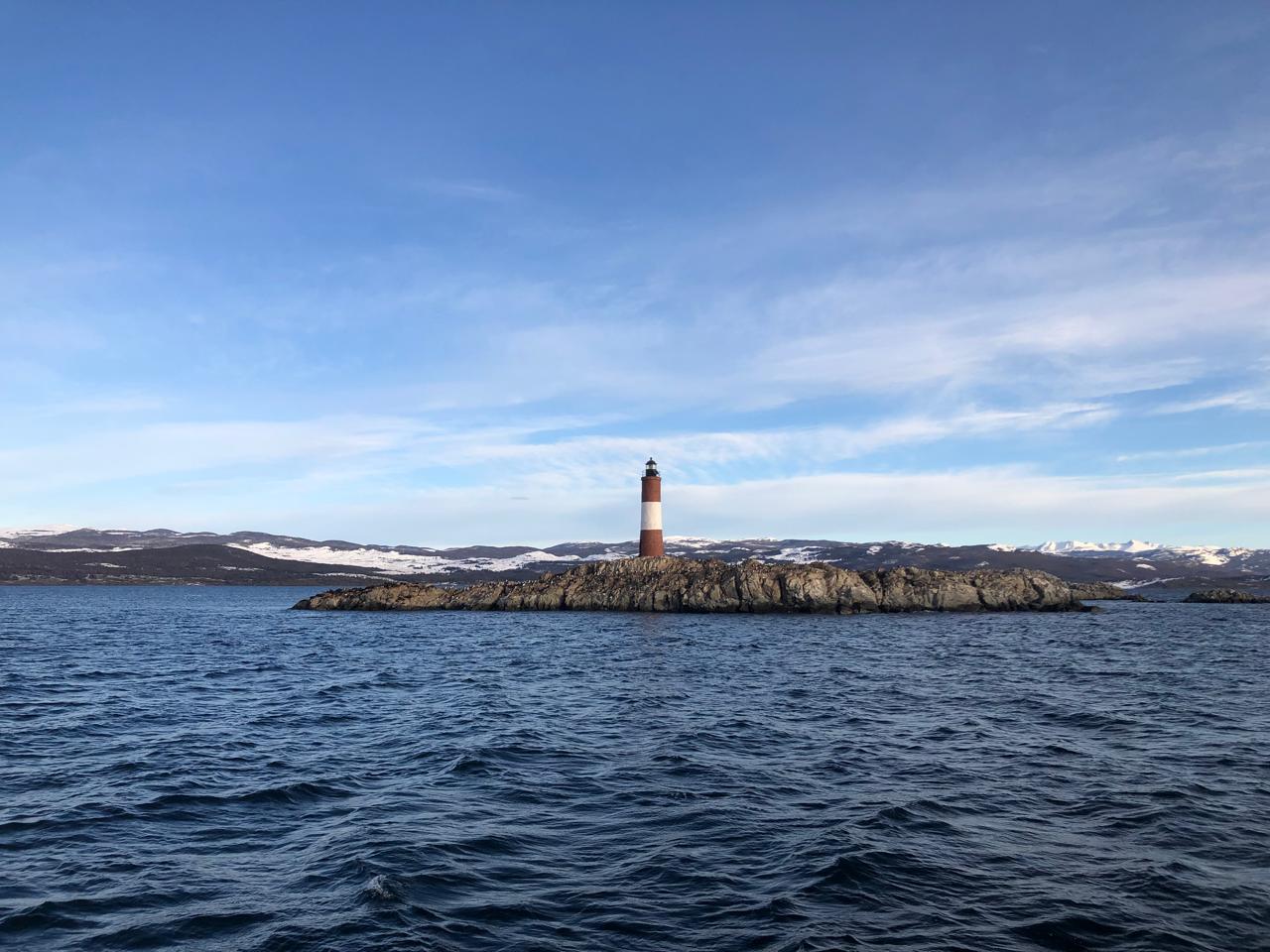
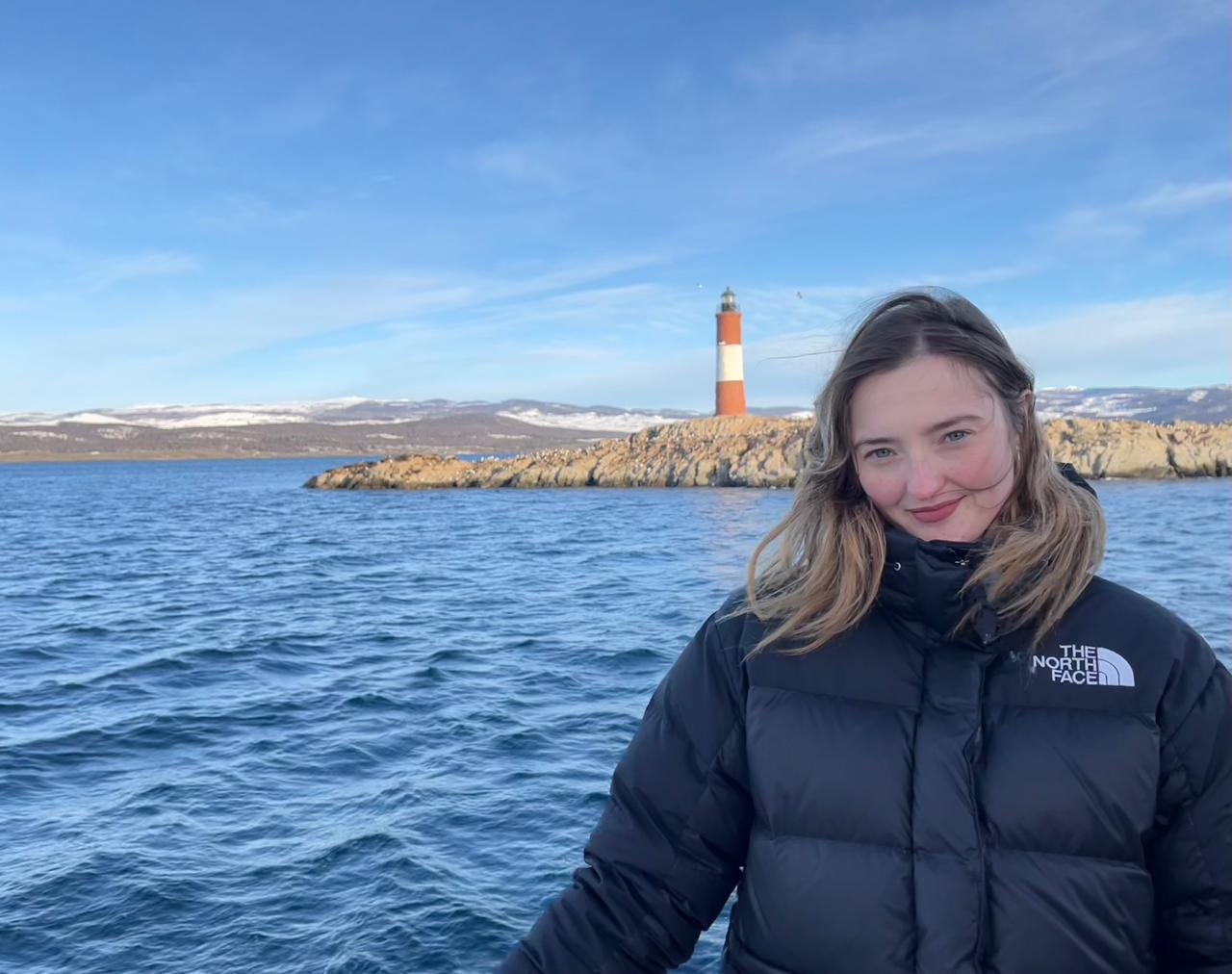
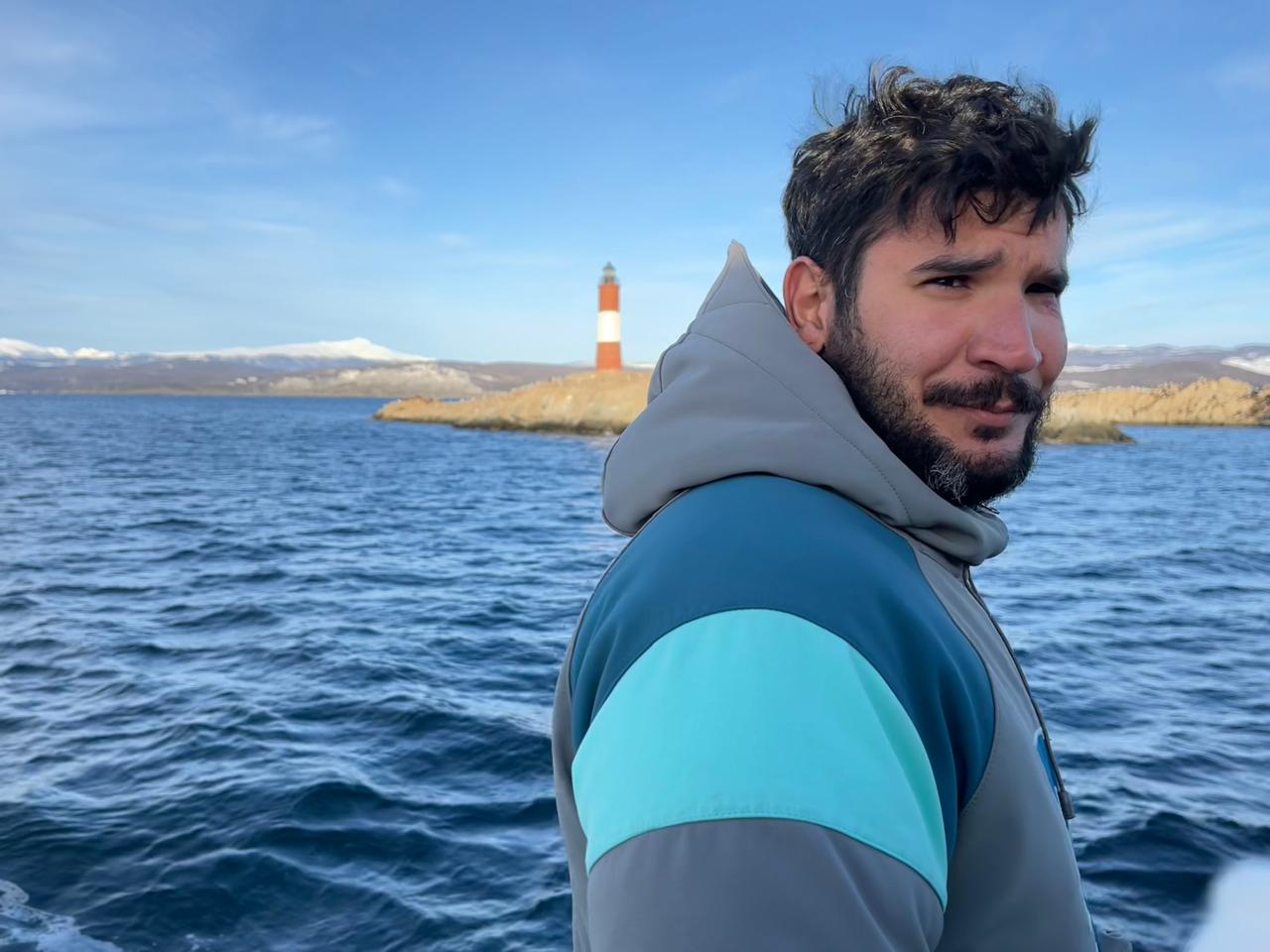
2- Les Éclaireurs Lighthouse – One of the most recognizable symbols of Ushuaia, located on the Beagle Channel.
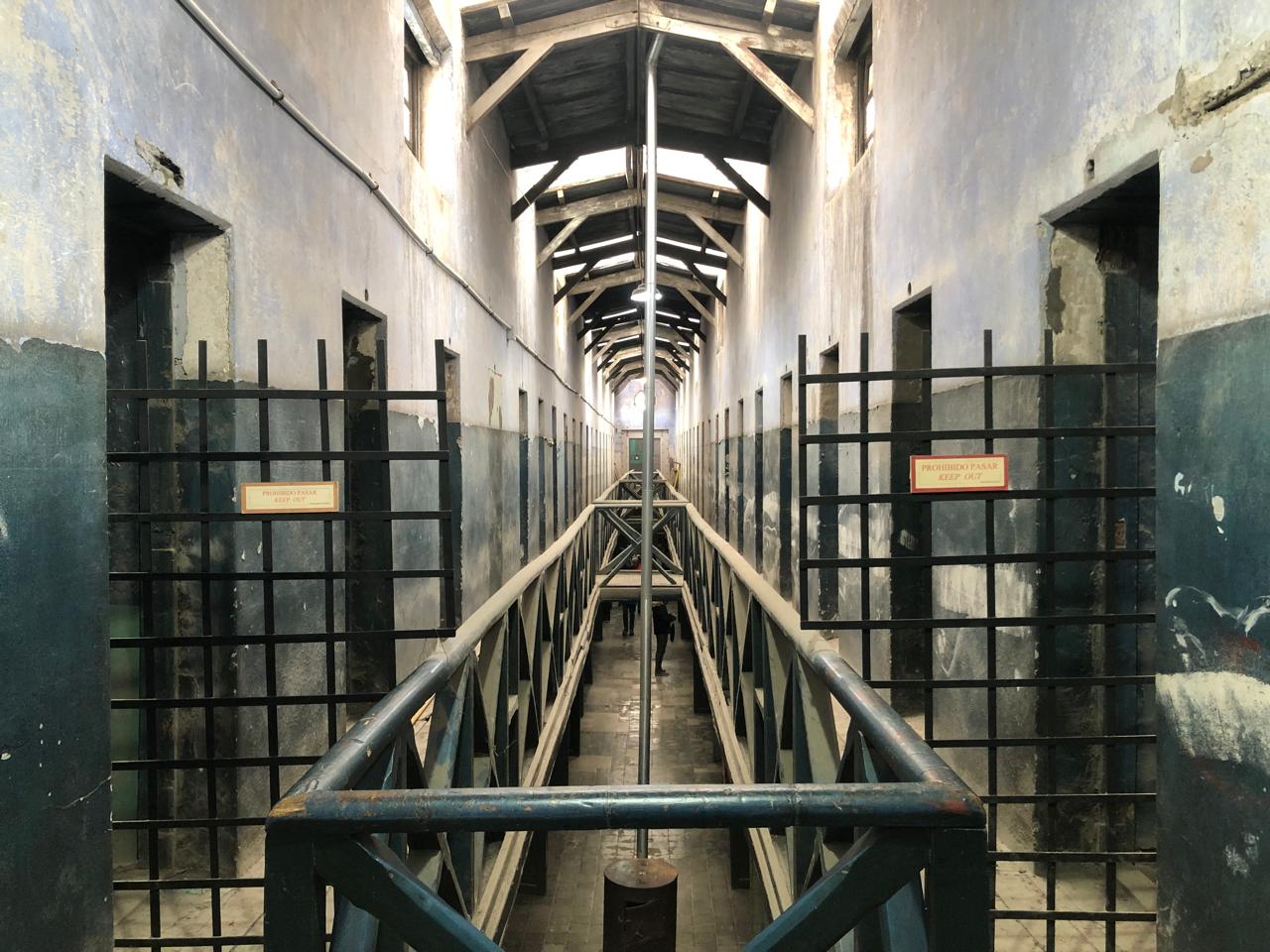
3- Ushuaia Prison (Maritime and Prison Museum) - It is the number one cultural visit. The city was born around this prison, making it an essential visit to understand the origin of the city.
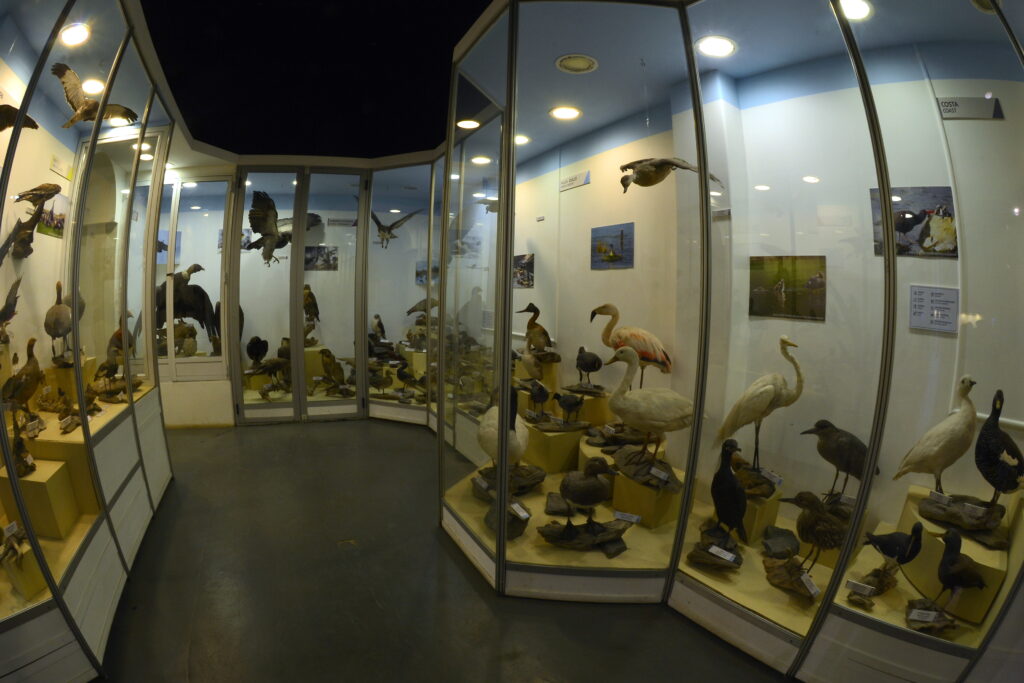
4- End of the World Museum - Ideal for understanding the history of the native peoples (Yámanas) and shipwrecks.
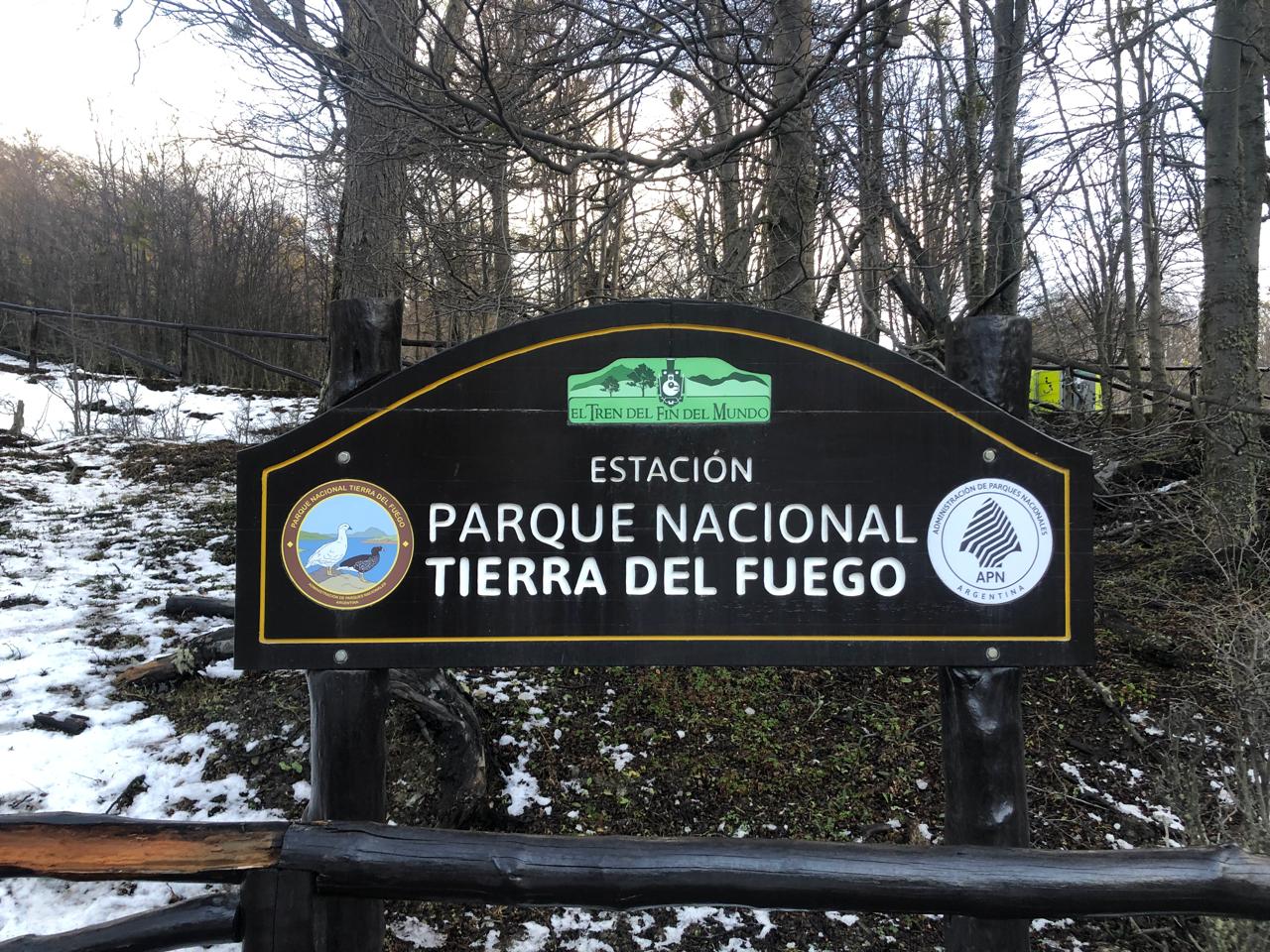
5- Tierra del Fuego National Park – One of the few national parks in the country that combines forest, mountain, and sea coast. Well-marked trails and classic Fuegian landscapes.
6- Beagle Channel – A fundamental part of the city's identity. Navigating it allows you to appreciate Ushuaia from another perspective and observe islands and fauna.
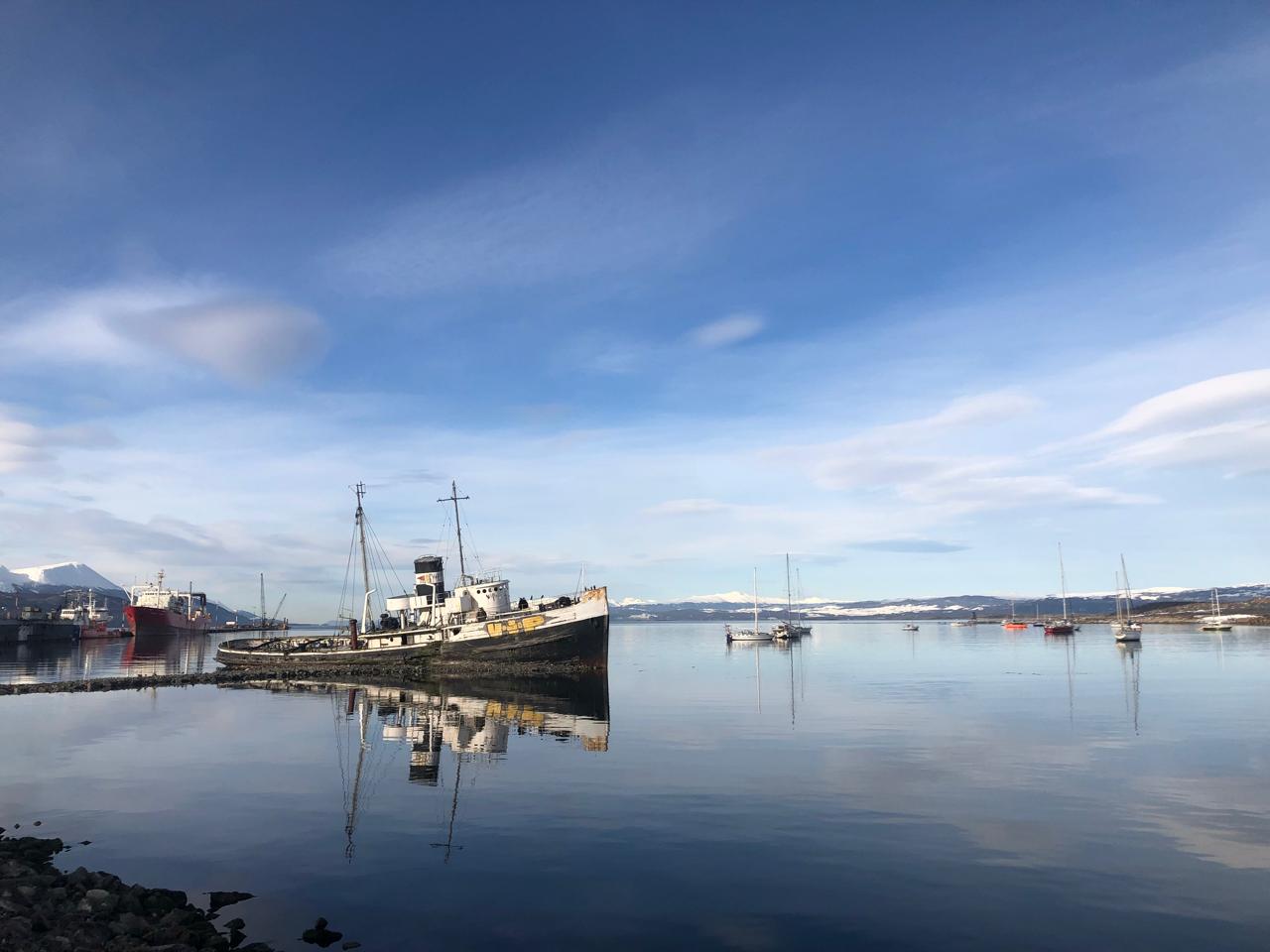
7- Martial Glacier – Short but demanding walk, with panoramic views of the city and the channel.
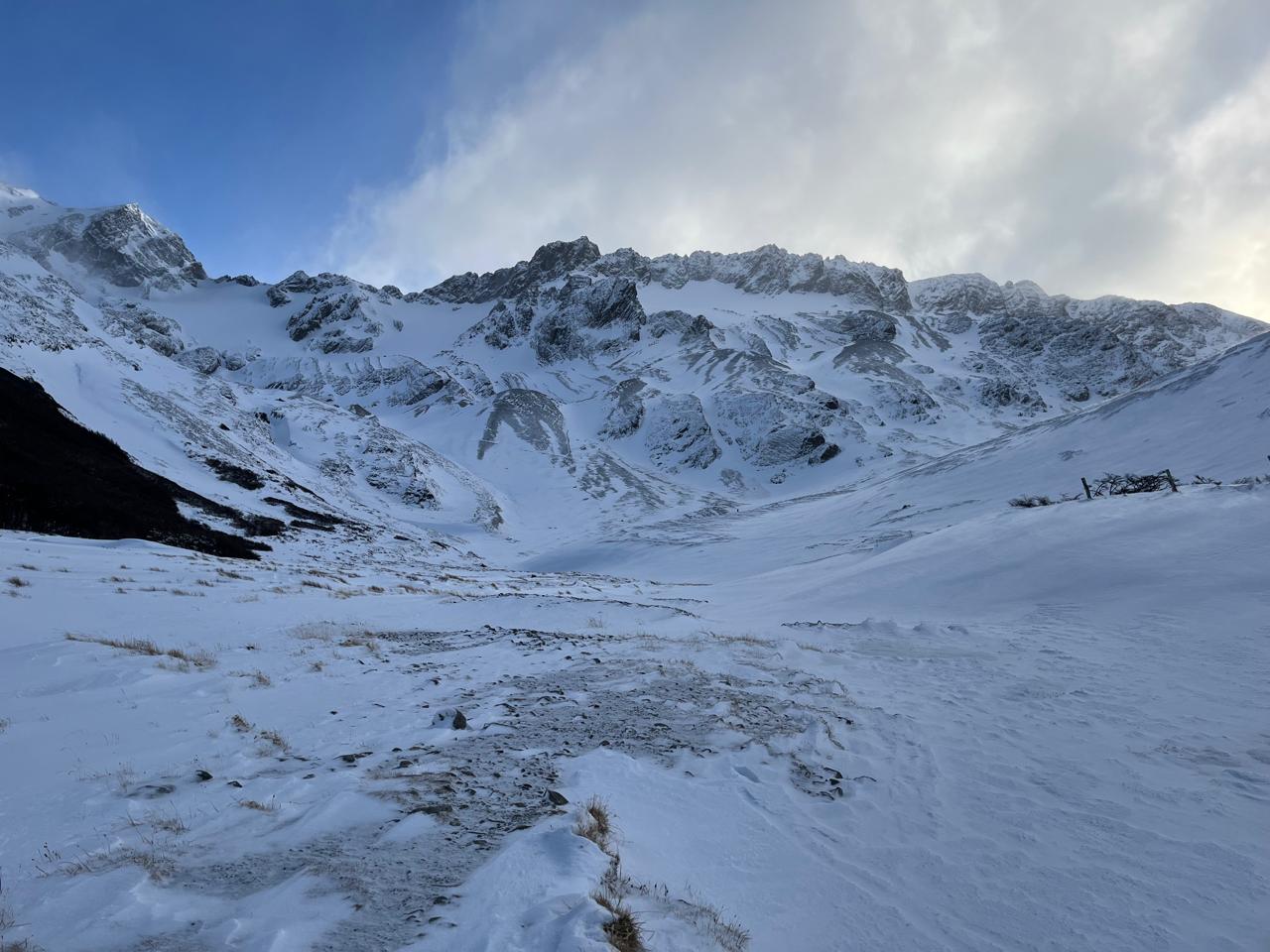
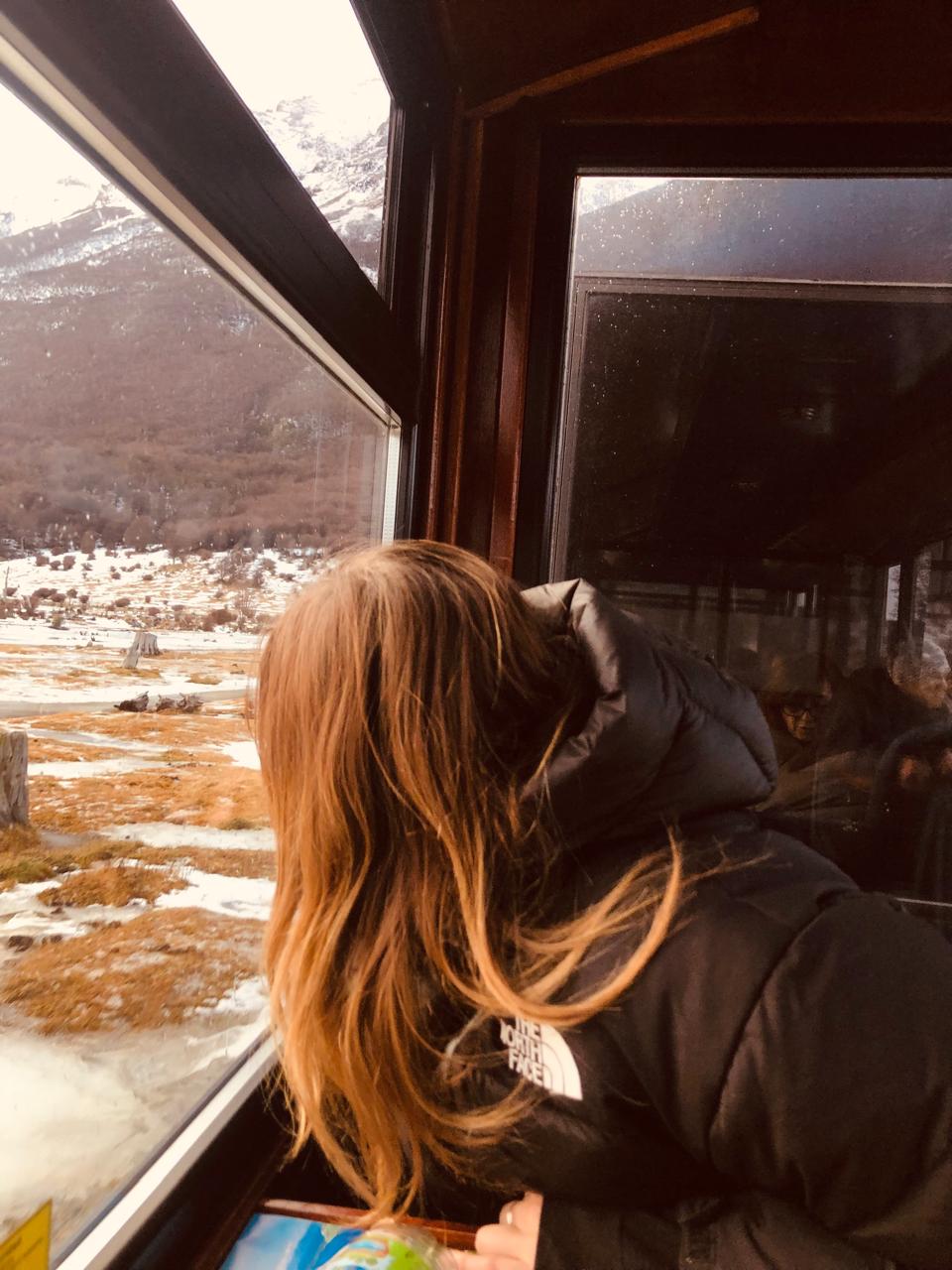
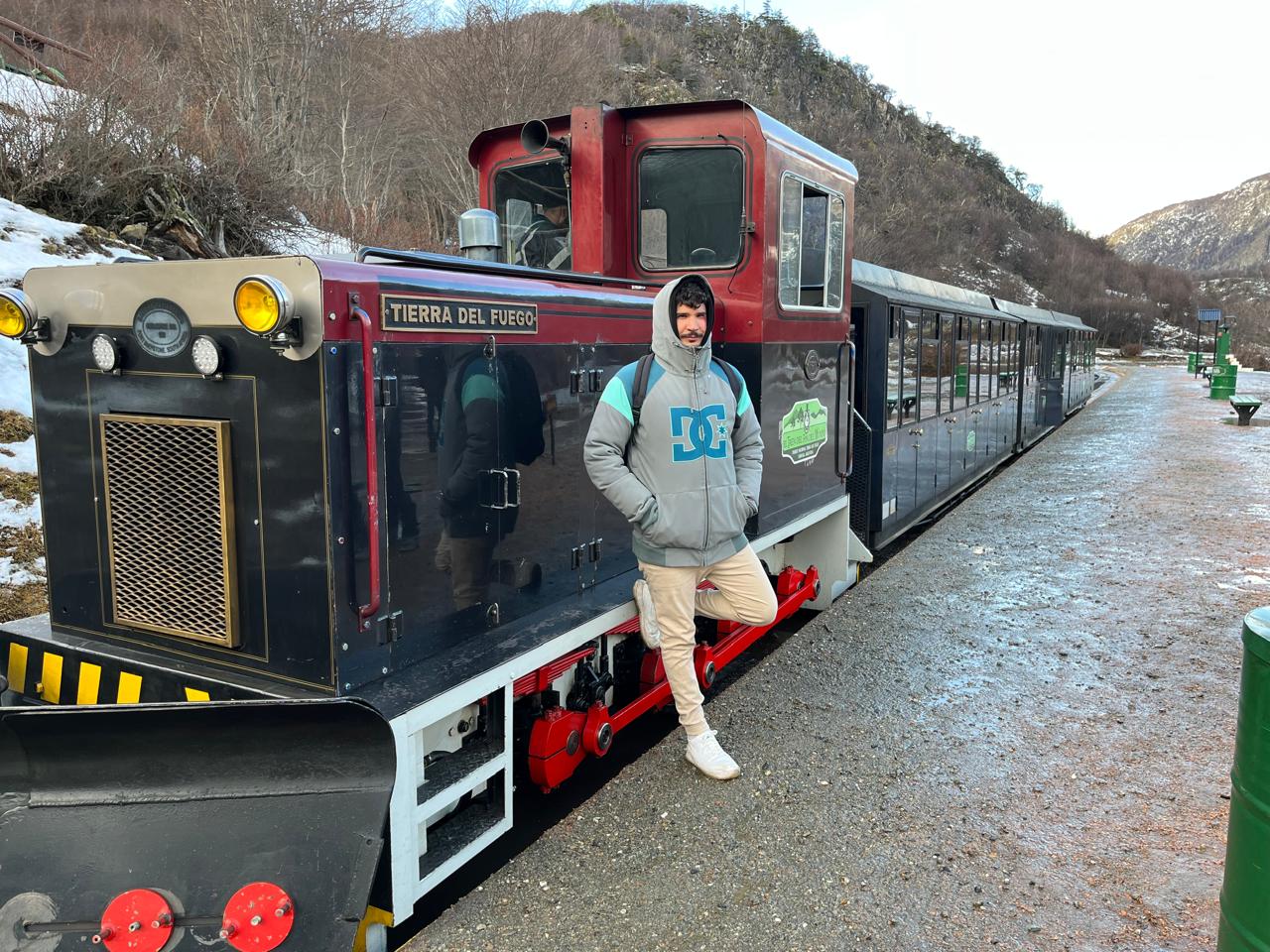
8- End of the World Train – Historical route that recalls the past of the old prison, crossing very characteristic natural landscapes.
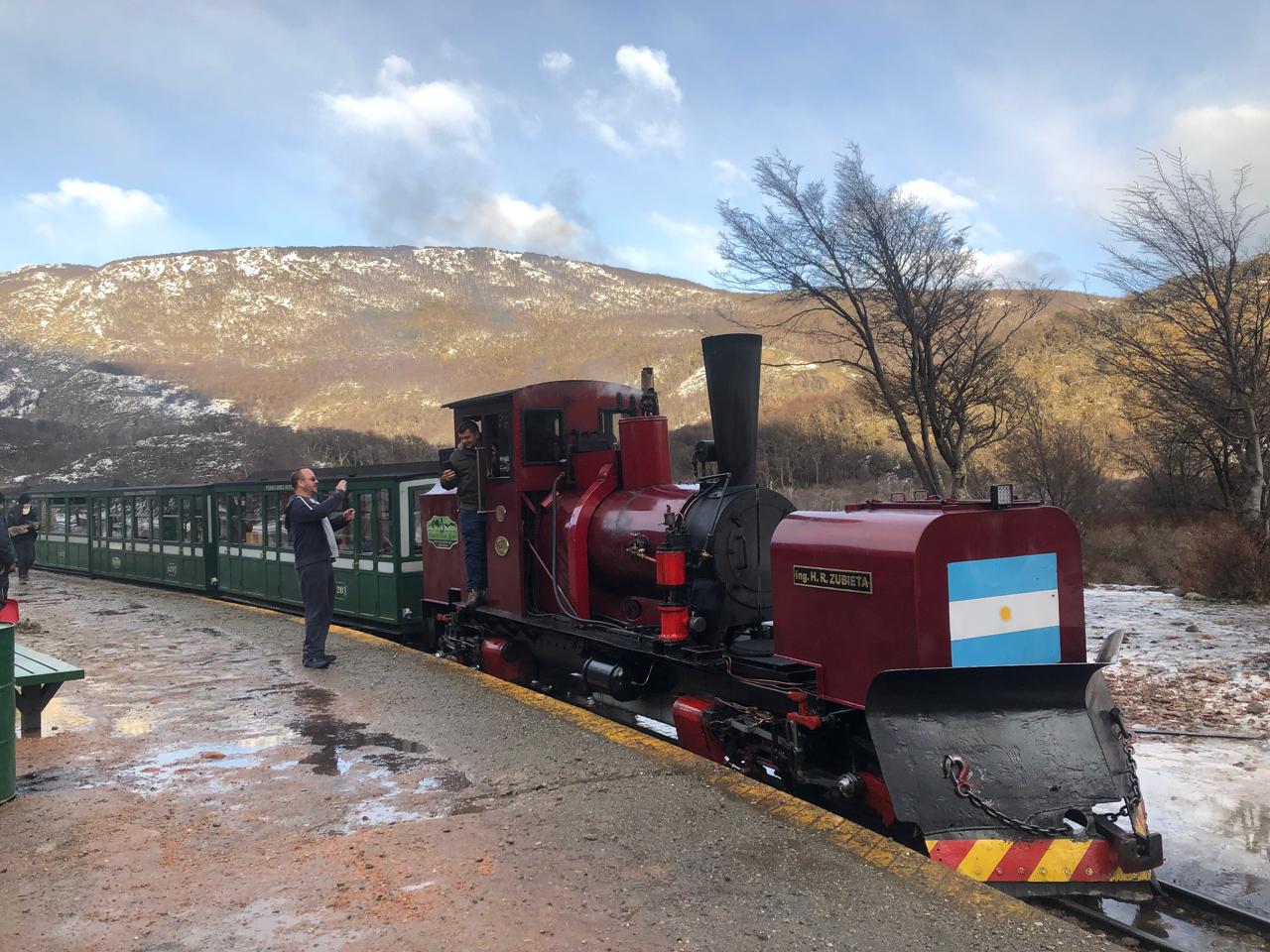
9- Ushuaia Viewpoints – From different elevated points, you get open views of the channel, the mountains, and the city.
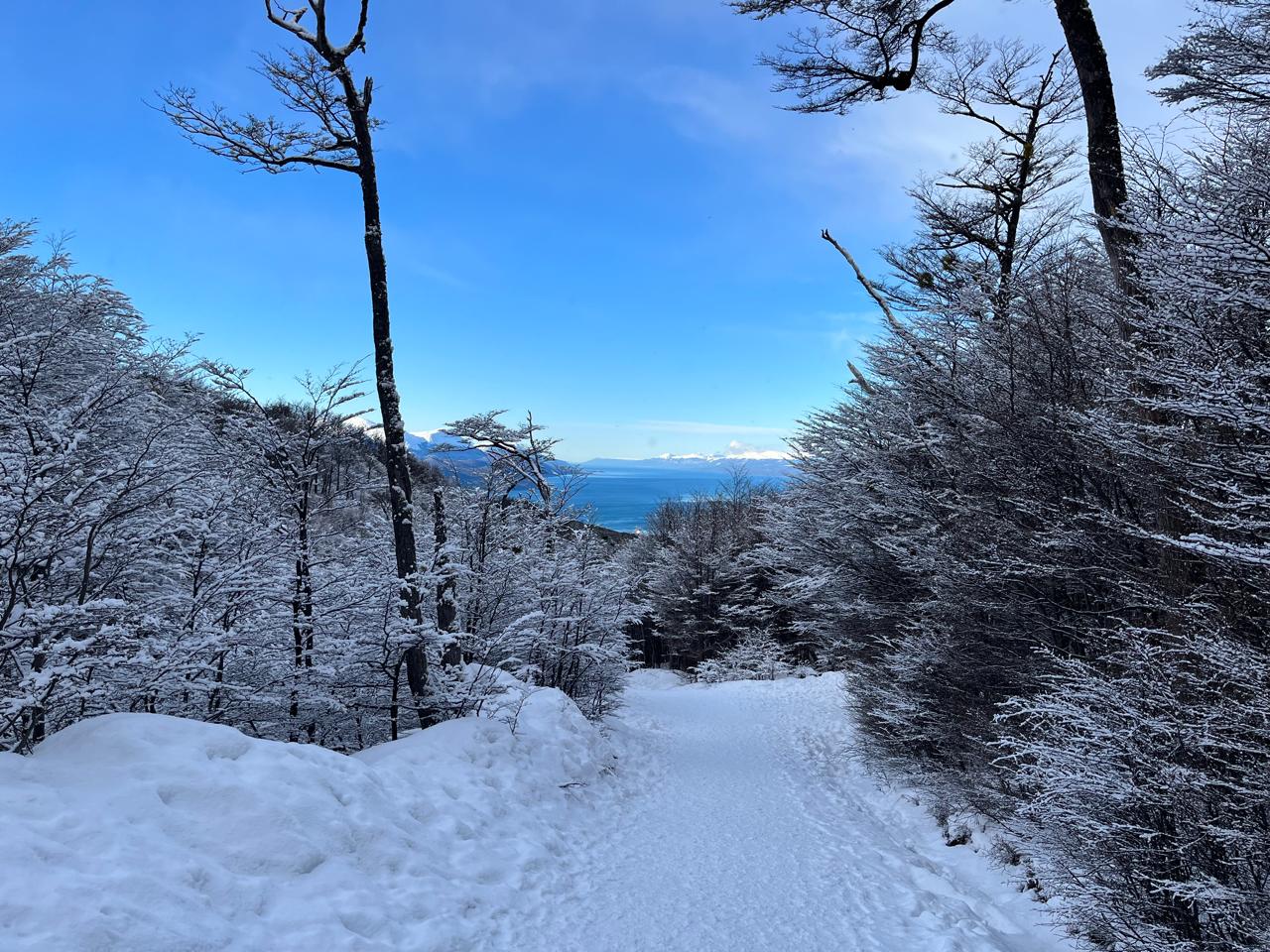
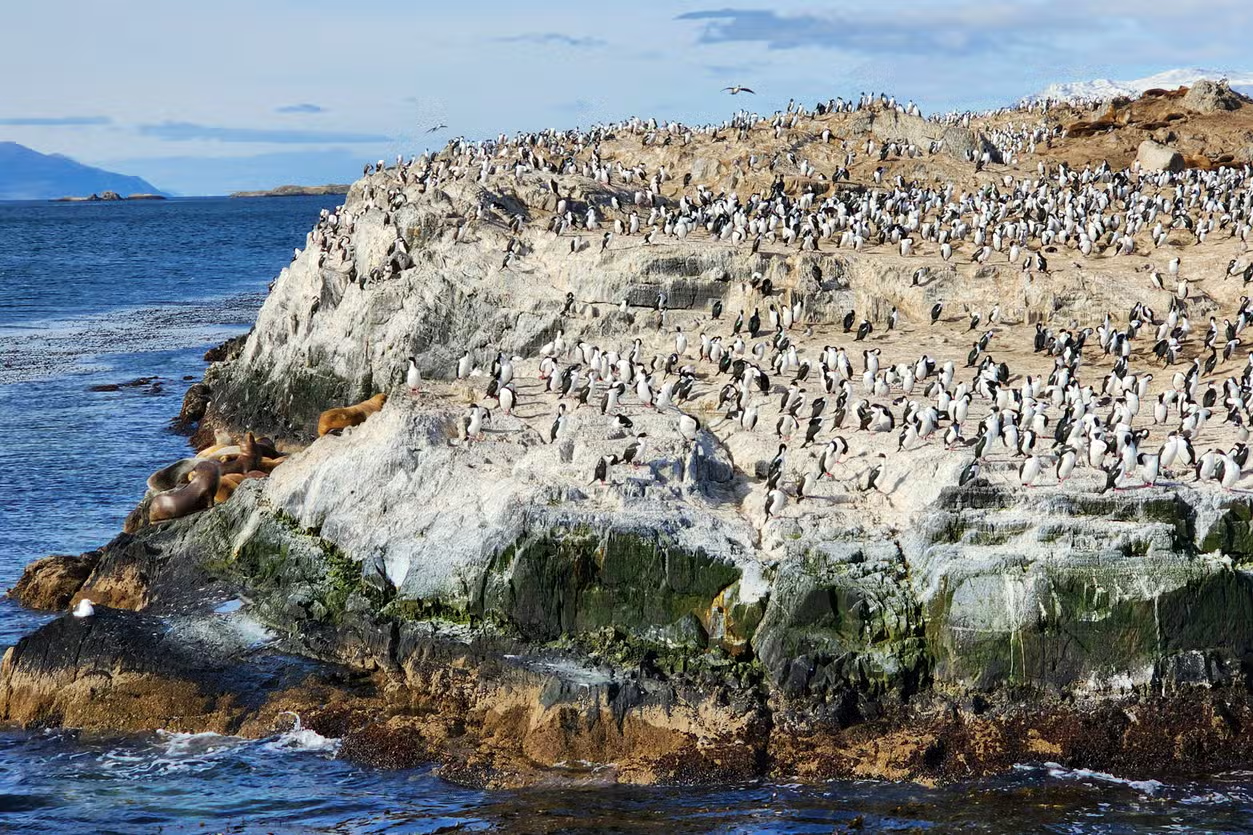
10- Martillo Island (penguin colony) – One of the most iconic excursions in the area, visitable by navigating the Beagle Channel.
What to Eat in Ushuaia
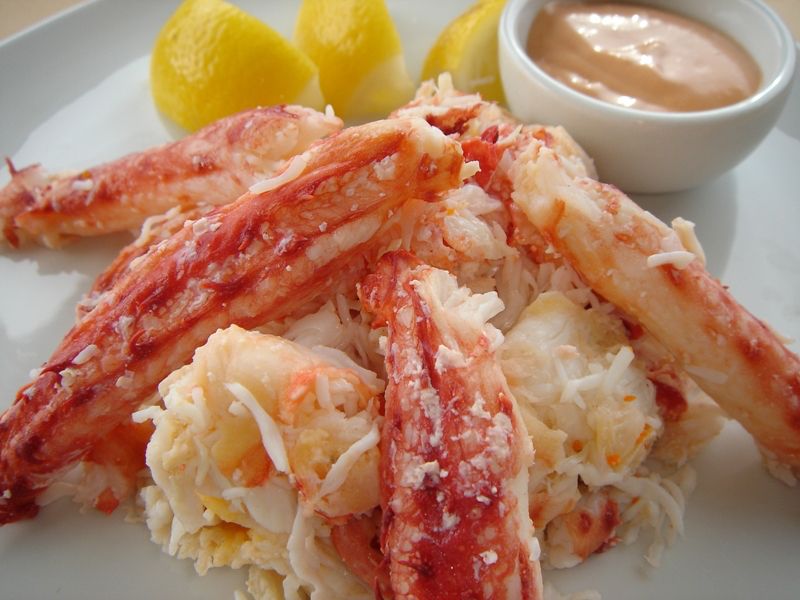
- Fuegian king crab – The most representative product of the area. It is usually served fresh, in simple preparations.
- Patagonian toothfish – Typical southern fish, with a soft texture and deep flavor.
- Patagonian lamb – Highly present in local restaurants, ideal for cold days.
- Trout and river fish – Frequent choices on Fuegian menus, generally accompanied by simple side dishes.
- Chocolate and regional sweets – Perfect to accompany the cold and windy weather.
Where to Eat in Ushuaia
Iconic Places:
- El Viejo Marino: To eat king crab (it is the classic par excellence).
- Bodegón Fueguino: For Patagonian lamb.
- Ramos Generales El Almacén: A historic place that is a café, museum, and restaurant all at once.
How to Get Around in Ushuaia
- Public buses: They cover the city well. You pay exclusively with the SUBE card, which can be obtained at local kiosks.
- Taxis/Remises: They work very well and are a common option to go to the Martial Glacier or Laguna Esmeralda if you don't rent a car.
- Shuttles: From downtown (in front of the pier) vans leave with fixed schedules to the main trails.
Tips and Characteristics
-
Currency: Argentine Peso (ARS).
-
Transport: The city is small and downtown can be easily explored on foot. For parks and distant excursions, it is convenient to rent a car or book a transfer.
-
Prices: Higher than the national average, especially in gastronomy and excursions.
-
Weather: Very changing throughout the year. Wind is frequent and the thermal sensation is usually low.
-
Best time to travel: From November to March, when there are more daylight hours and better conditions for outdoor activities.
-
Port Fee: To navigate the Beagle Channel you have to pay a port fee that is usually not included in the tour ticket.
-
Clothing: The weather is unpredictable. The golden rule is to dress in 'layers' (onion style): a thermal first layer, a warm layer (fleece), and a waterproof/windbreaker layer, even in summer.
-
Traveler data: In Ushuaia, plans depend a lot on the weather. It is convenient to have alternatives and take advantage of each window of good weather. In summer there is daylight from approximately 5 AM until 11 PM, ideal for extending outdoor journeys.
Our Experience Traveling Through Ushuaia
Ushuaia is enjoyed with patience and warm clothes. It is a city that invites you to adapt to the weather, to change plans according to the wind or rain, and to enjoy the moments when the sky opens up.
The combination of extreme landscapes, history, and daily life makes it a very special destination. Traveling to Ushuaia is feeling that you have reached a geographical limit, but also a place with its own identity that leaves a strong and lasting impression.
You May Also Be Interested In
- Complete guide to travel to El Calafate
- Useful tips for traveling in 2026
- What to pack in your suitcase to Patagonia
- What to do 5 days in Bariloche
- Complete guide to travel to El Bolsón
- Complete guide to travel to Bariloche
- Complete guide to travel to El Chaltén
- Complete guide to travel to Buenos Aires
- Complete guide to travel to Puerto Madryn
- Complete guide to travel to Lago Puelo
- Complete guide to travel to Esquel
1- Laguna Esmeralda – Probably the most popular trekking in Ushuaia. Very photogenic and accessible.
2- Les Éclaireurs Lighthouse – One of the most recognizable symbols of Ushuaia, located on the Beagle Channel.
3- Ushuaia Prison (Maritime and Prison Museum) - It is the number one cultural visit. The city was born around this prison, making it an essential visit to understand the origin of the city.
4- End of the World Museum - Ideal for understanding the history of the native peoples (Yámanas) and shipwrecks.
5- Tierra del Fuego National Park – One of the few national parks in the country that combines forest, mountain, and sea coast. Well-marked trails and classic Fuegian landscapes.
6- Beagle Channel – A fundamental part of the city's identity. Navigating it allows you to appreciate Ushuaia from another perspective and observe islands and fauna.
7- Martial Glacier – Short but demanding walk, with panoramic views of the city and the channel.
8- End of the World Train – Historical route that recalls the past of the old prison, crossing very characteristic natural landscapes.
9- Ushuaia Viewpoints – From different elevated points, you get open views of the channel, the mountains, and the city.
10- Martillo Island (penguin colony) – One of the most iconic excursions in the area, visitable by navigating the Beagle Channel.
PUBLICIDAD
Travel with Data: Get your Saily eSIM
- ✓Internet in seconds upon landing
- ✓Flexible plans in 180+ countries
- ✓Easy setup directly via the App
- Fuegian king crab – The most representative product of the area. It is usually served fresh, in simple preparations.
- Patagonian toothfish – Typical southern fish, with a soft texture and deep flavor.
- Patagonian lamb – Highly present in local restaurants, ideal for cold days.
- Trout and river fish – Frequent choices on Fuegian menus, generally accompanied by simple side dishes.
- Chocolate and regional sweets – Perfect to accompany the cold and windy weather.
Iconic Places:
- El Viejo Marino: To eat king crab (it is the classic par excellence).
- Bodegón Fueguino: For Patagonian lamb.
- Ramos Generales El Almacén: A historic place that is a café, museum, and restaurant all at once.
- Public buses: They cover the city well. You pay exclusively with the SUBE card, which can be obtained at local kiosks.
- Taxis/Remises: They work very well and are a common option to go to the Martial Glacier or Laguna Esmeralda if you don't rent a car.
- Shuttles: From downtown (in front of the pier) vans leave with fixed schedules to the main trails.
-
Currency: Argentine Peso (ARS).
-
Transport: The city is small and downtown can be easily explored on foot. For parks and distant excursions, it is convenient to rent a car or book a transfer.
-
Prices: Higher than the national average, especially in gastronomy and excursions.
-
Weather: Very changing throughout the year. Wind is frequent and the thermal sensation is usually low.
-
Best time to travel: From November to March, when there are more daylight hours and better conditions for outdoor activities.
-
Port Fee: To navigate the Beagle Channel you have to pay a port fee that is usually not included in the tour ticket.
-
Clothing: The weather is unpredictable. The golden rule is to dress in 'layers' (onion style): a thermal first layer, a warm layer (fleece), and a waterproof/windbreaker layer, even in summer.
-
Traveler data: In Ushuaia, plans depend a lot on the weather. It is convenient to have alternatives and take advantage of each window of good weather. In summer there is daylight from approximately 5 AM until 11 PM, ideal for extending outdoor journeys.
Ushuaia is enjoyed with patience and warm clothes. It is a city that invites you to adapt to the weather, to change plans according to the wind or rain, and to enjoy the moments when the sky opens up.
The combination of extreme landscapes, history, and daily life makes it a very special destination. Traveling to Ushuaia is feeling that you have reached a geographical limit, but also a place with its own identity that leaves a strong and lasting impression.
PUBLICIDAD
- Complete guide to travel to El Calafate
- Useful tips for traveling in 2026
- What to pack in your suitcase to Patagonia
- What to do 5 days in Bariloche
- Complete guide to travel to El Bolsón
- Complete guide to travel to Bariloche
- Complete guide to travel to El Chaltén
- Complete guide to travel to Buenos Aires
- Complete guide to travel to Puerto Madryn
- Complete guide to travel to Lago Puelo
- Complete guide to travel to Esquel
Galery

PUBLICIDAD
International Travel Insurance
- ✓International medical insurance
- ✓24/7 immediate assistance in your language
- ✓Ideal for trekking & adventure
Preferences
Language
Color
Text
Width