Table of contents and map
11 best things to do in San Martín de los Andes 2026: complete travel guide
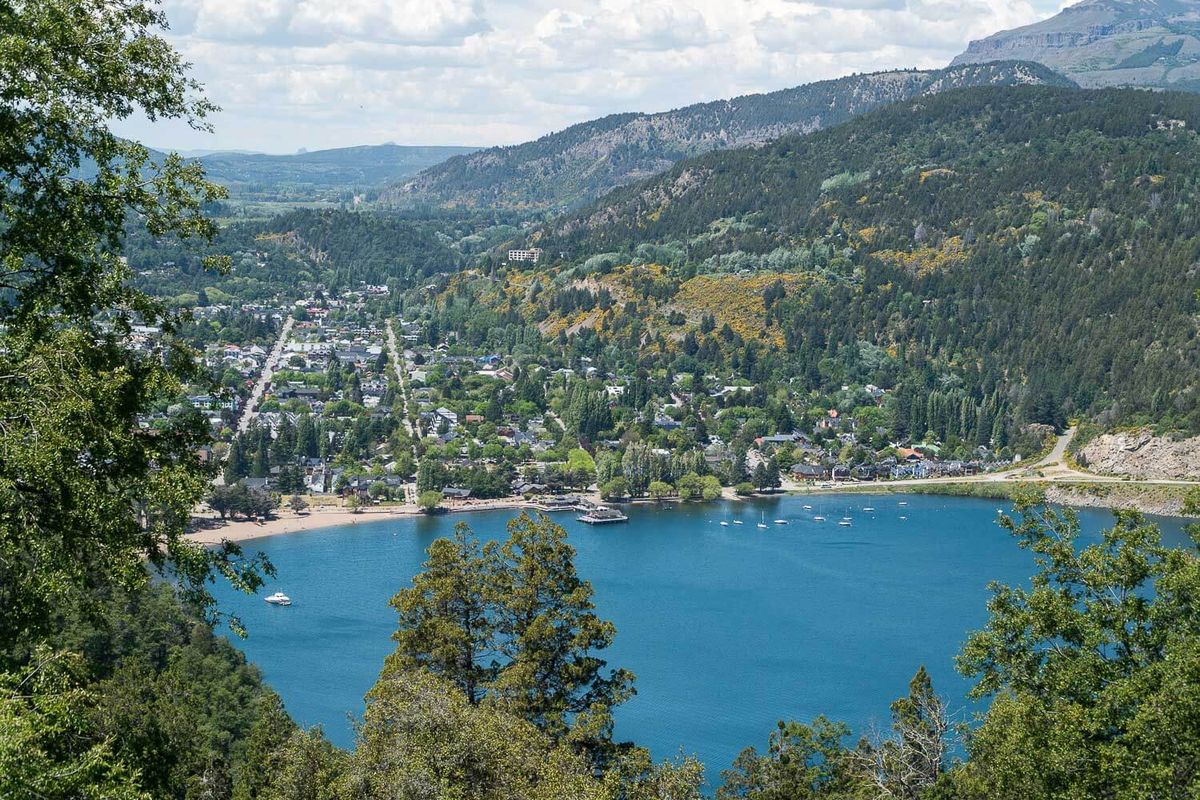
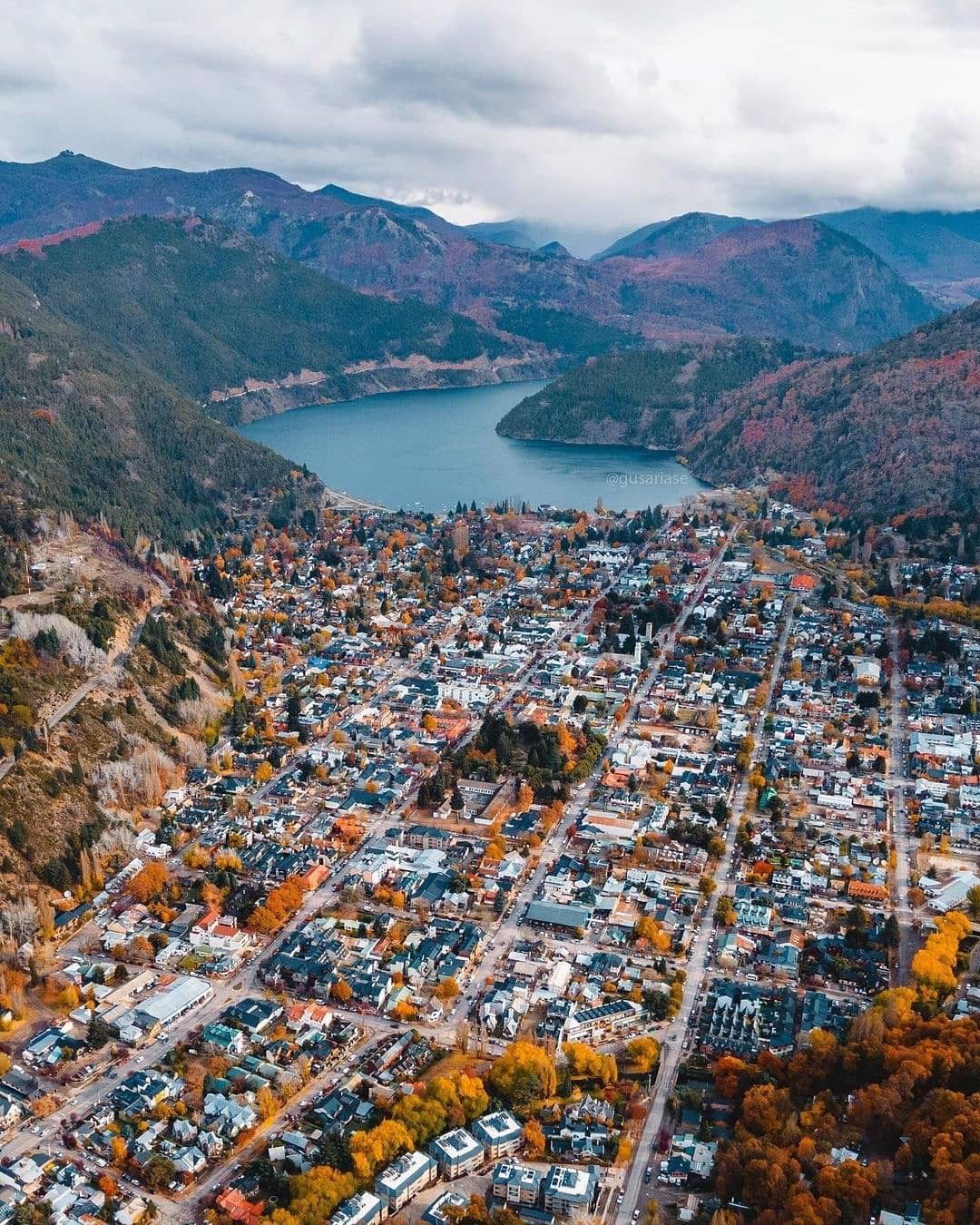
Nestled in a natural amphitheater on the shores of Lake Lácar, San Martín de los Andes is the perfect combination of a cozy mountain village and a fully equipped, active travel destination. Surrounded by the Lanín National Park, its signature stone and wood architecture, wide tree-lined avenues, and laid-back atmosphere make it an ideal sanctuary for lovers of nature, trekking, and winter sports at Cerro Chapelco.
11 best things to do in San Martín de los Andes 2026: complete travel guide
Nestled in a natural amphitheater on the shores of Lake Lácar, San Martín de los Andes is the perfect combination of a cozy mountain village and a fully equipped, active travel destination. Surrounded by the Lanín National Park, its signature stone and wood architecture, wide tree-lined avenues, and laid-back atmosphere make it an ideal sanctuary for lovers of nature, trekking, and winter sports at Cerro Chapelco.
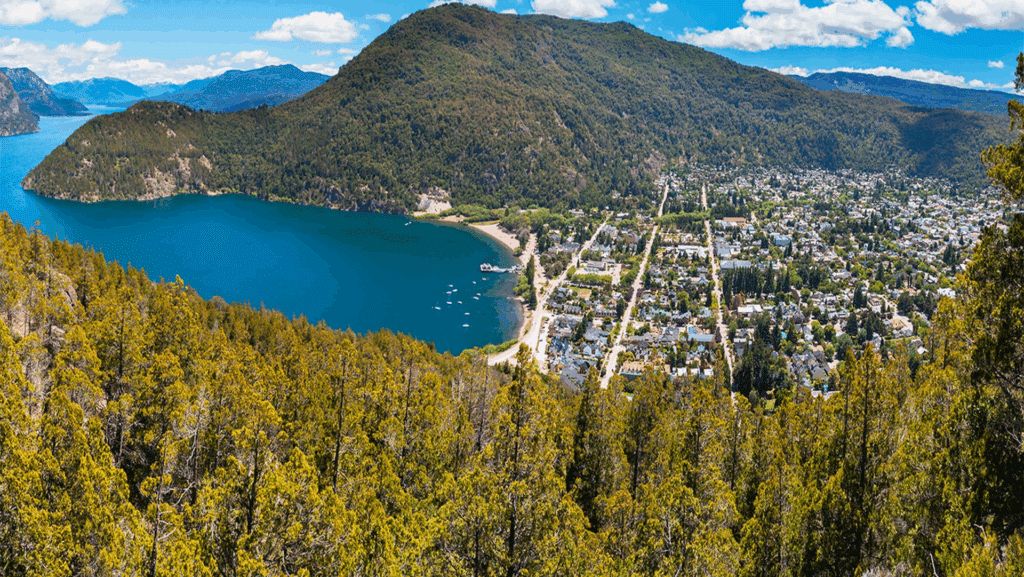
San Martín de los Andes is one of those places where the landscape embraces you the second you hit the entrance road. It hits the perfect sweet spot: it is neither as crowded as Bariloche nor as small as Villa La Angostura.
We spent several weeks exploring its surroundings, and in this guide, we break down our entire travel map: from the hidden beaches of Lake Lácar to the detailed logistics for the famous Seven Lakes Route and the treks you absolutely cannot miss.
11 best things to do in San Martín de los Andes
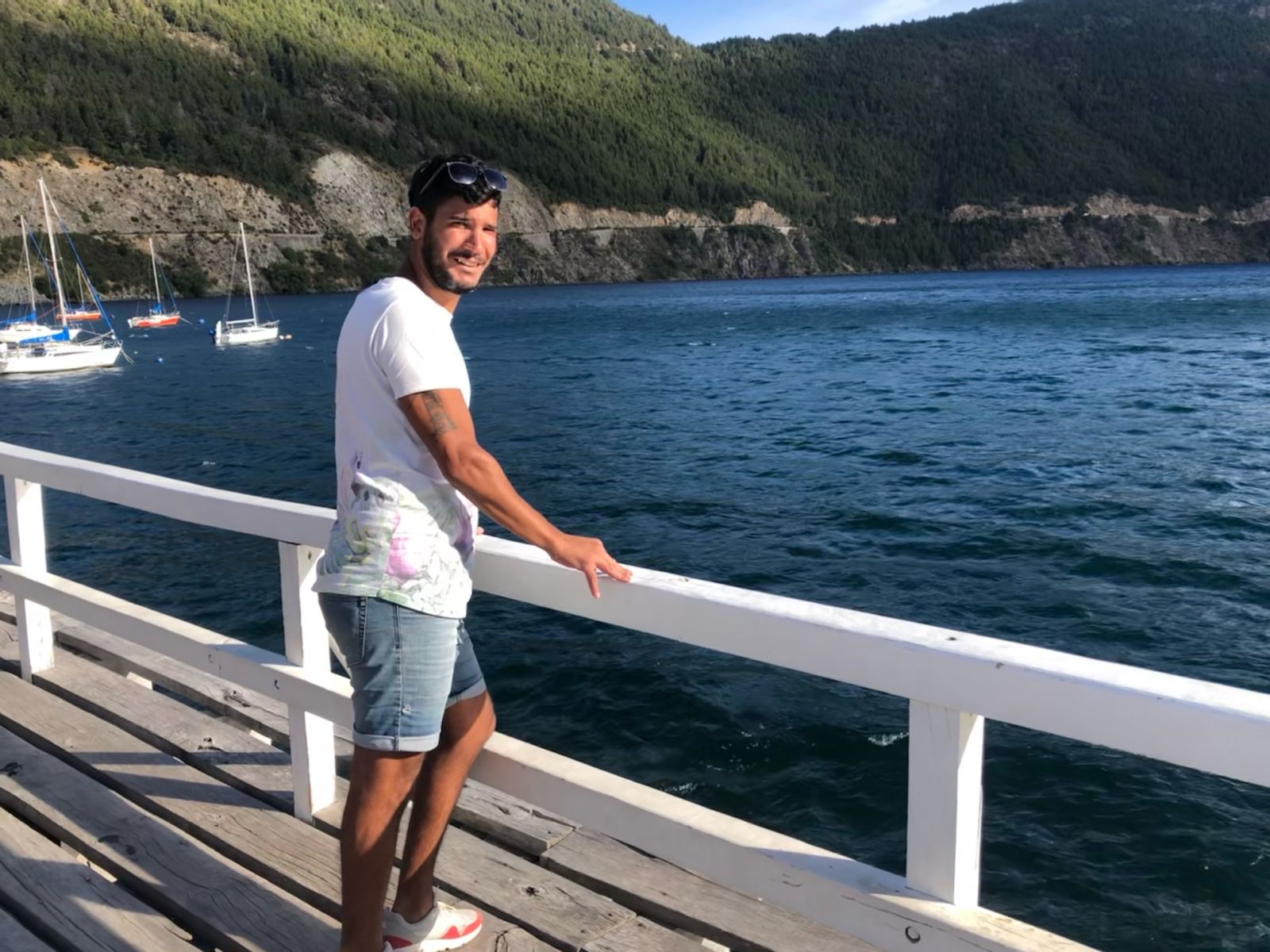
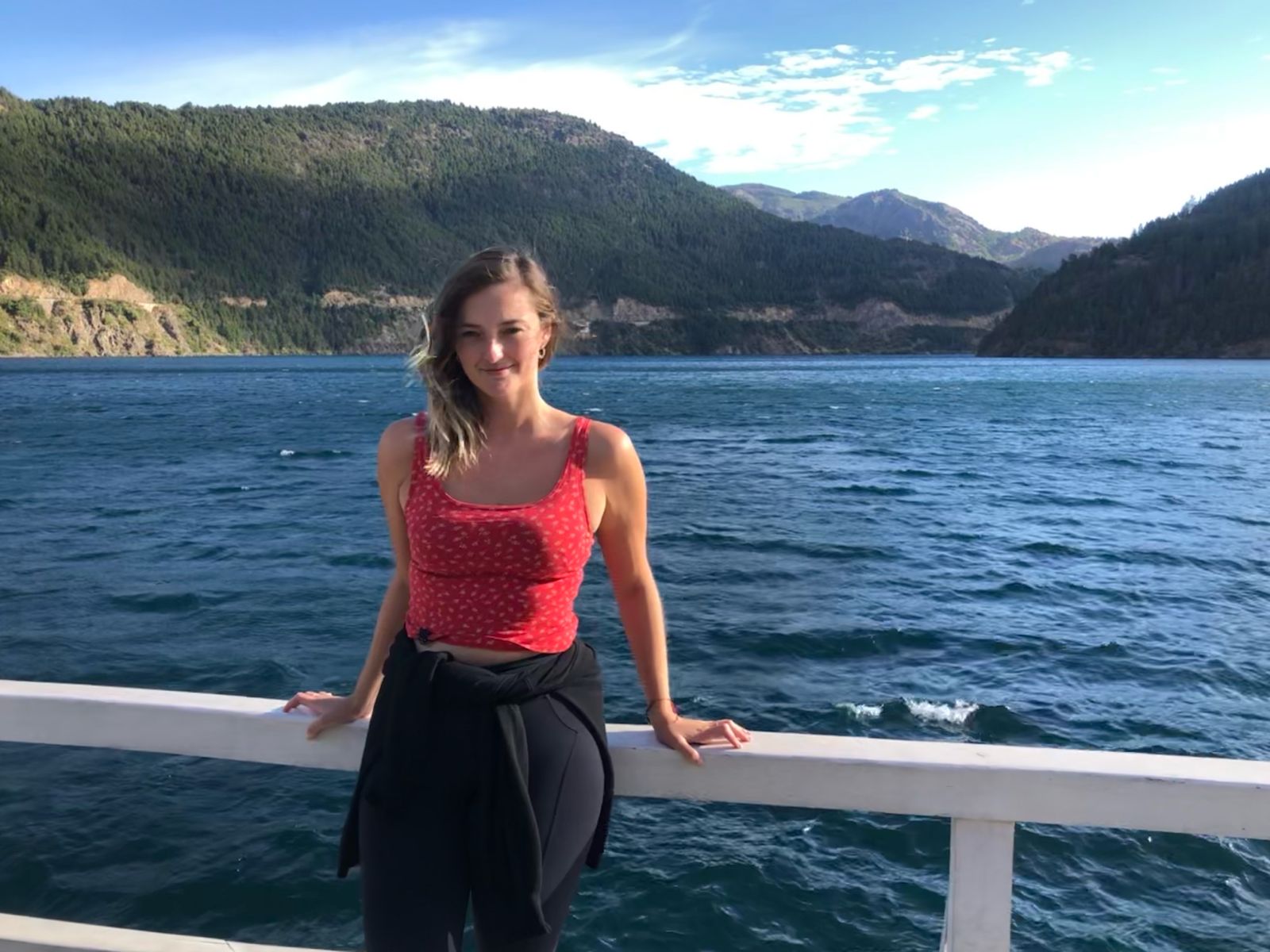
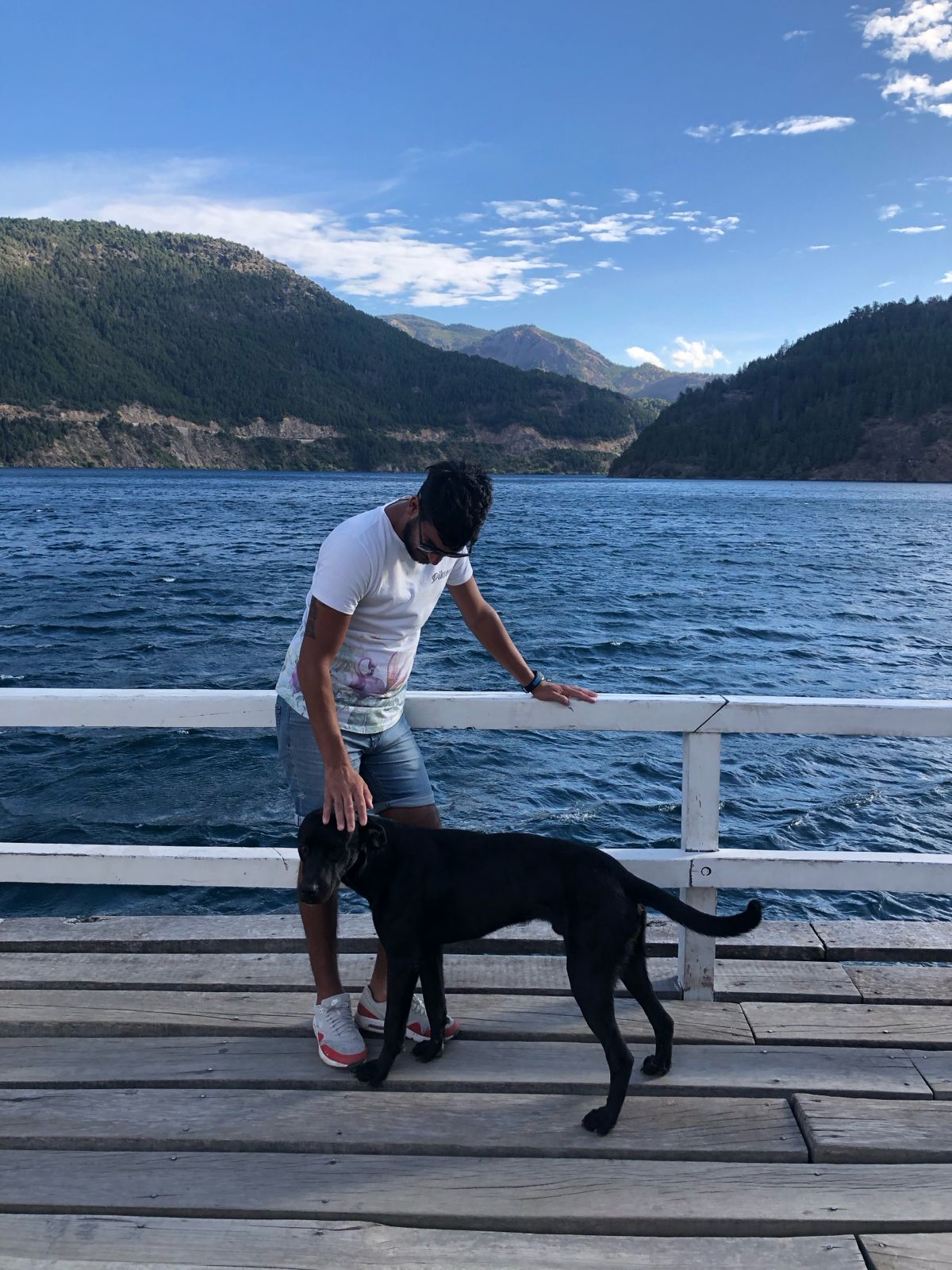
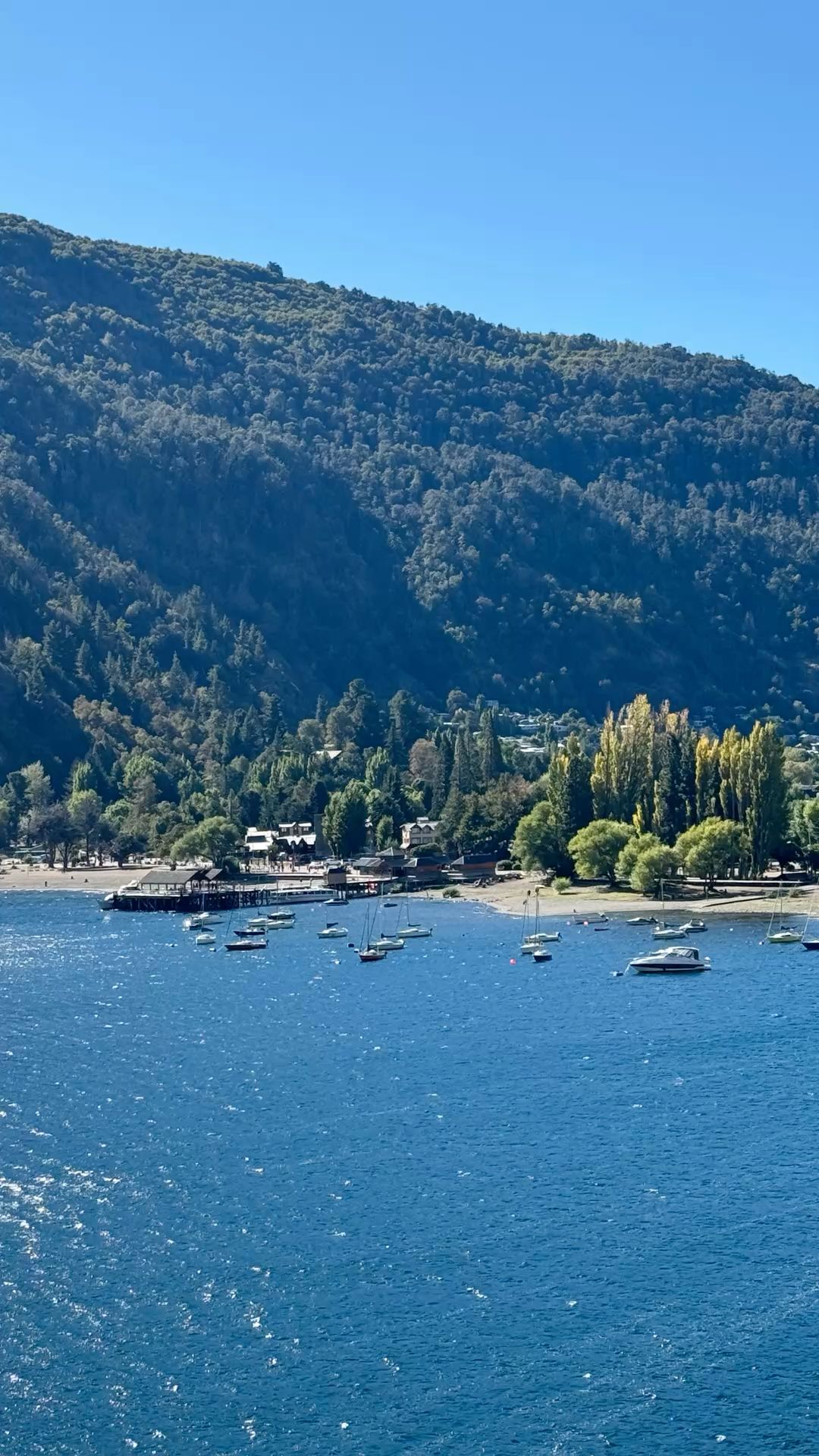
1- Lake Lácar Waterfront (Costanera) – The ultimate gathering spot in town. It is ideal for an evening stroll, sharing mates on the pier, or watching the mountains reflect on the water. This is also the main departure point for all lake boat excursions.
2- Yuco Beach (Playa Yuco) – Popularly known as the 'Caribbean of Patagonia.' It features a series of emerald-green, crystal-clear (and quite cold) bays surrounded by a dense forest of arrayanes and coihues. The massive rocks along the shore are perfect for sitting back and taking in the view.
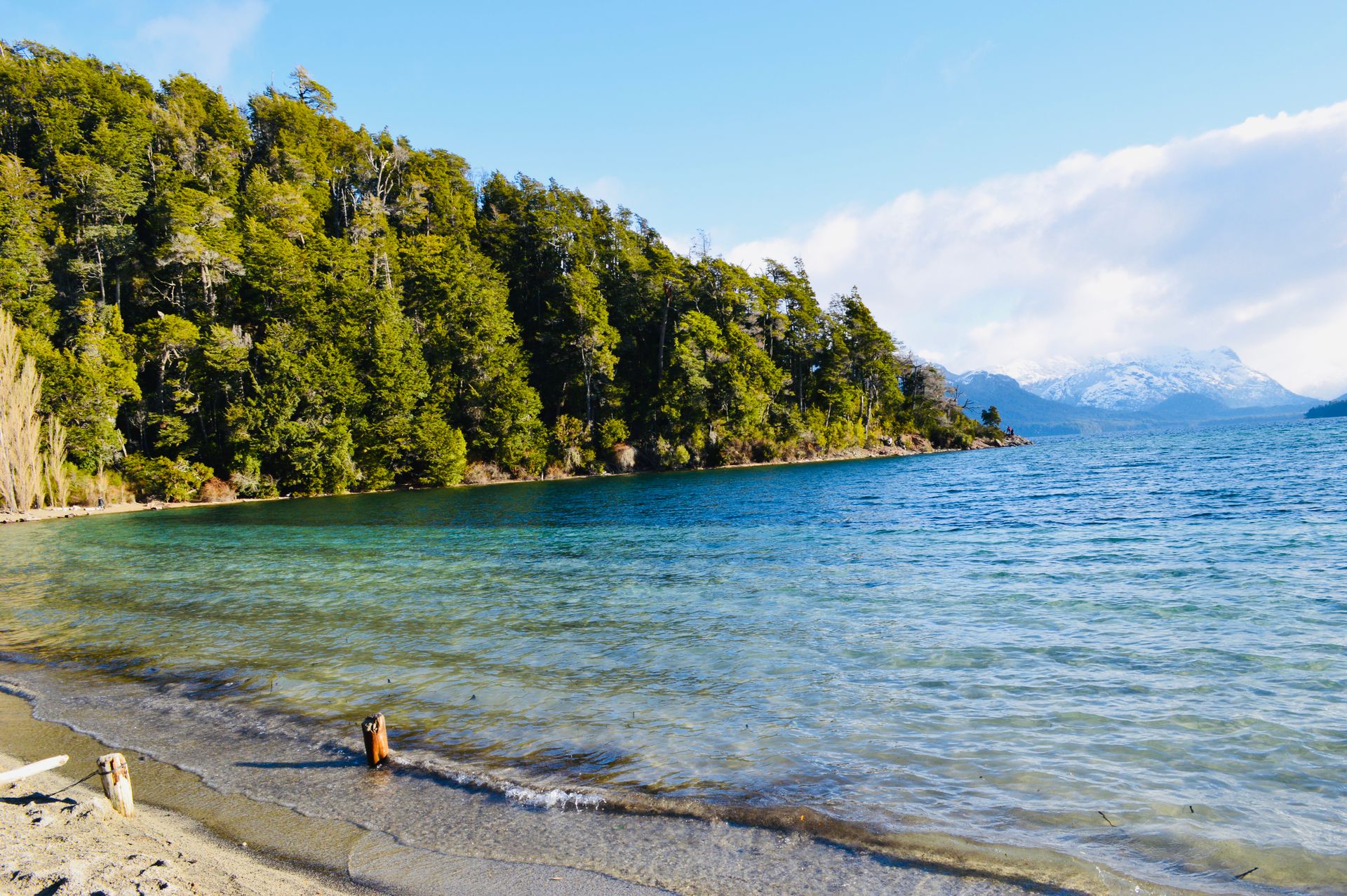
3- Quila Quina – A stunning residential villa and beach located 18 km from downtown, within the lands of the Mapuche Currhuinca indigenous community. You can reach it via a winding gravel road offering incredible aerial views or by crossing the lake on a catamaran from the port.
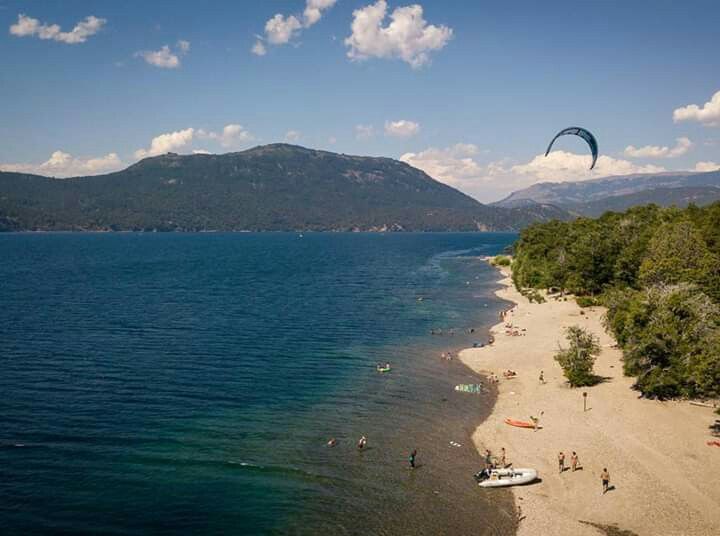
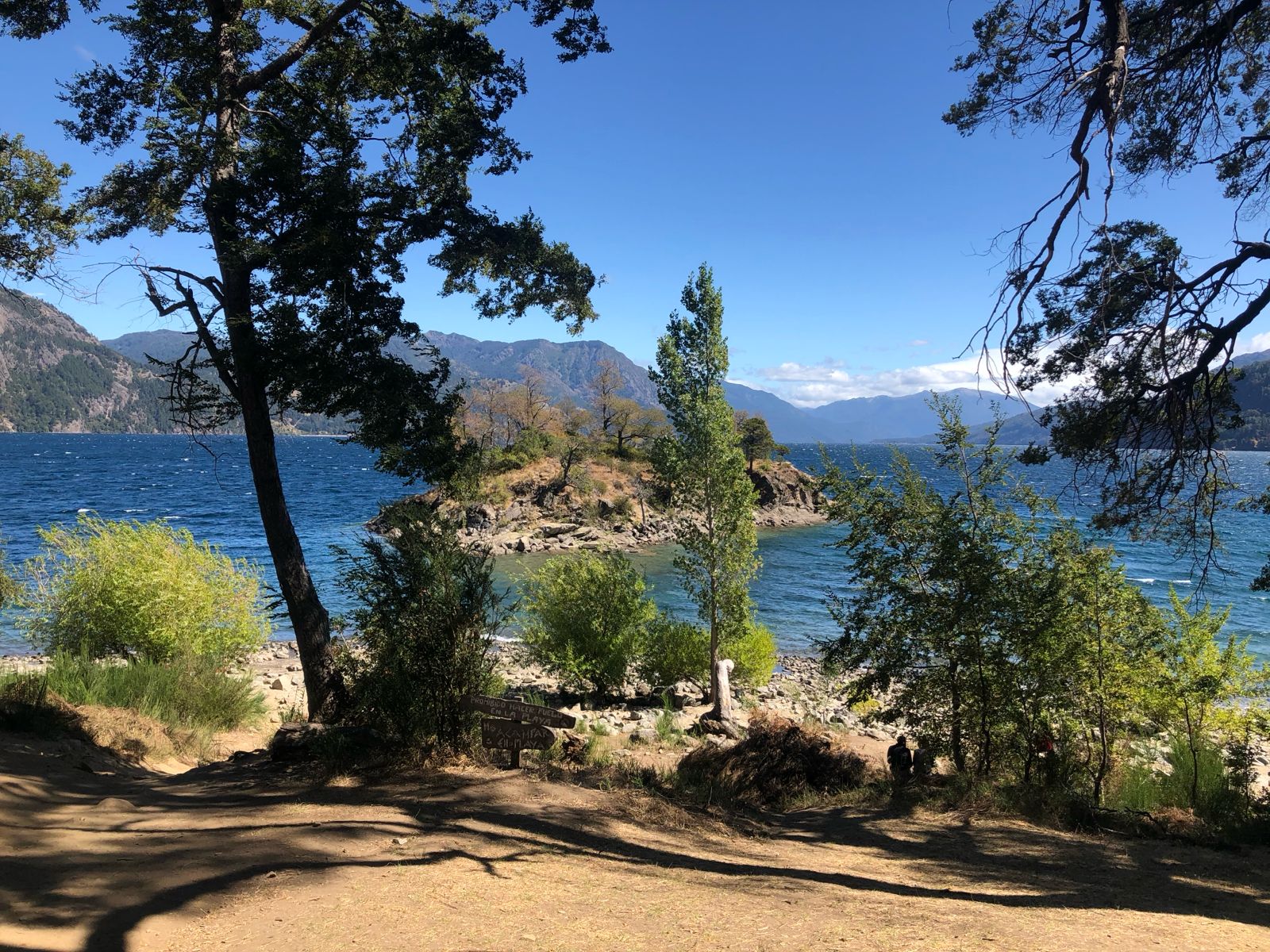
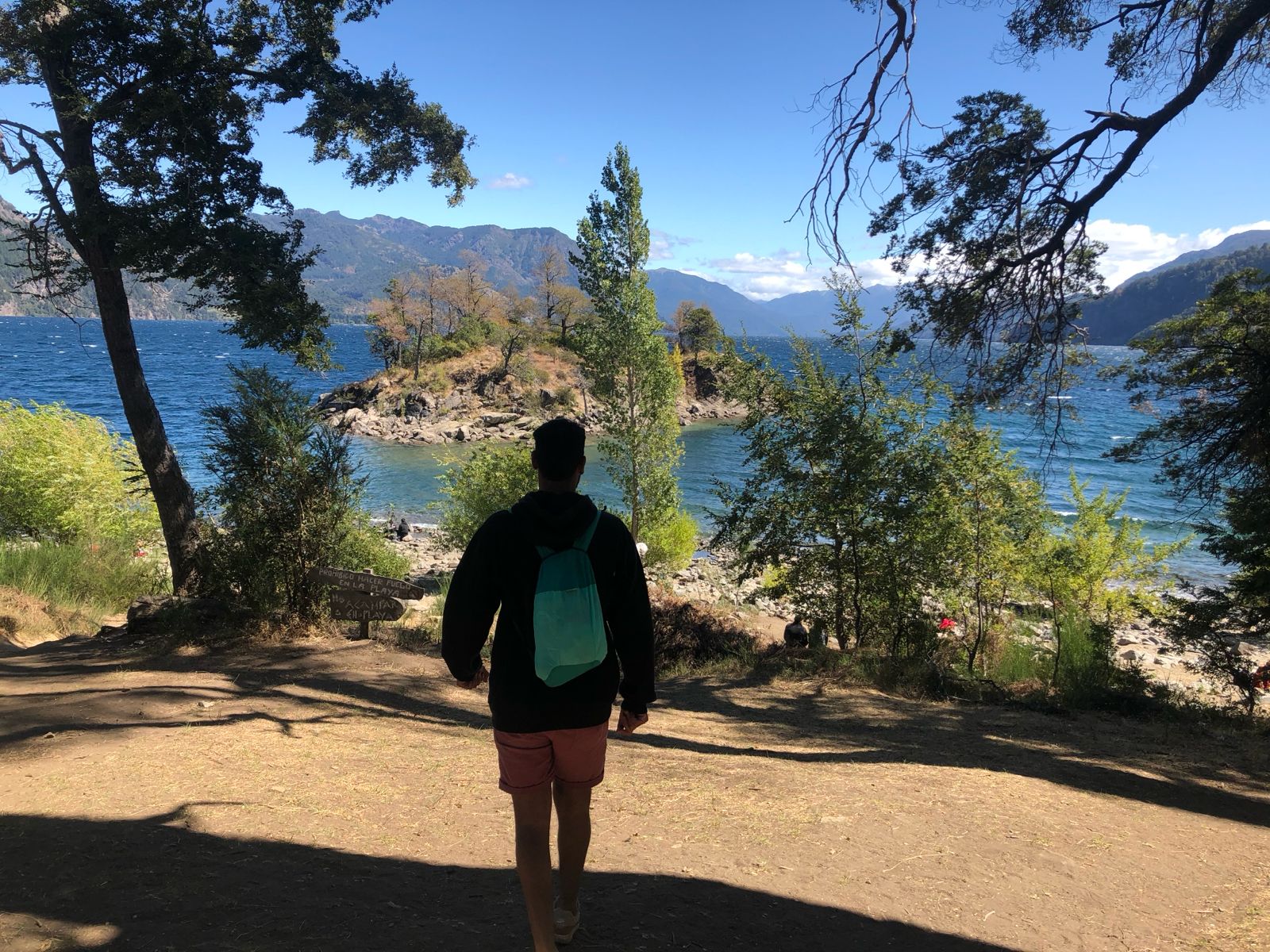
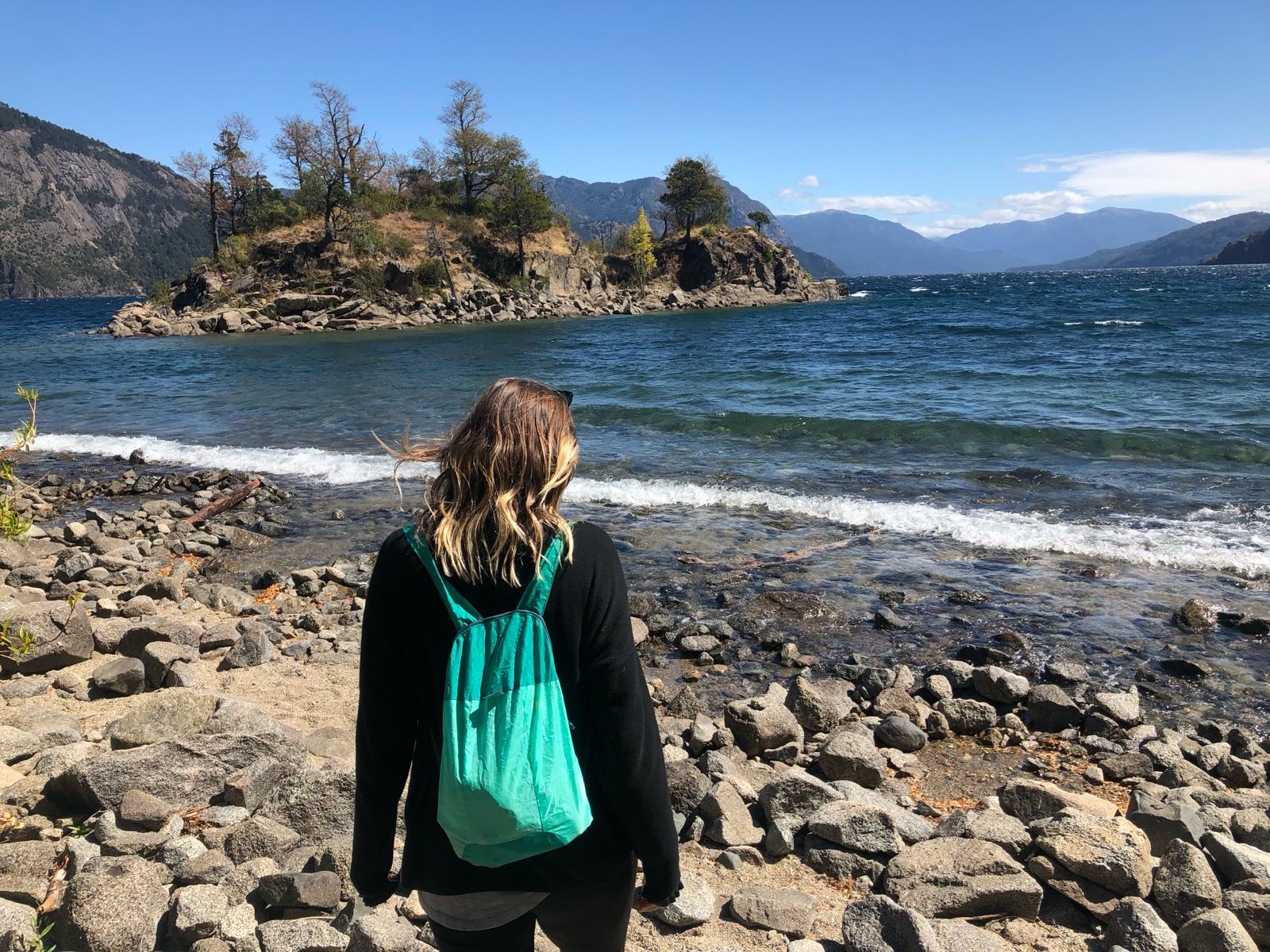
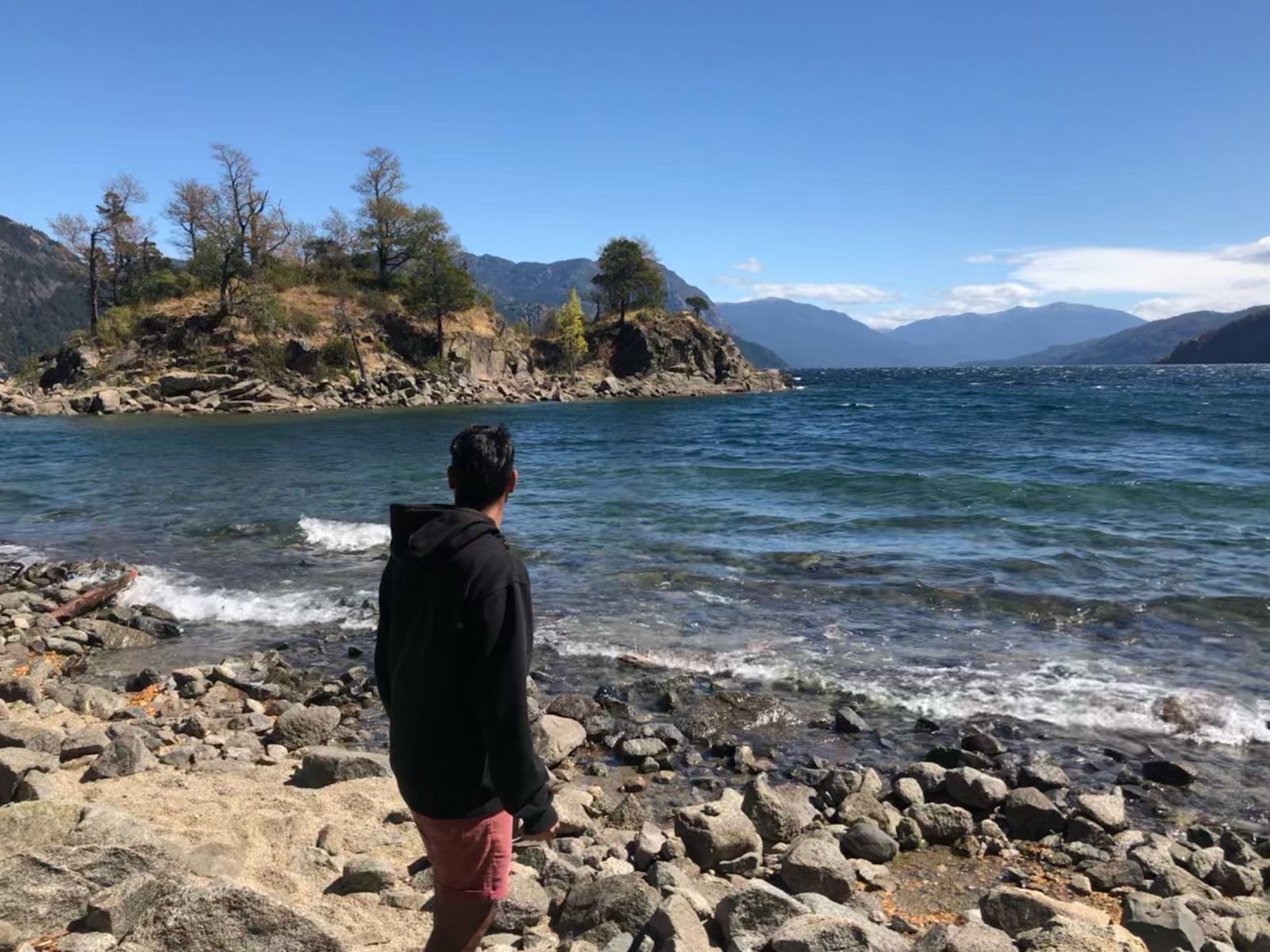
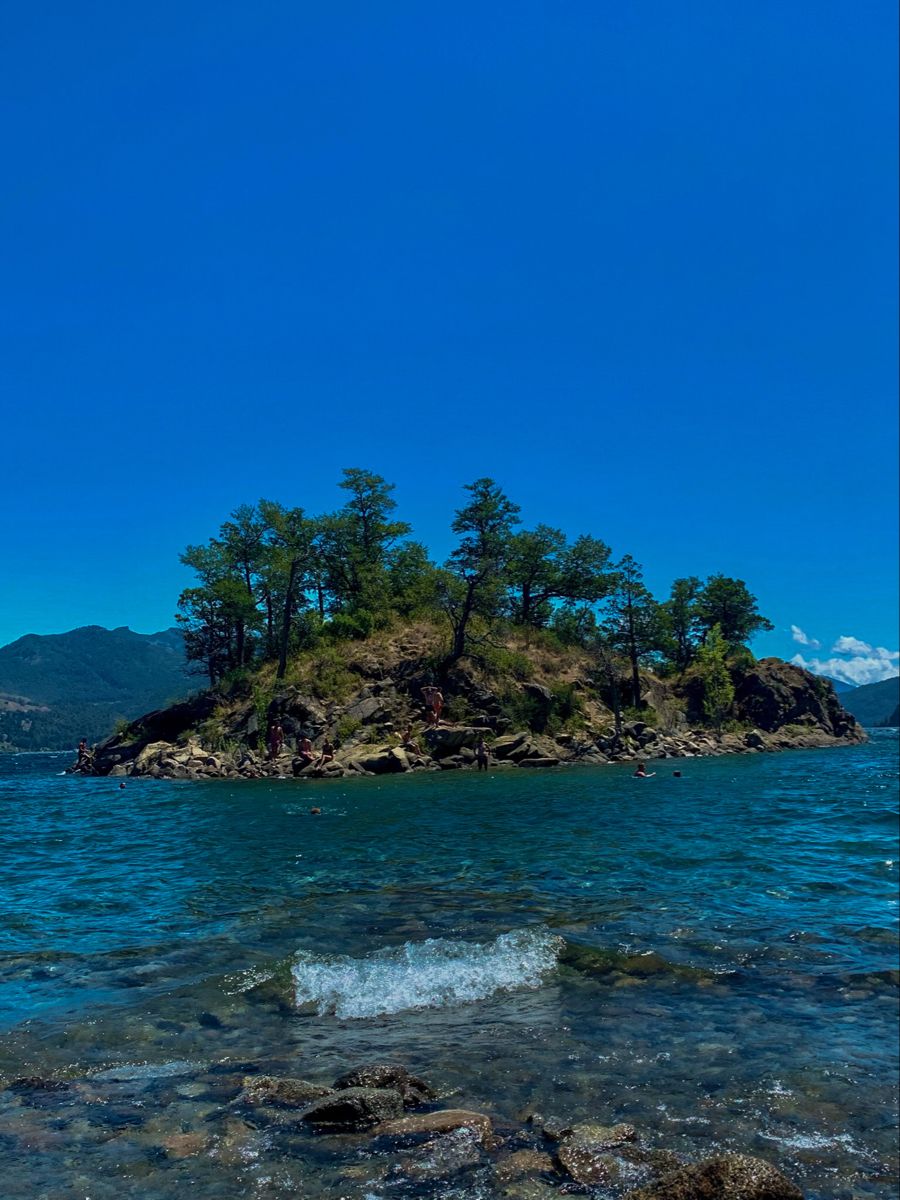
4- La Islita – A beautiful, highly picturesque little beach very close to town. It stands out for a tiny rocky island covered in pine trees that you can easily swim or wade to if the water level is low. It is a favorite spot for younger crowds to spend the afternoon.
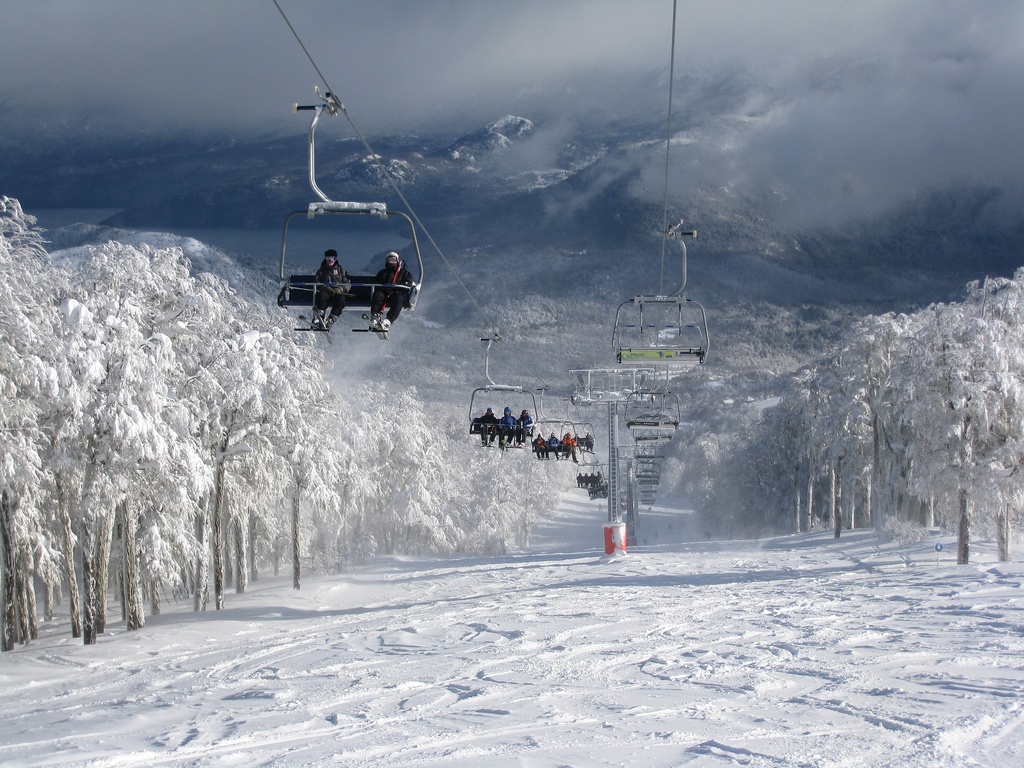
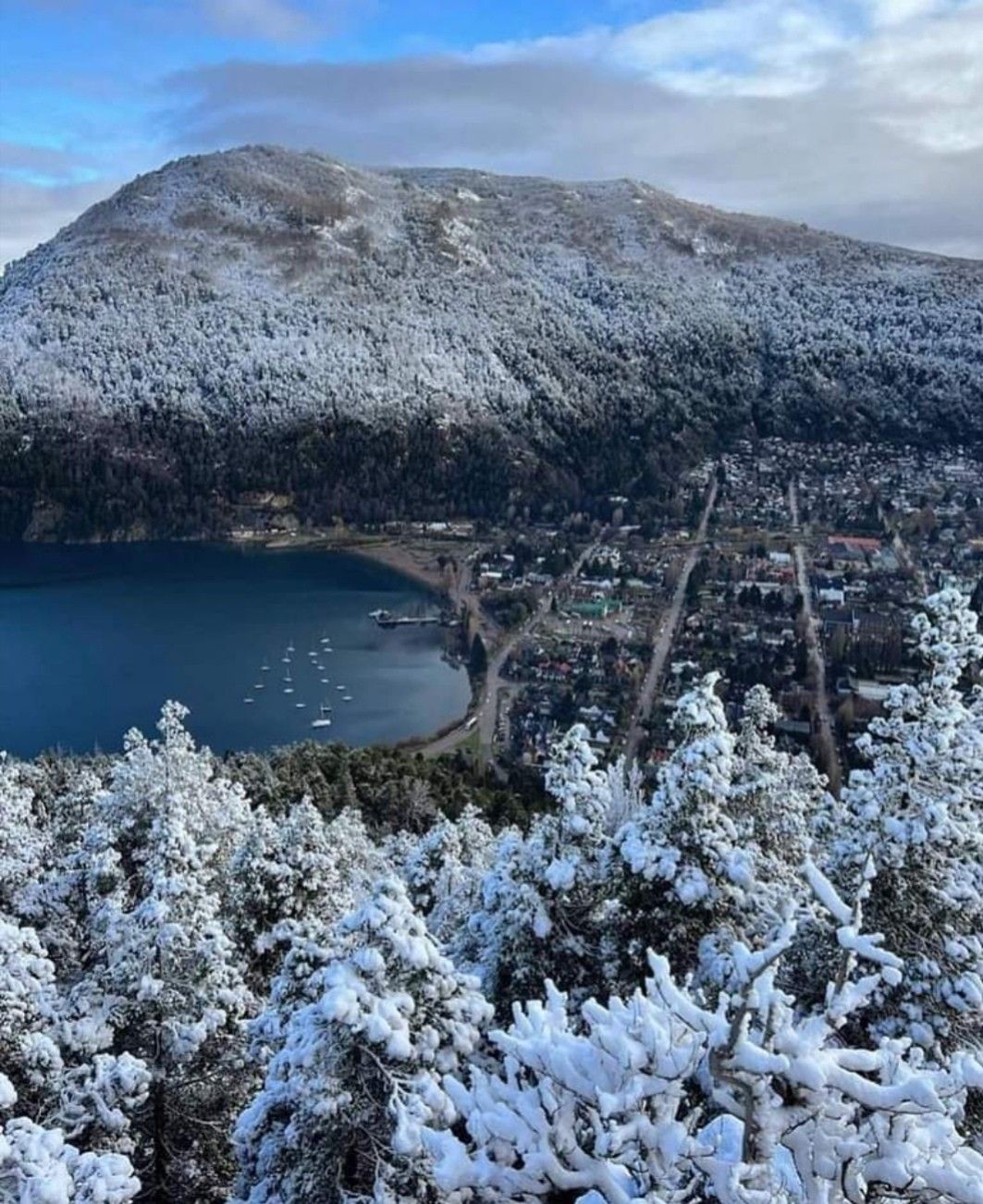
5- Cerro Chapelco – One of the most important and iconic ski resorts in Argentina. In winter, its world-class slopes weaving through lenga forests are a dream for skiers and snowboarders, while in summer it transforms into an adventure park featuring an alpine slide and climbing walls.
6- Lake Lolog and Playa Bonita – Located just 12 km from the city center. This is a massive lake with open, shallower shores, making the water temperature slightly warmer and friendlier during summer. Playa Bonita is its most popular beach destination.
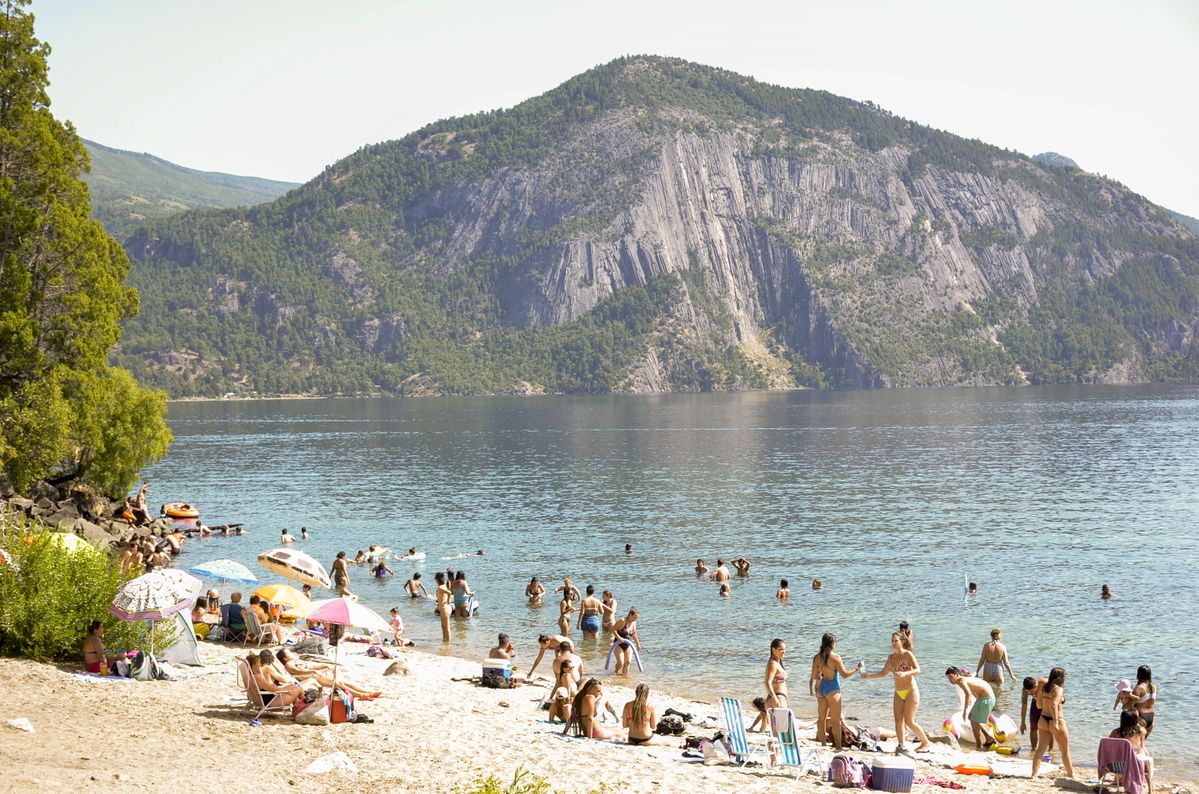
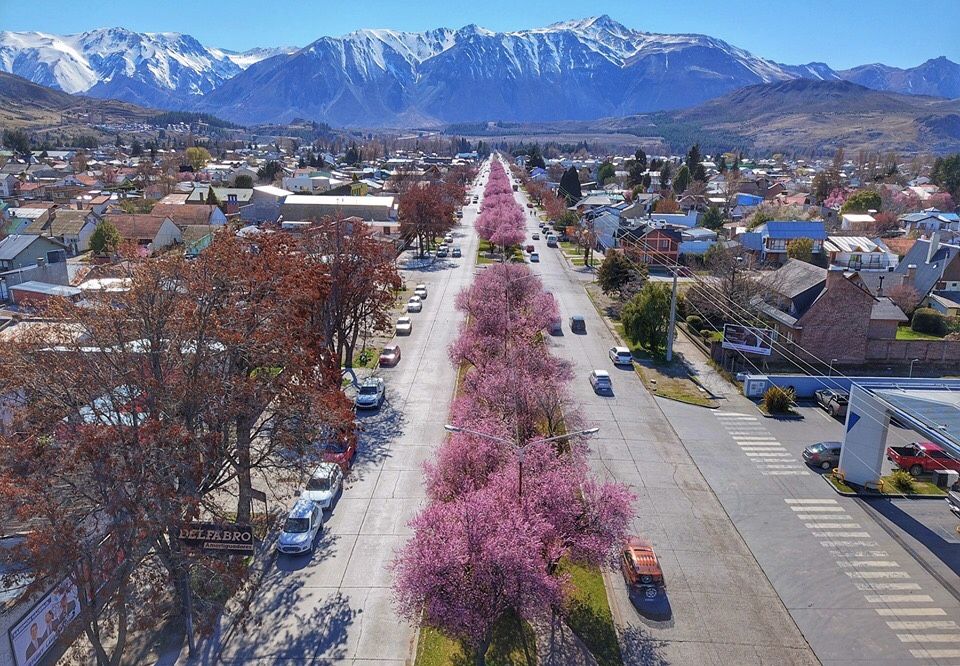
7- Civic Center and Plaza San Martín – The urban heart of the town. The neatly designed grid layout is packed with artisan chocolate shops, mountain gear stores, and regional restaurants, all respecting a strict architectural code of native timber and limestone.
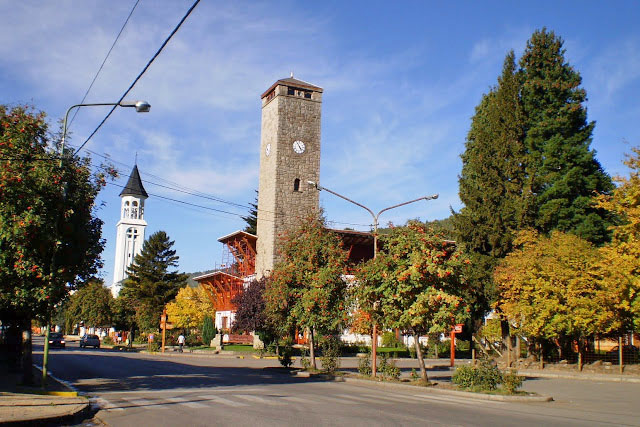
8- Villa Hua Hum and Chachín Waterfall – Driving about 50 km along Provincial Route 48 (gravel) towards the Chilean border brings you to one of the most humid areas of the national park (the Valdivian rainforest). The short forest trail leads to a viewing platform directly facing a roaring 30-meter waterfall.
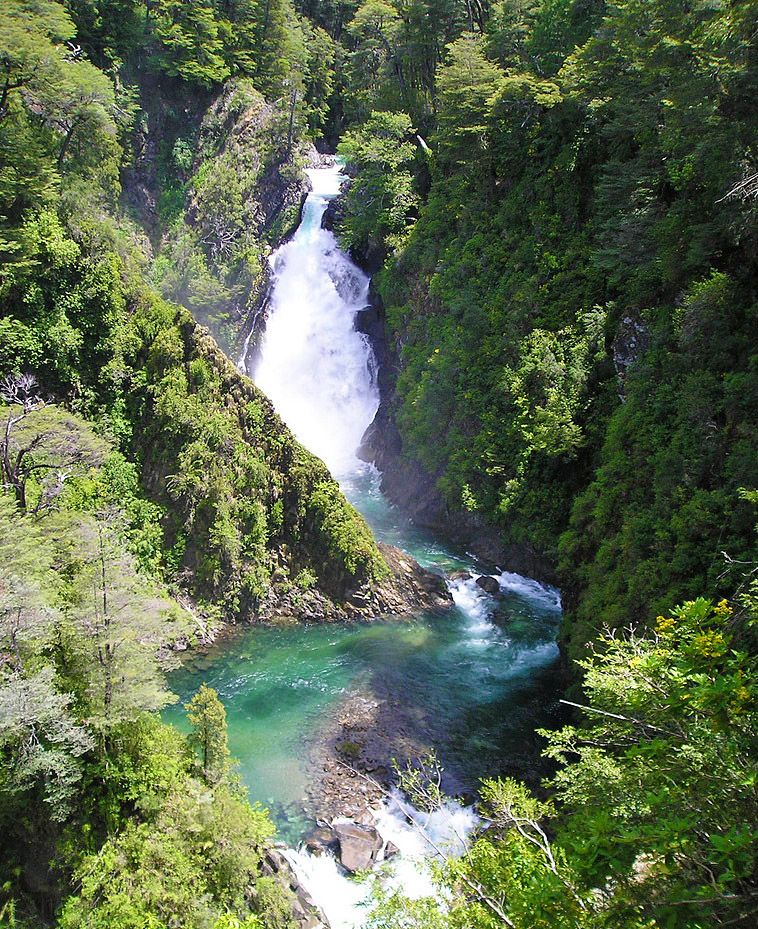
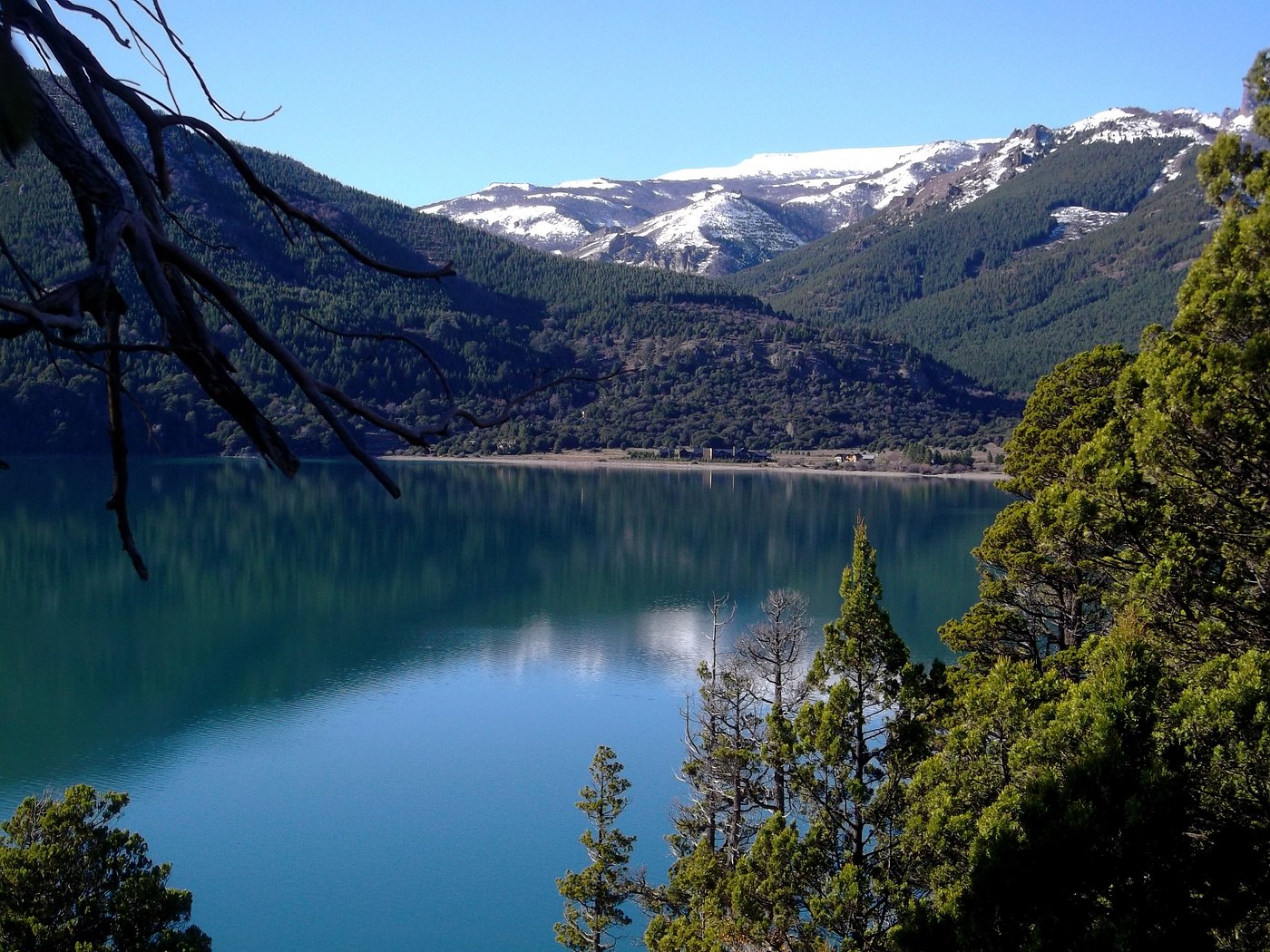
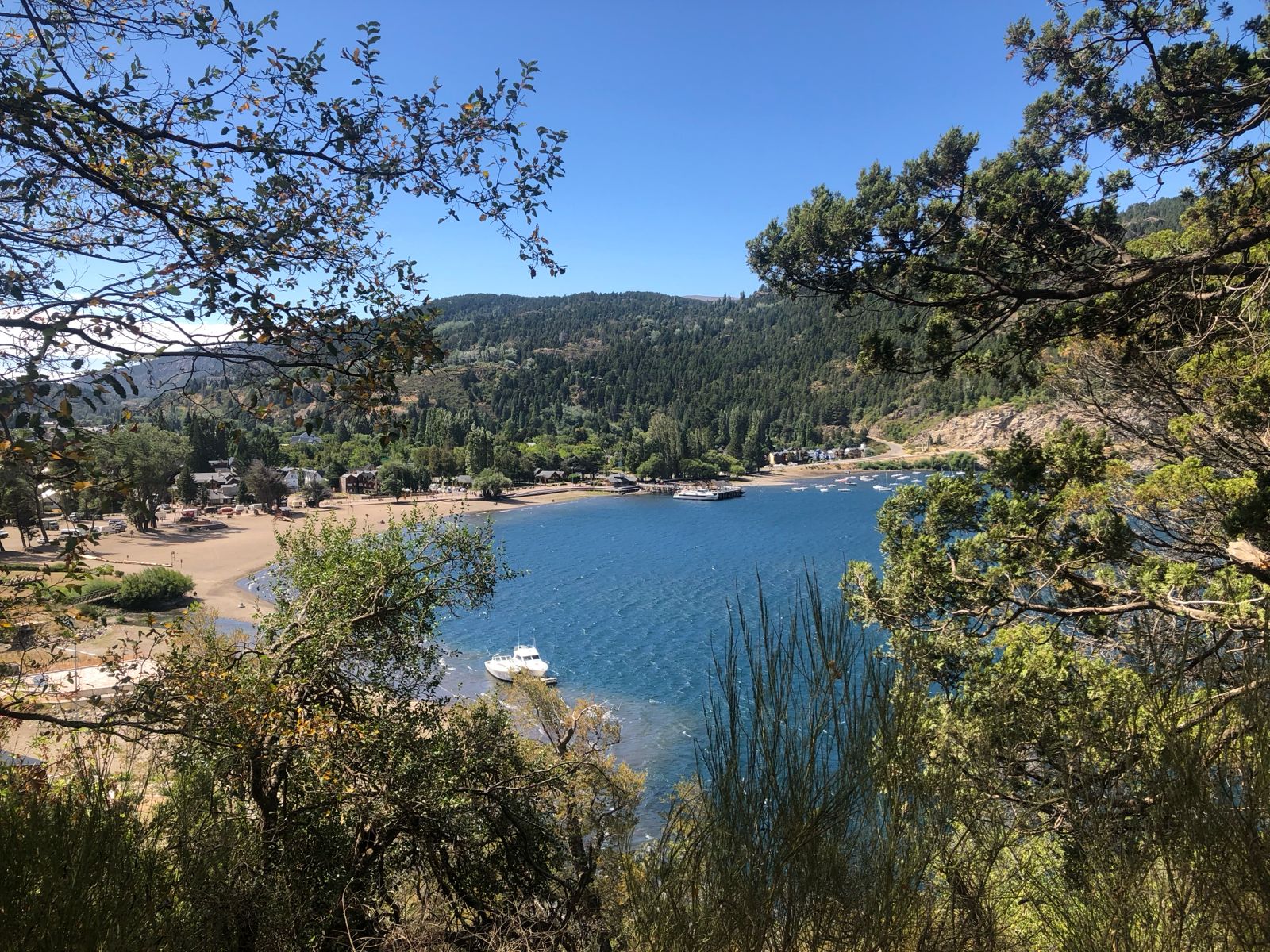
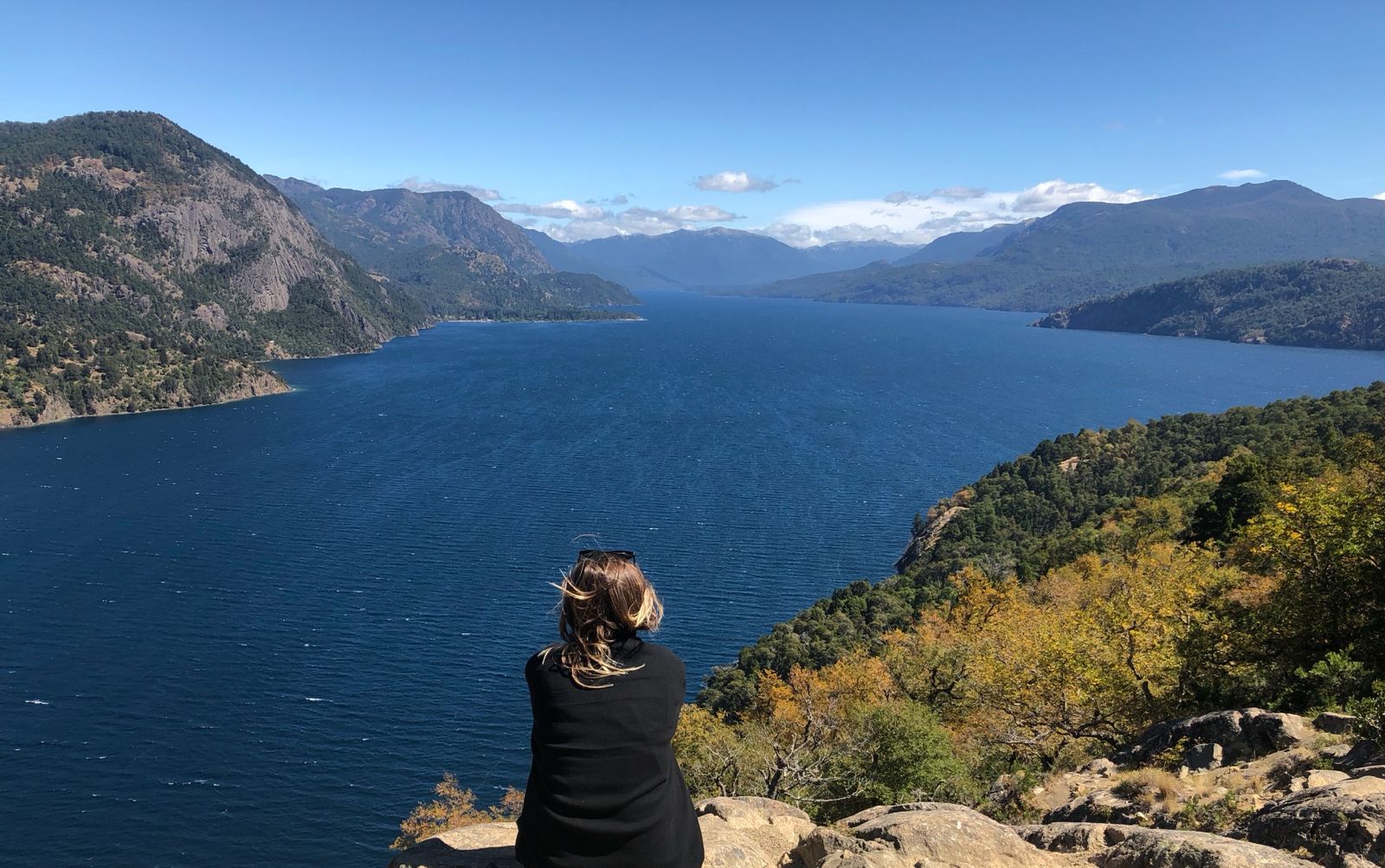
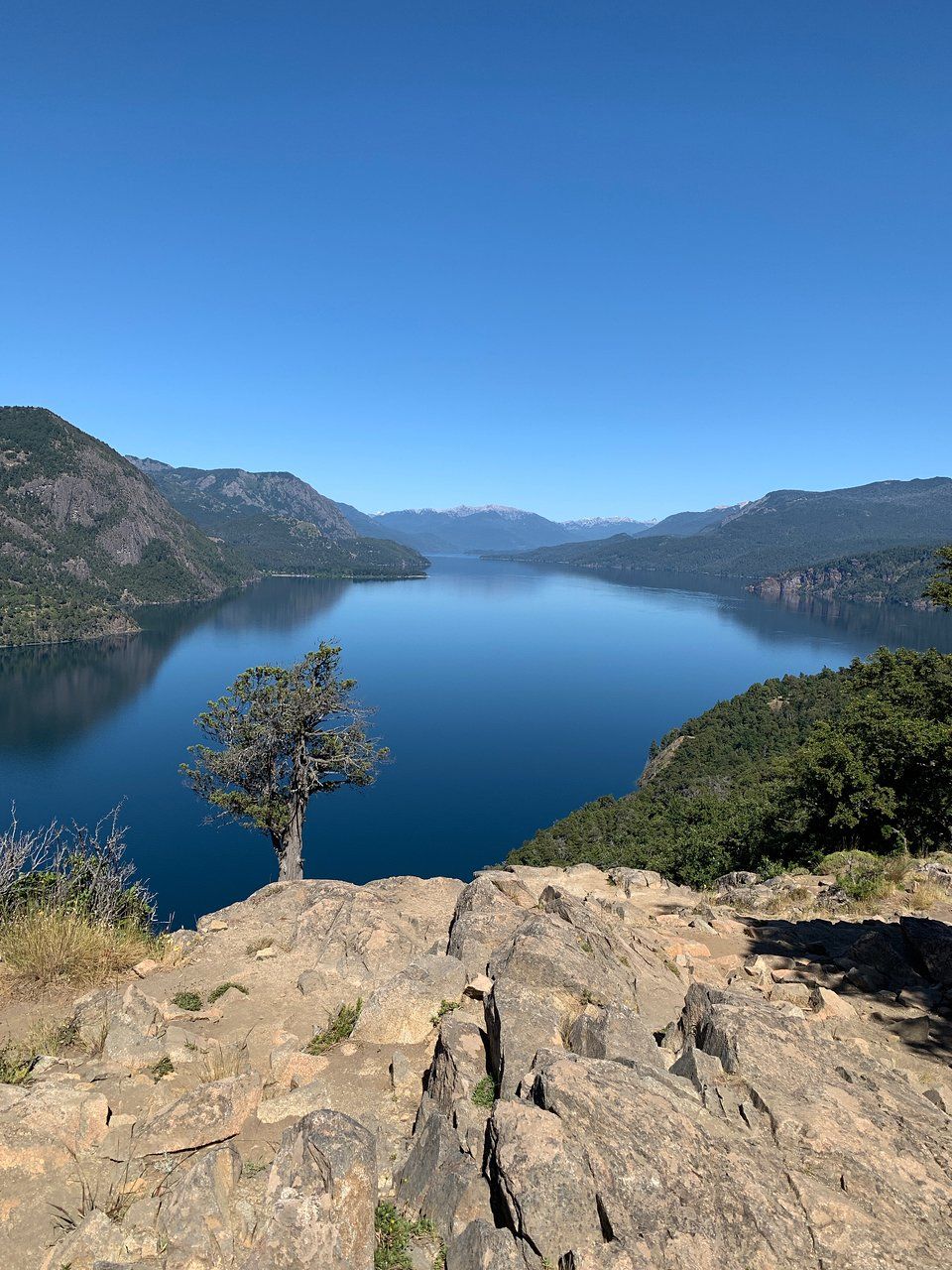
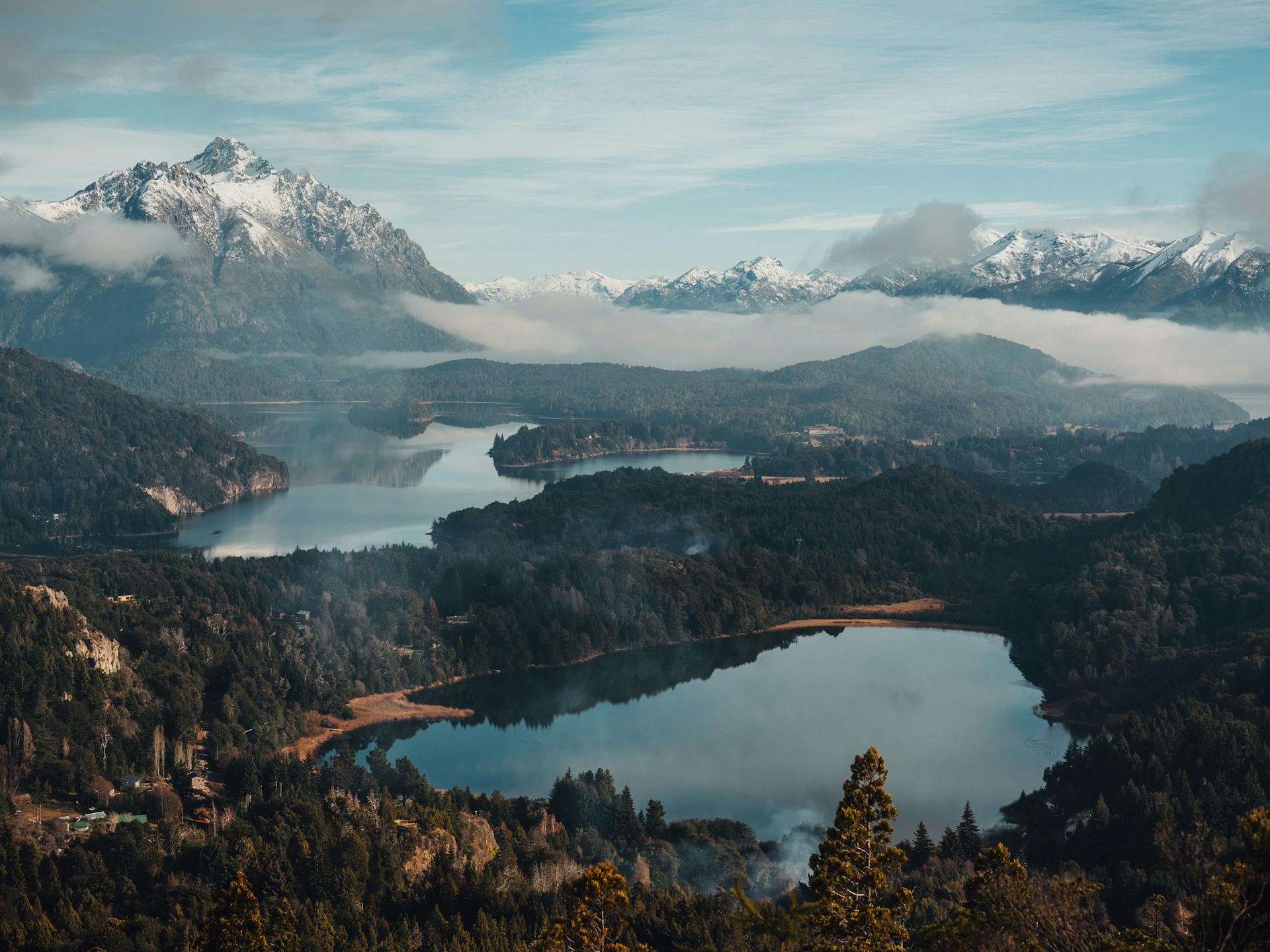
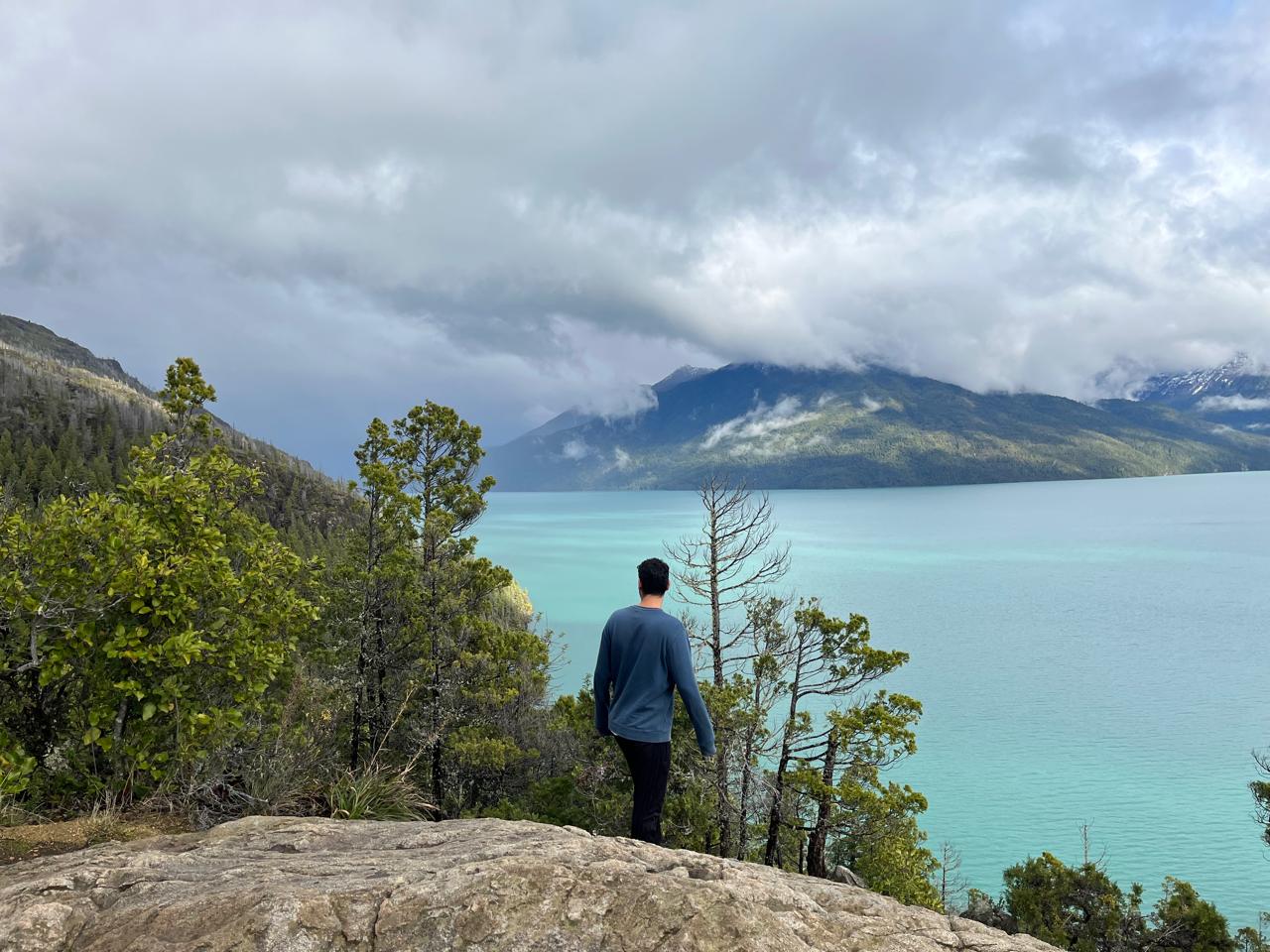
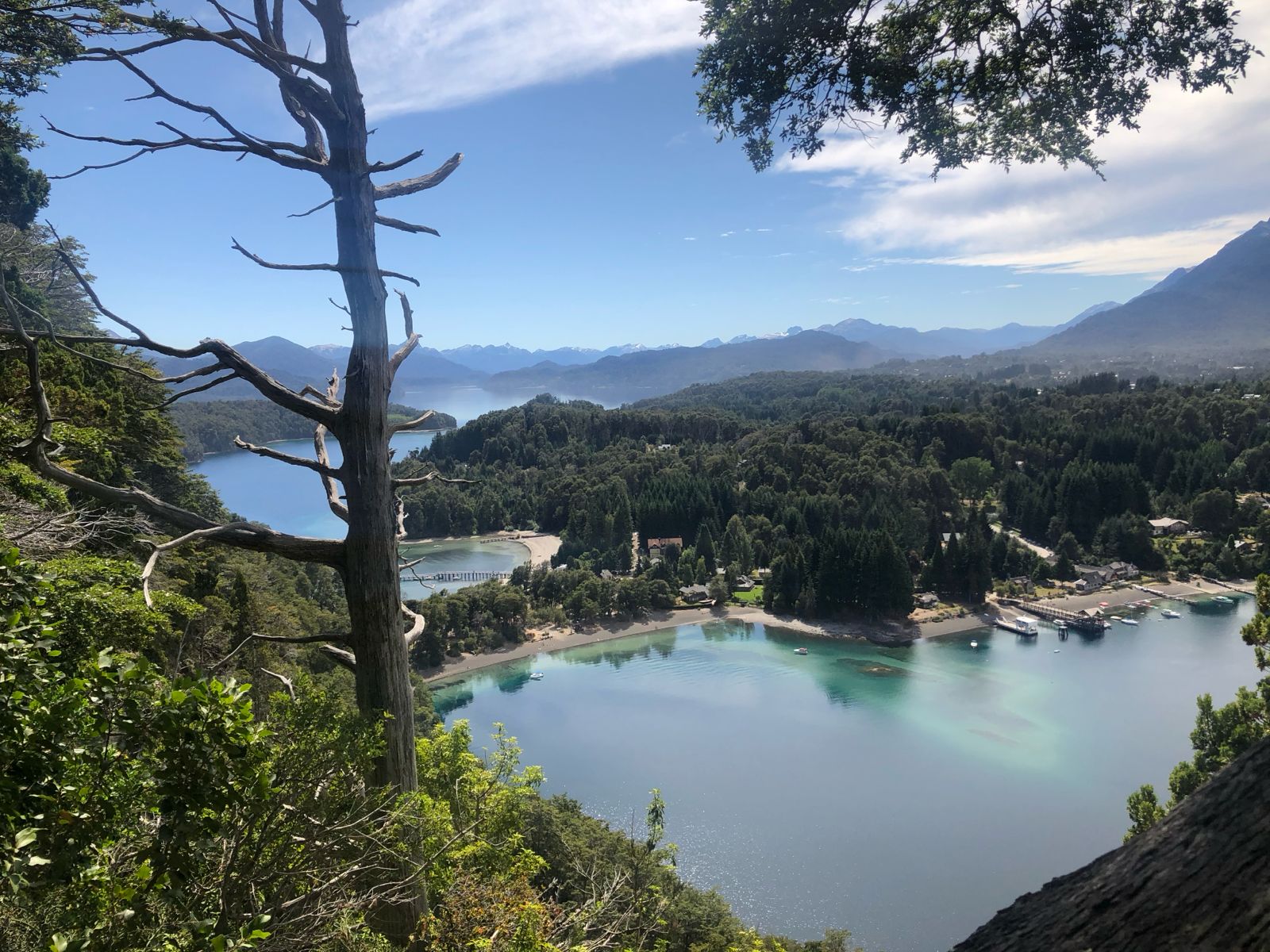
9- Bandurrias Viewpoint (Mirador Bandurrias) – A classic hike that starts right from the edge of town. It climbs gradually through the forest, rewarding you with one of the finest head-on panoramic views of San Martín, the entire waterfront, and the beginning of Lake Lácar.
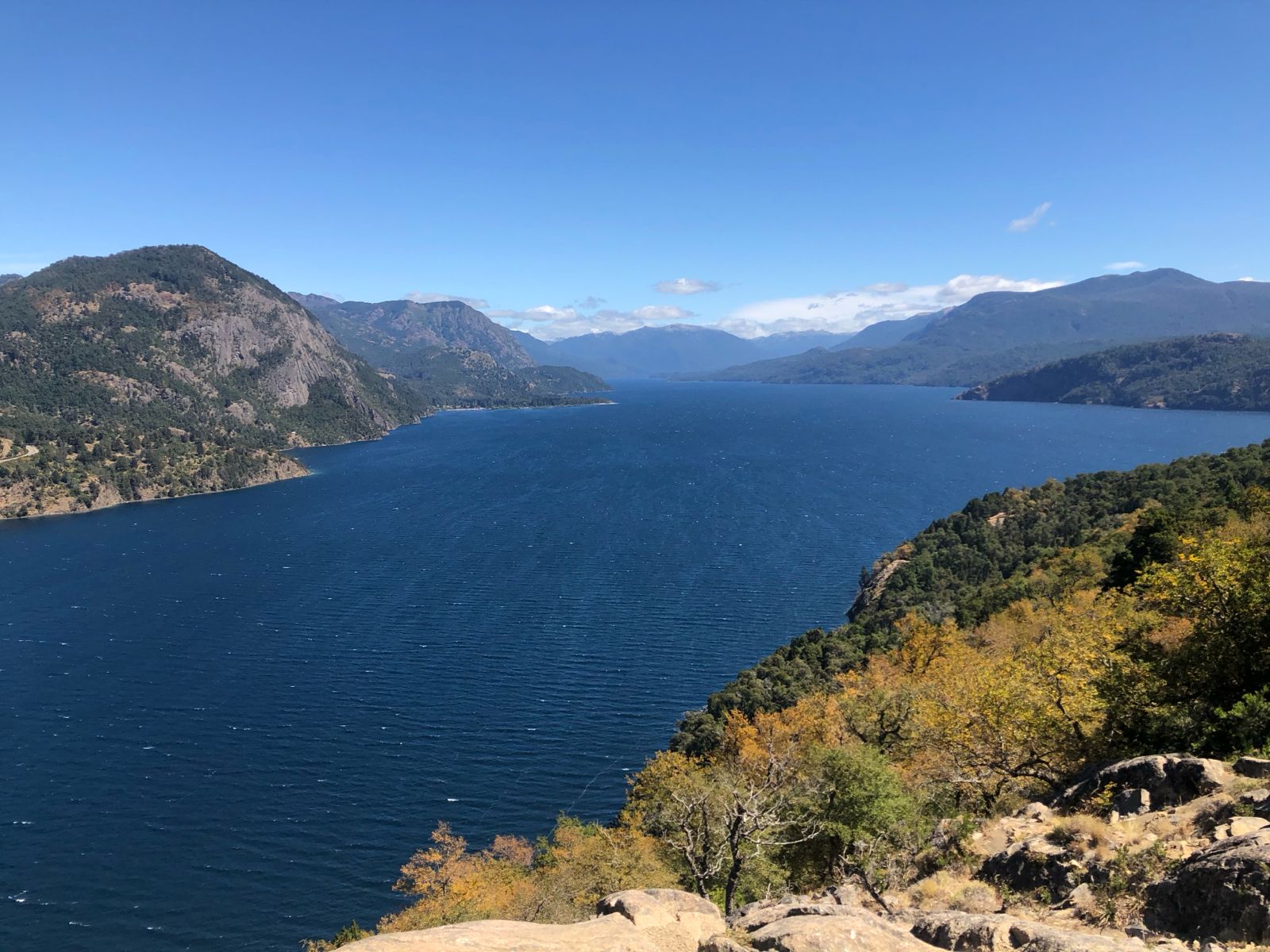
10- Arrayán Viewpoint (Mirador Arrayán) – Situated on the opposite side of the bay from Bandurrias. It can be accessed either by hiking or by car via a scenic gravel road. The view from the coffee shop at the top spans across the urban layout and the dramatic mountain ranges framing the town.
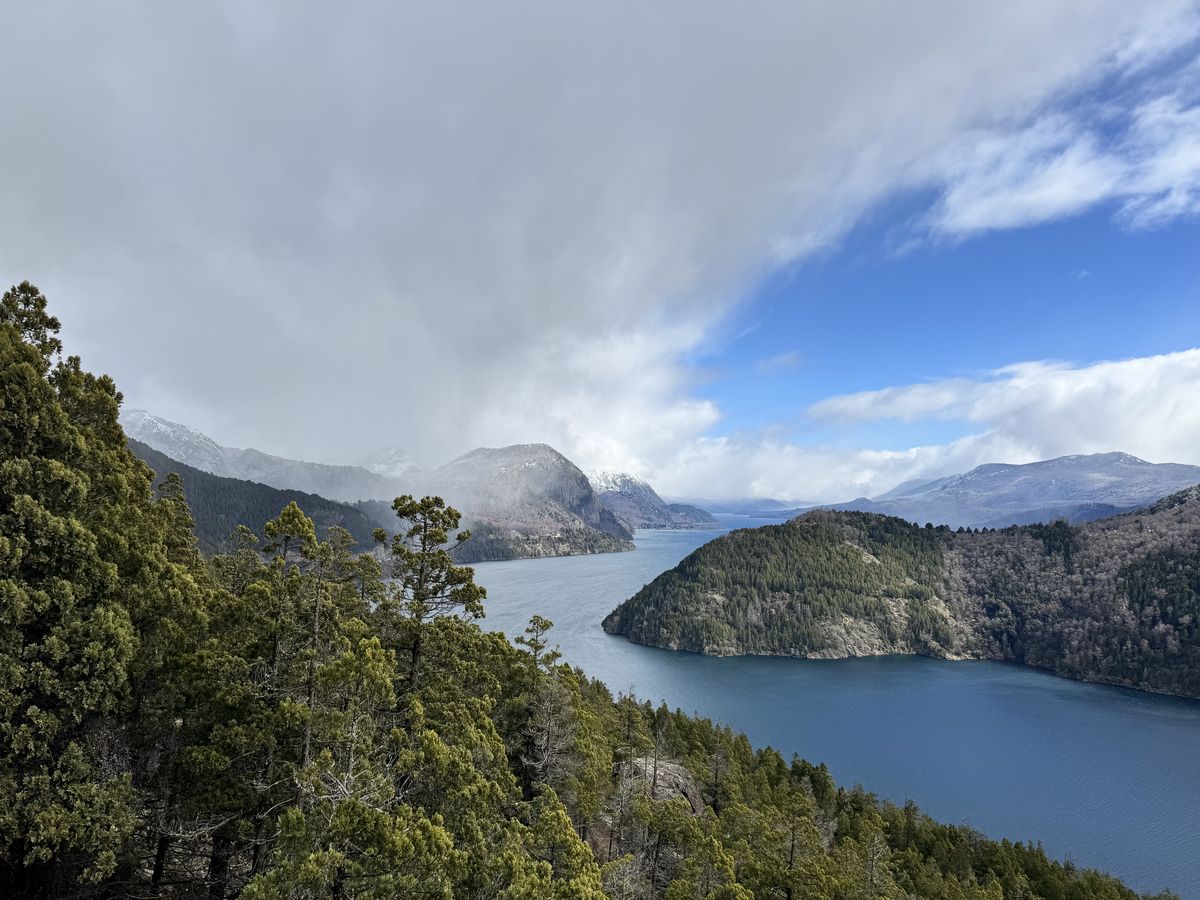
11- Lake Meliquina – About 40 km from downtown, following a short detour off the Seven Lakes Route. This rustic, emerging mountain village sits along a perfectly still lake and the quiet Meliquina River, making it the perfect place to completely unplug from the digital world (there is almost no cell service).
Guide to the Main Treks
If you love hiking, San Martín de los Andes boasts incredible trails tailored for all fitness levels. These are the three essential footpaths you should experience:
1. Bandurrias Viewpoint Hike
- Difficulty: Low
- Duration: 1.5 to 2 hours (round trip)
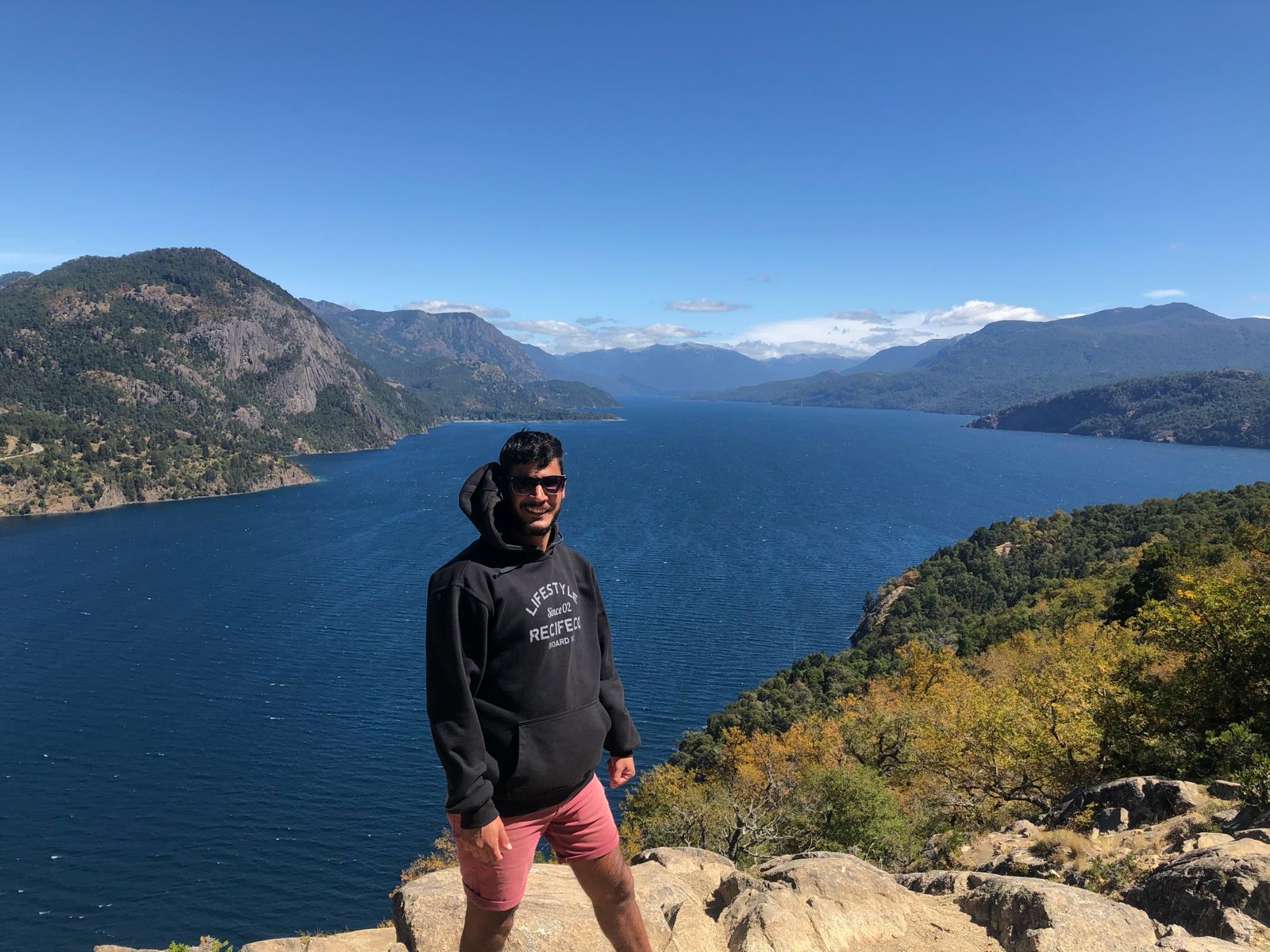
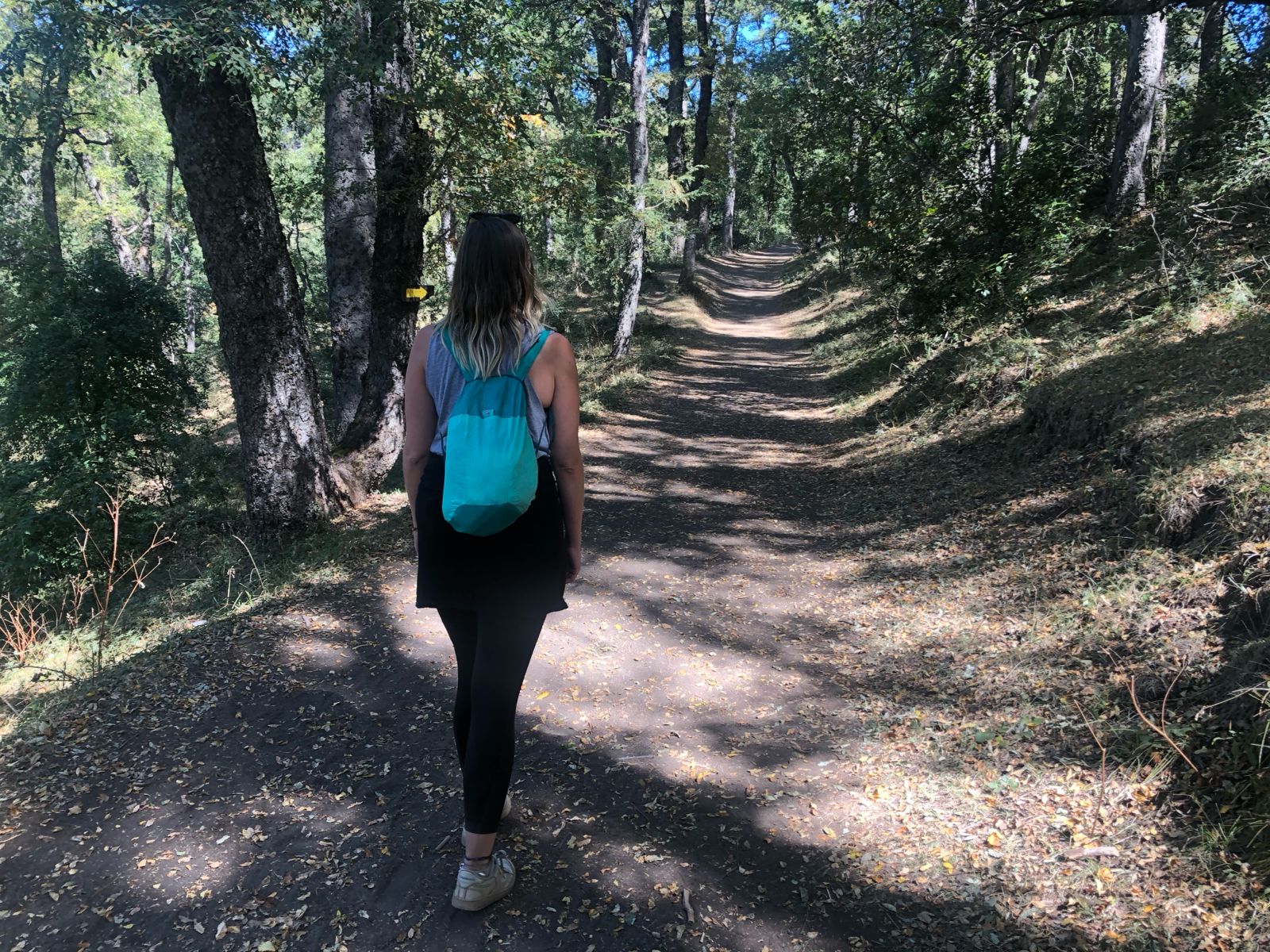
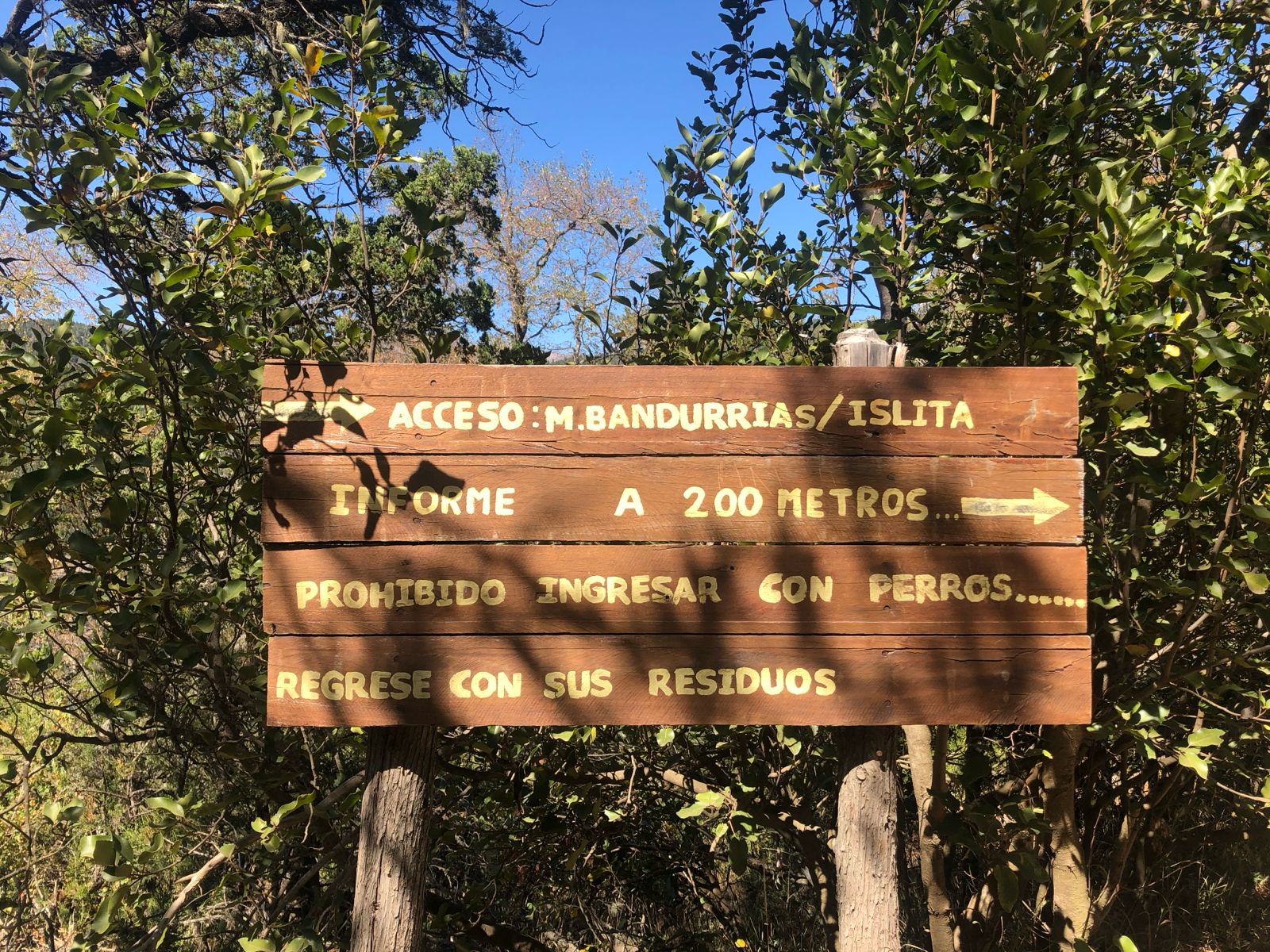
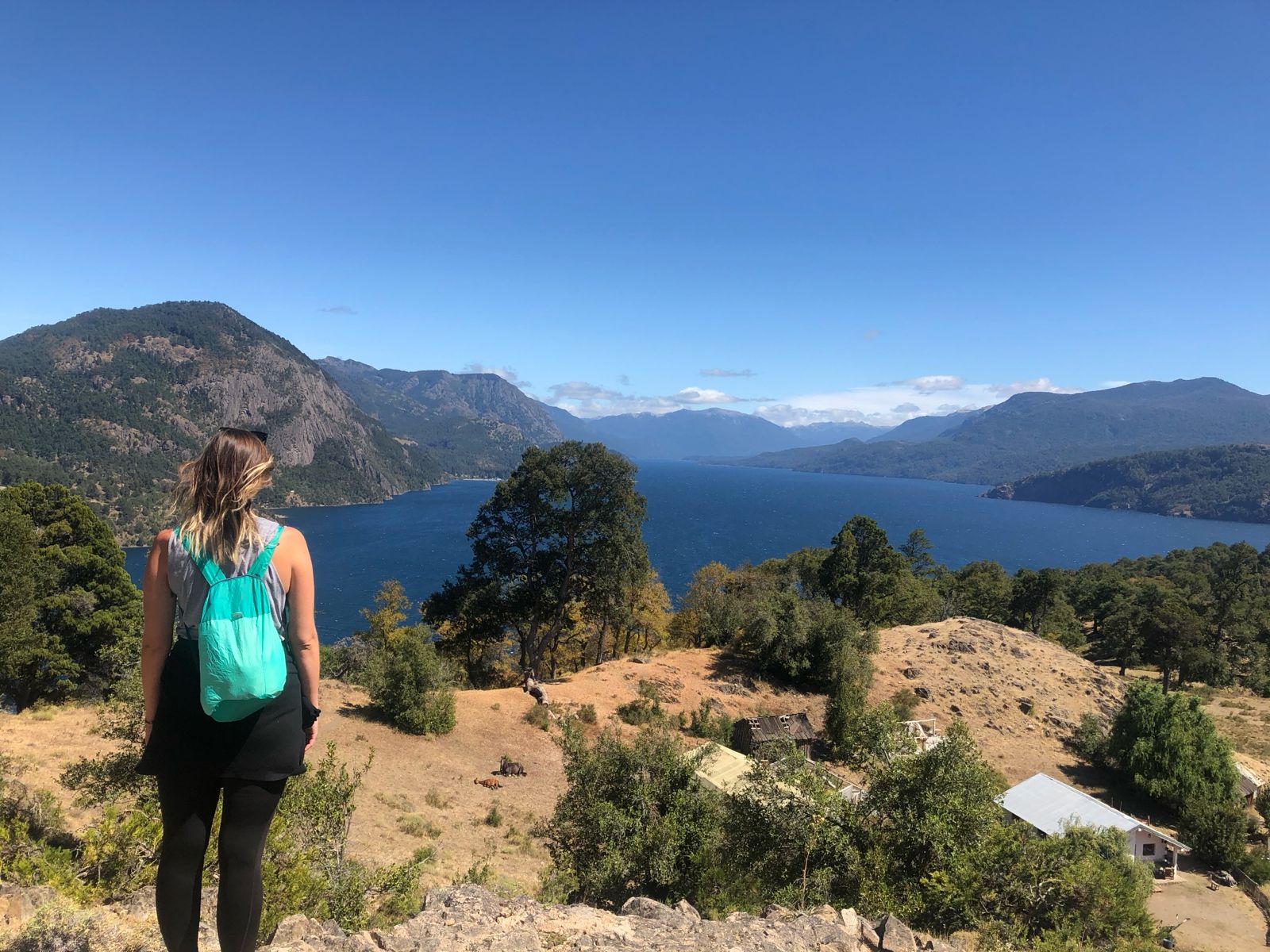
- The Trail: The path officially starts right behind the water treatment facility at the end of Juez del Valle Street. It is a gentle, steady climb through a coihue forest within the territory of the Mapuche Currhuinca Community (where a very small pedestrian access fee is collected). Reaching the top of the rocky cliff rewards you with a massive natural balcony overlooking the entire town and lake basin.
2. La Islita Beach Trail
- Difficulty: Low-Moderate
- Duration: 3 hours total (round trip from town)
- The Trail: This path shares the exact same start and forested stretch as the Bandurrias hike. However, once you reach the main fork at the upper section of the Mapuche territory, the trail continues heading west, descending gently through meadows and native bushes until it hits the lake shore. Your reward is a lovely fine-stone beach facing its famous tree-topped rocky island.
3. Cerro Colorado Ascent
- Difficulty: Moderate-High
- Duration: 5 to 6 hours total (round trip)
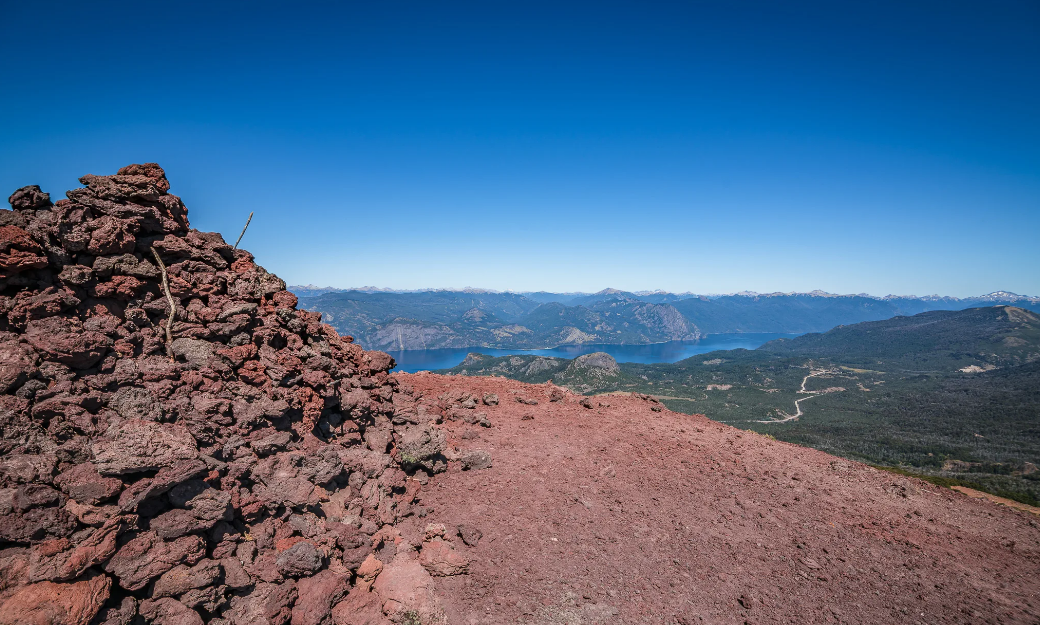
- The Trail: The quintessential mountain trek in the area for hikers seeking a traditional summit experience. The trailhead is located right along Provincial Route 48, directly across from the park ranger station on the way to Yuco. It demands a relentless and steep climb through a dense lenga forest that eventually transitions into loose, red volcanic slag and scree near the top. From the summit at nearly 1,800 meters above sea level, the panoramic vistas of the towering Lanín Volcano and surrounding lakes are absolutely mind-blowing.
Connection: The Seven Lakes Route
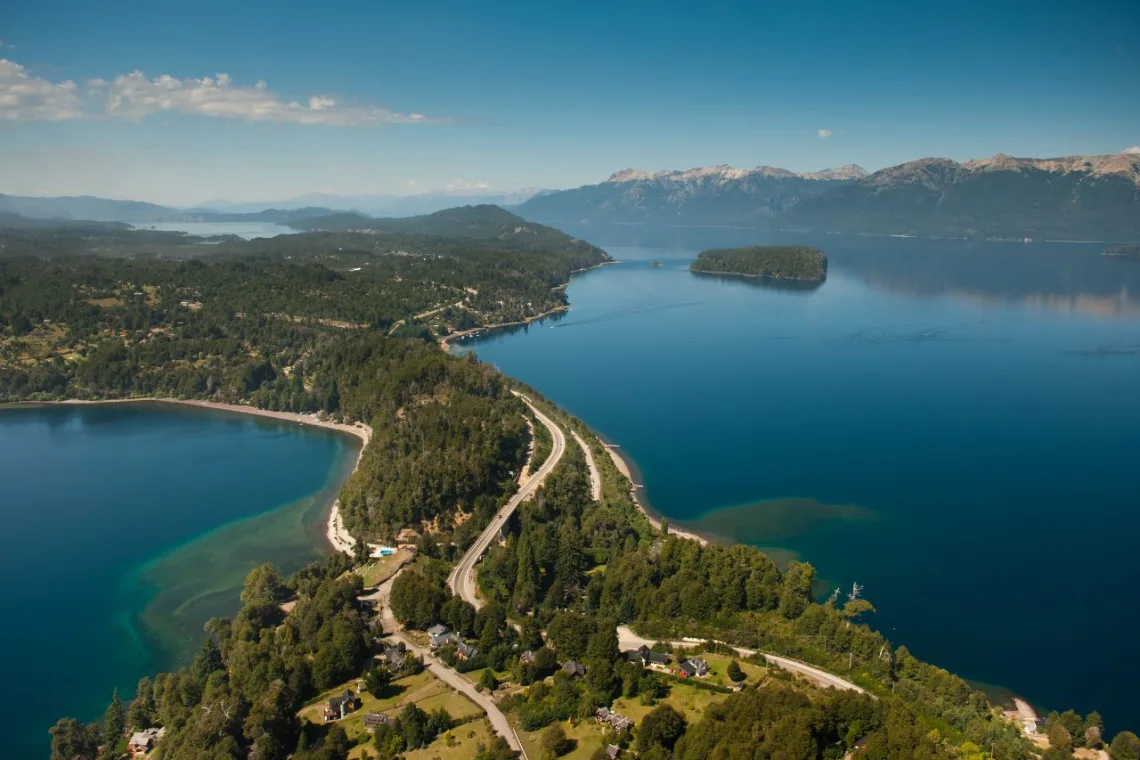
San Martín de los Andes serves as the northern hub of the legendary National Route 40 section that connects this city with Villa La Angostura over roughly 110 fully paved kilometers.
How to tackle the route successfully:
- Lakes along the way: Leaving San Martín, you will trace the shorelines of lakes Lácar, Machónico, Hermoso, Falkner, Villarino, Escondido, and Correntoso (alongside scenic detours to Lake Espejo and Meliquina).
- Logistics: The absolute best way to experience it is via a personal or rental car, dedicating a full day (about 6 to 8 hours) to comfortably stop at each of the marked viewpoints on the side of the road.
- Adventure alternative: This is globally celebrated as one of the ultimate routes for bicycle touring with panniers, usually taking 2 to 3 days with overnight camping at designated sites along Lake Falkner or Lake Villarino.
What to eat in San Martín de los Andes
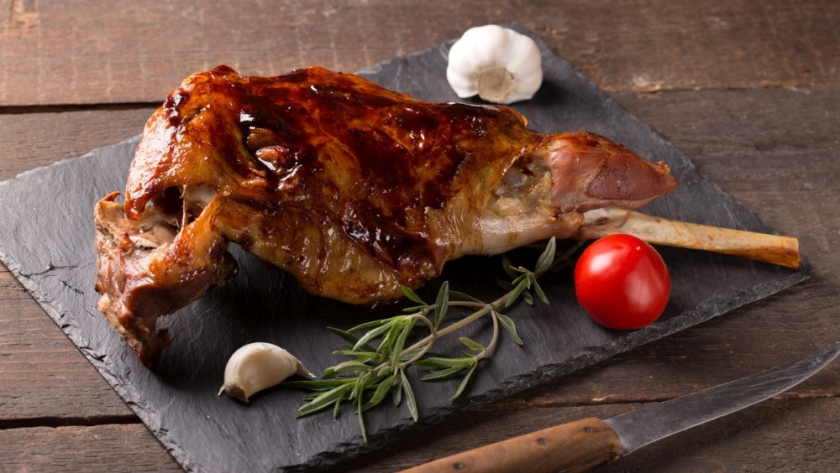
- Spit-roasted Patagonian Cordero (Lamb) – The crown jewel of local cuisine, slow-cooked over open wood fires using local piquillín logs.
- Wild Pine Mushroom dishes – Rich sauces, risottos, and stews elevated by autumn mushroom foraging across the regional forests.
- Chocolates with wild berries – Historic boutique chocolate shops along San Martín Ave. (such as Mamusia or Pata Negra) are essential stops.
- Welsh Tea – Found in cozy tea rooms near downtown or along the road to the Arrayán viewpoint, served alongside traditional cream cakes and warm scones.
Where to stay in San Martín de los Andes
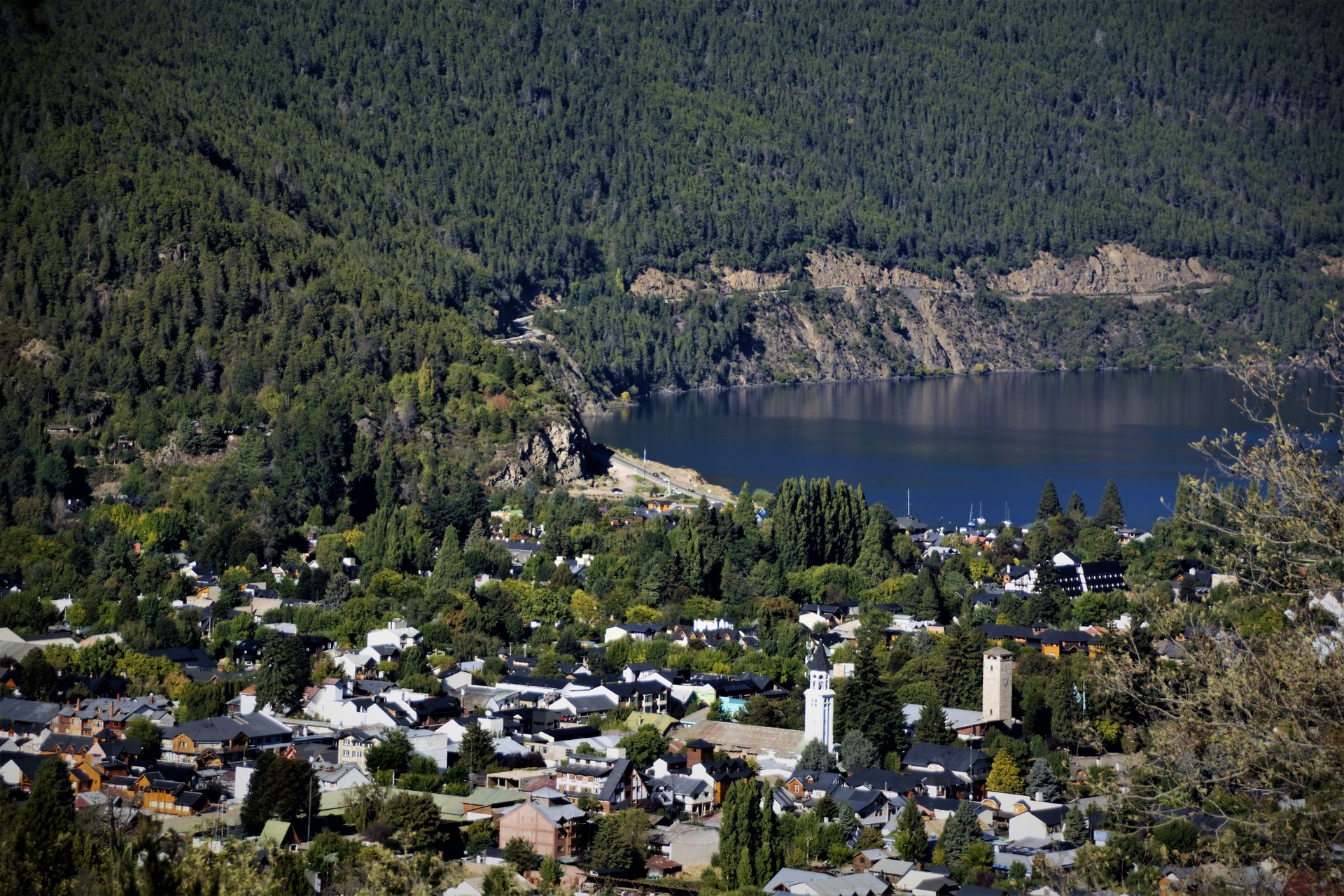
- Downtown (Casco Urbano): Ideal if you are traveling without a car. You are steps away from tour agencies, public bus stops, restaurants, and the main waterfront. The area is flat, highly walkable, and completely safe.
- The Viewpoint Roads (Upper Zones): Cozy lodges and apart-hotels built directly into the mountain slopes. They offer incredible, open vistas of Lake Lácar, though you will rely on a car or taxi to get back up after dining downtown.
- Las Pendientes: An exclusive alpine residential village located right up on Cerro Chapelco, custom-designed for the winter ski season with direct 'ski-in / ski-out' access to the slopes.
Getting around
- On Foot: The downtown grid is perfectly flat, highly organized, and deeply pedestrian-friendly.
- Local Buses (Suburban): The local bus transit network connects the city center with Lake Lolog, Quila Quina, and surrounding outer neighborhoods. You will need a prepaid SUBE card to ride.
- Boats / Catamarans: Daily passenger vessels operate straight from the waterfront pier, crossing over to Quila Quina or offering long-distance scenic navigations all the way to Hua Hum. It is a beautiful way to take in the Andean landscapes from the water.
Useful travel tips & regulations
- Metered Parking: Parking spaces within the commercial downtown core are regulated during daytime hours; keep an eye out for local street signs and parking apps to avoid fines.
- Strict No Fire Policy (Fuego Cero): Just like everywhere else in Patagonia, lighting open campfires outside of designated, organized campsites is strictly prohibited. Fines are incredibly heavy and environmental risks are extreme.
- Indigenous Communities: When entering areas like Quila Quina or La Islita, you are crossing through the ancestral lands of the local Mapuche communities. Please respect their guidelines, stay on designated paths, and remember they collect a small access fee that helps fund area upkeep.
You might also like
1- Lake Lácar Waterfront (Costanera) – The ultimate gathering spot in town. It is ideal for an evening stroll, sharing mates on the pier, or watching the mountains reflect on the water. This is also the main departure point for all lake boat excursions.
2- Yuco Beach (Playa Yuco) – Popularly known as the 'Caribbean of Patagonia.' It features a series of emerald-green, crystal-clear (and quite cold) bays surrounded by a dense forest of arrayanes and coihues. The massive rocks along the shore are perfect for sitting back and taking in the view.
3- Quila Quina – A stunning residential villa and beach located 18 km from downtown, within the lands of the Mapuche Currhuinca indigenous community. You can reach it via a winding gravel road offering incredible aerial views or by crossing the lake on a catamaran from the port.
4- La Islita – A beautiful, highly picturesque little beach very close to town. It stands out for a tiny rocky island covered in pine trees that you can easily swim or wade to if the water level is low. It is a favorite spot for younger crowds to spend the afternoon.
5- Cerro Chapelco – One of the most important and iconic ski resorts in Argentina. In winter, its world-class slopes weaving through lenga forests are a dream for skiers and snowboarders, while in summer it transforms into an adventure park featuring an alpine slide and climbing walls.
6- Lake Lolog and Playa Bonita – Located just 12 km from the city center. This is a massive lake with open, shallower shores, making the water temperature slightly warmer and friendlier during summer. Playa Bonita is its most popular beach destination.
7- Civic Center and Plaza San Martín – The urban heart of the town. The neatly designed grid layout is packed with artisan chocolate shops, mountain gear stores, and regional restaurants, all respecting a strict architectural code of native timber and limestone.
8- Villa Hua Hum and Chachín Waterfall – Driving about 50 km along Provincial Route 48 (gravel) towards the Chilean border brings you to one of the most humid areas of the national park (the Valdivian rainforest). The short forest trail leads to a viewing platform directly facing a roaring 30-meter waterfall.
9- Bandurrias Viewpoint (Mirador Bandurrias) – A classic hike that starts right from the edge of town. It climbs gradually through the forest, rewarding you with one of the finest head-on panoramic views of San Martín, the entire waterfront, and the beginning of Lake Lácar.
10- Arrayán Viewpoint (Mirador Arrayán) – Situated on the opposite side of the bay from Bandurrias. It can be accessed either by hiking or by car via a scenic gravel road. The view from the coffee shop at the top spans across the urban layout and the dramatic mountain ranges framing the town.
11- Lake Meliquina – About 40 km from downtown, following a short detour off the Seven Lakes Route. This rustic, emerging mountain village sits along a perfectly still lake and the quiet Meliquina River, making it the perfect place to completely unplug from the digital world (there is almost no cell service).
PUBLICIDAD
Travel with Data: Get your Saily eSIM
- ✓Internet in seconds upon landing
- ✓Flexible plans in 180+ countries
- ✓Easy setup directly via the App
If you love hiking, San Martín de los Andes boasts incredible trails tailored for all fitness levels. These are the three essential footpaths you should experience:
1. Bandurrias Viewpoint Hike
- Difficulty: Low
- Duration: 1.5 to 2 hours (round trip)
- The Trail: The path officially starts right behind the water treatment facility at the end of Juez del Valle Street. It is a gentle, steady climb through a coihue forest within the territory of the Mapuche Currhuinca Community (where a very small pedestrian access fee is collected). Reaching the top of the rocky cliff rewards you with a massive natural balcony overlooking the entire town and lake basin.
2. La Islita Beach Trail
- Difficulty: Low-Moderate
- Duration: 3 hours total (round trip from town)
- The Trail: This path shares the exact same start and forested stretch as the Bandurrias hike. However, once you reach the main fork at the upper section of the Mapuche territory, the trail continues heading west, descending gently through meadows and native bushes until it hits the lake shore. Your reward is a lovely fine-stone beach facing its famous tree-topped rocky island.
3. Cerro Colorado Ascent
- Difficulty: Moderate-High
- Duration: 5 to 6 hours total (round trip)
- The Trail: The quintessential mountain trek in the area for hikers seeking a traditional summit experience. The trailhead is located right along Provincial Route 48, directly across from the park ranger station on the way to Yuco. It demands a relentless and steep climb through a dense lenga forest that eventually transitions into loose, red volcanic slag and scree near the top. From the summit at nearly 1,800 meters above sea level, the panoramic vistas of the towering Lanín Volcano and surrounding lakes are absolutely mind-blowing.
San Martín de los Andes serves as the northern hub of the legendary National Route 40 section that connects this city with Villa La Angostura over roughly 110 fully paved kilometers.
How to tackle the route successfully:
- Lakes along the way: Leaving San Martín, you will trace the shorelines of lakes Lácar, Machónico, Hermoso, Falkner, Villarino, Escondido, and Correntoso (alongside scenic detours to Lake Espejo and Meliquina).
- Logistics: The absolute best way to experience it is via a personal or rental car, dedicating a full day (about 6 to 8 hours) to comfortably stop at each of the marked viewpoints on the side of the road.
- Adventure alternative: This is globally celebrated as one of the ultimate routes for bicycle touring with panniers, usually taking 2 to 3 days with overnight camping at designated sites along Lake Falkner or Lake Villarino.
- Spit-roasted Patagonian Cordero (Lamb) – The crown jewel of local cuisine, slow-cooked over open wood fires using local piquillín logs.
- Wild Pine Mushroom dishes – Rich sauces, risottos, and stews elevated by autumn mushroom foraging across the regional forests.
- Chocolates with wild berries – Historic boutique chocolate shops along San Martín Ave. (such as Mamusia or Pata Negra) are essential stops.
- Welsh Tea – Found in cozy tea rooms near downtown or along the road to the Arrayán viewpoint, served alongside traditional cream cakes and warm scones.
- Downtown (Casco Urbano): Ideal if you are traveling without a car. You are steps away from tour agencies, public bus stops, restaurants, and the main waterfront. The area is flat, highly walkable, and completely safe.
- The Viewpoint Roads (Upper Zones): Cozy lodges and apart-hotels built directly into the mountain slopes. They offer incredible, open vistas of Lake Lácar, though you will rely on a car or taxi to get back up after dining downtown.
- Las Pendientes: An exclusive alpine residential village located right up on Cerro Chapelco, custom-designed for the winter ski season with direct 'ski-in / ski-out' access to the slopes.
- On Foot: The downtown grid is perfectly flat, highly organized, and deeply pedestrian-friendly.
- Local Buses (Suburban): The local bus transit network connects the city center with Lake Lolog, Quila Quina, and surrounding outer neighborhoods. You will need a prepaid SUBE card to ride.
- Boats / Catamarans: Daily passenger vessels operate straight from the waterfront pier, crossing over to Quila Quina or offering long-distance scenic navigations all the way to Hua Hum. It is a beautiful way to take in the Andean landscapes from the water.
- Metered Parking: Parking spaces within the commercial downtown core are regulated during daytime hours; keep an eye out for local street signs and parking apps to avoid fines.
- Strict No Fire Policy (Fuego Cero): Just like everywhere else in Patagonia, lighting open campfires outside of designated, organized campsites is strictly prohibited. Fines are incredibly heavy and environmental risks are extreme.
- Indigenous Communities: When entering areas like Quila Quina or La Islita, you are crossing through the ancestral lands of the local Mapuche communities. Please respect their guidelines, stay on designated paths, and remember they collect a small access fee that helps fund area upkeep.
Galery
PUBLICIDAD
International Travel Insurance
- ✓International medical insurance
- ✓24/7 immediate assistance in your language
- ✓Ideal for trekking & adventure

Preferences
Language
Color
Text
Width