Table of contents and map
15 Best Things to Do in Mar del Plata 2026, Beach Map & Food Guide
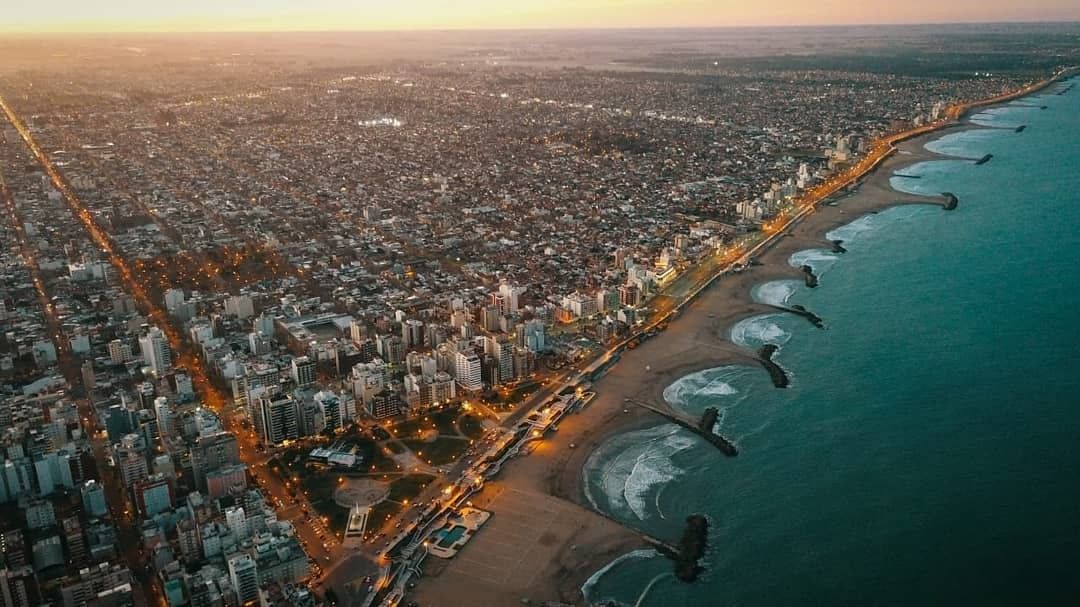
Mar del Plata, the 'Happy City,' is the most important seaside resort in Argentina and one of the country's most classic tourist destinations. Located on the Atlantic coast, it combines extensive beaches, urban life, gastronomy, shows, and a strong maritime identity. It is a city that changes according to the season: quiet and local during the year, and very active in summer, with proposals for all travel styles.
15 Best Things to Do in Mar del Plata 2026, Beach Map & Food Guide
Mar del Plata, the 'Happy City,' is the most important seaside resort in Argentina and one of the country's most classic tourist destinations. Located on the Atlantic coast, it combines extensive beaches, urban life, gastronomy, shows, and a strong maritime identity. It is a city that changes according to the season: quiet and local during the year, and very active in summer, with proposals for all travel styles.
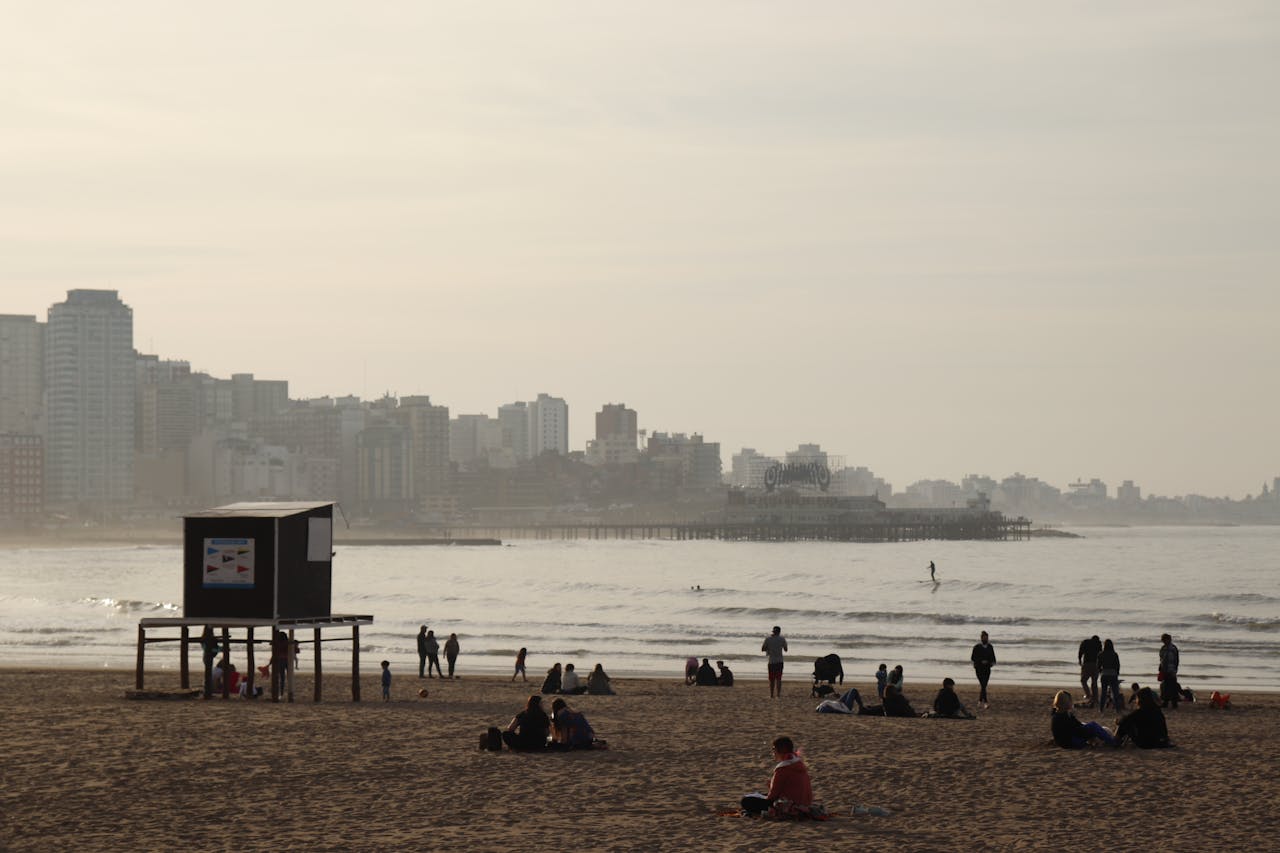
Mar del Plata offers a unique blend of sea and city. It is possible to spend the morning at the beach, have lunch at the port, visit traditional neighborhoods in the afternoon, and end the day with shows, gastronomy, or coastal walks. Its size, infrastructure, and diversity of proposals make it a versatile destination, ideal for both short getaways and long vacations.
15 Things to See in Mar del Plata
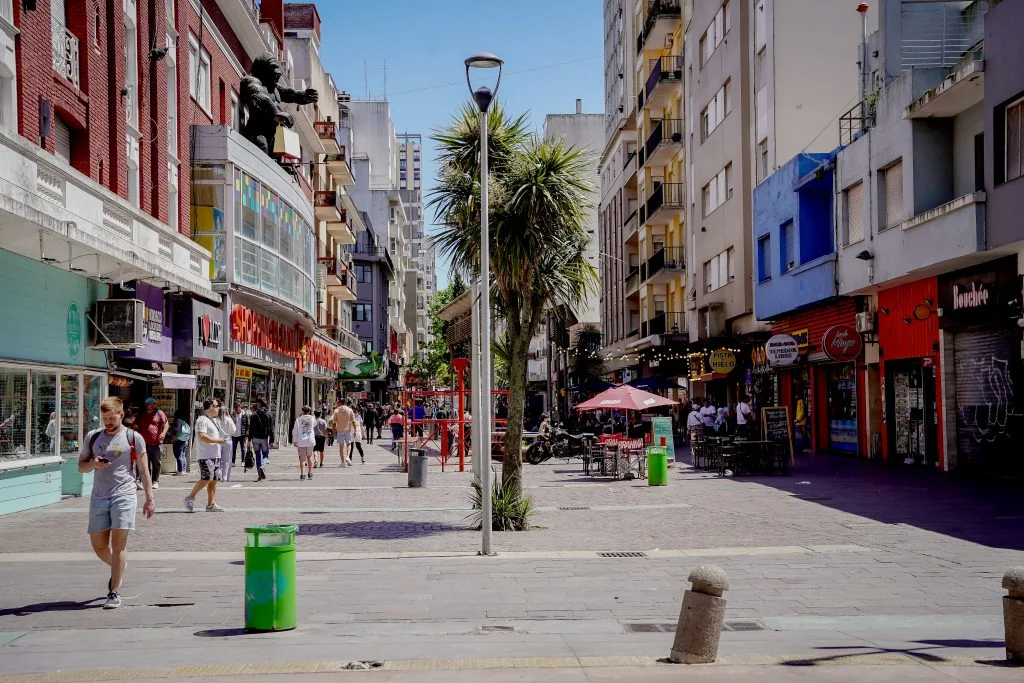
1- San Martin Pedestrian Street and Downtown: Central promenade with clothing stores, restaurants, bars, entertainment, and parks.
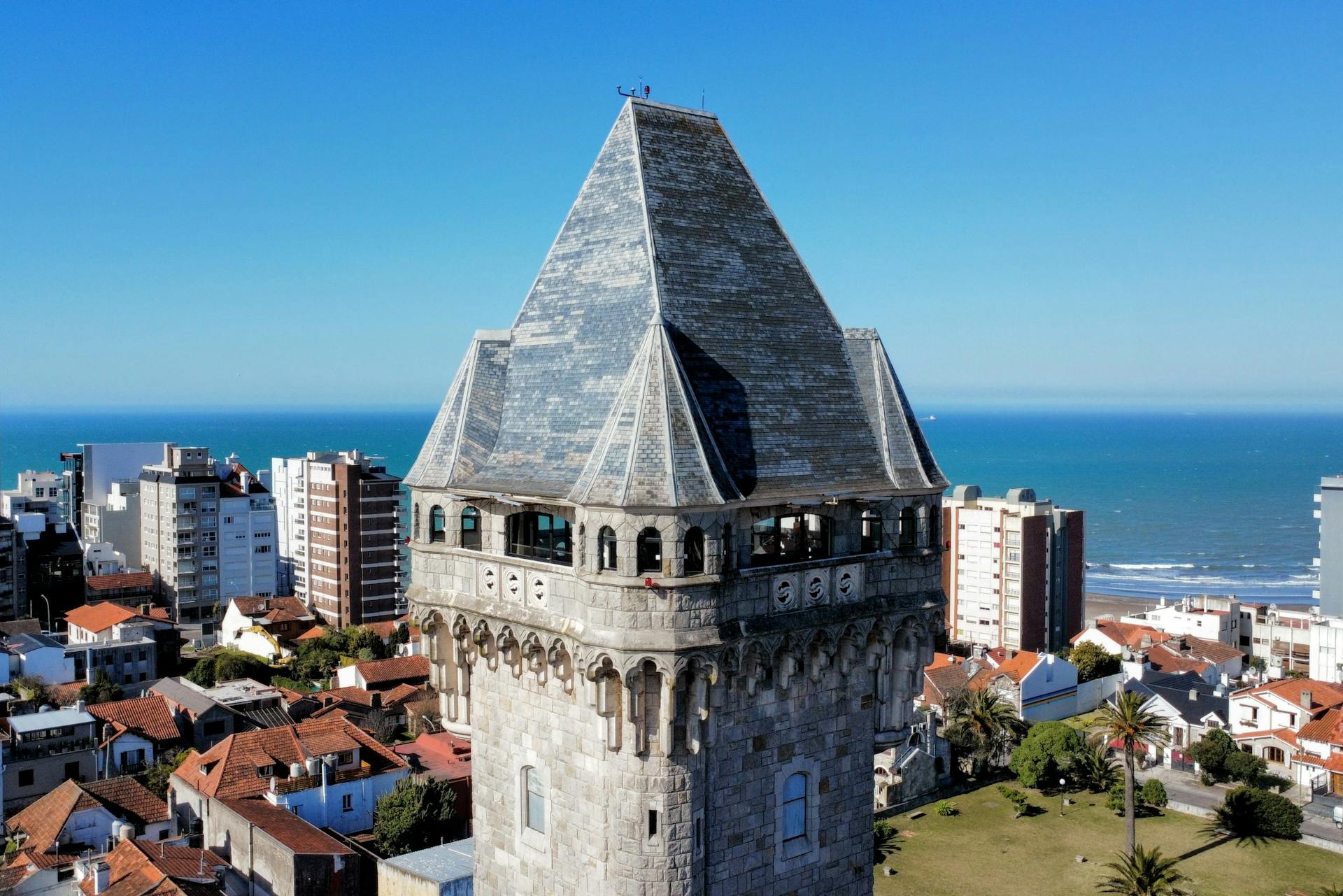
2- Water Tower (Torre Tanque): Located on the Stella Maris hill, this Tudor-style building is the highest 360° viewpoint in the city. You can take the elevator for free to see the entire city from nearly 80 meters high.
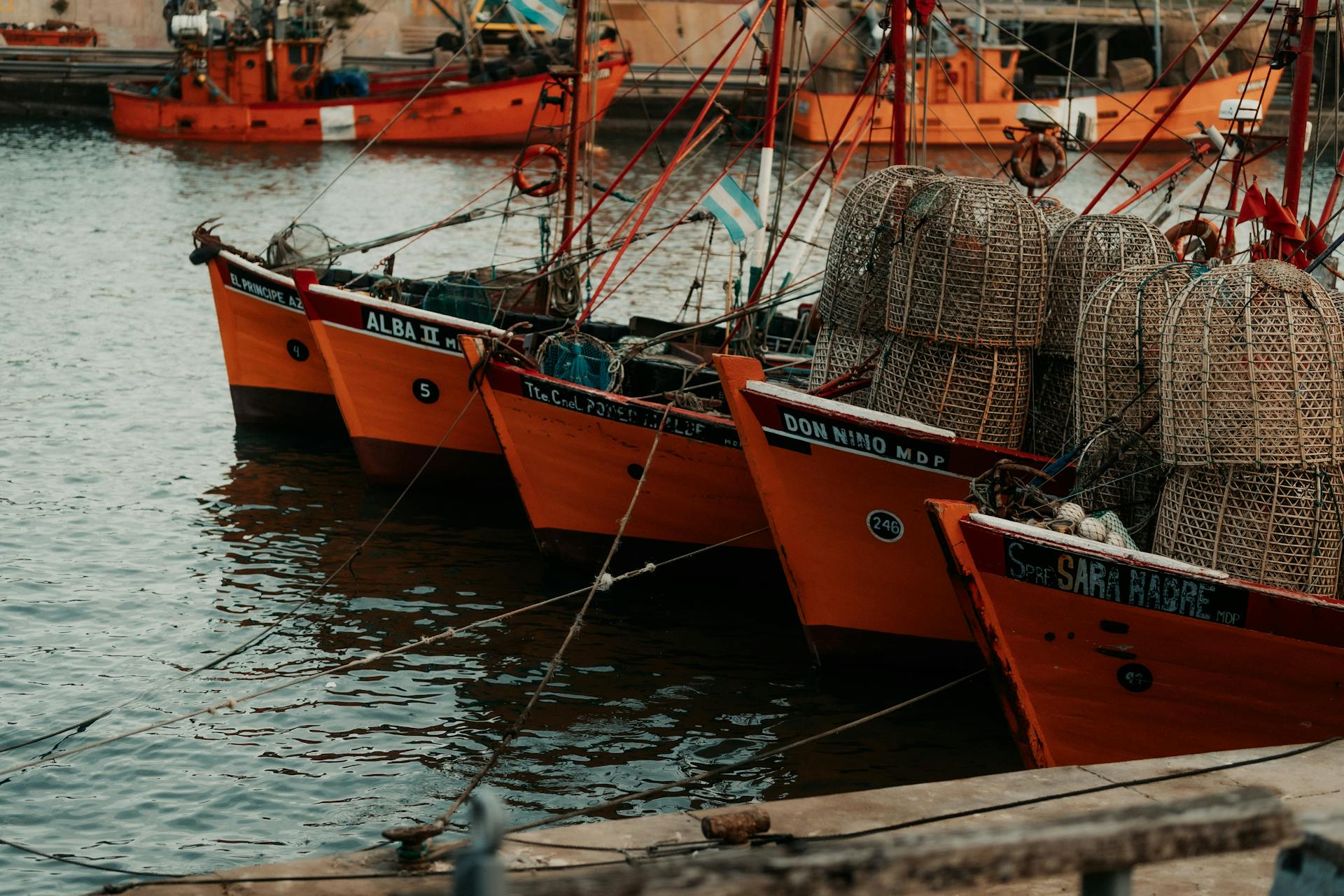
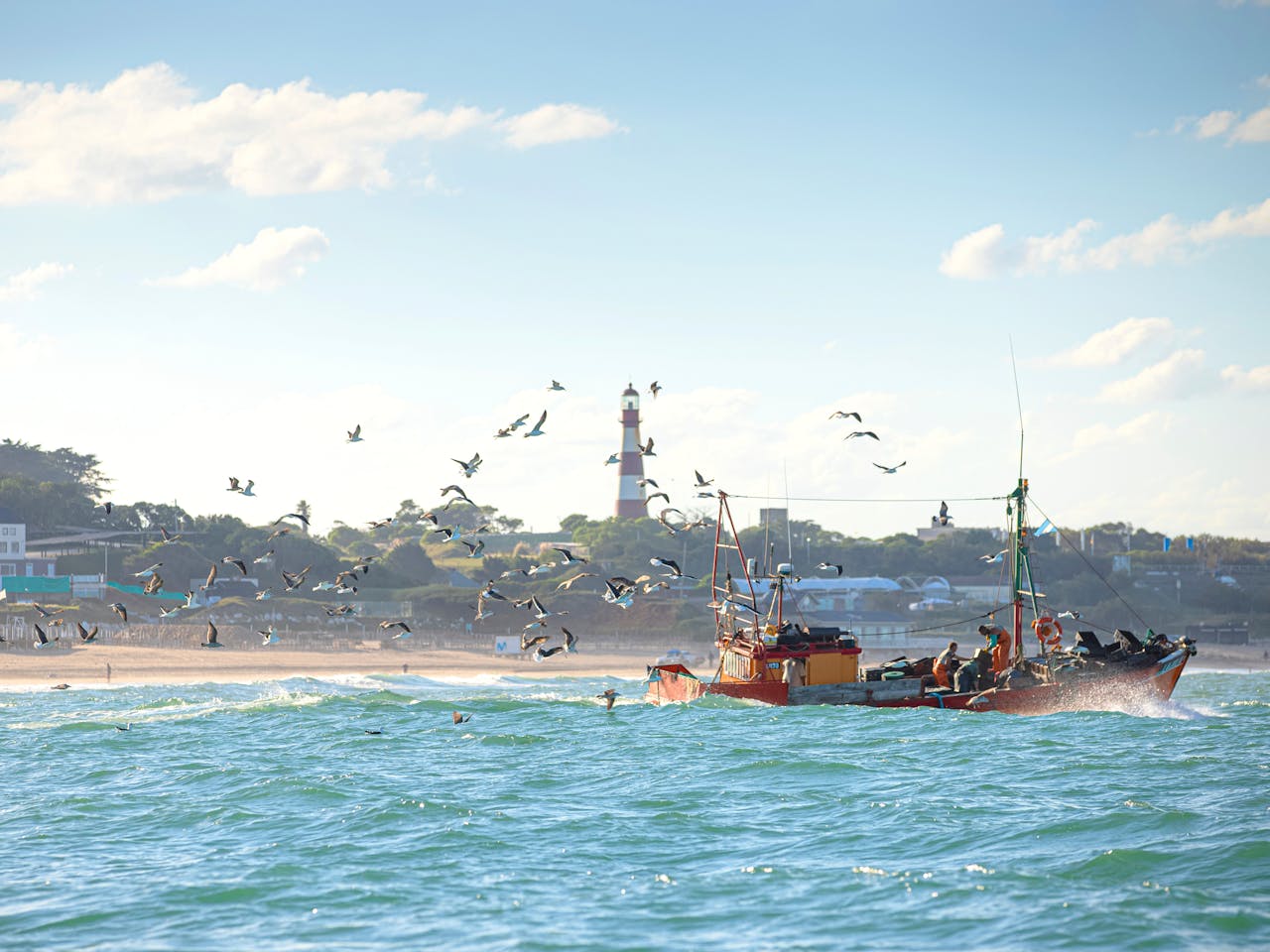
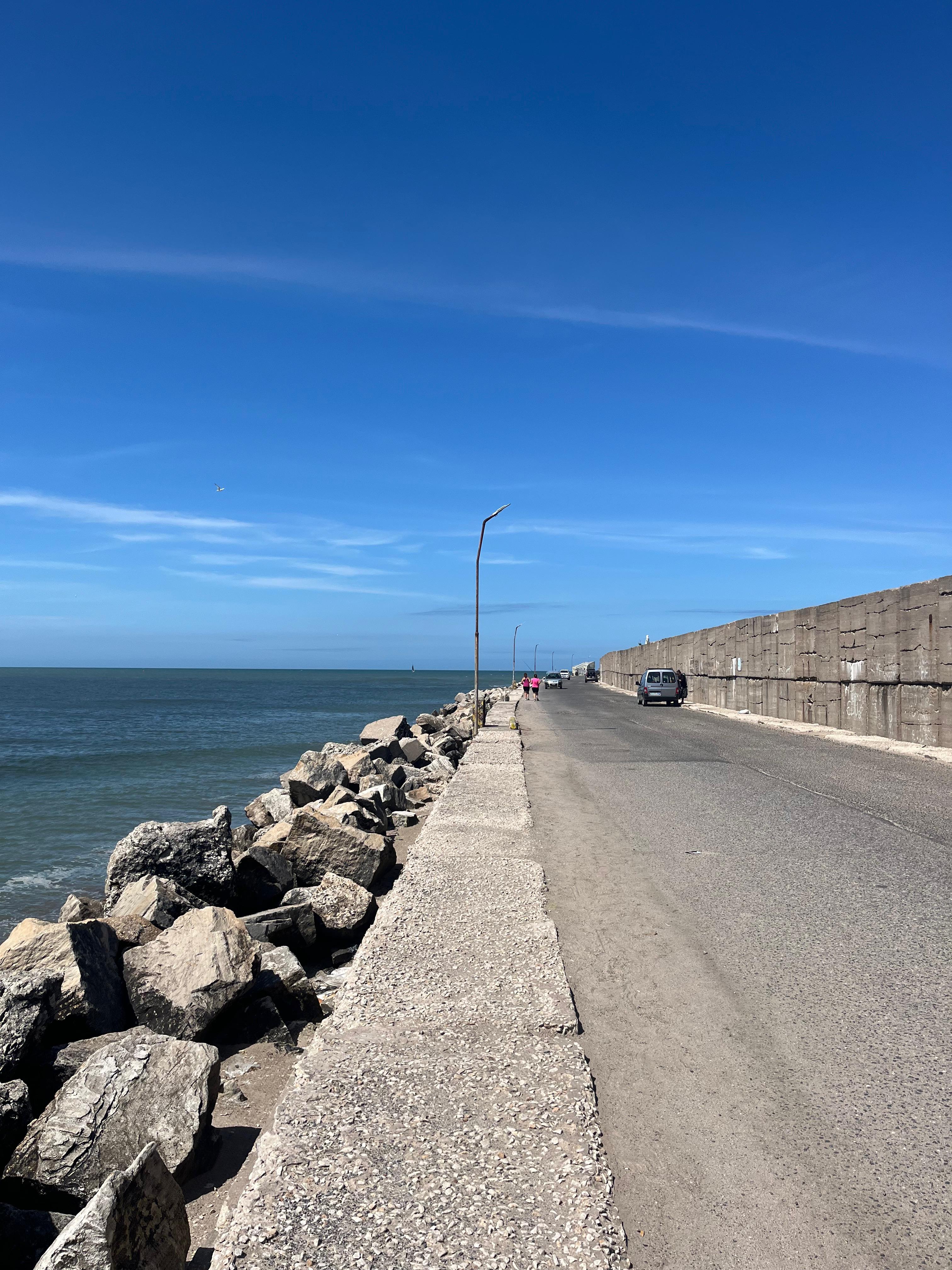
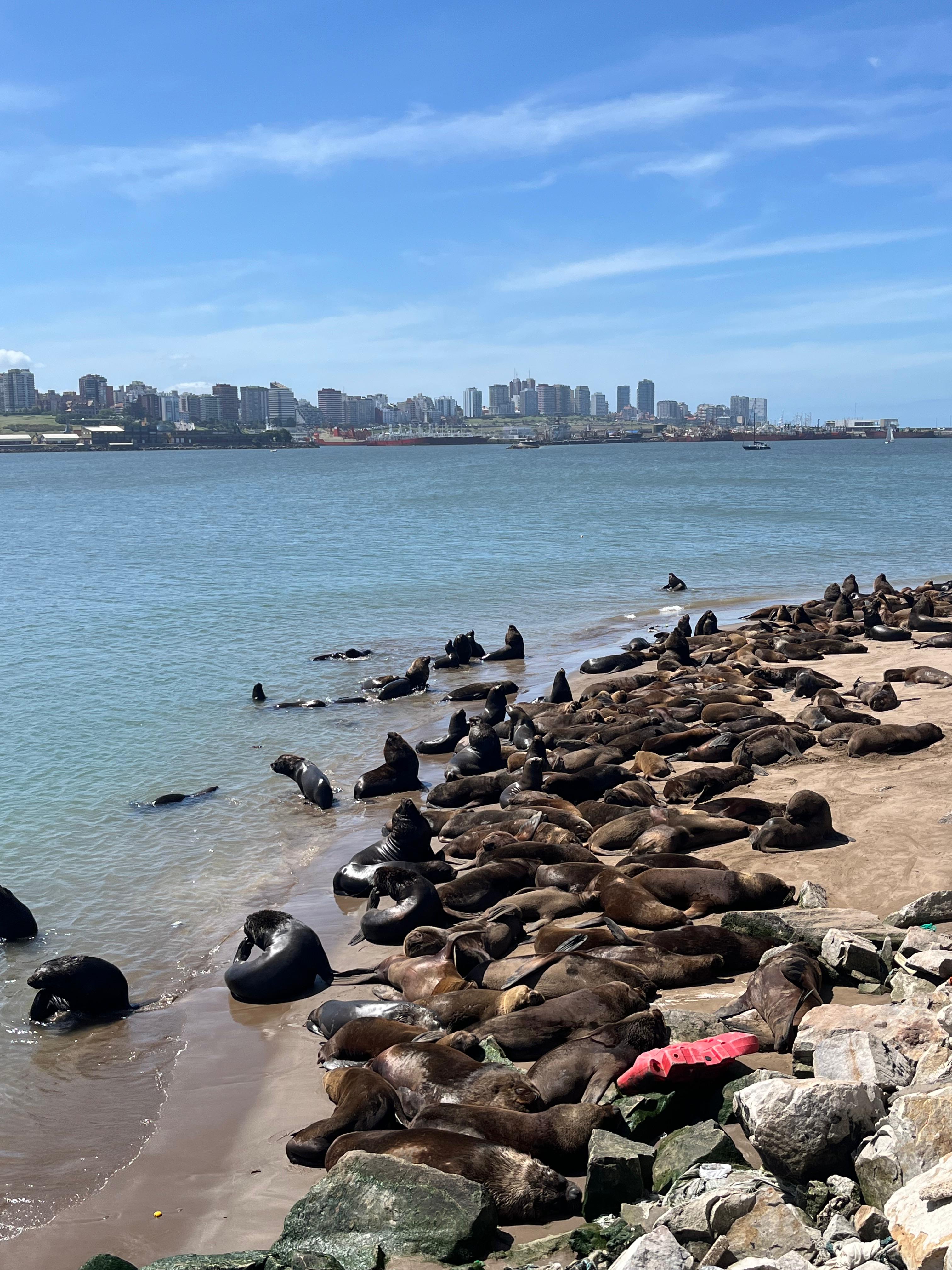
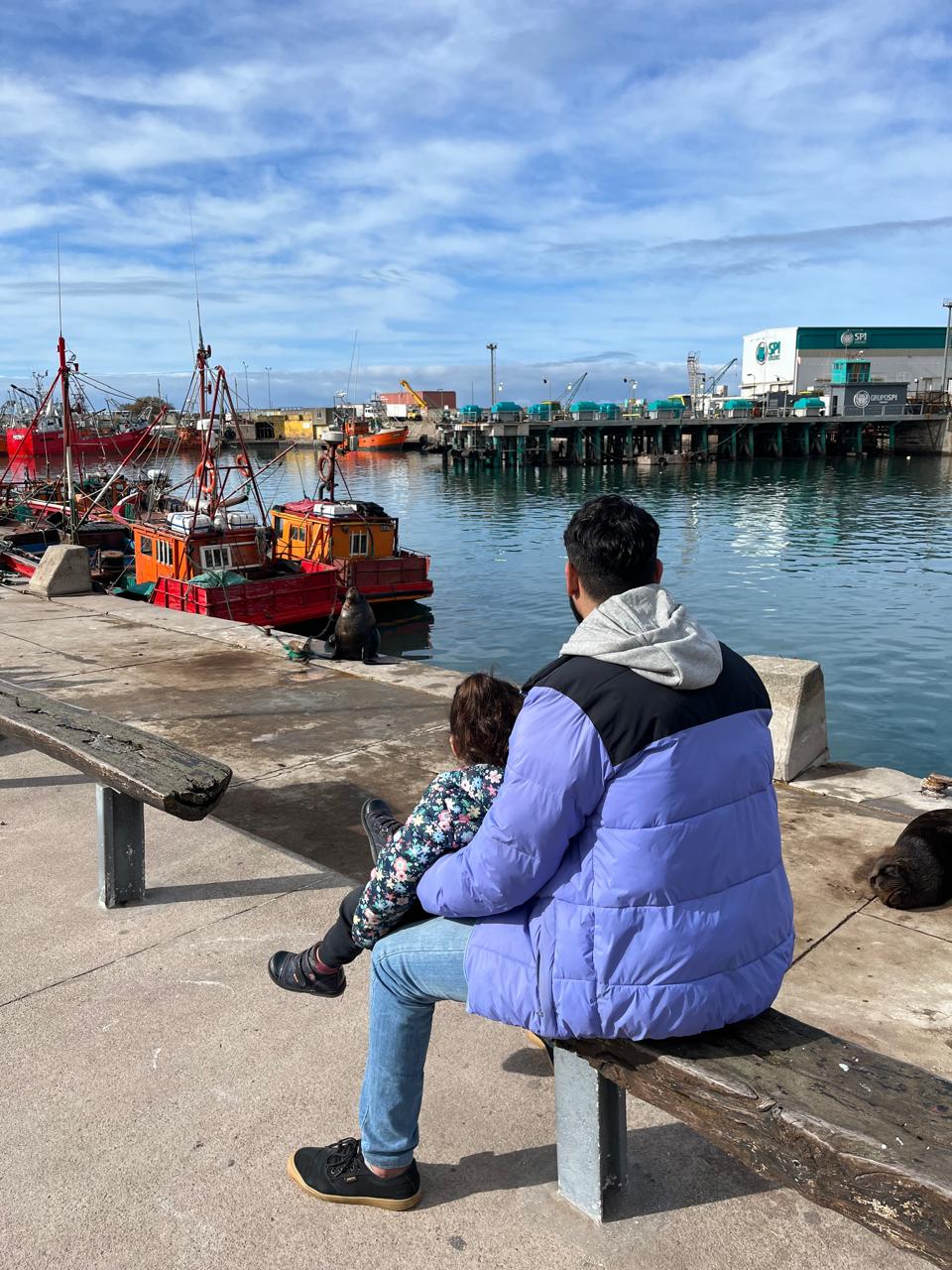
3- Port and Fishermen's Wharf: The authentic heart of the city. You can see the yellow boats, visit the sea lion reserve, and enjoy the best fresh seafood in its commercial center.
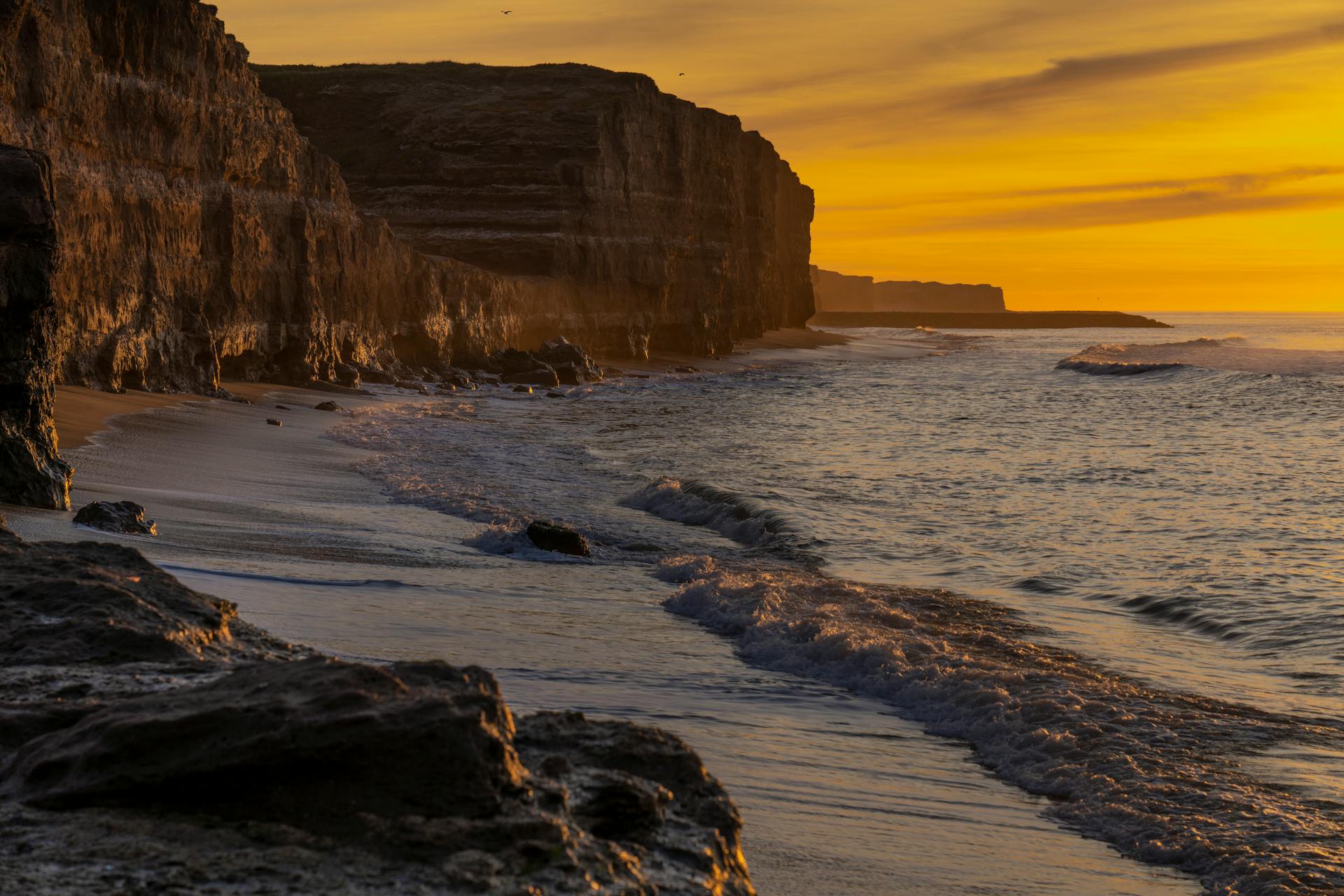
4- The Cliffs (Los Acantilados): Located to the south along Route 11, they offer a dramatic landscape of earthen walls facing the sea. It is the area with the wildest beaches and the best spot to watch sunsets in March 2026.
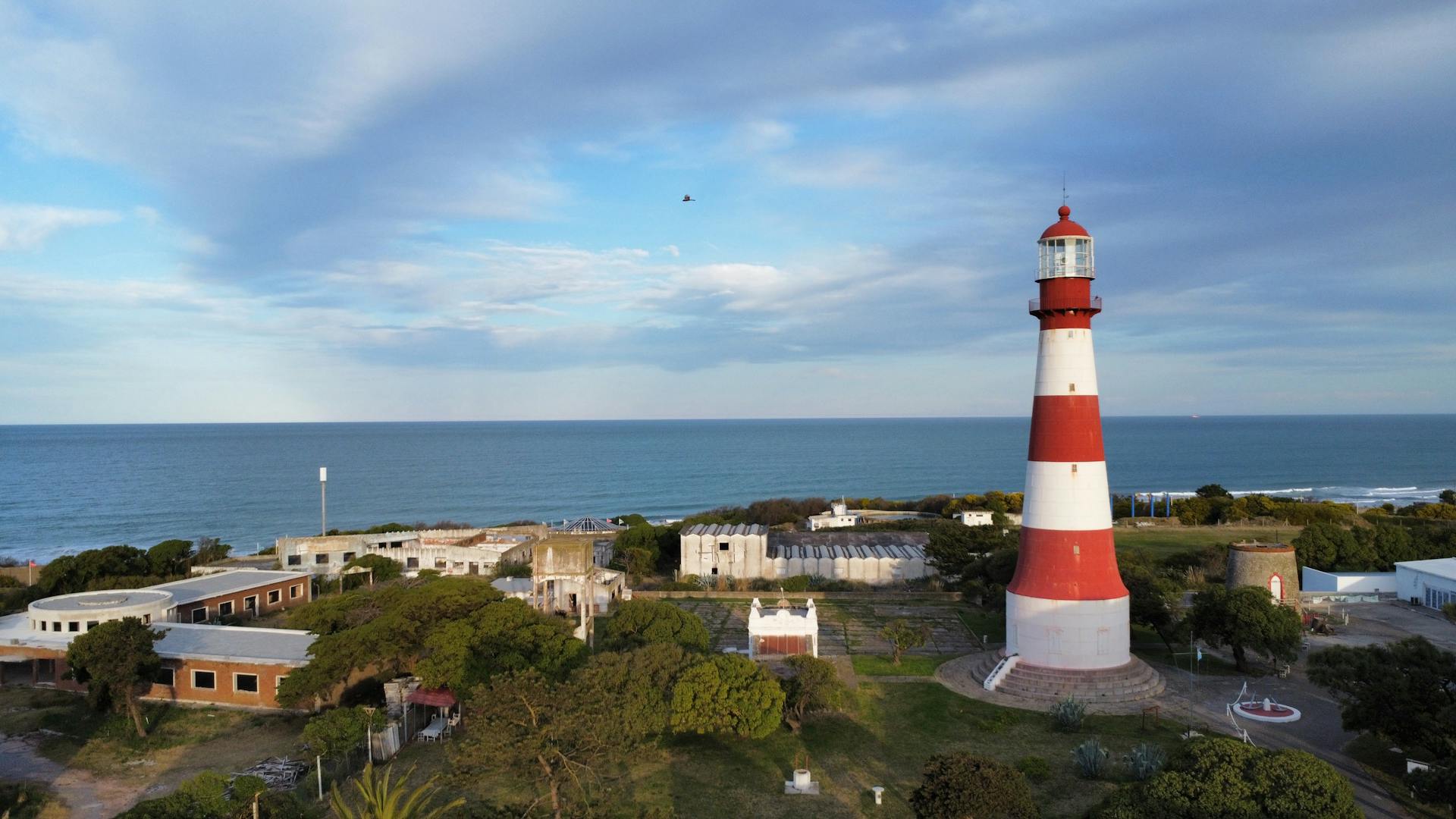
5- Punta Mogotes Lighthouse: A historical landmark from 1891 that divides the central bay from the open southern beaches. It is an unmistakable visual reference point and a symbol of the Buenos Aires coast.
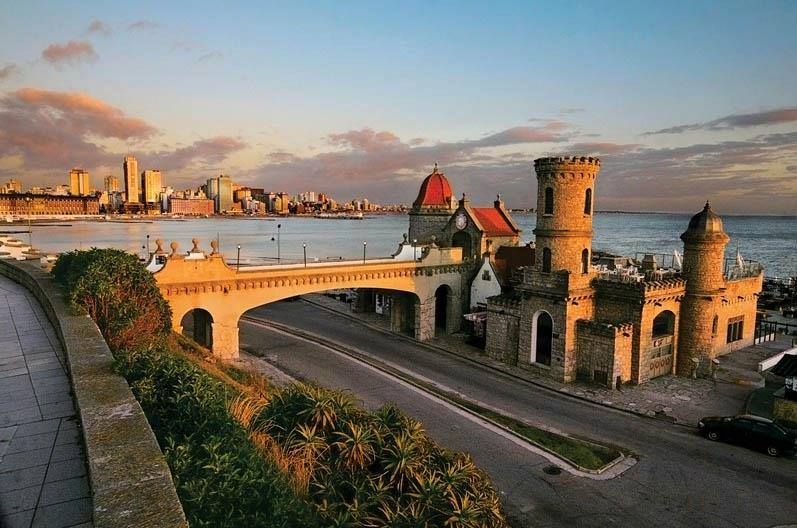
6- Torreón del Monje: A medieval-looking construction on the rocks of Punta Piedras. It is the most iconic spot on the coast to have a coffee while the waves break directly against its walls.
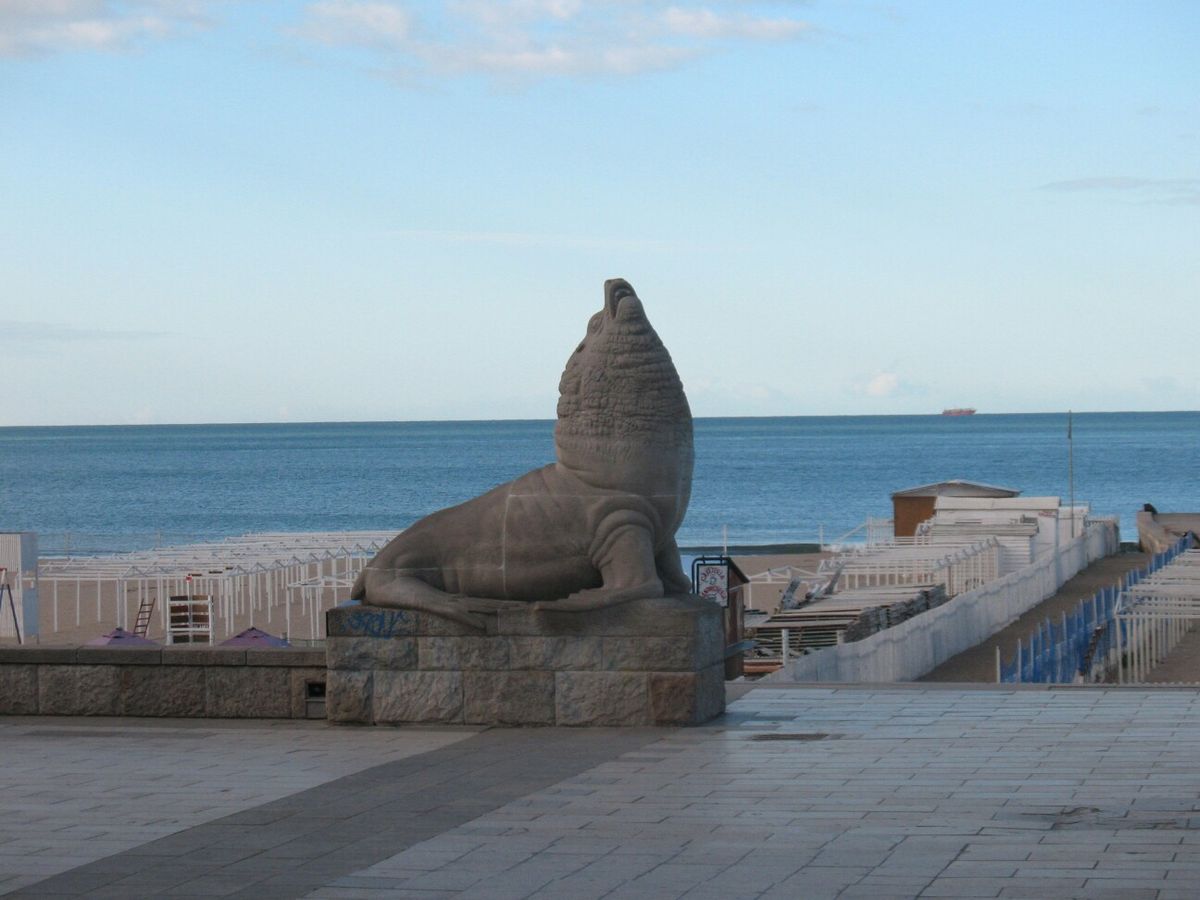
7- La Rambla and Stone Sea Lions: The architectural complex designed by Bustillo that houses the Casino and the Provincial Hotel. The sea lion statues are a mandatory photo for every visitor.
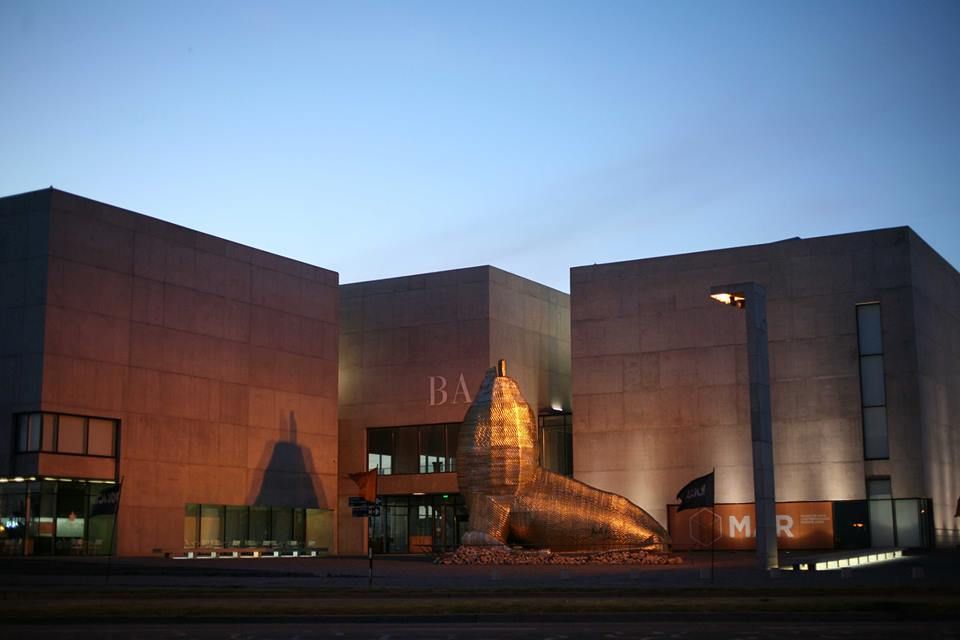
8- MAR Museum: An avant-garde contemporary art center in the northern area. Its free entry and the giant "Alfajor Sea Lion" by Marta Minujín make it an unmissable cultural hub.
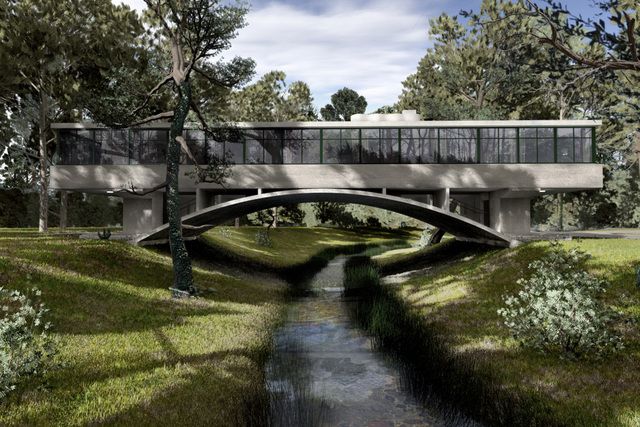
9- Bridge House (Casa sobre el Arroyo): A global modernist masterpiece designed by Amancio Williams. Recently restored, this house built over a stream is an essential visit for architecture lovers.
10- Varese Beach and Cabo Corrientes: The easternmost point of the Argentine coast. Its bay of calm waters is the center for nautical sports like Stand Up Paddle and kayaking.
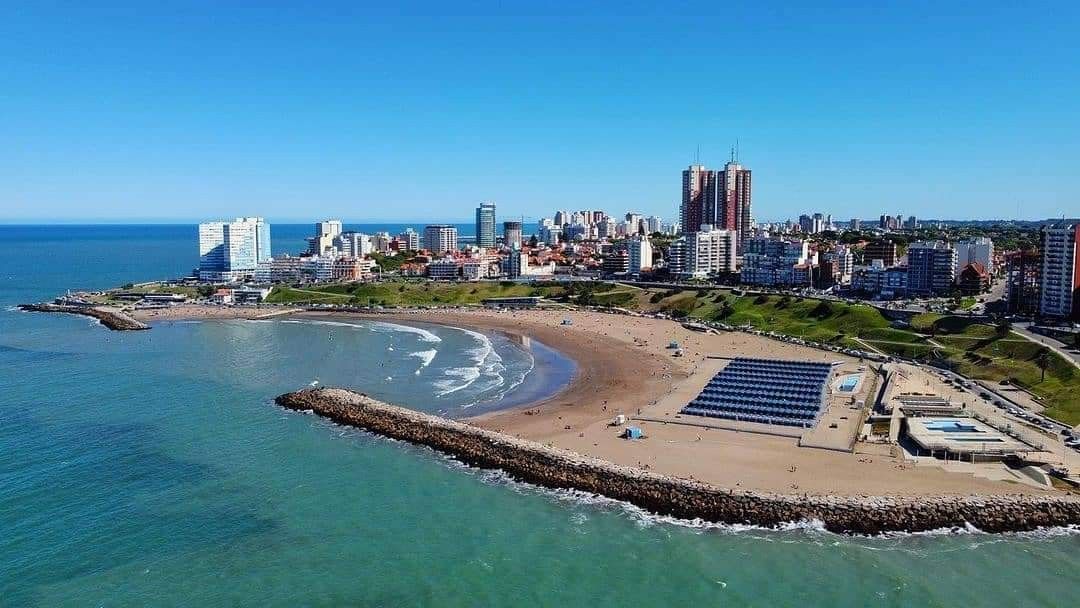
11- Villa Victoria: The former summer home of writer Victoria Ocampo. This wooden mansion brought from England now functions as a cultural center surrounded by spectacular gardens.
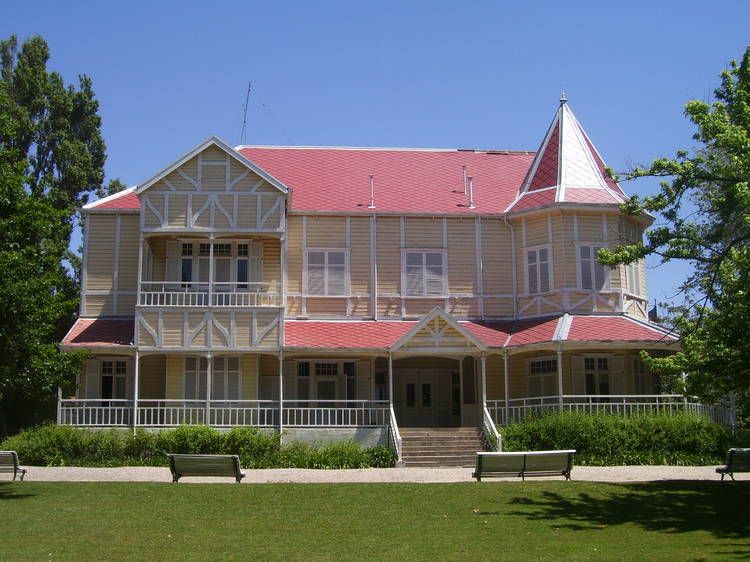
12- Peralta Ramos Forest: A 400-hectare forest reserve perfect for walks among the pines. It is home to the famous Cabaña del Bosque, the most emblematic and picturesque tea house in the region.
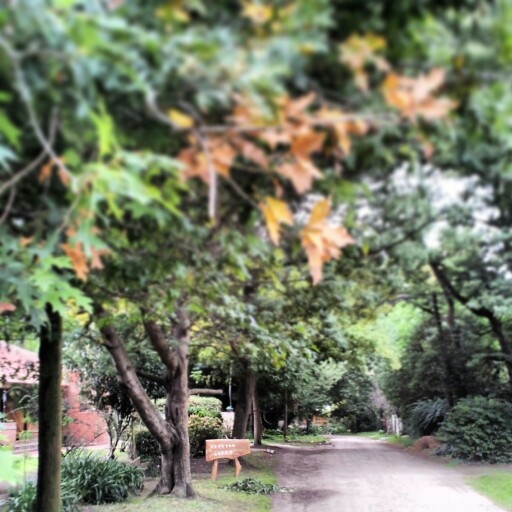
13- Sierra de los Padres: A hilly neighborhood on the Tandilia range ideal for connecting with nature. It offers panoramic views from the summit, the mystical Gruta de los Pañuelos, and a commercial center with regional products and grills.
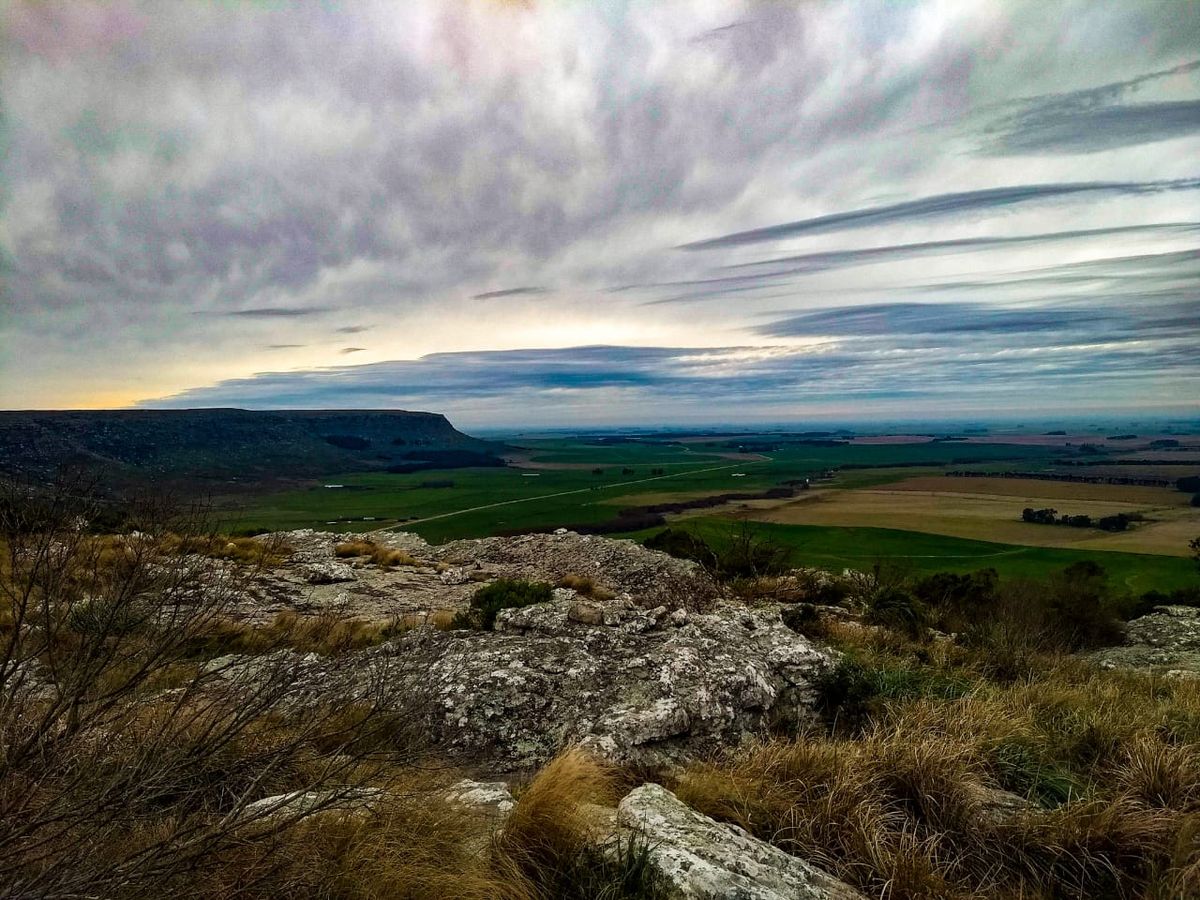
14- Laguna de los Padres: A natural reserve at the foot of the hills ideal for outdoor recreation. It allows for fishing, barbecues, and a visit to the historical reconstruction of the 18th-century Jesuit Mission.
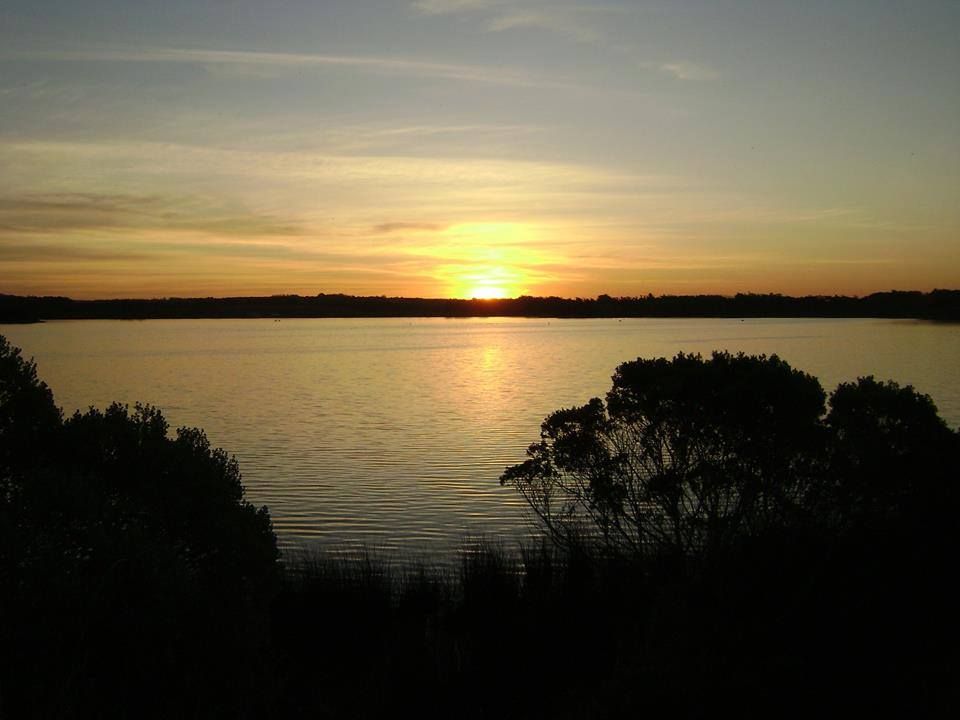
15- Güemes and Olavarría: The main commercial and nightlife hubs. Güemes stands out for its design shops, while Olavarría is home to the most important craft beer tour in the country.
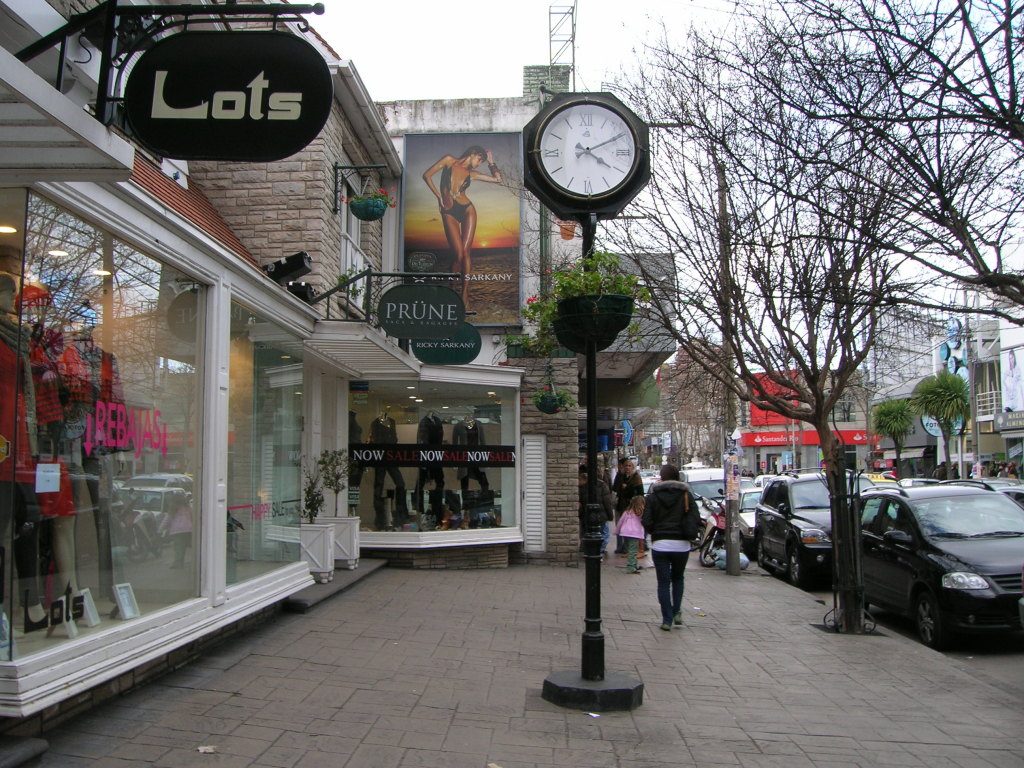
Beach Map (Activities and Styles)
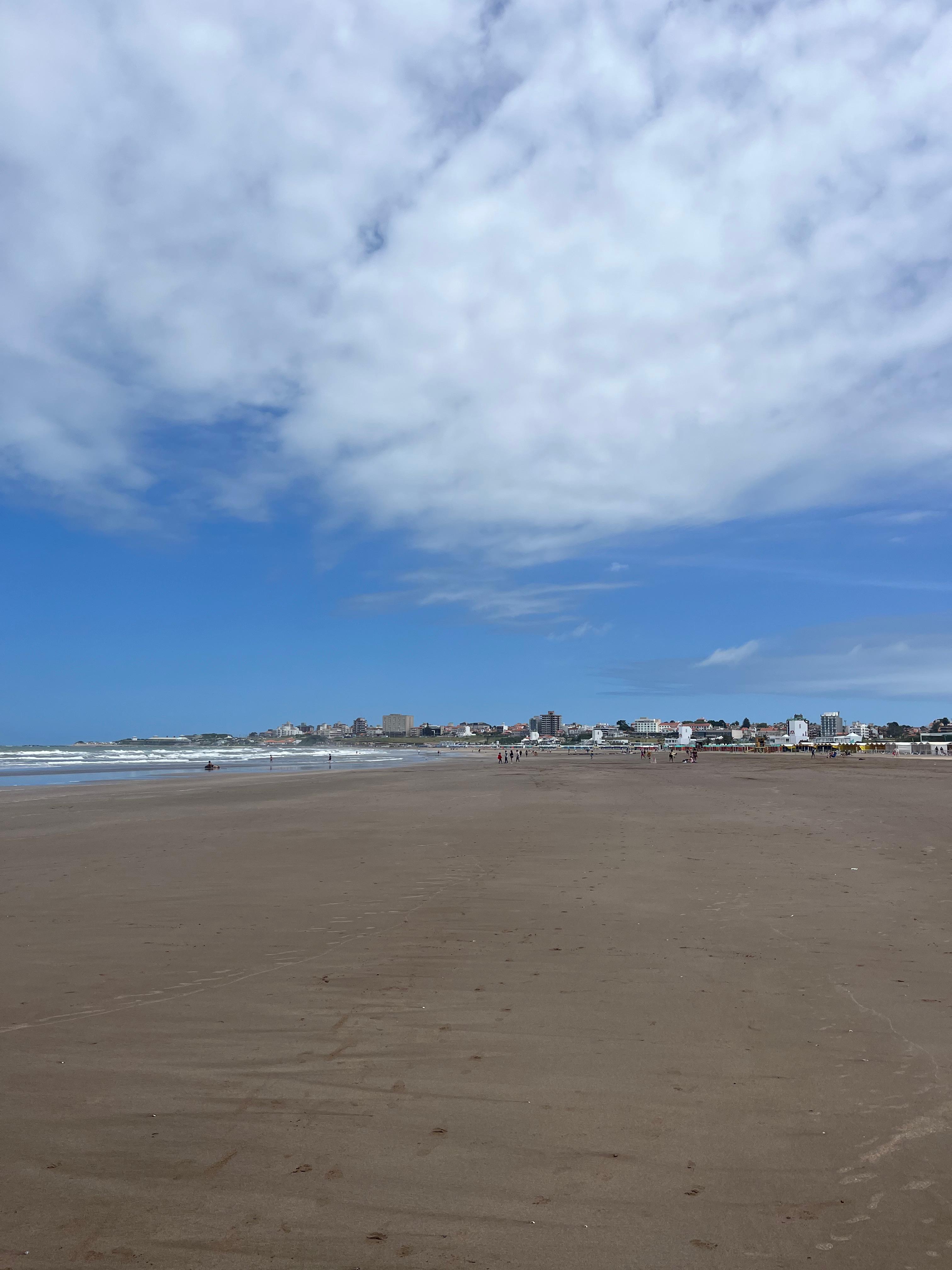
Varese Beach (Nautical Sports): Thanks to its bay shape enclosed by two breakwaters, the water is very calm. Activity: It is the number one spot for Stand Up Paddle (SUP), kayaking, and surf lessons for beginners. It is also ideal for a night walk due to its lighting.
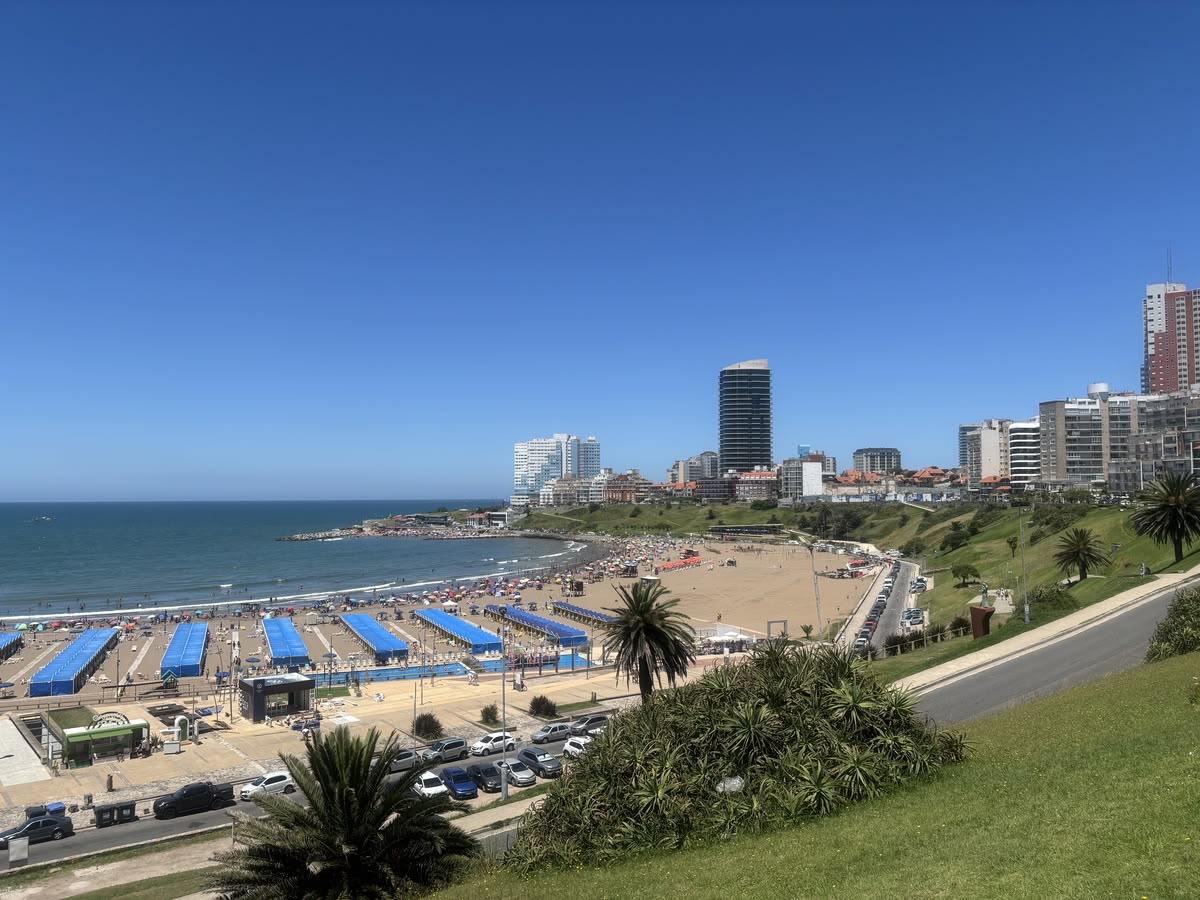
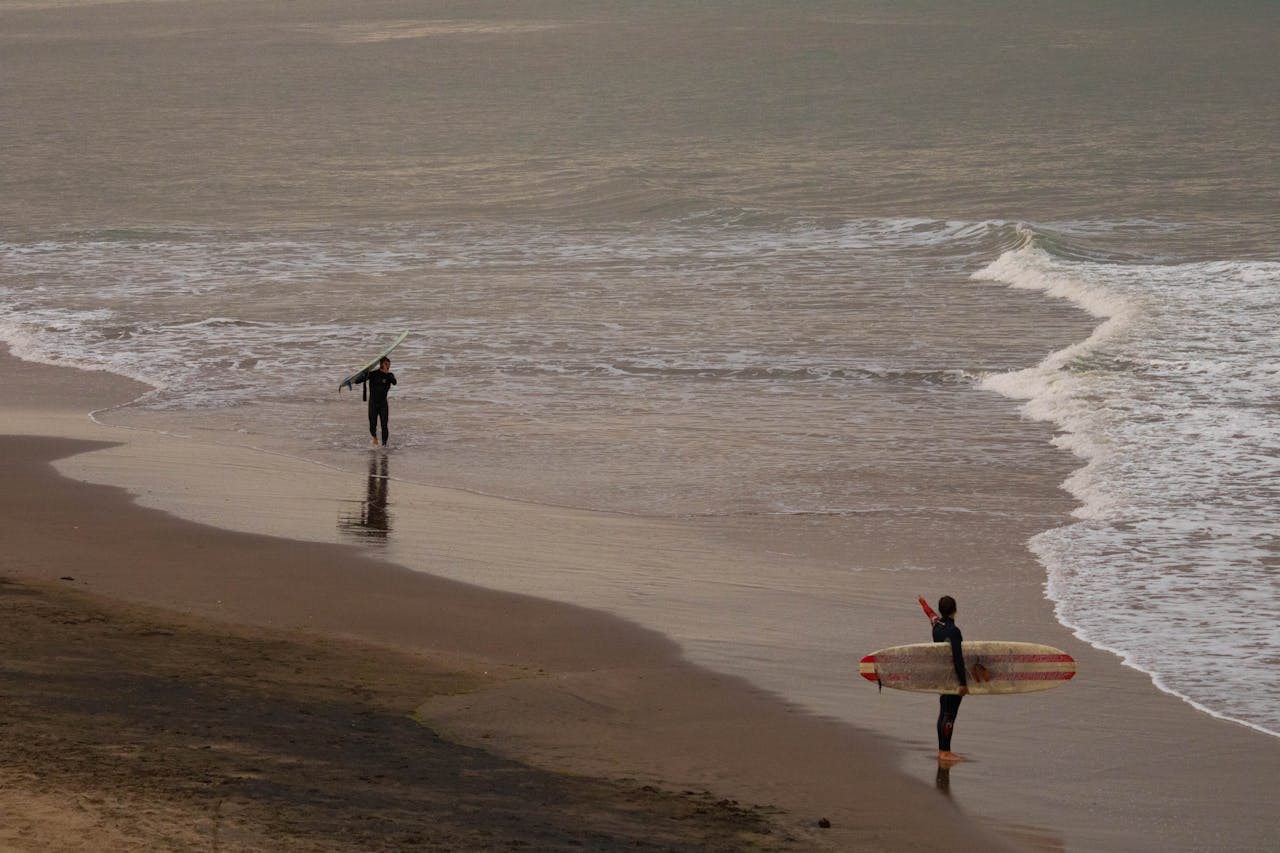
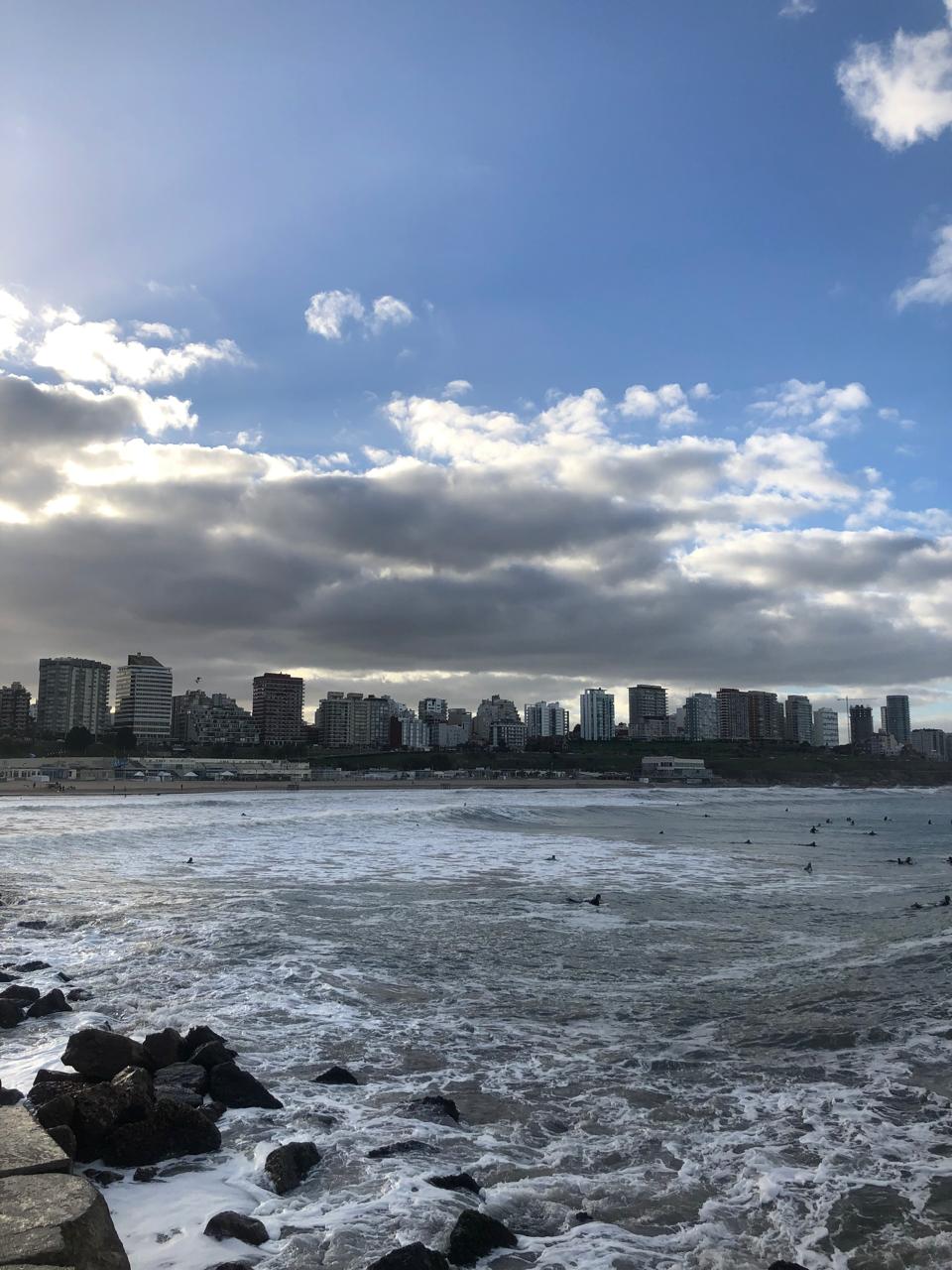
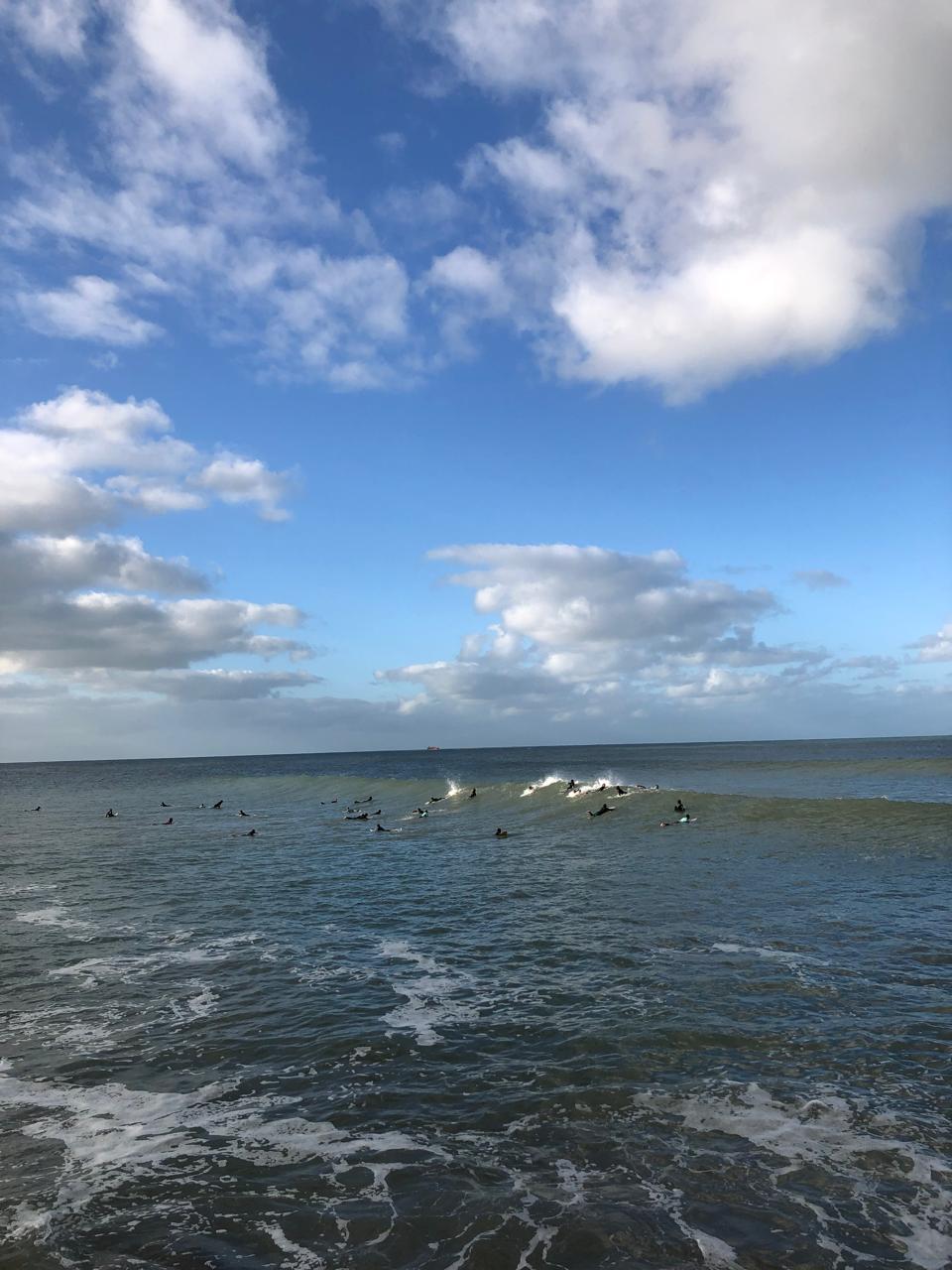
Playa Grande (Surf and "After Beach"): The chicest beach in the city, right next to the Golf course and San Martín Park. Activity: It is the cradle of surfing in Argentina. At sunset, the steps and beach bars fill with young people for the "after beach" with music and drinks.
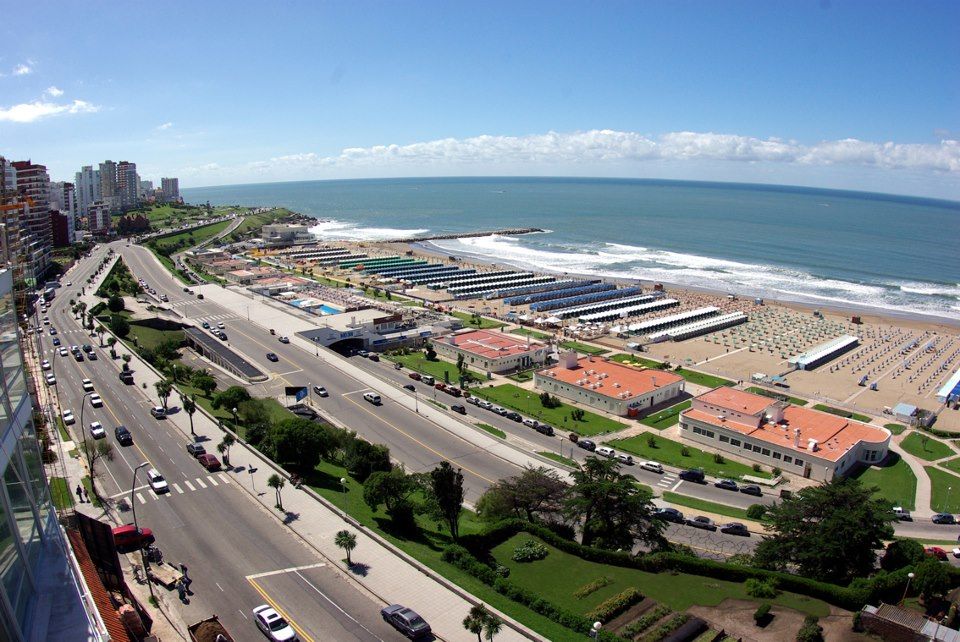
La Perla (Tradition and Family): This is the northern part of the downtown area. These are beaches with jetties that slow the waves, making them ideal for families with kids. Activity: Walk through its resorts connected by modern walkways (remodeled by architect Clorindo Testa).
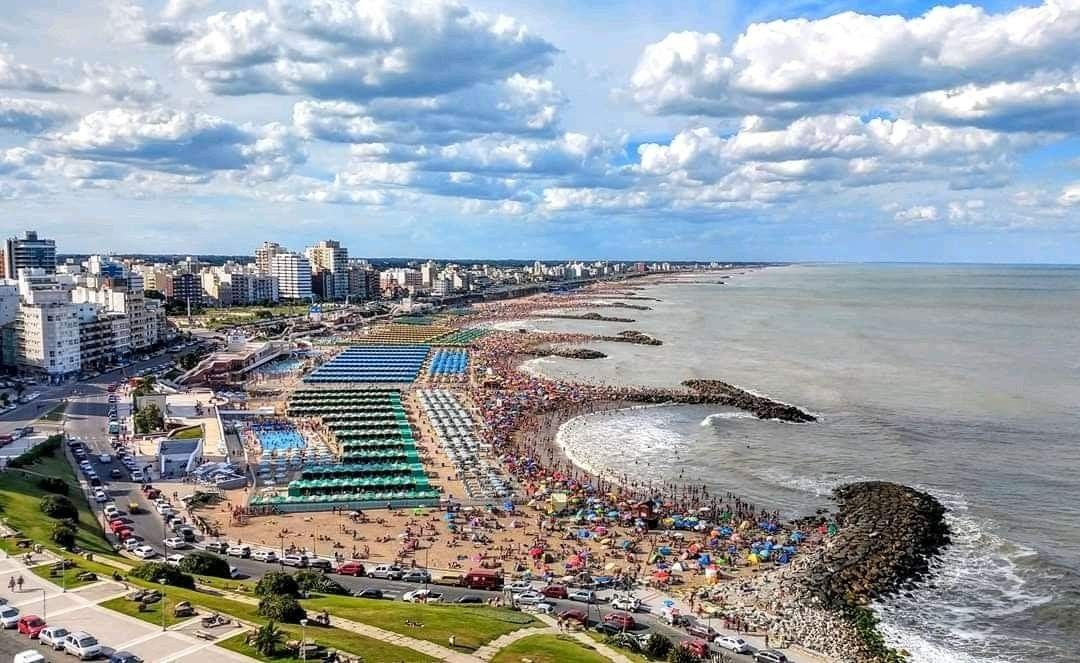
Punta Mogotes (Space and Tents): A complex of 24 beach resorts with tents (carpas), pools, and football/volleyball courts. Activity: This is the classic "tent rental" experience for the day. Ideal for those looking for services: gym, spa, and plenty of organized recreation.
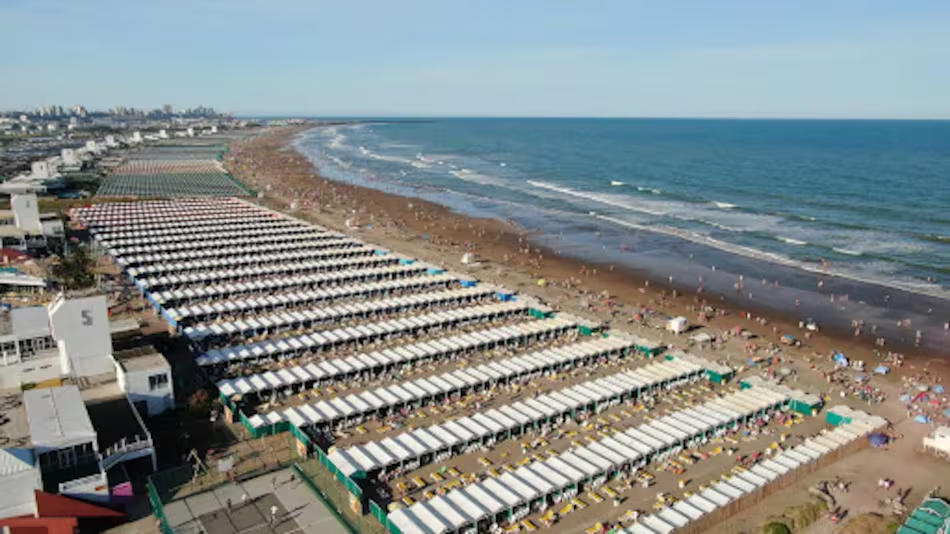
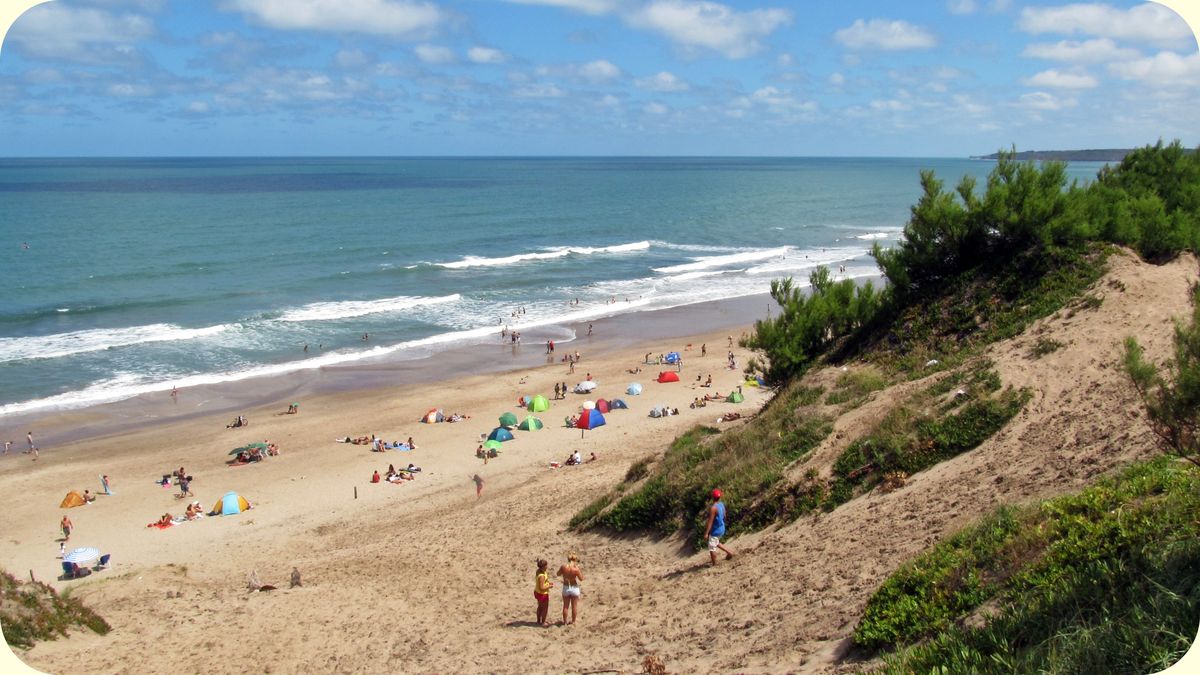
Southern Beaches (Exclusivity and Relax): Passing the Lighthouse, private beach clubs appear in a more natural environment of cliffs. Activity: DJ sets, beach parties, and a more relaxed atmosphere rule here, away from the city noise. These are "open" beaches with stronger waves for experienced surfers.
How to Get Around Mar del Plata
- On foot: Ideal for the downtown and the coastline.
- Bus (Colectivo): Connects beaches and neighborhoods.
- Car: Recommended for visiting the southern beaches.
- Taxi and Remís: Available year-round.
- Transportation Apps: They are not officially enabled, though they do operate.
What to Eat in Mar del Plata
Mar del Plata's gastronomy has a strong maritime profile, while still including Argentine classics.
-
Fish and Seafood – Fresh and prepared in many ways.
-
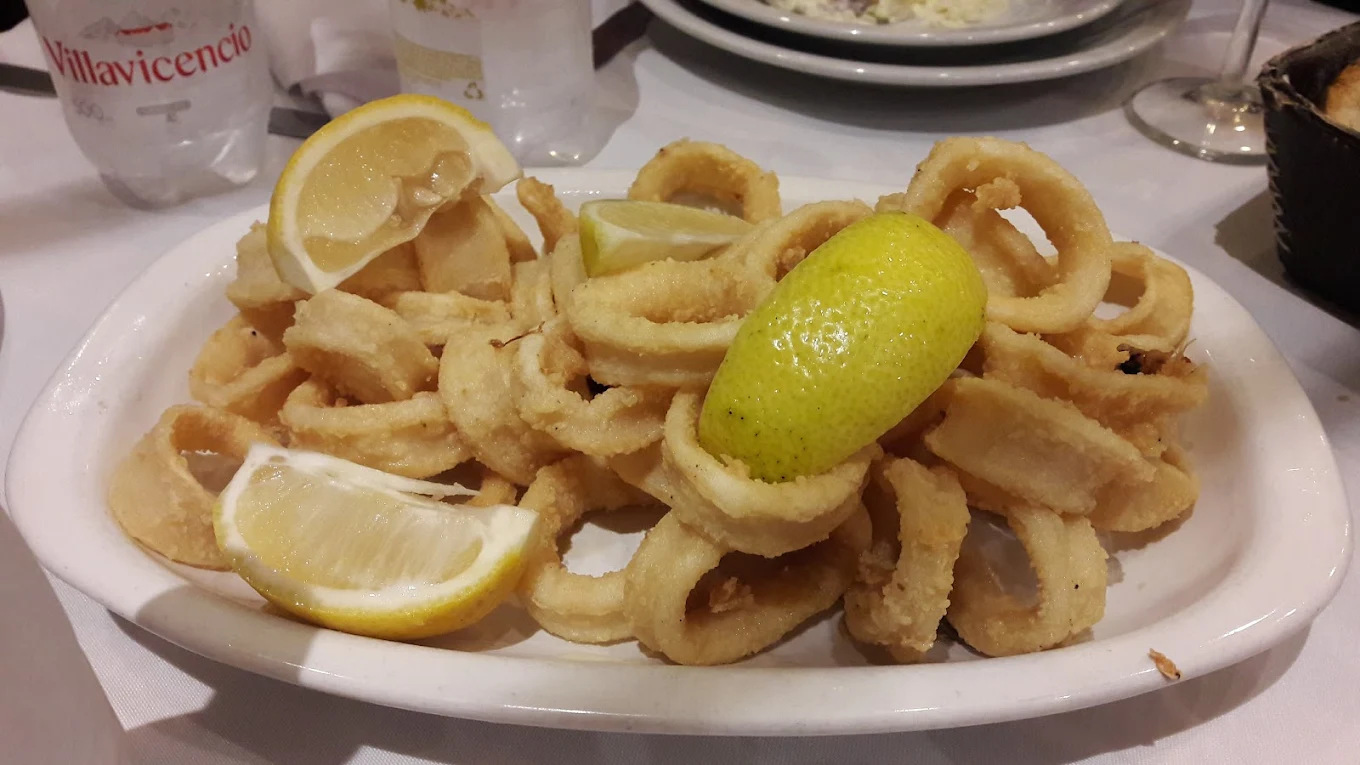
Rabas (Fried Calamari Rings) – One of the most traditional dishes at the port.
-
Paellas and Seafood Stews – Very common in coastal restaurants.
-
Fish Empanadas – A local variation.
-
Artisanal Ice Cream – Part of the urban experience.
-
Churros and Medialunas – Beach classics.
-
Marplatense Alfajor – You can't leave without visiting Havanna (the world classic born here) or Balcarce.
-
Craft Beers – Mar del Plata is a national beer hub, with countless high-level breweries offering their own products.
Areas Where to Stay in Mar del Plata
-
Downtown: Near the promenade (rambla), theaters, and central beaches. Very practical without a car.
-
Playa Grande: Modern and active area, close to the sea and bars.
-
La Perla: A traditional and quieter neighborhood, north of downtown.
-
Punta Mogotes: Further away, ideal for those seeking wide beaches and calm.
Areas to Go Out and Relax
-
Güemes and Alem: Main gastronomic and nightlife hub, with bars and breweries.
-
Playa Grande (Night): Youthful atmosphere, bars, and clubs with sea views.
-
Downtown and Rambla: Theaters, shows, and night walks.
-
Port (Night): Fish restaurants and a slower pace.
What to Do in Mar del Plata by Trip Type
Beach and Relax: Ideal for those looking to disconnect from the noise.
- Southern Beaches: Resorts like La Reserva or Abracadabra offer an environment of cliffs and dunes away from the center.
- Full-Service Resorts: Complexes in Punta Mogotes that include tents with access to pools, gyms, and recreation.
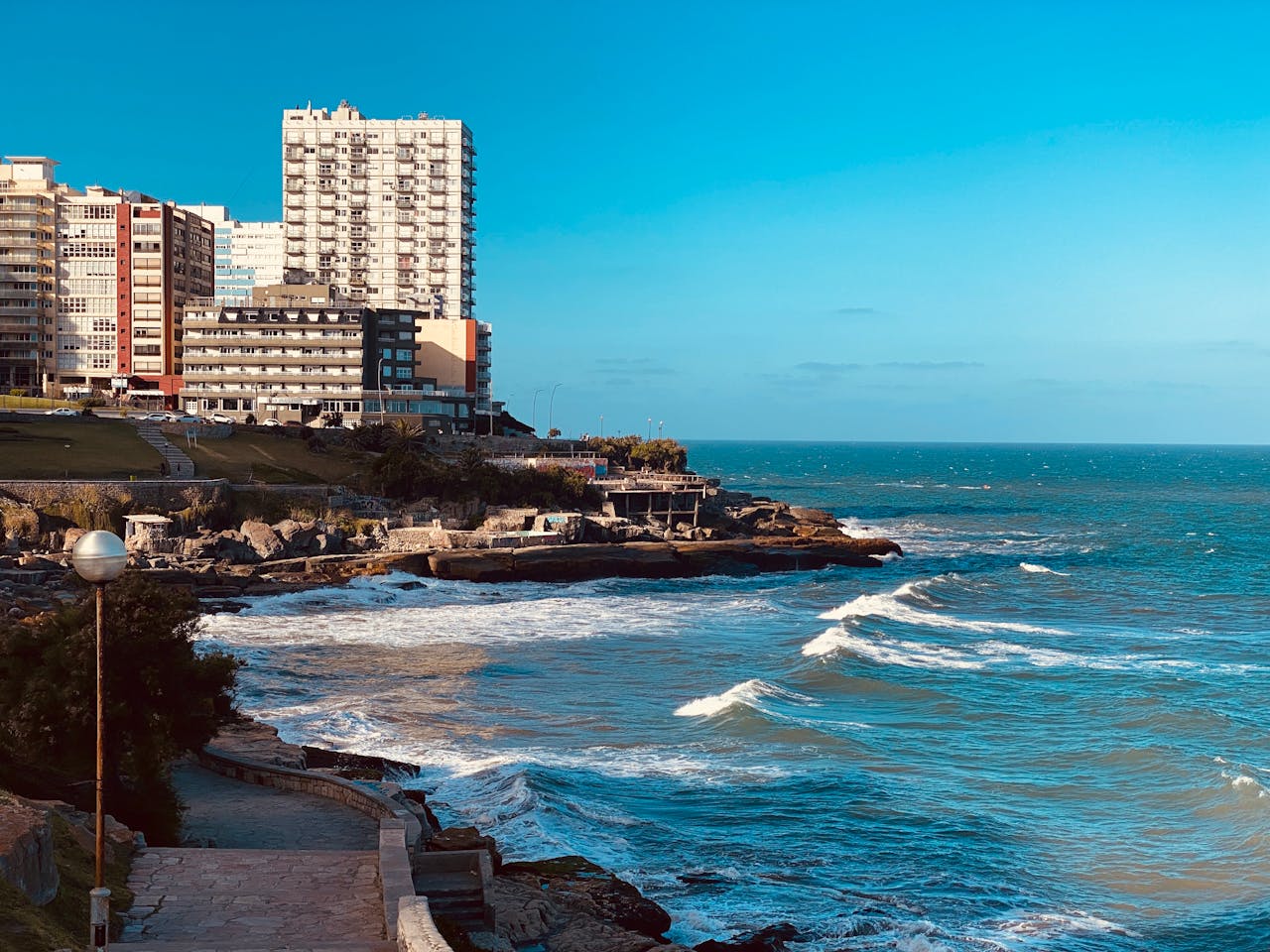
- Coastal Walks: The route connecting Cabo Corrientes with Playa Chica offers the most picturesque paths over the rocks.
Gastronomy: For those who travel through their palate.
- Flavors of the Port: Have a seafood platter (picada) at Chichilo or a paella at the legendary Cantina de Israel.
- Trendy Hubs: Walk down Olavarría Street to try the best craft beer at Antares or Cheverry.
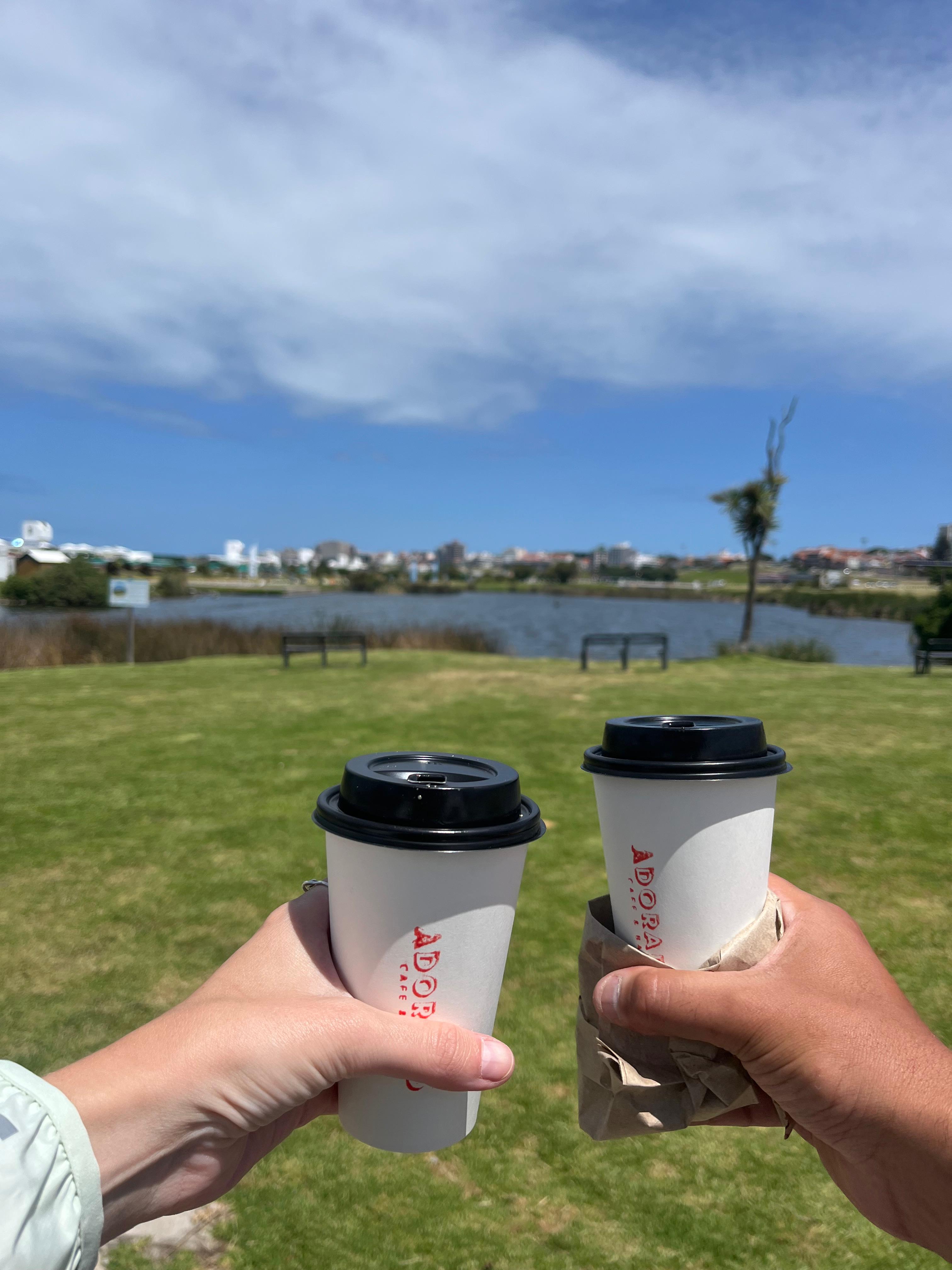
- Cafes with a View: Have breakfast facing the sea at Torreón del Monje or a snack of filled churros at Manolo on the coast.
Culture and Shows: For lovers of art and history.
- Theater and Shows: Enjoy the listings on Rivadavia Street or the Auditorium Theater, which in March 2026 maintains top-level productions.
- Notable Museums: Visit the MAR Museum to see Marta Minujín's Alfajor Sea Lion or the Castagnino Museum in the historic Villa Ortiz Basualdo.
- Architectural Gems: Take the guided tour of the Bridge House (recently restored) or visit the residence of Victoria Ocampo.
Adventure and Family: Activities for all ages.
- Sierra de los Padres: A day in the countryside visiting the Gruta de los Pañuelos and having an asado (BBQ) with a view of the valley.
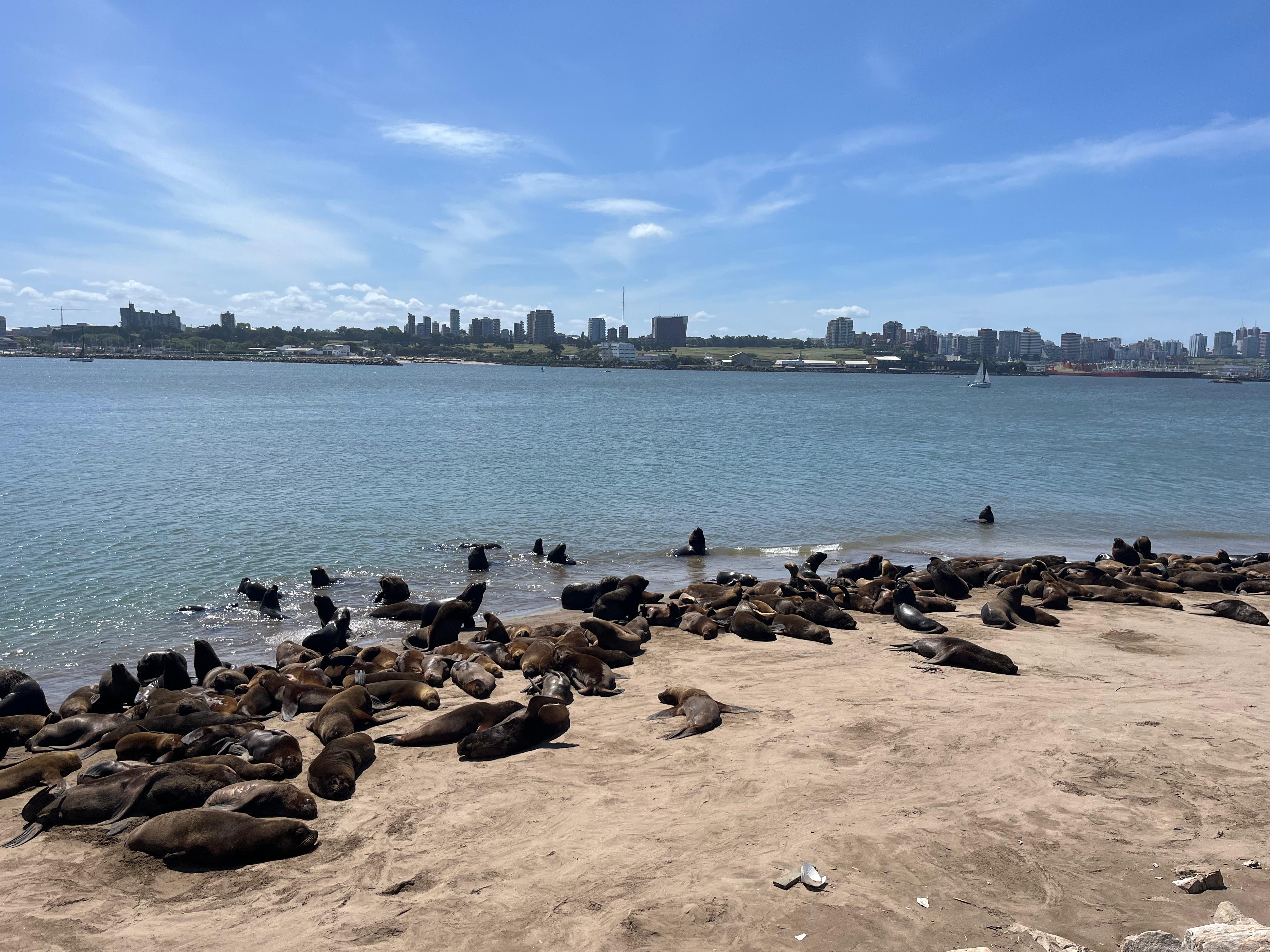
- Living Nature: Sea lion sightings at the southern breakwater and walks along the trails of the Peralta Ramos Forest.
- Nautical Sports: Take a surf lesson at Playa Grande or rent a kayak in the calm waters of Varese Bay.
Tips and Characteristics
- Currency: Argentine Peso (ARS).
- Transport: Urban buses cover the city well.
- Prices: Variable; they increase during peak season.
- Climate: Temperate summers; cool and windy winters.
- Best Time to Travel: December to March for the beach; spring for sightseeing.
- Traveler Tip: In summer, it is advisable to book accommodation in advance.
Our Experience Traveling Through Mar del Plata
Mar del Plata is a versatile destination, capable of adapting to family trips, short getaways, or long vacations. It offers a balanced combination of sea, city, and entertainment, with options for both resting and staying active. It is a city in constant motion and a classic of Argentine tourism that is renewed generation after generation.
You Might Also Be Interested In
- What to do for 5 Days in Bariloche
- Packing Guide for Patagonia
- 2026 Useful Travel Tips
- Complete Guide to Traveling to El Bolsón
- Complete Guide to Traveling to El Calafate
- Complete Guide to Traveling to El Chaltén
- Complete Guide to Traveling to Ushuaia
- Complete Guide to Traveling to Buenos Aires
- Complete Guide to Traveling to Puerto Madryn
- Complete Guide to Traveling to Lake Puelo
- Complete Guide to Traveling to Esquel
1- San Martin Pedestrian Street and Downtown: Central promenade with clothing stores, restaurants, bars, entertainment, and parks.
2- Water Tower (Torre Tanque): Located on the Stella Maris hill, this Tudor-style building is the highest 360° viewpoint in the city. You can take the elevator for free to see the entire city from nearly 80 meters high.
3- Port and Fishermen's Wharf: The authentic heart of the city. You can see the yellow boats, visit the sea lion reserve, and enjoy the best fresh seafood in its commercial center.
4- The Cliffs (Los Acantilados): Located to the south along Route 11, they offer a dramatic landscape of earthen walls facing the sea. It is the area with the wildest beaches and the best spot to watch sunsets in March 2026.
5- Punta Mogotes Lighthouse: A historical landmark from 1891 that divides the central bay from the open southern beaches. It is an unmistakable visual reference point and a symbol of the Buenos Aires coast.
6- Torreón del Monje: A medieval-looking construction on the rocks of Punta Piedras. It is the most iconic spot on the coast to have a coffee while the waves break directly against its walls.
7- La Rambla and Stone Sea Lions: The architectural complex designed by Bustillo that houses the Casino and the Provincial Hotel. The sea lion statues are a mandatory photo for every visitor.
8- MAR Museum: An avant-garde contemporary art center in the northern area. Its free entry and the giant "Alfajor Sea Lion" by Marta Minujín make it an unmissable cultural hub.
9- Bridge House (Casa sobre el Arroyo): A global modernist masterpiece designed by Amancio Williams. Recently restored, this house built over a stream is an essential visit for architecture lovers.
10- Varese Beach and Cabo Corrientes: The easternmost point of the Argentine coast. Its bay of calm waters is the center for nautical sports like Stand Up Paddle and kayaking.
11- Villa Victoria: The former summer home of writer Victoria Ocampo. This wooden mansion brought from England now functions as a cultural center surrounded by spectacular gardens.
12- Peralta Ramos Forest: A 400-hectare forest reserve perfect for walks among the pines. It is home to the famous Cabaña del Bosque, the most emblematic and picturesque tea house in the region.
13- Sierra de los Padres: A hilly neighborhood on the Tandilia range ideal for connecting with nature. It offers panoramic views from the summit, the mystical Gruta de los Pañuelos, and a commercial center with regional products and grills.
14- Laguna de los Padres: A natural reserve at the foot of the hills ideal for outdoor recreation. It allows for fishing, barbecues, and a visit to the historical reconstruction of the 18th-century Jesuit Mission.
15- Güemes and Olavarría: The main commercial and nightlife hubs. Güemes stands out for its design shops, while Olavarría is home to the most important craft beer tour in the country.
PUBLICIDAD
Travel with Data: Get your Saily eSIM
- ✓Internet in seconds upon landing
- ✓Flexible plans in 180+ countries
- ✓Easy setup directly via the App
Varese Beach (Nautical Sports): Thanks to its bay shape enclosed by two breakwaters, the water is very calm. Activity: It is the number one spot for Stand Up Paddle (SUP), kayaking, and surf lessons for beginners. It is also ideal for a night walk due to its lighting.
Playa Grande (Surf and "After Beach"): The chicest beach in the city, right next to the Golf course and San Martín Park. Activity: It is the cradle of surfing in Argentina. At sunset, the steps and beach bars fill with young people for the "after beach" with music and drinks.
La Perla (Tradition and Family): This is the northern part of the downtown area. These are beaches with jetties that slow the waves, making them ideal for families with kids. Activity: Walk through its resorts connected by modern walkways (remodeled by architect Clorindo Testa).
Punta Mogotes (Space and Tents): A complex of 24 beach resorts with tents (carpas), pools, and football/volleyball courts. Activity: This is the classic "tent rental" experience for the day. Ideal for those looking for services: gym, spa, and plenty of organized recreation.
Southern Beaches (Exclusivity and Relax): Passing the Lighthouse, private beach clubs appear in a more natural environment of cliffs. Activity: DJ sets, beach parties, and a more relaxed atmosphere rule here, away from the city noise. These are "open" beaches with stronger waves for experienced surfers.
- On foot: Ideal for the downtown and the coastline.
- Bus (Colectivo): Connects beaches and neighborhoods.
- Car: Recommended for visiting the southern beaches.
- Taxi and Remís: Available year-round.
- Transportation Apps: They are not officially enabled, though they do operate.
Mar del Plata's gastronomy has a strong maritime profile, while still including Argentine classics.
-
Fish and Seafood – Fresh and prepared in many ways.
-
Rabas (Fried Calamari Rings) – One of the most traditional dishes at the port.
-
Paellas and Seafood Stews – Very common in coastal restaurants.
-
Fish Empanadas – A local variation.
-
Artisanal Ice Cream – Part of the urban experience.
-
Churros and Medialunas – Beach classics.
-
Marplatense Alfajor – You can't leave without visiting Havanna (the world classic born here) or Balcarce.
-
Craft Beers – Mar del Plata is a national beer hub, with countless high-level breweries offering their own products.
-
Downtown: Near the promenade (rambla), theaters, and central beaches. Very practical without a car.
-
Playa Grande: Modern and active area, close to the sea and bars.
-
La Perla: A traditional and quieter neighborhood, north of downtown.
-
Punta Mogotes: Further away, ideal for those seeking wide beaches and calm.
-
Güemes and Alem: Main gastronomic and nightlife hub, with bars and breweries.
-
Playa Grande (Night): Youthful atmosphere, bars, and clubs with sea views.
-
Downtown and Rambla: Theaters, shows, and night walks.
-
Port (Night): Fish restaurants and a slower pace.
Beach and Relax: Ideal for those looking to disconnect from the noise.
- Southern Beaches: Resorts like La Reserva or Abracadabra offer an environment of cliffs and dunes away from the center.
- Full-Service Resorts: Complexes in Punta Mogotes that include tents with access to pools, gyms, and recreation.
- Coastal Walks: The route connecting Cabo Corrientes with Playa Chica offers the most picturesque paths over the rocks.
Gastronomy: For those who travel through their palate.
- Flavors of the Port: Have a seafood platter (picada) at Chichilo or a paella at the legendary Cantina de Israel.
- Trendy Hubs: Walk down Olavarría Street to try the best craft beer at Antares or Cheverry.
- Cafes with a View: Have breakfast facing the sea at Torreón del Monje or a snack of filled churros at Manolo on the coast.
Culture and Shows: For lovers of art and history.
- Theater and Shows: Enjoy the listings on Rivadavia Street or the Auditorium Theater, which in March 2026 maintains top-level productions.
- Notable Museums: Visit the MAR Museum to see Marta Minujín's Alfajor Sea Lion or the Castagnino Museum in the historic Villa Ortiz Basualdo.
- Architectural Gems: Take the guided tour of the Bridge House (recently restored) or visit the residence of Victoria Ocampo.
Adventure and Family: Activities for all ages.
- Sierra de los Padres: A day in the countryside visiting the Gruta de los Pañuelos and having an asado (BBQ) with a view of the valley.
- Living Nature: Sea lion sightings at the southern breakwater and walks along the trails of the Peralta Ramos Forest.
- Nautical Sports: Take a surf lesson at Playa Grande or rent a kayak in the calm waters of Varese Bay.
- Currency: Argentine Peso (ARS).
- Transport: Urban buses cover the city well.
- Prices: Variable; they increase during peak season.
- Climate: Temperate summers; cool and windy winters.
- Best Time to Travel: December to March for the beach; spring for sightseeing.
- Traveler Tip: In summer, it is advisable to book accommodation in advance.
Mar del Plata is a versatile destination, capable of adapting to family trips, short getaways, or long vacations. It offers a balanced combination of sea, city, and entertainment, with options for both resting and staying active. It is a city in constant motion and a classic of Argentine tourism that is renewed generation after generation.
PUBLICIDAD
- What to do for 5 Days in Bariloche
- Packing Guide for Patagonia
- 2026 Useful Travel Tips
- Complete Guide to Traveling to El Bolsón
- Complete Guide to Traveling to El Calafate
- Complete Guide to Traveling to El Chaltén
- Complete Guide to Traveling to Ushuaia
- Complete Guide to Traveling to Buenos Aires
- Complete Guide to Traveling to Puerto Madryn
- Complete Guide to Traveling to Lake Puelo
- Complete Guide to Traveling to Esquel
Galery
PUBLICIDAD
International Travel Insurance
- ✓International medical insurance
- ✓24/7 immediate assistance in your language
- ✓Ideal for trekking & adventure

Preferences
Language
Color
Text
Width