Table of contents and map
El Calafate: 7 must-sees to do between glaciers, Patagonia and extreme nature
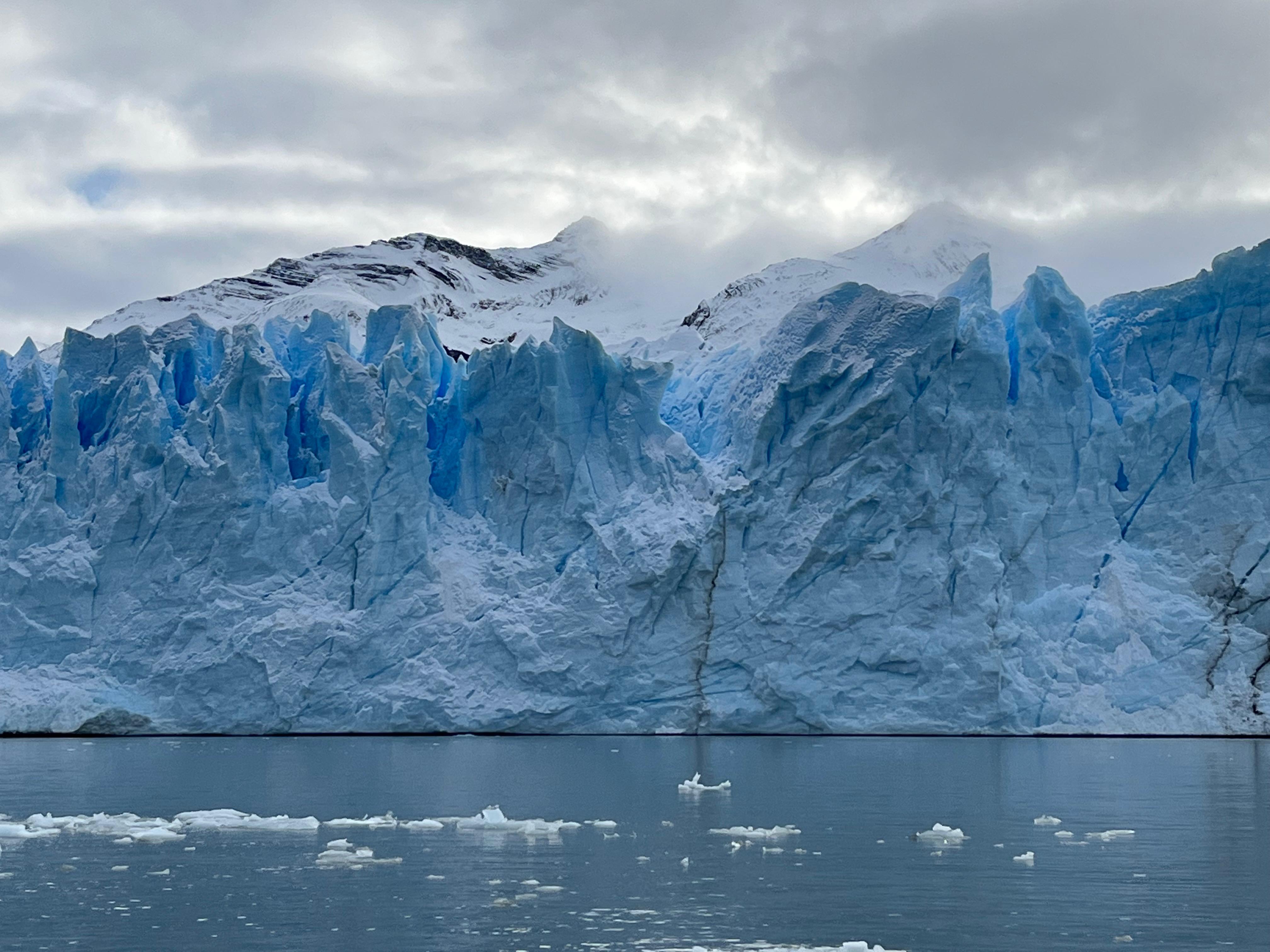
El Calafate is a small town at the foot of Lake Argentino, in the south of the Argentine Republic, about 3000 km from Buenos Aires. With a picturesque and quiet center, it is the gateway to Los Glaciares National Park, one of the most stunning landscapes in the country.
El Calafate: 7 must-sees to do between glaciers, Patagonia and extreme nature
El Calafate is a small town at the foot of Lake Argentino, in the south of the Argentine Republic, about 3000 km from Buenos Aires. With a picturesque and quiet center, it is the gateway to Los Glaciares National Park, one of the most stunning landscapes in the country.
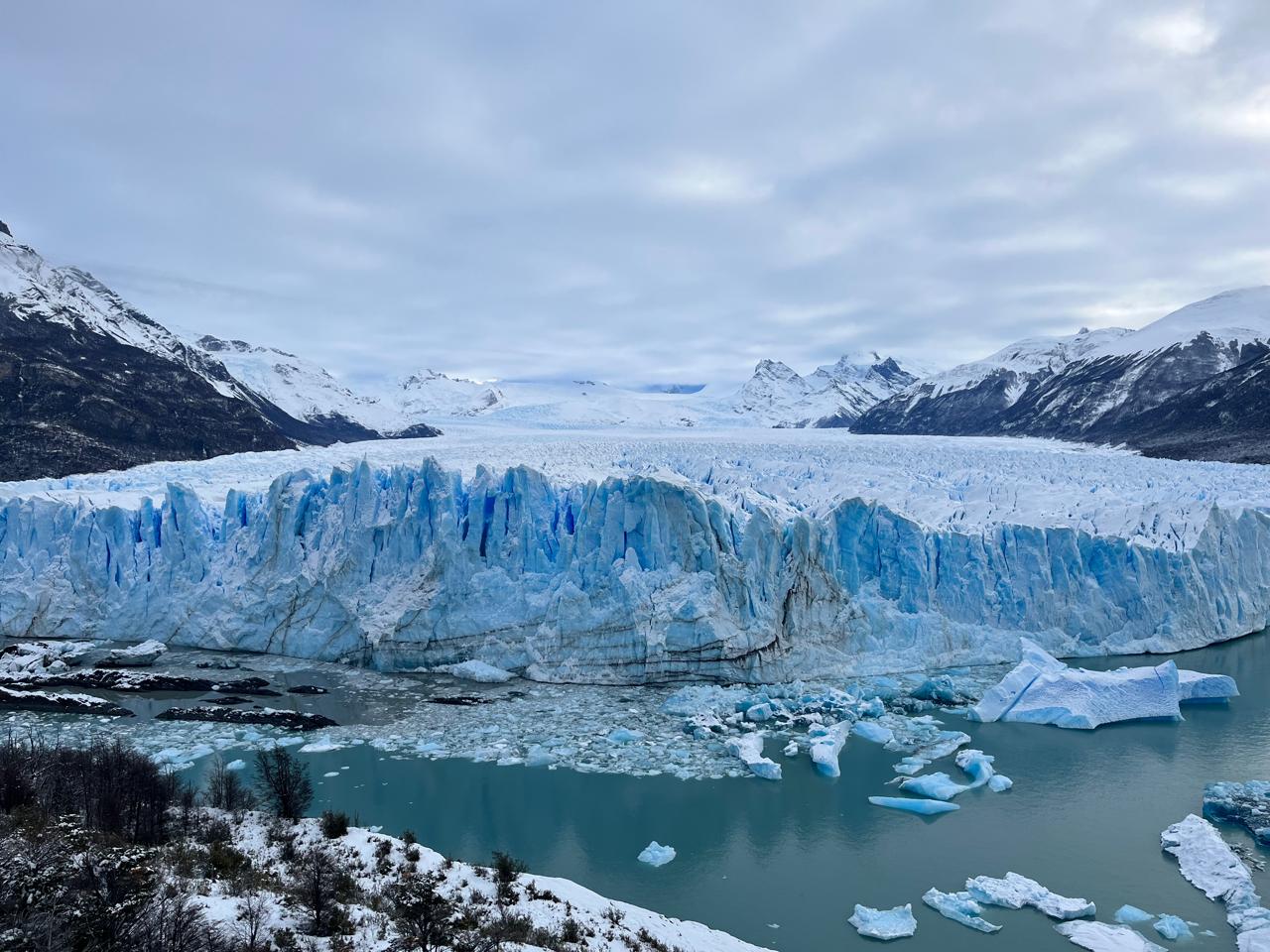
El Calafate works as a base to explore an immense and silent natural environment. The park houses 48 main glaciers and more than 100 minor glaciers, distributed over an enormous extension where ice, wind and the lake set the pace of the trip. The town accompanies with a relaxed atmosphere, good gastronomy and a simple Patagonian aesthetic.
When we started planning the trip we thought almost exclusively about the Perito Moreno Glacier. And yes, it impresses. But what really surprises is understanding that Los Glaciares National Park is much more than a single glacier.
Lake Argentino also leaves its mark (it is the largest lake in Argentina): immense, windy and changing, it defines much of the landscape. El Calafate invites you to take your time, observe and let Patagonia do its thing.
7 Must-See Activities in El Calafate
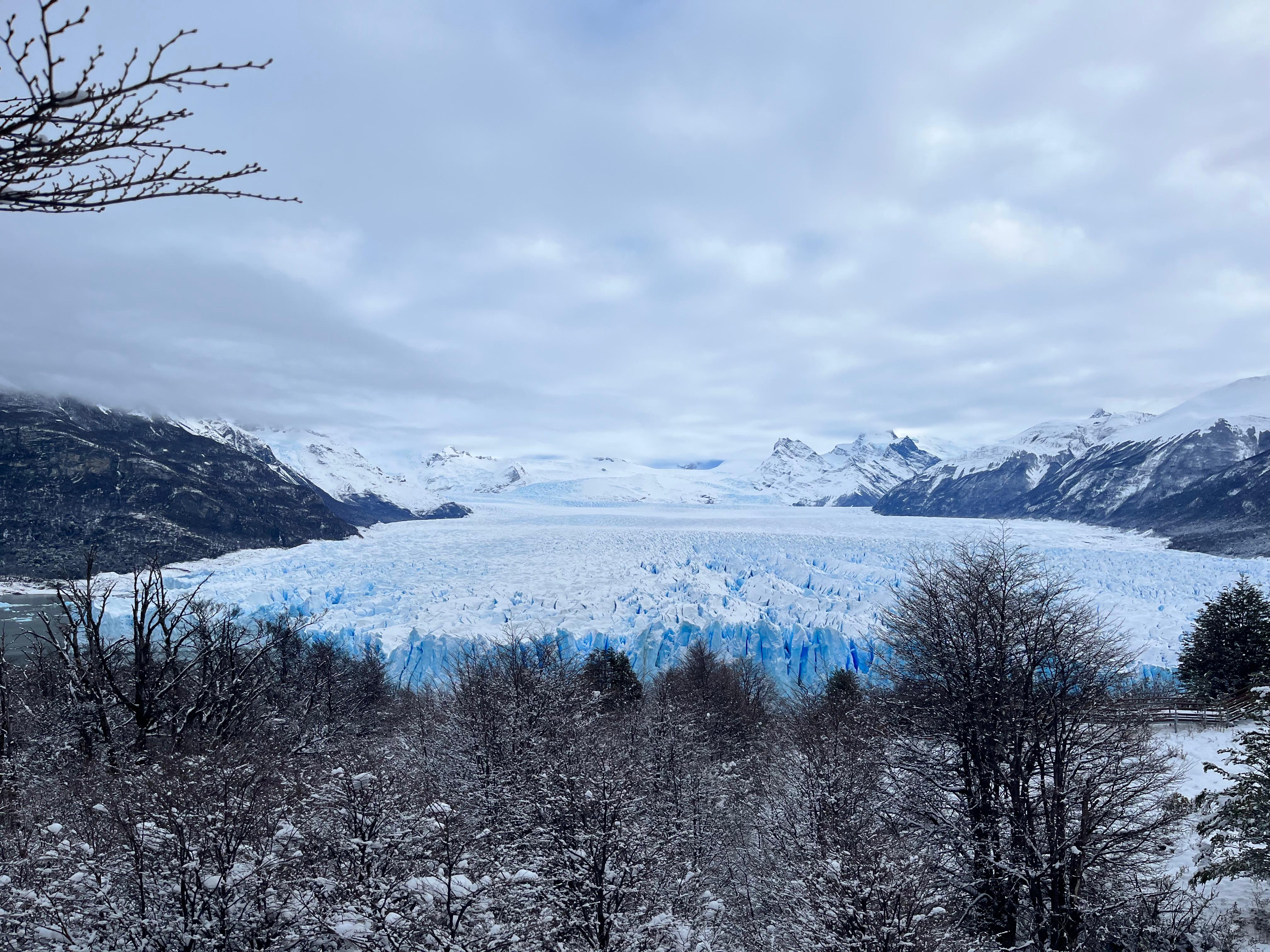
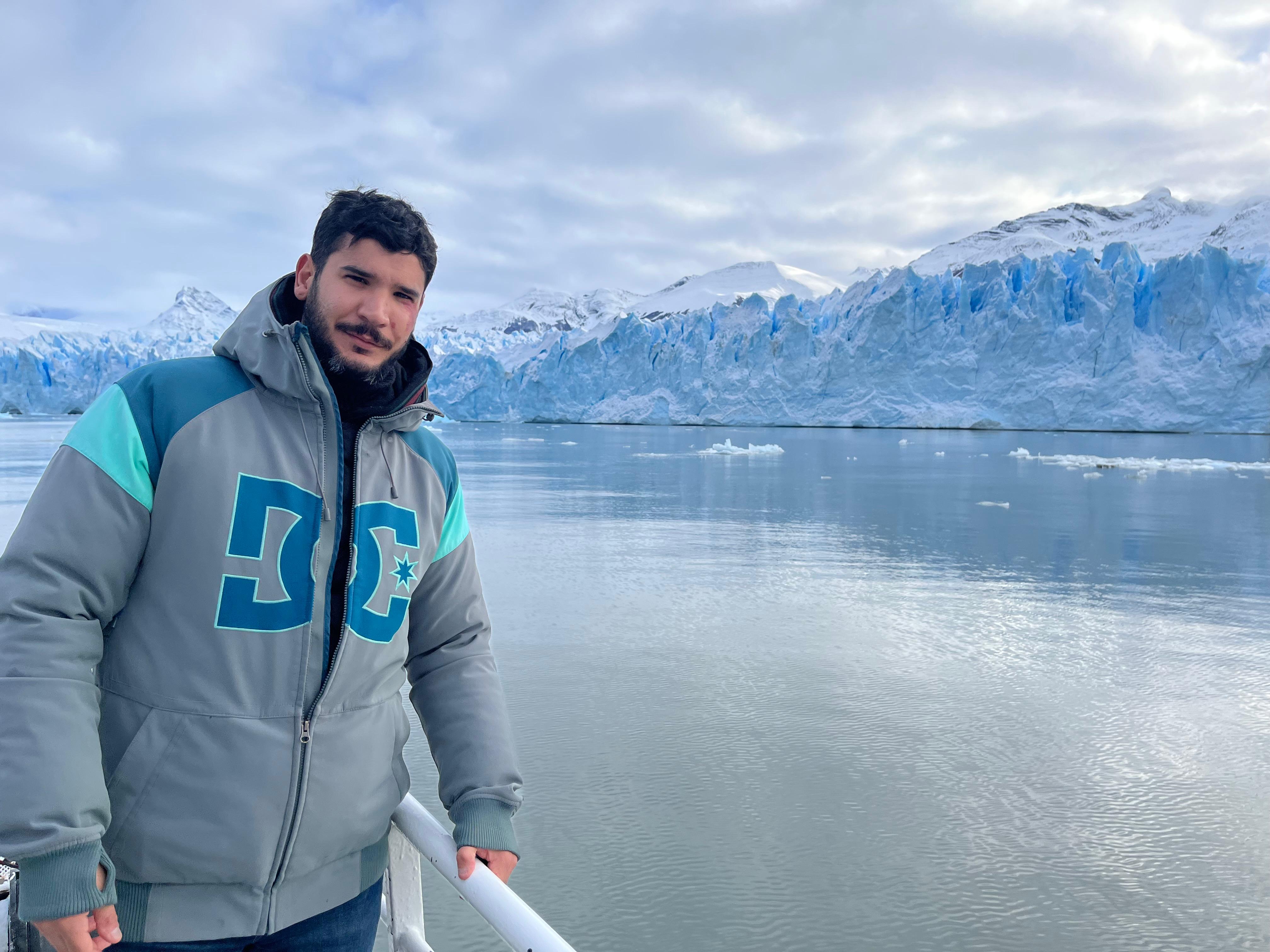
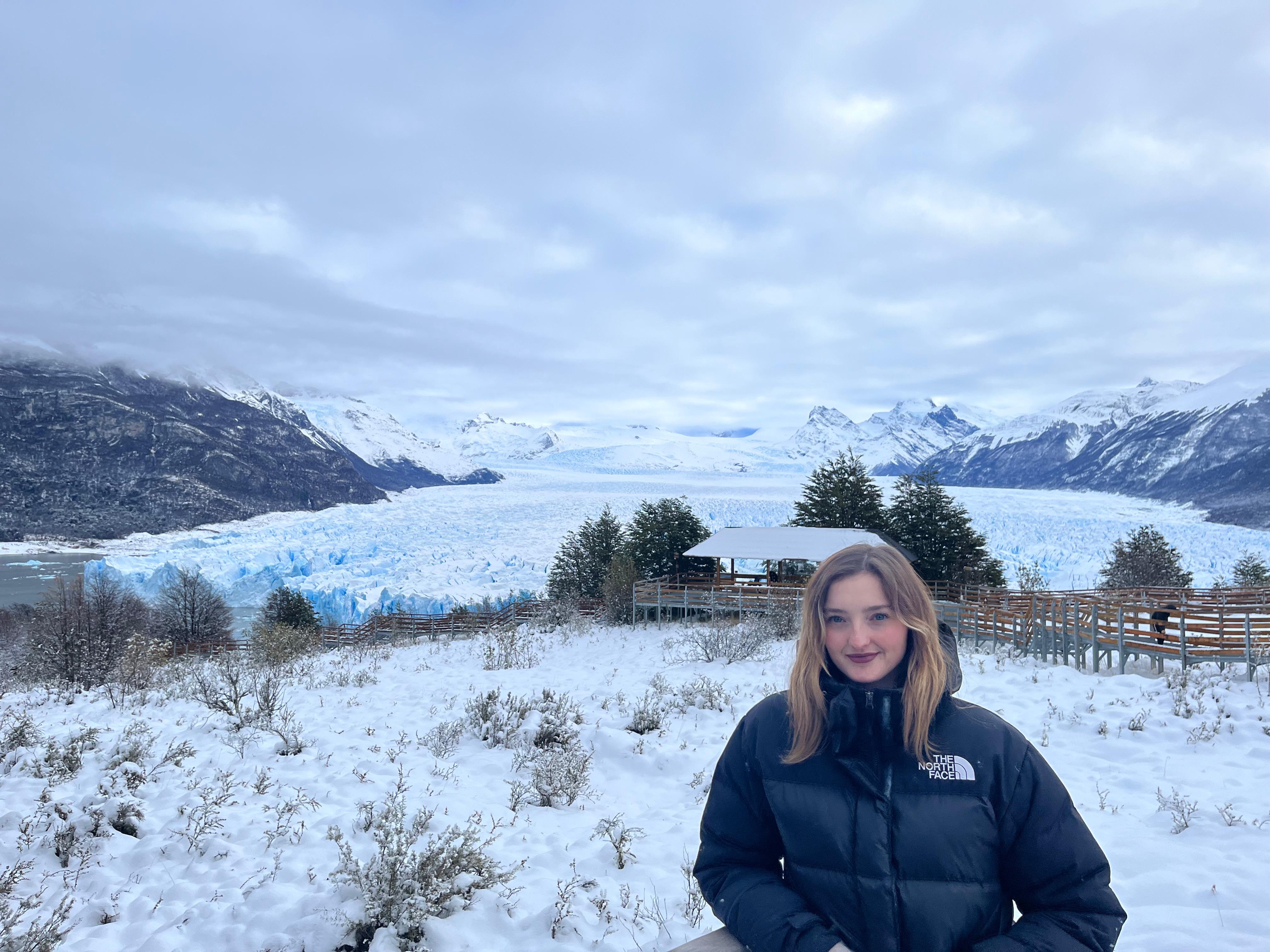
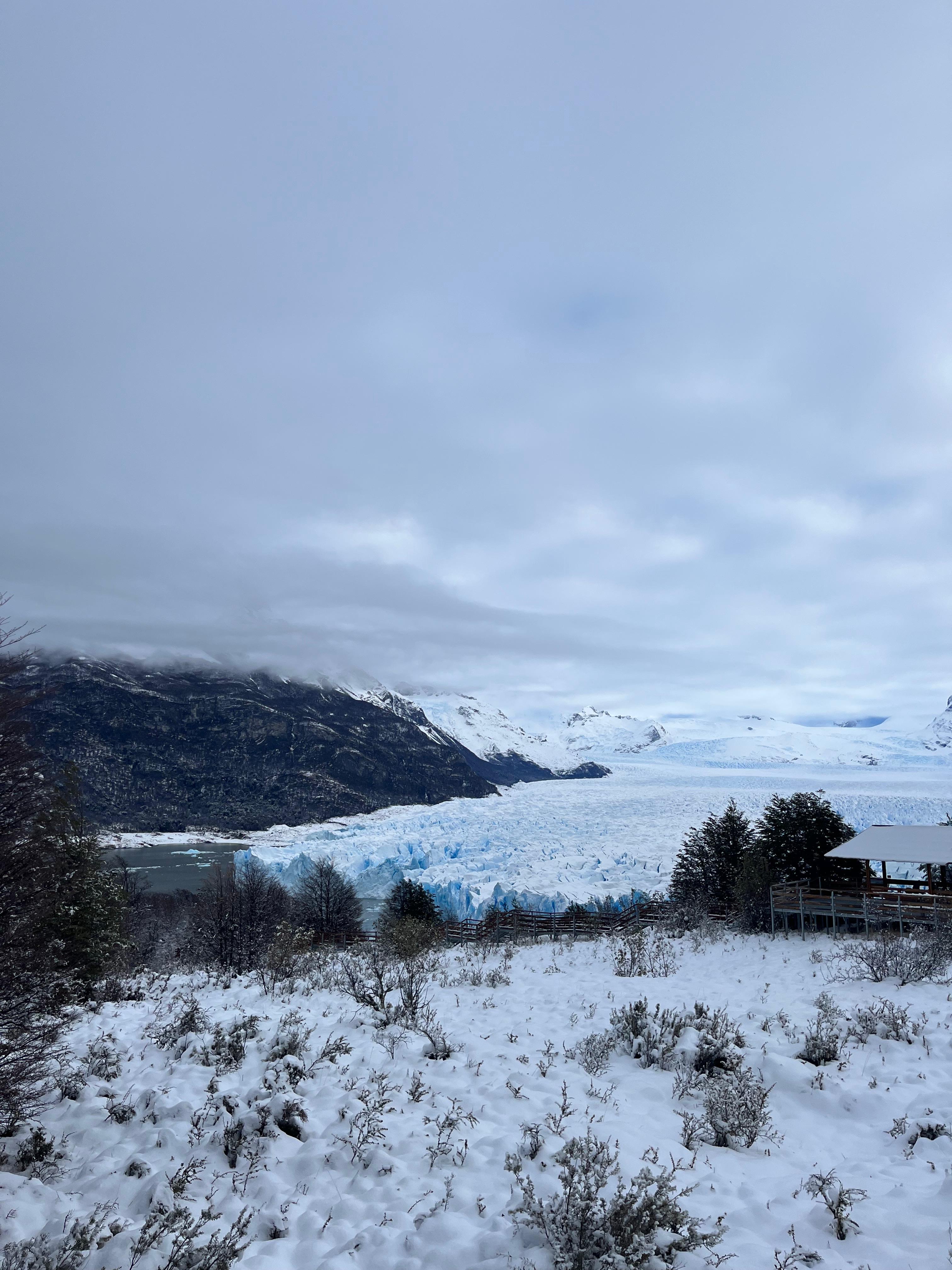
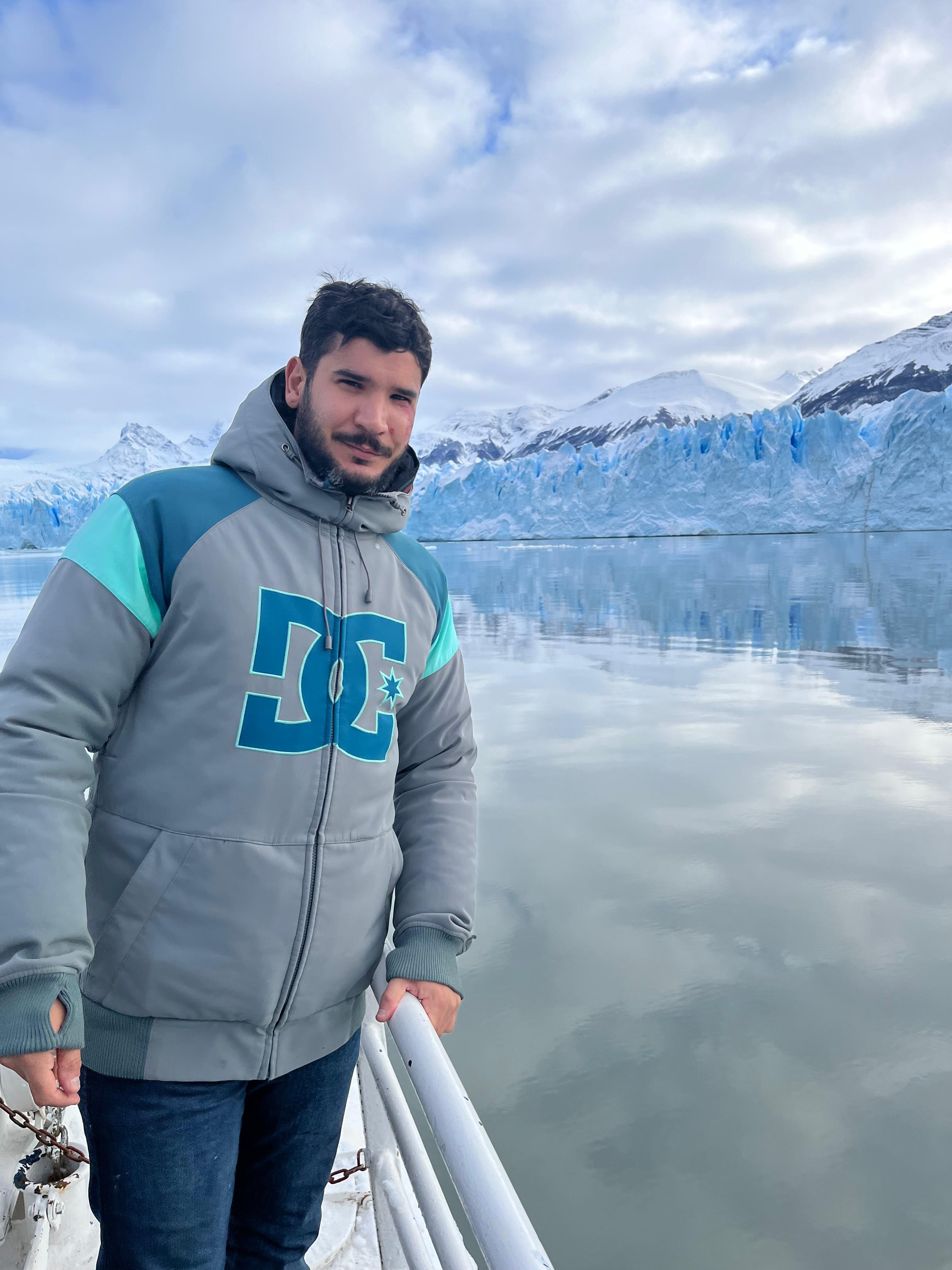
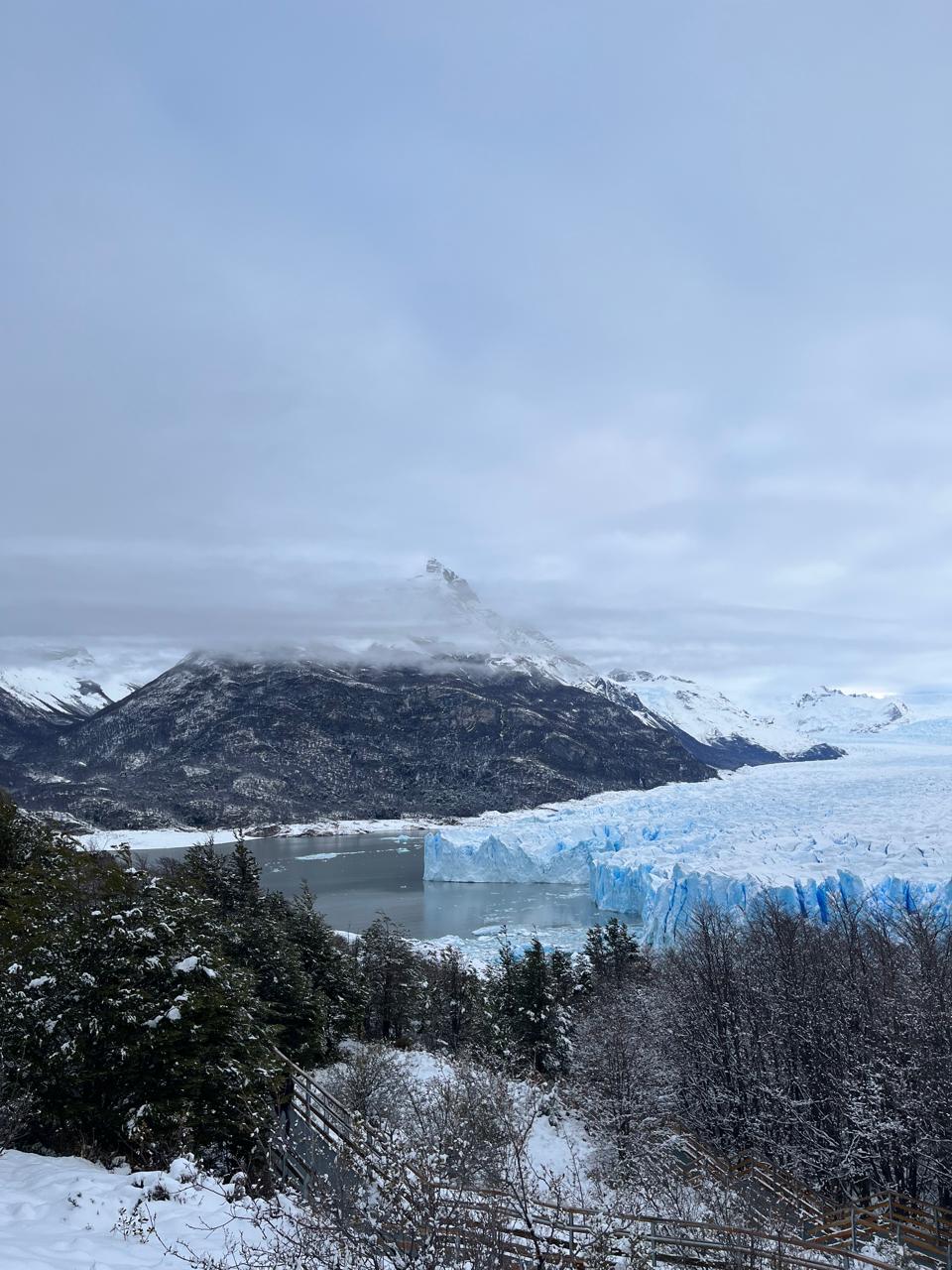
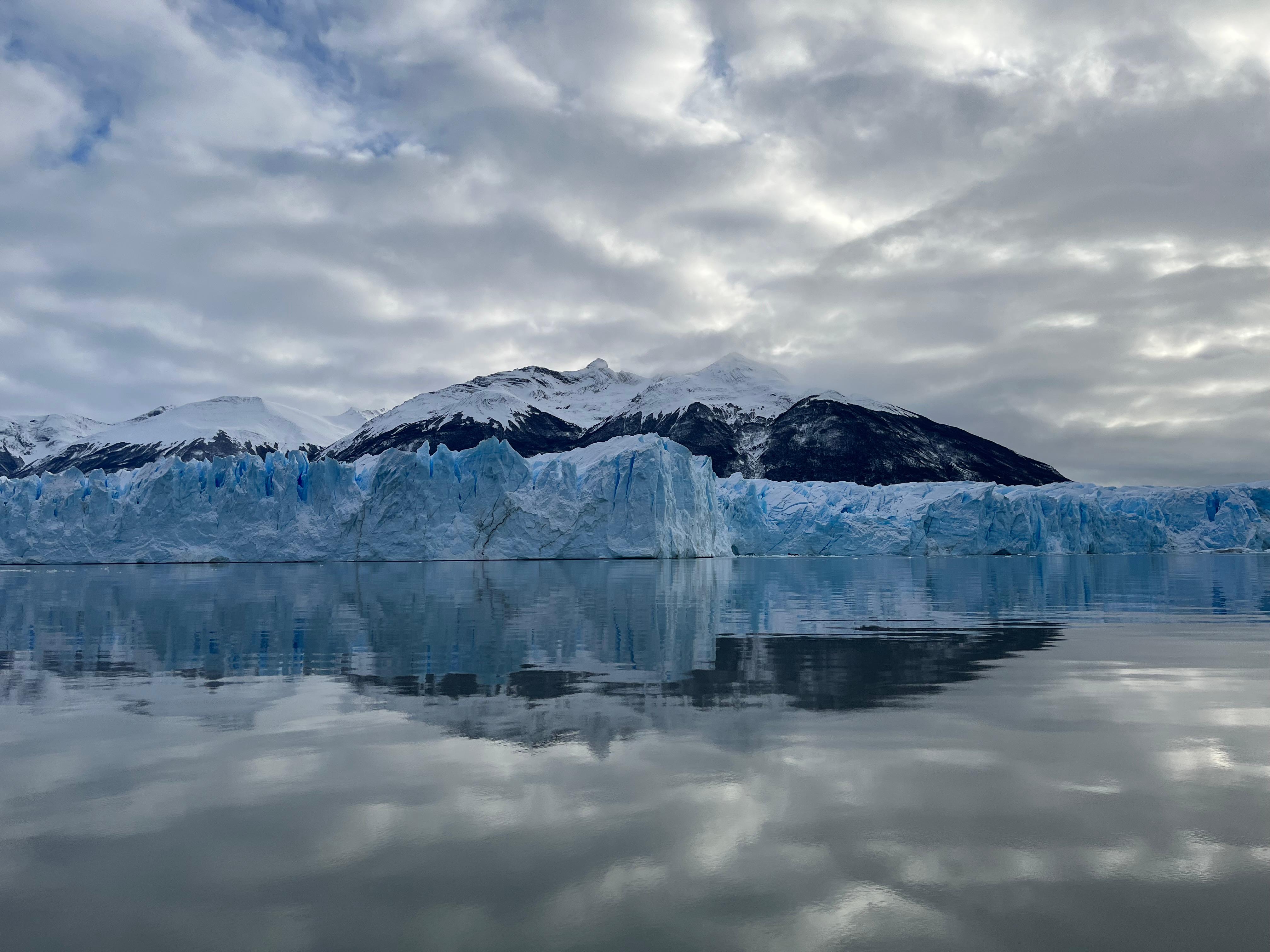
1- Perito Moreno Glacier (Walkways): The main protagonist of the trip. Walking its 7 km of walkways allows you to observe the front of the glacier from different angles and witness the shocking ice calving.
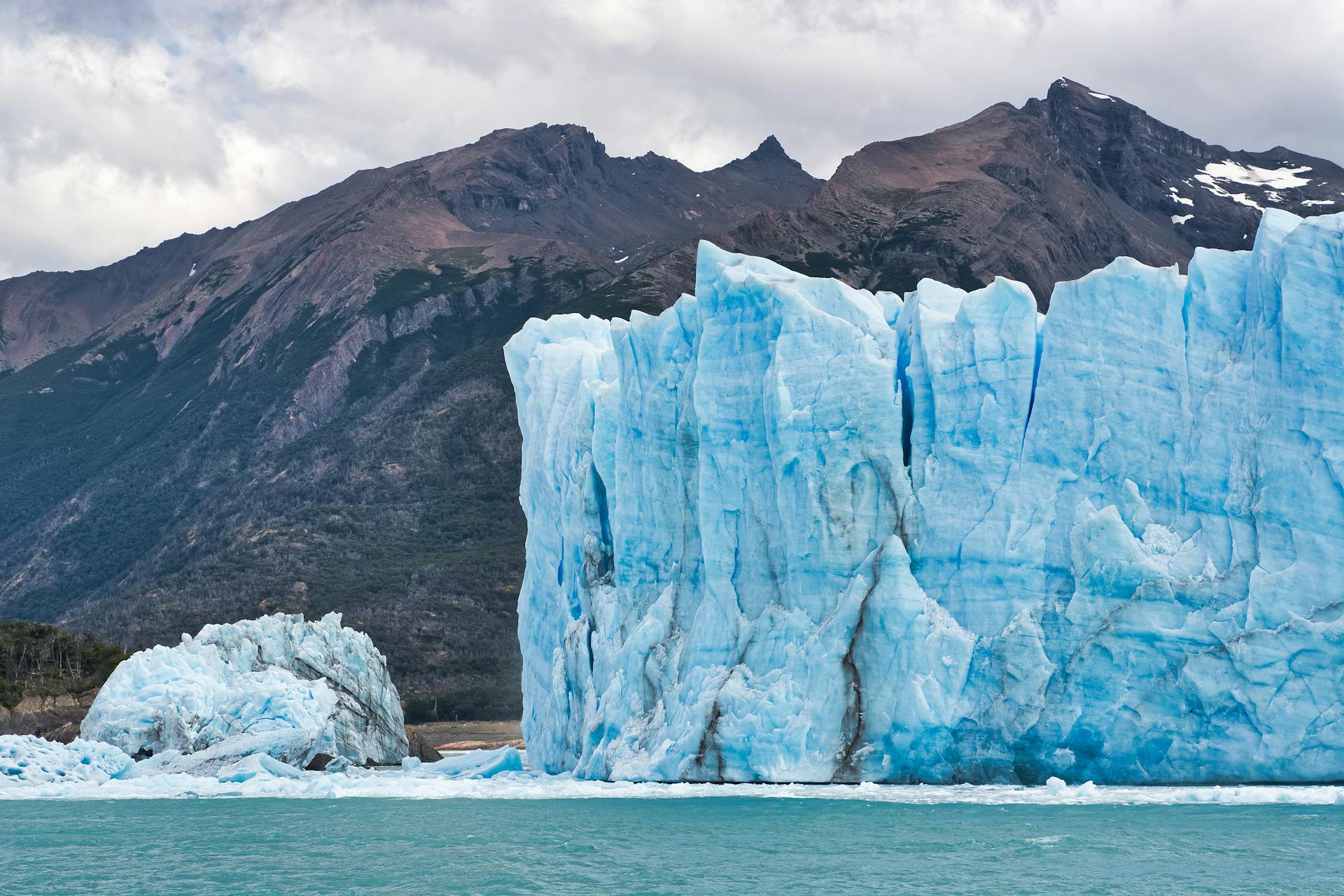
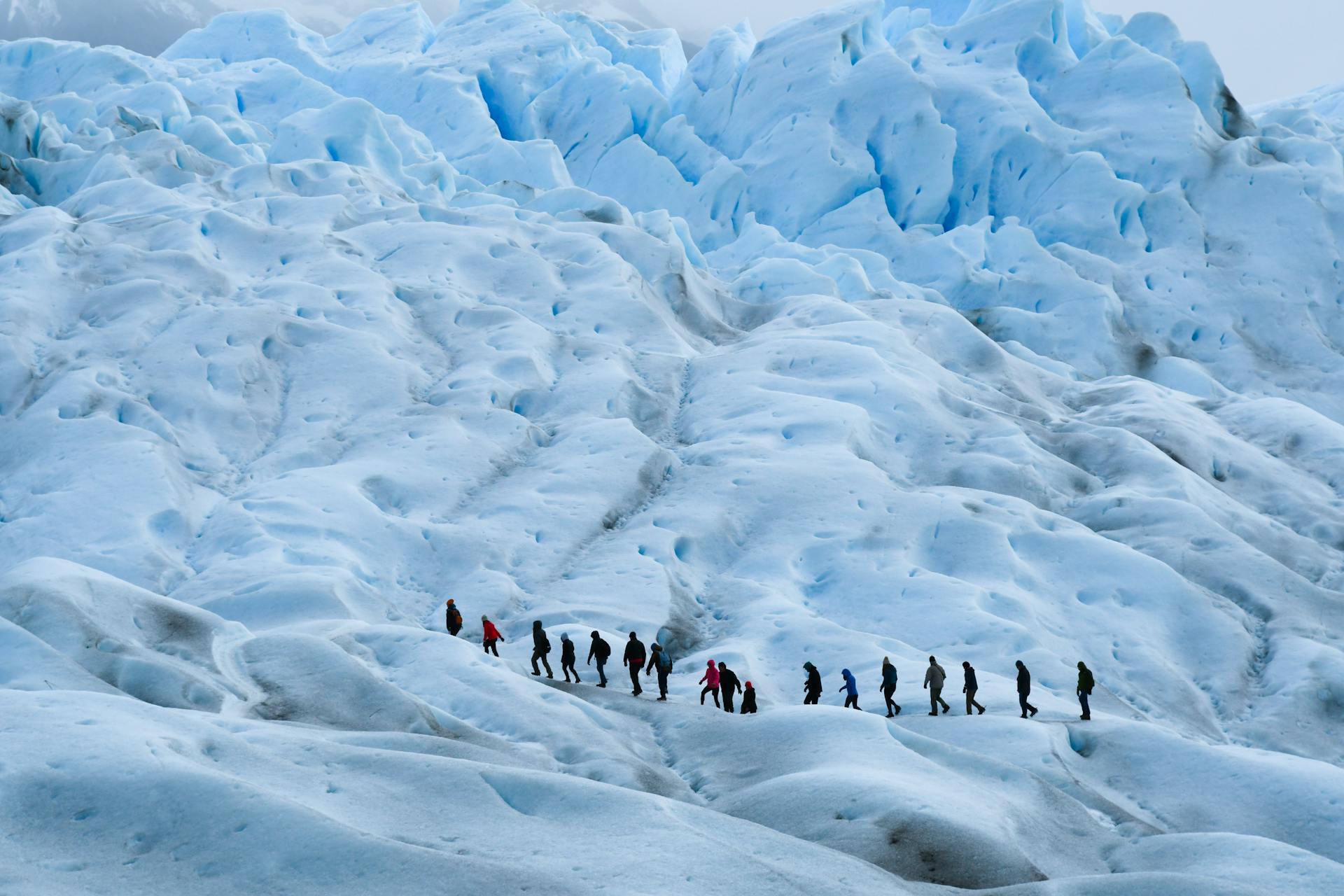
2- Minitrekking and Big Ice: The ultimate experience of walking on millennial ice with crampons. Minitrekking is a short and accessible walk, while Big Ice goes deep into the glacier to see blue lagoons and crevasses.
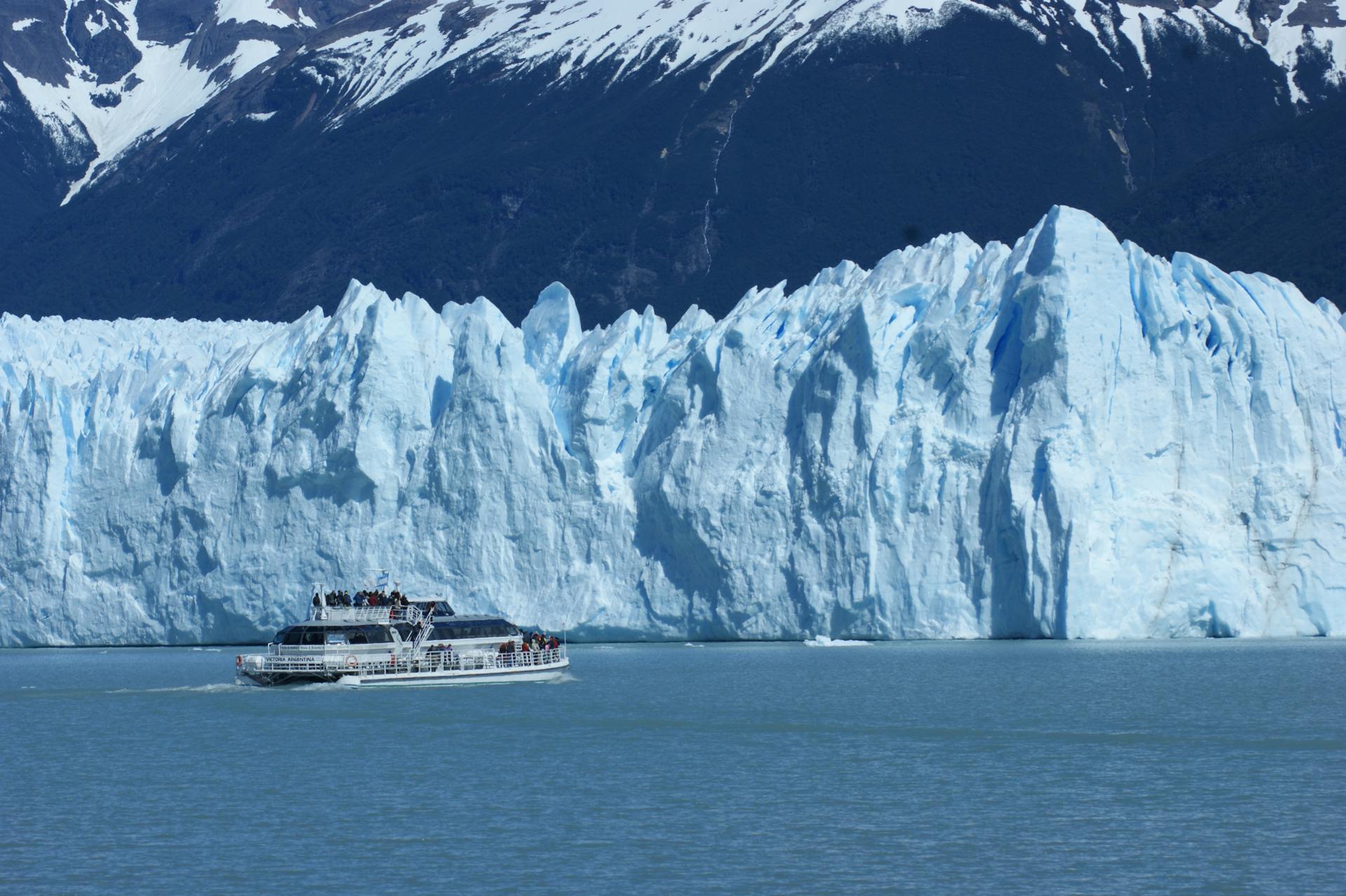
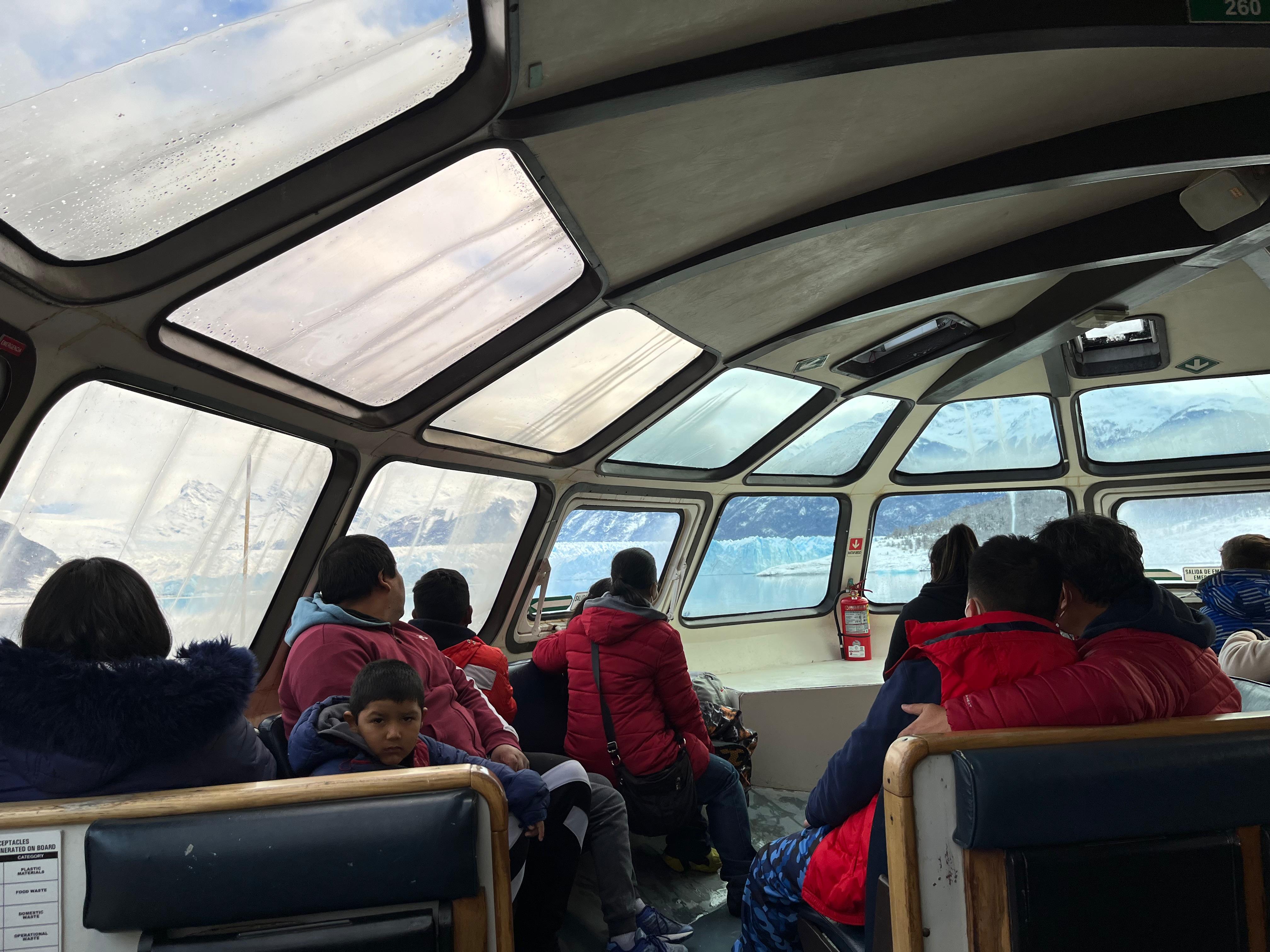
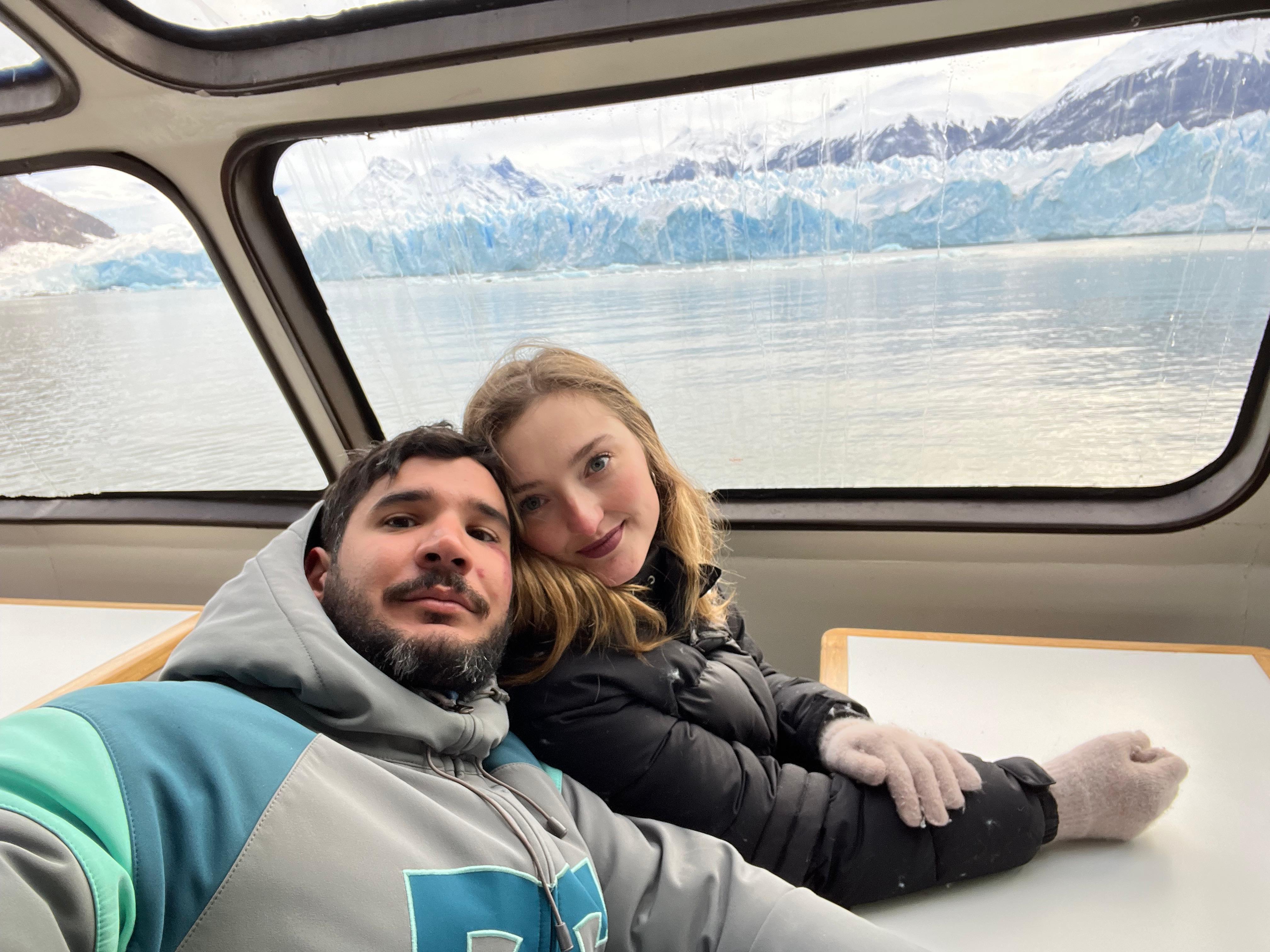
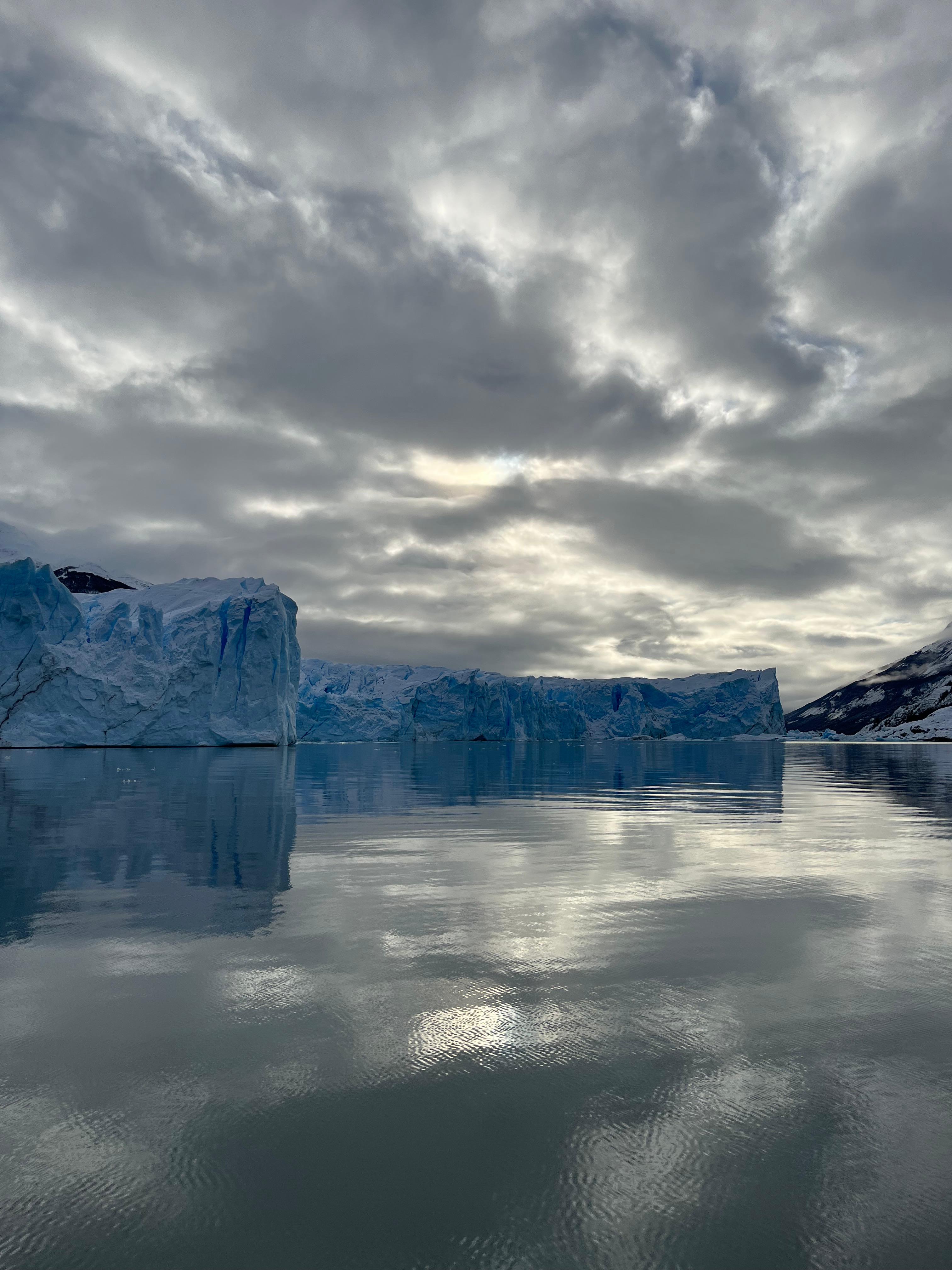
3- Ice Rivers Navigation: An expedition by catamaran through the North Arm of Lake Argentino to visit the Upsala (the one with the largest surface area) and Spegazzini glaciers, whose walls reach 135 meters in height.
4- Glaciarium and Glaciobar: Modern interpretation center located on the outskirts of town. It is ideal for understanding the science of glaciers and finishing the visit with a toast in a bar made entirely of ice.

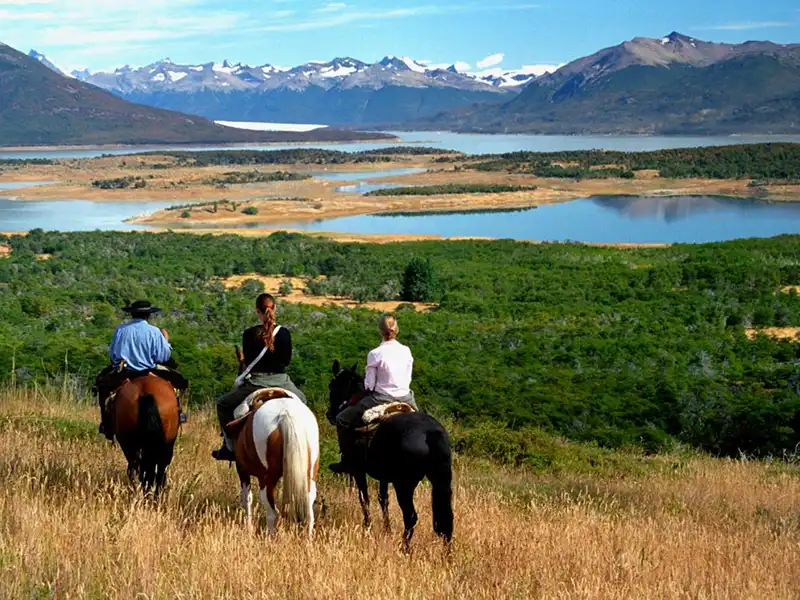
5- Patagonian Estancias: An immersion into the culture of the southern gaucho. Estancias like Nibepo Aike offer shearing demonstrations, horseback riding through the steppe and the classic spit-roasted cordero asado.
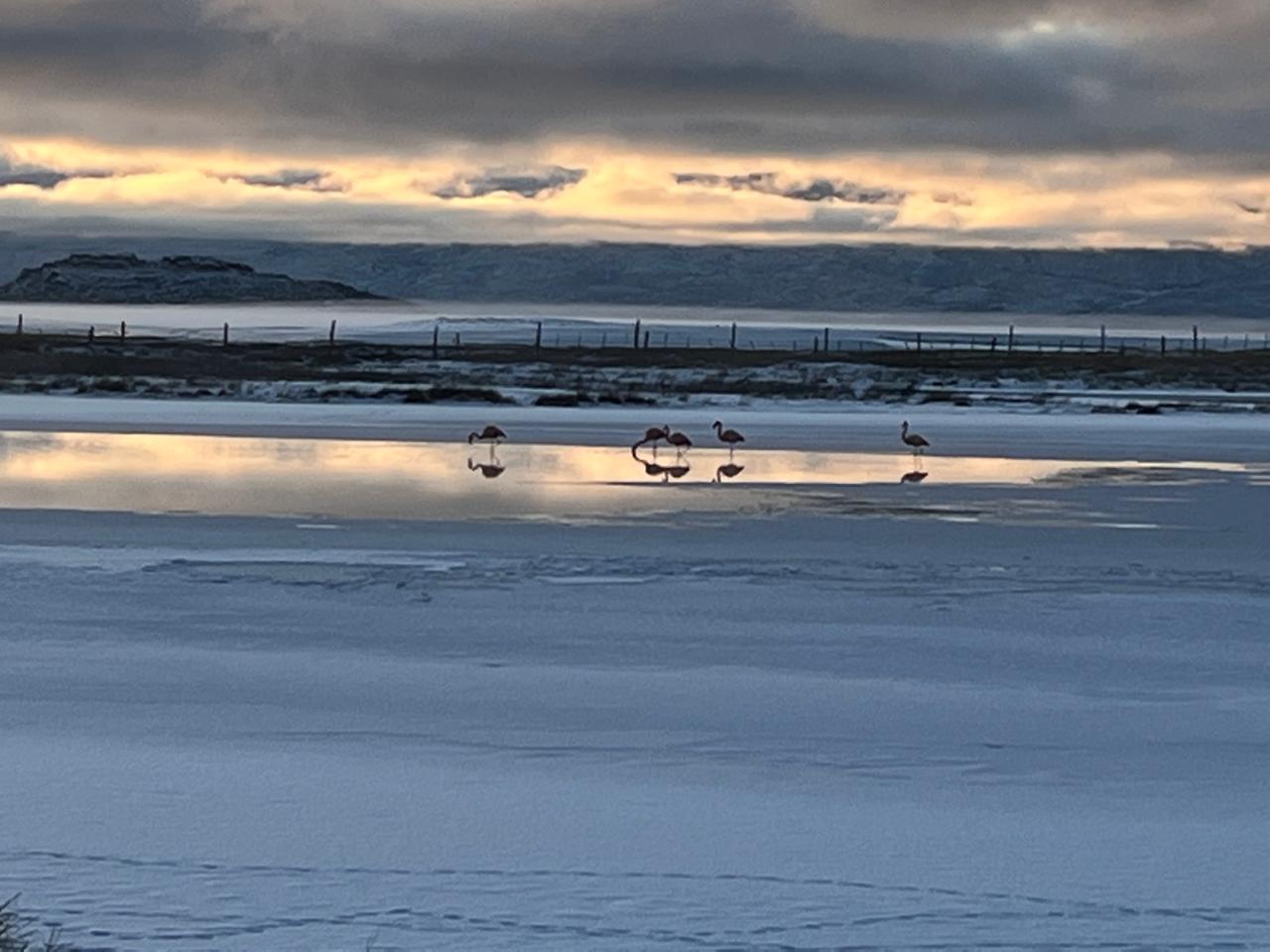
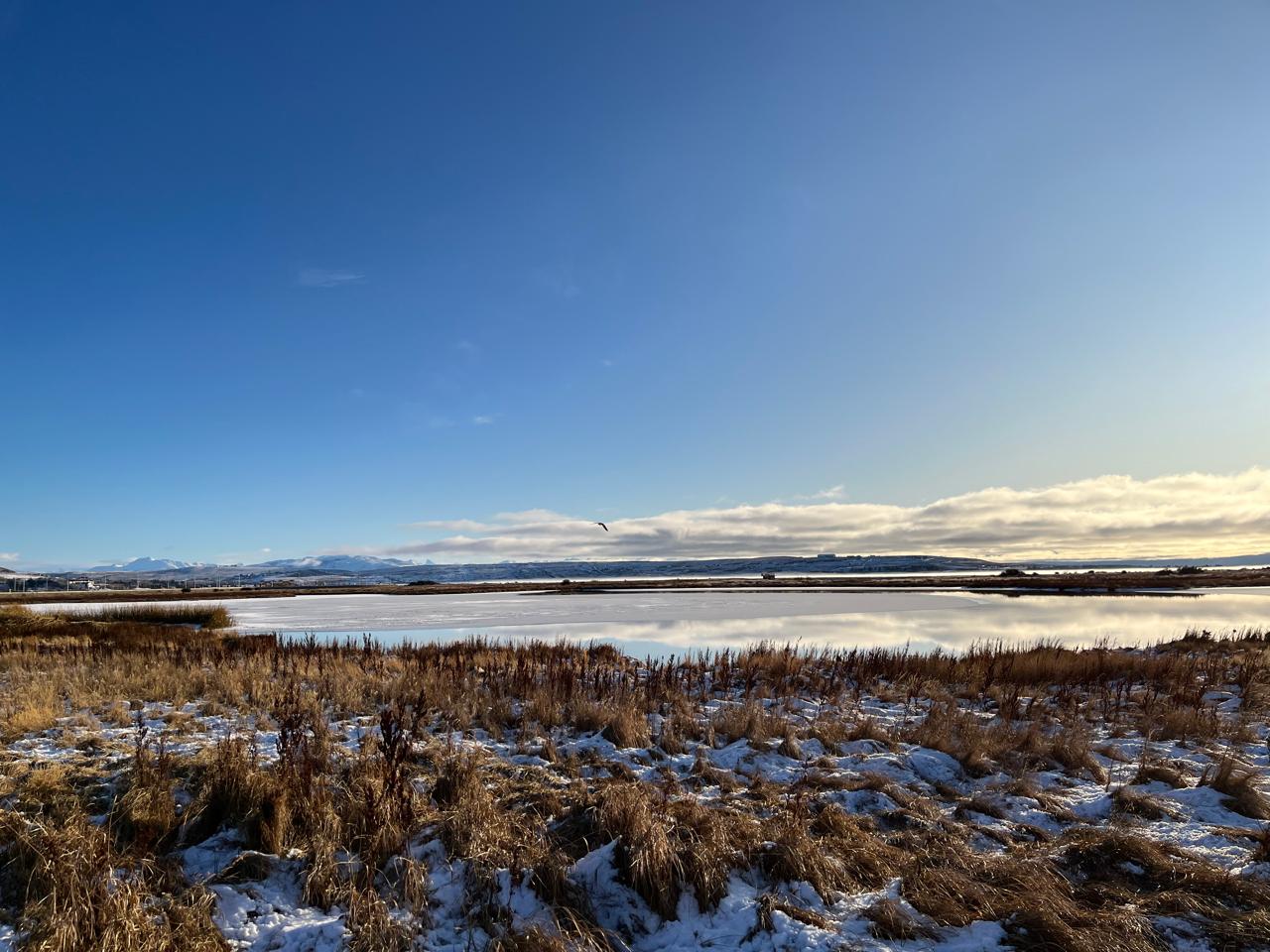
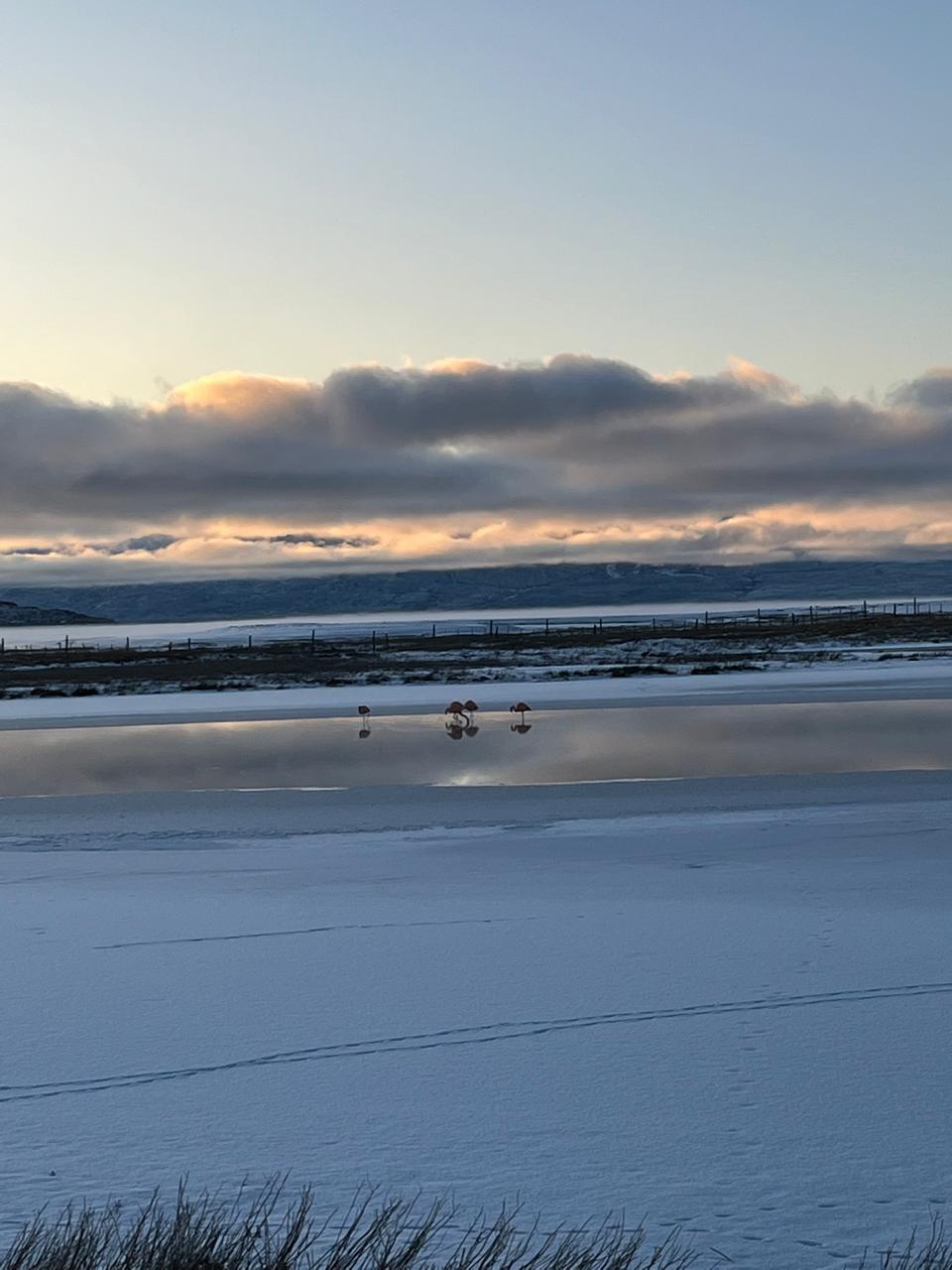
6- Laguna Nimez Reserve: A natural oasis steps from downtown. A low-difficulty interpretive trail perfect for bird watching, including the iconic southern flamingos at sunset.
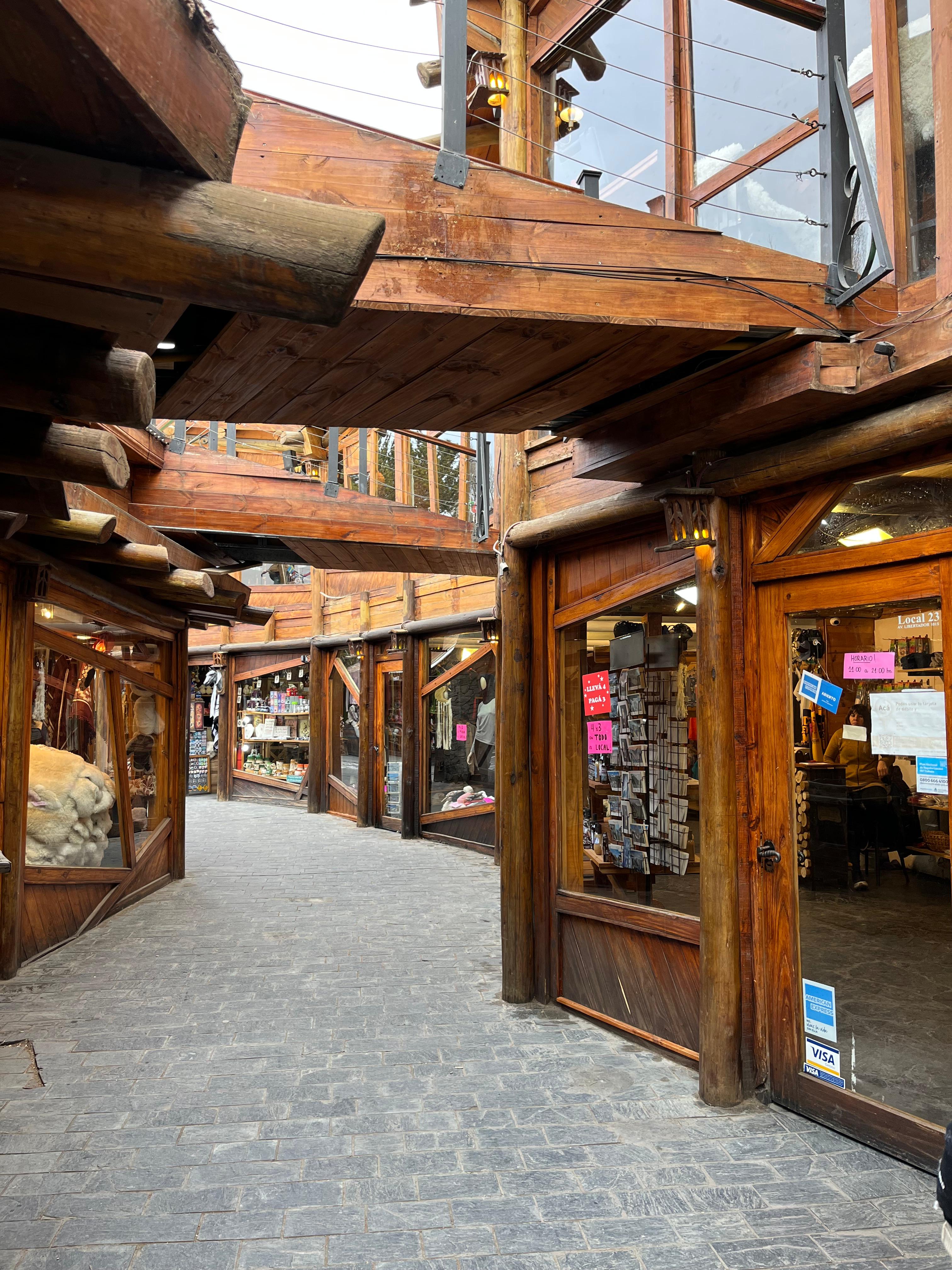
7- Downtown El Calafate: Libertador Avenue is the social heart of the town. It is the place to explore chocolate shops, buy handicrafts and enjoy the craft brewery scene after a day of excursion.
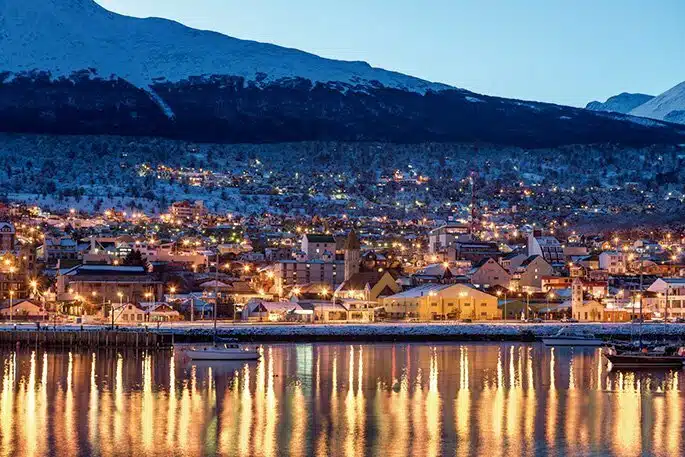
Experiences That Make a Difference
- Blue Safari A short navigation that allows you to disembark and walk on the beach in front of the Perito Moreno Glacier. It is the ideal option to touch the icebergs that strand on the shore without the need to do the trekking on the ice.
- Kayaking in front of the Glacier One of the most exclusive activities in the area. Paddling among icebergs at water level allows you to dimension the real height of the ice walls from a totally silent and private perspective.
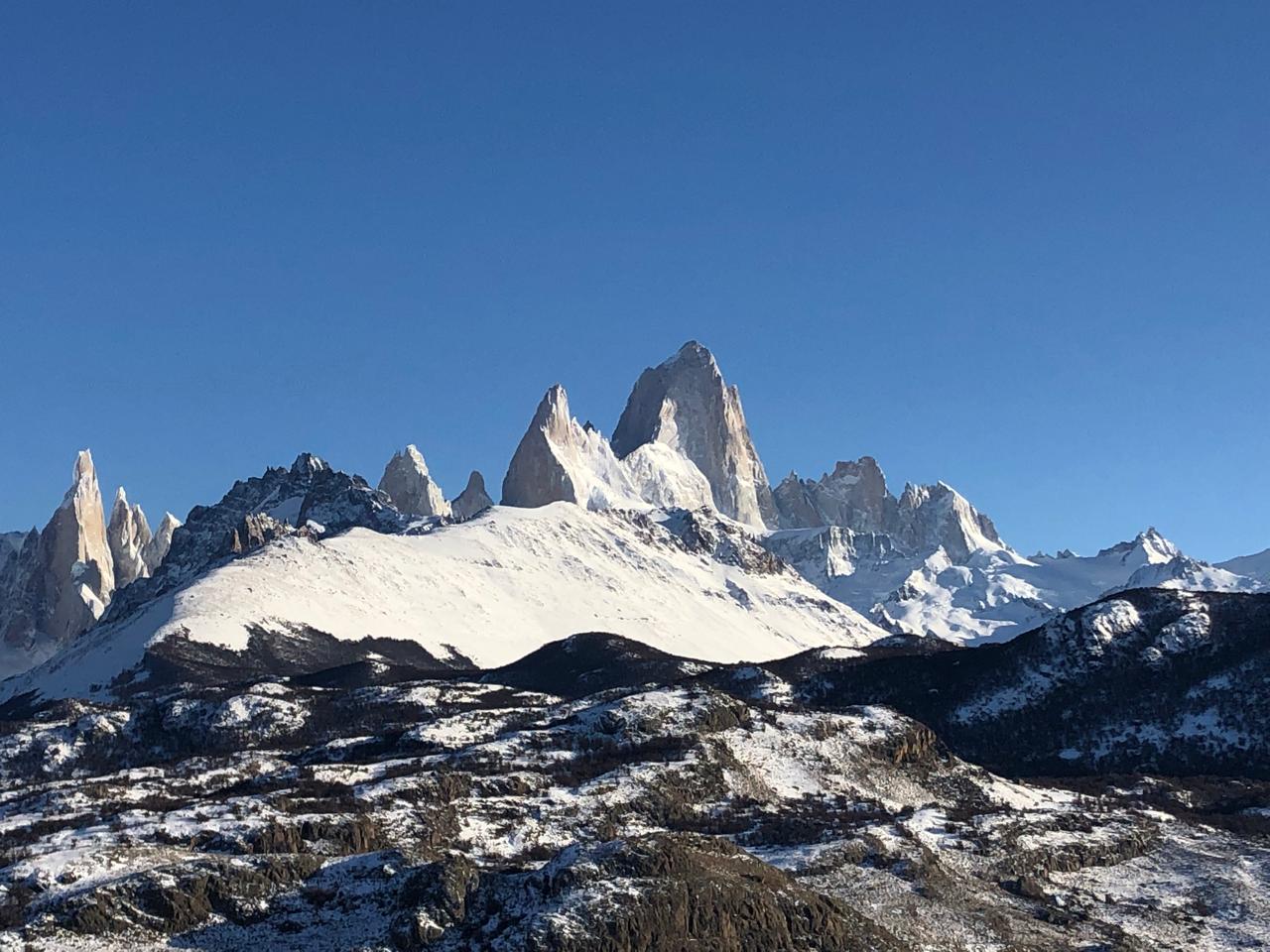
- Calafate Balconies A 4x4 tour through the hills surrounding the town. It offers an incredible aerial view of Lake Argentino and, on clear days in March, you can see the silhouettes of Fitz Roy and Cerro Torre in the distance.
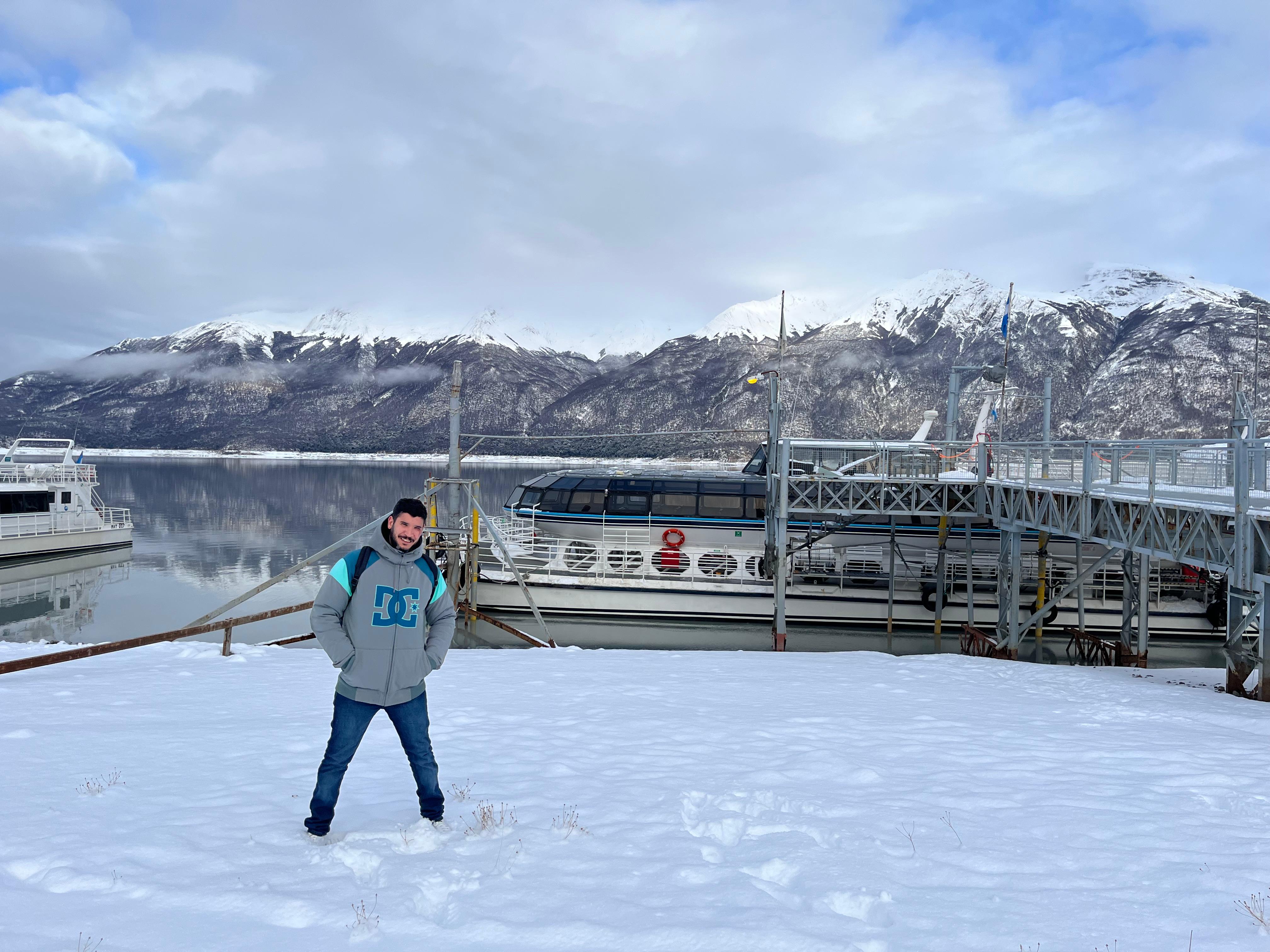
What to Eat in El Calafate
- Patagonian lamb The star dish of the region, slowly cooked "al asador" (cross style) with piquillín firewood.
- Craft beer A mandatory pairing after the glaciers. There are local microbreweries that use meltwater for their varieties of IPAs and Stouts.
- Guanaco Typical meat of southern Patagonia, with an intense flavor, very lean and healthy, usually served in stews or carpaccios.
- Trout and salmon Cold-water fish caught in lakes and rivers of the area, generally prepared on the grill or with creamy sauces.
- Pastas and mountain dishes Hearty preparations such as lamb sorrentinos or goulash, ideal for recovering energy after the cold of the glacier.
- Sweets with calafate The dark fruit that gives the city its name. Legend has it that "whoever eats the calafate fruit, always returns to Patagonia".
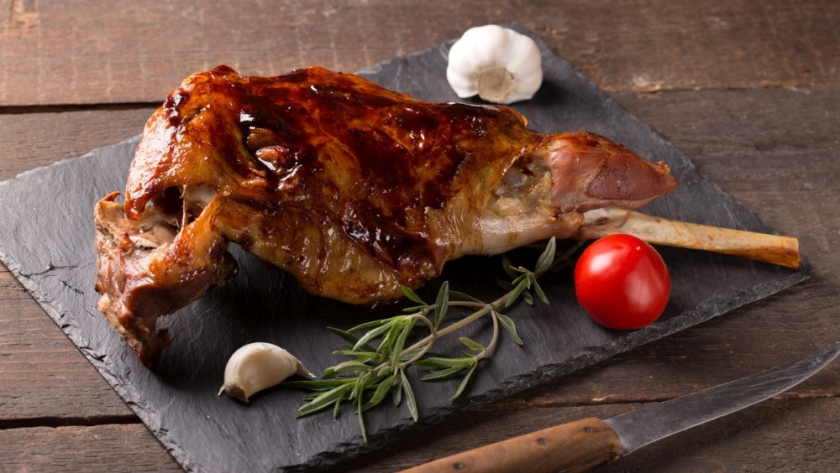
Tips and Characteristics
- Currency: Argentine Peso (ARS). It is advisable to carry some cash for tips or small handicrafts, although the center is fully banked.
- Transport: The town can be explored on foot. For the Perito Moreno Glacier (80 km away) and the estancias, it is essential to hire transfers, excursions or rent a car.
- Online reservations: In 2026, entry to Los Glaciares National Park must be managed in advance to speed up access and avoid lines at the portal.
- Weather and clothing: Cold and windy even in summer. The key is to dress "in layers" (onion style) to adapt to sudden temperature changes during excursions.
- Best time: From October to March. In March the wind drops a bit and autumn colors begin to dye the lenga and ñire trees red.
- Connectivity: Cell phone signal is usually weak or nonexistent inside the National Park. It is essential to download Google maps or reservations on your phone before leaving town.
- Traveler data: If you have time, combine the trip with El Chaltén (a 3-hour bus ride). It is the National Capital of Trekking and the natural complement to El Calafate.
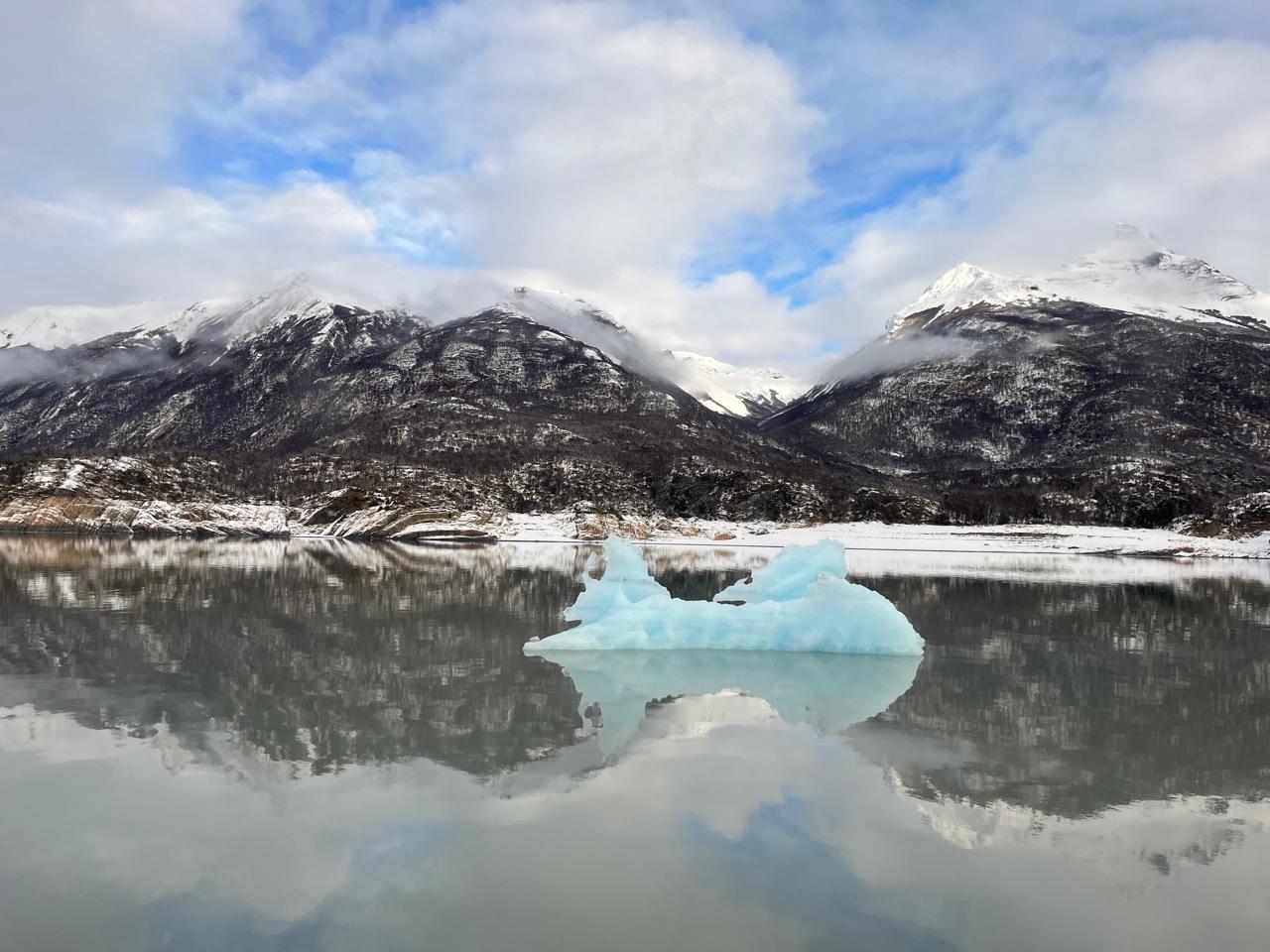
Our Experience Traveling Through El Calafate
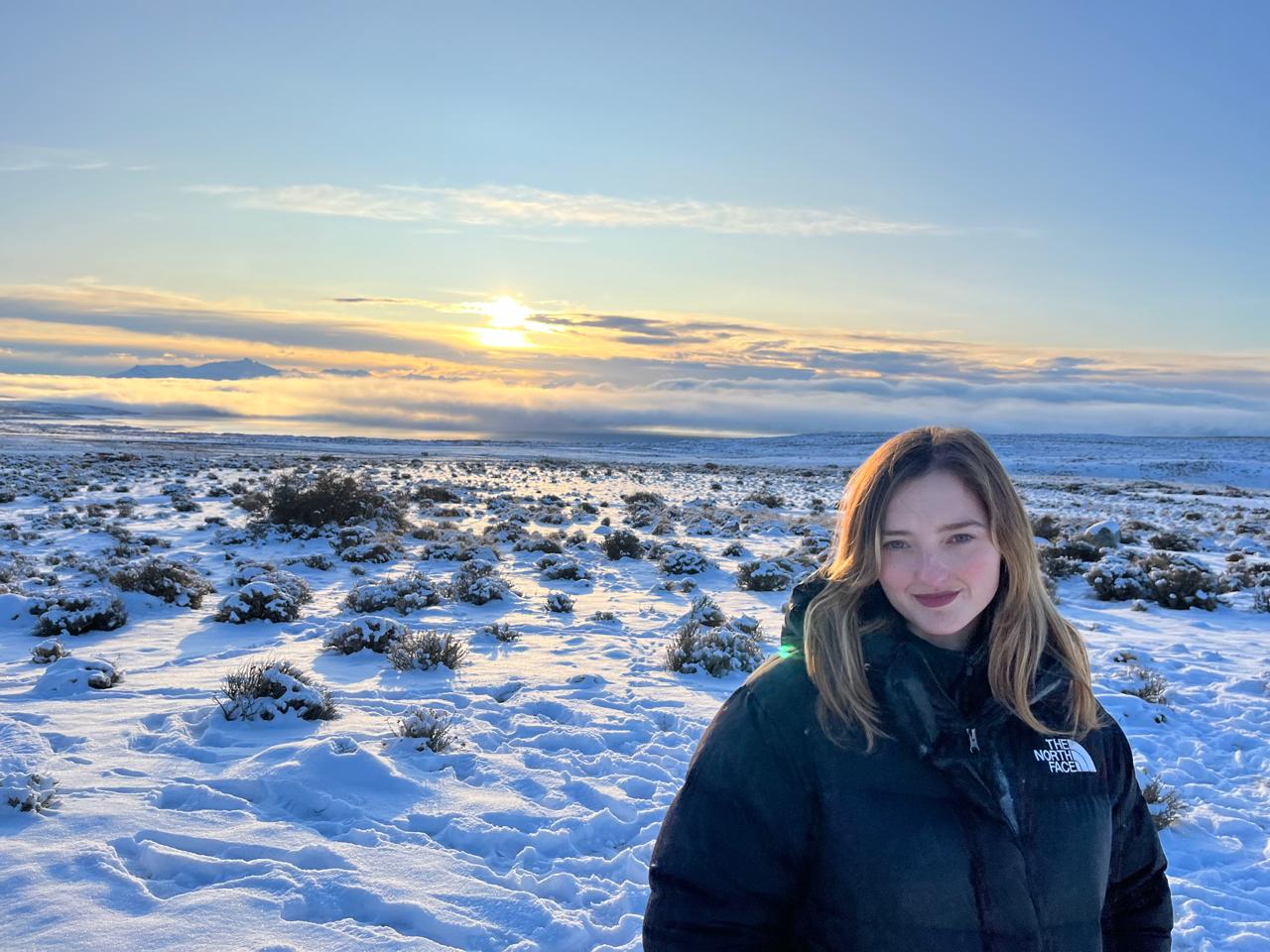
El Calafate impacts much more by its environment than by the town itself. Everything revolves around the landscape and that is felt from day one. It is a destination to slow down, observe and let yourself be pierced by the magnitude of the ice and the Patagonian immensity. A trip that leaves a strong and lasting mark.
You May Also Be Interested In
- Useful tips for traveling in 2026
- What to pack in your suitcase to Patagonia
- What to do 5 days in Bariloche
- Complete guide to travel to El Bolsón
- Complete guide to travel to Bariloche
- Complete guide to travel to El Chaltén
- Complete guide to travel to Ushuaia
- Complete guide to travel to Buenos Aires
- Complete guide to travel to Puerto Madryn
- Complete guide to travel to Lago Puelo
- Complete guide to travel to Esquel
1- Perito Moreno Glacier (Walkways): The main protagonist of the trip. Walking its 7 km of walkways allows you to observe the front of the glacier from different angles and witness the shocking ice calving.
2- Minitrekking and Big Ice: The ultimate experience of walking on millennial ice with crampons. Minitrekking is a short and accessible walk, while Big Ice goes deep into the glacier to see blue lagoons and crevasses.
3- Ice Rivers Navigation: An expedition by catamaran through the North Arm of Lake Argentino to visit the Upsala (the one with the largest surface area) and Spegazzini glaciers, whose walls reach 135 meters in height.
4- Glaciarium and Glaciobar: Modern interpretation center located on the outskirts of town. It is ideal for understanding the science of glaciers and finishing the visit with a toast in a bar made entirely of ice.
5- Patagonian Estancias: An immersion into the culture of the southern gaucho. Estancias like Nibepo Aike offer shearing demonstrations, horseback riding through the steppe and the classic spit-roasted cordero asado.
6- Laguna Nimez Reserve: A natural oasis steps from downtown. A low-difficulty interpretive trail perfect for bird watching, including the iconic southern flamingos at sunset.
7- Downtown El Calafate: Libertador Avenue is the social heart of the town. It is the place to explore chocolate shops, buy handicrafts and enjoy the craft brewery scene after a day of excursion.
PUBLICIDAD
Travel with Data: Get your Saily eSIM
- ✓Internet in seconds upon landing
- ✓Flexible plans in 180+ countries
- ✓Easy setup directly via the App
- Blue Safari A short navigation that allows you to disembark and walk on the beach in front of the Perito Moreno Glacier. It is the ideal option to touch the icebergs that strand on the shore without the need to do the trekking on the ice.
- Kayaking in front of the Glacier One of the most exclusive activities in the area. Paddling among icebergs at water level allows you to dimension the real height of the ice walls from a totally silent and private perspective.
- Calafate Balconies A 4x4 tour through the hills surrounding the town. It offers an incredible aerial view of Lake Argentino and, on clear days in March, you can see the silhouettes of Fitz Roy and Cerro Torre in the distance.
- Patagonian lamb The star dish of the region, slowly cooked "al asador" (cross style) with piquillín firewood.
- Craft beer A mandatory pairing after the glaciers. There are local microbreweries that use meltwater for their varieties of IPAs and Stouts.
- Guanaco Typical meat of southern Patagonia, with an intense flavor, very lean and healthy, usually served in stews or carpaccios.
- Trout and salmon Cold-water fish caught in lakes and rivers of the area, generally prepared on the grill or with creamy sauces.
- Pastas and mountain dishes Hearty preparations such as lamb sorrentinos or goulash, ideal for recovering energy after the cold of the glacier.
- Sweets with calafate The dark fruit that gives the city its name. Legend has it that "whoever eats the calafate fruit, always returns to Patagonia".
- Currency: Argentine Peso (ARS). It is advisable to carry some cash for tips or small handicrafts, although the center is fully banked.
- Transport: The town can be explored on foot. For the Perito Moreno Glacier (80 km away) and the estancias, it is essential to hire transfers, excursions or rent a car.
- Online reservations: In 2026, entry to Los Glaciares National Park must be managed in advance to speed up access and avoid lines at the portal.
- Weather and clothing: Cold and windy even in summer. The key is to dress "in layers" (onion style) to adapt to sudden temperature changes during excursions.
- Best time: From October to March. In March the wind drops a bit and autumn colors begin to dye the lenga and ñire trees red.
- Connectivity: Cell phone signal is usually weak or nonexistent inside the National Park. It is essential to download Google maps or reservations on your phone before leaving town.
- Traveler data: If you have time, combine the trip with El Chaltén (a 3-hour bus ride). It is the National Capital of Trekking and the natural complement to El Calafate.
El Calafate impacts much more by its environment than by the town itself. Everything revolves around the landscape and that is felt from day one. It is a destination to slow down, observe and let yourself be pierced by the magnitude of the ice and the Patagonian immensity. A trip that leaves a strong and lasting mark.
PUBLICIDAD
- Useful tips for traveling in 2026
- What to pack in your suitcase to Patagonia
- What to do 5 days in Bariloche
- Complete guide to travel to El Bolsón
- Complete guide to travel to Bariloche
- Complete guide to travel to El Chaltén
- Complete guide to travel to Ushuaia
- Complete guide to travel to Buenos Aires
- Complete guide to travel to Puerto Madryn
- Complete guide to travel to Lago Puelo
- Complete guide to travel to Esquel
Galery

PUBLICIDAD
International Travel Insurance
- ✓International medical insurance
- ✓24/7 immediate assistance in your language
- ✓Ideal for trekking & adventure
Preferences
Language
Color
Text
Width