Table of contents and map
7 activities for El Bolsón 2026: trekking, refuges and artisan culture in Patagonia
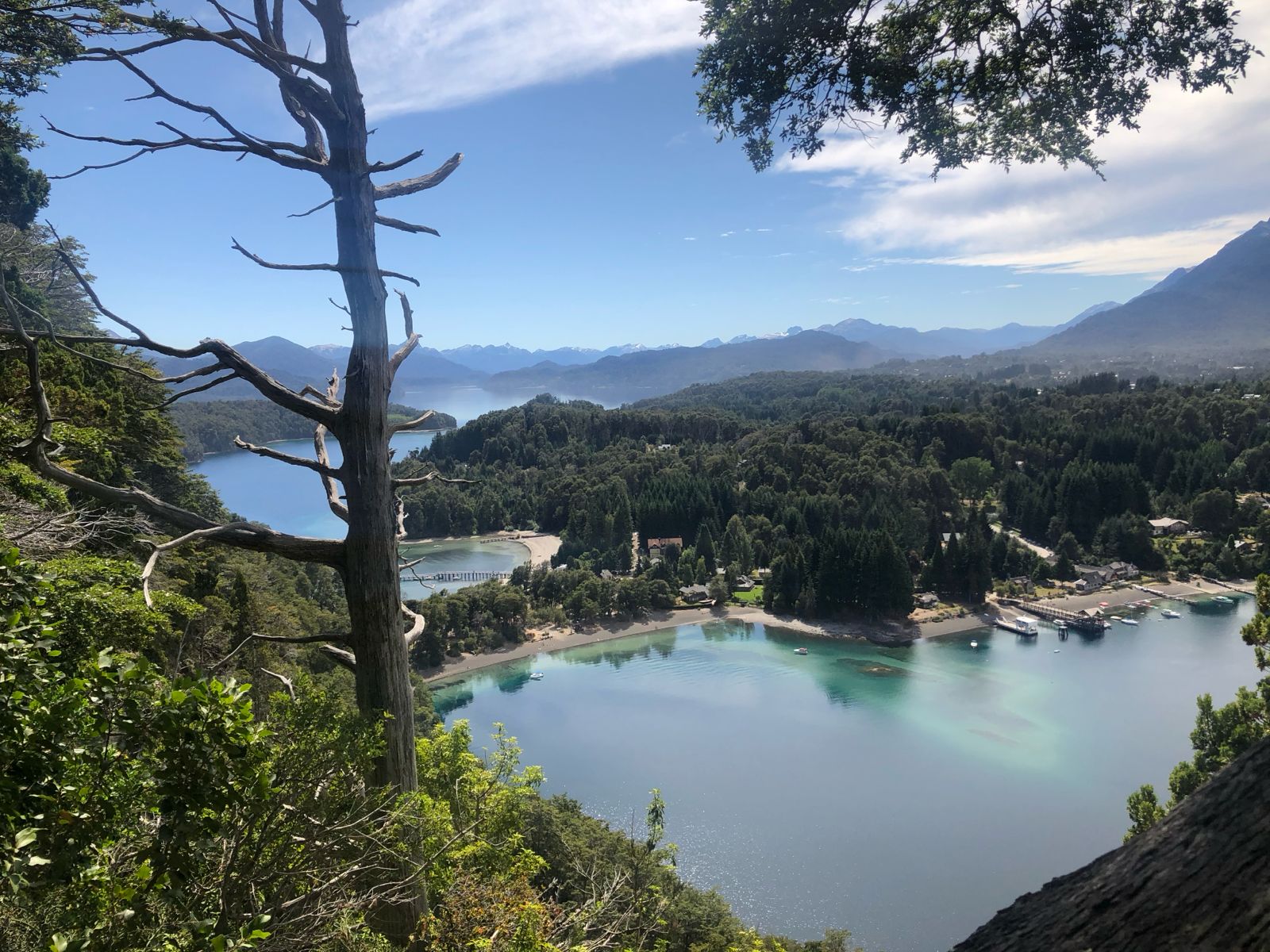
El Bolsón is the hippie refuge of Patagonia, a valley surrounded by mountains, hop fields, and turquoise rivers. Famous for having the largest network of mountain refuges in South America and an iconic artisan fair, it is the ideal destination for those seeking epic hikes and the best craft beer in the region.
7 activities for El Bolsón 2026: trekking, refuges and artisan culture in Patagonia
El Bolsón is the hippie refuge of Patagonia, a valley surrounded by mountains, hop fields, and turquoise rivers. Famous for having the largest network of mountain refuges in South America and an iconic artisan fair, it is the ideal destination for those seeking epic hikes and the best craft beer in the region.
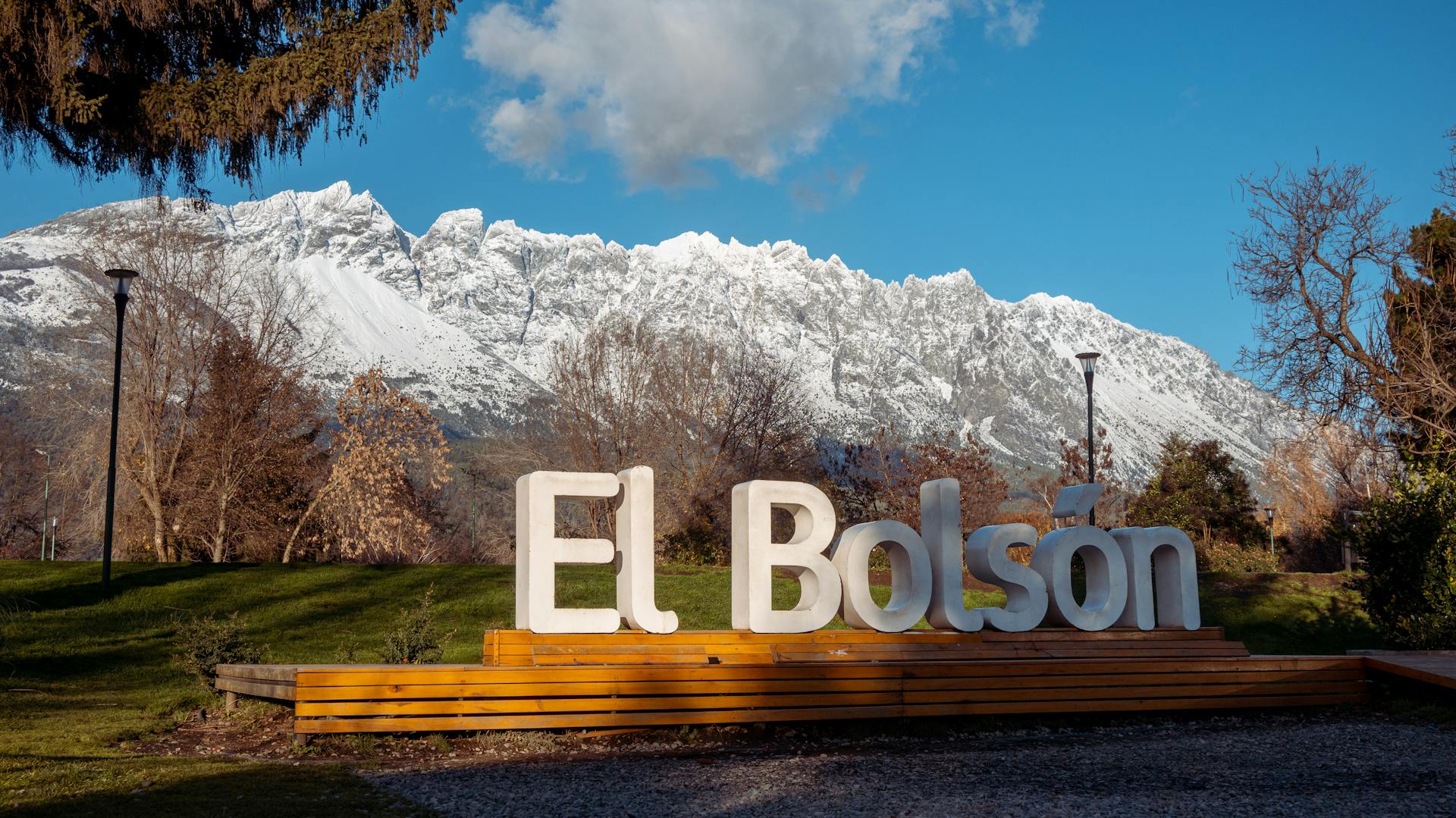
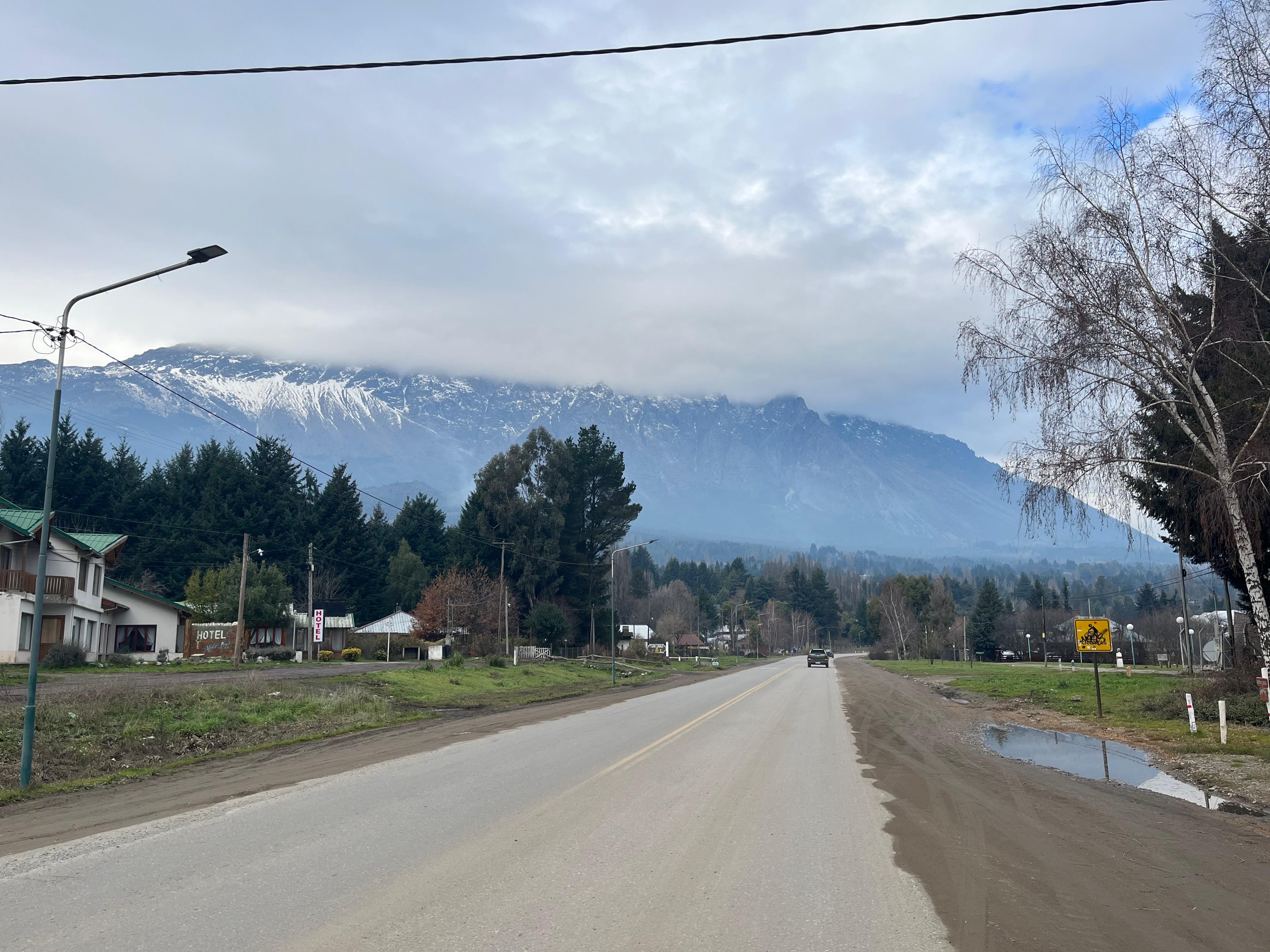
El Bolsón invites you to slow down. It is its own 'Republic' within Patagonia, where life is organized around fairs, river pools, and mountain trails. Unlike Bariloche, the atmosphere here is more alternative and relaxed, ideal for those looking to connect with nature without the crowds of large tourist cities.
7 Must-Sees: What to See and Do in El Bolsón
1- Cerro Piltriquitrón ("El Piltri"): It is the emblem mountain. Its name means 'Hanging from the clouds' in Tehuelche. You can drive up to the platform and then walk 45 minutes to the Bosque Tallado (Carved Forest), an open-air museum featuring sculptures carved into the trunks of burnt lenga trees. It is a mystical experience with the best views of the valley and the favorite spot for paragliding.
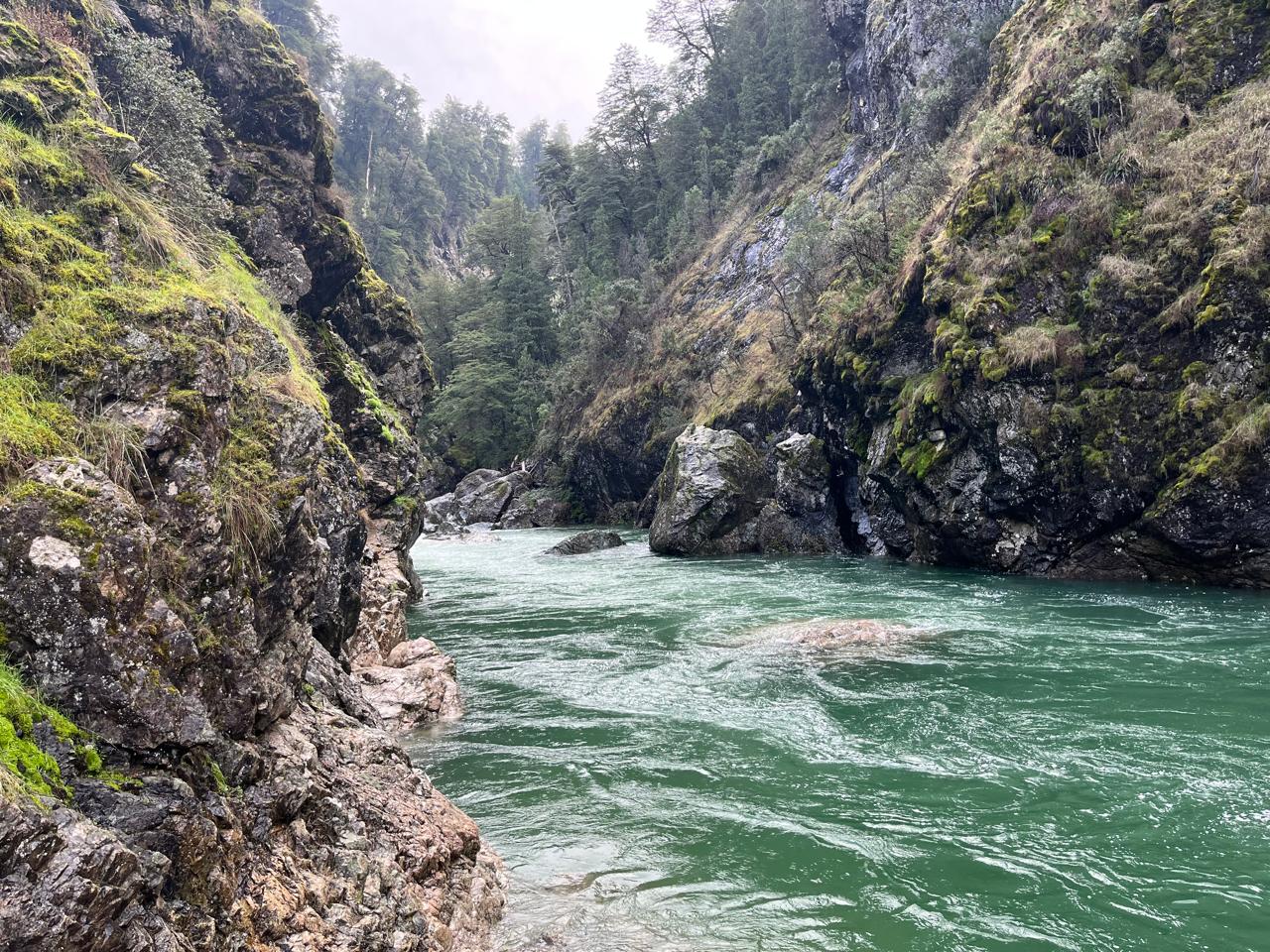
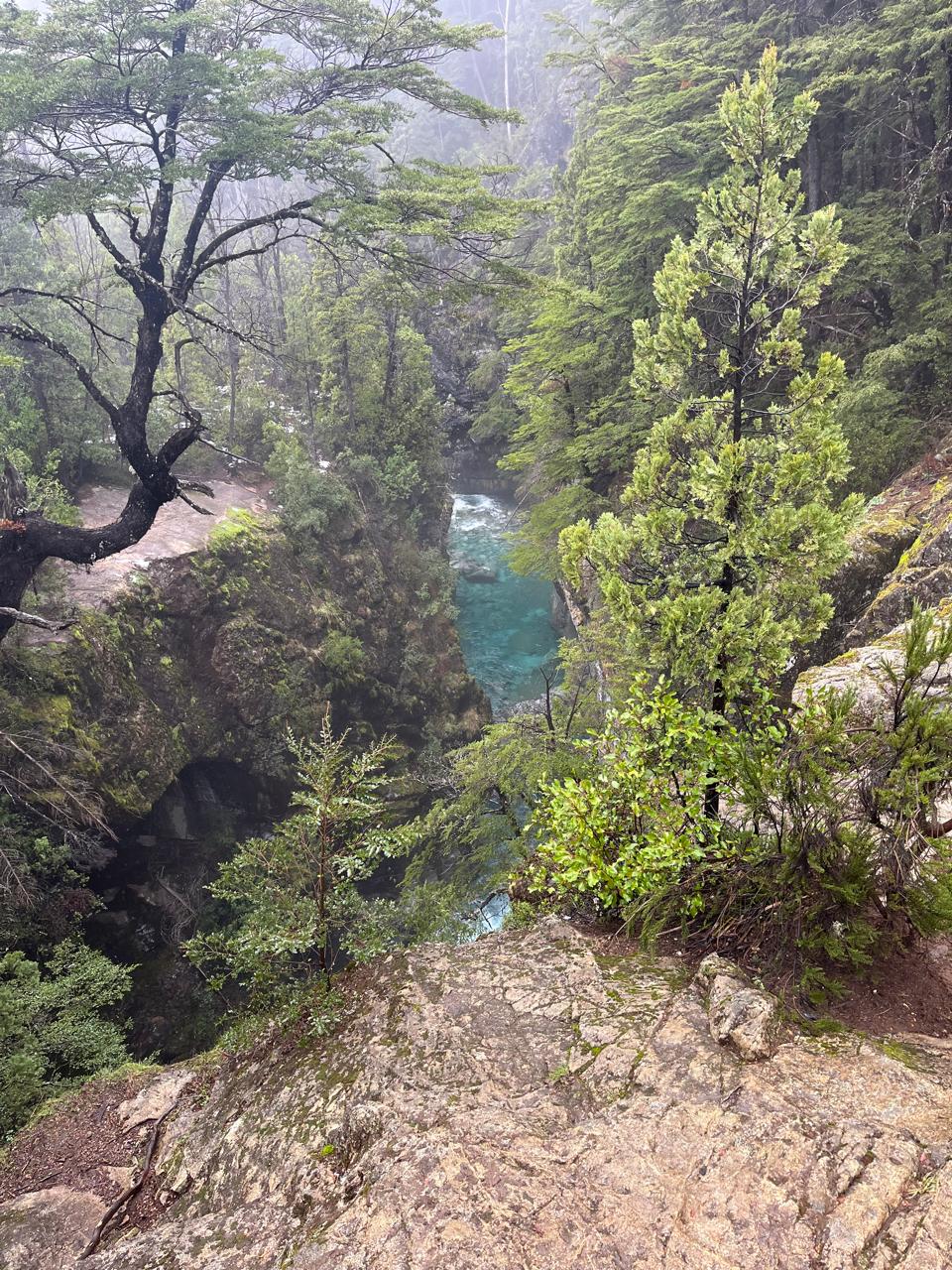
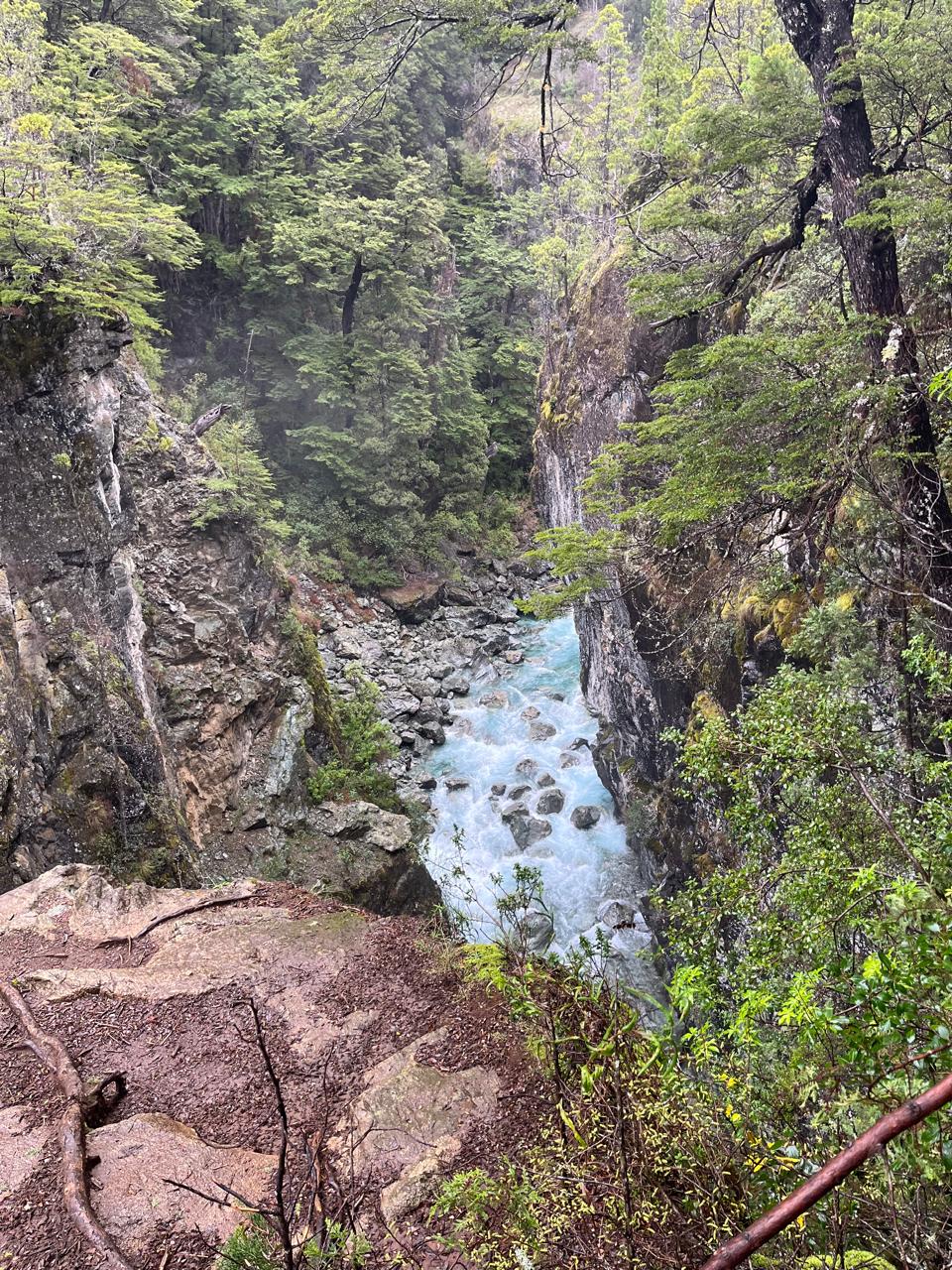
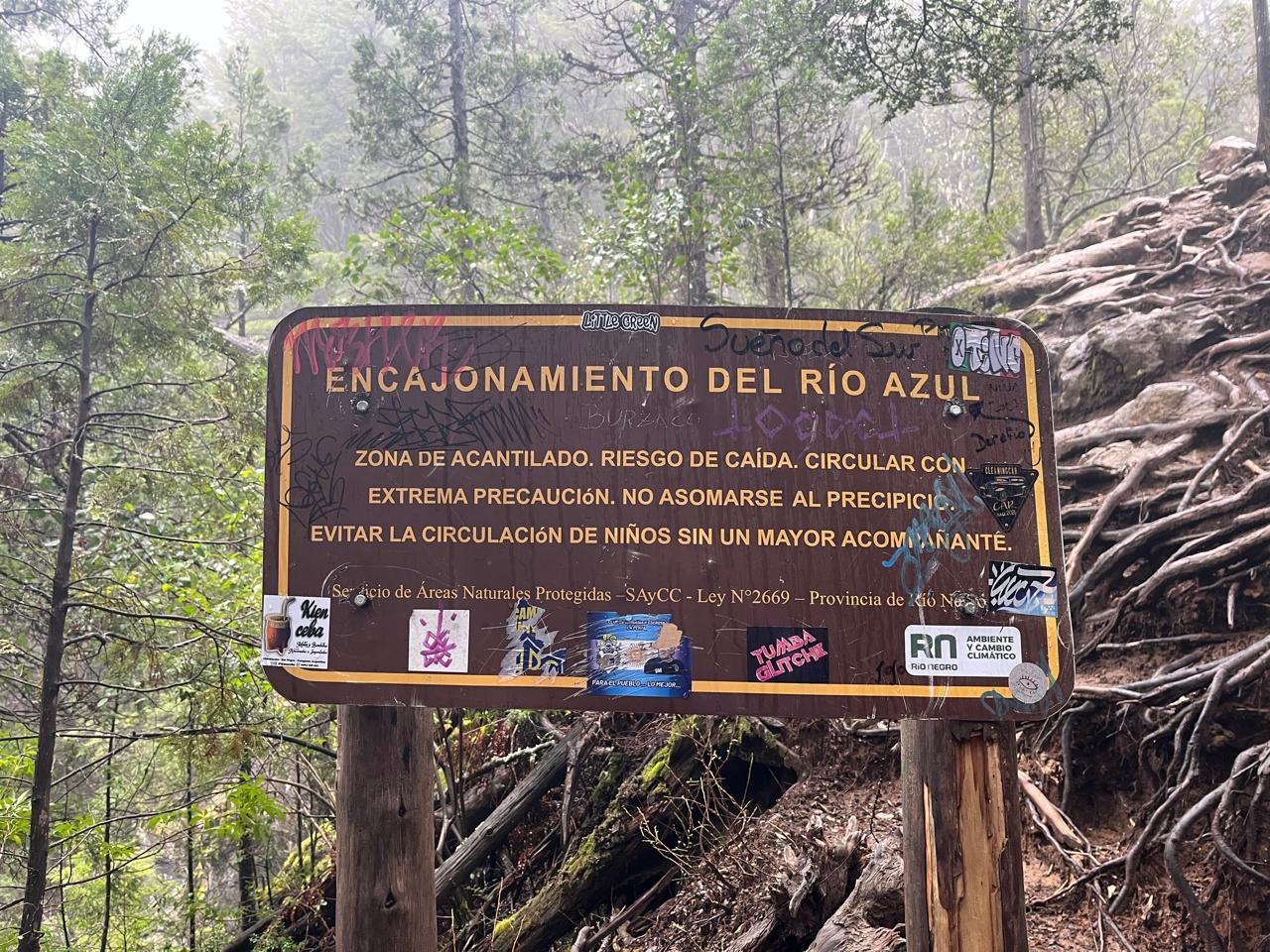
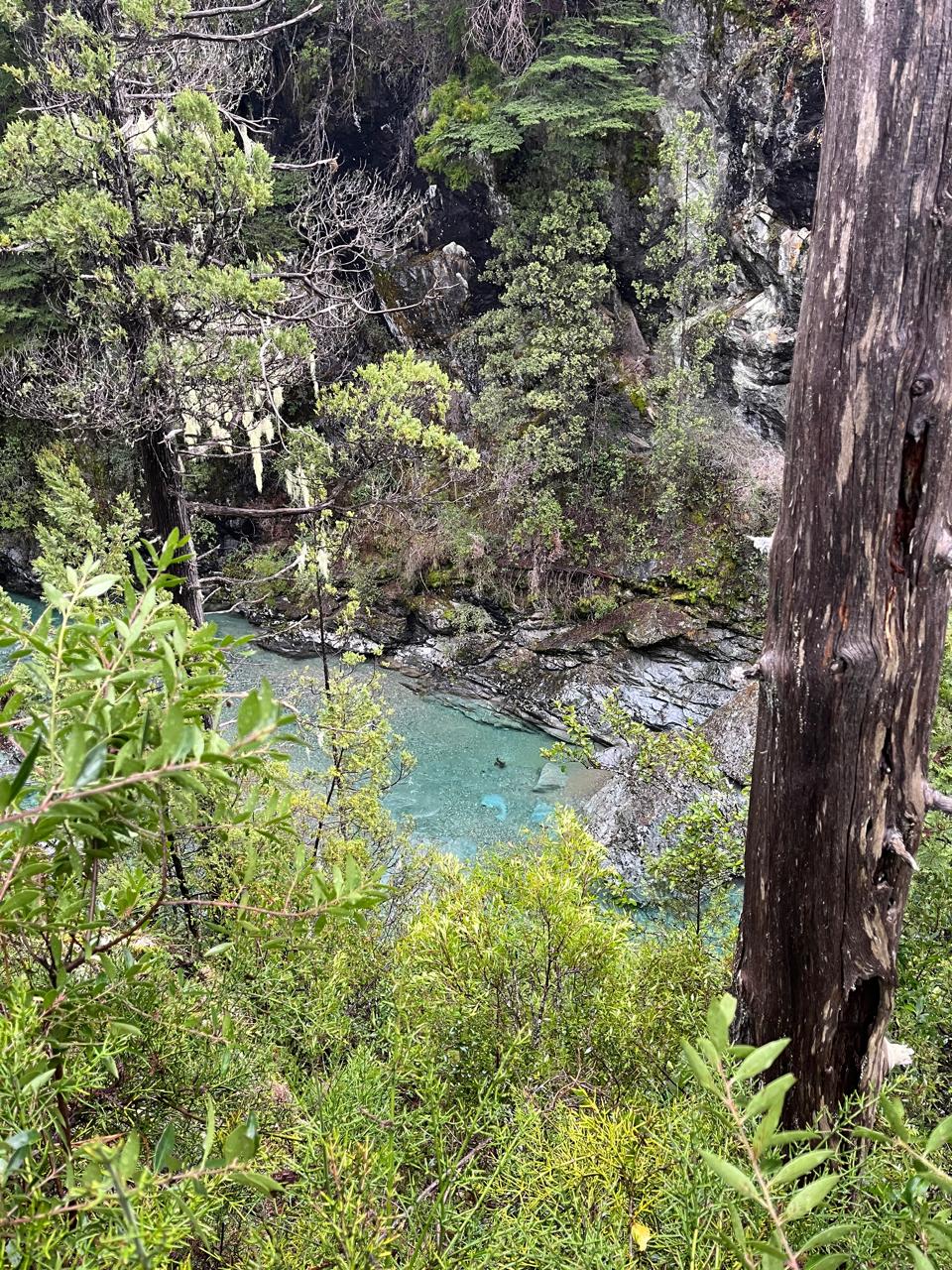
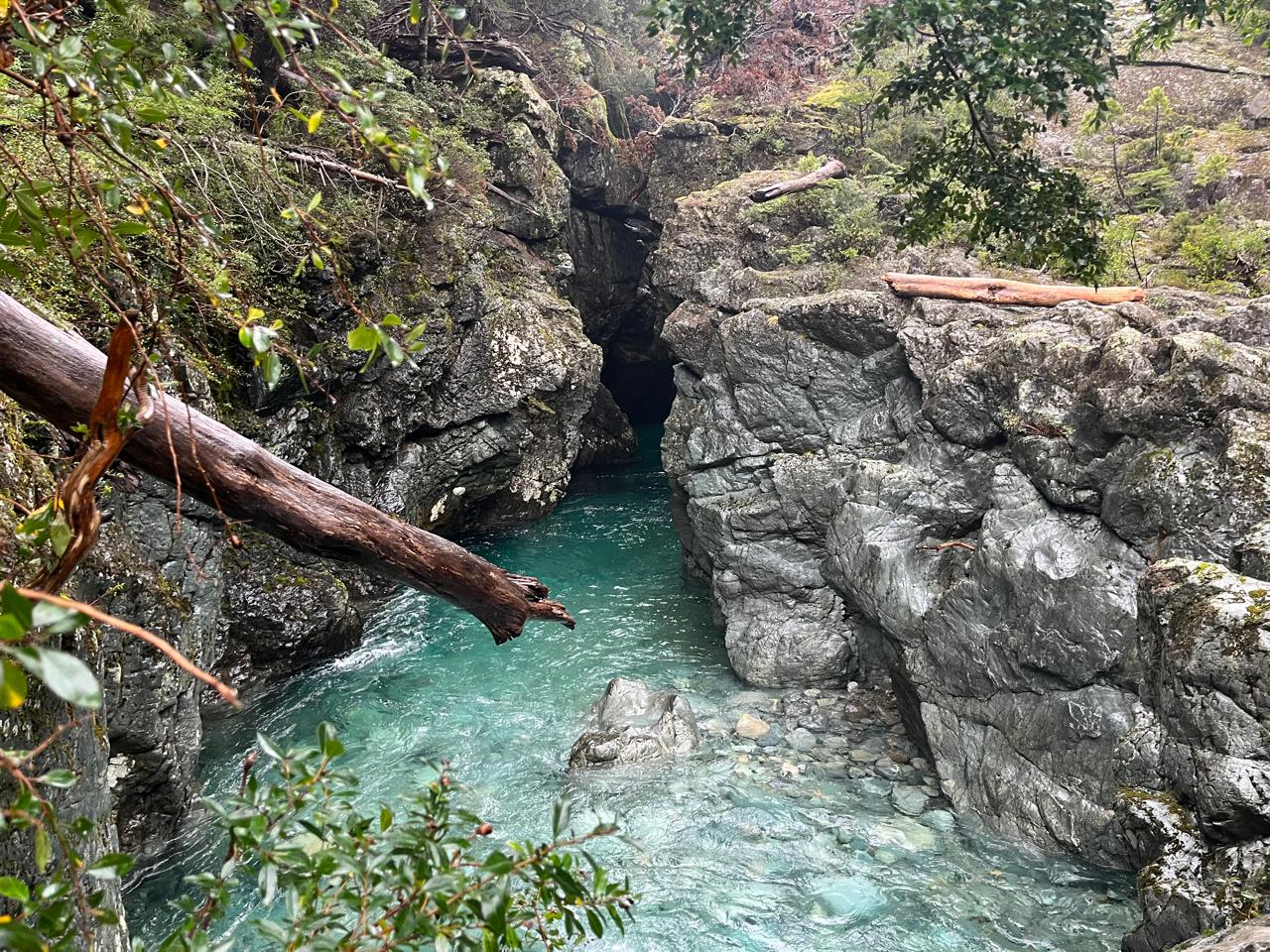
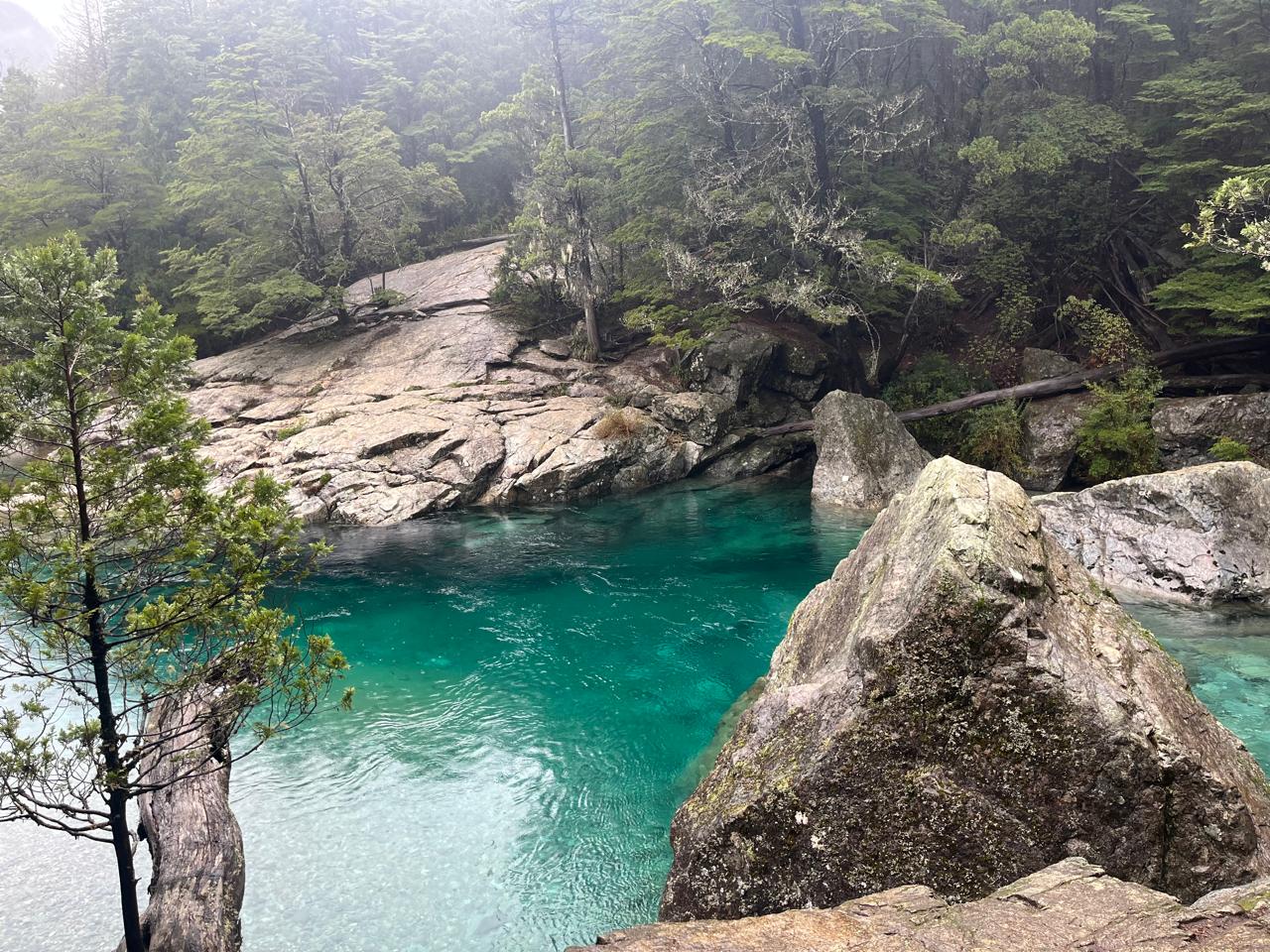
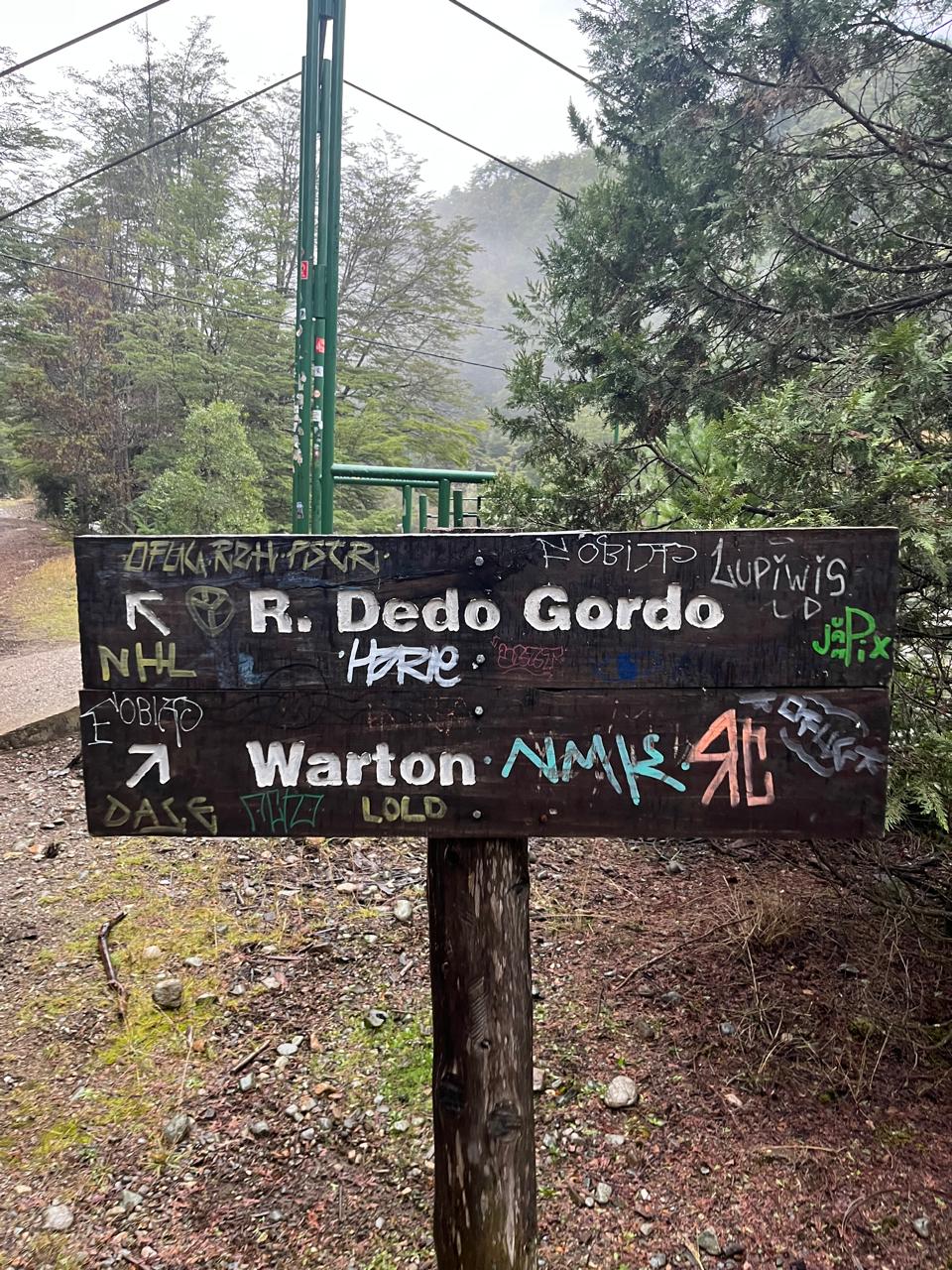
2- Cajón del Azul: The star trekking. It is about a 3 to 4-hour hike from 'Wharton' to reach a canyon where the Azul River squeezes between rock walls, creating incredible turquoise pools. Vital fact: The river is glacier-fed and very treacherous; enjoy the pools with caution. It is mandatory to complete the Trekking Registration in ANPRALE before heading up.
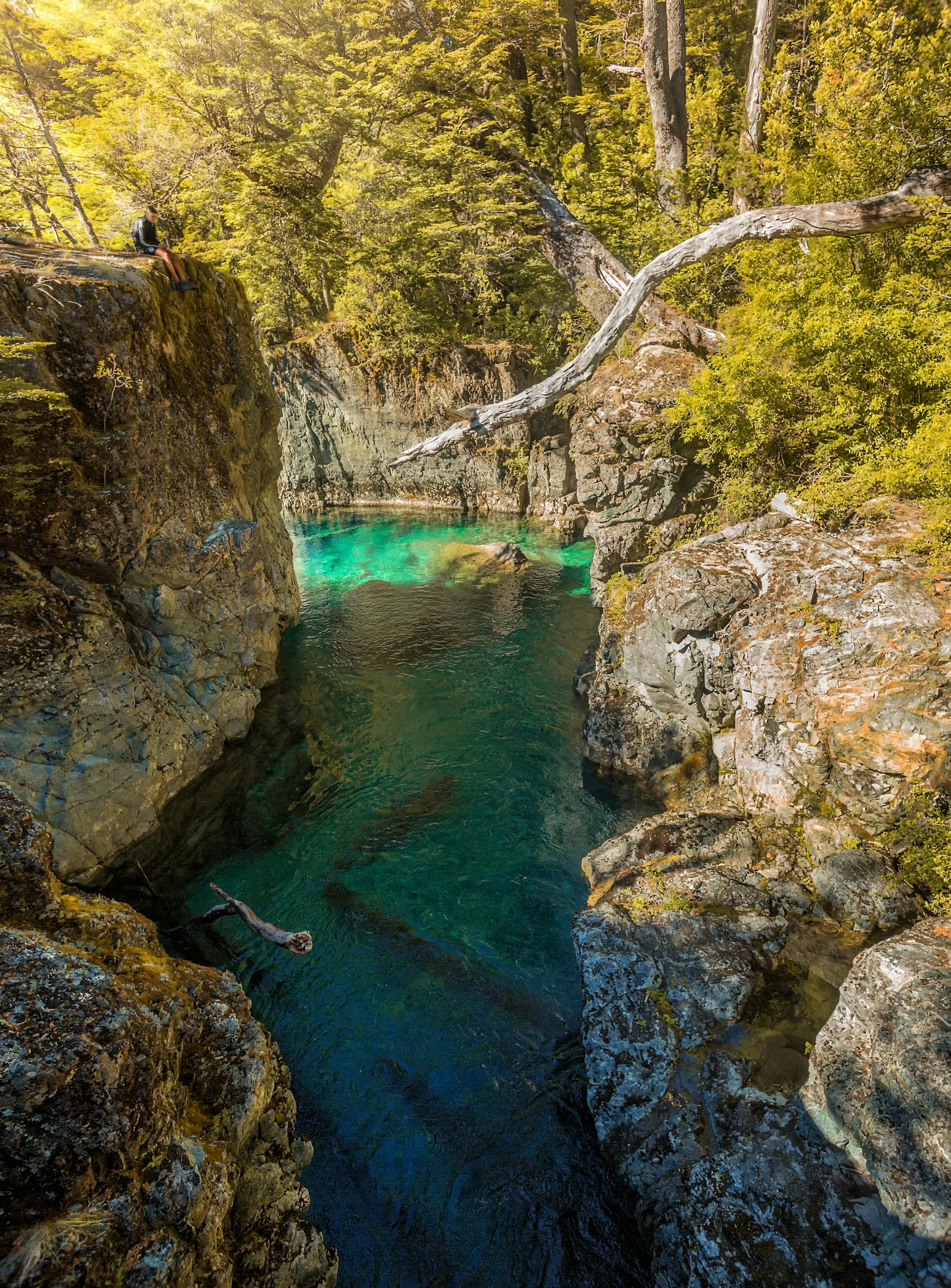
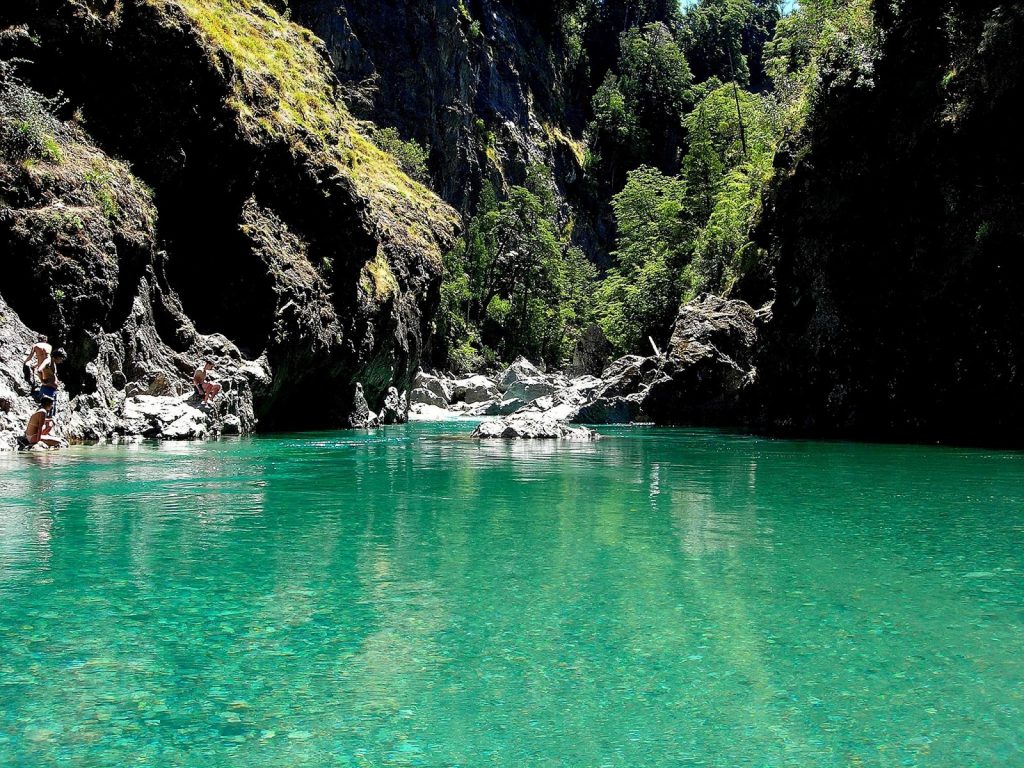
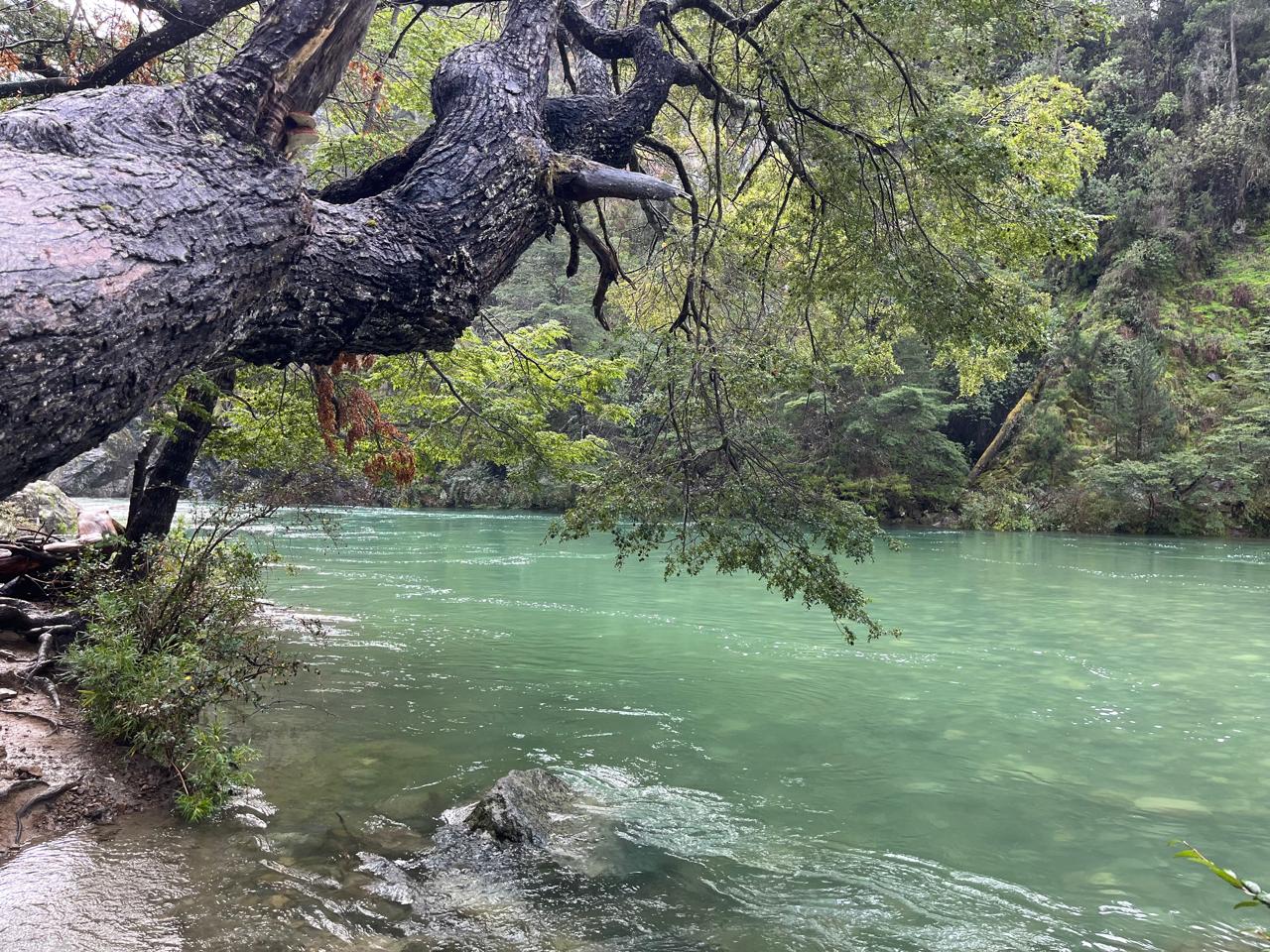
3- El Paraíso (Azul River): If you don't want to hike all day toward the Cajón, this is the place. Just a 45-minute walk from the Doña Rosa Campsite, you will find crystal-clear water pools and an untouched environment. Tip: Go early to make the most of the sun, as the canyon falls into shade by the afternoon.
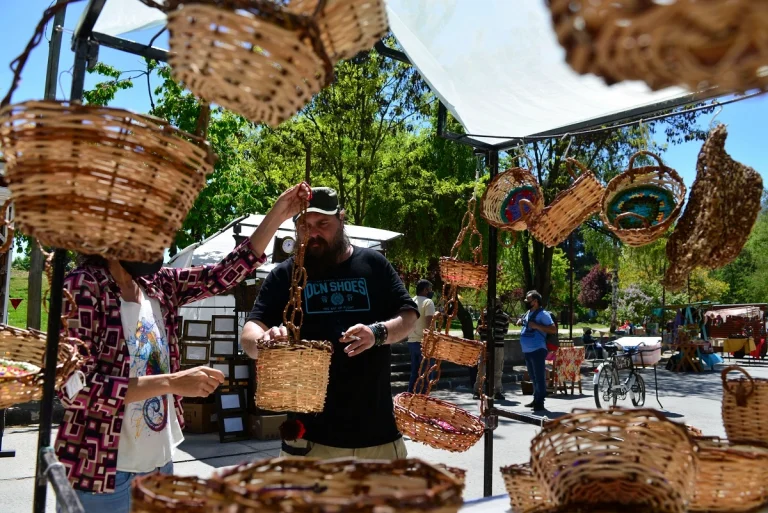
4- El Bolsón Regional Fair: Located in Plaza Pagano, it is one of the largest in South America. The main days are Tuesdays, Thursdays, Saturdays, and Sundays. You will find everything from musical instruments to forged knives and the best regional berries jams.
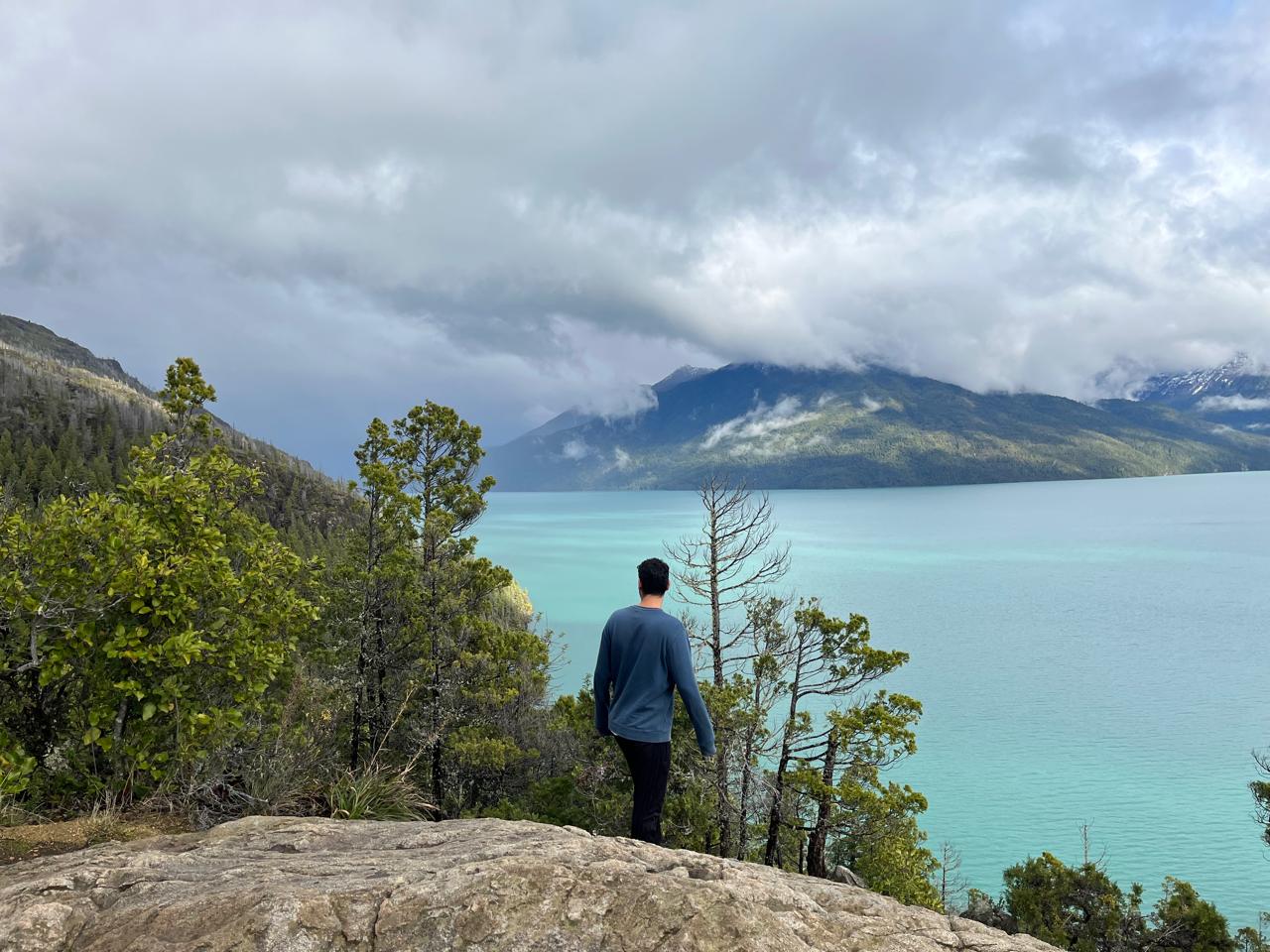
5- Lago Puelo: Only 16 km away, this National Park offers warmer waters than the rest of Patagonia. Ideal for spending the day, renting a kayak, or hiking the trail to 'Los Hitos' (the border with Chile).
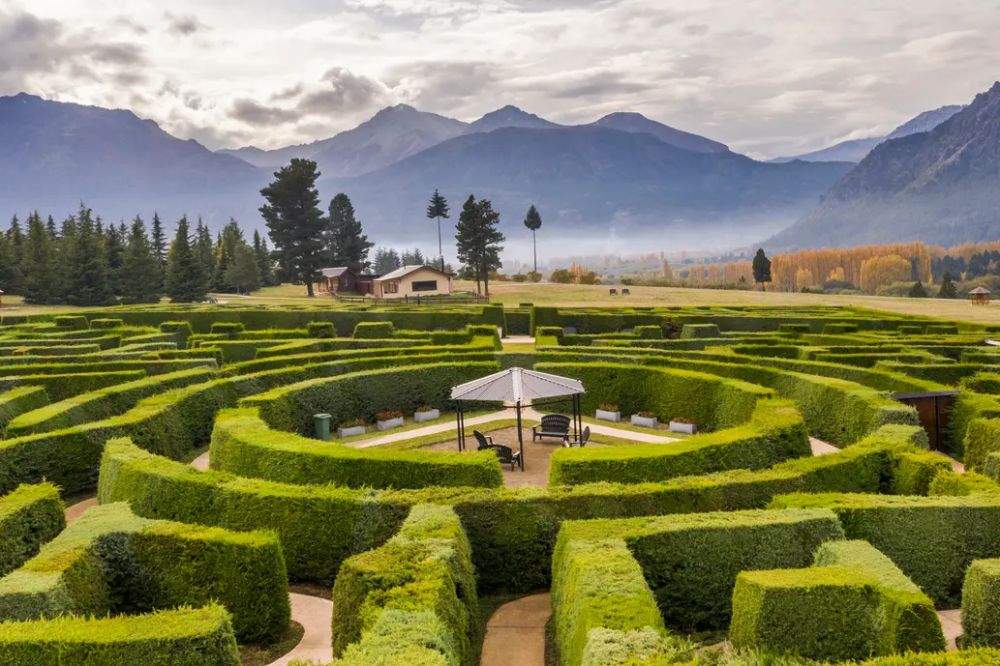
6- Patagonia Labyrinth: Located in El Hoyo (15 minutes away), it is the largest labyrinth in South America. A fun challenge surrounded by mountain landscapes that is totally worth the visit.
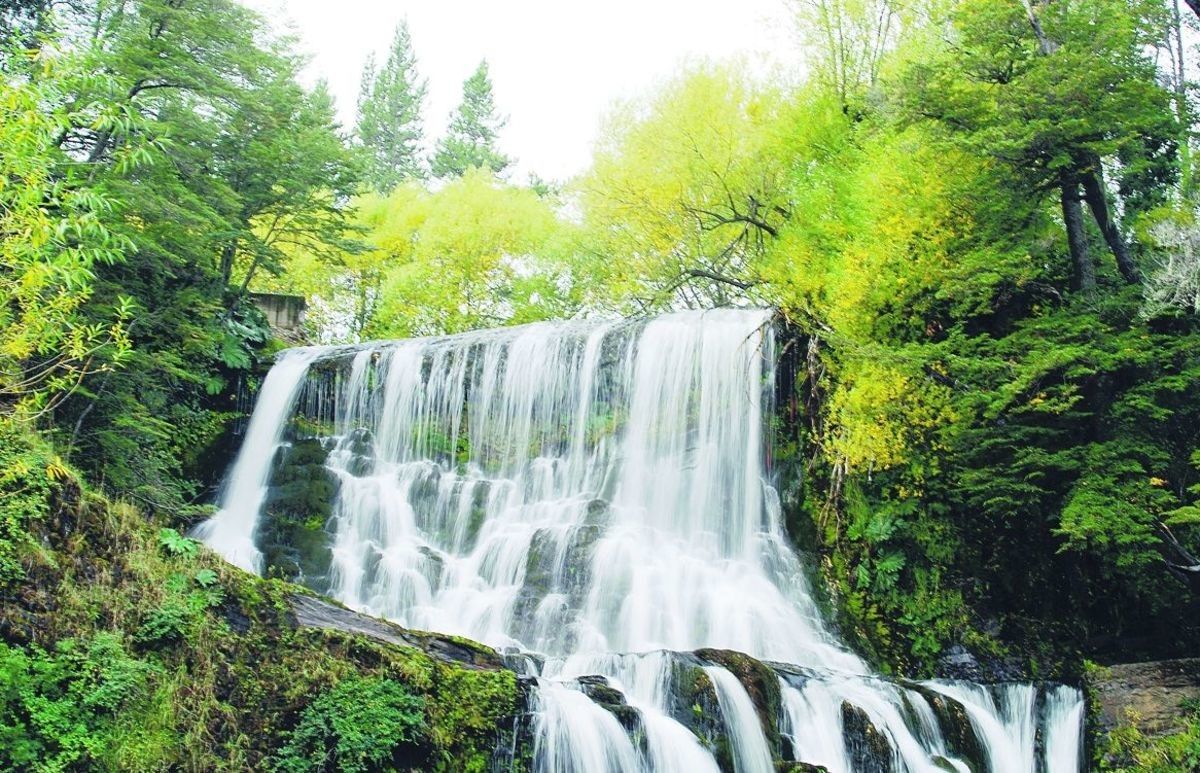
7- Escondida Waterfall and Mallín Ahogado: A circuit of local farms and waterfalls perfect for exploring by bicycle or car if you are looking for a more peaceful plan than high-mountain trekking.
Trekking to Cajón del Azul: The Heart of the Mountain
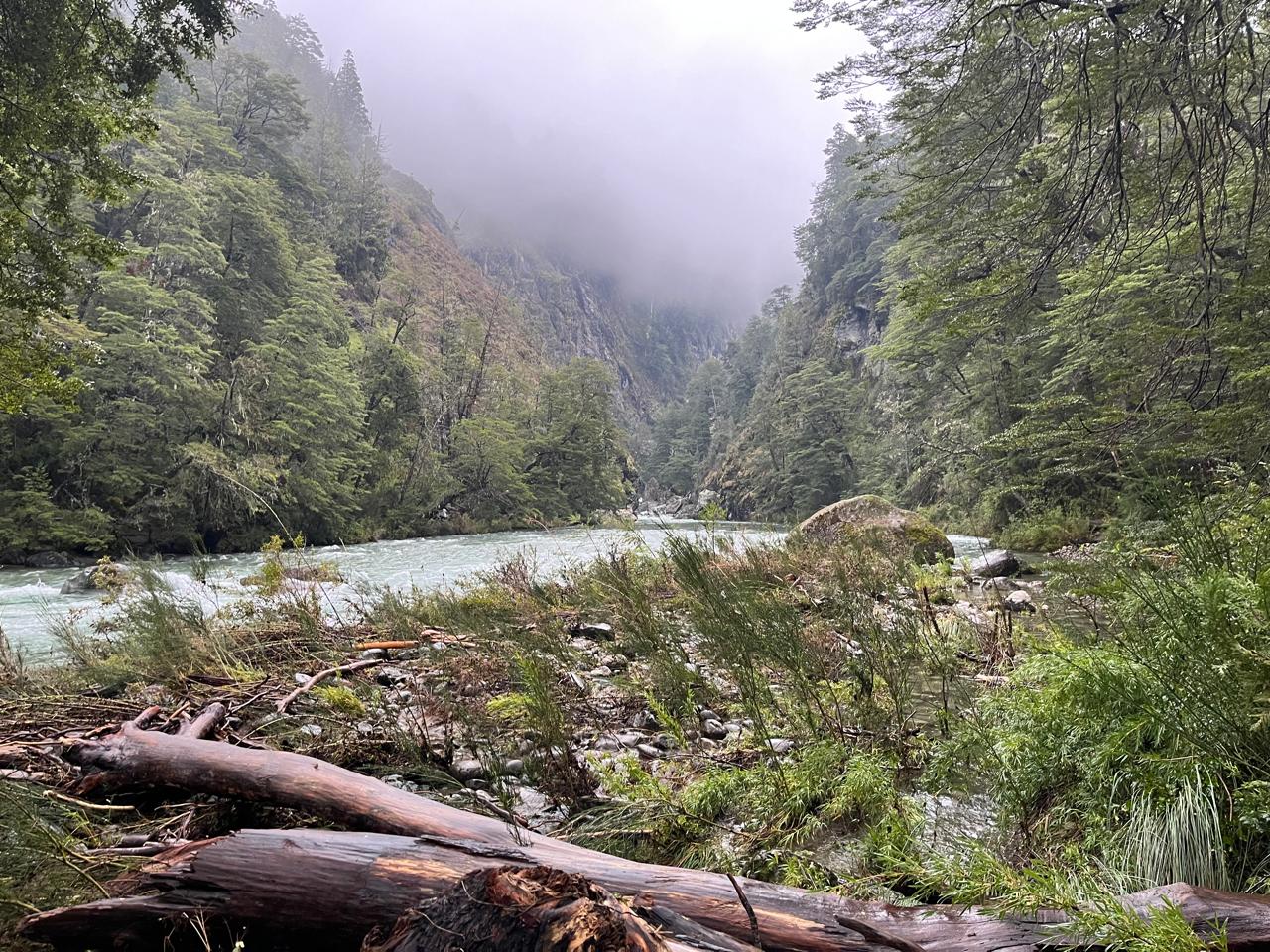
Reaching Cajón del Azul is a transformative experience, but it requires planning. It is not just a simple stroll in the park; it is a medium-intensity mountain trek that takes you deep into the Valdivian forest.
-
How to get to the trailhead (Wharton): The starting point is the Wharton outpost, 15 km from downtown.
-
By car: Take Route 40 north and turn off at the entrance to Mallín Ahogado. There are several secure, paid private parking lots where you can leave your vehicle.
-
By bus: Take 'La Golondrina' bus with the 'Wharton' sign from Plaza Pagano. In summer (2026), it runs every hour starting at 08:00 AM.
-
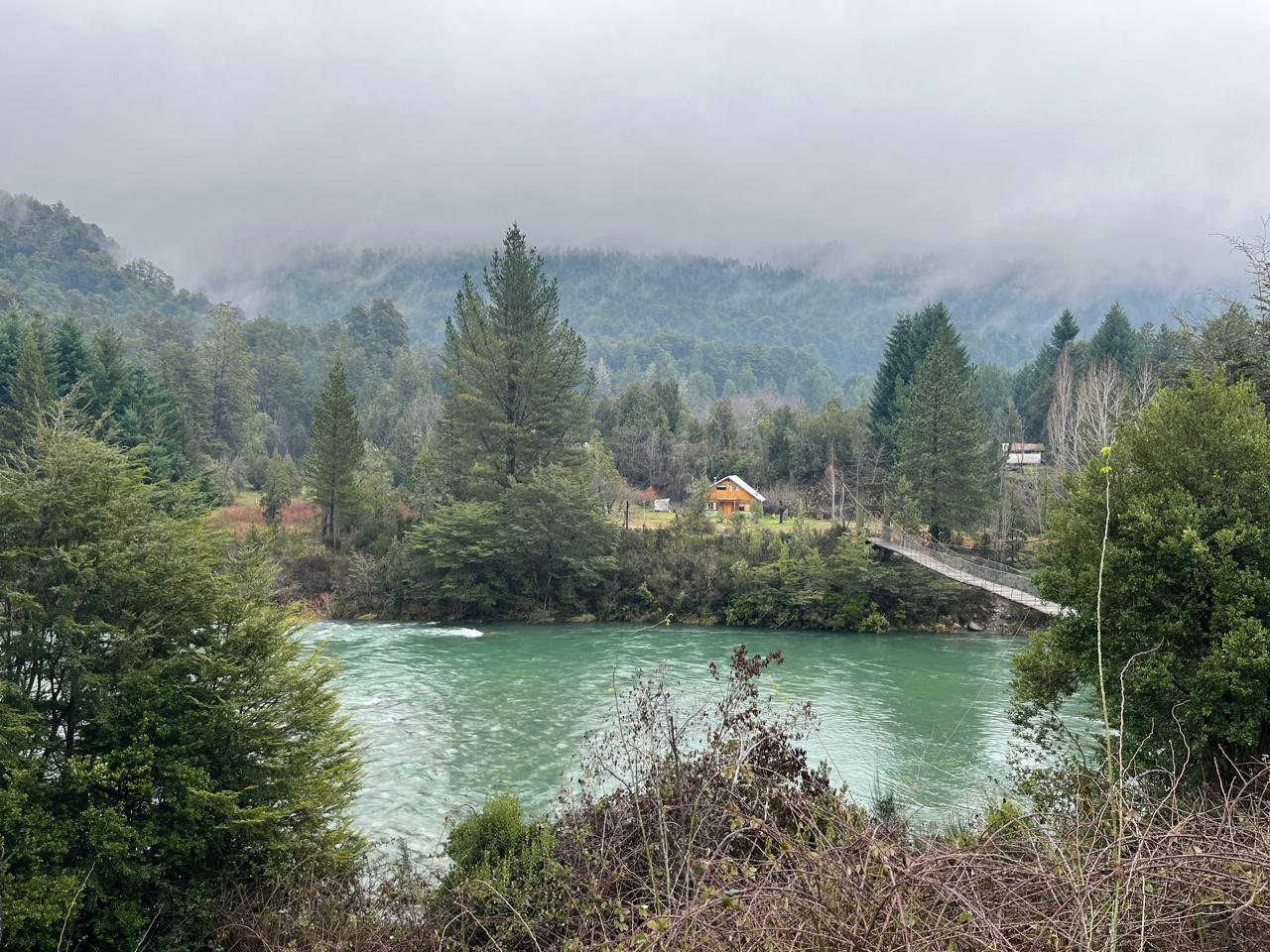
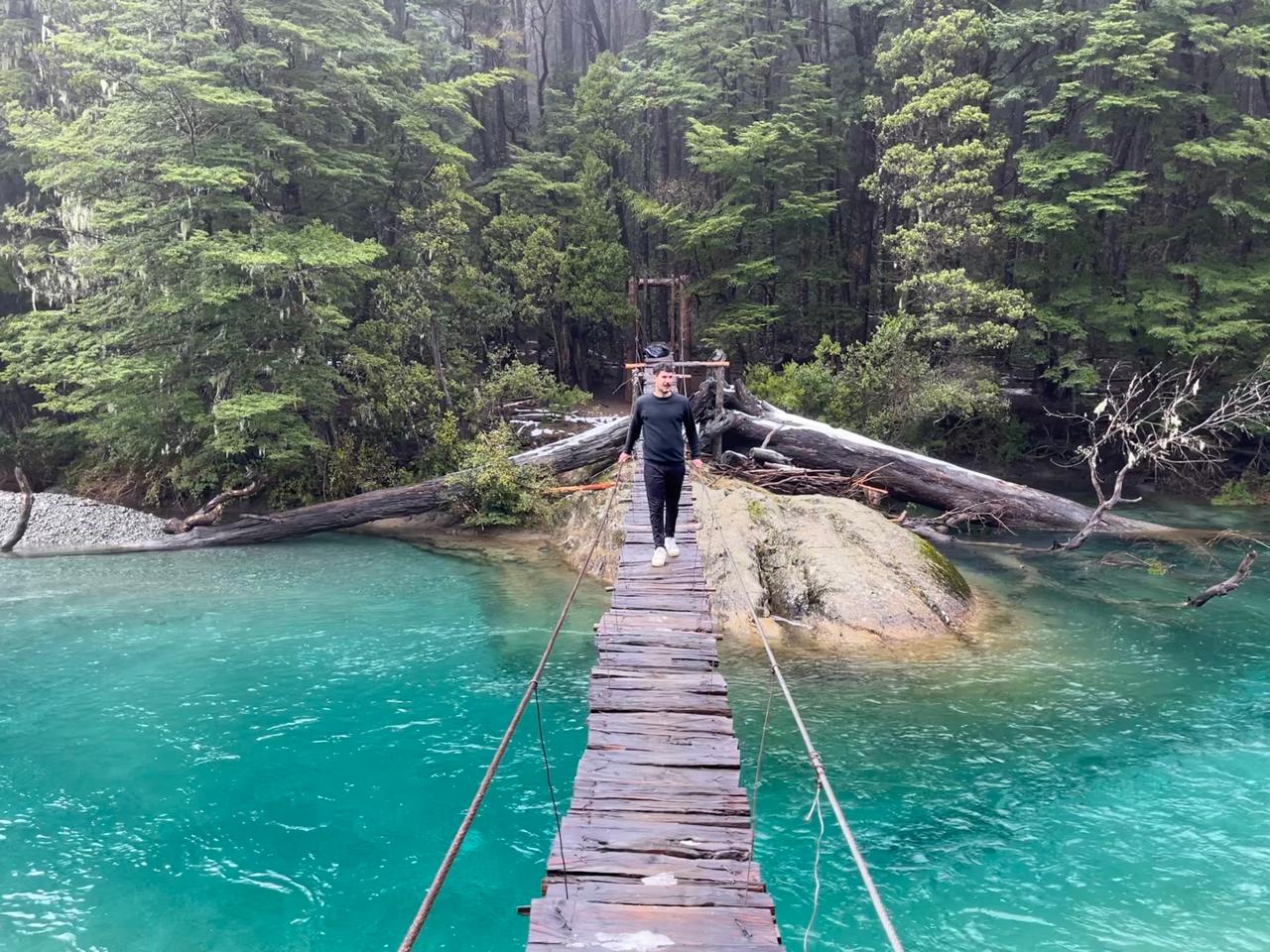
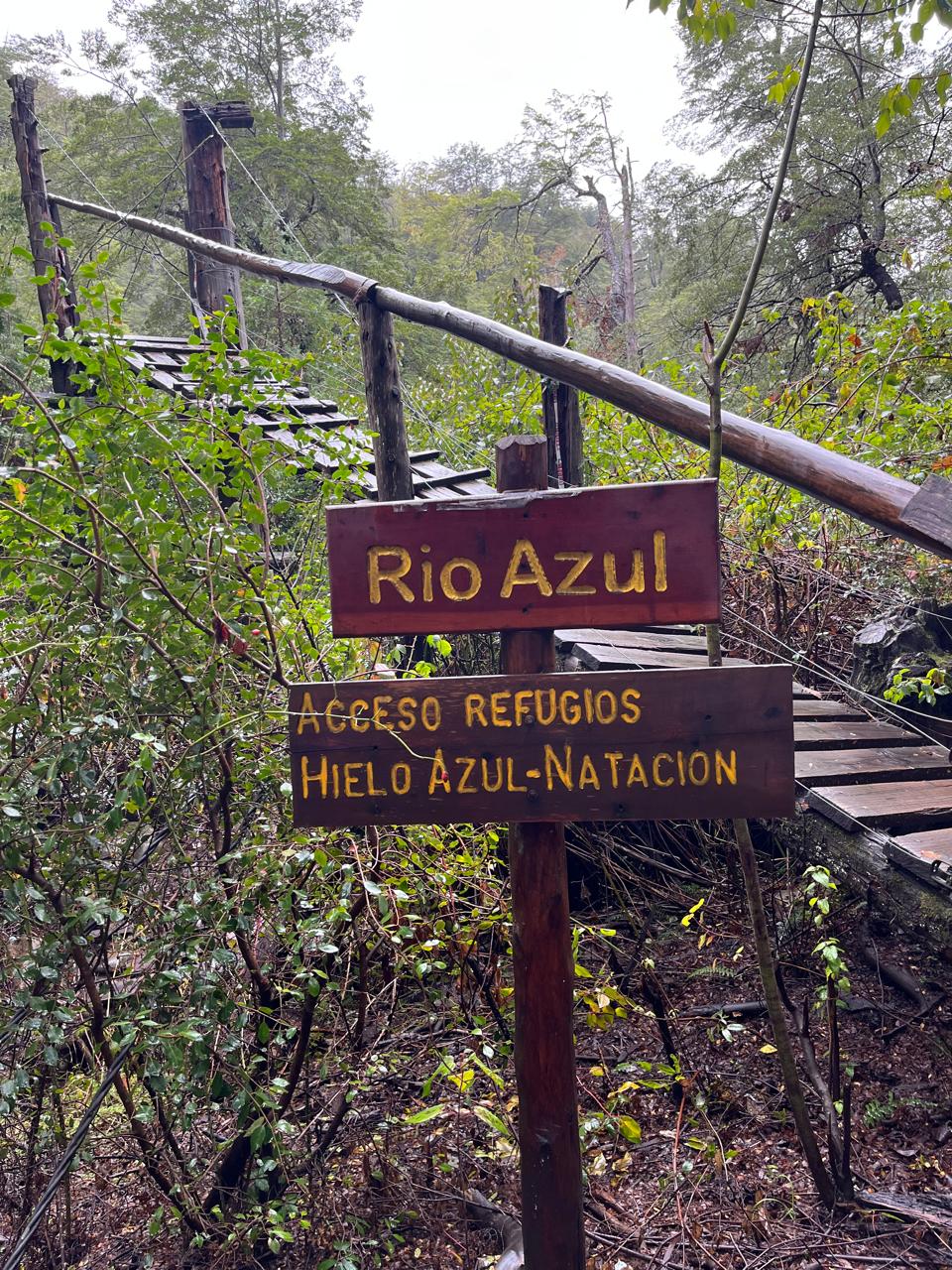
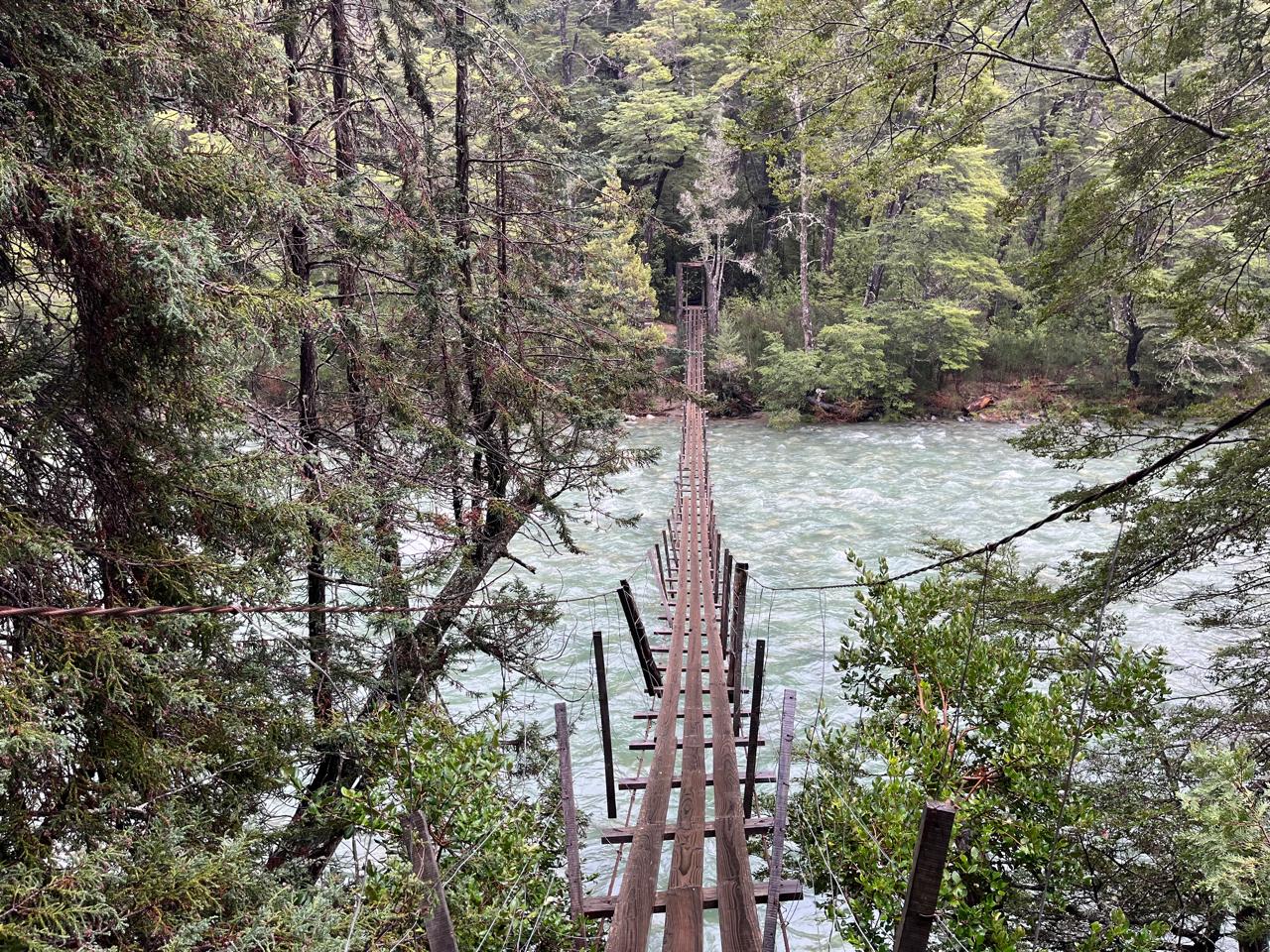
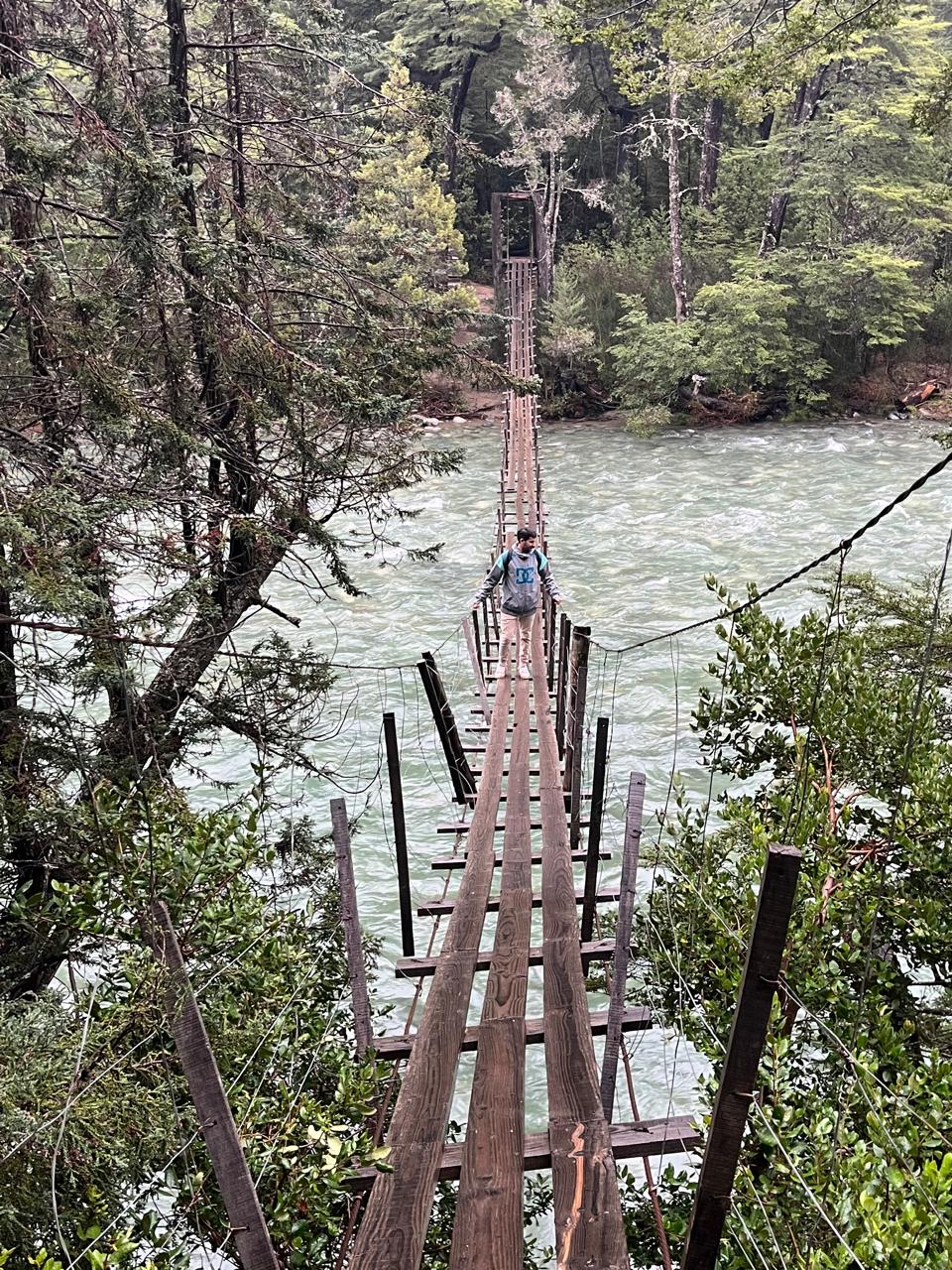
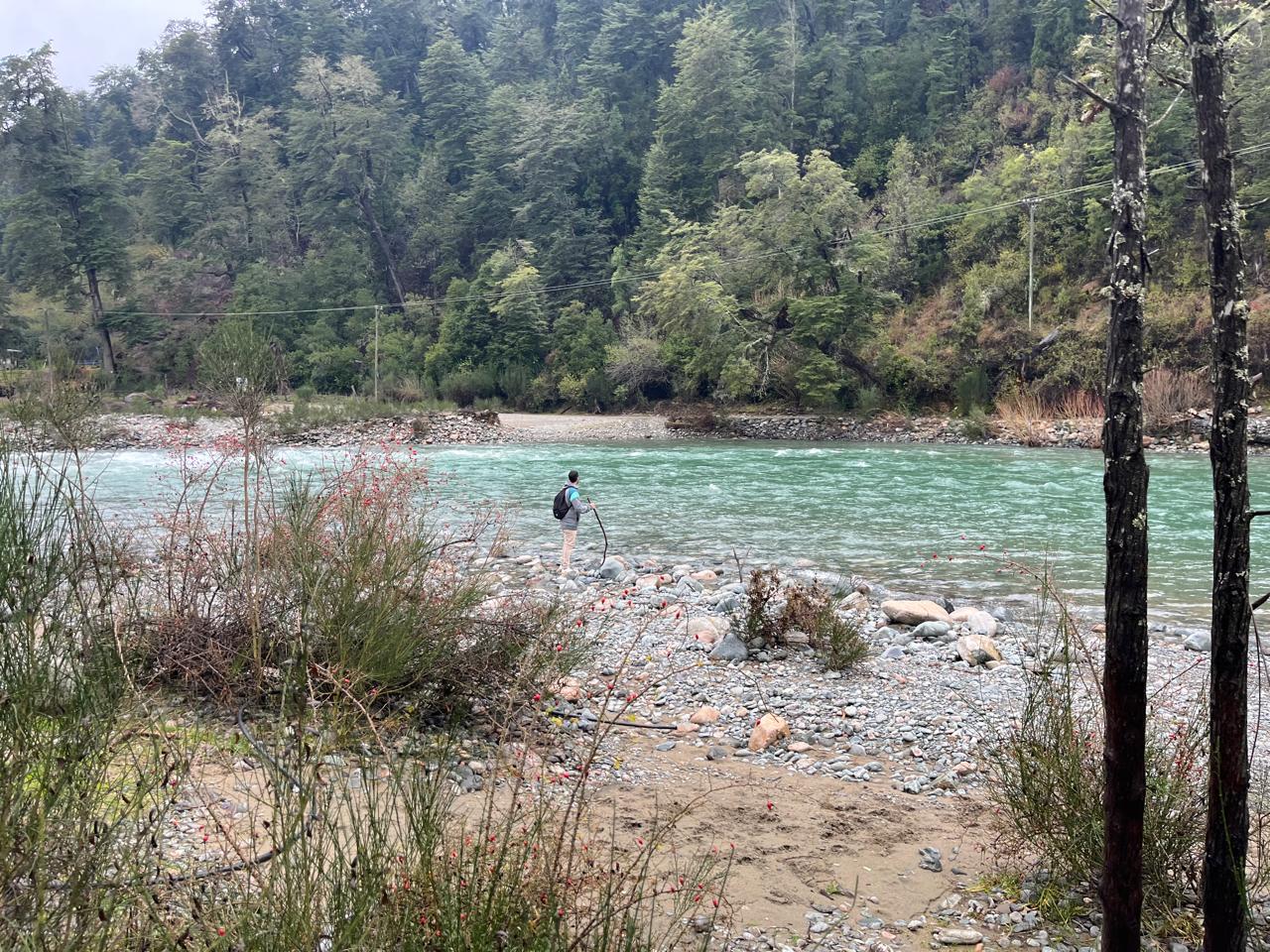
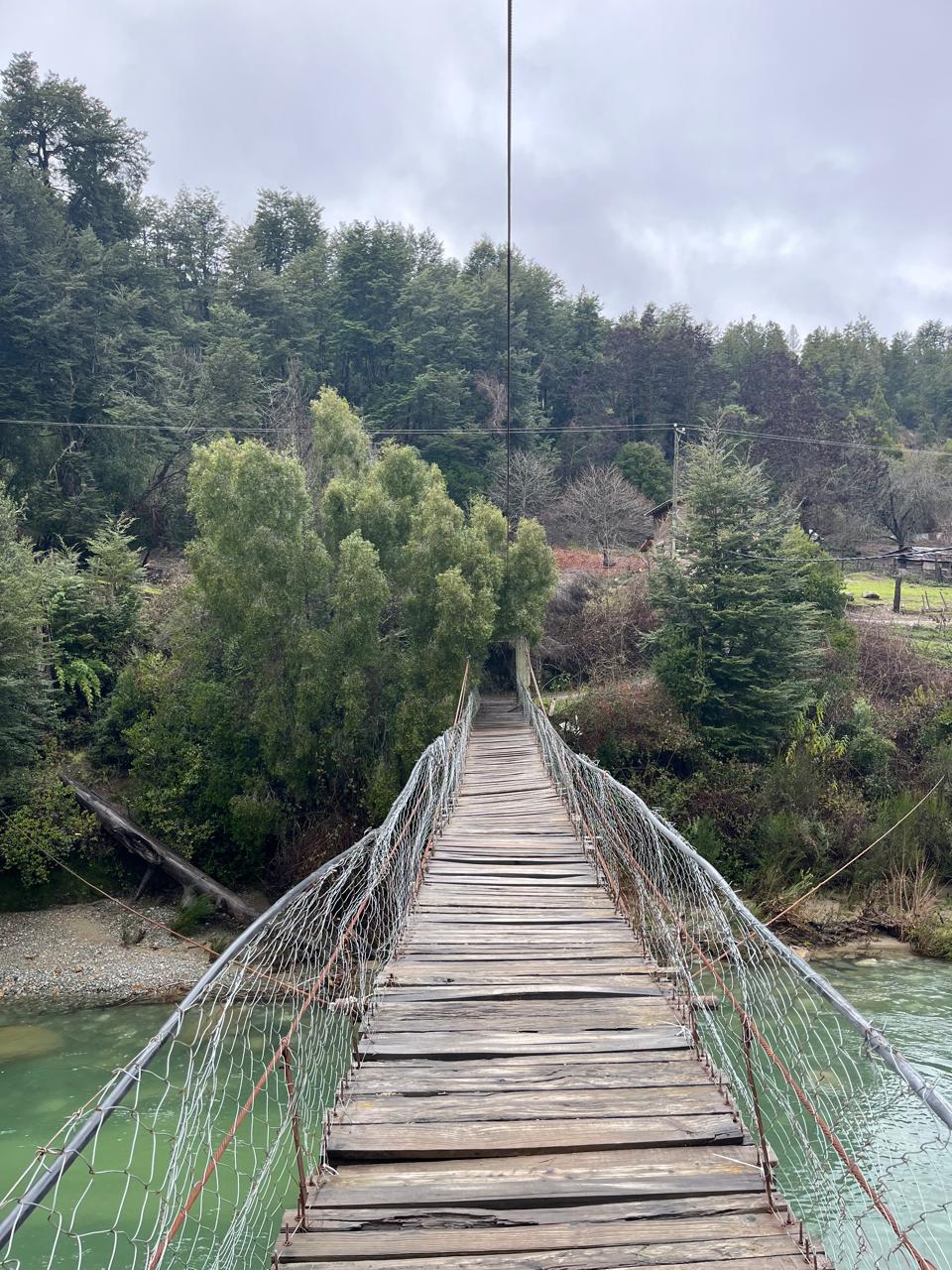
- The route step by step: It is approximately 8 km each way (about 3 to 4 hours one way, depending on your pace). The trail begins with a steep descent to the Azul River and then continues in a steady ascent. You will walk through ancient coihue forests and cross two suspension bridges (footbridges) over the Azul River and Blanco River that offer incredible photos.
- The reward: The 'Cajón' is a 40-meter-high rock canyon where the river narrows to just a couple of meters, concentrating an electric blue color and a depth that seems endless.
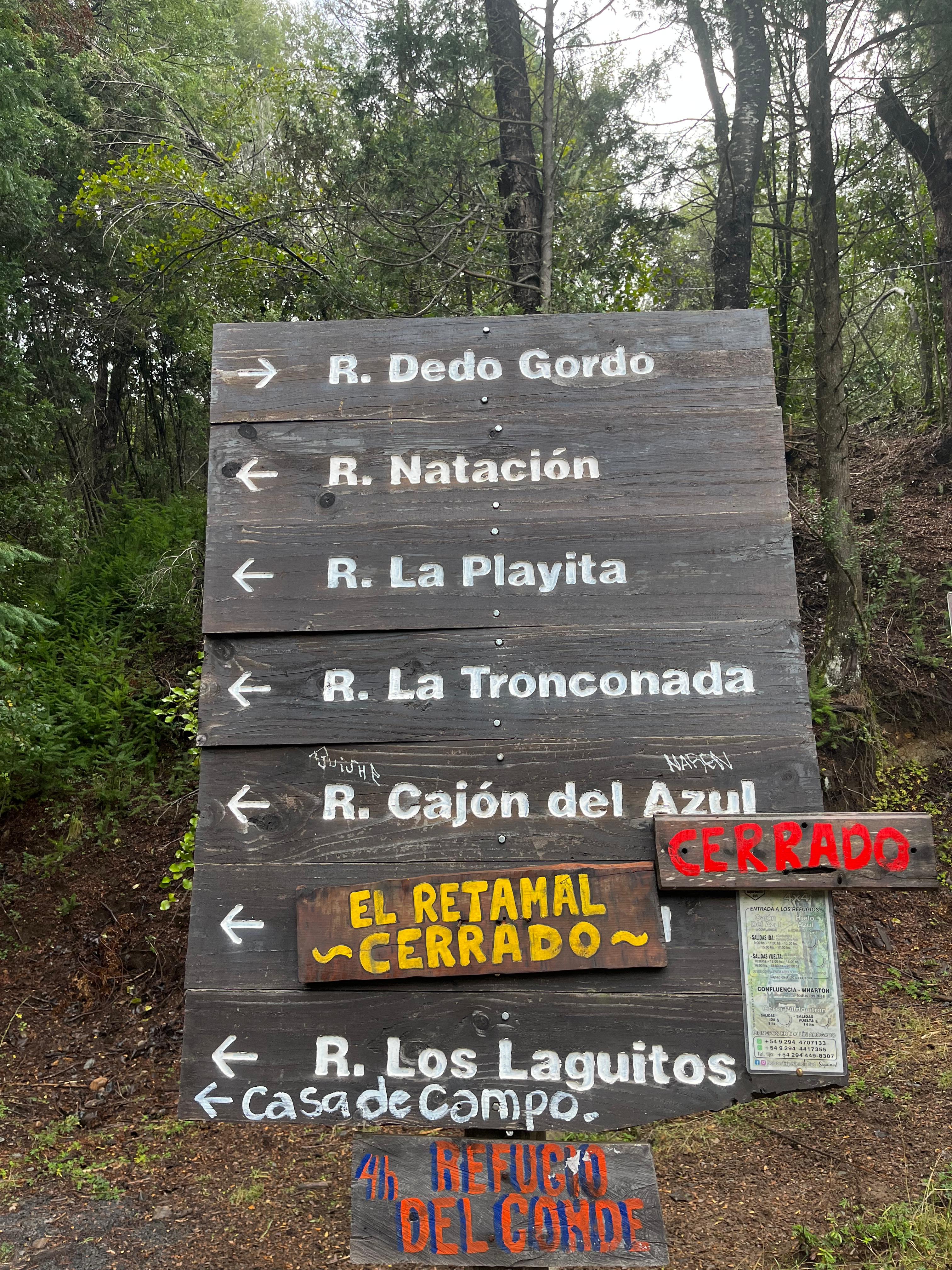
- Refugios and overnight stays: Although you can go and return on the same day by leaving before 09:00 AM, the ideal plan is to sleep at Refugio Cajón del Azul or nearby ones (El Retiro or La Playita). 2026 Data: It is mandatory to complete the ANPRALE Trekking Registration before starting the ascent.
El Paraíso: The Turquoise Jewel of the Azul River
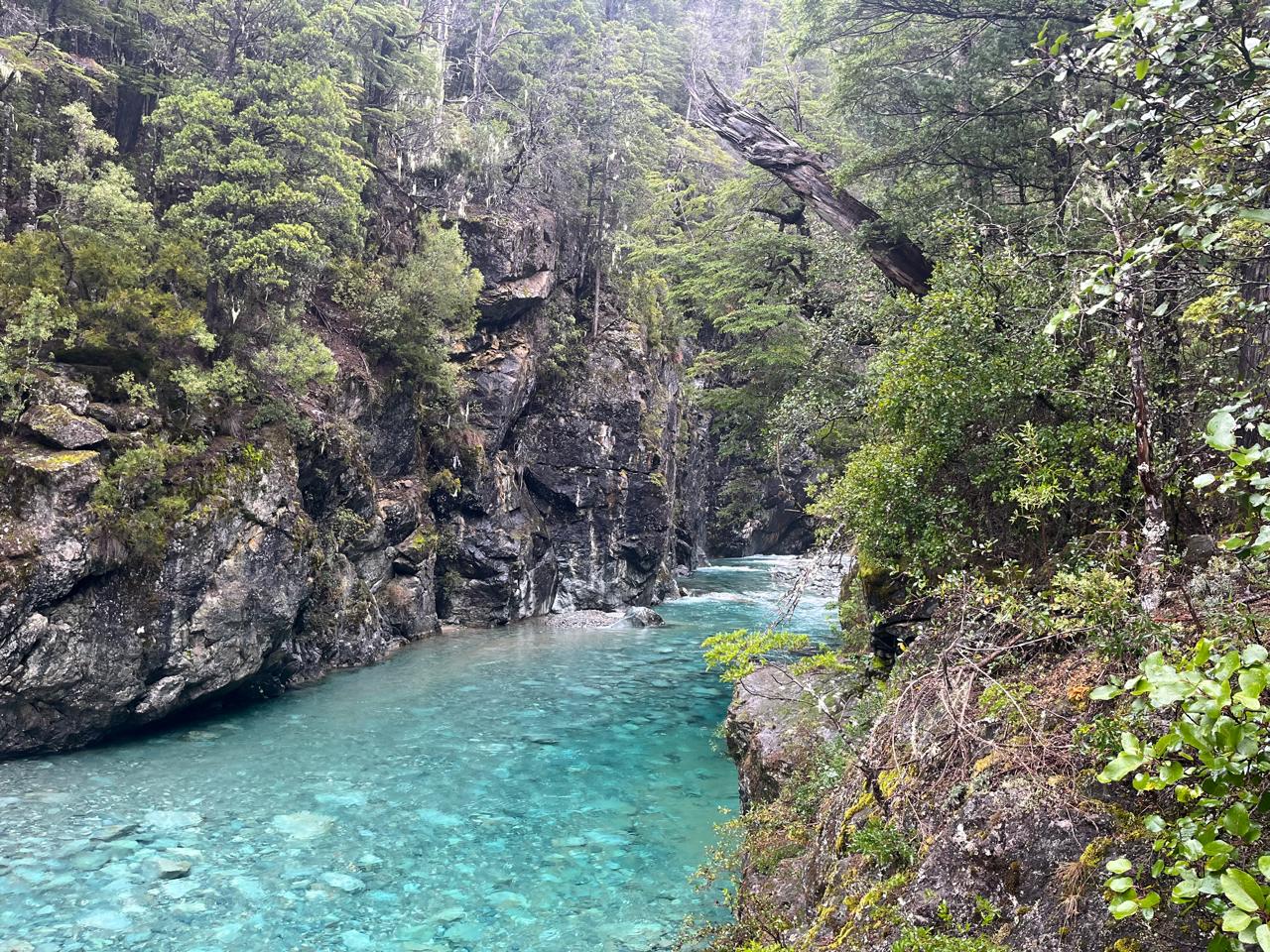
If you are looking for the most crystal-clear waters in Patagonia without the physical demand of the major mountain refuges, El Paraíso is your place. It is a succession of emerald natural pools that live up to their name.
The starting point is the Doña Rosa sector, located 8 kilometers southwest of downtown El Bolsón.
-
How to get to the trailhead (Doña Rosa): - Car/Taxi: It takes about 20 minutes along the gravel road that borders the slope of the mountain. Local campsites offer daily parking for a small fee.
- Bus: Take 'La Golondrina' with the destination 'Doña Rosa/Río Azul'. It drops you off right at the campsite entrance.
- The hike: Once at Doña Rosa, you must cross the suspension footbridge over the Azul River. From there, take the trail to the right (upstream). It is a 45-minute to 1-hour walk of low/medium difficulty through a forested trail bordering the river. It is an ideal plan for families or for those who have a free afternoon.
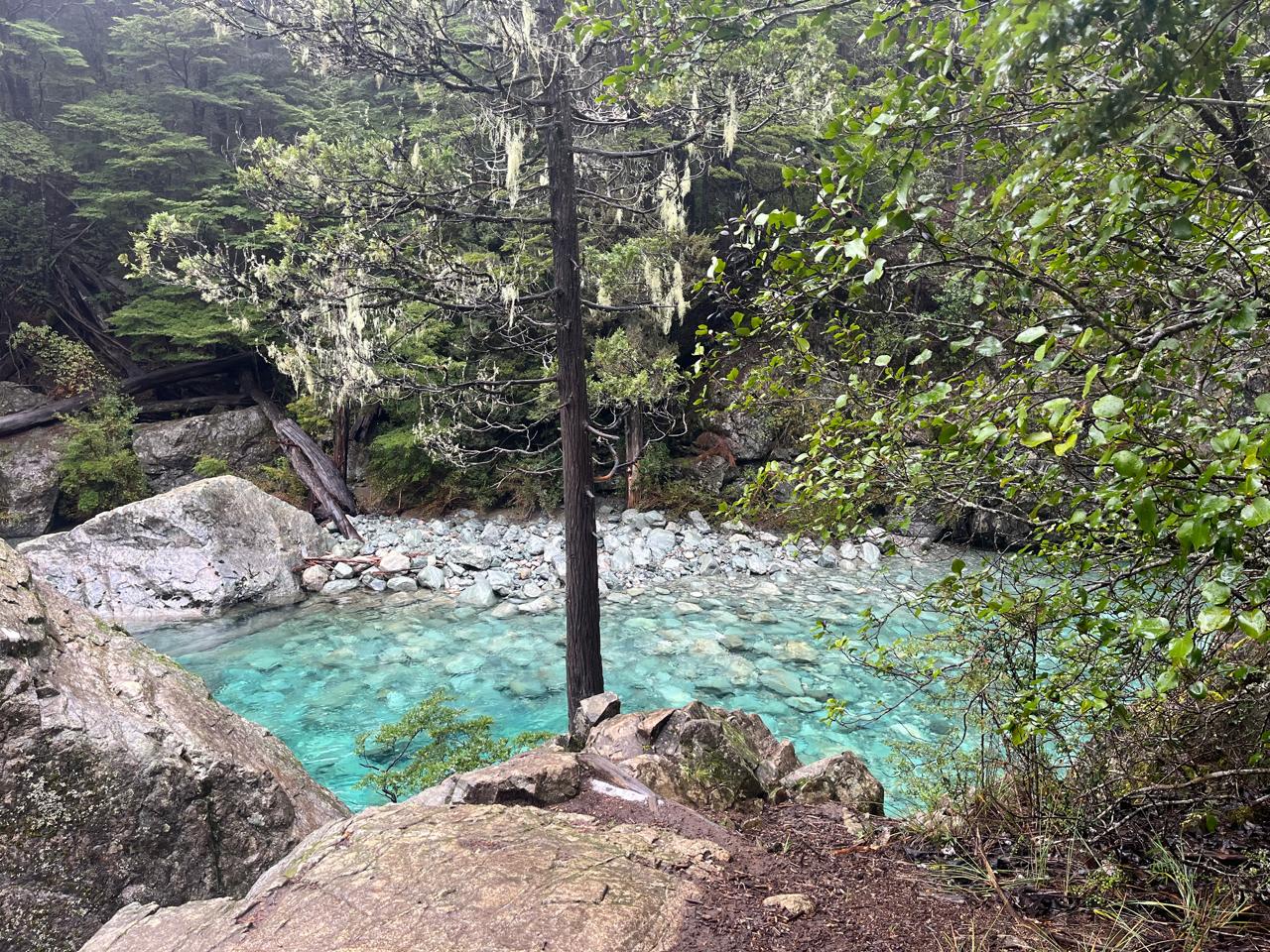
- The spot: You will find smooth, flat rock formations, perfect for resting and sunbathing. The pools are deep and transparent, ideal for swimming, although remember that the water is from snowmelt and stays very cold even in the middle of January.
Pro Tip 2026: The sun leaves the canyon early (around 4:30 PM or 5:00 PM) due to the height of the lateral mountains. Take advantage of the morning and midday to enjoy the full brightness of the water and make the impact of the cold water less severe.

What to Eat in El Bolsón
El Bolsón is the National Capital of Hops, so the gastronomy heavily revolves around the land.
-
Craft Beer: You have to try local breweries like Cervecería Otto Tipp or Awka. The hops are grown right there, so the freshness is unbeatable.
-
Jauja Ice Cream: It is an institution. You cannot leave without trying Patagonian flavors like Mousse de Maitén, Calafate, or Elderberry (Sauco).
-
Waffles at the Fair: A classic on Thursdays and Saturdays at the square; giant and loaded with local berries.
-
Trout and Lamb: The classic Patagonian dishes, but here they are usually prepared with organic herbs from neighboring farms.
-
Berries (Fruta Fina): Take the opportunity to buy raspberry, redcurrant, and gooseberry jams directly from the producers.

How to Get Around in El Bolsón
-
On foot: Downtown and Plaza Pagano are fully walkable.
-
'La Golondrina' Bus: It is the key transport. It connects downtown with Lago Puelo and the access to the trails (Wharton) affordably.
-
By bicycle: Highly recommended for exploring the Mallín Ahogado area and the waterfalls.
-
By car: Ideal if you want to visit the Labyrinth in El Hoyo or reach the Piltriquitrón platform without paying for an expensive taxi.
-
Taxi (Remís): There are several taxi agencies available. They are useful for reaching trailheads or strategic points faster.
Calendar and Tips
-
Best time to visit: From November to March to enjoy the rivers and the network of refuges (many close in winter). In February, you can experience the hop harvest, a unique visual spectacle.
-
Weather: In summer, the days are long and warm (temperatures can reach 30°C), but the nights are always cool. Bring clothes to dress in layers (onion style).
-
Prices: In general, it is 20-30% cheaper than Bariloche or San Martín de los Andes.
-
Signal: There is no cell signal in the mountains. Download the free maps from Maps.me before heading up to the refuges.
Our Experience Traveling Through El Bolsón
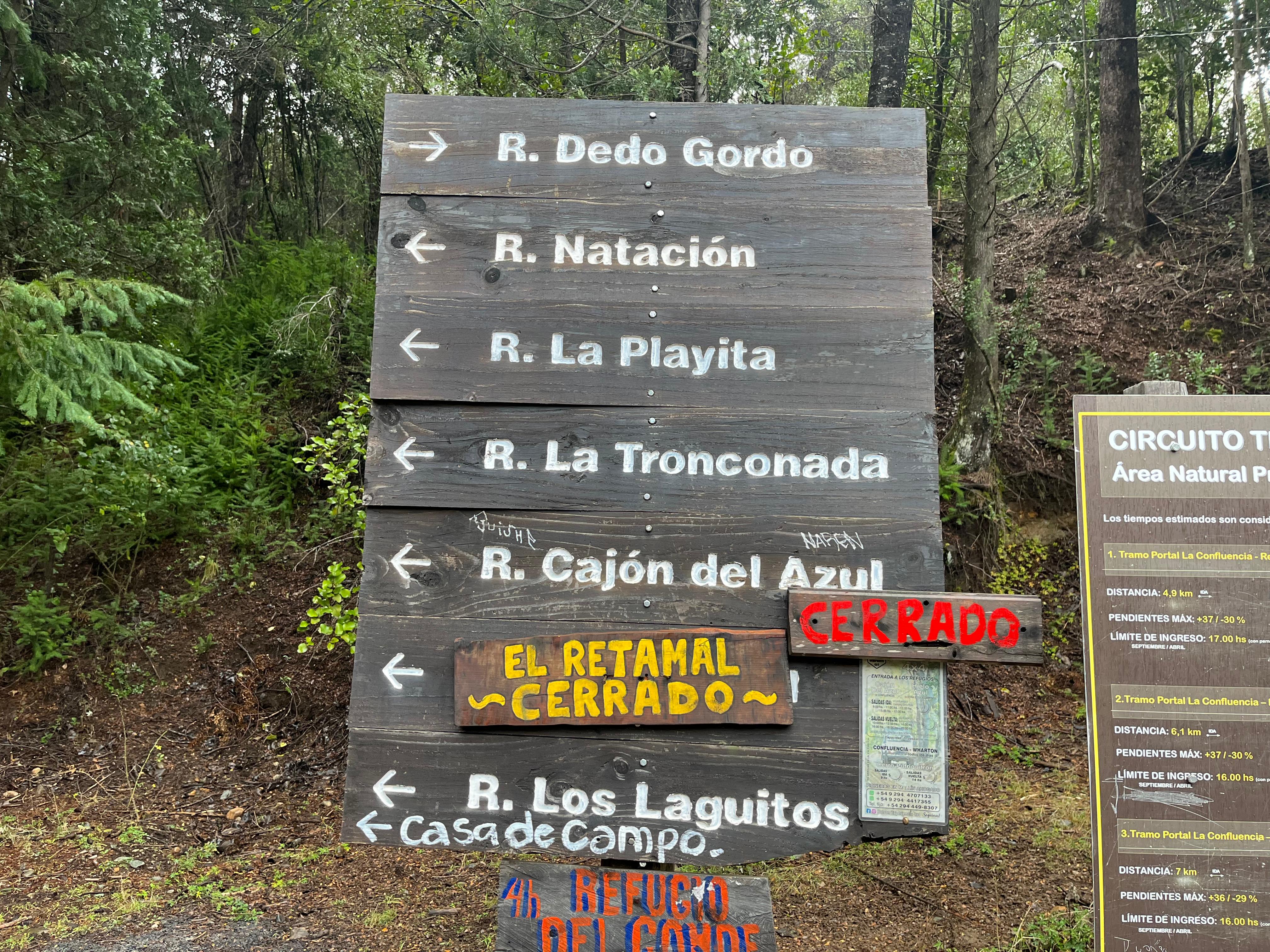
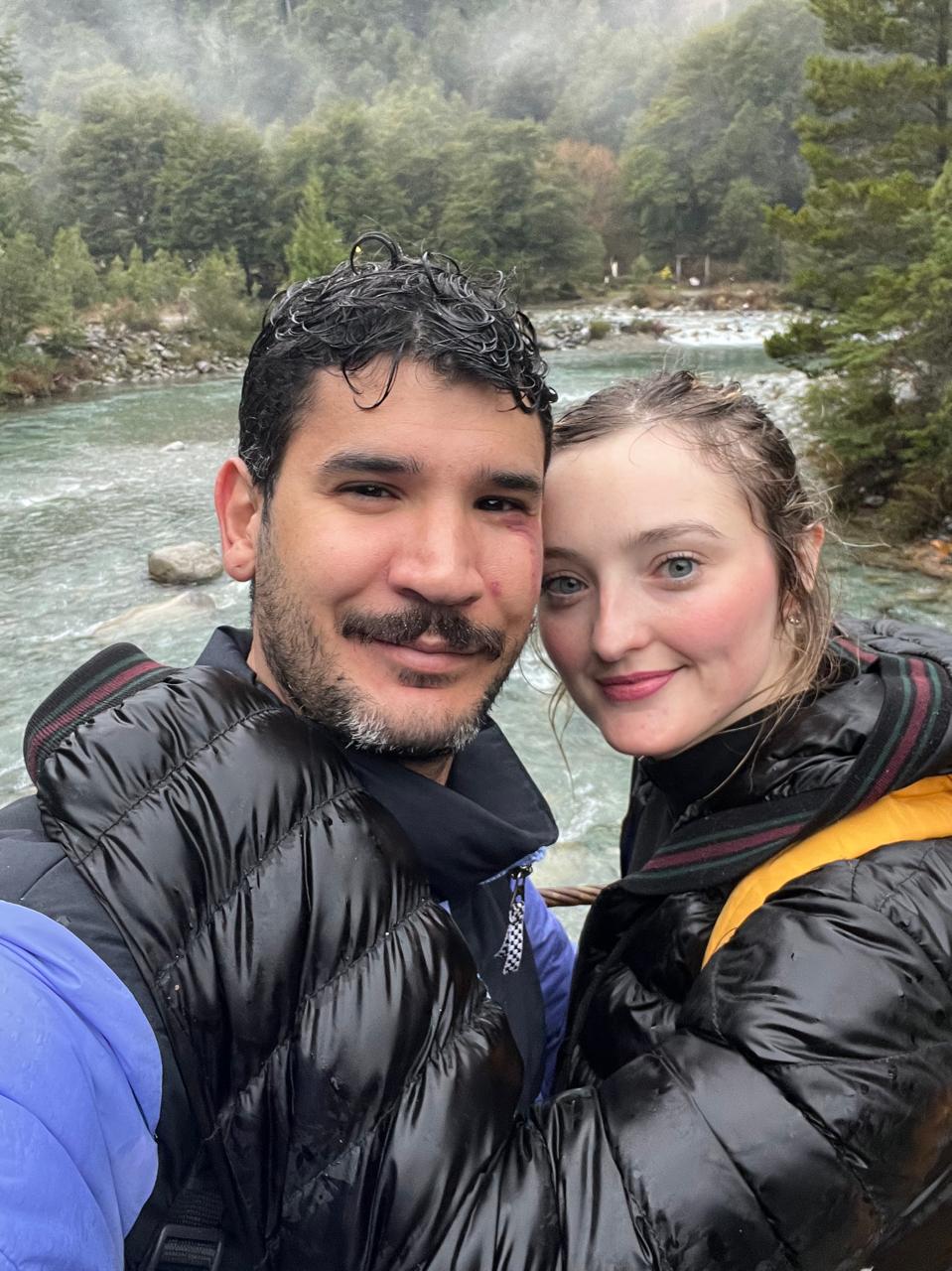
El Bolsón feels like a refuge. We spent days hiking up and down refuges (the network is the largest in South America; the Hielo Azul one is mind-blowing if you are in good physical shape) and afternoons recovering energy at the fair. It is a destination that forces you to disconnect from your phone and reconnect with your surroundings. If you are looking for luxury and 5-star hotels, this isn't the place; but if you are looking for campfires, crystal-clear rivers, and hospitable people, you will want to stay here forever.
You May Also Be Interested In
- Complete guide to travel to Lago Puelo
- What to do 5 days in Bariloche
- What to pack in your suitcase to Patagonia
- Useful tips for traveling in 2026
- Complete guide to travel to Bariloche
- Complete guide to travel to El Calafate
- Complete guide to travel to El Chaltén
- Complete guide to travel to Ushuaia
- Complete guide to travel to Buenos Aires
- Complete guide to travel to Puerto Madryn
- Complete guide to travel to Esquel
1- Cerro Piltriquitrón ("El Piltri"): It is the emblem mountain. Its name means 'Hanging from the clouds' in Tehuelche. You can drive up to the platform and then walk 45 minutes to the Bosque Tallado (Carved Forest), an open-air museum featuring sculptures carved into the trunks of burnt lenga trees. It is a mystical experience with the best views of the valley and the favorite spot for paragliding.
2- Cajón del Azul: The star trekking. It is about a 3 to 4-hour hike from 'Wharton' to reach a canyon where the Azul River squeezes between rock walls, creating incredible turquoise pools. Vital fact: The river is glacier-fed and very treacherous; enjoy the pools with caution. It is mandatory to complete the Trekking Registration in ANPRALE before heading up.
3- El Paraíso (Azul River): If you don't want to hike all day toward the Cajón, this is the place. Just a 45-minute walk from the Doña Rosa Campsite, you will find crystal-clear water pools and an untouched environment. Tip: Go early to make the most of the sun, as the canyon falls into shade by the afternoon.
4- El Bolsón Regional Fair: Located in Plaza Pagano, it is one of the largest in South America. The main days are Tuesdays, Thursdays, Saturdays, and Sundays. You will find everything from musical instruments to forged knives and the best regional berries jams.
5- Lago Puelo: Only 16 km away, this National Park offers warmer waters than the rest of Patagonia. Ideal for spending the day, renting a kayak, or hiking the trail to 'Los Hitos' (the border with Chile).
6- Patagonia Labyrinth: Located in El Hoyo (15 minutes away), it is the largest labyrinth in South America. A fun challenge surrounded by mountain landscapes that is totally worth the visit.
7- Escondida Waterfall and Mallín Ahogado: A circuit of local farms and waterfalls perfect for exploring by bicycle or car if you are looking for a more peaceful plan than high-mountain trekking.
PUBLICIDAD
Travel with Data: Get your Saily eSIM
- ✓Internet in seconds upon landing
- ✓Flexible plans in 180+ countries
- ✓Easy setup directly via the App
Reaching Cajón del Azul is a transformative experience, but it requires planning. It is not just a simple stroll in the park; it is a medium-intensity mountain trek that takes you deep into the Valdivian forest.
-
How to get to the trailhead (Wharton): The starting point is the Wharton outpost, 15 km from downtown.
-
By car: Take Route 40 north and turn off at the entrance to Mallín Ahogado. There are several secure, paid private parking lots where you can leave your vehicle.
-
By bus: Take 'La Golondrina' bus with the 'Wharton' sign from Plaza Pagano. In summer (2026), it runs every hour starting at 08:00 AM.
-
- The route step by step: It is approximately 8 km each way (about 3 to 4 hours one way, depending on your pace). The trail begins with a steep descent to the Azul River and then continues in a steady ascent. You will walk through ancient coihue forests and cross two suspension bridges (footbridges) over the Azul River and Blanco River that offer incredible photos.
- The reward: The 'Cajón' is a 40-meter-high rock canyon where the river narrows to just a couple of meters, concentrating an electric blue color and a depth that seems endless.
- Refugios and overnight stays: Although you can go and return on the same day by leaving before 09:00 AM, the ideal plan is to sleep at Refugio Cajón del Azul or nearby ones (El Retiro or La Playita). 2026 Data: It is mandatory to complete the ANPRALE Trekking Registration before starting the ascent.
If you are looking for the most crystal-clear waters in Patagonia without the physical demand of the major mountain refuges, El Paraíso is your place. It is a succession of emerald natural pools that live up to their name.
The starting point is the Doña Rosa sector, located 8 kilometers southwest of downtown El Bolsón.
-
How to get to the trailhead (Doña Rosa): - Car/Taxi: It takes about 20 minutes along the gravel road that borders the slope of the mountain. Local campsites offer daily parking for a small fee.
- Bus: Take 'La Golondrina' with the destination 'Doña Rosa/Río Azul'. It drops you off right at the campsite entrance.
- The hike: Once at Doña Rosa, you must cross the suspension footbridge over the Azul River. From there, take the trail to the right (upstream). It is a 45-minute to 1-hour walk of low/medium difficulty through a forested trail bordering the river. It is an ideal plan for families or for those who have a free afternoon.
- The spot: You will find smooth, flat rock formations, perfect for resting and sunbathing. The pools are deep and transparent, ideal for swimming, although remember that the water is from snowmelt and stays very cold even in the middle of January.
Pro Tip 2026: The sun leaves the canyon early (around 4:30 PM or 5:00 PM) due to the height of the lateral mountains. Take advantage of the morning and midday to enjoy the full brightness of the water and make the impact of the cold water less severe.
El Bolsón is the National Capital of Hops, so the gastronomy heavily revolves around the land.
-
Craft Beer: You have to try local breweries like Cervecería Otto Tipp or Awka. The hops are grown right there, so the freshness is unbeatable.
-
Jauja Ice Cream: It is an institution. You cannot leave without trying Patagonian flavors like Mousse de Maitén, Calafate, or Elderberry (Sauco).
-
Waffles at the Fair: A classic on Thursdays and Saturdays at the square; giant and loaded with local berries.
-
Trout and Lamb: The classic Patagonian dishes, but here they are usually prepared with organic herbs from neighboring farms.
-
Berries (Fruta Fina): Take the opportunity to buy raspberry, redcurrant, and gooseberry jams directly from the producers.
-
On foot: Downtown and Plaza Pagano are fully walkable.
-
'La Golondrina' Bus: It is the key transport. It connects downtown with Lago Puelo and the access to the trails (Wharton) affordably.
-
By bicycle: Highly recommended for exploring the Mallín Ahogado area and the waterfalls.
-
By car: Ideal if you want to visit the Labyrinth in El Hoyo or reach the Piltriquitrón platform without paying for an expensive taxi.
-
Taxi (Remís): There are several taxi agencies available. They are useful for reaching trailheads or strategic points faster.
-
Best time to visit: From November to March to enjoy the rivers and the network of refuges (many close in winter). In February, you can experience the hop harvest, a unique visual spectacle.
-
Weather: In summer, the days are long and warm (temperatures can reach 30°C), but the nights are always cool. Bring clothes to dress in layers (onion style).
-
Prices: In general, it is 20-30% cheaper than Bariloche or San Martín de los Andes.
-
Signal: There is no cell signal in the mountains. Download the free maps from Maps.me before heading up to the refuges.
El Bolsón feels like a refuge. We spent days hiking up and down refuges (the network is the largest in South America; the Hielo Azul one is mind-blowing if you are in good physical shape) and afternoons recovering energy at the fair. It is a destination that forces you to disconnect from your phone and reconnect with your surroundings. If you are looking for luxury and 5-star hotels, this isn't the place; but if you are looking for campfires, crystal-clear rivers, and hospitable people, you will want to stay here forever.
PUBLICIDAD
- Complete guide to travel to Lago Puelo
- What to do 5 days in Bariloche
- What to pack in your suitcase to Patagonia
- Useful tips for traveling in 2026
- Complete guide to travel to Bariloche
- Complete guide to travel to El Calafate
- Complete guide to travel to El Chaltén
- Complete guide to travel to Ushuaia
- Complete guide to travel to Buenos Aires
- Complete guide to travel to Puerto Madryn
- Complete guide to travel to Esquel
Galery
PUBLICIDAD
International Travel Insurance
- ✓International medical insurance
- ✓24/7 immediate assistance in your language
- ✓Ideal for trekking & adventure
Preferences
Language
Color
Text
Width