Table of contents and map
Buenos Aires Travel Guide 2026: 8 Neighborhoods, 10 Icons and football stadiums
Buenos Aires is the capital of Argentina and one of the most vibrant cities in Latin America. With an identity marked by a blend of European heritage and Rioplatense culture, it stands out for its intense urban life, cultural offerings, gastronomy, and an active nightlife scene. It is a large, diverse, and dynamic city where every neighborhood has its own personality and there is always something to see, do, or discover.
Buenos Aires Travel Guide 2026: 8 Neighborhoods, 10 Icons and football stadiums
Buenos Aires is the capital of Argentina and one of the most vibrant cities in Latin America. With an identity marked by a blend of European heritage and Rioplatense culture, it stands out for its intense urban life, cultural offerings, gastronomy, and an active nightlife scene. It is a large, diverse, and dynamic city where every neighborhood has its own personality and there is always something to see, do, or discover.
Buenos Aires is one of our favorite cities. We lived there for a few months, and we still find ourselves missing it.
It is an aesthetically beautiful city, but above all, it's alive: there is movement, bars, traditional cafes, culture, and an energy in the street that you can truly feel.
You walk, reach a corner, and want to head in any of the four directions. Perhaps that's why they always say… Buenos Aires has that "I don't know what" that ends up captivating you.
8 Must-See Neighborhoods in Buenos Aires
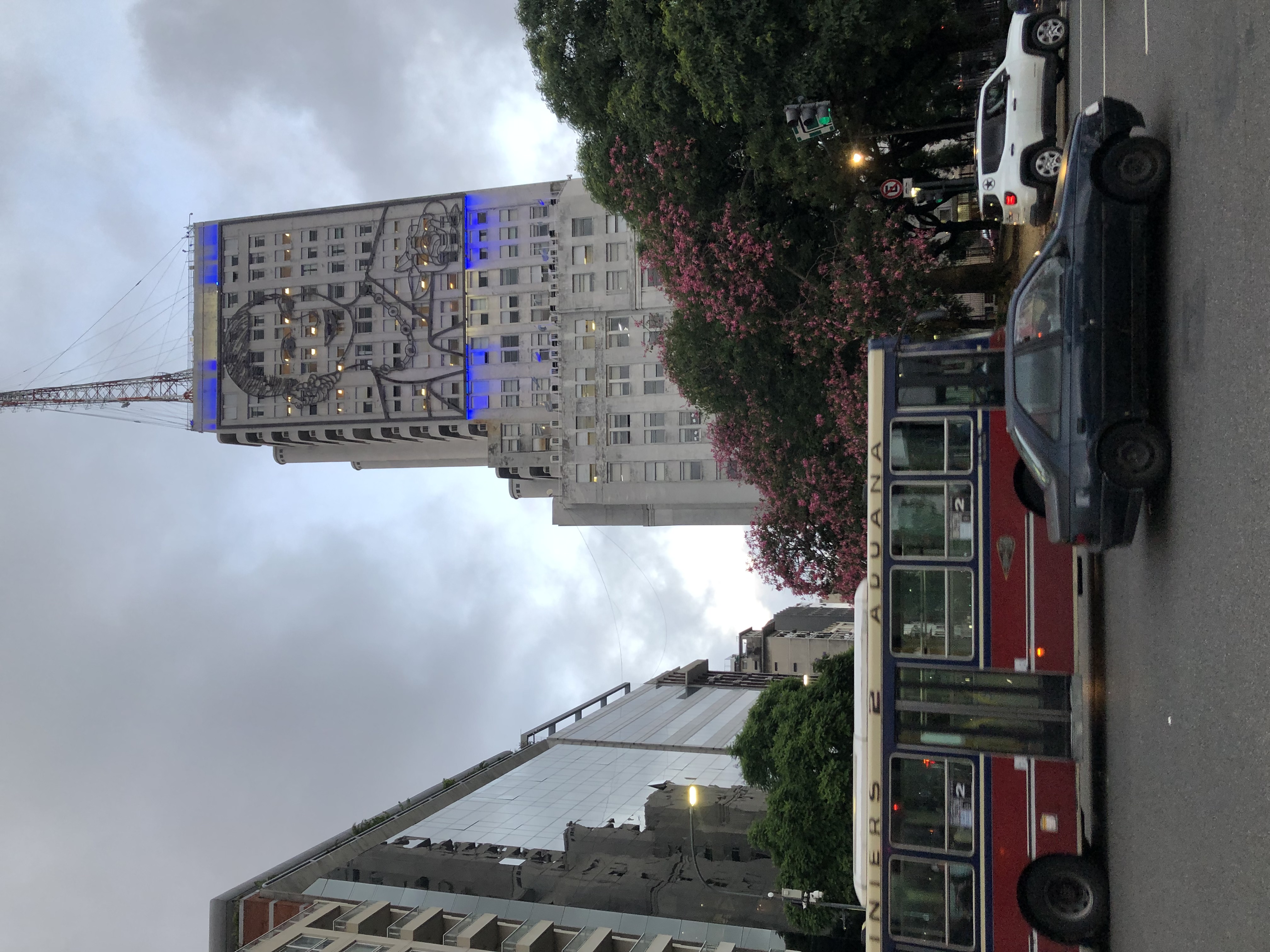
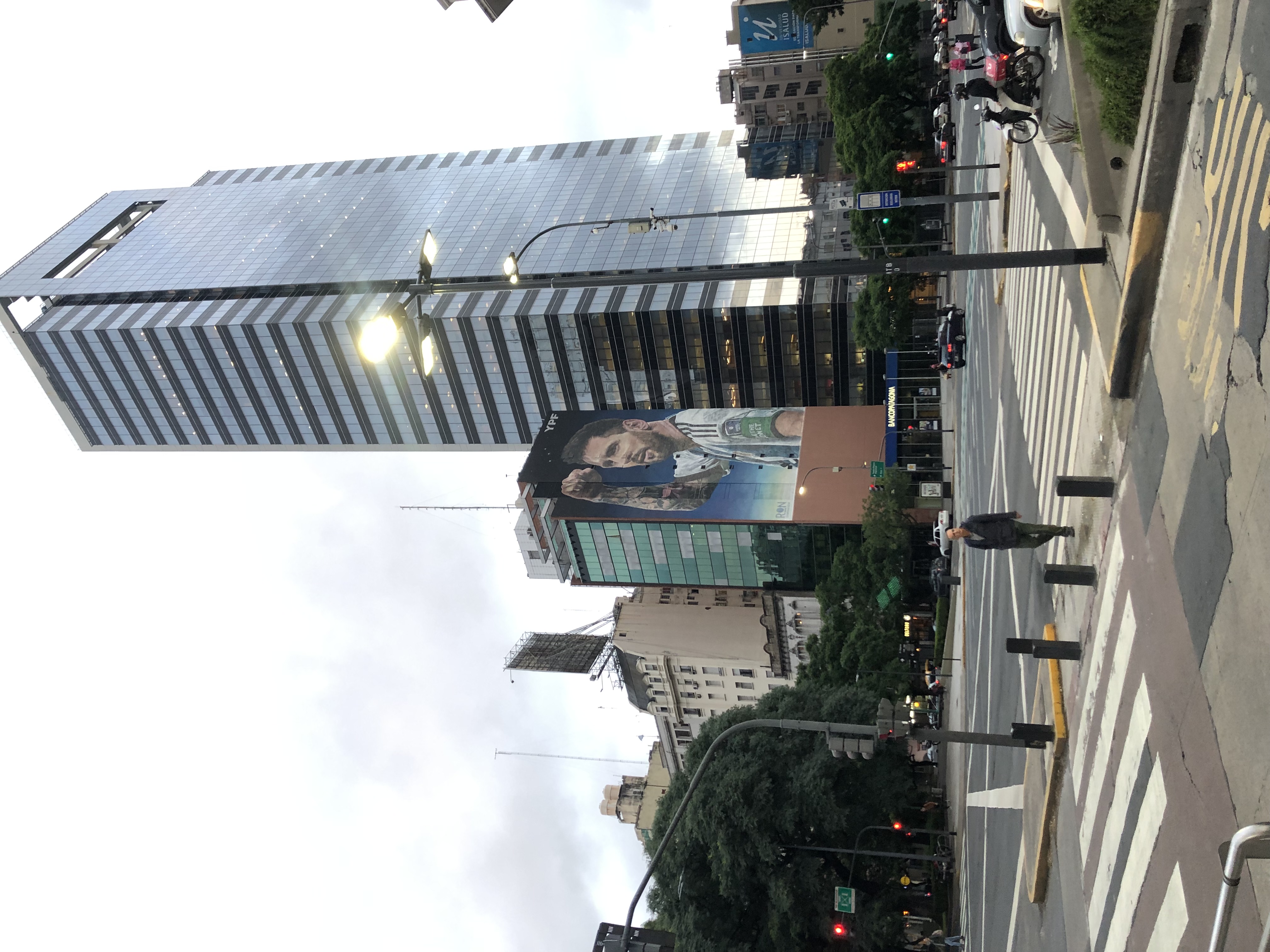
1- San Nicolás (The Center) – The administrative and commercial heart. This is where the major avenues cross and the fast-paced rhythm of the city is most felt.
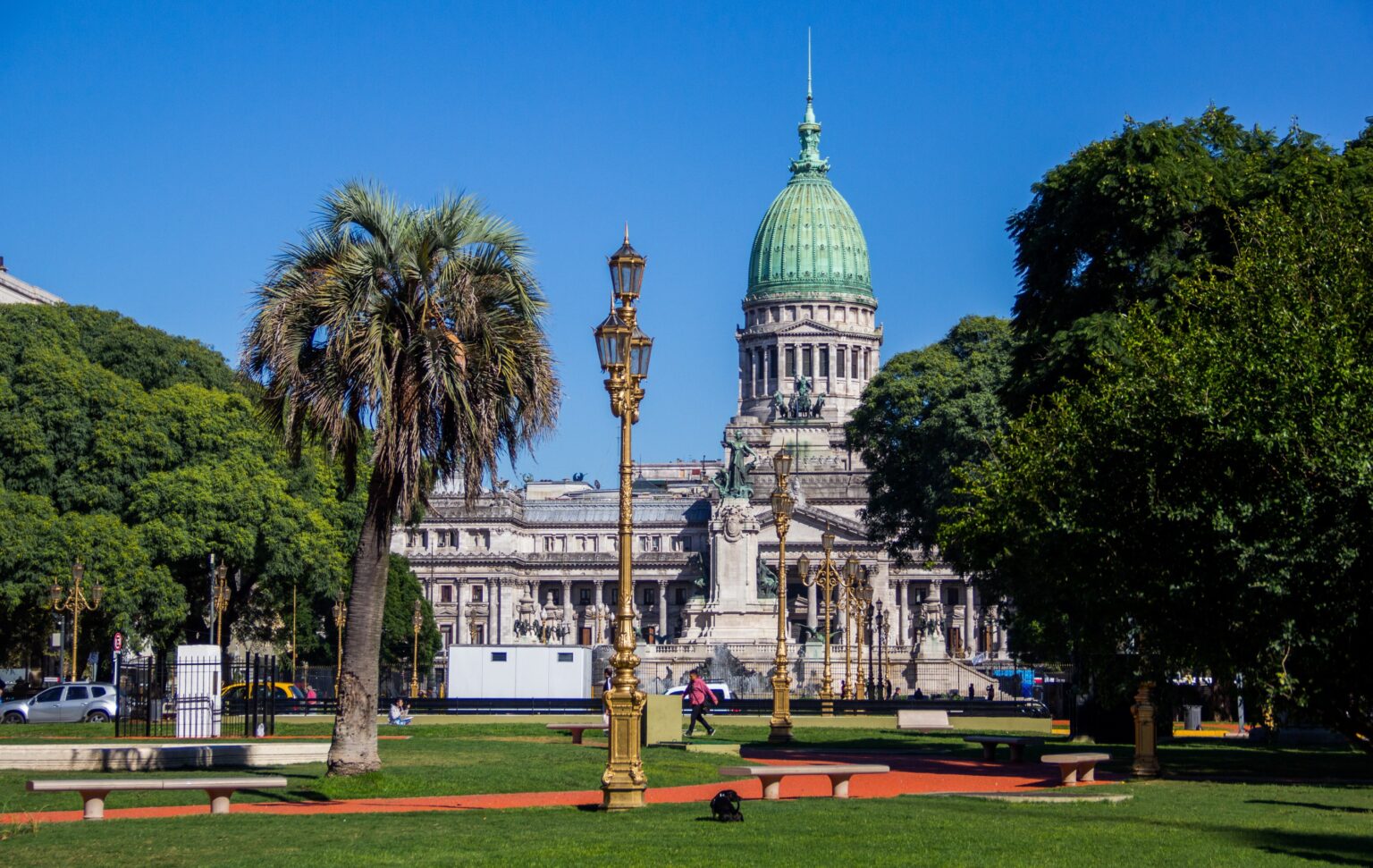
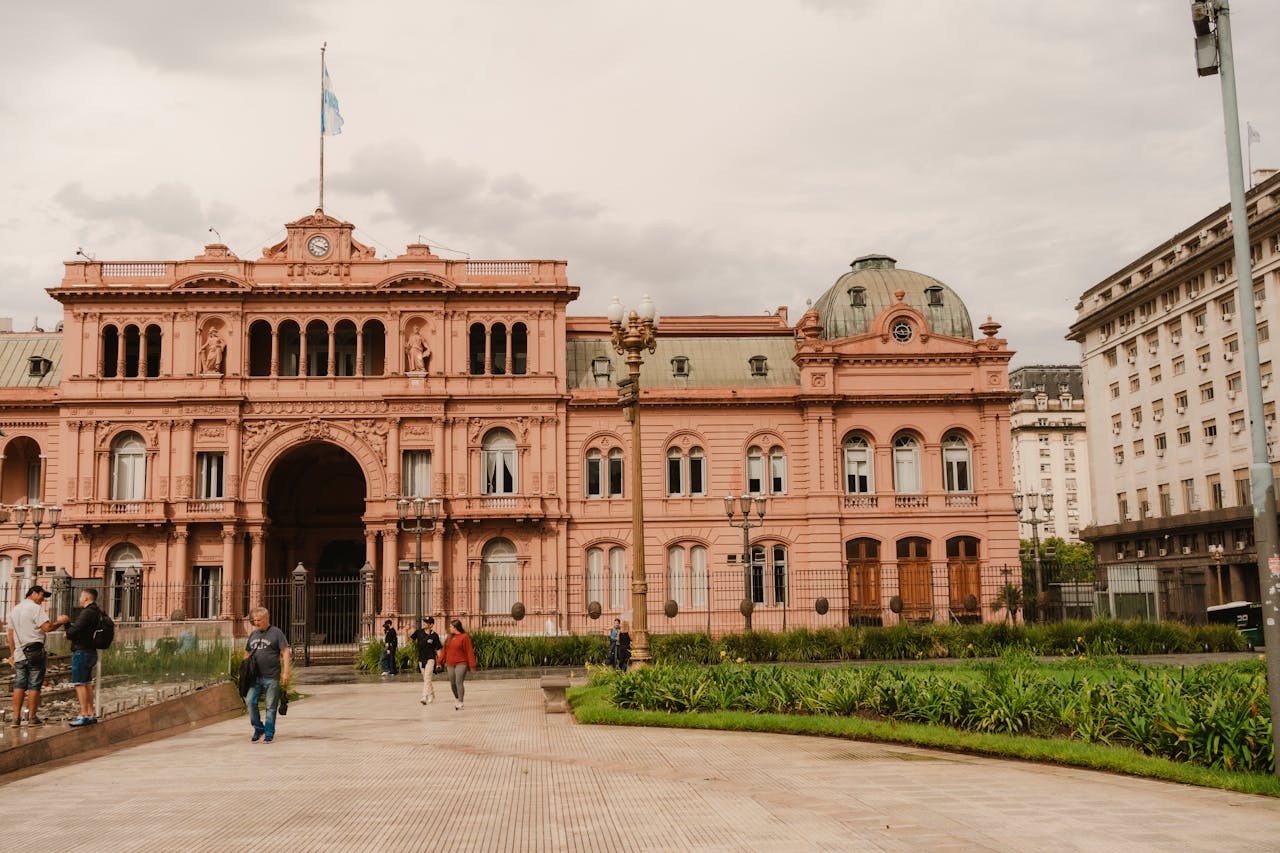
2- Montserrat – The oldest and most civic neighborhood. This is where the city's history began, filled with government buildings and historical monuments.
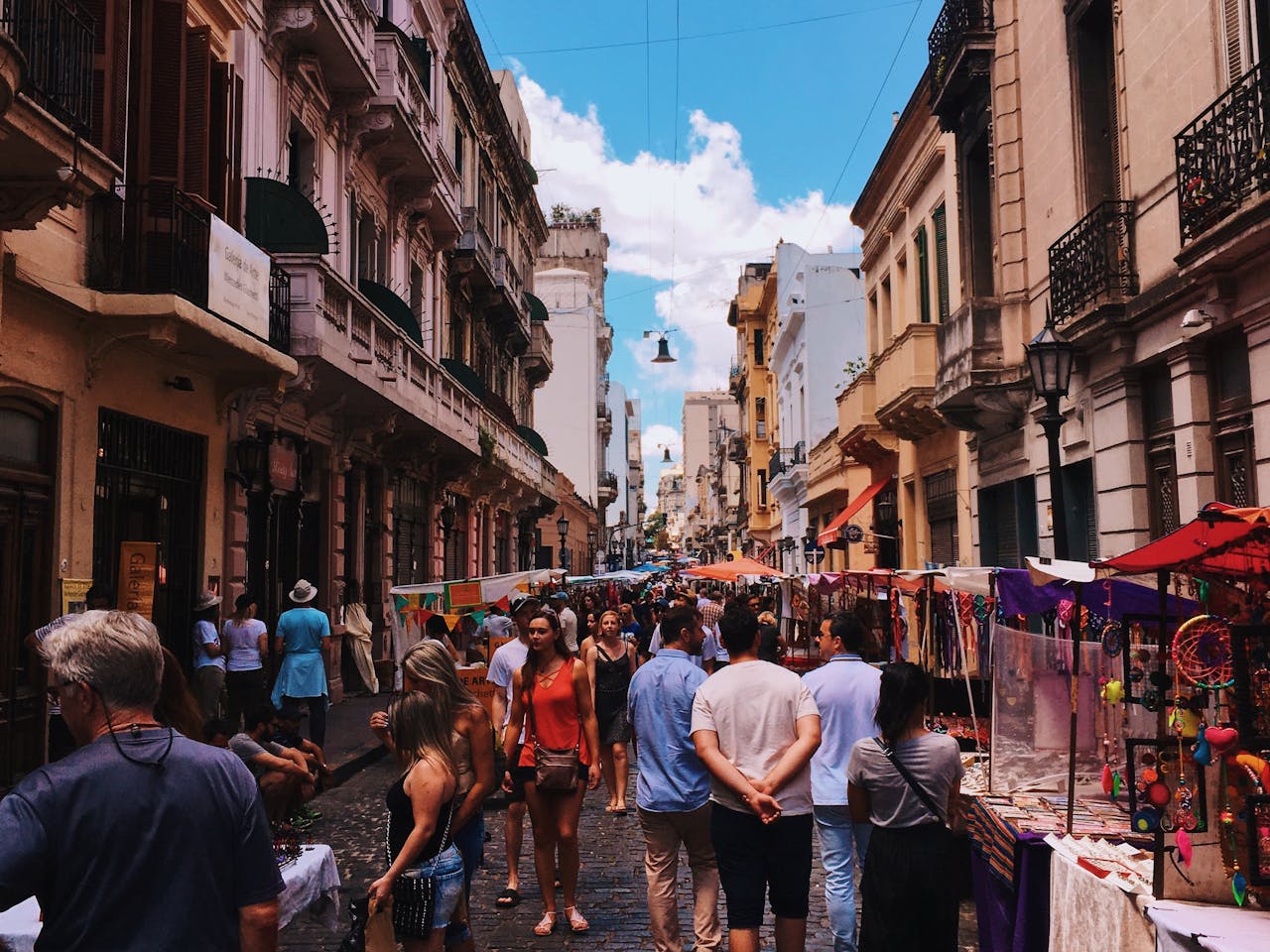
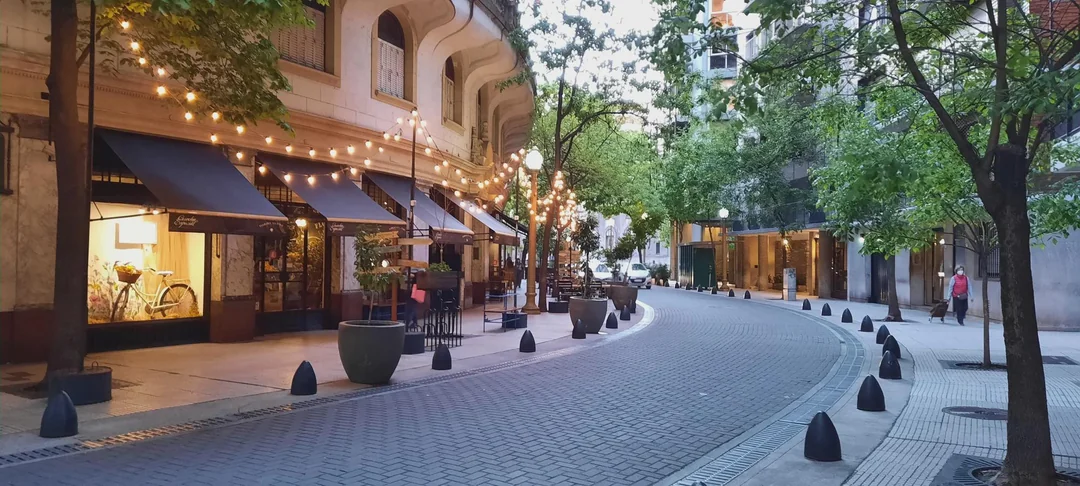
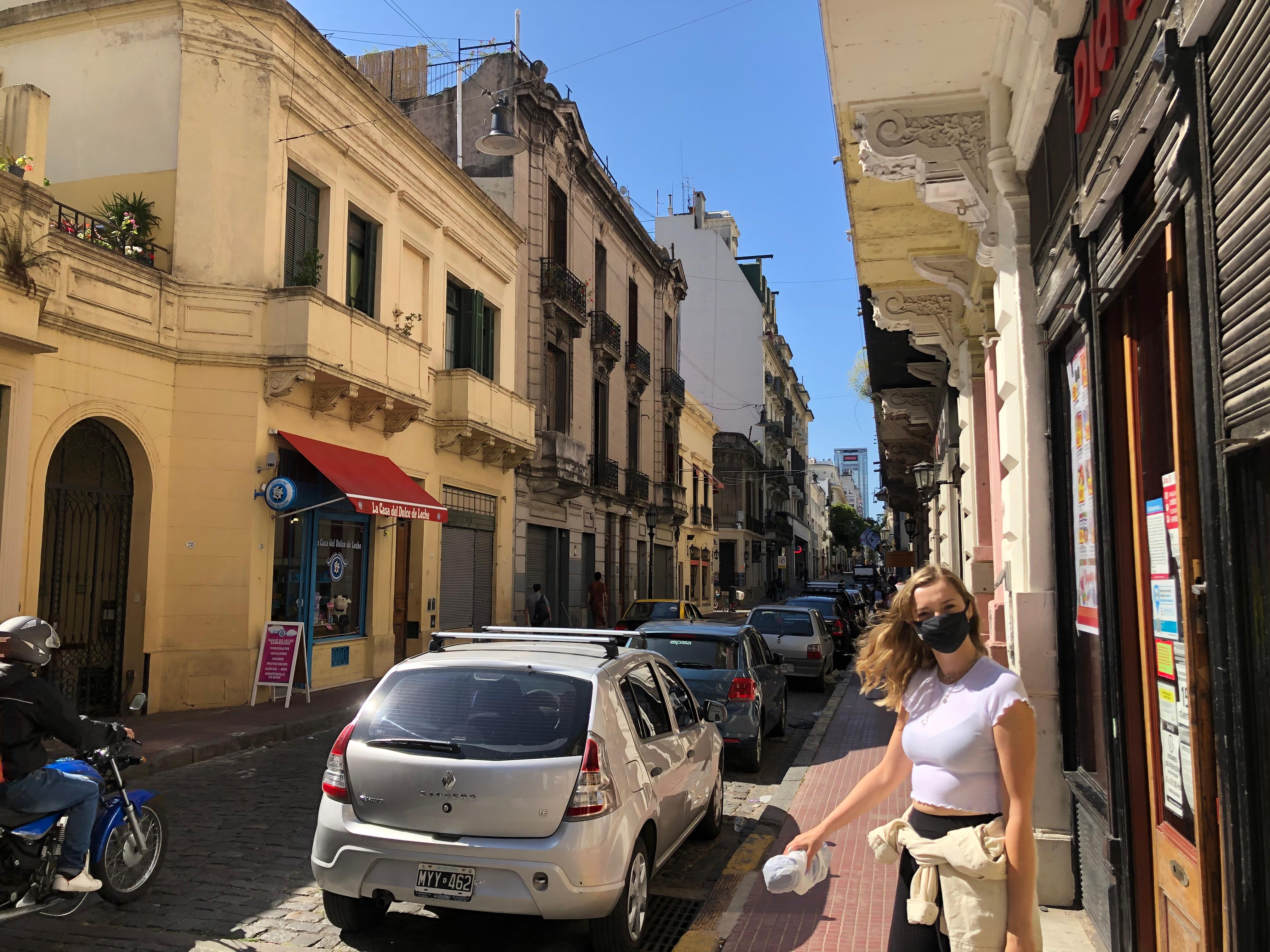
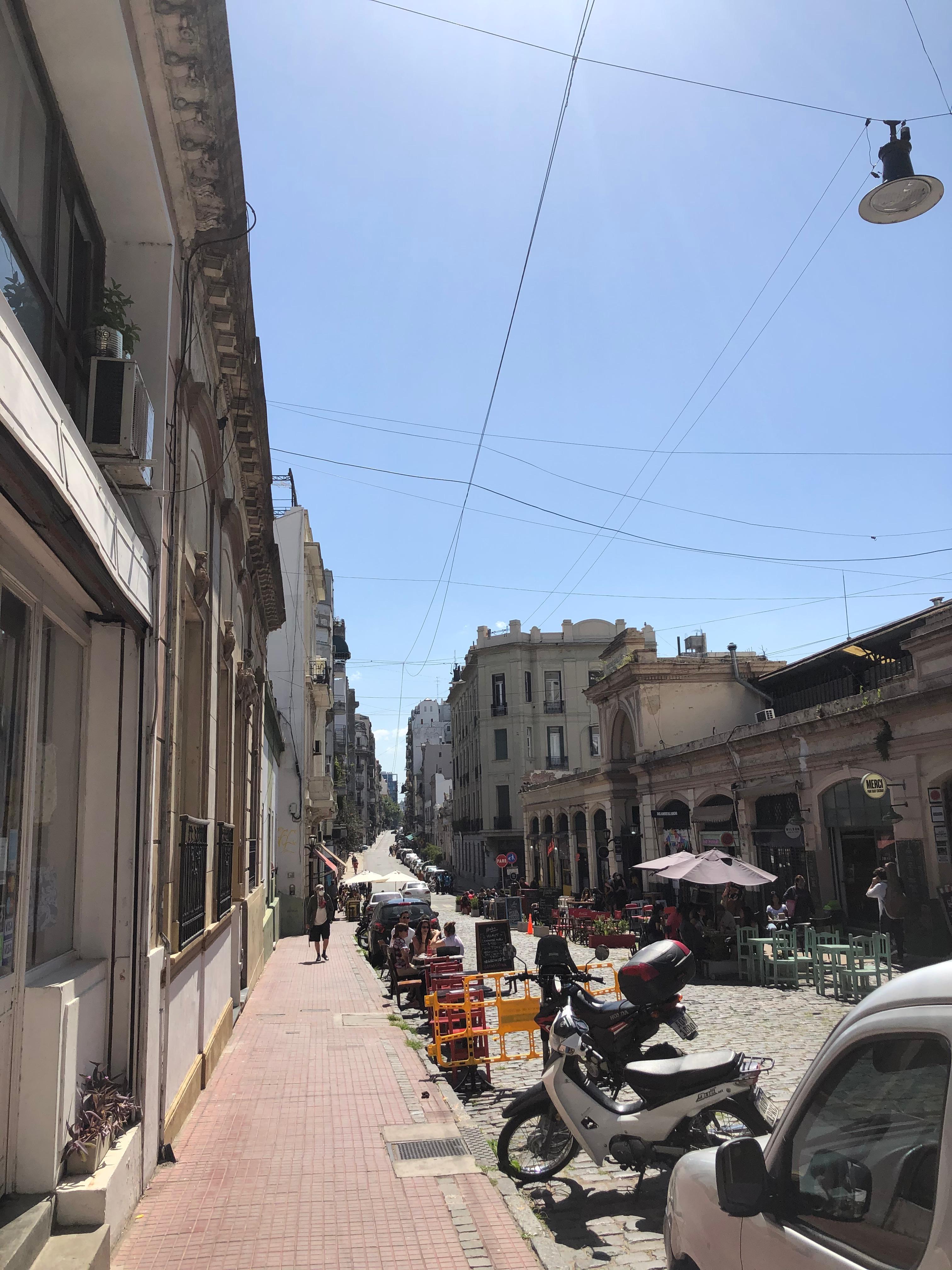
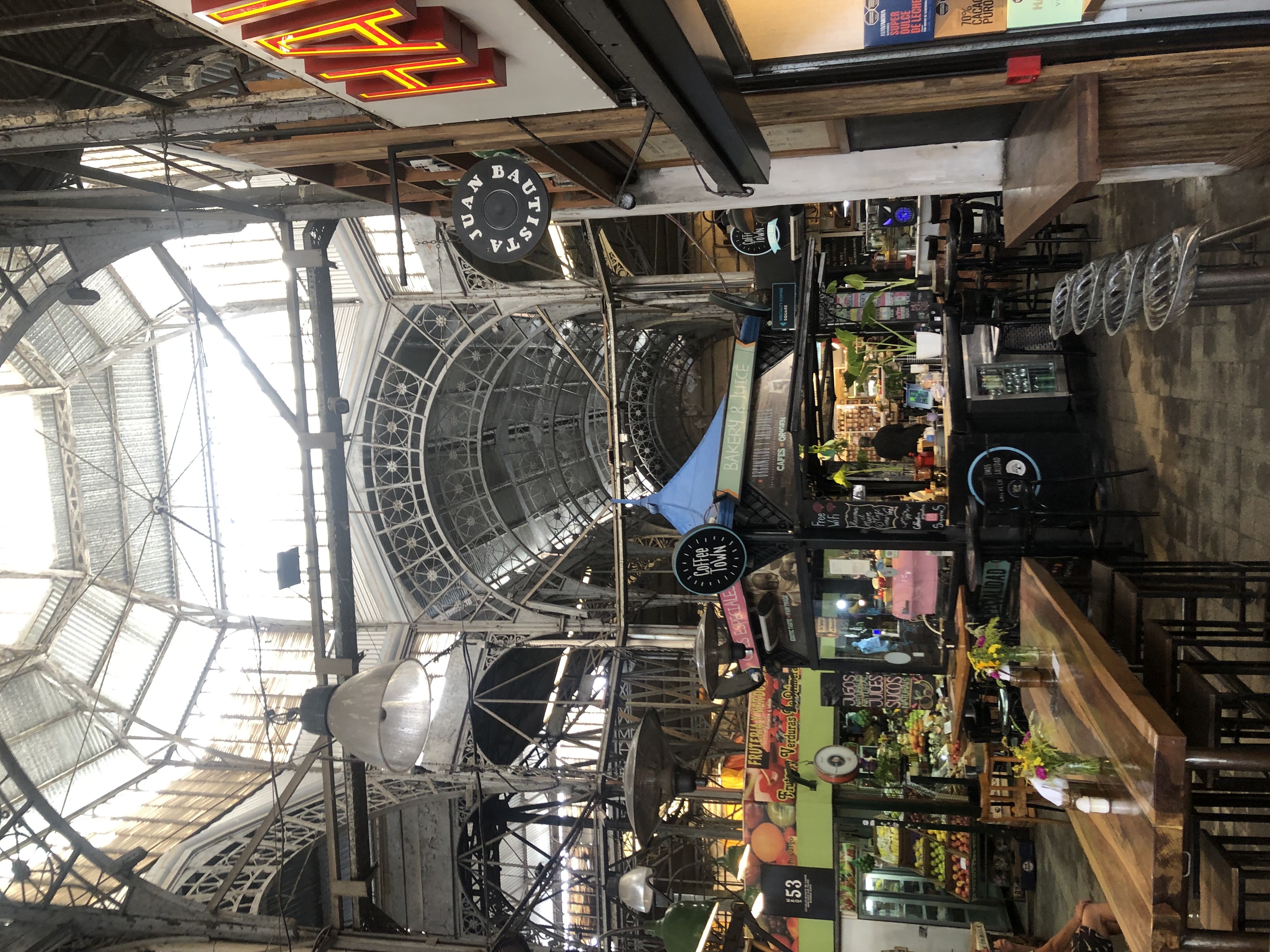
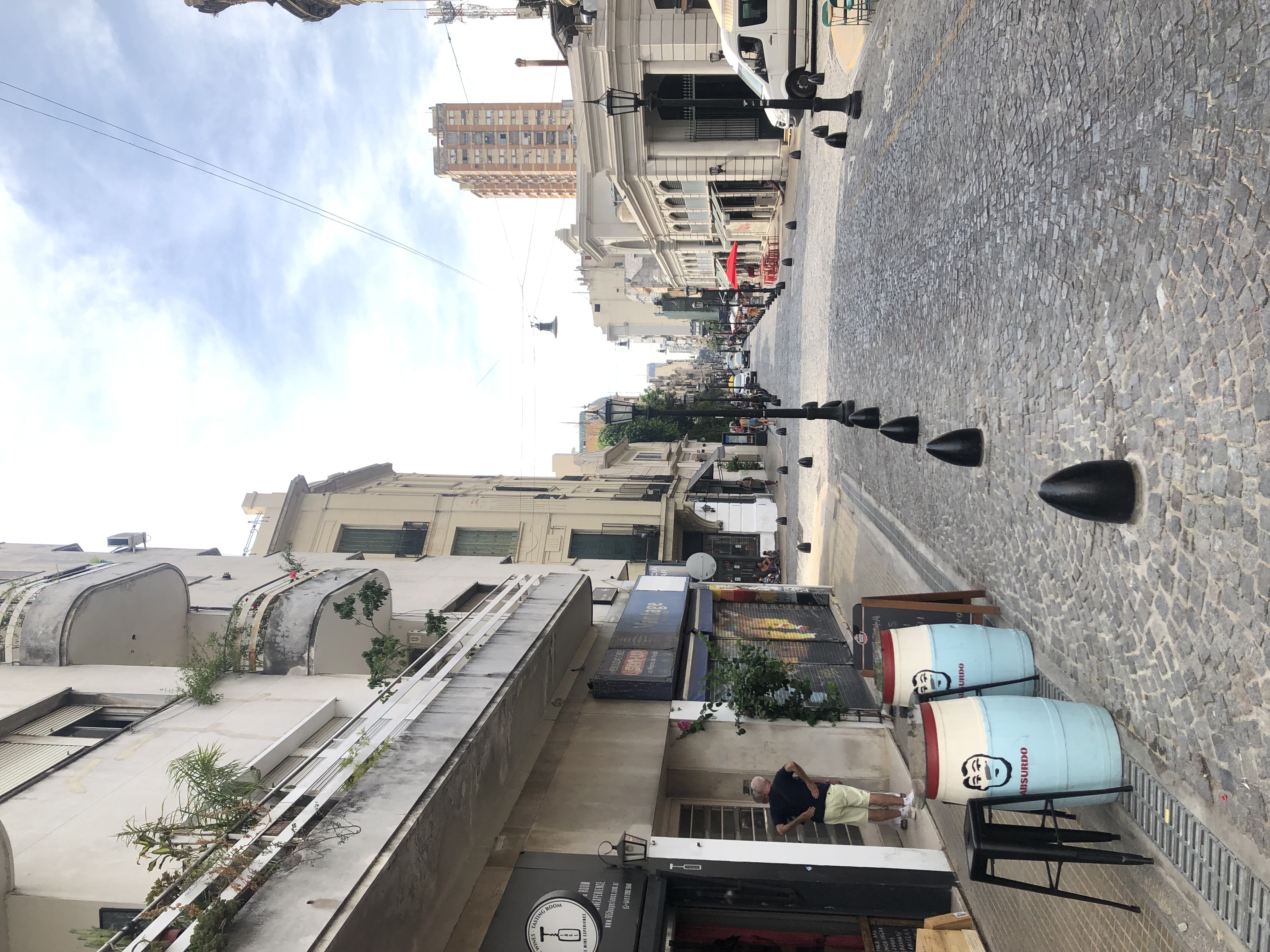
3- San Telmo – Cobblestone streets, antique fairs, and a bohemian mística. It is the ideal place to get lost on a Sunday among its stalls and street musicians.
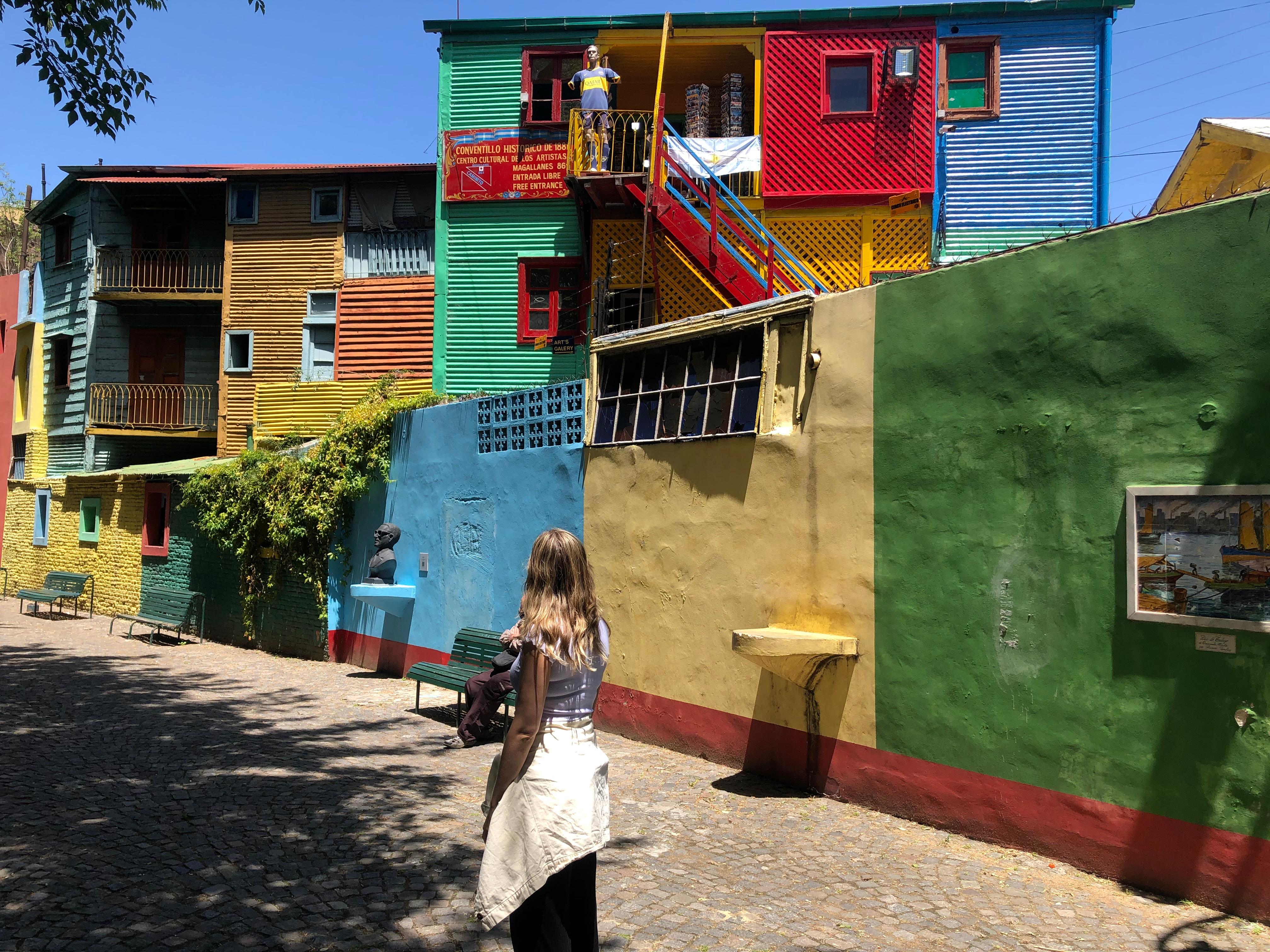
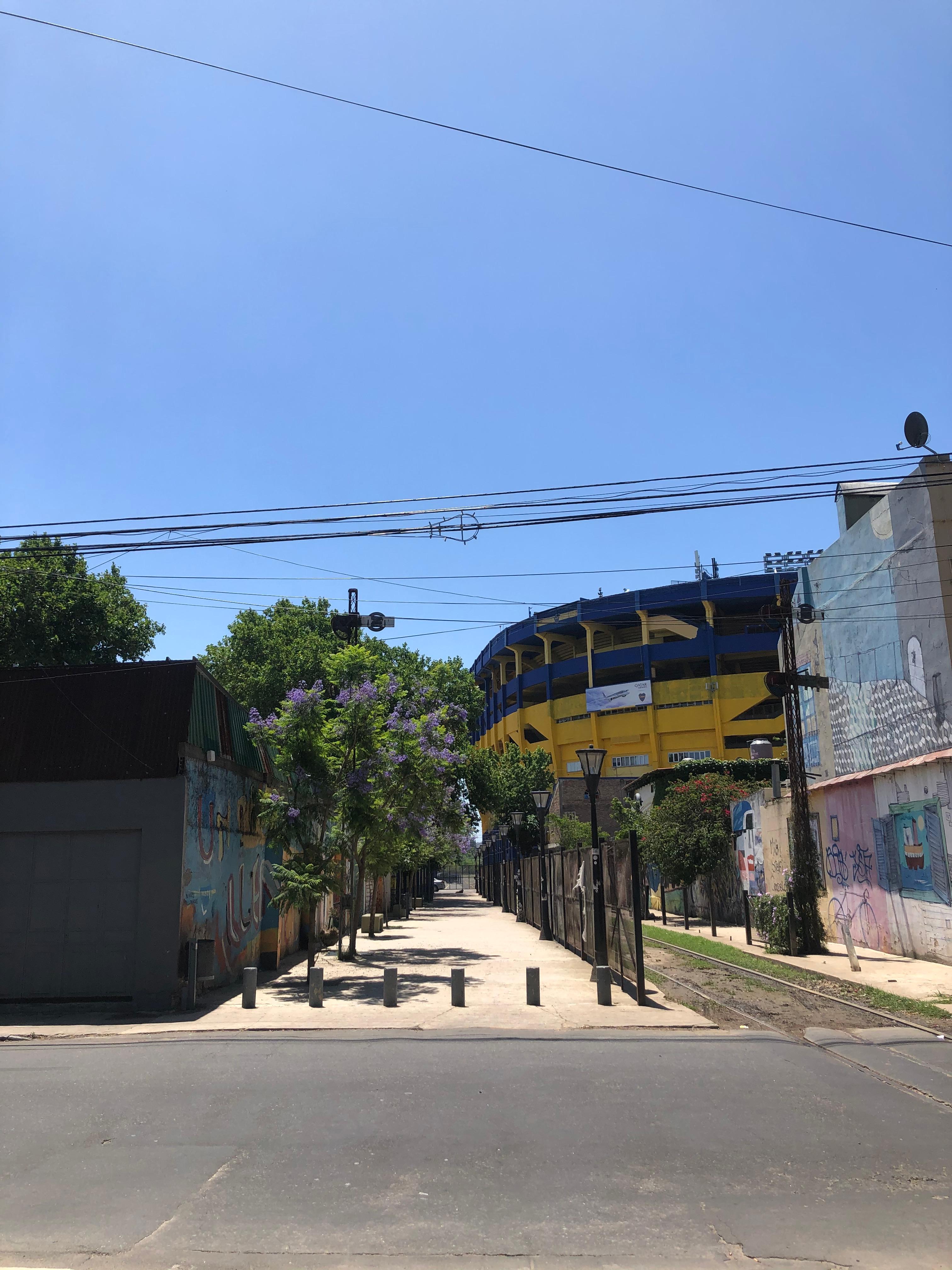
4- La Boca – An immigrant neighborhood of vibrant colors and overflowing passion. Its port identity and its link to tango and football make it unique in the world.
5- Recoleta – French elegance in the middle of South America. Characterized by wide parks, world-class museums, and fascinating classical architecture.
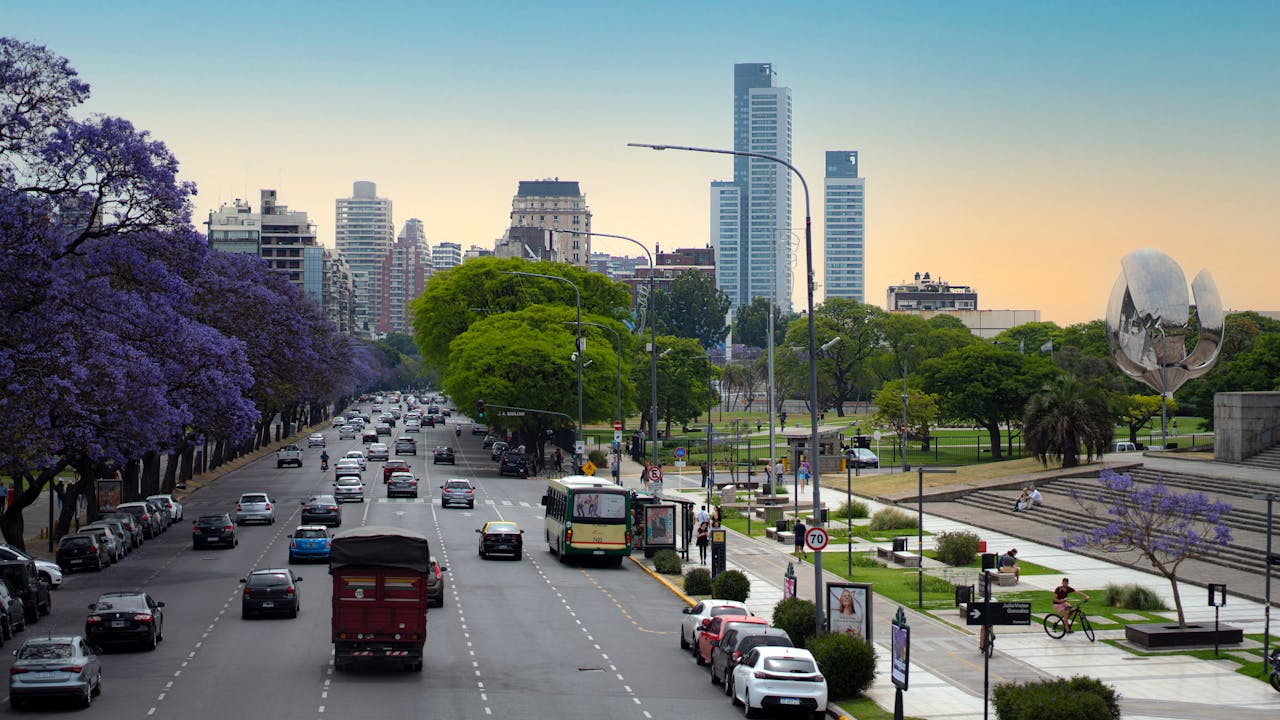
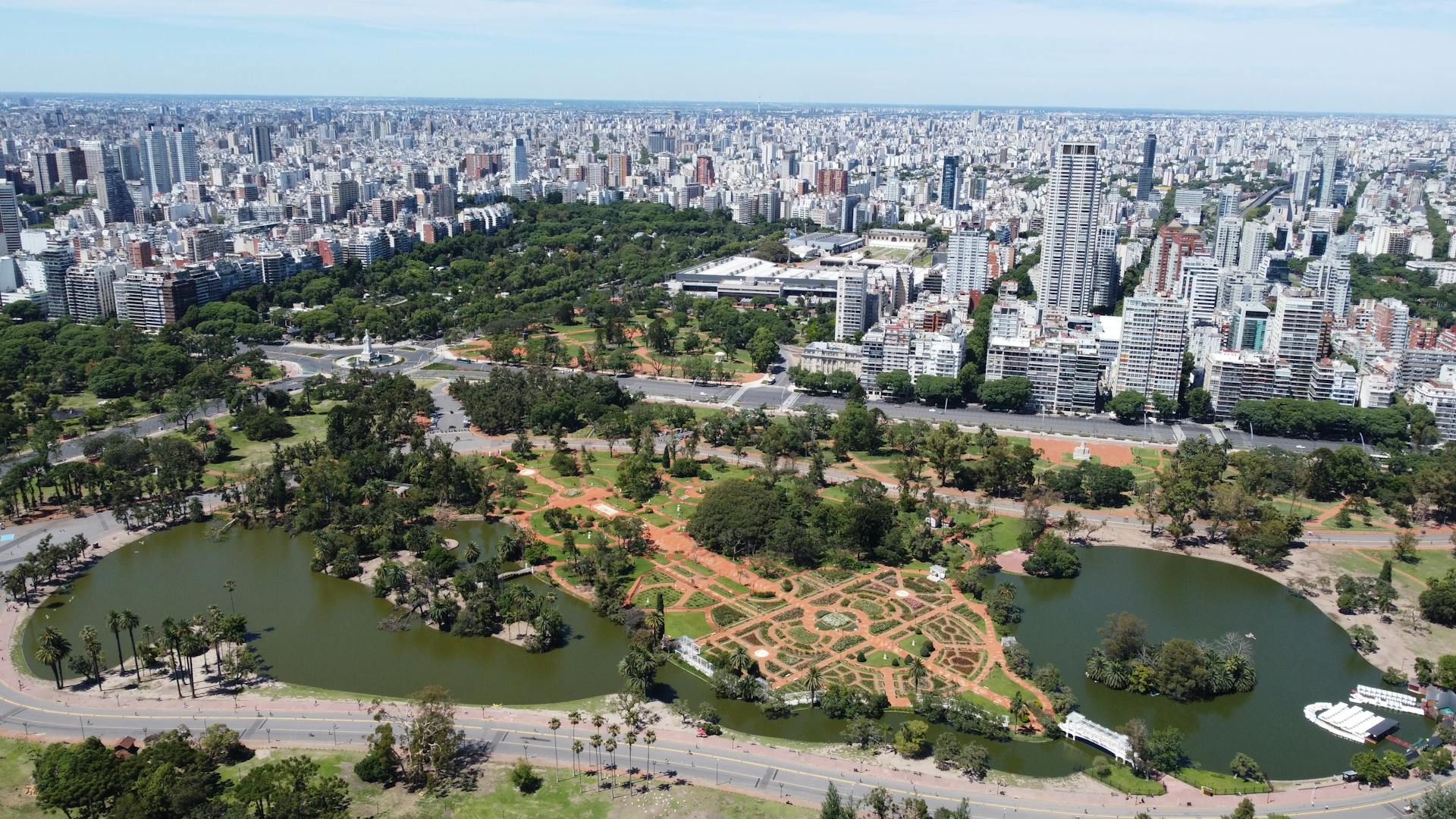
6- Palermo – The neighborhood of a thousand faces: design, trends, lakes, and the best gastronomic offer. It is the place where everything happens today.
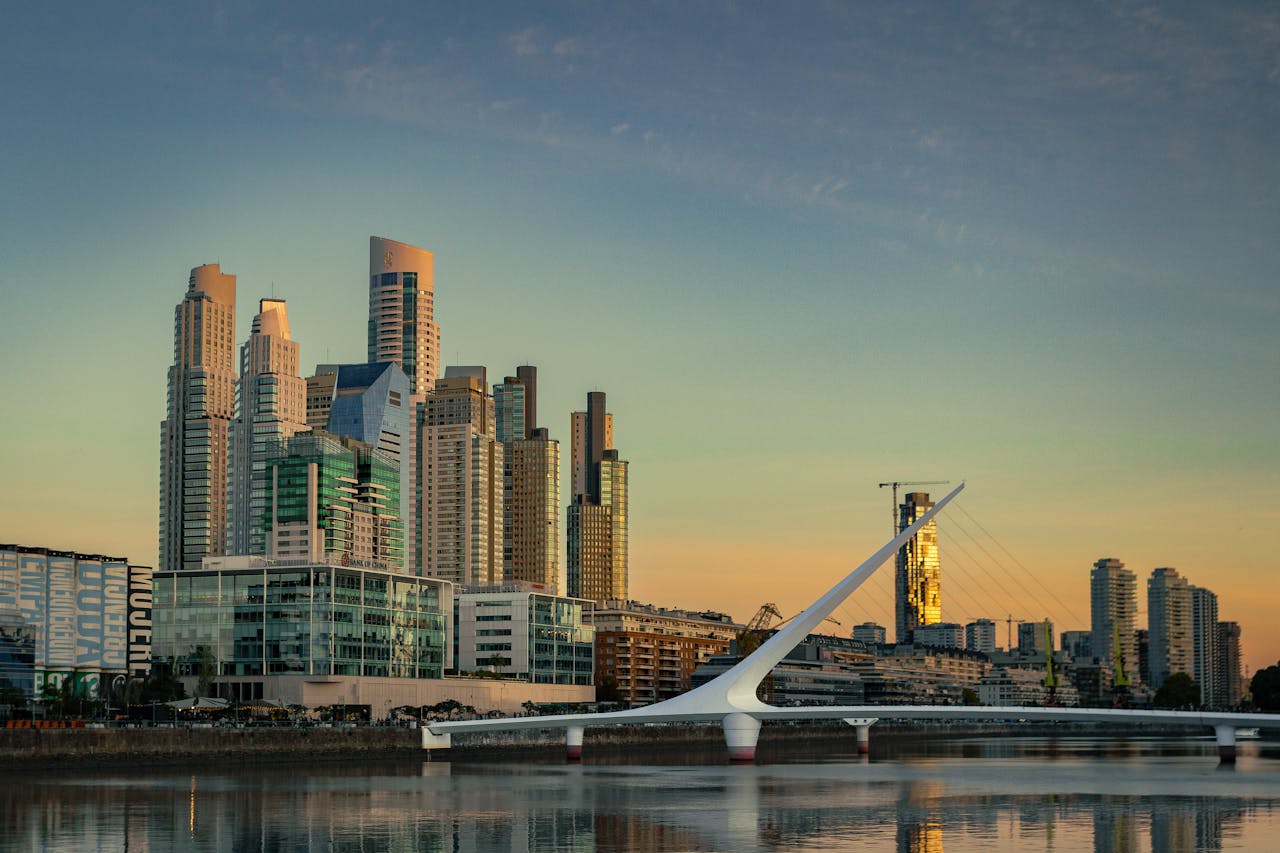
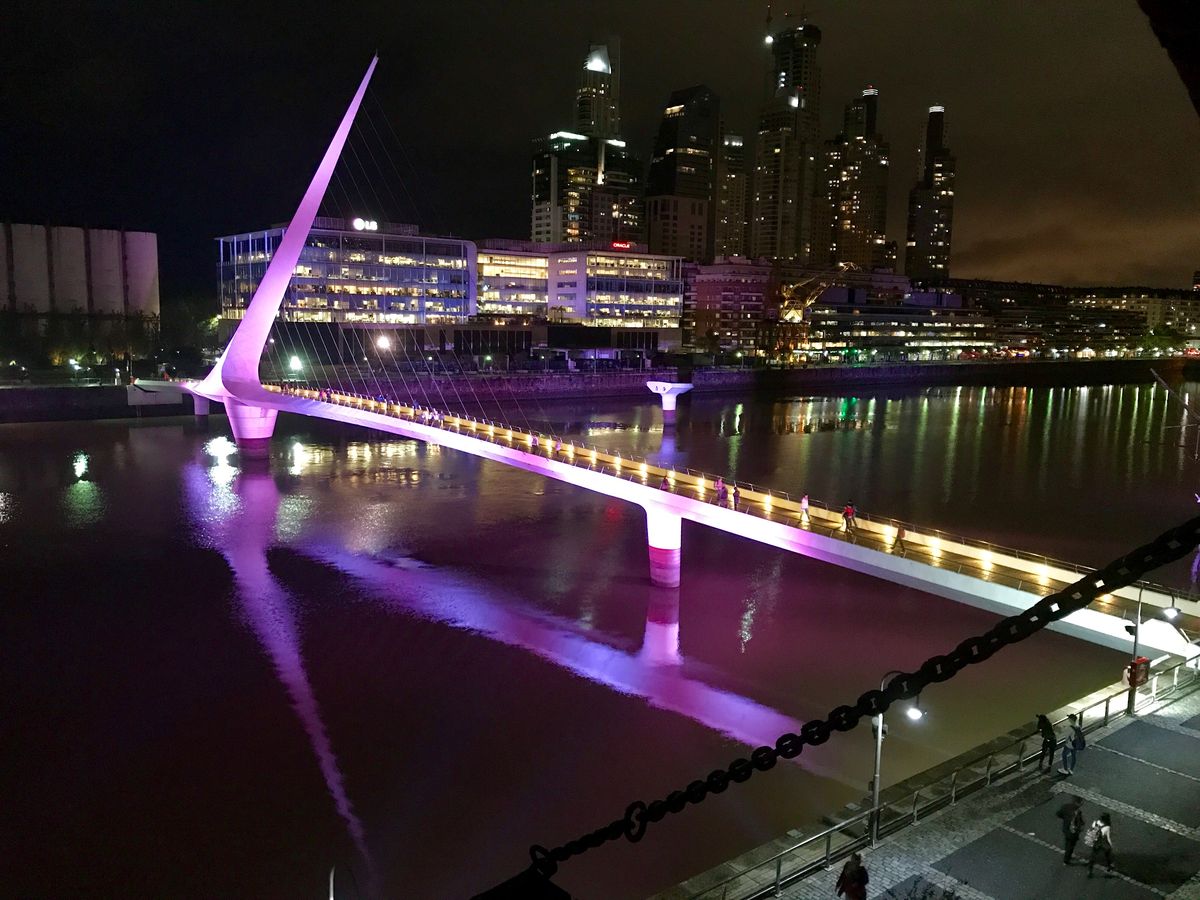
7- Puerto Madero – The modern face of Buenos Aires. Glass skyscrapers, restored docks, and a pedestrian area perfect for walking by the river.
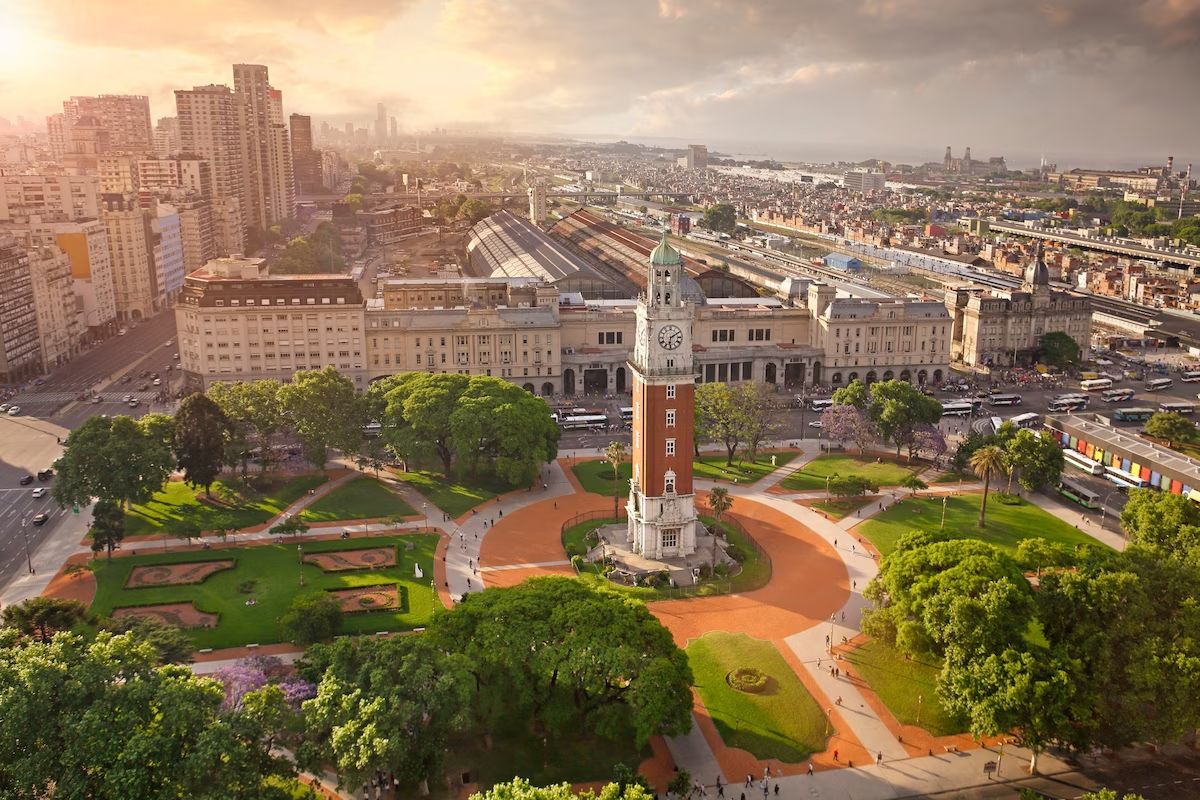
8- Retiro – A hub of contrasts. It combines stately palaces with the largest transport terminal in the country, reflecting the diversity of the city.
10 Iconic Attractions to see in Buenos Aires
Beyond its neighborhoods, there are specific places that define the Porteño essence and that you must visit at least once:
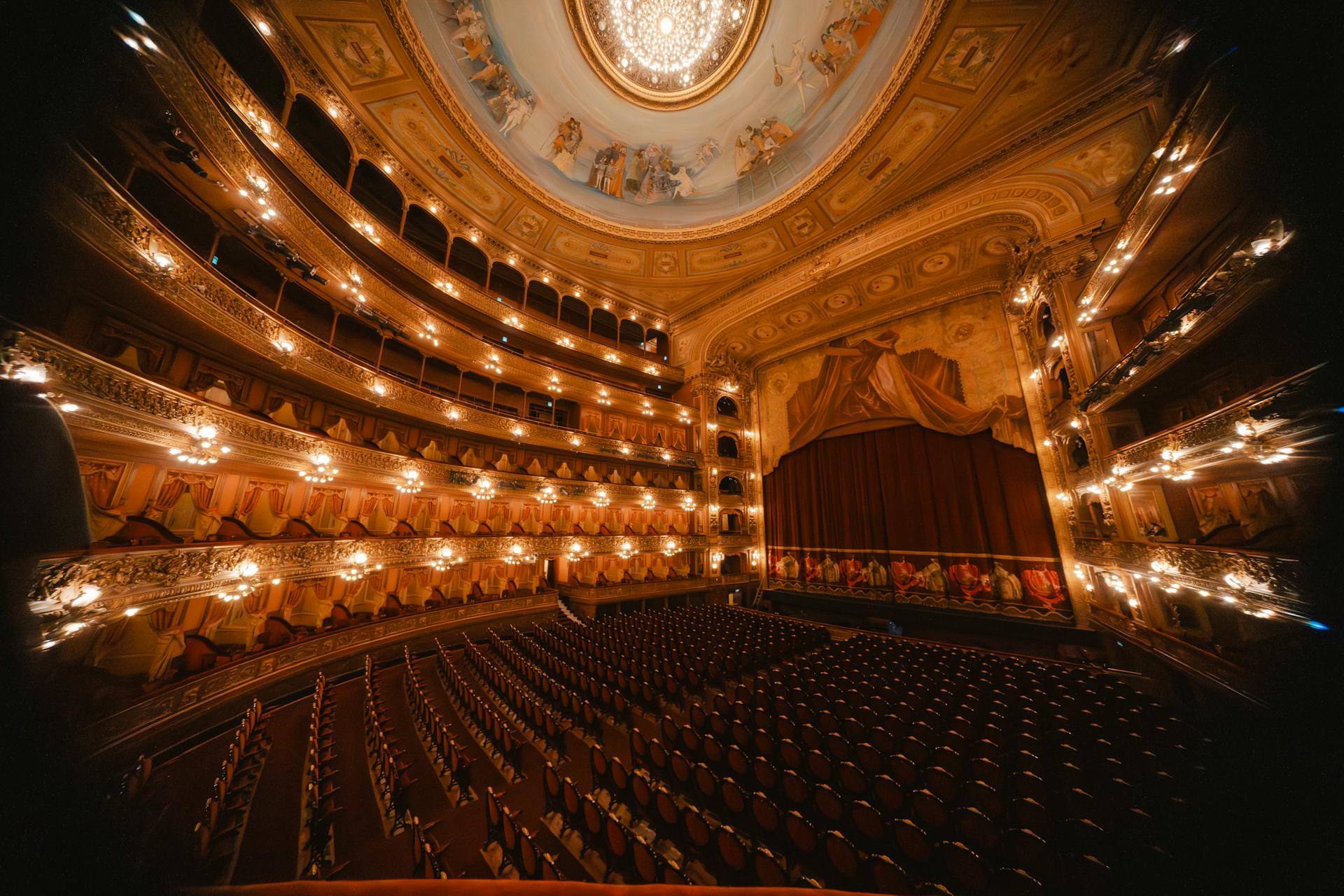
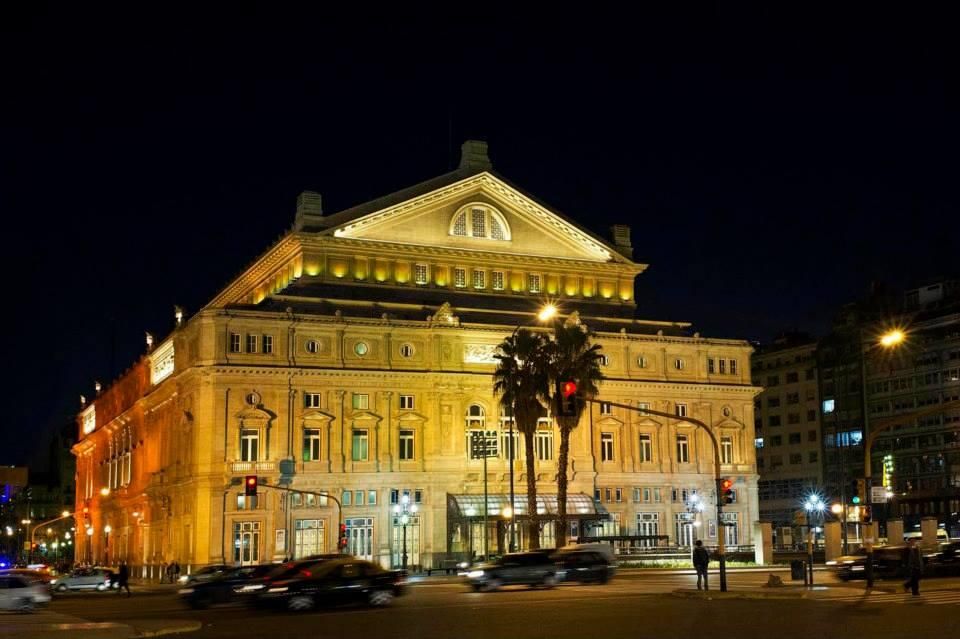
1- Teatro Colón - Considered one of the most important opera houses in the world for its acoustics and architecture. The guided tours are incredible, but seeing a performance is an experience from another planet.
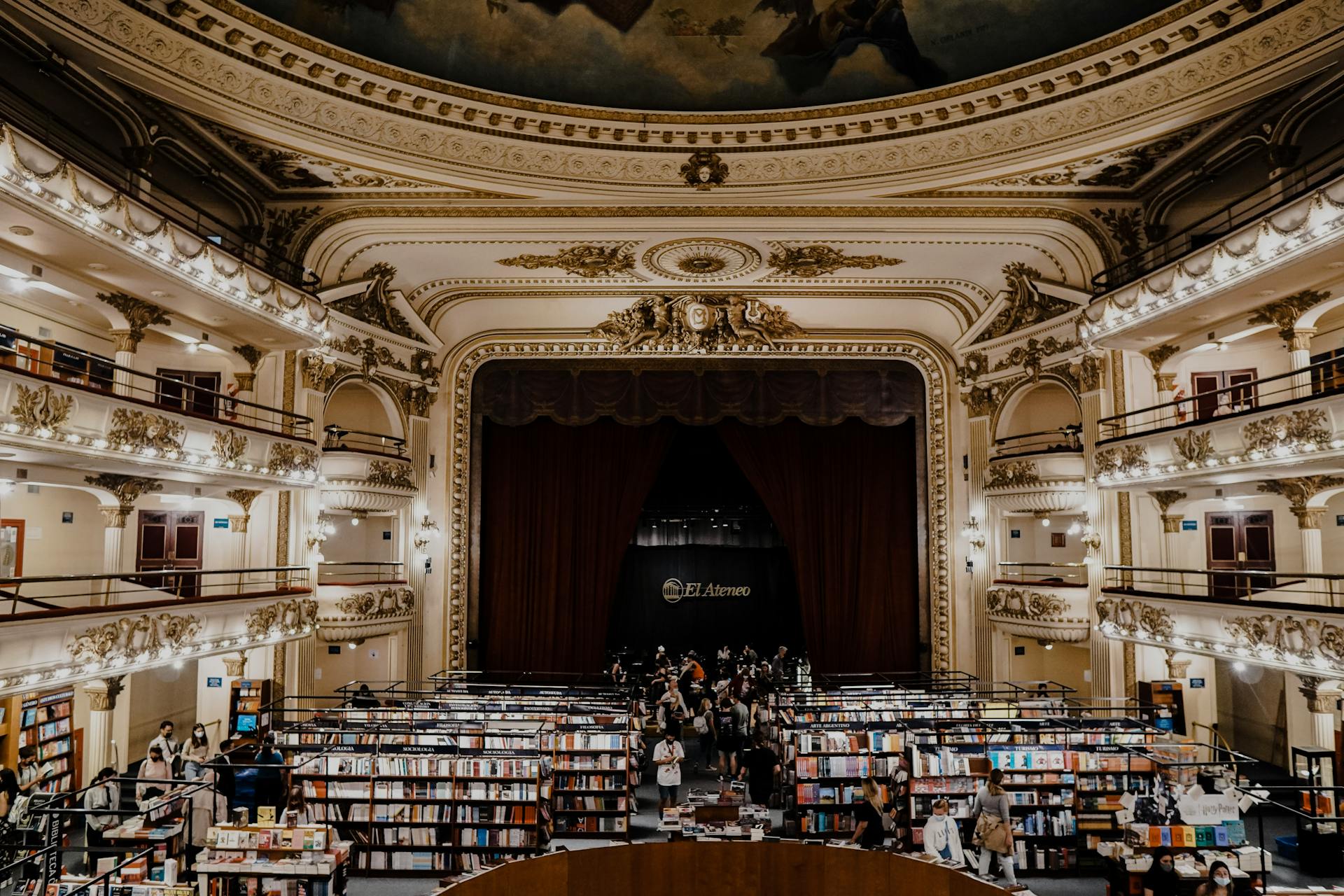
2- El Ateneo Grand Splendid Bookstore - Voted the most beautiful bookstore in the world on several occasions. It operates inside an old theater, preserving its painted dome and the original stage (where there is now a cafe).
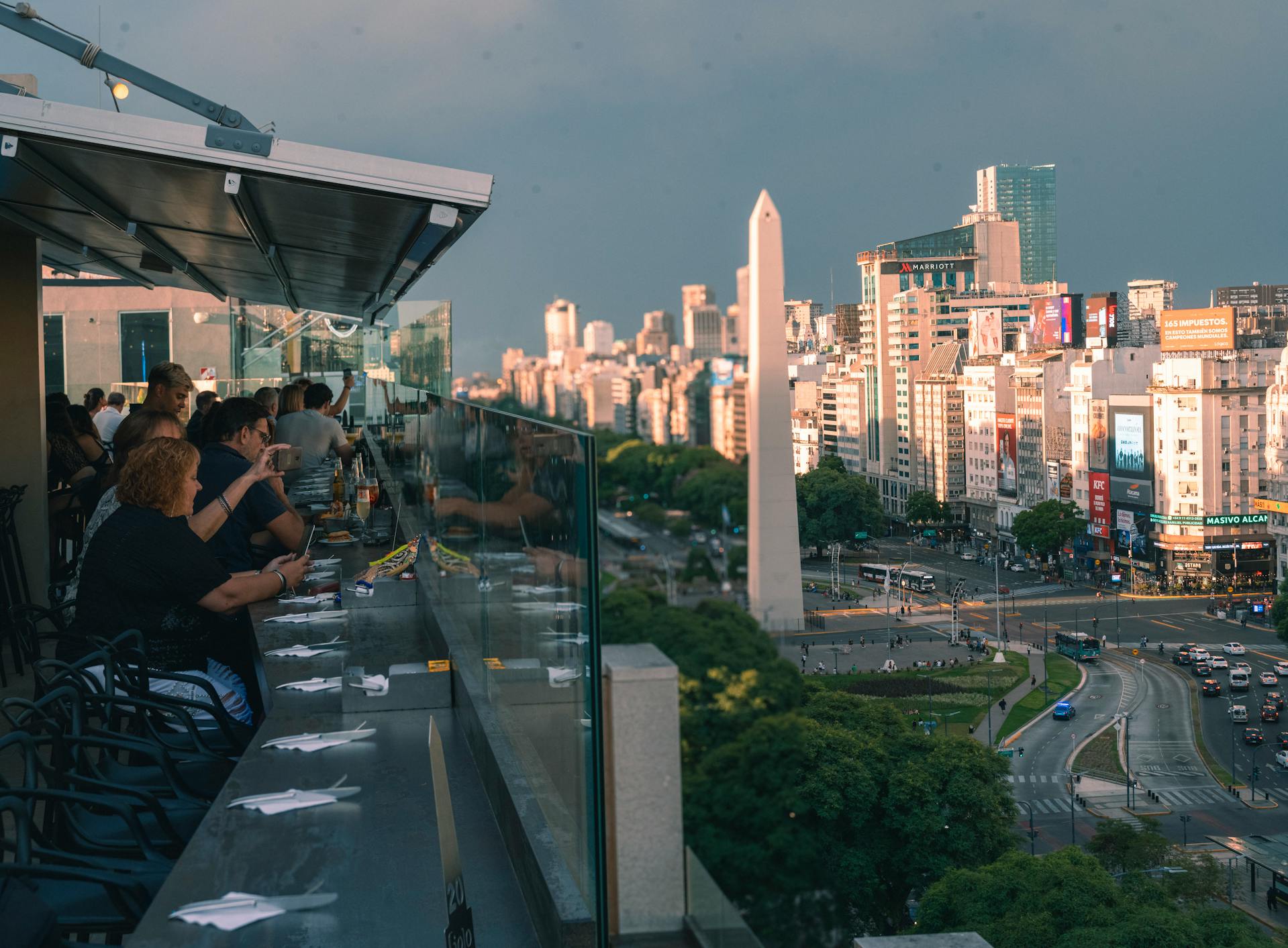
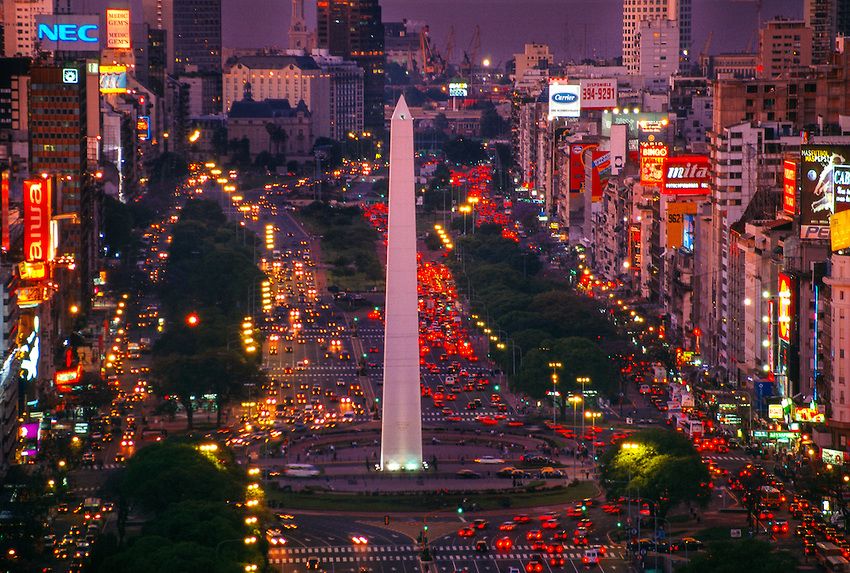
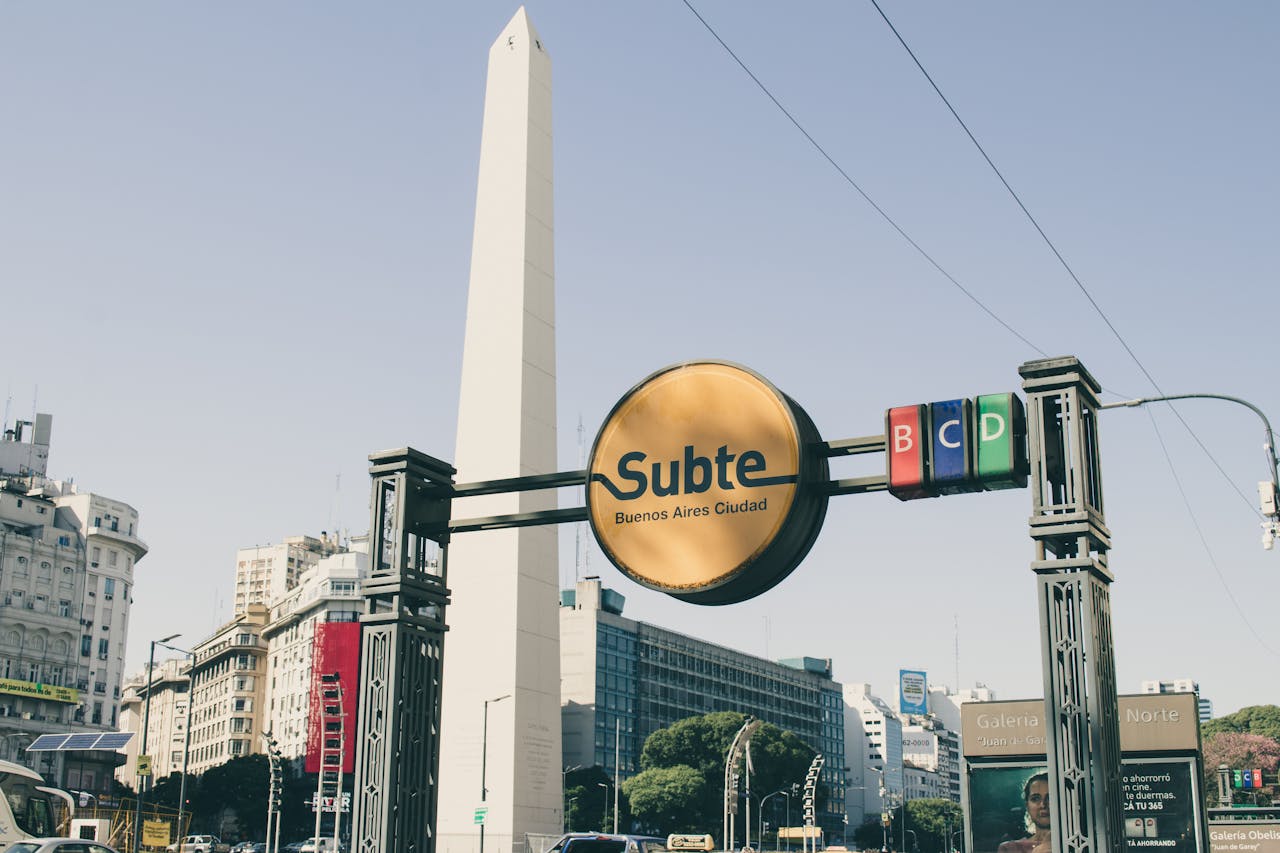
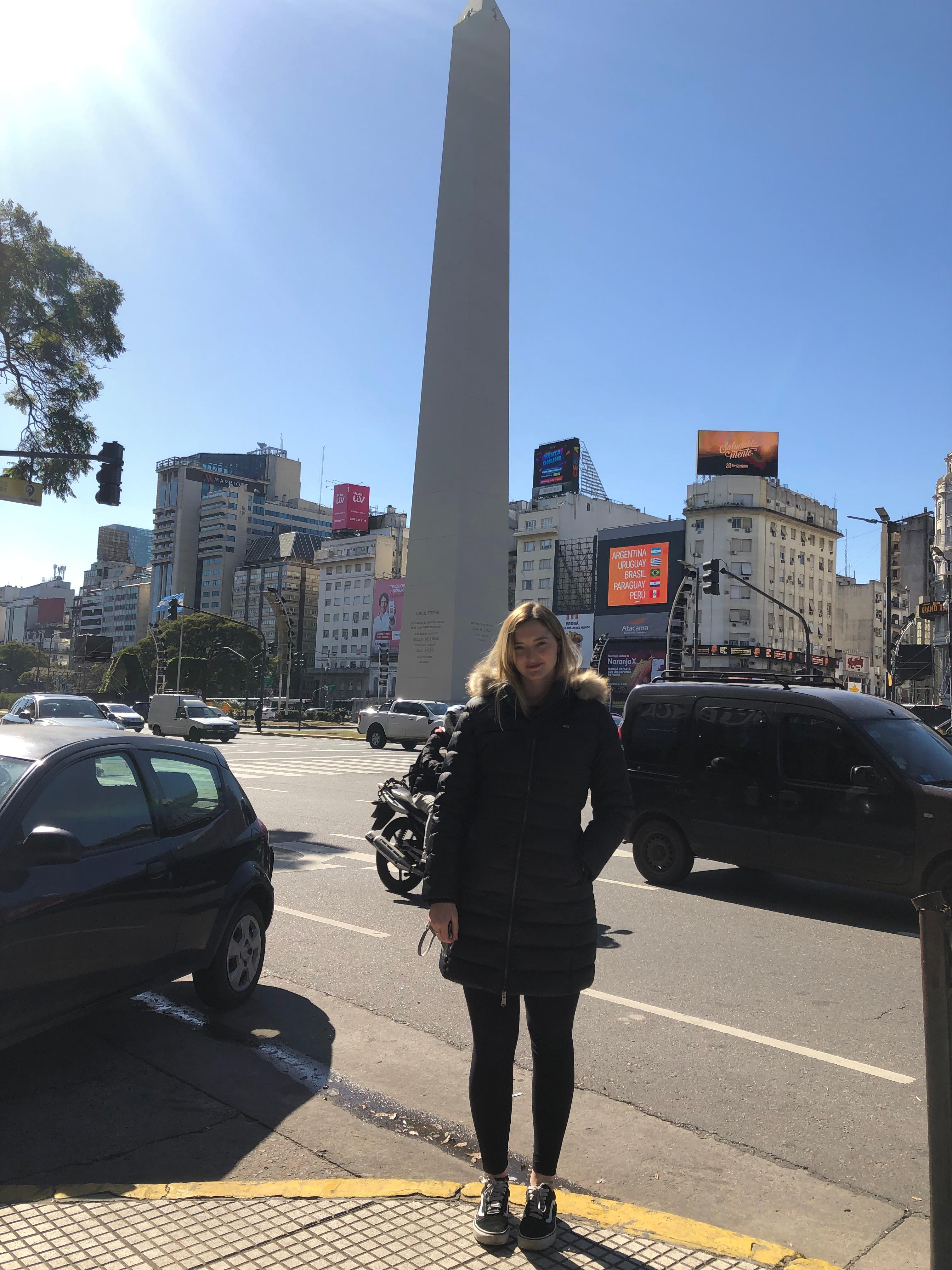
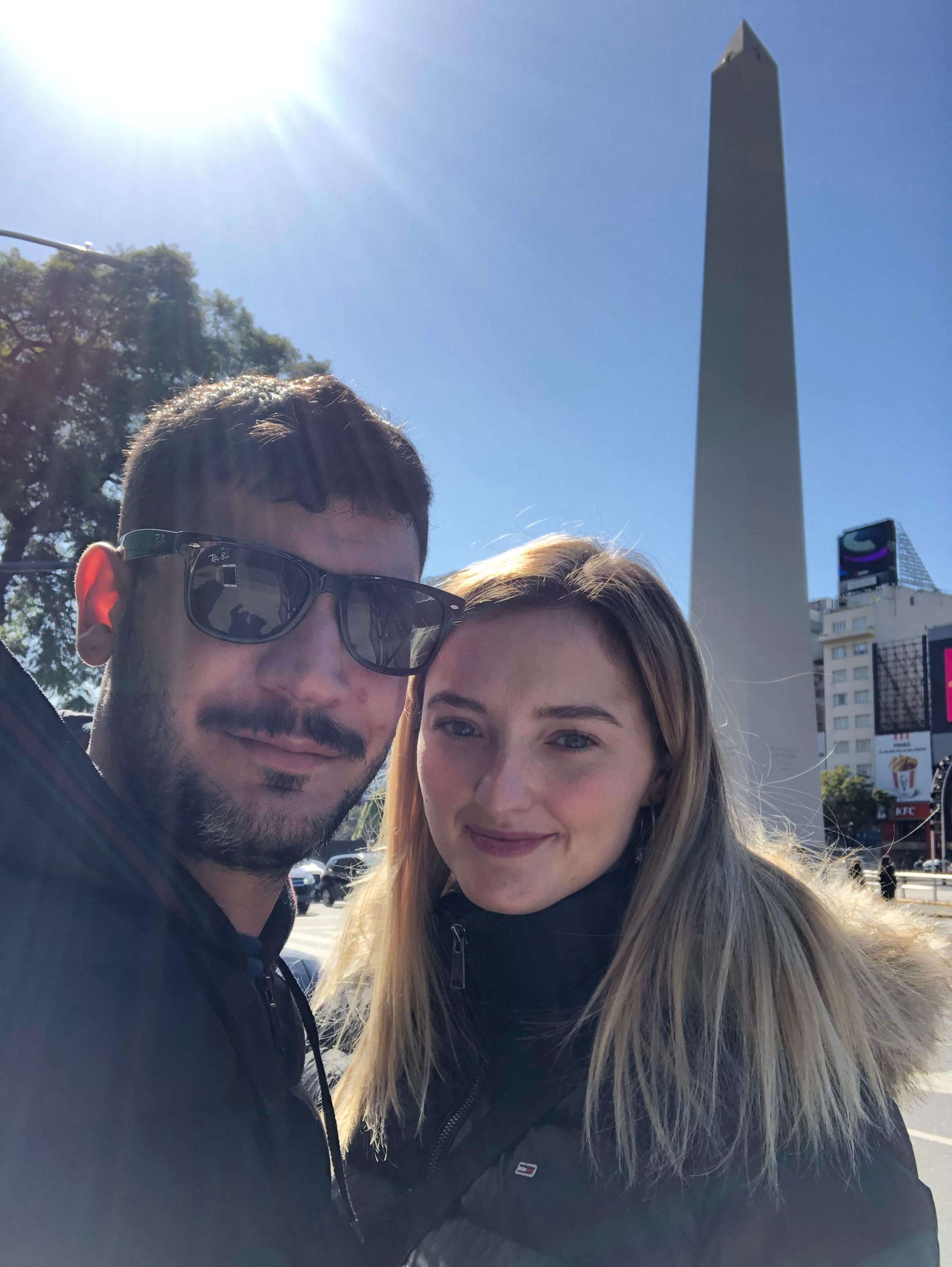
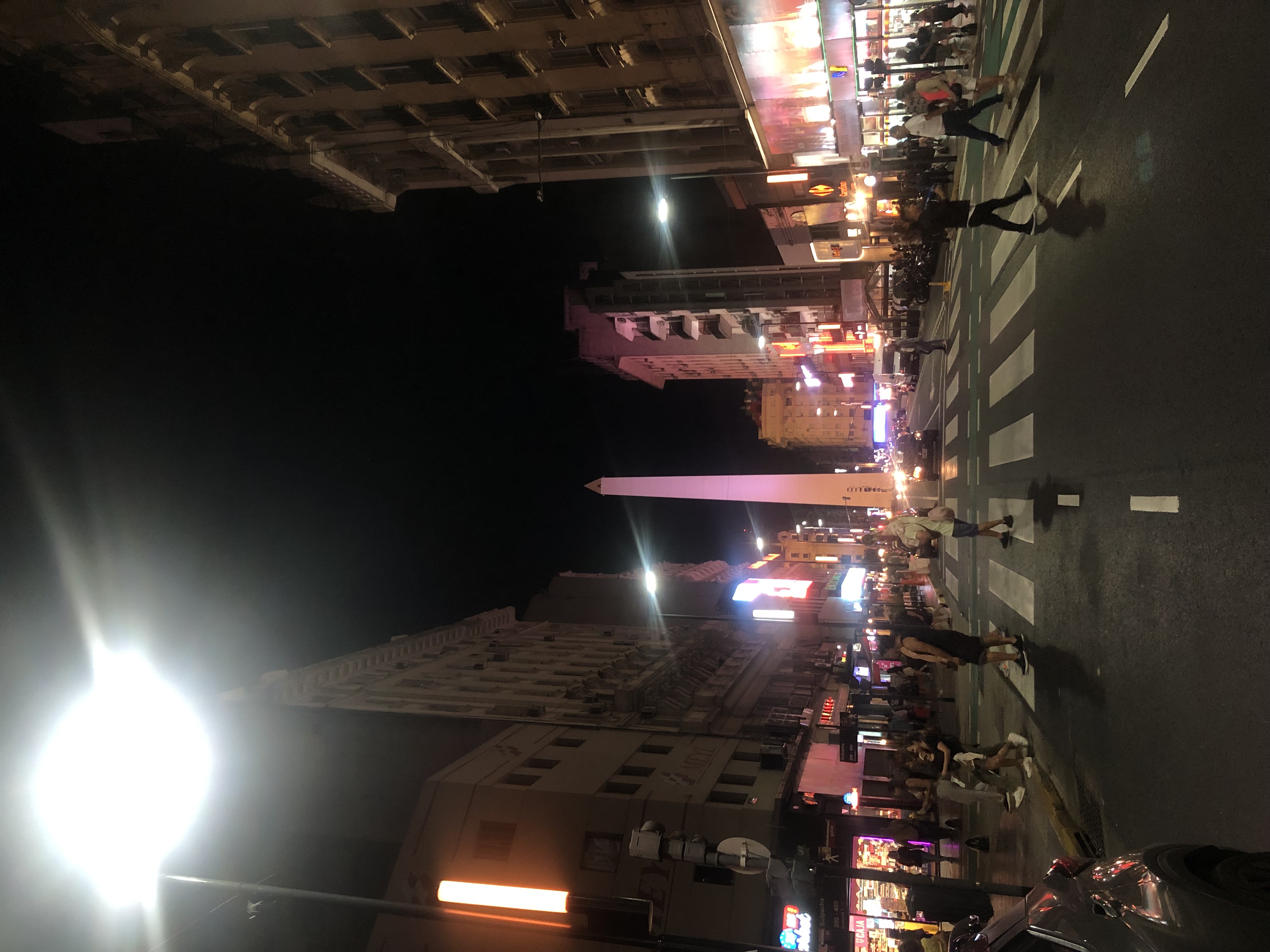
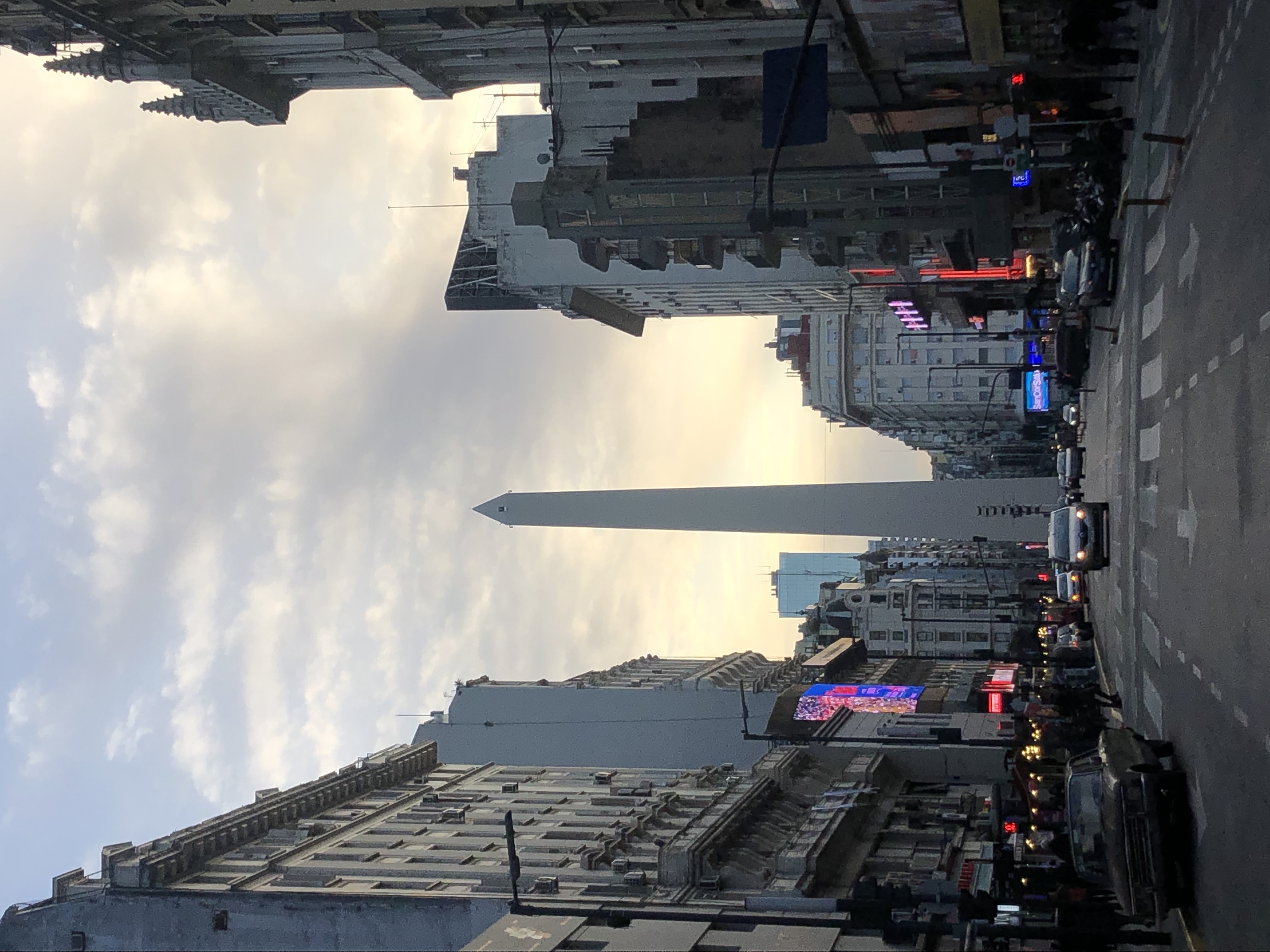
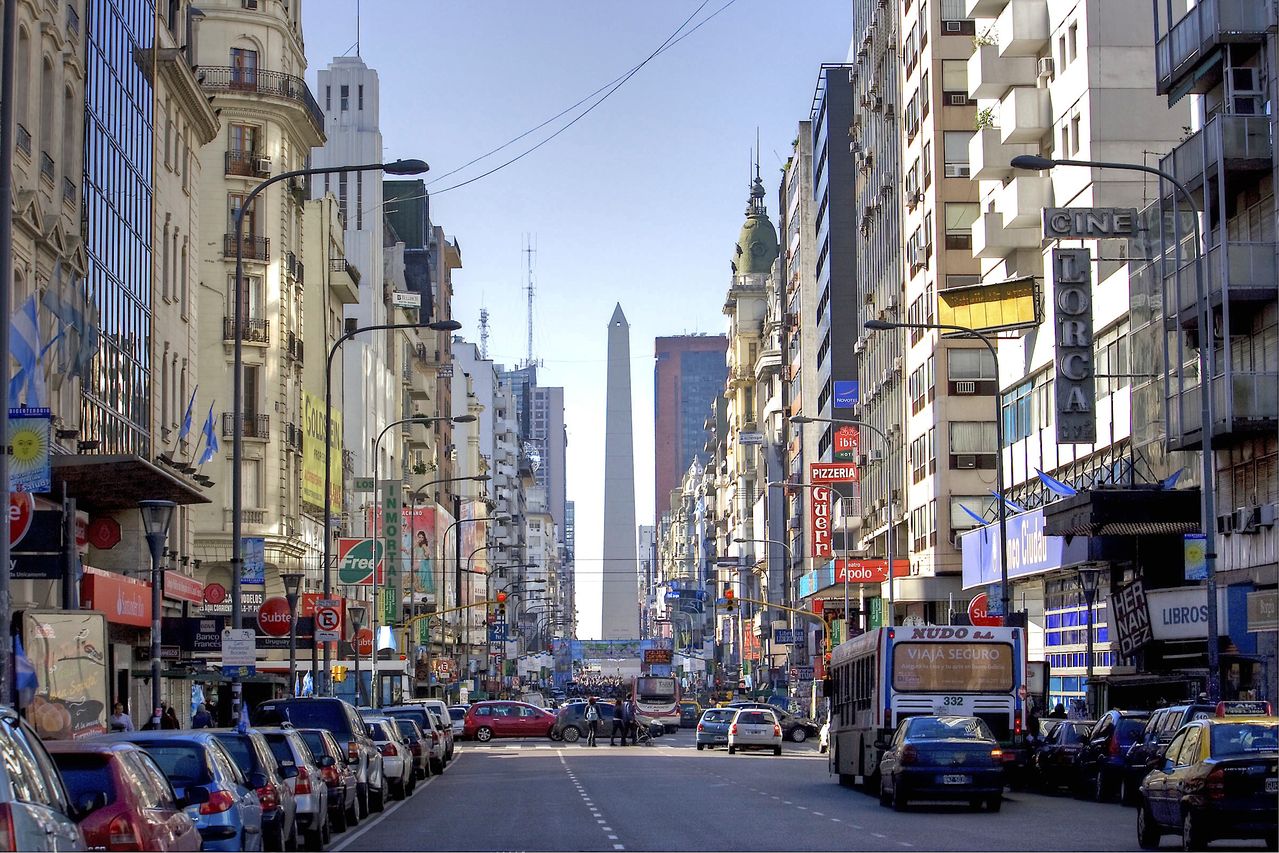
3- The Obelisk - The monument everyone looks for. It stands at the intersection of 9 de Julio and Corrientes, and is the meeting point for all popular celebrations.
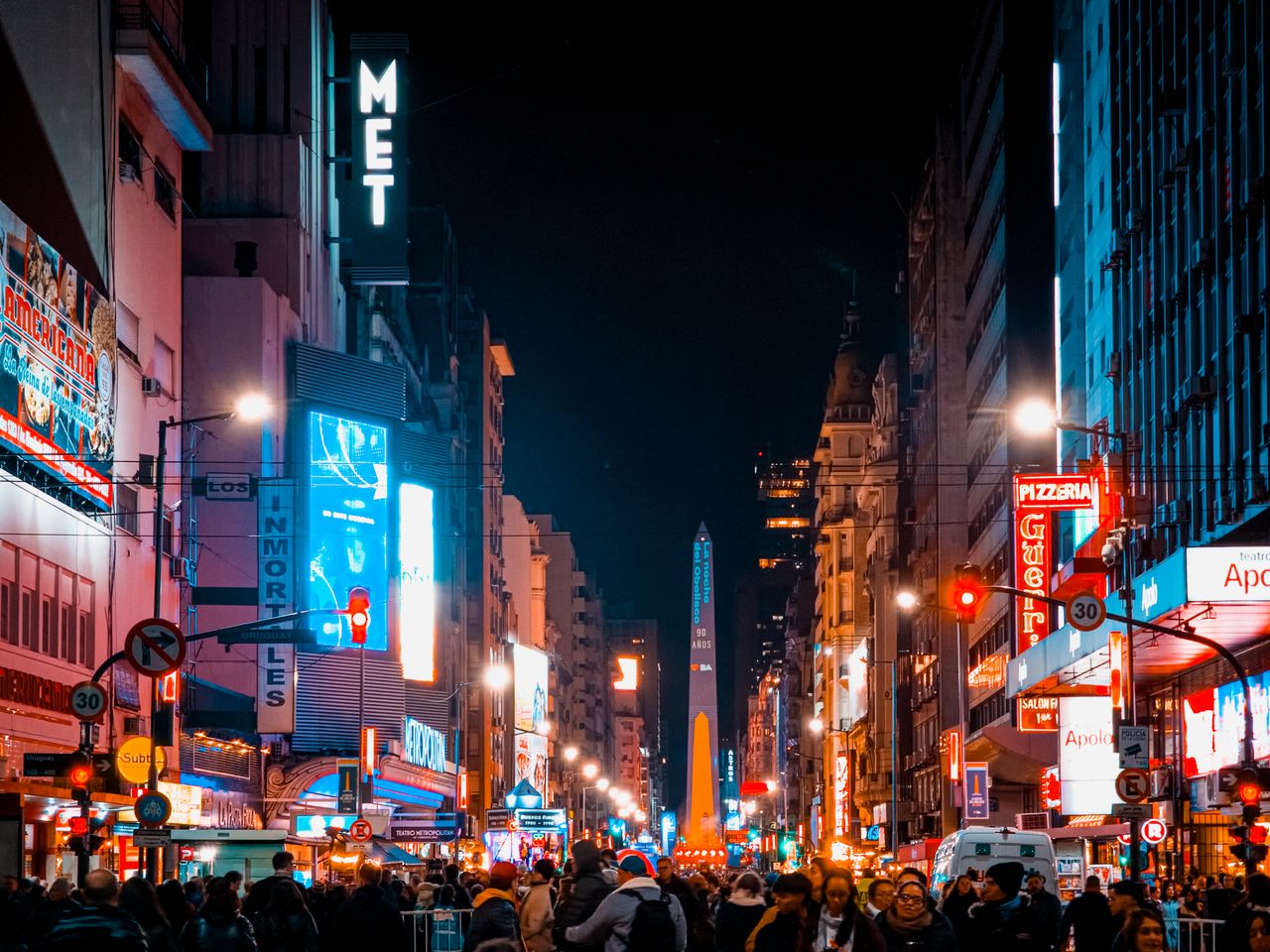
4- Corrientes Avenue - The "avenue that never sleeps." Full of theaters, historic pizzerias, and bookstores that stay open until the early morning. It is the heart of Buenos Aires nightlife.
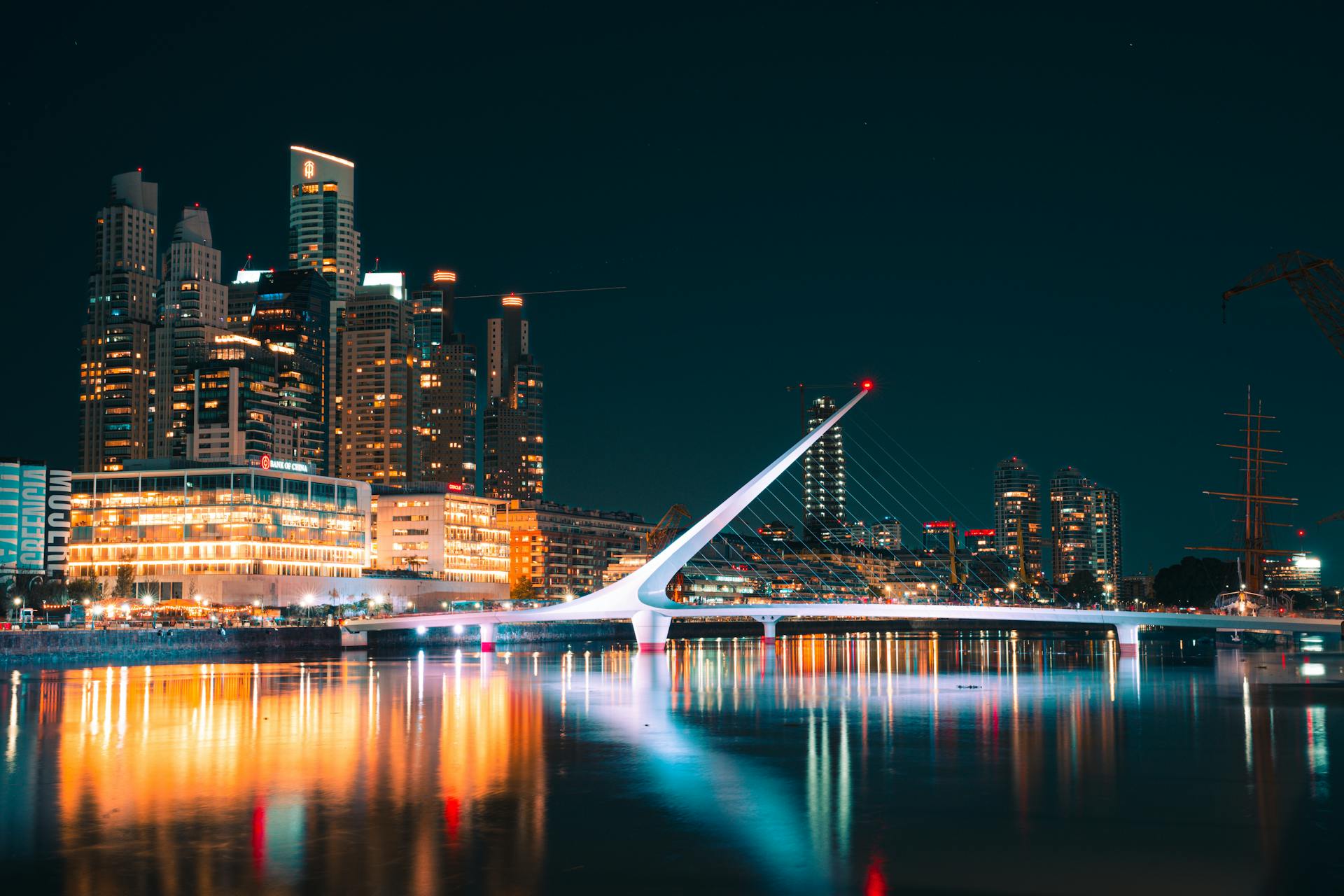
5- Puente de la Mujer (Woman's Bridge) - Designed by Santiago Calatrava in Puerto Madero. It represents a couple dancing tango and is the modern icon of the city.
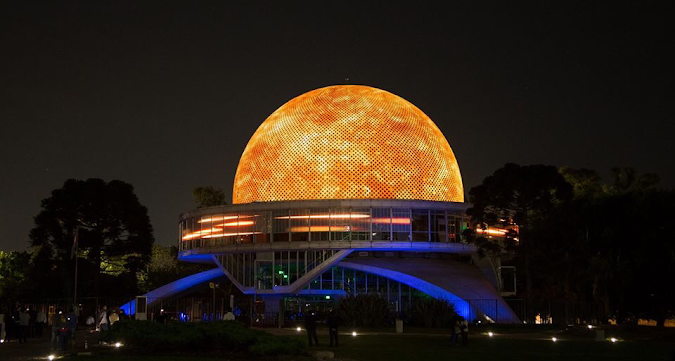
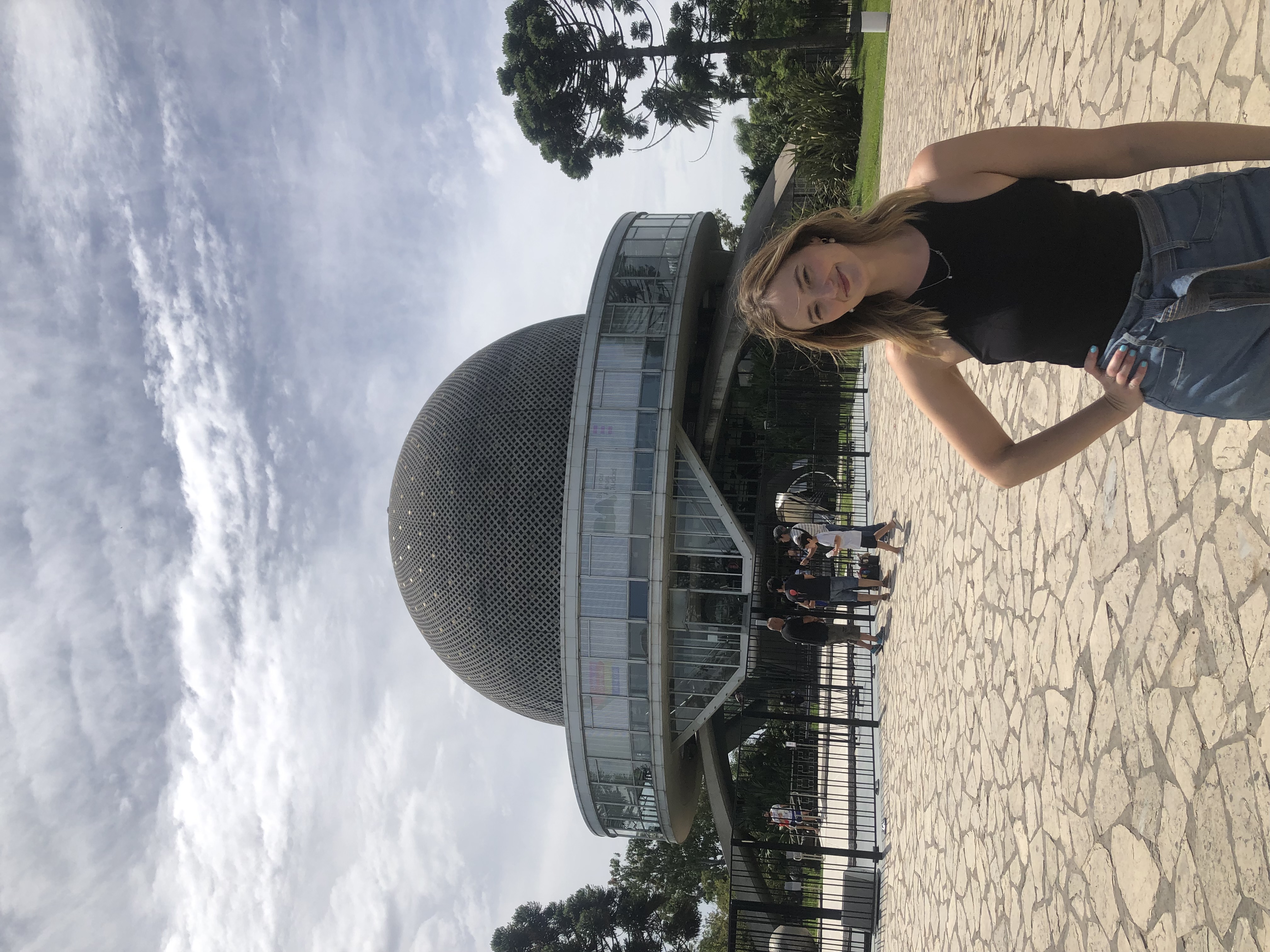
6- Galileo Galilei Planetarium - The main center for astronomical outreach in Buenos Aires. Located in Palermo, it stands out for its iconic dome-shaped architectural design and cutting-edge projection technology.
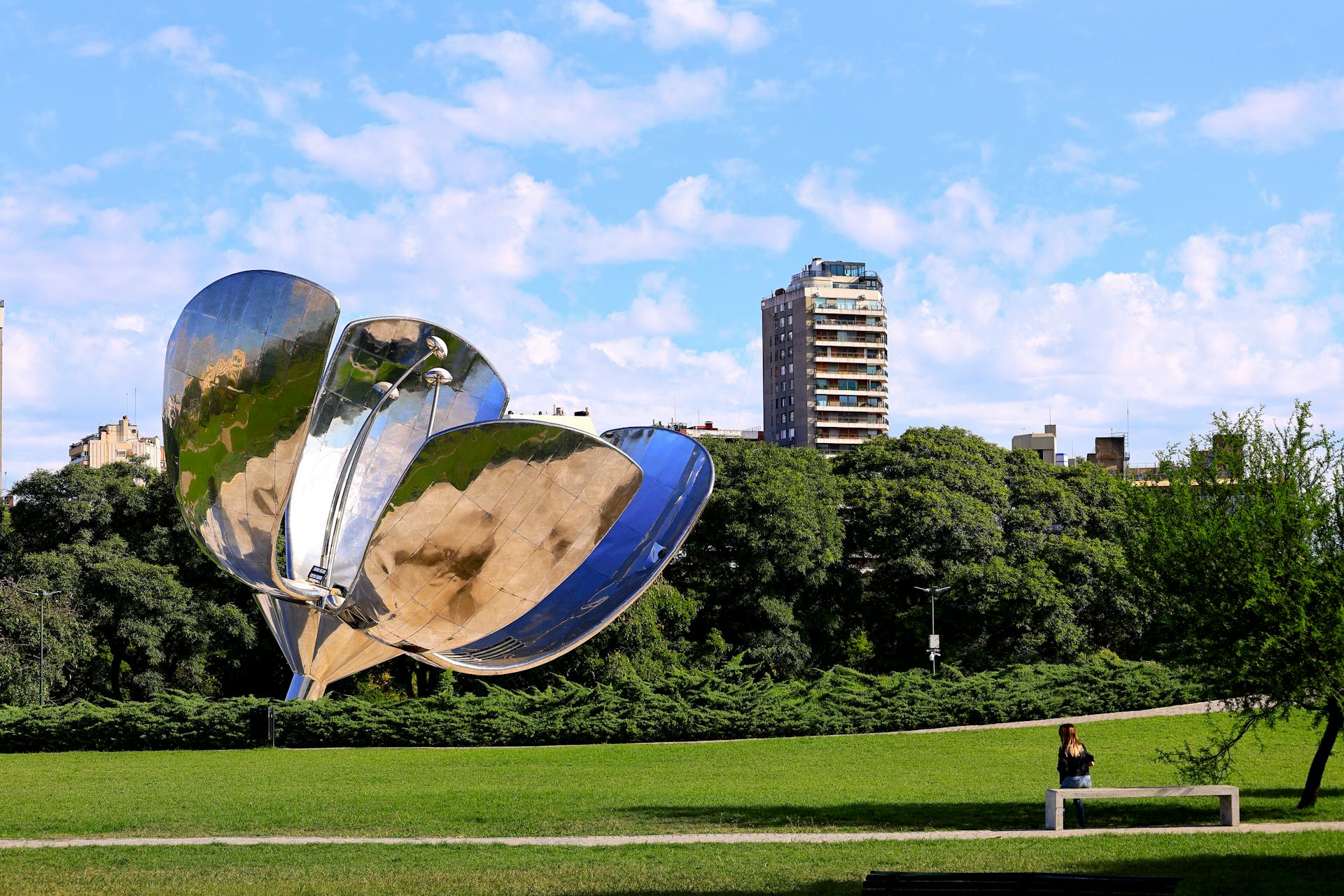
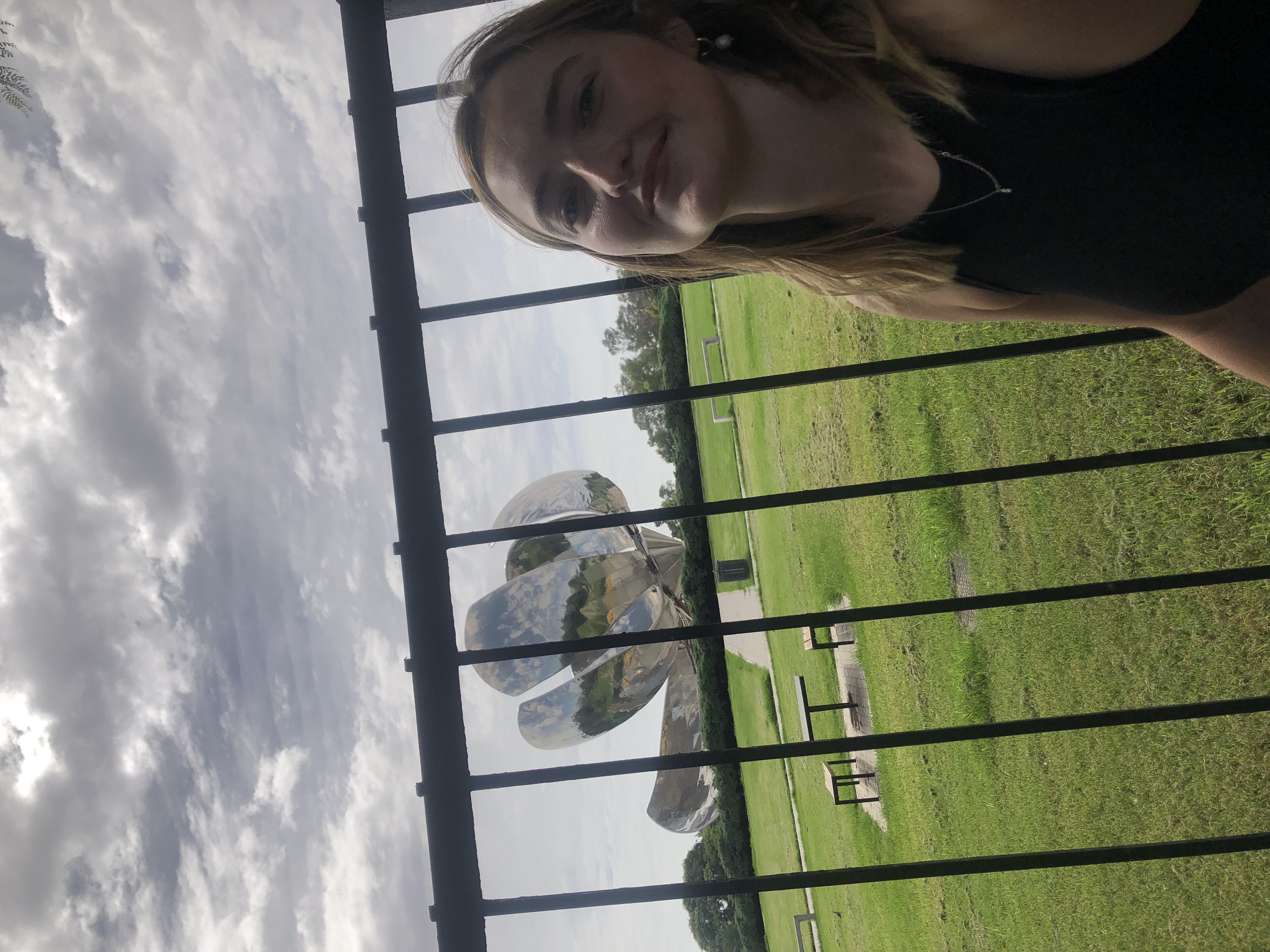
7- Floralis Genérica - A giant metallic sculpture in Recoleta that opens and closes its petals according to sunlight. It is a mandatory photographic spot.
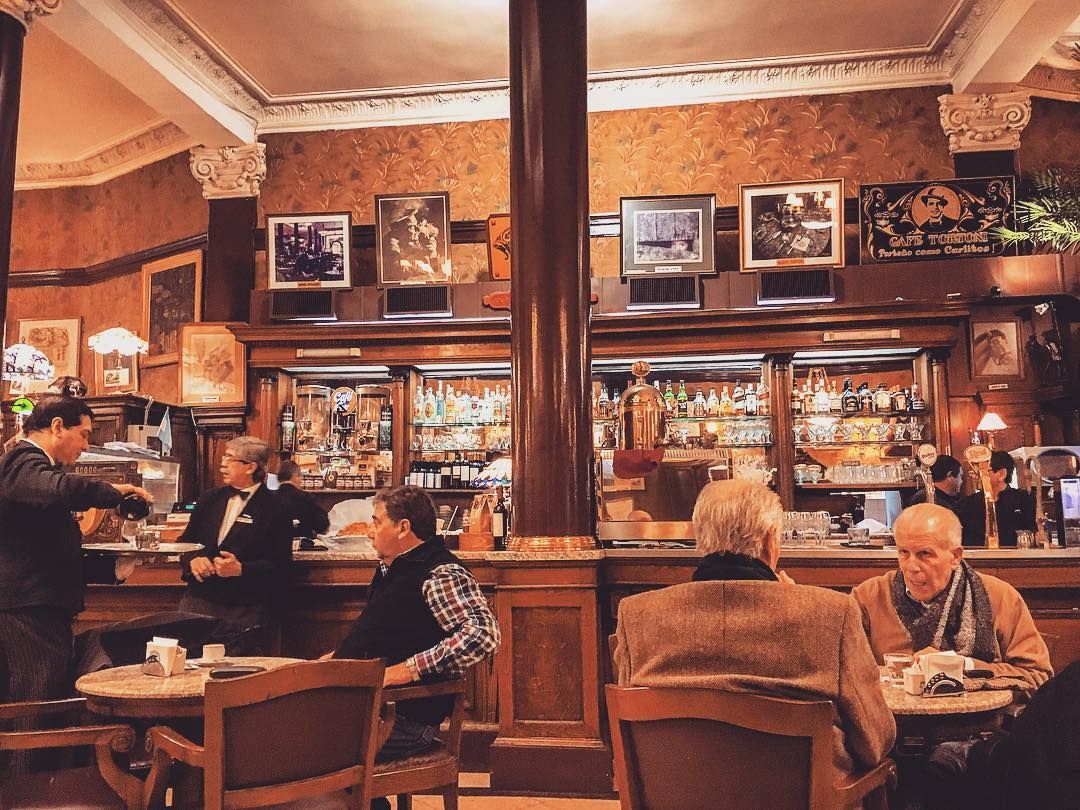
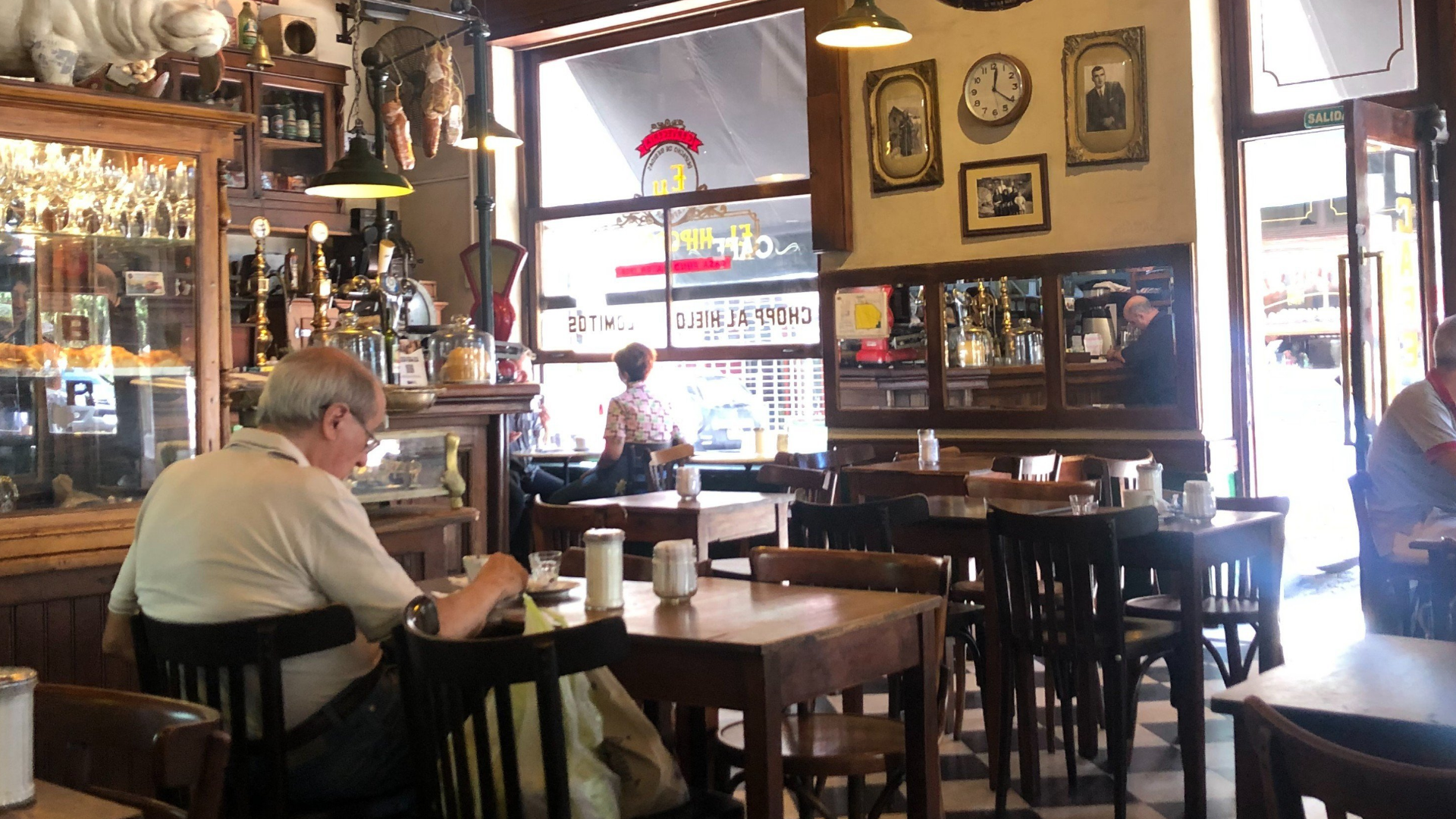
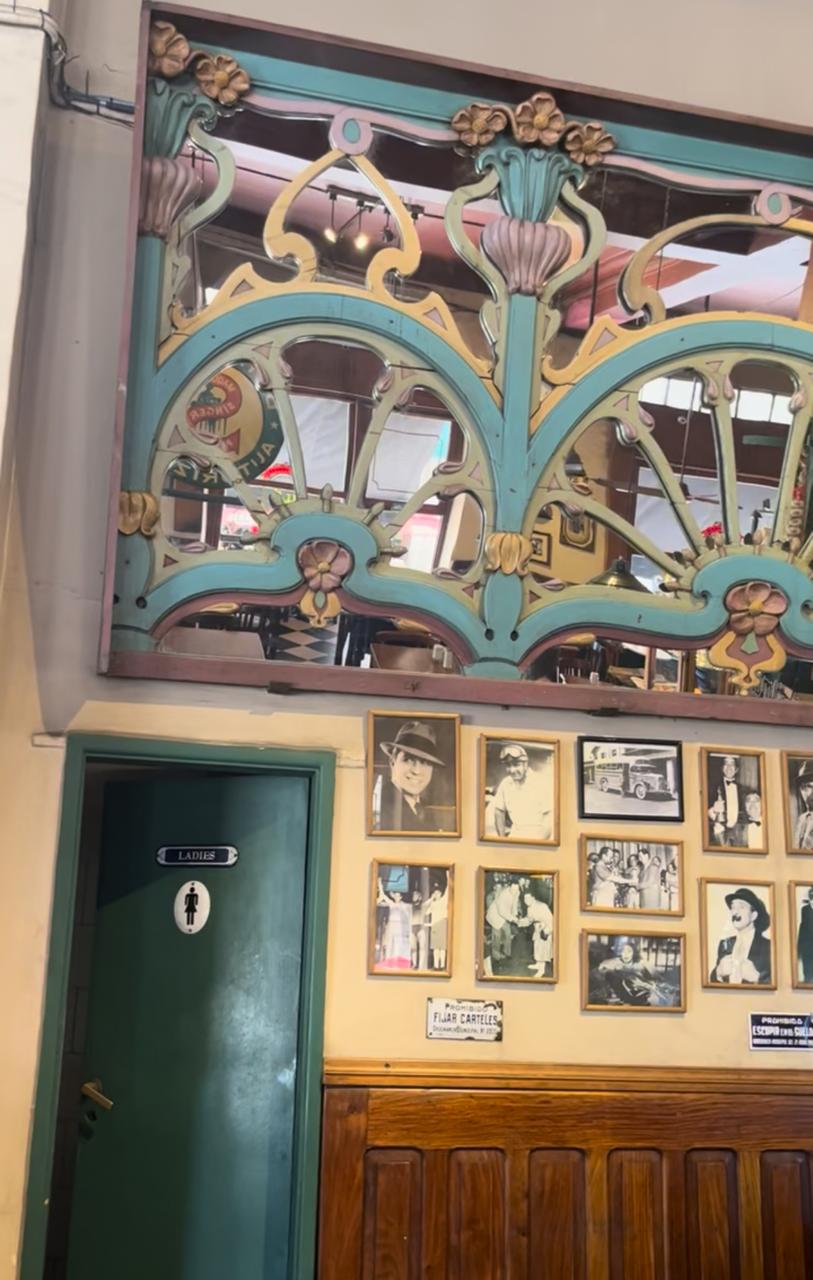
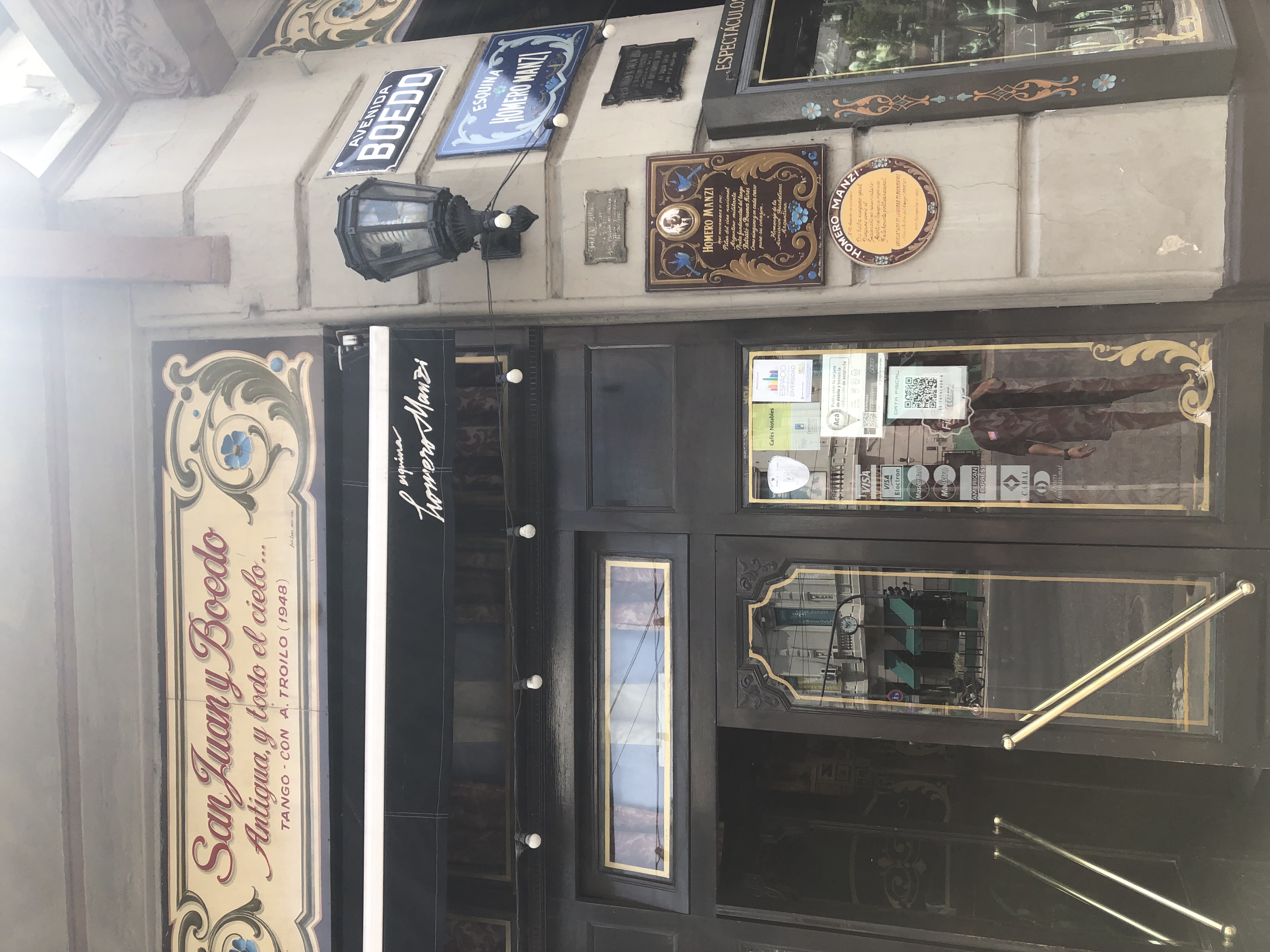
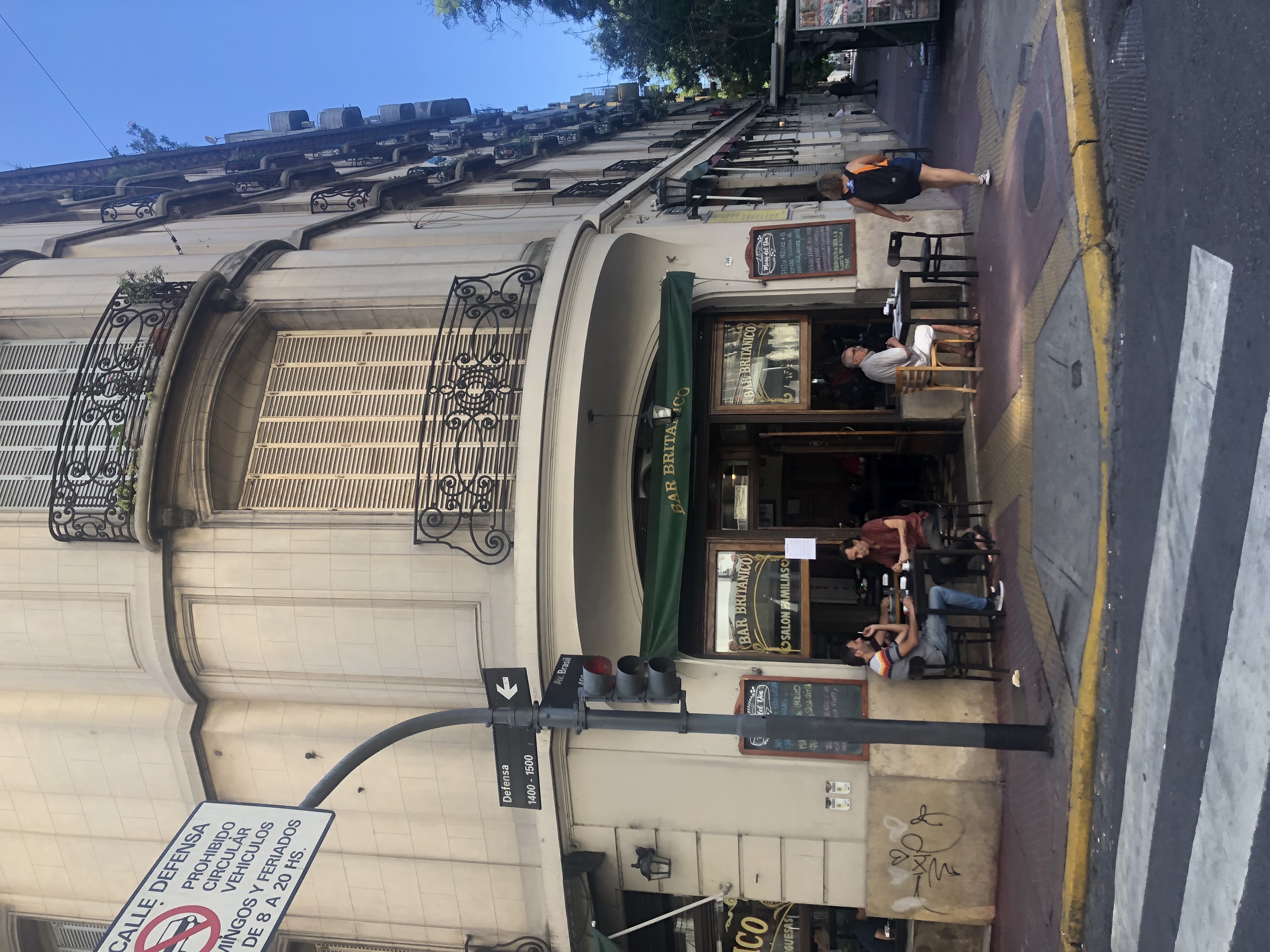
8- Notable Cafés & Café Tortoni - Having a coffee in Buenos Aires is a time-honored ritual. Explore its historic heritage coffeehouses, starting with the legendary Café Tortoni, the oldest in the city—where tango and literary icons once gathered.
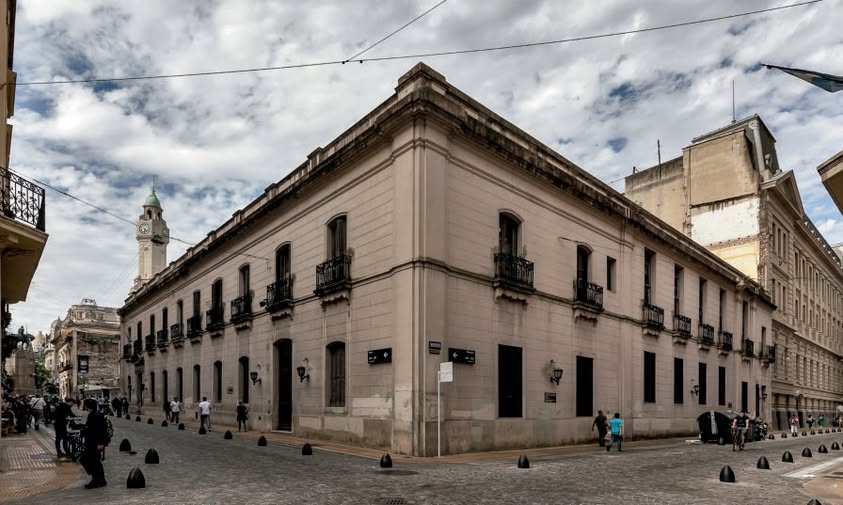
9- Manzana de las Luces - A historical complex with colonial tunnels that show what the city was like underground centuries ago.
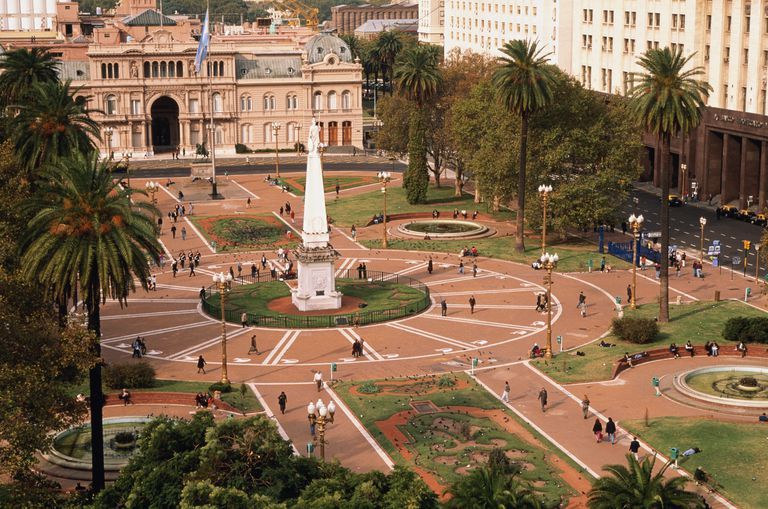
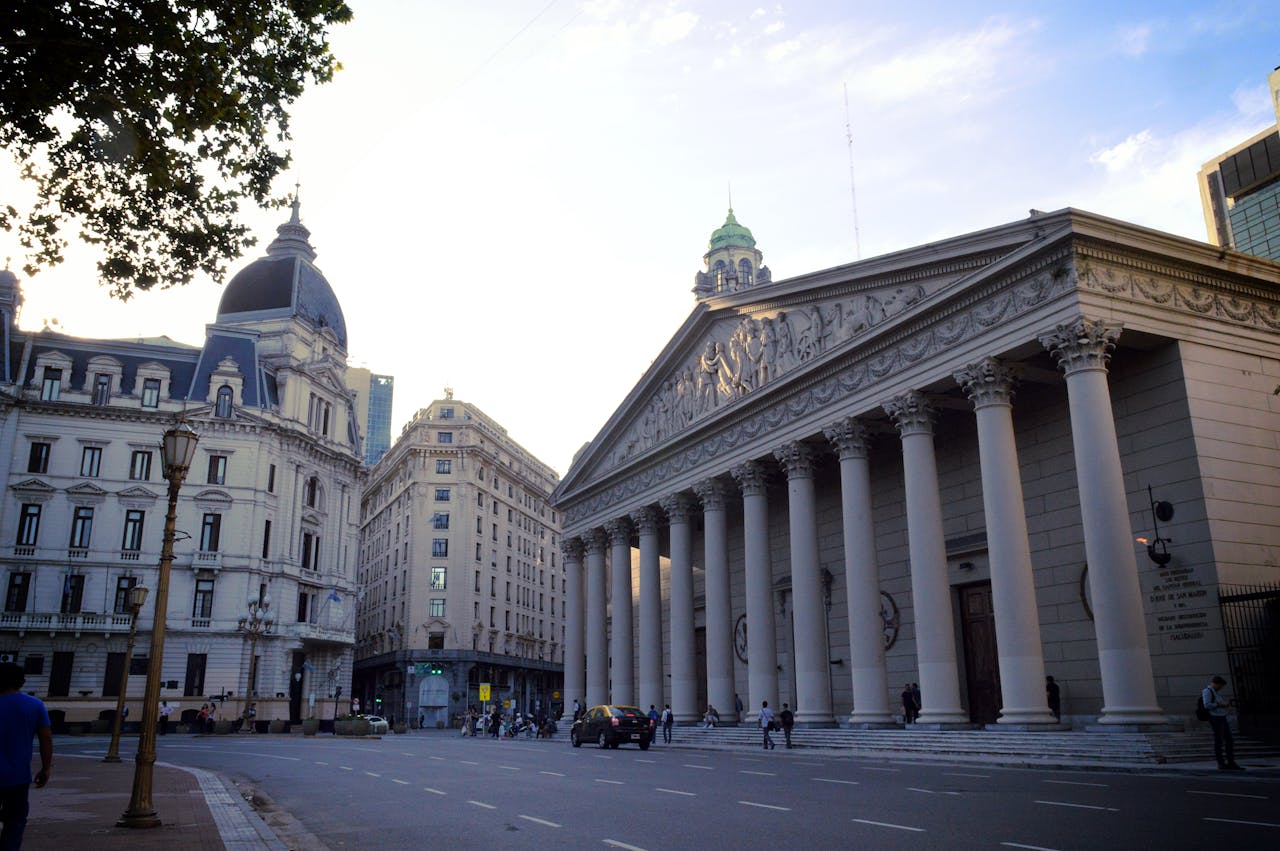
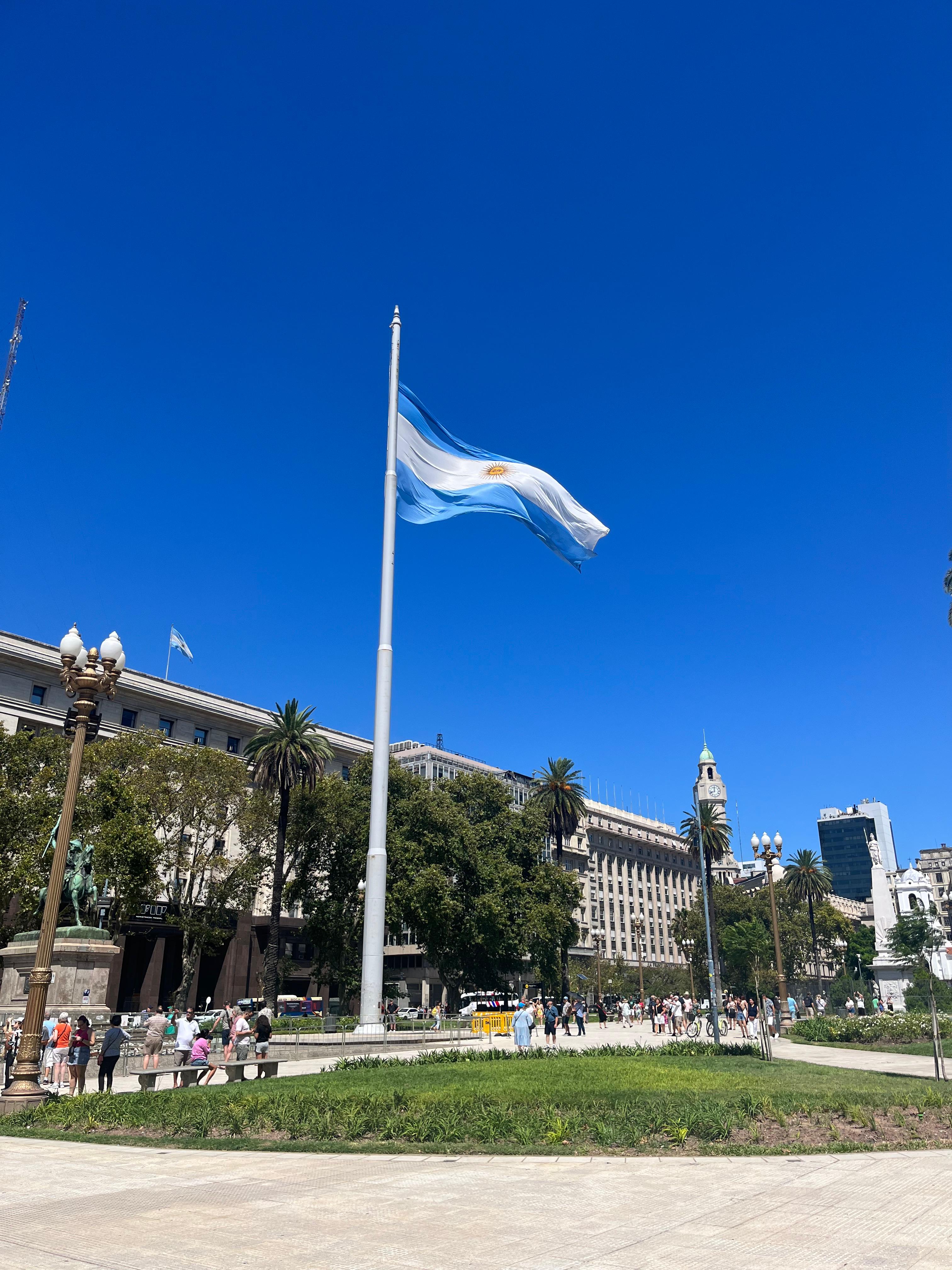
10- Plaza de Mayo - Argentina's most important historic, political, and cultural stage.
What and Where to Eat in Buenos Aires
Buenos Aires cuisine is one of the city's greatest attractions.
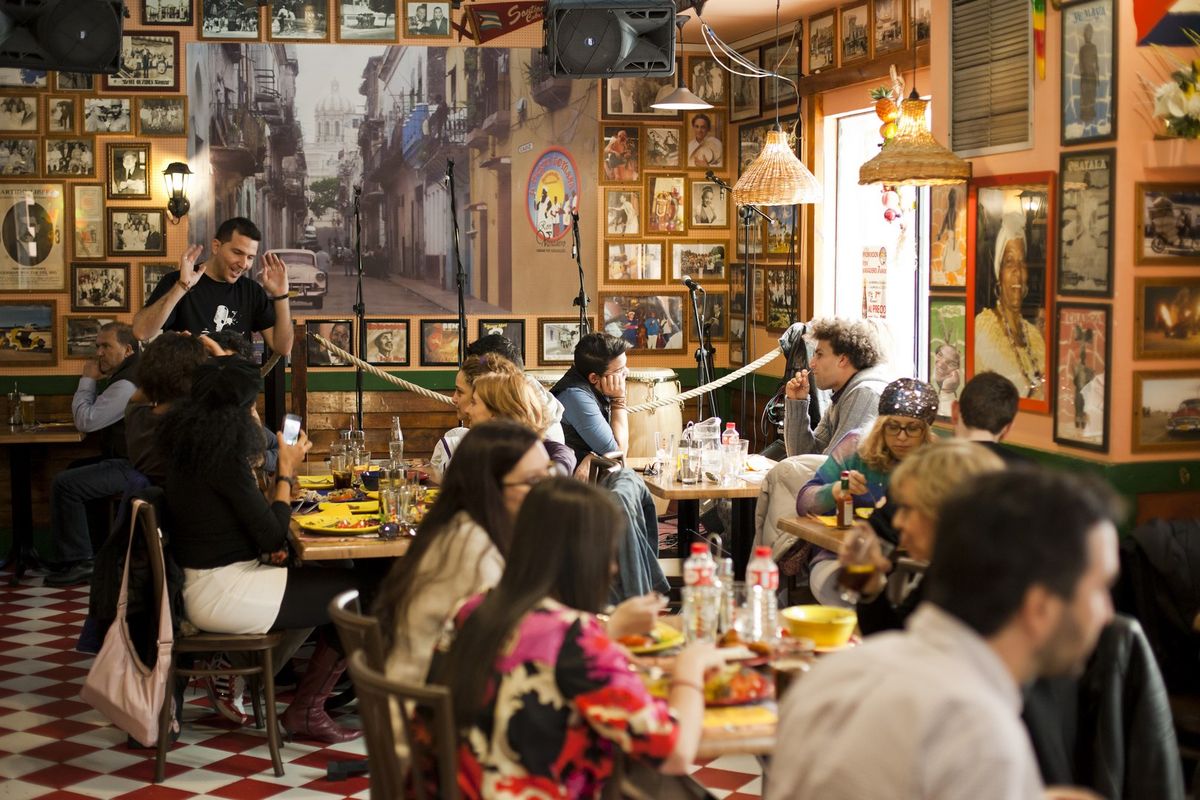
- Asado (Barbecue) – Traditional and modern steakhouses (parrillas).
- Empanadas – A wide variety of regional styles and fillings.
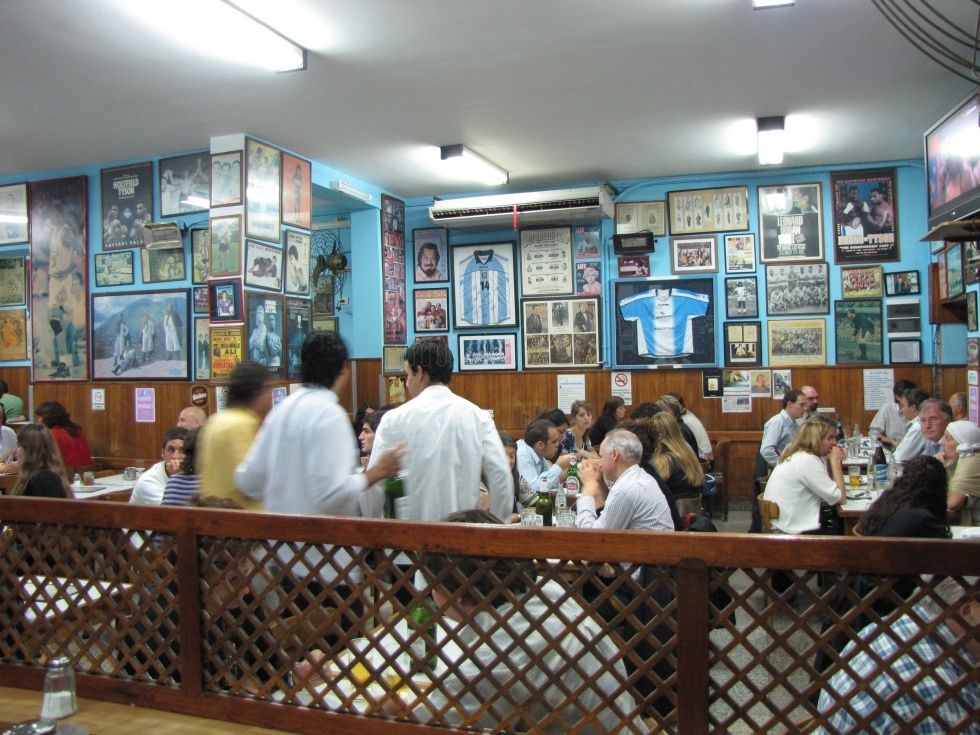
- Porteño Pizza – Thick crust, overflowing cheese, and classic flavors. Make sure to try the Fugazzeta!
- Milanesa – Served in all its versions (the "Napolitana" is the absolute classic).
- Artisanal Gelato – Deeply influenced by Italian tradition.
- Historic Cafés (Cafés Notables) – A fundamental cornerstone of local cultural identity.
To explore each culinary tradition in detail, we prepared three specialized guides packed with precise info, locations, and recommendations on what to order:
- 10 Historic Cafés in Buenos Aires: History, Route, and What to Order
- 10 Classic and Iconic Pizzerias in Buenos Aires
- 10 Recommended Parrillas for an Authentic Asado in Buenos Aires

Parks and Green Spaces to Visit in Buenos Aires
Buenos Aires is a surprisingly green city, filled with historic parks, coastal nature reserves along the river, and botanical gardens perfect for taking a break from the urban pace.
- Costanera Sur Ecological Reserve: 860 acres (350 hectares) of wild nature just steps away from Puerto Madero.
- Botanical Garden & Ecopark: A green lung of biodiversity and architectural history right in Palermo.
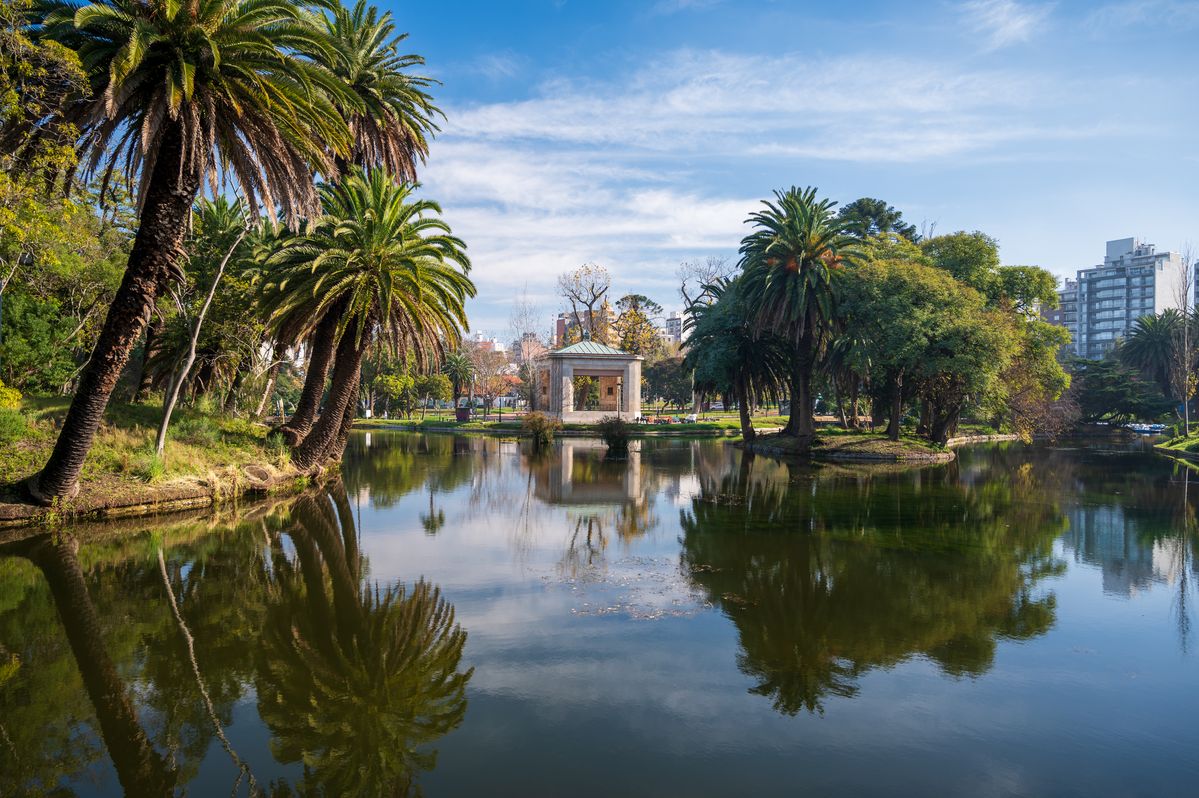
- Palermo Woods & Rose Garden (El Rosedal): The classic lake, lush tree canopies, and thousands of blooming roses.
- Parque Centenario: A circular green space featuring a large lake and a strong focus on scientific outreach.
- Costanera Norte Ecological Reserve: Rugged natural scenery and sweeping river views behind Ciudad Universitaria campus.
Looking to connect with local nature? Read our detailed guide to the 8 Must-Visit Parks and Nature Reserves in Buenos Aires with opening hours, visiting tips, and how to get to each one.
How to Get Around in Buenos Aires
- Subte (Subway): Fast and practical in central areas.
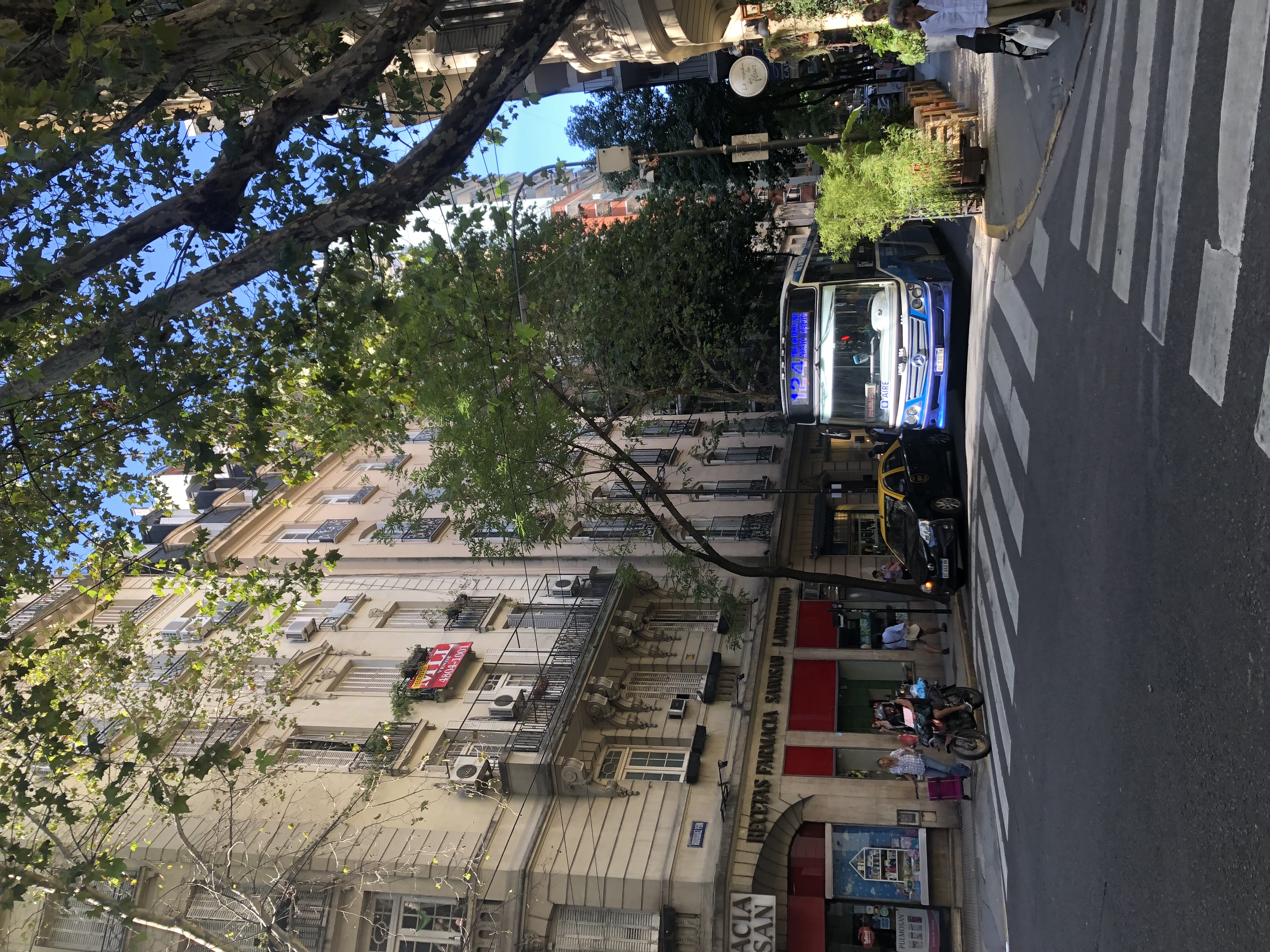
- Colectivo (Bus): Connects the entire city with very good service.
- Train: Useful for moving to suburban areas.
- Taxis and Apps: Widely used.
- Bicycle: Bike lanes available in many neighborhoods.
🚌 Planning your trip? Read our complete guide on How to Get Around Buenos Aires: SUBE Card, Subte, Buses & Airport Transfers for detailed tips, app recommendations, and airport transportation options.
Where to Stay in Buenos Aires: Best Neighborhoods
Choosing the right neighborhood depends on your travel style and the kind of experience you are looking for:
- Palermo: The most popular choice. Ideal for travelers seeking nightlife, trendy dining, boutique shopping, and expansive parks.
- Recoleta: Elegant, safe, and peaceful. Perfect if you prioritize classic architecture, world-class museums, and strolls through leafy plazas.
- San Telmo: Historic and bohemian vibe. Ideal if you love the charm of tango, antique markets, and 19th-century mansions.
- Microcentro / Montserrat: Super practical for short stays and weekend getaways due to its proximity to top attractions and central transit.
- Belgrano: A safe, orderly, and upscale residential neighborhood—excellent for families or longer stays.
Looking for a hotel or apartment? Read our detailed guide on Where to Stay in Buenos Aires: Best Neighborhoods, Areas & Accommodation Guide where we break down the pros and cons of each area and recommend where to stay based on your budget.
Nightlife and Entertainment Zones
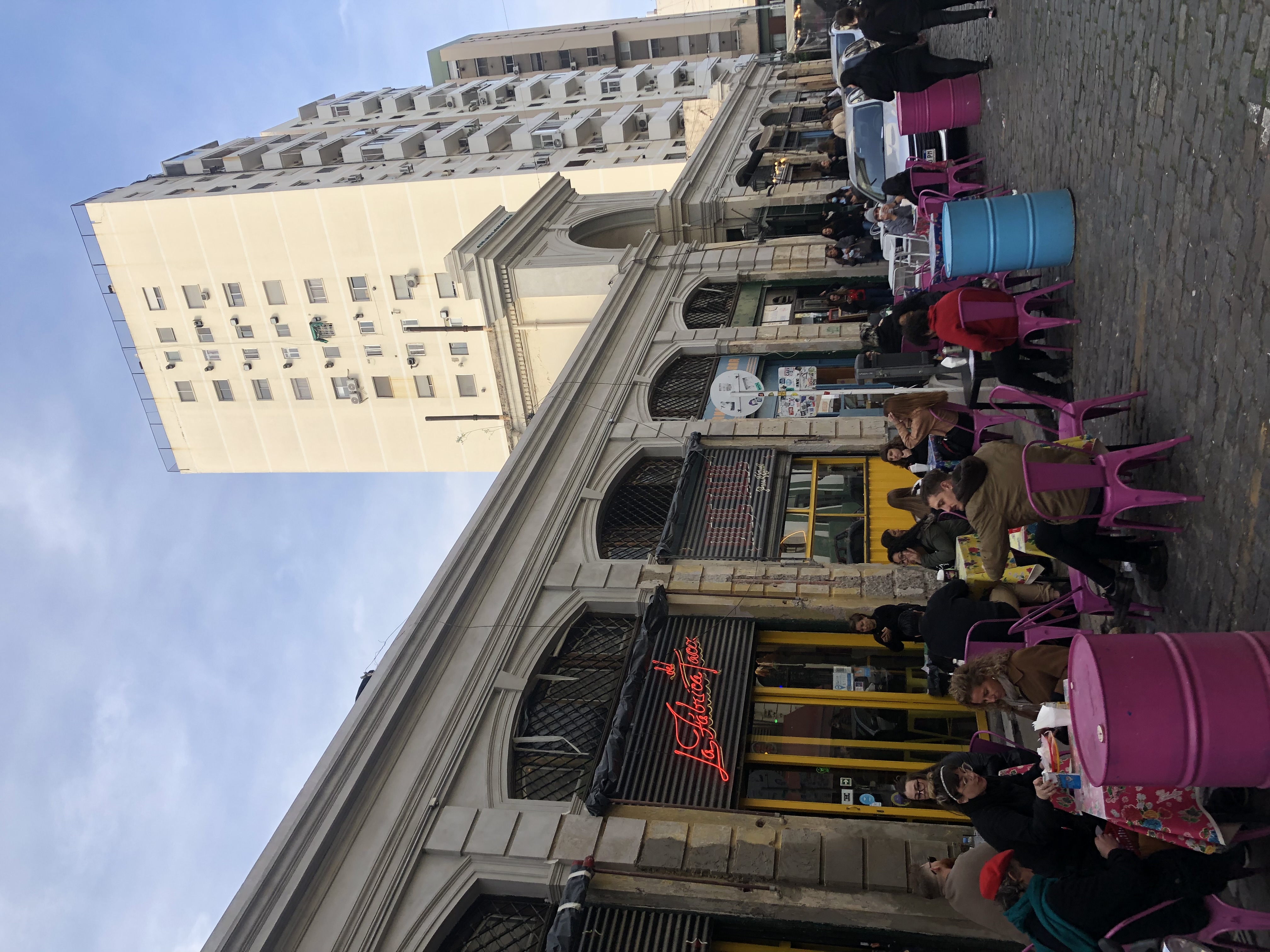
- Plaza Serrano (Palermo Soho) – One of the main nighttime meeting points, surrounded by bars, restaurants, and design boutiques.
- Palermo Hollywood – Gastronomic area with breweries, bars, and modern restaurants.
- Costanera Norte – Bars and clubs facing the river, with open views and music.
- San Telmo at Night – Historic bars, live music, and milongas, with a more relaxed and cultural vibe.
- Puerto Madero – Restaurants, bars, and night walks by the river in a modern and orderly area.
Parks and Green Spaces to Visit
Open from Tuesday to Sunday (closed on Mondays for maintenance). It is recommended to visit in the morning to enjoy the fresh air.
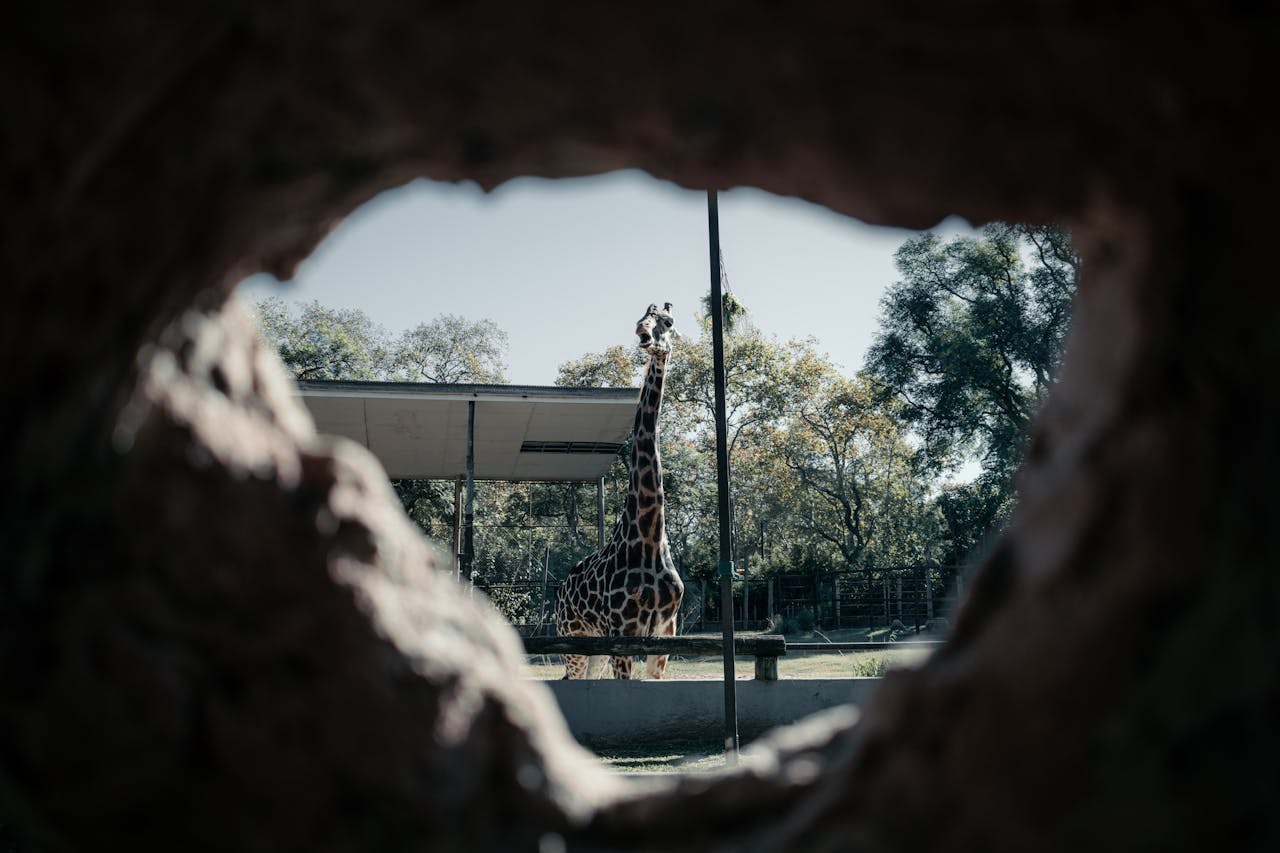
- Ecoparque (Palermo): Occupies the site of the old Buenos Aires Zoo. It is no longer an exhibition zoo; it focuses on wildlife rehabilitation and environmental education.
- Costanera Sur Ecological Reserve (Puerto Madero): The city's largest and most authentic natural space. It was not planned; it grew on debris dumped into the river in the 70s that nature reclaimed. It features 350 hectares of lagoons, grasslands, and riverside forest. Ideal for bird watching (over 300 species) and viewing the Río de la Plata from its lookouts.
- Carlos Thays Botanical Garden (Palermo): Located next to Ecoparque, it is a living botany museum. It has French, Roman, and Oriental style sectors. Highlights include the iron and glass greenhouses from the late 19th century. It houses over 5,000 plant species.
- Ciudad Universitaria Ecological Reserve - Costanera Norte (Belgrano): The "younger sibling" of the Puerto Madero reserve, located behind the UBA university buildings. Much wilder and less crowded, it has a photogenic bridge and is a favorite for those seeking silence near the water.
- Parque Centenario (Caballito): A circular urban park with a strong scientific profile. It houses the Bernardino Rivadavia Natural Sciences Museum and the Astronomy Association Observatory. It features a central lake surrounded by dense trees.
- Innovation Park (Núñez): The newest park in the city, built on the grounds of the former Tiro Federal Club. It is a modern, technological park with open spaces integrated with research centers and universities.
What to Do Based on Your Travel Style
Culture and Art
- Museums (MALBA, National Museum of Fine Arts)
- Theaters on Corrientes Avenue
- Cultural centers and galleries
- Retiro Palaces Walking Tour: A self-guided walking tour through the 8 most impressive aristocratic mansions in the "Paris of South America" (Palacio Paz, Anchorena Palace, French Embassy, and more).
Urban Life and Gastronomy
- Bares and "cafés notables"
- Fairs (Mataderos or San Telmo Fairs)
- Restaurants and steak houses
Outdoors
- Palermo Woods and the Rose Garden (El Rosedal)
- Río de La Plata Waterfront (Costanera)
- Neighborhood squares and parks
Main Football Stadiums in Buenos Aires
Buenos Aires is the city with the most football stadiums in the world. Most offer tours to visitors.
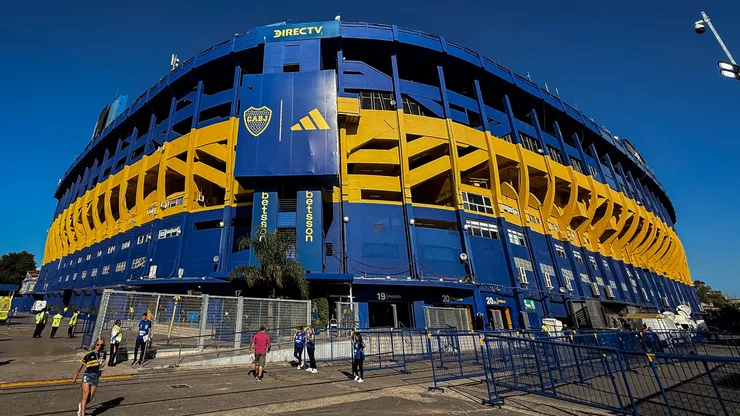
1- La Bombonera (Boca Juniors): The most iconic stadium in Buenos Aires and, according to many, the world. Location: Brandsen 805, La Boca. Don't miss the "Museo de la Pasión Boquense" right there.
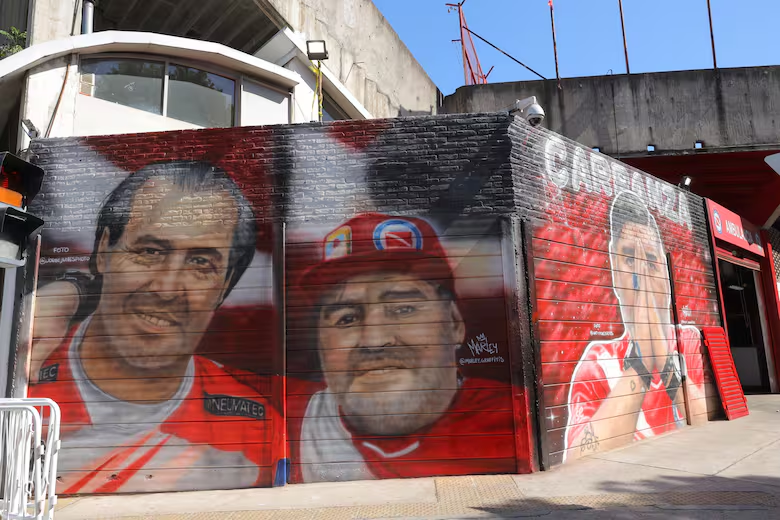
2- El Semillero del Mundo (Argentinos Juniors): A boutique stadium full of mystique because it’s where Diego Maradona made his professional debut in 1976. Location: Gavilán 2151, La Paternal. Official name: Estadio Diego Armando Maradona.
3- El Monumental (River Plate): The largest stadium in South America and the main home of the Argentine National Team. Recently renovated. Location: Av. Figueroa Alcorta 7597, Núñez.
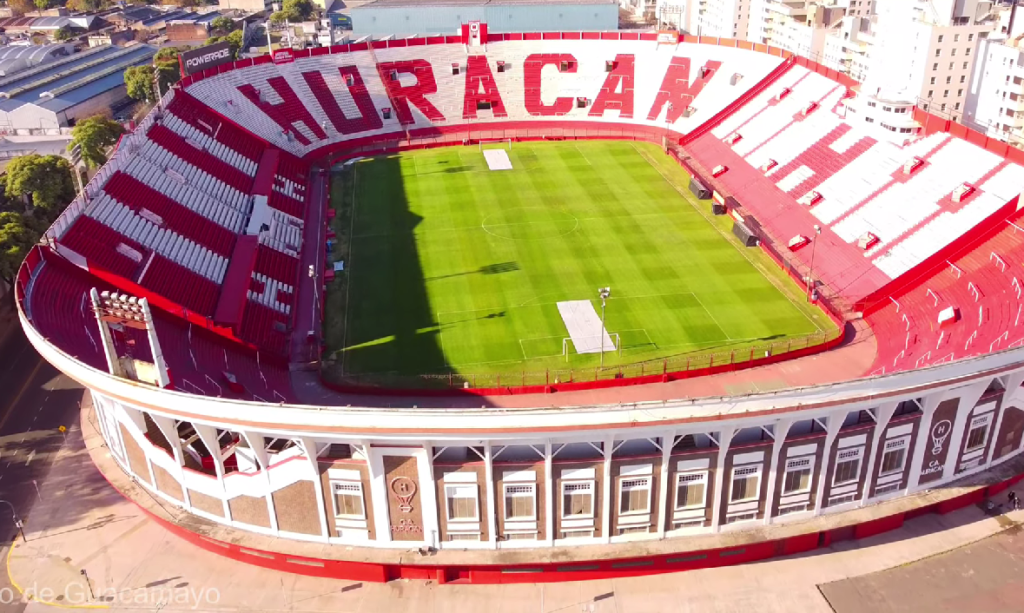
4- El Palacio (Huracán): One of the most architecturally beautiful stadiums (Art Deco style) and a declared Historical Heritage site of the City. Location: Av. Amancio Alcorta 2570, Parque Patricios.
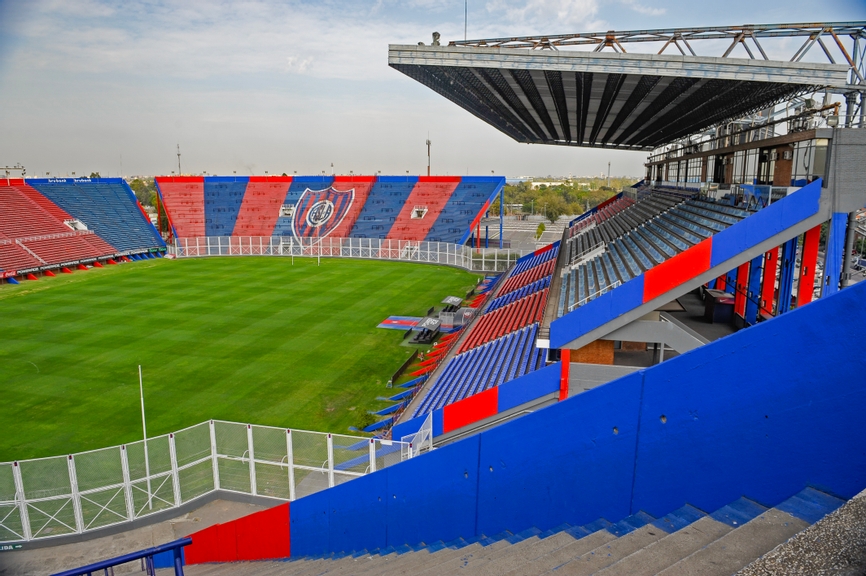
5- El Nuevo Gasómetro (San Lorenzo): Famous for the fervor of its fans, considered among the most creative. Location: Av. Varela 2680, Bajo Flores.
6- Estadio José Amalfitani (Vélez Sarsfield): Known for excellent visibility from any angle and for hosting major international concerts. Location: Av. Juan B. Justo 9200, Liniers.
Tips and Characteristics
- Currency: Argentine Peso (ARS).
- Transport: Subway, buses, and trains cover the whole city. Use the SUBE card.
- Prices: Vary by area; options for all budgets.
- Climate: Hot summers, mild winters.
- Best time to visit: Autumn and Spring.
- Safety: We found it to be a safe city, but always stay alert in busy areas like the Microcentro.
- Traveler Tip: Walking through the neighborhoods is one of the best ways to get to know and enjoy the city.
Our Experience Traveling in Buenos Aires
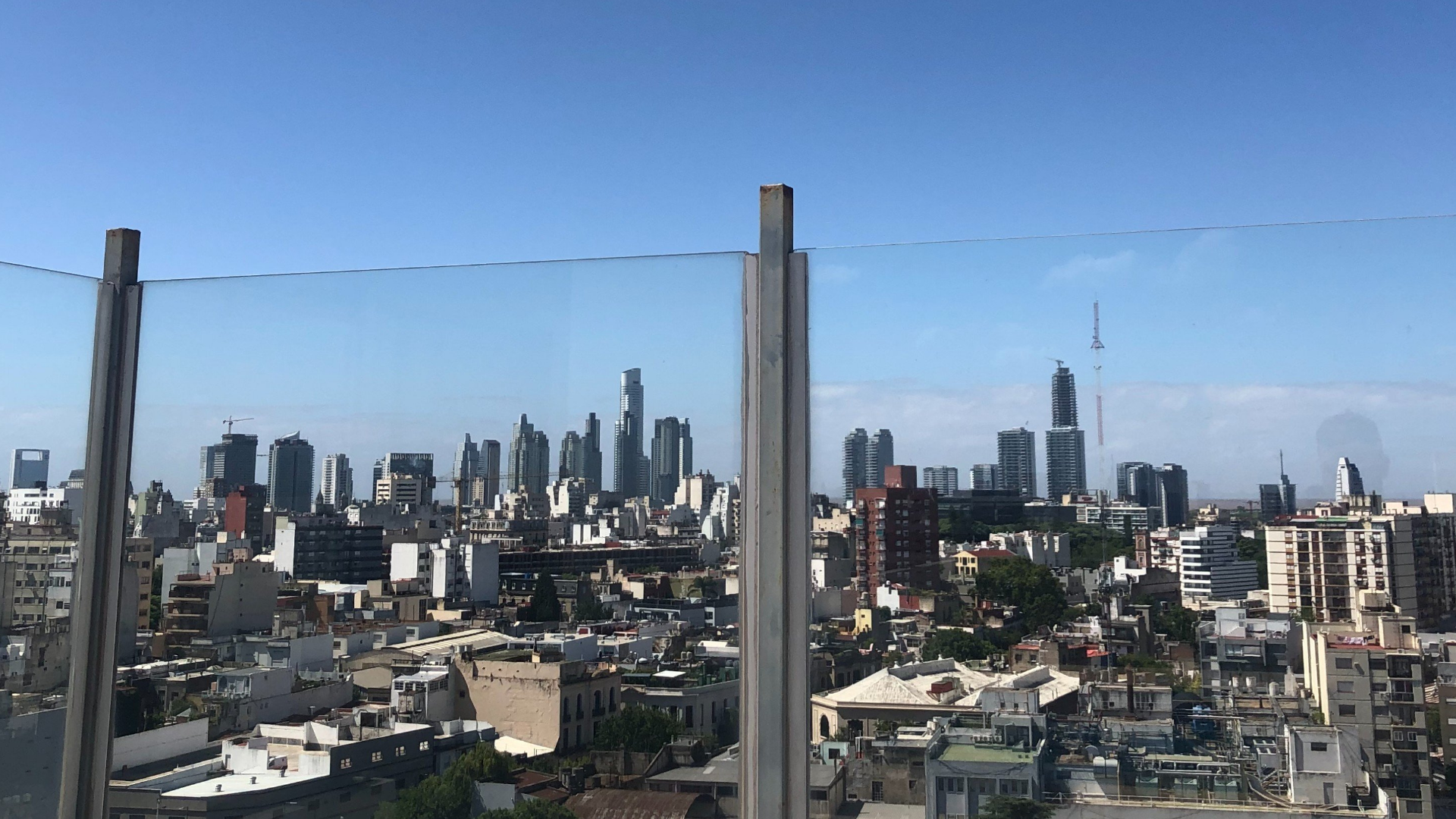
Buenos Aires is a city lived by walking, sitting in a cafe, and wandering through neighborhoods without a rigid plan. Every area offers a different experience, from the history of San Telmo to the energy of Palermo.
It is an ideal destination for a first visit or for returning many times to keep discovering new corners.
You Might Also Be Interested In
- What to do for 5 days in Bariloche
- Packing Guide for Patagonia
- 2026 Travel Tips & Insights
- Guide to enjoying Bariloche all year round
- Buenos Aires Must-Sees: culture and neighborhoods
- Perito Moreno Glacier: Guide to visiting El Calafate
- El Chaltén: Best trekking routes
- Whale watching and wildlife in Puerto Madryn
- Ushuaia: Itinerary for the End of the World
- El Bolsón: markets, hills, and natural life
- Lago Puelo: a turquoise paradise in Chubut
- Mar del Plata: much more than beach and port
- Esquel: Los Alerces Park and La Trochita train
1- San Nicolás (The Center) – The administrative and commercial heart. This is where the major avenues cross and the fast-paced rhythm of the city is most felt.
2- Montserrat – The oldest and most civic neighborhood. This is where the city's history began, filled with government buildings and historical monuments.
3- San Telmo – Cobblestone streets, antique fairs, and a bohemian mística. It is the ideal place to get lost on a Sunday among its stalls and street musicians.
4- La Boca – An immigrant neighborhood of vibrant colors and overflowing passion. Its port identity and its link to tango and football make it unique in the world.
5- Recoleta – French elegance in the middle of South America. Characterized by wide parks, world-class museums, and fascinating classical architecture.
6- Palermo – The neighborhood of a thousand faces: design, trends, lakes, and the best gastronomic offer. It is the place where everything happens today.
7- Puerto Madero – The modern face of Buenos Aires. Glass skyscrapers, restored docks, and a pedestrian area perfect for walking by the river.
8- Retiro – A hub of contrasts. It combines stately palaces with the largest transport terminal in the country, reflecting the diversity of the city.
PUBLICIDAD
Travel with Data: Get your Saily eSIM
- ✓Internet in seconds upon landing
- ✓Flexible plans in 180+ countries
- ✓Easy setup directly via the App
Beyond its neighborhoods, there are specific places that define the Porteño essence and that you must visit at least once:
1- Teatro Colón - Considered one of the most important opera houses in the world for its acoustics and architecture. The guided tours are incredible, but seeing a performance is an experience from another planet.
2- El Ateneo Grand Splendid Bookstore - Voted the most beautiful bookstore in the world on several occasions. It operates inside an old theater, preserving its painted dome and the original stage (where there is now a cafe).
3- The Obelisk - The monument everyone looks for. It stands at the intersection of 9 de Julio and Corrientes, and is the meeting point for all popular celebrations.
4- Corrientes Avenue - The "avenue that never sleeps." Full of theaters, historic pizzerias, and bookstores that stay open until the early morning. It is the heart of Buenos Aires nightlife.
5- Puente de la Mujer (Woman's Bridge) - Designed by Santiago Calatrava in Puerto Madero. It represents a couple dancing tango and is the modern icon of the city.
6- Galileo Galilei Planetarium - The main center for astronomical outreach in Buenos Aires. Located in Palermo, it stands out for its iconic dome-shaped architectural design and cutting-edge projection technology.
7- Floralis Genérica - A giant metallic sculpture in Recoleta that opens and closes its petals according to sunlight. It is a mandatory photographic spot.
8- Notable Cafés & Café Tortoni - Having a coffee in Buenos Aires is a time-honored ritual. Explore its historic heritage coffeehouses, starting with the legendary Café Tortoni, the oldest in the city—where tango and literary icons once gathered.
9- Manzana de las Luces - A historical complex with colonial tunnels that show what the city was like underground centuries ago.
10- Plaza de Mayo - Argentina's most important historic, political, and cultural stage.
Buenos Aires cuisine is one of the city's greatest attractions.
- Asado (Barbecue) – Traditional and modern steakhouses (parrillas).
- Empanadas – A wide variety of regional styles and fillings.
- Porteño Pizza – Thick crust, overflowing cheese, and classic flavors. Make sure to try the Fugazzeta!
- Milanesa – Served in all its versions (the "Napolitana" is the absolute classic).
- Artisanal Gelato – Deeply influenced by Italian tradition.
- Historic Cafés (Cafés Notables) – A fundamental cornerstone of local cultural identity.
To explore each culinary tradition in detail, we prepared three specialized guides packed with precise info, locations, and recommendations on what to order:
- 10 Historic Cafés in Buenos Aires: History, Route, and What to Order
- 10 Classic and Iconic Pizzerias in Buenos Aires
- 10 Recommended Parrillas for an Authentic Asado in Buenos Aires
Buenos Aires is a surprisingly green city, filled with historic parks, coastal nature reserves along the river, and botanical gardens perfect for taking a break from the urban pace.
- Costanera Sur Ecological Reserve: 860 acres (350 hectares) of wild nature just steps away from Puerto Madero.
- Botanical Garden & Ecopark: A green lung of biodiversity and architectural history right in Palermo.
- Palermo Woods & Rose Garden (El Rosedal): The classic lake, lush tree canopies, and thousands of blooming roses.
- Parque Centenario: A circular green space featuring a large lake and a strong focus on scientific outreach.
- Costanera Norte Ecological Reserve: Rugged natural scenery and sweeping river views behind Ciudad Universitaria campus.
Looking to connect with local nature? Read our detailed guide to the 8 Must-Visit Parks and Nature Reserves in Buenos Aires with opening hours, visiting tips, and how to get to each one.
- Subte (Subway): Fast and practical in central areas.
- Colectivo (Bus): Connects the entire city with very good service.
- Train: Useful for moving to suburban areas.
- Taxis and Apps: Widely used.
- Bicycle: Bike lanes available in many neighborhoods.
🚌 Planning your trip? Read our complete guide on How to Get Around Buenos Aires: SUBE Card, Subte, Buses & Airport Transfers for detailed tips, app recommendations, and airport transportation options.
Choosing the right neighborhood depends on your travel style and the kind of experience you are looking for:
- Palermo: The most popular choice. Ideal for travelers seeking nightlife, trendy dining, boutique shopping, and expansive parks.
- Recoleta: Elegant, safe, and peaceful. Perfect if you prioritize classic architecture, world-class museums, and strolls through leafy plazas.
- San Telmo: Historic and bohemian vibe. Ideal if you love the charm of tango, antique markets, and 19th-century mansions.
- Microcentro / Montserrat: Super practical for short stays and weekend getaways due to its proximity to top attractions and central transit.
- Belgrano: A safe, orderly, and upscale residential neighborhood—excellent for families or longer stays.
Looking for a hotel or apartment? Read our detailed guide on Where to Stay in Buenos Aires: Best Neighborhoods, Areas & Accommodation Guide where we break down the pros and cons of each area and recommend where to stay based on your budget.
- Plaza Serrano (Palermo Soho) – One of the main nighttime meeting points, surrounded by bars, restaurants, and design boutiques.
- Palermo Hollywood – Gastronomic area with breweries, bars, and modern restaurants.
- Costanera Norte – Bars and clubs facing the river, with open views and music.
- San Telmo at Night – Historic bars, live music, and milongas, with a more relaxed and cultural vibe.
- Puerto Madero – Restaurants, bars, and night walks by the river in a modern and orderly area.
Open from Tuesday to Sunday (closed on Mondays for maintenance). It is recommended to visit in the morning to enjoy the fresh air.
- Ecoparque (Palermo): Occupies the site of the old Buenos Aires Zoo. It is no longer an exhibition zoo; it focuses on wildlife rehabilitation and environmental education.
- Costanera Sur Ecological Reserve (Puerto Madero): The city's largest and most authentic natural space. It was not planned; it grew on debris dumped into the river in the 70s that nature reclaimed. It features 350 hectares of lagoons, grasslands, and riverside forest. Ideal for bird watching (over 300 species) and viewing the Río de la Plata from its lookouts.
- Carlos Thays Botanical Garden (Palermo): Located next to Ecoparque, it is a living botany museum. It has French, Roman, and Oriental style sectors. Highlights include the iron and glass greenhouses from the late 19th century. It houses over 5,000 plant species.
- Ciudad Universitaria Ecological Reserve - Costanera Norte (Belgrano): The "younger sibling" of the Puerto Madero reserve, located behind the UBA university buildings. Much wilder and less crowded, it has a photogenic bridge and is a favorite for those seeking silence near the water.
- Parque Centenario (Caballito): A circular urban park with a strong scientific profile. It houses the Bernardino Rivadavia Natural Sciences Museum and the Astronomy Association Observatory. It features a central lake surrounded by dense trees.
- Innovation Park (Núñez): The newest park in the city, built on the grounds of the former Tiro Federal Club. It is a modern, technological park with open spaces integrated with research centers and universities.
Culture and Art
- Museums (MALBA, National Museum of Fine Arts)
- Theaters on Corrientes Avenue
- Cultural centers and galleries
- Retiro Palaces Walking Tour: A self-guided walking tour through the 8 most impressive aristocratic mansions in the "Paris of South America" (Palacio Paz, Anchorena Palace, French Embassy, and more).
Urban Life and Gastronomy
- Bares and "cafés notables"
- Fairs (Mataderos or San Telmo Fairs)
- Restaurants and steak houses
Outdoors
- Palermo Woods and the Rose Garden (El Rosedal)
- Río de La Plata Waterfront (Costanera)
- Neighborhood squares and parks
Buenos Aires is the city with the most football stadiums in the world. Most offer tours to visitors.
1- La Bombonera (Boca Juniors): The most iconic stadium in Buenos Aires and, according to many, the world. Location: Brandsen 805, La Boca. Don't miss the "Museo de la Pasión Boquense" right there.
2- El Semillero del Mundo (Argentinos Juniors): A boutique stadium full of mystique because it’s where Diego Maradona made his professional debut in 1976. Location: Gavilán 2151, La Paternal. Official name: Estadio Diego Armando Maradona.
3- El Monumental (River Plate): The largest stadium in South America and the main home of the Argentine National Team. Recently renovated. Location: Av. Figueroa Alcorta 7597, Núñez.
4- El Palacio (Huracán): One of the most architecturally beautiful stadiums (Art Deco style) and a declared Historical Heritage site of the City. Location: Av. Amancio Alcorta 2570, Parque Patricios.
5- El Nuevo Gasómetro (San Lorenzo): Famous for the fervor of its fans, considered among the most creative. Location: Av. Varela 2680, Bajo Flores.
6- Estadio José Amalfitani (Vélez Sarsfield): Known for excellent visibility from any angle and for hosting major international concerts. Location: Av. Juan B. Justo 9200, Liniers.
- Currency: Argentine Peso (ARS).
- Transport: Subway, buses, and trains cover the whole city. Use the SUBE card.
- Prices: Vary by area; options for all budgets.
- Climate: Hot summers, mild winters.
- Best time to visit: Autumn and Spring.
- Safety: We found it to be a safe city, but always stay alert in busy areas like the Microcentro.
- Traveler Tip: Walking through the neighborhoods is one of the best ways to get to know and enjoy the city.
Buenos Aires is a city lived by walking, sitting in a cafe, and wandering through neighborhoods without a rigid plan. Every area offers a different experience, from the history of San Telmo to the energy of Palermo.
It is an ideal destination for a first visit or for returning many times to keep discovering new corners.
PUBLICIDAD
- What to do for 5 days in Bariloche
- Packing Guide for Patagonia
- 2026 Travel Tips & Insights
- Guide to enjoying Bariloche all year round
- Buenos Aires Must-Sees: culture and neighborhoods
- Perito Moreno Glacier: Guide to visiting El Calafate
- El Chaltén: Best trekking routes
- Whale watching and wildlife in Puerto Madryn
- Ushuaia: Itinerary for the End of the World
- El Bolsón: markets, hills, and natural life
- Lago Puelo: a turquoise paradise in Chubut
- Mar del Plata: much more than beach and port
- Esquel: Los Alerces Park and La Trochita train
Galery



PUBLICIDAD
International Travel Insurance
- ✓International medical insurance
- ✓24/7 immediate assistance in your language
- ✓Ideal for trekking & adventure
Posts in Buenos aires
10 Parrillas Recomendadas para Comer un Buen Asado en Buenos Aires
10 Pizzerías Clásicas e Icónicas de Buenos Aires
8 Parques y Espacios Verdes Imperdibles en Buenos Aires
Avenida Corrientes
Cafés Notables de Buenos Aires
Cómo Moverse en Buenos Aires
Dónde Alojarse en Buenos Aires: Mejores Barrios y Zonas Recomendadas
Floralis Genérica
La Boca
Librería El Ateneo Grand Splendid
Manzana de las Luces
Montserrat
Obelisco de Buenos Aires
Palermo
Planetario Galileo Galilei
Plaza de Mayo
Puente de la Mujer
Puerto Madero
Recoleta
Retiro
San Nicolás
San Telmo
Teatro Colón

Preferences
Language
Color
Text
Width